
Introduction
Cancers of the duodenum, peri-ampullary, and pancreas (called the pancreato-duodenal region) are a multi-faceted group of cancers that usually present at an advanced and unresectable stage, with a dismal prognosis in most studies (1). Amongst this cohort of cancers, pancreatic cancer has been shown to carry the highest mortality (2). Duodenal, Neuro-Endocrine Tumors (NET) and peri-ampullary cancers carry a somewhat better prognosis than pancreatic cancer, even though the management strategies are similar (3,4). The global burden of this group of malignancies has more than doubled and continues to grow over the last 25 years (5).
Pancreatic and other cancers are now labeled by the United Nations and World Health Organization (WHO) as a global health priority, especially for Low-Middle Income Countries (LMIC), where there are multiple challenges to cancer care (6). These challenges include limited access to health care, resource scarcity, financial affordability, and geographic and social barriers. These challenges have led to almost two-thirds of the 8 million annual cancer deaths reported worldwide occurring in low- or middle-income countries. This disparity is further highlighted with case fatality from cancer in high-income countries at approximately 46%, compared with 75% in low-income countries (7,8).
Pakistan faces major challenges in cancer care delivery, including delayed presentation, limited access to specialist oncology services, a scarcity of trained workforce, and financial barriers. These factors contribute to poor oncological outcomes and limited availability of long-term survival data.
Shaukat Khanum Memorial Cancer Hospital and Research Centre (SKMCH&RC) is a tertiary cancer center in Pakistan that provides multidisciplinary oncological care to patients from across the country and neighboring regions, including Afghanistan. This study aimed to evaluate long-term outcomes of pancreato-duodenal cancers managed at our institution.
Material and Methods
This retrospective study was conducted at Shaukat Khanum Memorial Cancer Hospital and Research Centre (SKMCHRC) and comprised data on duodenal, periampullary, distal bile duct, and pancreatic cancer patients at a single center from 1st January 2000 to 31 December 2020.
Patient flow at SKMCHRC
All patients who register at our hospital’s walk-in clinic are reviewed in our gastrointestinal specialist clinic, where a detailed assessment is undertaken and further investigations are performed (Figure 1). Patients undergo staging radiological examinations (Computed Tomography/Magnetic Resonance Imaging), as well as Endoscopic Retrograde Cholangio-Pancreatography (ERCP) or Endoscopic Ultrasound (EUS), and Positron Emission Tomography (PET), where indicated. All cases are then discussed at the weekly Multi-Disciplinary Team (MDT) meeting, comprising trained hepatobiliary surgeons, gastroenterologists, diagnostic and interventional radiologists, pathologists, and medical and radiation oncologists. The MDT records the treatment plan and TNM (Tumor, Node, Metastasis) stage, as defined by the Union for International Cancer Control (UICC) classification system. During the study period, staging pathways evolved as pancreatic protocol CT imaging, MRI, and EUS-guided biopsy became more widely used. Multidisciplinary tumor board discussions and subspecialized hepatopancreatobiliary surgery and neoadjuvant chemotherapy protocols for borderline resectable disease were standardized over time.
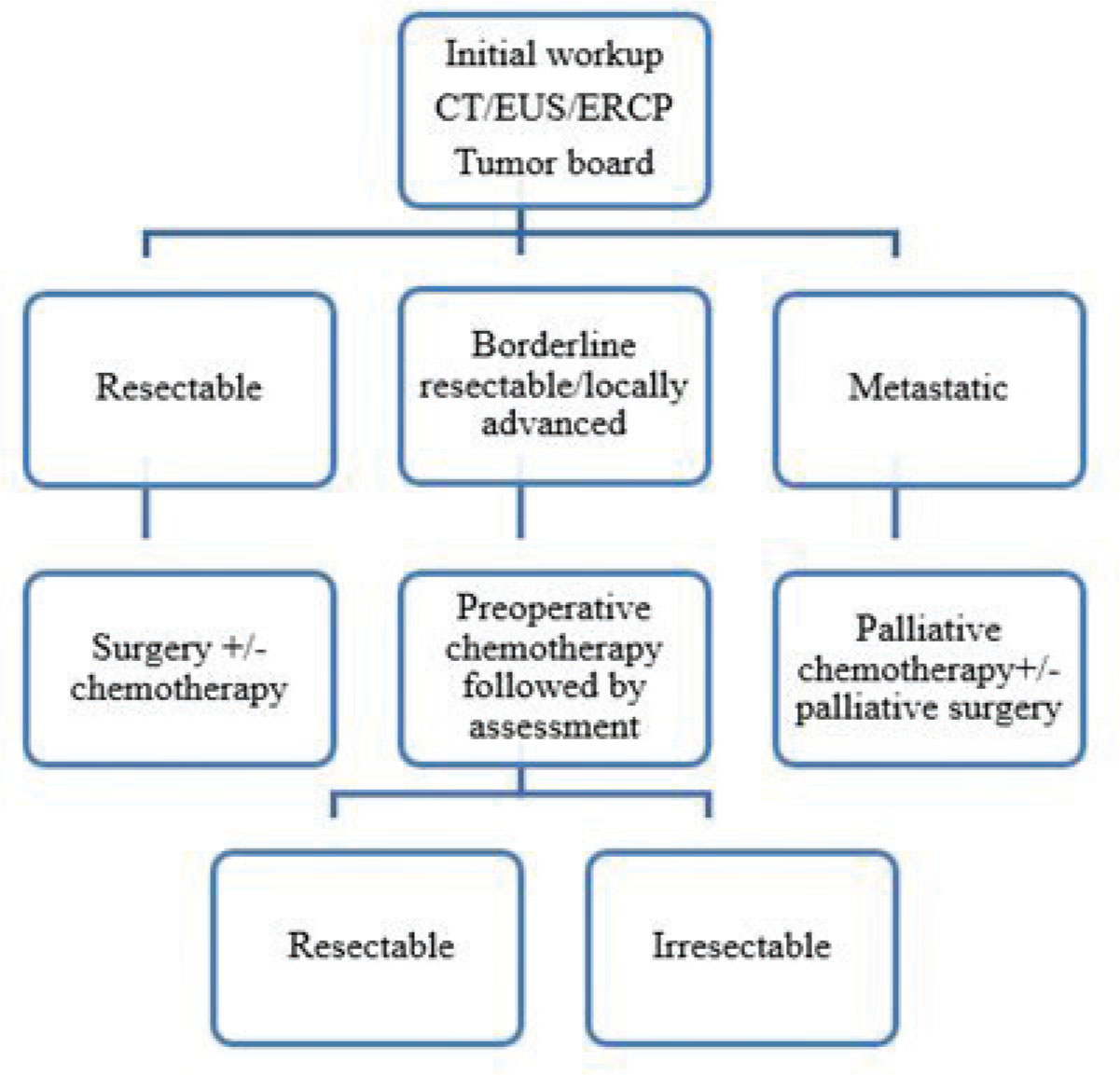
Figure 1.
Patient flow at Shaukat Khanum Memorial Cancer Hospital, Pakistan.
Those patients with operable cancer undergo Pancreatico-Duodenectomy (PD) or distal pancreatectomy depending on the location of the tumor. Patients with borderline resectable cancer, as defined by The National Comprehensive Cancer Network (NCCN), undergo neo-adjuvant chemotherapy first, followed by surgery if no progression (15). Unresectable cancer patients are offered palliative intent chemotherapy. The patients who are not suitable for both surgery and chemotherapy due to their general condition or co-existing disease receive palliative therapy only. Surgical resections were performed by a dedicated hepatopancreatobiliary surgical team comprising of 2 consultant surgeons with subspecialty expertise.
Adjuvant treatment for most patients at our institution is typically 24 weeks of gemcitabine and capecitabine; some other combinations are also used depending on the final histopathology. The standardized approach for borderline resectable pancreatic cancer at our institution includes the FOLFIRINOX (Leucovorin, Fluorouracil, Irinotecan, Oxaliplatin) regimen. Patients with good performance status who get recurrent disease are offered systemic salvage therapy. Patients are followed for surveillance and imaged per NCCN guidelines, unless clinically indicated.
Data recording
General information and Clinicopathological data of patients, who were registered with Shaukat Khanum Memorial Cancer Hospital and Research Centre (SKMCH&RC) Pakistan, with a radiological or pathological diagnosis of duodenal, peri-ampullary, pancreatic and distal bile duct tumour was retrieved retrospectively from the prospectively maintained Hospital Health Information system (HIS) using International Classification of Diseases (ICD) code ranges for duodenum (C17.0), ampullary tumours (C24.1 to 24.9) and pancreas (C25.0 to C25.9). Patients with radiological diagnosis were also included, as we felt this was important to understand the true state of pancreatic-duodenal cancers in real-world clinical practice, since these patients usually undergo invasive or palliative procedures from the outset.
All patients were followed for 5 years from registration to allow for survival analysis. Survival time was measured in months. Patients who died of pancreatic cancer during the follow-up period were considered to have complete data. Those who survived beyond the study period or were lost to follow-up at the end of the follow-up period were treated as having censored data. Patients who refused treatment or were lost to follow-up before treatment initiation were excluded from the survival analysis. Patients under 18 years of age and those who underwent emergency surgery were also excluded. Patients with non-cancer diagnoses or pre-malignant tumors were also excluded to avoid bias. To have any meaningful disease-free survival (DFS) or overall survival (OS) analysis, the surgical cohort was limited to 31st Dember 2020 to allow a 5-year DFS and OS analysis (Figure 2).
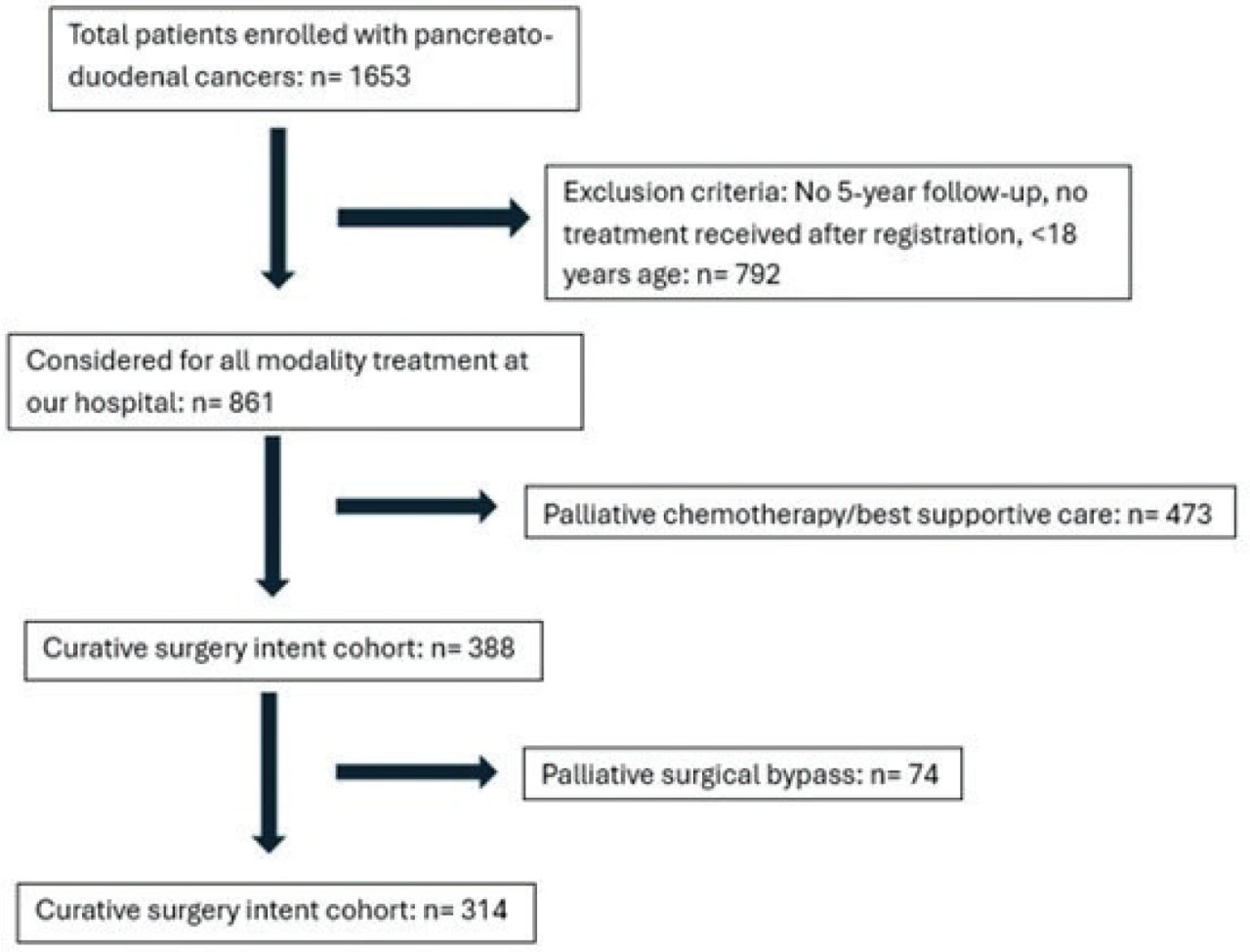
Figure 2.
Selection of study population.
Demographic data recorded included age, gender, co-morbidities, radiological investigations, endoscopic procedures, American Society of Anaesthesiologists (ASA) score, pre-operative histopathology, clinical staging, and MDT decisions (Table 1). Neuroendocrine tumors were defined according to the WHO classification, and data were recorded into three grades: Grade I, Grade 2, and Grade 3, based on Ki-67 levels.
Table 1.
Patient Characteristics.
| VARIABLES | VALUES | |
|---|---|---|
| Age – Mean | 53 ±/− 13.62 | |
| Age – Category | Below 60 years | 629 (73%) |
| Above 60 years | 232 (27%) | |
| Gender | Male | 585 (68%) |
| Female | 276 (32%) | |
| ECOG | ECOG 0 | 338 (39.3%) |
| ECOG 1 | 470 (54.6%) | |
| Co-morbidities | Smoking | 160 (18.6%) |
| Hypertension | 149 (17.4%) | |
| Diabetes mellitus | 139 (16.1%) | |
| IHD | 32 (3.7%) | |
| Presenting symptoms | Jaundice | 556 (64.6%) |
| Abdominal pain | 230 (26.7%) | |
| Weight loss | 49 (5.7%) | |
| Vomiting | 26 (3%) |
Peri-operative data included margin status, which was further divided into 3 groups: negative margin (R0), positive margin (including microscopic [R1] and macroscopic [R2] as defined by the Royal College of Pathologists. Other data included reoperations/readmissions within 30 days, mortality within 90 days, Surgical Site Infections (SSIs), and length of stay (LOS). Post Operative Pancreatic fistula (POPF) and Post-Pancreatectomy Hemorrhage (PPH) were recorded as defined by the International Study Group on Pancreatic Surgery (ISGPS) (16,17). Morbidity was recorded according to the Clavien-Dindo (CD) classification (18).
Textbook outcomes were defined as the absence of major postoperative complications, no perioperative mortality, no prolonged hospital stay, no readmission, negative resection margins, and adequate lymph node retrieval according to previously published criteria (19).
Recurrence was defined as radiological or biopsy-proven recurrent disease. Disease-free survival (DFS) was measured from the date of surgery to the first documented recurrence or death. Overall survival (OS) was calculated from the date of surgery to the date of death or last follow-up. Death from any cause was considered an event for overall survival analysis, while patients alive at the last follow-up were censored.
The study was exempted from informed consent requirements by the Institutional Review Board (IRB) under Exemption Number 04-12-25-04.
Statistical analysis
SPSS 27.0 statistical software was used in the statistical analysis. Continuous variables were reported as medians and categorical variables as percentages. The Kaplan–Meier method was used for survival analysis, and the log-rank test was used to compare groups. Variables with significance on univariate analysis were entered into multivariable Cox regression models to identify independent predictors of overall survival and disease-free survival. Statistical significance was set at p < 0.05.
Results
Patient demographics
A total of 1653 patients were registered with Shaukat Khanum Memorial Cancer Hospital and Research Centre, with a diagnosis of either duodenal cancer, peri-ampullary cancer, pancreatic cancer, or distal bile duct cancer. Of this cohort, 861 patients were eligible for the 5-year survival analysis (Figure 2). 68% of this patient cohort were male patients, and 32% were female. The age at presentation was 53 (Interquartile Range 19–90) years with a mean BMI score of 23 +/− 4.5. Of this cohort, 27% of patients were aged 60 years or older. The majority of patients presented with an Eastern Cooperative Oncology Group (ECOG) performance status of 1 (54.6%) and 0 (39%). The most common presentation was for jaundice (64.6%), followed by abdominal pain (26.7%). Co-morbidities commonly reported included diabetes (16.1%), hypertension (17.4%), and smoking (18.7%), being the most common (Table 1).
Pre-operative work-up
The ASA (American Society of Anesthesia) score was most frequently labeled as ASA 2 (72%) and ASA 3 (20%) in patients. Interestingly, 31 patients were marked as ASA 4; these patients underwent surgical intervention after optimization. There was a trend toward increased morbidity; however, mortality was not significantly higher, though the numbers are too small for conclusive interpretation (Table 2). ERCP with brush cytology or stenting was undertaken in 82% of the cohort. The main indication for performing primary ERCP at our institute was for diagnosis or symptom relief in jaundiced patients. The majority of the patients (60%) already had an ERCP with stent placement before presenting at our institution, and ERCP was only repeated at our organization for stent-related issues or diagnostic uncertainty. The diagnostic yield of brush cytology at our institute was 58%, with a sensitivity of 65%.
Table 2.
Peri-operative Characteristics.
| VARIABLES | VALUES | |
|---|---|---|
| Pre-operative ERCP | Yes | 706 (82%) |
| No | 155 (18%) | |
| EUS | Yes | 528 (61.4%) |
| No | 333 (38.6%) | |
| Histological Diagnosis | Duodenal | 265 (30.8%) |
| Peri-ampullary | 398 (46.2%) | |
| Pancreatic | 154 (17.9%) | |
| Distal bile duct | 44 (5.1%) | |
| TNM-stage | Stage 1 | 106 (12.4%) |
| Stage 2 | 128 (14.9%) | |
| Stage 3 | 155 (18%) | |
| ASA grade | ASA II | 279 (72%) |
| ASA III | 77 (20%) | |
| ASA IV | 31 (8%) | |
| Surgical procedure | Pancreatico-duodenectomy | 254 (65.4%) |
| Distal pancreatectomy | 56 (14.4%) | |
| Total pancreatectomy | 4 (1%) | |
| Palliative Bypass | 74 (19%) | |
| Complications | SSI | 90 (26.6%) |
| POPF (grade b) | 33 (9.8%) | |
| CD >3 | 72 (21.1%) | |
| Re-look laparotomy | 17 (4.7%) | |
| Margin status | R0 | 317 (93%) |
| R1 | 17 (5%) | |
| R2 | 7 (2%) | |
| Mortality | 30 days | 7 (2.1%) |
| 90 days | 18 (4.6%) | |
| Adjuvant chemotherapy | Yes | 222 (65%) |
| No | 119 (35%) | |
| Recurrence | Stage I | 12.5% |
| Stage II | 27.11% | |
| Stage III | 30.1% |
There is a higher use of EUS in our study, as it is performed for both staging and diagnostic purposes in patients with pancreaticoduodenal cancers, per our institutional policy, which mandated biopsy confirmation of malignancy during the study period. Many patients presented after external imaging with incomplete tissue diagnosis, and EUS was used to help differentiate between resectable and borderline tumors.
The area of the pancreas targeted for Endoscopic Ultrasound-guided Fine Needle Aspiration (EUS-FNA) included the pancreatic head (n= 362, 68.5%), pancreatic tail (n= 157, 29.8%), and pancreatic uncinate process (n= 35, 6.6%). The diagnostic yield of the cohort was 92.6%. In patients in whom EUS did not yield a diagnostic tissue sample, a repeat EUS was performed in the majority of cases, with some patients referred for CT-guided biopsy. In a very small sample, where repeat attempts at diagnosis failed, and there were high-risk features, upfront surgery was advised. The median tumor size was 25 mm (interquartile range 18–35 mm). The sensitivity and specificity of EUS-FNA were 93% and 97%, respectively. The most common diagnosis was adenocarcinoma (80%), followed by neuroendocrine tumor (7%). The most common site of disease was the peri-ampullary region (46.2%), followed by the duodenal region (30.8%) and then pancreatic cancer (17.9%) (Table 2).
Multi-disciplinary team discussion
All patients (100%) underwent discussion during the weekly MDT, with input from radiologists, HPB surgeons, gastroenterologists, pathologists, and oncologists. The most common TNM stage at presentation was Stage 3 (18%).
473 (55%) of patients in the cohort were not candidates for curative treatment due to the advanced nature of the disease or the patient’s frailty, and this cohort was offered palliative treatment. 51 patients were referred for Neo-adjuvant therapy given the locally advanced nature of the disease on staging investigations and based on NCCN criteria. 8 patients out of this cohort underwent an attempt at curative resection after completion of neo-adjuvant therapy. 6 patients underwent an R0 resection while 2 patients had R1 resection. All 8 patients went on to have adjuvant chemotherapy.
Surgery group
388 patients (45%) of the cohort were considered as candidates for upfront surgery, 74 patients (19%) ended up with a palliative bypass at the time of surgery, as they were found to have either metastasis or had irresectable disease due to the locally advanced nature of the disease. The majority of these patients had occult metastatic disease, borderline vascular involvement, or locally advanced tumors not fully appreciated on preoperative imaging, particularly during the earlier years of the study period (2000–2015). High-resolution pancreatic protocol imaging and advanced staging modalities were not uniformly available. Additionally, a proportion of patients had staging imaging performed externally prior to referral, with variability in imaging quality and pancreatic protocol CT acquisition. A PET scan is not routinely performed at our setup; we only order one if a triphasic CT performed within 4–6 weeks of surgery shows suspicious features.
The total number of patients who underwent curative-intent resection surgery was 314. This number increased from 2–6 patients per year to 48 patients per year between 2000 and 2020. The main improvement in numbers occurred after 2014, when an HPB team was established, and 2 surgeons with a specialist interest in HPB developed the service. Pancreatico-duodenectomy was performed in 254 patients, distal pancreatectomy was done in 56 patients, and Total pancreatectomy in 4 patients (Figure 3).
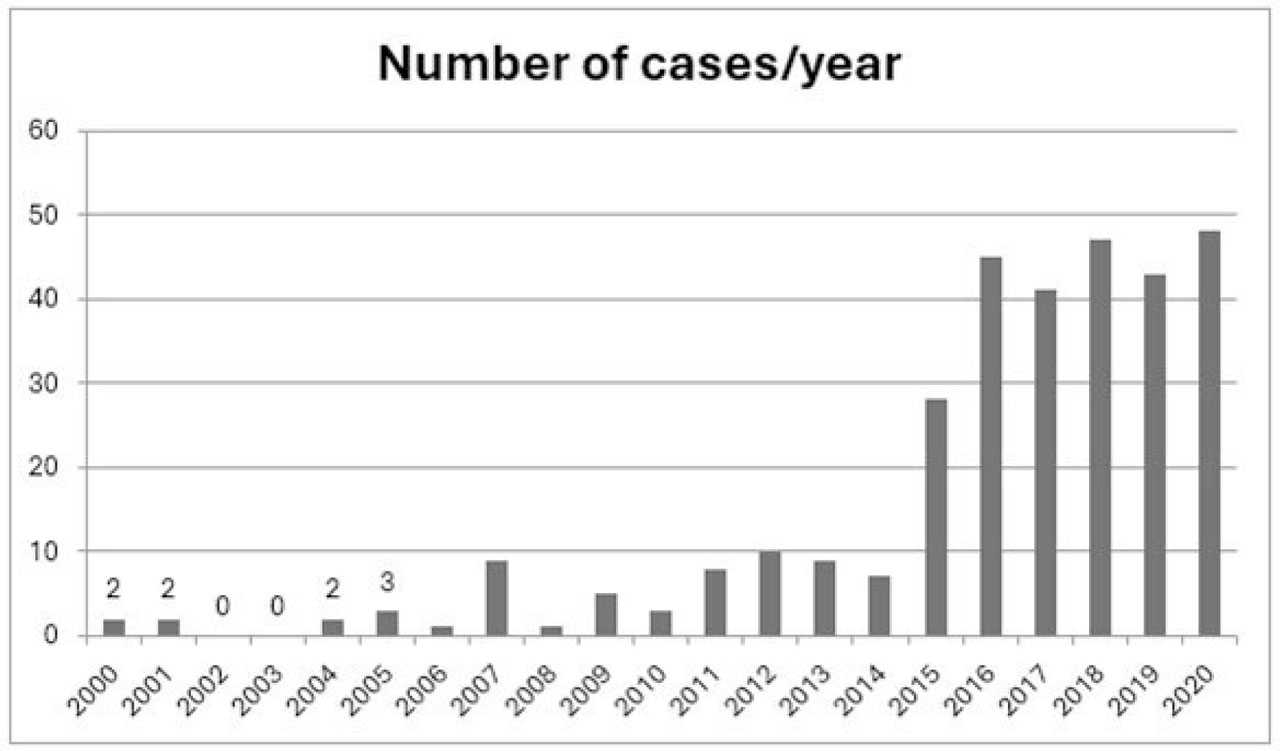
Figure 3.
Surgical volume per year – This graph shows significant increase in number since 2015 onwards.
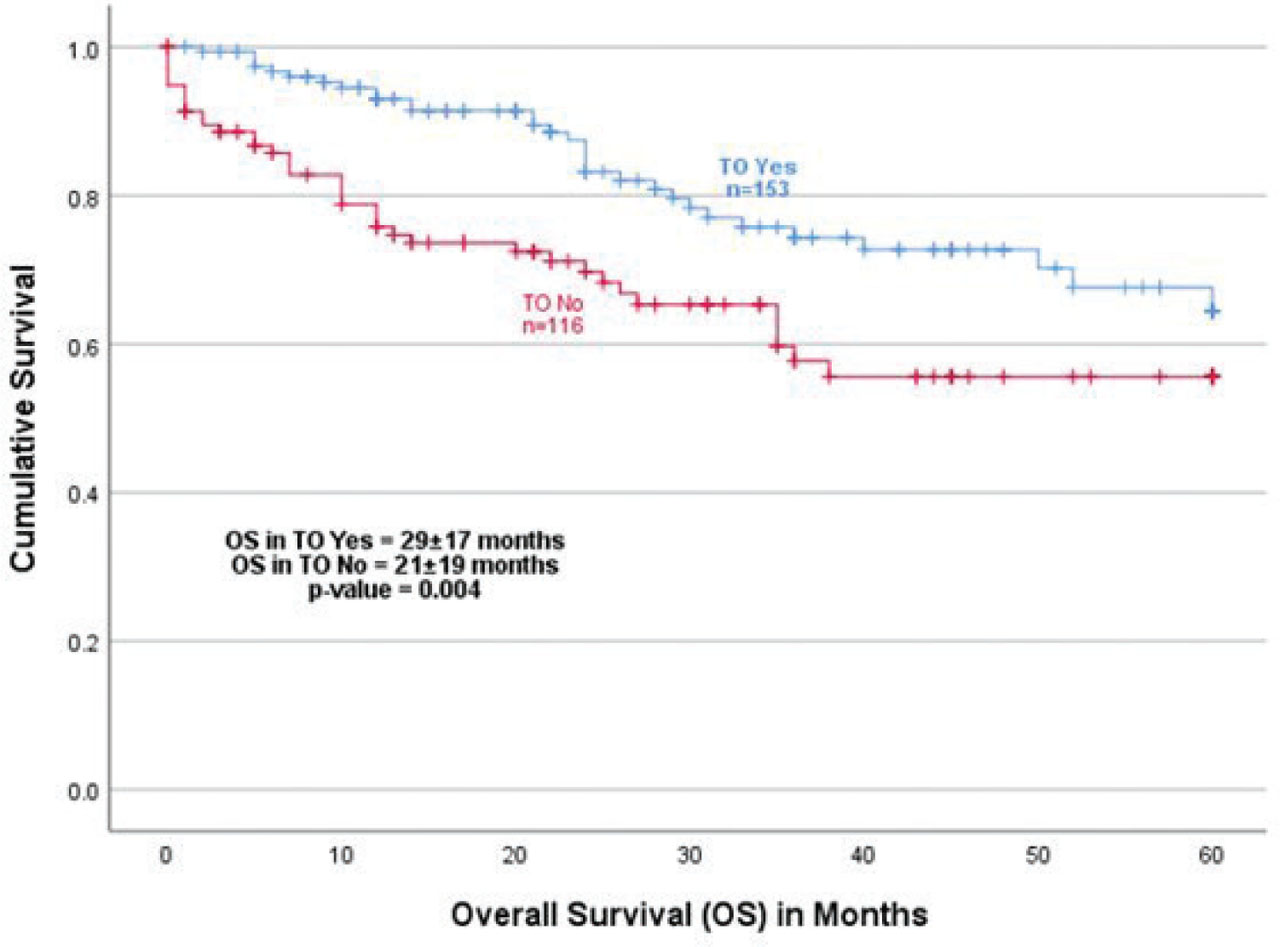
Figure 4.
Kaplan-Meier Overall Survival (OS) curves-based on achievement of Textbook Outcomes (TO). Those patients that achieved TO showed better DFS compared to those patients who did not achieve TO.
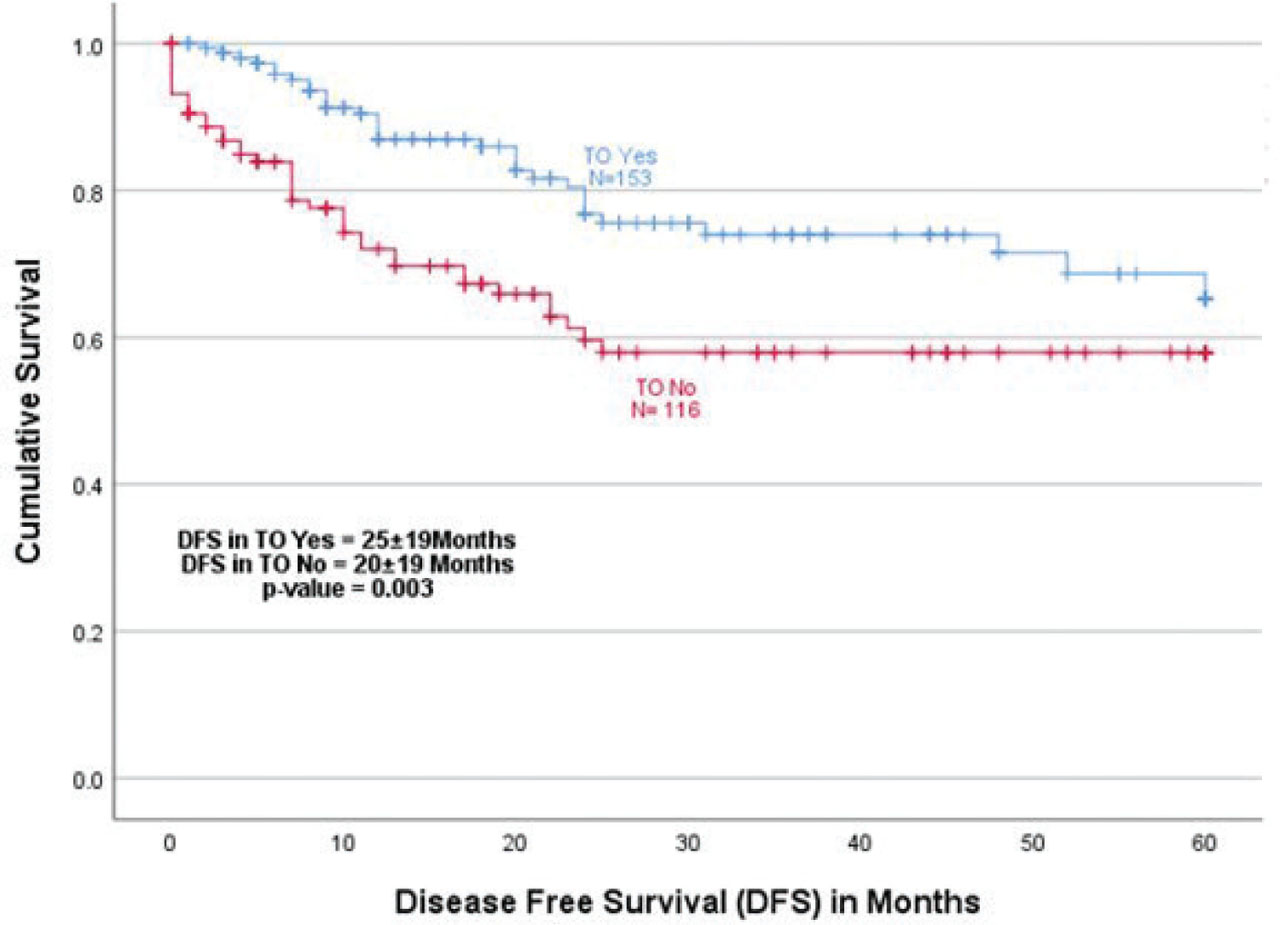
Figure 5.
Kaplan-Meier Disease Free Survival (DFS) curves-based on achievement of Textbook Outcomes (TO). Those patients that achieved TO showed better DFS compared to those patients who did not achieve TO.
Postoperatively, the median length of stay in HDU was 1.3 +/− 1.9 days. The overall length of stay for the operated cohort was 9 +/− 5.8 days. The reoperation and readmission rates within 30 days were 4.7% (17 patients) and 10% (34 patients), respectively. Table 2 shows morbidity and mortality graded according to the Clavien-Dindo classification 18. Severe complication (i.e., CD>3a) occurred in 72 patients (21.1%), with a reduced frequency of other grades of complication. 55 (16.2%) patients developed a Post-Operative Pancreatic Fistula (POPF) grade A or biochemical leak, whereas 33 patients (9.8%) had POPF grade B. Only 15 patients (4.5%) developed a POPF type C, and 1 patient each had a hepaticojejunostomy or gastrojejunostomy site leak requiring re-look laparotomy.
Overall, 60% of patients undergoing surgery achieved Textbook Outcomes, defined as the absence of major postoperative complications, no perioperative mortality, no prolonged hospital stays, no readmission, negative resection margins, and adequate lymph node retrieval.
Overall survival was analyzed according to tumor type, location, stage, and postoperative complications. Patients with duodenal cancers demonstrated the longest survival compared to those with pancreatic cancers.
Adjuvant treatment
65% of patients went on to have adjuvant chemotherapy, and the majority of the patients were able to start chemotherapy within 4–6 weeks of surgery, with a small number starting between 8–12 weeks due to multi-factorial reason but mostly due to delayed recovery from surgery. 24% of patients opted not to have adjuvant chemotherapy, and 30% of this cohort, who did not undergo adjuvant chemotherapy, experienced surgical complications, which may have influenced decision-making. The majority of patients completed 6–12 weeks of chemotherapy, with only 20% requiring a dose reduction or a therapy break. OS and DFS of those patients who completed chemotherapy showed better outcomes than the cohort that did not complete chemotherapy.
Palliative chemotherapy
Out of the 473 patients not deemed suitable for curative attempt, 347 patients (73%) were offered palliative chemotherapy. In the cohort of patients who started palliative chemotherapy, 159 patients (45%) tolerated only 3 or fewer cycles due to multifactorial reasons, 123 patients (35%) tolerated 4–7 cycles, and only 61 patients (18%) tolerated 8–12 cycles. This cohort understandably had the longest overall survival.
The majority of these patients received Gemcitabine-based chemotherapy (n=99, 28%), with lower rates with other regimens. Interestingly, FOLFIRINOX or its modifications were used in 52 patients (15%) in this cohort, with the hope of controlling the disease. Only 18 patients receiving this regimen tolerated 6 or more cycles.
Best supportive care
126 patients (27%) out of the total cohort of patients were thought not to be fit enough for palliative chemotherapy, or they opted for no treatment, and they were offered best supportive care. All the patients were offered psychological counseling and palliative care services. This cohort of patients was not included in the OS analysis because follow-up was inconsistent, and a large number were lost to follow-up after the initial consultation.
Palliative endoscopic procedures
Those patients undergoing palliative chemotherapy or best supportive care and who needed biliary or luminal stenting to relieve obstructive symptoms underwent Endoscopic Retrograde Cholangio-Pancreatography (ERCP) or Endoscopic Ultrasound (EUS) guided intervention for both achieving histological diagnosis or decompression. Of the 473 patients not undergoing curative treatment, ERCP and stenting were performed in 182 (38%), and EUS in 91 (19%).
Recurrence patterns
Recurrence was observed in 40% of patients, with the liver as the most common site; lung and local recurrences were less frequent. 85% of patients developed recurrence within the first 2 years. Lymph node positivity, vascular invasion, and stage at presentation were associated with early disease recurrence.
Survival analysis
The overall mean survival for the entire cohort that underwent curative-intent surgery, excluding the NET group, was 45.2 months (95% CI: 42.3–48.1). Figure 6 shows the median overall survival by anatomical location of the cancer. During the follow-up period, 70 deaths occurred (26.5%) for the entire cohort, while 194 patients (73.5%) were censored. The event rates were spread to varying degrees in each tumor type and included 3 deaths (18.7%) in the duodenal cancer group, 41 deaths (23.3%) in the peri-ampullary group, and 26 deaths (36.1%) in the pancreatic cancer group.
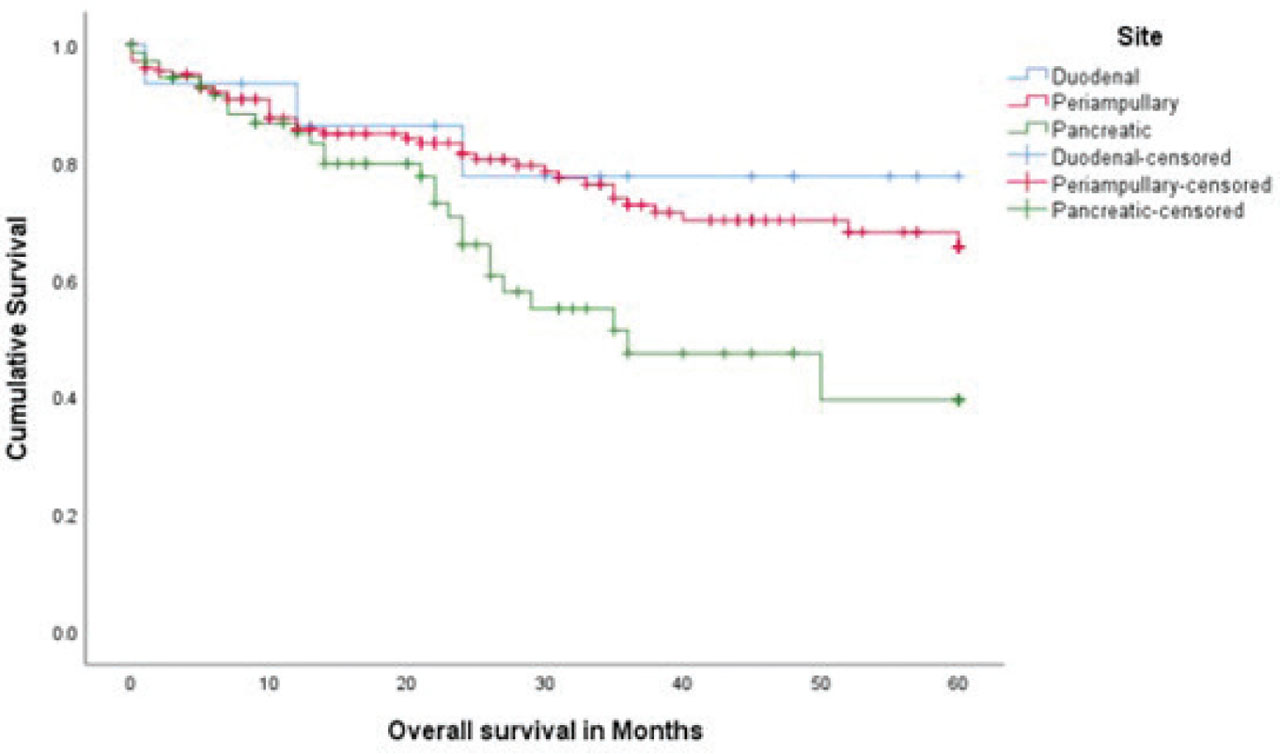
Figure 6.
Kaplan–Meier overall survival (OS) curves comparing patients according to primary tumor site, including duodenal, periampullary, and pancreatic tumors. Patients with duodenal tumors demonstrated the most favorable overall survival, with survival probabilities remaining relatively stable throughout the follow-up period. Patients with periampullary tumors showed intermediate survival outcomes, with a gradual decline in survival over time. In contrast, patients with pancreatic tumors exhibited the poorest prognosis, with a marked reduction in overall survival during the early and intermediate follow-up periods.
The mean overall survival for the duodenal cancer group was 49.5 months (95% CI:38.9–60.1). After a modest decline in the first year, the survival curve stabilizes, remaining close to 75–78% survival at 5 years. The peri-ampullary cancer group showed a mean survival of 47.4 months (95% CI: 43.9–50.8) with a gradual decline over the years, particularly after 2 years, showing a moderate survival. The pancreatic cancer group carried a mean survival of 37.9 months, and in particular, the body and tail cancers carried a mean prognosis of 28.8 months (95% CI: 21.3–36.2). The survival curve drops sharply after the 1st year of surgery, with frequent events, reaching a 40% 5-year overall survival in the cohort. Survival differed significantly between groups (log-rank χ2 = 7.50, df = 2, p = 0.024).
Univariate and multivariate analyses of the whole cohort (Tables 3 and 4) showed that tumor site, presence of POPF, and margin status were associated with improved OS. Interestingly, only the margin status was associated with DFS in the multivariate analysis. Age, ASA status, ECOG, and BMI did not correlate with DFS or OS. The association between POPF and improved survival likely reflects selection bias and survivorship bias, as patients with softer pancreatic texture and less aggressive tumor biology are more likely to develop fistulas while also demonstrating improved oncological outcomes.
Table 3.
Cox regression analysis for OS in pancreato-duodenal cancers.
| Variable | Univariate HR (95% CI) | p-value | Multivariate HR (95% CI) | p-value |
|---|---|---|---|---|
| Pancreatic Fistula: | ||||
| No Fistula | 0.77 | 0.037 | ||
| Grade A | 0.450 (0.141–1.443) | 0.179 | 0.272 (0.079–0.937) | 0.039 |
| Grade B | 0.213 (0.056–0.804) | 0.22 | 0.133 (0.033–0.536) | 0.004 |
| Grade C | 0.302 (0.076–1.210) | 0.091 | 0.234 (0.05–0.972) | 0.046 |
| Margin Status | 0.466 (0.168–1.295) | 0.143 | 0.306 (0.138–0.677) | 0.003 |
| Lymph Nodes (LN) | 0.699 (0.437–1.117) | 0.133 | 0.846 (0.575–1.244) | 0.395 |
| Co-morbidities | 0.630 (0.393–1.010) | 0.055 | 0.695 (0.469–1.030) | 0.070 |
| Tumour Site: | 0.028 | 0.598 | ||
| Duodenal | ||||
| Periampullary | 0.398 (0.120–1.317) | 0.131 | 0.648 (0.244–1.722) | 0.384 |
| Pancreatic | 0.530 (0.323–0.869) | 0.012 | 0.840 (0.540–1.306) | 0.438 |
| Biliary Stent | 0.799 (0.419–1.523) | 0.495 | 1.195 (0.545–2.621) | 0.657 |
| Jaundice | 0.779 (0.372–1.630) | 0.507 | 0.713 (0.279–1.822) | 0.479 |
Table 4.
Cox regression analysis for DFS in pancreato-duodenal cancers.
| Variable | Univariate HR (95% CI) | p-value | Multivariate HR (95% CI) | p-value |
|---|---|---|---|---|
| Pancreatic Fistula: | ||||
| No Fistula | 0.281 | 0.486 | ||
| Grade A | 1.863 (0.259–13.397) | 0.537 | 1.473 (0.201–10.820) | 0.703 |
| Grade B | 1.469 (0.197–10.930) | 0.707 | 1.094 (0.144–8.321) | 0.931 |
| Grade C | 0.982 (0.123–7.856) | 0.986 | 0.947 (0.11–7.665) | 0.959 |
| Margin Status | 0.252 (0.120–0.528) | <0.001 | 0.306 (0.137–0.684) | 0.004 |
| Lymph Nodes (LN) | 0.793 (0.546–1.152) | 0.223 | 0.828 (0.561–1.223) | 0.343 |
| Co-morbidities | 0.672 (0.461–0.979) | 0.038 | 0.719 (0.484–1.069) | 0.103 |
| Tumour Site: | ||||
| Duodenal | 0.110 | 0.726 | ||
| Periampullary | 0.496 (0.194–1.272) | 0.145 | 0.681 (0.255–1.819) | 0.444 |
| Pancreatic | 0.673 (0.445–1.018) | 0.061 | 0.899 (0.574–1.406) | 0.640 |
| Biliary Stent | 0.895 (0.518–1.544) | 0.689 | 1.215 (0.548–2.697) | 0.632 |
| Jaundice | 0.696 (0.381–1.271) | 0.238 | 0.681 (0.261–1.776) | 0.432 |
Neuro-endocrine tumor
Neuroendocrine tumors were analyzed separately as a subgroup to avoid bias, since their prognosis differs from that of adenocarcinoma, and their inclusion could bias the survival analysis. A total of 134 patients with a diagnosis of Gastroentero-Pancreatic Neuro-Endocrine-Tumors (GEP-NET) were analyzed for this study. 60 patients were diagnosed with pancreatic NET (pNET). The mean age at presentation was 47 years, gender distribution was similar to that of the adenocarcinoma cohort. The majority of patients had Grade 1 disease (59%), followed by Grade 2 (23.9%). About 73.1% patients had localized disease at presentation, and 3 (2.2%) patients were found to have an associated with MEN I syndrome, with the rest being considered as sporadic presentations. 55.4% of patients underwent surgical resection with curative intent, whereas palliative surgery was performed in 44.6% of the cohort. 48.5% patients received systemic therapy in the form of chemotherapy, (5.9%) received Somatostatin analogues and (45.5%) did not receive any systemic therapy. The 5-year OS was 94% in the completely resected group, 79% in patients with incomplete resection, and 43% in patients with unresectable disease. Patients in the unresected group achieved a median overall survival of 23±3 months. Based on disease grade, the 5-year survival was 88% in patients with low-grade tumors and 57% in those with intermediate-grade tumors (Figure 6). High-grade tumor patients were not able to survive the 5-year window, and the median overall survival for this group was 8±4 months. DFS was similarly better in the low-grade NET group compared to the intermediate-grade NET group (Figure 7).
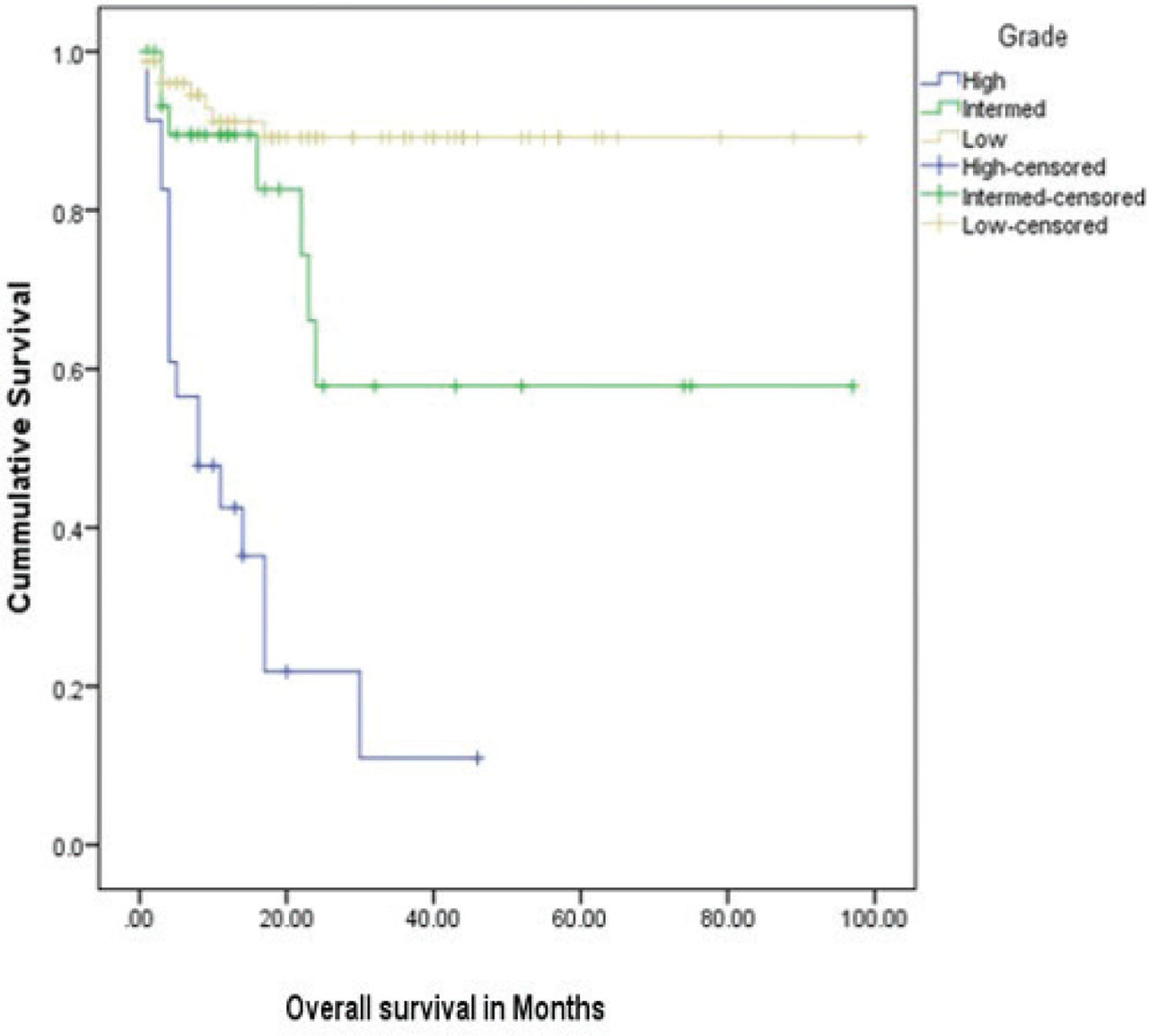
Figure 7.
Kaplan–Meier overall survival (OS) curves stratified according to tumor grade (high, intermediate, and low grade). Patients with low-grade tumors demonstrated the best overall survival outcomes, maintaining high survival probabilities throughout the duration of follow-up.
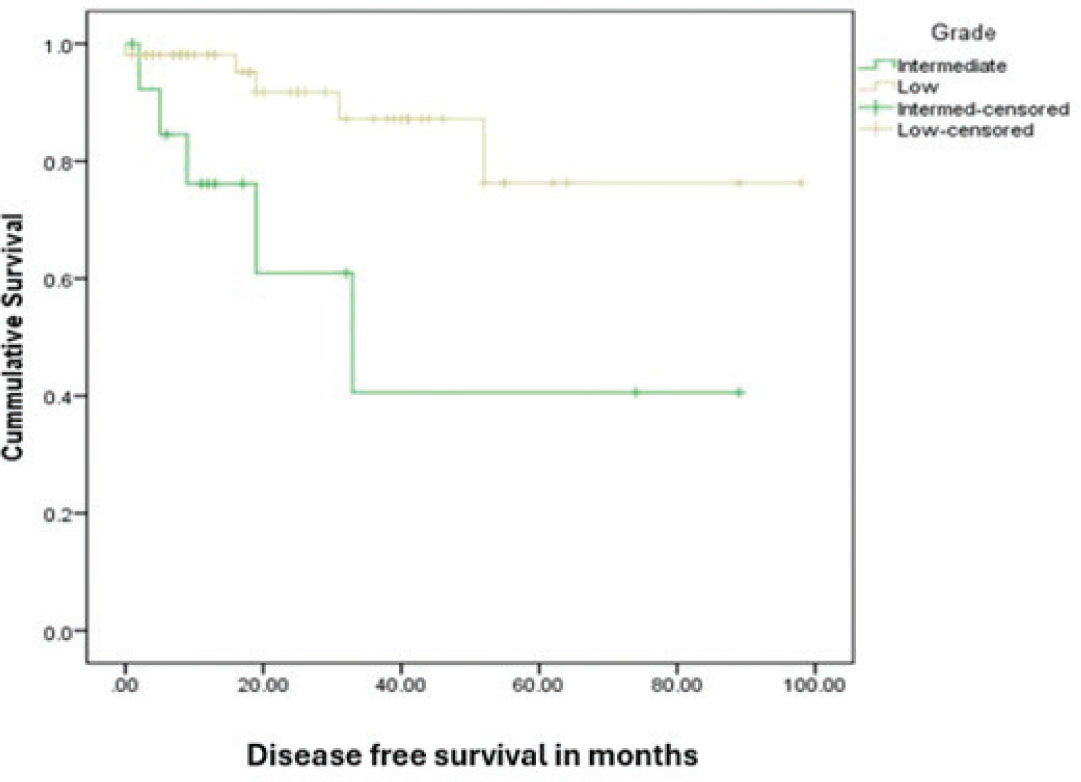
Figure 8.
Kaplan-Meier Disease Free Survival (DFS) curves based on grade of NET. Patients with low-grade tumors demonstrated superior disease-free survival.
Discussion
Peri-ampullary, duodenal, and pancreatic cancers are among the most complex and resource-intensive cancers to manage, with significantly high morbidity and mortality rates. Historically, the earliest surgical efforts were focused on achieving acceptably low perioperative morbidity and mortality by refining the technical factors. Once the techniques were standardized, the emphasis of investigative studies shifted toward demonstrating the survival advantage offered by surgery, chemotherapy, radiotherapy, and immunotherapy, and toward identifying readily available clinicopathologic features predictive of long-term survival (LTS).
This review shares real-world experience of managing duodenal, peri-ampullary, distal bile duct, and pancreatic tumors at a single dedicated tertiary care cancer institution in Pakistan. The cohort size and comprehensive computerized database, maintained by the hospital for over 20 years, allow for unique reporting from Pakistan that overcomes limitations of previous studies, including analyses of survival outcomes, subgroup survival based on tumor stage and biology, chemotherapeutic interventions, and surgical outcomes. The time period analyzed (2000–2020) is important because during this time, surgical techniques were standardized, services were centralized, chemotherapeutic agents were introduced into the adjuvant setting, and surgeons and oncologists were trained specifically to manage cancers in this region, with the hope of improving patient outcomes.
Our cohort comprised of 46% peri-ampullary cancer, 30.2% duodenal cancer, 18% pancreatic cancer (80% head, 20% body/tail), and 5% distal bile duct cholangiocarcinomas. This distribution and high percentage reflect a referral bias, as SKMCH&RC is the only dedicated tertiary care cancer organization for a population of almost 2.5 million people in Pakistan. It provides free treatment to 75% of its patients, thereby attracting a large number of cancer patients from across the country and neighboring Afghanistan. A biopsy or radiological suspicion of cancer is required for acceptance; this explains the large number of malignant tumors in the cohort. More interestingly, the median age of patients with cancer was around 47-53 years (ranging from 19 to 90 years), in sharp contrast to most Western literature, which reports a median age of 65–75 for those undergoing PD. This might be multi-factorial, with a possible genetic component, since a marginal association between PALB2 germline variants and pancreatic cancer patients has been previously reported from our institution (21).
Ethnicity, gender, age, diabetes, hypertension, weight, and ASA score had no prognostic effect, which is consistent with other studies. The CA199 level was associated with poorer outcomes; it is not raised in 10% of the population, and the data were unavailable for the entire cohort; therefore, its definitive role could not be established in our study.
The number of patients who underwent the neoadjuvant approach was too small for meaningful data interpretation; therefore, we focused on patients who underwent surgery with or without adjuvant therapy. Patients who underwent surgery across all cancer types (duodenal, peri-ampullary, NET, pancreatic) did better in overall survival when compared to those who received chemotherapy only or best supportive care. Patients who completed adjuvant chemotherapy after surgery had a significantly better prognosis, likely reflecting better patient selection, less operative morbidity, and favorable tumor biology. Studies consistently show that patients who achieve Textbook Outcomes for Surgery (TOS) tend to tolerate adjuvant therapy better and achieve better outcomes. Though this study was not designed to examine TOS specifically, the improved overall survival rates in patients who achieved TOS warrant investigation in a dedicated future study.
The 30-day and 90-day mortality and morbidity rates at our institute are comparable to those of other dedicated, high-volume pancreatic units (22, 23), which again lend support to the association between dedicated, high-volume units and improved outcomes. Patients undergoing pancreatic head resection had better OS than those undergoing pancreatic tail resection. This is probably because cancer in the tail of the pancreas is usually asymptomatic until advance stages of the disease. Whereas patients with pancreatic head tumors present earlier, with jaundice being the most common presenting symptom, leading to diagnosis and treatment at an earlier stage.
The number of patients starting adjuvant chemotherapy and completing the prescribes cycles is higher (65%) in our study. This could be because over the last 20 years, we have developed site-specific teams that remain invested in patient care and patient pathways, leading to greater familiarity with treatment protocols. Patient care is consultant-led, with integrated, multi-disciplinary input encouraged at every level. Multiple studies have shown higher completion rates for tri-modal therapy (neo-adjuvant therapy followed by surgery followed by adjuvant therapy) in integrated care systems.
The outcomes of pancreatic cancer with 40% 5-year survival are higher than reported in most studies, and this could be explained by the fact that, at an institutional level, there is careful patient selection for curative intent surgery, there was exclusion of unresectable and metastatic disease from DFS survival, and the population is relatively younger, pointing towards a different disease biology compared to Western studies. That said, other high-volume pancreatic centers have also shown similar outcomes with a higher percentage of patients completing adjuvant chemotherapy.
Age is thought to affect outcomes. We undertook a subgroup analysis of those less than 60 years of age and those more than 60 years of age and found no difference in OS and morbidity related to surgery. However, this similar outcome to that of younger patients should be interpreted with caution, as there may be a bias. Personal, cultural, physiological, and institutional policies may have led younger, fitter patients to more readily consent to a major operation, while elderly patients may have more frequently opted for chemotherapy or palliative approaches. This has not been investigated, nor was it the focus of this study. Notably, the percentage of elderly patients going on to complete adjuvant therapy post-surgery is low. While some studies have shown a benefit of adjuvant therapy in patients above the age of 60, the decision for chemotherapy in this age group is multi-factorial and made on a case-by-case basis at our institute.
This study has limitations in being retrospective in nature and being from a single center, which does bring inherent bias, but it also adds value to the literature since it looks at individual outcomes for a group of cancers nestled in and around the pancreas and offers a real-world perspective with treatment spanning over more than a decade of patient care. It will serve as a useful reference point for anyone interested in the treatment of these cancers in LMIC healthcare settings.
Our findings are consistent with previously published pancreatic surgery series from Pakistan and other regional hepatopancreatobiliary centers, particularly regarding perioperative morbidity, mortality, and the importance of centralized multidisciplinary care (22, 23).
This single-center retrospective study demonstrates that centralized multidisciplinary care at a specialized tertiary cancer center can achieve acceptable perioperative and long-term oncological outcomes in patients with pancreato-duodenal cancers. Surgical resection remains the primary curative treatment modality, while completion of systemic therapy was associated with improved outcomes. Further multicentre prospective studies from LMIC settings are required to validate these findings.
Acknowledgements
We are grateful to Mr. Shahid Mahmood from cancer registry at SKMH&RC and the Hospital Information System Support Team for their wonderful support and input in the preparation of this manuscript.