Table 1.
Eligibility routes for qualifying for the SBB certification examination
| Route 1 | Baccalaureate degree; includes biology and chemistry courses | Complete CAAHEP-accredited SBB program | |
| Route 2 | Baccalaureate degree | MLS(ASCP) or BB(ASCP) certification | 3 years FT BB laboratory experience |
| Route 3 | Master’s degree† | 3 years FT BB laboratory experience | |
| Route 4 | Doctorate degree† | 2 years post-doctural fellowship in BB OR 2 years FT BB laboratory experience | |
| Route 5 | Baccalaureate degree | MLS(ASCP) or BB(ASCP) certification | 3 years as FT BB educator‡ |
| Route 6 | Master’s degree† | 3 years as FT BB educator‡ | |
| Route 7 | Doctorate degree† | MLS(ASCP) or BB(ASCP) certification | 1 year FT BB laboratory experience OR 1 year FT BB research experience |
1 CAAHEP = Commission on Accreditation of Allied Health Education Programs; MLS = medical laboratory scientist; ASCP = American Society for Clinical Pathology; FT = full-time; BB = blood banking; SBB = Specialist in Blood Banking.
1* Abbreviated information. Details available from https://www.ascp.org/content/board-of-certification/get-credentialed#. Accessed 31 August 2023.3
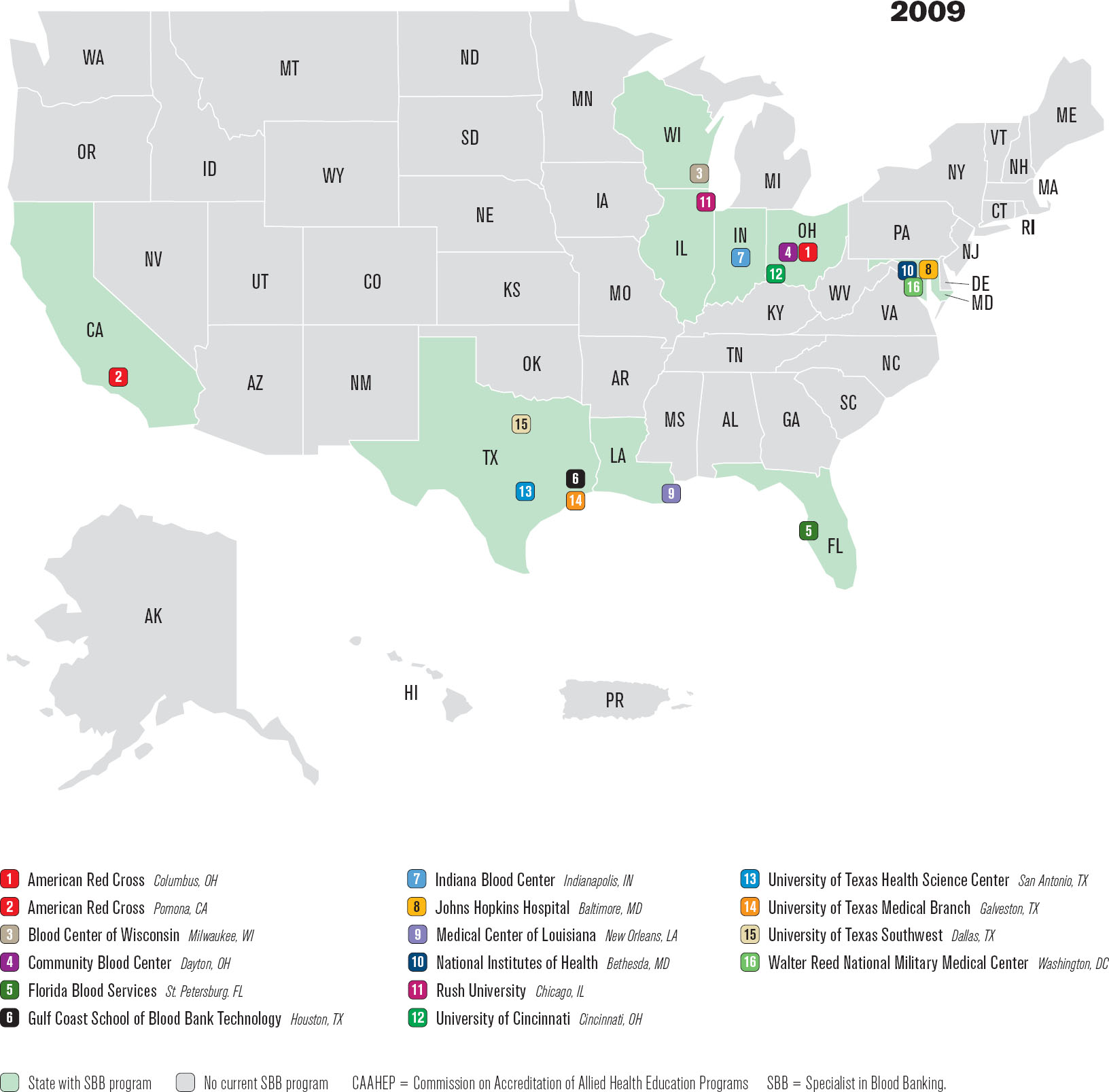
Fig. 1A
Location of CAAHEP-accredited SBB programs in the United States in 2009.
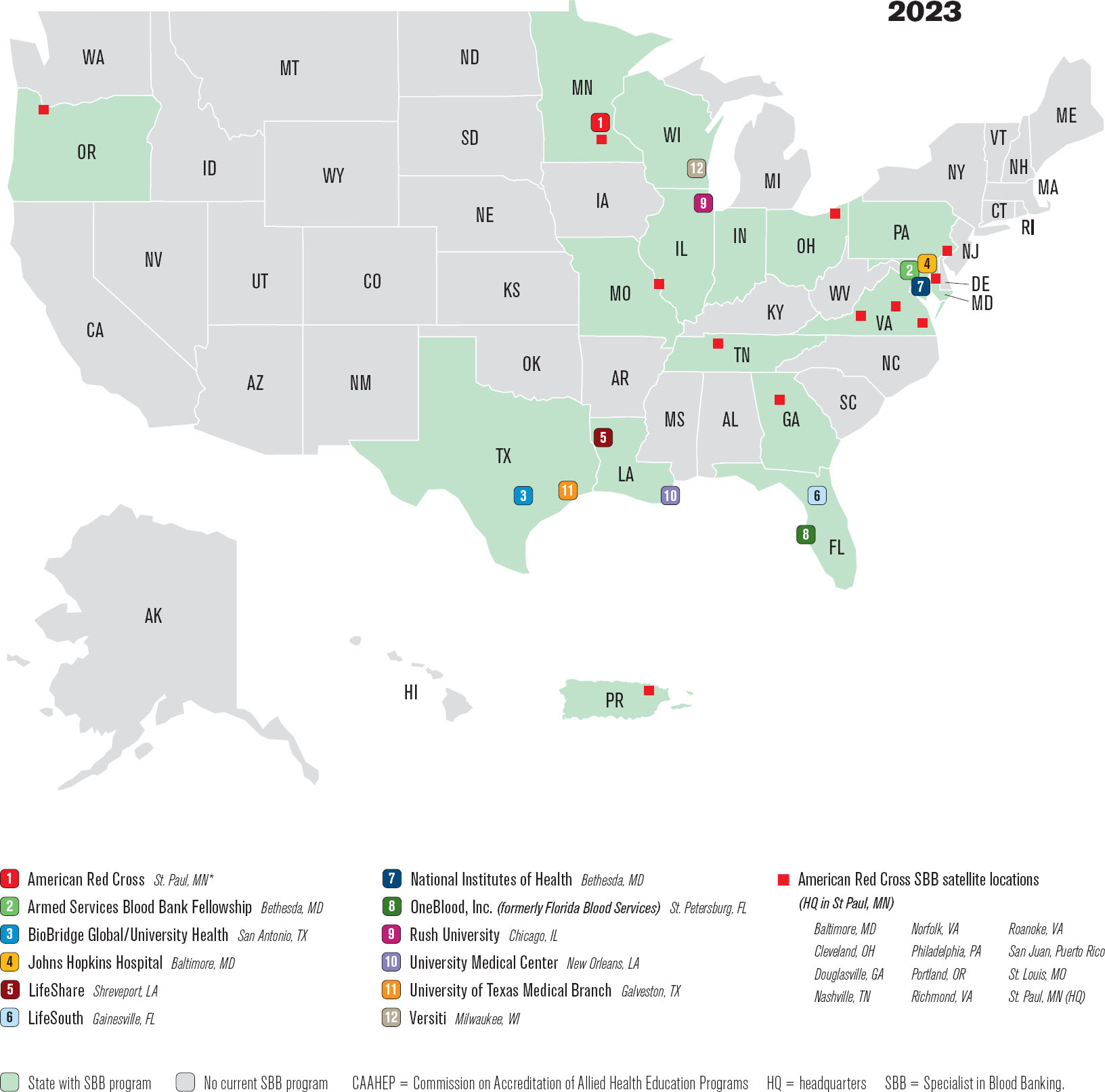
Fig. 1B
Location of CAAHEP-accredited SBB programs in the United States in 2023.
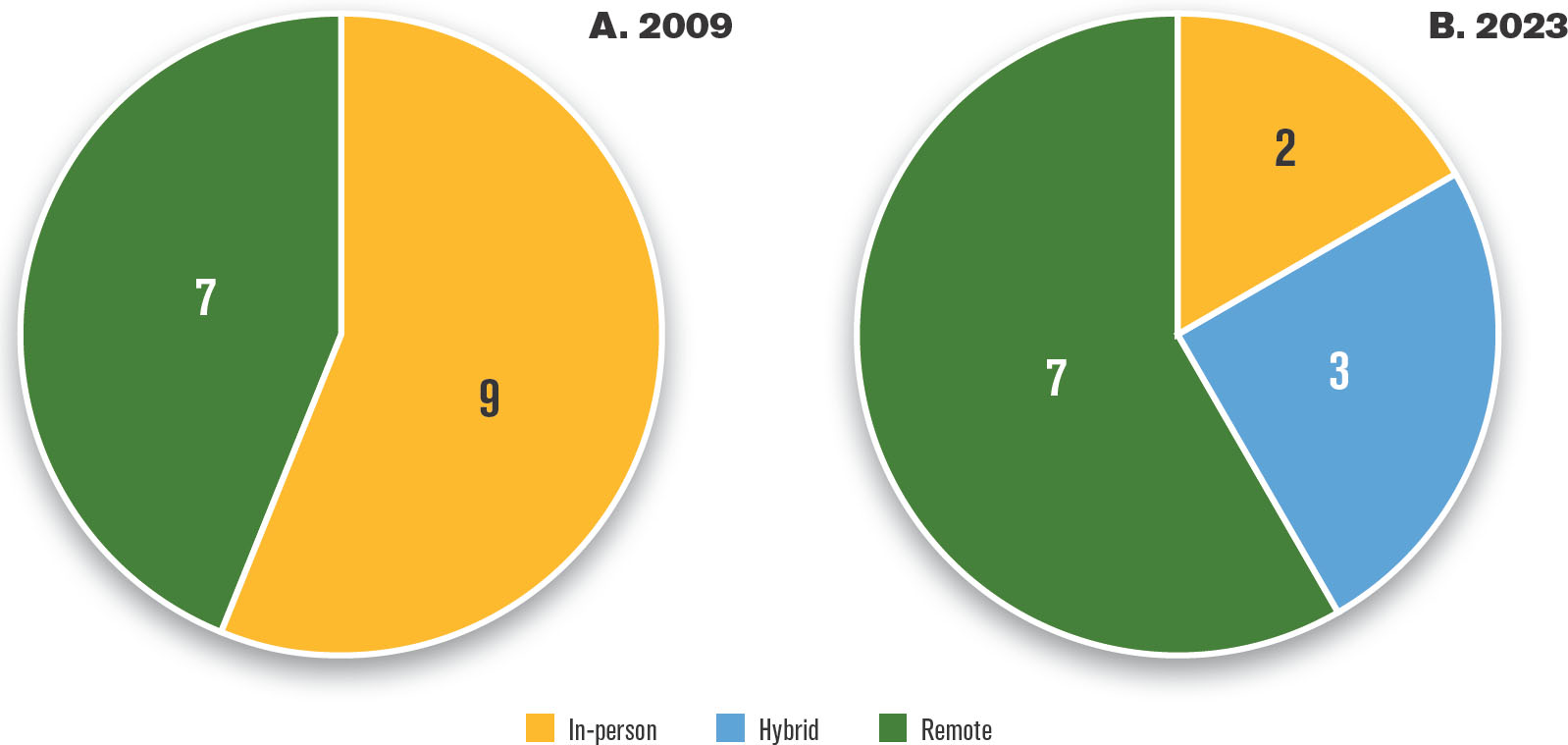
Fig. 2.
Comparison of modes of education in CAAHEP-accredited SBB programs in the United States in 2009 and 2023. CAAHEP = Commission on Accreditation of Allied Health Education Programs; SBB = Specialist in Blood Banking.
Table 2.
Pass rates for the ASCP SBB certification examination*
| First-time CAAHEP | First-time non-CAAHEP | ||||||
|---|---|---|---|---|---|---|---|
| Total pass (N) | Pass rate (%) | Total pass (N) | Pass rate (%) | Total examinations (N) | Total passes for year (n) | Total pass rate (%) | |
| 2013 | 62 | 84 | NP | NP | 173 | 94 | 54 |
| 2014 | 53 | 79 | NP | NP | 153 | 79 | 52 |
| 2015 | 47 | 63 | NP | NP | 164 | 77 | 47 |
| 2016 | 46 | 79 | NP | NP | 166 | 76 | 46 |
| 2017 | 32 | 68 | NP | NP | 170 | 70 | 41 |
| 2018 | 41 | 62 | NP | NP | 174 | 84 | 48 |
| 2019 | 52 | 68 | NP | NP | 174 | 92 | 53 |
| 2020 | 53 | 74 | NP | NP | 143 | 79 | 55 |
| 2021 | 58 | 73 | NP | NP | 179 | 99 | 55 |
| 2022 | 51 | 70 | NP | NP | 185 | 88 | 48 |
1 ASCP = American Society for Clinical Pathology; SBB = Specialist in Blood Banking; CAAHEP = Commission on Accreditation of Allied Health Education Programs; NP = not published.
1* Data available from https://www.ascp.org/content/board-of-certification/about-boc/#exam_stats. Accessed 8 May 2023.9
Table 3.
Summary of demographics and statistics of Specialist in Blood Banking programs in the United States*
 |
 |
 |
 |
 |
 |
 |
 |
 |
 |
 |
 | |
|---|---|---|---|---|---|---|---|---|---|---|---|---|
| Location | St. Paul, MN† | Bethesda, MD | San Antonio, TX | Baltimore, MD | Shreveport, LA | Gainesville, FL | Bethesda, MD | St. Petersburg, FL | Chicago, IL | New Orleans, LA | Galveston, TX | Milwaukee, WI |
| Certificate/degree | Certificate | Certificate/MS | Certificate | Certificate | Certificate | Certificate | Certificate | Certificate | Certificate/MS | Certificate | Certificate | Certificate/MSTM* |
| Instructional modality | Hybrid | In-person | Remote | In-person | Remote (on-site orientation) | Remote | Hybrid | Remote | Remote | Remote | Remote (on-site orientation) | Hybrid |
| Schedule | Full-time§ Working professional¶ | Full-time§ | Working professional¶ | Full-time§ | Full-time§ Working professional¶ | Working professional¶ | Full-time§ | Working professional¶ | Full-time§ Part-time§ Working professional¶ | Working professional¶ | Working professional¶ | Full-time§ Part-time§ |
| Program accreditation | CAAHEP | CAAHEP | CAAHEP | CAAHEP | CAAHEP | CAAHEP | CAAHEP | CAAHEP | CAAHEP | CAAHEP | CAAHEP | CAAHEP |
| Number of faculty | 4 | 2 | 5 | 3-5 | 6 | 3 | >10 | 2 | 5 | 10 | 4 | 3 |
| Length of program | 12 months | 12-18 months | 12 months | 12 months | 12 months | 12 months | 12 months | 12 months | 12 or 24 months | 12 months | 12 months | 18–28 months |
| Start month | September | July | May | September | May | June | July | May | September | October | May | August |
| Application period | March 1-June 1 | May of the previous year | December-January | Deadline November 30 | July 1-December 15 | Anytime, midApril application deadline | Applications are welcome throughout the year | January–February | October–July | Deadline February 28; will accept applications until July 31 if class size has not reached capacity | July 1–March 1 | January 1–April 1 |
| Class size | 10-20 | Average 6 | Maximum 5 | Maximum 3 | No maximum | Up to 5 | 1–3 | 6 | 18–24 | 4–12 | Maximum 25 | 4 |
| Tuition (as reported in 2023) | Offered to select American Red Cross and academic partner employees throughout the United States at no cost, if employer post-graduation employment commitments are met | No tuition for the SBB certificate Tuition for George Washington University MS courses | $5000/year Discount for BBG and UH employees | No tuition | $6000 Students are responsible for travel expenses | $6000; students responsible for travel expenses; no charge to employees with a 1-year commitment to work for LifeSouth as an SBB | No charge to employees | $50 application fee $6000 tuition | Approximately $16,000 for all students. | $6000 tuition Employees of LCMC Health facilities receive exemption of $3000 after successful completion of the program | Texas residents: approximately $9600 Non-residents: approximately $18,500 | Installments over five semesters, minimum of $1232/semester Fees reviewed annually; subject to change |
| Stipend | None | Regular military service pay | None | Students are paid as employees | None | None | Students work part-time in transfusion services laboratory | None | None | None | None | None |
| ASCPSBB certification exam pass rate | 89% (25/28 graduates) | 97% | 92% (11/12 graduates) | 89% (8/9 graduates) | 74% | 71% (5/7 graduates) | 90% (9/10 graduates) | 77% | 70% | 88% | 94% | 89% |
| Contributor | Marvin (Marty) Moore, MHA, MLSCM(ASCP) SBBCM | William L. Turcan, MLS(ASCP)SBB | Ronny Fryar, MS, MT(ASCP)SBB | Lorraine Blagg, MA, MLS(ASCP)CMSBB | Katrina Billingsley, MSTM, MLS(ASCP) SBB | (8/9 graduates) Guillermo (Bill) Martinez, MS, MT(ASCP)SBB, LSSBB (ASQ) | Karen M. Byrne, MDE, MLS(ASCP) SBB | Julie Laureano, MLS(ASCP)CM SBBCM | Laurie Gillard, MS, MLS(ASCP)SBB | Leslie Granier, MT(ASCP)SBB | LeeAnn Walker, MEd, MLS(ASCP) SBB | Natasha (Tasha) Leon, MLS(ASCP) SBBCM |
1 LCMC = Louisiana Children’s Medical Center; MS = Master of Science; MSTM = Master of Science in Transfusion Medicine; CAAHEP = Commission on Accreditation of Allied Health Education Programs; SBB = Specialist in Blood Banking; UH = University Health; ASCP = American Society for Clinical Pathology.
1† St. Paul, MN, is headquarters; there are 11 satelite locations in the United States and Puerto Rico.
1
American Red Cross Specialist in Blood Banking and Transfusion Medicine Program
| Location | Headquarters: St. Paul, MN Satellite locations: Baltimore, MD; Cleveland, OH; Douglassville, GA; Nashville, TN; Norfolk, VA; Philadelphia, PA; Portland, OR; Richmond, VA; Roanoke, VA; San Juan, Puerto Rico; St. Louis, MO |
| Sponsoring institution | American Red Cross Blood Services |
| Year program started | In-person program existed from 2006-2018 which was then transformed to a hybrid program in 2019 |
| Certificate/degree | Certificate |
| Instructional modality | Hybrid |
| Schedule | Full-time, working professional |
| Program accreditation | CAAHEP |
| Number of faculty | 4 |
| Length of program | 12 months |
| Start month | September |
| Application period | March 1-June 1 |
| Class size | 10-20 |
| Tuition (as reported in 2023) | The program is offered to select American Red Cross and academic partner employees throughout the United States at no cost, if employer post-graduation employment commitments are met. |
| Stipend | None |
| ASCP SBB certification exam pass rate | 89% (25/28 graduates) |
| Minimum admission requirements |
|
| Minimum curriculum requirements |
|
| Resources available |
|
| Clinical affiliates |
|
| Publications/awards | Yearout S, Smith A, Keller J, Keller MA. Novel KEL allele associated with loss of Kpb antigen identified in a white blood donor. Immunohematology 2022;38:51-4. DOI: 10.21307/immunohematology-2022-041. |
| Noteworthy program changes since COVID-19 | Development and incorporation of virtual rotations and creative solutions to such |
| Additional notes from the program | Applications only accepted from participating American Red Cross sites and their respective hospital partners |
| Medical Director | David Mair, MD |
| Program Director | Marvin (Marty) Moore, MHA, MLSCM(ASCP)SBBCM |
| Education Coordinator | Michelle Lodermeier, MBA, MLSCM(ASCP)SBBCM |
| Marty.Moore@redcross.org Michelle.Lodermeier@redcross.org Debra.Bailey@redcross.org Tiffany.Walters@redcross.org | |
| Phone | 404-234-5199 |
| Web site | https://www.redcrossblood.org/biomedical-services/specialist-in-blood-bank-technology-and-transfusion-medicine-pro.html |
| Contributor | Marvin (Marty) Moore, MHA, MLSCM(ASCP)SBBCM |
1 CAAHEP = Commission on Accreditation of Allied Health Education Programs; ASCP = American Society for Clinical Pathology; SBB = Specialist in Blood Banking; MT = medical technologist; MLS = medical laboratory scientist; BB = Technologist in Blood Banking; ARCBS = American Red Cross Blood Services; IRB = institutional review board; COVID-19 = coronavirus disease 2019.
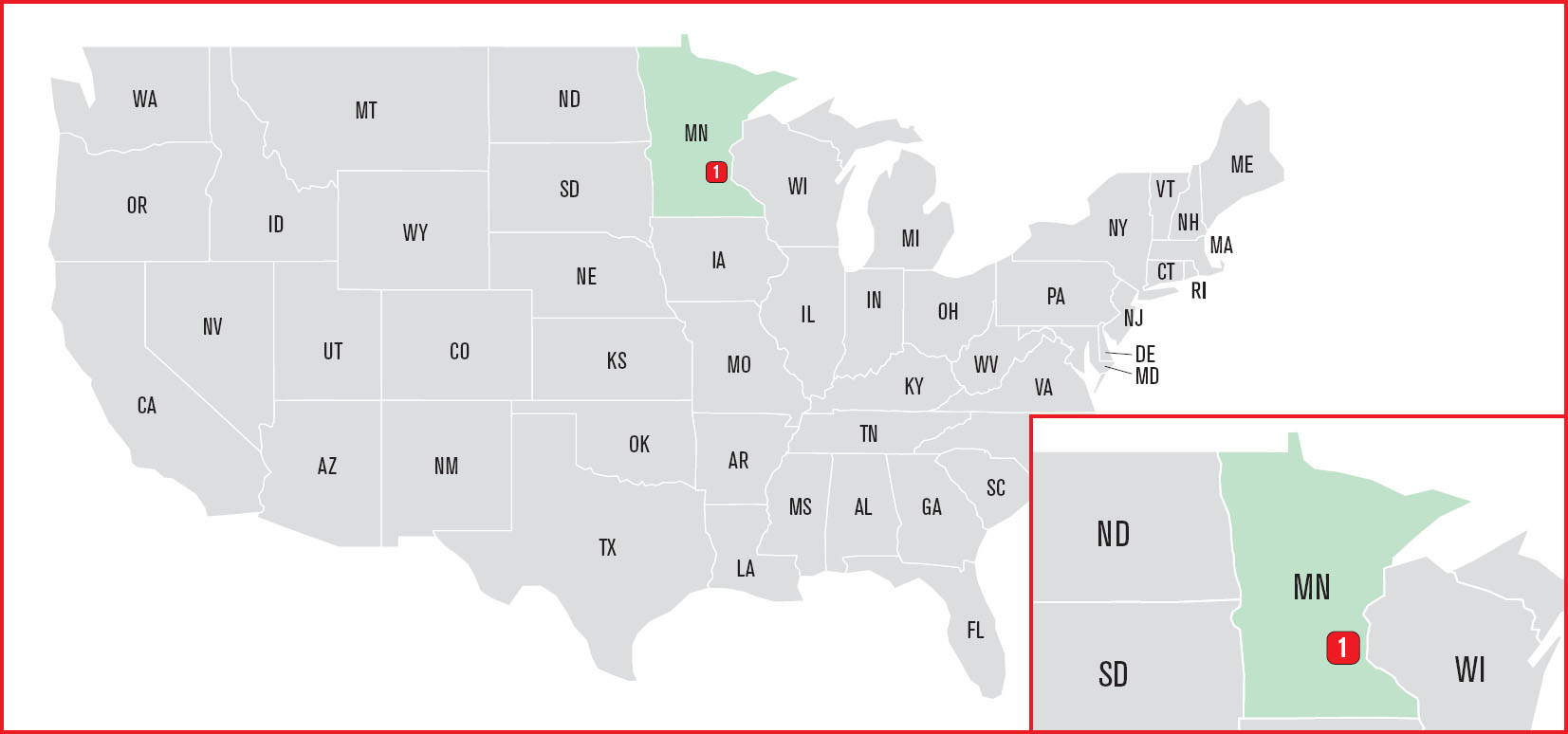
2
Armed Services Blood Bank Fellowship
| Location | Bethesda, MD |
| Sponsoring institution | Walter Reed National Military Medical Center |
| Year program started | 1958 |
| Certificate/degree | Certificate/MS |
| Instructional modality | In-person |
| Schedule | Full-time |
| Program accreditation | CAAHEP |
| Number of faculty | 2 |
| Length of program | 12-18 months |
| Start month | July |
| Application period | May of the previous year |
| Class size | Average 6 |
| Tuition (as reported in 2023) |
|
| Stipend | Regular military service pay |
| ASCP SBB certification exam pass rate | 97% |
| Minimum admission requirements |
|
| Minimum curriculum requirements |
|
| Resources available | Walter Reed Bethesda and George Washington University libraries |
| Clinical affiliates | None |
| Publications/awards | N/A |
| Noteworthy program changes since COVID-19 | None |
| Additional notes from the program | Open only to active-duty U.S. military members |
| Medical Director | Dr. James O. Long |
| Program Director | William L. Turcan, MLS(ASCP)SBB |
| Education Coordinator | William L. Turcan, MLS(ASCP)SBB |
| William.L.Turcan.civ@health.mil | |
| Phone | 301-295-8605 |
| Web site | https://www.health.mil/Military-Health-Topics/Health-Readiness/ASBP/About |
| Contributor | William L. Turcan, MLS(ASCP)SBB |
1 MS = Master of Science; CAAHEP = Commission on Accreditation of Allied Health Education Programs; SBB = Specialist in Blood Banking; ASCP = American Society for Clinical Pathology; BS = Bachelor of Science; MLS = medical laboratory scientist; N/A = not applicable; COVID-19 = coronavirus disease 2019.
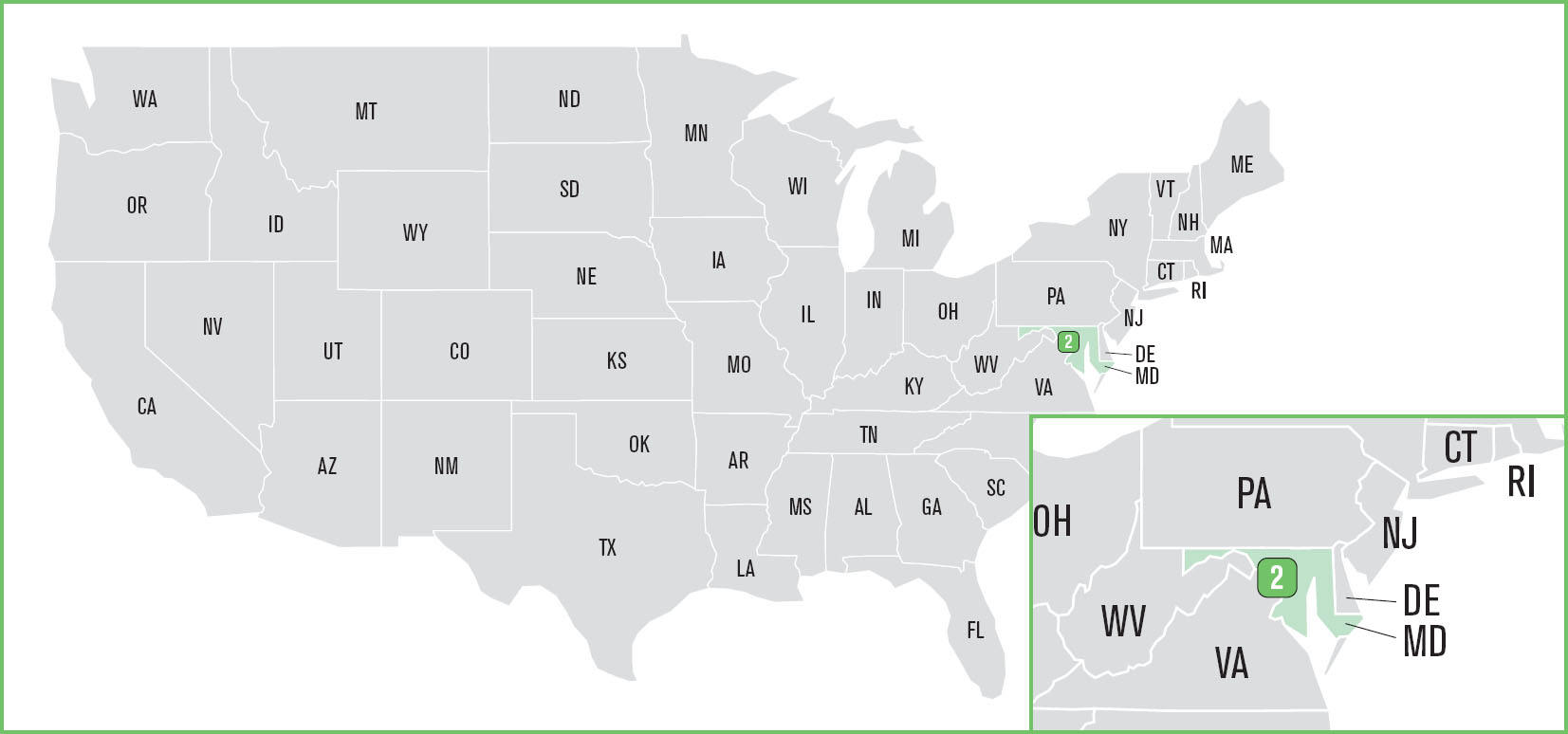
3
BioBridge Global Specialist in Blood Banking Technology/Transfusion Medicine Program
| Location | San Antonio, TX |
| Sponsoring institution | BioBridge Global and University Health |
| Year program started | 2018 |
| Certificate/degree | Certificate |
| Instructional modality | Remote |
| Schedule | Working professional |
| Program accreditation | CAAHEP |
| Number of faculty | 5 |
| Length of program | 12 months |
| Start month | May |
| Application period | December-January |
| Class size | Maximum 5 |
| Tuition (as reported in 2023) | $5000/year, discount for BBG and UH employees |
| Stipend | None |
| ASCP SBB certification exam pass rate | 92% (11/12 graduates) |
| Minimum admission requirements |
|
| Minimum curriculum requirements |
|
| Resources available | Excellent location for clinical rotations (level 1 trauma center, IRL, HLA laboratory, blood donor centers) and several board-certified TM pathologists |
| Clinical affiliates | None provided |
| Publications/awards | None provided |
| Noteworthy program changes since COVID-19 | N/A |
| Additional notes from the program | N/A |
| Medical Director | Samantha Gomez Ngamsuntikul, MD |
| Program Director | Ronny Fryar, MS, MT(ASCP)SBB |
| Education Coordinator | Jose Quesada, MS, MT(ASCP)SBB |
| samantha.ngamsuntikul@southtexasblood.org ronny.fryar@uhtx.com jose.quesada@southtexasblood.org | |
| Phone | Ronny Fryar, MS, MT(ASCP)SBB: 210-358-2812 Jose Quesada, MS, MT(ASCP)SBB: 210-731-5561, ext. 1516 |
| Web site | https://biobridgeglobal.org/careers/professional-development/ |
| Contributor | Ronny Fryar, MS, MT(ASCP)SBB |
1 CAAHEP = Commission on Accreditation of Allied Health Education Programs; BBG = BioBridge Global; UH = University Health; ASCP = American Society for Clinical Pathology; SBB = Specialist in Blood Banking; BS = Bachelor of Science; IRL = immunohematology reference laboratory; HLA = human leukocyte antigen; TM = transfusion medicine; COVID-19 = coronavirus disease 2019; N/A = not applicable.
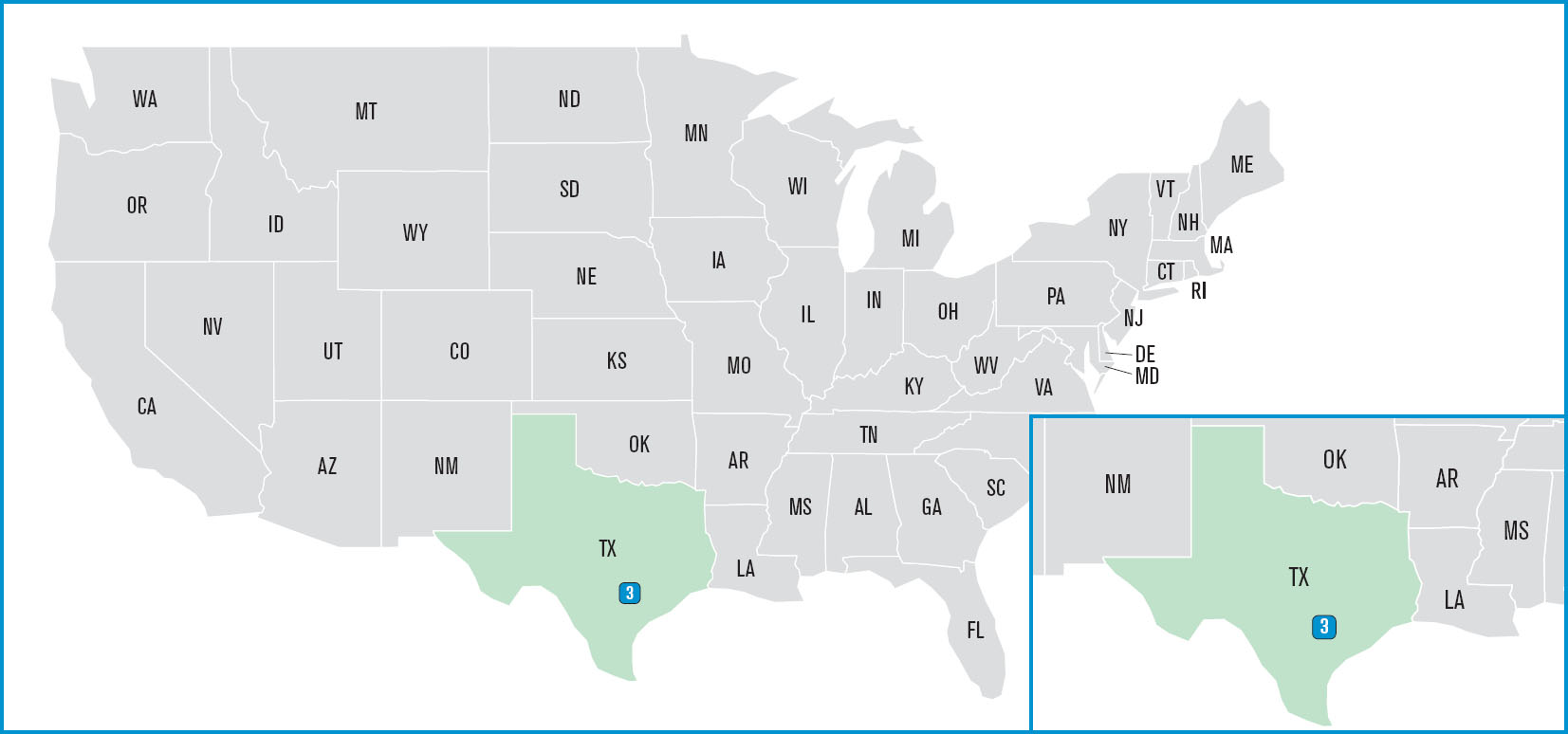
4
The Johns Hopkins Hospital (JHH) Specialist in Blood Banking Technology/Transfusion Medicine Program
| Location | Baltimore, MD |
| Sponsoring institution | Johns Hopkins Medicine |
| Year program started | 1971 |
| Certificate/degree | Certificate |
| Instructional modality | In-person |
| Schedule | Full-time |
| Program accreditation | CAAHEP |
| Number of faculty | 3–5 |
| Length of program | 12 months |
| Start month | September |
| Application period | Deadline November 30 |
| Class size | Maximum 3 |
| Tuition (as reported in 2023) | No tuition |
| Stipend | Students paid as employees |
| ASCP SBB certification exam pass rate | 89% (8/9 graduates) |
| Minimum admission requirements |
|
| Minimum curriculum requirements |
|
| Resources available |
|
| Clinical affiliates | Johns Hopkins Health System and the American Red Cross |
| Graduate publications last 5 years |
|
| Noteworthy program changes since COVID-19 | N/A |
| Additional notes from the program | Applications accepted from all qualified individuals; eligibility for employment required |
| Medical Director | Elizabeth Crowe, MD, PhD |
| Program Director | Lorraine Blagg, MA, MLS(ASCP)CMSBB |
| Education Coordinator | Kathy Haddaway, MLS(ASCP)CMSBB |
| lblagg1@jhmi.edu | |
| Web site | https://pathology.ihu.edu/transfusion/sbb-program |
| Contributor | Lorraine Blagg, MA, MLS(ASCP)CMSBB |
1 CAAHEP = Commission on Accreditation of Allied Health Education Programs; ASCP = American Society for Clinical Pathology; SBB = Specialist in Blood Banking; BS = Bachelor of Science; MLS = medical laboratory scientist; MT = medical technologist; BB = Technologist in Blood Banking; GPA = grade point average; COVID-19 = coronavirus disease 2019; N/A = not applicable.
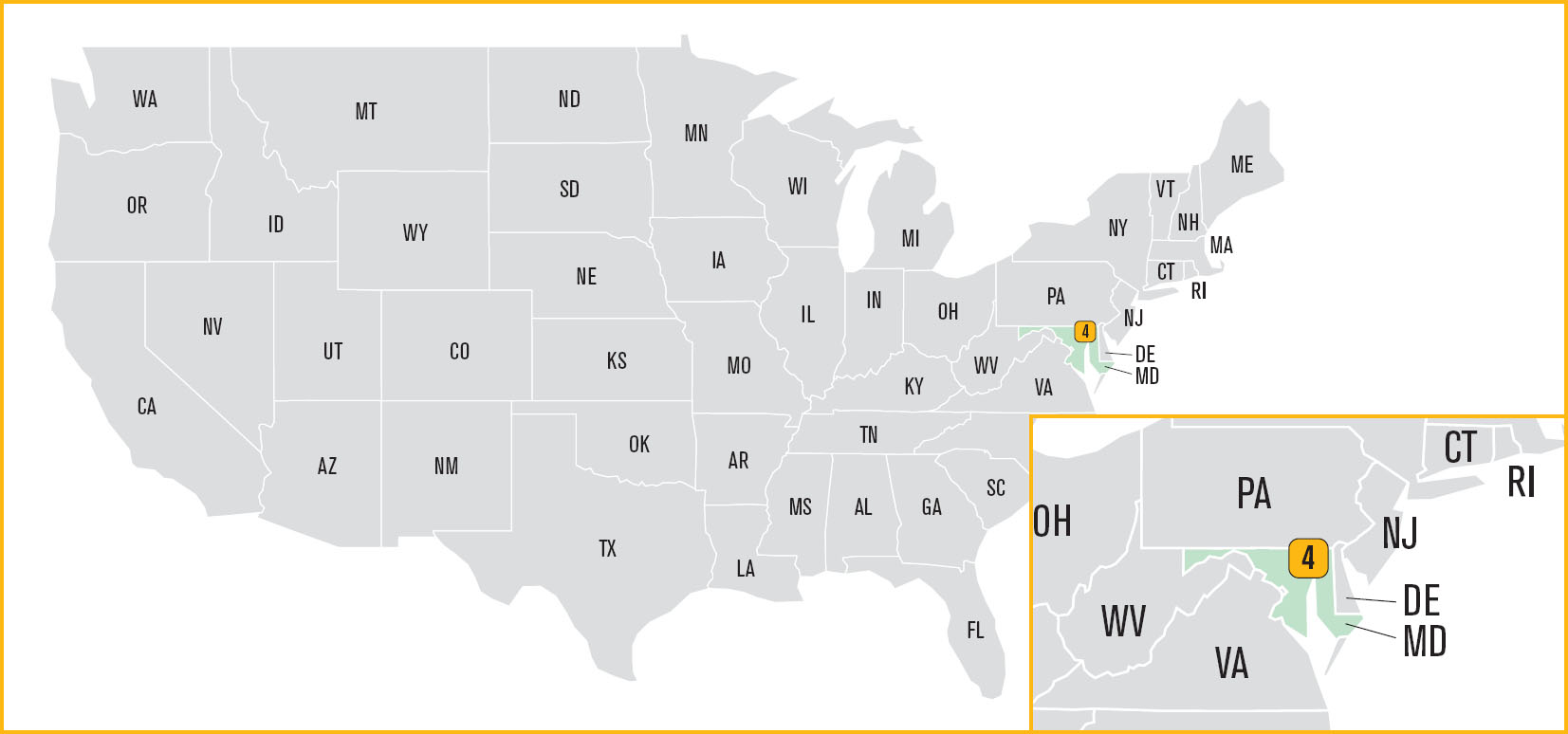
5
LifeShare Blood Center Specialist in Blood Banking Program
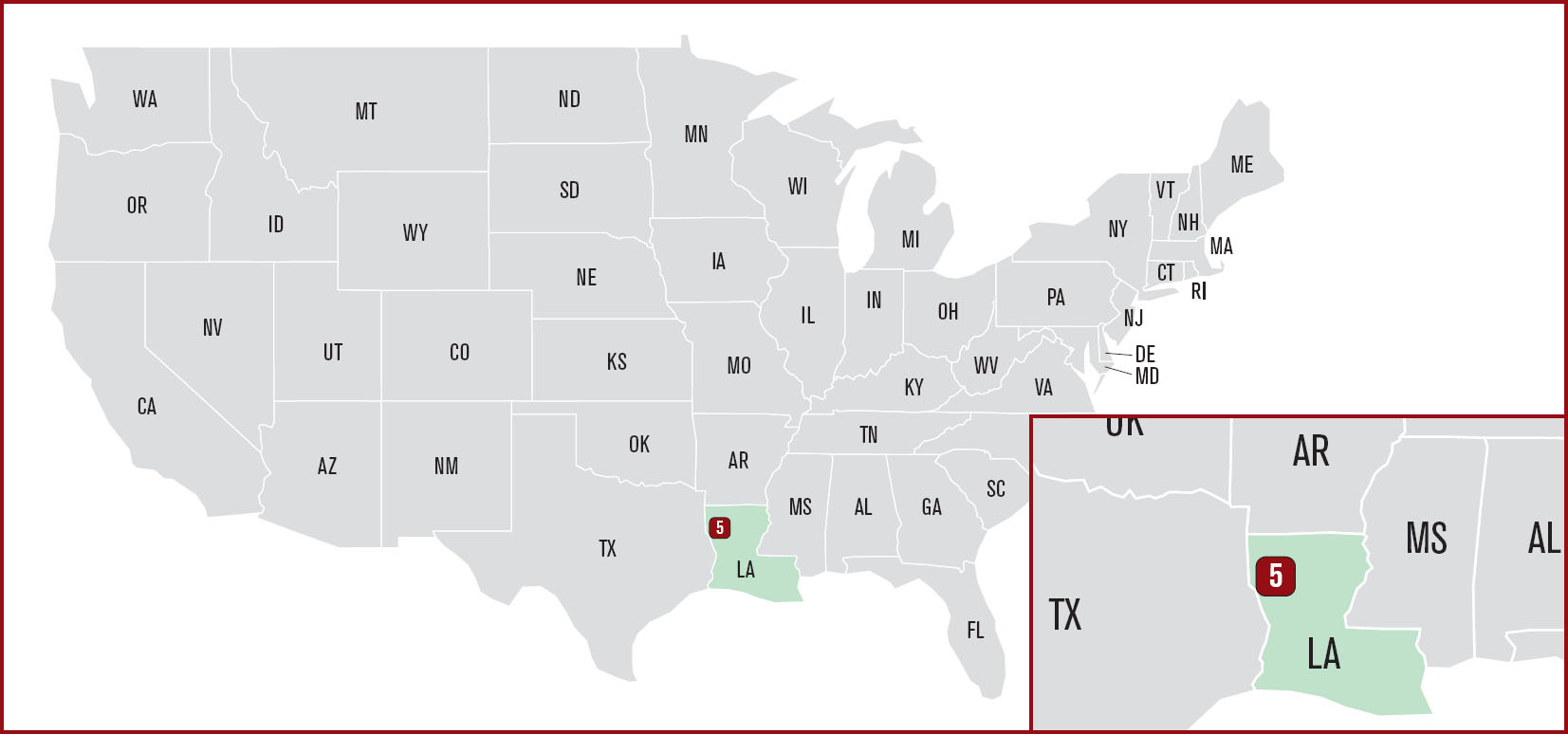
| Location | Shreveport, LA |
| Sponsoring institution | LifeShare Blood Center |
| Year program started | 2016 |
| Certificate/degree | Certificate |
| Instructional modality | Remote (on-site orientation) |
| Schedule | Full-time, working professional |
| Program accreditation | CAAHEP |
| Number of faculty | 6 |
| Length of program | 12 months |
| Start month | May |
| Application period | July 1-December 15 |
| Class size | No maximum |
| Tuition (as reported in 2023) | $6000; students responsible for travel expenses |
| Stipend | None |
| ASCP SBB certification exam pass rate | 74% |
| Minimum admission requirements |
|
| Minimum curriculum requirements |
|
| Resources available | UTMB Moody Medical Library |
| Clinical affiliates | UTMB |
| Publications/awards |
|
| Noteworthy program changes since COVID-19 | Addition of multiple virtual practicums to replace or augment in-person rotations |
| Additional notes from the program | None |
| Medical Director | Tim G. Peterson, MD, FCAP |
| Program Director | Katrina Billingsley, MSTM, MLS(ASCP)SBB |
| Education Coordinator | Kaitlyn Taylor, SBB(ASCP) |
| SBB@lifeshare.org or Katrina.Billingsley@lifeshare.org | |
| Phone | 318-673-1463 |
| Web site | https://www.lifeshare.org/sbb-program/ |
| Contributor | Katrina Billingsley, MSTM, MLS(ASCP)SBB |
1 CAAHEP = Commission on Accreditation of Allied Health Education Programs; ASCP = American Society for Clinical Pathology; SBB = Specialist in Blood Banking; BA = Bachelor of Arts; BS = Bachelor of Science; GPA = grade point average; UTMB = University of Texas Medical Branch; AABB = Association for the Advancement of Blood & Biotherapies; MLS = medical laboratory scientist; SCABB = South Carolina Association of Blood Banks; COVID-19 = coronavirus disease 2019.
6
LifeSouth Specialist in Blood Banking Certificate Program
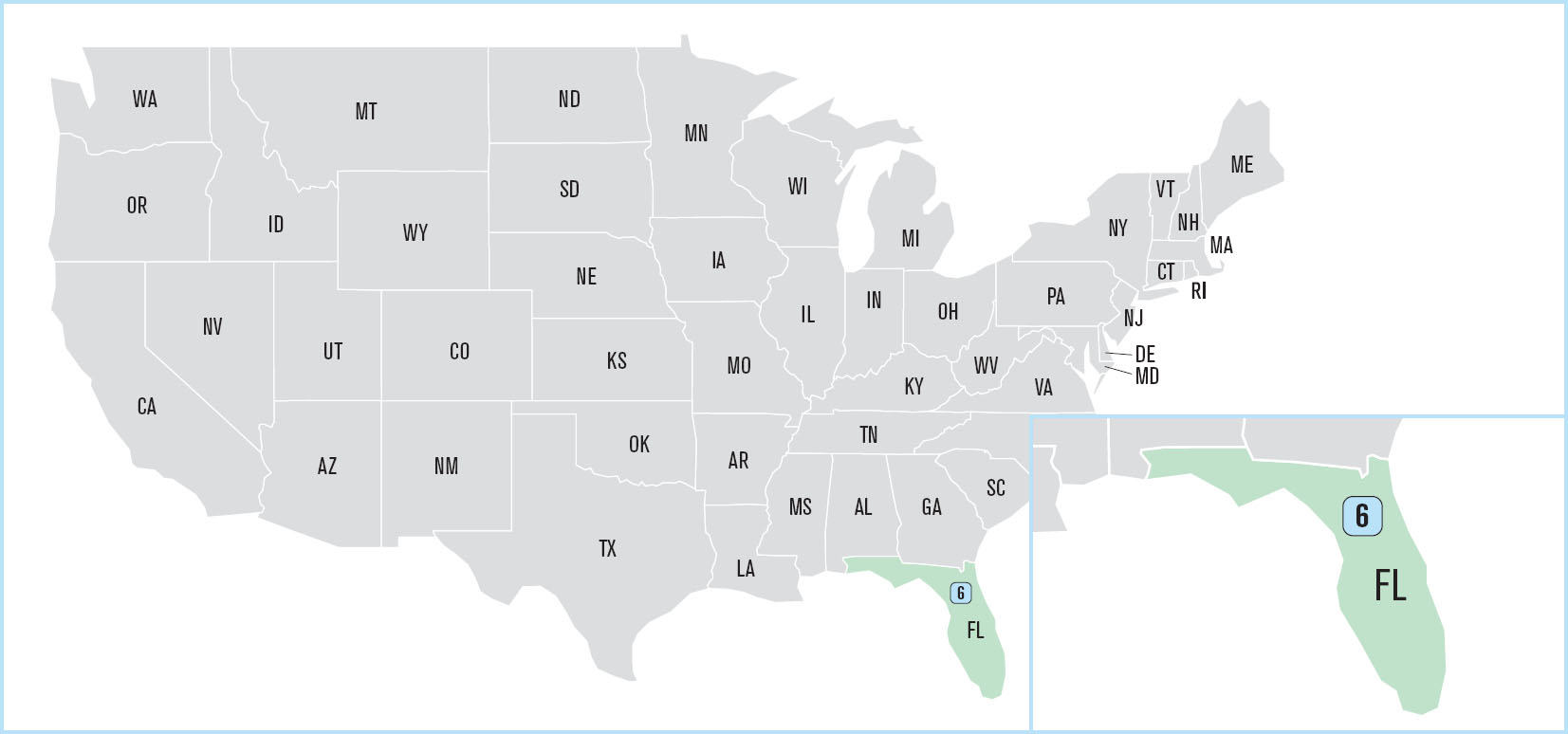
| Location | Gainesville, FL |
| Sponsoring institution | LifeSouth Community Blood Centers, Inc. |
| Year program started | 2020 |
| Certificate/degree | Certificate |
| Instructional modality | Remote |
| Schedule | Working professional |
| Program accreditation | CAAHEP |
| Number of faculty | 3 |
| Length of program | 12 months |
| Start month | June |
| Application period | Anytime, mid-April application deadline |
| Class size | Up to 5 |
| Tuition (as reported in 2023) | $6000; students responsible for travel expenses; no charge to employees with a 1-year commitment to work for LifeSouth as an SBB |
| Stipend | None |
| ASCP SBB certification exam pass rate | 71% (5/7 graduates) |
| Minimum admission requirements |
|
| Minimum curriculum requirements |
|
| Resources available |
|
| Clinical affiliates | UF Health Shands Hospital, Blood Bank/Transfusion Services |
| Publications/awards | None provided |
| Noteworthy program changes since COVID-19 | Increased the number of virtual content options |
| Additional notes from the program | Faculty members with current working experience as medical director, technical director, and QA coordinator as well as experience teaching blood banking. |
| Medical Director | Christopher M. Lough, MD |
| Program Director | Christopher M. Lough, MD |
| Education Coordinator | Guillermo (Bill) Martinez, MS, MT(ASCP)SBB, LSSBB (ASQ) |
| gamartinez@lifesouth.org | |
| Web site | https://www.lifesouth.org/specialist-in-blood-banking-certificate-program/ |
| Contributor | Guillermo (Bill) Martinez, MS, MT(ASCP)SBB, LSSBB (ASQ) |
1 CAAHEP = Commission on Accreditation of Allied Health Education Program; SBB = Specialist in Blood Banking; ASCP = American Society for Clinical Pathology; MT = medical technologist; IRLs = immunohematology reference laboratories; HLA = human leukocyte antigen; QC = quality control; UF = University of Florida; COVID-19 = coronavirus disease 2019; QA = quality assurance.
7
NIH CC DTM Specialist in Blood Banking Program
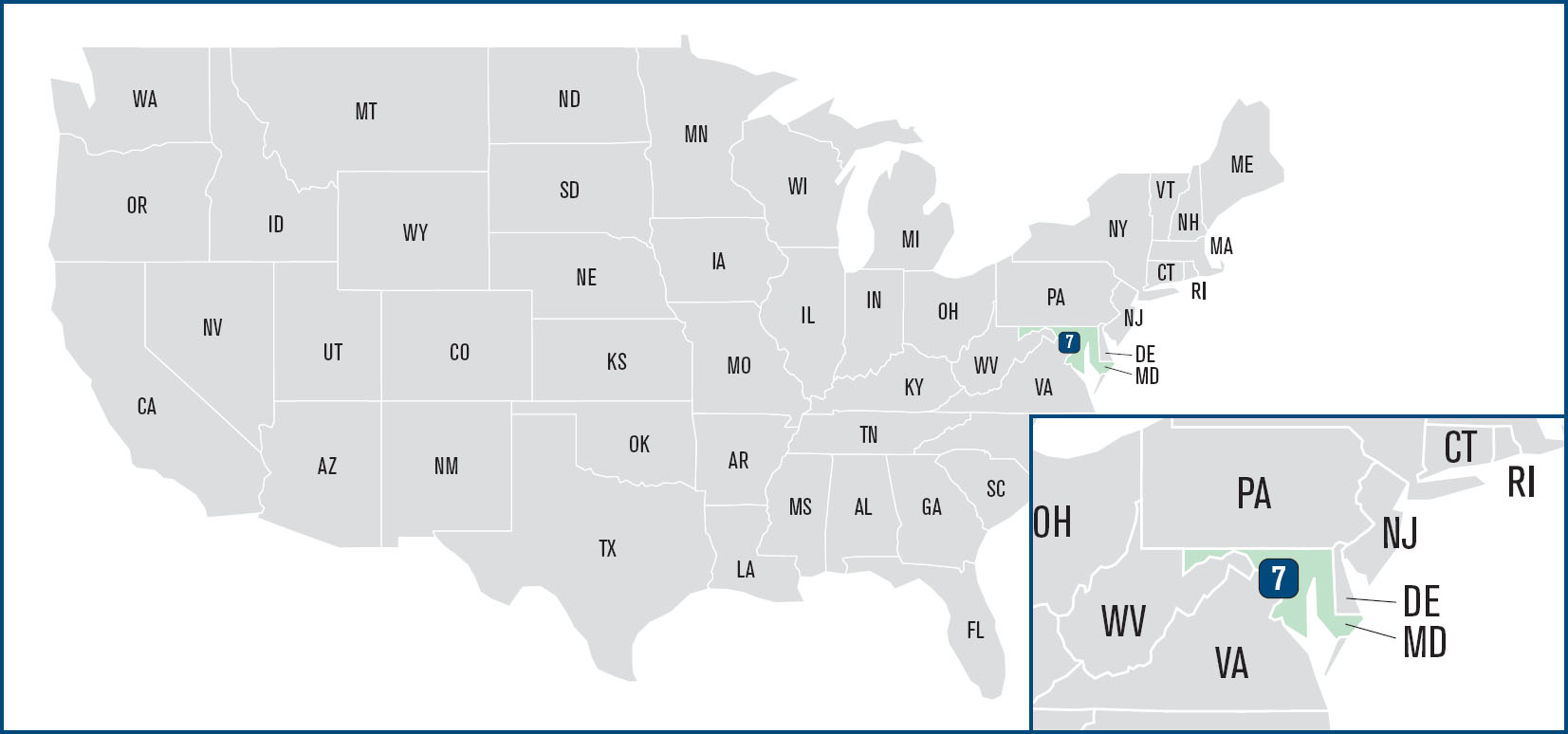
| Location | Bethesda, MD |
| Sponsoring institution | National Institutes of Health, Clinical Center, Department of Transfusion Medicine |
| Year program started | Instituted in 1966; program appeared as accredited in the AMA directory in 1973 |
| Certificate/degree | Certificate |
| Instructional modality | Hybrid |
| Schedule | Full-time |
| Program accreditation | CAAHEP |
| Number of faculty | >10 |
| Length of program | 12 months |
| Start month | July |
| Application period | Applications welcome throughout the year |
| Class size | 1-3 |
| Tuition (as reported in 2023) | No charge to employees |
| Stipend | Students work part-time in transfusion services laboratory |
| ASCP SBB certification exam pass rate | 90% (9/10 graduates) |
| Minimum admission requirements |
|
| Minimum curriculum requirements |
|
| Resources available |
|
| Clinical affiliates |
|
| Publications/awards |
|
| Noteworthy program changes since COVID-19 | Lecturers may opt to present lectures via WebEx: student and presenter not in same location (hybrid/synchronous) |
| Additional notes from the program |
|
| Medical Director | Willy (Bill) A. Flegel, MD; since 2009 |
| Program Director | Traci D. Paige, MLS(ASCP)SBB; since 2017 |
| Education Coordinator | Karen M. Byrne, MDE, MLS(ASCP)SBB; since 1995 |
| CC-DTMSBBApplication@mail.nih.gov | |
| Phone | 301-496-8335 |
| Web site | https://www.cc.nih.gov/dtm/research/sbb.html |
| Contriibutor | Karen M. Byrne, MDE, MLS(ASCP)SBB |
1 NIH = National Institutes of Health; CC = Clinical Center; DTM = Department of Transfusion Medicine; AMA = American Medical Association; CAAHEP = Commission on Accreditation of Allied Health Education Programs; ASCP = American Society for Clinical Pathology; SBB = Specialist in Blood Banking; AABB = Association for the Advancement of Blood & Biotherapies; ARCBS = American Red Cross Biomedical Services; COVID-19 = coronavirus disease 2019.
8
OneBlood, Inc. Specialist in Blood Banking Technology/Transfusion Medicine Program
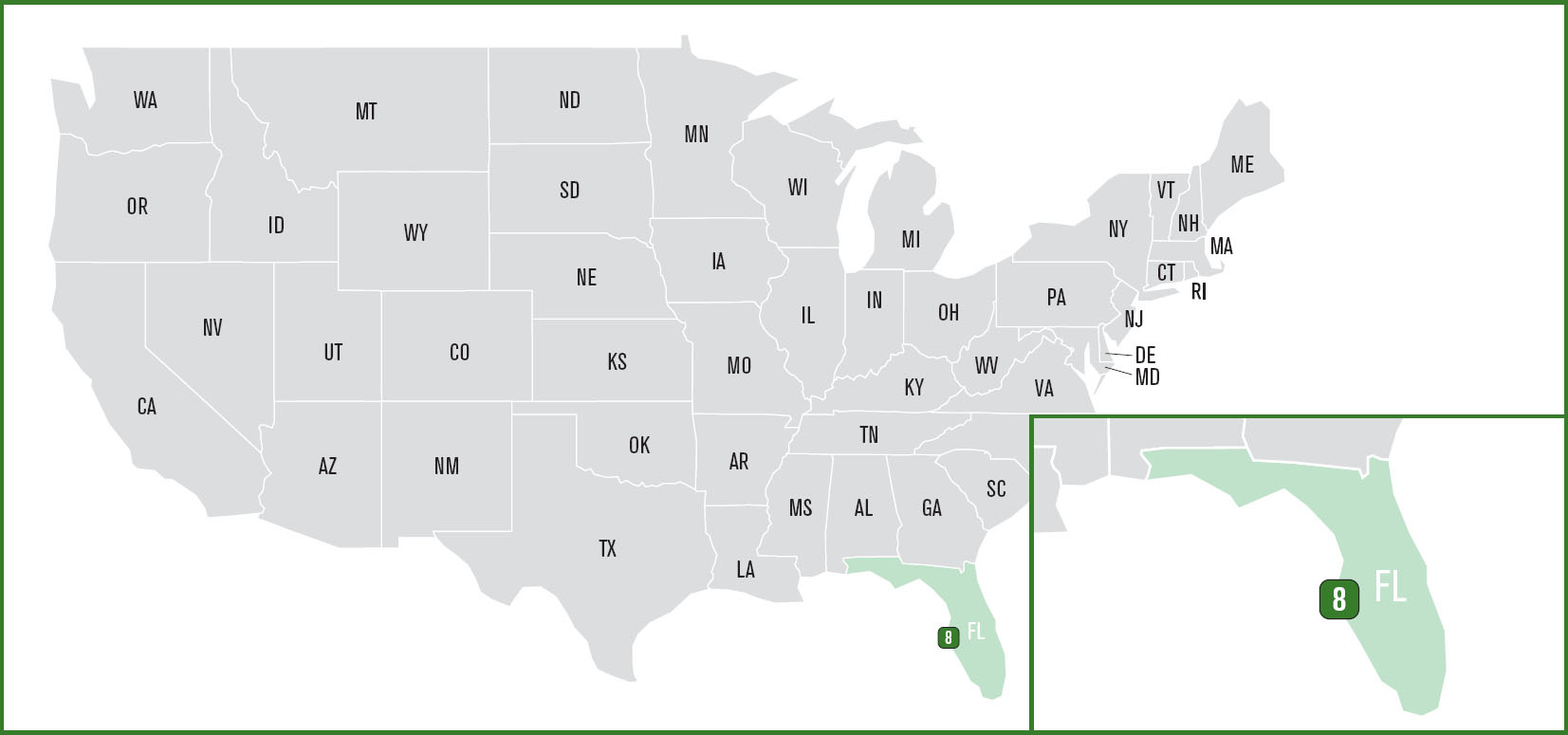
| Location | St. Petersburg, FL |
| Sponsoring institution | OneBlood, Inc. |
| Year program started | 2020 |
| Certificate/degree | Certificate |
| Instructional modality | Remote |
| Schedule | Working professional |
| Program accreditation | CAAHEP |
| Number of faculty | 2 |
| Length of program | 12 months |
| Start month | May |
| Application period | January–February |
| Class size | 6 |
| Tuition (as reported in 2023) | $50 application fee, $6000 tuition |
| Stipend | None |
| ASCP SBB certification exam pass rate | 77% |
| Minimum admission requirements |
|
| Minimum curriculum requirements |
|
| Resources available | University of Texas Medical Branch library |
| Clinical affiliates | None |
| Publications/awards | Three abstracts accepted at SCABB and AABB annual meetings:
|
| Noteworthy program changes since COVID-19 | None |
| Additional notes from the program | None |
| Medical Director | Richard Gammon, MD |
| Program Director | Wyenona “Nonie” Hicks, MS, MT(ASCP)SBB |
| Education Coordinator | Julie Laureano, MLS(ASCP)CMSBBCM |
| MTEducation@oneblood.org | |
| Web site | https://www.oneblood.org/BBTSBB/sbbprogram.stml |
| Contributor | Julie Laureano, MLS(ASCP)CMSBBCM |
1 CAAHEP = Commission on Accreditation of Allied Health Education Programs; ASCP = American Society for Clinical Pathology; SBB = Specialist in Blood Banking; MT = medical technologist; MLS = medical laboratory scientist; BB = Technologist in Blood Banking; GPA = grade point average; SCABB = South Carolina Association of Blood Banks; AABB = Association for the Advancement of Blood & Biotherapies; COVID-19 = coronavirus disease 2019.
9
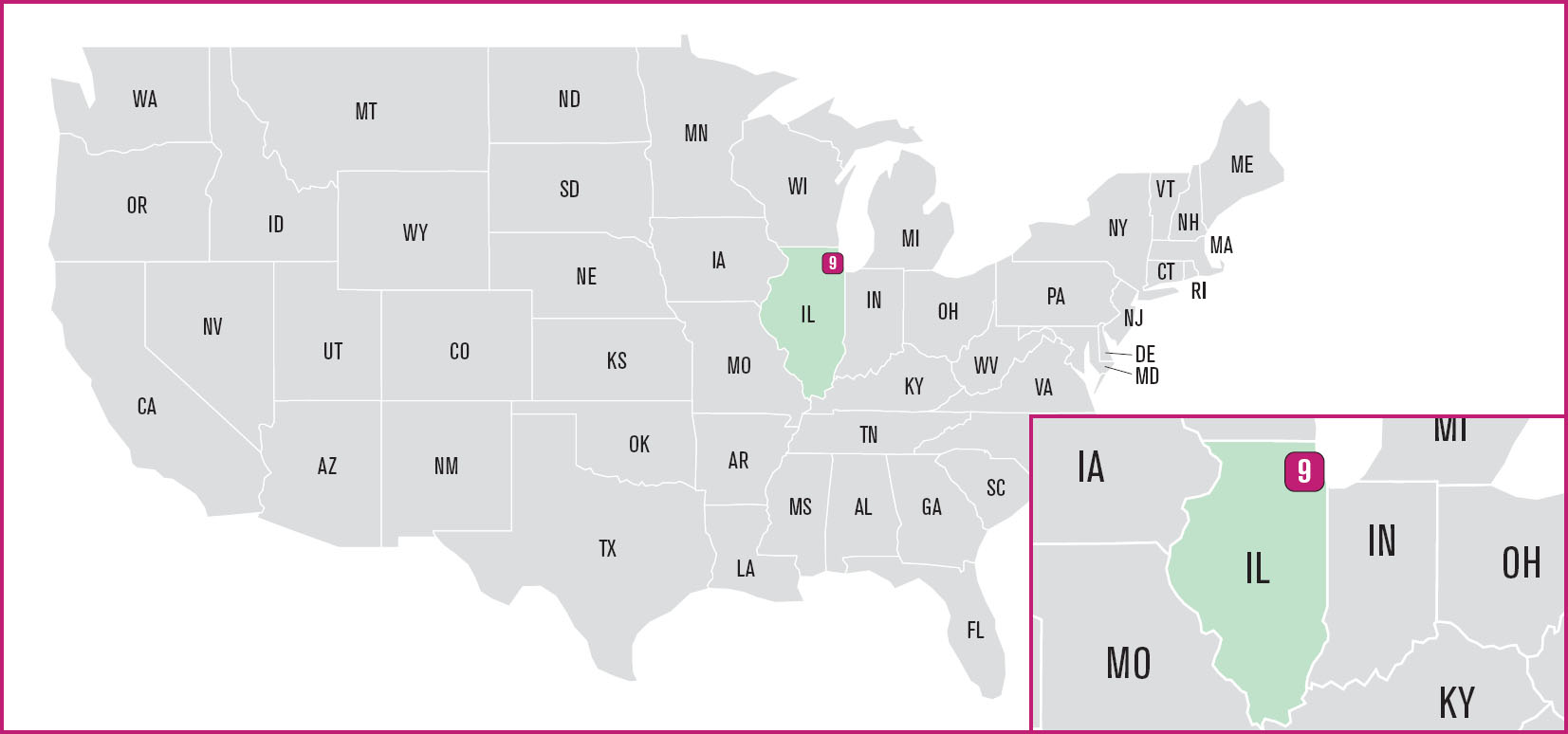
Rush University Specialist in Blood Banking Program
| Location | Chicago, IL |
| Sponsoring institution | Rush University Medical Center |
| Year program started | 2007 |
| Certificate/degree | Certificate/MS |
| Instructional modality | Remote |
| Schedule | Full-time/part-time, working professional |
| Program accreditation | CAAHEP |
| Number of faculty | 5 |
| Length of program | 12 or 24 months |
| Start month | September |
| Application period | October-July |
| Class size | 18-24 |
| Tuition (as reported in 2023) | Approximately $16,000 for all students |
| Stipend | None |
| ASCP SBB certification exam pass rate | 70% |
| Minimum admission requirements |
|
| Minimum curriculum requirements |
|
| Resources available |
|
| Clinical affiliates | Many; contact program director for specific locations |
| Publications/awards |
|
| Noteworthy program changes since COVID-19 | Beginning in 2021, as a global health initiative, the Rush University SBB program began a collaboration with the UGHE, Rwanda, Africa, to provide education to their selected candidates for 3 years. In 2023, the Rush faculty will assist UGHE in the creation of a distance blood banking program to benefit sub-Saharan countries, ultimately impacting donor and patient transfusion safety throughout Africa. |
| Additional notes from the program |
|
| Medical Director | Mark Pool, MD |
| Program Director | Laurie Gillard, MS, MLS(ASCP)SBB |
| Education Coordinator | Laurie Gillard, MS, MLS(ASCP)SBB |
| Laurie_Gillard@rush.edu | |
| Web site | https://www.rushu.rush.edu/college-health-sciences/academic-programs/specialist-blood-bank-technology-certificate/ |
| Contributor | Laurie Gillard, MS, MLS(ASCP)SBB(ASCP) |
1 MS = Master of Science; CAAHEP = Commission on Accreditation of Allied Health Education Programs; ASCP = American Society for Clinical Pathology; SBB = Specialist in Blood Banking; WES = World Education Services; ECE = Educational Credential Evaluators; GPA = grade point average; SBBT = Specialist in Blood Banking technology; TM = transfusion medicine; COVID-19 = coronavirus disease 2019; UGHE = University of Global Health Equity.
10
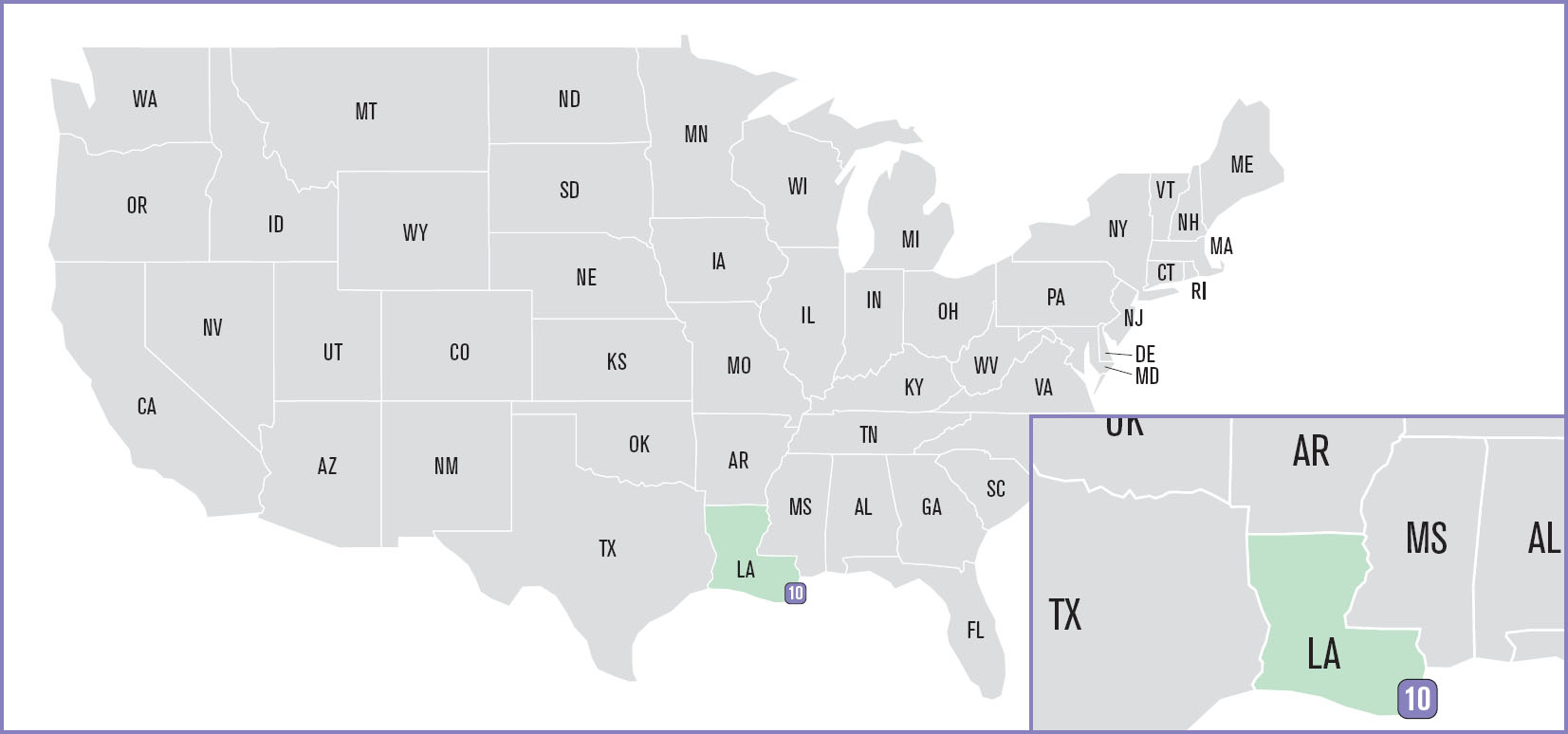
University Medical Center New Orleans Specialist in Blood Banking Program
| Location | New Orleans, LA |
| Sponsoring institution | University Medical Center New Orleans |
| Year program started | 2016 (distance); previously on-site began in 1974 |
| Certificate/degree | Certificate |
| Instructional modality | Remote |
| Schedule | Working professional |
| Program accreditation | CAAHEP |
| Number of faculty | 10 |
| Length of program | 12 months |
| Start month | October |
| Application period | Deadline February 28; accept applications until July 31 if class size has not reached capacity |
| Class size | 4–12 |
| Tuition (as reported in 2023) | $6000 tuition; exemption of $3000 to LCMC Health employees after successful completion of the program |
| Stipend | None |
| ASCP SBB certification exam pass rate | 88% |
| Minimum admission requirements |
|
| Minimum curriculum requirements |
|
| Resources available | Availability of textbooks for student use |
| Clinical affiliates | Locations chosen by student near his or her geographic location |
| Publications/awards | Completion of a scientific paper with the expectation it will be publishable |
| Noteworthy program changes since COVID-19 |
|
| Additional notes from the program | Students of any race, color, creed, sex, age, disabling conditions (handicaps), and national origin welcomed |
| Medical Director | Shaun Lawicki, MBBS |
| Program Director | Sharon Stradley, MT(ASCP)SBB |
| Education Coordinator | Leslie Granier, MT(ASCP)SBB |
| BBEducation@lcmchealth.org or Leslie.granier@lcmchealth.org | |
| Phone | 504-702-3482 |
| Web site | https://www.lcmchealth.org/university-medical-center-new-orleans/academic-medical-center/specialist-in-blood-bank-technology-program/ |
| Contributor | Leslie Granier, MT(ASCP)SBB |
1 CAAHEP = Commission on Accreditation of Allied Health Education Programs; LCMC = Louisiana Children’s Medical Center; ASCP = American Society for Clinical Pathology; SBB = Specialist in Blood Banking; MT = medical technologist; MLS = medical laboratory scientist; BB = Technologist in Blood Banking; GPA = grade point average; COVID-19 = coronavirus disease 2019.
11
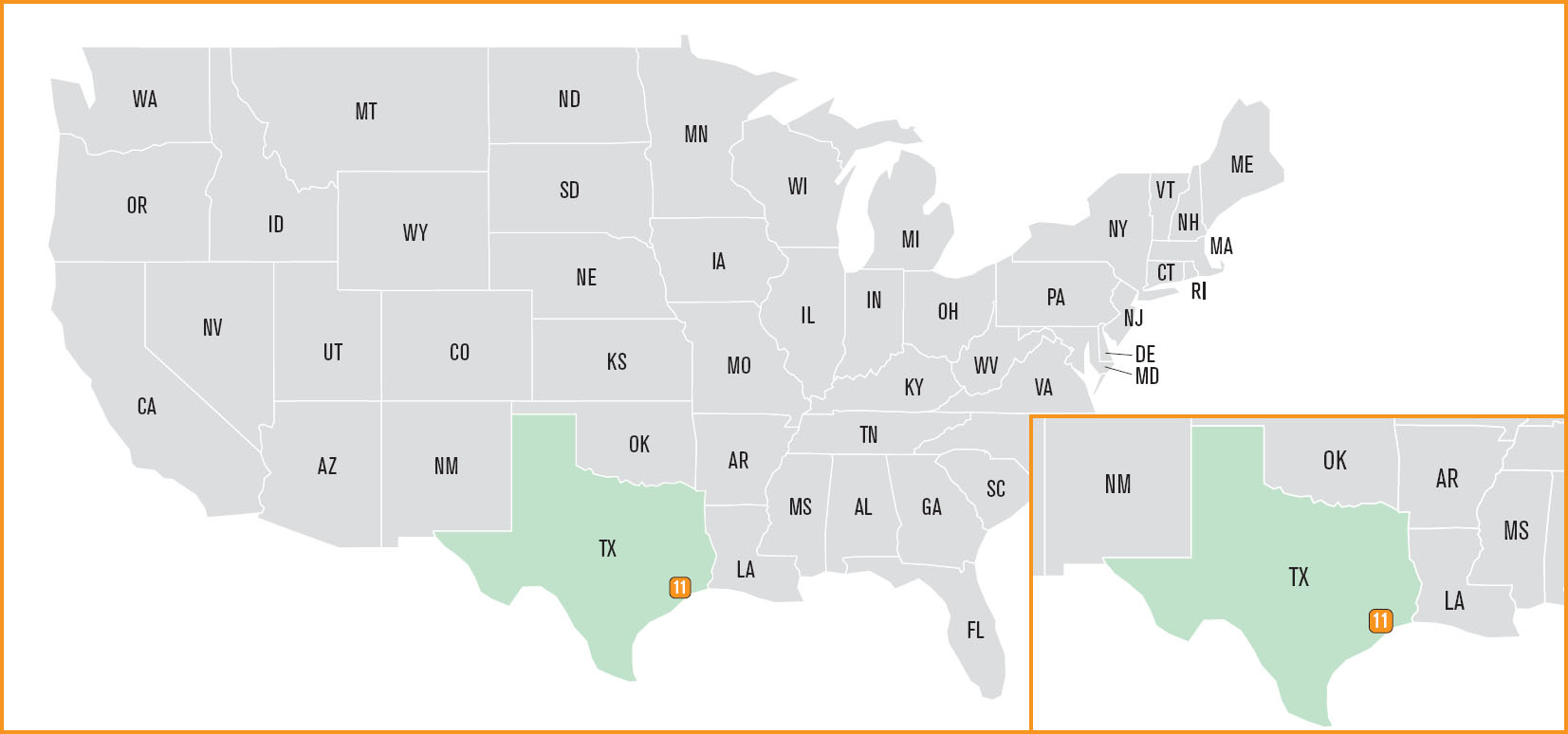
UTMB Specialist in Blood Banking Technology Program
| Location | Galveston, TX |
| Sponsoring institution | University of Texas Medical Branch |
| Year program started | 1955 |
| Certificate/degree | Certificate |
| Instructional modality | Remote (on-site orientation) |
| Schedule | Working professional |
| Program accreditation | CAAHEP |
| Number of faculty | 4 |
| Length of program | 12 months |
| Start month | May |
| Application period | July 1-March 1 |
| Class size | Maximum 25 |
| Tuition (as reported in 2023) | Texas residents: approximately $9600; non-residents: approximately $18,500 |
| Stipend | None |
| ASCP SBB certification exam-pass rate | 94% |
| Minimum admission requirements |
|
| Minimum curriculum requirements |
|
| Resources available | Library, Student Success Center |
| Clinical affiliates | American Red Cross facilities |
| Publications/awards |
|
| Noteworthy program changes since COVID-19 | Addition of several virtual clinical practicums and interactive educational activities |
| Additional notes from the program |
|
| Medical Director | Christopher Lough, MD |
| Program Director | LeeAnn Walker, MEd, MLS(ASCP)SBB |
| Education Coordinator | N/A |
| clsadmin@utmb.edu | |
| Phone | 409-772-3055 |
| Web site | https://www.utmb.edu/shp/clls/sbb/home |
| Contributor | LeeAnn Walker, MEd, MLS(ASCP)SBB |
1 UTMB = University of Texas Medical Branch; CAAHEP = Commission on Accreditation of Allied Health Education Programs; ASCP = American Society for Clinical Pathology; SBB = Specialist in Blood Banking; BS = Technologist in Blood Banking; GPA = grade point average; MSTM = Master of Science in Transfusion Medicine; AABB = Association for the Advancement of Blood & Biotherapies; SCABB = South Carolina Association of Blood Banks; COVID-19 = coronavirus disease 2019; N/A = not applicable.
12
Versiti Specialist in Blood Banking Program
| Location | Milwaukee, WI |
| Sponsoring institution | Versiti |
| Year program started | 1965 |
| Certificate/degree | Certificate/MSTM |
| Instructional modality | Hybrid |
| Schedule | Full-time, part-time |
| Program accreditation | CAAHEP |
| Number of faculty | 3 |
| Length of program | 18–28 months |
| Start month | August |
| Application period | January 1–April 1 |
| Class size | 4 |
| Tuition (as reported in 2023) | Installments over five semesters, minimum of $1232/semester; fees reviewed annually and subject to change |
| Stipend | None |
| ASCP SBB certification exam pass rate | 89% (8/9 graduates) |
| Minimum admission requirements | Applicants must meet the following ASCP BOC requirements for SBB certification: |
| |
| Minimum curriculum requirements |
|
| Resources available |
|
| Clinical affiliates |
|
| Publications/awards |
|
| Noteworthy program changes since COVID-19 | Program changes minimal; some non-laboratory rotations moved to/have a virtual option |
| Additional notes from the program | Versiti’s SBB program is not an online program; weekly lectures can be attended remotely.
|
| Program Director | Sue Johnson, MSTM, MLS(ASCP)SBBCM |
| Education Coordinator | Natasha Leon, MLS(ASCP)SBBCM |
| nmleon@versiti.org | |
| Phone | 414-937-6412 |
| Web site | https://versiti.org/education/specialist-in-blood-banking-program |
| Contrbutor | Natasha Leon, MLS(ASCP)SBBCM |
1 MSTM = Master of Science in Transfusion Medicine; CAAHEP = Commission on Accreditation of Allied Health Education Programs; ASCP = American Society for Clinical Pathology; SBB = Specialist in Blood Banking; BOC = Board of Certification; MLS = medical laboratory scientist; BB = Technologist in Blood Banking; AABB = Association for the Advancement of Blood & Biotherapies; COVID-19 = coronavirus disease 2019.