
A Specialist in Blood Banking (SBB) frequently becomes an expert member of the clinical team in the hospital laboratory, donor center, immunohematology reference laboratory (IRL), or cellular therapy laboratory. SBBs are involved in all operations of hospital blood banks and donor centers. While they may perform laboratory testing, many are technical supervisors and laboratory managers who use their expertise in IRLs, cellular therapy laboratories, and/or regulatory agencies. SBBs are also educators and researchers.1
An individual becomes an SBB by successfully passing an examination given by the American Society for Clinical Pathology (ASCP).2 There are seven pathways or “routes” to qualify for the examination (Table 1).3 The first route requires a candidate to possess a baccalaureate degree in a sciencebased field and complete a Commission on Accreditation of Allied Health Education Programs (CAAHEP)-accredited SBB program. The remaining six routes do not require completion of a CAAHEP-accredited SBB program but consist of combinations of different academic degrees and either laboratory or education experience. The number of routes for examination qualification has increased over time as acceptable academic degrees and types of experience have changed.
Table 1.
Eligibility routes for qualifying for the SBB certification examination
| Route 1 | Baccalaureate degree; includes biology and chemistry courses | Complete CAAHEP-accredited SBB program | |
| Route 2 | Baccalaureate degree | MLS(ASCP) or BB(ASCP) certification | 3 years FT BB laboratory experience |
| Route 3 | Master’s degree† | 3 years FT BB laboratory experience | |
| Route 4 | Doctorate degree† | 2 years post-doctural fellowship in BB OR 2 years FT BB laboratory experience | |
| Route 5 | Baccalaureate degree | MLS(ASCP) or BB(ASCP) certification | 3 years as FT BB educator‡ |
| Route 6 | Master’s degree† | 3 years as FT BB educator‡ | |
| Route 7 | Doctorate degree† | MLS(ASCP) or BB(ASCP) certification | 1 year FT BB laboratory experience OR 1 year FT BB research experience |
1 CAAHEP = Commission on Accreditation of Allied Health Education Programs; MLS = medical laboratory scientist; ASCP = American Society for Clinical Pathology; FT = full-time; BB = blood banking; SBB = Specialist in Blood Banking.
1* Abbreviated information. Details available from https://www.ascp.org/content/board-of-certification/get-credentialed#. Accessed 31 August 2023.3
Byrne et al.4 published an overview of the organization and design of the 16 CAAHEP-accredited SBB programs in existence in the United States in 2010 (Fig. 1A). At that time, programs delivered instruction either face-to-face or online but not both, and only five programs offered part-time enrollment (Fig. 2A).4 Since 2010, and more recently after the SARS-CoV-2 pandemic in 2020, the majority of programs offer online-only instruction or online combined with face-to-face instruction (hybrid), and many offer enrollment for working professionals. Current SBB program locations and modes of education are presented in Figures 1B and 2B.
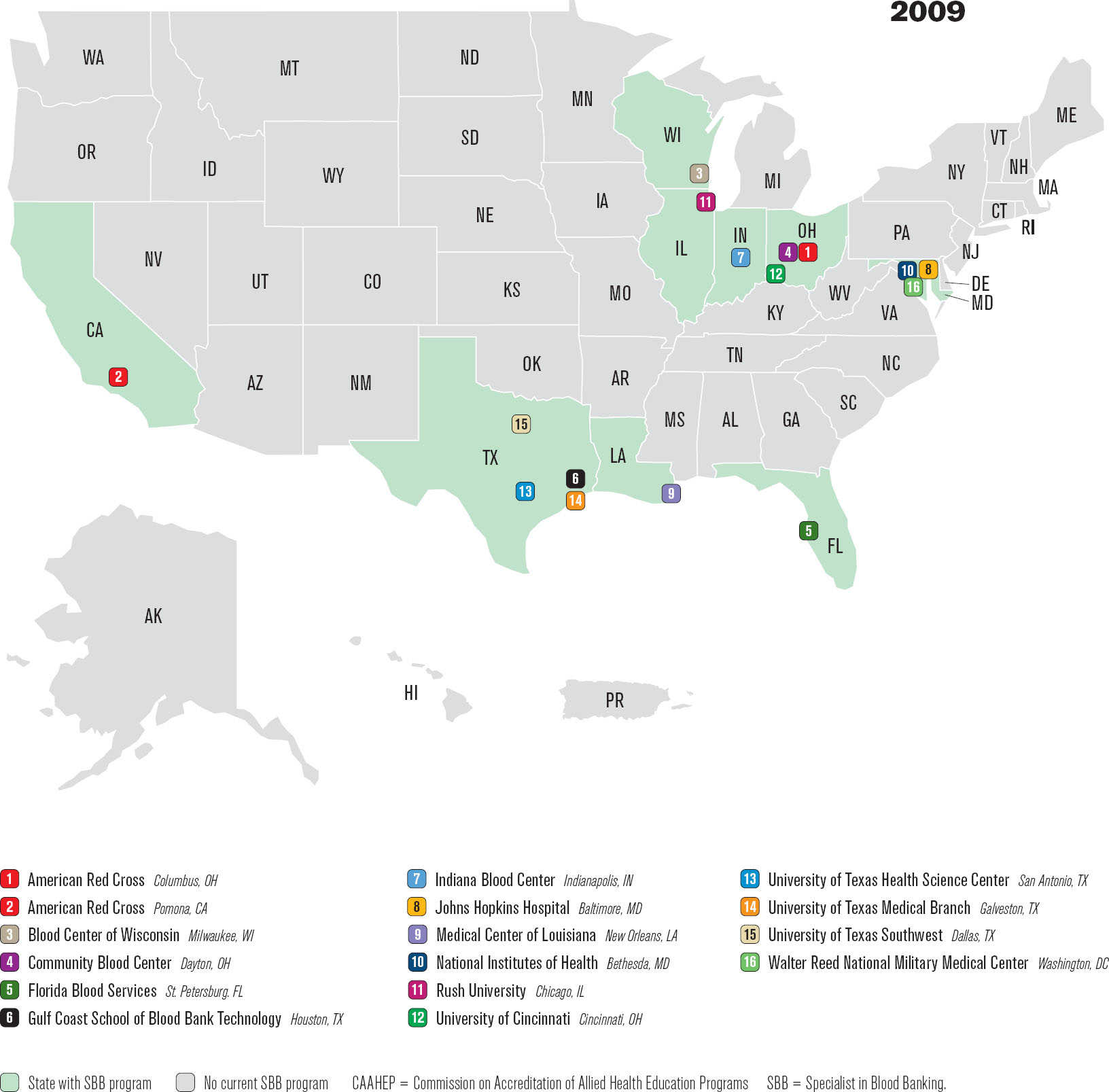
Fig. 1A
Location of CAAHEP-accredited SBB programs in the United States in 2009.
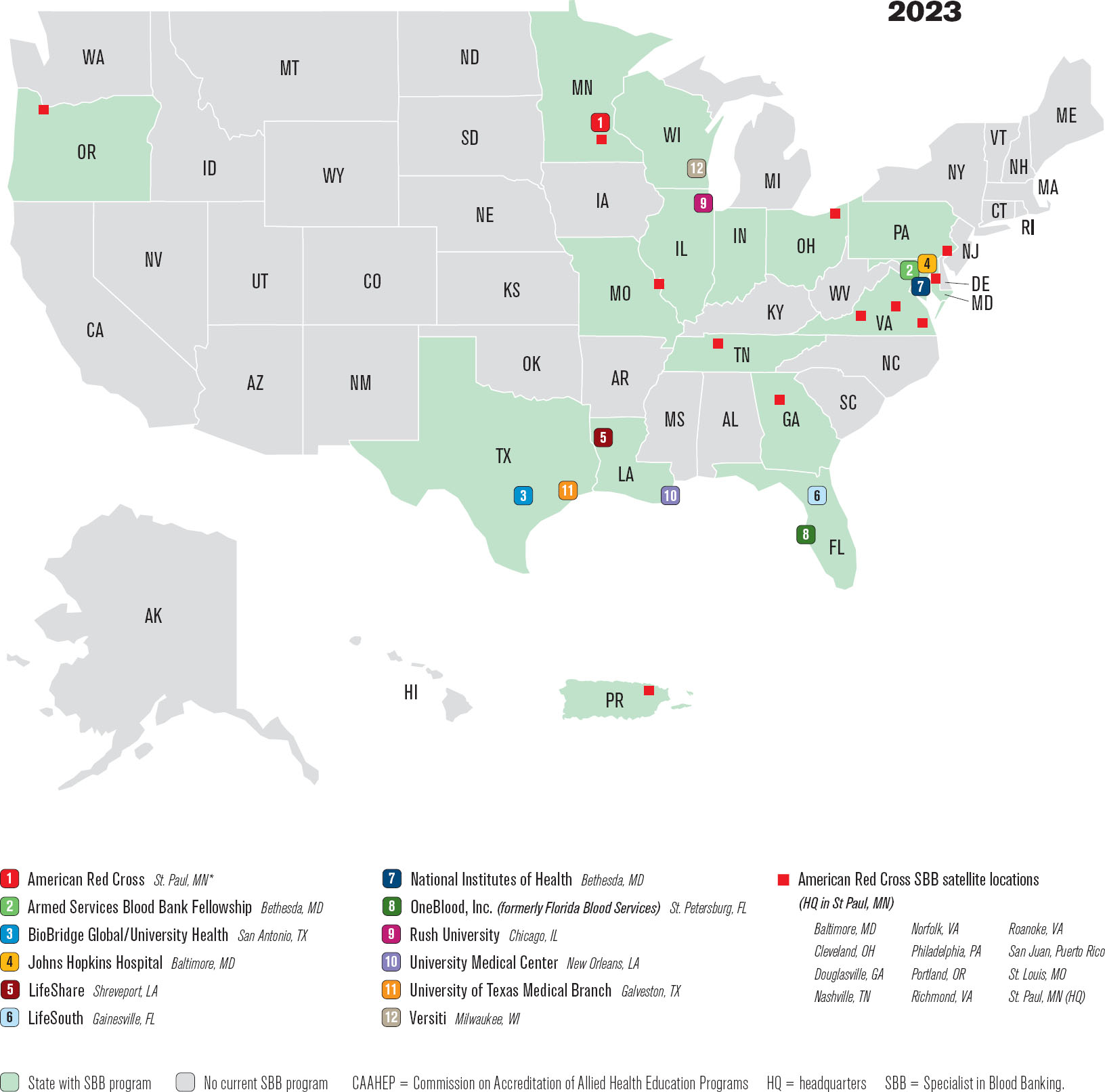
Fig. 1B
Location of CAAHEP-accredited SBB programs in the United States in 2023.
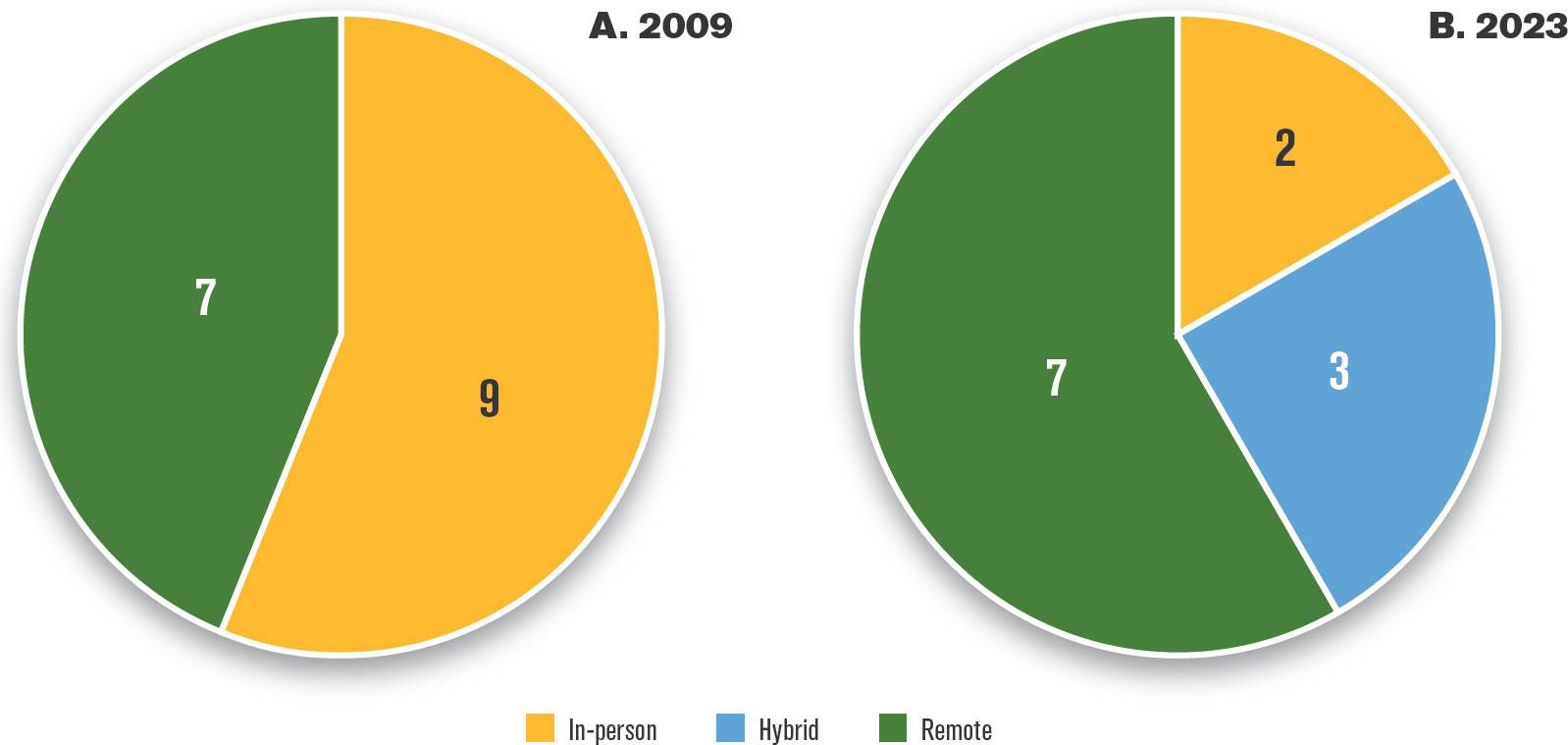
Fig. 2.
Comparison of modes of education in CAAHEP-accredited SBB programs in the United States in 2009 and 2023. CAAHEP = Commission on Accreditation of Allied Health Education Programs; SBB = Specialist in Blood Banking.
Staffing shortages in health care5 and specifically among clinical laboratory staff6 are well appreciated. Though an aging workforce and burnout are significant factors contributing to the high vacancy rate, another is the lack of knowledge about certification programs for medical laboratory scientists and the shrinking number of such programs. With regard to SBB programs, CAAHEP7 and the Association for the Advancement of Blood & Biotherapies (AABB)1 only provide directories with individual SBB program descriptions. Hence, a more up-to-date understanding and analysis of the current status of SBB programs in the United States is needed.
Methods
A survey of SBB programs in the United States was conducted in 2023. The survey questions were designed to query both qualitative and quantitative aspects of the programs, such as program location, length, design, and cost; instructional modality, contact information, available resources and clinical affiliates; admission and graduation requirements; and SBB certification pass rates. The survey was sent to SBB program coordinators, completed, and returned within 2 months. The data were tabulated for comparison of current program status as well as analyzed for changes over time. Data were queried from the ASCP for comparative purposes (Table 2).8
Table 2.
Pass rates for the ASCP SBB certification examination*
| First-time CAAHEP | First-time non-CAAHEP | ||||||
|---|---|---|---|---|---|---|---|
| Total pass (N) | Pass rate (%) | Total pass (N) | Pass rate (%) | Total examinations (N) | Total passes for year (n) | Total pass rate (%) | |
| 2013 | 62 | 84 | NP | NP | 173 | 94 | 54 |
| 2014 | 53 | 79 | NP | NP | 153 | 79 | 52 |
| 2015 | 47 | 63 | NP | NP | 164 | 77 | 47 |
| 2016 | 46 | 79 | NP | NP | 166 | 76 | 46 |
| 2017 | 32 | 68 | NP | NP | 170 | 70 | 41 |
| 2018 | 41 | 62 | NP | NP | 174 | 84 | 48 |
| 2019 | 52 | 68 | NP | NP | 174 | 92 | 53 |
| 2020 | 53 | 74 | NP | NP | 143 | 79 | 55 |
| 2021 | 58 | 73 | NP | NP | 179 | 99 | 55 |
| 2022 | 51 | 70 | NP | NP | 185 | 88 | 48 |
1 ASCP = American Society for Clinical Pathology; SBB = Specialist in Blood Banking; CAAHEP = Commission on Accreditation of Allied Health Education Programs; NP = not published.
1* Data available from https://www.ascp.org/content/board-of-certification/about-boc/#exam_stats. Accessed 8 May 2023.9
Results
The survey results are summarized within this report (Table 3) with complete information on each of the current programs provided in Exhibits 1–12. The number of CAAHEP-accredited SBB programs in the United States has declined from 16 in 2009 to 12 in 2023 (Fig. 1A and B). Six programs based in Ohio, Indiana, and California became inactive, and two programs in Florida and Louisiana became accredited. Besides gaining or losing accreditation, programs may have changed in approved number of students. Class sizes range from a single student to 25 students. The American Red Cross program has experienced the most growth, expanding from an annual class of 6 in 2010 to a class of 12 in 2022, with plans for future student increases.
Table 3.
Summary of demographics and statistics of Specialist in Blood Banking programs in the United States*
 |
 |
 |
 |
 |
 |
 |
 |
 |
 |
 |
 | |
|---|---|---|---|---|---|---|---|---|---|---|---|---|
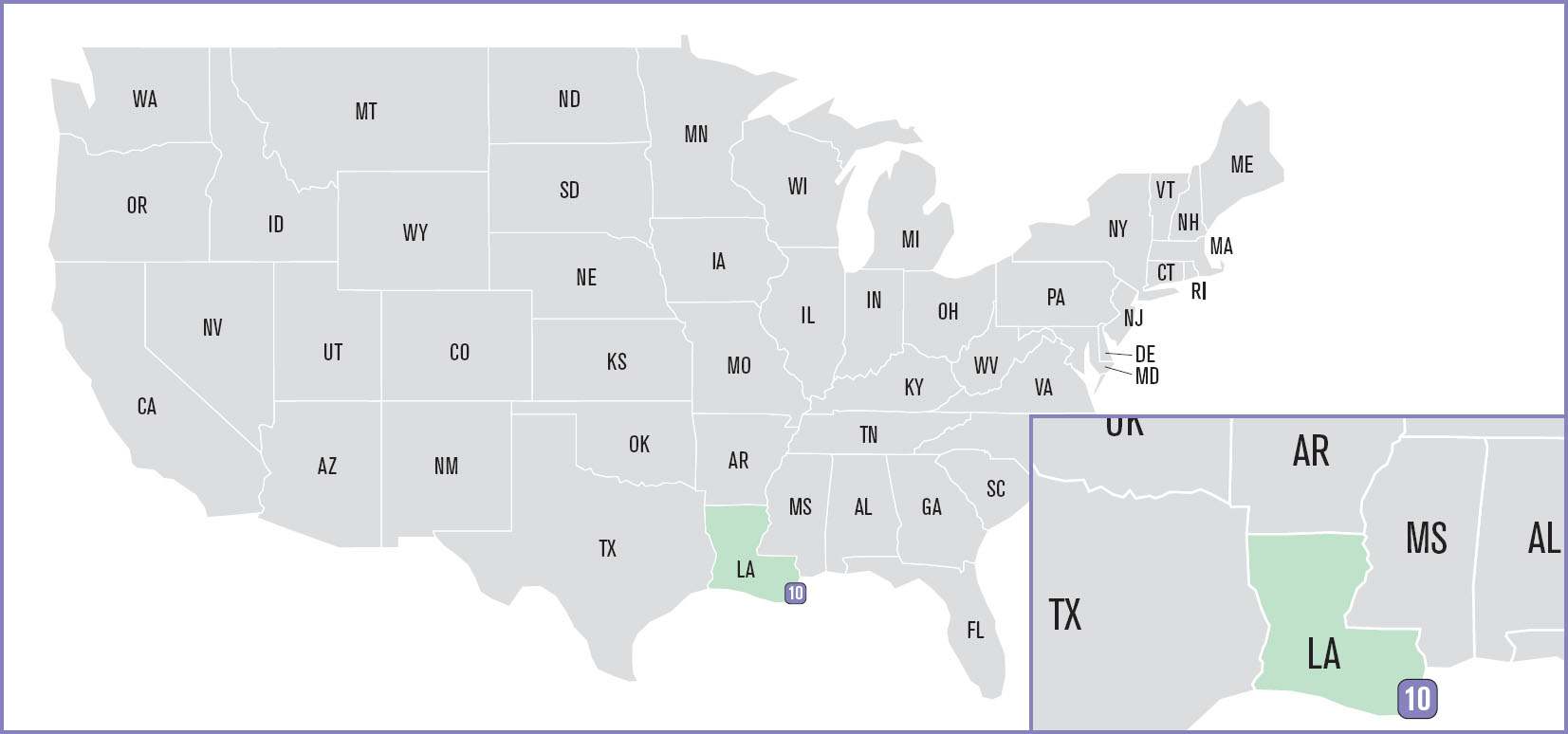
| Location | St. Paul, MN† | Bethesda, MD | San Antonio, TX | Baltimore, MD | Shreveport, LA | Gainesville, FL | Bethesda, MD | St. Petersburg, FL | Chicago, IL | New Orleans, LA | Galveston, TX | Milwaukee, WI |
| Certificate/degree | Certificate | Certificate/MS | Certificate | Certificate | Certificate | Certificate | Certificate | Certificate | Certificate/MS | Certificate | Certificate | Certificate/MSTM* |
| Instructional modality | Hybrid | In-person | Remote | In-person | Remote (on-site orientation) | Remote | Hybrid | Remote | Remote | Remote | Remote (on-site orientation) | Hybrid |
| Schedule | Full-time§ Working professional¶ | Full-time§ | Working professional¶ | Full-time§ | Full-time§ Working professional¶ | Working professional¶ | Full-time§ | Working professional¶ | Full-time§ Part-time§ Working professional¶ | Working professional¶ | Working professional¶ | Full-time§ Part-time§ |
| Program accreditation | CAAHEP | CAAHEP | CAAHEP | CAAHEP | CAAHEP | CAAHEP | CAAHEP | CAAHEP | CAAHEP | CAAHEP | CAAHEP | CAAHEP |
| Number of faculty | 4 | 2 | 5 | 3-5 | 6 | 3 | >10 | 2 | 5 | 10 | 4 | 3 |
| Length of program | 12 months | 12-18 months | 12 months | 12 months | 12 months | 12 months | 12 months | 12 months | 12 or 24 months | 12 months | 12 months | 18–28 months |
| Start month | September | July | May | September | May | June | July | May | September | October | May | August |
| Application period | March 1-June 1 | May of the previous year | December-January | Deadline November 30 | July 1-December 15 | Anytime, midApril application deadline | Applications are welcome throughout the year | January–February | October–July | Deadline February 28; will accept applications until July 31 if class size has not reached capacity | July 1–March 1 | January 1–April 1 |
| Class size | 10-20 | Average 6 | Maximum 5 | Maximum 3 | No maximum | Up to 5 | 1–3 | 6 | 18–24 | 4–12 | Maximum 25 | 4 |
| Tuition (as reported in 2023) | Offered to select American Red Cross and academic partner employees throughout the United States at no cost, if employer post-graduation employment commitments are met | No tuition for the SBB certificate Tuition for George Washington University MS courses | $5000/year Discount for BBG and UH employees | No tuition | $6000 Students are responsible for travel expenses | $6000; students responsible for travel expenses; no charge to employees with a 1-year commitment to work for LifeSouth as an SBB | No charge to employees | $50 application fee $6000 tuition | Approximately $16,000 for all students. | $6000 tuition Employees of LCMC Health facilities receive exemption of $3000 after successful completion of the program | Texas residents: approximately $9600 Non-residents: approximately $18,500 | Installments over five semesters, minimum of $1232/semester Fees reviewed annually; subject to change |
| Stipend | None | Regular military service pay | None | Students are paid as employees | None | None | Students work part-time in transfusion services laboratory | None | None | None | None | None |
| ASCPSBB certification exam pass rate | 89% (25/28 graduates) | 97% | 92% (11/12 graduates) | 89% (8/9 graduates) | 74% | 71% (5/7 graduates) | 90% (9/10 graduates) | 77% | 70% | 88% | 94% | 89% |
| Contributor | Marvin (Marty) Moore, MHA, MLSCM(ASCP) SBBCM | William L. Turcan, MLS(ASCP)SBB | Ronny Fryar, MS, MT(ASCP)SBB | Lorraine Blagg, MA, MLS(ASCP)CMSBB | Katrina Billingsley, MSTM, MLS(ASCP) SBB | (8/9 graduates) Guillermo (Bill) Martinez, MS, MT(ASCP)SBB, LSSBB (ASQ) | Karen M. Byrne, MDE, MLS(ASCP) SBB | Julie Laureano, MLS(ASCP)CM SBBCM | Laurie Gillard, MS, MLS(ASCP)SBB | Leslie Granier, MT(ASCP)SBB | LeeAnn Walker, MEd, MLS(ASCP) SBB | Natasha (Tasha) Leon, MLS(ASCP) SBBCM |
1 LCMC = Louisiana Children’s Medical Center; MS = Master of Science; MSTM = Master of Science in Transfusion Medicine; CAAHEP = Commission on Accreditation of Allied Health Education Programs; SBB = Specialist in Blood Banking; UH = University Health; ASCP = American Society for Clinical Pathology.
1† St. Paul, MN, is headquarters; there are 11 satelite locations in the United States and Puerto Rico.
1
American Red Cross Specialist in Blood Banking and Transfusion Medicine Program
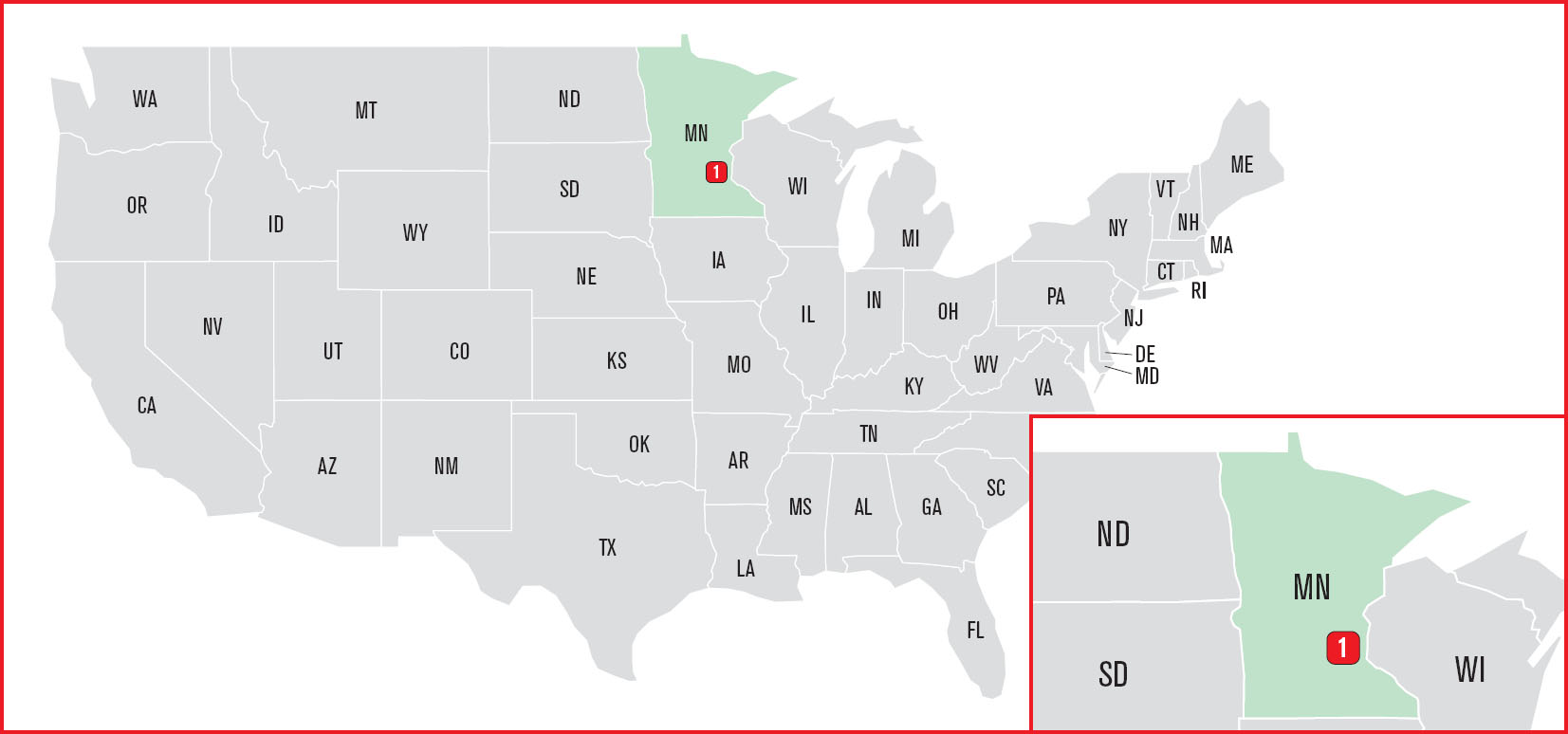
| Location | Headquarters: St. Paul, MN Satellite locations: Baltimore, MD; Cleveland, OH; Douglassville, GA; Nashville, TN; Norfolk, VA; Philadelphia, PA; Portland, OR; Richmond, VA; Roanoke, VA; San Juan, Puerto Rico; St. Louis, MO |
| Sponsoring institution | American Red Cross Blood Services |
| Year program started | In-person program existed from 2006-2018 which was then transformed to a hybrid program in 2019 |
| Certificate/degree | Certificate |
| Instructional modality | Hybrid |
| Schedule | Full-time, working professional |
| Program accreditation | CAAHEP |
| Number of faculty | 4 |
| Length of program | 12 months |
| Start month | September |
| Application period | March 1-June 1 |
| Class size | 10-20 |
| Tuition (as reported in 2023) | The program is offered to select American Red Cross and academic partner employees throughout the United States at no cost, if employer post-graduation employment commitments are met. |
| Stipend | None |
| ASCP SBB certification exam pass rate | 89% (25/28 graduates) |
| Minimum admission requirements |
|
| Minimum curriculum requirements |
|
| Resources available |
|
| Clinical affiliates |
|
| Publications/awards | Yearout S, Smith A, Keller J, Keller MA. Novel KEL allele associated with loss of Kpb antigen identified in a white blood donor. Immunohematology 2022;38:51-4. DOI: 10.21307/immunohematology-2022-041. |
| Noteworthy program changes since COVID-19 | Development and incorporation of virtual rotations and creative solutions to such |
| Additional notes from the program | Applications only accepted from participating American Red Cross sites and their respective hospital partners |
| Medical Director | David Mair, MD |
| Program Director | Marvin (Marty) Moore, MHA, MLSCM(ASCP)SBBCM |
| Education Coordinator | Michelle Lodermeier, MBA, MLSCM(ASCP)SBBCM |
| Marty.Moore@redcross.org Michelle.Lodermeier@redcross.org Debra.Bailey@redcross.org Tiffany.Walters@redcross.org | |
| Phone | 404-234-5199 |
| Web site | https://www.redcrossblood.org/biomedical-services/specialist-in-blood-bank-technology-and-transfusion-medicine-pro.html |
| Contributor | Marvin (Marty) Moore, MHA, MLSCM(ASCP)SBBCM |
1 CAAHEP = Commission on Accreditation of Allied Health Education Programs; ASCP = American Society for Clinical Pathology; SBB = Specialist in Blood Banking; MT = medical technologist; MLS = medical laboratory scientist; BB = Technologist in Blood Banking; ARCBS = American Red Cross Blood Services; IRB = institutional review board; COVID-19 = coronavirus disease 2019.
2
Armed Services Blood Bank Fellowship
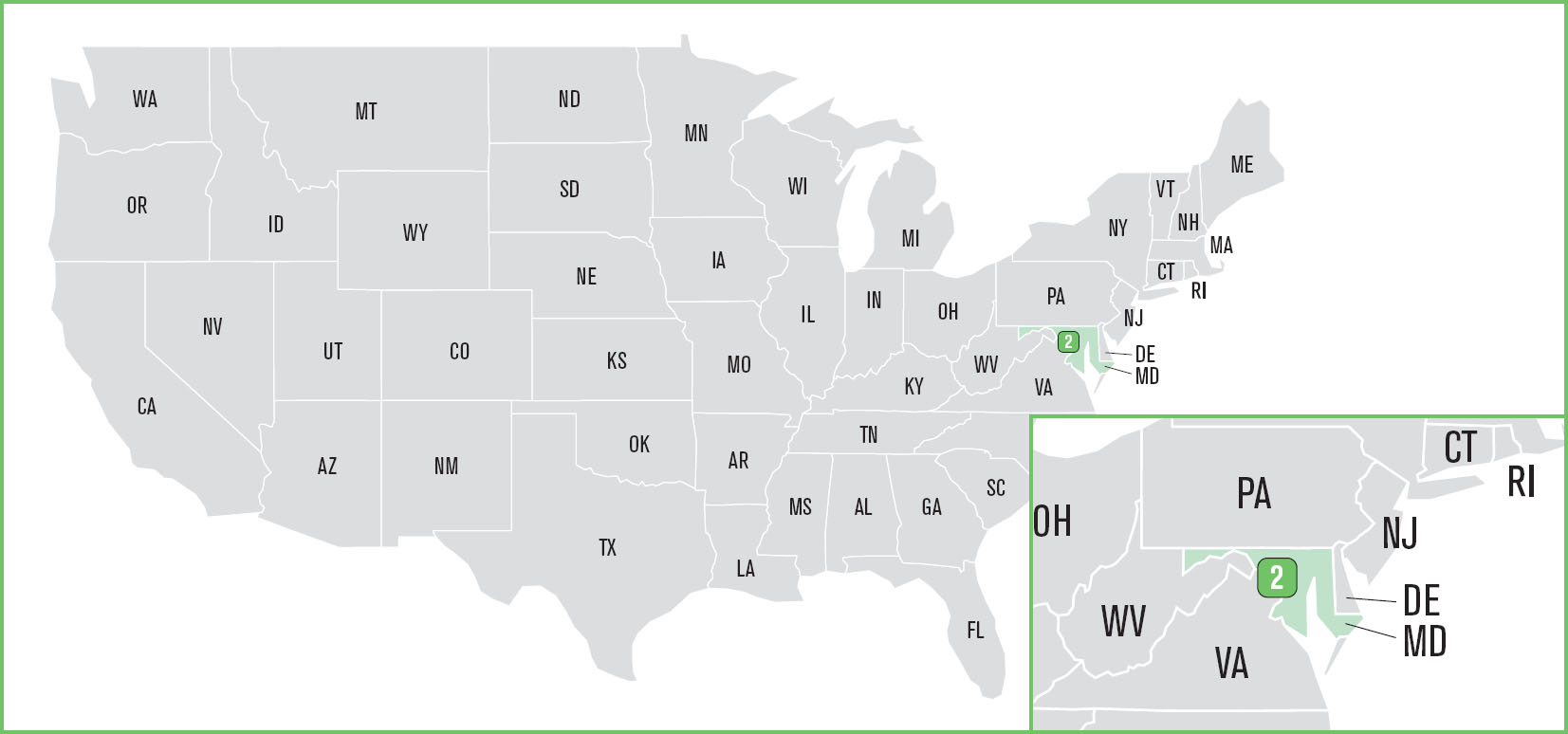
| Location | Bethesda, MD |
| Sponsoring institution | Walter Reed National Military Medical Center |
| Year program started | 1958 |
| Certificate/degree | Certificate/MS |
| Instructional modality | In-person |
| Schedule | Full-time |
| Program accreditation | CAAHEP |
| Number of faculty | 2 |
| Length of program | 12-18 months |
| Start month | July |
| Application period | May of the previous year |
| Class size | Average 6 |
| Tuition (as reported in 2023) |
|
| Stipend | Regular military service pay |
| ASCP SBB certification exam pass rate | 97% |
| Minimum admission requirements |
|
| Minimum curriculum requirements |
|
| Resources available | Walter Reed Bethesda and George Washington University libraries |
| Clinical affiliates | None |
| Publications/awards | N/A |
| Noteworthy program changes since COVID-19 | None |
| Additional notes from the program | Open only to active-duty U.S. military members |
| Medical Director | Dr. James O. Long |
| Program Director | William L. Turcan, MLS(ASCP)SBB |
| Education Coordinator | William L. Turcan, MLS(ASCP)SBB |
| William.L.Turcan.civ@health.mil | |
| Phone | 301-295-8605 |
| Web site | https://www.health.mil/Military-Health-Topics/Health-Readiness/ASBP/About |
| Contributor | William L. Turcan, MLS(ASCP)SBB |
1 MS = Master of Science; CAAHEP = Commission on Accreditation of Allied Health Education Programs; SBB = Specialist in Blood Banking; ASCP = American Society for Clinical Pathology; BS = Bachelor of Science; MLS = medical laboratory scientist; N/A = not applicable; COVID-19 = coronavirus disease 2019.
3
BioBridge Global Specialist in Blood Banking Technology/Transfusion Medicine Program
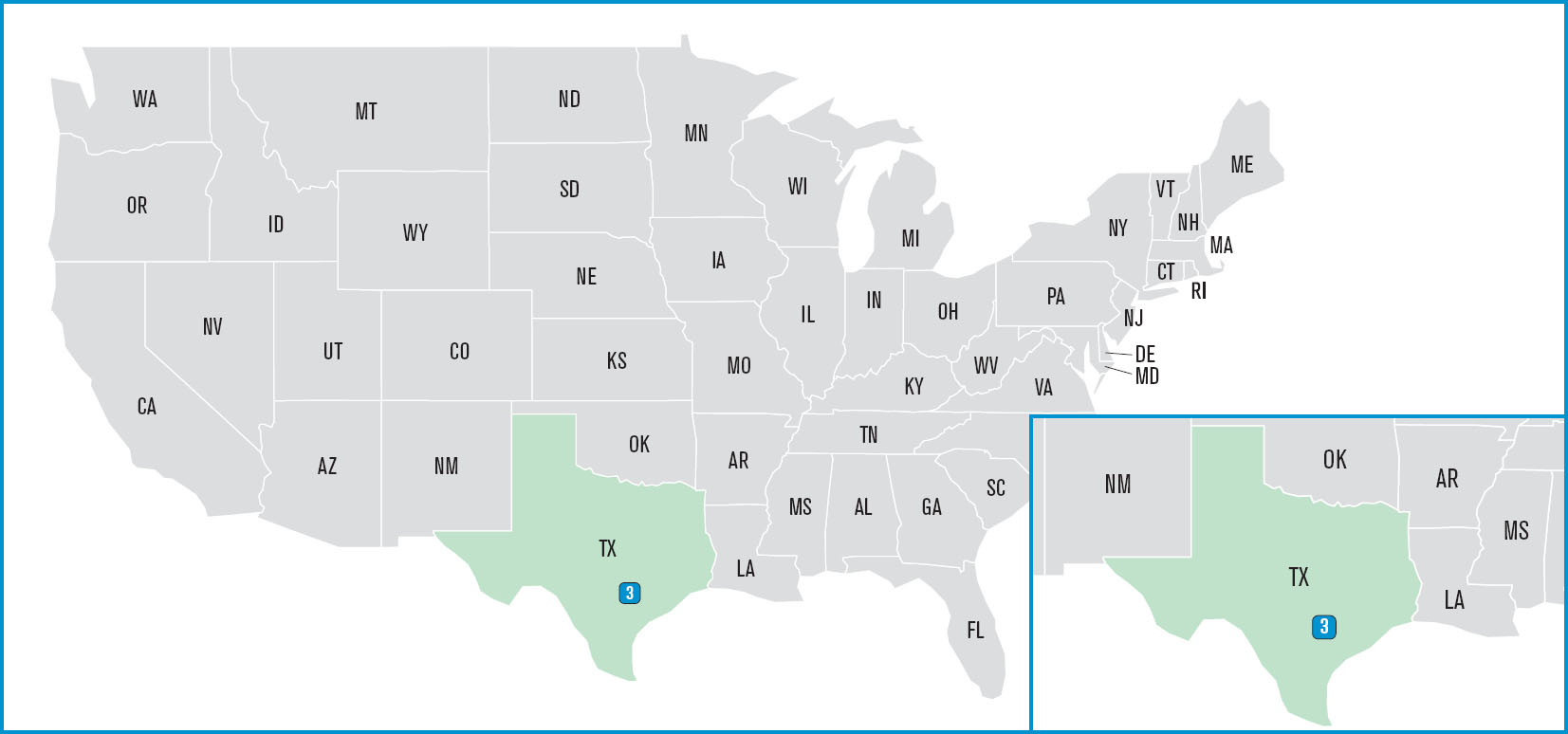
| Location | San Antonio, TX |
| Sponsoring institution | BioBridge Global and University Health |
| Year program started | 2018 |
| Certificate/degree | Certificate |
| Instructional modality | Remote |
| Schedule | Working professional |
| Program accreditation | CAAHEP |
| Number of faculty | 5 |
| Length of program | 12 months |
| Start month | May |
| Application period | December-January |
| Class size | Maximum 5 |
| Tuition (as reported in 2023) | $5000/year, discount for BBG and UH employees |
| Stipend | None |
| ASCP SBB certification exam pass rate | 92% (11/12 graduates) |
| Minimum admission requirements |
|
| Minimum curriculum requirements |
|
| Resources available | Excellent location for clinical rotations (level 1 trauma center, IRL, HLA laboratory, blood donor centers) and several board-certified TM pathologists |
| Clinical affiliates | None provided |
| Publications/awards | None provided |
| Noteworthy program changes since COVID-19 | N/A |
| Additional notes from the program | N/A |
| Medical Director | Samantha Gomez Ngamsuntikul, MD |
| Program Director | Ronny Fryar, MS, MT(ASCP)SBB |
| Education Coordinator | Jose Quesada, MS, MT(ASCP)SBB |
| samantha.ngamsuntikul@southtexasblood.org ronny.fryar@uhtx.com jose.quesada@southtexasblood.org | |
| Phone | Ronny Fryar, MS, MT(ASCP)SBB: 210-358-2812 Jose Quesada, MS, MT(ASCP)SBB: 210-731-5561, ext. 1516 |
| Web site | https://biobridgeglobal.org/careers/professional-development/ |
| Contributor | Ronny Fryar, MS, MT(ASCP)SBB |
1 CAAHEP = Commission on Accreditation of Allied Health Education Programs; BBG = BioBridge Global; UH = University Health; ASCP = American Society for Clinical Pathology; SBB = Specialist in Blood Banking; BS = Bachelor of Science; IRL = immunohematology reference laboratory; HLA = human leukocyte antigen; TM = transfusion medicine; COVID-19 = coronavirus disease 2019; N/A = not applicable.
4
The Johns Hopkins Hospital (JHH) Specialist in Blood Banking Technology/Transfusion Medicine Program
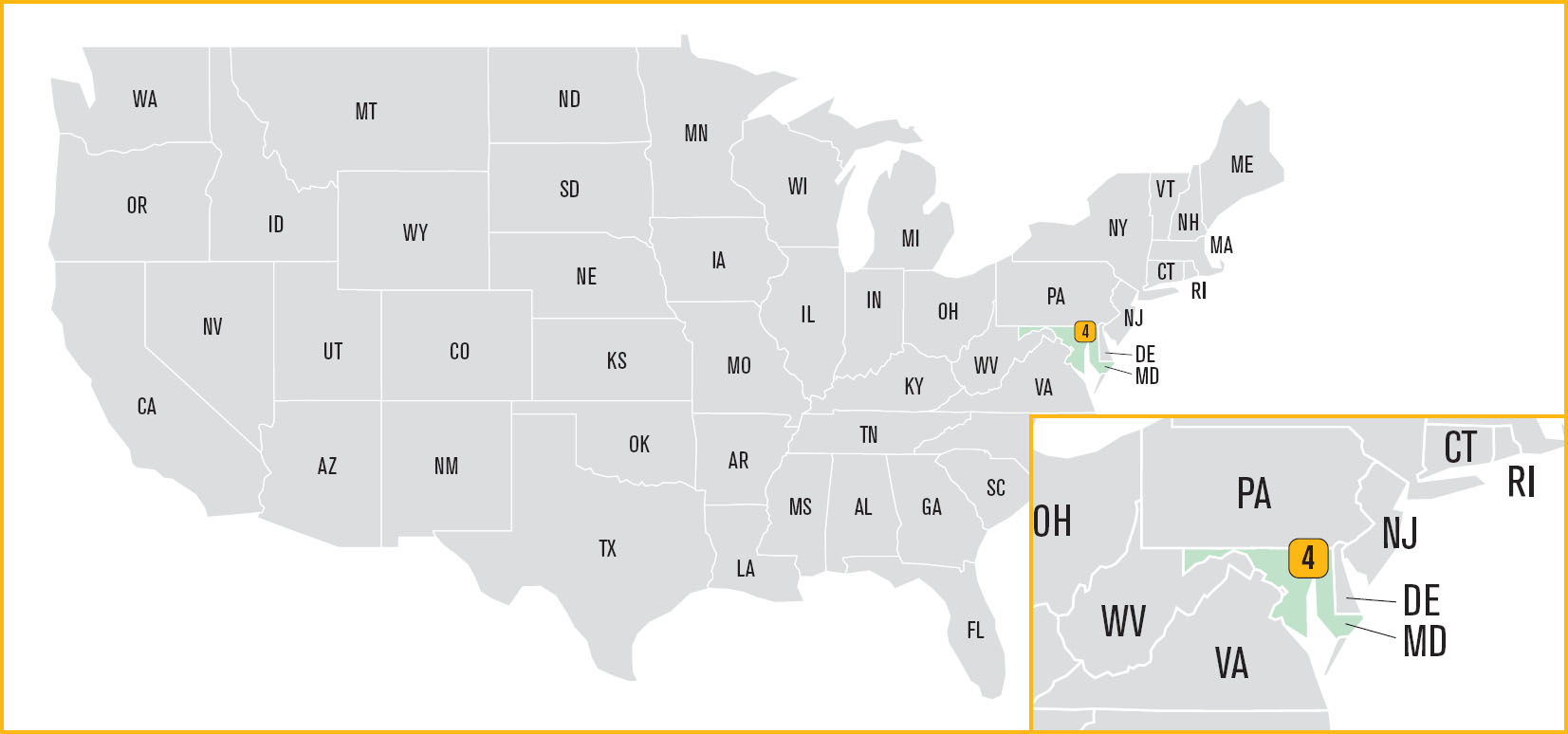
| Location | Baltimore, MD |
| Sponsoring institution | Johns Hopkins Medicine |
| Year program started | 1971 |
| Certificate/degree | Certificate |
| Instructional modality | In-person |
| Schedule | Full-time |
| Program accreditation | CAAHEP |
| Number of faculty | 3–5 |
| Length of program | 12 months |
| Start month | September |
| Application period | Deadline November 30 |
| Class size | Maximum 3 |
| Tuition (as reported in 2023) | No tuition |
| Stipend | Students paid as employees |
| ASCP SBB certification exam pass rate | 89% (8/9 graduates) |
| Minimum admission requirements |
|
| Minimum curriculum requirements |
|
| Resources available |
|
| Clinical affiliates | Johns Hopkins Health System and the American Red Cross |
| Graduate publications last 5 years |
|
| Noteworthy program changes since COVID-19 | N/A |
| Additional notes from the program | Applications accepted from all qualified individuals; eligibility for employment required |
| Medical Director | Elizabeth Crowe, MD, PhD |
| Program Director | Lorraine Blagg, MA, MLS(ASCP)CMSBB |
| Education Coordinator | Kathy Haddaway, MLS(ASCP)CMSBB |
| lblagg1@jhmi.edu | |
| Web site | https://pathology.ihu.edu/transfusion/sbb-program |
| Contributor | Lorraine Blagg, MA, MLS(ASCP)CMSBB |
1 CAAHEP = Commission on Accreditation of Allied Health Education Programs; ASCP = American Society for Clinical Pathology; SBB = Specialist in Blood Banking; BS = Bachelor of Science; MLS = medical laboratory scientist; MT = medical technologist; BB = Technologist in Blood Banking; GPA = grade point average; COVID-19 = coronavirus disease 2019; N/A = not applicable.
5
LifeShare Blood Center Specialist in Blood Banking Program
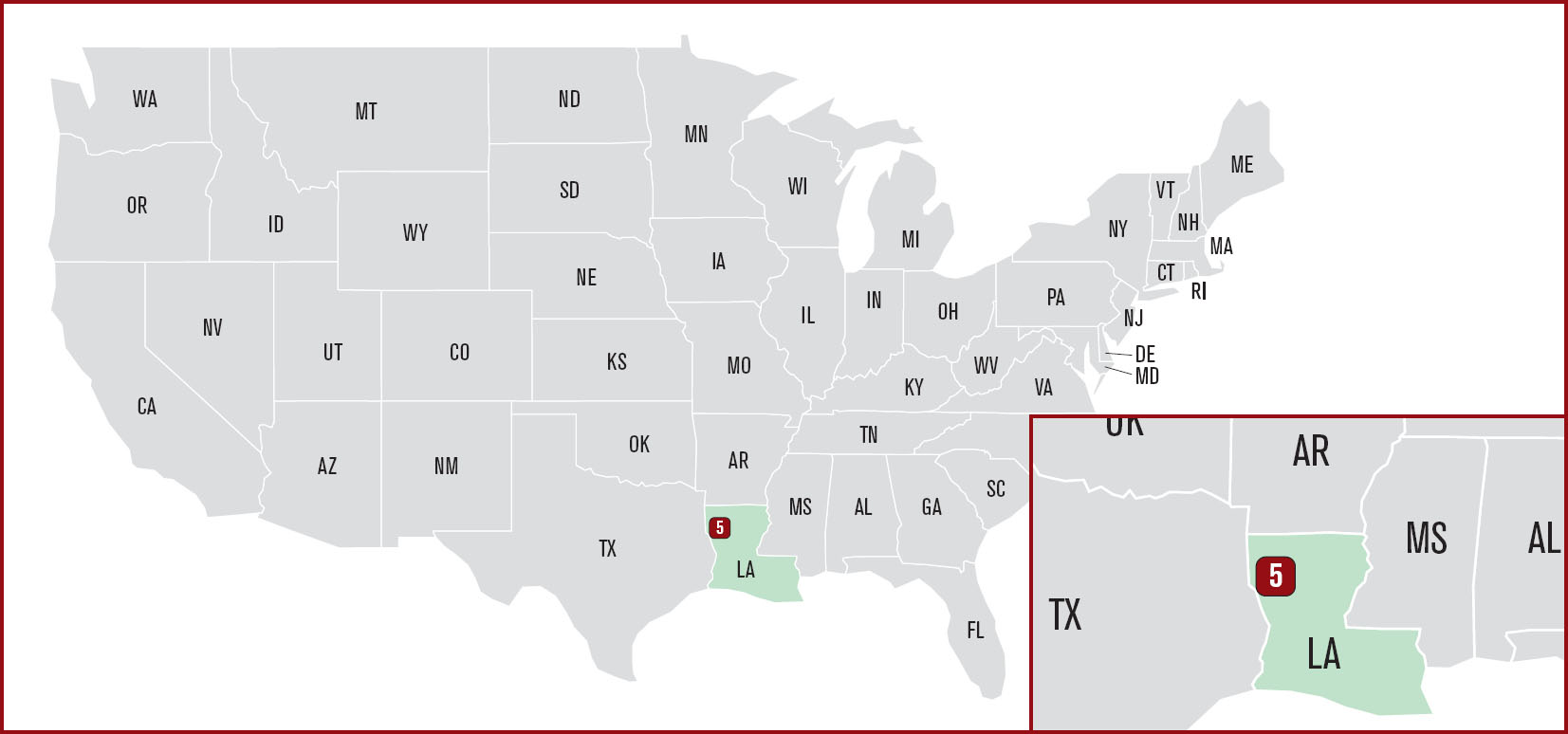
| Location | Shreveport, LA |
| Sponsoring institution | LifeShare Blood Center |
| Year program started | 2016 |
| Certificate/degree | Certificate |
| Instructional modality | Remote (on-site orientation) |
| Schedule | Full-time, working professional |
| Program accreditation | CAAHEP |
| Number of faculty | 6 |
| Length of program | 12 months |
| Start month | May |
| Application period | July 1-December 15 |
| Class size | No maximum |
| Tuition (as reported in 2023) | $6000; students responsible for travel expenses |
| Stipend | None |
| ASCP SBB certification exam pass rate | 74% |
| Minimum admission requirements |
|
| Minimum curriculum requirements |
|
| Resources available | UTMB Moody Medical Library |
| Clinical affiliates | UTMB |
| Publications/awards |
|
| Noteworthy program changes since COVID-19 | Addition of multiple virtual practicums to replace or augment in-person rotations |
| Additional notes from the program | None |
| Medical Director | Tim G. Peterson, MD, FCAP |
| Program Director | Katrina Billingsley, MSTM, MLS(ASCP)SBB |
| Education Coordinator | Kaitlyn Taylor, SBB(ASCP) |
| SBB@lifeshare.org or Katrina.Billingsley@lifeshare.org | |
| Phone | 318-673-1463 |
| Web site | https://www.lifeshare.org/sbb-program/ |
| Contributor | Katrina Billingsley, MSTM, MLS(ASCP)SBB |
1 CAAHEP = Commission on Accreditation of Allied Health Education Programs; ASCP = American Society for Clinical Pathology; SBB = Specialist in Blood Banking; BA = Bachelor of Arts; BS = Bachelor of Science; GPA = grade point average; UTMB = University of Texas Medical Branch; AABB = Association for the Advancement of Blood & Biotherapies; MLS = medical laboratory scientist; SCABB = South Carolina Association of Blood Banks; COVID-19 = coronavirus disease 2019.
6
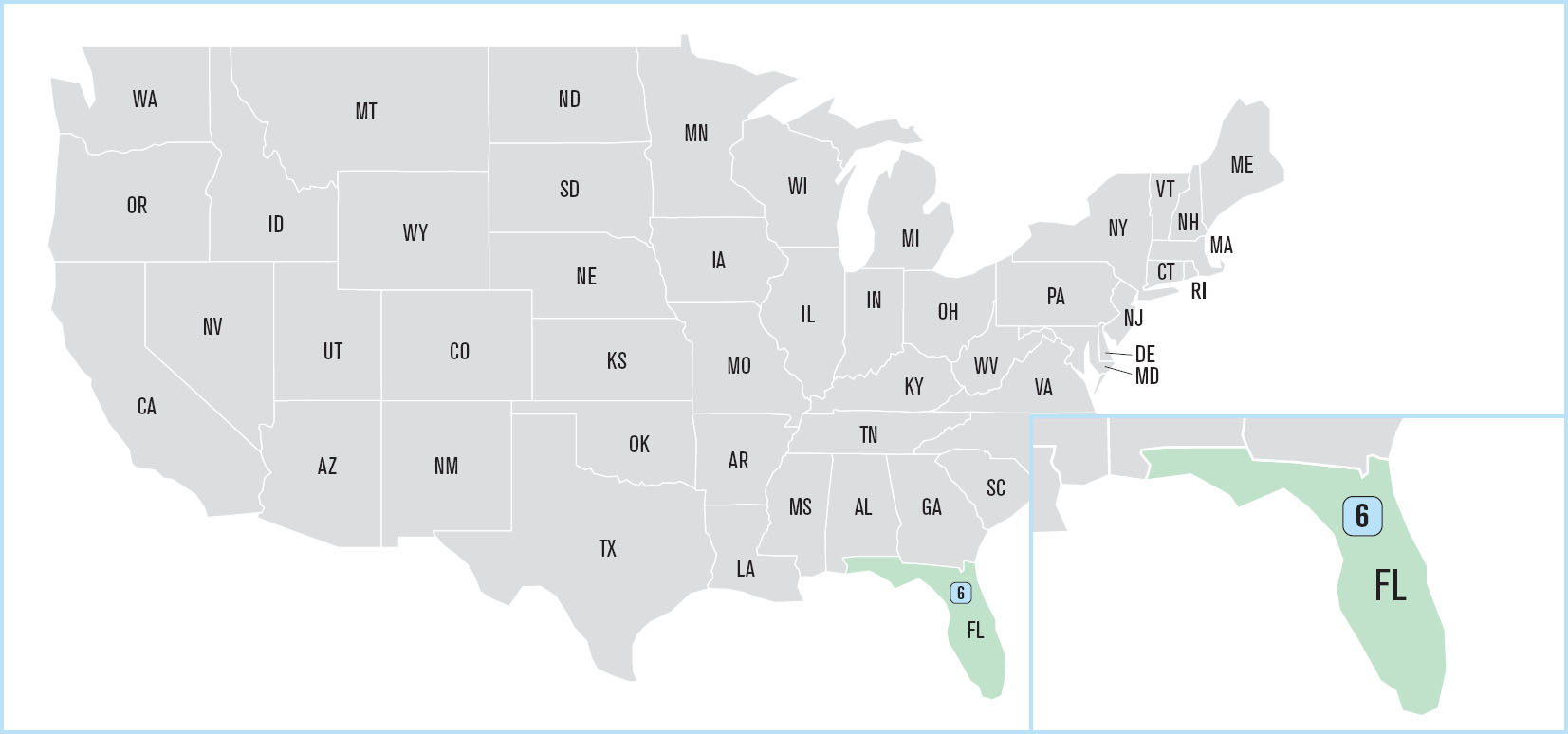
LifeSouth Specialist in Blood Banking Certificate Program
| Location | Gainesville, FL |
| Sponsoring institution | LifeSouth Community Blood Centers, Inc. |
| Year program started | 2020 |
| Certificate/degree | Certificate |
| Instructional modality | Remote |
| Schedule | Working professional |
| Program accreditation | CAAHEP |
| Number of faculty | 3 |
| Length of program | 12 months |
| Start month | June |
| Application period | Anytime, mid-April application deadline |
| Class size | Up to 5 |
| Tuition (as reported in 2023) | $6000; students responsible for travel expenses; no charge to employees with a 1-year commitment to work for LifeSouth as an SBB |
| Stipend | None |
| ASCP SBB certification exam pass rate | 71% (5/7 graduates) |
| Minimum admission requirements |
|
| Minimum curriculum requirements |
|
| Resources available |
|
| Clinical affiliates | UF Health Shands Hospital, Blood Bank/Transfusion Services |
| Publications/awards | None provided |
| Noteworthy program changes since COVID-19 | Increased the number of virtual content options |
| Additional notes from the program | Faculty members with current working experience as medical director, technical director, and QA coordinator as well as experience teaching blood banking. |
| Medical Director | Christopher M. Lough, MD |
| Program Director | Christopher M. Lough, MD |
| Education Coordinator | Guillermo (Bill) Martinez, MS, MT(ASCP)SBB, LSSBB (ASQ) |
| gamartinez@lifesouth.org | |
| Web site | https://www.lifesouth.org/specialist-in-blood-banking-certificate-program/ |
| Contributor | Guillermo (Bill) Martinez, MS, MT(ASCP)SBB, LSSBB (ASQ) |
1 CAAHEP = Commission on Accreditation of Allied Health Education Program; SBB = Specialist in Blood Banking; ASCP = American Society for Clinical Pathology; MT = medical technologist; IRLs = immunohematology reference laboratories; HLA = human leukocyte antigen; QC = quality control; UF = University of Florida; COVID-19 = coronavirus disease 2019; QA = quality assurance.
7
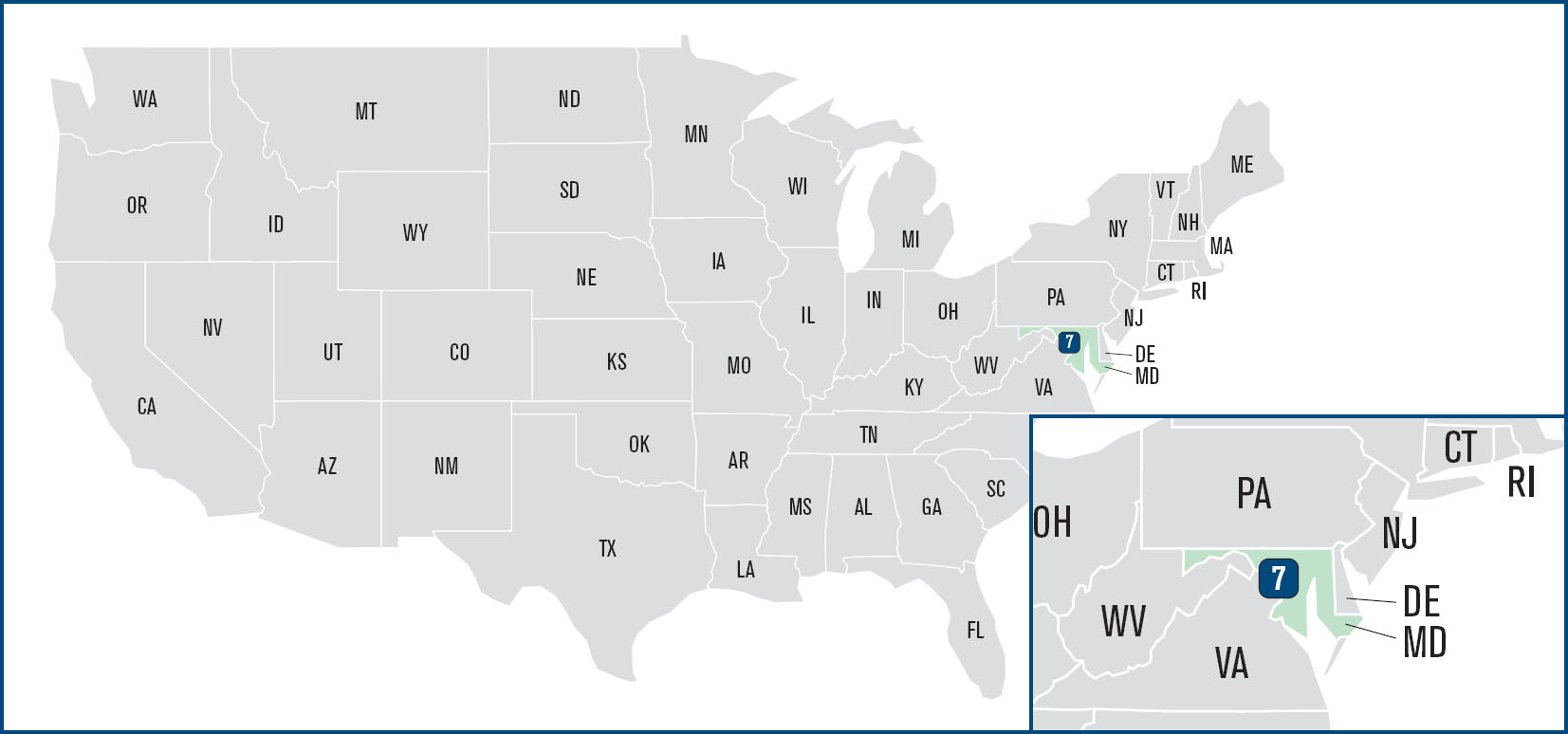
NIH CC DTM Specialist in Blood Banking Program
| Location | Bethesda, MD |
| Sponsoring institution | National Institutes of Health, Clinical Center, Department of Transfusion Medicine |
| Year program started | Instituted in 1966; program appeared as accredited in the AMA directory in 1973 |
| Certificate/degree | Certificate |
| Instructional modality | Hybrid |
| Schedule | Full-time |
| Program accreditation | CAAHEP |
| Number of faculty | >10 |
| Length of program | 12 months |
| Start month | July |
| Application period | Applications welcome throughout the year |
| Class size | 1-3 |
| Tuition (as reported in 2023) | No charge to employees |
| Stipend | Students work part-time in transfusion services laboratory |
| ASCP SBB certification exam pass rate | 90% (9/10 graduates) |
| Minimum admission requirements |
|
| Minimum curriculum requirements |
|
| Resources available |
|
| Clinical affiliates |
|
| Publications/awards |
|
| Noteworthy program changes since COVID-19 | Lecturers may opt to present lectures via WebEx: student and presenter not in same location (hybrid/synchronous) |
| Additional notes from the program |
|
| Medical Director | Willy (Bill) A. Flegel, MD; since 2009 |
| Program Director | Traci D. Paige, MLS(ASCP)SBB; since 2017 |
| Education Coordinator | Karen M. Byrne, MDE, MLS(ASCP)SBB; since 1995 |
| CC-DTMSBBApplication@mail.nih.gov | |
| Phone | 301-496-8335 |
| Web site | https://www.cc.nih.gov/dtm/research/sbb.html |
| Contriibutor | Karen M. Byrne, MDE, MLS(ASCP)SBB |
1 NIH = National Institutes of Health; CC = Clinical Center; DTM = Department of Transfusion Medicine; AMA = American Medical Association; CAAHEP = Commission on Accreditation of Allied Health Education Programs; ASCP = American Society for Clinical Pathology; SBB = Specialist in Blood Banking; AABB = Association for the Advancement of Blood & Biotherapies; ARCBS = American Red Cross Biomedical Services; COVID-19 = coronavirus disease 2019.
8
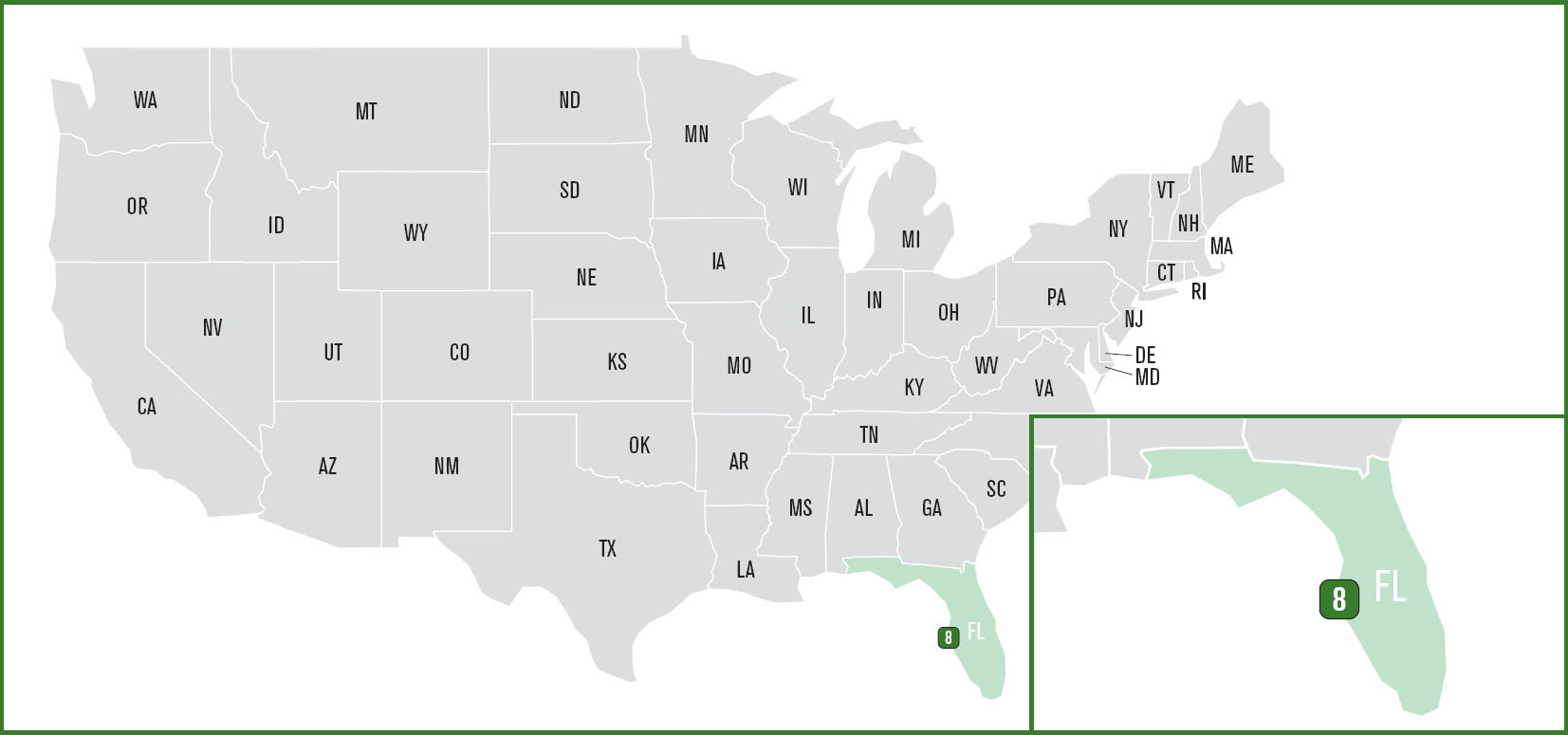
OneBlood, Inc. Specialist in Blood Banking Technology/Transfusion Medicine Program
| Location | St. Petersburg, FL |
| Sponsoring institution | OneBlood, Inc. |
| Year program started | 2020 |
| Certificate/degree | Certificate |
| Instructional modality | Remote |
| Schedule | Working professional |
| Program accreditation | CAAHEP |
| Number of faculty | 2 |
| Length of program | 12 months |
| Start month | May |
| Application period | January–February |
| Class size | 6 |
| Tuition (as reported in 2023) | $50 application fee, $6000 tuition |
| Stipend | None |
| ASCP SBB certification exam pass rate | 77% |
| Minimum admission requirements |
|
| Minimum curriculum requirements |
|
| Resources available | University of Texas Medical Branch library |
| Clinical affiliates | None |
| Publications/awards | Three abstracts accepted at SCABB and AABB annual meetings:
|
| Noteworthy program changes since COVID-19 | None |
| Additional notes from the program | None |
| Medical Director | Richard Gammon, MD |
| Program Director | Wyenona “Nonie” Hicks, MS, MT(ASCP)SBB |
| Education Coordinator | Julie Laureano, MLS(ASCP)CMSBBCM |
| MTEducation@oneblood.org | |
| Web site | https://www.oneblood.org/BBTSBB/sbbprogram.stml |
| Contributor | Julie Laureano, MLS(ASCP)CMSBBCM |
1 CAAHEP = Commission on Accreditation of Allied Health Education Programs; ASCP = American Society for Clinical Pathology; SBB = Specialist in Blood Banking; MT = medical technologist; MLS = medical laboratory scientist; BB = Technologist in Blood Banking; GPA = grade point average; SCABB = South Carolina Association of Blood Banks; AABB = Association for the Advancement of Blood & Biotherapies; COVID-19 = coronavirus disease 2019.
9
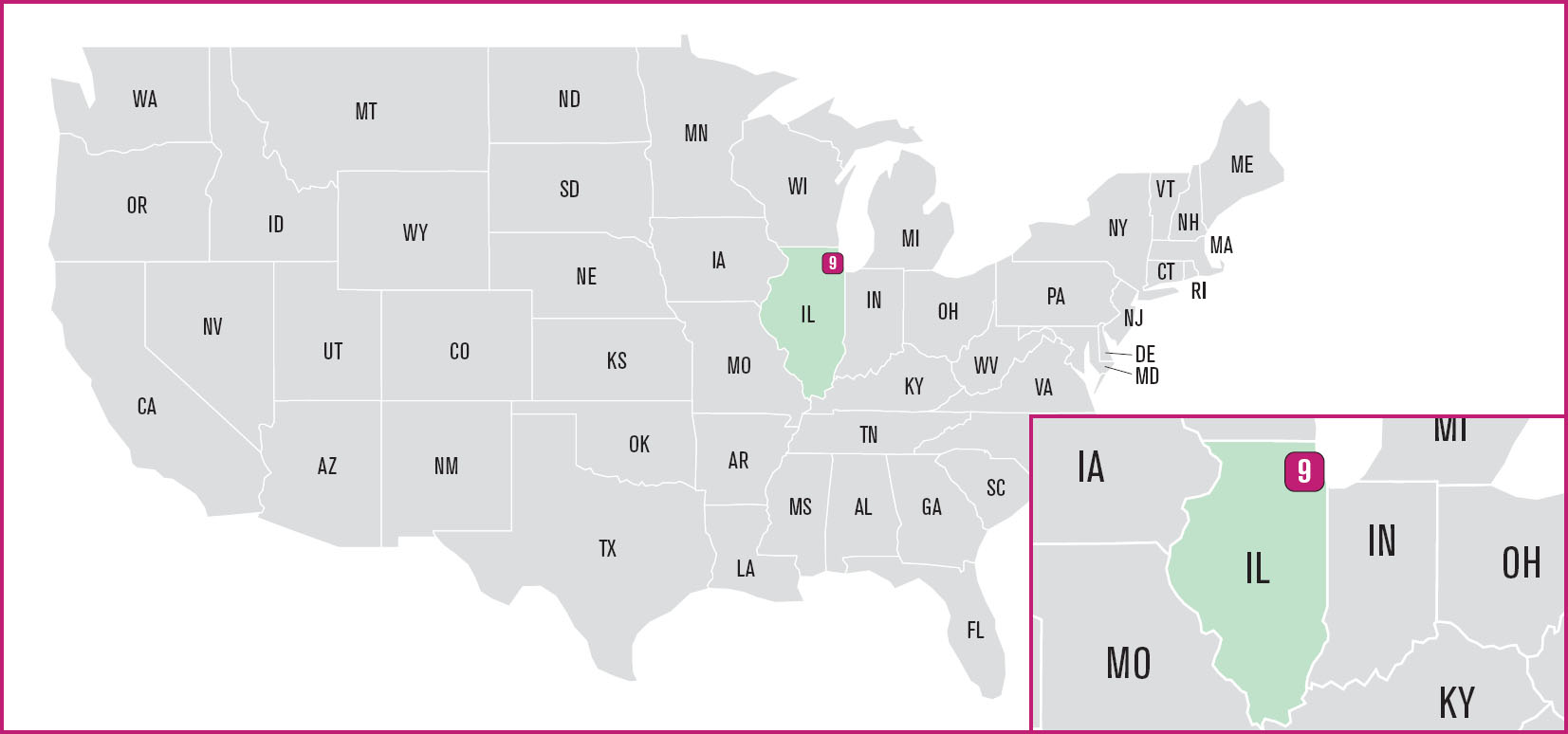
Rush University Specialist in Blood Banking Program
| Location | Chicago, IL |
| Sponsoring institution | Rush University Medical Center |
| Year program started | 2007 |
| Certificate/degree | Certificate/MS |
| Instructional modality | Remote |
| Schedule | Full-time/part-time, working professional |
| Program accreditation | CAAHEP |
| Number of faculty | 5 |
| Length of program | 12 or 24 months |
| Start month | September |
| Application period | October-July |
| Class size | 18-24 |
| Tuition (as reported in 2023) | Approximately $16,000 for all students |
| Stipend | None |
| ASCP SBB certification exam pass rate | 70% |
| Minimum admission requirements |
|
| Minimum curriculum requirements |
|
| Resources available |
|
| Clinical affiliates | Many; contact program director for specific locations |
| Publications/awards |
|
| Noteworthy program changes since COVID-19 | Beginning in 2021, as a global health initiative, the Rush University SBB program began a collaboration with the UGHE, Rwanda, Africa, to provide education to their selected candidates for 3 years. In 2023, the Rush faculty will assist UGHE in the creation of a distance blood banking program to benefit sub-Saharan countries, ultimately impacting donor and patient transfusion safety throughout Africa. |
| Additional notes from the program |
|
| Medical Director | Mark Pool, MD |
| Program Director | Laurie Gillard, MS, MLS(ASCP)SBB |
| Education Coordinator | Laurie Gillard, MS, MLS(ASCP)SBB |
| Laurie_Gillard@rush.edu | |
| Web site | https://www.rushu.rush.edu/college-health-sciences/academic-programs/specialist-blood-bank-technology-certificate/ |
| Contributor | Laurie Gillard, MS, MLS(ASCP)SBB(ASCP) |
1 MS = Master of Science; CAAHEP = Commission on Accreditation of Allied Health Education Programs; ASCP = American Society for Clinical Pathology; SBB = Specialist in Blood Banking; WES = World Education Services; ECE = Educational Credential Evaluators; GPA = grade point average; SBBT = Specialist in Blood Banking technology; TM = transfusion medicine; COVID-19 = coronavirus disease 2019; UGHE = University of Global Health Equity.
10
University Medical Center New Orleans Specialist in Blood Banking Program
| Location | New Orleans, LA |
| Sponsoring institution | University Medical Center New Orleans |
| Year program started | 2016 (distance); previously on-site began in 1974 |
| Certificate/degree | Certificate |
| Instructional modality | Remote |
| Schedule | Working professional |
| Program accreditation | CAAHEP |
| Number of faculty | 10 |
| Length of program | 12 months |
| Start month | October |
| Application period | Deadline February 28; accept applications until July 31 if class size has not reached capacity |
| Class size | 4–12 |
| Tuition (as reported in 2023) | $6000 tuition; exemption of $3000 to LCMC Health employees after successful completion of the program |
| Stipend | None |
| ASCP SBB certification exam pass rate | 88% |
| Minimum admission requirements |
|
| Minimum curriculum requirements |
|
| Resources available | Availability of textbooks for student use |
| Clinical affiliates | Locations chosen by student near his or her geographic location |
| Publications/awards | Completion of a scientific paper with the expectation it will be publishable |
| Noteworthy program changes since COVID-19 |
|
| Additional notes from the program | Students of any race, color, creed, sex, age, disabling conditions (handicaps), and national origin welcomed |
| Medical Director | Shaun Lawicki, MBBS |
| Program Director | Sharon Stradley, MT(ASCP)SBB |
| Education Coordinator | Leslie Granier, MT(ASCP)SBB |
| BBEducation@lcmchealth.org or Leslie.granier@lcmchealth.org | |
| Phone | 504-702-3482 |
| Web site | https://www.lcmchealth.org/university-medical-center-new-orleans/academic-medical-center/specialist-in-blood-bank-technology-program/ |
| Contributor | Leslie Granier, MT(ASCP)SBB |
1 CAAHEP = Commission on Accreditation of Allied Health Education Programs; LCMC = Louisiana Children’s Medical Center; ASCP = American Society for Clinical Pathology; SBB = Specialist in Blood Banking; MT = medical technologist; MLS = medical laboratory scientist; BB = Technologist in Blood Banking; GPA = grade point average; COVID-19 = coronavirus disease 2019.
11
UTMB Specialist in Blood Banking Technology Program
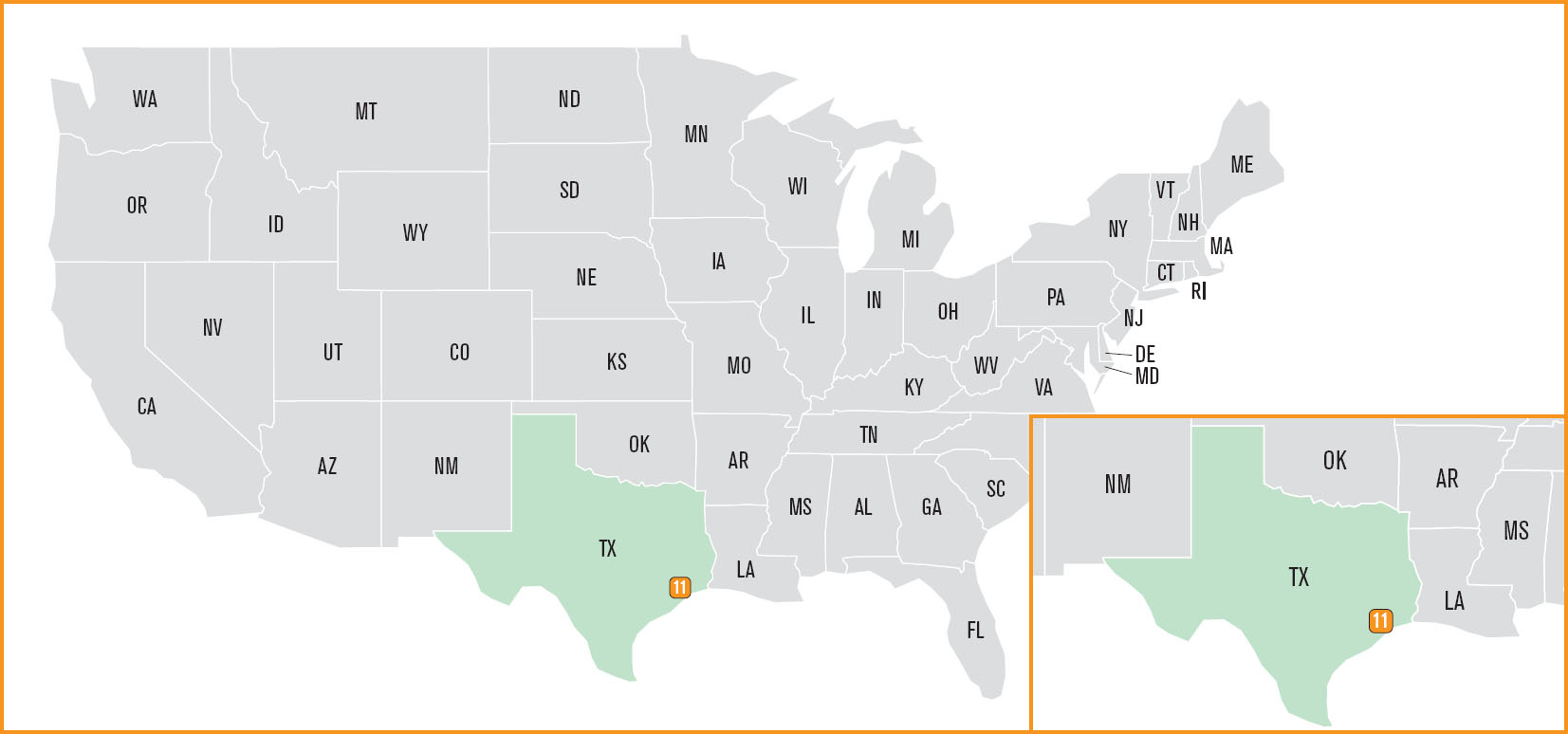
| Location | Galveston, TX |
| Sponsoring institution | University of Texas Medical Branch |
| Year program started | 1955 |
| Certificate/degree | Certificate |
| Instructional modality | Remote (on-site orientation) |
| Schedule | Working professional |
| Program accreditation | CAAHEP |
| Number of faculty | 4 |
| Length of program | 12 months |
| Start month | May |
| Application period | July 1-March 1 |
| Class size | Maximum 25 |
| Tuition (as reported in 2023) | Texas residents: approximately $9600; non-residents: approximately $18,500 |
| Stipend | None |
| ASCP SBB certification exam-pass rate | 94% |
| Minimum admission requirements |
|
| Minimum curriculum requirements |
|
| Resources available | Library, Student Success Center |
| Clinical affiliates | American Red Cross facilities |
| Publications/awards |
|
| Noteworthy program changes since COVID-19 | Addition of several virtual clinical practicums and interactive educational activities |
| Additional notes from the program |
|
| Medical Director | Christopher Lough, MD |
| Program Director | LeeAnn Walker, MEd, MLS(ASCP)SBB |
| Education Coordinator | N/A |
| clsadmin@utmb.edu | |
| Phone | 409-772-3055 |
| Web site | https://www.utmb.edu/shp/clls/sbb/home |
| Contributor | LeeAnn Walker, MEd, MLS(ASCP)SBB |
1 UTMB = University of Texas Medical Branch; CAAHEP = Commission on Accreditation of Allied Health Education Programs; ASCP = American Society for Clinical Pathology; SBB = Specialist in Blood Banking; BS = Technologist in Blood Banking; GPA = grade point average; MSTM = Master of Science in Transfusion Medicine; AABB = Association for the Advancement of Blood & Biotherapies; SCABB = South Carolina Association of Blood Banks; COVID-19 = coronavirus disease 2019; N/A = not applicable.
12
Versiti Specialist in Blood Banking Program
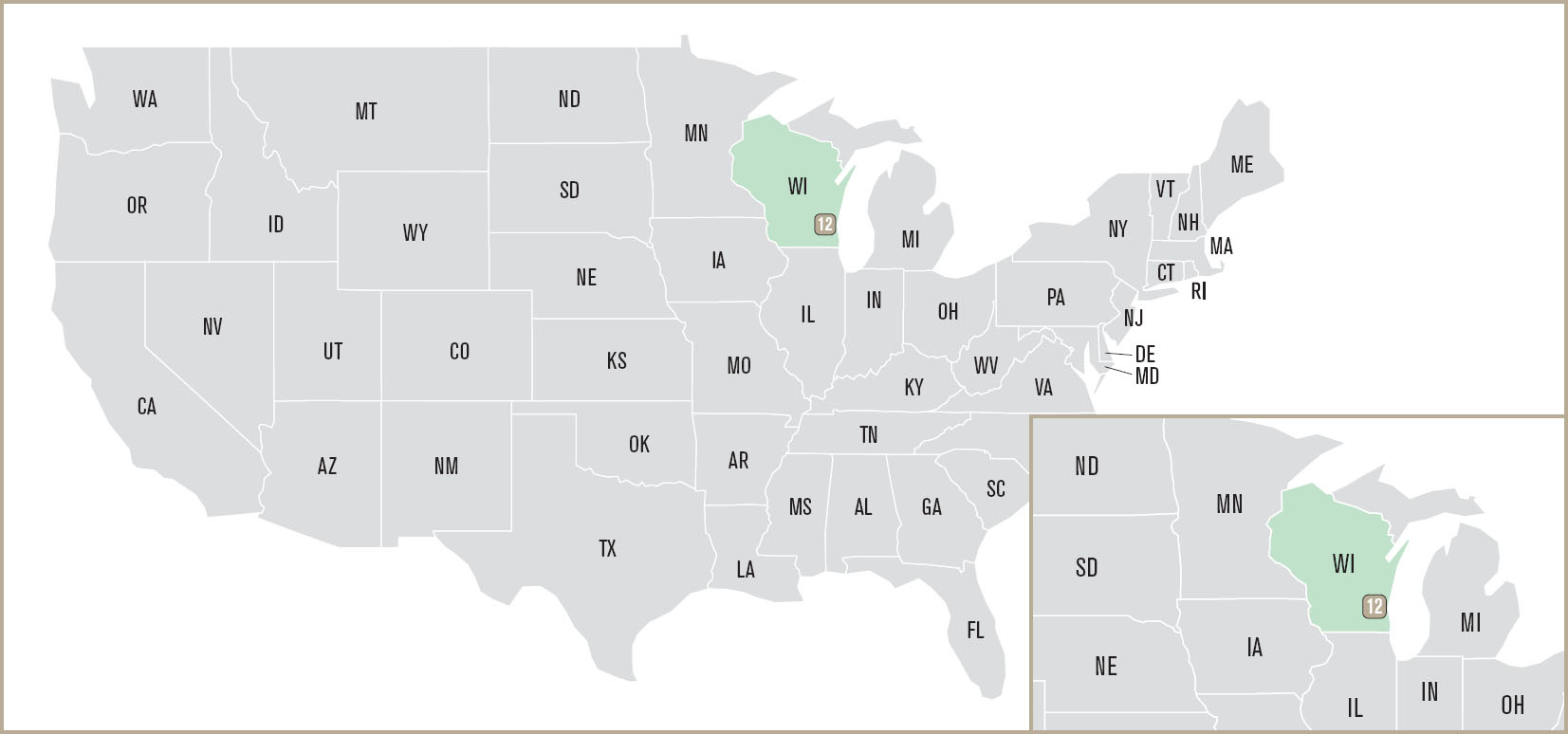
| Location | Milwaukee, WI |
| Sponsoring institution | Versiti |
| Year program started | 1965 |
| Certificate/degree | Certificate/MSTM |
| Instructional modality | Hybrid |
| Schedule | Full-time, part-time |
| Program accreditation | CAAHEP |
| Number of faculty | 3 |
| Length of program | 18–28 months |
| Start month | August |
| Application period | January 1–April 1 |
| Class size | 4 |
| Tuition (as reported in 2023) | Installments over five semesters, minimum of $1232/semester; fees reviewed annually and subject to change |
| Stipend | None |
| ASCP SBB certification exam pass rate | 89% (8/9 graduates) |
| Minimum admission requirements | Applicants must meet the following ASCP BOC requirements for SBB certification: |
| |
| Minimum curriculum requirements |
|
| Resources available |
|
| Clinical affiliates |
|
| Publications/awards |
|
| Noteworthy program changes since COVID-19 | Program changes minimal; some non-laboratory rotations moved to/have a virtual option |
| Additional notes from the program | Versiti’s SBB program is not an online program; weekly lectures can be attended remotely.
|
| Program Director | Sue Johnson, MSTM, MLS(ASCP)SBBCM |
| Education Coordinator | Natasha Leon, MLS(ASCP)SBBCM |
| nmleon@versiti.org | |
| Phone | 414-937-6412 |
| Web site | https://versiti.org/education/specialist-in-blood-banking-program |
| Contrbutor | Natasha Leon, MLS(ASCP)SBBCM |
1 MSTM = Master of Science in Transfusion Medicine; CAAHEP = Commission on Accreditation of Allied Health Education Programs; ASCP = American Society for Clinical Pathology; SBB = Specialist in Blood Banking; BOC = Board of Certification; MLS = medical laboratory scientist; BB = Technologist in Blood Banking; AABB = Association for the Advancement of Blood & Biotherapies; COVID-19 = coronavirus disease 2019.
CAAHEP-accredited SBB programs are currently concentrated in the midwestern, south central, and north-eastern areas of the United States. (Fig. 1B). The locale is no longer as relevant as it once was, with only one program fully in-person and most programs fully remote (Fig. 2B). Five (41.6%) programs are linked to employment, with either institutional employees eligible to apply to the program, such as the American Red Cross and Armed Services (40%), or enrollment in the program is linked to employment, such as National Institutes of Health (NIH) and Johns Hopkins Hospital (JHH) (40%), or enrollees commit to working for the institution for a period of time after completing the program and becoming certified, such as LifeSouth (20%).
All CAAHEP-accredited SBB programs require full-time participation in the program; however, scheduling varies. Students either already work part- or full-time in their institution and are enrolled in their onsite SBB program, such as Armed Services, JHH, NIH, and Versiti, or students may be working in a transfusion service or IRL and are enrolled in an online SBB program, such as BioBridge Global/University Health; LifeSouth; OneBlood, Inc.; University Medical Center, New Orleans Louisiana Children’s Medical Center (LCMC) Health; or the University of Texas Medical Branch (UTMB). LifeShare and Rush have combination programs whereby the students work at the site while participating in the online SBB program. The American Red Cross program differs by being a hybrid program which offers guided self-study, online lectures, and 12 clinical rotations (6 in-person and 6 virtual) to American Red Cross students and to students at affiliated academic partners. For the six in-person clinical rotations, American Red Cross employees either already work at or travel to one of the 11 satellite locations, and students at an affiliated partner may complete the rotation at their hospital or travel to a satellite location. Rush and Versiti programs offer part-time participation requiring a longer enrollment period.
Eight (75%) programs charge tuition, ranging from $5000 to $18,500, while four (25%) programs are offered at no cost, based on students being hired and paid as employees, students who are already full-time employees of the institution sponsoring the program, or students who commit to working at the institution sponsoring the program for at least 1 year after graduation.
Many CAAHEP-accredited SBB programs partner with other facilities. Blood center-based programs partner with hospitals, and hospital-based programs partner with blood centers to ensure students have exposure to all aspects of transfusion medicine. UTMB, a university-based program, also partners with other facilities to provide students with their clinical experience. One program (Armed Services) does not partner with other sites/centers.
Discussion
Annual reports are provided by accredited SBB programs. These reports provide an update on program design, as well as include metrics such as graduation rate, SBB certification examination pass rate, job placement, and SBB student/graduate publications/awards. A potential student or employer may seek answers to the following questions:
▪ Which program is the best “fit” to prepare an individual for the SBB examination?
▪ What are the chances that an individual passes the SBB exam without attending a CAAHEP-accredited program?
▪ What benefit is there in taking the SBB certification exam?
The survey succeeded in providing detailed comparison of accredited programs. The majority of programs have adapted to hold lectures remote or hybrid. Meeting requirements for wet-bench training is more difficult to accomplish remotely. Programs and national organizations should investigate the use of virtual reality to augment or replace face-to-face training. Various metrics, such as graduation or exam pass rates are collected. However, individual program numbers are small and may be difficult to compare.
Certain data are published on a national collective. The first-time SBB examination pass rate for individuals completing a CAAHEP-accredited program ranged from 62 to 70 percent between 2018 and 2022 (Table 2).8 Unfortunately, there are no published data available to compare pass rates for first-time exam takers from examinees who completed a CAAHEP-accredited program versus pass rates from those who took the non–CAAHEP-accredited program route. These data may be helpful in program design and student decision-making when assessing the questions previously stated.
The pathways for meeting examination eligibility requirements have changed over the years. For example, only four approved pathways existed in 2009.4 Byrne et al.4 noted that individuals who completed a CAAHEP-accredited program (route 1) had a pass rate of 86 percent, while those who completed the non–CAAHEP-accredited program routes (routes 2–4) had a pass rate of 53 percent. However, the data from the CAAHEP-accredited program included only first-time examinees, while the data from non–CAAHEP-accredited program routes included first-time and repeat examinees.
Today, eligibility via a CAAHEP-accredited program (route 1) is still an option. However, six non–CAAHEP-accredited program routes (routes 2–7) are alternatively available to apply for the examination based on education, laboratory experience, and type of advanced degree.3 There are no published data distinguishing pass rates for first-time examinees between CAAHEP-accredited and non–CAAHEP-accredited program routes.
Garcia et al.9 noted in 2022 that the overall percentage of blood bank employees anticipated to retire in the next 5 years is 14.2 percent (20.4% highest reported) with a 13 percent staff retirement rate and a 24.3 percent supervisor retirement rate. While this rate is at its lowest level in 6 years, the number of SBB students enrolling in accredited programs will likely not be able to replace individuals retiring, particularly the retiring supervisors.
The lack of published data from national organizations and the anticipated inability to replace retiring SBB personnel does not bode well. National trade organizations, such as the ASCP and AABB, must be transparent while engaging and educating prospective job seekers, especially young people, about careers in laboratory medicine. And organizations such as hospitals and blood centers must provide a compelling argument that will inspire a young person to enter the field of laboratory medicine.
An employment or salary assessment was not performed as part of this survey. The only category of clinical medical laboratory scientist available in the Occupational Outlook Handbook published by the Bureau of Labor Statistics (BLS), is “Clinical Laboratory Technologists and Technicians.”10 The median annual wage for clinical laboratory technologists and technicians in May 2021 was $57,800, and employment was projected to grow 7 percent from 2021 to 2031, which is average for all occupations. “Blood bank technologists” are identified as a “specialized clinical laboratory technologist.” However, per this publication, their roles are clearly limited and out-of-date in that they state these specialists “collect blood, classify it by type, and prepare blood and its components for transfusions.” In addition, this publication does not provide annual wage or employment growth projection data specifically for SBBs or blood bank technologists. A recent salary update for an “ASCP certified Specialist in Blood Bank” published on Payscale.com lists an average U.S. salary of $85,368.11
Conclusion
In conclusion, medical laboratory scientists and, in particular, SBBs are critical in their role as health care workers by providing test results, blood components, and other laboratory information that aid physicians in managing the transfusion needs of their patients. Patients are treated based on hospital testing, and laboratory testing is based on the knowledge of the laboratory staff who determine sample suitability, perform simple and complex testing, assess and interpret test results for accuracy and completeness before their release, and may manage an accredited hospital blood bank, IRL, or blood donor center.
Maintaining trained, knowledgeable medical laboratory scientists in our world of a decreasing workforce and an increasingly aging population adds additional layers of resistance to fulfilling these important roles. Knowledge of the available SBB programs and their suitability to each individual’s needs is paramount in moving this initiative forward.
Exhibits 1–12 providing details of the 2023 Specialist in Blood Banking programs in the United States follow on pages 110–133.
Acknowledgments
The authors extend a special acknowledgment to all of the SBB program directors and coordinators who responded to the survey, providing the information comprising this report. In addition, they express deep appreciation to Alexandra Harris for managing the survey, compiling the data, and generating tables and figures, and they acknowledge Susan Johnson for assisting with ASCP data.