
I. Introduction
Adolescent girls and women who are menstruating, pregnant, or have recently given birth to a child, and small children are the main groups affected by anaemia, which is a significant public health concern, as per the World Health Organization (WHO). It is a disorder that primarily affects mothers and children with a deficient amount of hemoglobin (Hb) or red blood cells (RBC). Too little Hb in the body prevents oxygen from reaching the organs and tissues, resulting in anemia [1]. According to WHO data from May 1, 2023, anaemia affects 37% pregnant women, 30% women aged 15–49 years, and 40% children aged between 6 months and 59 months [2], Additionally, an Hb level below 11.0 g/dL for pregnant women and below 12.0 g/dL for non-pregnant women is typically regarded as indicative of anemia [3]. Symptoms of anemia include fatigue, weakness, dizziness, sleepiness, etc., adversely reducing productivity in adults as well as having a negative impact on psychological and physical development in children [1].
The reasons for anemia may include infections (intestinal parasites, malaria, and hemoglobinopathies) and/or nutritional variables (iron deficiency, vitamins, and minerals may also result in anemic infection) [2]. Clinically, mean corpuscular volume (MCV) of blood is employed as a primary test to diagnose anemia by calculating the average size of RBCs. Usually, abnormal MCV counts suggest anemia, which is categorized as macrocytic (MCV > normal), normocytic (MCV within normal), or microcytic (MCV < normal) [4]. Anemia can be temporary or chronic, ranging in severity from moderate to severe [5]. Anemia is associated with various conditions, including cardiovascular diseases (CVDs), diabetes, cancer, HIV/AIDS, and inflammatory bowel disease, Nephrotic syndrome, hemoglobinopathy, Schistosomiasis, and Ague. Furthermore, decreased skeletal muscle mass and bone density, decreased mobility and functional capacity, increasing risk of repeated falls, higher frailty, greater risk of associated comorbidities diseases, cognitive decline, and increased lethality are just a few of the negative health effects that anaemia in the elderly population can have [6].
Anemia etiology is complex, with causes including hemoglobinopathies, infections, and inflammation associated with chronic diseases, as well as particular Micronutrient deficiencies (iron, zinc, pyridoxine, vitamin B-12, vitamin A, riboflavin, and copper). In response to the COVID-19 pandemic, India has strengthened its vaccination equity efforts and responded to growing socioeconomic problems. However, the NFHS-5 results show that the trajectory of anemia among youngsters has reversed, indicating a growing challenge for the country's health and well-being [7]. Depending on the patient's features, anemia can occur with a frequency of 9%–69.6% in patients with a risk of heart failure. A timely diagnosis and course of treatment for anemia would help people understand their condition and find appropriate medical care, which would improve productivity and consequently the economy. A higher rate of anemia in the population has an impact on the physical and mental well-being of those who are affected [8]. Previous research surveys carried out in India found that among women of reproductive age (WRA), low socioeconomic level, lack of educational opportunity, increasing childbearing, life in rural regions, women belonging to lower social groupings, and insufficient nutritional consumption were related to anemia. Moreover, anemia was linked to low blood ferritin levels, which indicate iron deficiency, according to a study conducted in urban India. Notably, the majority of these studies concentrate on national population patterns [3].
Over the past 2 years, analyses have shown that COVID-19 prognosis is closely linked to comorbidities like hypertension, arrhythmias, diabetes, and CVDs. Recent studies examining the link between anemia and short-term lethality in COVID-19 patients have yielded inconsistent findings. Nevertheless, emerging evidence suggests that pre-existing anemia may elevate the risk of severe outcomes in COVID-19 cases. Given that anemia is a significant global health issue, it heightens the likelihood of hospitalization and mortality, particularly in COVID-19 patients who have additional comorbidities. This analysis aims to evaluate how common anemia is among COVID-19 patients and its impact on hospital lethality through a comprehensive review and/or meta-analysis [9].
Transmissions of SARS-CoV-2, causing COVID-19, have affected millions globally. While most cases are mild, up to 20% require hospitalization for pneumonia, intensive care unit (ICU) admission, and mechanical respiration. Severe COVID-19 involves a hyper-inflammatory state with elevated markers like CRP, IL-6, and ferritin, the latter indicating iron storage and inflammation. Increased ferritin levels in individuals diagnosed with COVID-19, correlate with disease severity, ARDS, and death. Inflammation alters iron homeostasis, reducing circulating iron and its availability for Hb production, leading to anemia of inflammation (AI). We investigated anemia prevalence and iron homeostasis in hospitalized COVID-19 patients and linked these factors to clinical outcomes [10].
This research employs a deep learning model to detect anemia by classifying blood cells into four types: neutrophils, monocytes, lymphocytes, and eosinophils. A dataset of 9,957 blood cell images was collected and preprocessed, with images resized to 320 × 240 pixels. We employed various deep learning architectures, including InceptionV3, EfficientNet, DenseNet, and VGG16, to train the model. The efficiency of our model was determined using recall, F1-score, precision, and accuracy metrics. This research aims to enhance early detection of anemia through accurate classification of blood cells, contributing to improved healthcare in rural populations.
II. Related Work
Machine learning techniques have been applied to autonomously diagnose anemia over the years. These techniques include individual machine learning classifiers, ensemble models, and deep convolutional models. In order to detect characteristics and patterns, analyze these patterns, and diagnose conditions based on the patterns, machine learning is utilized. Due to their excellent accuracy rates, these diagnoses or predictions have gradually replaced existing non-invasive procedures for the diagnosis of anemia. Table 1 illustrates a summary of significant research papers from the last decade, highlighting various deep learning models and their corresponding accuracies.
Table 1:
Summary of significant paper for last decade
| Year | Paper ref | Data set | Deep learning models | Accuracy (%) |
|---|---|---|---|---|
| 2016 | [12] | All four classifiers are trained with dataset of 500 instances. | ANN, DT, k-NN, and NB | 96.63 |
| 2023 | [13] | The datasets were collected from10 health facilities across the country | A machine learning approach was used to detect iron-deficiency anemia with the application of NB, CNN, SVM, k-NN, and DT algorithms | 99.12 |
| 2023 | [16] | The suggested technique makes use of time-domain analysis to determine the relationship between blood hemoglobin concentration and palm color variations brought on by applying and releasing pressure. | Dual-mode information fusion with pre-trained CNN models and transformer | 96.29 |
| Processed and analyzed is a smartphone camera sensor that captures the entire event of palm color changes produced by a bespoke gadget. | ||||
| 2023 | [11] | A specially constructed dataset of 2,592 pediatric palpebral images was used in the investigation | UCE, UNet+ +, FCN, PSPNet, and Link Net. | 94.14 |
| 2023 | [15] | After beginning with 527 datasets, the experiment added 2,635 more by utilizing translation, flipping, and rotation. | CNN, k-NN, Naive Bayes’, SVM, and DT were used to build the suggested models for the identification of anemia. | 99.92 |
| 2024 | [14] | The proposed study used a larger size of dataset of 527 conjunctiva images and was then augmented to 2,635 | Machine learning algorithms such as CNN, k-NN, NB, DT, and SVM were utilized for the study to detect anemia | 98.45 |
Dhalla, Sabrina, et al. investigated unified convolutional encoder (UCE), Nested U-Net (UNet+ +), fully convolutional network (FCN), pyramid scene parsing network (PSPNet), and Link Net, five deep learning-based architectures. A specially constructed dataset of 2,592 pediatric palpebral images was used in the investigation. Comparing the Link Net architecture to those of its competitors, the experimental results demonstrate that it performs the best. The results indicate that it scored 90.14% intersection-over-union (IoU), 93.78% dice score performance parameter, and 94.17% accuracy [11].
The machine learning classifiers used to categorize the dataset were decision tree (DT), artificial neural network (ANN), Naïve Bayes (NB), and k-nearest neighbors (k-NN); Dalvi & Vernekar provided a comparison study of their performance. With an accuracy of 96.63%, ANN outperformed the other individual classifiers, while k-NN had the lowest accuracy. Additionally, the Stacking ensemble learner surpassed the ANN with 92.12% accuracy when applied to the DT and k-NN for the goal of diagnosing anemia [12].
This study employs various machine learning algorithms, such as support vector machine (SVM), convolutional neural networks (CNN), k-NN, DTs and naive Bayes, were utilized to recognize iron deficiency anemia. These methods examined the color of fingernails the texture of the palms and/or the appearance of the eye conjunctiva to establish an approach for detecting anemia in children. The process involved three stages: collecting dataset, analyzing the datasets, and developing effective models for identifying anemia. The CNNs achieved a higher Precision of 99.12% compared to SVM with 95.6% [13].
The anemia in children is identified using conjunctiva images via machine learning techniques like CNNs, SVM, k-NN, DT, and NB. Initially, images are segmented into distinct CIE Lab (CIELAB) color space component and therefore ROI was obtained for every image. The datasets were then randomly partitioned into 70:10:20 and the model was trained, tested, and validated carefully. CNN exhibited highest accuracy rate at 98.45% [14].
The methodology of this study is broken down into three stages as follows: In the beginning, the dataset for palm was collected, followed by inclusion and processing of the acquired images. Additionally, these images were extracted and significantly enhanced. The region of interest was carefully segmented, and various CIELAB color space were collected. Finally, several algorithms mentioned above were utilized to build the models for the successful identification of anemia. After beginning with 527 datasets, the experiment added 2,635 more by utilizing translation, flipping, and rotation. The study's findings are consistent with the theory that the models performed as intended when anemia was diagnosed using the images of the palms of the subjects. The NB model demonstrated the best accuracy at 99.96%, while the SVM model exhibited the lowest accuracy of 96.34%. With a 99.92% accuracy rate, the CNN model was even more successful at diagnosing anemia [15].
The proposed method uses video data of palm pallor changes captured by a smartphone and a customized device to diagnose anemia. Keyframes are extracted at specific timestamps: initial color, maximum fading, and color return. These frames are processed using pre-trained models and a vision transformer (ViT) to capture essential features. Feature-level fusion combines these features, enhancing the model's representation. Multi-layer perceptron (MLP) heads handle classification and regression tasks. Majority voting is used for classification, while weighted averaging estimates Hb levels. This approach leverages deep models and ViT for improved classification accuracy and precise Hb estimation [16].
Numerous artificial intelligence exist, including Support Naive Bayes, Multilayer Perceptron Decision Tree, k-NN, SVM, Average Ensembles, random forest (RF), Hybrid Classifiers, and genetic algorithm (GA)-CNN. Several research works have investigated the significance of machine learning in classifying various forms of anemia, as exemplified by [17,18,19], which utilized data such as complete blood count (CBC) to develop models for anemia detection.
In Bangladesh, Anemia is considered a serious public health concern, particularly for youngsters. It is imperative to predict this condition to organize healthcare resources and create community health policies that work. The main objective of this research was to identify a machine learning technique for predicting anemia in children <5 years based on typical risk factors identified in the study dataset from the 2013 Bangladesh Demographic and Health Survey (BDHS). The study evaluated six machine learning methods using metrics such as confusion matrix analysis, as well as accuracy levels and sensitivity and specificity measures to assess their effectiveness. The study evaluated six methods: logistic regression (LR) classification and regression trees (CART) SVM RF linear discriminant analysis (LDA), and k-NN. The results indicated that the CART technique outperformed the rest with top scores of 62.35%, 71.54%, and 53.52% [18].
To improve the precision of the identification process necessary to merge learning and machine learning methods together effectively. We utilized CNNs stacked autoencoders (SAEs) and GAs. These techniques were used to forecast types of anemia, such as iron or dietary deficiencies related anemia and deficiencies in folate and B12 levels, while also differentiating individuals without the condition involved in the study. The model's performance was assessed using a confusion matrix. The GA-CNN method achieved an accuracy rate of 98% the F1 score of 98%, the precision level of 99% and the sensitivity score of 98% [20].
A machine learning method for identifying anemia using pictures of the conjunctiva in the eye was presented by Chen et al. [21] Using these photos for training and testing, the system reached a 95 percent confidence interval. Similarly, by examining the relationship between emotional tweets and anemia symptoms, Sarsam et al. [22] developed a novel technique for diagnosing anemia. Utilizing the k-means and latent Dirichlet allocation techniques, their study produced a 98.96% prediction accuracy.
In a study by Yeruva et al. [23]. used the DT, SVM, and k-NN algorithms for analyzing images of individuals with and without anemia to determine anemia. Hb levels were incorporated from blood samples as a dataset for their investigation, which involved examining photographs of the conjunctiva in the eye. To improve the quality, the images were preprocessed, noise filtering, and grayscale. The DT approach outperformed the SVM and k-NN methods, with accuracy rates of 95%, 80%, and 83% respectively.
To detect the anaemia most of the researchers used non-invasive method such as using the patient's pictures of their conjunctive eyes, color of the fingernails, palpable palm, and tongue. In an elegant study, Tamir et al. [24] SVM was utilized to analyze conjunctive images to develop a non-invasive approach for anemia detection. Using 19 photos with known Hb levels, the study obtained 78.90% accuracy, correctly diagnosing 15 out of the 19 cases as anemia.
Wang et al. [25] presented a method in 2017 that enables simultaneous feature selection and parameter optimization by fusing the extreme learning machine of Kernel with the chaotic moth-flame optimization approach. This method was effectively used on datasets related to breast cancer and Parkinson's illness. Later, in 2020, Wang and Chen [26] combined the SVM approach with the whale optimization algorithm (WOA), where the SVM method's efficiency in parameter optimization and feature selection was improved by a multiswarm, chaotic algorithm. They reported positive results after using this technique on datasets for erythematous-squamous diseases, diabetes, and breast cancer.
Machine learning methods, including individual classifiers, ensemble models, and deep convolutional networks, have been increasingly utilized for diagnosing anemia due to their high accuracy rates. Various deep learning architectures, such as UCE, UNet+ +, FCN, PSPNet, and Link Net, have been tested, with Link Net showing the best performance using a pediatric palpebral image dataset, achieving 94.17% accuracy. Studies comparing machine learning classifiers like ANN, DT, k-NN, and NB found ANN to be the most effective. Ensemble learners further improved diagnostic accuracy. Non-invasive techniques using images of fingernails, palpable palms, and conjunctiva have been highly successful, with CNN models achieving up to 99.96% accuracy. A smartphone-based method using video data of palm pallor changes, combined with ViT and MLP, demonstrated improved diagnostic precision. Research in Bangladesh highlighted the severe public health issue of anemia among children, employing machine learning methods for effective prediction and resource planning. Hybrid approaches combining GAs, SAEs, and CNNs have shown outstanding performance in diagnosing various types of anemia. Additionally, studies have used conjunctiva images, Twitter posts, and enhanced image datasets for reliable anemia detection, with DT algorithms often outperforming others. Advanced optimization strategies like the chaotic moth-flame and WOA have further enhanced the accuracy of SVM methods in medical datasets.
III. Material and Methods
In the present work, a model is trained on 9,957 blood cell images categorized as (neutrophils, monocytes, lymphocytes, and eosinophils) to detect anemia. Once the image of blood cell is given to the trained model, the model classifies it on the basis of the image feature given during training set. The deep learning model extracts features from input images, enabling it to understand patterns and distinguish between categorized images. In this study, InceptionV3, EfficientNet, DenseNet, and VGG16 models have been used for training.
The figure of the present work comprises training the deep learning model to detect anemia by categorizing blood cells into neutrophils, monocytes, lymphocytes, and eosinophils based on features extracted from cell images (Figure 1). Pre-trained weights from the dataset were adjusted using deep learning architecture to adjust the model's characteristics for classifying anaemia. The model acquired the ability to differentiate between various types of anaemia by feature extraction from their images. The model's effectiveness was evaluated through evaluation measures including precision, accuracy, F1-score, and recall, ensuring its dependability and efficiency. The trained model was put to use in real-time after validation.
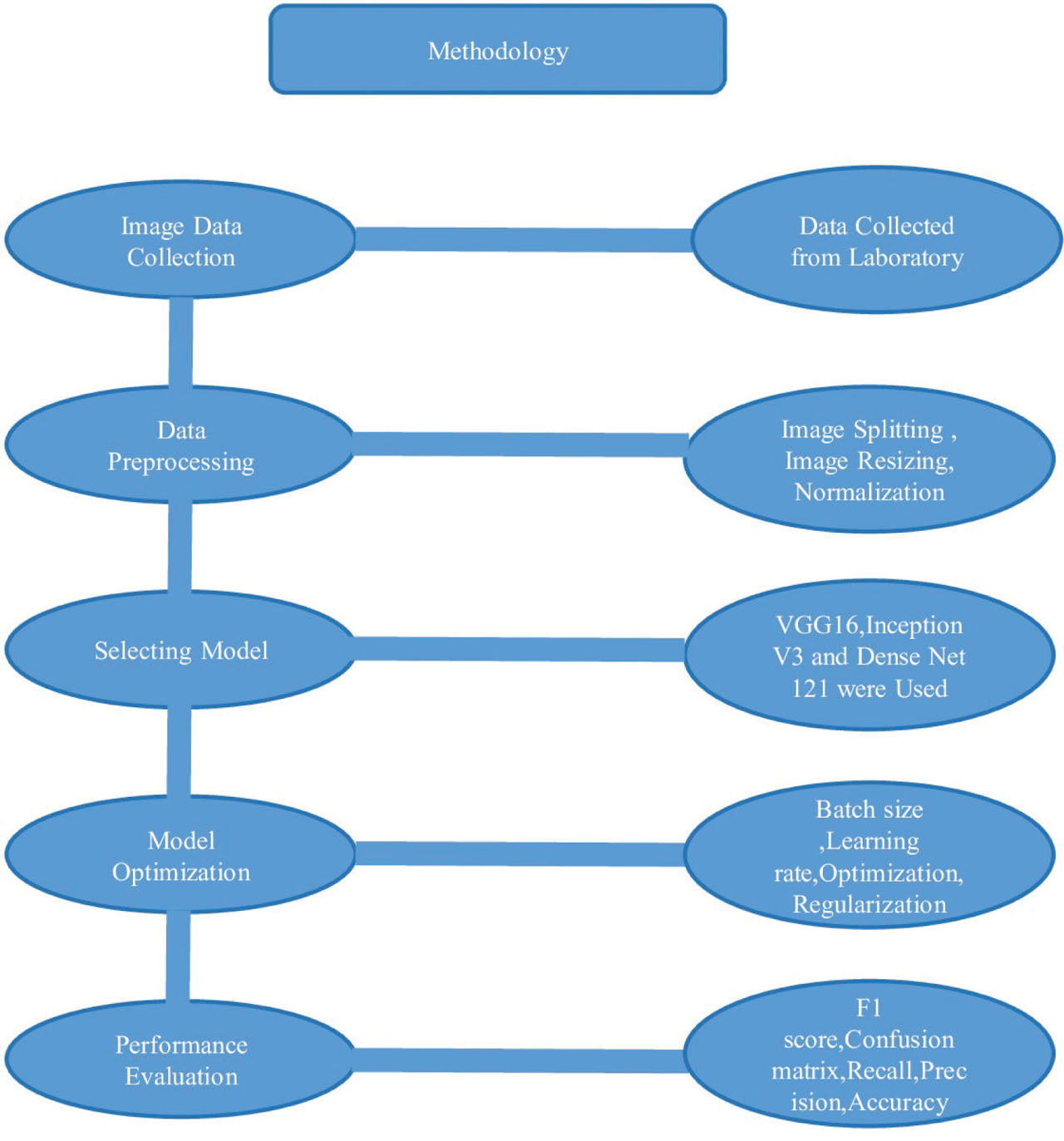
Figure 1:
Methodology.
a. Dataset collection
In Uttarakhand, we identified three blocks in Dehradun District for our study: Vikasnagar, Doiwala, and Sahaspur (Figures 2–9). According to the 2011 Census, Vikasnagar has a population density of 13,927, with 7,128 males and 6,709 females. Doiwala has a population density of 8,709, with 4,659 males and 4,050 females. Sahaspur has a population density of 8,841, with 4,665 males and 4,176 females. Blood cell image data has been collected from these blocks through anonymous laboratories. A total of 9,975 blood cell images have been obtained, categorized as neutrophils, monocytes, lymphocytes, and eosinophils, using hematology microscopes. The focus of the data collection was primarily on women and children. This data will be instrumental in training our deep learning model to detect anemia and provide insights into the health conditions of these specific demographics within the identified regions.
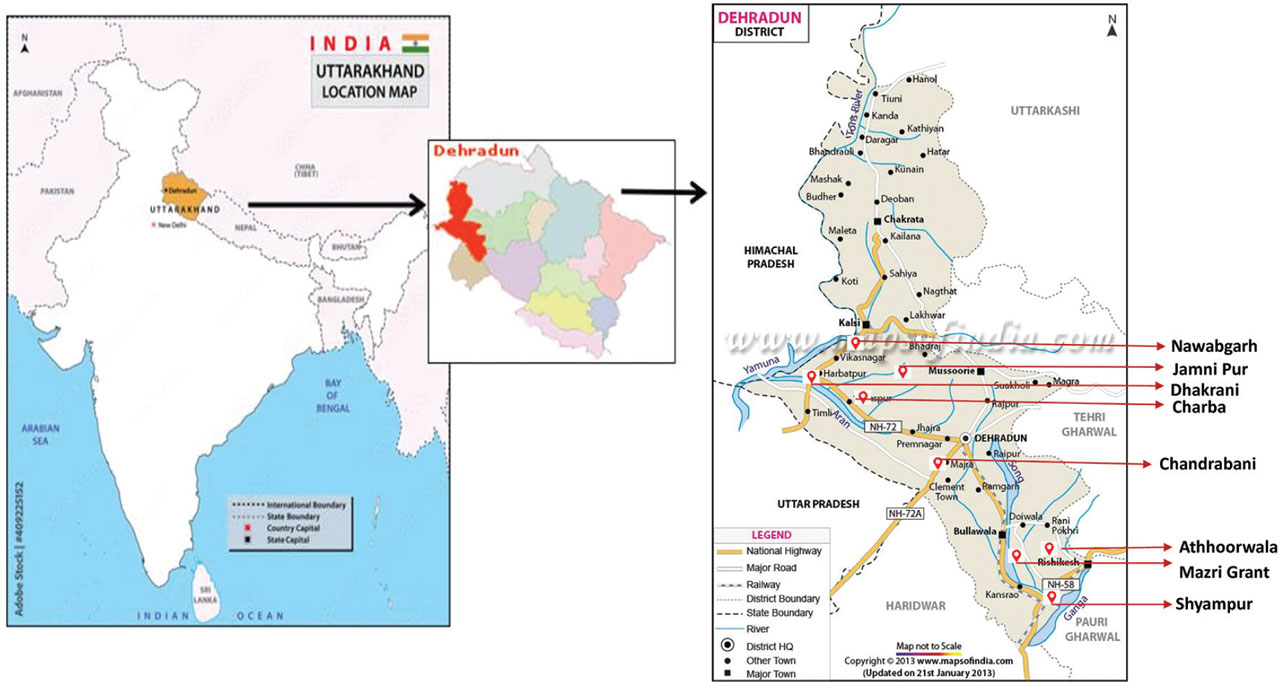
Figure 2:
Site location in Dehradun district.
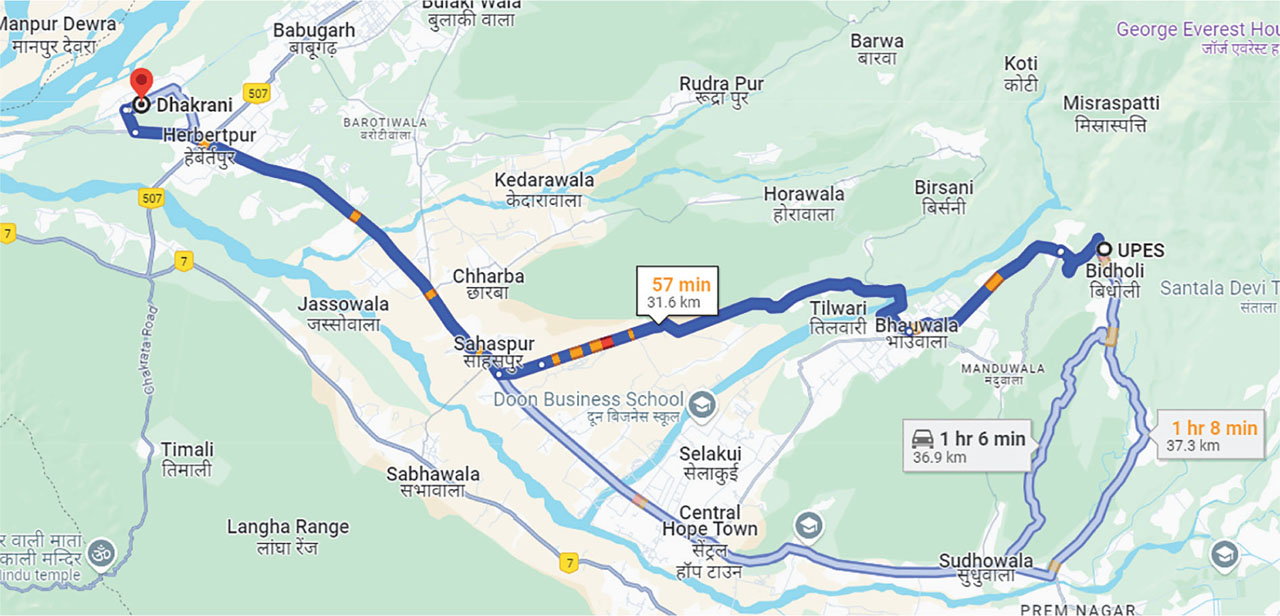
Figure 3:
UPES to Dakrani.
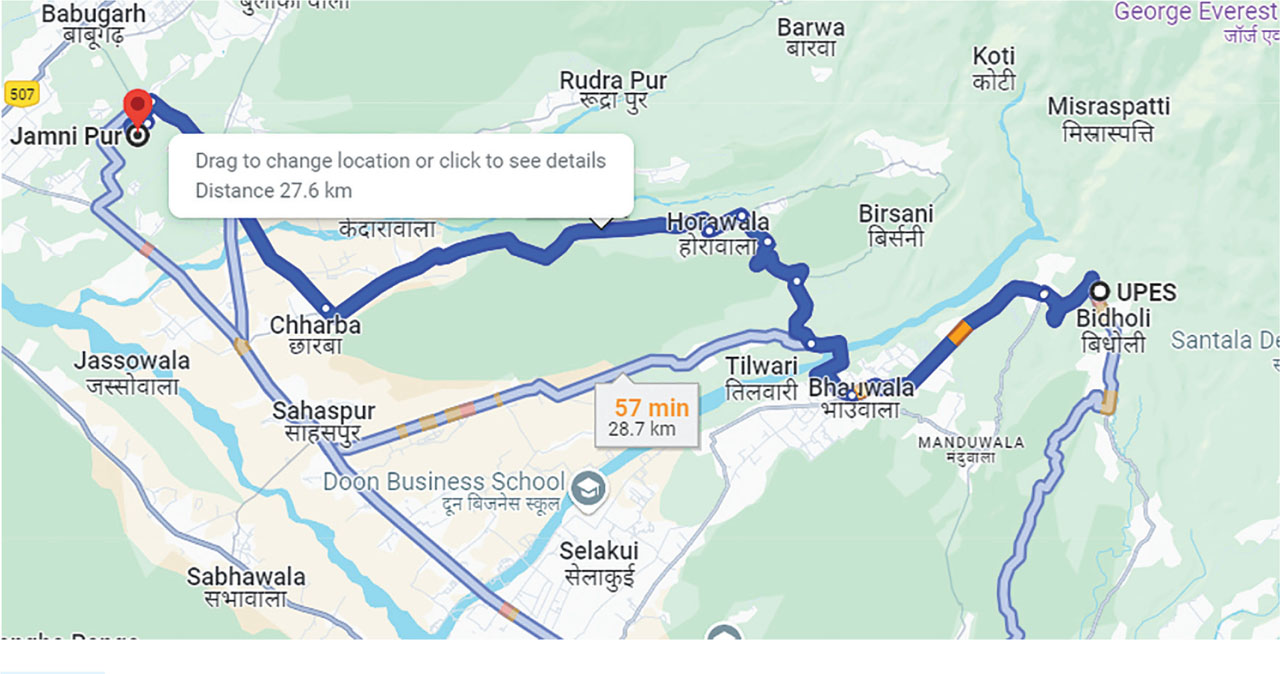
Figure 4:
UPES to Jamnipur.
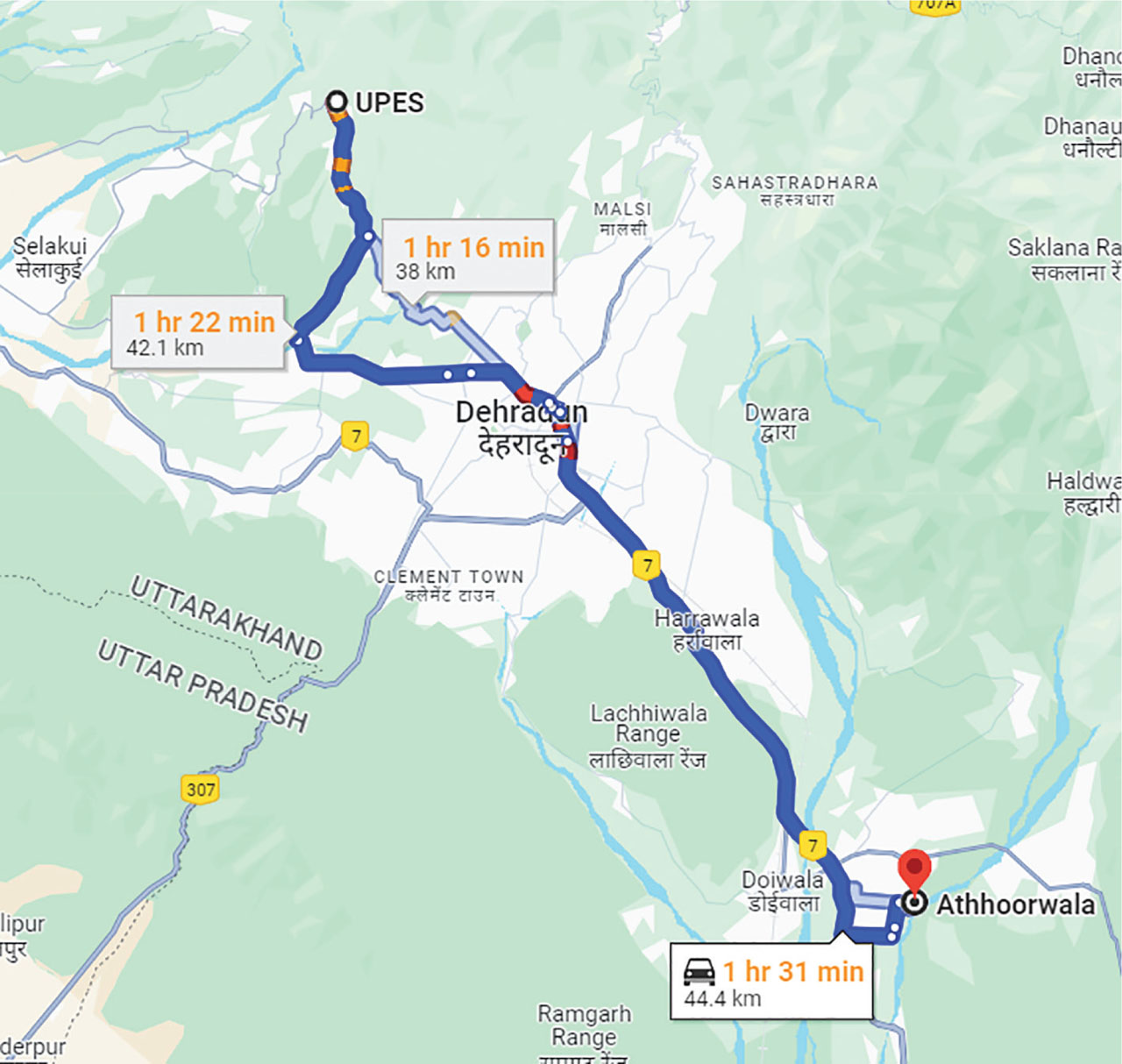
Figure 5:
UPES to Atthorwala.
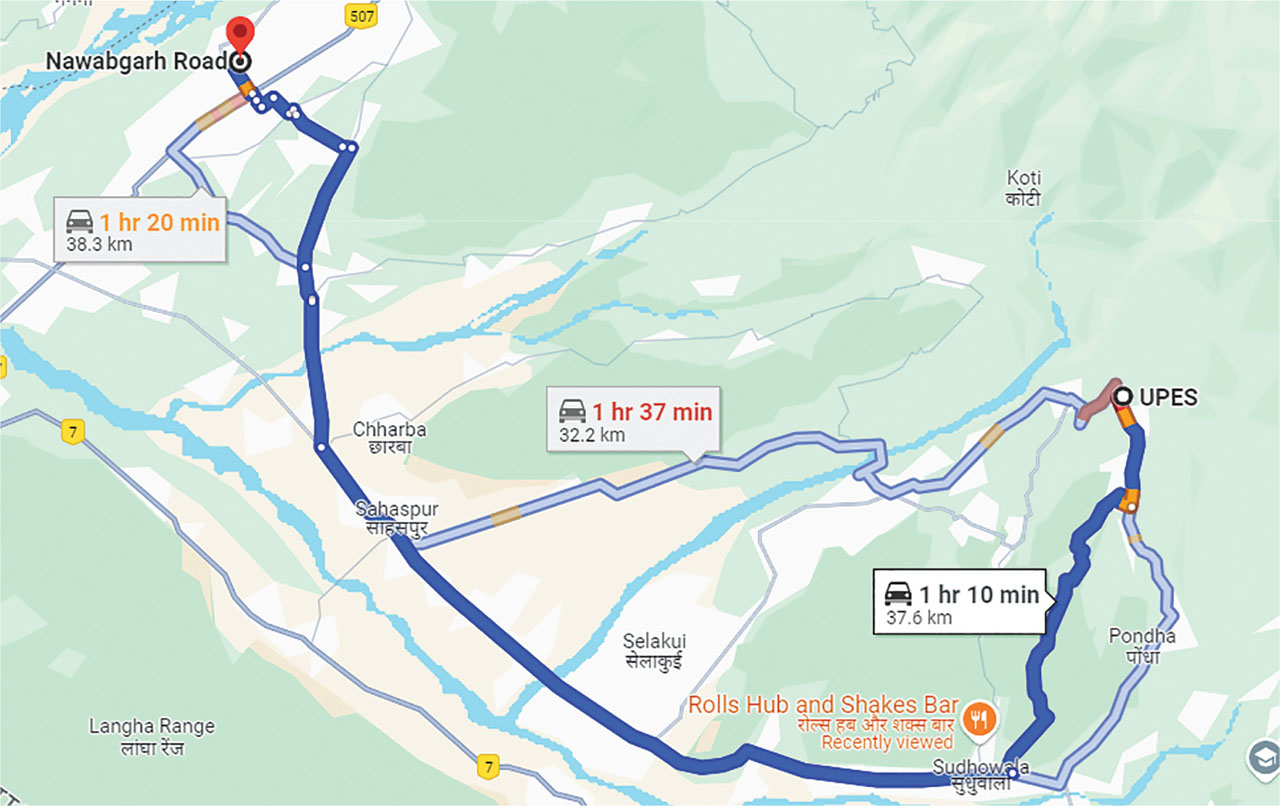
Figure 6:
UPES to Nawabgarh.
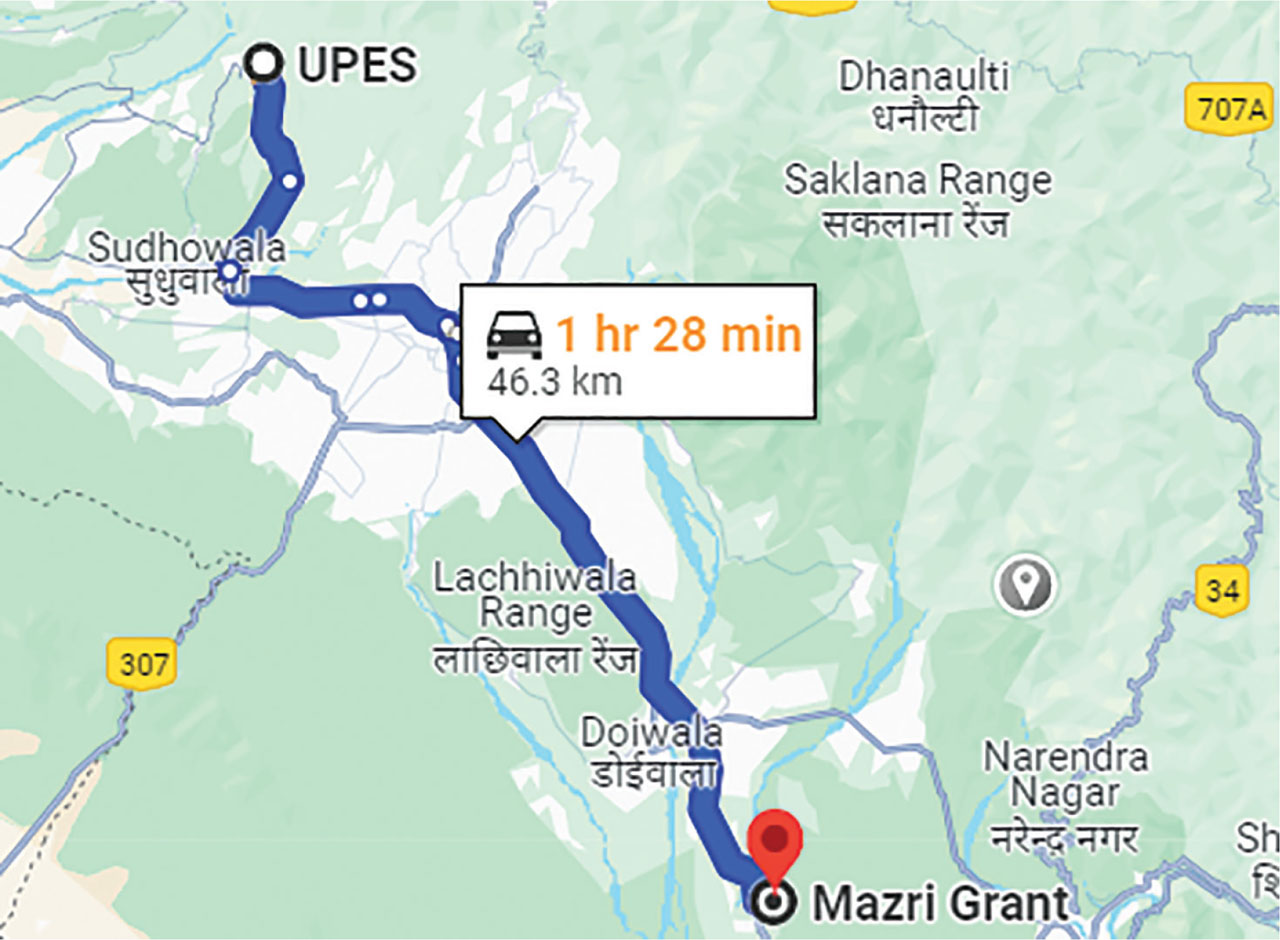
Figure 7:
UPES to Mazri Grant.
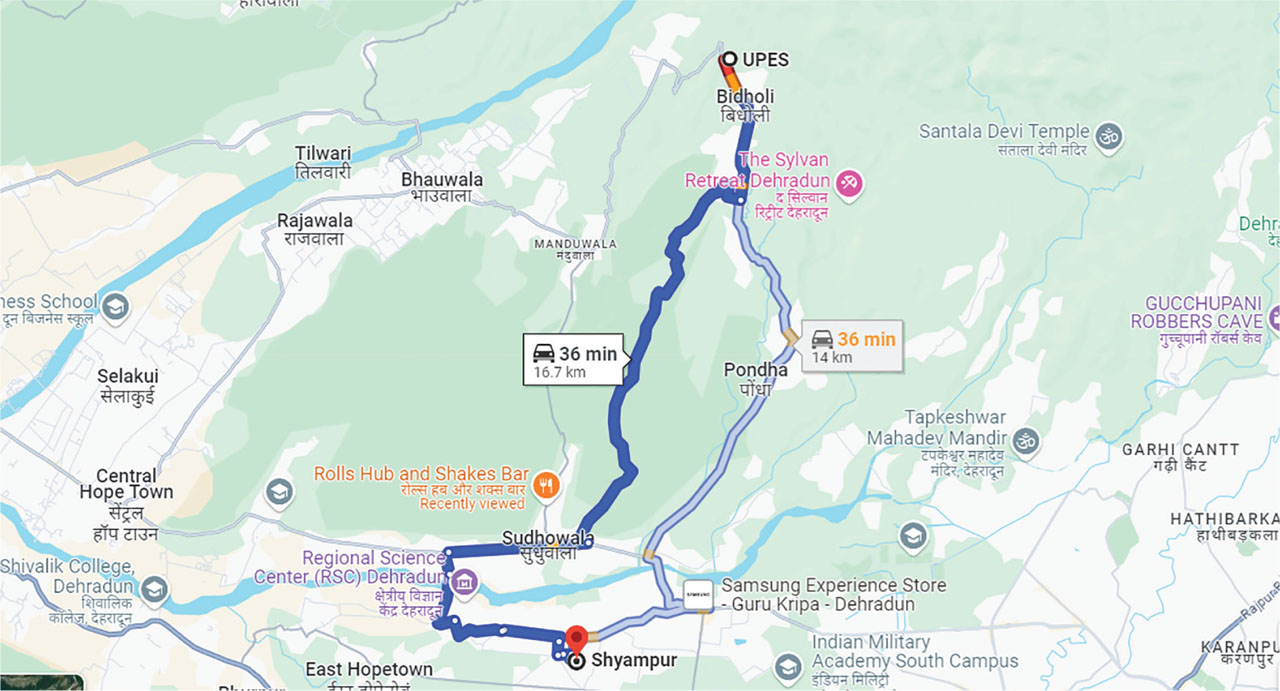
Figure 8:
UPES to Shyampur.
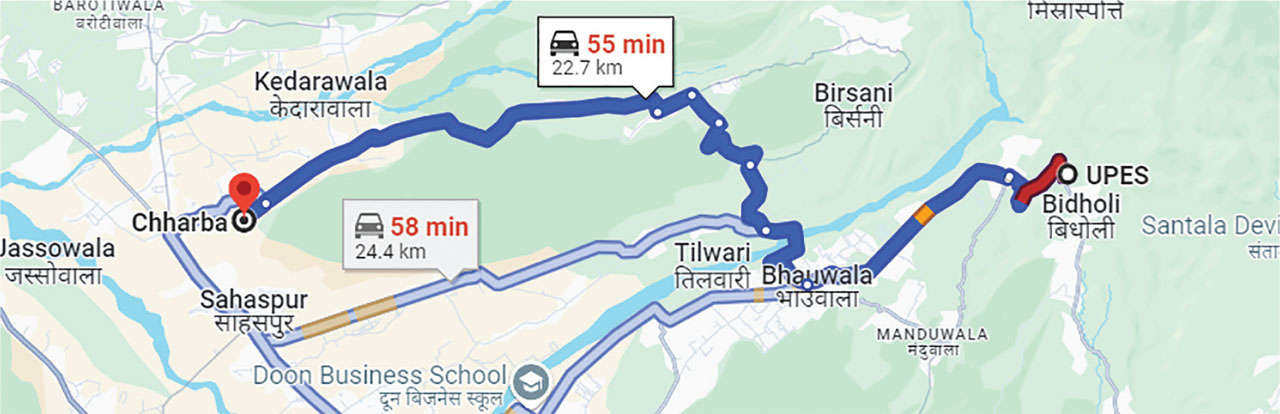
Figure 9:
UPES to Charba.
The dataset was labeled with the corresponding blood cell types. Three deep learning architectures—VGG16, InceptionV3, and DenseNet121—were identified due to their proven efficiency in image classification tasks. Evaluation Metrics such as accuracy, recall, precision, and F1-score were applied to evaluate the model's efficiency and present a complete evaluation of its blood cell type classification capabilities.
b. Data pre-processing
Several techniques were applied to achieve optimal effectiveness of the deep learning model when preprocessing anemia images, as illustrated in Figure 10. The images were resized to 320 × 240 pixels and converted into NumPy arrays for efficient processing. Image normalization was performed to standardize the pixel values, improving the model's convergence. Data augmentation methods like flipping, rotation, and zooming were utilized for diversifying the training set and preventing overfitting. The dataset was separated into training and validation sets in an 80:20 ratio. To balance computational efficiency with learning stability, a batch size of 32 was applied during training. To ensure smooth convergence, a learning rate of 0.001 was selected. These preprocessing steps were crucial for enhancing the model's capability to accurately classify blood cells and detect anaemia. Evaluation metrics were then performed to investigate the model's effectiveness and ensure its reliability in real-world practical applications.
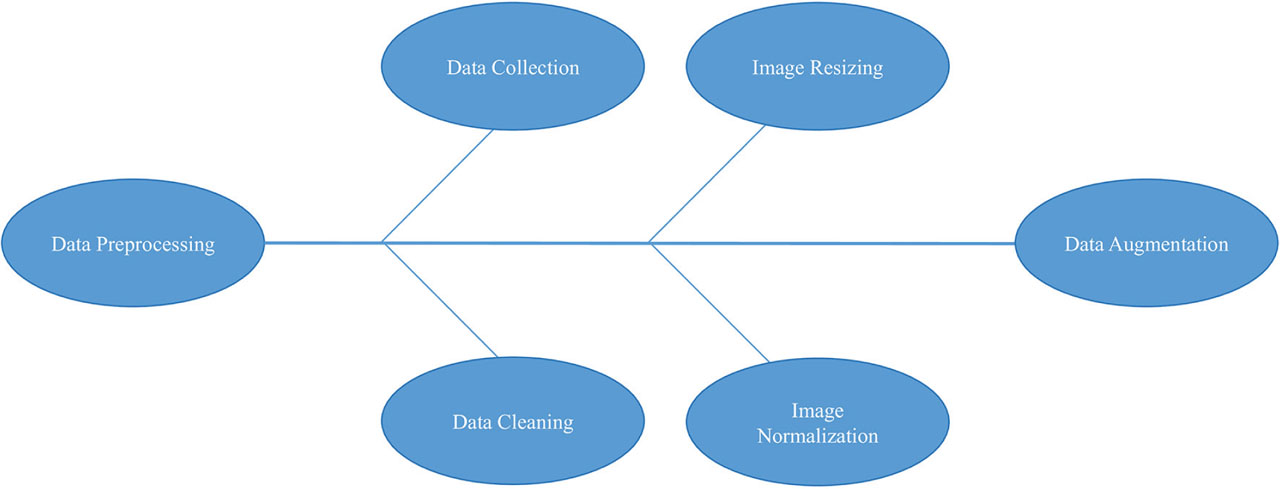
Figure 10:
Data preprocessing.
c. Data augmentation
c.i. Diverse training data
Geometric transformations involve mathematical operations such as rotation, translation, and reflection. Given an original image (I (x, y)) and transformation parameters P, the augmented image I′ is obtained as:
d. Convolutional layers with ReLU activation
Feature Extraction Given an input feature map X and a learnable kernel W, the convolution operation with ReLU activation is defined as
This extracts hierarchical features from pre-processed lung images, capturing spatial hierarchies crucial for classification.
e. Deep learning model
A pre-trained deep learning model was precisely refined to categorize anemia into four categories: neutrophils, monocytes, lymphocytes, and eosinophils. The dataset included 9,975 images of blood cells collected from the laboratory. By leveraging the existing capabilities of the pre-trained model, the fine-tuning of the model allowed it to adapt and adjust to the specific features of the blood cell images, improving its accuracy and efficiency in classifying these categories.
e.i. CNNs
CNN is a deep learning model. Which is employed in Image recognition. CNN is the most used model in deep neural networks. It used convolution layers, also called hidden layers. These hidden layers work as filters. And used for training and testing the data, then gives output. CNN works on many types of models, here only one model is discussed, which is Vgg16 [27]. The Figure 11 shows the CNN architecture.
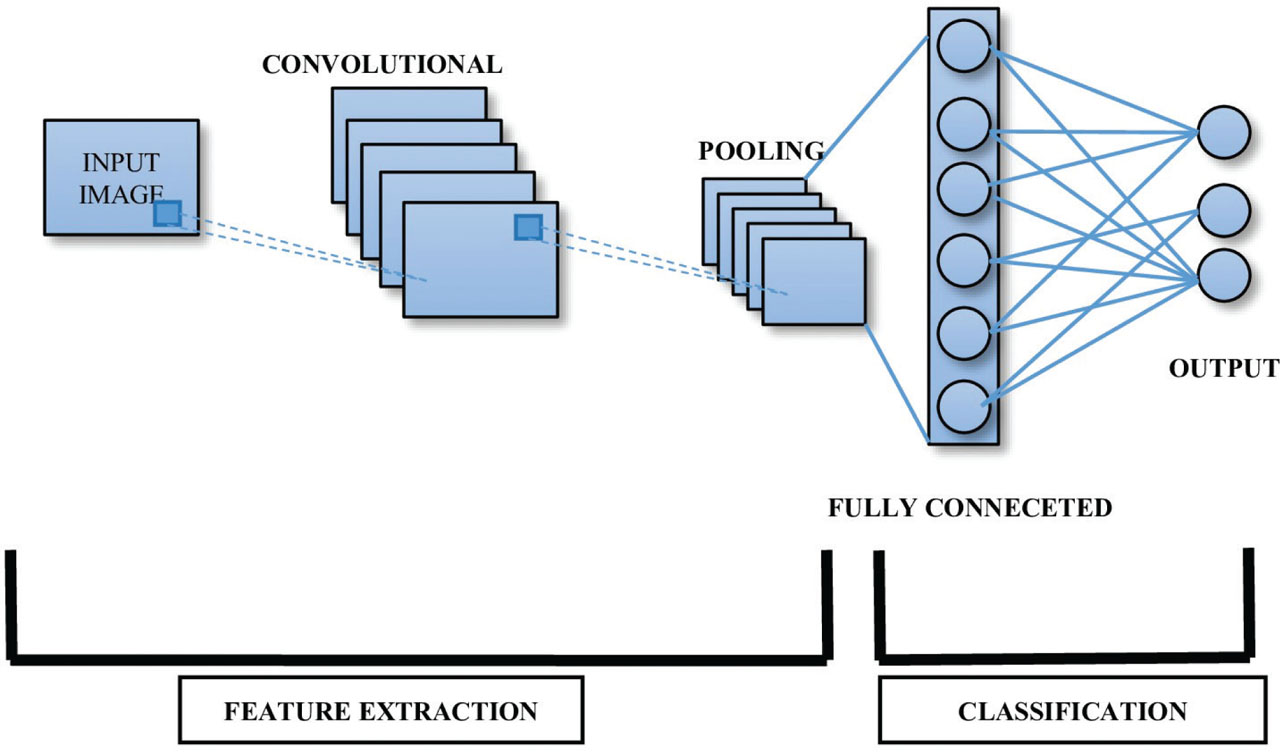
Figure 11:
CNN architecture. CNN, convolutional neural network.
e.ii. VGG16 model
The methodology began with preprocessing images by resizing them to 320 × 240 pixels to ensure uniformity and reduce computational complexity. The dataset was then divided into validation, training, and test sets, facilitating model training, hyperparameter tuning, and performance evaluation. Categorical labels were one-hot encoded, transforming them into vectors suitable for multi-class classification. The VGG16 architecture, known for its effectiveness in image classification, was chosen as the base model, leveraging pretrained weights on ImageNet. To retain the high-level feature extraction capabilities of VGG16, its layers were frozen, preventing their weights from being updated during training. Custom layers were added on top of the frozen VGG16 layers to tailor the model to the specific task of blood cell classification. The model was compiled using the accuracy metric, sparse categorical cross-entropy loss for multi-class classification, a learning rate of 0.0001 for stable updates, and the Adam optimizer for its efficiency in training deep neural networks. The training was conducted with a batch size of 32 over 90 epochs, and the model weights were saved to preserve the best-performing model. Evaluation metrics included a confusion matrix, which detailed true negative, true positive, false negative, and false positive predictions for each class, and various plots, such as accuracy and loss curves, to visualize the model's training progress and effectiveness. These steps collectively ensured a robust and effective model for classifying blood cells and their types. Figure 12 presents the detailed architecture of the VGG16 deep learning model used in this study.
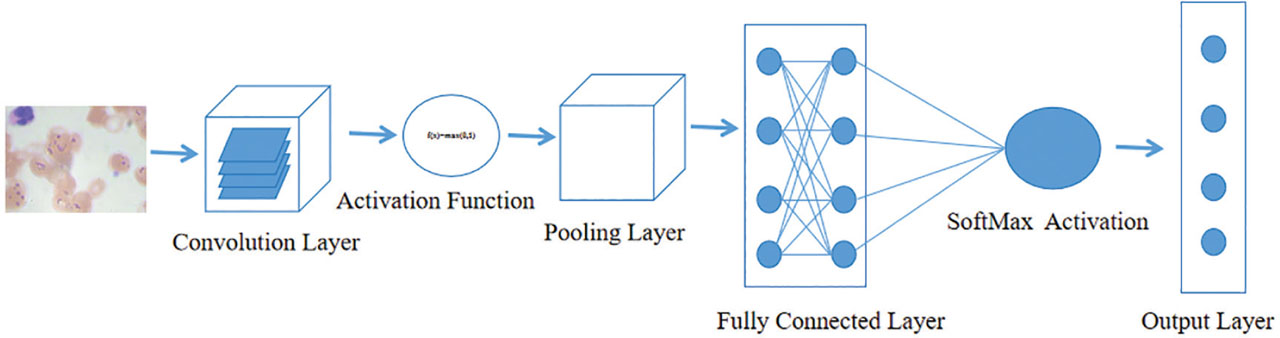
Figure 12:
VGG16 architecture.
e.iii. InceptionV3 model
In this study, we employed the InceptionV3 model to classify images of the blood cells (neutrophils, monocytes, lymphocytes, and eosinophils). A dataset with 9,957 images of blood cells was used to train the model of 320 × 240 pixels and convert them into NumPy arrays. The dataset was split into 80% and 20% in training and testing sets, respectively, with class labels encoded using label encoding. The top layer of the InceptionV3 model—which had been pre-trained on ImageNet—was eliminated. For 90 epochs, the model was trained. After saving the weights, the model was assessed using the test set, and a high-accuracy result was produced. The efficiency of the model was evaluated using evaluation metrics, for instance confusion matrix. The Inception-V3 pre-trained model, introduced by [28], includes over 20 million parameters and was developed by leading hardware experts in the industry. Each of the symmetrical and asymmetrical building blocks that make up the model includes different average and max pooling layers, convolutional layers, dropout layers, fully connected layers, and concatenation layers. Furthermore, batch normalization is usually done to the activation layers' input. The model uses SoftMax for classification. Figure 13 presents a schematic diagram of the Inception-V3 model.
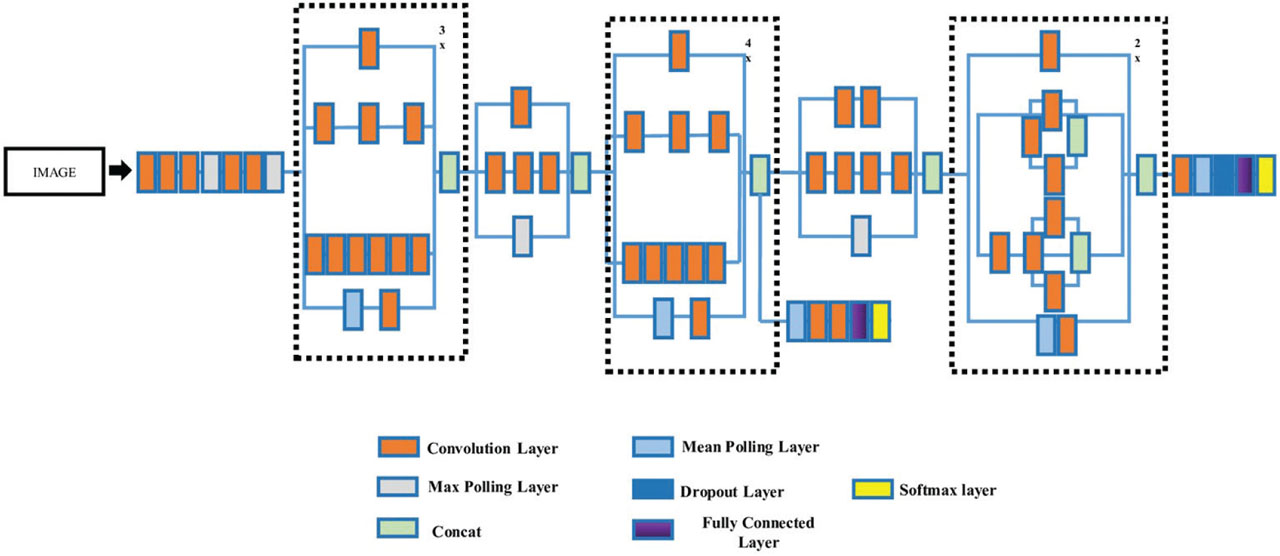
Figure 13:
Inception V3 architecture.
The Inception-V3 pre-trained model, introduced by [28], includes over 20 million parameters and was developed by leading hardware experts in the industry. Each of the symmetrical and asymmetrical building blocks that make up the model includes different average and max pooling layers, convolutional layers, dropout layers, fully connected layers, and concatenation layers. Furthermore, batch normalization is usually done to the activation layers' input. The model uses SoftMax for classification. Figure 11 presents a schematic diagram of the Inception-V3 model.
f. DenseNET121
We employed the DenseNet121 architecture for image classification. The dataset consisted of images of the blood cells, with each image resized to (320, 240) pixels. We utilized transfer learning by loading the pre-trained DenseNet121 model without the top classification layer. The model achieved high accuracy on the test set after 90 epochs of training with a batch size of 32. We saved the model weights and evaluated its efficiency using various metrics, including classification accuracy, loss, and a confusion matrix was applied to measure the model's effectiveness. The Applied mechanism for predicting is shown in Figure 14.
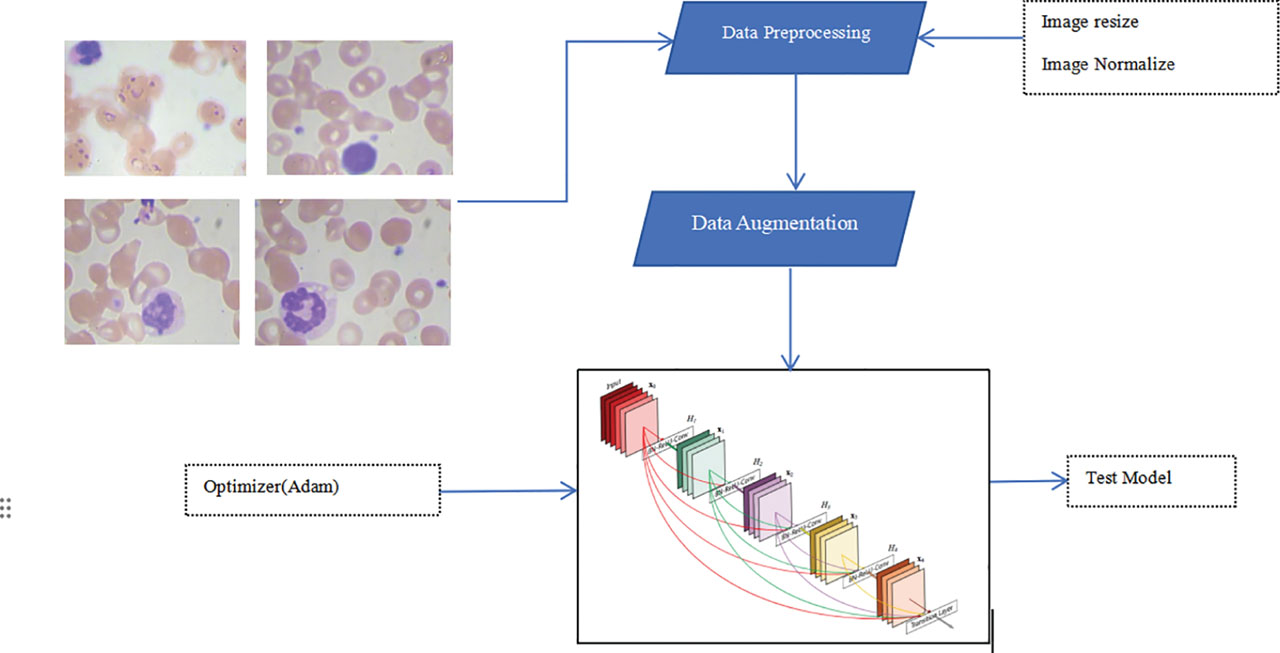
Figure 14:
Applied framework.
g. Blood
As indicated in Table 2 [29], all of the body's blood cells are descended from bone marrow-derived pluripotent stem cells. RBC's main jobs include removing carbon dioxide from the body and carrying oxygen from the lungs to the tissues [30]. RBC typically have a lifespan of about 4 months, while platelets, which play a crucial role in hemostasis, circulate for approximately 10 days [31, 32]. White blood cells are composed of different types of phagocytes, including eosinophils, monocytes, neutrophils, basophils, and lymphocytes [33]. T cells are involved in regulating immune reactions, defending the body against viruses and foreign cells, while B cells produce antibodies [34]. These white blood cells, including lymphocytes, are essential for antibody production and for combating bacterial and fungal infections. Additionally, research indicates that white blood cells have a relatively long lifespan [35, 36].
Table 2:
About blood cells
| Cell category | Size | Blood life span | Quantity of cells | Functions |
|---|---|---|---|---|
| RBC | 6–8 | 120 days | Male:—4.5–6.5 × 10⁶ | Conveyance of O2 and CO2 |
| Female 3.9–5.6 × 10⁶ | ||||
| Thrombocytes | 0.5–3.0 | 10 days | 140–1,400 × 103 | Coagulation |
| Phagocytes | ||||
| Neutrophils | 12–15 | 6–10 hr | 1.9–7.6 × 10³ (48%–76%) | Protection against microorganisms such as fungi and bacteria |
| Monocytes | 12–20 | 20–40 hr | 0.2–0.8 × 10³ (2.5%–8.5%) | Defense against pathogens like fungi and bacteria |
| Acidophils | 12–15 | Days | 0.04–0.44 × 013 (<5%) | Defence from pathogens |
| Lymphocyte | 7–9 (resting) | Weeks or years | 1.5–3.5 × 10³ (18%–41%) | B-cells: Assist in antibody production and the activation of T-cells. |
| 12–20 (active) | T-cells: Involved in viral defense and immune response | |||
RBCs are the predominant type of blood cell [37]. On peripheral blood smears, they have a biconcave disc shape and contain cytoplasm abundant in hemoglobin, the crucial protein responsible for oxygen transport [17]. RBC have a critical role in transporting CO2 from the peripheral tissues to the lungs for exhalation and O2 from the lungs to the tissues [38]. Their unique structure enables efficient gas exchange between the tissues and lungs. The average lifespan of RBC is 120 days [33]. On the other hand, platelets (thrombocytes) are small, granular, nucleated cell fragments that are generated by megakaryocytes in the bone marrow [37] and are vital for hemostasis, working alongside plasma clotting factors [38, 39] Platelets have a shorter lifespan, ranging from 7 days to 10 days [40]. White blood cells, which come in various types [34]. include granulocytes derived from the bone marrow, which appear similar on a peripheral smear[40, 41]. Neutrophils, the most prevalent type of white blood cell, are easily recognizable by their light purple granules and a nucleus with three to five lobes. These phagocytes play a critical role in defending against acute infections [42].
h. Input image for model training
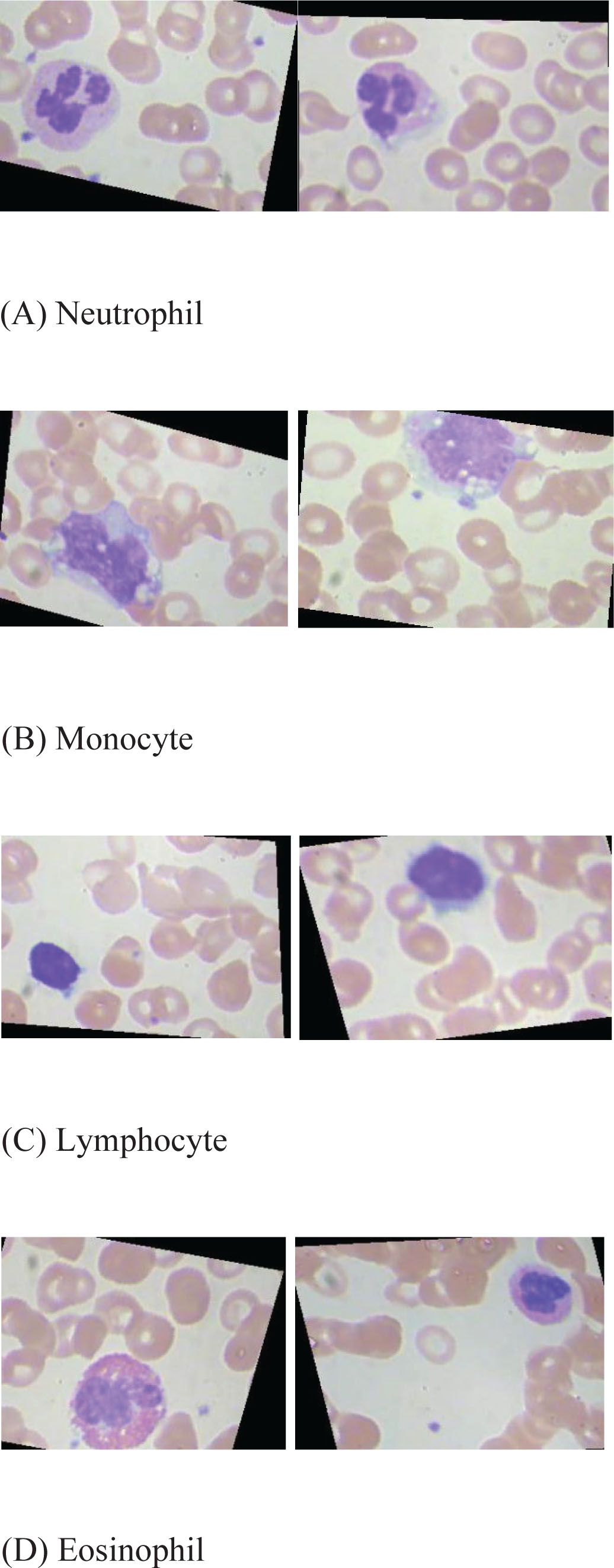
High-resolution images of blood cells were utilized as input images for machine-learning models in this study. Pre-processing of these images results in a 320 × 240-pixel standard, which is used to guarantee uniformity throughout the collection. One of four blood cell types—neutrophils, monocytes, lymphocytes, and eosinophils—is depicted in each illustration. With the datasets closer to balanced instances of different types of blood cells, the models can identify and extract features to identify and classify the blood cells during testing. Identification of blood cells is crucial for the early identification of anaemia and its types.
Monocytes are unequivocally the largest type of white blood cell, with diameters ranging from 12 μm to 20 μm [42]. They have a kidney-shaped or folded nucleus and bright blue cytoplasm with a few very small granules [43]. While monocytes are highly phagocytic like neutrophils, they differ significantly [44]. As they enter tissues, they transform into long-lived macrophages that are able to sense “danger” signals triggered by tissue damage or infections [45]. Eosinophils, named after the dawn goddess Eos, are distinguished by their numerous bright red cytoplasmic granules and two-lobed nuclei, with a diameter ranging from 12 μm to 15 μm [46]. They are crucial in chronic immune responses related to asthma, parasitic infections, and certain allergic reactions [47].
An essential component of the adaptive immune system is the lymphocyte [48]. They have a compact, spherical nucleus with little cytoplasm when they are dormant [49]. Their diameter ranges from 7 μm to 9 μm, similar to that of a typical RBC. However, when active, lymphocytes can expand up to 20 μm in size, featuring a larger nucleus, more cytoplasm, and a few granules [49]. Determining if circulating lymphocytes are natural killer cells, T cells, or B cells requires testing for specific lineage markers, as these types of lymphocytes cannot be distinguished with certainty based solely on their appearance [50]. The immune system's ability to “remember” previous pathogen exposures is supported by its durability and foundational structure.
IV. Result and Discussion
There are 3 Deep learning model has been used VGG16, InceptionV3, and DenseNet. By applying deep learning models, a significant level of results has been achieved. Table 3 presents a comparative analysis of the accuracy achieved by each deep learning model across different training epochs.
Table 3:
Compare accuracy and time for each epoch based on three deep learning models
| Number of epochs | Accuracy (%) | Batch size | Time for each epoch (in ms) | |
|---|---|---|---|---|
| VGG16 | 90 | 93.43 | 32 | 78 ms/step |
| DenseNet | 90 | 90.48 | 32 | 89 ms/step |
| InceptionV3 | 90 | 78.80 | 32 | 100 ms/step |
The evaluation matrix compares the performance of three deep learning models—VGG16, Inception V3, and DenseNet121—on a cell classification task involving EOSINOPHIL, LYMPHOCYTE, MONOCYTE, and NEUTROPHIL. It evaluates precision, recall, F1 score, and support. Precision represents the ratio of true positives to predicted positives, recall represents the ratio of true positives to actual positives, and the F1 score balances these metrics. DenseNet121 outperforms the others, with F1 scores between 0.85 and 0.98, while VGG16 scores range from 0.72 to 0.9, and Inception V3 from 0.67 to 0.9. Each class has around 500 samples. DenseNet121 demonstrates the best overall performance as shown in Figure 15.
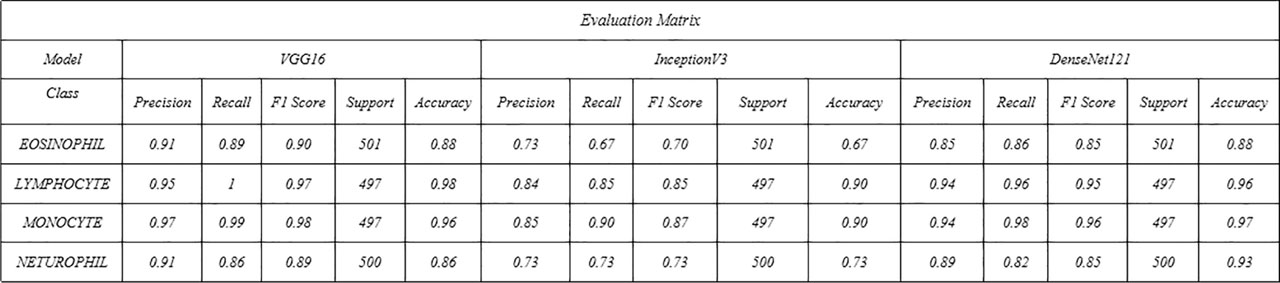
Figure 15:
Evaluation metrics for deep learning models.
a. Outcome InceptionV3 model
The InceptionV3 model was trained over 90 epochs with a batch size of 32. The training process yielded a final training accuracy of 83.04% and a test accuracy of 78.80%. The weighted average F1-score across all classes was 0.79, indicating good overall performance of the model as shown in Figure 16.
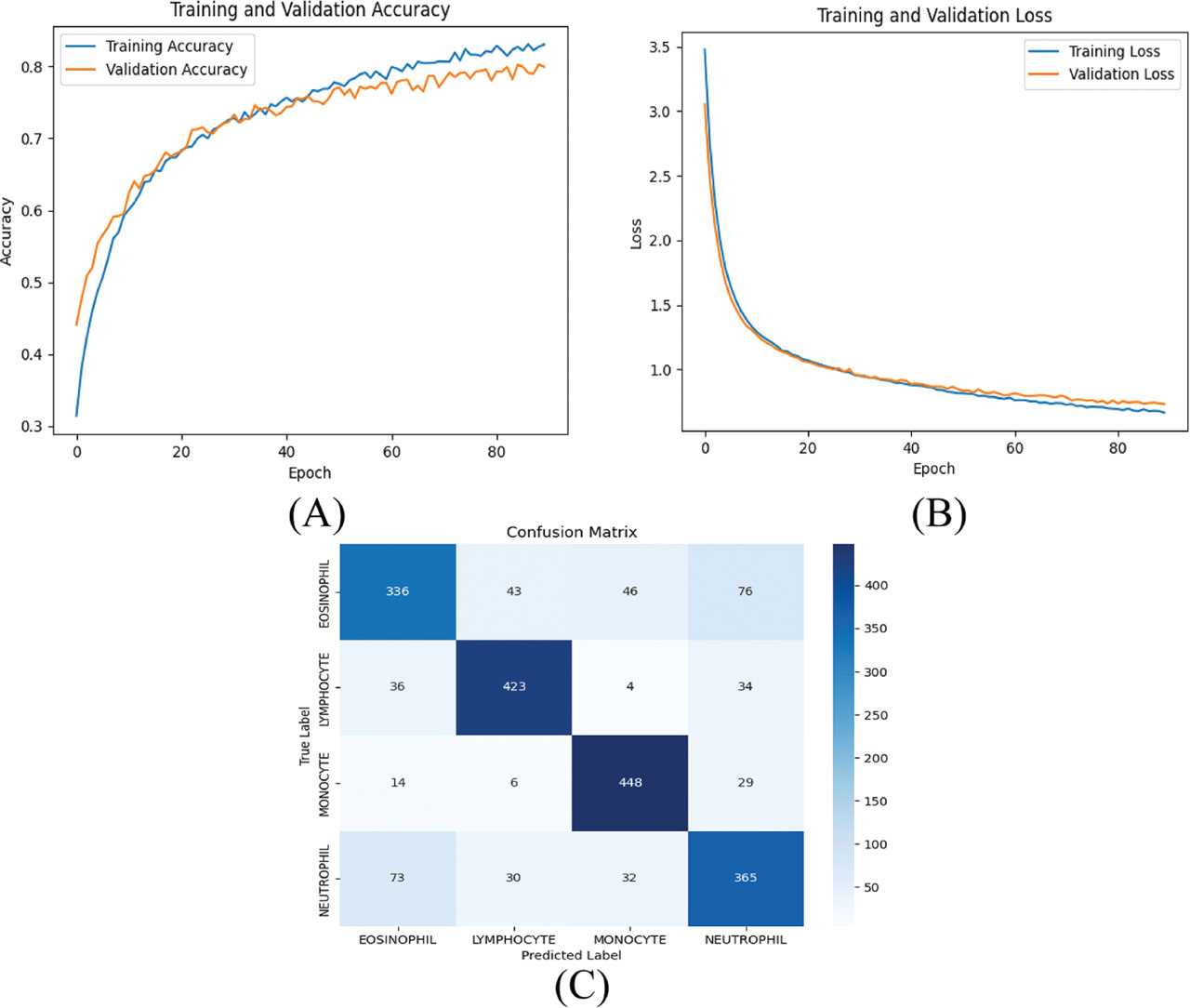
Figure 16:
(A) presents the training and validation accuracy for each epoch, (B) shows the training and validation loss for each epoch, and (C) provides the confusion matrix for each class in the InceptionV3 Model.
b. Outcomes VGG16 model
We developed a CNN model using the VGG16 architecture to classify four types of blood cells: neutrophils, monocytes, lymphocytes, and eosinophils. Training on a dataset of 9,957 images yielded an accuracy of 94.17% on the training set. For evaluation, a separate test set of 1995 images resulted in a loss of 0.4362 and an accuracy of 93.43%. Recall, F1-score, and precision calculations for every class indicated excellent performance as shown in Figure 17.
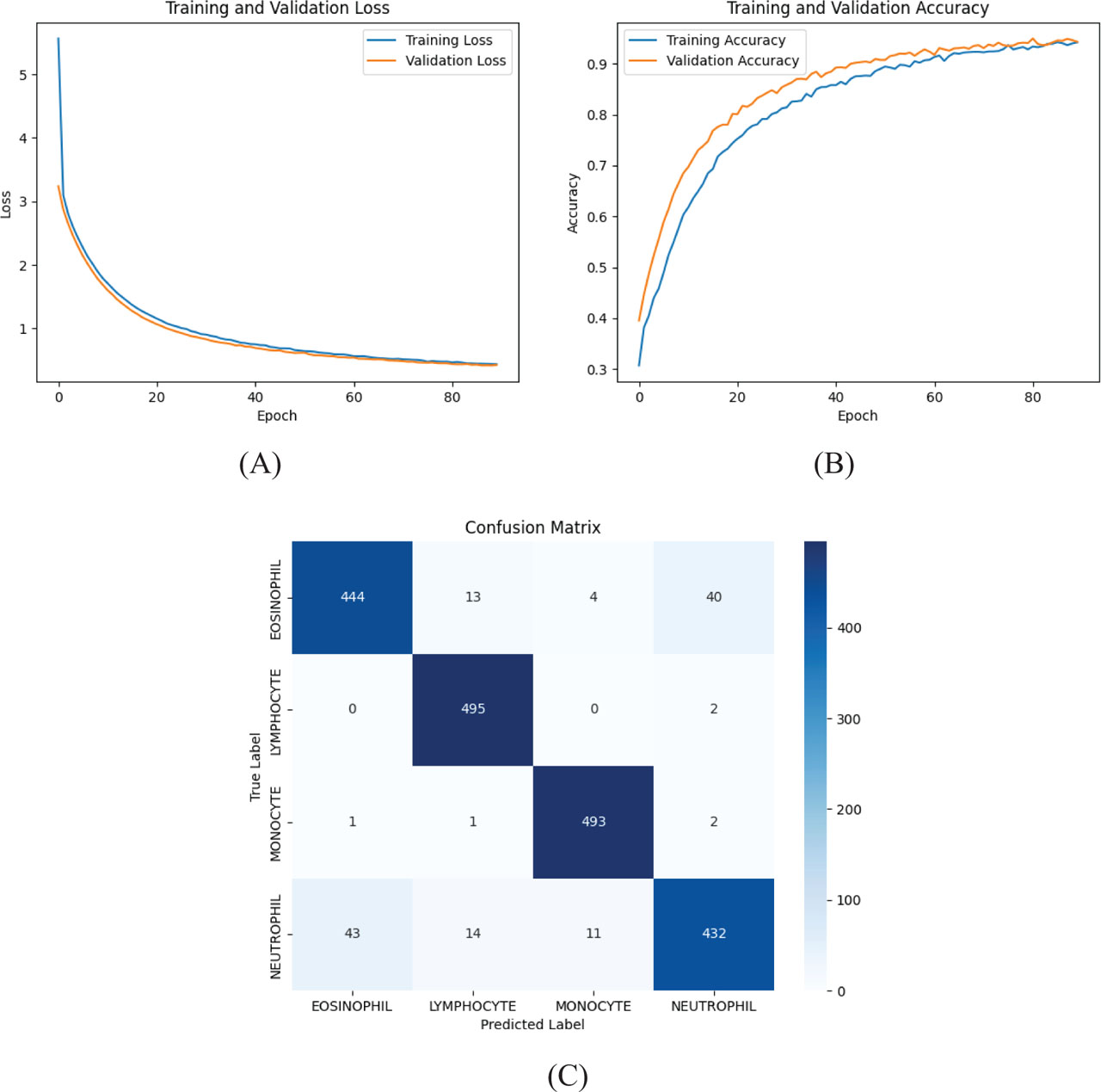
Figure 17:
(A) presents the accuracy of training and validation for each epoch, (B) illustrates the loss during training and validation for each epoch, and (C) shows the confusion matrix for each class from the VGG16 Model.
c. Outcomes DenseNet121
The DenseNet121 model was trained on a dataset of images containing the four classes of blood cells: Eosinophil, Lymphocyte, Monocyte, and Neutrophil. The model achieved a training accuracy of 91.32% and a test accuracy of 90.48% after 90 epochs as shown in Figure 18.
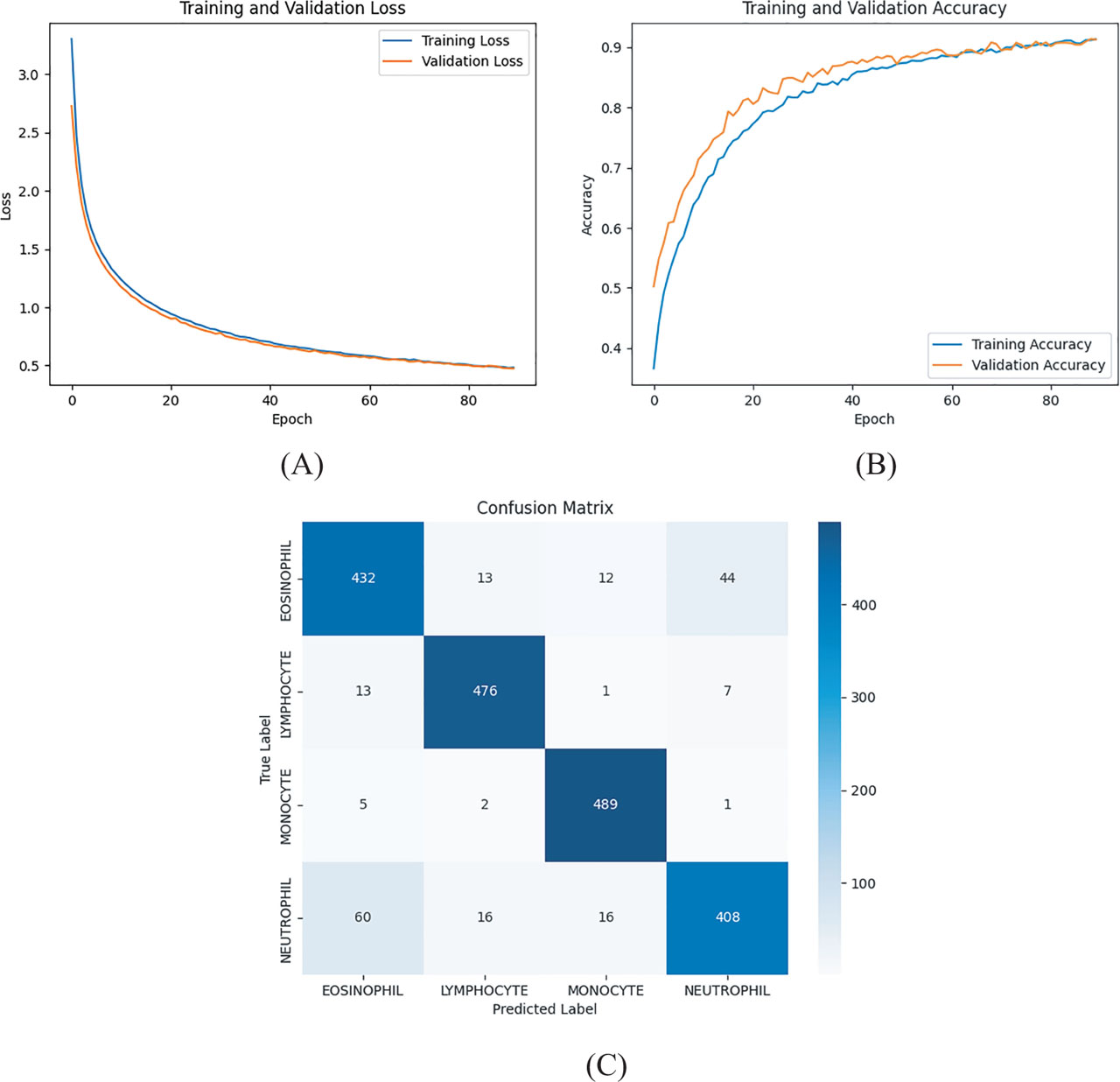
Figure 18:
(A) presents the training and validation accuracy per epoch, (B) shows the training and validation loss for each epoch, and (C) provides the confusion matrix for each class from the DenseNET121 model.
V. Conclusion
In conclusion, our work illustrates how machine-learning models can be effectively employed to categorize different types of blood cells and leverage this information for the early detection of anaemia. Promising results were obtained when anaemia was accurately identified using blood cell pictures by the VGG16, InceptionV3, and DenseNet121 models. Particularly in susceptible populations like children and pregnant women, early identification of anaemia is essential for prompt intervention and treatment. Public health outcomes pertaining to anaemia could be greatly impacted by additional studies and the development of deep learning algorithms in this field.
VI. Future Work
The current study has demonstrated the effectiveness of deep learning models in categorizing blood cells and detecting anemia. We plan to enhance the dataset by incorporating more diverse samples from various geographical regions and broader demographics to improve the model's generalizability. This will also involve collecting images of additional blood cell types and other related hematological conditions. Extensive clinical trials and validations with larger, more varied patient populations will be essential to validate the model's effectiveness and reliability in real-world scenarios. Collaborating with medical professionals will ensure that the model meets clinical standards and requirements. Additionally, we aim to develop a real-time application for clinical use, integrating it with laboratory equipment and mobile devices for instant analysis and diagnosis. By addressing these areas, we aim to develop a robust, precise, and practical tool for detecting anemia and classifying blood cells, ultimately resulting in better patient outcomes and enhanced healthcare delivery.
Acknowledgment
The authors sincerely acknowledge the support provided by the Science for Equity Empowerment and Development scheme (SEED) under the Department of Science and Technology under grant: DST/SEED/CCRRC/2021/003/G.
Notes
[3] Financial disclosure Funding
We extend our heartfelt gratitude to symbiosis Institute of Technology Pune India for their generous financial assistance through the Symbiosis Research Support Fund (SRF) particularly articulated for this research paper. Their Support has been Instrumental in the successful completion of this research paper.