
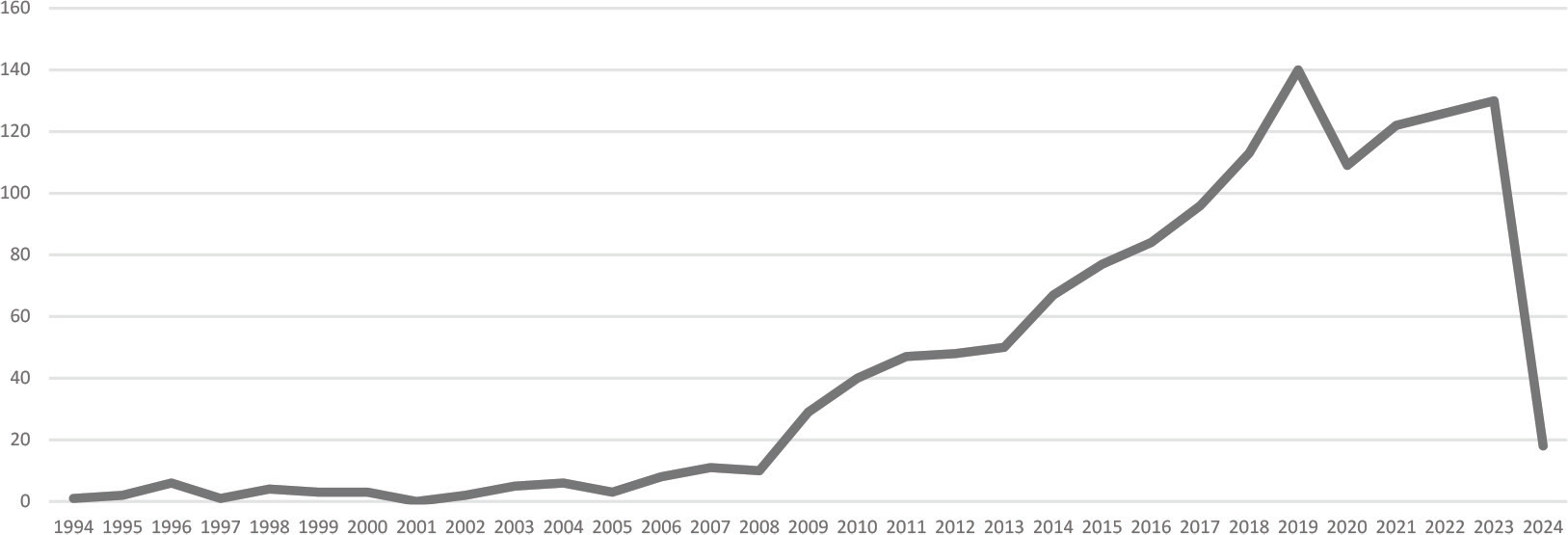
Figure 1.
Distribution of the number of publications (yearly output)
Source: own elaboration using the R ‘bibliometrix’ package.
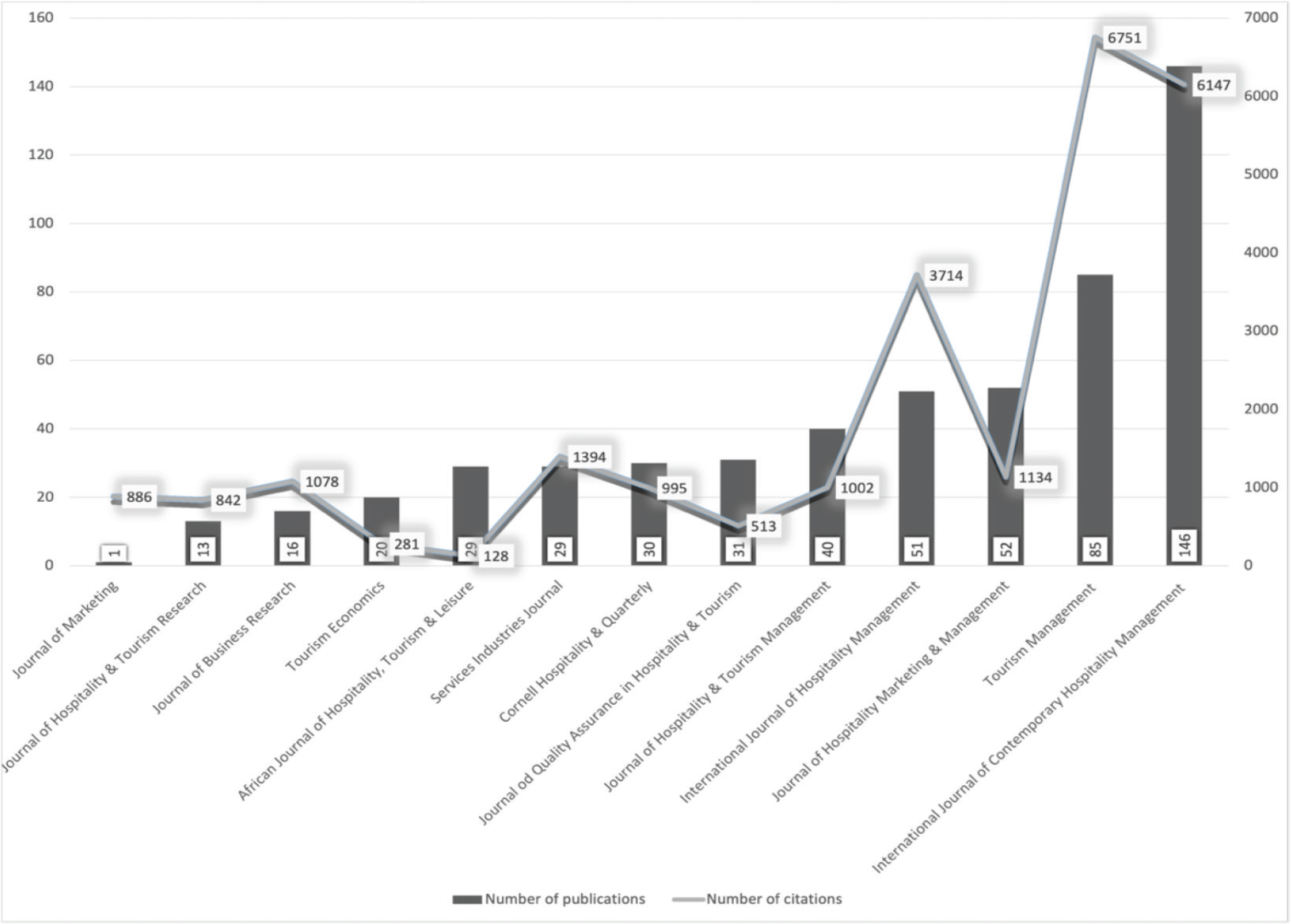
Figure 2.
Distribution of the number of publications and citations by top journals
Source: own elaboration using the R ‘bibliometrix’ package.
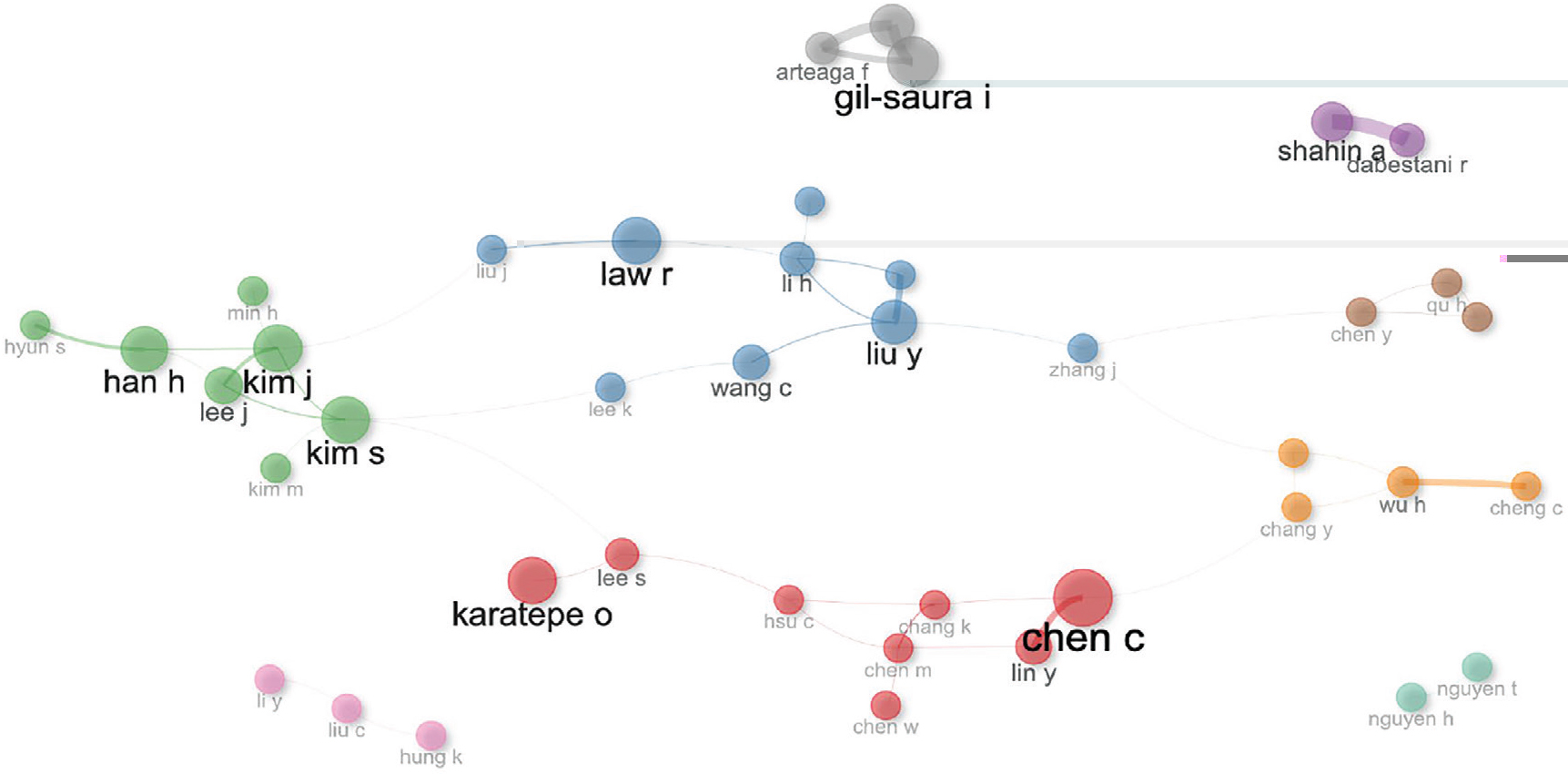
Figure 3.
Collaborative clusters of authors’
Source: own elaboration using the R ‘bibliometrix’ package.
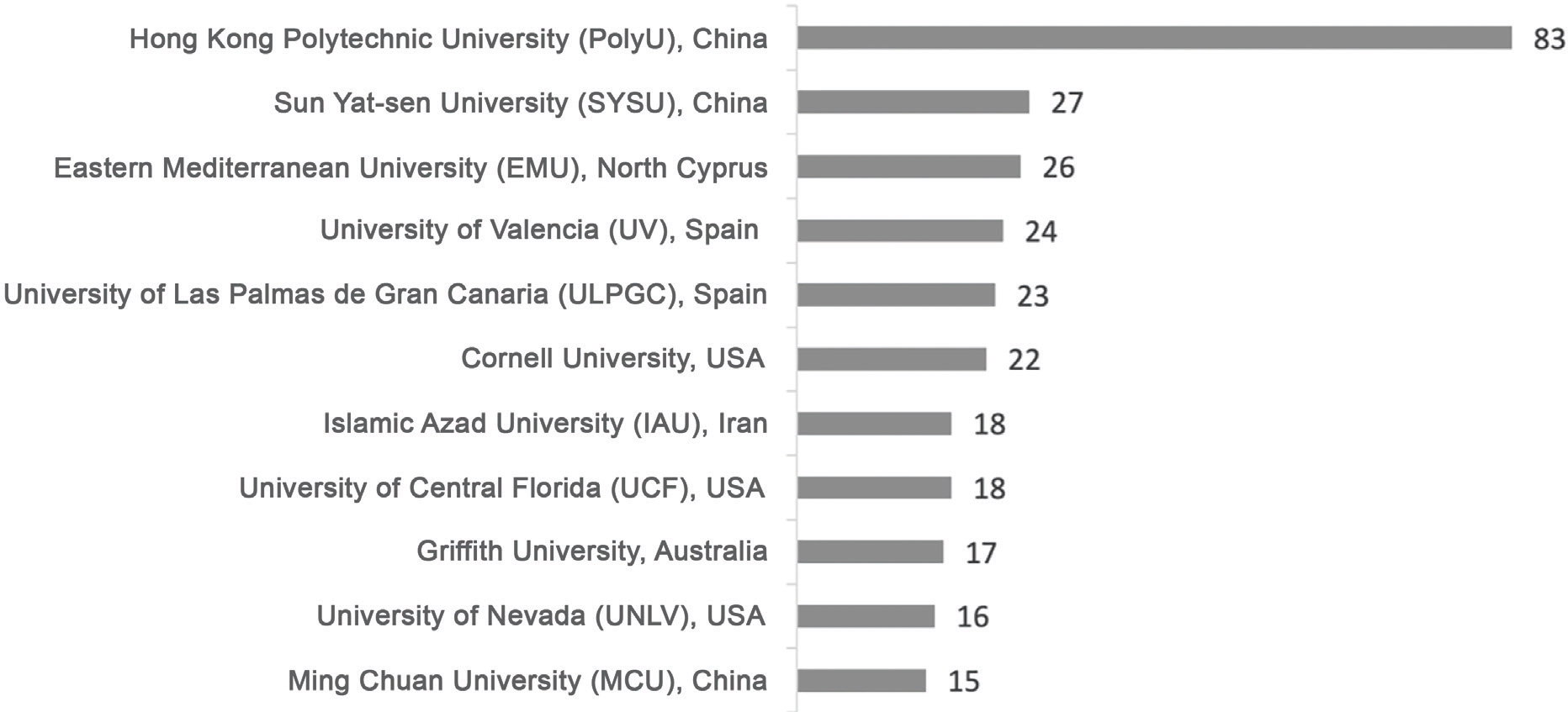
Figure 4.
Distribution of authors’ top affiliations
Source: own elaboration using the R ‘bibliometrix’ package.
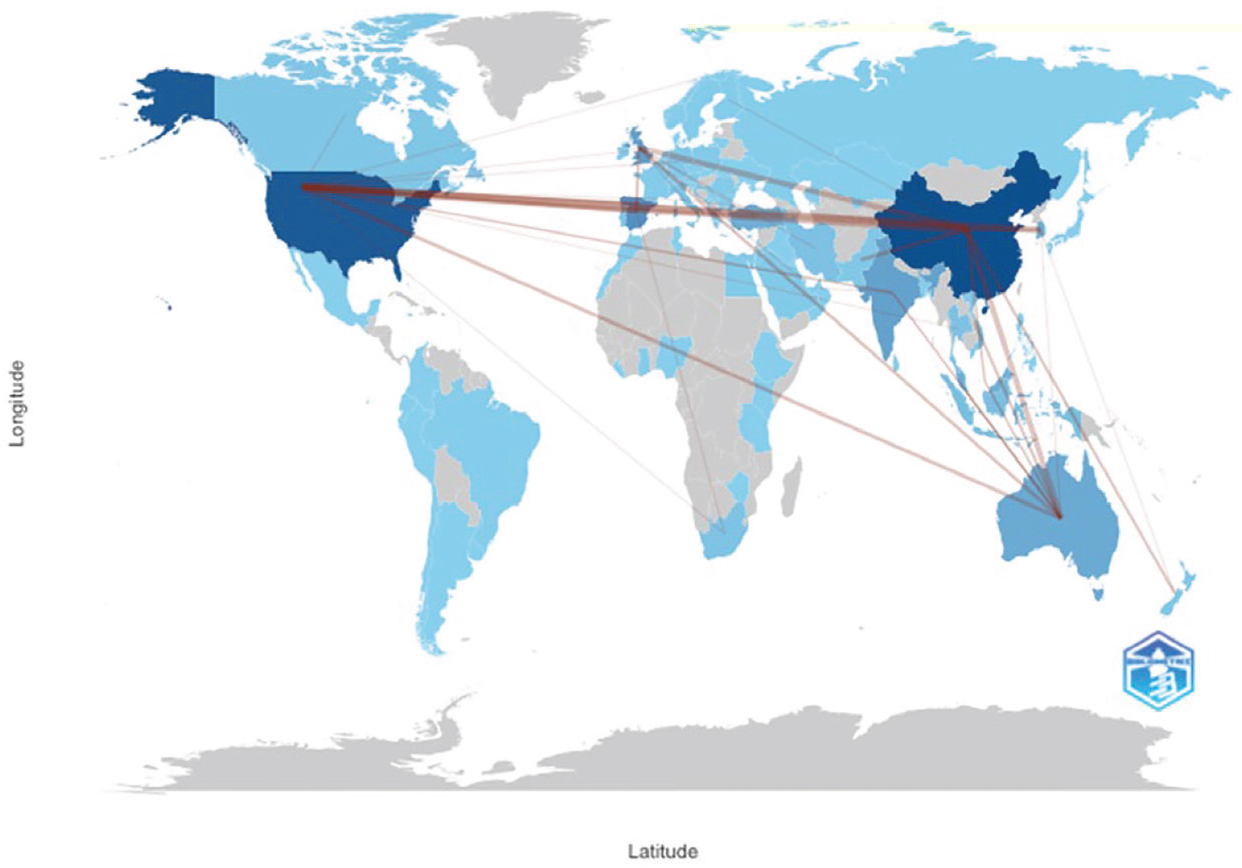
Figure 5.
Network of authors’ collaboration by country
Source: own elaboration using the R ‘bibliometrix’ package.
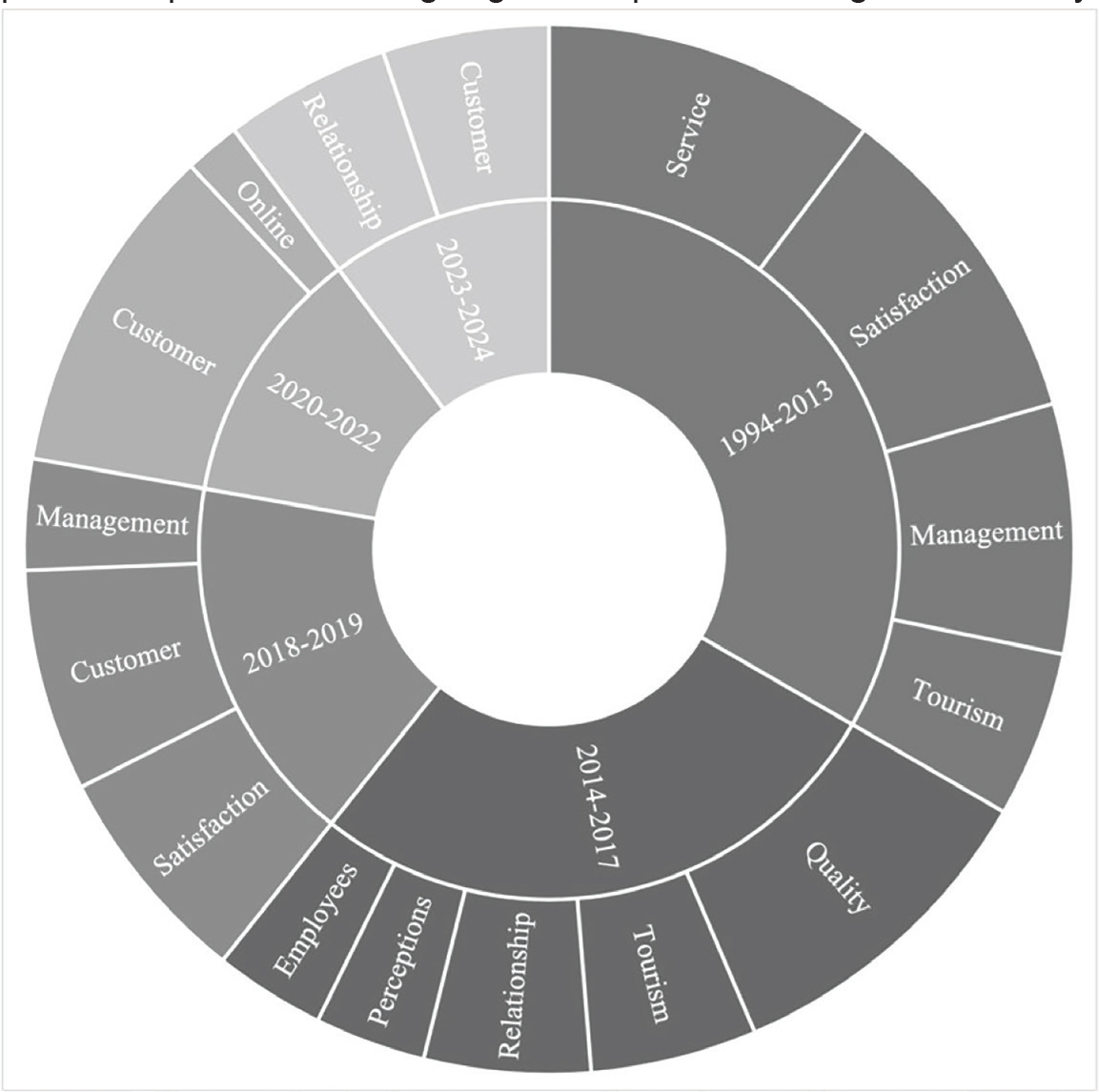
Figure 6.
Thematic evolution 1994–2024
Source: own elaboration using the R ‘bibliometrix’ package.
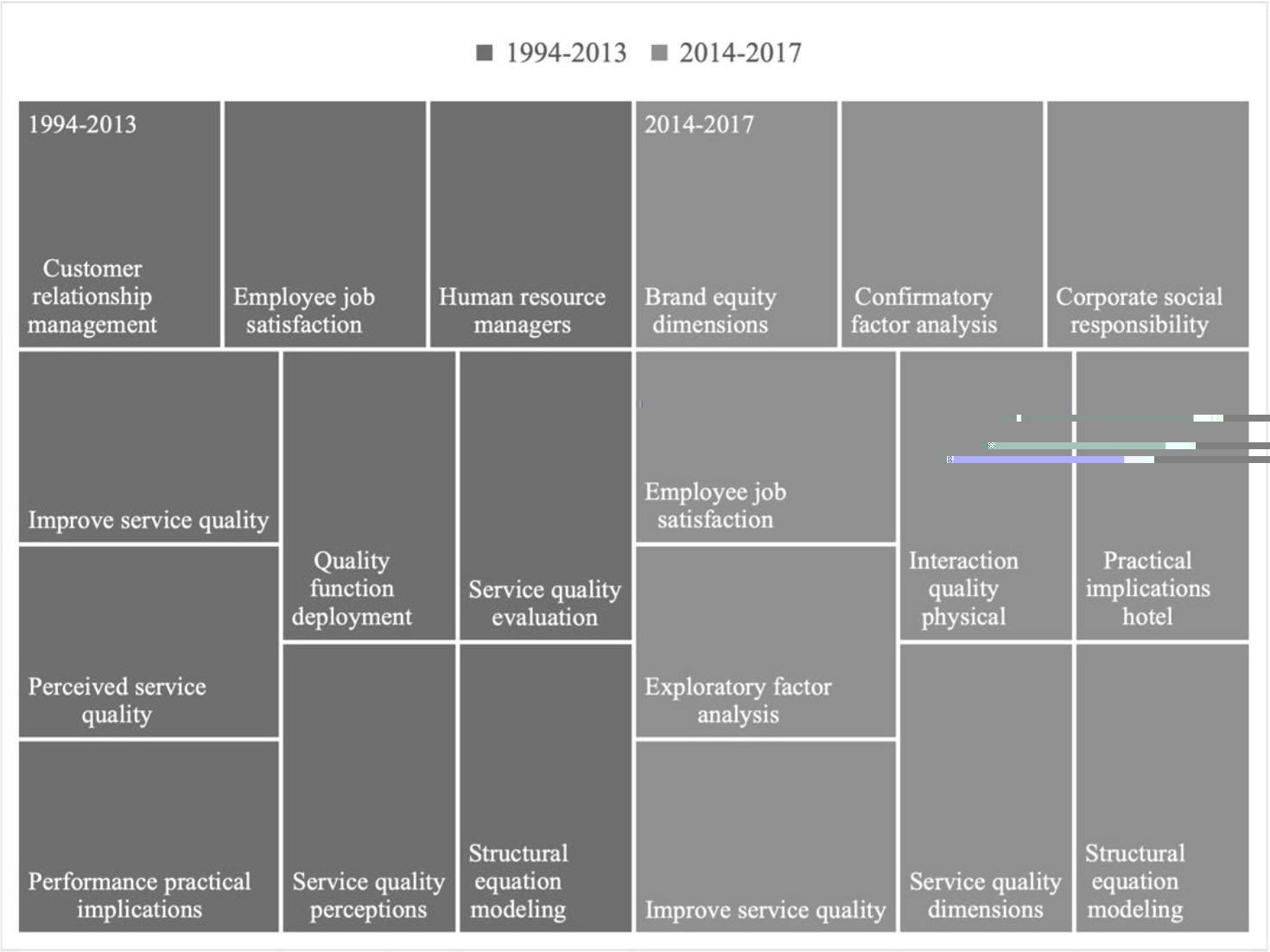
Figure 7.
Thematic evolution 1994–2017
Source: own elaboration using the R ‘bibliometrix’ package.
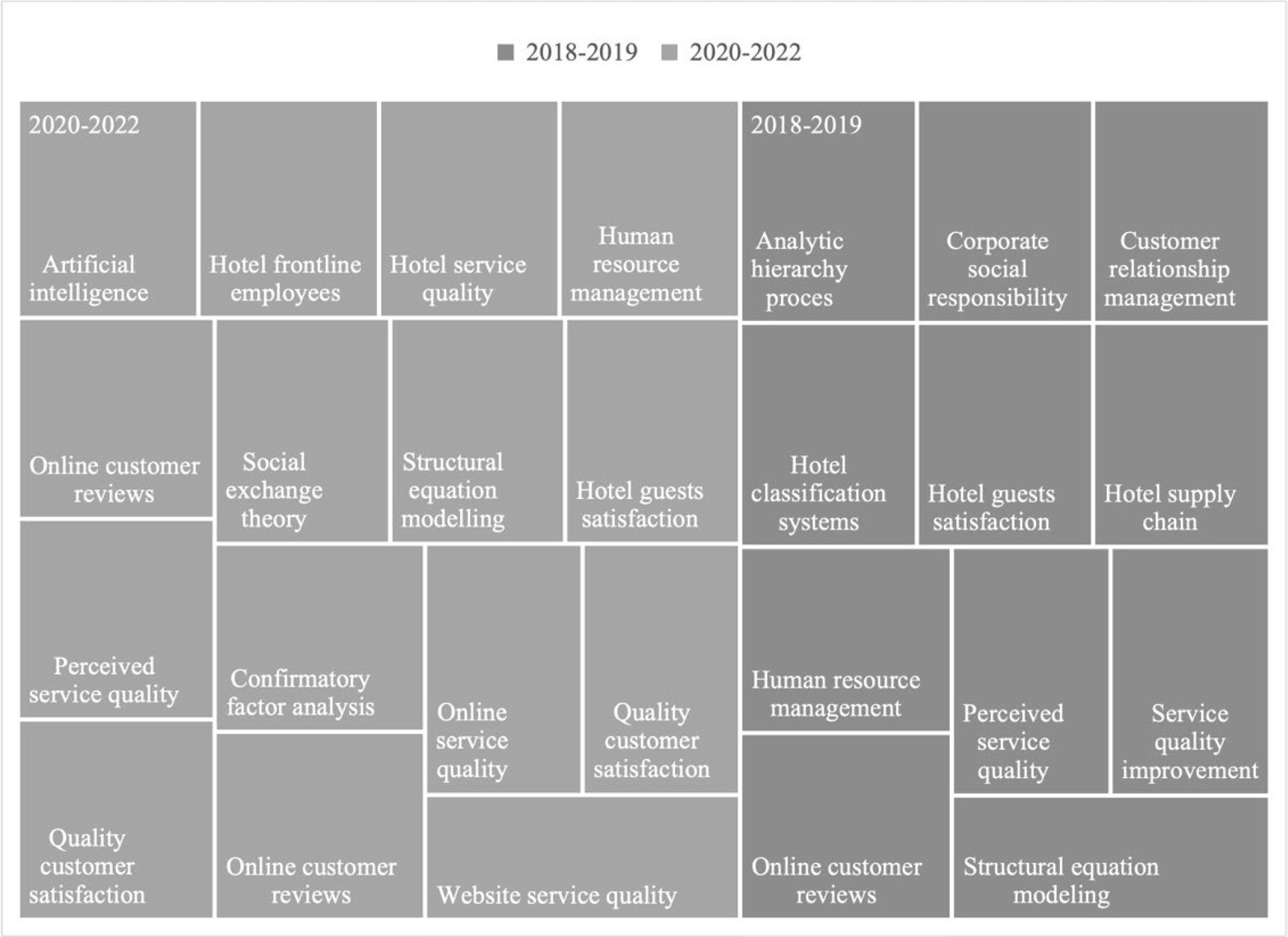
Figure 8.
Thematic evolution 2018–2022
Source: own elaboration using the R ‘bibliometrix’ package.
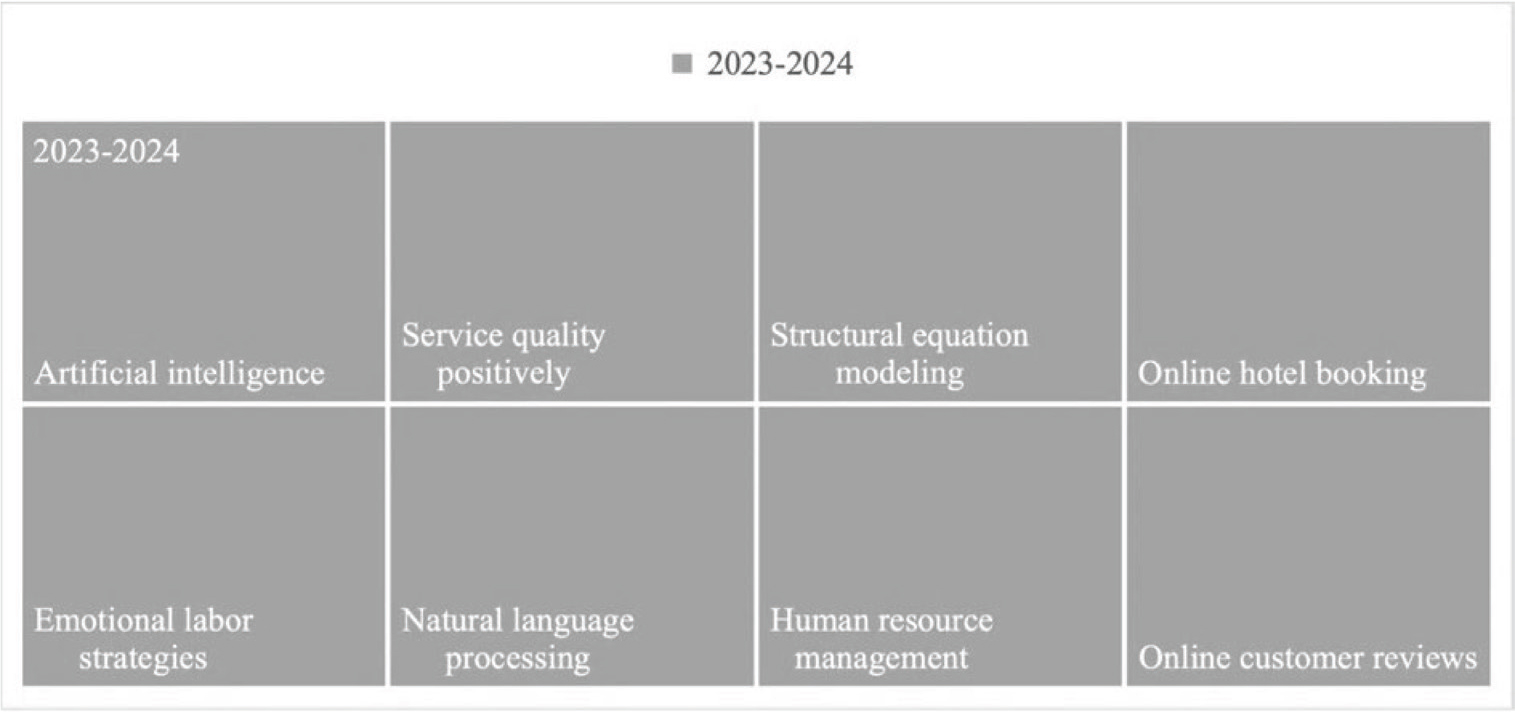
Figure 9.
Thematic evolution 2023–2024
Source: own elaboration using the R ‘bibliometrix’ package.
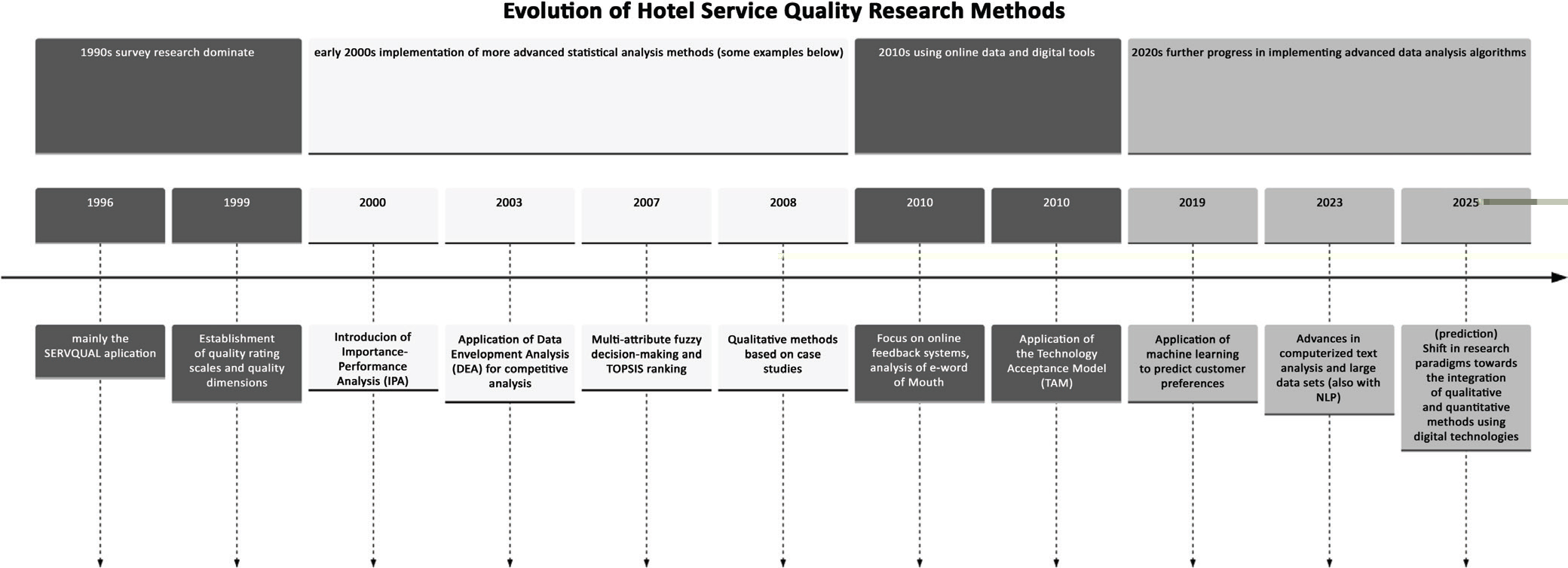
Figure 10.
Research methods evolution over time
Source: own elaboration
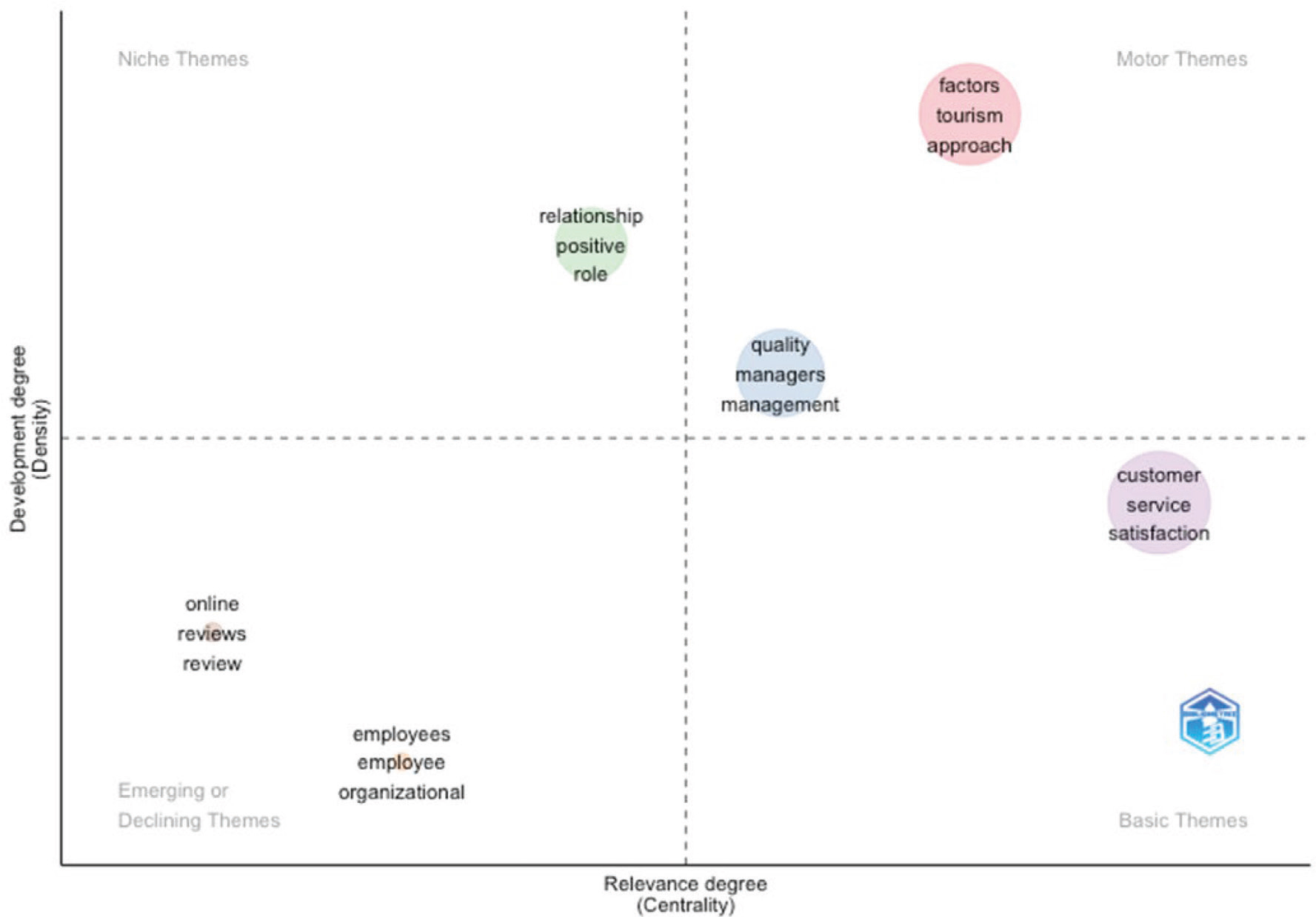
Figure 11.
Thematic clusters
Source: own elaboration using the R ‘bibliometrix’ package.
Table 1.
Future research suggestions identified in thematic clusters
| Cluster | Future research suggestion | Source |
|---|---|---|
| Factors | applying the IPA technique to a comparison of hotel selection criteria for different market segments defined by demographic or geographic factors | (Chu & Choi, 2000) |
| investigate the perceptions of the same customers visiting the hotel in different seasons | (Benitez, et al., 2007) | |
| how cultural factors, resources, or capabilities may moderate or mediate the relationship between quality, environmental management, and competitiveness; comparison of quality management, environmental management, performance, and competitiveness of firms with quality and environmental certifications (e.g. ISO 9001, ;jll ISO 14001) and those without | (Molina-Azorin et al., 2015) | |
| what factors should be used for to judge customers’ willingness to pay for a specific type of hotels | (Zhang, et al., 2011) | |
| to compare guests’ experience at Airbnb accommodation with that of hotels | (Priporas et al., 2017) | |
| the relationship between service quality and satisfaction and perceived value, image, cultural contact, service experience, and the type of service | (Nunkoo et al., 2020) | |
| Quality | to investigate how different strategic orientations, such as learning and entrepreneurial orientations, affect hotel performance and capabilities, such as relationship management, branding, and service innovation | (Alnawas & Hemsley-Brown, 2019) |
| to test if hotels with a higher degree of quality management achieve better performance levels. | (Tari et al., 2017) | |
| to investigate causal mechanisms of employees’ behavior in the context of service quality, achieving | (Tsai, 2009) | |
| to analyze the personality traits and other internship factors as factors that affect service performance | (C.-S. Lee et al., 2015) | |
| Relationship | considering the cultural factor, as well as variables such as: hotel rating, ecological organizational culture and ecological opportunities to achieve effective results. | (Mittal & Dhar, 2016) |
| determining the empirical impact of hidden motives on consumer behavior. exploring the potential influence of other variables, such as hotel brand, ownership type, and/or hotel class, on consumer responses to ulterior motives. | (Rahman et al., 2015) | |
| conducting employee brand research in various service industries to better knowledge of service branding. understanding why some departments do not support the brand. | (Kimpakorn & Tocquer, 2010) | |
| research on how to evaluate different green hotel marketing strategies. research on smaller hotels that encounter more obstacles and hurdles when putting these service quality strategies into practice. | (Chan, 2013) | |
| extending research by identifying potential relationships between other variables. What does the front line of the hotel and catering industry look like, employee perception of CSR in connection with work results, satisfaction, and trust? Do employees who perceive their company positively want to stay there longer and spread positive opinions about it? | (Park & Levy, 2014) | |
| to what extent do guests' hotel experiences manifest themselves in their social and psychological needs | (Xu & Chan, 2010) | |
| credibility plays a role in creating a positive customer perception of the entire value co-creation process implemented by the hotel. | (Porras et al., 2018) | |
| longitudinal data can be used in research to identify dynamic shifts in CSR, customer satisfaction, service quality, business image, reputation, and customer loyalty. Future studies could also determine the mediating function of additional factors in the relationship between CSR and loyalty, such as credibility, trust or positive word of mouth. | (Latif et al., 2020) | |
| Customer | using mixed research methods, the study examines the opinions of private and public customers (offline and online) on different dimensions of the quality of hotel services (luxury and lower category hotels) often related to other tourist services. | (Kim et al., 2010; Seric et al., 2016; Song et al., 2022; Sparks et al., 2016) |
| determine the impact of the stages of the COVID-19 pandemic on attitudes and changes in behavior of hotel customers in the context of socio-cultural conditions and other predictors related to the quality of the relationship, e.g. trust in the hotel, trust in staff observing the hygiene regime, WOM/e-WOM referrals, price sensitivity and effectiveness of crisis management strategies. | (Al-Gharaibah, 2020; Hu et al., 2021; Liang & Wu, 2022; Su et al., 2016; Yu et al., 2023) | |
| exploring the relationship between the use of service robots and AI in diverse types of hotel facilities and customers’ technology readiness | (Chiang & Trimi, 2020) | |
| research into the skills of front-line staff to attract talent in the hospitality industry, which is a key dimension of the quality of hotel services. | (Dimanche & Lo, 2022) | |
| Employees | difference in internal branding perceptions and implementations between employee and top management groups; examine how direct supervisors’ brand-oriented leadership impacts front office employees compared to top management’s indirect influence; investigate the links between types of employee commitment (affective, normative, continuance) and their impacts on behaviors and outcomes; refine methods for measuring employee brand knowledge | (Terglav et al., 2016) |
| explore how direct leadership functions in hotels during peak demand periods or emergencies and how participative leadership suits hotels where services require extensive team consultation; how managers adjust their leadership styles to specific operational challenges; the effectiveness of leading by example within transformational leadership strategy, focusing on its impact on employee motivation, cooperation, and responsiveness; whether the indirect effect of servant leadership on job outcomes such as career satisfaction and adaptive performance, through work engagement, is greater than that of authentic leadership and ethical leadership; indirect effect of servant leadership and authentic leadership on job outcomes by incorporating multiple mediators, e.g. job embeddedness, work engagement; to add the environmental dimensions to leadership research; | (Clark et al., 2009) | |
| analyze the applicability of leadership scales for lower management, such as supervisors; broaden studies to include various situational factors; explore what enhances servant leadership in the hospitality sector; assess the impact of organizational culture and individual leader traits like personal motivation on servant leadership effectiveness | (Ling et al., 2016) | |
| investigate the impact of psychological contracts on service behaviors across cultures, study the effects and remedies of contract breaches by service organizations, and analyze mediators between relational contracts and service behaviors | (Lu et al., 2016) | |
| Online | to analyze how different rating criteria affect final rating hotel scores by users of online travel agencies’ platforms | (R. Leung et al., 2018) |
| to study the harm caused by false remarks or unfavorable evaluations by hotel customers and the possibilities of their filtration. | (Rhee & Yang, 2015) | |
| to investigate the “emotional” motivations for content sharing online, user-generated content, hotel and travel corporations’ social media tactics, and customer views of what is important in social spaces. | (Wilson et al., 2012) | |
| to understand users’ reasons for using a booking website, to learn more about their evaluations of the current platform, and to acquire more ideas for improving it. | (Foris et al., 2020) |
Table.
Thematic clusters
| Occurrences | Words | Occurrences | Words | Occurrences | Words |
|---|---|---|---|---|---|
| Cluster FACTORS | Cluster RELATIONSHIP | Cluster QUALITY | |||
| 248 | tourism | 388 | relationship | 968 | quality |
| 270 | factors | 194 | loyalty | 282 | performance |
| 147 | attributes | 127 | brand | 337 | management |
| 178 | business | 248 | perceived | 339 | managers |
| 182 | marketing | 280 | positive | 213 | importance |
| 163 | information | 277 | role | 183 | process |
| 152 | market | 225 | relationships | 170 | development |
| 203 | approach | 43 | green | 172 | level |
| 144 | strategies | 129 | behavior | 105 | practices |
| 111 | price | 117 | intention | 185 | improve |
| 180 | identify | 109 | intentions | 141 | knowledge |
| 128 | competitive | 81 | image | 67 | innovation |
| 110 | expectations | 82 | trust | 143 | increase |
| 150 | key | 137 | positively | 130 | related |
| 132 | design | 160 | modeling | 122 | environment |
| 112 | staff | 59 | engagement | 105 | levels |
| 116 | international | 57 | behavioral | 60 | environmental |
| 85 | star | 65 | emotional | 59 | internal |
| 118 | differences | 50 | recovery | 78 | chain |
| 78 | scale | 22 | csr | 110 | effective |
| 91 | strategy | 59 | behaviors | 107 | critical |
| 127 | main | 119 | taylor | 79 | firms |
| 70 | food | 54 | corporate | 106 | perspective |
| 76 | system | 118 | francis | 111 | enhance |
| 94 | models | 75 | interaction | 53 | orientation |
| 55 | efficiency | 80 | affects | 96 | time |
| 63 | accommodation | 34 | emotions | 101 | managerial |
| 99 | characteristics | 70 | influenced | 78 | activities |
| 98 | measure | 26 | equity | 84 | human |
| 86 | types | 64 | antecedents | 50 | innovative |
| 79 | product | 54 | values | 77 | training |
| 106 | terms | 68 | constructs | 64 | delivery |
| 110 | understand | 50 | attitudes | 92 | providing |
| 52 | cost | 81 | llc | 63 | success |
| 78 | evaluation | 77 | partial | 82 | achieve |
| 78 | countries | 38 | affective | 77 | developing |
| 89 | reliability | 35 | revisit | 82 | evidence |
| 90 | improvement | Cluster CUSTOMER | 53 | industries | |
| 119 | rights | 1035 | customer | 69 | contribute |
| 106 | quantitative | 1001 | service | 69 | improving |
| 119 | reserved | 470 | satisfaction | 60 | individual |
| 105 | focus | 342 | hotel | 64 | resources |
| 107 | insights | 330 | impact | 67 | concept |
| 71 | measurement | 323 | significant | 73 | result |
| 98 | analyze | 229 | dimensions | 46 | behaviour |
| 77 | companies | 303 | influence | 53 | effectiveness |
| 99 | potential | 182 | experience | Cluster EMPLOYEES | |
| 101 | specific | 185 | social | 283 | employees |
| 92 | determine | 186 | perceptions | 145 | employee |
| 86 | qualitative | 193 | context | 89 | job |
| 94 | applied | 77 | luxury | 79 | commitment |
| 87 | aspects | 173 | future | 96 | organizational |
| 46 | costs | 170 | understanding | 51 | leadership |
| 59 | processes | 139 | framework | 84 | outcomes |
| 88 | gap | 155 | proposed | 57 | frontline |
| 66 | technology | 146 | factor | 68 | organizations |
| 81 | methods | 105 | experiences | 30 | climate |
| 84 | major | 129 | variables | 36 | psychological |
| 70 | products | 143 | significantly | 214 | online |
| 88 | including | 115 | perception | 134 | reviews |
| 70 | growth | 96 | negative | 74 | ratings |
| 62 | servqual | 146 | current | 95 | review |
| 83 | assess | 121 | affect | 90 | travel |
| 70 | low | 118 | provided | 63 | website |
| 53 | destination | 132 | publishing | 54 | booking |
| 65 | facilities | 122 | total | 53 | travelers |
| 47 | systems | 113 | questionnaires | 55 | websites |
| 49 | businesses | 66 | restaurant | 74 | content |
| 62 | economic | 114 | suggest | 44 | media |
| 78 | set | 87 | five-star | 53 | rating |
| 77 | interviews | 94 | responses | 56 | features |
| 53 | competitiveness | 95 | previous | ||
| 67 | methodology | 66 | communication | ||
| 53 | financial | 94 | reveal | ||
| 47 | lodging | 90 | attention | ||
| 68 | evaluate | 91 | influences | ||
| 74 | existing | 88 | technique | ||
| 47 | implementation | 92 | specifically | ||
| 43 | prices | 44 | covid- | ||
| 72 | due | 60 | physical | ||
| 20 | airbnb | 64 | providers | ||
| 64 | objective | 81 | analyses | ||
| 66 | strategic | 81 | practitioners | ||
| 61 | elements | 41 | chinese | ||
| 63 | global | 75 | sampling | ||
| 71 | adopted | 64 | hoteliers | ||
| 58 | competition | 68 | impacts | ||
| 74 | offer | 38 | pandemic | ||
| 57 | stay | 49 | response | ||
| 35 | visitors | 42 | purchase | ||
| 60 | advantage | ||||