
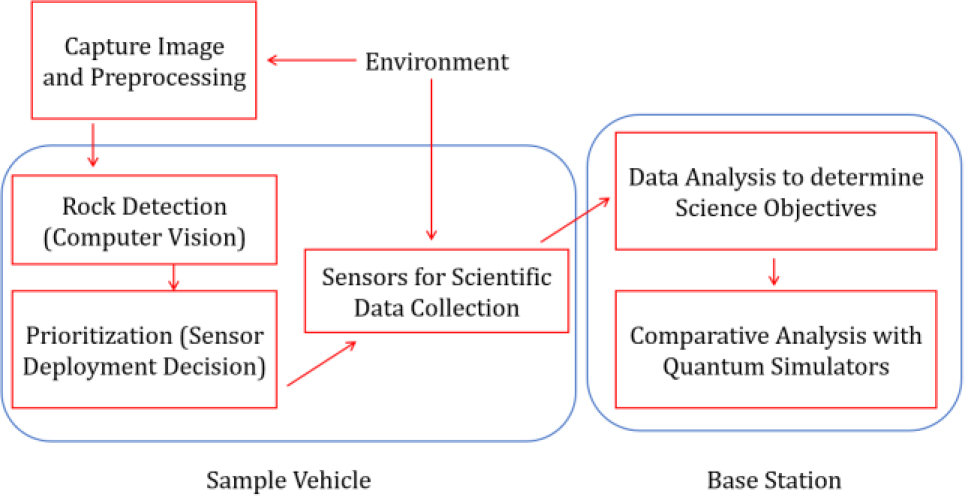
Figure 1.
An overview of the Computer Vision system (1)
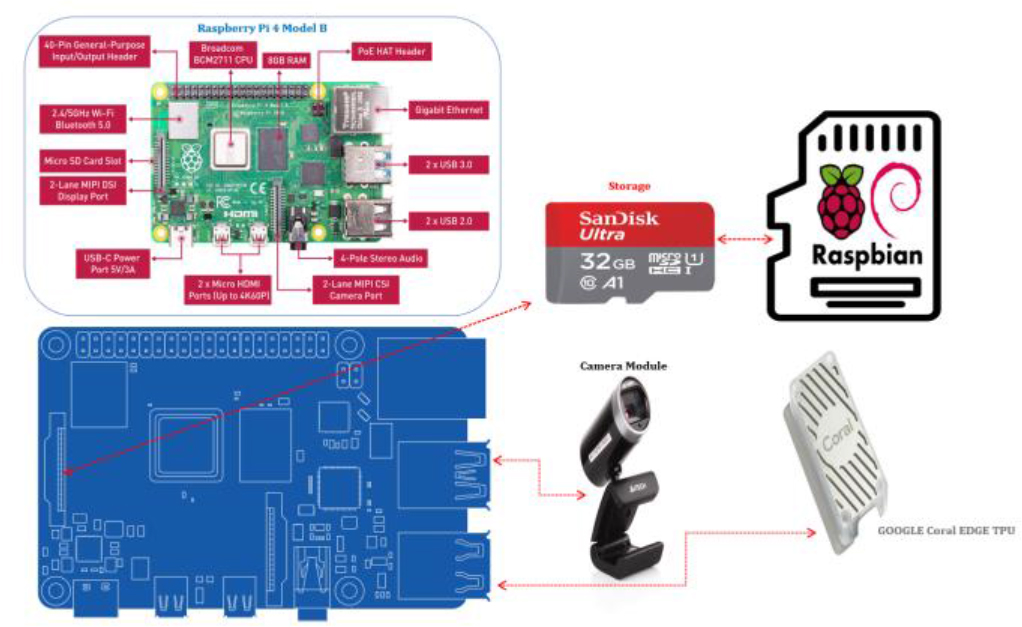
Figure 2.
An overview of the Computer Vision system (2)
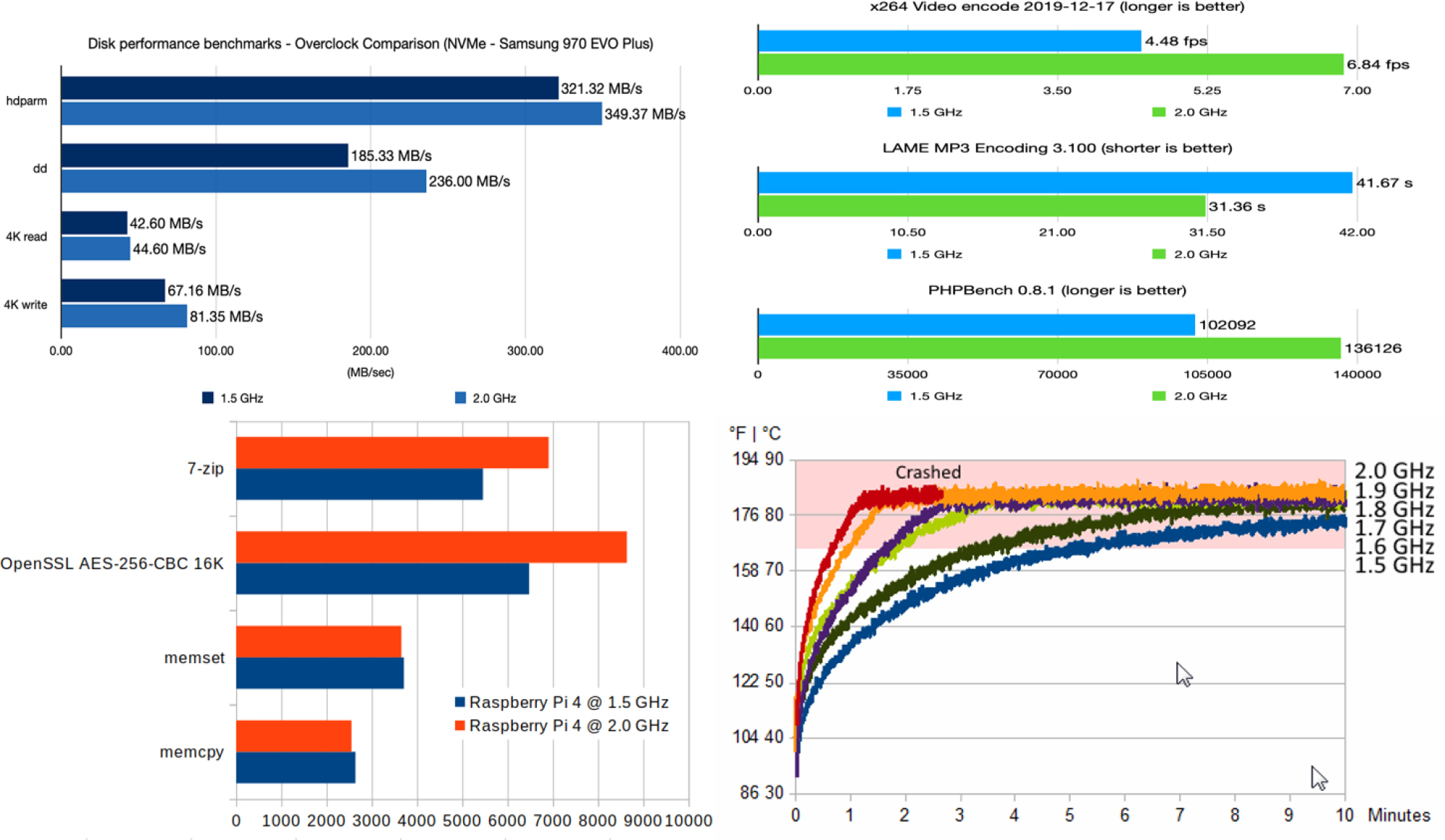
Figure 3.
The approaches towards a Hybrid Raspbian Buster OS and its capabilities in terms of Executions
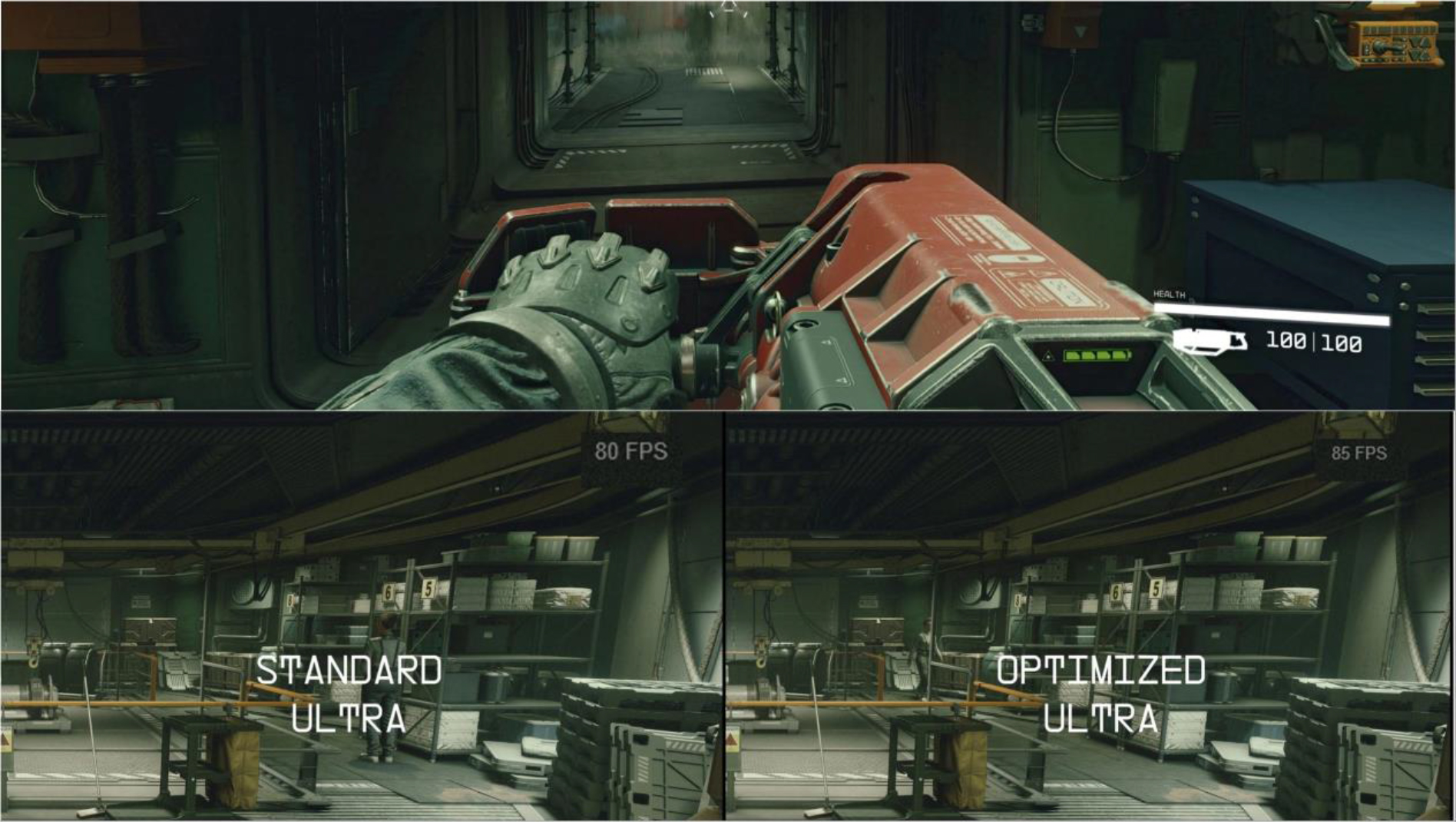
Figure 4.
An illustration of FOV in terms of GPU in Game Mods
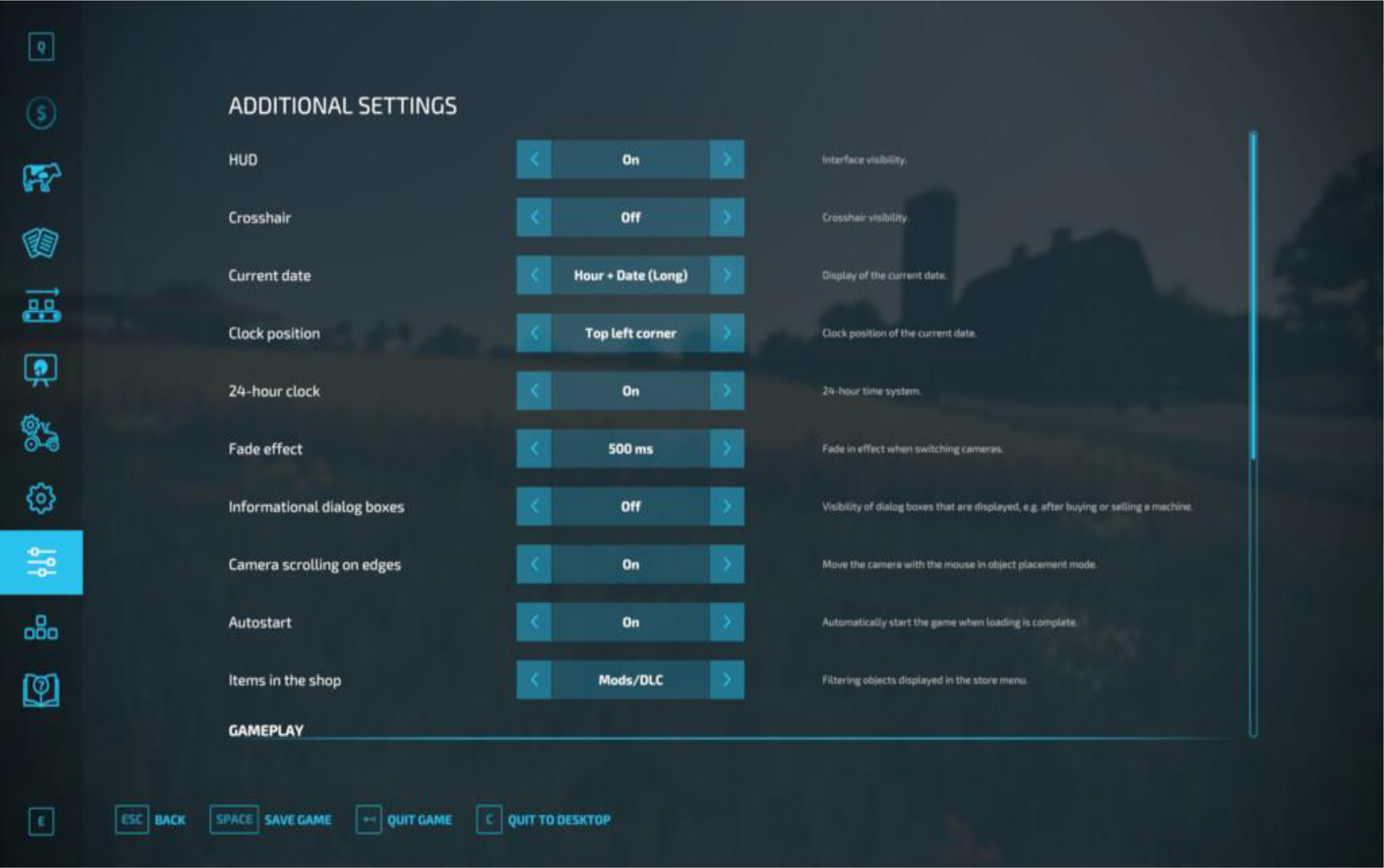
Figure 5.
An illustration of the layout in gaming mods
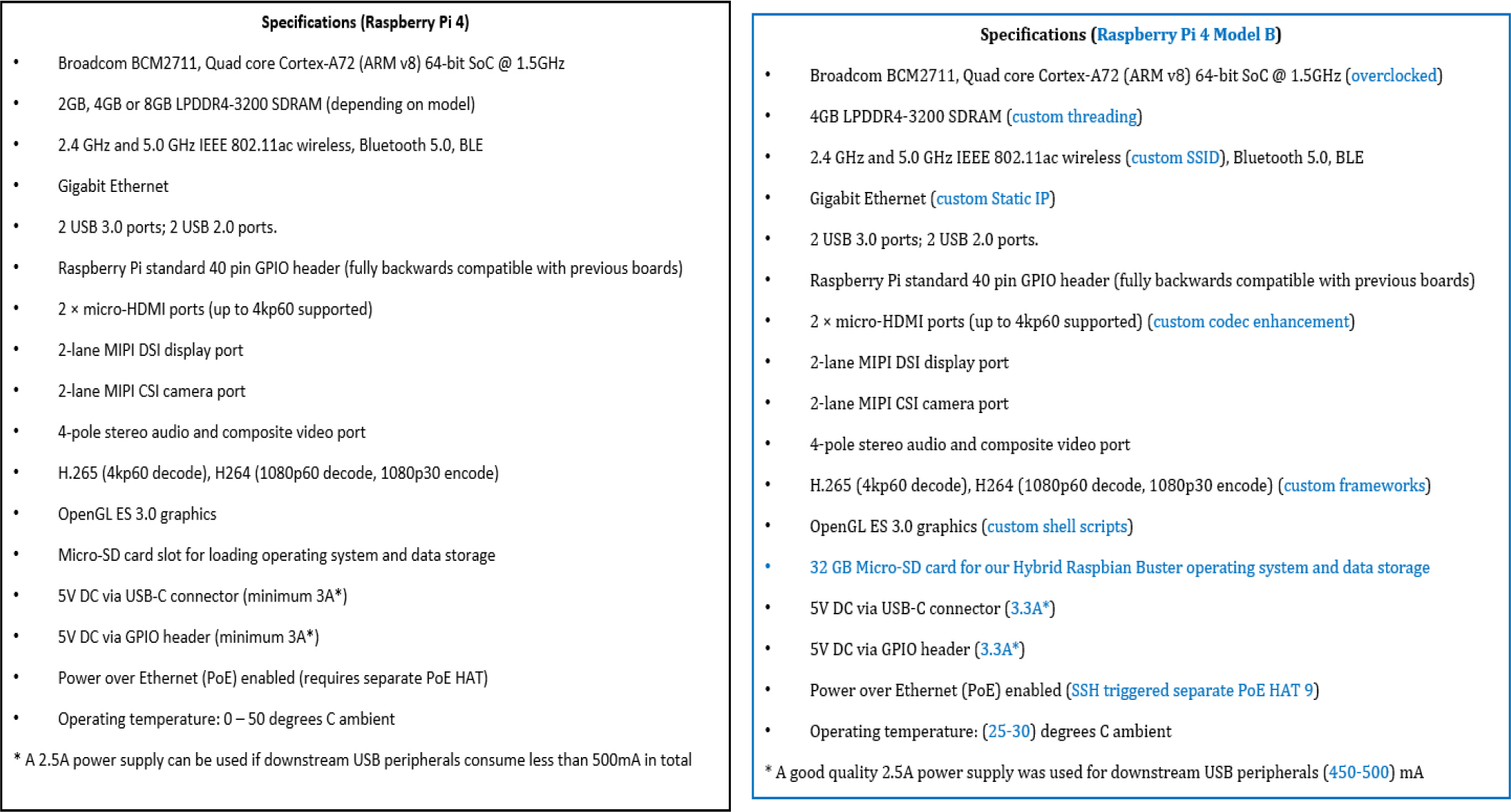
Figure 6.
An overview of the Enhancements with the available RPi and integrated Edge TPU
TABLE I.
Latency Analysis
| Parameter | Value |
|---|---|
| Frame Processing Time (640x480) | 45 ms (Average) |
| System Command Response Time | < 100 ms |
TABLE II.
Resource Utilization
| Metric | Peak Value | Average Value |
|---|---|---|
| CPU Utilization | 78% | 65% |
| Memory Utilization | 70% | 65% |
TABLE III.
Comparative Benchmarking
| Parameter | Custom OS | Raspbian OS | Improvement |
|---|---|---|---|
| Frame Processing Latency | 45 ms | 65 ms | 30% faster |
| Remote Command Latency | <100 ms | ~140 ms | 29% faster |
| CPU Peak Utilization | 78% | 90% | 13% better |
TABLE IV.
A comparison between the standard Raspbian OS and the Hybrid OS
| Basis of Features | Raspbian | Hybrid Raspbian Buster |
|---|---|---|
| Processing Power (CPU) | (base core) 1.5GHz | (overclocked) 2.147GHz |
| Processing Power (GPU) | (arm_freq) 500MHz | (arm_freq) 750MHz |
| Supply Voltage | 4.8V USB (4.2V) | (GPIO) 5V |
| Schedule Manager | Cache memory | Cache plus multi-threading |
| Bootloader | Flash Drive (FAT16) | FAT32 (recovery.bin and EEPROM) |
| Portability | PoE provided | PoE enabled with SSH |
| Remote Access | Single hosts with individual control | Multiple hosts with multiple control |
| Frame Rates | Avg. 15-20 | Avg. 30-60 (FHD supported) |
| FPS | 180 (OpenGL 122) | 188 (OpenGL 138) |
| Efficiency (multitasking) | Avg. 3-5 | Avg. 7-10 |