
1. Introduction
The poultry industry generates approximately 60 million tons of by-products annually, including feathers, blood, bones, meat scraps, skin, and fatty tissues [1]. Among these, poultry feathers have the greatest potential for reuse. In chicken processing, feathers constitute about 10% of the bird’s total body weight [2]. Currently, most feathers are processed into low-nutrition poultry meals or are disposed of in landfills or incinerated – practices that pose environmental and health hazards.
Given their unique material properties – such as hydrophobicity, biodegradability, and good thermal and acoustic insulation – feathers represent an attractive, low-cost, and widely available raw material for eco-friendly applications. Repurposing this underutilized biomass can contribute to reducing environmental impact and partially substitute non-renewable fossil-based materials, supporting the principles of the circular economy. Potential applications span various industries, including food, cosmetics, agriculture, textiles, and healthcare. In this study, we explore the use of poultry feathers as a raw material for manufacturing thermal insulation for beehives.
Honeybees (Apis mellifera) are among the most important pollinators in terrestrial ecosystems. They play a critical role in biodiversity maintenance, facilitate the reproduction of both wild and cultivated plants, and support global food security. Approximately 75% of the world’s flowering plant species and 35% of global crop production depend on animal pollinators, with honeybees being the primary contributors [3]. Their ecological services support ecosystem structure and resilience by enhancing plant genetic diversity and sustaining higher trophic levels [4].
However, in recent decades, honeybee populations have been declining at alarming rates. Multiple stressors – such as habitat fragmentation, monoculture farming, exposure to agrochemicals (e.g., neonicotinoids), and emerging pathogens like Nosema ceranae and Varroa destructor – have been identified as key drivers of this decline [5,6]. Climate change and erratic weather patterns, particularly temperature extremes and prolonged humidity fluctuations, further disrupt colony thermoregulation and contribute to increased winter mortality [7]. These factors underline the need for more adaptive and sustainable apicultural practices.
In response, the concept of smart beekeeping – integrating advanced technologies with traditional practices – has emerged. Tools such as Internet of Things (IoT) sensors, low-power wireless telemetry, and cloud-based analytics enable real-time hive monitoring, reduce the need for manual inspections, and allow for early detection of anomalies such as disease outbreaks or swarming behavior [8,9]. Concurrently, efforts to enhance hive resilience through ecological materials – such as thermal insulation from renewable sources – are gaining momentum in line with circular bioeconomy strategies.
Beyond improving hive management, recent studies suggest that beehives equipped with environmental sensors can serve as distributed biosensing platforms. Since honeybee’s forage over areas spanning several kilometers and interact with diverse plant species and environmental conditions, their behavioral and physiological responses can serve as proxies for ecosystem-level changes. Thus, smart hives may support biodiversity monitoring by capturing data related to environmental quality, vegetation productivity, air pollution, and climate anomalies – complementing satellite and ground-based ecological monitoring methods [10,11].
The aim of this study is to implement an innovative thermal insulation system for beehives, made from bio-based animal biomass, and to integrate it with a custom-built IoT telemetry platform that continuously records temperature, humidity, hive weight, and acoustic activity over extended periods.
The objectives were twofold:
(1) to evaluate the effectiveness of this combined system in improving colony overwintering success and vitality, and
(2) to assess its potential as a tool for biodiversity monitoring through correlation with environmental indicators.
This research contributes to the fields of sustainable agriculture, precision apiculture, and ecological data science.
2. Materials and Methods
2.1. Manufacturing of Thermal Insulation for a Smart Hive
2.1.1. Raw Materials and Methodology
The thermal insulation hood for the beehive was manufactured using the following raw materials:
Sheep wool (Poltops, Żagań, Poland) – 45%
Poultry feathers (CEDROB S.A., Z.D. Niepołomice, Poland) – 55%
Bicomponent polyethylene terephthalate/co-polyethylene terephthalate (PET/coPET) fibers with a skin-core structure (PET core, coPET skin), 50 mm in length
The initial processing of feathers consists of the conversion of poultry feathers into a fibrous material suitable for nonwoven production requires specific mechanical processing. Damp feathers were first roughly cut using a guillotine and then transferred via a sieve conveyor to an industrial shredder. The shredder fragmented the feathers into short filaments measuring 10–15 mm in length. The shredded material was subsequently filtered, centrifuged to remove excess moisture, and dried at 88°C for 2 h.
2.2. Production of External Thermal Insulation
The nonwoven composite used as external insulation was composed of processed chicken feathers and sheep wool waste (Figure 1a and b, respectively). The material was manufactured using a needle-punching method. Figure 2 shows the complete process of producing nonwoven fabrics by needle punching.
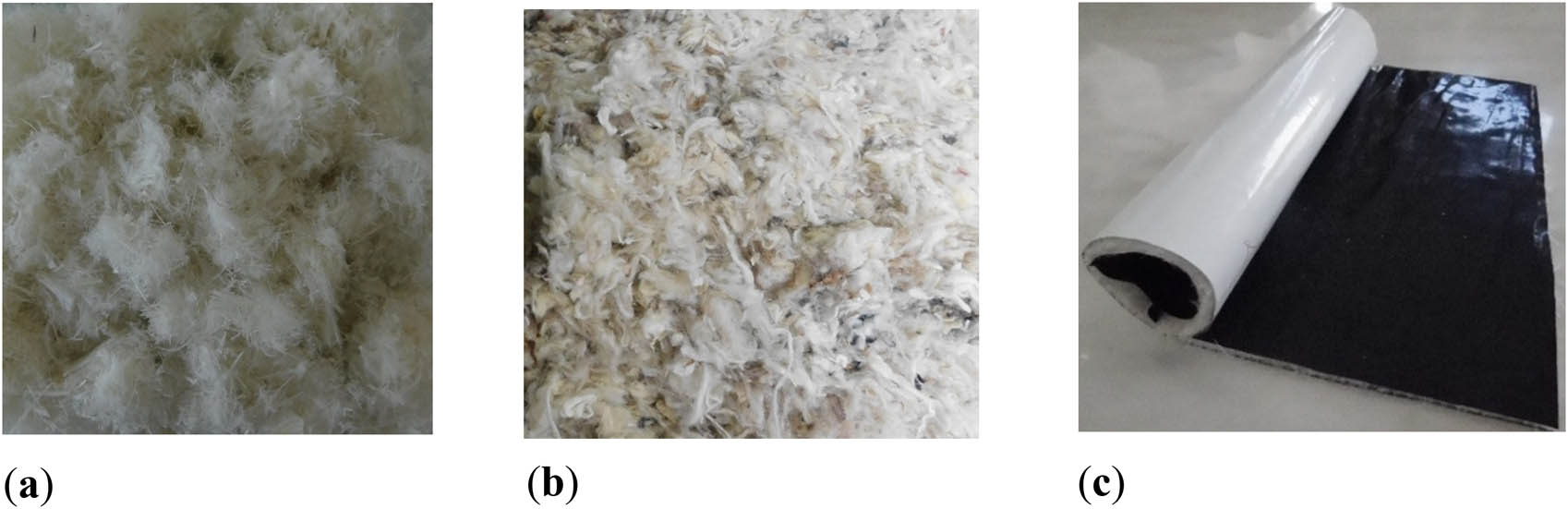
Figure 1
Chicken feathers (a), wool (b), and thermal insulation nonwoven (c).
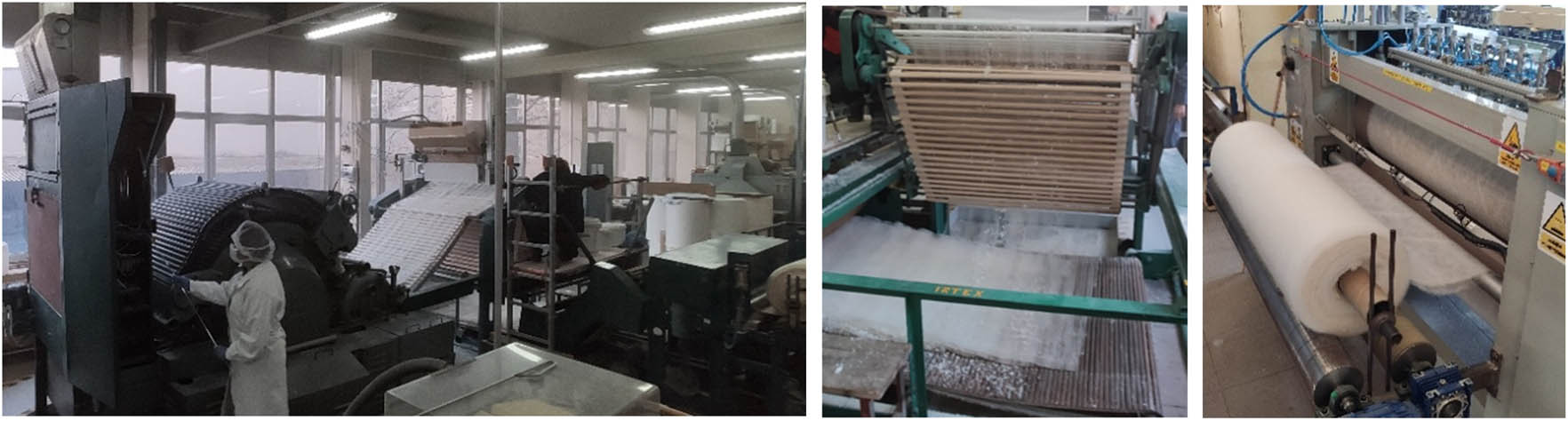
Figure 2
Complete process of nonwoven manufacturing by needle punching.
The production process involved the loosening and carding of sheep wool and bicomponent PET/coPET fibers, which were arranged into a base fleece. The pre-treated poultry feather fragments (up to 55 wt%) were evenly distributed onto the fleece surface. By stacking several such layers, a multilayered composite was formed and mechanically bonded through needling.
To enhance structural integrity, the multilayered nonwoven fabric was thermally consolidated using a calender. The final material, with a mass per unit area of 433 g/m², was treated on both sides at 700°C and then laminated. One side was laminated with a spun-bond fabric to maintain breathability and promote air exchange between the insulation and the hive walls. The other side was coated with a compostable foil, providing protection against precipitation and snow accumulation.
The resulting composite (Figure 1c) was manually shaped and fitted onto a model hive, forming a custom insulation cover (Figure 3.). This cover protected the hive’s lateral and upper surfaces throughout all seasons and was designed to limit heat loss while ensuring ventilation, especially during exposure to wind or snow.
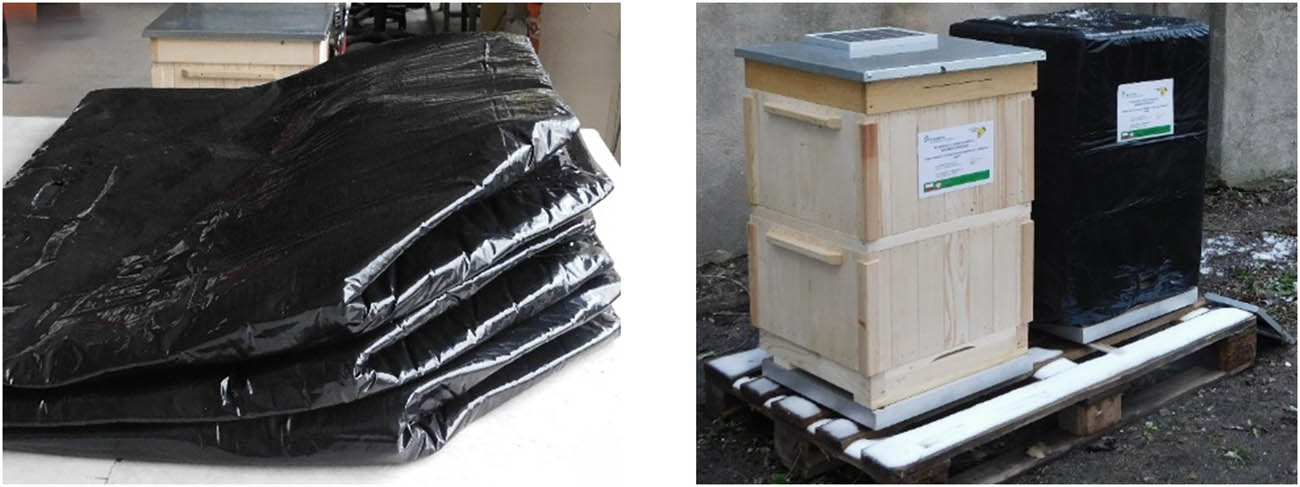
Figure 3
Thermal insulation cover.
The insulation covered the hive’s exterior walls and roof.
2.2.1. Characterization of the Nonwoven Insulation Material
The developed insulation material was designed as a bio-based multilayer nonwoven composite intended for external beehive thermal protection. After several composition modifications and optimization of the production process, the final filling layer consisted of sheep wool fibers and processed poultry feathers in a mass ratio of 45% wool and 55% feathers. The filling was consolidated mechanically using the needle-punching method on a modified textile line. The take-up speed during needling was 1.5–1.6 m/min. The resulting needle-punched nonwoven fabric had a mass per unit area of approximately 433 g/m² (Figure 4).
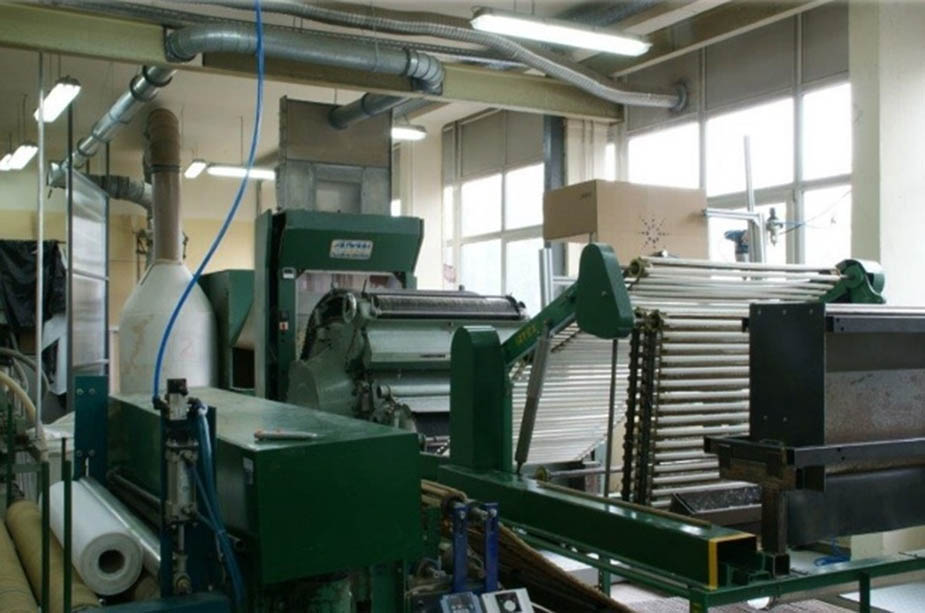
Figure 4
Needle-punching production line for nonwoven insulation using needle punching method.
The composite was subsequently thermally consolidated using infrared radiation at 700°C, with a take-up speed of 2.0–2.5 m/min. The prepared nonwoven layers were then laminated to improve functional performance in outdoor conditions. One side of the composite was laminated with a compostable film to provide protection against precipitation and snow, while the opposite side was laminated with spunbonded nonwoven fabric to maintain air permeability between the insulation layer and the hive wall (Figures 5–8).
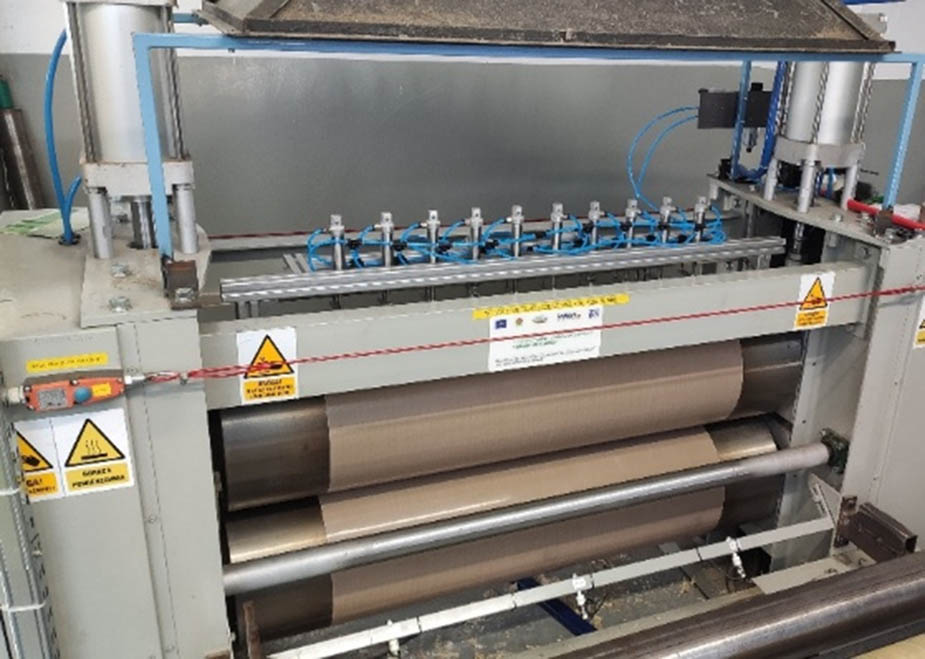
Figure 5
Infrared heating unit used for thermal consolidation of the feather–wool nonwoven composite prior to lamination.
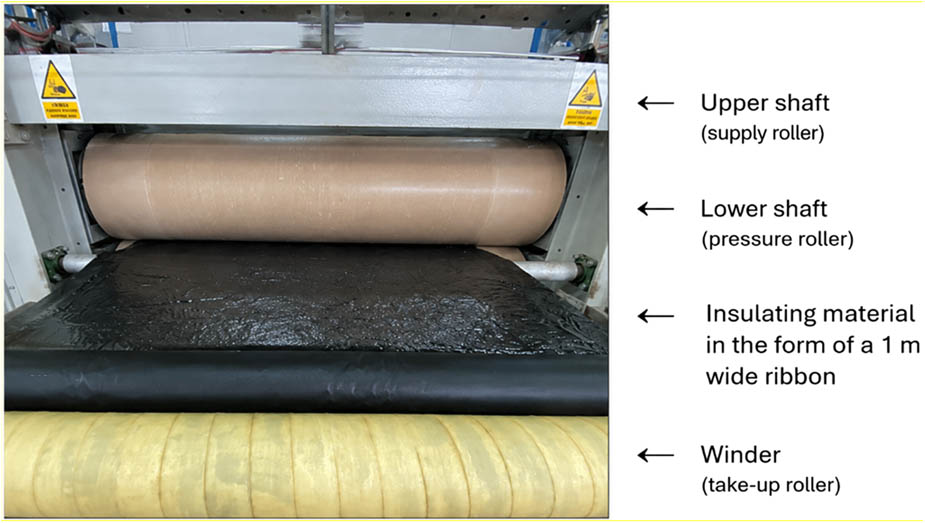
Figure 6
Two-roll calender used for continuous thermal bonding and lamination of the multilayer insulation composite.
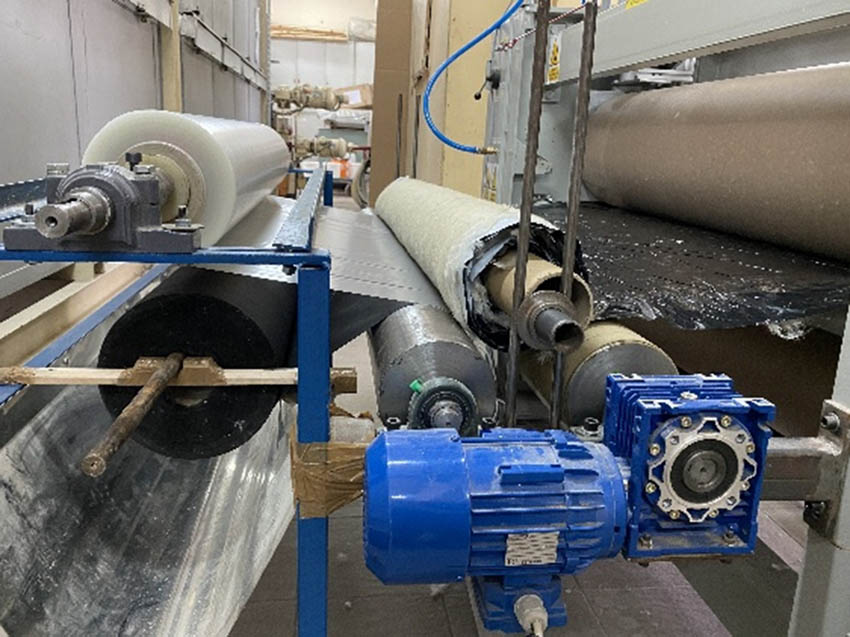
Figure 7
Continuous lamination process of the feather–wool nonwoven composite with compostable film and spunbond layers.
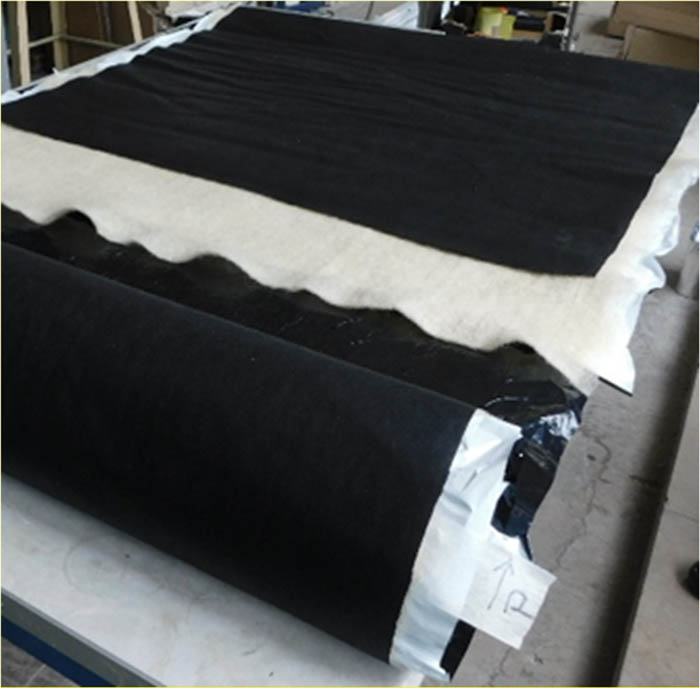
Figure 8
The layering of a composite intended for the construction of a beehive thermal insulation.
The lamination process was performed using a two-roll calender. The adhesive film was thermally activated during continuous calendering. To prevent excessive compression and loss of insulation volume, the rolls were set with a 2 mm gap. The upper roll, positioned on the double-layer film side, was heated to 95°C, while the lower roll, positioned on the spunbond side, was heated to 115°C. The calendering speed was 0.7 m/min.
The final structure of the composite consisted of a protective compostable film, an adhesive layer, a feather–wool needle-punched nonwoven filling, a second adhesive layer, and a spunbonded nonwoven layer. This multilayer configuration was intended to combine thermal insulation, weather protection, and sufficient air exchange. The present study focused primarily on the thermal performance and field functionality of the developed nonwoven insulation. Detailed laboratory assessment of acoustic and mechanical properties was not included in the experimental schedule and is planned for future research.
2.2.2. Thermal Performance of the Developed Nonwoven
The thermal performance of the developed feather–wool nonwoven composite was previously evaluated under laboratory conditions according to PN-EN ISO 6942:2005. The material exhibited a heat transfer level (t₁₂) ranging from 116 to 120 s and a heat transmission factor of 0.19–0.20 under exposure to thermal radiation. The composite had a mass per unit area of approximately 433 g/m² and demonstrated favorable thermal insulation performance while maintaining air permeability and weather resistance. Furthermore, previous field observations indicated an average increase of approximately 5.4°C in hive temperature during the overwintering period when the insulation cover was applied. Detailed laboratory and field validation results have been reported previously by Górecki et al. [12].
2.3. Experimental Setup and Data Collection Protocol
2.3.1. Study Area and Hive Setup
The study was conducted in central Poland (approx. 51.9°N, 18.9°E), a temperate continental zone characterized by moderate rainfall, distinct seasons, and heterogeneous agricultural landscapes. The experimental apiary was in a semi-rural area surrounded by meadows, orchards, and small-scale crop fields providing a representative environment for analyzing honeybee–ecosystem interactions.
As this work was designed as a pilot field study, two identical Wielkopolski-type wooden hives, commonly used in Polish apiculture, were selected for comparative analysis. Both hives had modular construction (bottom board, brood box, and insulated cover). One hive (the experimental unit) was equipped with the Intelligent Hives telemetry system and external eco-insulation, while the second (control unit) remained unmodified, reflecting standard beekeeping practice.
The experimental hive featured the following components:
A low-power microcontroller unit (MCU) with data logging capability,
Digital sensors for real-time measurement of internal temperature (±0.2°C), humidity (±3% RH), and weight (load cells, ±10 g resolution),
A Micro-Electro-Mechanical Systems (MEMS) microphone capturing acoustic signals in the 50–600 Hz range relevant to colony behavior (e.g., ventilation, swarming),
A wireless communication module (NB-IoT, Sigfox, or Long-Term Evolution for Machines (LTE-M)) for data synchronization with a cloud platform.
The ecological insulation consisted of a laminated nonwoven composite (55% chicken feather, 45% sheep wool), fitted over the hive’s exterior walls and roof. Both hives were located ∼50 cm apart to ensure exposure to similar environmental conditions. No artificial feeding, colony division, or queen replacement was introduced during the study to avoid bias. The monitoring covered 12 continuous months from early spring (February 2023) to late winter (February 2024) capturing full seasonal dynamics.
2.3.2. IoT-Based Telemetry System
The experimental hive was equipped with a custom-designed IoT telemetry module developed within the Intelligent Hives platform. The system operated autonomously and was capable of real-time, high-resolution environmental sensing without the need for manual inspection (Figure 9).
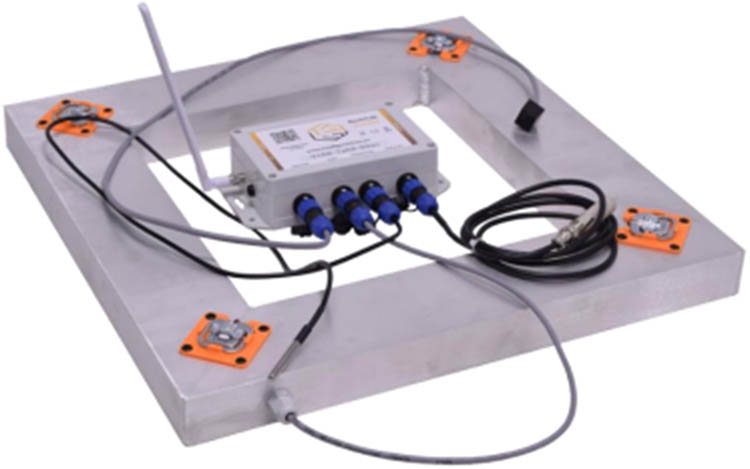
Figure 9
Measuring kit.
The following parameters were recorded:
Internal temperature (°C): digital thermistors positioned in the brood area,
Relative humidity (% RH): capacitive sensors measuring internal microclimate conditions,
Hive weight (kg): strain gauge-based load cells mounted under the hive body,
Acoustic activity (Hz, amplitude): MEMS microphones detecting vibrational patterns (e.g., colony activity, stress, queen presence).
The MCU collected sensor data at 15-min intervals. Data were transmitted in JavaScript Object Notation (JSON) format via Low-Power Wide-Area Network (LPWAN) (NB-IoT) and locally buffered in case of connectivity loss. Timestamp synchronization was maintained using a real-time clock corrected by the server. Over-the-air firmware updates enabled remote calibration and system optimization.
Prior to field deployment, all sensors were calibrated under laboratory conditions and validated against reference instruments within the physiological range of honeybee activity (20–40°C, 30–90% RH).
2.3.3. Data Collection and Statistical Analysis
Telemetry data were collected continuously over the annual monitoring period. Variables: temperature, humidity, hive weight, and acoustic activity, were sampled every 15 min, producing a high-resolution time-series dataset.
All data were stored in a cloud-based MS SQL database, exported in CSV format, and analyzed using Python (pandas, numpy, scipy.stats, matplotlib). Preprocessing included outlier removal (Interquartile Range (IQR) method) and interpolation of short data gaps (<6 h) via time-based linear interpolation.
2.3.3.1. Statistical Analysis
Pearson correlation coefficients (r) were computed to assess associations between internal hive parameters and colony dynamics. Strong correlations were defined as |r| ≥ 0.5. Key correlations investigated included:
Internal temperature vs brood presence,
Hive weight vs foraging intensity,
Acoustic signals vs colony activity levels and stress indicators.
2.3.3.2. Environmental Correlation and Biodiversity Assessment
To explore the potential of hives as biosensors, telemetry data were cross-referenced with environmental indicators:
Normalized Difference Vegetation Index (NDVI) data from Copernicus Global Land Service (10-day resolution, 250 m grid),
Meteorological data (ambient temperature, dew point, precipitation) from Open-Meteo,
Air quality metrics (PM2.5, AQI) from OpenWeatherMap.
Key findings included:
Positive correlation between hive weight gain and NDVI during spring nectar flow (r = 0.61),
Seasonal co-variation of internal humidity with dew point and precipitation (r = 0.67 and r = 0.54, respectively),
Inverse correlation between acoustic activity and PM2.5 levels (r = –0.42), indicating potential behavioral response to air pollution.
Seasonal-Trend decomposition using Loess was applied to isolate long-term trends, cyclical behavior (e.g., daily temperature cycles), and residual anomalies. Visualizations included rolling means, seasonal boxplots, and acoustic spectrograms.
All statistical analyses used two-tailed tests with significance set at p < 0.05. Where relevant, effect sizes and 95% confidence intervals were reported.
3. Results
3.1. Nonwoven Insulation Material Design and Functional Characteristics
The developed insulation product was obtained as a multilayer bio-based nonwoven composite combining mechanically consolidated sheep wool and poultry feather fibers. The final filling composition contained 45% wool and 55% processed feathers, with a mass per unit area of approximately 433 g/m². Mechanical bonding by needle punching allowed the formation of a coherent fibrous structure without the need for chemical binders in the filling layer.
The previously determined thermal performance parameters of the developed nonwoven indicated a heat transfer level (t₁₂) ranging from 116 to 120 s and a heat transmission factor of 0.19–0.20 under thermal radiation exposure. These results confirmed the suitability of the feather–wool composite for thermal protection applications and justified its validation under real beehive operating conditions.
The use of compostable film and spunbonded nonwoven fabric as external layers enabled the material to combine weather protection with air exchange. The compostable film protected the insulation against rain and snow, whereas the spunbonded layer supported ventilation between the insulation and hive walls. This structure was therefore suitable for practical field application as a removable thermal hood for beehives.
Although the present pilot study did not include laboratory acoustic or mechanical testing, the field results confirmed the functional relevance of the material as a thermal insulation product under real apiary conditions.
3.2. Hive Microclimate Stability
While mean internal temperature increased in insulated hives, the most pronounced effect was a significant reduction in temperature variability, indicating enhanced thermal buffering rather than simple heat accumulation (Figure 10).
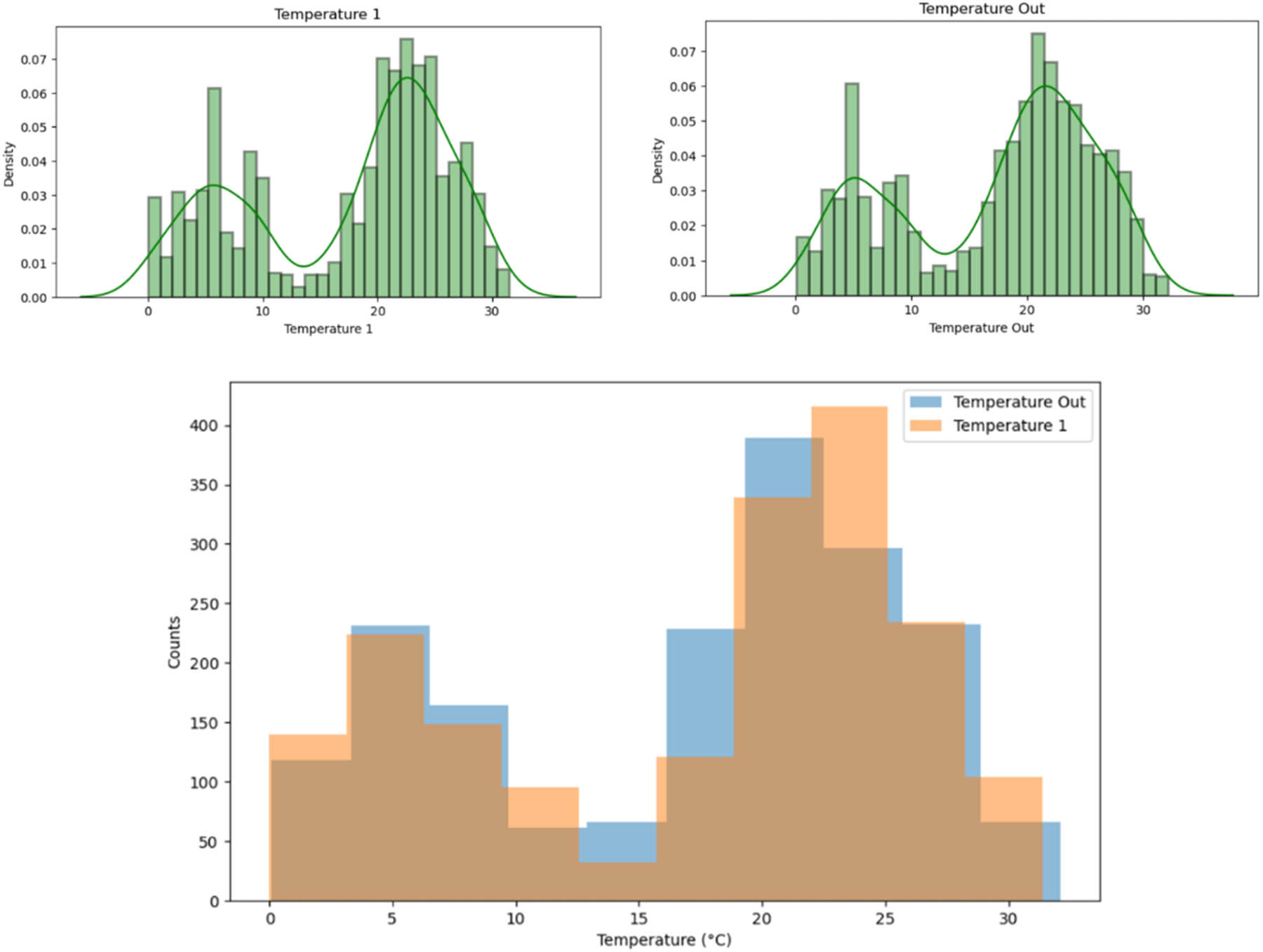
Figure 10
Relationship between external and internal hive temperature, illustrating the thermal buffering effect of the nonwoven insulation layer.
This indicates that insulation primarily reduces thermal fluctuations rather than simply increasing internal temperature.
3.3. Biological Validation of Telemetry Signals
Comparative analysis of empty and occupied hives demonstrated that acoustic and thermal signals originate from biological activity rather than sensor artefacts, validating their use as colony-derived indicators (Figure 11).
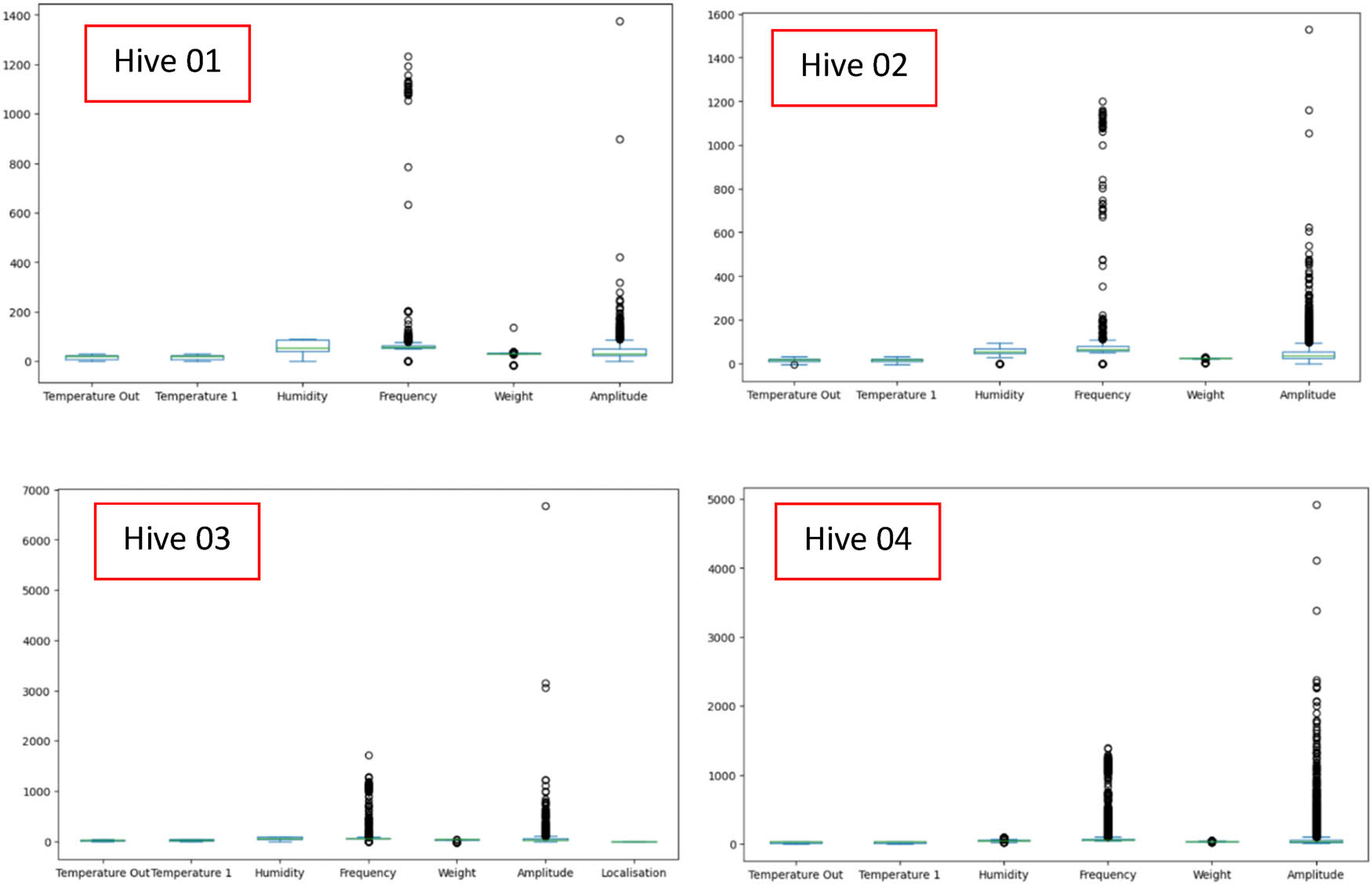
Figure 11
Comparison of temperature, humidity and acoustic activity recorded in empty and occupied hives with and without bio-based nonwoven insulation. Hive 01 – empty hive without insulation, Hive 02 – empty hive with insulation, Hive 03 – hive with bees, without insulation, and Hive 04 – hive with bees, with insulation.
3.4. Seasonal Colony Dynamics from Multi-Modal Sensing
Acoustic parameters exhibited season-dependent correlations with colony activity, queen status, and swarming-related states, supporting their role as noninvasive biomarkers of colony condition (Figure 12).
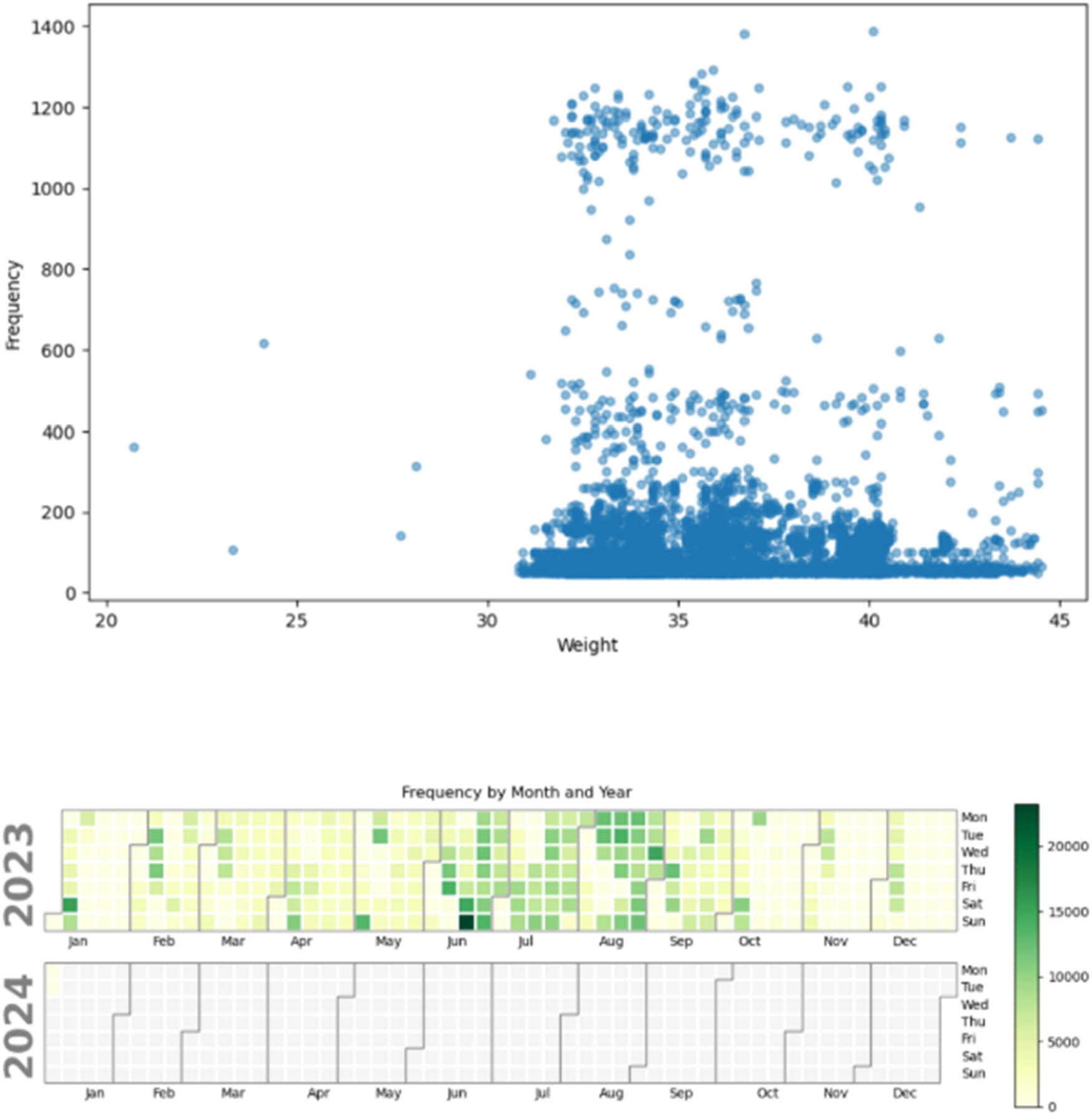
Figure 12
Frequency of bee activity in relation to hive weight and months of the year.
External insulation increased moisture accumulation, whereas internal bio-based insulation provided superior humidity control, highlighting the importance of insulation placement for colony health. Acoustic parameters exhibited sensitivity to changes in colony activity and environmental conditions, supporting their use as noninvasive indicators of colony state.
In the uninsulated hive, external temperature exhibited substantial variability, with a mean value of 15.23°C and a wide range from −14.0°C to 61.3°C, reflecting pronounced seasonal and weather-related fluctuations. Internal hive temperature averaged 26.96°C, remaining below the optimal range for brood development (approximately 34–35°C during periods of intense colony activity). The broad temperature range (−10.9°C to 57.5°C) and elevated variability indicate limited thermal buffering capacity under uninsulated conditions.
RH inside the hive remained moderate on average (50.92%) but showed considerable variability, ranging from near-zero values to saturation, suggesting unstable moisture regulation. Acoustic frequency averaged 113.8 Hz, corresponding to typical colony ventilation and working states, while the wide frequency range (up to 2,232 Hz) indicates intermittent periods of increased activity or mobilization. Overall, the uninsulated hive exhibited high environmental and acoustic variability, reflecting strong coupling between external conditions and internal colony dynamics (Figure 13).
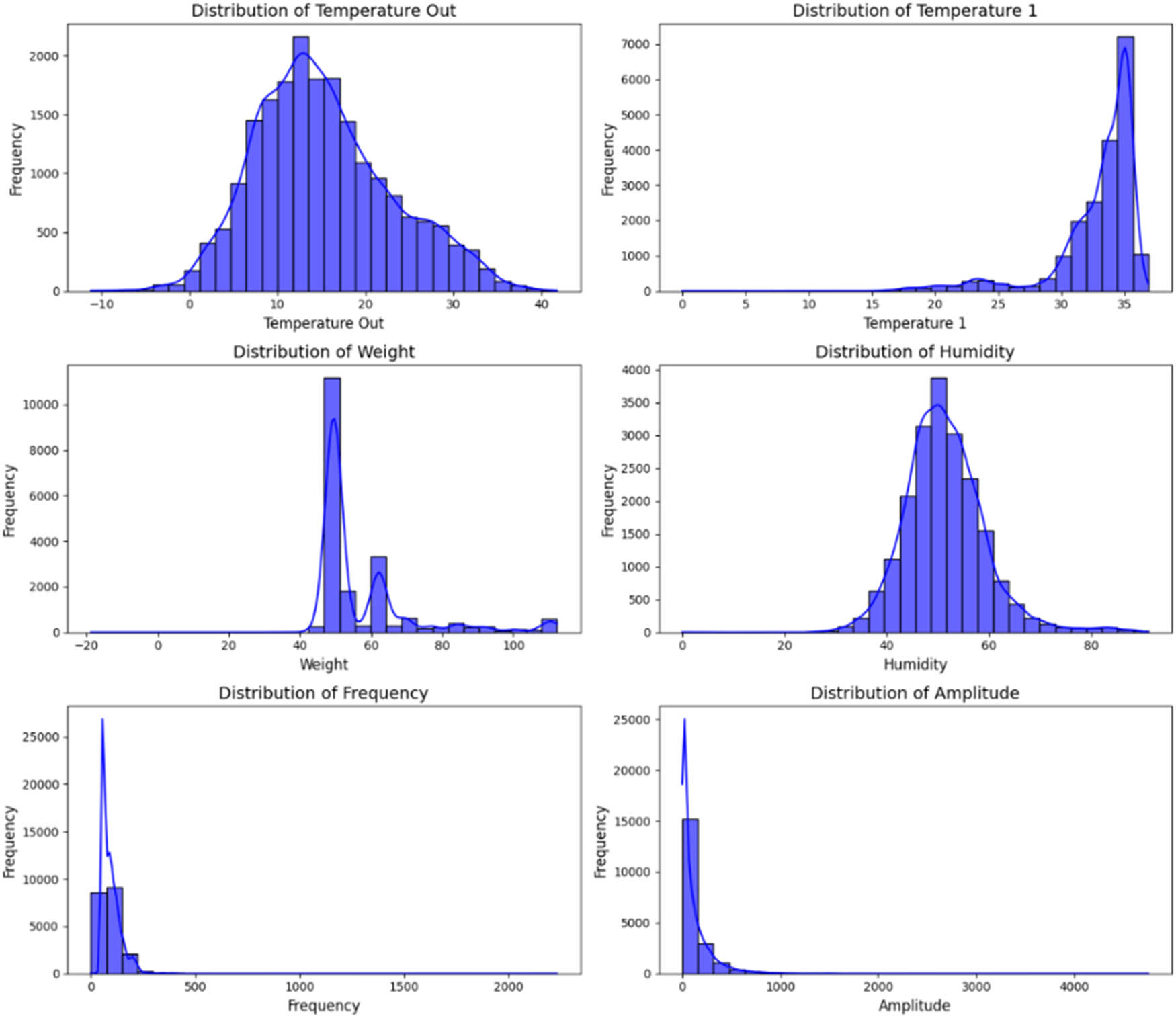
Figure 13
Acoustic and environmental activity patterns in relation to hive conditions and external environmental parameters.
In hives equipped with bio-based thermal insulation, external temperature conditions were comparable to those observed in uninsulated hives (mean: 15.12°C), although extreme values were attenuated. In contrast, internal hive temperature increased to an average of 30.99°C – approximately 15% higher than in uninsulated hives – and approached the optimal range for brood development. Despite occasional extreme values, the insulated hives exhibited improved thermal buffering, as evidenced by reduced sensitivity of internal temperature to external fluctuations (Figure 14).
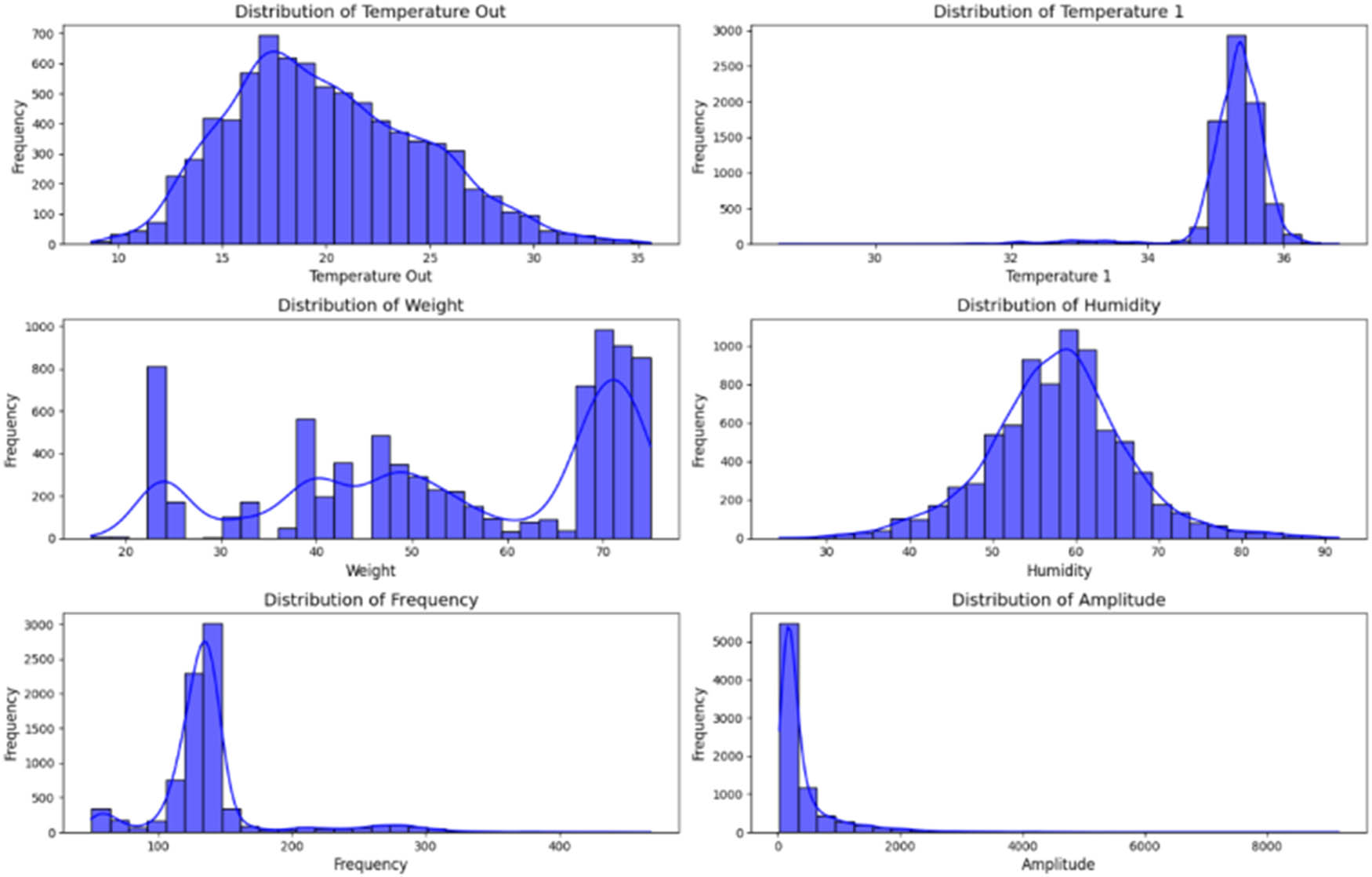
Figure 14
Acoustic and environmental activity patterns in hives with insulation in relation to other parameters.
RH in insulated hives averaged 55.37%, remaining within biologically acceptable limits, albeit slightly higher than in uninsulated hives. Acoustic frequency showed a modest increase (mean: 120 Hz), indicating elevated colony activity, while acoustic amplitude remained comparable between insulated and uninsulated conditions. Hive weight averaged 43.5 kg and displayed substantial seasonal variability, consistent with nectar flow dynamics and resource accumulation. Collectively, these results demonstrate that bio-based insulation enhances thermal stability without adversely affecting humidity regulation or acoustic activity, supporting more stable colony functioning under variable environmental conditions (Figure 9.).
4. Discussion
The integration of ecological insulation materials and IoT-based telemetry systems in modern apiculture offers tangible advances in both colony welfare and sustainable agricultural practices. The results obtained in this study demonstrate that hives equipped with bio-based thermal insulation maintained significantly more stable internal temperatures during the winter season, directly contributing to higher colony survival rates and improved early spring vitality. These findings are consistent with previous research highlighting the importance of thermal regulation for brood development and winter resilience in Apis mellifera colonies [13].
The use of waste-derived materials, specifically poultry feathers and sheep wool, not only reduces the environmental burden associated with landfill disposal and incineration but also represents a practical application of circular economy principles. The developed insulation composite provided favorable thermal and breathable properties, offering a viable ecological alternative to synthetic foams and petrochemical-based materials commonly used in beekeeping [13]. The multilayer design of the developed nonwoven, consisting of a feather–wool insulating core combined with protective and breathable outer layers, demonstrates how textile engineering approaches can be applied to agricultural insulation systems operating under variable environmental conditions.
4.1. Comparison with Other Bio-Based Nonwoven Insulation Materials
To better position the developed feather–wool composite within the field of bio-based textile insulation materials, its thermal conductivity was compared with selected natural, regenerated, biopolymer-based, and recycled nonwoven materials (Table 1).
Table 1
Comparison of thermal conductivity values for selected bio-based and recycled nonwoven insulation materials
| Property | Flax/hemp (lignocellulosic) | Wool | Cellulose (regenerated) | PLA (biopolymer) | Recycled textile nonwovens | Feather/wool nonwoven |
|---|---|---|---|---|---|---|
| Thermal conductivity λ (W/mK) | 0.038–0.045 | 0.035–0.040 | 0.035–0.042 | 0.064–0.090 | 0.040–0.055 | 0.19–0.20 |
The values presented in Table 1 should be interpreted as indicative, since thermal conductivity of nonwoven insulation materials strongly depends on density, fiber arrangement, moisture content, layer thickness, and testing conditions. Therefore, direct comparison between different bio-based materials should be treated with caution. Although the feather–wool nonwoven exhibited higher thermal conductivity than some plant-based or wool-only insulation materials, its value should be interpreted in the context of the intended application and material origin. Poultry feathers represent an abundant animal-derived waste stream and are less rapidly decomposed than many lignocellulosic fibers, such as jute or coconut fiber. In addition, the combination of feathers with sheep wool enables the valorization of two underused biological resources. Therefore, despite its higher λ value, the developed feather–wool nonwoven offers practical advantages related to raw-material availability, circular-economy potential, biodegradability, and suitability for seasonal beehive insulation. A detailed description of the thermal insulating properties of poultry feather-based nonwovens has been presented in a previous study [12].
From a technological standpoint, the implemented IoT system enabled high-resolution, year-round monitoring of key hive parameters (temperature, humidity, weight, and acoustic activity) without the need for invasive inspections. The observed correlations between hive telemetry data and external environmental indicators – such as NDVI, dew point, and air pollution (PM2.5) support the growing concept of honeybee colonies functioning as bio-indicators for landscape-level ecological conditions [14].
Importantly, this approach bridges the gap between traditional apicultural practices and data-driven agroecological monitoring. The continuous, automated collection of multi-parameter data allows not only for early anomaly detection (e.g., colony stress, swarming behavior, environmental exposure) but also for integration with broader environmental surveillance systems and land management strategies.
This multi-functional capability supports several Sustainable Development Goals (SDGs), including:
SDG 2: End hunger and promote sustainable agriculture, through pollinator health and ecosystem services.
SDG 12: Ensure sustainable consumption and production, via the upcycling of agricultural waste into high-value materials.
SDG 15: Sustainably manage terrestrial ecosystems and halt biodiversity loss, by providing tools for scalable ecological monitoring.
4.2. Limitations and Future Directions
This work should be interpreted as pilot field study, as it was conducted on a limited number of hives in a single geographic location. Despite the promising outcomes, several limitations should be acknowledged. The study was conducted on a limited number of hives in a single geographic location, which may constrain generalizability. Replicating the experiment across multiple apiaries with varying environmental conditions would enhance statistical robustness and ecological validity.
Moreover, while correlation-based analysis reveals relationships between hive dynamics and environmental metrics, causal inference remains challenging. Further work integrating controlled exposure experiments or machine learning approaches for pattern recognition (e.g., acoustic anomaly detection) could improve interpretability and predictive power.
The developed nonwoven composite demonstrated that waste-derived animal fibers can be successfully converted into functional insulation materials suitable for agricultural applications, extending the potential use of textile recycling technologies beyond conventional building insulation.
Future developments should also focus on:
Expanding the network of intelligent hives across ecological zones,
Enhancing sensor capabilities (e.g., Volatile Organic Compounds (VOC), light exposure, or pollen type detection),
Integrating hive-derived data into national or European-level biodiversity and climate resilience monitoring programs.
This study demonstrates that intelligent hives are not only practical tools for sustainable beekeeping but also promising platforms for environmental observation and ecosystem management.
5. Conclusion
This study demonstrates that the integration of smart IoT systems with eco-friendly insulation materials significantly improves honeybee welfare, reduces overwintering losses, and promotes sustainable agricultural practices. The use of ecological insulation composed of bio-based waste materials specifically chicken feathers and sheep wool enhanced hive temperature stability, which translated into increased colony vitality during critical winter periods.
Continuous telemetry-based monitoring and early anomaly detection enabled by the IoT system allowed for noninvasive insights into colony dynamics, highlighting the potential of intelligent hives as tools not only for beekeeping optimization but also for broader environmental surveillance.
Beyond their apicultural value, the deployment of sensor-equipped hives offers promising applications in biodiversity and ecosystem monitoring. Given the foraging range and environmental sensitivity of Apis mellifera, honeybee colonies can serve as reliable bioindicators of local ecological conditions. The correlations observed in this study – such as the positive relationship between hive weight and vegetation productivity (NDVI), and the inverse relationship between acoustic activity and PM2.5 air pollution levels – support the hypothesis that hives can function as real-time biosensing platforms.
This integrative approach aligns with key Sustainable Development Goals:
SDG 2: Supporting food security through pollinator health,
SDG 12: Advancing circular bioeconomy through waste valorization,
SDG 15: Promoting biodiversity conservation through data-driven ecological monitoring.
Future research should focus on expanding the spatial deployment of intelligent hives across diverse climatic and ecological zones, advancing sensor technologies (e.g., detection of volatile organic compounds or pollen spectrum), and integrating hive-derived datasets into broader environmental monitoring frameworks. Such efforts could further establish intelligent beekeeping systems as scalable and sustainable components of precision agriculture and ecosystem resilience strategies.
Acknowledgments
The investigation presented in this manuscript was carried out as a part of research project “Support and Development Program for Polish Beekeeping – Smart Apiaries.” This project has received funding from the Ministry of Education and Science within the “Science for Society” Program. Grant Agreement NdS/547977/2022/2022.
Funding information
This research was supported by the Ministry of Education and Science within the “Science for Society” Program, Grant Agreement No. NdS/547977/2022/2022.
Author contributions
All authors contributed to the conception and design of the study, investigation, analysis and interpretation of the results, and review of the manuscript. All authors have read and approved the final version of the manuscript.
Conflict of interest statement
The Authors declare there is no conflict of interest.
Data availability statement
The data supporting the findings of this study are available from the corresponding author upon reasonable request.