
INTRODUCTION
Tomato (Solanum lycopersicum L.), a member of the Solanaceae family, is typically cultivated annually. It has a weak, woody stem that often scrambles over other plants. The tomato fruit is an edible berry characterised by its bright red colour due to the presence of lycopene. Tomatoes are nutritionally categorised as vegetables. Recent studies have shown that a significant portion of vegetable crops deteriorate each year, either during growth or postharvest storage. This deterioration is caused primarily by diseases caused by fungi, nematodes, bacteria and viruses, which have posed major challenges to food production and human development over millennia (Dun-Chun et al., 2016).
Tomato is the second most consumed vegetable crop globally after potato, contributing significantly to the farmer’s income, processing industries and international trade (FAO, 2021). It is consumed both fresh and in processed forms such as sauces, soups, juices, purees, ketchups and canned products. Traditionally, tomato is valued for improving digestion and skin health, while medicinally its bioactive compounds like lycopene and β-carotene are linked to reduced risks of cardiovascular diseases and certain cancers, with vitamins A, C and E further enhancing immunity (Ali et al., 2020). In addition, tomato is a staple in diverse cuisines worldwide, ranging from Mediterranean sauces to Asian curries and chutneys, and is recognised as a ‘protective food’ for its nutritional benefits.
Tomato is highly susceptible to numerous diseases that significantly reduce yield. Over 200 insect pests and diseases have been identified in tomatoes, leading to both direct and indirect production losses (Nowicki et al., 2013). Among the most serious diseases are early blight, caused by Alternaria solani; late blight, caused by Phytophthora infestans; Fusarium wilt, caused by Fusarium oxysporum; bacterial wilt, caused by Pseudomonas solanacearum; and seedling damping-off, caused by Pythium spp. and Rhizoctonia spp. These pathogens predominantly impact both production and quality, whether in the field or during postharvest processing (Ramyabharathi et al., 2012; Chakraborty et al., 2022). To combat plant diseases, various fungicides and bactericides are used; however, these chemicals often leave residues on plant parts, posing health risks to humans. To mitigate these adverse effects, alternative measures should be considered. One effective approach is seed priming before sowing, which can produce vigorous seedlings and reduce the need for chemical treatments (Chakraborty and Bordolui, 2021).
In this context, various seed priming techniques have been evaluated, including hydropriming, biopriming, osmopriming, matrix priming and halopriming (Basra et al., 2011; Aliyu et al., 2016; Behra, 2016). Therefore, soaking the seeds in water for 8 hr before sowing significantly reduced downy mildew incidence in seedlings of a highly susceptible cultivar, decreasing it from approximately 80% to <60% (Harris et al., 2005). Nayaka et al. (2008) investigated the use of Trichoderma harzianum as a seed treatment to control maize ear rot and manage the accumulation of fumonisin, which is synthesised by Fusarium verticillioides, in maize seeds. Similarly, Nakaune et al. (2012) demonstrated that low-salt seed priming with sodium chloride enhances tomato plant germination and emergence, as well as subsequent growth and tolerance to Ralstonia solanacearum, the causative agent of tomato bacterial wilt, compared with hydroprimed and non-primed seedlings. Taken together, the present study evaluated the impact of different seed priming treatments on disease suppression and plant health during tomato cultivation. This study highlights the significant role of seed priming and foliar application of GA3 in mitigating tomato disease by improving plant health and yield. This integrated approach offers a sustainable and ecofriendly alternative to chemical treatment, contributing to improving disease resistance and quality seed production in tomato cultivation.
MATERIALS AND METHODS
Location and experimental details
The research was conducted at Incheck Farm, Kalyani, Nadia, West Bengal, India, during November to March of 2019–2020 and 2020–2021. The treatment consisted of the tomato genotype BCT-25, sourced from the All India Coordinated Research Project (AICRP) on Vegetable Crops at Bidhan Chandra Krishi Viswavidyalaya, Nadia, West Bengal, India. After standardising the concentration and duration, various chemicals were used for seed priming, with dry seeds serving as the control (Table 1).
Table 1.
Selected concentrations and durations of priming agents and GA.
| Seed priming agent | Concentration | Duration (hr) |
|---|---|---|
| Control (T0) | ||
| Moringa leaf extract (T1) | Leaf extract: water @ 1:30 | 18 |
| NaCl (T2) | 1% | 36 |
| PEG 6000 (T3) | 10% | 12 |
| GA3 (T4) | 100 ppm | 24 |
| KNO3 (T5) | 5% | 24 |
| Thiourea (T6) | 1000 ppm | 24 |
| Distilled water (T7) | - | 12 |
| KH2PO4 (T8) | 2% | 6 |
| NAA (T9) | 0.5 mmol · L−1 | 6 |
| Foliar application of GA3 (G1) | ||
| No application of GA3 (G0) | ||
These treatments were evaluated with and without gibberellic acid (GA). Treated seeds were immediately broadcasted in separate nursery beds measuring 1 m × 1 m after priming. Standard agronomic practices were followed for raising seedlings in individual plots. At 21 days after sowing (DAS), the seedlings were transplanted into main plots (3 m × 1.2 m) with a spacing of 60 cm × 60 cm, which were arranged in a strip plot design with three replications. Each block or replication was further divided into 10 horizontal strips and 2 vertical strips.
The recommended fertiliser was applied to the main plots at a rate of N:P:K = 150:75:75 kg · ha−1. Foliar application of 100 ppm GA3 was applied 25 days after transplanting (Ray and Bordolui, 2020). Observations were recorded from standing crops to assess disease incidence and severity under natural conditions during November–March of 2019–2020 and 2020–2021.
Disease incidence (%)
The incidences of collar rot and bacterial wilt diseases were calculated as follows:
Percent Disease Index
The severity of different foliar diseases (target leaf spot, early blight, late blight and tomato leaf curl viral disease) was recorded from the entire individual plot via visual observation on different disease grading scales. Ten plants were selected randomly and tagged from each treatment to assess the disease severity from transplanting to harvest at 15-day intervals. Disease severity was calculated by using a 0–5 scale for target leaf spot and early blight (Mayee and Datar, 1986), late blight by a 0–5 scale (Akhtar et al., 2012) and tomato leaf curl viral disease by using a 0–4 scale (Friedmann et al., 1988). The percent disease index (PDI) was calculated as follows (McKinney, 1923):
Statistical analysis
This research was conducted via a two-factor strip plot design. All the analyses included in the manuscript were performed via OPSTAT version 1.0.2 (Sheoran et al., 1998), including angular transformation.
RESULTS AND DISCUSSION
Bacterial wilt disease
Compared with the control, all priming materials in combination with GA3 and without GA3 decreased bacterial wilt disease in tomatoes (Figure 1 and Figure S1 in Supplementary Materials) during both seasons. In the second-year trial, the disease incidence was slightly higher than that in the first year for all the treatments. Compared with the seed priming treatments, the exogenous application of GA3 significantly influenced the incidence of bacterial wilt disease in tomatoes, and G1 (15.96%, 17.45%) presented a lower disease incidence than did G0 (17.44%, 18.64%) during both years (Table 2). On average, with and without GA3, T8 (12.79%, 14.08%) had the minimum incidence, followed by T3 and T1 during the first and second years, although T3 and T1 were not significantly different from each other; it was the maximum for T0 (21.22%, 22.49%) in both years. During both years, T8, that is, KH2PO4 in combination with GA3 (11.98%, 13.63%) and without GA3 (13.60%, 14.52%), had the lowest disease incidence, followed by T3 and T1, although a statistically non-significant influence was observed for the performance of priming agents with and without GA3 (Table 2).
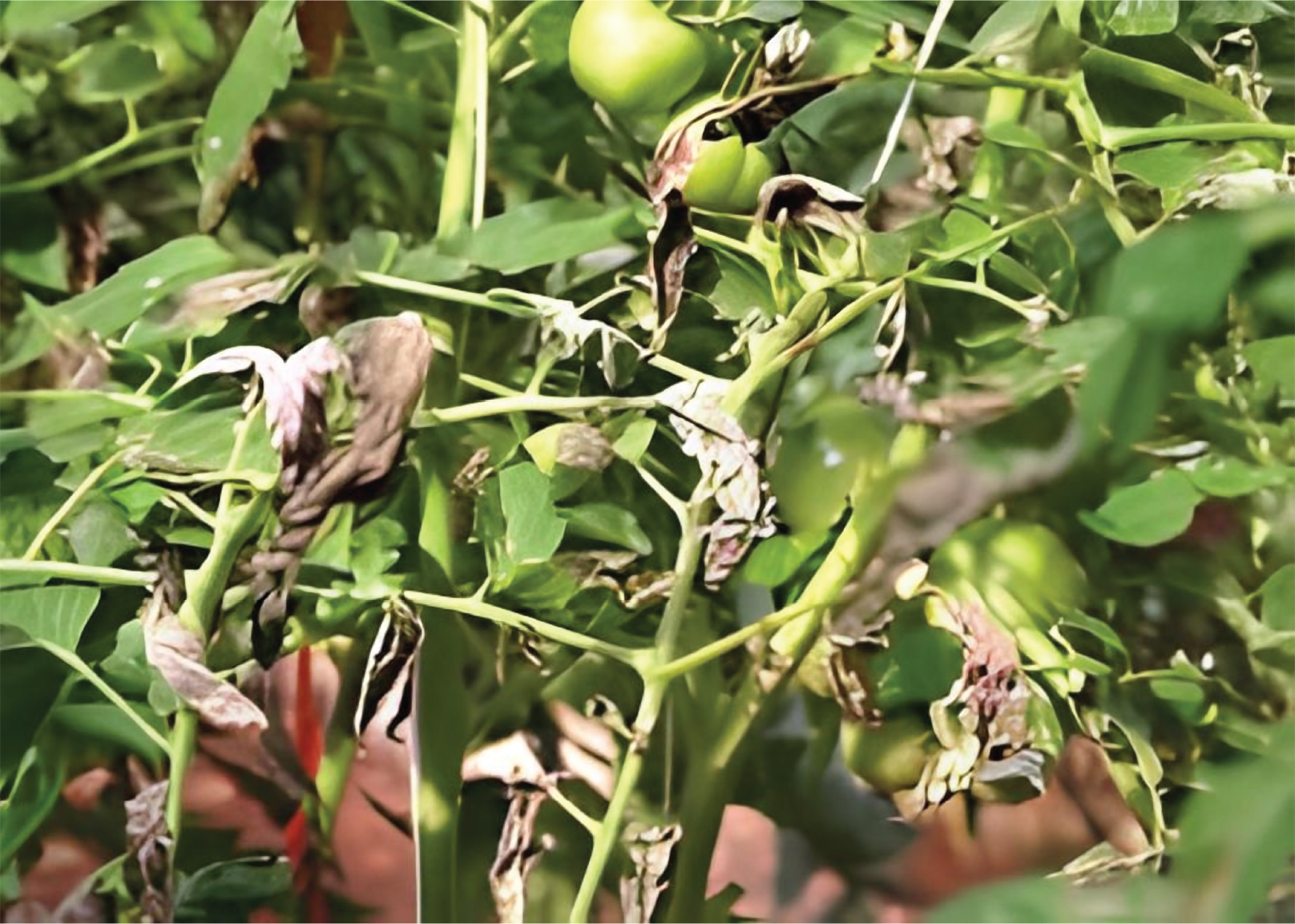
Figure 1.
Bacterial wilt disease.
Table 2.
Influence of different priming materials in combination with or without GA3 on the incidence of bacterial wilt disease in tomato.
| GA3 | 2019–2020 | ||||||||||
|---|---|---|---|---|---|---|---|---|---|---|---|
| T0 | T1 | T2 | T3 | T4 | T5 | T6 | T7 | T8 | T9 | Mean G | |
| G0 | 22.07* (28.36) | 14.41 (22.71) | 18.55 (25.88) | 14.24 (22.58) | 18.68 (25.97) | 15.03 (23.21) | 18.21 (25.63) | 21.54 (28.00) | 13.60 (22.05) | 18.11 (25.56) | 17.44 (24.99) |
| G1 | 20.37 (27.19) | 13.07 (21.61) | 17.05 (24.77) | 12.67 (21.28) | 16.98 (24.71) | 13.96 (22.35) | 16.62 (24.44) | 20.12 (27.01) | 11.98 (20.69) | 16.78 (24.56) | 15.96 (23.86) |
| Mean T | 21.22 (27.78) a | 13.74 (22.16) f | 17.80 (25.32) c | 13.46 (21.93) g | 17.83 (25.34) c | 14.49 (22.78) e | 17.41 (25.03) d | 20.83 (27.51) b | 12.79 (21.37) h | 17.45 (25.06) d | |
| T | G | T at same level of G | G at same level of T | ||||||||
| SEM (±) | 0.082 | 0.075 | 0.114 | 0.130 | |||||||
| LSD (0.05) | 0.244 | 0.456 | NS | NS | |||||||
| CV (%) | 0.823 | 1.680 | 0.802 | 0.802 | |||||||
| GA3 | 2020–2021 | ||||||||||
| T0 | T1 | T2 | T3 | T4 | T5 | T6 | T7 | T8 | T9 | Mean G | |
| G0 | 23.12 (29.08) | 15.57 (23.63) | 19.67 (26.68) | 15.22 (23.36) | 19.68 (26.69) | 16.58 (24.41) | 19.50 (26.56) | 22.99 (28.99) | 14.52 (22.80) | 19.58 (26.62) | 18.64 (25.88) |
| G1 | 21.85 (28.22) | 14.33 (22.65) | 18.44 (25.80) | 14.01 (22.39) | 18.41 (25.77) | 15.46 (23.55) | 18.26 (25.67) | 21.74 (28.13) | 13.63 (22.08) | 18.35 (25.73) | 17.45 (25.00) |
| Mean T | 22.49 (28.65) a | 14.95 (23.14) d | 19.05 (26.24) b | 14.62 (22.88) d | 19.04 (26.23) b | 16.02 (23.98) c | 18.88 (26.11) b | 22.36 (28.56) a | 14.08 (22.44) e | 18.96 (26.18) b | |
| T | G | T at same level of G | G at same level of T | ||||||||
| SEM (±) | 0.119 | 0.048 | 0.138 | 0.106 | |||||||
| LSD (0.05) | 0.354 | 0.295 | NS | NS | |||||||
| CV (%) | 1.147 | 1.043 | 0.679 | 0.679 | |||||||
There was no significant difference among the treatments with the application of foliar application of GA3 to individual priming agents in either season. Disease reduction was also calculated for the control. The data revealed that the greatest degree of disease control was achieved with the combination of GA3 and without GA3 application during both years. The data revealed that the greatest degree of disease control was observed in T8 in combination with GA3 and without GA3 application during both years.
Collar rot disease
The application of GA3 as a foliar spray had a significant influence on the incidence of collar rot disease (Figure 2 and Figure S1 in Supplementary Materials) in tomatoes; during both seasons, the results revealed that G1 had a lower disease incidence (11.20% and 12.51%) than did G0 (12.53% and 13.82%) when the mean was made over seed priming. The trait varied significantly because of seed priming, with an average over with and without GA3 application; minimum disease incidence was observed for T3, that is, 10% polyethylene glycol (PEG) (8.68% and 10.04%) during both years, followed by T8 and T1; maximum disease incidence was observed after the control, that is, T0 (14.78% and 16.18%) in 2 years (Table 3). Non-significant variation was observed for the influence of the seed priming agent either alone or in combination with GA3 and for the influence of foliar GA3 application on individual priming materials. The disease reduction was also calculated for the control (Table 3). The data revealed that the greatest degree of disease control, that is, PEG, was observed in T3 during both years.
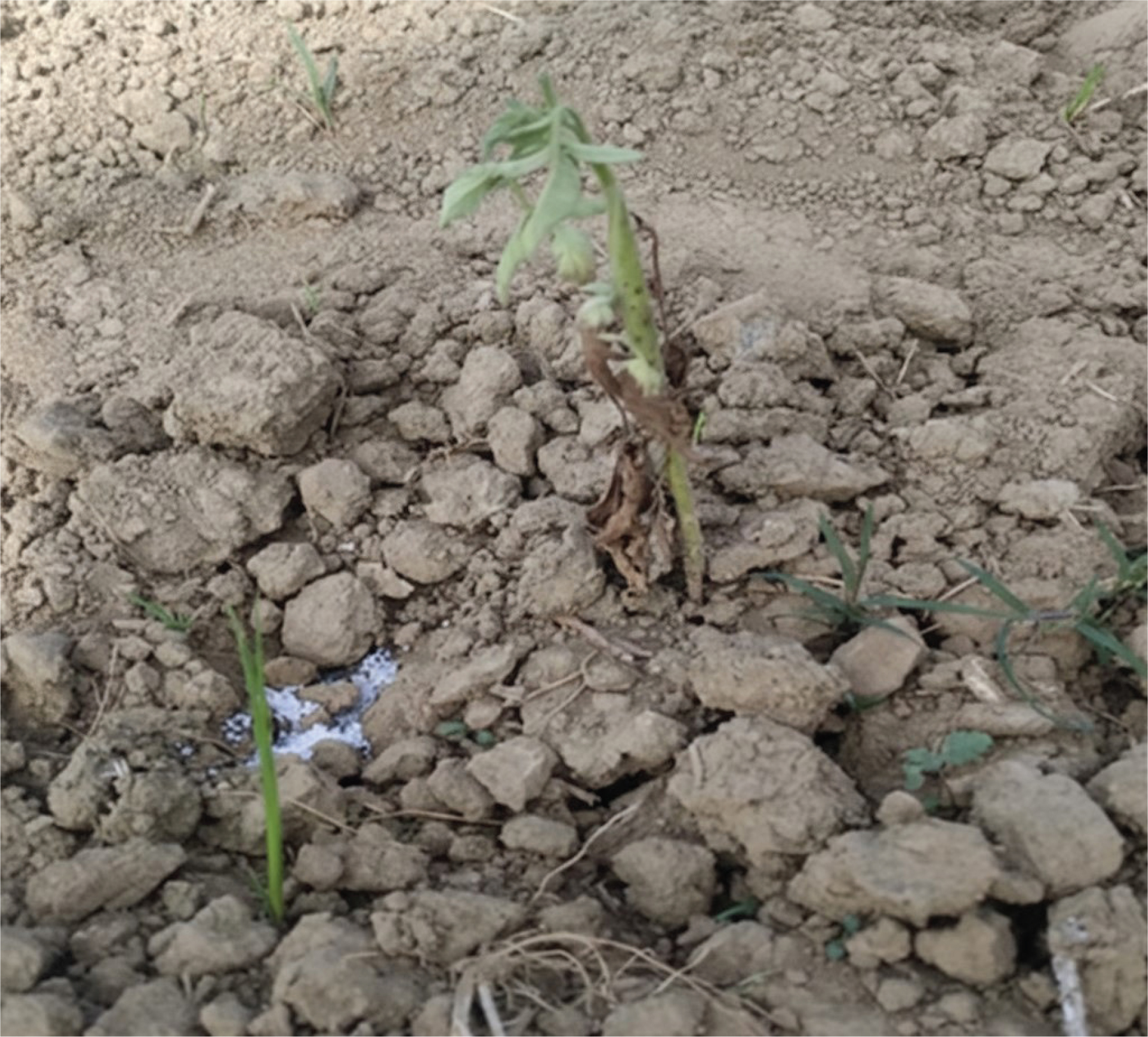
Figure 2.
Collar rot disease.
Table 3.
Influence of different priming materials in combination with or without GA3 on the incidence of collar rot disease in tomato.
| GA3 | 2019–2020 | ||||||||||
|---|---|---|---|---|---|---|---|---|---|---|---|
| T0 | T1 | T2 | T3 | T4 | T5 | T6 | T7 | T8 | T9 | Mean G | |
| G0 | 15.65* (23.70) | 10.38 (19.26) | 13.27 (21.78) | 9.24 (18.19) | 14.02 (22.40) | 11.04 (19.86) | 12.35 (21.01) | 15.17 (23.32) | 9.90 (18.81) | 14.30 (22.63) | 12.53 (21.10) |
| G1 | 13.91 (22.31) | 9.00 (17.95) | 11.86 (20.58) | 8.11 (17.06) | 12.69 (21.30) | 9.62 (18.55) | 11.06 (19.88) | 13.87 (22.28) | 8.65 (17.60) | 13.20 (21.72) | 11.20 (19.92) |
| Mean T | 14.78 (23.00) a | 9.69 (18.60) h | 12.57 (21.18) e | 8.68 (17.63) J | 13.36 (21.85) d | 10.33 (19.21) g | 11.71 (20.44) f | 14.52 (22.80) b | 9.27 (18.21) i | 13.75 (22.18) c | |
| T | G | T at same level of G | G at same level of T | ||||||||
| SEM (±) | 0.086 | 0.020 | 0.137 | 0.145 | |||||||
| LSD (0.05) | 0.254 | 0.121 | NS | NS | |||||||
| CV (%) | 1.020 | 0.530 | 1.282 | 1.282 | |||||||
| GA3 | 2020–2021 | ||||||||||
| T0 | T1 | T2 | T3 | T4 | T5 | T6 | T7 | T8 | T9 | Mean G | |
| G0 | 16.70 (24.50) | 11.81 (20.54) | 14.39 (22.70) | 10.66 (19.51) | 15.25 (23.38) | 12.17 (20.85) | 13.70 (22.14) | 16.53 (24.37) | 11.23 (20.03) | 15.72 (23.75) | 13.82 (22.18) |
| G1 | 15.66 (23.71) | 10.33 (19.21) | 13.12 (21.65) | 9.43 (18.36) | 13.89 (22.30) | 11.00 (19.82) | 12.23 (20.90) | 15.19 (23.34) | 9.94 (18.85) | 14.28 (22.61) | 12.51 (21.08) |
| Mean T | 16.18 (24.10) a | 11.07 (19.88) h | 13.76 (22.18) e | 10.04 (18.94)i | 14.57 (22.84) d | 11.58 (20.34) g | 12.97 (21.52) f | 15.86 (23.85) b | 10.59 (19.44) i | 15.00 (23.18) c | |
| T | G | T at same level of G | G at same level of T | ||||||||
| SEM (±) | 0.077 | 0.013 | 0.099 | 0.084 | |||||||
| LSD (0.05) | 0.229 | 0.080 | NS | NS | |||||||
| CV (%) | 0.873 | 0.331 | 0.701 | 0.701 | |||||||
Target leaf spot disease
In the case of target leaf spot disease in tomato (Figure 3 and Figure S2 in Supplementary Materials), all priming materials in combination with GA3 and without GA3 decreased the incidence of disease compared with the control in both seasons. The disease severity percentage was slightly greater from 2020 to 2021 than from 2019 to 2020 for all the treatments (Table 4). Foliar application of GA3 significantly influenced the disease severity percentage or PDI when the average was greater than that of the seed priming treatments; G1 (30.83%, 32.21%) presented a lower disease severity than did G0 (33.11%, 34.48%) during both years. On average, with and without GA3, treatment with 2% KH2PO4 (25.79%, 27.27%) resulted in the lowest degree of disease severity, followed by KNO3 and the moringa leaf extract. The lowest PDI was obtained from 2% KH2PO4 (24.70%, 26.87% and 26.22%, 28.31%), followed by 5% KNO3 and moringa leaf extract in combination with GA3 and without GA3 for both seasons. The highest disease severity was observed in the control (36.64%, 38.73% and 37.95%, 40.11%, respectively) (Table 4).
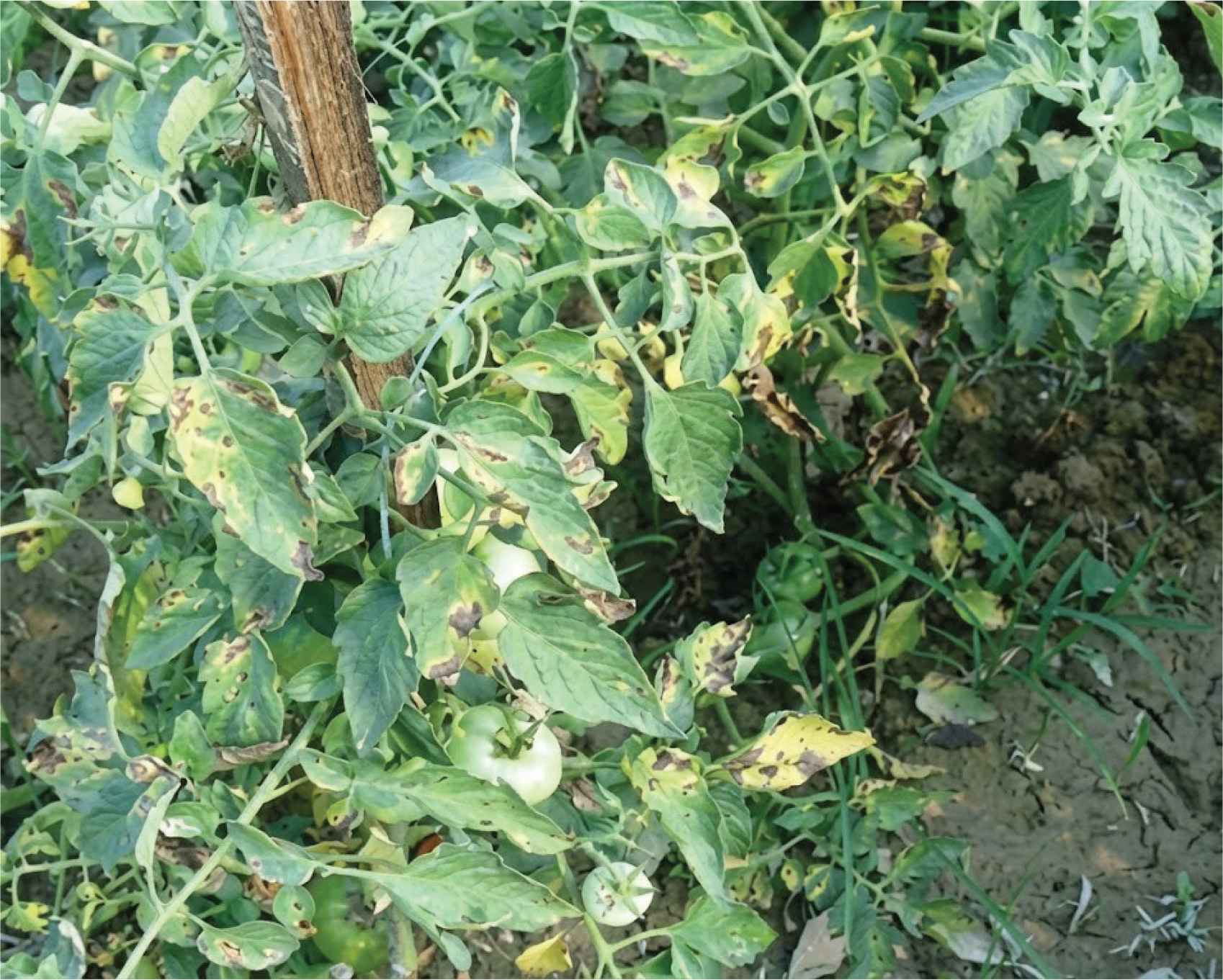
Figure 3.
Target leaf spot disease.
Table 4.
Influence of different priming materials in combination with or without GA3 on the PDI of the target leaf spot.
| GA3 | 2019–2020 | ||||||||||
|---|---|---|---|---|---|---|---|---|---|---|---|
| T0 | T1 | T2 | T3 | T4 | T5 | T6 | T7 | T8 | T9 | Mean G | |
| G0 | 38.73* (38.78) | 29.10 (32.96) | 30.89 (34.07) | 32.90 (35.30) | 36.16 (37.26) | 27.81 (32.15) | 33.82 (35.86) | 37.90 (38.29) | 26.87 (31.55) | 36.96 (37.74) | 33.11 (35.40) |
| G1 | 36.64 (37.55) | 26.67 (31.42) | 28.29 (32.45) | 30.22 (33.66) | 33.60 (35.73) | 26.36 (31.22) | 31.82 (34.64) | 35.73 (37.01) | 24.70 (30.13) | 34.24 (36.12) | 30.83 (33.99) |
| Mean T | 37.69 (38.16) a | 27.88 (32.19) h | 29.59 (33.26) g | 31.56 (34.48)f | 34.88 (36.50) d | 27.09 (31.68) i | 32.82 (35.25) e | 36.82 (37.65) b | 25.79 (30.84) j | 35.60 (36.93) c | |
| T | G | T at same level of G | G at same level of T | ||||||||
| SEM (±) | 0.050 | 0.032 | 0.066 | 0.066 | |||||||
| LSD (0.05) | 0.147 | 0.195 | 0.194 | 0.244 | |||||||
| CV (%) | 0.348 | 0.507 | 0.301 | 0.301 | |||||||
| GA3 | 2020–2021 | ||||||||||
| T0 | T1 | T2 | T3 | T4 | T5 | T6 | T7 | T8 | T9 | Mean G | |
| G0 | 40.11 (39.59) | 30.27 (33.69) | 32.39 (35.00) | 34.17 (36.08) | 37.41 (38.00) | 29.20 (33.02) | 35.24 (36.71) | 39.33 (39.13) | 28.31 (32.46) | 38.36 (38.56) | 34.48 (36.22) |
| G1 | 37.95 (38.32) | 28.14 (32.35) | 29.59 (33.27) | 31.63 (34.53) | 34.99 (36.57) | 27.78 (32.12) | 33.04 (35.39) | 37.08 (37.81) | 26.22 (31.13) | 35.66 (36.96) | 32.21 (34.85) |
| Mean T | 39.03 (38.96) a | 29.20 (33.02)h | 30.99 (34.13) g | 32.90 (35.30) f | 36.20 (37.28) d | 28.49 (32.57) i | 34.14 (36.05) e | 38.20 (38.47) b | 27.27 (31.79) j | 37.01 (37.76) c | |
| T | G | T at same level of G | G at same level of T | ||||||||
| SEM (±) | 0.055 | 0.014 | 0.079 | 0.077 | |||||||
| LSD (0.05) | 0.165 | 0.085 | 0.235 | 0.237 | |||||||
| CV (%) | 0.382 | 0.215 | 0.390 | 0.390 | |||||||
Disease reduction was also calculated for the control (Table 4). The data revealed that the greatest degree of disease control was observed. 2% KH2PO4, followed by 5% KNO3 and moringa leaf extract in combination with GA3 and without GA3 for both seasons.
Early blight disease
Compared with the control, all priming materials in combination with GA3 and without GA3 decreased early blight disease (Figure 4 and Figure S2 in Supplementary Materials) during both seasons. In the first-year trial, the disease severity percentage was slightly lower than that in the second year in all the treatments. Significant variation was observed for the percent disease severity or PDI in the early blight stage of tomato plants after they were sprayed with GA3, when the average was greater than that in the seed priming treatment group; G1 (23.93%, 25.19%) presented a lower disease severity than did G0 (25.23%, 26.58%) during both years (Table 5). On average, with and without GA3, 2% KH2PO4 (18.61%, 19.91%) had the lowest disease severity, followed by 5% KNO3 and moringa leaf extract in two consecutive seasons; the disease severity was greatest for T0 (29.74%, 31.17%) in both years. During both seasons, 2% KH2PO4 (17.27%, 19.94% and 18.63%, 21.18%) in combination with GA3 and without GA3 had the lowest disease severity percentage or PDI, followed by 5% KNO3 Moringa leaf extract.
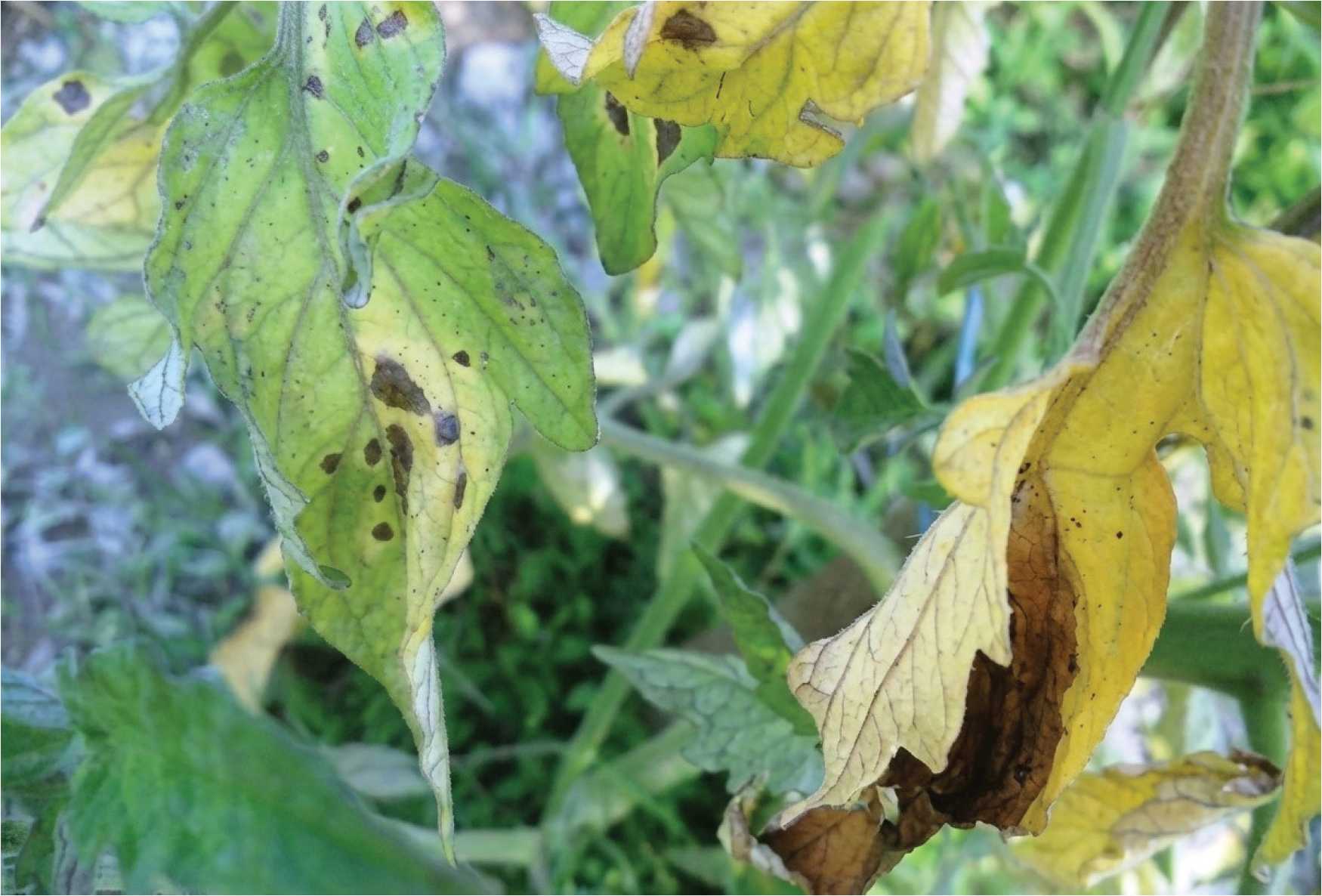
Figure 4.
Early leaf blight disease.
Table 5.
Influence of different priming materials in combination with or without GA3 on the PDI of early blight.
| GA3 | 2019–2020 | ||||||||||
|---|---|---|---|---|---|---|---|---|---|---|---|
| T0 | T1 | T2 | T3 | T4 | T5 | T6 | T7 | T8 | T9 | Mean G | |
| G0 | 30.72* (33.97) | 21.46 (27.94) | 23.19 (29.13) | 24.29 (29.86) | 27.58 (32.00) | 20.95 (27.59) | 25.98 (30.97) | 29.83 (33.42) | 19.94 (26.88) | 28.31 (32.47) | 25.23 (30.42) |
| G1 | 28.76 (32.75) | 21.09 (27.69) | 21.98 (28.30) | 23.51 (29.34) | 26.55 (31.34) | 20.16 (27.03) | 24.96 (30.31) | 27.97 (32.25) | 17.27 (24.93) | 27.00 (31.63) | 23.93 (29.56) |
| Mean T | 29.74 (33.36) a | 21.28 (27.82) h | 22.59 (28.72) g | 23.90 (29.60) f | 27.06 (31.67) d | 20.55 (27.31) i | 25.47 (30.64) e | 28.90 (32.83) b | 18.61 (25.91) j | 27.66 (32.05) c | |
| T | G | T at same level of G | G at same level of T | ||||||||
| SEM (±) | 0.037 | 0.021 | 0.055 | 0.059 | |||||||
| LSD (0.05) | 0.109 | 0.128 | 0.162 | 0.197 | |||||||
| CV (%) | 0.299 | 0.385 | 0.331 | 0.331 | |||||||
| GA3 | 2020–2021 | ||||||||||
| T0 | T1 | T2 | T3 | T4 | T5 | T6 | T7 | T8 | T9 | Mean G | |
| G0 | 32.26 (34.92) | 22.69 (28.79) | 24.64 (30.09) | 25.58 (30.71) | 28.97 (32.88) | 22.33 (28.54) | 27.37 (31.86) | 31.22 (34.28) | 21.18 (27.75) | 29.60 (33.27) | 26.58 (31.31) |
| G1 | 30.08 (33.58) | 22.29 (28.52) | 23.13 (29.09) | 24.86 (30.24) | 27.93 (32.22) | 21.40 (27.91) | 26.18 (31.10) | 29.18 (33.01) | 18.63 (25.94) | 28.21 (32.40) | 25.19 (30.40) |
| Mean T | 31.17 (34.25) a | 22.49 (28.65) h | 23.89 (29.59) g | 25.22 (30.48) f | 28.45 (32.55) d | 21.87 (28.23) i | 26.77 (31.48) e | 30.20 (33.64) b | 19.91 (26.84)j | 28.91 (32.84) c | |
| T | G | T at same level of G | G at same level of T | ||||||||
| SEM (±) | 0.034 | 0.018 | 0.041 | 0.035 | |||||||
| LSD (0.05) | 0.102 | 0.114 | 0.124 | 0.138 | |||||||
| CV (%) | 0.274 | 0.332 | 0.184 | 0.184 | |||||||
The disease severity was greatest in the control (28.76%, 30.72%, and 30.08%, 32.26%, respectively) treatment. Disease reduction was also calculated for the control (Table 5). The data revealed that the greatest degree of disease control was associated with 2% KH2PO4, 5% KNO3 and Moringa leaf extract in combination with GA3 and without GA3 was used for both seasons (Table 5).
Late blight disease
While observing the influence of all priming agents in combination with GA3 and without GA3, a reduction in late blight disease in tomato (Figure 5 and Figure S2 in Supplementary Materials) was noted over the control in both seasons.
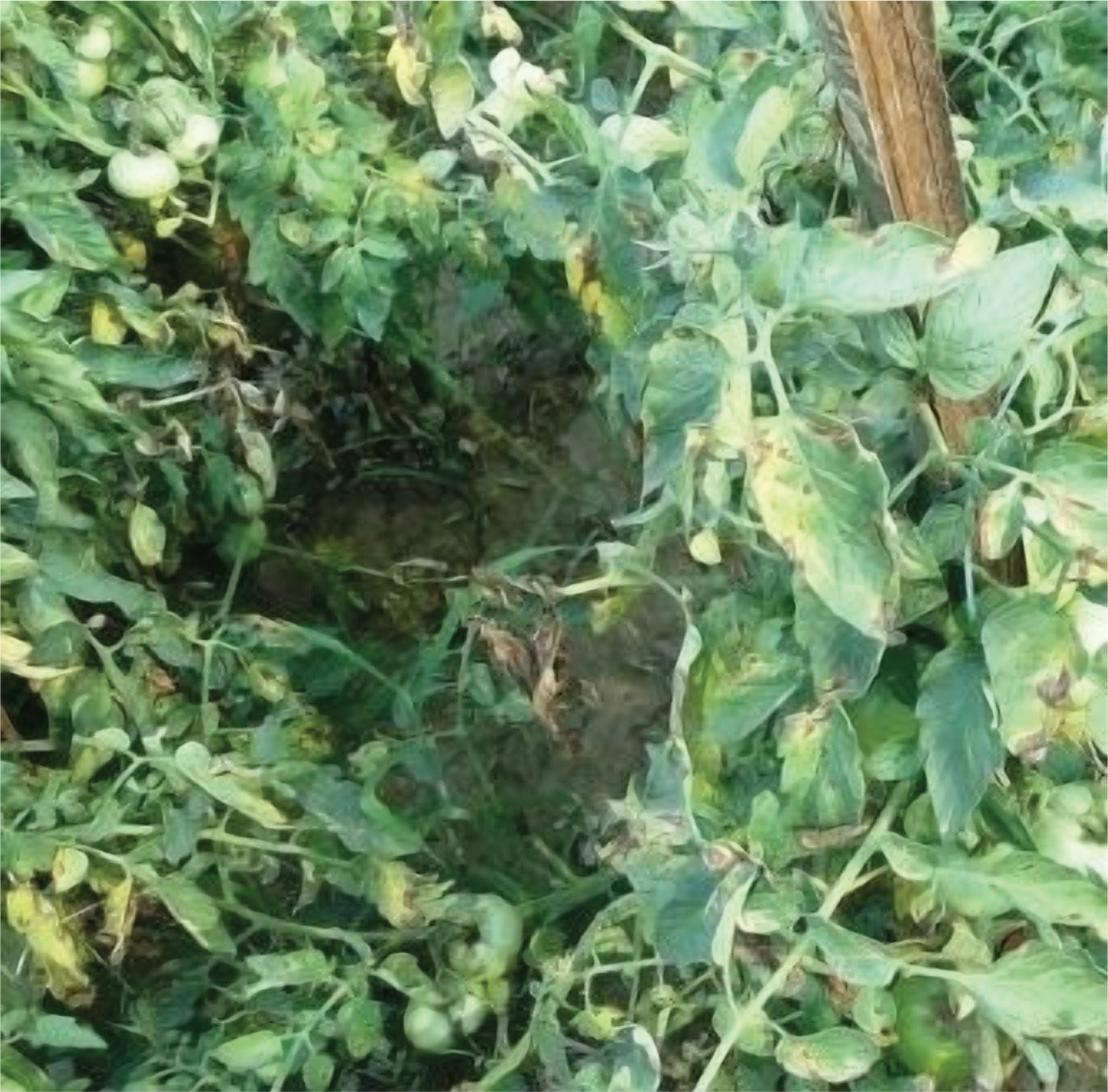
Figure 5.
Late blight disease.
Significant variation was noted for the percent disease severity or PDI after GA3 application when the average was performed over the seed priming treatments; disease severity was lower in the treatments with GA3 (20.10%, 21.35%) than in the treatments without GA3 (21.05%, 22.40%) during both years (Figure 5). Among the seed priming treatments, 2% KH2PO4 (15.74%, 17.08%) resulted in the lowest disease severity, followed by 5% KNO3 and moringa leaf extract during both seasons. When the mean disease severity was greater than that of G (with and without GA3), it was highest for the control (25.15%, 26.40%) in both years (Table 6). The minimum disease severity percentage or PDI was noted for 2% KH2PO4 (14.92%, 16.56% and 16.20%, 17.95%), followed by 5% KNO3 and moringa leaf extract in combination with GA3 and without GA3 for both seasons. The maximum disease severity was found control (24.67%, 25.63%, and 25.87%, 26.92%, respectively) (Table 6). The reduction in disease incidence was also greater than that of the control. The maximum reduction was observed. 2% KH2PO4 followed by 5% KNO3 and T1, that is, moringa leaf extract in combination with GA3 and without GA3, for both seasons.
Table 6.
Influence of different priming materials in combination with or without GA3 on the PDI of late blight.
| GA3 | 2019–2020 | ||||||||||
|---|---|---|---|---|---|---|---|---|---|---|---|
| T0 | T1 | T2 | T3 | T4 | T5 | T6 | T7 | T8 | T9 | Mean G | |
| G0 | 25.63* (30.74) | 17.80 (25.33) | 19.03 (26.23) | 19.91 (26.86) | 23.04 (29.02) | 17.25 (24.92) | 22.39 (28.58) | 24.92 (30.28) | 16.56 (24.39) | 23.91 (29.61) | 21.05 (27.60) |
| G1 | 24.67 (30.11) | 16.92 (24.67) | 18.48 (25.83) | 19.16 (26.32) | 22.29 (28.52) | 16.38 (24.26) | 20.93 (27.58) | 23.92 (29.61) | 14.92 (23.12) | 23.32 (29.21) | 20.10 (26.92) |
| Mean T | 25.15 (30.43) a | 17.36 (25.00) h | 18.76 (26.03) g | 19.54 (26.59) f | 22.67 (28.77) d | 16.82 (24.59) i | 21.66 (28.08) e | 24.42 (29.94) b | 15.74 (23.76) j | 23.62 (29.41) c | |
| T | G | T at same level of G | G at same level of T | ||||||||
| SEM (±) | 0.013 | 0.008 | 0.018 | 0.019 | |||||||
| LSD (0.05) | 0.040 | 0.054 | 0.048 | 0.062 | |||||||
| C.V. (%) | 0.121 | 0.180 | 0.083 | 0.083 | |||||||
| GA3 | 2020–2021 | ||||||||||
| T0 | T1 | T2 | T3 | T4 | T5 | T6 | T7 | T8 | T9 | Mean G | |
| G0 | 26.92 (31.58) | 19.12 (26.29) | 20.37 (27.18) | 21.33 (27.85) | 24.31 (29.87) | 18.69 (25.98) | 23.76 (29.51) | 26.21 (31.12) | 17.95 (25.44) | 25.32 (30.54) | 22.40 (28.54) |
| G1 | 25.87 (30.90) | 18.16 (25.59) | 19.78 (26.76) | 20.37 (27.18) | 23.66 (29.44) | 17.56 (25.15) | 22.16 (28.42) | 25.11 (30.40) | 16.20 (24.12) | 24.59 (30.06) | 21.35 (27.80) |
| Mean T | 26.40 (31.24) a | 18.64 (25.94) h | 20.07 (26.97) g | 20.85 (27.52) f | 23.99 (29.66) d | 18.12 (25.56) i | 22.96 (28.97) e | 25.66 (30.76) b | 17.08 (24.78) j | 24.96 (30.30) c | |
| T | G | T at same level of G | G at same level of T | ||||||||
| SEM (±) | 0.053 | 0.029 | 0.077 | 0.081 | |||||||
| LSD (0.05) | 0.156 | 0.179 | 0.228 | 0.273 | |||||||
| C.V. (%) | 0.457 | 0.573 | 0.485 | 0.485 | |||||||
Tomato leaf curl viral disease
In the case of tomato leaf curl disease (Figure 6 and Figure S2 in Supplementary Materials), all priming materials in combination with GA3 and without GA3 decreased the incidence of disease compared with the control in both seasons. The percent disease severity or PDI for this disease significantly varied after foliar application of GA3, with an average over seed priming treatments during both years; lower disease severity was detected with GA3 (14.14%, 15.48%) than without GA3 (15.84%, 17.15%). In terms of the performance of the seed priming agents, the average over with and without GA3, the trait varied significantly in both years; 2% KH2PO4 (11.94%, 13.31%) had the lowest disease severity, followed by 10% PEG and moringa leaf extract during the year and, in the second year, that they interchanged, although T1 and T3 were not significantly different from each other in either season. T0 (19.15%, 20.54%) was highest in both years. The lowest disease severity percentage or PDI was obtained at 2% KH2PO4 (10.71%, 13.17% and 12.06%, 14.57%) in combination with GA3 and without GA3 for both seasons; 2% KH2PO4 was followed by 10% PEG and Moringa leaf extract, with slight changes in their position over the years; the highest disease severity was observed in the control (18.51%, 19.78% and 19.91%, 21.18%, respectively) (Table 7).
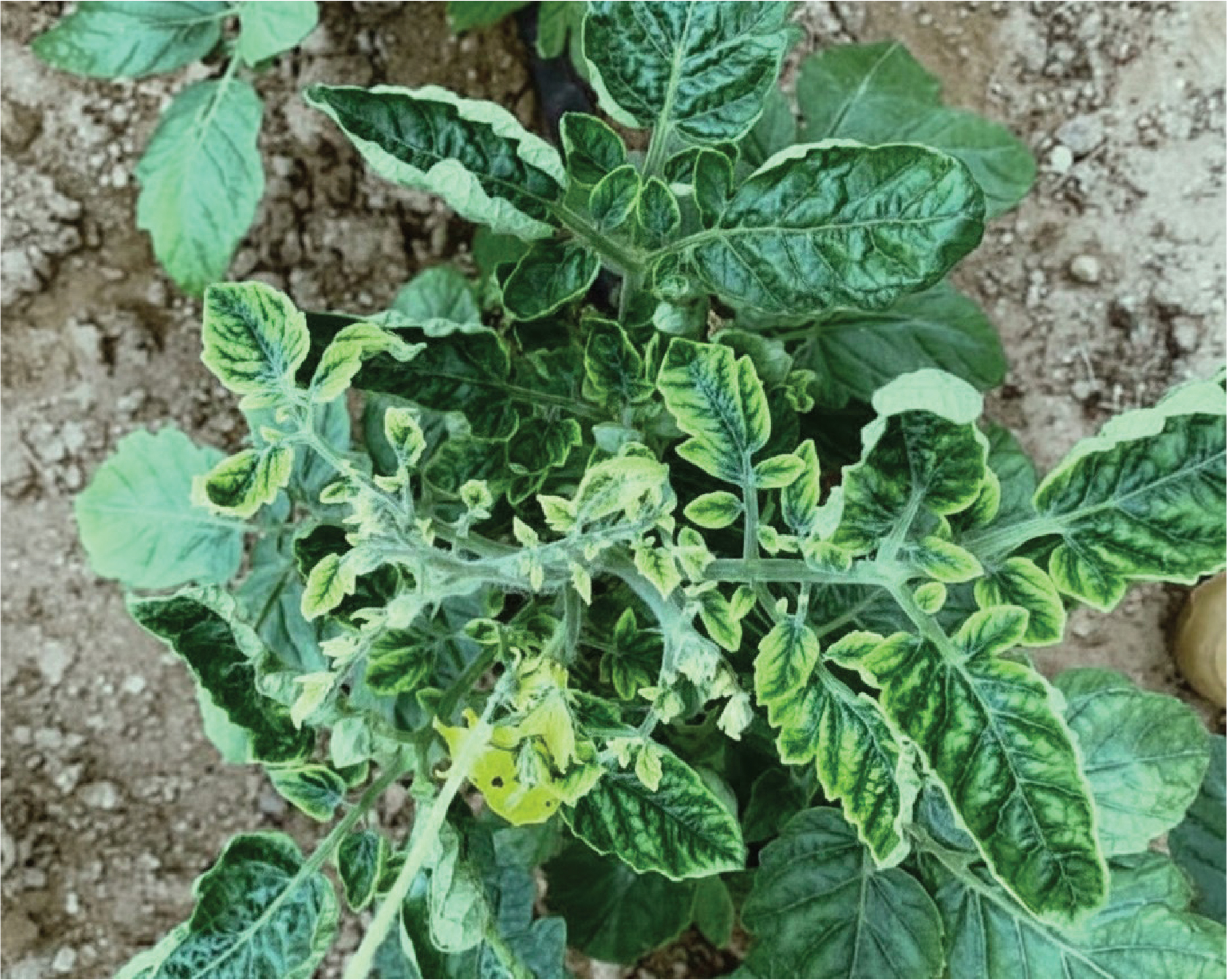
Figure 6.
Tomato leaf curl viral disease.
Table 7.
Influence of different priming materials in combination with or without GA3 on the PDI of tomato leaf curl viral disease.
| GA3 | 2019–2020 | ||||||||||
|---|---|---|---|---|---|---|---|---|---|---|---|
| T0 | T1 | T2 | T3 | T4 | T5 | T6 | T7 | T8 | T9 | Mean G | |
| G0 | 19.78* (26.77) | 13.66 (22.11) | 17.09 (24.80) | 13.51 (21.98) | 17.04 (24.76) | 14.27 (22.60) | 15.70 (23.74) | 17.51 (25.11) | 13.17 (21.70) | 16.62 (24.44) | 15.84 (23.80) |
| G1 | 18.51 (25.85) | 11.15 (19.96) | 15.94 (23.92) | 11.06 (19.88) | 14.89 (23.10) | 11.85 (20.57) | 14.66 (22.92) | 17.76 (25.30) | 10.71 (19.56) | 14.88 (23.09) | 14.14 (22.41) |
| Mean T | 19.15 (26.31) a | 12.41 (21.03) f | 16.52 (24.36) c | 12.29 (20.93) f | 15.96 (23.93) c | 13.06 (21.59) e | 15.18 (23.33) d | 17.63 (25.20) b | 11.94 (20.63) f | 15.75 (23.77) c | |
| T | G | T at same level of G | G at same level of T | ||||||||
| SEM (±) | 0.058 | 0.033 | 0.063 | 0.048 | |||||||
| LSD (0.05) | 0.173 | 0.198 | 0.190 | 0.213 | |||||||
| CV (%) | 0.616 | 0.773 | 0.286 | 0.286 | |||||||
| GA3 | 2020–2021 | ||||||||||
| T0 | T1 | T2 | T3 | T4 | T5 | T6 | T7 | T8 | T9 | Mean G | |
| G0 | 21.18 (27.75) | 14.85 (23.06) | 18.51 (25.85) | 14.79 (23.02) | 18.18 (25.61) | 15.75 (23.78) | 17.14 (24.83) | 18.74 (26.01) | 14.57 (22.84) | 17.80 (25.33) | 17.15 (24.81) |
| G1 | 19.91 (26.86) | 12.44 (21.08) | 17.22 (24.90) | 12.50 (21.14) | 16.11 (24.05) | 13.13 (21.66) | 16.13 (24.06) | 19.13 (26.30) | 12.06 (20.75) | 16.20 (24.12) | 15.48 (23.49) |
| Mean T | 20.54 (27.30) a | 13.64 (22.07) g | 17.87 (25.37) c | 13.65 (22.08) g | 17.15 (24.83) d | 14.44 (22.72) f | 16.63 (24.45) e | 18.93 (26.16) b | 13.31 (21.80) h | 17.00 (24.73) d | |
| T | G | T at same level of G | G at same level of T | ||||||||
| SEM (±) | 0.058 | 0.006 | 0.077 | 0.070 | |||||||
| LSD (0.05) | 0.170 | 0.042 | 0.228 | 0.207 | |||||||
| CV (%) | 0.581 | 0.157 | 0.519 | 0.519 | |||||||
The results clearly demonstrate that both GA3 application and seed priming treatments contributed to a reduction in bacterial wilt and collar rot incidence, although the magnitude of their effects varied between diseases and years. In the case of bacterial wilt, priming treatments (particularly T1, T3, and T5) were consistently more effective than GA3 alone, while the significant T × G interaction highlighted that genotype-specific responses played an important role in disease suppression. Similarly, for collar rot, seed priming emerged as the major factor driving disease reduction, with GA3 acting mainly as a supportive enhancer by improving plant vigour and tolerance rather than directly suppressing pathogen activity. The interaction effects in collar rot also indicated that certain genotypes performed better under specific priming treatments when combined with GA3, suggesting a synergistic benefit in some cases. Overall, while both factors contributed, the priming materials were the principal drivers of disease suppression in this study, and GA3 primarily complemented their effect by enhancing plant growth and resilience.
The present study demonstrated that seed priming with 10% PEG and 2% KH2PO4 effectively decreased the incidence and severity of several tomato diseases. Specifically, KH2PO4 substantially reduced bacterial wilt, while PEG was more effective in reducing collar rot incidence. Furthermore, the application of KH2PO4, KNO3 and moringa leaf extract lowered the severity of target leaf spot, early blight and late blight, suggesting that these treatments can enhance plant defence mechanisms. Although GA3 application led to a marginal reduction in disease severity, its effect was statistically comparable to that of the non-GA3 treatments, indicating that seed priming had a more pronounced role in disease suppression than GA3 supplementation.
Our findings are consistent with earlier reports highlighting the disease-suppressive potential of KH2PO4 and other salt-based compounds. For instance, Reuveni et al. (1994) observed a 79% reduction in disease incidence in roses treated with KH2PO4 in combination with KOH, K2HPO4 NaHCO3 or topiramate, while Ehret et al. (2002) reported that foliar applications of KCl, MgSO4 and K2HPO4 significantly reduced powdery mildew in tomato. Similarly, Ata et al. (2008) demonstrated that KH2PO4 application effectively suppressed rust disease in wheat, and Abo-Elyousr et al. (2022) reported that foliar sprays of KH2PO4, K2HPO4 and MgSO4 reduced powdery mildew in sunflower with efficacy comparable to conventional fungicides. Moreover, Reuveni et al. (1996) found that regular foliar applications of K2HPO4 or KH2PO4 were highly effective in controlling powdery mildew in cucumber. These results support the proposition that phosphate-based compounds act as alternative eco-friendly disease management tools.
The role of GA3 in disease reduction has also been documented across multiple crops. In grapevines, GA3 applications at bloom significantly reduced Botrytis and sour rot, with greater efficacy than two specific fungicide applications (Spring and Viret, 2010). Hed et al. (2011) further confirmed GA3-mediated reductions in bunch rot severity in Vignoles and Chardonnay grapes. Similarly, da Silva et al. (2018) reported that GA3 treatment in grapevines decreased Botrytis cinerea infection and enhanced cluster and rachis length. Other studies have shown GA3-induced suppression of foliar pathogens, such as Alternaria dauci in carrot (Santos et al., 2000). The black spot of persimmon, caused by Alternaria alternata, was reduced by the application of GA, which reduced the relative humidity around the infection site due to increased calyx erectness (Perez et al., 1995). Janisiewicz et al. (2005) and Percival et al. (2009) noted that foliar application of KH2PO4 may protect against various pathogens via several host-pathogen interactions. Dibasic potassium phosphate was applied as a foliar spray to evaluate its ability to induce resistance against rust disease in sugar beet caused by Uromyces betae, which reduces both disease incidence and severity, as observed by Ata et al. (2008). Khalifa and Thabet (2014) reported that spraying KH2PO4 suppressed leaf rust disease in the sensitive wheat cultivar Sids-1, as indicated by reduced disease severity. These results collectively suggest that GA3 influences both plant architecture and disease development, though in the present study its effect was not superior to seed priming. Phosphate priming with KH2PO4 not only supplies readily available phosphorus that enhances plant vigour but also induces systemic resistance by activating defence-related enzymes, strengthening cell walls and modulating oxidative stress responses, thereby limiting pathogen establishment. On the other hand, GA3 influences plant architecture by loosening cell walls and reducing cluster compactness, which lowers humidity within the canopy and diminishes pathogen colonisation; it is also known to interact with defence signalling pathways such as salicylic acid and jasmonic acid, leading to enhanced resistance. Together, these mechanisms provide a plausible basis for the reduced disease incidence observed in this study.
Despite these encouraging results, certain limitations warrant consideration. Environmental conditions such as temperature, humidity and soil type, which strongly influence disease progression, were not systematically monitored. Additionally, the absence of molecular validation, such as pathogen DNA quantification or biochemical markers of induced defence, restricts the extrapolation of these findings to diverse agroclimatic regions. Future research should therefore incorporate pathogen quantification, biochemical assays for plant defence responses, and detailed climatic data to strengthen the scientific basis for integrating seed priming and salt-based treatments into tomato disease management strategies.
CONCLUSION
Across both seasons, the 2% KH2PO4 treatment significantly reduced the incidence of bacterial wilt disease, whereas the 10% PEG treatment effectively minimised the occurrence of collar rot. Furthermore, 2% KH2PO4 consistently had the lowest severity in the management of several key foliar diseases of tomato, including target leaf spot, early blight, late blight and leaf curl. The foliar application of GA3 also contributed to reduced disease infection, achieving the minimum PDI among the treatments. Overall, a combined approach that includes seed priming with 2% KH2PO4 and 10% PEG, together with the exogenous foliar application of GA3, effectively mitigates the incidence and severity of multiple diseases affecting tomato plants. This integrated strategy holds promise for enhancing disease resistance and improving crop health in tomato cultivation.
ACKNOWLEDGEMENTS
The authors extend their appreciation to Bidhan Chandra Krishi Viswavidyalaya, Mohanpur—741252, Nadia, West Bengal, India and M.S. Swaminathan School of Agriculture, Centurion University of Technology and Management, R. Sitapur, Paralakhemundi, Gajapati 761211, Odisha, India for supporting the study. The authors also extend their appreciation to KEGA project No. 047SPU-4/2025, Introduction of practical teaching into the subject Green Infrastructure for supporting the study. The authors also would like to acknowledge the Deanship of Graduate Studies and Scientific Research, Taif University, Saudia Arabia for funding this work.
Notes
[20] Contributed by AUTHOR CONTRIBUTIONS
J.R., P.K.G., S.K.B. and R.D. conceptualisation. J.R., P.K.G., S.K.B., R.D. and V.V.K. methodology and visualisation. V.B., M.B., A.G. and A.H. software. J.R., P.K.G., S.K.B., R.D. and V.V.K. validation. V.B., M.B., A.G. and A.H. formal analysis. J.R., P.K.G., S.K.B., R.D. and V.V.K. investigation. P.K.G. resources. V.B., M.B., A.G. and A.H. data curation. P.K.G., V.B., M.B., A.G. and A.H. supervision. P.K.G., V.B., M.B., A.G. and A.H. project administrator, writing—original draft preparation.
[21] Conflicts of interest CONFLICTS OF INTEREST
The authors declare that they have no conflicts of interest.
SUPPLEMENTARY MATERIALS
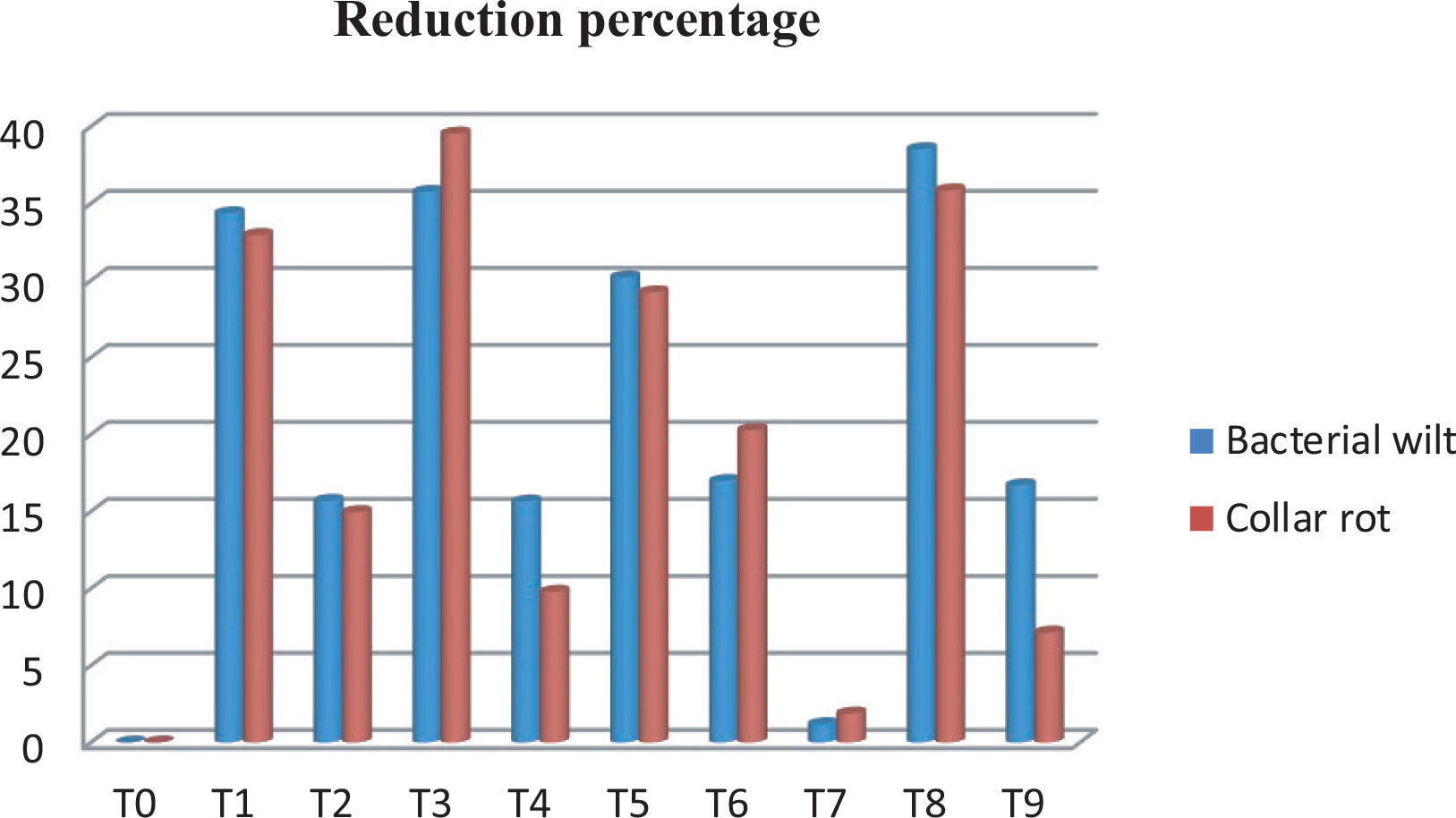
Figure S1.
Reduction (%) in disease incidence after seed priming (average over 2 years).
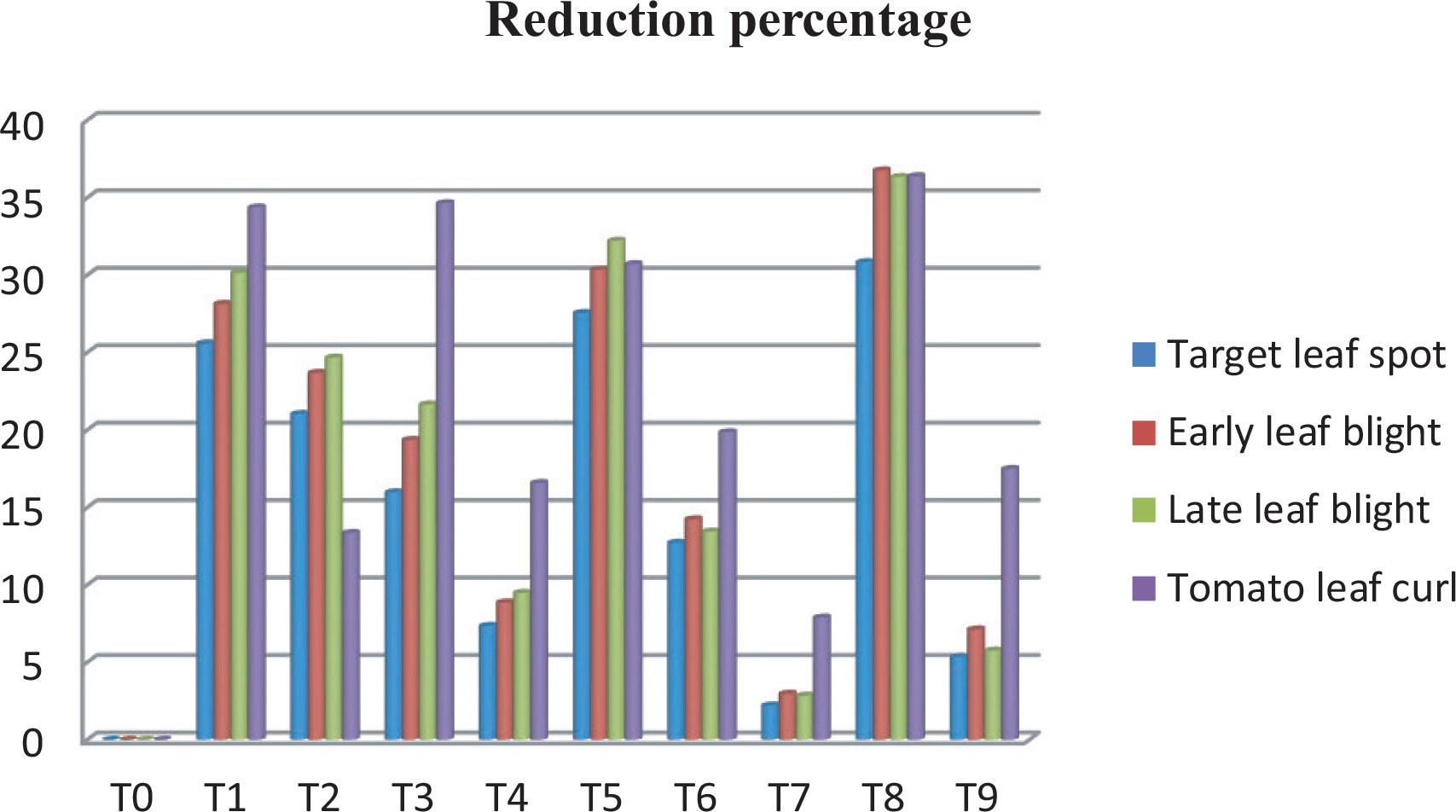
Figure S2.
Reduction (%) in disease severity after seed priming (average over 2 years). Note: T0 = control, T1 = moringa leaf extract, T2 = 1% NaCl, T3 = 10% PEG, T4 = 100 ppm GA3, T5 = 5% KNO3, T6 = 1000 ppm Thiourea, T7 = distilled water, T8 = 2% KH2PO4, T9 = 0.5 m mol · L−1 NAA. PEG, polyethylene glycol.