
INTRODUCTION
Lilium 'Sorbonne' has a rich aroma and diverse colours. The ‘Sorbonne’ Lily is popular in the flower market for its pink petals and special aromas, making it an ideal flower for studying aromatherapy metabolism (Johnson et al., 2016). According to different floral functions and synthetic pathways, plants are often divided into terpenoids, fatty acid derivatives and phenylpropane/benzene compounds, among which terpenoids account for the most (Leng et al., 2024). According to the number of C5 isoprene units in terpenes, they are classified into more than 40,000 compounds, including hemiterpene (C5), monoterpene (C10), sesquiterpene (C15), diterpene (C20), disesquiterpene (C25), triterpene (C30), tetriterpene (C40) and polyterpene (>C40). Monoterpenoids and sesquiterpenoids are the main components of floral substances in plants (Kong et al., 2017).
Terpenoids are composed of isopentenyl pyrophosphate (IPP) and its isomer dimethylallyl pyrophosphate (DMAPP), which have isoprene (C5) as the basic unit (Yang et al., 2022). IPP and DMAPP precursors are synthesised by two independent pathways, namely, cytoplasmic mevalerate (MVA) and 2-C-methyl-D-erythritol-4-phosphate (MEP) (Kong et al., 2012).
The MEP pathway consists of six enzymatic reactions. The 1-deoxy-D-xylulose-5-phosphate synthase (DXS) is the first rate-limiting enzyme in the MEP pathway, which is catalysed by 3-phosphate sly aldehyde (GAP) and acetone. Acid synthesis is catalysed by 1-deoxy L-ketone-5-phosphate (DXP) (Chen et al., 2015). 1-Deoxy-D-xylose-5-phosphate reduction isomerase (DXR) catalyses the second step of the MEP pathway. MEP catalyses 4-(cytidine 5-pyrophosphate)-2-C-methyl-D-erythritol through CDP-ME, hydroxyl phosphoric acid in the C2 position becomes 4-(5′-coke phosphate cytoside)-2-C-methyl-D-red moss-glycogenase (CMK), which then becomes 2-C-methyl-D-chimotol 2, 4-ring phosphate (MDS), 4-hydroxyl-3-methyl-2-benzhenylphotenase (HDS) and 4-hydroxyl-3-noretais. The order of the base-2-phenyl diphosphate enzyme (HDR) is converted into IPP and DMAPP in a ratio of 5:1 or 6:1 (Rico et al., 2019).
1-Deoxy-D-xylulose-5-phosphate synthase (DXS) is the first 2-C-methyl-D-erythritol 4-phosphate (MEP) pathway to participate in the synthetic biological synthesis (Huang et al., 2018). DXS plays an important role in the synthesis of different plants. Generally, the expression level of DXS is positively correlated with the content of the single and the four categories (Zhang et al., 2018). The expression of CoDXS is consistent with the increasing trend of the content in the cassia seeds. At the same time, the level of CoDXS expression is directly related to the anthraquinone content (Deng et al., 2018). Hu et al. (2017) used RNA-seq technology to determine the TranScription of petals during the blooming of flowers and analyse differentially expressed genes (DEGS) to investigate the molecular mechanisms of floral biosynthesis. Analysis of the TranScription group sequencing shows that a total of 6496 DEGS have been identified. Compared with the almost fragrance Lily ‘Novano’, the strong aroma ‘Siberian’ Lily DXS gene shows the expression of upward adjustment, which was consistent with the release of monoterpenes. Lane et al. (2010) constructed two cDNA libraries from lavender leaves and flowers and obtained 14213 sequence information of high-quality expression sequence (ESTs). Among them, LaDXS expression in lavender flowers is significantly higher than that in the leaves. At the same time, the expression level of LaDXS has gradually increased with the blooming of lavender flowers, which was the same as that of linalool, and both reached the highest level when lavender flowers were in full bloom. Shi et al. (2015) used methyl jasmonate (MeJA) to treat tea at different time periods. The results of the two-dimensional gas-phase chromatography–mass spectrometry analysis show that the quality of tea increases by treating the tea leaf with MeJA. Meanwhile, the RNA-seq technology is used. As a result, the analysis shows that the expression level of CsDXS has increased about 2–4 times in the processed leaves compared to unprocessed leaves. Song et al. (2019) induced jasmine methyl jasmonate (MJ), and the yield of triptolide in the cambium meristem cells was higher than that in the control group, respectively, and the expression level of TwDXS was also significantly increased after induction by methyl jasmonate (MJ). Zhu et al. (2019) conducted a plant chemistry research and found that the contents of terpenes in oolong tea leaves during outdoor wilting increased compared with fresh leaves and oolong leaves during indoor wilting. Through TranScriptome analysis, the expression level of CsDXS was also upregulated with the increase of terpene contents. Together, these results suggest that DXS is a key gene in the MEP pathway and participates in the synthesis of mirin.
Previous studies have proved that DXS gene plays an important role in the plant MEP pathway. In this study, we cloned LiDXS2 gene in Lily ‘Sorbonne’, analysed its structure and physicochemical properties, explored its expression pattern and subcellular localisation in different flowering stages and tissues and transformed it into A. thaliana. Then the function of LiDXS2 gene of Lily ‘Sorbonne’ was preliminarily understood. The aim is to elucidate the ‘Sorbonne’ Lily fragrance synthetic MEP pathway and the DXS gene regulation mechanism and reveal the lily flower fragrance regulation network at the molecular level. The results of this study will help the use of genetic engineering and biological information analysis tools to operate the DXS gene to achieve the formation in the odourless or weak-smelling Lilium plants. At the same time, it can increase people’s understanding of floral fragrance and provide reference for future studies on lily flower fragrance breeding.
MATERIALS AND METHODS
Plant materials and culture condition
The 'Sorbonne' of Lilium orientalis used in this study is planted in the Horticultural Engineering Center of Northeast Agricultural University, as shown in Figure 1. A. thaliana wild type (WT) (Col-0) was provided by the Garden Plant Breeding Laboratory of Northeast Agricultural University. Light conditions were as follows: vegetative growth period of 12 hr, reproductive growth period of 14 hr, humidity of 40–60% and temperature of 22°C–24°C. The entire flower development process of Lily 'Sorbonne' was divided into five stages: green bud stage, pink bud stage, half-opening stage, blooming stage and decay stage. The inner wheel petals of each stage were selected for the experiment. Different tissues (stigma, filaments, anthers, petals and leaves) were collected for the qRT-PCR detection. All samples of the three bioreplicates were collected and immediately frozen at -80°C for further analysis.
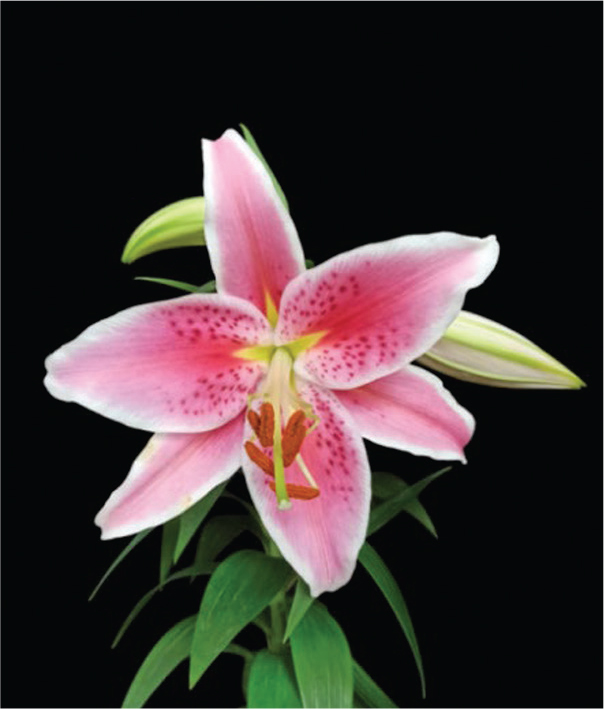
Figure 1.
L. orientalis’Sorbonne’.
Cloning of the LiDXS2 genes: RNA extraction and purification
An amount of 100 mg was taken from the same part of the lower petal of the wheel of 'Sorbonne' Lily during the five different stages of development. After all the samples collected were removed, they were wrapped with a tin foil, quickly transferred to the liquid nitrogen for freezing and then placed at –80°C until use. The equipment, working platform, glassware and pipette used were cleaned according to the solid-phase RNase scavenger instructions, and the deionised water was treated. The RNase-free water obtained was used to prepare the electrophoresis solution and 75% ethanol using Axygen RNase-free centrifuge tube and gun tip. RNA extraction was performed according to the instructions of TransZol Plant kit. During the operation, a mask should be worn, gloves should be replaced in time and attention should be paid to the cleanliness of the operating environment to avoid RNase pollution. The concentration and purity of the RNA samples were detected by ultra-micro-amount of ultraviolet optical meter, and the integrity of the RNA extracted by 1.2% agarose gel electrophoresis was detected.
Synthesis of the first strand of cDNA
The synthesis of cDNA was conducted according to the instructions of the TranScript® One-Step gDNA Removal and cDNA Synthesis SuperMix. After the sample was gently mixed, the product was used for PCR: incubation at 42°C for 30 min and for qPCR: incubation at 42°C for 15 min by heating at 85°C for 5 s. The samples were preserved at -20°C in a refrigerator.
LiDXS2 gene cloning, sequence analysis and expression analysis
The partial cDNA sequence of LiDXS2 was obtained from the transcriptome data of Lilium 'Sorbonne' petals, which was amplified from cDNA using the PrimeSTAR® HS DNA Polymerase Kit. The pairs of primers (LiDXS2-F: 3′-ATGGCTTTCTCAGGCTCTCTC-5′; LiDXS2-R: 3′-CTAGCTCAGATGCATGGCCT-5′) were used for the amplification. The PCR reaction was performed in a sample of 50 μL volume (28.5 μL dd H2O, 10 μL 5× PrimeSTAR buffer (Mg2+ Plus), 4 μL dNTP mixture (2.5 mM each), 1 μL LiDXS2-F, 1 μL LiDXS2-R, 5 μL cDNA, 0.5 μL PrimeSTAR HS DNA Polymerase) using the following conditions: denaturation at 98°C for 8 min, 30 thermal cycles (98°C/10 s, 56°C/5 s, 72°C/2 min 15 s) and a final extension at 72°C for 10 min. Gene expression analysis was performed by qRT-PCR with three independent biological replicates. The ChamQ Universal SYBR qPCR Master Mix was used to measure the expression levels according to the manufacturer’s instructions. Design qPCR-specific primers using the Primer 5.0 software are shown in Table 1. The Actin gene (GenBank: AB438963) was selected as the internal reference gene and calculated using the 2-ΔΔCT method.
Table 1.
Primers used for amplification and expression analysis of LiDXS2.
| Primers | Primer sequence (5′-3′) |
|---|---|
| Actin-F | TGTGCTTTCCCTCTACGCCAGT |
| Actin-R | TCCCTCACGATTTCCCGCTCT |
| LiDXS2-F | ATGGCTTTCTCAGGCTCTCTC |
| LiDXS2-R | CTAGCTCAGATGCATGGCCT |
| egLiDXS2-F | CAGTCACCTGCAAAACAACATGGCTTTCTCAGGCTCTCT |
| egLiDXS2-R | CAGTCACCTGCAAAATACAGCTCAGATGCATGGCCTCTT |
| ecLiDXS2-F | ACGGGGGACTCTAGAGGATCCATGGCTTTCTCAGGCTCTCTCA |
| ecLiDXS2-R | CGATCGGGGAAATTCGAGCTCCTAGCTCAGATGCATGGCCTCT |
| LiDXS2-qF | GGATGATAAACCCCGCTGG |
| LiDXS2-qR | CCCTTCCCTTTCTCCGTGA |
| AtDXR-F | GAGGTCATTGAAGCGCATTATT |
| AtDXR-R | GCCAAGTTACTTCAGAACAAGG |
| AtHDR-F | TTCAGATTGCATATGAAGCACG |
| AtHDR-R | GGTCGGGTTATGAATGATTTCG |
| AtGPPS-F | GAGCAGCGTTATAGTATGGACT |
| AtGPPS-R | CCATACTCAAAAGCTAACACGG |
| AtMCT-F | GAAATCGATGTGAACTCTGAGC |
| AtMCT-R | ACCATCTTTAAGGACCTTCTCG |
| AtActin-F | GAAGTCTTGTTCCAGCCCTCGTTTG |
| AtActin-R | GAACCACCGATCCAGACACTGTACT |
Bioinformatics analysis
Using DNAMAN 9.0 to compare Oriental LiDXS2 for amino acid sequences, the phylogenetic analysis of LiDXS2 of Oriental Lily was conducted through MEGA-X, the developmental tree was constructed by using the neighbour-joining method with the Bootstrap method and the number of inspections is 1000. WoLF PSORT, ChloroP 1.1 Server and TargetP-2.0 Server were used for LiDXS2 subcellular localisation prediction.
Subcellular localisation of LiDXS2 protein
The coding sequences of LiDXS2 with termination codons removed were subcloned into the pCAMBIA1300-GFP vector by AarI and Eco31I restriction enzymes using T4 DNA ligase. The constructs and empty plasmids were transformed into the leaves of Nicotiana benthamiana, which were then visualised by a laser scanning confocal microscope (Olympus FV3000, Japan).
Gene expression analysis
To gain a preliminary understanding of the function and the location where the LiDXS2 gene plays a role in the formation of lily fragrance, the relative expression of LiDXS2 gene in different organs (stigma, filament, anther, petal and leaf) during the blooming stage of Lily 'Sorbonne' was determined by qRT-PCR (Figure 2), as well as in the green bud stage, pink bud stage, halfopening stage, full blooming stage and the decay stage (Figure 3). RNA was extracted in different organisations, reversed it into cDNA and designed as qPCR-specific primers. The Actin gene (GenBank: AB438963) was selected as the internal reference gene.
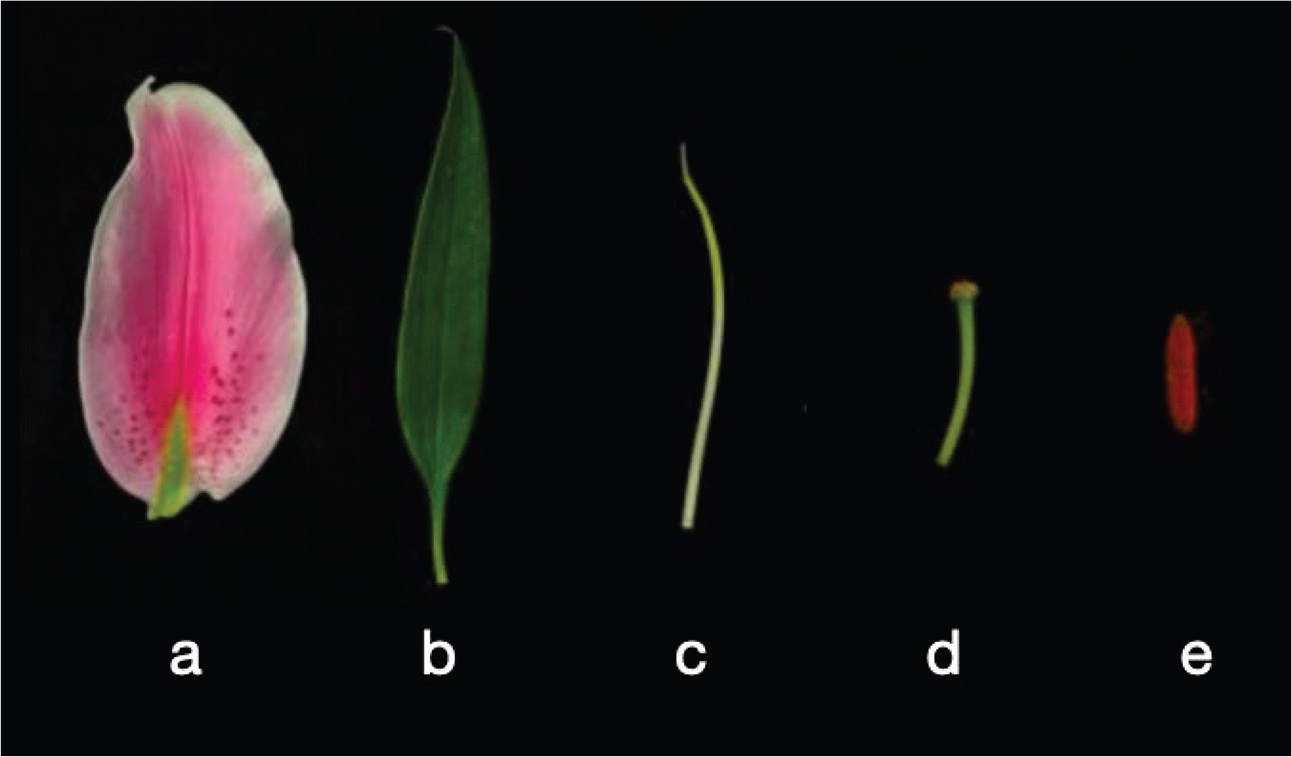
Figure 2.
Parts of the flower of L. orientalis’Sorbonne’: (A) petal, (B) leaf, (C) filament, (D) stigma and (E) anther.
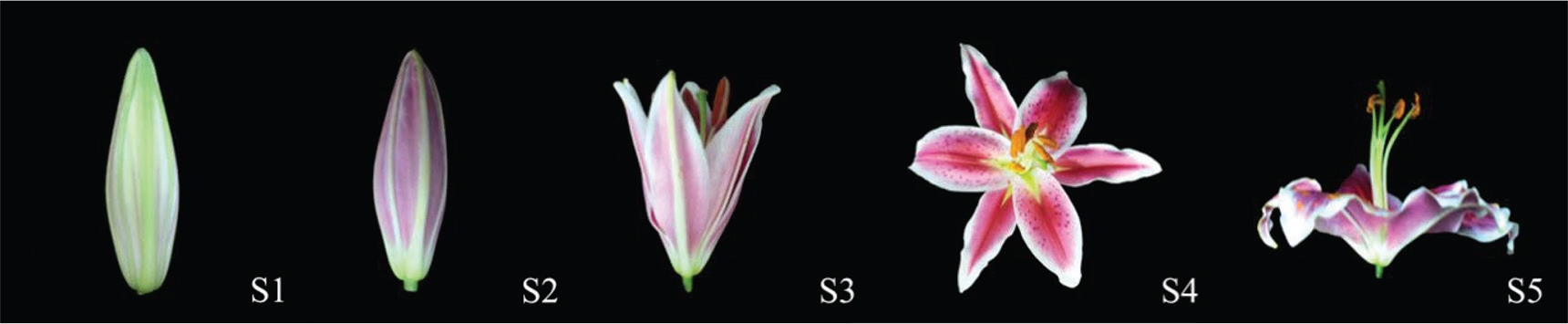
Figure 3.
L. orientalis’Sorbonne’ flower development stages: (S1) green bud stage, (S2) pink bud stage, (S3) halfopening stage, (S4) full blooming stage and (S5) decay stage.
Construction of the LiDXS2 overexpression vector
Restriction enzymes BamHI and SacI were used to cut pBI121 vector. Primers containing homologous sequences were designed, and PCR amplification was performed using pBZ-LiDXS2 plasmid as template. The reaction conditions were 98°C for 8 min, 98°C for 10 s, 60°C for 5 s, 72°C for 2 min and 15 s, 30 cycles; 72°C for 10 min. The linear vector and the inserted fragment were connected by the ClonExpress® II One Step Cloning Kit. The linear vector was mixed with the inserted fragment in a molar ratio of 1:2. The reorganisation reaction products were transformed into Escherichia coli, identified by PCR and verified by reorganised vector sequencing. The reorganised vector was named as pBI121-LiDXS2.
Plant genetic transformation and phenotypic analysis
The plant expression vector pBI121-LiDXS2 was transformed into Agrobacterium GV3101 by freezethaw method. To verify the function of LiDXS2 gene in model plants, inflorescence dipping method was used to transform Arabidopsis T0 plants by Agrobacterium, and the infected transgenic Arabidopsis T0 seeds were purified, vernalized and sterilised. They were seeded in 0.5 ms medium containing 50 mg ⋅L−1 kanamycin for antibiotic screening. RNA was extracted from the Naman Mustang T3 generation and WT and reverse-transcribed into cDNA for phenotypic analysis.
Expression analysis of flowering-related genes in LiDXS2 transgenic Arabidopsis
A total of four flowering-related genes (AtDXR, AtMCT, AtHDR, AtGPPS) were chosen, and RNA was extracted from the LiDXS2 transgenic A. thaliana and Col-0, respectively. The expression of flowering-related genes in transgenic plants and WT plants was detected. The expression of LiDXS2 and the genes related to flower formation were analysed.
RESULTS
Cloning and bioinformatics analysis of the LiDXS2 gene
The length of the LiDXS2 gene ORF area is 2142 bp, with a total of 713 amino acids (Figure 4). The protein molecular formula is C3374H5381N945O1014S32; the total number of atoms is 10746; the protein molecular weight is 76.43 kDa and the theoretical pI is 6.77. The unstable coefficient is 35.69 (<40), which is a stable protein with a fat coefficient of 88.13. The hydrophilicity and hydrophobicity of LiDXS2 protein are predicted. The total average hydrophobic index (GRAVY) is –0.086. Therefore, it is presumed that LiDXS2 protein is hydrophilic. LiDXS2 protein does not have a cross-membrane area, and hence it does not belong to cross-membrane protein. LiDXS2 protein contains an N-terminal DXP synthetic structure (DXP_ synthase_N), a TPP binding area (TPP_DXS) and a pyromylase, pyrimidine binding area (Transket_pyr), and hence LiDXS2 protein belongs to the DXS super family.
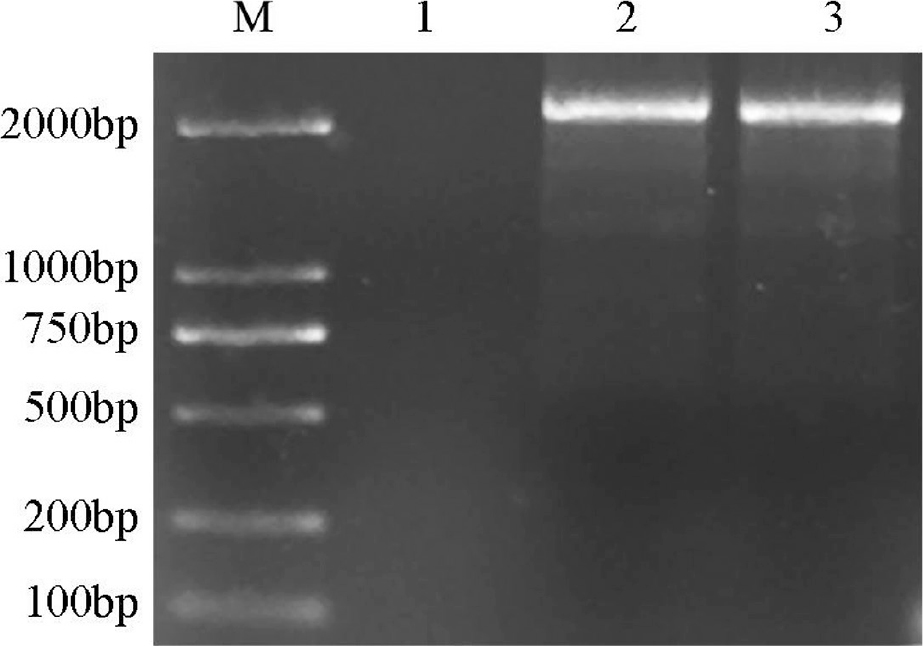
Figure 4.
Agarose gel electrophoresis of the polymerase chain reaction product. The amplification product of LiDXS2. (M) DL2000 DNA marker. (1) Negative control, (2) and (3) LiDXS2.
Homology comparison and phylogenetic tree analysis of the LiDXS2 gene
Through the online analysis of NCBI website Blastp function, the amino acid sequence encoded by LiDXS2 gene was compared with Artemisia annua, Bixa orellana, Stevia rebaudiana, Crataegus pinnatifida var. major and Catharanthus roseus. The results showed that the MEGA-X software was used to construct the phylogenetic tree of Oriental Lily LiDXS gene and other plant DXS gene (Figure 5). The similarity of DXS protein between LiDXS2 of Lily 'Sorbonne' and other five plants was more than 77%, and both contained two highly conserved regions of WDVGHQ and IAEQHA (Figure 6). The results of the system development tree show that LiDXS2 is close to the relationship between Ginkgo biloba DXS2 protein and C. roseus DXS protein, which is far-related to Populus trichocarpa DXS2 and A. thaliana DXS3.
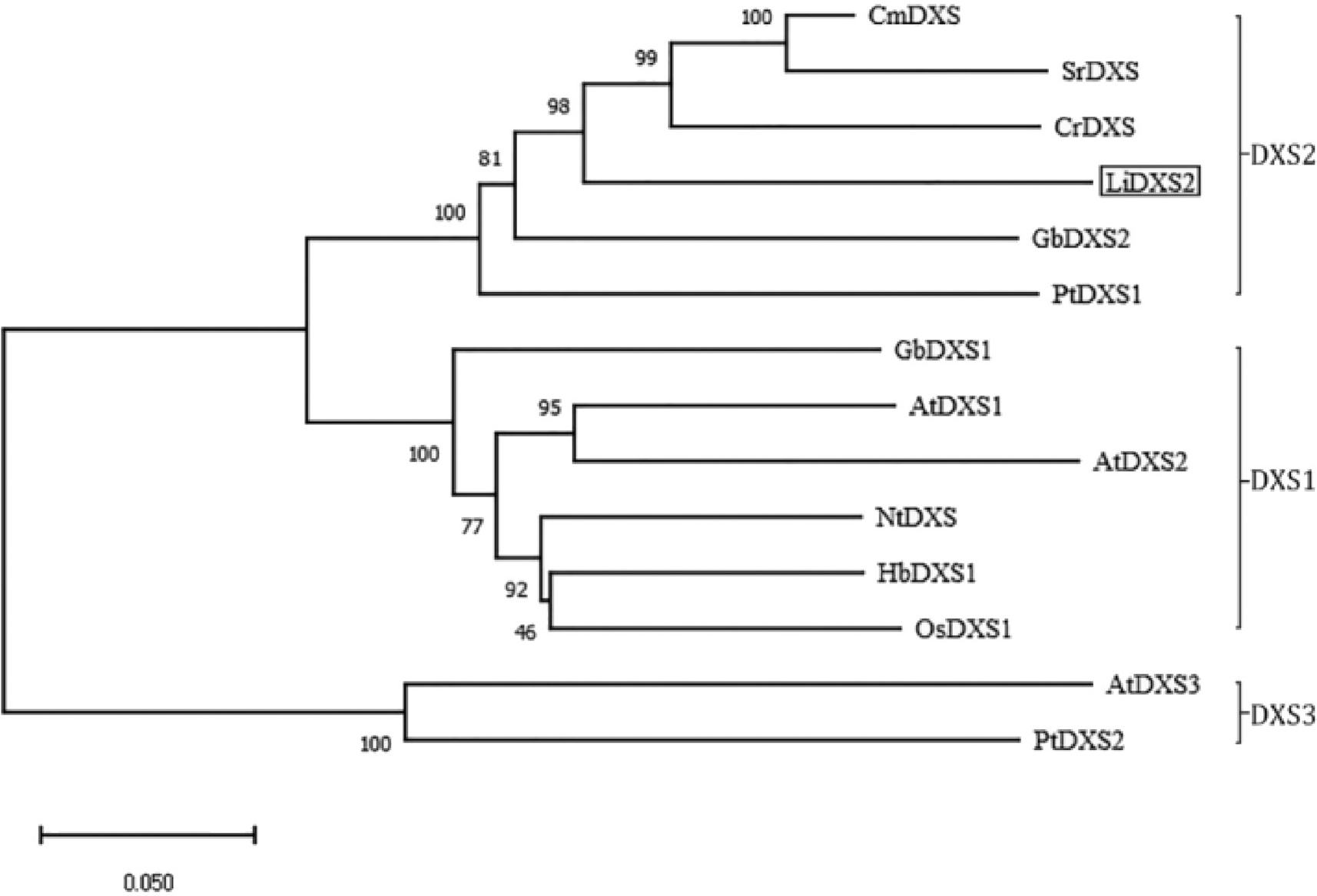
Figure 5.
Phylogenetic analysis of LiDXS2 and DXS from other plants: GbDXS1 (Ginkgo biloba DXS1, AAS89341.1); GbDXS2 (Ginkgo biloba DXS2, AAR95699.1); AtDXS1 (Arabidopsis thaliana DXS1, NP_193291.1); AtDXS2 (Arabidopsis thaliana DXS2, NP_850620.2); AtDXS3 (Arabidopsis thaliana DXS3, NP_196699.1); CmDXS (Chrysanthemum morifolium DXS, BAE79547.1); HbDXS1 (Hevea brasiliensi DXS1, AAS94123.1); CrDXS (Catharanthus roseus DXS, CAA09804.2); OsDXS1 (Oryza sativa DXS1, XP_015640505.1); OsDXS2 (Oryza sativa DXS2, XP_015642490.1); PtDXS1 (Populus trichocarpa DXS1, XP_006381844.1); PtDXS2 (Populus trichocarpa DXS2, XP_024460342.1); NtDXS (Nicotiana tabacum DXS, CBA12009.1); SrDXS (Stevia rebaudiana DXS, CAD22155.2) and AaDXS (Artemisia annua DXS, PWA87995.1).
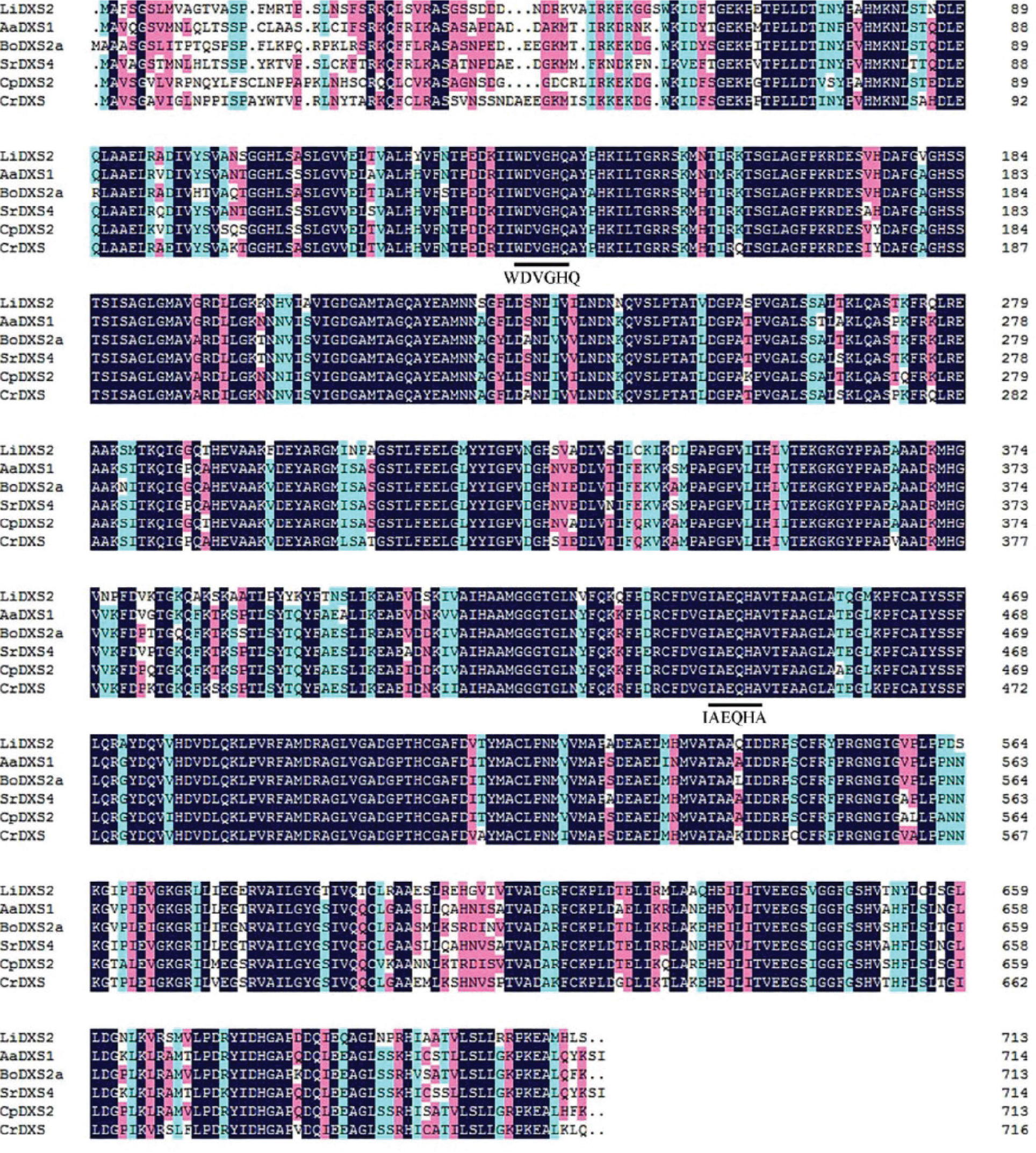
Figure 6.
Amino acid sequence homology comparison alignment of LiDXS2 and DXS from other plants: AaDXS1 (Artemisia annua DXS1, PWA87995.1); BoDXS2a (Bixa orellana DXS2a, AMJ39460.1); SrDXS (Stevia rebaudiana DXS4, ALJ30089.1); CpDXS2 (Crataegus pinnatifida var. major DXS2, ALL29183.1) and CrDXS (Catharanthus roseus DXS, CAA09804.2).
Subcellular localisation of LiDXS2
Through the laser co-focusing microscope, the fluorescent signal is observed under the excitation light at 488 nm wavelength. The air carrier of pCAMBIA1300-GFP was used as the control, and the positioning results are shown in Figure 7. The green fluorescent signal of the PCAMBIA1300-LiDXS2-GFP carrier appears only in the chloroplast, and the green fluorescent channel, chloroplast fluorescence channel and open field are opened at the same time. The GFP fluorescence signal overlaps well with the chloroplast spontaneous fluorescence signal. The results of the subcell positioning show that the 'Sorbonne' Lily LiDXS2 gene is positioned in chloroplasts.
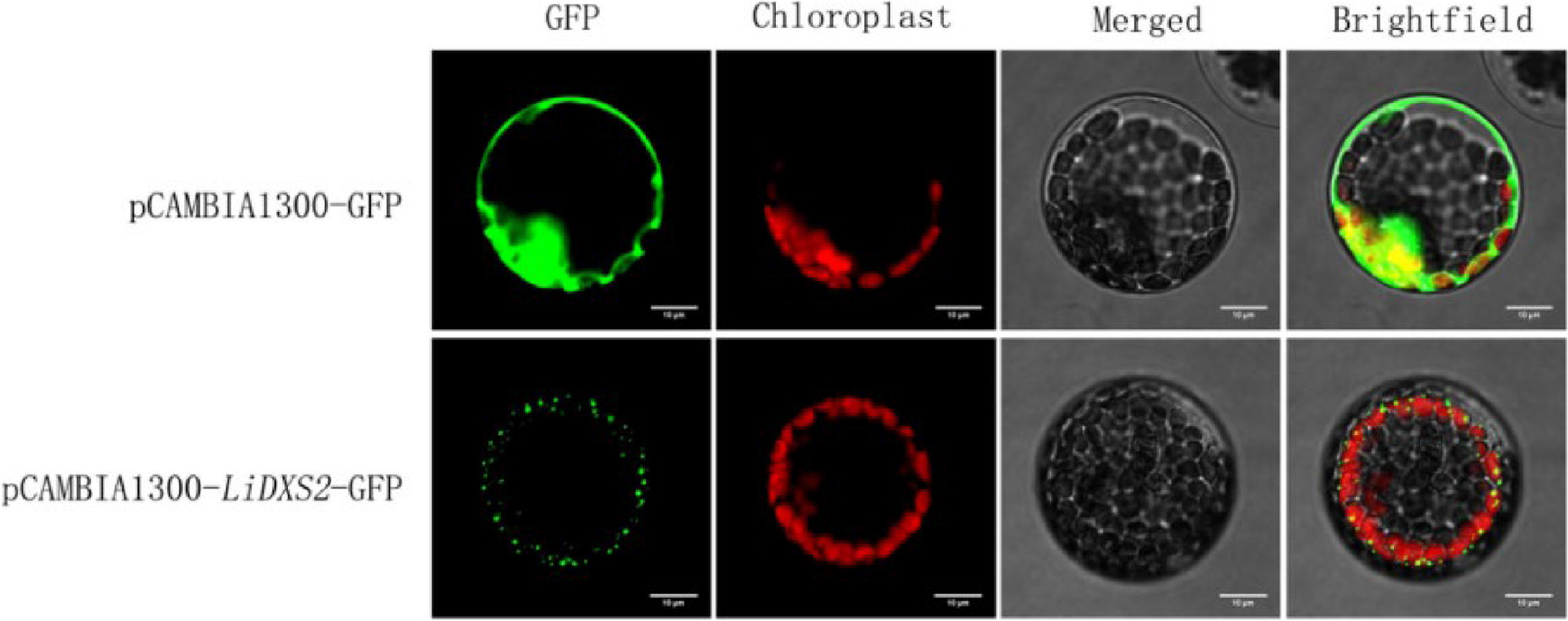
Figure 7.
Subcellular localisation of LiDXS2. The fusion proteins PCAMBIA1300-LiDXS2-GFP and PCAMBIA1300-GFP as control proteins were detected using a confocal laser scanning microscope. Bar = 10 μm.
Analysis of the LiDXS2 gene expression patterns in Lilium oriental hybrids
The expression patterns of LiDXS2 gene in different organs of lily during the blooming period of 'Sorbonne' were analysed by real-time fluorescence quantitative PCR. The expression of LiDXS2 gene was tissuespecific in the 'Sorbonne' Lily, the expression level was the highest in petals and the relative expression level was significantly higher than that in other organisations. The expression level was about 30 times higher than that in the filaments, almost no expression was observed in anthers and there were extremely significant differences among different organs (Figure 8). The results of qRT-PCR showed that the LiDXS2 gene was mainly expressed in petals, but the expression level was low in stigma, filaments, anthers and leaves.
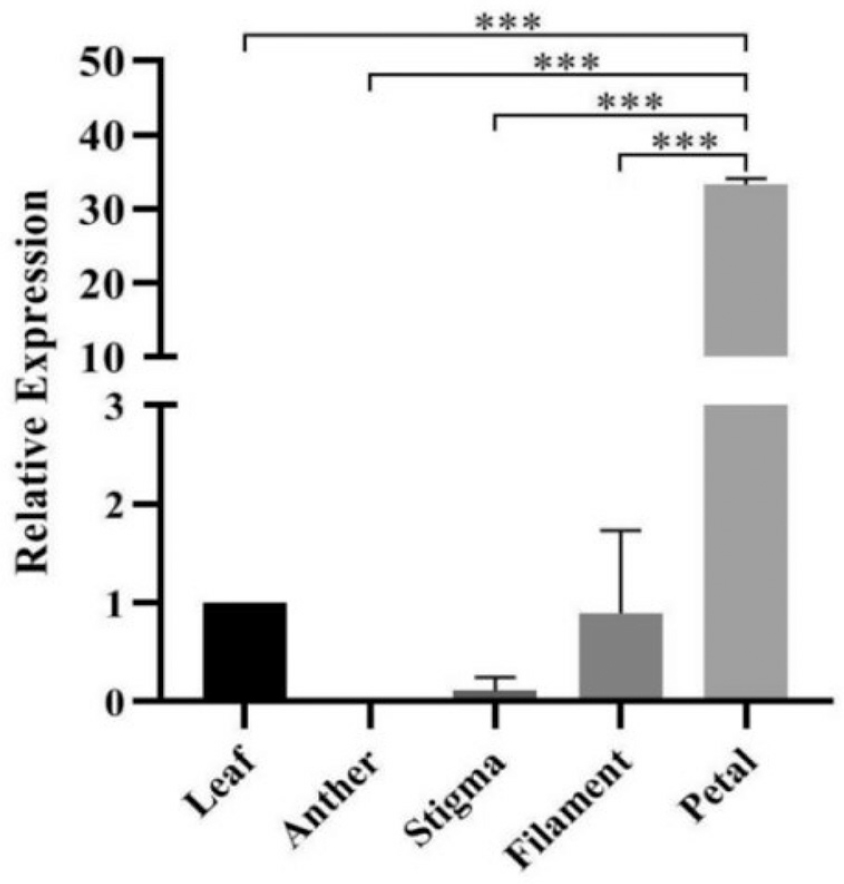
Figure 8.
Relative expression levels of LiDXS2 in different flower parts at the first full-blooming day. ***p < 0.001.
The expression level of LiDXS2 gene was also different at different flowering stages, which was significantly lower in the green bud stage than in the other four periods, and the expression volume began to increase significantly (Figure 9). The expression of the LiDXS2 gene in the blooming stage was 1.4 times higher than that of pink bud stage, 1.6 times higher than that of half-opening stage and 4 times higher than that of decay stage. The results showed that the LiDXS2 gene may play an important role in the formation of 'Sorbonne' Lily.
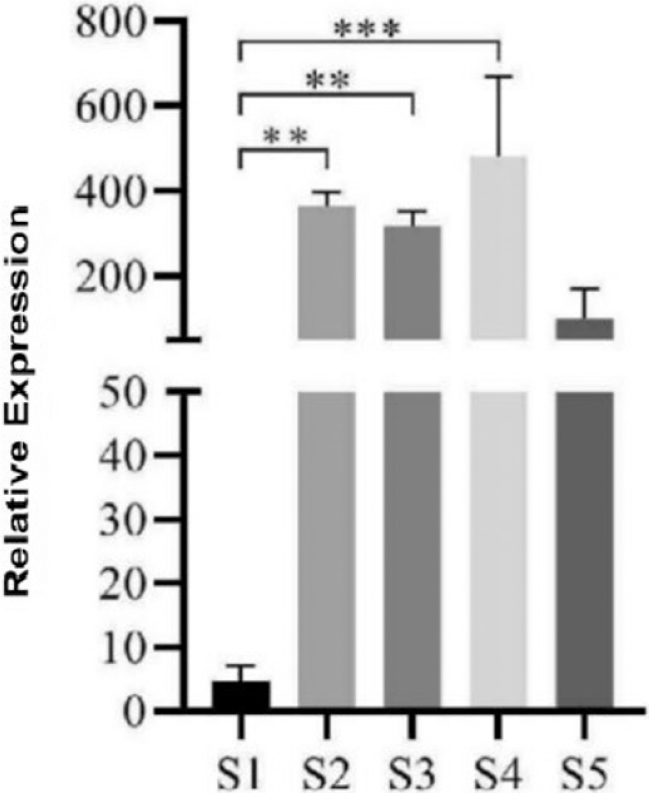
Figure 9.
Relative expression analysis of flower developmental stage of the LiDXS2 gene in the Lilium Oriental hybrids. (S1) Green bud stage, (S2) pink bud stage, (S3) half-opening stage, (S4) full blooming stage and (S5) decay stage. ***p < 0.001.
Identification and screening of LiDXS2 transgenic A. thaliana T3 generation
After receiving infected Arabidopsis seeds, transgenic Arabidopsis T0 seeds were screened on the medium containing kanamycin for two generations, and genomic DNA of wild Arabidopsis and transgenic Arabidopsis T3 were extracted and amplified with LiDXS2-specific primers. A genetically modified strain for good growth, namely, OE1, OE2 and OE3 (Figure 10A), was chosen and compared with WT. To further judge the expression level of LiDXS2 in the genetically modified plant system, RNA from the leaves of transgenic strains was further extracted for qPCR identification. The results of fluorescence quantitative PCR showed that the expression level of LiDXS2 was different in different transgenic strains, and the highest expression level was found in OE2. However, the expression levels of the three plants were different from the expression levels of AtDXS. Therefore, OE1, OE2 and OE3 were all selected for the next experiment (Figure 10B).
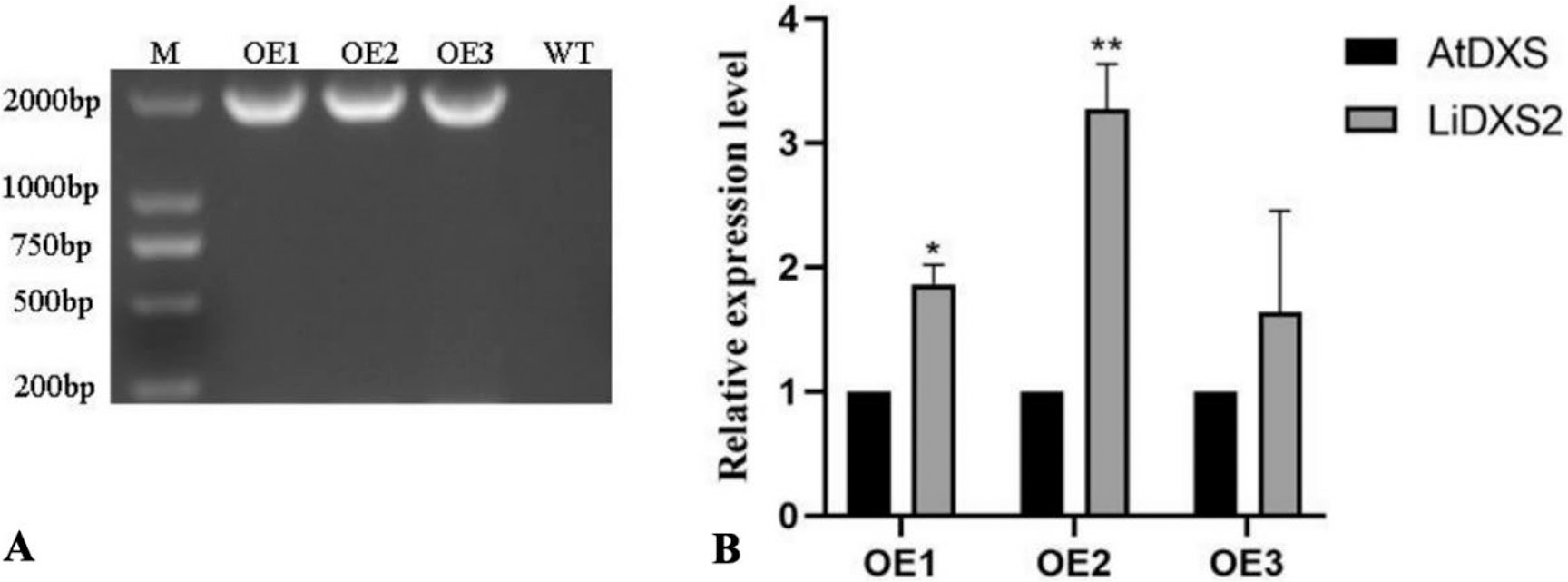
Figure 10.
Identification of transgenic A. thaliana: (A) agarose gel electrophoresis of transgenic plants; (M) DL2000 DNA marker; (OE1, OE2, OE3) expression level of LiDXS2 in transgenic plants, (B) expression level of LiDXS2 in transgenic plants.
The heterogeneous expression of LiDXS2 promotes the blooming of Arabidopsis
The T3-generation transfer gene was compared with the growth phenotype and the WT of the same conditions, mainly to observe the difference between the flowering time and the growth tendency. Compared with the WT, transgenic A. thaliana showed increased plant height and more flowers. Therefore, under the same conditions, LiDXS2 will affect the growth and development process of the plant, which will result in different plant phenotypes (Figure 11).
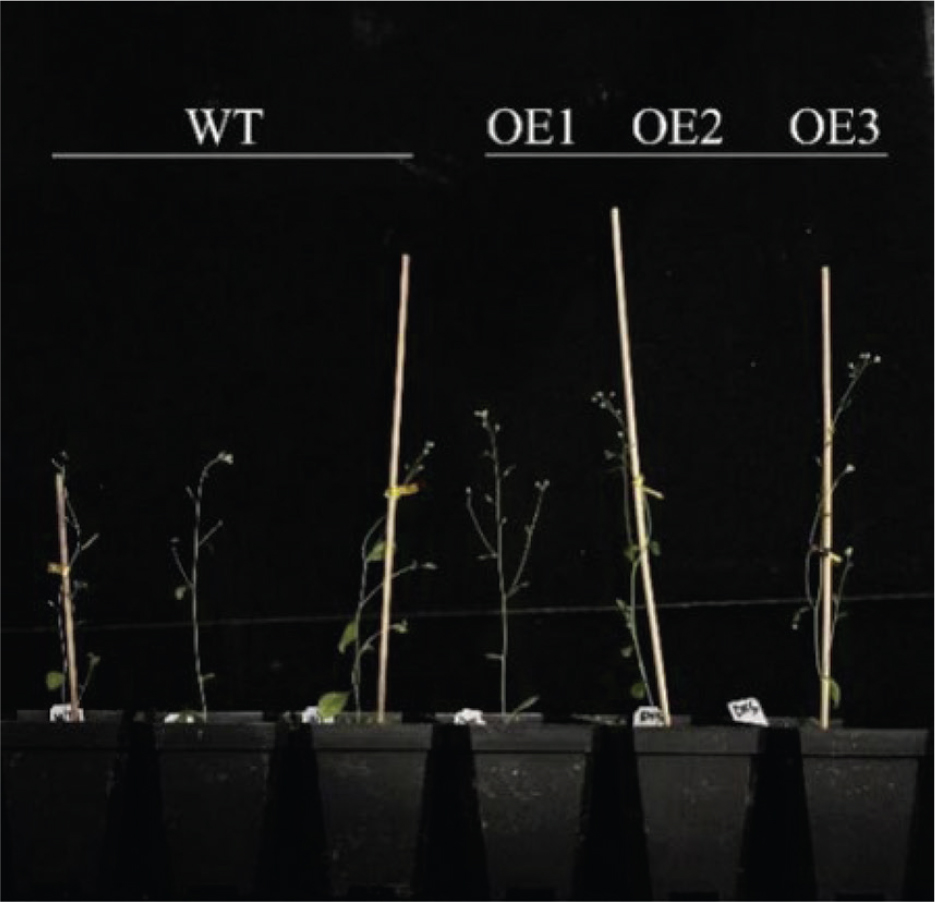
Figure 11.
Phenotype observation of T3-generation positive plants in transgenic Arabidopsis; (OE1, OE2, OE3) expression level of LiDXS2 in transgenic plants, (WT) wild type.
The expression of key genes related to flower formation in LiDXS2 transgenic plants
Since DXS is the first rate-limiting enzyme in the MEP pathway, overexpression of LiDXS2 in Arabidopsis must have an impact on the expression of other component genes in the MEP pathway. To explore its influence, the three genetic strains were selected and the expression patterns of key synthase genes downstream of DXS in the MEP pathway were analysed. The results showed that the expression levels of selected four key enzyme genes (AtDXR, AtMCT, AtHDR and AtGPPS) were raised to average, but the differences in upward increases differently, indicating that overexpression of LiDXS2 would affect the expression levels of other genes downstream of MEP. The expression level of AtHDR in the three strains was significantly different, and the highest expression level is about 2.2 times higher than that of WTs. The expression level of AtGPPS in OE1 is also about 2.3 times higher than that of WTs, but the expressions of OE2 and OE3 are not significant. AtDXR is the first key synthetase gene of AtDXS in the middle and downstream MEP pathway. The expression level of AtDXR is about 1.8 times higher than that of the WT, in which OE2 and OE1 show significant differences. The expression trend of AtMCT in transgenic lines was similar to that of AtDXR, both of which showed upregulated expression levels (Figure 12).
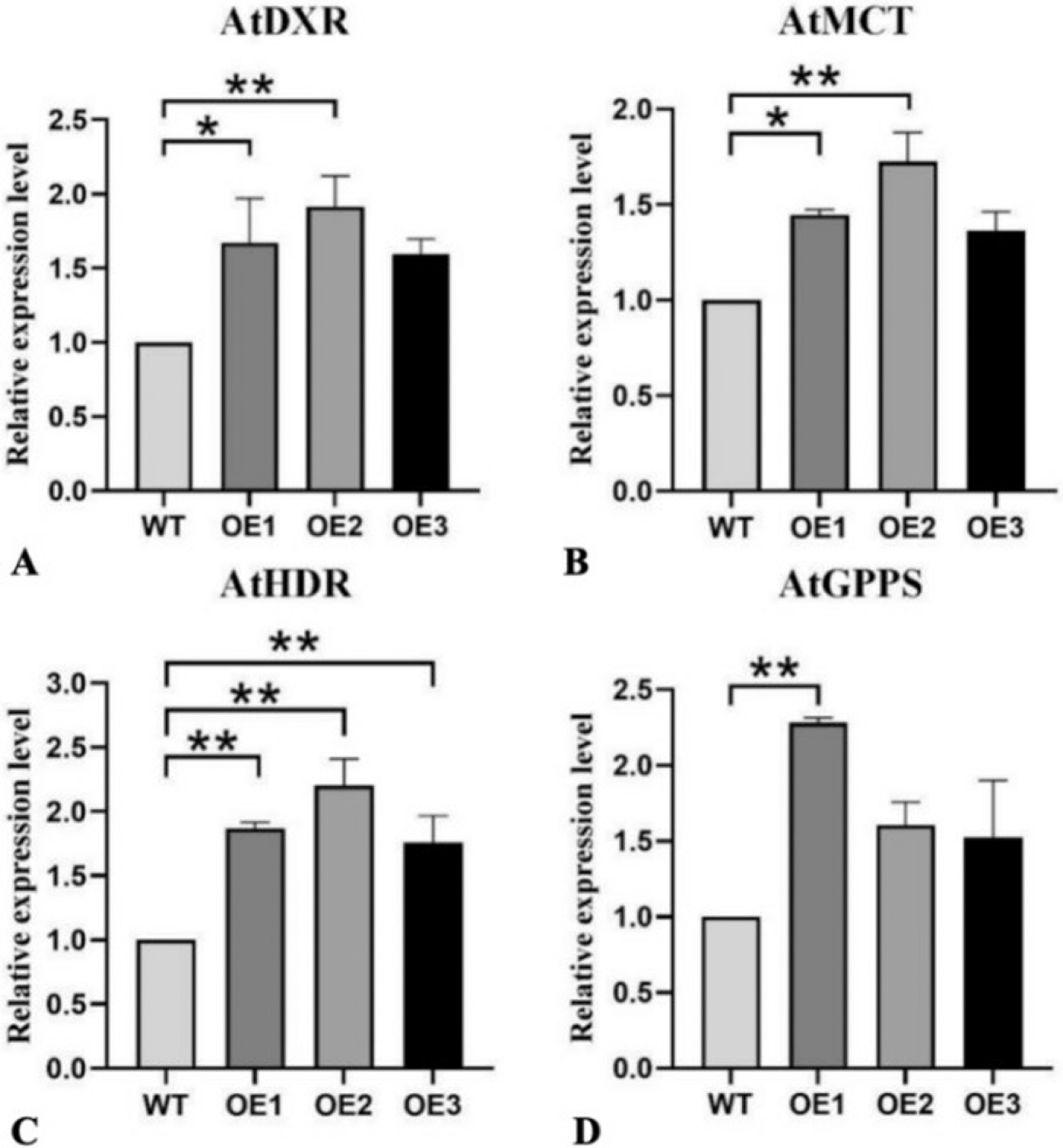
Figure 12.
Gene expression levels in transgenic A. thaliana. (A) AtDXR; (B) AtMCT; (C) AtHDR and (D) AtGPPS. The expression levels of MEP pathway-related genes in different transgenic lines were determined by qRT-PCR. A. thaliana Actin (AtActin) was used as the internal reference. (OE1, OE2, OE3) expression level of LiDXS2 in transgenic plants, (WT) wild type. The columns represent average expression values for each line and the error bars show the standard deviation of three biological replicates. The GraphPad statistical analysis was used for testing significant differences in expression levels. *p < 0.05, **p < 0.01.
In previous studies, the content of GPPS in mint young leaves was higher, so we speculated that the reason for the high content of GPPS in OE1 was that the leaves of OE1 were younger at the time of sampling (Yu et al., 2023). In addition, other experiments verified that AKGGPPS3 was induced by abscisic acid (ABA) and its expression was significantly upregulated, while the ABA content of OE2 was higher than that of OE1 and overexpression 3 (OE3). Therefore, the content of exogenous hormone ABA may also be the reason for affecting the expression level of GPPS in different transgenic A. thaliana.
Figure of metabolites of LiDXS2 transgenic A. thaliana
Compared with the WT, A. thaliana lines transformed by LiDXS2 showed early flowering and increased plant height, and the flowering time in A. thaliana was affected by the gibberellin pathway. Therefore, the contents of gibberellins (GA) and ABA in the leaves of transgenic plants were measured. The results showed that the GA content in OE2 of LiDXS2 transgenic strain was significantly increased, while ABA content was slightly decreased (Figure 13). The changes in GA and ABA contents were consistent with the expression of transgenic A. thaliana.
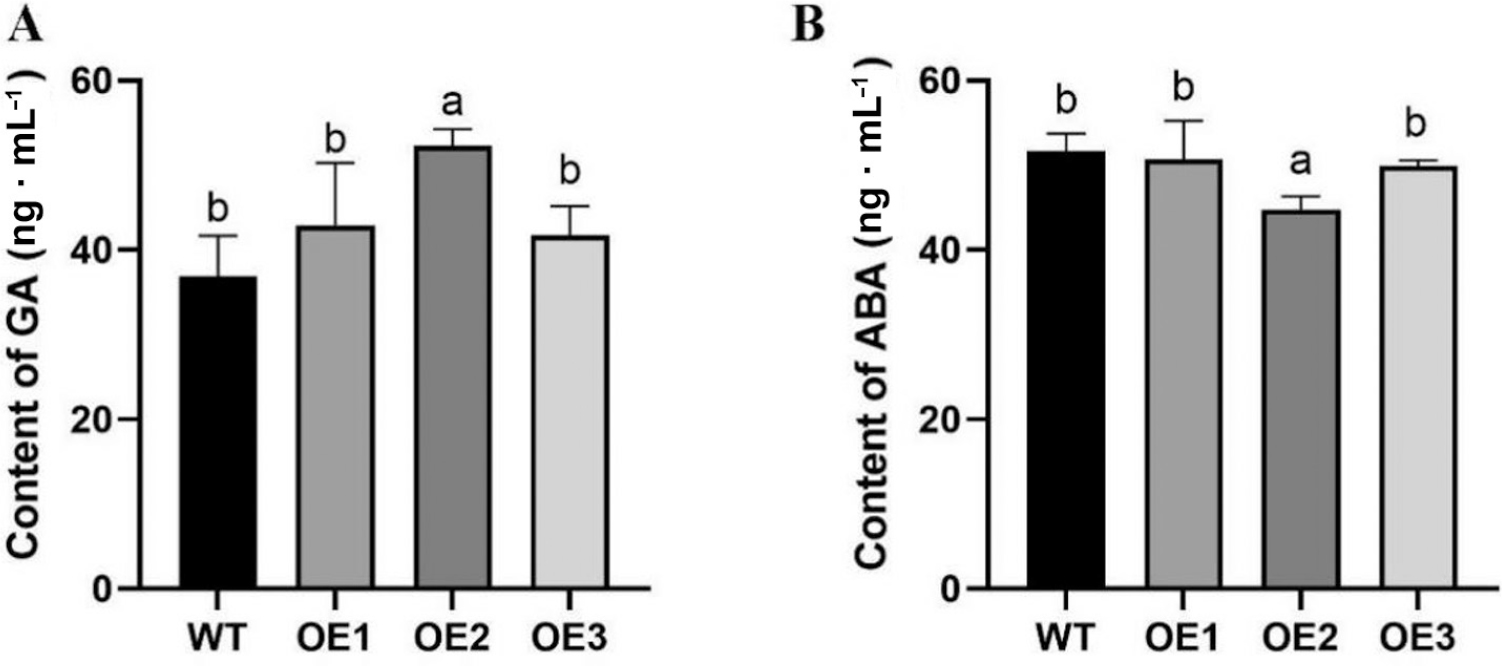
Figure 13.
Determination of ABA and GA contents in LiDXS2 transgenic Arabidopsis and WT Arabidopsis. (A) GA content of transgenic and WT of A. thaliana leaves; (B) ABA content of transgenic and WT of A. thaliana leaves. (OE1, OE2, OE3) expression level of LiDXS2 in transgenic plants, (WT) wild type. “a”: significant difference at p < 0.05.
DISCUSSION
By transferring genes into model plants and obtaining overexpressed strains, the function and effect of genes can be explored. Arabidopsis is a genetically modified material commonly used in floral plants (Zhang et al., 2022). DXS is the first rate-limiting enzyme in the MEP pathway, which plays a very important role in regulatory control in the synthesis pathway (Kong et al., 2012), and IPP and DMAPP produced by the MEP pathway are also precursors of hormone, monoterpene and diterpene biosynthesis (Hu et al., 2013). Earlier studies have studied the mutant of the DXS gene in the Arabidopsis mutant and the results show that Arabidopsis mutants showed an albino-lethal phenotype (Estévez et al., 2001). The function of the LiDXS2 gene in the Lily 'Sorbonne' is not limited to regulating the synthesis of lily mono. Therefore, in this paper, LiDXS2 transgenic nanda mustard was used as the experimental material to observe the transformation of the phenotype of the genetically modified south mustard and the changes in plant-endogenous hormone. Other potential functions in LiDXS2 in the East Lily 'Sorbonne' were also considered. The downstream gene expression in the MEP pathway in the LiDXS2-modified south mustard was first analysed. Compared with the WT, the expression levels of four key enzyme genes (AtDXR, AtMCT, AtHDR and AtGPPS) were upregulated, indicating that overexpression of LiDXS2 would increase the expression of downstream MEP pathway genes. This is similar to the research results of Zhang et al. (2020) on mulberry, where overexpression of MnDXS2A in A. thaliana affected the expression level of downstream genes of the MEP pathway in A. thaliana, which also showed an upward trend. In addition, overexpression of PtDXS gene in poplars also led to increased expression levels of key enzyme genes downstream of the PtDXS gene in the MEP pathway, and at the same time increased the salt resistance of the plant (Wei et al., 2019).
In the plant, carotenoids, chlorophyll, ABA, and GA are derived from the common pre-body fragrance leafy diphosphate (GGPP) (Moreno et al., 2016). In this study, the contents of endogenous hormones in different plants with overexpression in the LiDXS2 genes were different from those of the WT. Amasino and Michaels (2010) identified five flowering time pathways of A. thaliana: age, spontaneity, gibberers, optical cycles and chunhua. GA is a type of four-ring and two-cricket growth factor. It plays an important role in many aspects of plant development, including seed germination, stem and petiole extension, flower induction and flower organ development (Zhang et al., 2023; Li et al., 2024). The experiment also shows that the GA biological synthesis is related to the MEP pathway, that is, the higher the GA content, the earlier the flowering time (Yamaguchi and Kamiya, 2000). In this paper, the results of endogenous hormone determination in transgenic plants of LiDXS2 showed that the content of GA increased; the content of ABA decreased slightly and the phenotype showed early flowering and increased plant height. The time and space-specific studies of LiDXS2 showed that LiDXS2 was specifically expressed in petals. At the same time, the expression volume of LiDXS2 is obtained from the green bud stage to the blooming stage from the Lily 'Sorbonne' petals. This study is consistent with the results of expressed DXS genes in the Arabidopsis before. The chlorophyll, carotenoids, shed acid and gibberers in the expression of AtDXS in the AtDXS Arabidopsis have accumulated to varying degrees. The germination rate of transgenic A. thaliana is higher than that of WT A. thaliana (Qian et al., 2023).
CONCLUSIONS
In this study, the key enzyme gene DXS located at the beginning of the MEP pathway was cloned from the petals of Lily 'Sorbonne' and named LiDXS2. It is speculated that LiDXS2 plays a role in the biosynthesis of flowers, not only affecting the content of monoterpenes in lily, but also possibly affecting the physiological process of lily flower opening.
Notes
[1] Contributed by AUTHOR CONTRIBUTIONS
J.F. and J.Y. designed this project. N.W. and J.Z. carried assays and J.D. and R.F. performed data analyses. J.Y. and L.X. prepared the manuscript. J.Y. revised the manuscript.
[2] Conflicts of interest CONFLICT OF INTEREST
The authors declare no conflict of interest.