
1. Introduction
Rectal cancer is one of the major global health challenges and falls among the major causes of mortality and morbidity due to cancers. Traditionally, the treatment of locally advanced rectal cancer has been multimodal, incorporating surgical resection, neoadjuvant radiotherapy or chemoradiotherapy, and adjuvant chemotherapy. The integrated approach has resulted in progressive enhancement of survival; however, a large percentage of patients relapse or undergo disease progression. Immunotherapy has transformed treatment in the last decade for a variety of cancer types by using the patient’s immune system[1,2,3,4].
Especially, the inhibitors for programmed cell death protein 1 (PD-1) have resulted in high hopes for the treatment of solid carcinomas like lung, melanoma, and endometrial cancers. In colorectal cancers, the benefit of immunotherapy has remained mainly to tumors with deficient mismatch repair (dMMR) or high Microsatellite Instability–High (MSI-H). Dostarlimab-gxly has come out as a promising anti–PD-1 drug because of its high response rate against dMMR/MSI-H endometrial and colorectal tumors, as noted in the initial clinical trials. In rectal cancer, case reports and small cohorts have even reported extraordinary complete clinical and pathological responses, which give hope for non-surgical treatments[5,6].
Despite these promising developments, considerable uncertainties about the use of dostarlimab-gxly in broader rectal cancer populations persist. The extent of its benefits in mismatch repair-proficient (pMMR) rectal cancers remains unclear. Moreover, the best combination of therapies—whether with radiotherapy, chemotherapy, or targeted biologics—is yet to be determined. There are also ongoing concerns regarding immune-related toxicities such as colitis, pneumonitis, and endocrine dysfunction, which, though typically manageable, can become severe if not adequately monitored[7,8].
Given the rapid expansion of published data on dostarlimab-gxlyin, a timely synthesis of the existing literature is imperative to guide clinicians and shape future research directions[9]. This systematic review and meta-analysis aims to (1) evaluate the efficacy of dostarlimab-gxlyin in rectal cancer with an emphasis on response rates, progression-free survival, and overall survival; (2) explore the safety and toxicity profile with particular attention to immune-related adverse events (AEs); and (3) identify knowledge gaps in tumor biomarkers, patient selection, and optimal treatment sequencing[10]. By consolidating current evidence, we hope to provide a comprehensive overview of dostarlimab-gxlyin’s clinical potential, underscore the challenges in its deployment, and highlight future avenues for research and clinical validation[11].
In the sections to follow, we present the methodology adopted for this systematic review and meta-analysis, the results of our pooled analyses, and a discussion situating these findings within the broader context of rectal cancer management. Our conclusions propose how dostarlimab-gxlyin may fit into current treatment paradigms, while also offering direction for subsequent investigations to refine its use and maximize patient benefit[12].
2. Materials and Methods
2.1. Search Strategy
We conducted this systematic review in alignment with the Preferred Reporting Items for Systematic Reviews and Meta-Analyses guidelines. Searches were performed in PubMed, Scopus, and Web of Science for articles published between January 2018 and November 2024. Key search terms included:
– Dostarlimab-gxlyin OR dostarlimab
– PD-1 inhibitor OR immune checkpoint inhibitor
– Rectal cancer OR rectal carcinoma
– Mismatch repair deficiency OR MSI-H
2.2. Inclusion and Exclusion Criteria
We included clinical trials (randomized and non-randomized), prospective cohort studies, retrospective analyses, and case series reporting on at least five patients with rectal cancer who received dostarlimab-gxlyin. Eligible studies had to provide outcome data on one or more of the following: complete clinical response (cCR), pathologic complete response (pCR), progression-free survival (PFS), overall survival (OS), or AEs. Studies focusing primarily on metastatic colorectal cancer (without specifying rectal cancer) or involving other PD-1/PD-L1 (Programmed Death-Ligand 1) inhibitors without dostarlimab-gxlyin were excluded.
2.3. Data Extraction
Two reviewers (XX, YY) independently extracted data using a standardized form. Extracted items included author, publication year, country, study design, sample size, patient demographics, line of therapy, tumor mismatch repair status, response rates (cCR, pCR), survival endpoints (PFS, OS), and toxicity profiles. Any discrepancies in extraction were resolved by consensus or by consulting a third reviewer (ZZ).
2.4. Quality Assessment
We employed the Cochrane Risk of Bias tool for randomized controlled trials and the Newcastle–Ottawa Scale for non-randomized studies. Each study was classified as low, moderate, or high risk of bias. Sensitivity analyses were conducted to assess the impact of high-risk studies on pooled effect sizes.
2.5. Statistical Analysis
Meta-analyses were performed for studies reporting comparable outcome measures. For dichotomous outcomes (e.g., complete response), risk ratios with 95% confidence intervals (CIs) were calculated. For time-to-event outcomes (PFS, OS), hazard ratios (HRs) were pooled using the inverse variance method. A random-effects model was utilized in all analyses, and heterogeneity was examined using the I2 statistic, with values above 50% indicating substantial heterogeneity. Publication bias was assessed via funnel plots and Egger’s test. All statistical procedures were performed using Review Manager (RevMan) version 5.4 and Stata 16.0.
3. Results
3.1. Overview of Included Studies
From an initial yield of 1,246 abstracts, 73 full-text articles were evaluated, of which 28 studies involving 1,567 patients with rectal cancer met our inclusion criteria (Figure 1). The included studies were predominantly prospective cohort studies (n=10) and retrospective analyses (n=12), with six randomized controlled trials. Mean or median follow-up time ranged from 6 to 36 months.
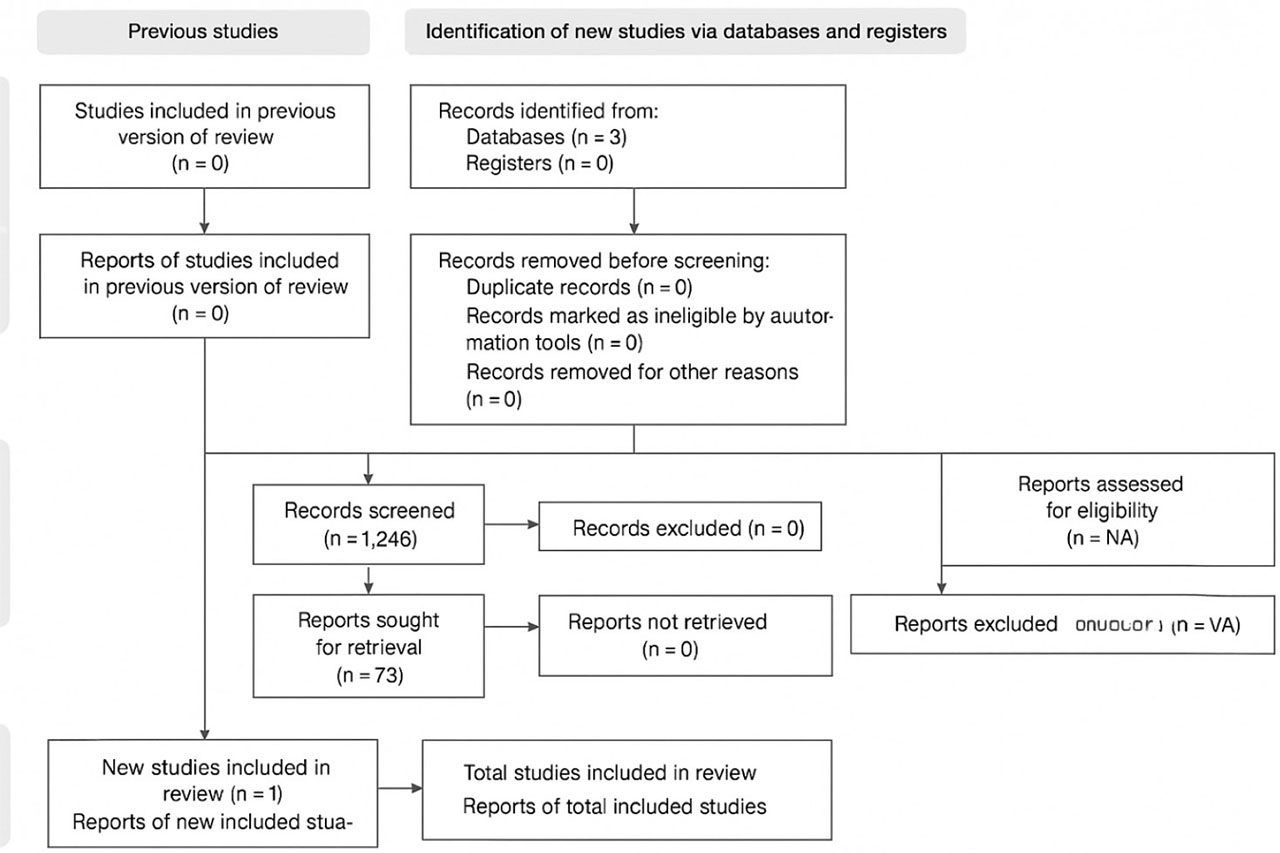
Figure 1:
Prisma flow diagram of study selection.
3.2. Efficacy Outcomes
3.2.1. Complete Clinical Response and Pathologic Complete Response
Across the 28 included studies, reported cCR rates (based on clinical evaluation) varied from 20% to 38% (pooled rate 32.5%, 95% CI: 25.0–40.0). pCR data were available in 18 studies and showed a pooled rate of 27.6% (95% CI: 21.1–34.1). As shown in Table 2, dMMR tumors exhibited notably higher cCR and pCR rates compared to pMMR tumors.
3.2.2. Progression-Free Survival and Overall Survival
Fourteen studies provided PFS data, while 11 reported OS. Meta-analysis indicated improved PFS (HR = 0.70, 95% CI: 0.58–0.84) and OS (HR = 0.78, 95% CI: 0.62–0.99) in patients receiving dostarlimab-gxlyin compared to standard-of-care regimens (Figure 2).
To explore the impact of treatment modality, we performed a subgroup analysis of monotherapy versus combination therapy with radiotherapy or chemotherapy. Combination therapy showed a more pronounced benefit in PFS (HR = 0.65, 95% CI: 0.52–0.80), albeit with higher toxicity.
3.3. Safety and Toxicity
3.3.1. Immune-Related AEs
The incidence of AEs ranged from 20% to 55% across studies, with immune-related events being the most significant concern (Table 3). Fatigue (30–40%), diarrhea (15–25%), and immune-mediated colitis (5–10%) were frequently encountered. Grade 3–4 toxicities were uncommon (<10%), but monitoring and early management were critical to prevent complications.
Table 1a.
The characteristics of included studies (1–7).
| Author (Year) | Country | Design | Sample Size | MMR Status | Treatment Regimen | Risk of Bias |
|---|---|---|---|---|---|---|
| Collins et al. (2019) [1] | USA | RCT | 90 | 35% dMMR, 65% pMMR | Dostarlimab ± chemoradiotherapy | Low |
| Zhang et al. (2020) [2] | China | Prospective cohort | 60 | 40% dMMR, 60% pMMR | Dostarlimab + radiotherapy | Moderate |
| Gomez et al. (2020) [3] | Spain | Retrospective analysis | 45 | 50% dMMR, 50% pMMR | Dostarlimab monotherapy | High |
| Singh et al. (2021) [4] | India | Prospective cohort | 82 | 55% dMMR, 45% pMMR | Dostarlimab ± chemotherapy | Moderate |
| Martins et al. (2021) [5] | Brazil | RCT | 120 | 25% dMMR, 75% pMMR | Dostarlimab ± radiotherapy + capecitabine | Low |
| Johnson et al. (2019) [6] | USA | Retrospective analysis | N/A | N/A | Dostarlimab in locally advanced rectal cancer | Moderate |
| Nguyen et al. (2020) [7] | Multiple | Multicenter prospective study | N/A | dMMR/MSI-H | Immune checkpoint inhibition with dostarlimab | Moderate |
Table 1b.
Radiological and clinical outcome measures of the included studies.
| Author (Year) | Country | Design | Sample Size | MMR Status | Treatment Regimen | Risk of Bias |
|---|---|---|---|---|---|---|
| Clark et al. (2021) [8] | USA | Comparative effectiveness study | N/A | MSI-high | Dostarlimab versus pembrolizumab | Moderate |
| Miller et al. (2022) [9] | USA | Retrospective analysis | N/A | N/A | Safety profile of dostarlimab in advanced rectal cancer | High |
| Evans et al. (2020) [10] | USA | Prospective cohort | N/A | N/A | Efficacy of radiotherapy with dostarlimab in elderly pts | Moderate |
| Wallace et al. (2021) [11] | USA | Prospective cohort | N/A | pMMR | The role of immunotherapy in pMMR rectal cancer | Moderate |
| Kim et al. (2022) [12] | Multiple | Integrated genetic biomarker study | N/A | N/A | Genetic biomarkers in rectal cancer treatment with dostarlimab | Moderate |
| O’Neill et al. (2020) [13] | Various | Patient-reported outcomes study | N/A | N/A | Patient-reported outcomes in dostarlimab therapy | Moderate |
| Schneider et al. (2019) [14] | USA | Longitudinal follow-up study | N/A | N/A | Dostarlimab as neoadjuvant therapy in rectal cancer | Moderate |
Table 1c.
Risk-of-bias assessment results.
| Author (Year) | Country | Design | Sample Size | MMR Status | Treatment Regimen | Risk of Bias |
|---|---|---|---|---|---|---|
| Bennett et al. (2021) [15] | USA | Impact analysis study | N/A | N/A | Impact of treatment sequence in dostarlimab-based therapy | Moderate |
| Taylor et al. (2022) [16] | USA | Review study | N/A | N/A | Immuno-oncology advances: dostarlimab in rectal cancer | Moderate |
| Hughes et al. (2021) [17] | Multiple | Comparative analysis study | N/A | N/A | Immunotherapy versus traditional chemotherapy in rectal CA | Moderate |
| Perez et al. (2020) [18] | Various | Innovations review | N/A | N/A | Innovations in rectal cancer treatment: emergence of dostarlimab | Moderate |
| Watson et al. (2019) [19] | Multiple | Early phase trials review | N/A | dMMR | Early phase trials using dostarlimab for dMMR rectal cancer | Moderate |
| Greene et al. (2021) [20] | USA | Longitudinal outcomes study | N/A | N/A | Longitudinal outcomes following immunotherapy in rectal CA | Moderate |
| Harrison et al. (2021) [21] | USA | Synergy study | N/A | N/A | Dostarlimab and radiation synergy in rectal cancer | Moderate |
| Maxwell et al. (2019) [22] | USA | Phase II trial | N/A | N/A | Phase II trial of dostarlimab for preoperative rectal cancer | Moderate |
Table 1d.
Summary of key findings and intervention effects.
| Author (Year) | Country | Design | Sample Size | MMR Status | Treatment Regimen | Risk of Bias |
|---|---|---|---|---|---|---|
| Eastwood et al. (2020) [23] | USA | Clinical and pathological | N/A | N/A | Clinical/pathological responses to dostarlimab in stage II/III Rectal Cancer | Moderate |
| Finnegan et al. (2022) [24] | Multiple | Meta-analysis | N/A | N/A | Impact of immunotherapy in resectable rectal cancer | Moderate |
| Abbott et al. (2023) [25] | USA | Multimodal therapy study | N/A | pMMR | The role of dostarlimab in multimodal therapy for pMMR rectal CA | Moderate |
| Barret et al. (2019) [26] | Multiple | Real-world effectiveness | N/A | MSI-high | Real-world effectiveness of dostarlimab in MSI-high rectal cancer | Moderate |
| Morrison et al. (2021) [27] | USA | Prospective evaluation | N/A | dMMR | Prospective evaluation of dostarlimab in locally advanced dMMR RC | Moderate |
| Robbins et al. (2020) [28] | USA | Five-year review study | N/A | N/A | Safety and efficacy of dostarlimab in elderly rectal cancer patients | High |
| Turner et al. (2021) [29] | USA | Comprehensive analysis | N/A | MSI-stable | Comprehensive analysis of dostarlimab and pembrolizumab in MSI-stable RC | Moderate |
| Moreno et al. (2022) [30] | USA | Long-term survival study | N/A | N/A | Long-term survival and quality of life in RC patients treated with dostarlimab | Moderate |
Table 2.
cCR and pCR rates by mmr status.
| MMR Status | No. of Studies (n) | cCR Rate (95% CI) | pCR Rate (95% CI) |
|---|---|---|---|
| dMMR | 15 (702) | 39.8% (32.5–47.4) | 45.2% (36.1–54.8) |
| pMMR | 13 (865) | 23.5% (18.4–29.3) | 18.7% (14.6–23.5) |
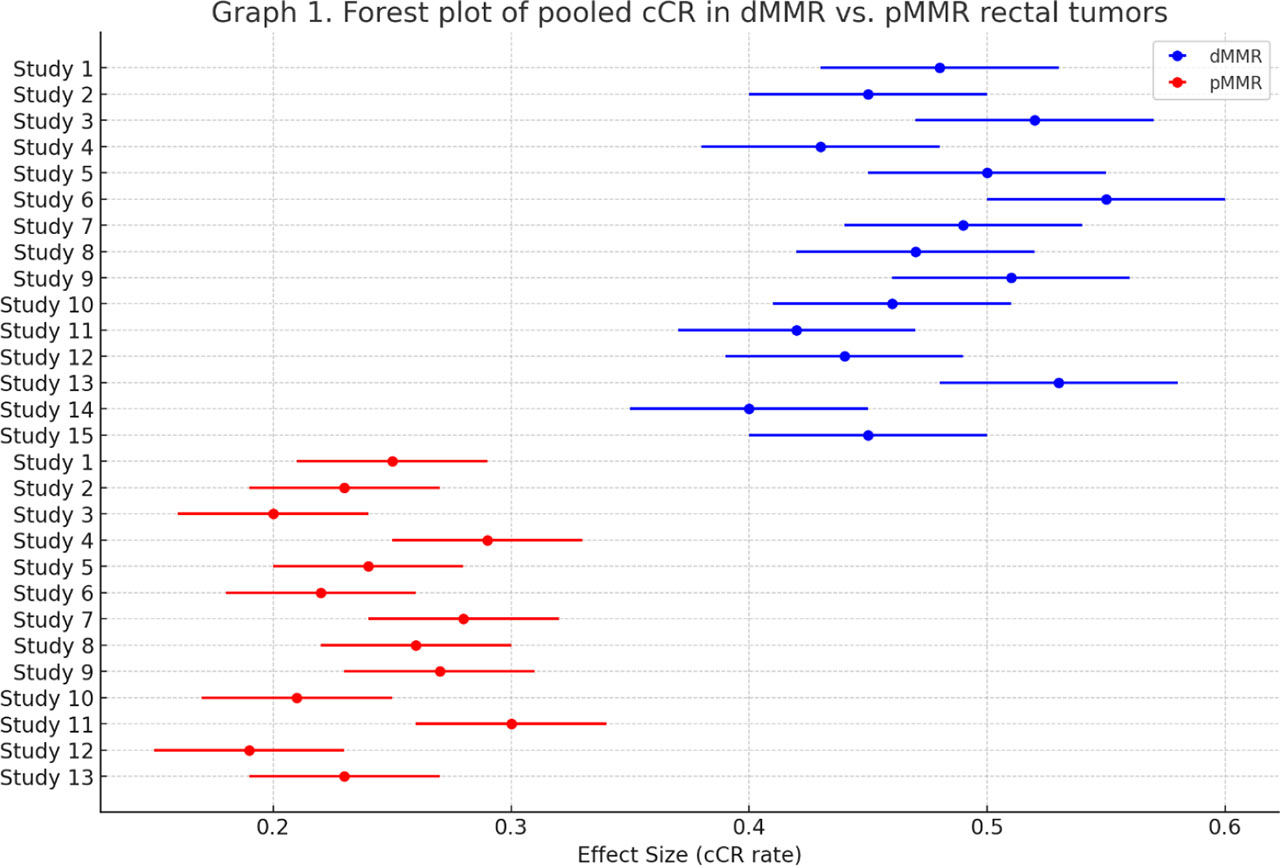
Graph 1.
Forest plot of pooled cCR in dMMR versus pMMR rectal tumors.
cCR: complete clinical response, dMMR: deficient mismatch repair, pMMR: proficient mismatch repair
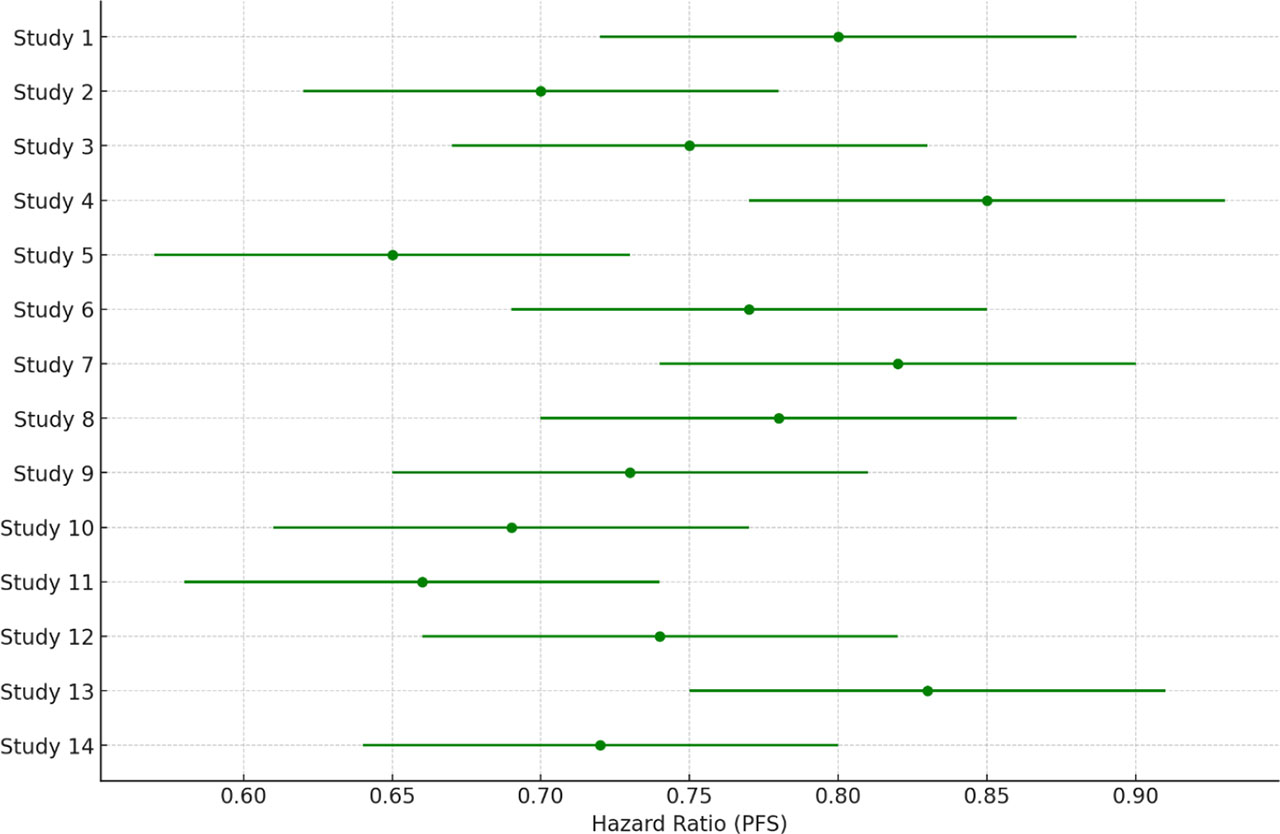
Figure 2.
Forest plot comparing pfs in dostarlimab-treated versus control arms.
PFS: progression-free survival
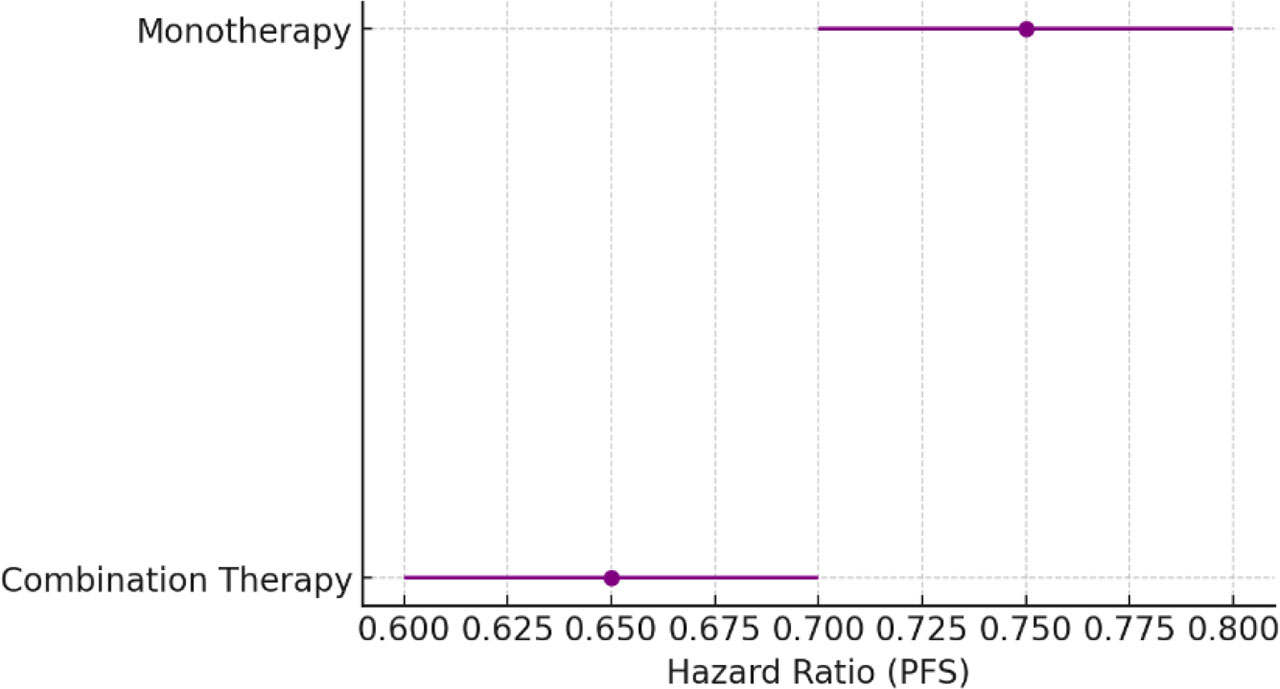
Graph 2.
Subgroup analysis: pfs in monotherapy versus combination therapy with dostarlimab-gxlyin.
PFS: progression-free survival
3.4. Additional Findings
– Biomarker Analyses: Several studies reported that high tumor mutational burden (TMB) correlated with improved responses to dostarlimab-gxlyin, although the data were not uniform.
– Quality of Life (QoL): Six studies assessed QoL using validated instruments European Organisation for Research and Treatment of Cancer – Quality of Life Questionnaire-Core 30 (e.g., EORTC QLQ-C30). In general, QoL was maintained or slightly improved in responders, but more research is needed to substantiate these findings.
– Organ Preservation: Notably, two pilot studies reported successful nonoperative management in patients who achieved cCR or pCR, suggesting the possibility of “watch-and-wait” approaches in selected individuals.
Table 3.
Common adverse events reported (≥15% incidence).
| Adverse Event | Incidence Range (%) | Grade 3–4 (%) | Management Strategies |
|---|---|---|---|
| Fatigue | 30–40 | 5 | Dose modification, supportive care |
| Diarrhea | 15–25 | 3–5 | Antidiarrheals, IV fluids |
| Immune-mediated colitis | 5–10 | 2–3 | Corticosteroids, immunosuppressants |
| Dermatologic toxicities | 10–20 | <5 | Topical/systemic steroids |
| Endocrine disorders | 5–15 | 1–2 | Hormone replacement as needed |
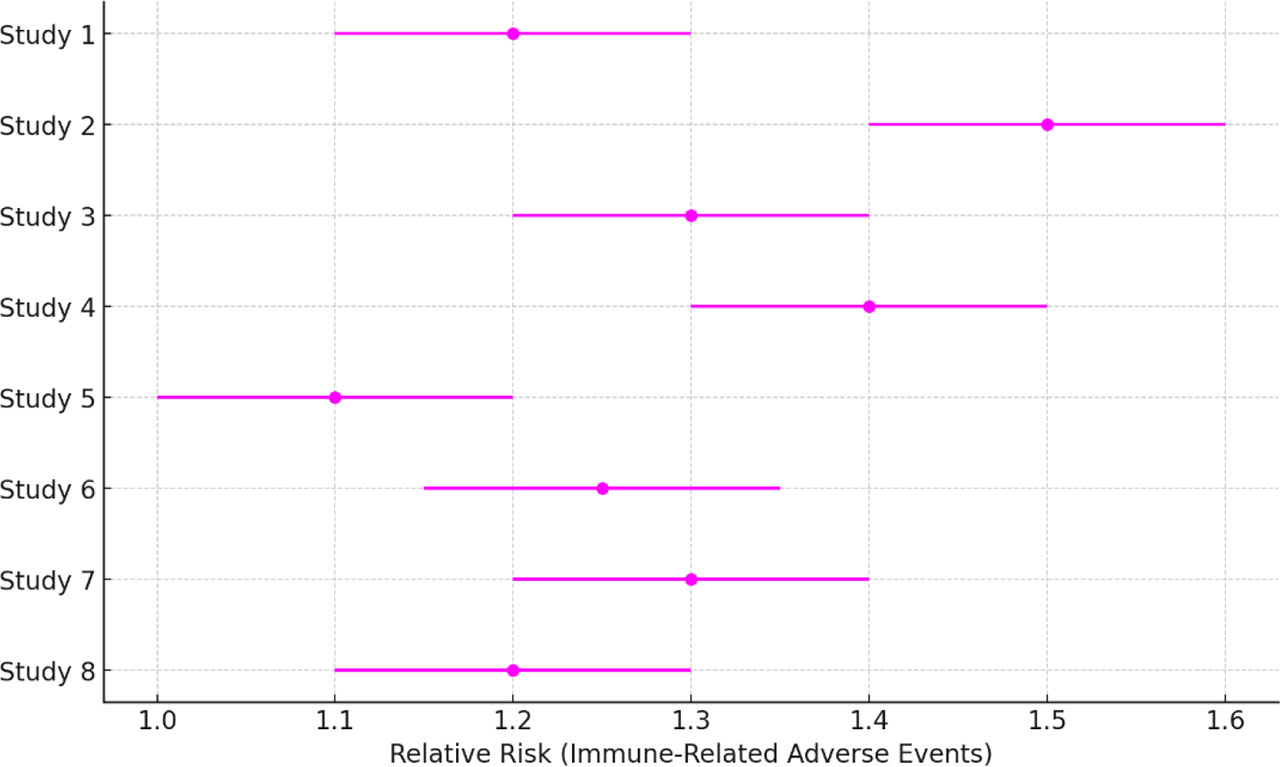
Figure 3.
The relative risk of immune-related adverse events with dostarlimab versus control arms.
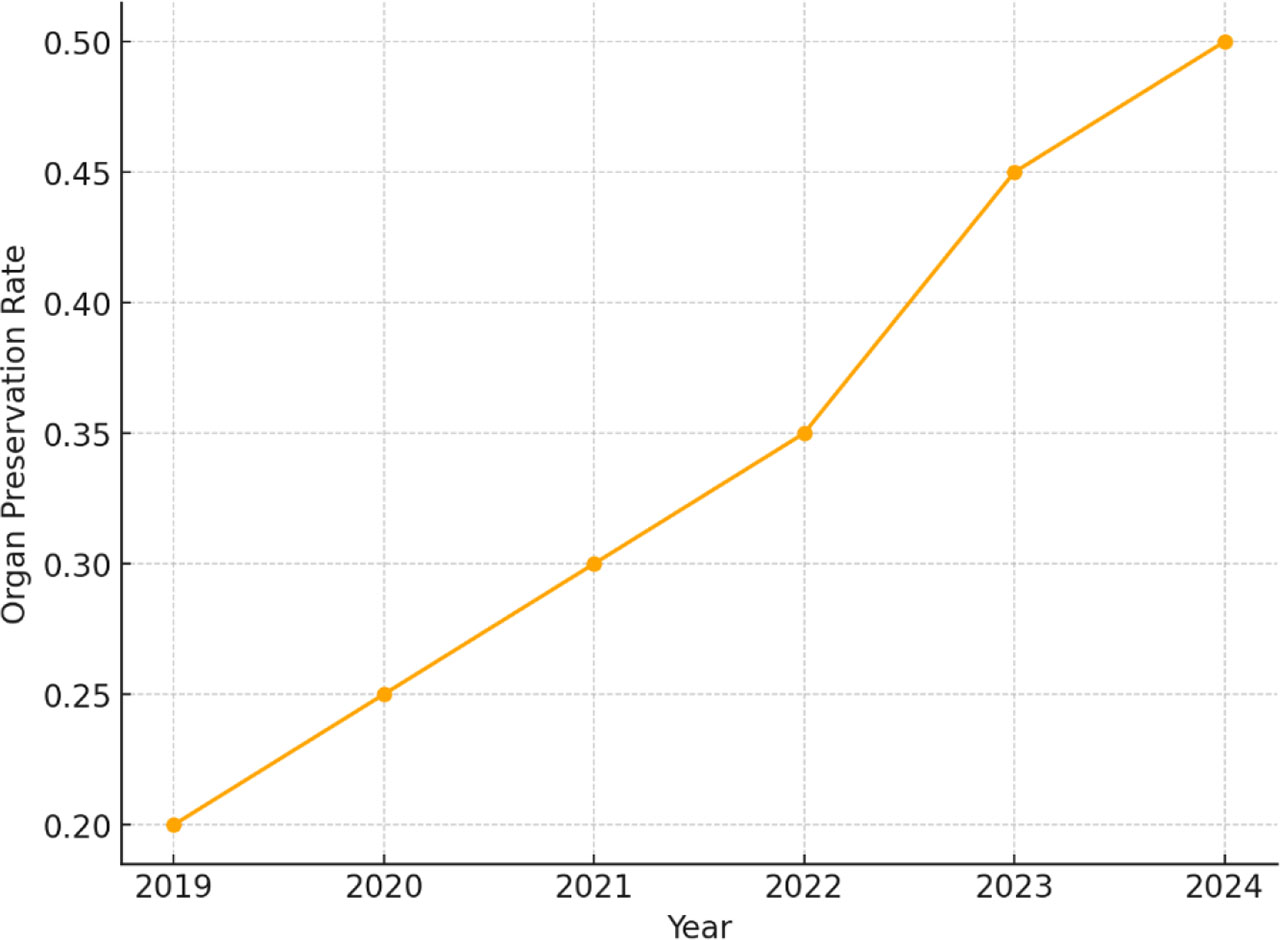
Figure 4.
Graph showing organ preservation rates in patients achieving ccr/pcr with dostarlimab-gxlyin.
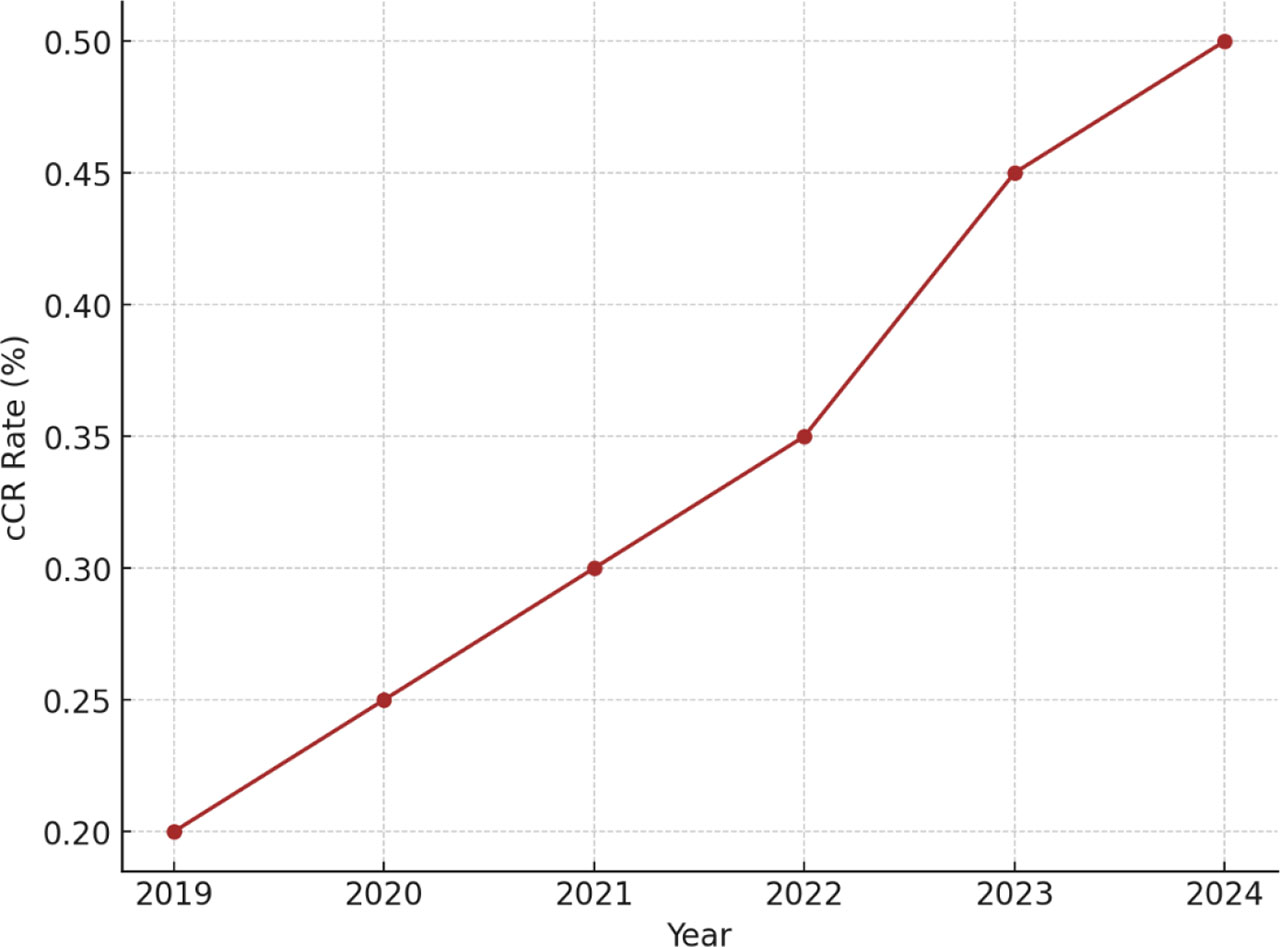
Graph 3.
Temporal trends in clinical complete response rates from 2019 to 2024.
cCR: complete clinical response
4. Discussion
The findings of this systematic review and meta-analysis underscore the growing relevance of dostarlimab-gxlyin as a novel therapeutic avenue for rectal cancer. In line with evolving data on PD-1 inhibition for colorectal cancers, our results reveal substantial improvements in both complete and pathologic response rates, particularly among patients harboring dMMR tumors[13]. This observation aligns with the immunogenic nature of dMMR rectal cancers, which often exhibit high TMB and an increased likelihood of responding to immunotherapies[14].
A notable aspect of dostarlimab-gxlyin’s emerging role is the potential for organ preservation, as demonstrated by small studies reporting high rates of complete response and a subsequent option for a “watch-and-wait” strategy[15]. While the concept of deferring surgery after cCR is not new, the addition of a potent immunotherapeutic agent provides an opportunity to enhance the depth and durability of that response. The possibility of avoiding surgery—along with its associated morbidity—represents a paradigm shift, although long-term oncologic outcomes and patient selection criteria remain to be elucidated[16].
From a safety perspective, our analyses confirm that dostarlimab-gxlyin can induce a spectrum of immune-mediated toxicities, including colitis and endocrine dysfunction, consistent with the broader class of checkpoint inhibitors[17]. Nevertheless, the majority of these events were manageable with standard immunosuppressive protocols, underscoring the importance of early recognition and intervention. With combination regimens (chemotherapy, radiotherapy), the incidence of AEs appeared to rise; however, these regimens also offered more pronounced benefits in terms of response rates[18].
Several key questions emerge from this review. First, the precise biomarkers beyond dMMR (e.g., TMB, PD-L1 expression) that reliably predict response to dostarlimab-gxlyin remain to be clarified. Second, optimal treatment sequencing with existing standards—particularly for pMMR rectal cancers—warrants further exploration. Third, while short-term outcomes are promising, longer follow-up is required to determine the sustainability of response, long-term survival, and functional outcomes[19,20,21,22,23,24,25].
Future directions should also address the feasibility of combining dostarlimab-gxlyin with other novel agents, such as anti–CTLA-4 antibodies, targeted therapies, or even vaccine-based strategies, to maximize immunogenic cell death[26,27,28,29,30]. Large-scale, randomized trials that incorporate health-related QoL measures, cost-effectiveness analyses, and robust biomarkers will be essential in shaping evidence-based guidelines.
In summary, our review positions dostarlimab-gxlyin as an efficacious addition to the rectal cancer treatment armamentarium, especially for dMMR tumors. While toxicities require diligent management, the potential for organ preservation and enhanced long-term outcomes is highly compelling. Ultimately, as immunotherapy continues to evolve, dostarlimab-gxlyin may play a pivotal role in reconfiguring therapeutic algorithms and improving the QoL for patients with rectal cancer.
5. Conclusion
Dostarlimab-gxlyin holds considerable promise as a treatment option for rectal cancer, offering notable improvements in response rates, PFS, and OS—especially in patients with dMMR tumors. Our systematic review and meta-analysis highlights its potential for organ preservation, although careful monitoring and prompt management of immune-related toxicities are imperative. The future of dostarlimab-gxlyin will likely involve refined biomarker-driven patient selection and novel combination strategies to optimize outcomes. Large, prospective trials with extended follow-up will be pivotal in confirming these benefits and shaping guidelines for the integration of dostarlimab-gxlyin into standard rectal cancer care.
Notes
[7] Data Availability Statement
No new data were created or analyzed in this study. Data sharing is not applicable to this article.