
1. Introduction
Tourism plays a vital role in fostering economic development, cultural preservation, and social cohesion at both national and regional levels (Hall, 2008; UNWTO, 2017). In Portugal, tourism has become one of the most dynamic sectors, contributing significantly to regional development and positioning the country as a leading destination within Europe (Correia Loureiro & Sarmento, 2018). However, the competitive nature of the global tourism market requires destinations—particularly smaller municipalities—to innovate in their planning, promotion, and management strategies to remain attractive and sustainable.
According to the data from the World Connectivity Report 2022, published by the International Telecommunication Union (2022), in the past 30 years, the number of Internet users has grown from a few million to nearly 5 billion. This trend has led to a digital transformation across all levels of social interaction, driving a revolution in communication and information management. Traditional resources used to obtain information, such as books and printed publications, are becoming obsolete due to the constant generation and updating of data in the virtual world. Online platforms, including social media, have become an increasingly growing source of information. Social networks and messaging platforms are still the most popular destinations on the internet, with more than 97 per cent of connected adults saying that they visit at least one social platform every month (Kepios, 2025).
Therefore, it is crucial to consider how to stay connected with real-time events and user interactions. In particular, social listening is a monitoring process that aims to listen to all conversations with coverage data from social media channels that mention the brand, customer feedback on products and services, competitors, among others. This tool consists of 4 stages: monitoring media data; collecting data; classifying, processing and analysing data; and research reports based on that data (BUZZMETRICS, 2014).
With respect to tourism, in recent years the proliferation of digital technologies has transformed the sector, reshaping how destinations are marketed and experienced (Buhalis & Law, 2008). Users are increasingly allocating more money to book transportation services such as flights, trains, and automobiles, while “#travel” ranks as the 12th most-used hashtag on Instagram, with a cumulative all-time total of 764.6 million posts, as of February 2025 (Kepios, 2025).
Social media platforms, online travel agencies (OTAs), and user-generated content (UGC) have become central to how travellers research destinations, share experiences, and influence others (Xiang & Gretzel, 2010). This vast digital ecosystem generates continuous streams of data that reflect tourists’ perceptions, preferences, and sentiments in real-time (Zeng & Gerritsen, 2014). Consequently, destination management organisations (DMOs) and policymakers have increasingly recognised the need to leverage digital data sources to inform decision-making processes (Sigala, 2018). One promising approach for harnessing this tourism data is online social listening, which involves monitoring and analysing digital conversations across platforms to extract actionable insights about public perception and engagement (He et al., 2013; Gretzel & Koo, 2021). While social listening is widely applied in the private sector, its use in tourism destination management, particularly at the municipal level, remains underexplored (Tussyadiah & Inversini, 2015).
While tourism research has widely adopted digital analytics for marketing or user engagement purposes, its integration into destination planning remains underutilised, particularly at the municipal level. This study addresses that gap by demonstrating how online social listening can help low-density destinations identify realtime perceptions and set planning priorities. The research contributes a replicable diagnostic model tailored to contexts with limited digital visibility, offering a methodological innovation that links digital engagement with evidence-based territorial planning.
1.1. Problem statement
Despite its recognised potential, the adoption of social listening for destination diagnosis has not been extensively explored. Many territories continue to rely on traditional data collection methods such as surveys, statistical reports, and feedback forms, which often provide retrospective data and may not capture real-time sentiment or emergent trends (Buhalis & Amaranggana, 2015), above all, from a tourist point of view. These limitations hinder destinations’ ability to respond quickly to changes in tourist behaviour, address reputational issues, and optimise promotional strategies.
Given the vast amount of online data generated daily, there is a need (and an opportunity) for destinations to adopt more agile, data-driven approaches to develop more accurate destination planning (or planning reviews). Social listening tools offer an opportunity to access realtime information on tourists’ perceptions, experiences, and preferences (Mariani et al., 2016).
1.2. Research aim and objectives
The aim of this study is to explore the application of online social listening as an innovative digital tool for diagnosing tourism destinations, with the goal of enhancing evidence-based planning processes. By applying social listening techniques to two Portuguese municipalities—Amarante and Caminha—this research evaluates how these tools can provide valuable insights into tourists’ perceptions, sentiment trends, and the digital visibility of destinations.
The specific objectives of this study are as follows:
– evaluate the social listening tool in a practical context using two municipalities in North Portugal: Amarante and Caminha.
– Analyse the volume, sentiment, and thematic focus of online mentions related to these municipalities across different digital platforms.
– assess the effectiveness of different social listening scenarios and data filtering techniques in producing actionable insights for tourism destination planning.
– provide strategic recommendations for integrating social listening insights into municipal tourism planning and decision-making processes.
1.3. Research questions
To achieve these objectives, the study seeks to answer the following research questions:
– What types of insights can social listening tools reveal about tourists’ perceptions and sentiments toward these destinations?
– How can social listening data be effectively integrated into tourism planning strategies?
– How are the online reputation and digital visibility of Amarante and Caminha shaped by user-generated content and digital conversations?
1.4. Significance of the study
This research contributes to the growing body of literature on digital transformation in tourism management by addressing the underutilization of social listening tools in (especially, municipal) tourism planning (Sigala, 2017; Gretzel & Koo, 2021). While social listening has been applied in large-scale destination marketing efforts and by multi-national tourism organisations (Tussyadiah & Inversini, 2015; Zeng & Gerritsen, 2014), its application at the micro or small-destination level remains largely unexplored.
By focusing on the municipalities of Amarante and Caminha, this study demonstrates the potential of social listening tools to provide timely and relevant data for smaller destinations. These insights can support more responsive, evidence-based policy and strategy development, helping municipalities enhance their destination appeal, strengthen their digital reputation, and promote sustainable tourism growth (Del Chiappa & Baggio, 2015).
For policymakers, destination managers, and tourism stakeholders, the findings offer practical guidance on incorporating social listening into ongoing planning and monitoring. This research contributes specifically to the planning phase—understood as the anticipatory and strategic design of tourism development—rather than to tourism management, which refers to operational execution. However, it is important to take into consideration the integration of digital tools and data analytics into destination management practices to better align with contemporary traveller behaviours and preferences (Pantano & Pizzi, 2020).
1.5. Structure of the paper
The remainder of this paper is structured as follows:
– Section 2 reviews the existing literature on tourism destination planning, digital transformation in tourism, and the role of social listening in tourism.
– Section 3 describes the research design, data collection methods, and the social listening tools employed in the analysis of Amarante and Caminha.
– Section 4 presents and interprets the findings of the social listening analysis, comparing the digital presence and sentiment associated with each municipality.
– Finally, section 5 summarises the study’s key conclusions, discusses limitations, and provides recommendations for future research and practical application of social listening in tourism destination planning.
2. Literature review
2.1. Tourism destination planning and management
Effective tourism destination planning plays a critical role in ensuring the sustainable development of tourist areas. According to Ritchie and Crouch (2003), destination competitiveness and sustainability depend on comprehensive planning strategies that balance economic, environmental, and sociocultural dimensions. Traditionally, tourism planning has relied on quantitative data such as visitor numbers, surveys, and economic impact studies (Hall, 2008). However, these methods often struggle to capture the dynamic and subjective experiences of tourists, particularly in real-time (Gretzel et al., 2006).
Oliveira & Panyik (2015) have already demonstrated, for Portugal, that content generated by tourists is likely to generate brand value if integrated into the destination branding strategy. By taking Portugal as a case study, these authors performed exploratory research and showed how the content analysis can be used to identify and understand the way tourists and travellers perceive the country as a tourist destination.
Portugal has invested significantly in developing sustainable tourism strategies, aligning with global initiatives such as the UNWTO’s Sustainable Development Goals (UNWTO, 2017). Despite this, and at a smaller territorial level, literature also reveals that many smaller municipalities face challenges in accessing timely data to inform destination management and promotion strategies (Buhalis & Amaranggana, 2015).
This study draws on foundational models of tourism planning such as Butler’s Tourism Area Life Cycle (See Figure 1) (TALC) and principles of adaptive tourism governance.
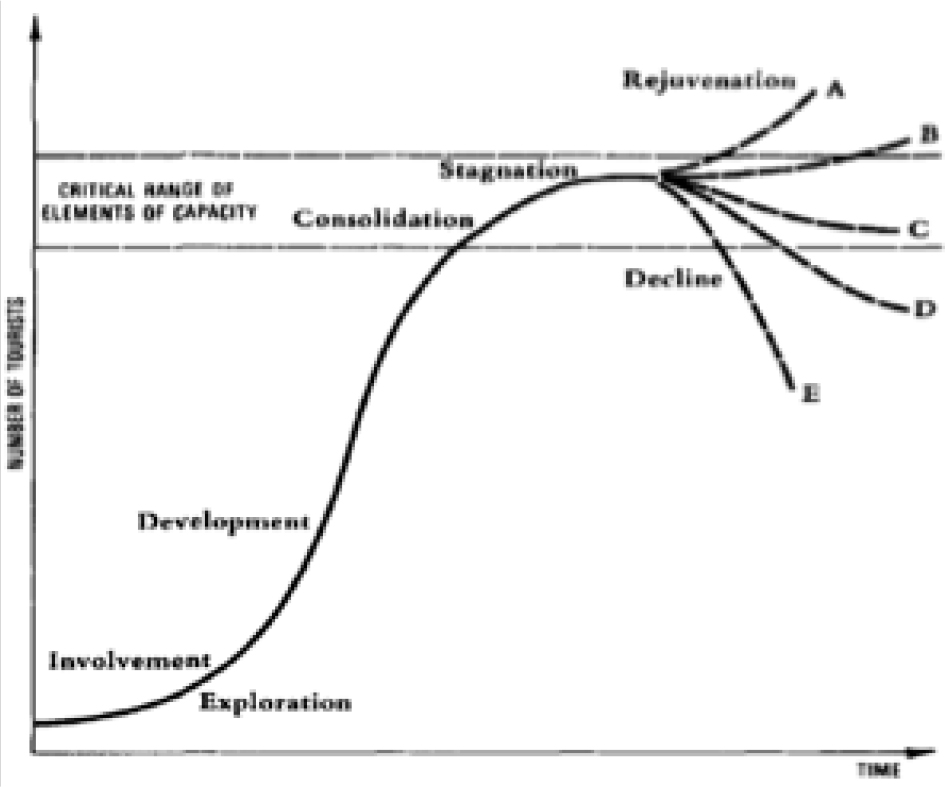
Figure 1:
A Tourism Area Cycle of Evolution
Source: Richard Butler’s Tourism Area Life Cycle Model (Butler, 1980, p.7)
These are complemented by smart tourism destination frameworks (Gretzel et al., 2015), which emphasise the role of digital infrastructure and user-generated data in shaping strategic planning. Our work bridges these theoretical frameworks with digital monitoring techniques, proposing a model of destination intelligence based on real-time data mining and perception tracking.
2.2. Digital transformation in tourism
The fast growth of digital technologies has transformed the tourism sector. Online platforms, particularly social media, have become essential tools for tourists to share experiences and influence others (Xiang & Gretzel, 2010). This digital transformation offers new opportunities for destination management organisations (DMOs) to understand tourist perceptions and behaviours more deeply (Sigala, 2018).
As researched by several authors (Chernega et al, 2023; Chernega, 2022; Raun et al, 2016), digital tools and services are used in the administration at different levels for strategic and operational management of tourism activity for the promotion of tourism products. As Buhalis and Law (2008) emphasise, the emergence of digital ecosystems in tourism has led to increased transparency and accountability, requiring destinations to actively manage their online presence. Digital marketing, user-generated content (UGC), and online reputation management are now integral components of destination competitiveness (Fotis et al., 2012).
2.3. Social listening and tourism insights
Social listening is an advanced method of tracking and analysing online conversations to extract insights about public perception and sentiment (He et al., 2013). In the context of tourism, social listening enables DMOs to monitor discussions about destinations, attractions, and visitor experiences across various digital channels (Zeng & Gerritsen, 2014).
Unlike traditional survey methods, social listening provides real-time, unsolicited feedback, offering a more authentic and immediate understanding of visitor sentiments (Mariani et al., 2016). This capability allows tourism stakeholders to detect emerging trends, assess the effectiveness of promotional campaigns, and identify areas for service improvement (Leung et al., 2013).
For Portuguese municipalities, where budget constraints often limit traditional research methods, social listening presents an accessible and cost-effective alternative (Del Chiappa & Baggio, 2015). Studies have shown, in general, that leveraging digital tools like social listening can enhance data-driven decision-making, supporting more targeted and sustainable tourism strategies (Gretzel & Koo, 2021).
2.4. Applications of social listening in tourism destination management
The practical application of social listening in tourism management has gained traction in recent years. Sprinklr, Brandwatch, and Talkwalker are among the tools that allow DMOs to collect and analyse vast amounts of online data (Fader & Winer, 2012). These platforms facilitate sentiment analysis, keyword tracking, and influencer identification, helping destinations understand their digital reputation and visitor expectations (Pantano & Pizzi, 2020).
Case studies have demonstrated the value of social listening in destination management. For example, a study by Tussyadiah and Inversini (2015) revealed how analysing online reviews and social media mentions could provide actionable insights into service quality and visitor satisfaction. Similarly, Sigala (2017) highlights how data extracted from online platforms can contribute to the co-creation of destination value by involving stakeholders in decision-making processes.
In Portugal, the use of social listening remains relatively underexplored at the municipal level, with most initiatives concentrated in larger cities or national tourism boards (Correia Loureiro & Sarmento, 2018). This study addresses this gap by applying social listening techniques in smaller municipalities such as Amarante and Caminha, offering a scalable model for other destinations seeking to enhance their digital strategies.
Both municipalities selected for this study can be appropriately categorized under the Involvement stage of Butler’s (1980) Tourism Area Life Cycle model. At this stage, the destination begins to experience a consistent influx of visitors, prompting local residents to engage more actively by providing basic facilities and services. As Butler describes, this stage is characterised by the emergence of a preliminary market area, initial promotional activities to attract more tourists, and early organisational efforts surrounding travel logistics. Moreover, public agencies and local governments often begin receiving pressure to improve infrastructure and transportation options (Butler, 1980, p.7).
This classification is pivotal to the rationale behind the methodological approach proposed in this paper. Destinations in the Involvement stage often lack robust data infrastructure or formal tourism intelligence systems, which poses challenges for traditional forms of tourism planning. Consequently, scalable and flexible methodologies—such as the one applied in this research—are particularly suitable, as they allow for data-informed decision-making even in early-stage tourism development contexts where empirical information remains limited.
2.5. Challenges and ethical considerations
Despite its advantages, social listening raises ethical concerns related to privacy and data protection (Kaplan & Haenlein, 2010). It is essential for Destination Management Organisations (DMOs) to ensure compliance with data privacy regulations, such as the European Union’s General Data Protection Regulation (GDPR), when collecting and analysing online data (Moreno et al., 2013). Furthermore, interpreting social listening data requires careful consideration to avoid bias and misrepresentation of public sentiment (Gretzel et al., 2015).
3. Methodology
3.1. Research design
This study adopts a qualitative and exploratory research design aimed at evaluating the application of social listening tools for diagnosing tourism destinations. Given the innovative nature of social listening in tourism planning— especially at the municipal level in Portugal—an exploratory approach is appropriate to gain insights into how these tools can be applied in practice (Creswell & Creswell, 2018). The research focuses on two case studies: the municipalities of Amarante and Caminha, both located in Portugal. These municipalities were selected based on their distinct tourism offerings, digital presence, and data availability.
3.2. Research approach
The research employs a case study approach, enabling in-depth analysis of the specific contexts of the two municipalities (Yin, 2014). This approach facilitates a comprehensive understanding of how social listening tools can capture tourists’ perceptions and sentiment trends in different municipal settings.
Justification for Case Study Selection: Amarante and Caminha represent small to medium-sized municipalities with different levels of digital visibility and tourism development. They serve as relevant examples for testing the scalability and effectiveness of social listening tools in destination planning. Amarante is recognised for its cultural heritage and proximity to Porto, while Caminha is a coastal municipality known for its natural landscapes and cross-border tourism with Spain; therefore, it is also different in terms of supply of tourist resources, length of stay, type of demand, etc.
3.3. Data Collection Tools
Among the leading tools available as of 2025 are Brandwatch, Meltwater, Sprout Social, Hootsuite Insights, Talkwalker, and Sprinklr, each offering distinct advantages depending on the user’s needs and technical capacity.
Two leading social listening platforms were utilised to gather and analyse online data:
– Meltwater: An advanced social listening and analytics platform that monitors online conversations across multiple channels, including social media, blogs, news websites, and forums. It is strong at combining news media monitoring with social listening, offering robust solutions for organisations focused on public relations and corporate communication.
– Sprinklr: A customer experience management platform that provides social listening capabilities and allows for detailed sentiment and trend analysis across digital touchpoints. Sprinklr is designed for very large organisations that want to unify social listening, customer service, marketing, and sales into one platform. Its AI capabilities are very strong, especially for real-time consumer feedback, brand reputation tracking, and customer intent prediction.
These tools were selected for their robust data collection capabilities, sentiment analysis functions, and their ability to filter and categorise mentions based on customised criteria (He et al., 2013; Mariani et al., 2016).
The selection of Meltwater and Sprinklr for the present study responds specifically to their extensive coverage—encompassing news media, social networks, blogs, and forums—and their strong focus on social listening and sentiment analysis capabilities. This combination ensured access to a wide and diversified range of digital conversations while maintaining the depth required to extract actionable tourism-specific insights. Their complementary strengths enabled a robust and strategic interpretation of online narratives, aligning with the objectives of accurate diagnosis of destination reputation and tourism planning.
In what concerns data sources, data was collected from publicly accessible digital platforms, including:
Social media channels (Twitter, Pinterest)
News websites
Blogs and forums
Online media outlets
Due to privacy restrictions and platform access limitations, data from Facebook, Instagram, and TripAdvisor were not included in this analysis. These limitations were noted, as they impacted the breadth of data coverage (Kaplan & Haenlein, 2010).
Data collection focused on mentions and discussions that occurred between January 1, 2022, and December 31, 2022. The analysis covered four different search scenarios for each municipality to ensure a comprehensive examination of the data:
Location-Specific Search: Adding geographical identifiers (e.g., “Amarante, Portugal”) to minimise irrelevant mentions
Filtered Search: Applying data-mining techniques to exclude unrelated mentions, such as references to homonymous places or individuals
Tourism-Focused Search: Including tourism-related keywords (e.g., “travel”, “tourism”, “accommodation”) to isolate discussions directly related to tourism
Combined/cross-refined search: using the relevant location, exclusion, and tourism filters
3.4. Data analysis procedures
The collected data was analysed based on the following indicators, aligned with methodologies proposed in previous studies (Zeng & Gerritsen, 2014; Gretzel & Koo, 2021):
Total Mentions: The number of times a specific keyword or search term was mentioned online within the defined period.
Mentions per Day: The daily average number of mentions, indicating the consistency of digital conversations.
Geographical Distribution: The origin of mentions, classified by country, region, or city.
Sentiment Analysis: The classification of mentions into positive, negative, or neutral categories, using natural language processing (NLP) algorithms (He et al., 2013).
Topic Breakdown: Identification of key topics and themes associated with each municipality, categorised by relevance and frequency.
Source Analysis: Evaluation of the types of platforms where discussions occurred (e.g., news media, blogs, Twitter).
And, with respect to data filtering and validation, this was ensured through the structured design and application of different scenarios, which progressively refined the search criteria to enhance the relevance and accuracy of the results. Data was obtained through individual user accounts on both Meltwater and Sprinklr platforms, which aggregate information from a wide range of publicly accessible digital sources, including social media, news outlets, blogs, and forums. Finally, concerning ethical considerations, this study adheres to ethical guidelines for the use of publicly available data.
All data collected and analysed were sourced from openaccess digital platforms, and no personal or sensitive information was included, ensuring compliance with the General Data Protection Regulation (GDPR) (Moreno et al., 2013). No direct interaction with users occurred during the data collection process, thereby preserving anonymity and data privacy.
The research design was systematically structured according to clearly defined criteria and procedures. Figure 2 presents a detailed schematic of the methodological criteria guiding the research approach and data analysis, including case selection parameters, data collection tools, digital sources, analytical scenarios, and dimensions of interpretation.
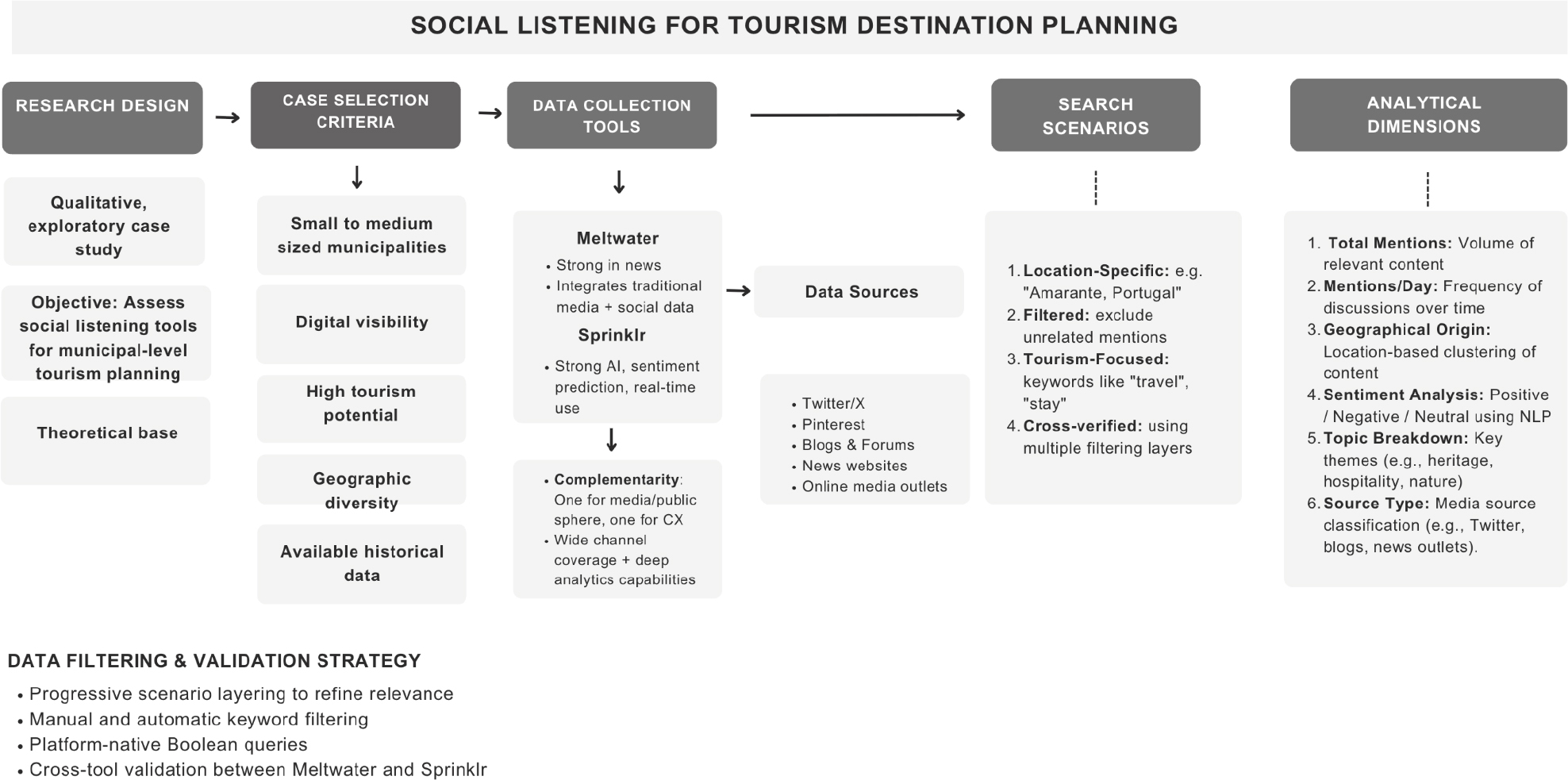
Figure 2:
Methodological Framework Schema
Source: Richard Butler’s Tourism Area Life Cycle Model (Butler, 1980, p.7)
4. Results
This section presents the empirical findings from the application of online social listening tools to the municipalities of Amarante and Caminha, Portugal. The analysis, grounded in data mining techniques and tourism-focused keyword filtering, seeks to demonstrate the utility of digital diagnostics in enhancing tourism destination planning. Both municipalities were evaluated under distinct scenarios that allowed the identification of relevant conversations, sentiment distributions, and tourism-related patterns, contributing to a more strategic understanding of visitor perceptions and online engagement.
4.1. Amarante
In this study, a Social Listening analysis was conducted using the Sprinklr tool, which provides access to information based on a set of predefined criteria and conditions to achieve the desired results. Amarante’s digital analysis was performed across four scenarios, each progressively refining the search to isolate tourism-relevant content. Initially, a broad search using only the keyword “Amarante” yielded high mention volumes but poor relevance, particularly due to the presence of other geographic locations (e.g., Amarante, Brazil) and individuals with that surname. Subsequent filtering and targeted keyword inclusion (e.g., “tourism,” “trip,” “accommodation”) significantly improved the thematic alignment with tourism discourse. The analysis covered the annual period from January 1 to December 31, 2022 and considered different scenarios for data comparison (see Figure 3):
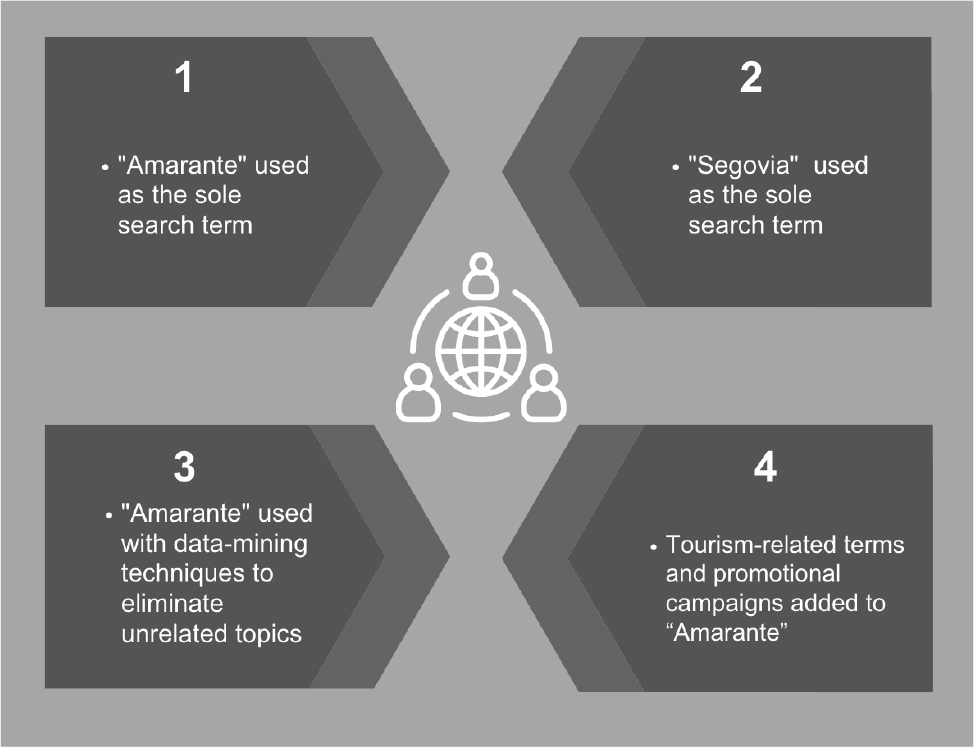
Figure 3:
Scenarios for Data Comparison
Source: Own elaboration
– Scenario 1: The word “Amarante “ was used as the sole search term, without considering location, language, or any data-mining processes.
– Scenario 2: The word “Segovia1” was used as a comparative analysis with another territory. Although Segovia is not directly comparable in terms of destination characteristics, it serves as a benchmark for best practices in positioning (due to the proximity of Amarante-Porto and the same for Segovia-Madrid).
– Scenario 3: The term “Amarante” was used again, this time with data-mining techniques to eliminate unrelated topics. This included filtering out mentions associated with other places named Amarante (such as in Brazil) and individuals with the surname Amarante. Additionally, topics that were amplified by specific events and did not contribute to the study’s objectives were removed.
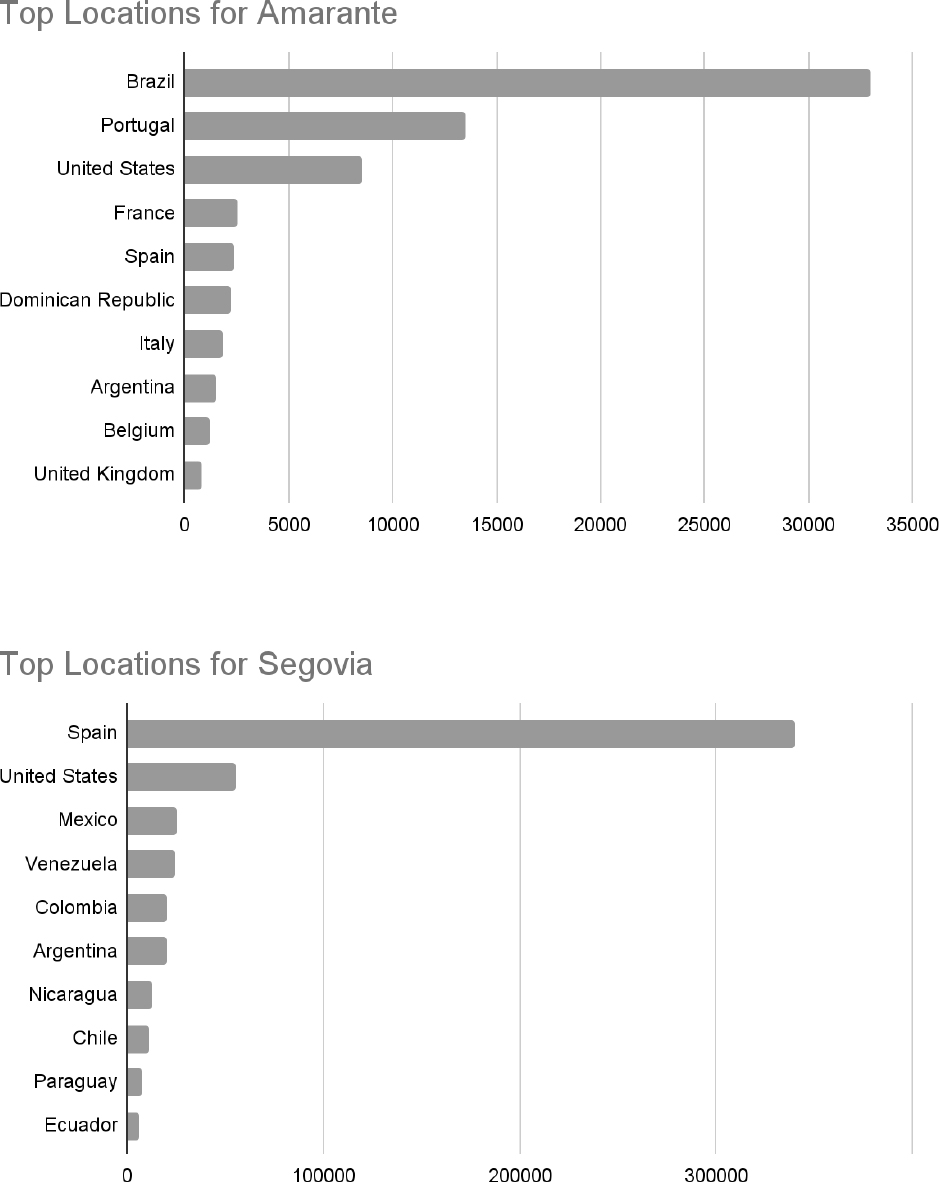
Figure 4:
Comparative “Top Locations” for Amarante and Segovia
Source: Own elaboration based on Social Listening data.
– Scenario 4: A set of tourism-related terms was added to the search criteria to ensure that only relevant mentions were retrieved. These terms included: tourism, trip, travel, experience, tourist, accommodation, and InvestAmarante. The study also incorporated promotional campaigns launched in 2022, such as:
“Amarante Brumas” (Amarante Mists)
“Amarante Natureza Encantada” (Amarante Enchanted Nature)
“Reflexos da Paisagem Amarante” (Reflections of the Amarante Landscape)
“Quimera Amarante” (Amarante Chimera)
Based on the information collected through Social Listening, the following variables were considered:
Top Locations
Total Mentions
Mentions/Daily Average
Topic Breakdown
Travel-Related Topics
Sentiment Analysis
Sentiment by Source
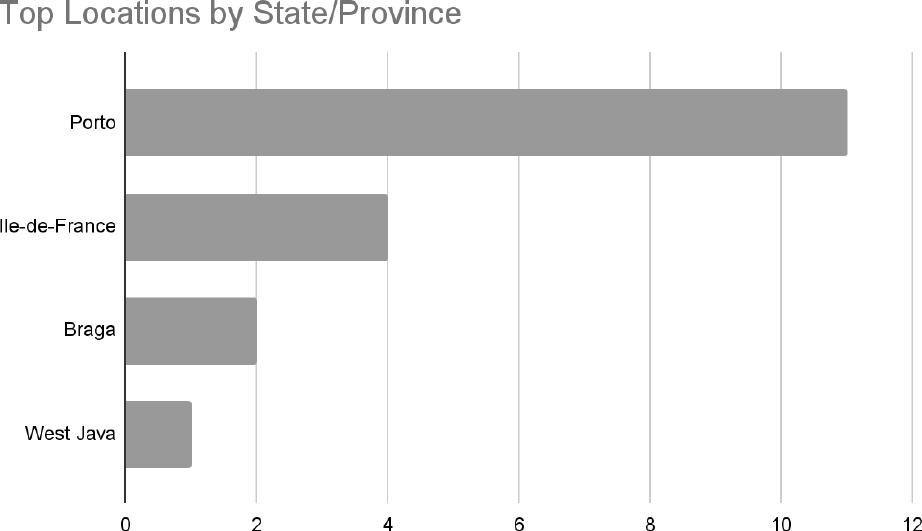
Figure 5:
“Top Locations” by state/province for Amarante in Scenario 4
Source: Own elaboration based on Social Listening data.
The data presented show the distribution of mentions by location, country, or state/province where users posted about the topics.
The majority of unfiltered mentions originated from Brazil, highlighting a common issue in digital monitoring of place names with multiple international occurrences. After filtering, Portuguese-originated mentions increased in prominence, particularly in scenarios 3 and 4. This shift underscores the importance of data curation for destination-specific diagnostics.
When analysing only the words “Amarante” and “Segovia”, it was found that:
Most mentions of “Amarante” originated in Brazil, making it necessary to apply filters to ensure the data focuses on the municipality of Amarante in Portugal.
For Segovia, the majority of results originated in Spain, which aligns with expectations.
To refine the analysis and ensure only tourism-related mentions were considered, additional filters were applied:
Portugal emerged as the leading country in mentions,
Porto was identified as the primary source of publications (especially in the analysed media).
If we want to determine the volume of mentions, meaning the number of times the term appeared, we need to look at the “Total Mentions” within a given analysis period. Meanwhile, the “Mentions/Daily Average” indicator provides the number of mentions calculated per day.
Regarding these indicators and the engagement levels obtained across the four proposed scenarios, it is evident that Segovia has the highest activity on these platforms. However, as previously mentioned, Segovia is not a directly comparable destination to the one under analysis. Nonetheless, it serves as a good reference point for establishing the potential reach achievable through an effective social media strategy.
Table 1, presented below, highlights a sharp decrease in mentions for the term “Amarante” when applying the specified search conditions:
Table 1:
Comparison of Online Keywords Across Different Scenarios
| Scenario 1 | Scenario 2 | Scenario 3 | Scenario 4 | |
|---|---|---|---|---|
| Total mentions | 113K | 1.06M | 17.1K | 66 |
| Mentions/Daily Average | 310 | 2.91K | 47 | 0 |
| Total Engagement | 2.52M | 19.9M | 731K | 359 |
| Topic Specification | 63,381 | 471,088 | 10,996 | 57 |
| Travel Topic | NA | 65,854 | 1,510 | 21 |
– without any filtering, 113,000 mentions were recorded.
– after filtering for tourism-related terms (Scenario 4), only 66 mentions were found over the course of a year.
It is important to note that not all platforms were included, as some do not allow access to their data. However, the research clearly demonstrates that the number of mentions is minimal, averaging fewer than 1 per day.
The “Topic Breakdown” indicator refers to the topics that appear most frequently during searches. In Figure 6, the Topic Breakdown shows the distribution of the most frequent themes related to the term “Amarante” when no filters were applied (Scenario 1). The dominant category is Travel, followed closely by Business and Industrial. These two topics alone account for a significant majority of the conversations, indicating that the word “Amarante” is heavily associated both with tourism/travel contexts and with business or industrial references.

Figure 6:
Topic Breakdown for Scenario 1
Source: Own elaboration based on Social Listening data (Meltwater).
The prevalence of Travel suggests that “Amarante” is widely recognised as a travel destination, which is a positive signal for tourism-related stakeholders. However, the strong presence of Business and Industrial discussions suggests that the name is also used in corporate, manufacturing, or logistical contexts, possibly unrelated to tourism. This dual meaning can dilute tourism-specific searches or brand positioning if not carefully managed.
In this unfiltered scenario, the lack of geographical, linguistic, or contextual segmentation results in a mixed digital identity for Amarante, combining both travelrelated prominence and unrelated industrial/business associations. This highlights the risk of homonymy in broad social listening analyses: the term “Amarante” may refer not only to the Portuguese municipality but also to companies, brands, or other entities with the same name worldwide.
In this refined scenario (3), the new topic distribution shows a strong shift toward governmental, social, and cultural themes, with Law and Government, Arts and Entertainment, People and Society, and News now dominating the online conversation (see Figure 7). Law and Government are the most prevalent topics, suggesting that local governance, policies, public administration, or political developments are central in shaping Amarante’s digital narrative. This is followed closely by discussions about Arts and Entertainment, reflecting a significant presence of cultural activities, events, and artistic heritage associated with the destination.
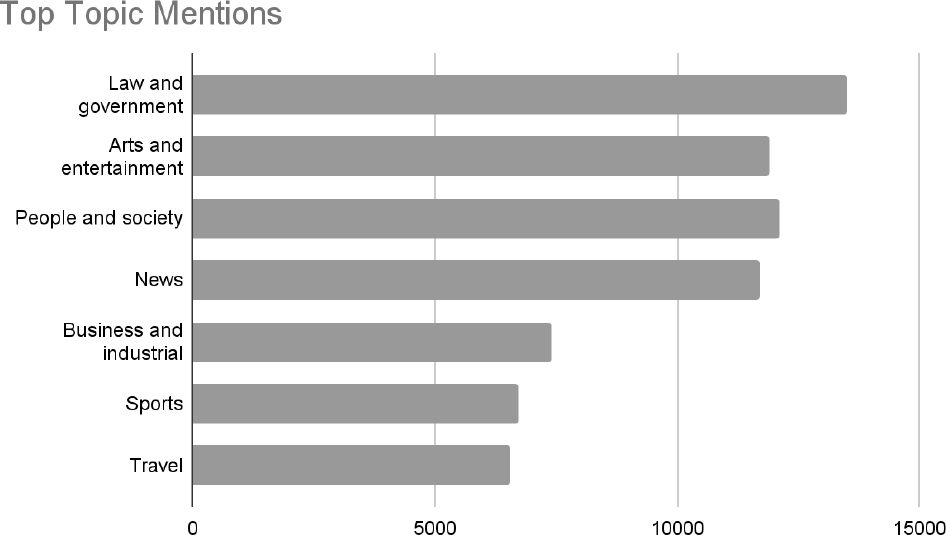
Figure 7:
Topic Breakdown for Scenario 3
Source: Meltwater
The prominence of People and Society and News indicates that social issues, community life, and local events are highly discussed, reinforcing Amarante’s identity as an active and socially connected municipality.
Meanwhile, Business and Industrial, Sports, and Travel topics appear, but with considerably lower frequency. This suggests that, after filtering, tourism-specific conversations remain but are no longer dominant, underscoring the need for stronger strategic communication efforts if Amarante wishes to enhance its online positioning as a tourism destination.
The “Sentiment by Source” metric (See Figure 8) assesses the tone of mentions by platform, using an algorithm for natural language processing (NLP). In cases where mentions are labelled “Not Evaluated”, this means that they lacked sufficient textual content for the NLP algorithm to classify them.
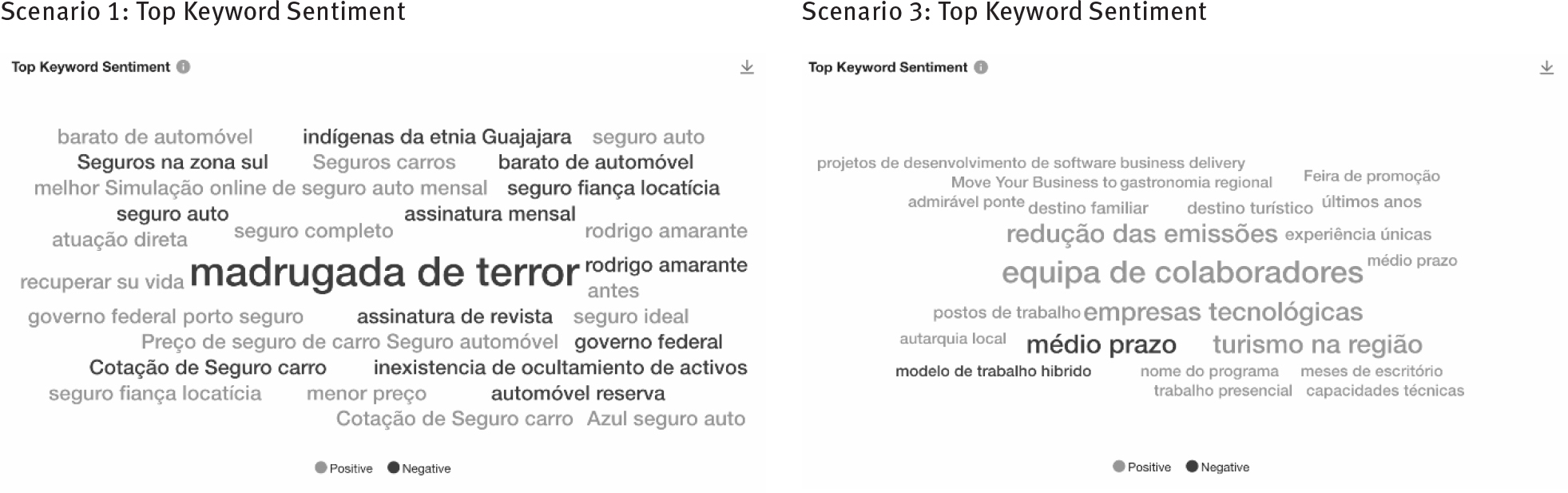
Figure 8:
Sentiment Analysis of Keywords in Scenarios 1 and 3
Source: Own elaboration based on Social Listening data.
In Scenario 1, where the term “Amarante” was used without any filtering or contextual refinement, the emotional tone was predominantly negative or neutral. Discussions were largely contaminated by unrelated topics, such as crime references, political debates involving the federal government, and commercial car insurance advertisements. This mix created a fragmented, distorted, and unfavourable perception of Amarante, offering little insight into the actual tourism potential or social environment of the destination.
In contrast, Scenario 3 (See Figure 9), after the application of data-mining techniques to eliminate irrelevant mentions, presents a markedly more positive and coherent emotional tone. Conversations now revolve around themes such as sustainability, technological development, regional tourism promotion and cultural experiences. These topics contribute to portraying Amarante as an innovative, sustainable, and culturally rich municipality, strengthening its appeal both as a tourism destination and as a hub of economic development.
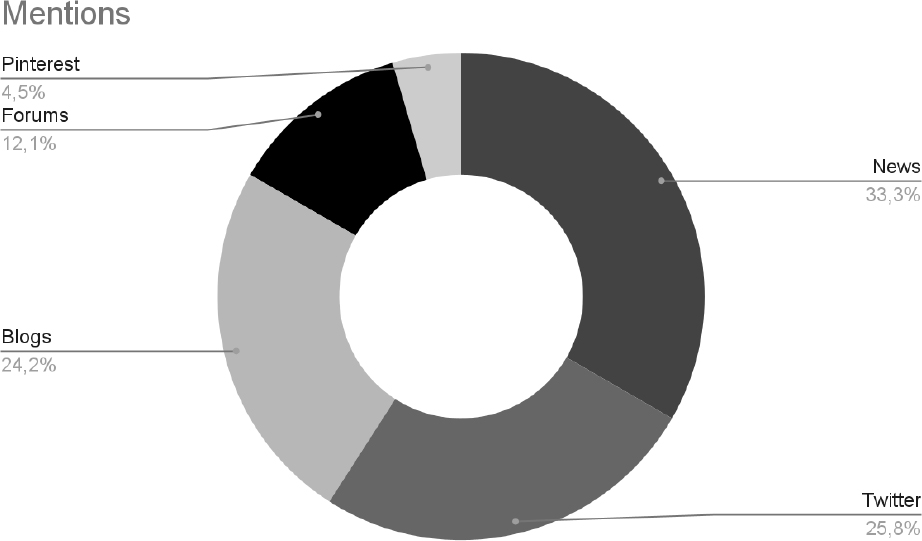
Figure 9:
Mentions by Publication/Source (Scenario 3)
Source: Own elaboration based on Social Listening data.
Overall, the emotional landscape shifts from a chaotic, largely negative perception in Scenario 1 to a strategically positive, future-oriented narrative in Scenario 3, underscoring the critical importance of precise data mining for accurate digital reputation analysis and strategic tourism planning.
So, this Social Listening study provided insights into the digital presence and perception of Amarante across various platforms, including Twitter, blogs, and news sites. Key findings include:
Amarante’s digital visibility in the tourism context is significantly low.
Mentions about the municipality were largely neutral.
The official tourism website lacks strong search engine visibility, limiting its effectiveness in promoting the destination.
Strategic actions are required to enhance Amarante’s online positioning, increase engagement, and reinforce its association with tourism.
These findings underscore the need for a structured digital marketing strategy, incorporating SEO, social media optimization, and influencer partnerships to improve Amarante’s visibility and reputation as a tourism destination.
4.2. Caminha, Portugal
In this second case study, a Social Listening analysis was carried out using the online tool Sprinklr, which provides information using established criteria in order to generate the desired results. To carry out this task, data were analysed for the year 2022 (from 1 January to 31 December 2022) and, as for Amarante, 4 scenarios were considered (as summarised in Figure 10):
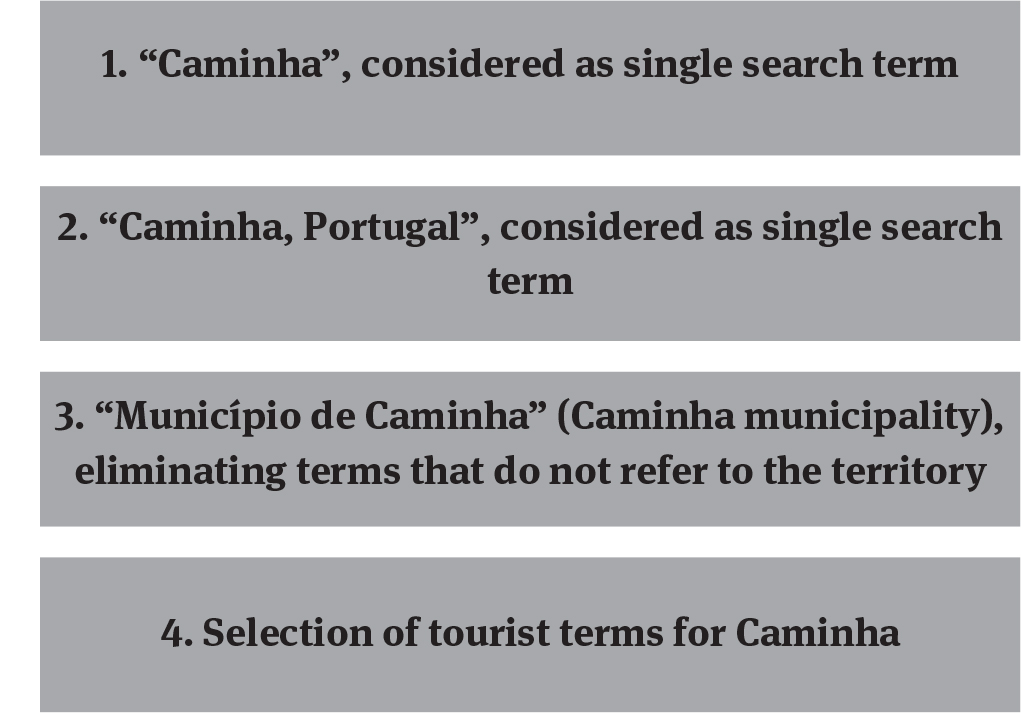
Figure 10:
Social Listening Scenarios for Caminha
Source: Own elaboration
Scenario 1: The word ‘Caminha’ in this scenario was considered the only search term, i.e. without considering localisation, language or any data selection.
Scenario 2: The term ‘Caminha, Portugal’ was considered to analyse the territory because, when researching scenario 1, the various uses and meanings of the word ‘Caminha’ conditioned the research. Thus, by narrowing down the term to the territory itself, more targeted data is generated.
Scenario 3: In this scenario, the term ‘Municipality of Caminha’ was considered, selecting the region under study. This search became necessary due to the ongoing difficulty in restricting the word ‘Caminha’ to the territory. It was therefore intended to eliminate all terms or themes that did not contribute to the object of study in this exercise.
Scenario 4: In this final scenario, various tourismrelated terms were added and selected to generate results of interest to the subject under study. Therefore, the following terms were used: tourism, trip, travel, travelling, tourist, accommodation, tourism and marketing.
It is important to add that not all social networks and digital platforms are included in this research due to privacy issues in certain digital media (Facebook, Instagram and TripAdvisor) or the need to access the Chamber’s social networks to obtain the data, which was not possible. Thus, the platforms that can be analysed using this tool are: News, Twitter, Pinterest, Reddit, and Blogs.
Based on information obtained through a Social Listening program (Sprinklr), the following factors were considered for this methodology:
Top Locations;
Associated Sentiment
Press Coverage
Mentions/Daily Average
Topic Specification
Regarding the “Top Locations” (See Figures 4 & 5), the search for the term “Caminha” (Scenario 1) aimed to identify the distribution of posts by users across different countries or states/provinces, as shown in Figure 11. However, this term proved to be highly ambiguous, carrying multiple meanings unrelated to the intended research focus.
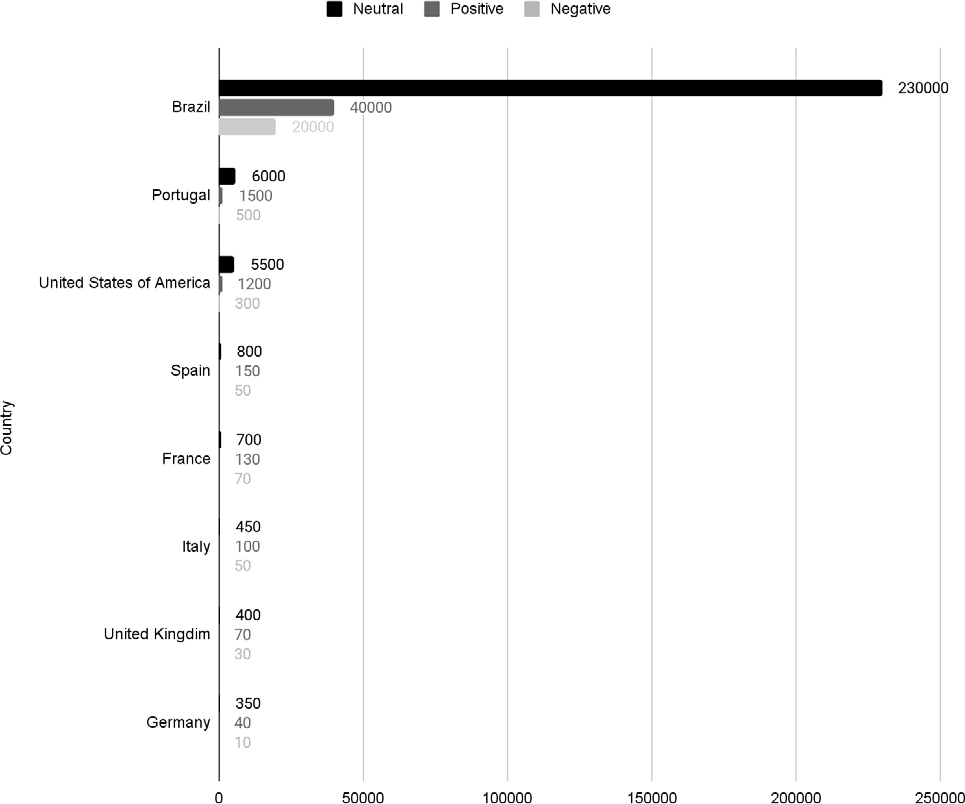
Figure 11:
“Top Locations” with Sentiment Related to Caminha (Scenario 1)
Source: Sprinklr Data
Therefore, it became essential to use the term from Scenario 4, ensuring that the data gathered from public opinion in digital spaces was indeed related to the tourism context of the municipality of Caminha.
From the search term in Scenario 1, it was found that most mentions originated from Brazil, followed by Portugal and the United States.
Applying the conditions mentioned above to obtain mentions specifically linking the municipality to the tourism context (Scenario 3), the following observations were made:
As shown in Figure 12, with the refined search terms, Portugal ranked first as the country with the most mentions, followed by Spain and Brazil.
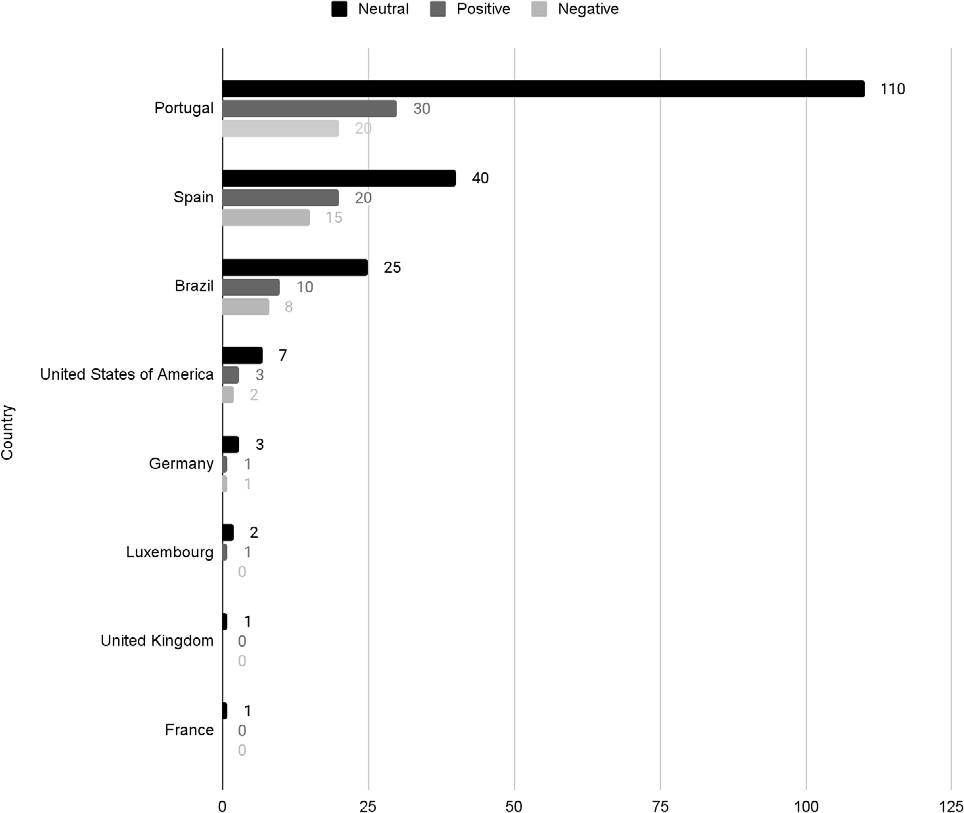
Figure 12:
“Top Locations” with Sentiment Related to Caminha (Scenario 4)
Source: Sprinklr Data
Alongside the “Top Locations,” the sentiments (neutral, positive, or negative) associated with the search term in different countries were also analysed. As shown in Figure 13, approximately 442 mentions were neutral, 193 were positive, and 70 were negative (705 mentions in total). Verify this total against Table 2, which reports 904 mentions for Scenario 4, and use one consistent value throughout. It is worth noting that the same research conducted under Scenario 3 showed similar trends and proportions.
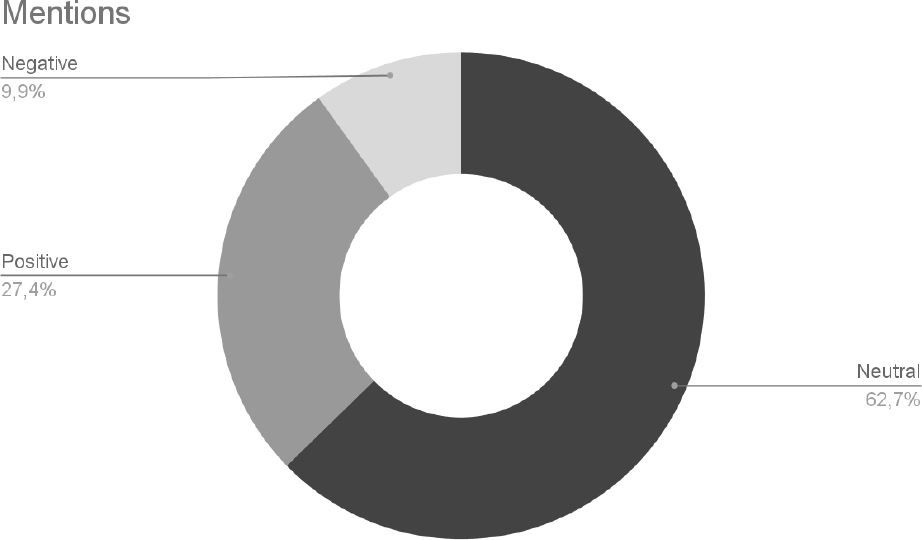
Figure 13:
Summary of General User Sentiment Regarding the Search Term (Scenario 3)
Source: Sprinklr Data
Table 2:
Comparative Analysis of Indicators in the Four Proposed Scenarios
| Title | Scenario 1 | Scenario 2 | Scenario 3 | Scenario 4 |
|---|---|---|---|---|
| Total mentions | 432K | 2,224 | 7,403 | 904 |
| Mentions/Daily Average | 1184 | 6 | 20 | 3 |
| Total engagement | 2.86M | 880K | 940K | 0 |
| Topic discussion | 231K | 482 | 1,358 | 271 |
Figure 14 shows the evolution of positive and negative sentiment over the year. The conclusion was that positive sentiment decreased throughout the year, being surpassed by negative sentiment in September and in the last two months of the year. This graph was based on Scenario 3 because there was insufficient information to generate sentiment-related data for the Scenario 4 search terms.
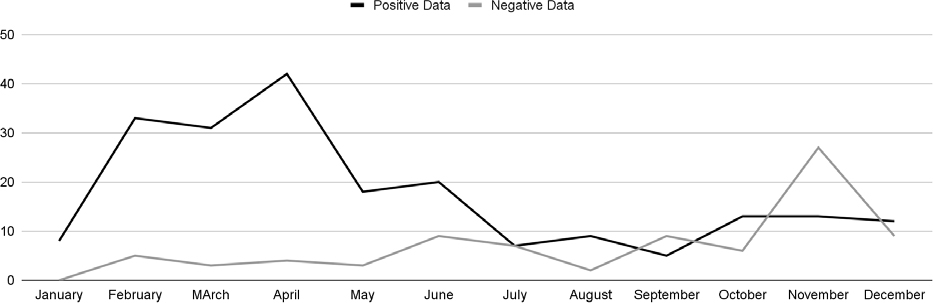
Figure 14:
Trend of User Sentiment Regarding the Search Term (Scenario 3)
Source: Sprinklr Data
As mentioned in the methodology, the tool does not cover all social media platforms; the analysis includes accessible sources such as Twitter, Pinterest, Reddit, blogs, and news media. The following trend was identified:
As shown in Figure 15, the month with the highest press coverage in 2022 was November. However, this data might be skewed due to a controversy involving the former Mayor of Caminha, which had national-level repercussions. Excluding this anomaly, the months of February and April had the most mentions in the press.
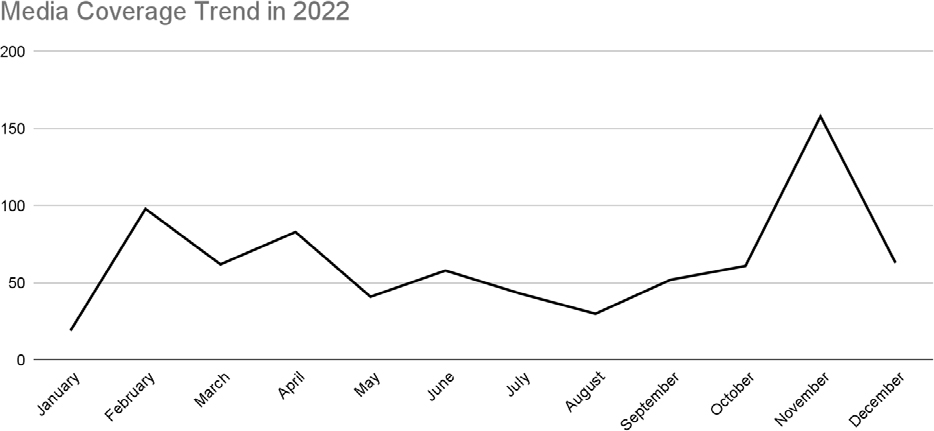
Figure 15:
Media Coverage Trend in 2022 (Scenario 3)
Source: Sprinklr Data
Now, shifting focus to mention volume (the number of times the search terms appeared), the total mentions (See Table 2) over the study period were analysed. Additionally, the daily average of mentions was calculated (See Table 2). Regarding these indicators and user engagement across the four selected scenarios, the following table illustrates a progressive decrease in engagement as the search terms were refined to focus on the tourism context of the municipality.
The data revealed that searching for the term “Caminha” (Scenario 1) resulted in 432,000 mentions, mainly because the word is related to the diminutive of “bed” (cama) and verb forms of “walk” (caminhar). As the search terms were refined, Scenario 2 (See Table 3) yielded 7,403 mentions, and Scenario 3 had 904 mentions over a year. For Scenario 4, the daily average of mentions was around 3, a low but positive figure.
Table 3:
Most Popular Keywords Associated with the Search Term (Scenario 2)
| Theme | Examples of Keywords | Dominant Sentiment | Relative Frequency |
|---|---|---|---|
| Geographic Locations | Caminha, Portugal, Viana, Vila, Costa | Happiness, Surprise, Anger | Mixed frequency |
| Political Figures / Institutions | Presidente, Primeiro-ministro, Secretário, Câmara, Adjunto, Público | Surprise, Disgust | Mostly Medium to Low |
| Individuals (Proper Names) | Miguel, António, Alves | Disgust, Happiness | Mostly Medium to Low |
| Administrative / Policy Terms | Acordo, Caso, Nacional, Euros | Surprise, Anger, Happiness | Mostly Low |
| Cultural / Heritage Sites | Castelo, Centro | Sadness, Disgust | Medium |
It is important to note that, despite refining the search terms, ambiguity and different uses of the word may have affected the data across all scenarios.
Moving on to the most frequently mentioned topics when searching for terms in Scenarios 1 and 4, the following figures and descriptions are presented:
As shown in Figure 16, for the term “Caminha” without filtering (Scenario 1), the word had no significant presence in tourism-related topics, as it did not even appear in the specified topic list. Once again, this reinforces the multiple meanings of the word “Caminha”, explaining the large number of mentions.
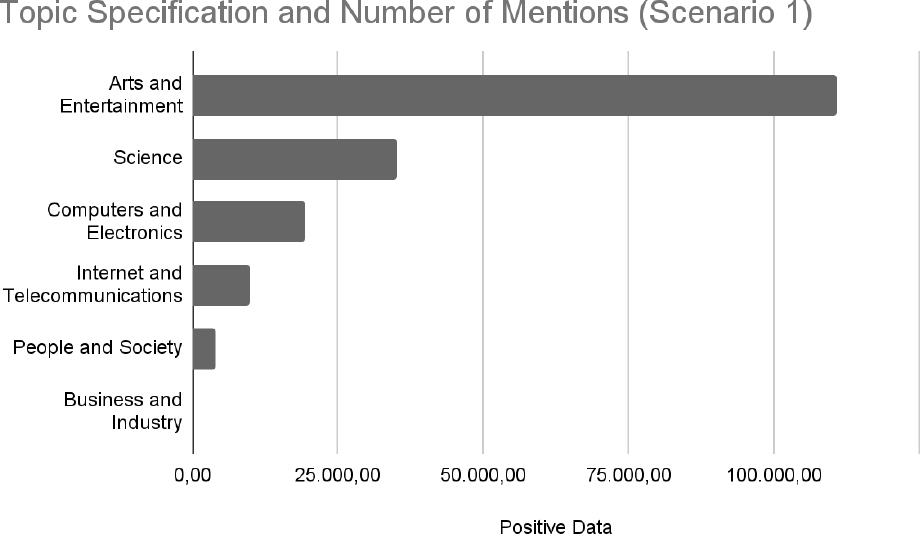
Figure 16:
Topic Specification and Number of Mentions (Scenario 1)
Source: Own elaboration, based on Sprinklr
Using Scenario 4, which associates the term with tourism, the challenge of data collection was evident, as the available information was insufficient for Sprinklr to generate graphs. As shown in Figure 17, Scenario 3 produced only 17 topic mentions, including 3 related to travel and 1 related to hobbies and leisure, which is a very low number given the study period of one year.
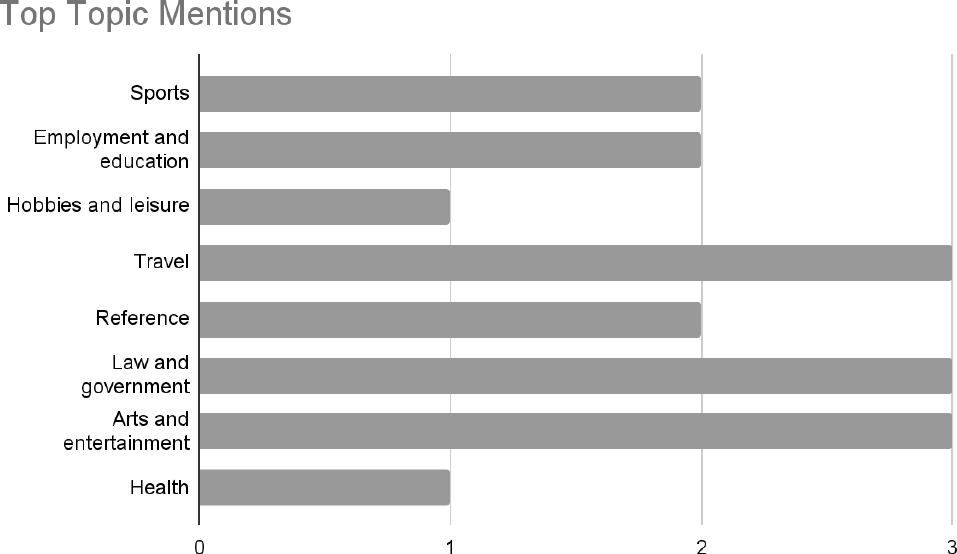
Figure 17:
Topic Specification and Number of Mentions (Scenario 3)
Source: Own elaboration, based on Sprinklr
These findings underscore the need for promotional and marketing strategies by the Municipality of Caminha to enhance its association with tourism.
The key sentiments and keywords are interlinked, as Natural Language Processing (NLP) algorithms determine the sentiment classifications. The research started with Scenario 2, recognising that Scenario 1 was more strongly associated with unrelated meanings and events, especially in Brazil.
Rather than presenting individual keywords descriptively, Tables 3 and 4 synthesise the terms into thematic categories for Scenarios 2 and 4, respectively and aligns them with predominant sentiments and relative frequency levels. This approach reveals the coexistence of both positive and negative emotional perceptions around different themes and supports a more analytical interpretation of public discourse patterns.
Table 4:
Most Popular Keywords Associated with the Search Term (Scenario 4)
| Theme | Examples of Keywords | Dominant Sentiment | Relative Frequency |
|---|---|---|---|
| Geographic Locations | Caminha, Portugal, Porto, Viana, Costa, Norte | Happiness, Surprise, Anger | Mixed frequency |
| Tourism and Cultural Assets | Turismo, Castelo, Cultural, Peregrinos | Sadness, Happiness, Surprise | Mostly Medium to Low |
| Political Figures / Institutions | Presidente, Câmara, Adjunto, Alves, Miguel, António | Surprise, Disgust, Sadness | Mostly Low |
| Economic and Business Terms | Empresas, Euros, Acordo | Sadness, Anger, Happiness | Mostly Low |
| Infrastructure / Access Issues | Acceso | Sadness | Medium to High |
From the data obtained, the search term was generally linked to happiness, which is typically positive. Happiness appears strongly tied to words like “Caminha”, “Turismo”, and “Castelo”, indicating that the tourism and cultural aspects of the destination are perceived favourably. However, upon closer inspection, the most prominent sentiments were surprise and sadness. This was due to a controversy that gained national attention, causing Caminha to be known for negative reasons, evoking surprise and sadness within both the local and national communities.
Repeating the search using Scenario 4 (linked to tourism), Caminha was associated with happiness in mentions. However, the Câmara de Caminha (City Council), likely due to its association with the former mayor, was viewed more negatively. Significant traces of Anger, Sadness, and Disgust can be observed. Particularly associated with “Porto”, “Euros”, “Cultural”, “Acordo”, and certain political figures (Miguel, Alves, Presidente). These negative emotions likely stem from administrative, political, or economic discussions rather than tourism experiences directly.
Overall, the recent controversy still affects the municipality’s image, highlighting the need to improve or restructure its reputation and associate it with more positive themes, such as tourism.
The term “Turismo” appears prominently and is linked to Sadness, suggesting that while tourism is a major topic of conversation, there may be underlying concerns or dissatisfaction related to aspects such as tourism infrastructure, service quality, or accessibility. Additionally, the presence of words like “Peregrinos” (pilgrims) and “Empresas” (businesses), alongside a mix of Surprise and Sadness, reflects both interest and potential expectations or challenges in managing tourism-related services. Despite these concerns, the strong positive associations with “Caminha” and “Portugal” indicate solid brand recognition and emotional connection, which are especially important strengths for tourism marketing initiatives.
As shown in Figure 18, most mentions of Caminha were in news articles, followed by Twitter posts and blogs.
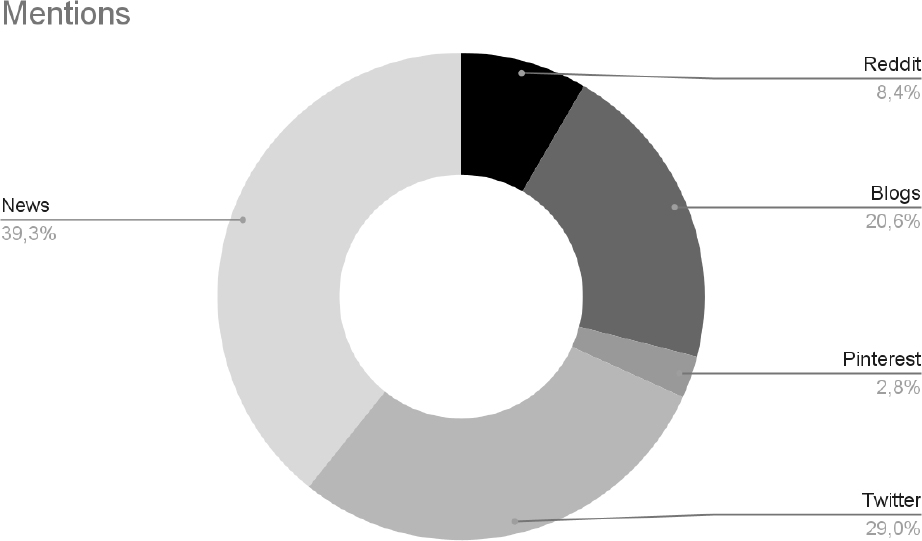
Figure 18:
Mentions by Publication/Source (Scenario 4)
Source: Own elaboration, based on Sprinklr
These insights can help strategic communication planning, suggesting:
Continuing news media presence, especially in national outlets.
Boosting Twitter engagement with humorous posts, images, and videos using a specific hashtag to strengthen visitor interaction.
Encouraging local bloggers and influencers to promote Caminha.
These findings exclude Facebook and Instagram posts, as explained.
This tool made it possible to understand the image of the municipality of Caminha online and across various media (Twitter, blogs, news sites, among others) to identify and resolve problems. In this specific exercise, it was realised that digital sentiment towards the municipality under study is mostly neutral, remaining more positive at the beginning of 2022 and negative at the end of the same year.
5. Discussion
This study aimed to evaluate the use of social listening tools for diagnosing tourism destinations, specifically in Portuguese municipalities. Two case studies—Amarante and Caminha—were analysed over the course of 2022, with data collected and compared using different social listening scenarios. The findings are presented below.
5.1. Amarante: Results Overview
The analysis of Amarante through various search scenarios highlighted significant challenges and opportunities regarding the municipality’s online presence and reputation in tourism contexts.
Key Findings:
Volume of Mentions: The initial unfiltered search for “Amarante” yielded a total of 113,000 mentions. However, after refining the criteria to focus on tourism-related mentions (Scenario 4), only 66 relevant mentions were recorded throughout 2022. This illustrates a limited digital footprint for Amarante within tourism discourse.
Geographical Distribution: A majority of mentions in Scenario 1 originated from Brazil, which necessitated the application of filters to ensure focus on the Portuguese municipality.
Sentiment Analysis: In the unfiltered scenario, sentiment was predominantly negative or neutral; after filtering, the narrative became more positive and coherent. Remove the statement about a positive trend early in 2022 and increased negative sentiment at year-end, as that pattern is reported for Caminha rather than Amarante. This shift indicates potential reputation management challenges.
Source of Mentions: The most active sources of mentions were news outlets, blogs, and Twitter. Notably, the official tourism channels for Amarante demonstrated limited visibility on search engines and social media platforms.
Engagement and Reach: Compared to Segovia (used as a benchmark), Amarante showed significantly lower levels of engagement and interaction across digital platforms.
The limited presence of tourism-related content and the decline in sentiment suggest that Amarante’s digital communication strategy requires strengthening. Efforts should focus on improving the municipality’s online visibility, leveraging SEO, and enhancing social media engagement.
5.2. Caminha: Results Overview
The analysis of Caminha’s digital presence demonstrated similar patterns to Amarante, though with specific distinctions based on the municipality’s context and recent events.
Key Findings:
Volume of Mentions: In Scenario 1, the search term “Caminha” produced 432,000 mentions. These were predominantly unrelated to the tourism context because of the term’s generic meaning. After refining search terms to “Municipality of Caminha” and incorporating tourism-related keywords (Scenario 4), the number of mentions was reduced to 904.
Geographical Distribution: Most mentions originated in Portugal, followed by Spain and Brazil. This indicates some level of recognition in international contexts, albeit limited.
Sentiment Analysis: The general sentiment for Caminha was neutral, with 193 positive mentions and 70 negative mentions in Scenario 4. However, sentiment analysis revealed a decline in positive perceptions during the latter part of 2022, coinciding with a political controversy involving the former mayor. This event negatively impacted the municipality’s reputation.
Topic Breakdown and Engagement: Initial scenarios reflected high engagement levels, although most discussions were unrelated to tourism. Once filtered, engagement significantly decreased. The tourismrelated mentions that did exist were primarily in news articles and blogs rather than interactive platforms like social media.
Source of Mentions: News media were the leading source of information about Caminha, with Twitter and blogs following. Limited presence was observed on Instagram and Facebook due to privacy restrictions and data access limitations.
Caminha’s online reputation was adversely affected by non-tourism-related events, emphasising the need for proactive reputation management. Strategies to reposition Caminha as a positive tourism destination through targeted campaigns, influencer partnerships, and increased social media engagement are essential.
This study presents a novel framework for integrating social listening into municipal tourism planning, particularly for destinations with limited visibility or resources. It provides a replicable and scalable method for leveraging publicly available digital data to inform local tourism strategies and enhance governance responsiveness.
6. Conclusions
The results of this study underscore the growing strategic value of online social listening tools as digital diagnostics for tourism destination management. By applying Meltwater and Sprinklr in the municipalities of Amarante and Caminha, it was possible to confirm their utility in capturing real-time sentiment and perception trends that traditional data collection methods often overlook (Mariani et al., 2016; Gretzel & Koo, 2021).
The analysis of Amarante and Caminha reveals how online reputation and digital visibility are strongly shaped by user-generated content and digital conversations. In both case studies, user comments, media articles, and social media discussions significantly influenced the perception of each destination. For Amarante, the limited volume of tourism-related mentions and a predominance of neutral sentiment highlighted the need for stronger digital promotion and association with tourism experiences. In Caminha’s case, although initial visibility was higher, political controversies unrelated to tourism negatively impacted the municipality’s image, demonstrating the vulnerability of destination reputation to external factors. These findings underscore the importance of municipalities actively managing and curating their digital presence, ensuring that positive narratives about tourism offerings are amplified while reputational risks are mitigated through timely interventions and strategic communication.
The application of different scenarios throughout the study clearly demonstrates that the level of data-mining sophistication and criteria-setting has a critical impact on the quality and relevance of the findings. For instance, in Scenario 1, where the term was searched without any filters, the results were heavily contaminated by unrelated topics, commercial content, and negative events, producing an inaccurate and misleading portrait of the destination’s digital identity. In contrast, Scenario 3, which involved rigorous data mining to exclude irrelevant places and individuals, as well as noise amplified by isolated events, yielded a cleaner, more meaningful dataset aligned with the objectives of tourism planning and destination branding. Precise definition of search criteria and careful data refinement are essential to move from a chaotic information landscape toward a strategic and operationally useful understanding, enabling more accurate diagnostics, better decision-making, and targeted interventions for tourism development and place management.
Specifically, this research demonstrates that digital tools can help municipalities identify both visibility gaps and reputational risks. In Amarante’s case, low digital visibility and minimal association with tourism-related terms suggest the need for improved content strategies and SEO-driven promotion. Conversely, Caminha’s online presence was negatively affected by unrelated political events, indicating how external factors can distort destination reputation if not actively managed. These findings align with previous studies on digital brand equity and online reputation management in tourism (Chernega et al., 2022; Buhalis & Amaranggana, 2015).
The comparative application of four search scenarios per municipality confirmed that data curation is essential for refining social listening results and distinguishing between general mentions and those relevant to tourism planning. This supports the idea that proper data mining and term filtering can turn digital noise into actionable intelligence, thereby enhancing evidence-based policymaking (Del Chiappa & Baggio, 2015; He et al., 2013).
Furthermore, this study reinforces that integrating digital analytics into tourism planning processes is key to achieving adaptive governance and sustainable development. By monitoring shifts in visitor sentiment and public discourse, local authorities can more accurately identify emerging trends, target interventions, and align strategies with real-time market expectations (Pantano & Pizzi, 2020; UNWTO, 2017).
From a practical standpoint, this research provides tourism managers with a scalable, cost-effective diagnostic model particularly suited for smaller municipalities with limited research budgets. The adoption of social listening practices can serve as a complement—or even an alternative—to traditional methods, helping to bridge the gap between data availability and strategic needs (Sigala, 2018; Tussyadiah & Inversini, 2015).
Lastly, the study contributes to the literature by addressing an empirical gap in the application of social listening within the context of Portuguese local governance. It suggests that institutional capacity building in digital literacy, cross-platform integration, and communication strategy are critical next steps for municipalities aiming to improve their tourism planning through data-driven methods.
Notes
[5] Data availability statement
The data supporting the results or analyses presented in the paper can be found in these two studies:
– Pardo López, M. C., Ladeiras, A. L., & Cortés García, M. C. (2023). “Turismo de Amarante. Propostas para a conversão do Excursionista em Turista Cadernos de Cooperação do Eixo Atlântico”. Eixo Atlântico do Noroeste Peninsular. https://www.eixoatlantico.com/pt/listadopublicaciones/6038-turismo-de-amarante-propostas-para-a-conversao-do-exscursionista-em-turista
– Lopes, B. S. C. (2024). “Plano estratégico de comuni-cação turística para Caminha: Relatório de estágio na Câmara Municipal de Caminha”. Repositório Científico IPVC (Polytechnic University Viana do Castelo). http://hdl.handle.net/20.500.11960/4075
[6] Conflicts of interest Conflicts of interest
Author Pardo-López Ma Carmen serves as an academic (representing IPVC, Polytechnic University of Viana do Castelo) expert for the development of a report entitled: “Amarante, strategies to convert excursionists in tourists” for Eixo Atlántico do Noroeste Peninsular under the financing of the European Fund for Regional Development (FEDER) through the Cross-Border Operational Programme Spain-Portugal (POCTEP). The report was co-authored by Mónica Cecilia Cortés García, who contributed to its development without being part of IPVC. This report utilised social listening tools, and the data collected were used for the present work.