

1. Introduction
The construction of railways in the current Czech Republic began in 1837 with the construction of the so-called Northern Railway from Vienna to Břeclav, where the route split into two directions, one to Brno and the other to Olomouc. In 1841, construction began on the so-called Northern State Railway from Olomouc to Prague and Dresden. Further expansion of the railway network took place mainly in the second half of the 19th century, which was conditioned by industrial development (Czech technical university, 2025). At that time, masonry was mainly used for the construction of bridges (stone and brick arches), and steel was used when larger spans or lower structural heights were required. Masonry stone and brick arch railway bridges are therefore closely linked to the construction and development of the railway network in the period from the second half of the 19th century to the 1930s. Today, these are historical types of structures that are no longer being designed.
The advantage of masonry arch bridges is that, due to their high self-weight, they are well suited for heavy vehicle traffic, are highly durable, and require relatively low maintenance costs. They also allow for the use of continuous track beds, which offer both structural and operational advantages in the event of derailment, as train travel on these bridges is dampened (Czech technical university, 2025).
There are approximately 3,900 arch structures on the railway lines operated in the Czech Republic. A high percentage of historic arch structures on railway lines is also typical for other European countries, such as Germany (Keßler & Marx, 2025), Great Britain (Gilbert et al., 2023), and France (Sarmiento et al., 2013). The average age of the diagnosed stone arch structures is 137 years. In terms of materials, stone was the most common (77%), with stone bridges being dominant at the time, built from locally available materials, often granite, gneiss, or diorite, followed by reinforced concrete (15%) and concrete (8%). The stone masonry was dominated by granite (67%), followed by sandstone and limestone. The dominant shape of the arches was semicircular (69%), with the rest being segmental arches.
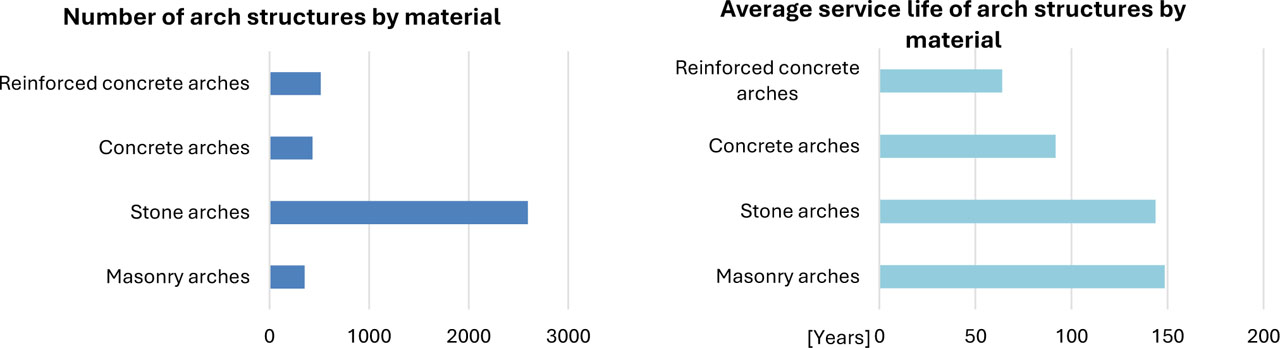
Figure 1:
Overview of arch structures on railway lines in the Czech Republic according to material and their average service life
2. Analyzed structures
The Diagnostics and Recalculation of Strategic Bridges project (Czech technical university, 2025) involved a comprehensive assessment of operationally exposed bridges. In terms of masonry arch bridges, these were mostly structures with a span length of over 100 m beyond the current design life of 100 years. As part of the project (Czech technical university, 2025), diagnostics and recalculations of load-bearing capacity were performed on 11 masonry arch bridges. The bridges surveyed included a total of 101 individual arch structures, of which 89 were made of stone, 4 were made of concrete, and 8 were made of reinforced concrete. Most of the structures were built in the 19th century, particularly between 1870 and 1899. Figure 2 shows the number of arch structures assessed by year of construction. The use of individual materials reflects developments in the construction industry, with stone masonry gradually being replaced by concrete and then reinforced concrete. Most of the investigated structures had a main span clearance of around 12 m at the base of the arch and a variable arch thickness along the length, with the thickness at the top of the arch generally varying between 0.75 and 0.95 m and the thickness at the base being greater in most cases.
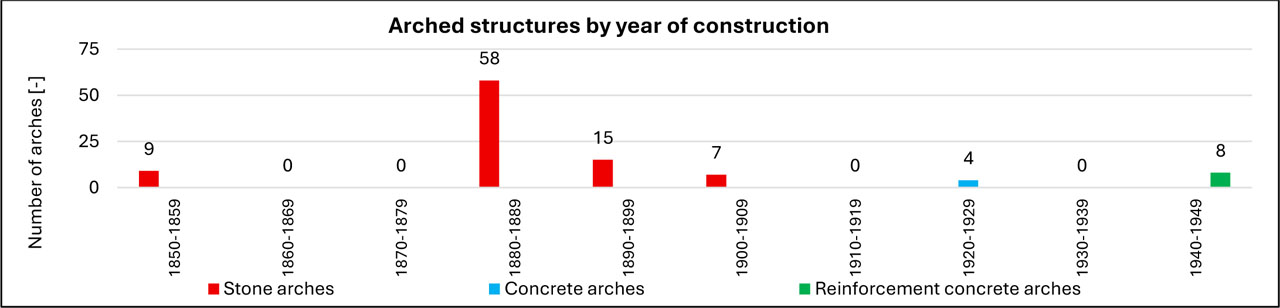
Figure 2:
Number of investigated arch structures by year of construction
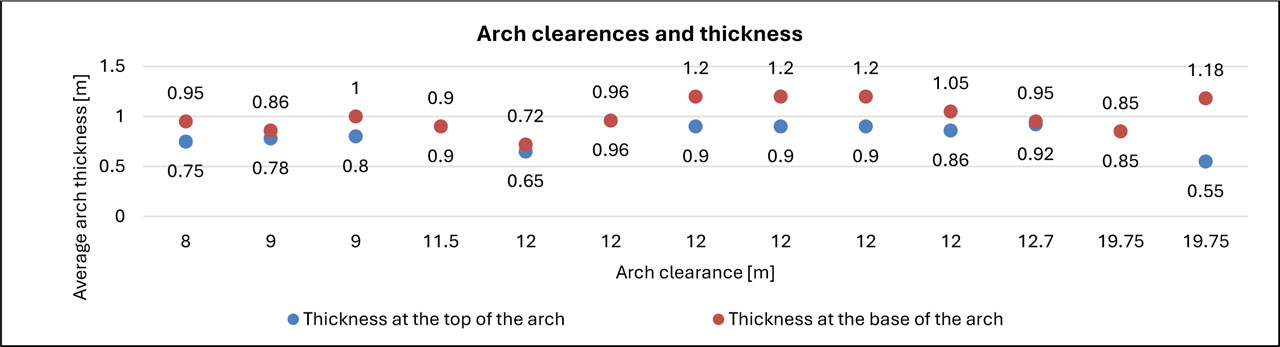
Figure 3:
Thickness of the arch of the main spans at the top and bottom depending on the clearance of the arch at the bottom
The next section shows three examples of investigated structures that include different types of arch structures.
2.1. Cheb Viaduct
The Cheb Viaduct crosses the Ohře river with a single-track railway line. It was built in 1898 as a double-track stone viaduct with 17 spans formed by semicircular arches made of stone masonry. During World War II in 1945, the bridge was significantly damaged by bombing, and roughly half of it was destroyed. After the war, between 1945 and 1948, the remaining part was repaired, and the destroyed part was rebuilt. A total of 9 of the 17 spans were repaired, and the remaining 8 spans were rebuilt from stone to reinforced concrete arches. There are three lightening chambers above the reinforced concrete arches. Although the width of the bridge allows for a double-track railway line, only one track was finally placed on the bridge (eccentrically, with the possibility of adding a second track). The edge spans have a clearance of approx. 6.7–6.8 m, while the inner spans K03-K14 have a clearance of approx. 19.8 m. The bridge is 349 m long, 8.83 m wide, and 26.2 m high. The track on the bridge is straight, and the track grade rises at a gradient of 10.25‰. The pillars under the original arch are made of stone, while those under the reinforced concrete arch are made of reinforced concrete with plinths clad in stone masonry. The bridge structure is founded on reinforced concrete foundations set on wooden piles.
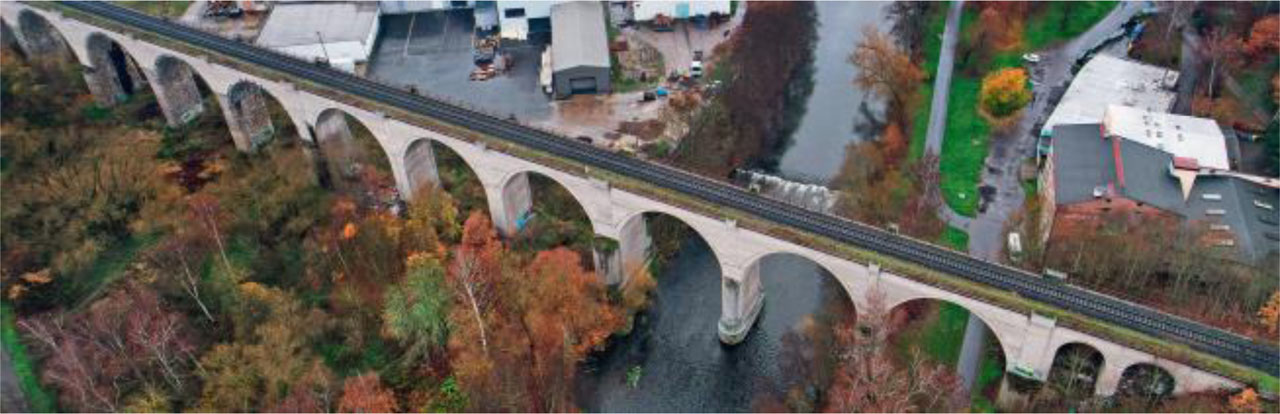
Figure 4:
Cheb Viaduct – view from a drone
2.2. Bridge over the Ohře river in Bohušovice
The bridge crosses the Ohře River and was built in 1853. The supporting structure consists of a stone segmental arch with nine spans. The span clearance ranges from 12.00 to 12.71 m. The width of the supporting structure is 11.57 m. The bridge is 164.7 m long, 12.83 m wide, and 8.3 m high. The first track runs straight, while the second track runs in a curve with a radius of 18 000 m. The track on the bridge is at a valley curve elevation. The track descends at a gradient of 15.63‰ in the direction of the station, and from pier P2 it descends at a gradient of 14‰. The substructure (including the wings) is made of stone, and the wings are parallel. The bridge structure is founded on a flat foundation. In 1993, reinforced concrete cornices were added and shotcrete was applied to the arches and some pillars, which was subsequently renovated in 2001. The structures are drained above the pillars.

Figure 5:
Bridge over the Ohře River in Bohušovice – view of the bridge
2.3. Viaduct Milevsko
The bridge crosses a single-track railway line over the Milevský stream and a service road. The bridge was built in 1889 as a single-track stone arch bridge with nine spans. The supporting structure consists of a stone semicircular arch. The clearance of structures K01–K03 is 10.00 m, and the clearance of K04–K09 is 12.00 m. The width of the supporting structure is 4.75 m. The height of the structure is 20.65 m. The structure is drained at the tops of the arches. The track is aligned in the transition of the left arch and in a straight line. The height of the track on the bridge decreases. The bridge structure is founded on a flat foundation. In 2005 and 2006, the bridge was repaired in two phases. The repairs included grouting of the masonry of the supporting structure and substructure, waterproofing the bridge deck, installing drains, and installing new railings.
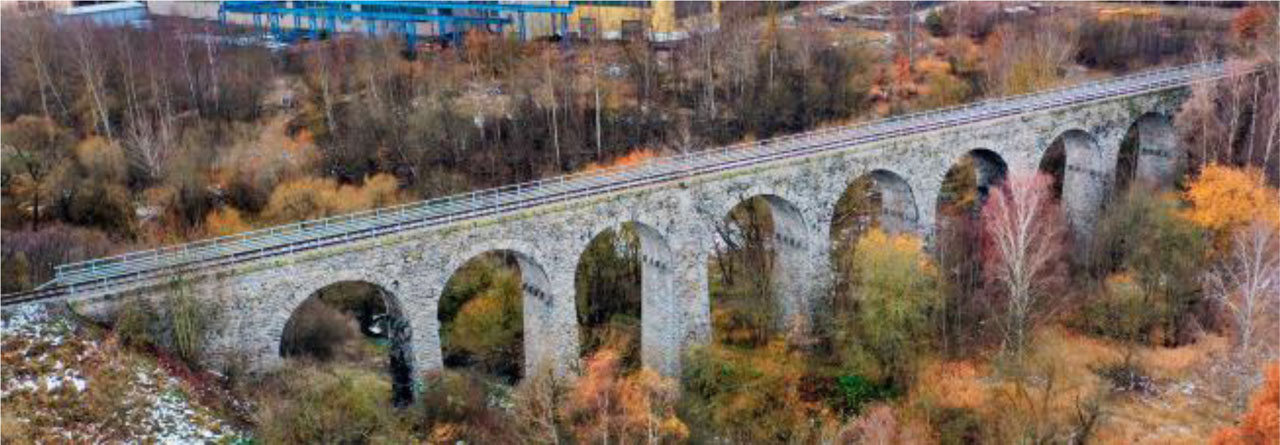
Figure 6:
Viaduct Milevsko – view from a drone
3. Results of diagnostic surveys of arch and masonry bridges
In most cases, the diagnosed load-bearing structures were assessed as grade 2 during the initial inspection prior to the diagnostic survey, i.e., structures requiring repairs beyond the usual maintenance. The Czech bridge condition assessment scale has 3 grades, the other two are: grade 1 – the structure requires only routine maintenance and grade 3 – the structure requires construction intervention.
3.1. Typical defects and failures
Proper identification, diagnostic, and assessment of the significance of defects and failures are crucial for effective evaluation of the condition and operational capabilities of masonry arch bridges. Diagnostic surveys revealed several defects and failures (Fig. 7) in the structures under investigation, which are generally typical of masonry arch bridges. In most cases, these were failures with no immediate direct impact on reliability (Fig. 8), but which nevertheless threatened the durability of the structure.
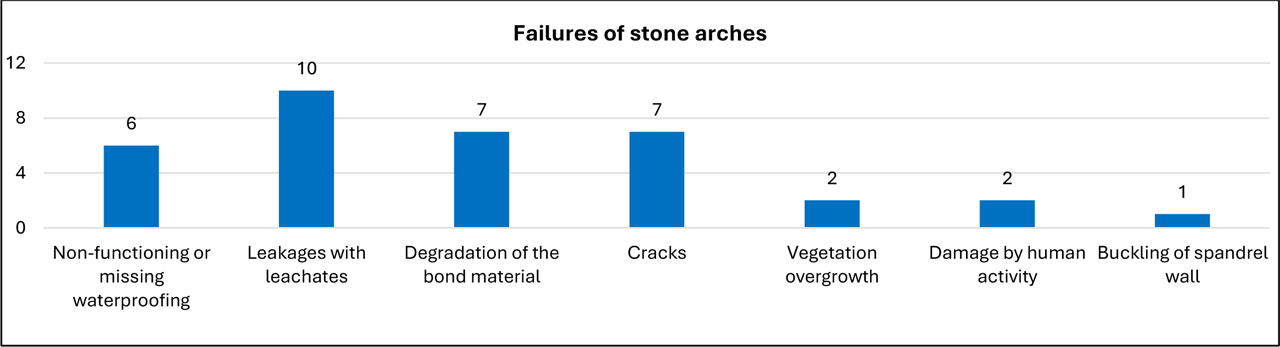
Figure 7:
Types of failures detected on investigated bridges
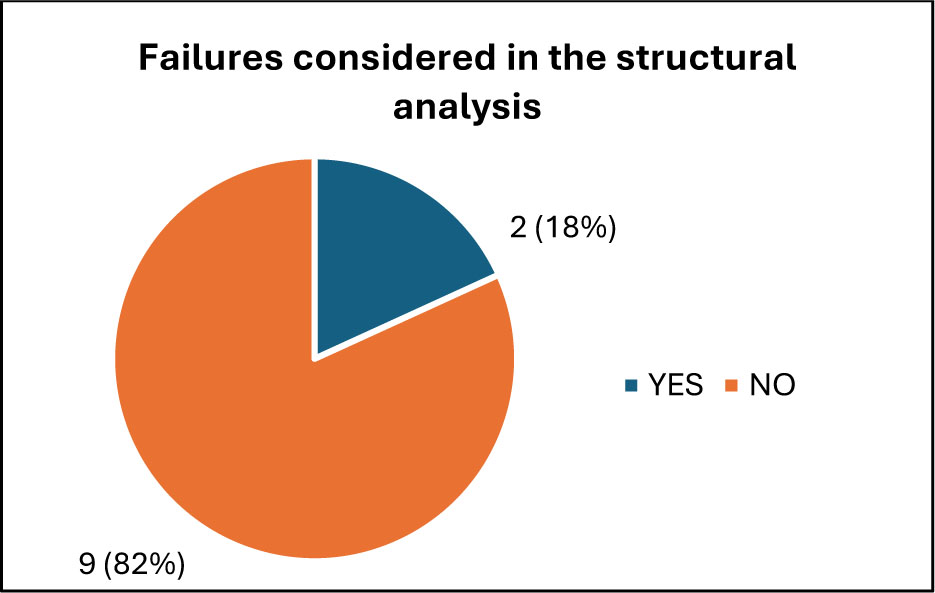
Figure 8:
Considered failures with a direct impact on reliability in the calculation, apart from the actual material parameters, which were always considered
An important factor that indirectly affects the static reliability and durability of masonry arch bridges is non-functional or missing waterproofing and the associated leakage into the supporting structure. Leakage problems were diagnosed in most of the bridges investigated. Leakage causes degradation of materials, especially mortar and less resistant masonry elements such as sandstone, claystone, bricks, etc. Leakage can also result in joint failure, incrustation, and surface erosion of the structure. Increased moisture also increases the risk of vegetation growing through the structure with its roots (Fig. 9).
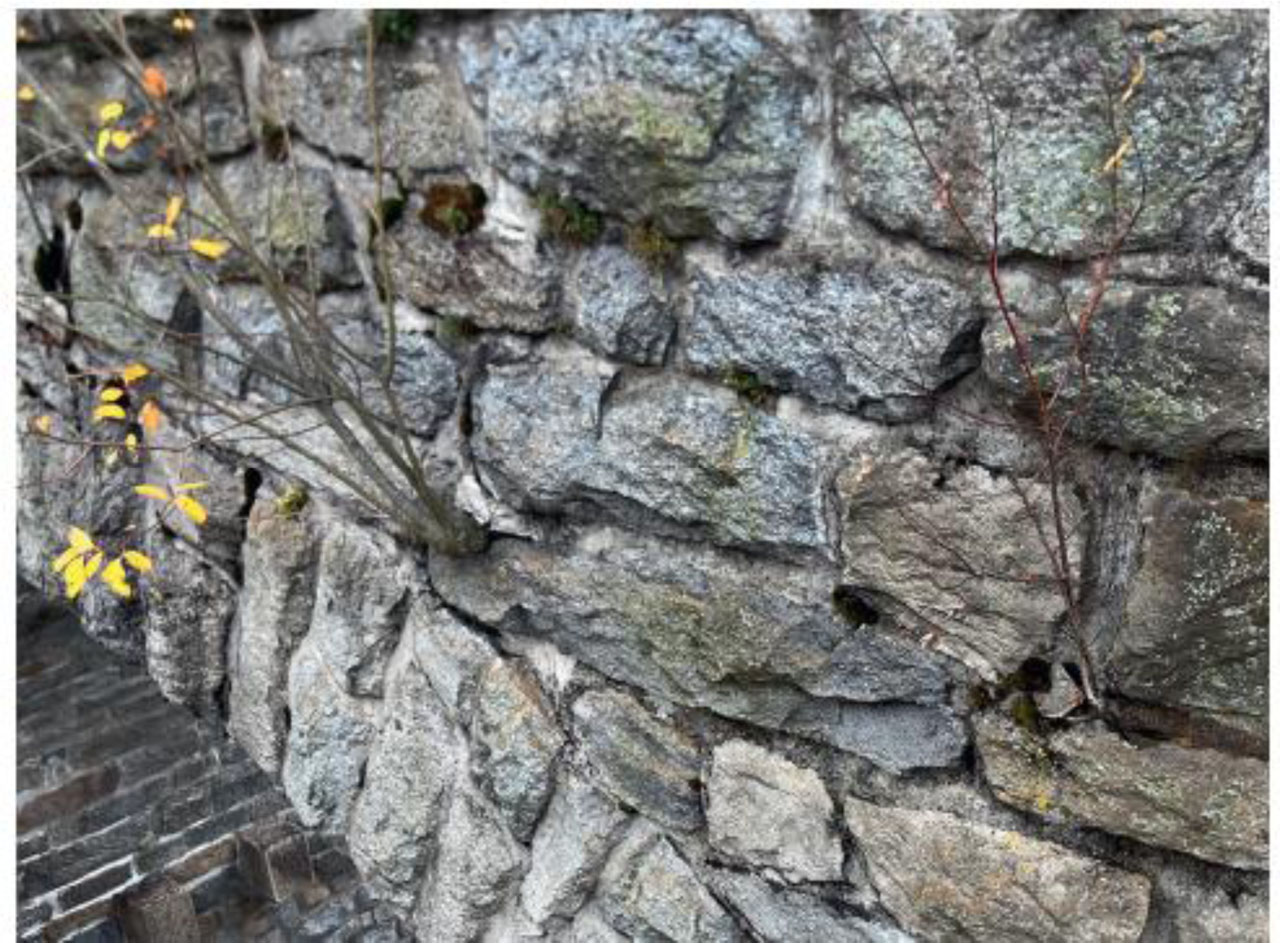
Figure 9:
Milevsko Viaduct - vegetation growing through the structure
On some bridges, a layer of shotcrete was applied to the supporting structure as part of repairs to slow down degradation and strengthen the surfaces of the structure. However, it turned out that these repairs had the opposite effect. Moisture is retained under the shotcrete layer, causing the original material to degrade significantly (Niero et al., 2025; Forde, 2010; Hu et al., 2020) (Fig. 10).
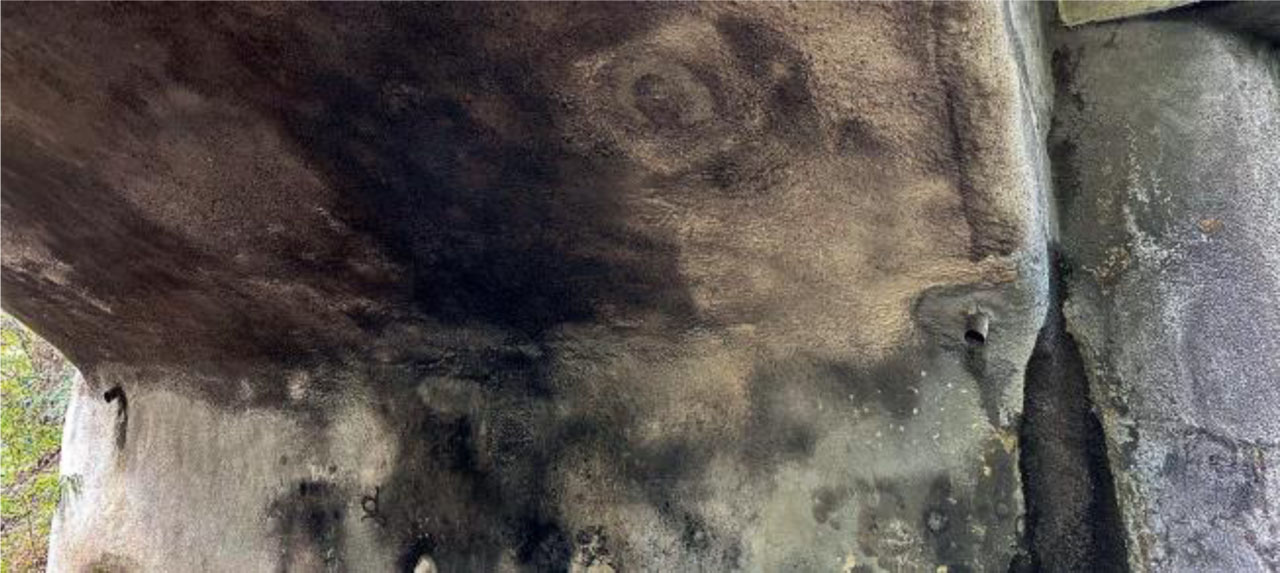
Figure 10:
Bridge over the Ohře River in Bohušovice – moisture retention with shotcrete and leaks through shotcrete
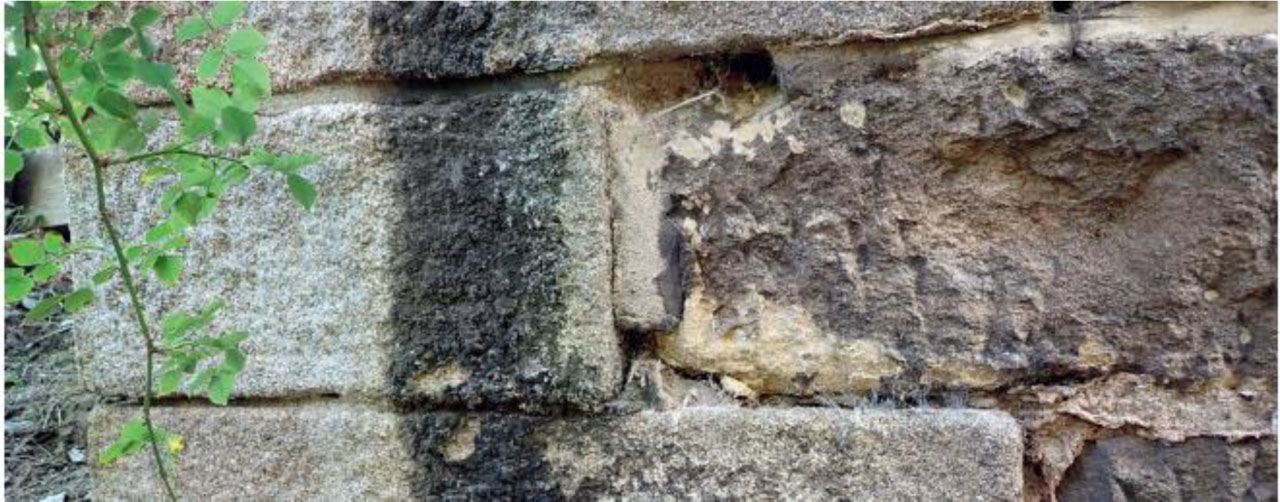
Figure 11:
Viaduct near Ratboř – degradation of sandstone blocks and fallen jointing
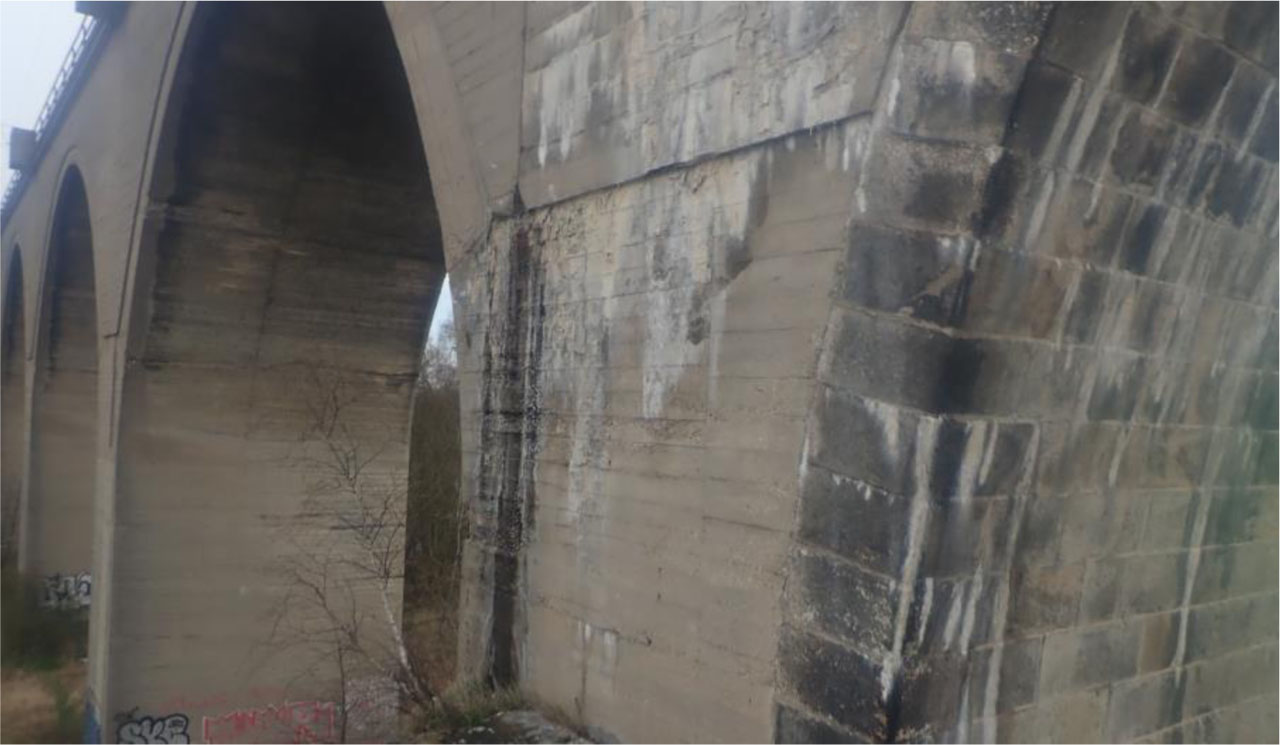
Figure 12:
Cheb Viaduct – Degradation and leaching at the joint between the original stone structure and the newer reinforced concrete structure
Frequently observed defects included longitudinal cracks on the face of the arches (Fig. 13). In some cases, cracks were observed on the pillars, and in one case, horizontal cracks were also observed at the base of the arch, most likely caused by uneven settlement of the substructure. Cracks often affect the structural reliability and durability of structures.
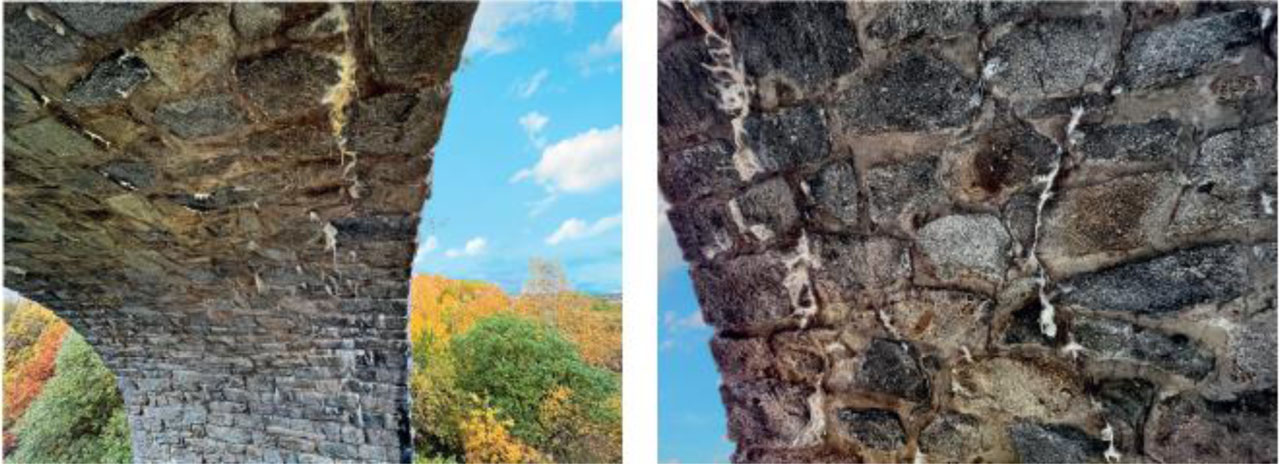
Figure 13:
Milevsko Viaduct – longitudinal cracks with active leakage, joint erosion, and incrustation
Deformation of a structure or part of it may indicate more serious problems with the structure, which can have a significant impact on its static reliability. In general, the following types of deformation are encountered in masonry stone bridges: flattening of the arch, bulging of the masonry, and tilting of the pillars. In the case of the bridges diagnosed, only one case of the buckling of spandrel wall was recorded (Fig. 14), which had already been repaired using steel tie rods.
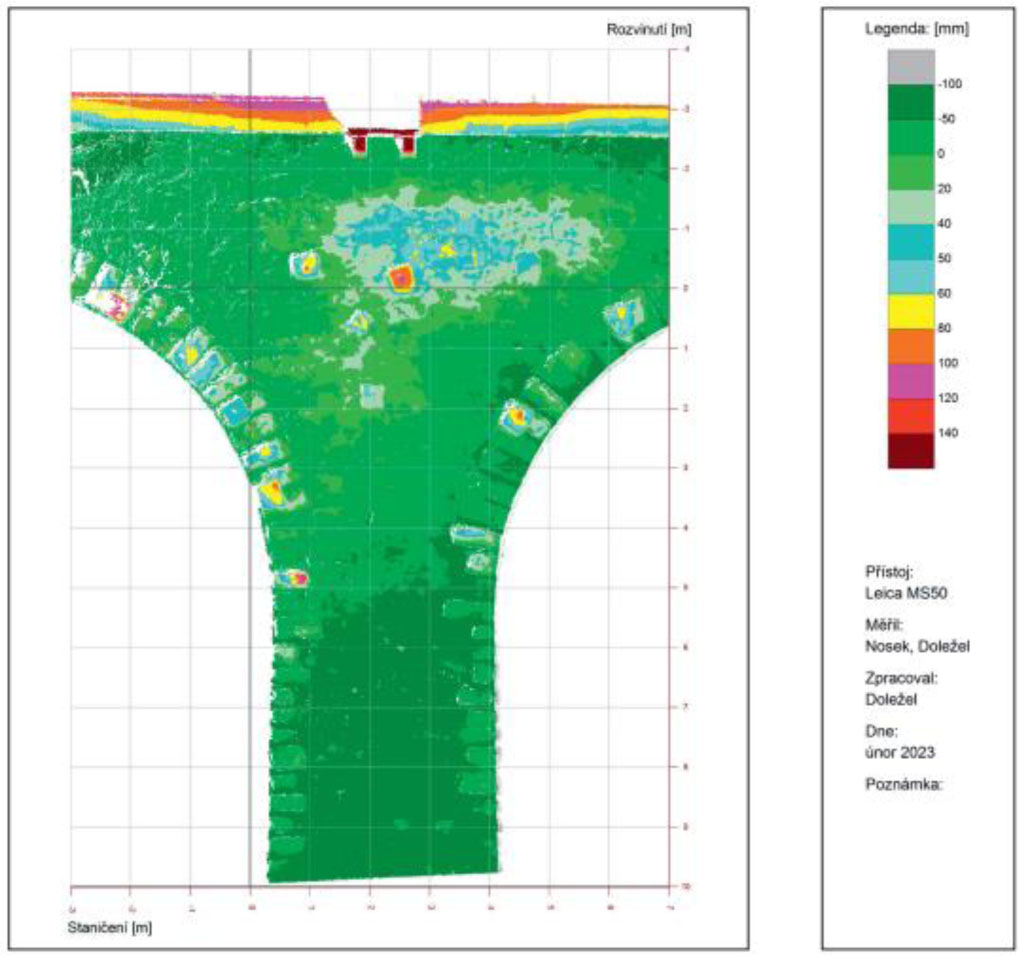
Figure 14:
Results from the method of flat scanning of the buckling of the spandrel wall above pillar P9
3.2. Static analysis and numerical models of arch bridges
In the field of arch masonry structures, the analysis and determination of load-bearing capacity is complicated by the highly complex static effects of arch structures in combination with the typical properties of masonry (material non-linearity). The behaviour of arch structure is strongly influenced by the shape of the structure, where the dominant stress is a combination of pressure and bending, the interaction of the arch with the backfill material, and a significant redistribution of loads and internal forces (Cannizzaro et al., 2019; Rhodes & Icke, 2014). At the same time, due to its almost zero tensile strength, masonry does not allow the transfer of tensile forces, and because of the applied load, changes in the stiffness of the structure and the course of the pressure line in the structure occur. Due to these facts, the task of determining the load-bearing capacity and transition-ability leads to non-linear analysis and iterative calculation. It is therefore very difficult to compile a simple analytical model, and special programs developed specifically for arch structures are often used in the analysis of common structures. A specific feature of the static analysis of an arch bridge is the fact that the response of the arch to the applied load changes with increasing stress and deformation of the structure.
At the time of the design and construction of arched railway bridges, calculation methods were significantly limited compared to current possibilities. Structures were designed using analytical calculations, which involved examining the position of the resultant internal forces in the core of the cross-section by manual calculation (Karalar & Çufalı, 2023). Numerical models were therefore simplified as much as possible, usually using beams. From today's perspective, this is a beneficial approach, as structures are generally designed with a considerable degree of reserve.
The current assessment of the reliability of masonry arch bridges was carried out within the project in accordance with regulation SŽ S5/1 (Správa železnic, 2021), which is based on the currently valid standards for masonry structures ČSN EN 1996 (Czech Standards Institute, 2013) and ČSN P 73 6213 (Czech Standards Institute, 2012), the principles of structural design ČSN EN 1990 (Czech Standards Institute, 2015), the series of standards for structural loads ČSN EN 1991 (Czech Standards Institute, 2020), the international regulation UIC 778-3 (International Union of Railways, 2011) and the standards for the assessment of existing structures ČSN ISO 13822 (Czech Standards Institute, 2014) and ČSN 73 0038 (Czech Standards Institute, 2019). Regulation SŽ S5/1 allows, in certain cases and under certain conditions, various exemptions from the above-mentioned standards.
When calculating the load-bearing capacity, in addition to the ultimate limit state (ULS), it is also necessary to verify the serviceability limit states (SLS). In the SLS, according to SŽ S5/1 (Správa železnic, 2021), , it must be verified that the compressive stress in the arch does not exceed 0.45 fk (45% of the characteristic strength of the masonry) and that the joint opening is not greater than half the thickness of the cross-section under consideration (i.e., at least half of the cross-section of the arch remains compressed). According to SŽ S5/1 (Správa železnic, 2021), the deflection from the characteristic value of the railway traffic load represented by the LM71 model should also be verified; however, in the case of masonry arches, the deformations from the traffic load are small and this assessment is not critical.
The LS RING software (LimitState Ltd, 2023) (Fig. 15), which uses the limit equity method, has proven to be a suitable tool for comparing the safety levels of arch structures in ULS. In the case of more complex structures, such as the Cheb Viaduct with reinforcement and cavities above the arch, it proved useful to supplement the complex volume models in the ATENA (Červenka Consulting, 2021) or ANSYS (ANSYS Inc., 2025) software (Fig. 16). Due to the low strength of the masonry (characteristic value 5 MPa), the volume model in the ATENA software was also used for the Bohušovice bridge. A finite element (FE) model should be applied to assess the serviceability limit states (SLS). The analysis of masonry structures is performed using a “linear calculation” for simple structures, excluding tension, and a non-linear calculation for more complex structures. Joints are modelled as elements that do not allow tensile stresses to develop. There are several calculation programs available that can be used for analysis and are commonly used in design studios.

Figure 15:
Viaduct Milevsko – Numerical model in LimitState:RING using the limit equity method
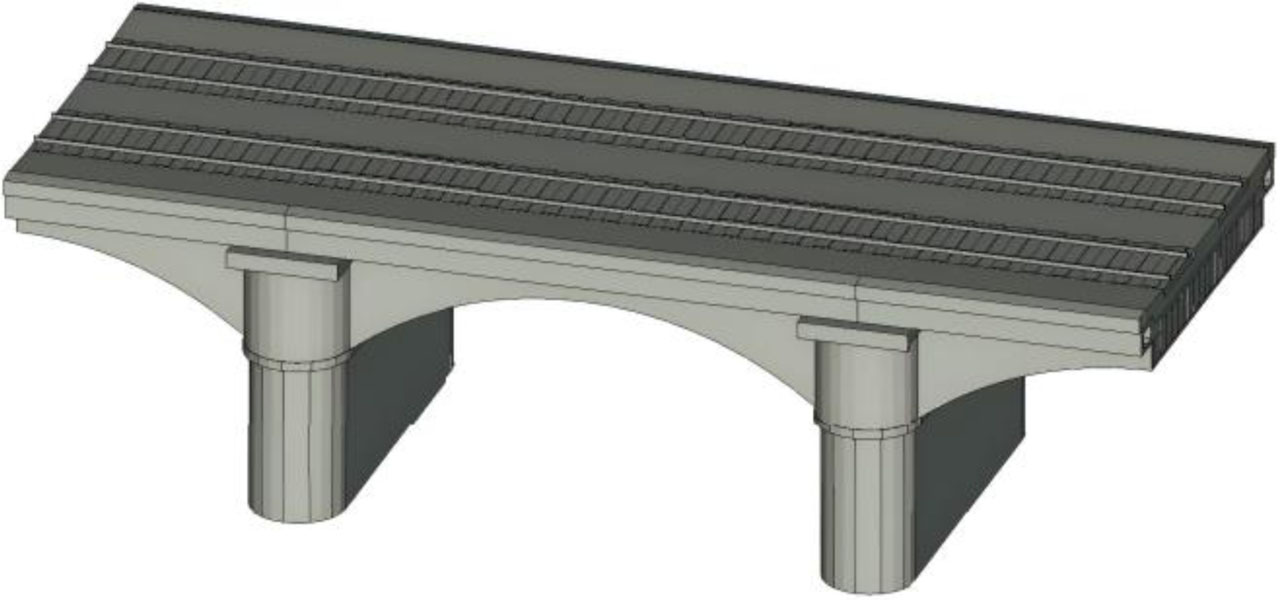
Figure 16:
Bridge over the Ohře River in Bohušovice – Complex model in the ATENA program using volumetric discrete numerical elements
3.3. Results of numerical assessment
In general, for most arch bridges, the load-bearing capacity was assessed as ZLM71 ≥ 1, i.e., not limiting in terms of transit-ability (Fig. 17). As a rule, it was not the ULS assessment that was decisive, but the SLS assessment of the restriction of the tensile part of the cross-section (at least 0.5 of the cross-section height must remain compressed). The SLS assessment should therefore always be performed.
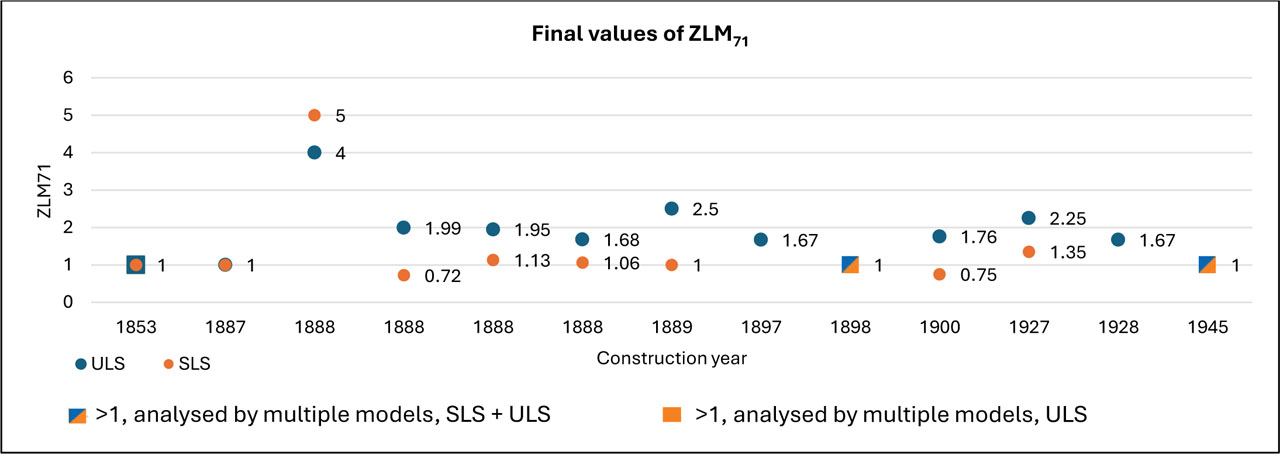
Figure 17:
Load-bearing capacity in ULS and SLS according to the year of construction of the arch structure
In most cases, the LS RING software was used to analyze the arch structures in ULS, using the limit equity method. For more complex structures, it was combined with a 3D non-linear model in software using the finite element method (FEM).
The assessment from the SLS perspective was significantly influenced by the application of uniform temperature loading, which was not considered at 54% of cases, while in other cases it was considered as a temperature difference loading of ±10 °C or ±15 °C (Fig. 18). Temperature effects can significantly influence load-bearing capacity, highlighting the need to harmonize approaches in the future. In the static analysis, the actual material characteristics based on diagnostic surveys were always considered; in several cases, cracks with a direct impact on reliability were found (Fig. 13).
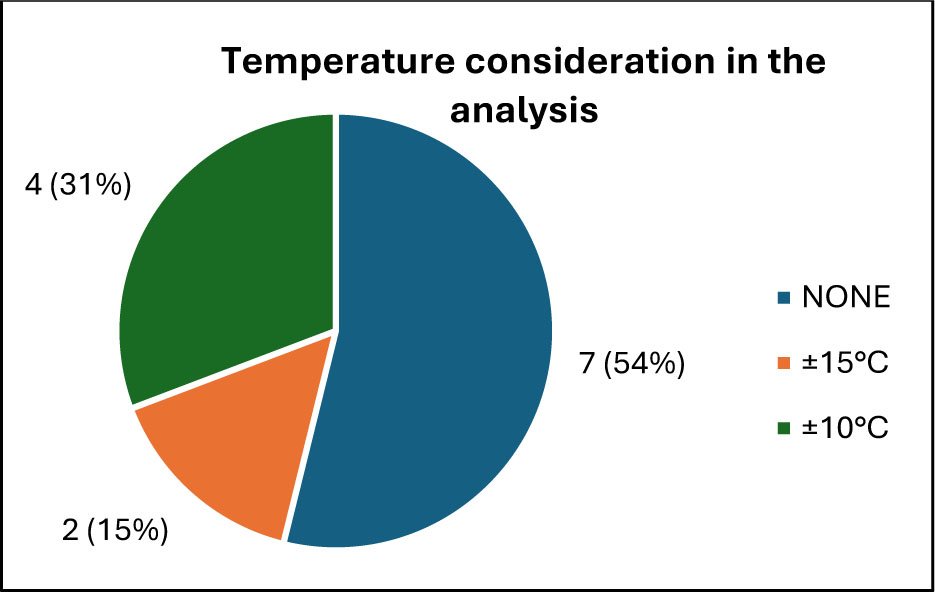
Figure 18:
Consideration of temperature load in analysis
When assessment of existing structures, it is essential to be able to critically evaluate the available information, take context into account, and make decisions based on experience. In the case of static assessment of bridge structures, this means considering the actual behaviour of the structure and entering the correct input parameters into the calculation (material characteristics, loads or boundary conditions) and recognising any anomalies in these parameters.
4. Conclusion
Brick arch bridges are among the oldest and most durable types of railway bridge structures, many of which have been in operation for around 150 years, some even for over 180 years. Today, these are historical types of structures with one or more spans, which are no longer being designed. However, based on the performed analysis, it can be assumed that with proper maintenance, most of them can serve well for decades or even centuries more. This applies in particular to bridges made of high-strength and durable stone masonry, such as granite, gneiss, or basalt.
Although masonry arch bridges are extremely durable, they are not completely immune to degradation processes. The most significant factor causing damage and degradation is water leakage into the structure, often due to non-functional or missing waterproofing. Water penetrating the masonry causes its disintegration, mortar leaching, deterioration of the mechanical properties of the masonry, and acceleration of frost and chemical damage. In terms of the masonry elements themselves, structures made of absorbent materials – sandstone, bricks, marlstone, etc. – are particularly at risk. These structures require special care and maintenance to remain operational, and protection against water leakage into the supporting structure is particularly important.
A total of 11 masonry stone arch bridge structures were diagnosed as part of the strategic bridge project. The load-bearing capacity and transit-ability of all these structures were recalculated. The diagnostic surveys did not reveal any serious defects with a direct impact on reliability. The results of the recalculations showed that these bridges can resist even the ever-increasing demands of railway traffic loads. Historic masonry arch bridges represent a structurally reliable and proven solution which, with proper care and maintenance, can continue to serve safely in modern railway transport conditions. Preserving these bridges is not only economically advantageous, but also culturally and technically valuable.
Acknowledgements
The study has been supported by the Czech Technical University in Prague under Grant SGS25/113/OHK1/2T/31. Methodology and findings developed under Grant 23-06222S supported by the Czech Science Foundation have been utilised.
Notes
[1] Contributed by Author Contributions
M.H. performed the static analysis and project leadership. A.M. performed the static analysis and statistical evaluation of the discovered knowledge. D.C. and S.R. performed the diagnostic surveys and their assessment.