

Table no. 1
Statistical analysis of response styles to conflict situations calculated for the entire research sample
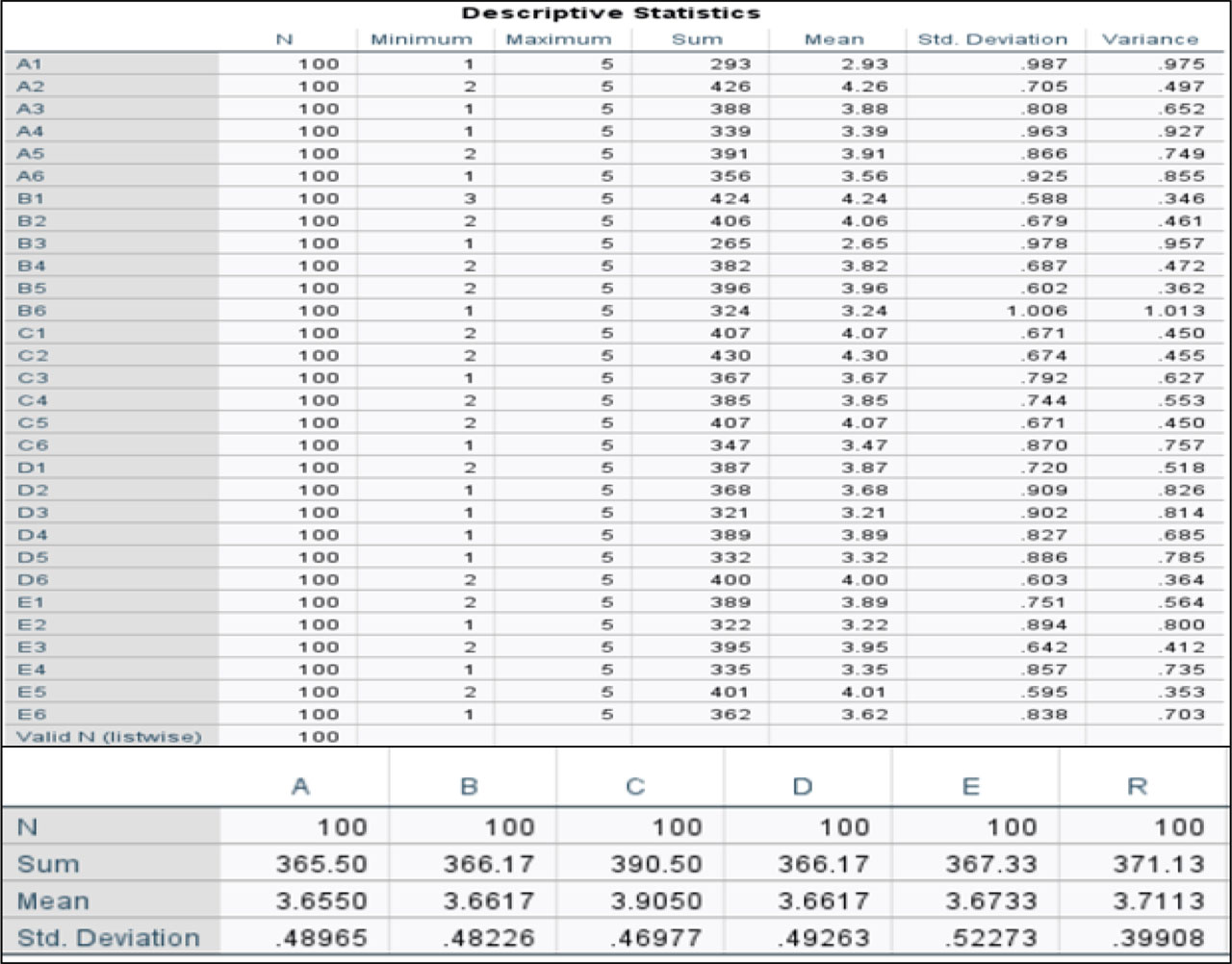
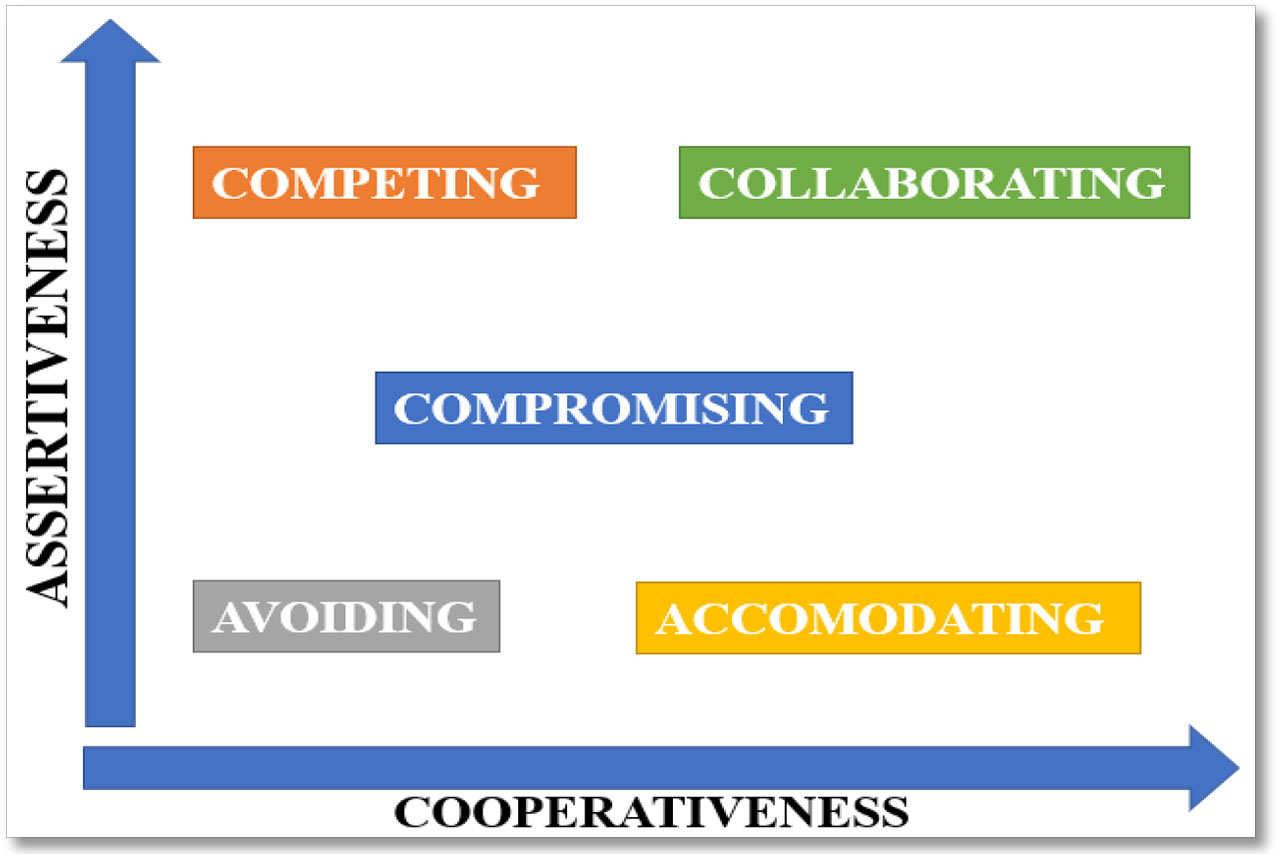
Figure no. 1:
Thomas-Kilmann conflict model
(Source: Author' own research)
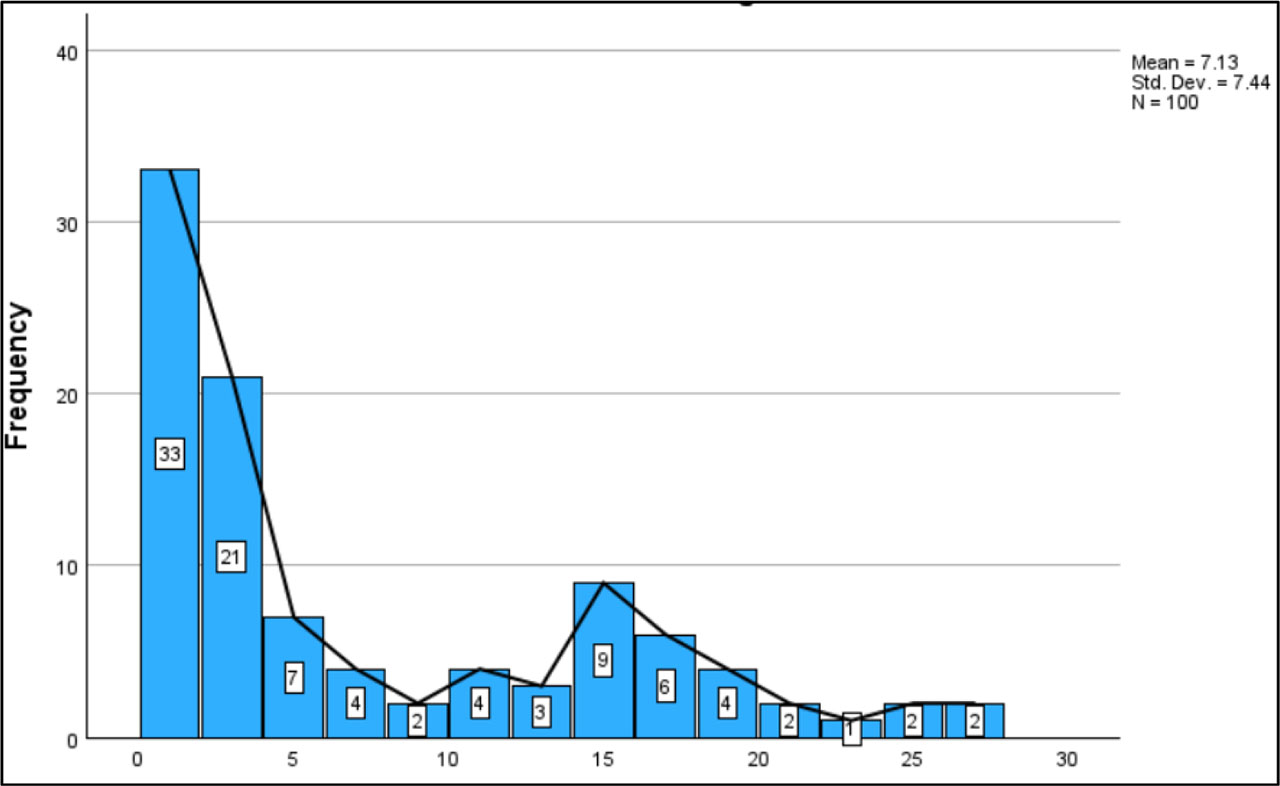
Figure no. 2:
The graphic representation of the sample's operational experience
(Source: Authors' own research – generated by IBM SPSS, version 30)
Table no. 2
Main causes generating conflicts within RLF according to the opinion of the surveyed sample
| Identified Cause | Frequency of Responses |
|---|---|
| poor communication between organization members | 43 |
| hierarchical structure and abuse of power | 18 |
| contradictory interests and objectives | 14 |
| limited resources sought by multiple entities | 9 |
| conflicting values and principles | 7 |
| interdependence of work-related activities | 6 |
| role ambiguity | 3 |
Table no. 3
The main negative/positive effects of conflicts within RLF
| Identified Effect | Frequency of Responses | |
|---|---|---|
| Negative effects | increased stress levels | 20 |
| reduced cooperation | 20 | |
| decreased motivation | 17 | |
| decreased productivity | 13 | |
| escalation of conflict | 4 | |
| Positive effects | improving collaboration and cooperation | 16 |
| enhancing performance | 4 | |
| stimulating creativity and innovation | 3 | |
| improving cohesion | 3 | |