
INTRODUCTION
Immune thrombocytopenia (ITP) is an autoimmune disorder characterized by decreased platelet production and increased platelet destruction. Clinically, it is a relatively common condition and, in severe cases, may manifest as bleeding in the skin, mucous membranes, or internal organs. Intracranial hemorrhage remains the leading cause of mortality in ITP. The pathogenesis of ITP is complex, involving multiple factors such as genetic predisposition, medications, infections, oxidative stress, and immune dysregulation. Among these, humoral immune regulation mediated by B lymphocytes plays a crucial role in immune mechanism of ITP [1]. Aberrant B lymphocytes participate in humoral immune responses by producing platelet-specific autoantibodies that contribute to platelet destruction. Additionally, B lymphocytes may be involved in cellular immune responses in ITP through antigen presentation and other mechanisms [2].
As an autoimmune disorder of hematologic system, ITP may also predispose individuals to the development of other autoimmune diseases. Focusing on renal autoimmune disorders, studies have shown that pathophysiological mechanisms underlying ITP can contribute to the onset of membranous nephropathy (MN) [3]. Rituximab has been used to treat patients with coexisting ITP and MN simultaneously [4]. Other studies have identified commonalities between ITP and IgA nephropathy (IgAN), such as upregulation of PDGF expression in both conditions and involvement of IgG antibodies in their immune regulation [5]. These findings suggest that the presence of ITP may serve as a potential risk factor for development of other autoimmune diseases, particularly MN and IgAN.
Chronic kidney disease (CKD) is defined as a pathological condition of kidney characterized by structural and functional impairment lasting more than three months, regardless of underlying cause, or an unexplained decline in glomerular filtration rate (GFR) to less than 60 mL/min/1.73 m2 for over three months. A wide range of primary diseases are associated with CKD, including various forms of primary or secondary glomerulonephritis, tubular injury, and renal vascular lesions [6]. Among these, primary glomerulonephritides such as MN and IgAN have become important causes of CKD [7]. MN, IgAN, and ITP are all autoimmune diseases. Studies have shown that patients with MN exhibit increased numbers of peripheral B lymphocytes, which correlate with the severity of proteinuria. Further investigations have revealed focal accumulation of B lymphocytes in renal tissues of patients with MN, which is associated with key CKD pathological features such as tubular injury and renal fibrosis [8]. Similarly, in IgAN, an increased number of B lymphocytes secrete large quantities of circulating IgA1, triggering immune-inflammatory responses that ultimately contribute to CKD progression [9].
Aberrantly expressed B lymphocytes not only contribute to megakaryocyte dysfunction and platelet destruction in ITP but also play pathogenic roles in glomerular diseases such as MN and IgAN, potentially leading to GFR decline and the onset of CKD [10, 11, 12]. However, whether abnormally expressed genes in B lymphocytes of ITP patients are involved in progression of MN and IgAN to CKD remains unclear. In this study, peripheral blood samples were collected from new ITP patients and healthy controls. High-throughput sequencing was performed on CD19+B lymphocytes isolated from peripheral blood to identify differentially expressed genes (DEGs) between two groups. Identified DEGs were then intersected with CKD, MN, and IgAN related genes obtained from Genecard database to determine shared genes. The aim was to explore whether these aberrantly expressed DEGs in B lymphocytes from ITP patients could serve as pathogenic factors driving the progression of MN and IgAN to CKD.
METHODS AND MATERIALS
Identification of DEGs in ITP patients via high-throughput sequencing
Four newly diagnosed ITP patients and four healthy volunteers were enrolled in the discovery cohort. Peripheral blood samples were collected from both groups, and mononuclear cells were isolated. CD19+ B lymphocytes were purified by magnetic bead assisted sorting. Total RNA was extracted using Trizol and subjected to quantitative analysis and high throughput sequencing on the BGISEQ-500 platform. Differential expression analysis of the RNA-seq dataset was performed using DESeq2 [13] with thresholds of |log2FC| > 1.5 and adjusted P < 0.05. To complement the limited size of the cohort, six publicly available ITP related GEO datasets: GSE154703 [14], GSE112278 [15], GSE56232 [16], GSE46922 [17], GSE43177 [18], GSE574 [19]. For public microarray datasets, expression matrices were background corrected, quantile normalized, and analyzed using limma [20]. Differentially expressed genes identified in the dataset and the public datasets were then intersected, and the common DEGs were used for downstream analyses. Given the heterogeneity of public datasets in platform and sample context, these data were used as supportive transcriptomic evidence rather than as directly pooled raw expression data.
Gene set enrichment analysis (GSEA) of DEGs
Gene set enrichment analysis (GSEA) was performed using GSEA software and MSigDB database to explore the functional enrichment of common DEGs identified in ITP samples. The normalized gene expression matrix and the Hallmark gene sets from MSigDB were input into the GSEA tool to calculate enrichment scores and assess statistical significance. The selection criteria were: absolute normalized enrichment score (NES)>1, p<0.05, and false discovery rate<0.25.
Identification of key genes among DEGs by machine learning
Three machine learning algorithms, LASSO, Random Forest (RF), and SVM-RFE, were employed to comprehensively analyze common DEGs obtained from ITP sequencing. The glmnet package was used to perform rigorous 10-fold cross-validation. For SVM-RFE, a subset of optimal features was trained from various gene categories using “e1071” and “svmRadial” packages in R programming context. In RF, genes with relative values greater than 0.25 were prioritized. The RF classification model was constructed using RF package, and key genes were ranked based on the Gini index to identify the keys genes among DEGs.
Protein-protein interaction (PPI) network of DEGs
The STRING database was used to construct PPI network of DEGs, with the organism set to “Homo sapiens” and other parameters kept at default. The resulting interaction data were imported into Cytoscape for network analysis, enabling visualization of DEG connections and their interactions within ITP related PPI network.
Quantitative PCR (qPCR) analysis of mRNA expression of TNF, NLRP3, and IL1B in DEGs
Ten new ITP patients and ten ITP remission patients were enrolled. ITP remission was defined as a sustained platelet count between (100–300)×109/L following treatment [21]. In addition, ten healthy volunteers were recruited as controls. Peripheral blood samples were collected, and mononuclear cells were isolated. CD19+B lymphocytes were sorted using magnetic beads, and total RNA was extracted using Trizol, followed by reverse transcription into cDNA. qPCR was performed using Bio-Rad CFX real-time PCR system. The relative expression of each gene were calculated using 2−∆∆CT. Primer sequences are listed in Table 1.
Identification of overlapping genes between ITP DEGs and related genes from genecard database
CKD associated genes were retrieved from Genecard database. The DEGs identified in ITP patients were compared with CKD associated genes to obtain overlapping gene set. Similarly, genes associated with membranous nephropathy and IgA nephropathy were retrieved from Genecard. Overlapping genes were then identified between ITP DEGs and those associated with MN and IgAN. The final overlapping gene set included ITP DEGs shared with CKD, MN and IgAN.
PPI network of overlapping genes between ITP and CKD, MN, IgAN
The STRING database was used to construct PPI network for overlapping genes between ITP DEGs and CKD, MN, IgAN associated genes, with the organism set to “Homo sapiens” and other parameters kept at default. The resulting interaction data were imported into Cytoscape for network analysis, enabling visualization of the number of connections within this networks.
RESULTS
Identification of DEGs
Differential expression analysis was performed separately for the RNA-seq dataset and the public ITP related datasets using platform appropriate methods. Intersecting the differential expression results yielded 498 common DEGs, including 243 upregulated genes and 255 down-regulated genes, which were used for downstream analyses. The volcano plot and heatmap of DEGs are shown in Figure 1 and Figure 2.
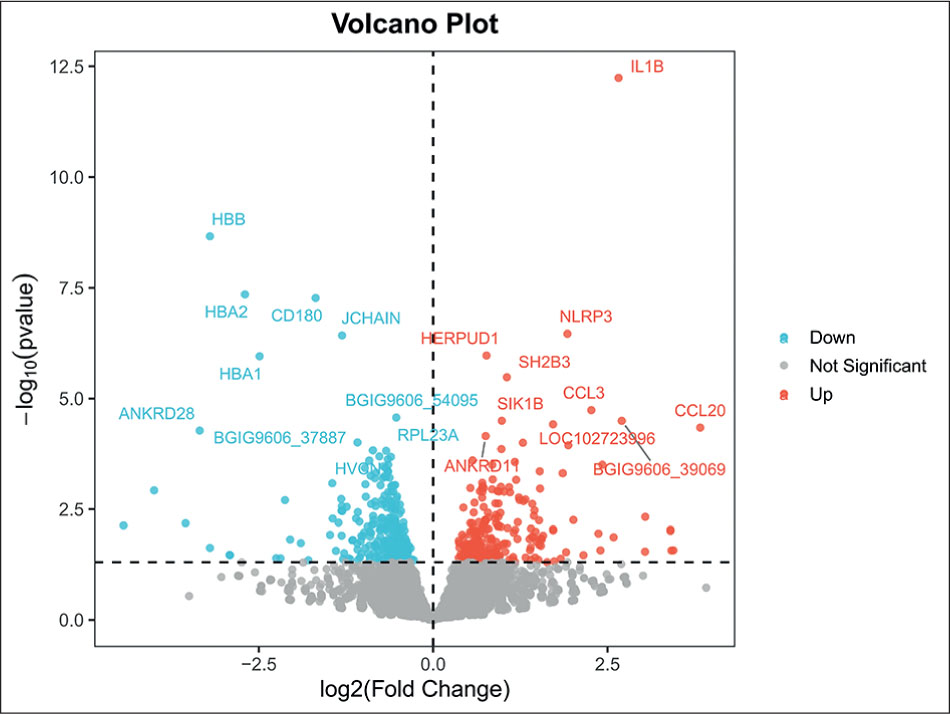
Figure 1.
Volcano plot of common DEGs.
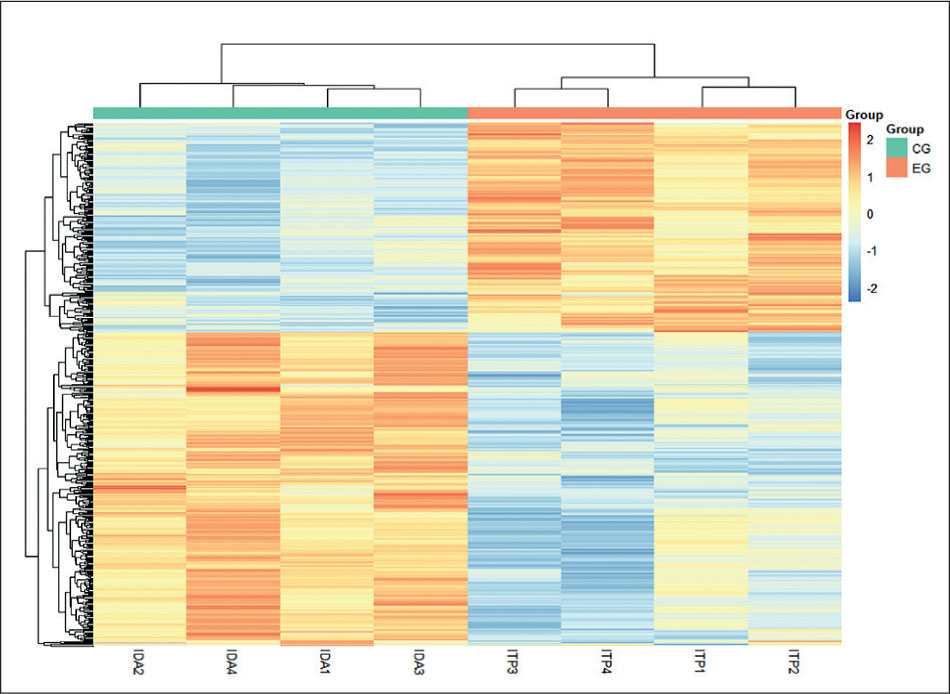
Figure 2.
Heatmap of top common DEGs.
GSEA of DEGs
GSEA revealed that DEGs in peripheral CD19+ B cells from newly diagnosed ITP patients were enriched in pathways reflecting both inflammatory activation and immunometabolic remodeling (Figure 3). Notably, the enrichment of the neutrophil extracellular trap (NET) formation pathway suggests engagement of a broader pro-inflammatory program, consistent with an immune milieu that can amplify autoimmunity and tissue injury [22, 23]. In parallel, multiple mitochondrial energy–related pathways—including oxidative phosphorylation and the citrate (TCA) cycle—were significantly enriched, indicating altered mitochondrial bioenergetics that may contribute to oxidative stress and functional reprogramming during immune activation [24]. The enrichment of the non-alcoholic fatty liver disease pathway, which contains gene modules linked to mitochondrial dysfunction and inflammation, further supports the presence of systemic immunometabolic disturbance. In addition, ribosome/translation-related gene sets showed moderate enrichment, suggesting changes in protein synthesis capacity accompanying B-cell activation states [25, 26]. Collectively, these findings indicate that newly diagnosed ITP is associated with a B-cell transcriptional signature coupling inflammatory pathways with mitochondrial/metabolic perturbations, biological processes that are also implicated in immune-mediated glomerular injury and progressive loss of renal function, thereby providing a plausible molecular link between ITP and CKD related autoimmune nephropathies.
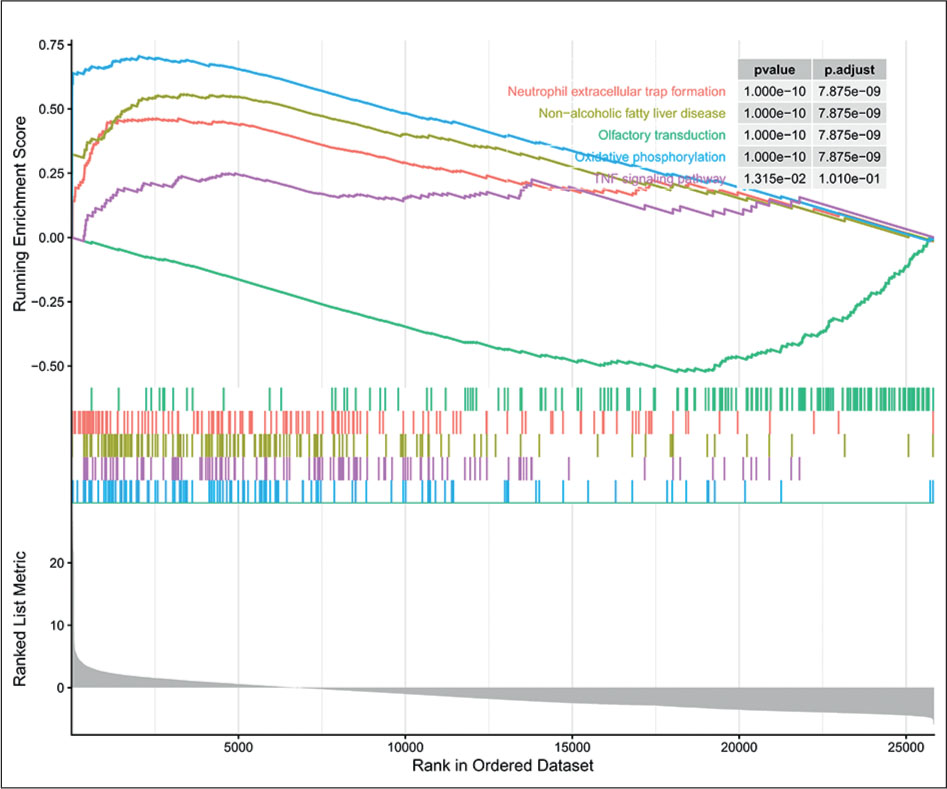
Figure 3.
GSEA of common DEGs.
Screening of key genes by machine learning
To prioritize a robust set of diagnostic/biologically relevant candidates from the DEG list, we applied three complementary machine learning approaches—LASSO, SVM-RFE, and Random Forest (RF)—and additionally evaluated their classification performance. LASSO regularization reduced the candidate space to 13 genes (FOS, ANKRD28, SRGN, COX6B1, IGKC, HLA-DRA, STK4, C1orf194, PARP2, RPS11, CFLAR, ILF3, TMEM63A; Figure 4 and 5), capturing signatures of immune activation/antigen presentation (e.g., FOS, HLA-DRA, IGKC) and cell survival/stress responses (e.g., CFLAR, STK4). In parallel, SVM-RFE selected 44 features (including CAMP, CYCS, UQCRQ, TNFAIP3; AUC= 0.962; Figure 6), highlighting pathways related to innate inflammatory programs and mitochondrial bioenergetics. RF prioritized 34 genes (including TNF, CEBPB, CYCS, IDH3B, PLCB2, CTSB, SRGN; AUC=1.000; Figure 7), reinforcing modules involved in pro-inflammatory cytokine signaling, B-cell receptor/immune signaling, and metabolic stress.
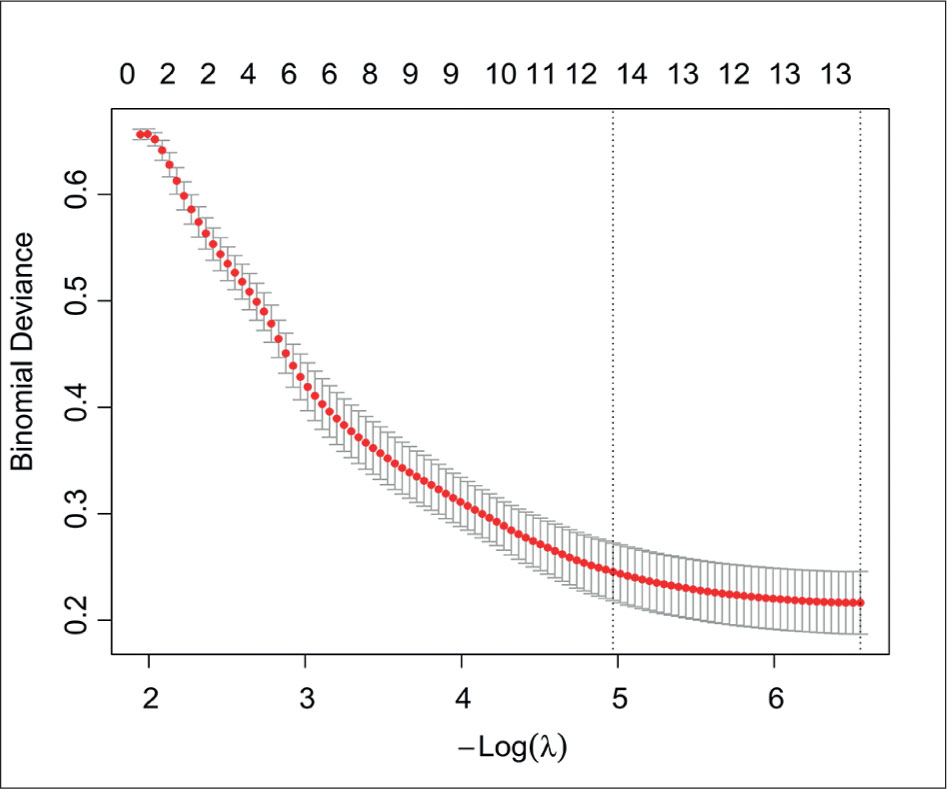
Figure 4.
Cross-validation curve of the LASSO regression model.
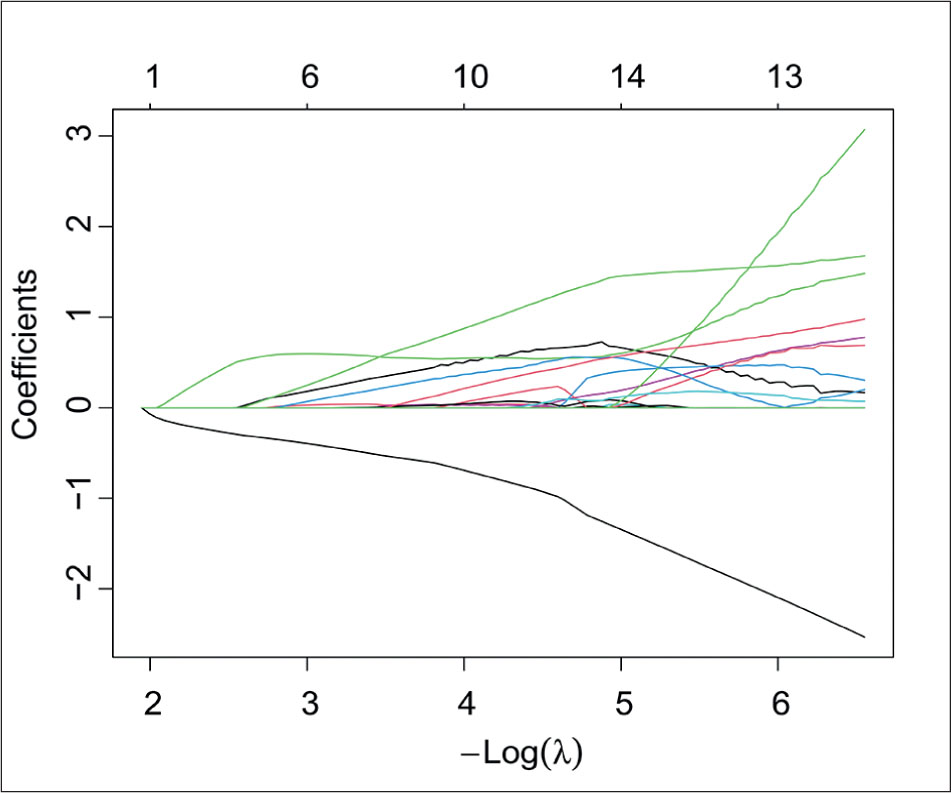
Figure 5.
Coefficient profile plot of the LASSO regression model.
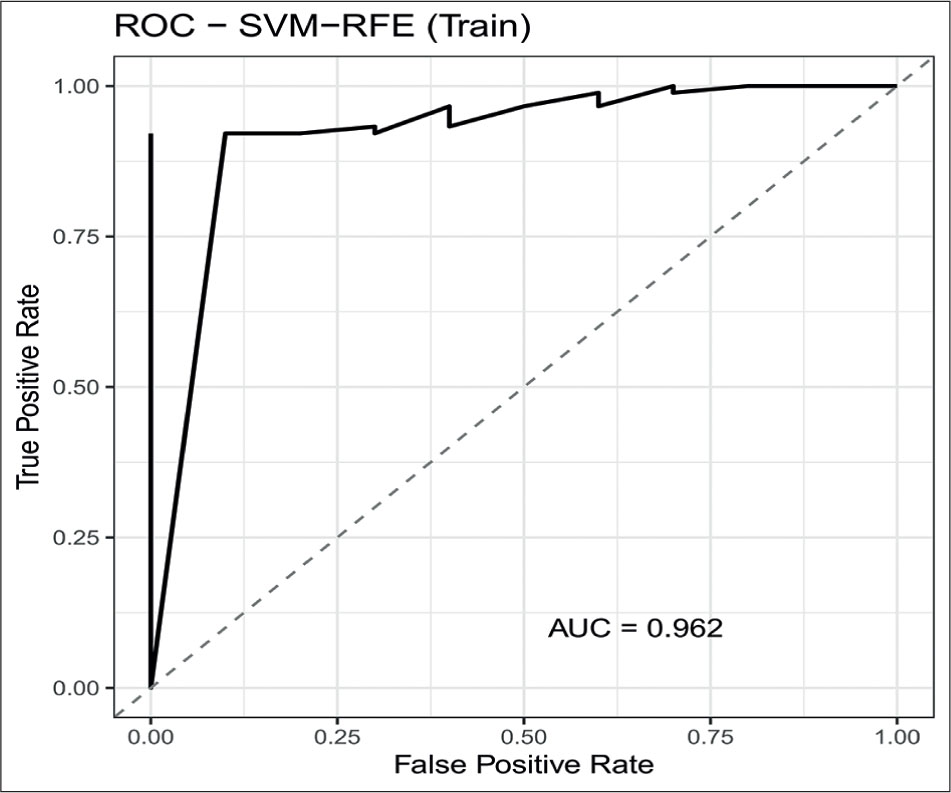
Figure 6.
SVM-RFE algorithm ROC curve.
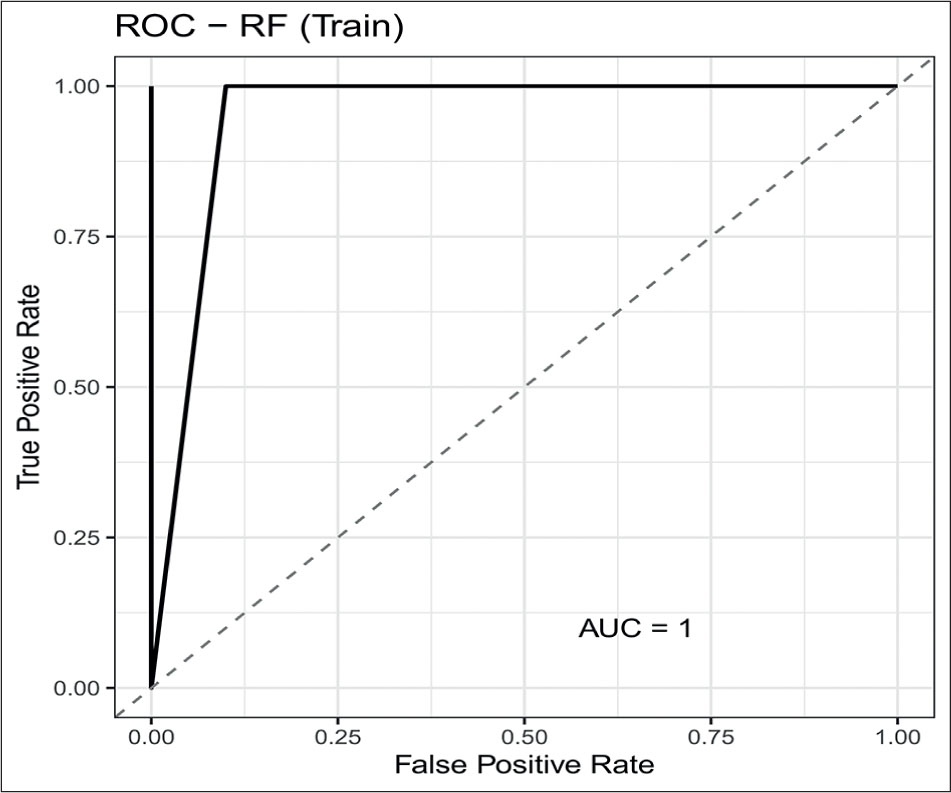
Figure 7.
RF algorithm ROC curve.
Importantly, intersecting the outputs of all three algorithms converged on a single shared gene, SRGN (Figure 8), suggesting that SRGN represents a stable, model-agnostic signal within the ITP B-cell transcriptome [27, 28]. SRGN encodes serglycin, a secretory granule–associated proteoglycan broadly expressed in immune cells, where it supports the packaging, trafficking, and regulated release of inflammatory mediators [29]. This convergence is consistent with the broader enrichment of inflammatory and mitochondrial/metabolic pathways observed in our GSEA results, and nominates SRGN as a mechanistically plausible candidate linking aberrant B-cell activation in ITP to systemic immune inflammation potentially relevant to autoimmune nephropathies [30].
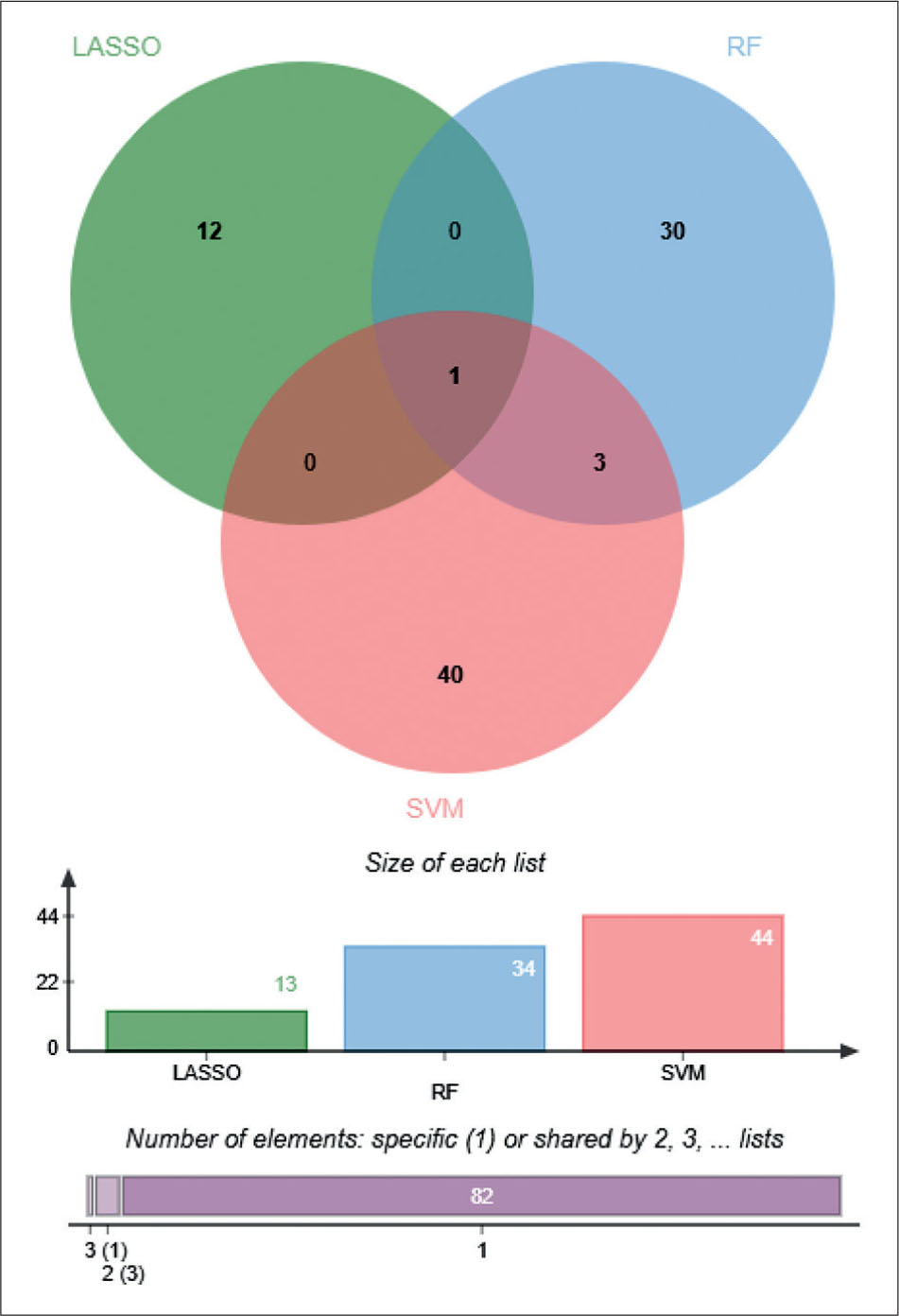
Figure 8.
Intersection of the three machine learning algorithms identified one key genes: SRGN.
PPI network of ITP associated DEGs
A protein-protein interaction (PPI) network was constructed using the common DEGs identified from the transcriptomic analyses (Figure 9). After removal of disconnected nodes, the final network contained 104 functionally interconnected genes. Nodes were initially ranked by degree centrality to identify highly connected components within the network (Table 2). However, because canonical housekeeping or ubiquitously expressed genes may appear as highly connected nodes due to network centrality bias, connectivity alone was not interpreted as evidence of disease specific importance. Therefore, the biological interpretation of the PPI network focused primarily on inflammatory and immune related genes, including TNF, IL1B, TNFRSF1A, STAT3, CTSS, and ISG15, which are more consistent with the inflammatory phenotype observed in ITP and with the pathway level enrichment results. In addition, genes related to immunometabolic and stress responses, such as CYCS and COX4I1, were also present in the network. The PPI analysis supports the presence of an inflammation associated interaction module in ITP rather than defining disease mechanisms solely on the basis of degree centrality.
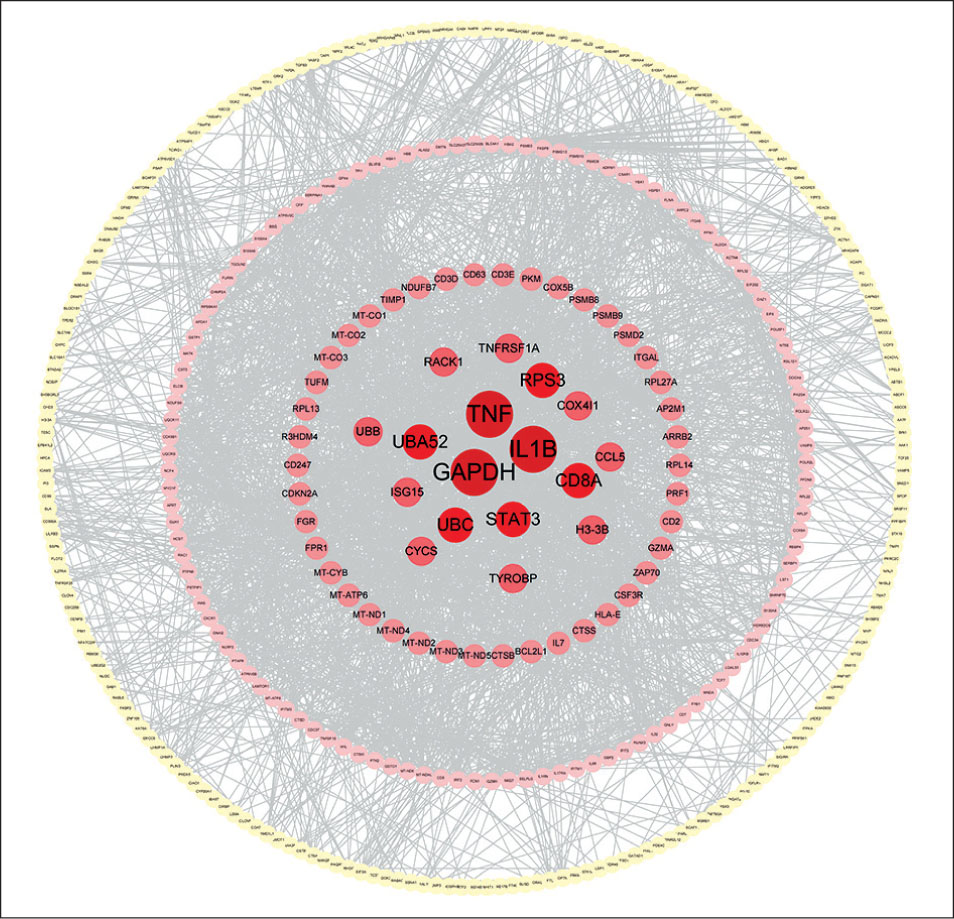
Figure 9.
PPI network of common DEGs identified in ITP.
Table 2.
Highly connected DEG nodes identified in the PPI network
| Name of DEG | log2|FC| | P value | Number of connections |
|---|---|---|---|
| GAPDH | 3.2953409195274 | 2.19422420641149e-07 | 110 |
| TNF | 3.68646049371584 | 1.47314840083729e-10 | 105 |
| IL1B | 2.50243396726262 | 3.13683399045308e-12 | 75 |
| CD8A | 2.86640582723886 | 7.27565725241324e-06 | 71 |
| STAT3 | 2.09730201355131 | 4.96438557174655e-06 | 70 |
| UBA52 | 4.92834353505914 | 5.23423339042131e-08 | 63 |
| UBC | 2.18610712682655 | 1.05952355437303e-05 | 60 |
| RPS3 | 2.79618429621907 | 3.63790536504739e-08 | 56 |
| UBB | 3.82095799888894 | 4.31876503261331e-08 | 56 |
| CYCS | 2.29957812821002 | 5.45213130618771e-07 | 50 |
| CCL5 | 3.55169552386934 | 3.71390385817605e-09 | 49 |
| TYROBP | 5.2780755168582 | 5.38420777664558e-13 | 46 |
| COX4I1 | 2.09433418305494 | 4.71041649541531e-06 | 39 |
| H3-3B | 22.5682455453967 | 6.62776003598768e-07 | 39 |
| ISG15 | 3.35218542157055 | 3.0642442177228e-07 | 38 |
| TNFRSF1A | 3.60578976971292 | 1.90860747716885e-09 | 38 |
| CTSS | 3.17044562984854 | 8.53715947857592e-06 | 37 |
qPCR validation of TNF, NLRP3, and IL1B mRNA expression in ITP Patients
Peripheral blood samples were collected from 10 new ITP patients, 10 ITP remission patients, and 10 healthy controls. And mRNA expression of TNF, NLRP3, and IL1B were validated by qPCR. Compared with healthy controls, new ITP patients exhibited significantly elevated expression of TNF, NLRP3, and IL1B. Furthermore, compared with new ITP patients, ITP remission patients showed reduced expression of NLRP3 and IL1B. The differences were statistically significant. See Figure 10, 11, and 12.
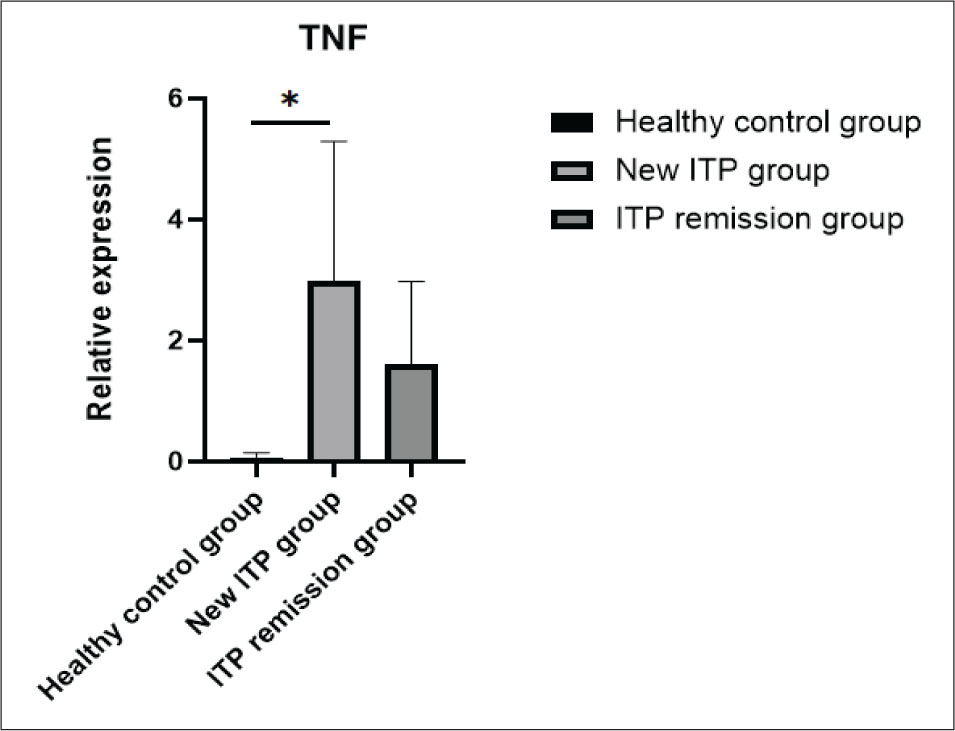
Figure 10.
mRNA Expression of TNF.
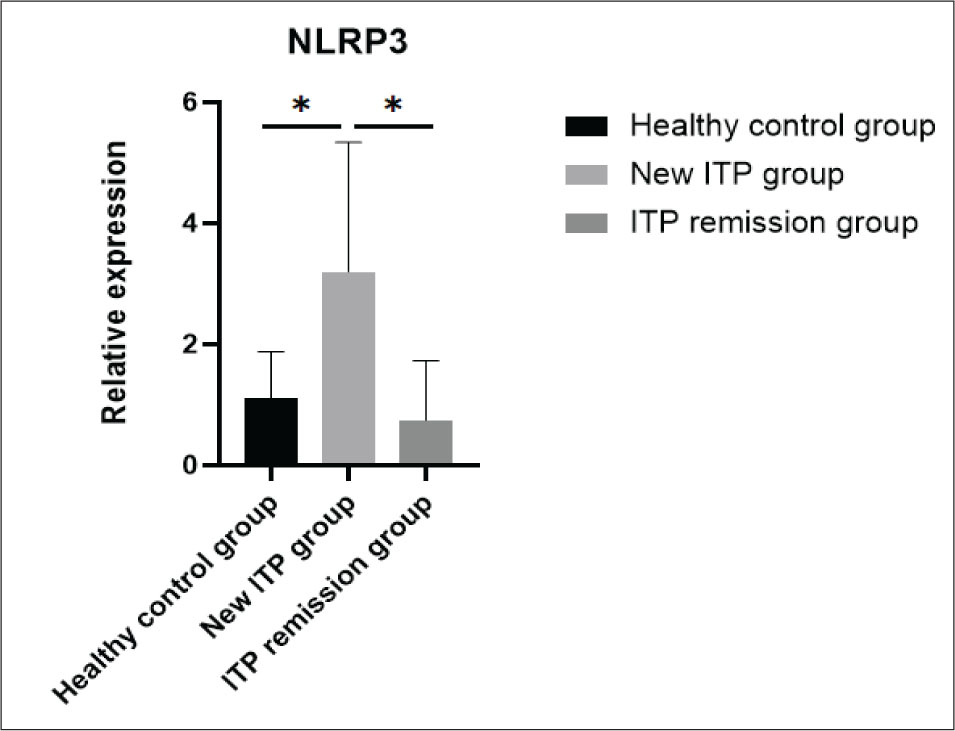
Figure 11.
mRNA Expression of NLRP3.
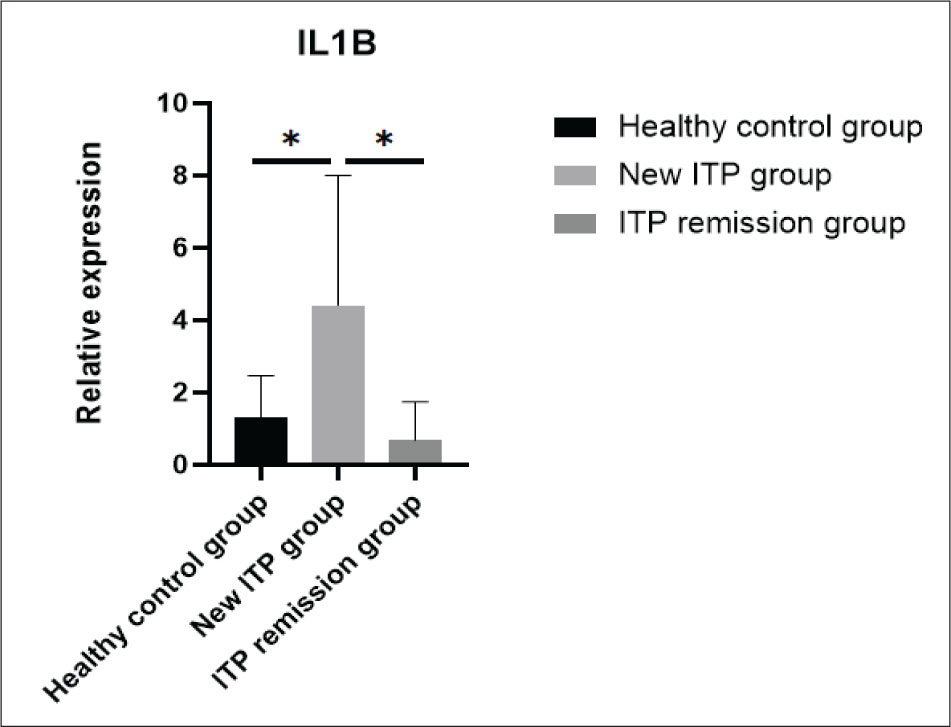
Figure 12.
mRNA Expression of IL1B.
ITP DEGs and CKD associated genes formed overlapping genes
To explore whether ITP-associated B-cell transcriptional alterations overlap with genes implicated in chronic kidney disease (CKD), we curated a CKD gene set by integrating disease-associated genes retrieved from GeneCards and OMIM (total n = 175, after deduplication). Intersecting this curated CKD gene set with the ITP DEG list (n = 498) identified from 39 overlapping genes (Figure 13; Table 3). These shared genes nominate candidate molecular links between ITP-related immune dysregulation and pathways relevant to CKD susceptibility/progression, providing a focused gene set for downstream network and pathway interrogation.
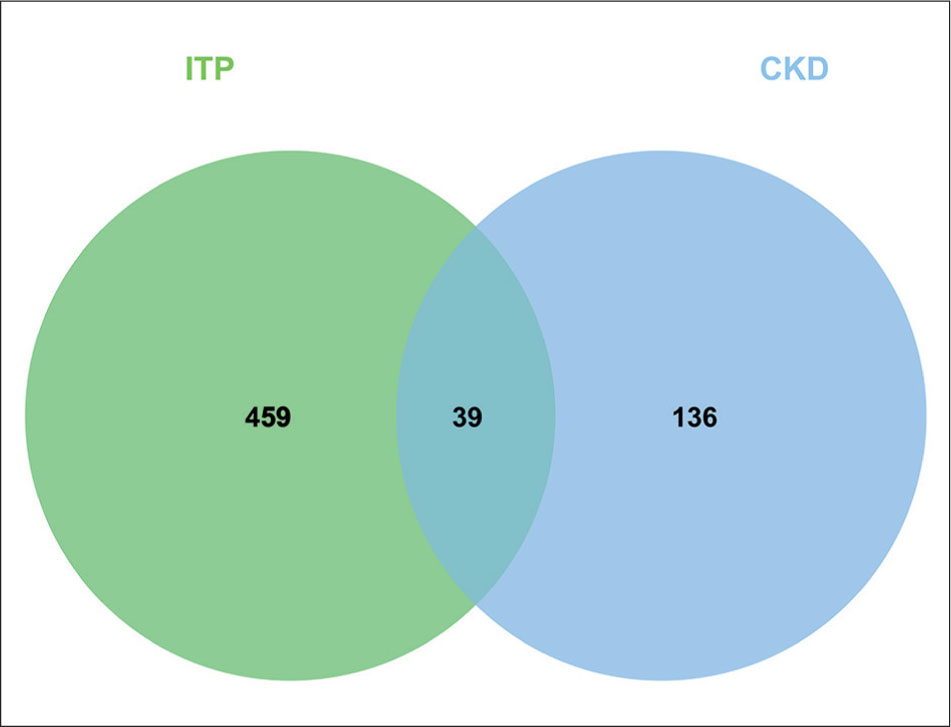
Figure 13.
Venn diagram of overlapping genes between ITP DEGs and CKD associated genes.
ITP DEGs and MN, IgAN associated genes formed overlapping genes
To further assess whether ITP-associated transcriptional changes in CD19+ B cells share disease-linked components with autoimmune glomerulopathies, we curated gene sets associated with membranous nephropathy (MN) and IgA nephropathy (IgAN) by integrating entries from GeneCards and OMIM (after deduplication). For MN, we retrieved 74 MN-associated genes, and intersecting this set with the ITP DEG list (n = 498, as used for overlap analyses) identified 24 overlapping genes (Figure 14; Table 4). Notably, the MN overlap included inflammatory and immune-related candidates such as TNF and ISG15, together with genes linked to cellular stress and tissue remodeling (e.g., PINK1, HSPG2, EPHA2), nominating plausible shared molecular components between ITP-related immune dysregulation and MN-associated pathways.
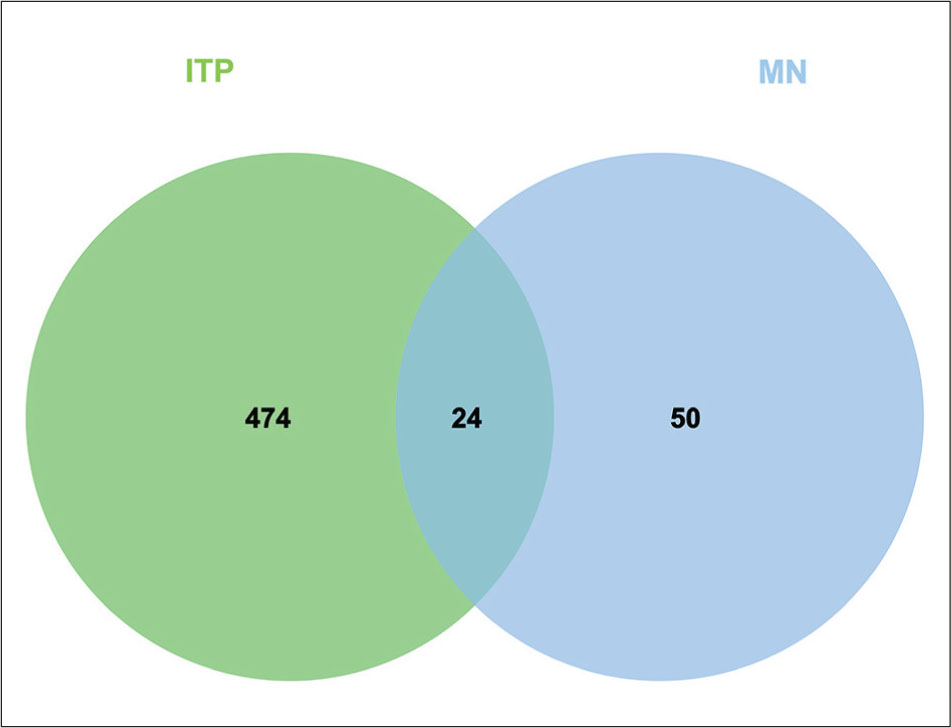
Figure 14.
Venn diagram of overlapping genes between ITP DEGs and MN associated genes.
Table 4.
Details of 24 overlapping genes between ITP and MN
| TNF | ISG15 | KIF17 | KIAA0319L | PTAFR | PODN | LRP8 |
| WASF2 | FNDC5 | ALPL | RAB3B | HSPG2 | ESPN | PINK1 |
| EFHD2 | COL8A2 | PDPN | TRABD2B | TNFRSF25 | KCNQ4 | BSND |
| FOXE3 | EPHA2 | CLCNKB |
Similarly, we retrieved 146 IgAN-associated genes, and intersection with the ITP DEG list yielded 37 overlapping genes (Figure 15; Table 5). The IgAN overlap contained several inflammation-associated candidates—including TNF, IL1B, and NLRP3—consistent with heightened inflammatory signaling observed in our DEG/PPI and qPCR analyses. Collectively, these overlap analyses identify focused gene sets shared between ITP B-cell transcriptional alterations and MN/IgAN disease-associated genes, supporting potential molecular connections between ITP-related immune activation and autoimmune kidney disease. Given the broad and literature driven nature of the curated disease gene resources, these findings were interpreted as evidence of convergent inflammatory and immune related components.
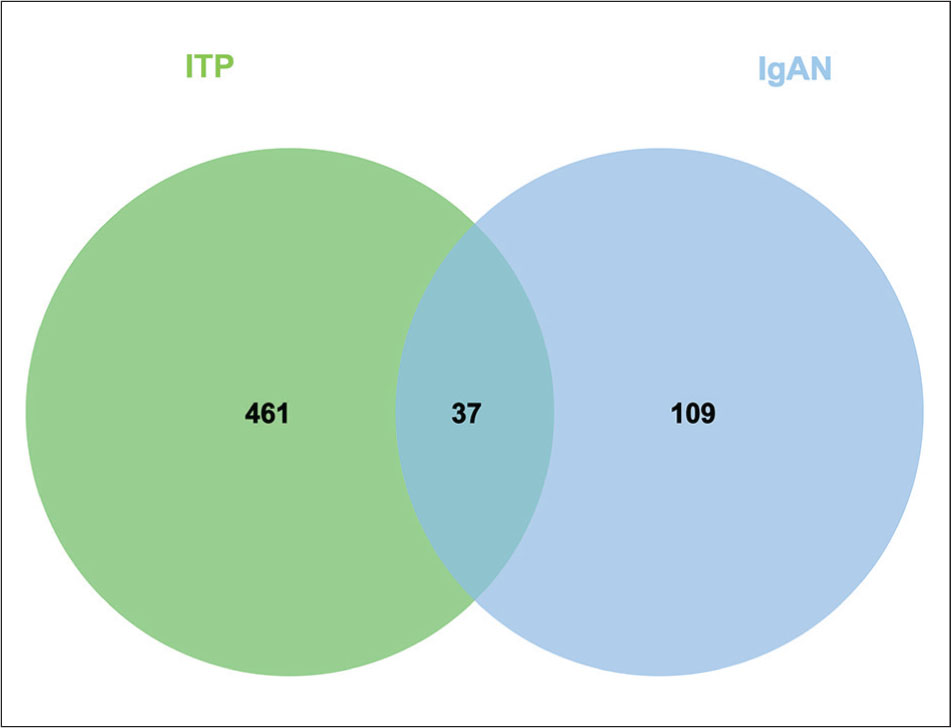
Figure 15.
Venn diagram of overlapping genes between ITP DEGs and IgAN associated genes.
ITP DEGs and CKD, MN, IgAN overlapping genes constructed PPI network
To characterize the interaction structure of the overlap gene sets, we constructed PPI networks separately for the 39 genes shared between ITP and CKD, the 24 genes shared between ITP and MN, and the 37 genes shared between ITP and IgAN (Figure 16–18). Across all three networks, TNF consistently emerged as the highest-degree hub (i.e., the node with the greatest number of connections), indicating a recurrent TNF-centered interaction module shared between ITP-associated B-cell DEGs and kidney disease–associated gene sets. Notably, the IgAN overlap network additionally highlighted inflammatory and immune-regulatory nodes such as IL1B, IL4, and NLRP3, consistent with our DEG/PPI and qPCR validation results. Collectively, these network analyses support convergence on inflammatory signaling—centered on TNF—as a plausible shared molecular axis linking ITP-related immune dysregulation with pathways implicated in autoimmune nephropathies and CKD.
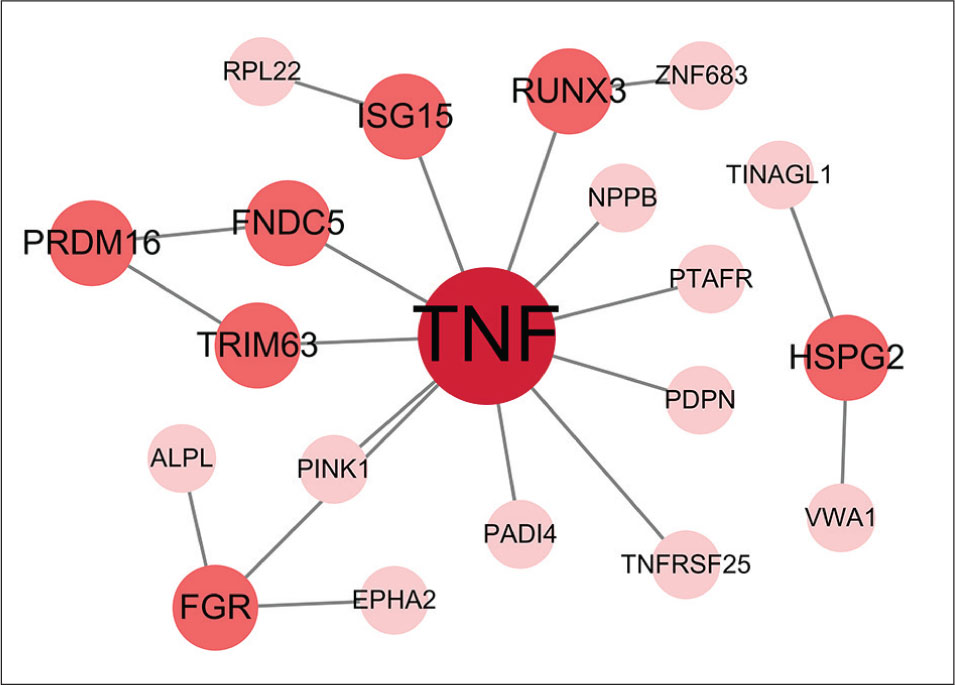
Figure 16.
PPI network of overlapping genes between ITP and CKD
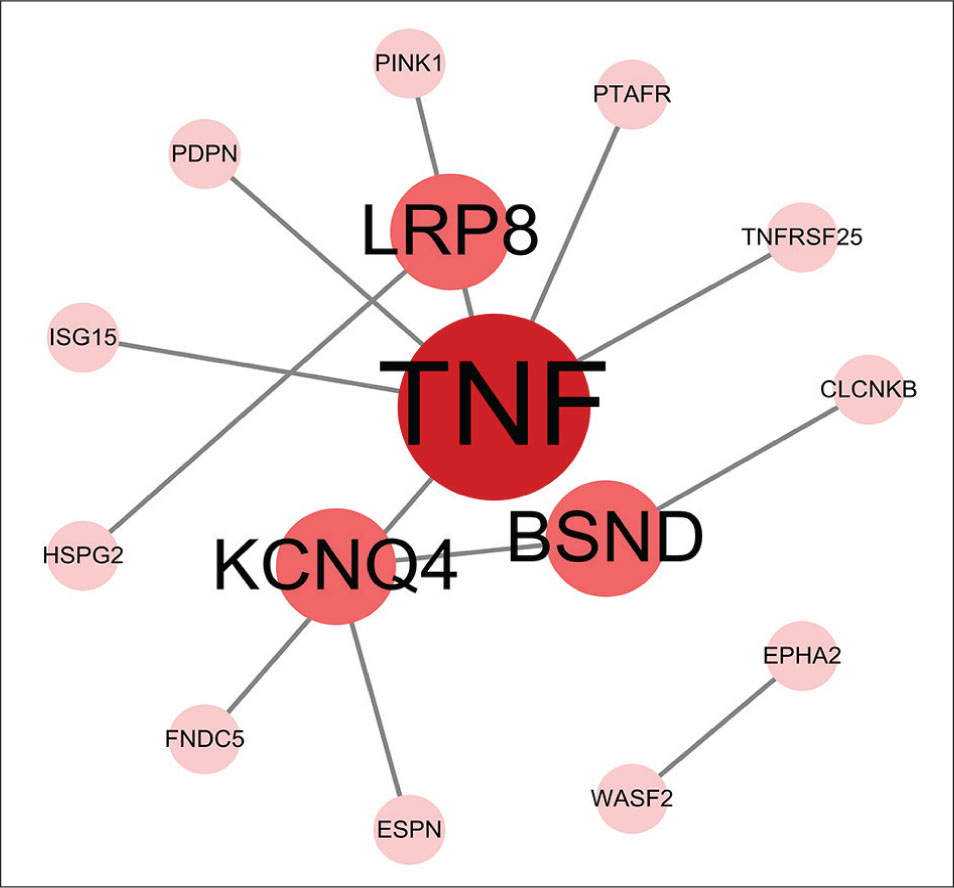
Figure 17.
PPI network of overlapping genes between ITP and MN
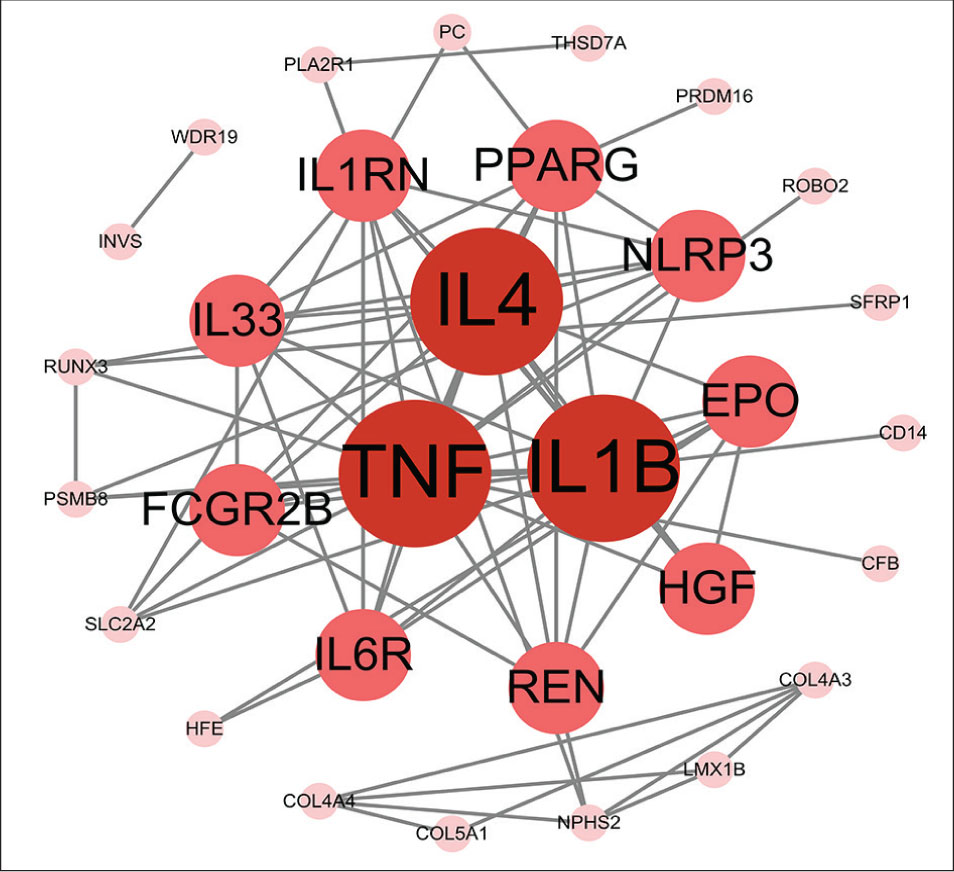
Figure 18.
PPI network of overlapping genes between ITP and IgAN
DISCUSSION
Immune thrombocytopenia is an autoimmune bleeding disorder characterized by increased platelet destruction and impaired platelet production. Among the immune abnormalities implicated in ITP, B cells play a central role through autoantibody production, antigen presentation, and broader immunoregulatory functions [31]. High-throughput sequencing of platelet transcriptome in ITP patients has already been reported in previous literature [32]. In the present study, we analyzed transcriptomic alterations in purified CD19+ B cells from newly diagnosed ITP patients and integrated these findings with public ITP related datasets, followed by pathway enrichment, machine learning prioritization, PPI analysis, and qPCR validation. Overall, our results support the presence of an inflammatory and immunometabolic B-cell transcriptional program in active ITP and suggest computational overlap with inflammatory components implicated in CKD related autoimmune nephropathies, particularly membranous nephropathy and IgA nephropathy [33].
Using a revised and more conservative analytical strategy, we performed differential expression analyses separately in the datasets and retained only the intersecting genes for downstream analysis. This approach yielded 498 common DEGs, indicating that the final gene set reflected transcriptomic signals repeatedly supported across datasets rather than the larger DEG landscape obtained from the cohort alone. Functional enrichment analysis showed that these common DEGs were mainly associated with inflammatory responses and mitochondrial/metabolic pathways, including oxidative phosphorylation and the tricarboxylic acid cycle [34]. These findings are consistent with immunometabolic reprogramming during immune activation and suggest that B-cell dysfunction in ITP involves not only abnormal immune signaling but also broader metabolic remodeling that may contribute to disease activity [35]. To prioritize candidate genes from the common DEG set, we applied LASSO, SVM-RFE, and Random Forest analyses, which converged on SRGN. Given its known role as a secretory granule associated proteoglycan involved in inflammatory mediator storage and release, SRGN is a biologically plausible immune related candidate in the context of ITP [36]. SRGN should be regarded as a prioritized exploratory candidate rather than a validated biomarker or a disease specific mechanistic link between ITP and CKD related nephropathies.
The PPI analysis further supported an inflammation associated interaction network in ITP. Importantly, because highly connected nodes in PPI networks may reflect general network topology rather than disease specificity, connectivity alone was not used as evidence of mechanistic importance. Instead, the biological interpretation focused primarily on inflammatory and immune related nodes such as TNF and IL1B, which were also supported by qPCR validation. Specifically, TNF, NLRP3, and IL1B were significantly increased, while NLRP3 and IL1B were reduced in remission patients [37]. These findings support enhanced inflammatory and inflammasome related activity in active ITP and suggest that TNF centered signaling and the NLRP3-IL1B axis are prominent features of ITP associated B-cell dysregulation [38, 39].
A major aim of this study was to assess whether ITP associated B-cell alterations overlap with molecular programs implicated in CKD related autoimmune nephropathies. By intersecting ITP DEGs with CKD, MN, and IgAN associated genes curated from GeneCards and OMIM, we identified shared gene subsets across these disease categories. These overlaps suggest shared inflammatory and immune related components between ITP and renal autoimmune disease pathways. Notably, TNF emerged as a recurrent hub across the overlap networks, while NLRP3 and IL1B were also supported by qPCR validation. From a clinical perspective, these findings are not immediately actionable, but they provide a rationale for future studies examining whether TNF/inflammasome related B-cell signatures may help identify ITP patients at increased risk of renal autoimmune complications. If confirmed in larger prospective cohorts, such molecular features may have value for biomarker development and renal risk stratification. Therapeutic implications should likewise be considered exploratory at this stage.
Several limitations should be acknowledged. First, the RNA-seq discovery cohort was small, which limits statistical power and increases susceptibility to inter individual variability. Second, the public datasets differed in platform and study context, they were used as supportive transcriptomic resources. Third, the overlap analyses relied on literature curated disease gene sets and therefore preferentially captured broad inflammatory or immune related signals rather than disease specific renal mechanisms. Fourth, no CKD specific samples, renal tissue data, or kidney focused functional experiments were included. Finally, direct validation of SRGN and of the inferred cross disease relevance remains lacking. Taken together, these considerations indicate that the present findings should be viewed as exploratory and hypothesis generating. Larger prospective cohorts, kidney specific datasets, and mechanistic studies will be required to determine the reproducibility and biological significance of these observations.
In summary, our study identifies an inflammatory and immunometabolic CD19+ B-cell transcriptional signature in ITP, highlights SRGN as a prioritized candidate gene, and supports TNF, NLRP3 and IL1B linked inflammatory activity in active disease. Overlap and network analyses further suggest shared inflammatory components between ITP and CKD related autoimmune nephropathies. Although these findings are not clinically actionable at present, they provide a basis for future studies on biomarker development, renal risk stratification, and translational targeting across hematologic and renal autoimmunity.
Notes
[1] DECLARATIONS
Ethics approval and consent to participate:
All study participants provided informed consent. The study design was approved by the Ethics Committee of Beijing Chao-Yang Hospital Capital Medical University and was performed in accordance with the Declaration of Helsinki.
[2] Contributed by Author contributions:
Xin He draft the manuscript and prepared figures and tables, Meiling Jin revised the manuscript, Qianmei Sun supervised the entire article. All authors approved final version of manuscript.
[3] Data availability statement:
The data used to support the findings of this study are included within this article. And the raw data used to support the findings of this study are available from the first author upon request.