Have a personal or library account? Click to login
On Evolutionary Novelty Cover
By: J. Scott Turner  
Open Access
|Jan 2026

Figures & Tables

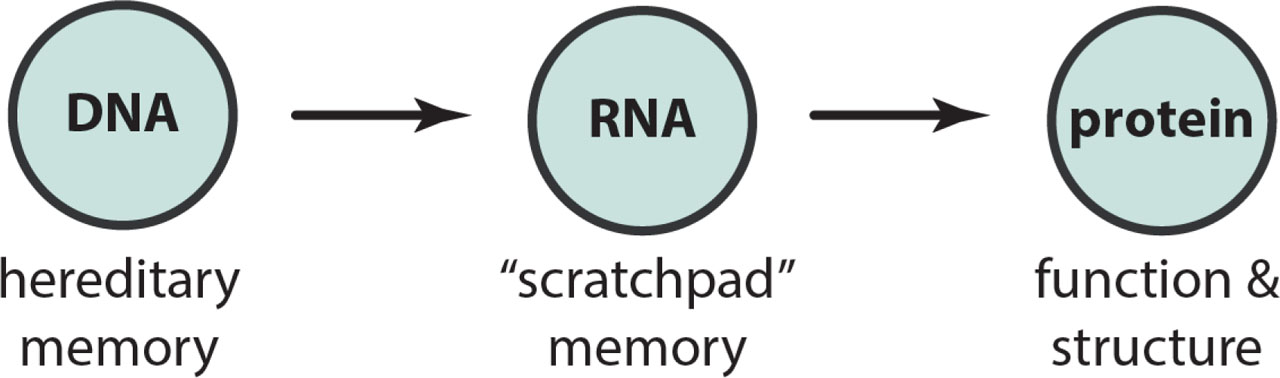
Figure 1.

The central dogma of molecular biology.
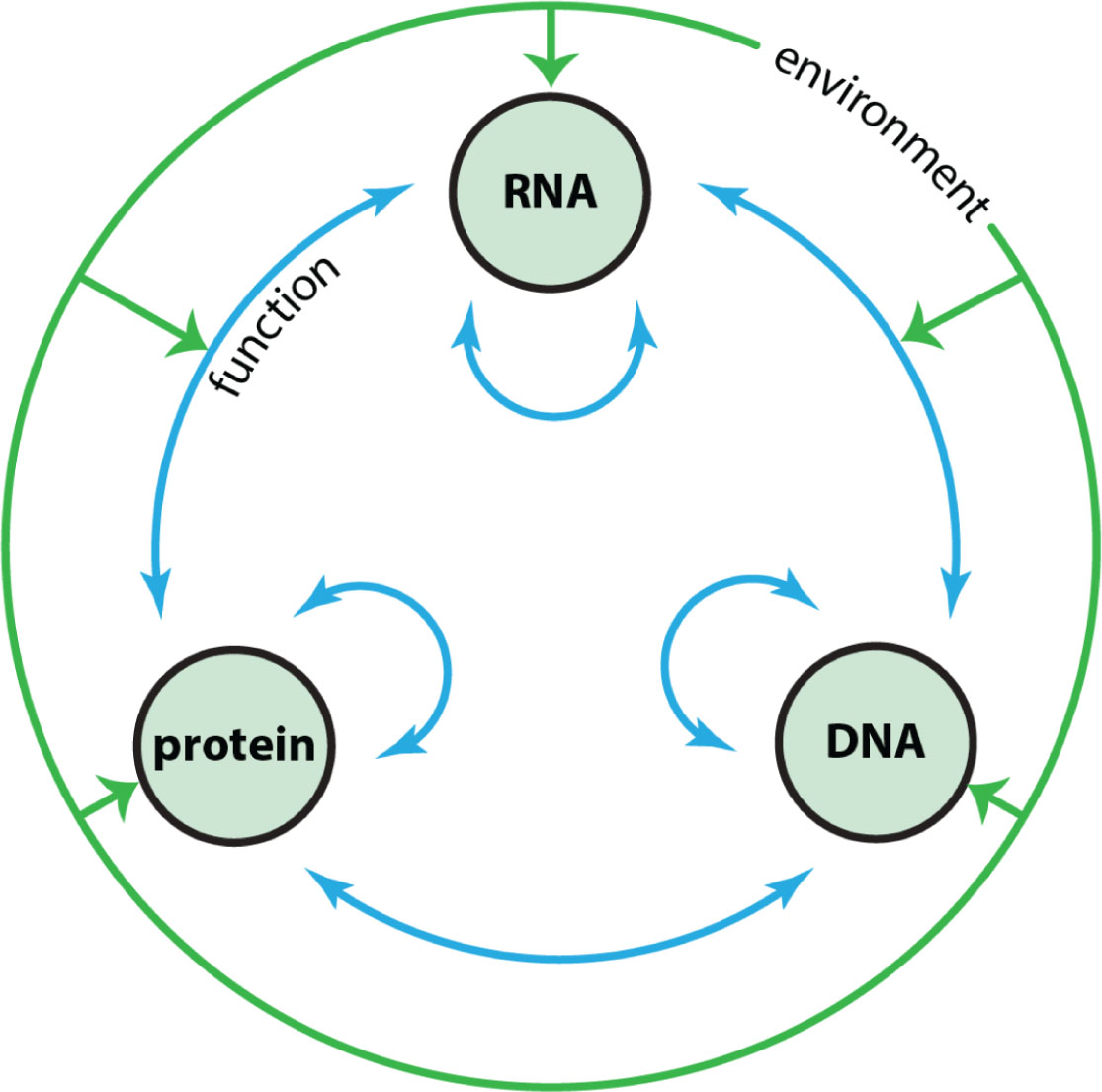

Figure 2.

The blurred lines of heredity and function. All components of the central dogma are embedded in multiple feedbacks which blur the distinctions inherent in the central dogma. Among these include direct influence of the environment on all of the ‘-omes’ of cell function – genome, transcriptome, and proteome.
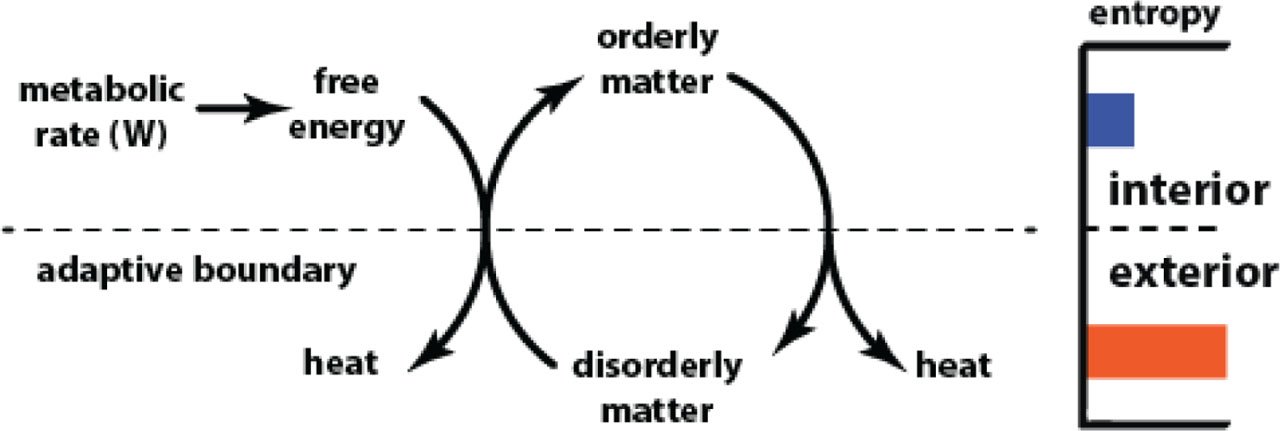

Figure 3.

The persistent dynamic disequilibrium. Free energy drives a movement of disorderly matter across an adaptive boundary and does work to organize it into the specified dynamic disequilibrium of the organism. At the same time, the orderly organism degrades spontaneously to disorder.
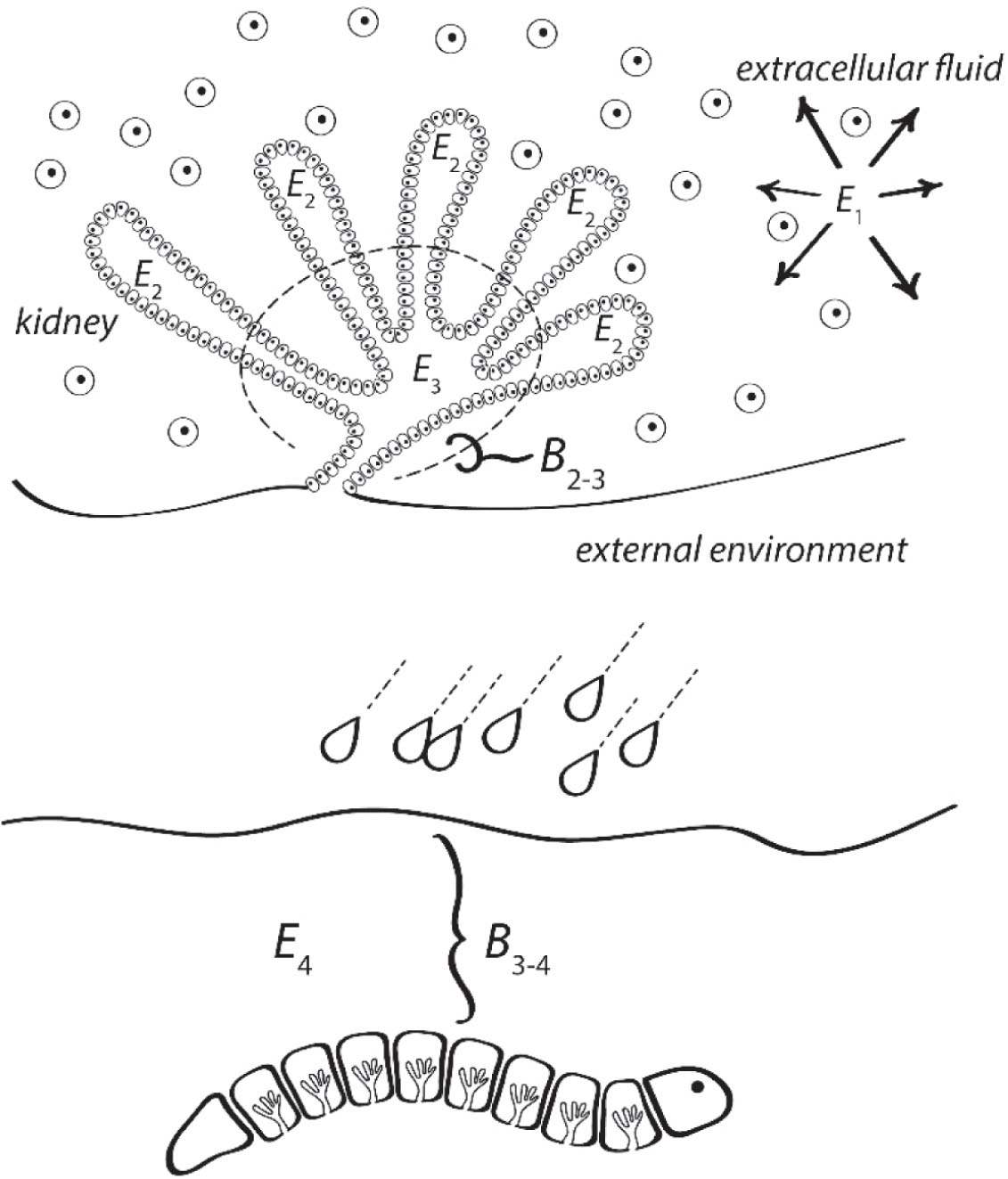

Figure 4.

The nested adaptive boundaries and segregation of environments that comprise the earthworm and management of water and solute balance.
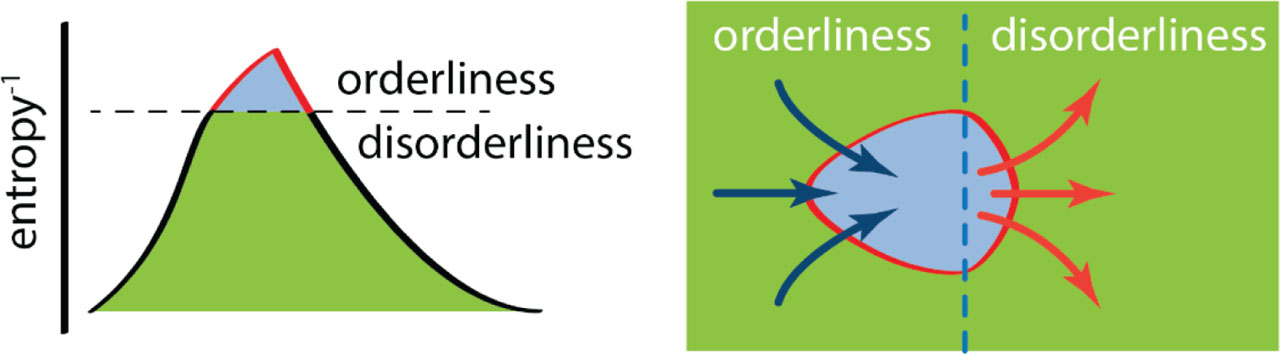

Figure 5.

The organism as thermodynamic standing wave. Left: The organization of matter into the organism by the adaptive boundary. Right. A top down look at the persistent dynamic disequilibrium. The blue-shaded region bounded by red represents the organism. The green-shaded region represents the environment.
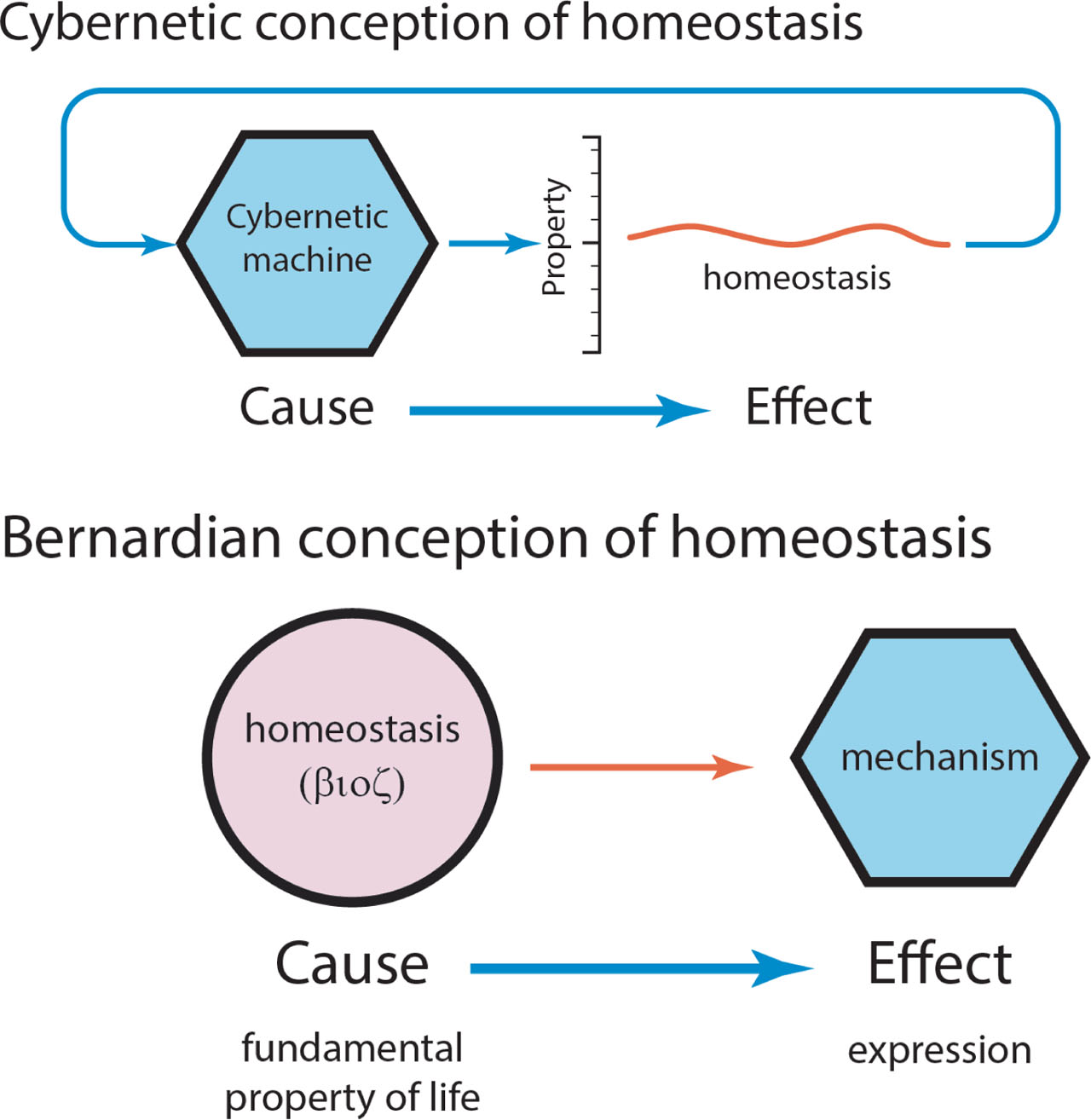

Figure 6.

Cause and effect in the cybernetic conception of homeostasis and its inversion in the Bernardian conception.
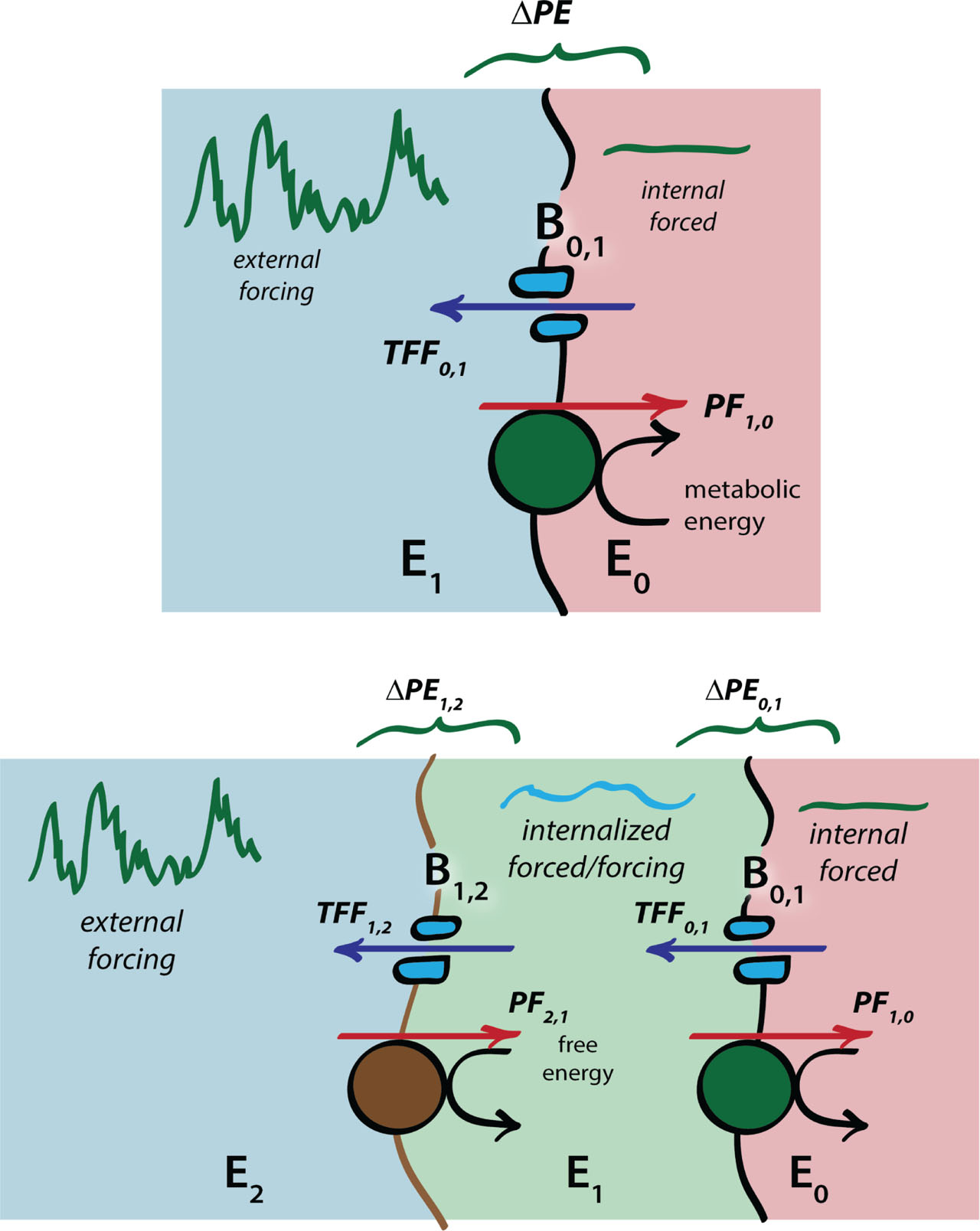

Figure 7.

Extended homeostasis and nesting of adaptive boundaries to internalize external environments. Numbering scheme for boundaries and environments follow Figure 4.
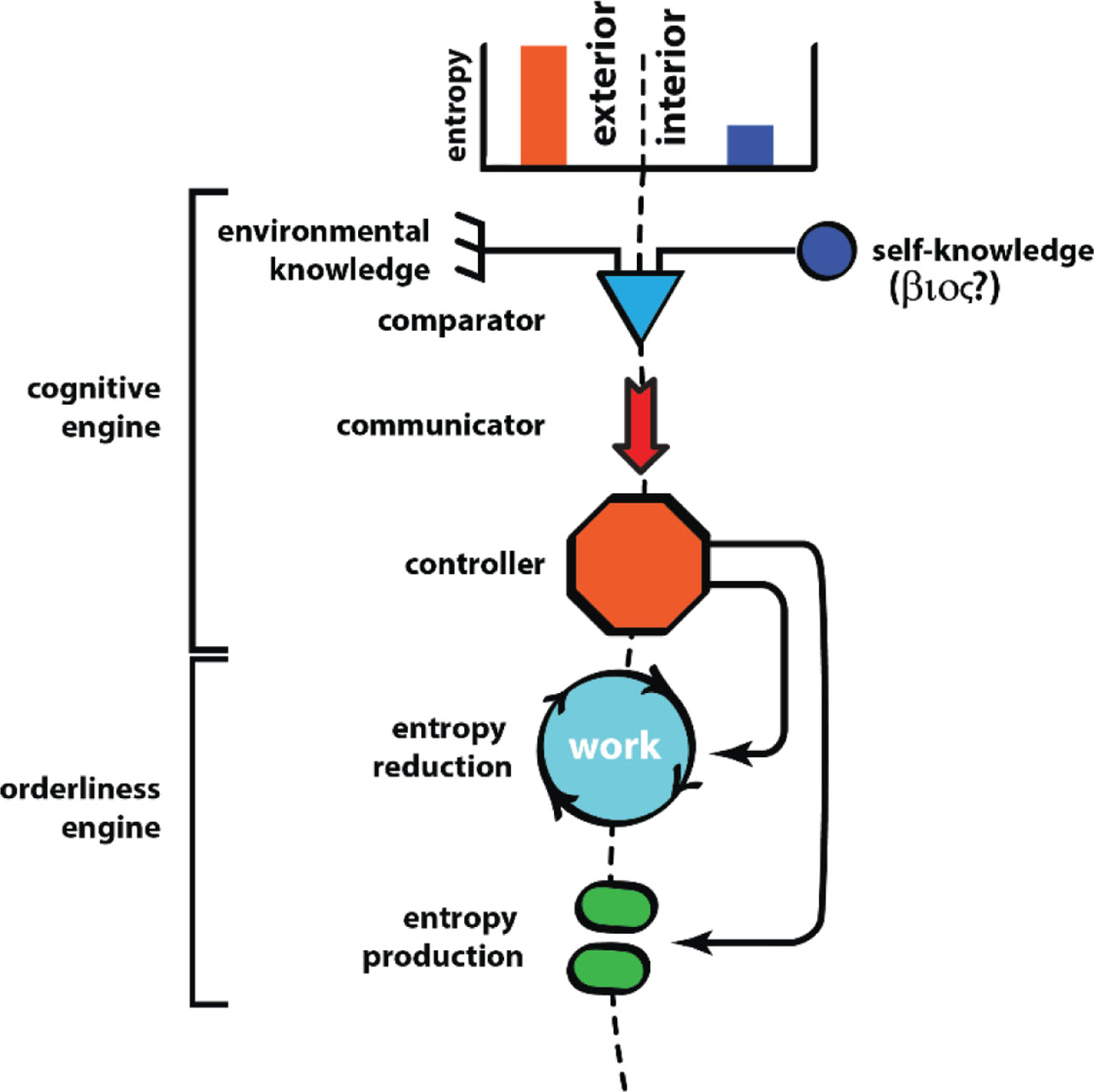

Figure 8.

Homeostasis and adaptation in a cybernetic framework.
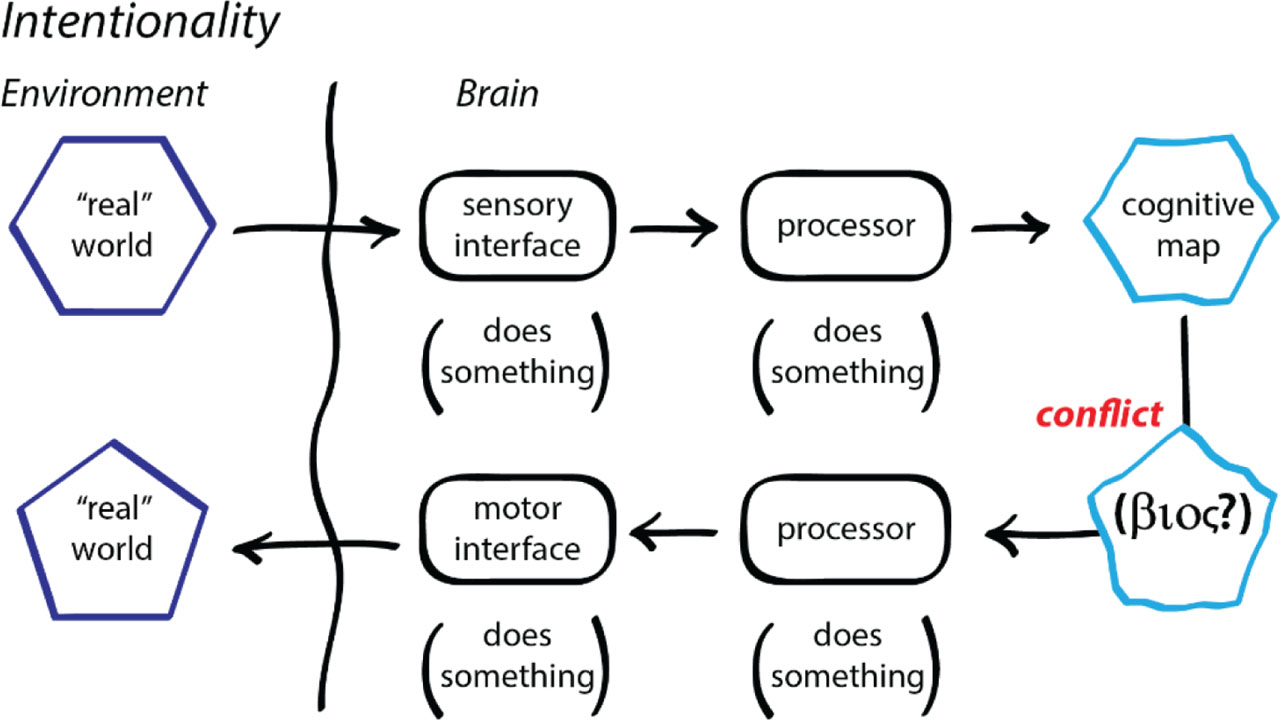

Figure 9.

Cognition, homeostasis and intentionality.
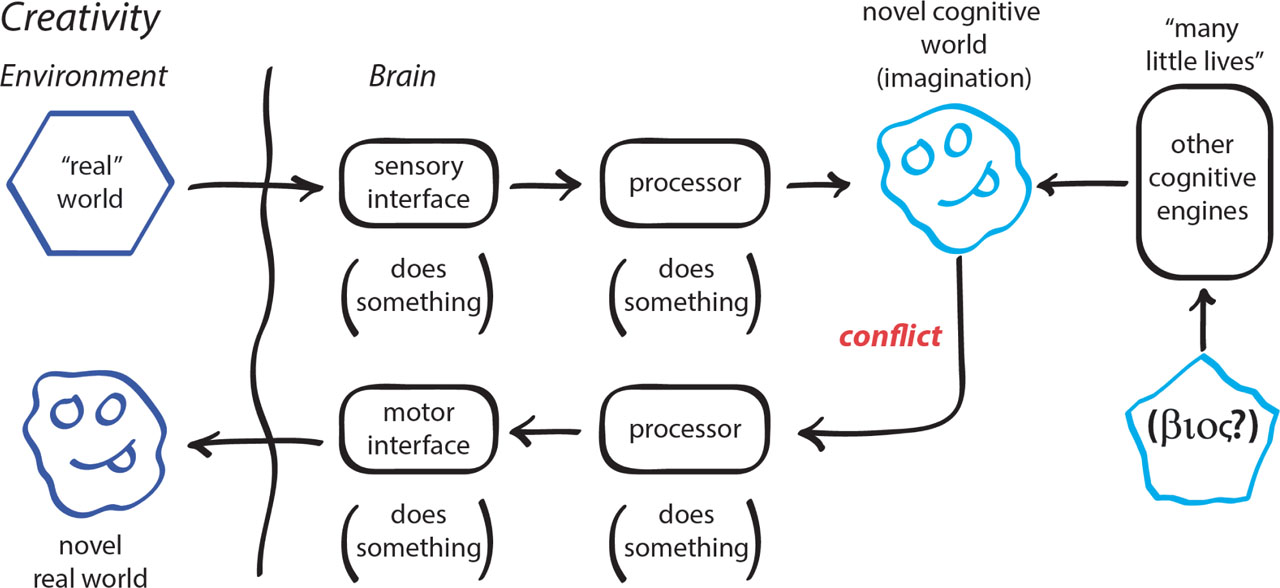

Figure 10.

Cognition, homeostasis, and creativity.
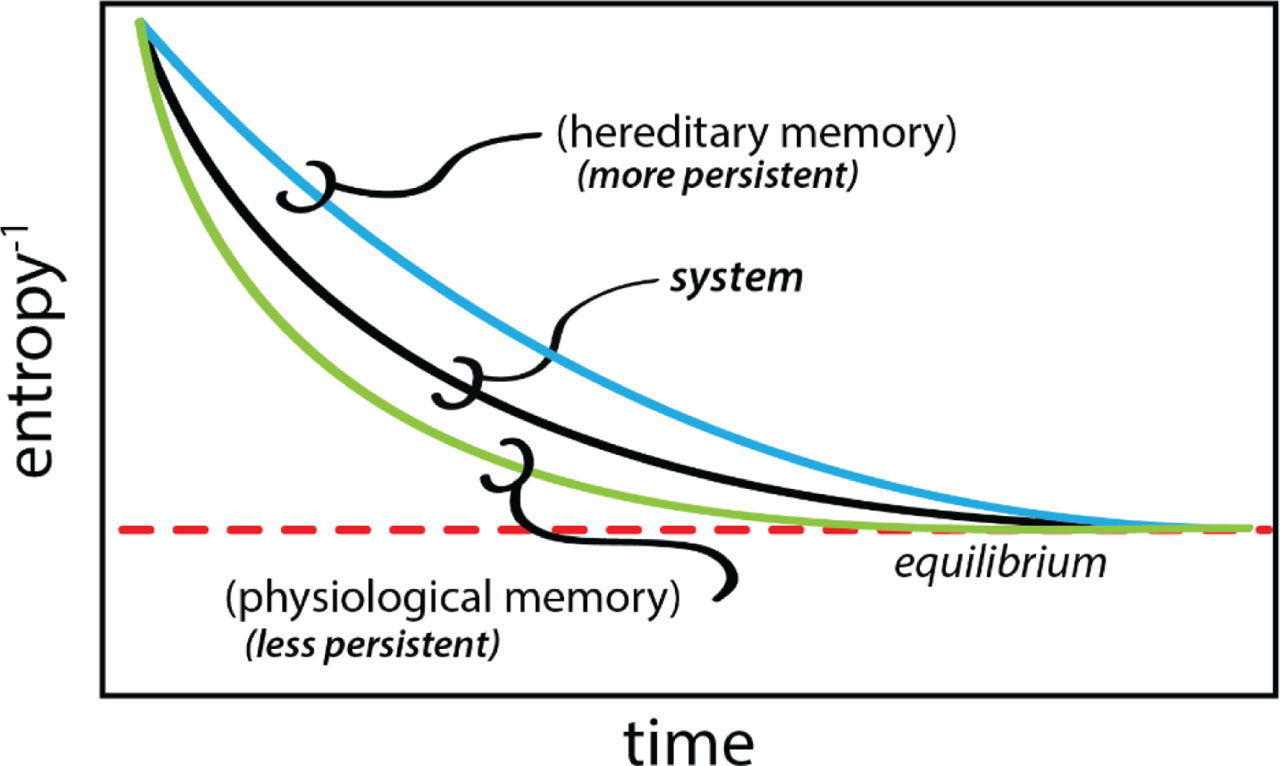

Figure 11.

Process memory and the continuum of physiological and hereditary memory.
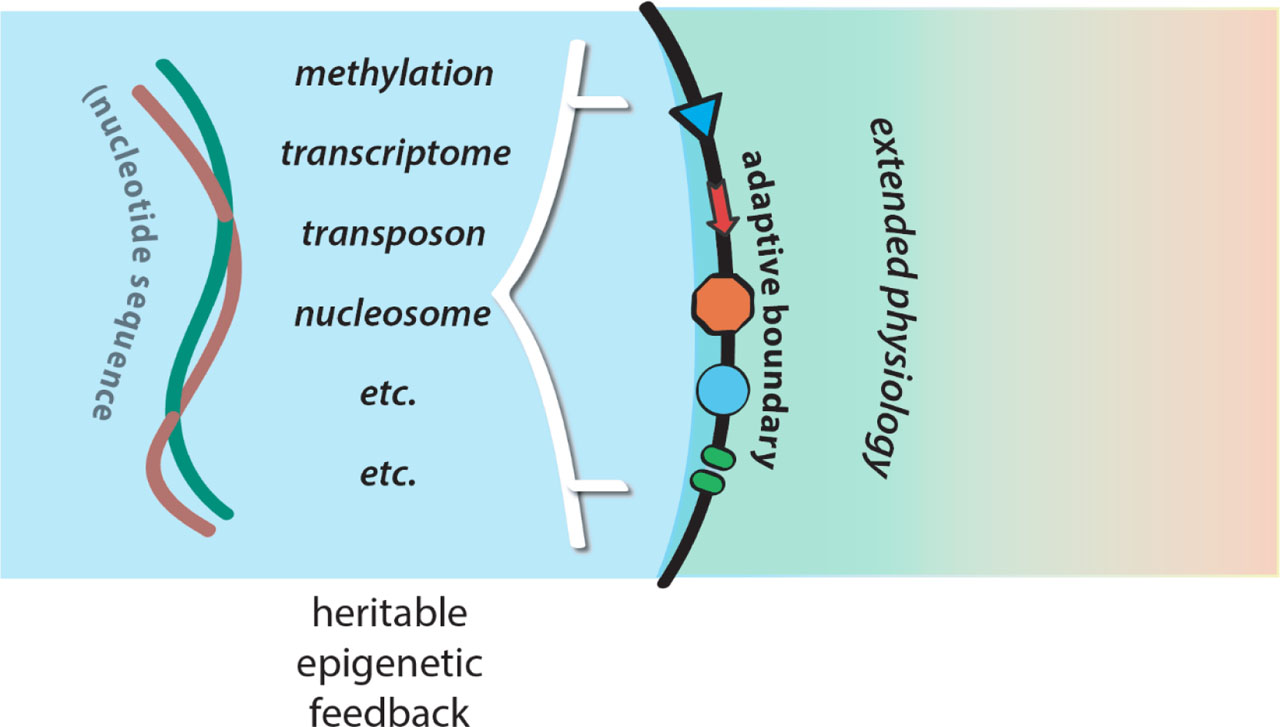

Figure 12.

Epigenetic feedbacks on the memory token of nucleotide sequence code.
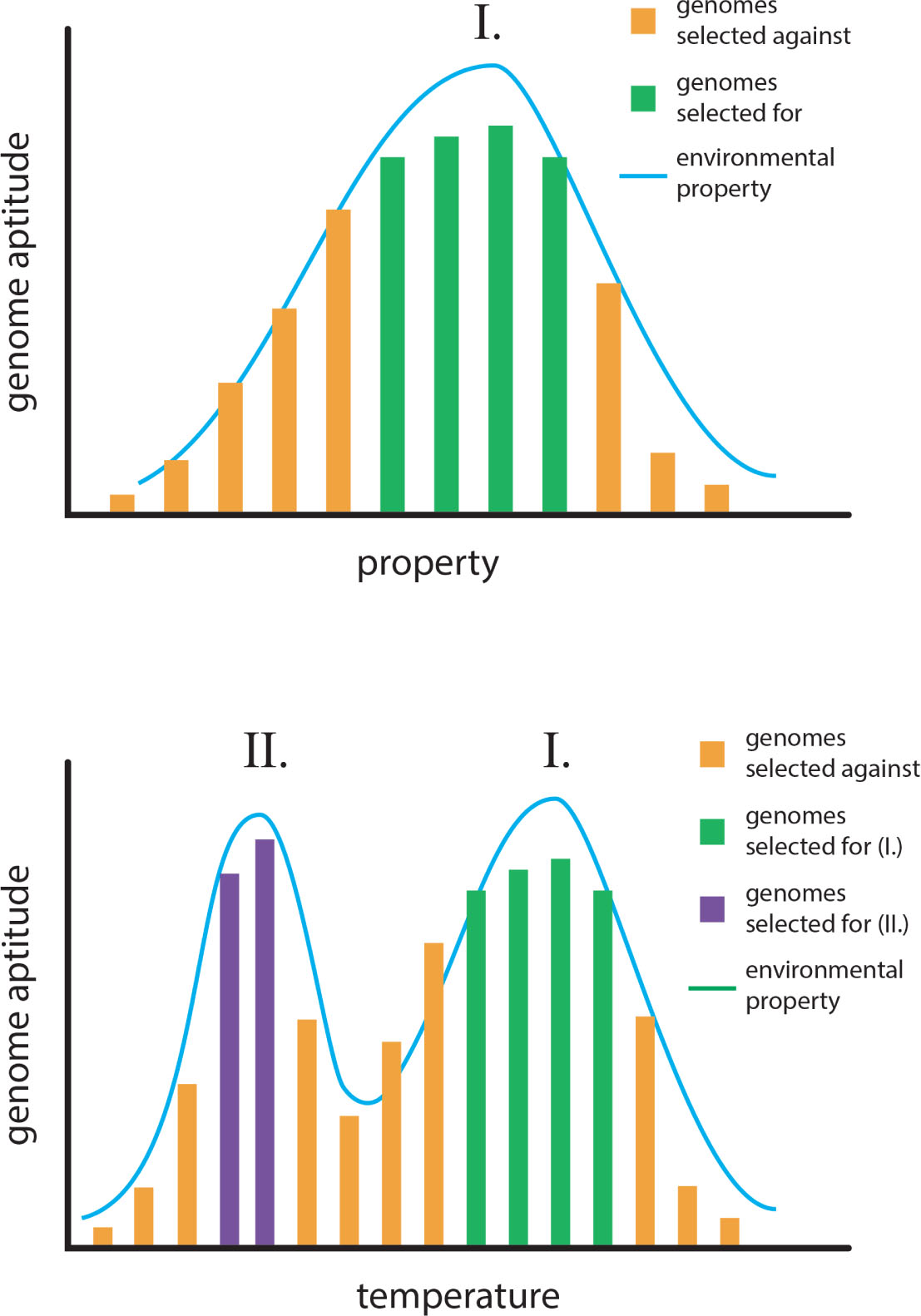

Figure 13.

The Neodarwinist model of evolutionary novelty. Top: The centralizing tendency of gene selectionism. In an environment that varies in some property (e.g., temperature), some genomes will confer high aptitude and be selected for (green bars), while some will be less apt and be selected against (orange bars). Bottom: Some genomes that confer inaptitude in one environment (I.) may confer high aptitude in another (II.), and will be selected for (purple bars), producing a novel genome.
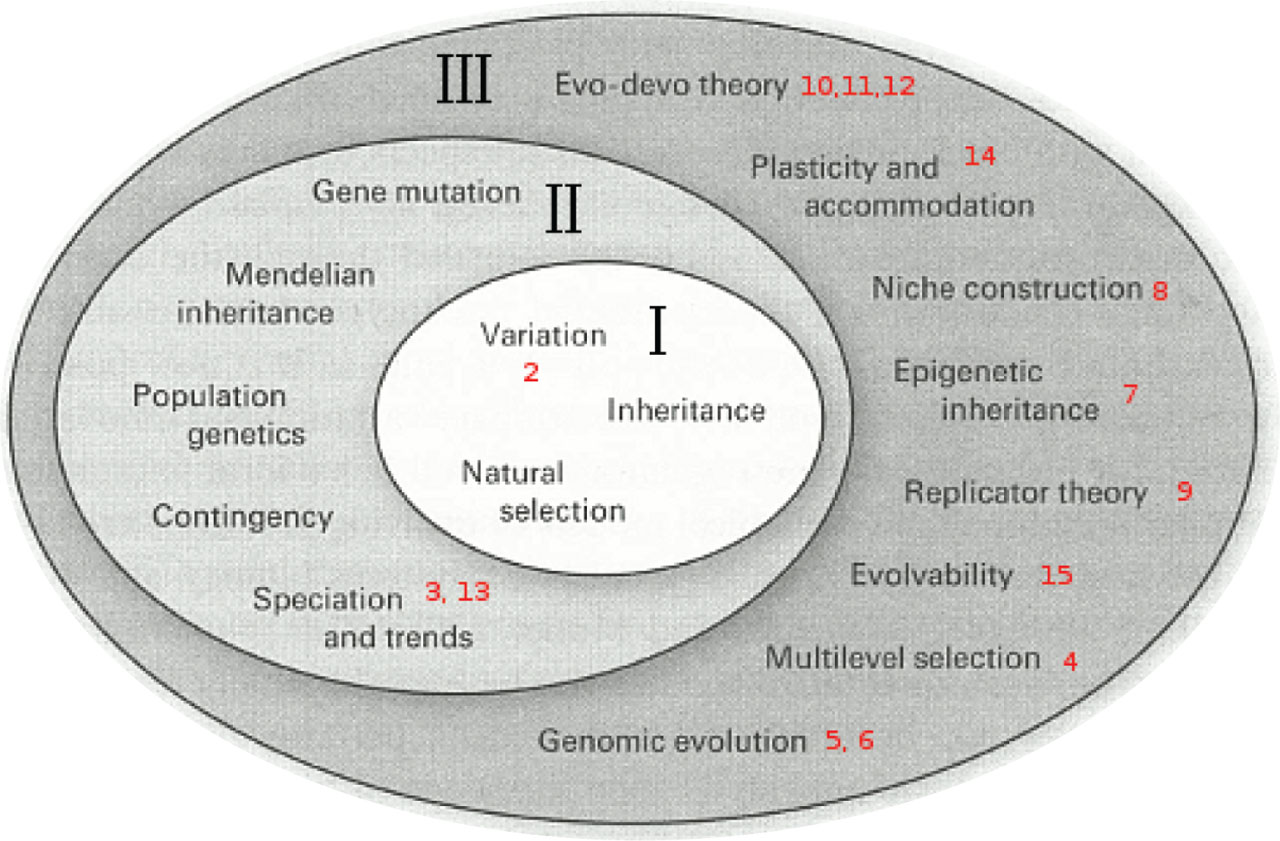

Figure 14.

The EES. From: Pigliucci, Müller (2010) Evolution, The Extended Synthesis, page 11. EES, extended evolutionary synthesis.
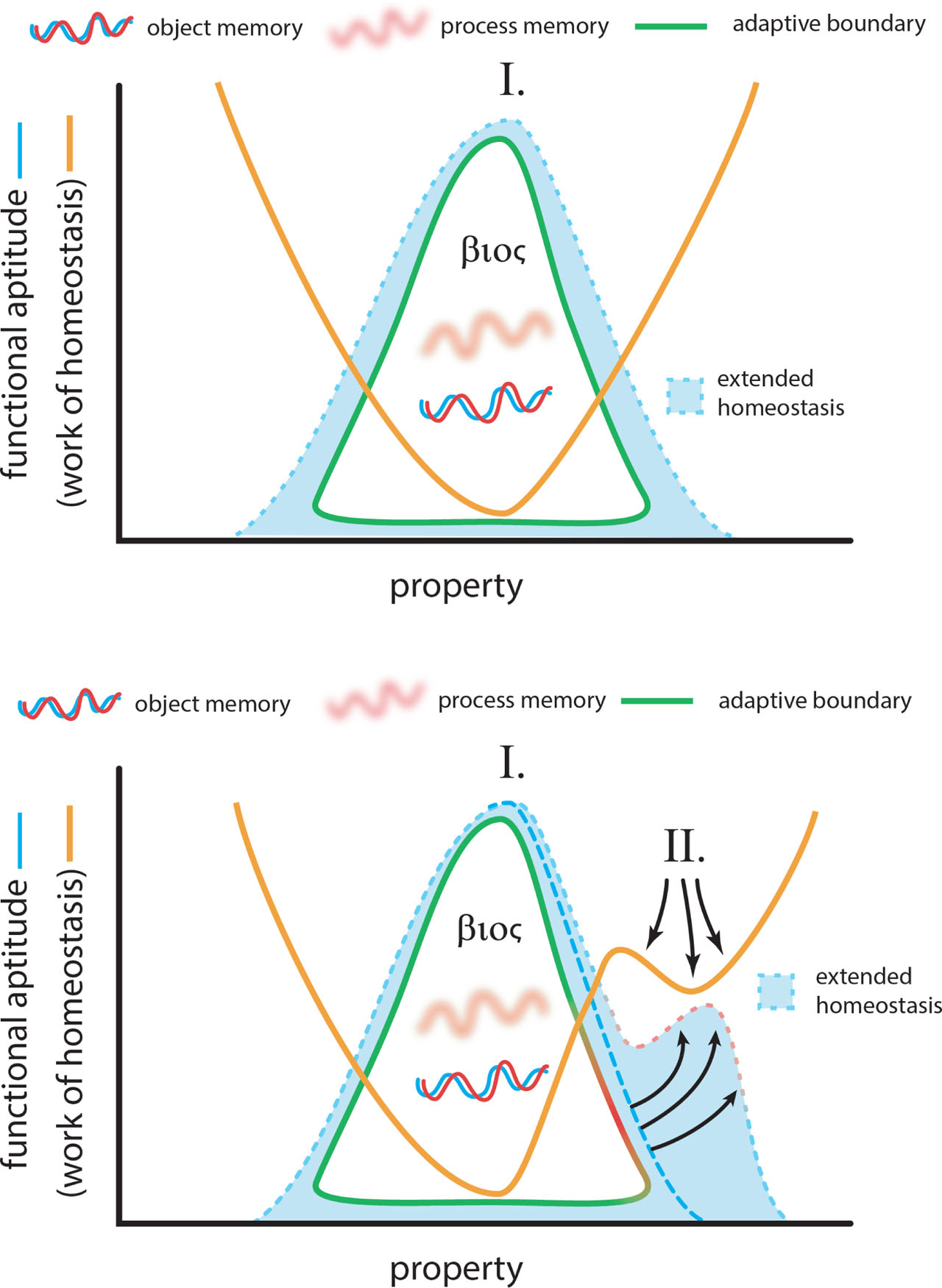

Figure 15.

Extended homeostasis and evolutionary novelty.
Language: English
Page range: 1 - 18
Published on: Jan 30, 2026
In partnership with: Paradigm Publishing Services

© 2026 J. Scott Turner, published by The Israel Biocomplexity Center
This work is licensed under the Creative Commons Attribution-NonCommercial-NoDerivatives 4.0 License.

Volume 6 (2026): Issue 1 (January 2026)