Have a personal or library account? Click to login
Space Debris Capture - About New Methods of Tethered Space Net Opening by Tubular Booms Cover

Space Debris Capture - About New Methods of Tethered Space Net Opening by Tubular Booms

Open Access
|Apr 2024

Figures & Tables

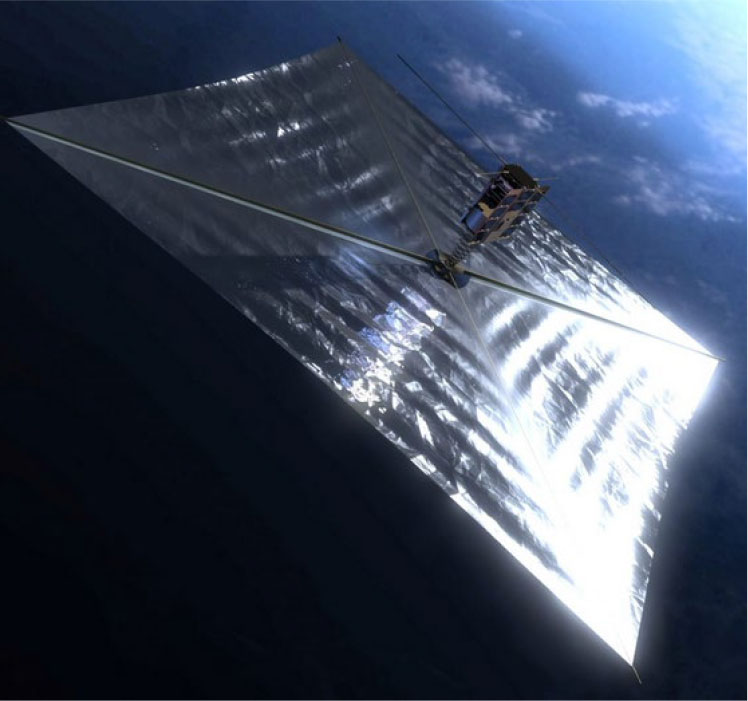
Figure 1.

PW-Sat2 with de-orbitation sail system opened by tubular booms (photo: https://pw-sat.pl)
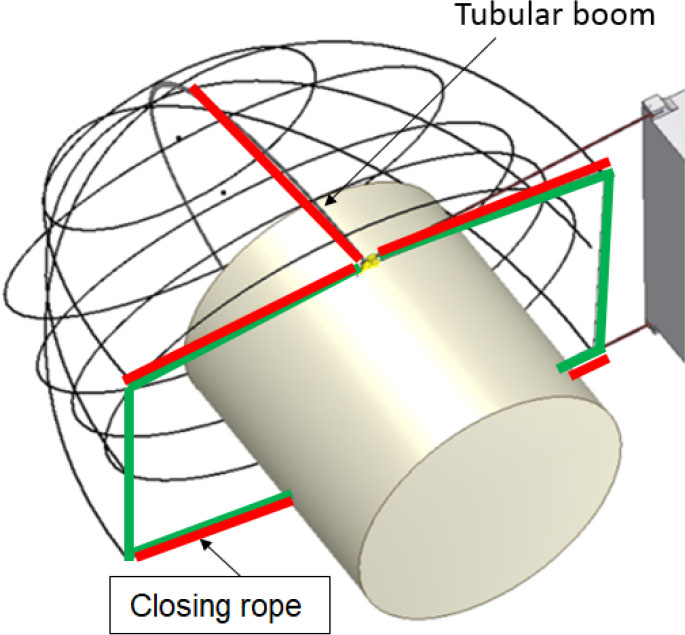

Figure 2.

Tethered space net (TSN)
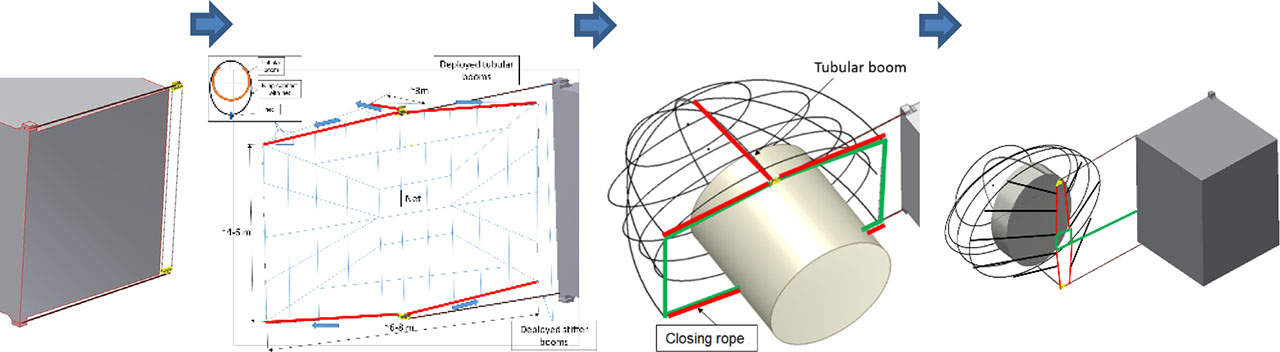

Figure 3.

Tether space system step-by-step operation. Start: stowed structure on the satellite; first step: deployment of the stiffer boom; second step: deployment of the tubular booms and opening of the net, checking the opening area; third step: contact of the net with the debris; fourth step: retracting the tubular boom, checking the closing time.
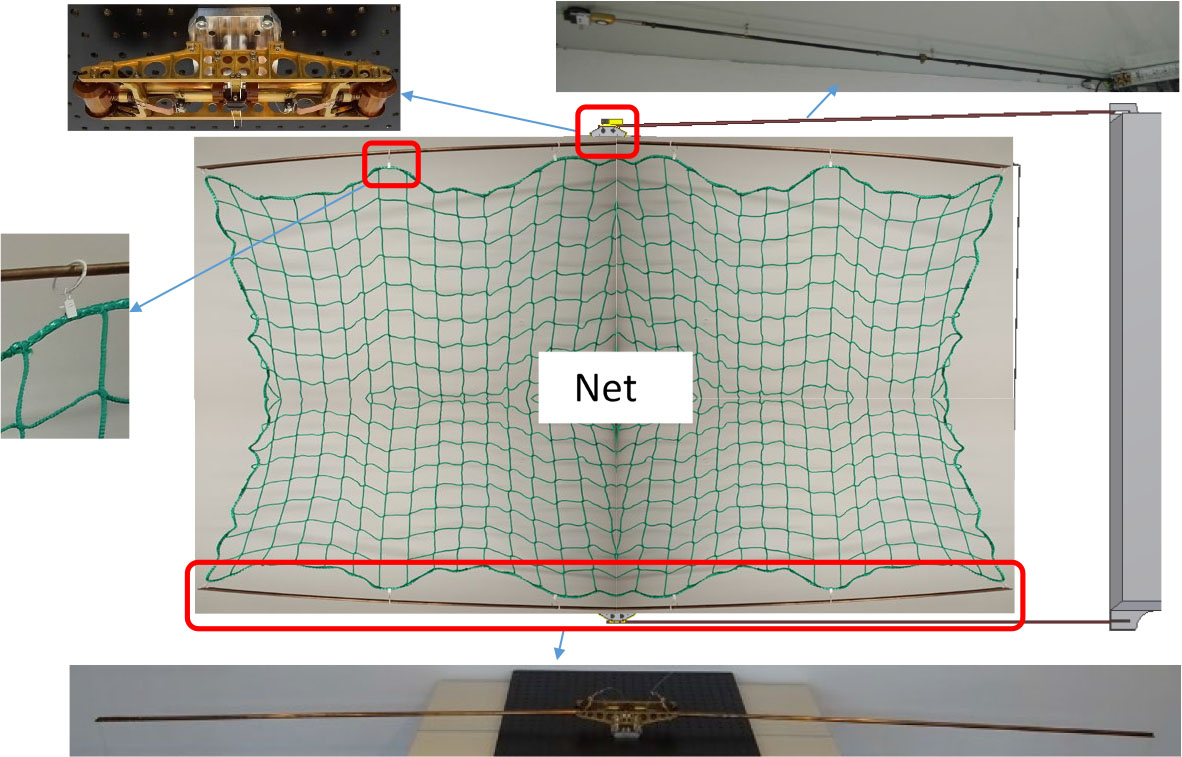

Figure 4.

Mechanism in open configuration (photo: T. Pałgan and SRC PAS)
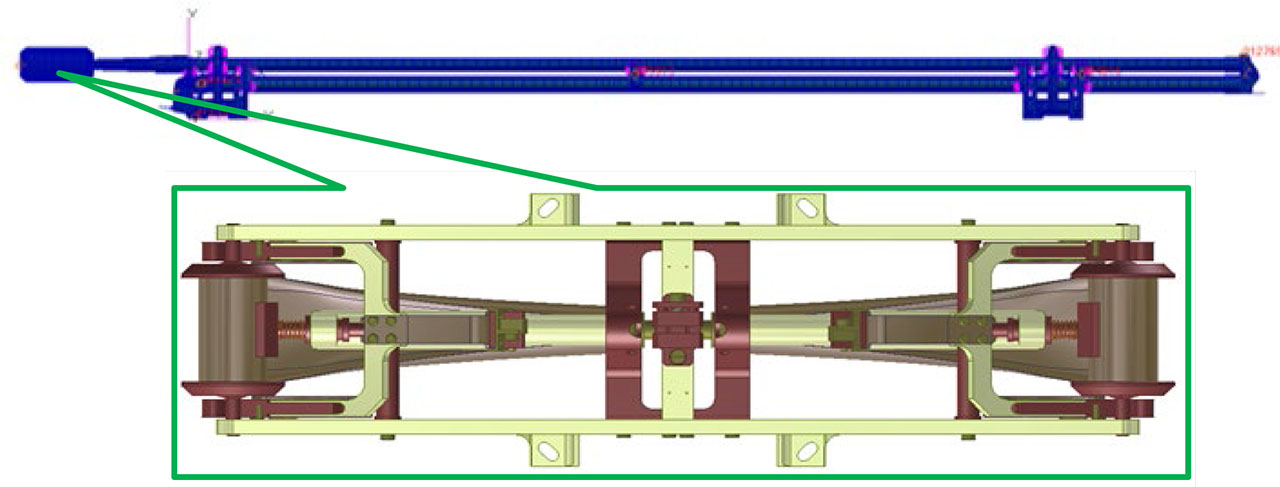

Figure 5.

Top: JUICE LPPWI (“primary”, CFRP) booms and bottom: RPWI (“secondary”, metal, thin-walled) booms, located at the end of a “primary” one
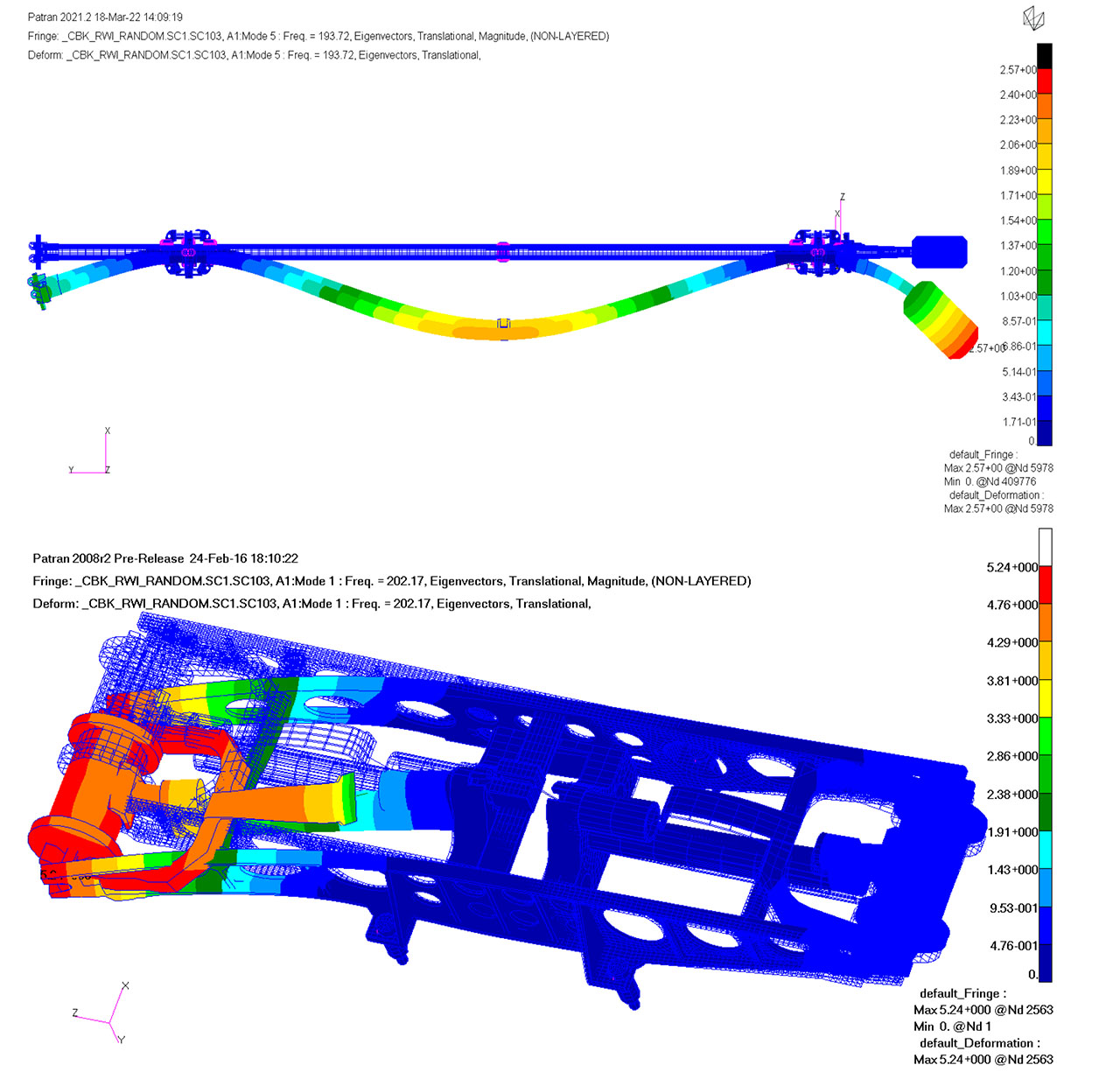

Figure 6.

Top: modal analysis results for JUICE LPPWI (“primary” CFRP booms); bottom: modal analysis results for RPWI (“secondary”, metal, thin-walled booms)
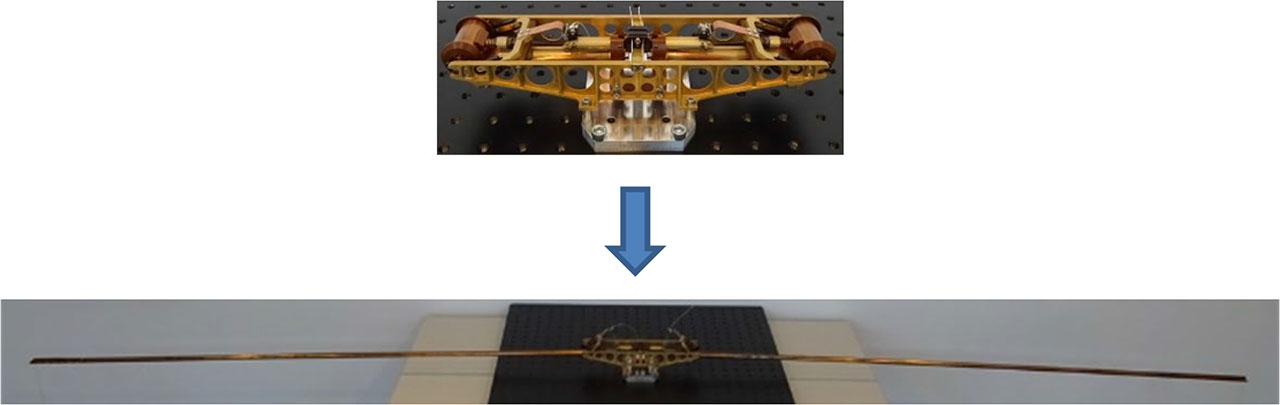

Figure 7.

Prototype mechanism with tubular boom in stowed (top) and deployed (bottom) configuration (photo: SRC PAS)
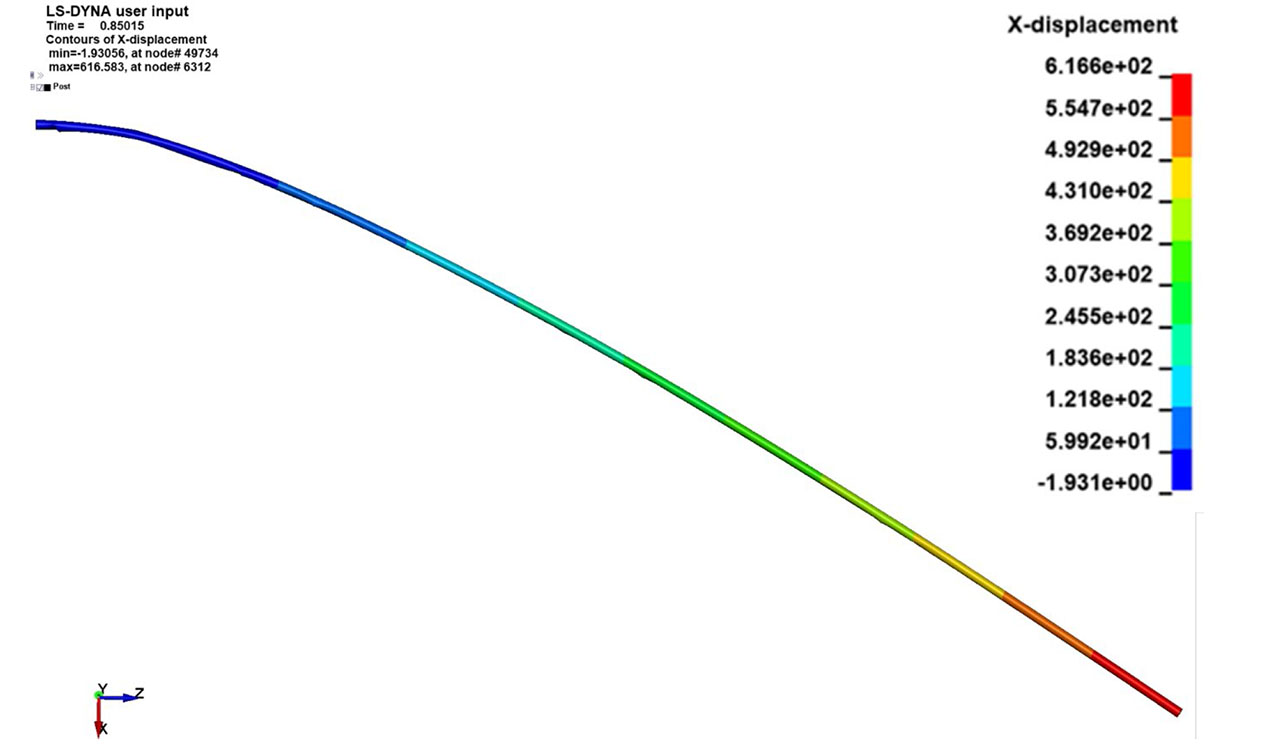

Figure 8.

Finite element analysis for a deployed tubular boom under a tip load (analysis used the LS-DYNA software)
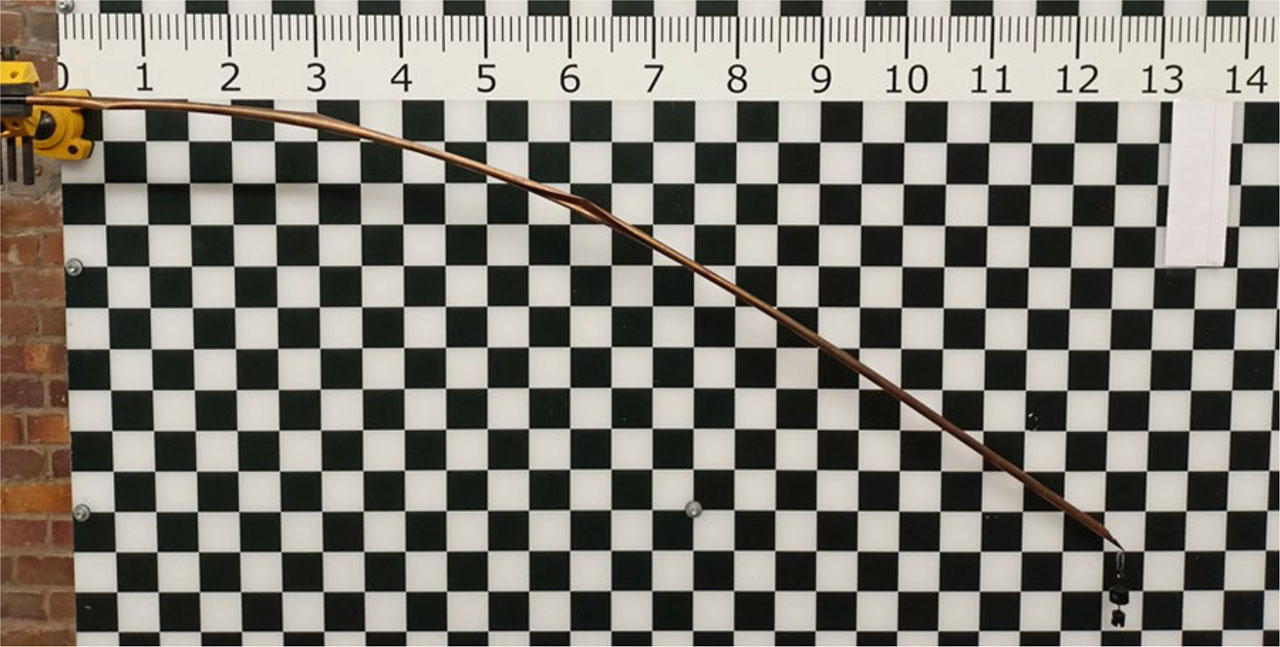

Figure 9.

Laboratory test of bending of a tubular open-section boom (photo: T. Pałgan)
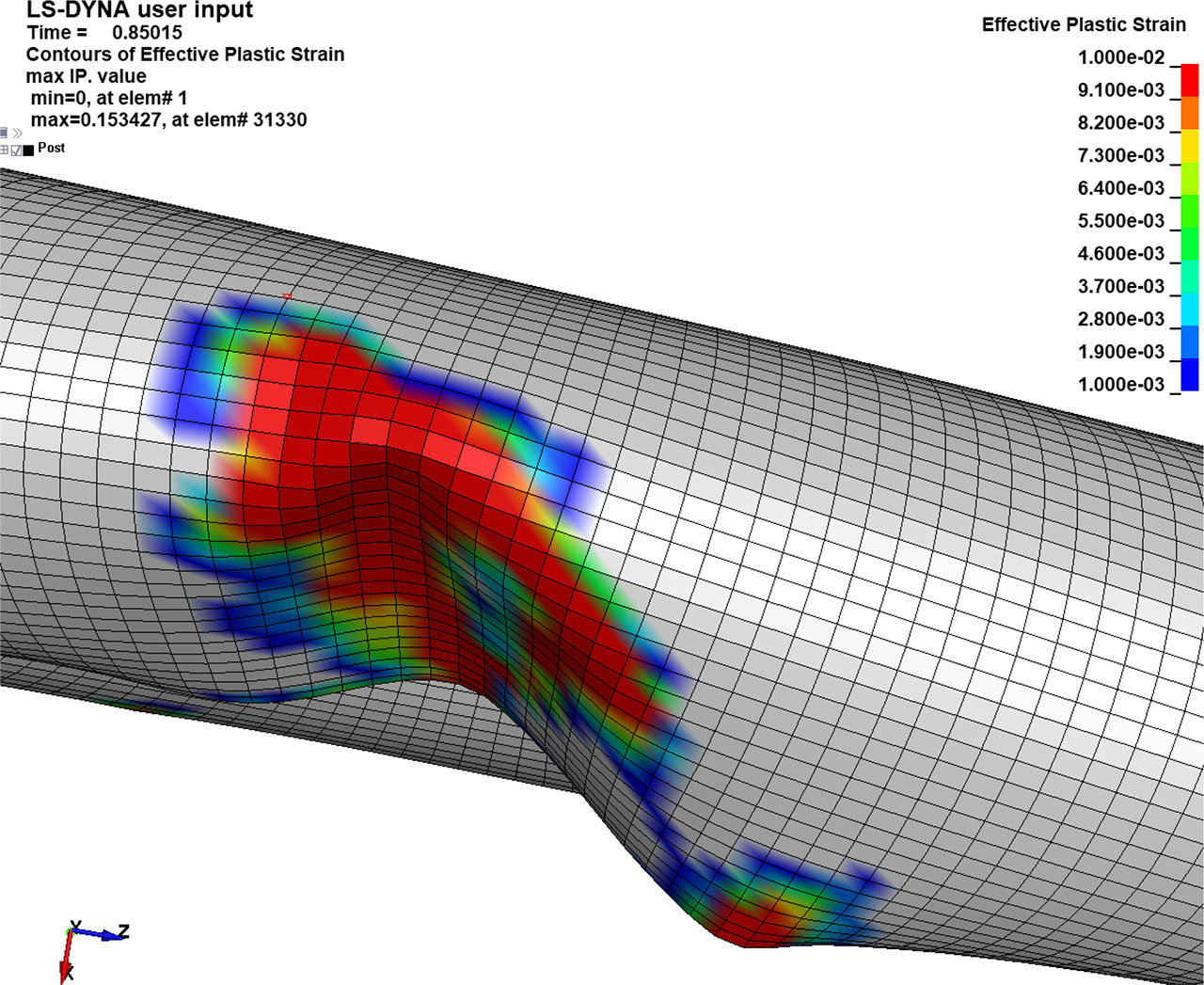

Figure 10.

Plastic zones around the “kink” of deformation
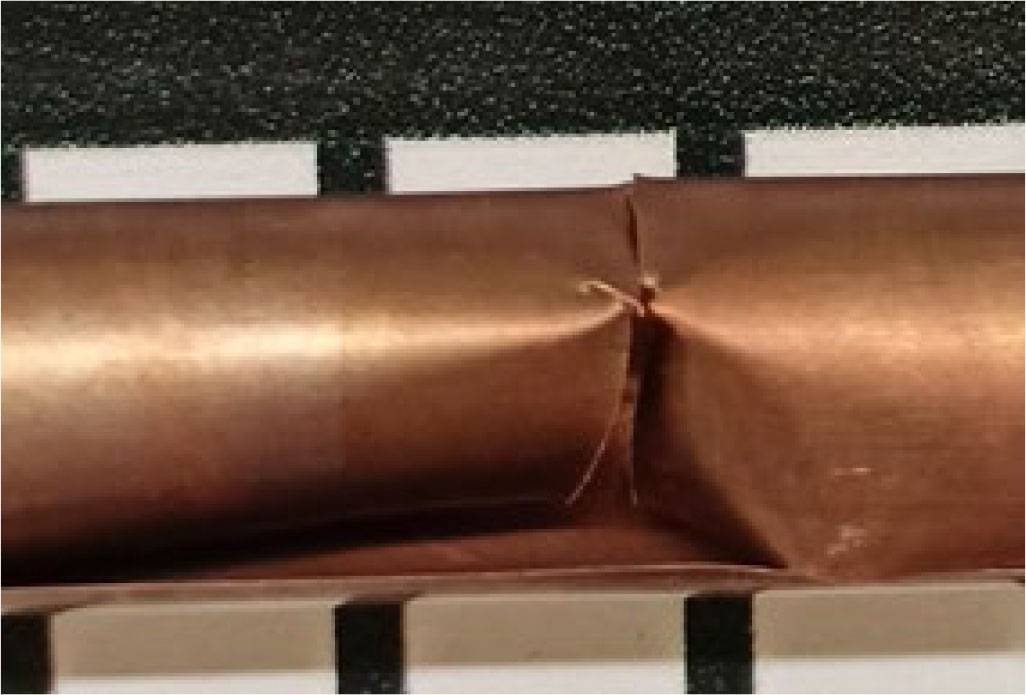

Figure 11.

Plastic deformation results received in a laboratory test (photo: T. Pałgan)
DOI: https://doi.org/10.2478/arsa-2024-0001 | Journal eISSN: 2083-6104 | Journal ISSN: 1509-3859
Language: English
Page range: 1 - 10
Submitted on: Dec 7, 2023
Accepted on: Jan 19, 2024
Published on: Apr 9, 2024
Published by: Polish Academy of Sciences, Space Research Centre
In partnership with: Paradigm Publishing Services
Publication frequency: 4 issues per year

© 2024 Tomasz Pałgan, Adam Dacko, Mirosław Rataj, Szymon Polak, published by Polish Academy of Sciences, Space Research Centre
This work is licensed under the Creative Commons Attribution 4.0 License.