
The aquaculture industry plays a crucial role in providing nearly half of the global animal protein requirement (Lotfy et al., 2023; El Basuini et al., 2024; Ahmed et al., 2025 a, b) and represents about 51% of total fish production. Global aquaculture production is expected to rise to 109 million metric tons by 2030 to maintain per capita fish consumption (FAO, 2024). However, the low water temperature throughout the winter causes a significant economic loss due to high fish mortality rates (Khalasi et al., 2025). Water temperature is a very important environmental factor, and cold stress affects various aspects of fish and crustaceans, including their behavior, development, reproduction, metabolism, immunity, and impacts on feed consumption rates cause decreasing growth rates, survival, and production (Wang et al., 2025; Zhu et al., 2025).
In recent years, one of the most promising areas of research in the aquaculture sector has been the development of strategies to mitigate the negative effects of cold stress with the goal of increasing fish tolerance and reducing mortality rates during winter (Islam et al., 2024). Understanding cold tolerance is important as a fundamental aspect for applications in aquaculture and ecology. Therefore, data on cold tolerance and adaptations will enhance our understanding of how fish adapt to extreme temperatures and maintain homeostasis under farming conditions (Lahnsteiner and Dünser, 2024). Recently, the effects of suboptimal temperatures attracted the attention of researchers who wanted to find significant approaches that could help protect the fish reared under these environmental changes. These attempts included enhancing diets introduced before and/or during cold weather conditions and improving fish farming systems (Rifai et al., 2022; El Basuini et al., 2024). According to Oliva-Teles (2012), the complementary relationship between nutrition and fish health improves physiological functions and immune responses, enhancing fish’s ability to tolerate cold stress. In addition, feeding during the winter should supplement energy reserves and protein to mitigate the biological risks of feeding in low temperature conditions. Therefore, researchers have made great efforts to find suitable nutrition strategies and husbandry practices to keep up growth and production, particularly for fish reared under stress at low temperatures (Wang et al., 2025; Mai et al., 2025; Zhu et al., 2025). The purpose of our study was twofold: first, to elucidate the effect of temperature on growth, feed utilization, immune and anti-oxidant response, and gene expression at cold temperatures; and second, to examine the efficacy of diet modulations and some husbandry practices for improving the winter production of fish.
1. The effects of cold shock on fish and crustaceans
Temperature is an important abiotic factor that regulates and restricts fishes’ physiological mechanisms, and its effects depend on the timing, intensity, and duration of exposure as well as the speed at which temperature changes occur, fish species, age, and developmental stages (Islam et al., 2022).
The response of fish to cold shock stress is classified into three categories: 1) Primary response: fish respond to suboptimal temperature stress by activating brain centers and releasing massive amounts of catecholamines and corticosteroids, 2) Secondary response: this includes impaired metabolism, energy mobilization, and aquatic mineral imbalance (Islam et al., 2022), and 3) Tertiary response: this includes the physiological and behavioral stress responses of the entire organism. Tertiary responses include growth inhibition and decreased immune responses (Yada and Tourette, 2016), ultimately leading to sublethal physiological responses and increased mortality (Figure 1) (Fan et al., 2019).
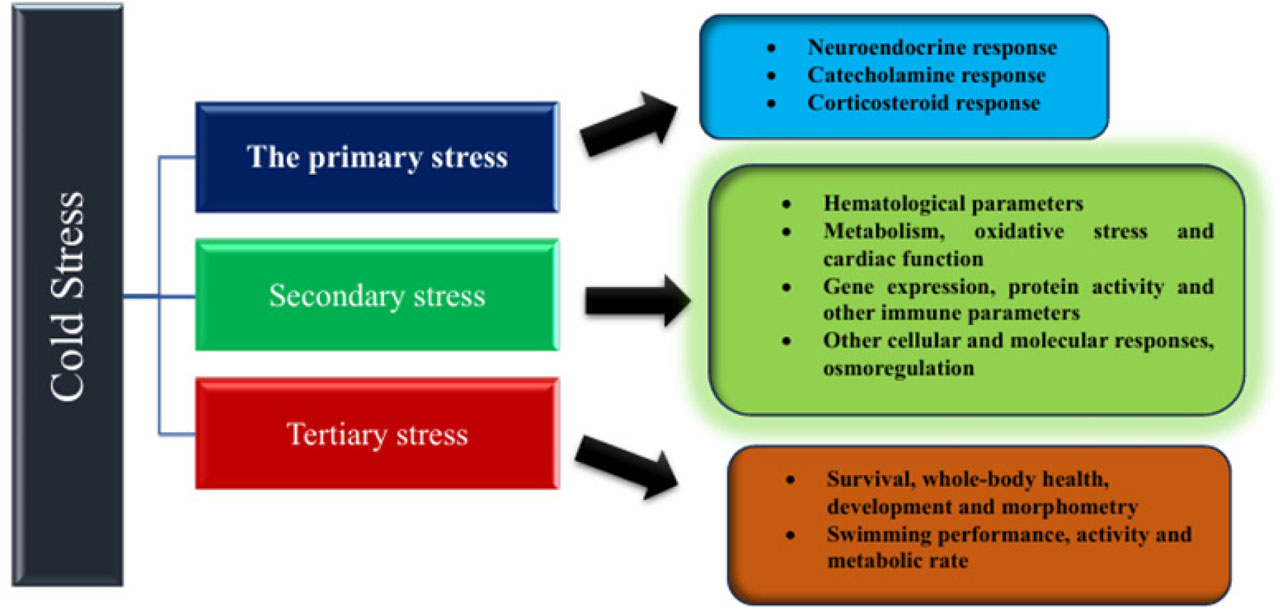
Figure 1.
Classification of fish response to stress resulting from cold stress.
2. Effects of cold stress on the biological functions of fish and crustaceans
Low temperatures cause significant physiological, immunological, and metabolic changes accompanied by morphological, behavioral, and histopathological alterations. Therefore, parameters such as survival, growth performance, physiological performance, immune response, and metabolic and molecular stress responses are valuable indicators for assessing the effects of cold stress (Islam et al., 2022). The following points explain the effect of cold stress on fish and crustaceans: Figure 2 shows the effects of cold stress on the various biological functions of fish.
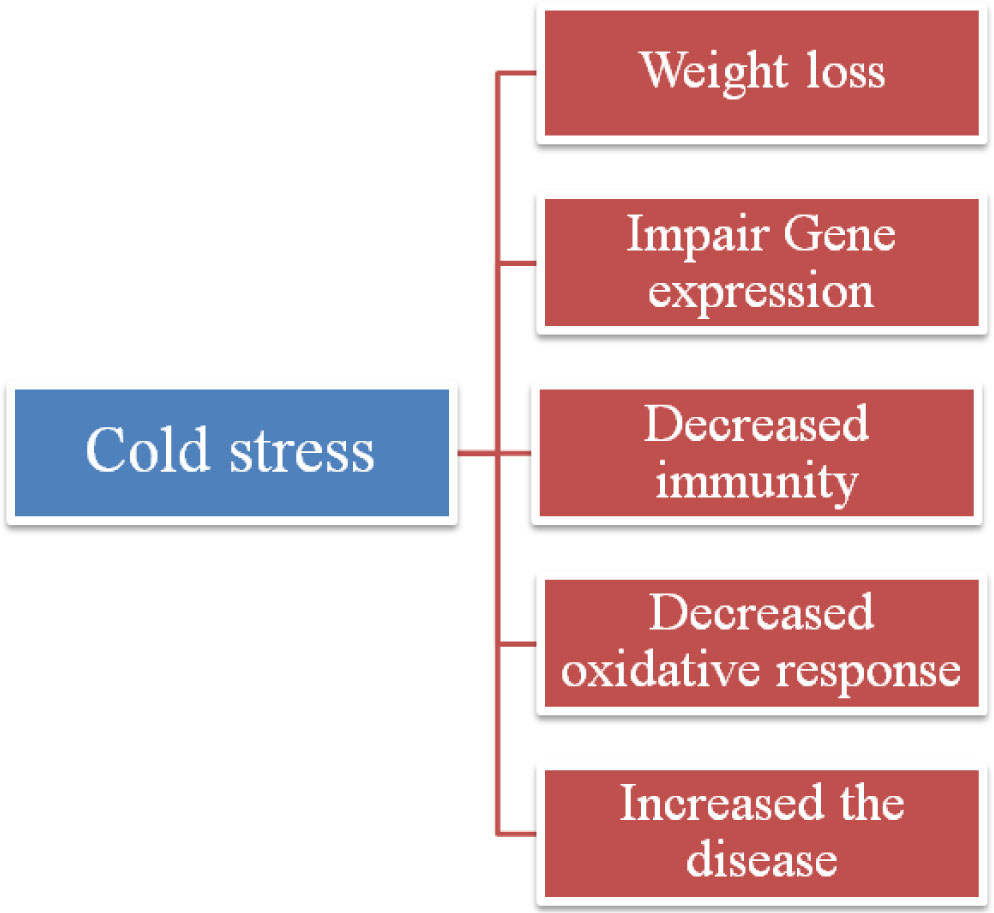
Figure 2.
Effects of cold stress on the biological functions of fish.
2.1. The effect of cold stress on growth, survival, and general performance
Low water temperatures generally result in lower feed consumption and metabolic rate of fish. This cumulative effect ultimately leads to reduced growth and production (Khalasi et al., 2025). At optimal temperatures, fish and shrimp usually exhibit normal behavior and optimal growth rates, while reduced appetite and food intake is the primary response influencing growth at suboptimal temperatures (Mai et al., 2025). During exposure to low temperatures, fish balance energy to preserve life, and energy supply is redistributed between growth, development, immunity, and reproduction. Maintenance costs increase to cover extra energy requirements for stress minimization, which decreases energy available to be allocated for growth, development, immunity, and reproduction and eventually leading to decreased growth, reproduction, immune performance, and higher mortality rate (Islam et al., 2022).
Evidence of low temperature impacting food consumption and energy balance is prevalent in literature. Dellagostin et al. (2022) observed a decrease in growth performance and specific growth rate in Nile tilapia, Oreochromis niloticus at low temperatures, and Behairy et al. (2024) found that Nile tilapia exposed to cold stress for 60 days showed significant decreases in growth performance and feed utilization and increased mortality. Similarly, Rifai et al. (2022) observed a decrease in growth performance in hybrid red tilapia fish when exposed to low temperatures due to the body using stored energy to resist the cold, leading to weight loss and decreased body fat in the fish. Similar results were observed in European seabass, Dicentrarchus labrax, channel catfish, Ictalurus punctatus, and common carp, Cyprinus carpio at low temperatures (Pang et al., 2016; Islam et al., 2021 a), indicating that cold temperatures reduce feeding in many of the most prominent aquaculture species.
The impacts of lower temperatures lead to lower survival rates (Reid et al., 2022), and increases in mortality are probably due to fish immune system depression (Hassaan et al., 2019). Results reported by Zhu et al. (2020), Dellagostin et al. (2022) and Refaey et al. (2023) observed lower growth performance and survival in fish during exposure to cold stress due to fish fasting and using stored energy to resist cold stress, which led to body weight loss. Lahnsteiner and Donser (2024) found that rainbow trout, Oncorhynchus mykiss growth was reduced by 38% at temperatures below 1°C, compared to fish acclimated to 9°C. Qiang et al. (2018) reported that GIFT tilapia mortalities increased over 96 h post-transfer from 28 to 8°C. Similarly, in juvenile major carp, Catla catla (Sharma et al., 2017), juvenile Murray cod, Maccullochella peelii Mitchell 1838, silver perch, Bidyanus bidyanus Mitchell 1838, and golden perch, Macquaria ambigua Richardson 1845, varying degrees of cold temperature (23 to 13°C) induced higher mortality rates (Mahmoud et al., 2023). Similarly, exposing hybrid red tilapia to cold stress resulted in lower growth performance and decreased condition factors and induced several morphological changes (Refaey et al., 2022, 2023). In summary, previous studies have consistently found that aquatic animal growth, feed intake, feed utilization, and nutrient metabolism are affected by low water temperature (Hassaan et al., 2019; Abdel-Ghany et al., 2021; Soaudy et al., 2021, 2024; Dellagostin et al., 2022; Tewodros et al., 2023; Behairy et al., 2024).
2.2. Effect of cold stress on body composition content and morphological changes
The effect of cold stress on body composition
The change in body content is one of the necessary indicators to judge the suitability of the environmental conditions surrounding the fish. The negative effect of cold stress on body composition content has been demonstrated in several fish species, including yellow drum, Nibea albiflora (Zhu et al., 2020), and hybrid red tilapia, Oreochromis spp. (Refaey et al., 2023). Generally, the protein content in body composition in fish shows a significant improvement with increasing water temperature. For example, fish reared at 26°C attained higher body protein deposition than fish reared at 18°C (Fatma and Ahmed, 2020; Ma et al., 2023). Moreira et al. (2008) and Zhou et al. (2015) reported that body lipid content, crude protein, and ash decreased with low temperatures compared to fish at high temperatures. Hossain et al. (2018) and Behairy et al. (2024) found a decrease in the protein content of the fish raised under cold stress. The reduction in protein content at decreased temperature offers an explanation for the reduced growth seen under these conditions.
The effect of cold stress on morphological changes in fish
There are several studies investigating the effects of toxic chemicals on fish tissues, but none have evaluated cold stress (Wen et al., 2018; Sachi et al., 2021; Wang et al., 2022). Cold stress causes physiological, immunological, and metabolic changes accompanied by morphological and histopathological changes (Lima de Almeida et al., 2019; Yilmaz et al., 2021; Wang et al., 2025). Recently, several studies show histological changes in the gills and liver of fish exposed to low temperatures, highlighting the importance of performing histological studies as indicators of cold stress (Liu et al., 2020; Zhu et al., 2020; Refaey et al., 2022).
Gills are the first organ exposed to environmental changes. The response of gills to cold stress has been well documented in numerous studies on several fish species (Paital and Shayan, 2014; Negro and Collins, 2017; Shin et al., 2018). Studies have found histological abnormalities in the gills (short secondary lamellae, thin gill filament tips, absence of secondary lamellae, and increased cartilage tissue in the gill filament) and livers (severe hepatocytes degeneration and necrosis and severe hemolysis and infiltration) of fish under cold stress (Refaey et al., 2022). Lima de Almeida et al. (2019), Delagostin et al. (2022), and Refaey et al. (2023) reported that low temperatures have negative effects on the histological structure of fish gills.
Wang et al. (2022) found that the secondary lamellae of the gills of spotted sea bass (Lateolabrax maculatus) retained coiling and lamellar disorganization and formed aneurysms when exposed to cold stress between 16 and 10°C for 4 days. Similarly, Liu et al. (2020) showed shrinkage and contraction of the membranes of tiger barbs during cold stress. In addition, under long-term cold stress, the livers of yellow drum fish have been shown to exhibit lesions, i.e., vacuolation of hepatocytes, and some hepatocytes showed nuclear atrophy, disappearance, or even cell ablation (Gallardo et al., 2003). Song et al. (2019) observed disordered arrangements of liver cells in response to cold stress at 16°C, and vacuolization and nuclear atrophy were apparent in the liver cells. Finally, more research is needed to understand the different adaptive physiological responses that fish exhibit during the pre-winter and winter period to develop appropriate nutritional interventions to enhance fish production under cold stress (Khalasi et al., 2025).
2.3. The effect of cold stress on changes in lipids and fatty acids
The composition of fatty acids changes in fish in response to changes in temperature, and recent work has increased the understanding of this principle in aquaculture species (Ullah et al., 2022). Fish store lipids in their organs, such as muscle and liver, releasing them for various physiological functions under chronic low-temperature stress (Wang et al., 2021). For example, Ullah et al. (2022) found that the total fat content on a wet weight basis was highest in lower temperatures and lowest in higher temperatures in Nile tilapia. Sushchik et al. (2017) and Batista et al. (2021) observed similar results in carp and Nile tilapia, respectively. Furthermore, freshwater fish have varying fatty acid compositions, while marine species have more consistent patterns (Zhang et al., 2020). Recently, several studies have shown that changes in fatty acid composition are related to species and are influenced by a few internal and external factors such as diet, age, sex, temperature, season, and geographic location (Memon et al., 2011).
During cold stress, fish reduce saturated fatty acids and increase unsaturated fatty acids such as n-6 and n-3 to protect cell membranes from cold-induced damage (Abdel-Ghany et al., 2019) because a high degree of unsaturation is required in membrane phospholipids to maintain flexibility, permeability, and various biological functions in response to cold temperature (Miles et al., 2021, Suárez et al., 2021). Liu et al. (2019) found that decreasing temperatures resulted in significant increases in polyunsaturated fatty acid (PUFA) (mainly n-3 fatty acids) in fish. The observed relative increase in unsaturated fat in fish during winter likely reflects preferential beta-oxidation of saturated and monounsaturated fats for energy as part of the adaptation process to cold temperatures.
2.4. The effect of cold stress on physiological responses and antioxidant capacity
The effect on hematological changes
Generally, exposure to suboptimal temperatures suppresses the immune system of fish. Recently, several studies have indicated that exposure to cold water temperatures results in changes in blood function as an adaptation to the negative response to cold (Hassaan et al., 2019; Tewodros et al., 2023; Behairy et al., 2024; Soaudy et al., 2024; Khalasi et al., 2025; Shehata et al., 2025). Therefore, hematological and biochemical parameters are indicators of the physiological status of farmed fish, the effects of nutrition, and their ability to adapt to the environment (Mai et al., 2025). Lahnsteiner and Dünser (2024) observed an increase in red blood cell volume and hemoglobin content in rainbow trout because of stress exposure, indicating an increase in the total oxygen-carrying capacity of the blood to cope with changes in environmental conditions. Behairy et al. (2024) observed a decrease in red blood cell count, hemoglobin level, red blood cell volume, and serum creatinine concentration in fish during exposure to cold water due to anemia.
The effect on immune suppression
Low temperatures affect fish, reducing their immune responses, altering blood enzymes, lowering metabolism, and increasing cortisol levels (Lima de Almeida et al., 2019). Alrashada et al. (2023) found that the immunological parameters were significantly decreased in fish exposed to cold stress, except for the neutrophil-tolymphocyte cell ratio. This phenomenon is not restricted to teleosts, as several recent studies have reported a significant decrease in total hemocyte count (THC) in Pacific white shrimp during cold stress (Hu et al., 2020; Liang et al., 2020; Mai et al., 2025). The reduction of metabolism in low temperature therefore emphasizes glucose and total cholesterol (TC) as important energy substances under cold stress (Wang et al., 2022). According to previous studies, serum glucose levels in Schizothorax prenanti (Wang et al., 2024), yellow croaker, Larimichthys crocea (Liu et al., 2019), and goby, Perccottus glenii (Karanova, 2009) decrease due to the use of glucose as the main energy source by fish at cold temperatures. Conversely, Wang et al. (2024) and Hu et al. (2022) found that increased TC and low-density lipoprotein cholesterol (LDL-C) in Schizothorax prenii and yellow catfish, Pelteobagrus fulvidraco provide more energy to support their metabolic needs under cold conditions. Total cholesterol and triglycerides rise considerably in response to cold water stress, driven by increased energy demands to cope with repair processes (Behairy et al., 2024; Hu et al., 2022), and act as a critical energy source (Wang et al., 2022). These findings are similar in aquaculture species, for example cold stress raised triglyceride content in a genetically improved farmed tilapia strain of Nile tilapia (Liu et al., 2011). Low temperatures generated stress in Nile tilapia, as demonstrated by Dellagostin et al. (2022), who found that the cold group’s serum cortisol levels were higher than those of the control group. This rise in cortisol levels may be a sign that the organism is attempting to produce energy in order to endure the cold spell.
The effect on oxidative stress and anti-oxidant defenses
A decrease in aminotransferase (AST) and alanine transaminase (ALT) enzyme activity was observed in tilapia exposed to cold stress conditions compared to the pre-stress state due to the significant decrease in amino acid metabolism in fish to resist cold stress (Dellagostin et al., 2022; Rifai et al., 2022). In a similar study, Younis (2015) and Yilmaz et al. (2021) found the same results in blue tilapia, Oreochromis aureus and Nile tilapia, respectively, after exposure to cold stress. Rifai et al. (2022) reported that red tilapia exposed to cold stress conditions showed significantly decreased AST and ALT enzyme activities in blood or liver tissue compared to their pre-cold stress state, indicating liver damage.
In addition to the primary stress response linked to shifts in energy supply, lower temperature also leads to oxidative stress, overwhelming the antioxidant defense mechanisms, and resulting in inhibited immune function (Zhu et al., 2024 a, b; Zabolinia et al., 2024). Therefore, antioxidant enzymes, such as superoxide dismutase (SOD), catalase (CAT), and glutathione (GSH), have developed into the first lines of defense against the production of ROS (Rifai et al., 2022). According to Behairy et al. (2024), cold water stress decreased the activity in the serum of these antioxidants (SOD, CAT, and GSH), but increased the concentration of malondialdehyde (MDA) in fish exposed to cold water stress. Other recent reports confirmed altered SOD, CAT, glutathione peroxidase GSH-Px, and malondialdyhyde (MDA)-related enzyme activities and content, providing further evidence that fish’s antioxidant defense system is severely disrupted by cold water stress (Li et al., 2023 a; Refaey et al., 2023). Refaey et al. (2023) found that the activities of total antioxidant capacity (TAC), CAT, SOD, and GSH were decreased in hybrid red tilapia during cold stress. Similarly, Yilmaz et al. (2021) found significant changes in SOD and CAT activities in Nile, Mozambique, and hybrid tilapia exposed to cold water. Shi et al. (2015) and Soaudy et al. (2021) found increased activity of ALT, AST, and lactate dehydrogenase (LDH) enzymes in tilapia during cold stress periods, while Alrashada et al. (2023) found that cold stress resulted in elevated myeloperoxidase (MPO) and MDA levels in addition to decreased GSH, SOD, and CAT enzyme activities. These impacts on enzyme activity are due to high oxidative stress and decreased antioxidant defense in fish (Lu et al., 2019). Finally, studies have indicated that immune responses to cold stress vary significantly among fish species depending on i) the cold tolerance of fish species, ii) duration of cold exposure, iii) age, and iv) fish species, which makes fish susceptible to diseases and affects growth, metabolism, feed intake, and production, leading to increased mortality rates. Table 1 outlines the effects of low temperature on biochemical and hematological parameters of different fish species.
Table 1.
Low temperature effects on biochemical and hematological parameters of different fish and crustacean species
| Hematology indices | Fish species | IBW | Temperature | Days | Low temperature effect | References | |
|---|---|---|---|---|---|---|---|
| increase | decrease | ||||||
| 1 | 2 | 3 | 4 | 5 | 6 | 7 | 8 |
| Fish | |||||||
| White blood cell, hemoglobin, and hematocrit | Carp | 210.2±15 g | 15°C | 12 days | √ | Amin and Khan, 2016 | |
| White blood cell, hemoglobin, and hematocrit | Snow trout | - | 5–10°C | - | √ | Kapila et al., 2002 | |
| Blood leukocytes | Gilthead sea bream | 98.8±3.5 g | 12–8°C | 24 h | √ | Sala-Rabanal et al., 2003 | |
| Hematocrit | Red spotted grouper, Epinephelus akaara | 47.6 to 90.8 g | 15°C | 7 days | √ | Cho et al., 2015 | |
| Red blood cell count, hemoglobin, and PVC | Snow trout | - | 5–10°C | - | √ | Kapila et al., 2002 | |
| Triglyceride and cholesterol contents | Nile tilapia | 25.40±0.84 g | 16–19°C | 60 days | √ | Hassaan et al., 2019 | |
| The expression of Δ 9D gene, liver superoxide dismutase, hematocrit, hemoglobin, red blood cell count and white blood cell count | Nile tilapia | 25.40±0.84 g | 16–19°C | 60 days | √ | Hassaan, et al., 2019 | |
| Alanine amino transferase, aspartate amino transferase, alkaline phosphatase, lactate dehydrogenase, triglyceride and cholesterol | Nile tilapia | 25.40±0.84 g | 16–19°C | 60 days | √ | Hassaan et al., 2019 | |
| Serum glutamic-oxaloacetic transaminase activity | Red spotted grouper, Epinephelus akaara | 47.6 to 90.8 g | 15°C | 7 days | √ | Cho et al., 2015 | |
| Plasma glucose | Sea bream | 98.8±3.5 g | 12–8°C | 24 h | √ | Sala-Rabanal et al., 2003 | |
| Plasma potassium and calcium levels, leukocytes | Sea bream | 98.8±3.5 g | 12–8°C | 24 h | √ | Sala-Rabanal et al., 2003 | |
| Plasma magnesium concentration | Sea bream, Sparus aurata | 98.8±3.5 g | 12–8°C | 24 h | √ | Sala-Rabanal et al., 2003 | |
| Glutathione level | Asian catfish, Clarias batrachus | 80.60±5.34 g | 10–15°C | 7 days | √ | Singh et al., 2013 | |
| Aspartate aminotransferase (AST), alanine aminotransferase (ALT), and oxidative stress | Hybrid red tilapia, ♂Oreochromis niloticus × ♀O. mossambicus | 11.11±1.03 g | 13°C | 15 days | √ | Refaey et al., 2023 | |
| Blood biochemical indices and hepatic oxidative response | Nile tilapia | 28.50±0.25 g | 16–19°C | 47 days | √ | Soaudy et al., 2021 | |
| Total blood cell counts and DNA | Grouper, Epinephelus coioides | 150±5 g | 13°C | 48 h | √ | Zhenzhu et al., 2018 | |
| AST, ALT, LDH, genes related to lipid metabolism and gene expression of inflammatory cytokines | Grouper, Epinephelus coioides | 150±5 g | 13°C | 48 h | √ | Zhenzhu et al., 2018 | |
| Serum cortisol | Nile tilapia, Oreochromis niloticus | 120±20 g | 15°C | 28 days | √ | Dellagostin et al., 2022 | |
| Total cholesterol (TC), triglycerides (TG), LDL-C | Schizothora× prenanti | 124.87±3.44 g | 6°C | 30 days | √ | Wang et al., 2024 | |
| Glucose | Schizothora× prenanti | 124.87±3.44 g | 6°C | 30 days | √ | Wang et al., 2024 | |
| Crustaceans | |||||||
| Hepatopancreatic duct damage, alanine aminotransferase (ALT), alkaline phosphatase (ALP), lactate dehydrogenase (LDH L), and uric acid (UA) | Pacific white shrimp, Litopenaeus vannamei | 32 g | 18°C and 10°C | 24 h | √ | Zhu et al., 2024 a | |
| Total hemocyte count (THC) and RBC | Pacific white shrimp, Litopenaeus vannamei | 1.59±0.03 g | 20°C | 8 weeks | √ | Mai et al., 2025 | |
2.5. The effect of cold stress on molecular and cellular biology
Cold stress exposure affects the physiological processes of fish, including growth, diseases, gene expression, and behavior (Wang et al., 2025). Elucidating the molecular mechanisms in fish that respond to cold stress, particularly the main effector genes of cold tolerance, can provide insights for production of cold-resistant strains of fish in aquaculture (Wang et al., 2025). In addition, examination of the transcriptome to identify gene expression patterns and regulatory mechanisms provides a new approach to identify the impacts of low temperature on the substantial variation found in fish gene expression (Zhou et al., 2019). Low-temperature stress reduces the gene expression of several genes related to immunity (Zhu et al., 2025), redox pathways, and lipid metabolism (Yu et al., 2024; Wang et al., 2025), leading to a variety of metabolic and hormonal adjustments. Fish response varies considerably according to whether it is a cold, temperate, or warm-water species (Hassan et al., 2017). Furthermore, changes in gene transcription associated with the stress response reflect a species’ potential to cope with cold shock.
Zhou et al. (2019) and Dellagostin et al. (2022) found that the lower temperature led to decreased expression of immune-related genes and downregulation of phagosome and cell adhesion molecules (CAMs) pathways in Nile tilapia, Oreochromis niloticus. In contrast, Nitzan et al. (2019) described differences in the transcription patterns of blue tilapia (Steindachner, 1864) that were considered resistant to cold temperatures on the survival of fish under prolonged cold stress. Xu et al. (2018 b) found 17 different heat shock protein 70 (HSP70) genes with differential expression patterns overall in liver tissues in response to cold stress. Comparably, Mladineo and Block (2009) demonstrated the HSP70 upregulation in bluefin tuna splenic tissue reared at 14°C (Iwata et al., 2007). Chang et al. (2016) identified a number of genes involved in cold temperatures in milk fish, Chanos chanos, and noted different patterns of protein levels depending on the severity of temperature decrease, 28 to 18°C (sublethal) or 16°C (lethal). Qiang et al. (2018) and Dellagostin et al. (2022) found that several miRNA expression levels were differentially affected over 96 h of cold shock in the head kidney tissues of tilapia (28–9°C).
Similarly, cold shock alters the activity and mRNA expression of antioxidant genes, causing oxidative damage in fish (Wang et al., 2025). Zhenzhu et al. (2018) found that the relative expression of interleukin-1α (IL-1α) and interleukin-1R (IL-1R) in grouper, Epinephelus coioides was significantly increased under cold exposure, indicating that the inflammatory response was activated by cold shock. Behairy et al. (2024) revealed that cold stress exposure promoted upregulation of hepatic and splenic HSP70, caspase 3, tumor protein (P53), proliferating cell nuclear antigen (PCNA), interleukin-1β (IL 1β), and tumor necrosis factor-α (TNF-α) with downregulation of hepatic and splenic SOD and CAT gene expression. These results were confirmed by Wang et al. (2025), who reported an increase in TNF-α and IL-1β gene expression in the liver and spleen of fish exposed to cold conditions, consistent with Dellagostin et al. (2022). IL-1β has multiple inflammation-associated functions, while TNF-α is responsible for inducing critical cellular responses ranging from cellular proliferation via the nuclear factor kappa B (NF-κB) pathway to apoptosis induction (Cook et al., 2018). Dellagostin et al. (2022) observed that the gene expression of interleukin (IL-8 and IL-10) in fish from the cold group demonstrated lower expression compared to the control group, showing a modification of pro-inflammatory cytokines after fish were exposed to cold temperature. Van Doan et al. (2021) reported that different growth gene expressions and the expression of genes related to immune parameters are associated with environmental factors, diets, and genetic differences. Figure 4 shows how cold stress affects the molecular biology of fish.
3. Use of functional feed additives in mitigating the negative impacts of winter-rearing conditions in fish and crustacean
In recent years, functional feed additives have played an important role in increasing growth performance, improving feed utilization, enhancing fish immunity, and reducing the harmful effects of stress at suboptimal temperatures (El Basuini et al., 2024). Therefore, it is important to produce temperature-specific fish feeds to increase production, reduce mortality caused by low-temperature stress, and lower feed costs to ensure the sustainability of fish farming in winter.
3.1. Levels of polyunsaturated fatty acids (PUFAs)
Fish exposed to low temperature produce more PUFAs, monounsaturated fatty acids (MUFAs), and a reduction in saturated fatty acids (SFAs) to maintain cell membrane fluidity (Refaey et al., 2022). Thus, homeoviscous adaptation helps the membrane function correctly during exposure to cold stress (Kostetsky et al., 2013; Corrêa et al., 2018). Studies about fatty acid nutrition during periods of prolonged cold are paramount not only to increase productivity but also to maintain and improve fish health, since fatty acids are key to cell membrane function (Nobrega et al., 2019). At lower temperatures, the proportion of highly unsaturated fatty acids increases (Suárez et al., 2021) because a high degree of unsaturation is required in membrane phospholipids to maintain flexibility, permeability, and various biological functions (Miles et al., 2021). Lipids are crucial energy sources for fish, especially during cold stress and fish under cold stress experience a decrease in saturated fatty acids, necessitating the supplementation of unsaturated fatty acids in feeds (Ullah et al., 2022). Recently, dietary supplementation with PUFAs has emerged as one of the leading nutritional strategies to mitigate cold stress. From this point, increasing the levels of PUFA, such as those from linseed or sunflower oils, in pre-cool season diets of tilapia and carp is considered as one of the effective strategies for enhancing the cold tolerance of fish (Corrêa et al., 2017, 2018). This enables fish to mobilize the storage of fats and resist the low temperature in winter season. Essential fatty acids, including omega-3 (n-3) and omega-6 (n-6) polyunsaturated fatty acids, play an important role in the physiological, biochemical, metabolic, and endocrine processes of fish, such as survival, cell synthesis, neural development, ionic regulation, immune function, and reproduction (Miles et al., 2021). Similarly, Ullah et al. (2022) found that Nile tilapia growth and feed efficiency were improved when using diets rich in polyunsaturated fatty acids as the main lipid source at a cold temperature, and other recent studies have further supported this effect in Nile tilapia (Abdel-Ghany et al., 2019; Nóbrega et al., 2019).
Despite increasing knowledge about tilapia fatty acid nutrition’s effects on suboptimal temperatures, little attention has been given to its nutritional importance, despite the rapid increase in tilapia production and its increased global distribution (Corrêa et al., 2017). Diets rich in PUFAs such as linseed or sunflower oils have been indicated to improve the growth of Nile tilapia reared at low temperatures (Corrêa et al., 2017, 2018). Refaey et al. (2023) reported that the use of the feed additive Aqua Fat-O® (a commercial product rich in polyunsaturated fatty acids) reduced the severity of the adverse effects on the histological structure of hybrid red tilapia during cold stress. Additionally, the higher levels of PUFA, phospholipids, vitamin C, vitamin E, choline, inositol, and minerals in diets have been shown to improve the immune response of fish under cold stress (Schrama et al., 2017). The protection of the gill membrane and adaptation to cold stress (Nobrega et al., 2017, 2019; Corrêa et al., 2018) may be the result of high amounts of PUFAs, which are essential for preserving cell membrane fluidity (Cengiz et al., 2012).
3.2. Phospholipid fatty acid (PLFA)
Phospholipids play an essential role in the cellular structure of fish because they are the only structural component in the membrane that responds to ambient temperature (Jobling and Bendiksen, 2015). Changes to the composition of PLFA, a process known as compensation recombination of membrane phospholipid (Liu et al., 2018), is particularly important during the acclimatization of fish to changes in temperature. There are four classes of phospholipids in cellular membranes depending on its bases, namely: phosphatidylserine, phosphatidylcholine, phosphatidylethanolamine, and phosphatidylinositol. Among these, the modified proportion of phosphatidylcholine and phosphatidylethanolamine plays a key role in homeoviscous adaptation (Snyder et al., 2012; Wijekoon, 2012). Thus, the level of each phospholipid class is important to consider in diet preparation. Moreover, the sources of phospholipids can also affect fish performance (Corrêa et al., 2017).
Many studies found that dietary lipid sources improved the tolerance of fish to low temperatures via PFLA compensation (Huang et al., 2022; Refaey et al., 2023). Zhao et al. (2013) found that the stress tolerance of yellow croaker increased upon dietary phospholipid supplementation from 26 to 69.5 g kg−1. The same trend was observed in Nile tilapia (Oreochromis niloticus) when fed dietary lipid (7–14%) reared at suboptimal temperatures (Kim et al., 2007). Furthermore, there are several reports that supplementation of phospholipids in feed can increase the growth response of many species of fish at low temperatures, which has been demonstrated in juvenile Japanese flounder, Paralichthys olivaceus (Uyan et al., 2007), gilthead seabream, Sparus aurata (Kokou et al., 2021), hybrid grouper, Epinephelus fuscoguttatus × Epinephelus lanceolatus (Huang et al., 2022), and pikeperch, Sander lucioperca larvae (Lund et al., 2018). These are still avenues that need to be explored for dietary phospholipid optimization for aquatic feeds. With current technology, quantifying phospholipids is challenging as there are different variables that can affect the results, including varying results from preparation methods. However, the determination of optimal dietary phospholipid requirement for fish and the search for the lipid source for diets under sub-optimal temperature are promising paths to consider.
3.3. Immunostimulant agents
Immunostimulants are natural substances comprised of a group of biological and synthetic compounds and include a vast number of compounds originating from yeast, plants, fungi, bacteria, microalgae, and seaweed that enhance the non-specific cellular and humoral defense mechanisms that boost the immune system for fish (Bharathi et al., 2019). Recently, many studies have focused on using isolated immunostimulants as natural antibiotics to act as antioxidants in fish diets to enhance growth, feed utilization and reinforce immune function and tolerance against diseases, especially at suboptimal water temperatures (Paray et al., 2021).
Macroalgae (seaweed)
In recent years, the use of seaweeds as feed additives for fish has gained great importance as a valuable food source that contains high levels of proteins, dietary fiber, a well-balanced amino acid profile, significant amounts of omega-3 fatty acids, and several bioactive compounds like pigments, vita-mins, and minerals with a large spectrum of biological activities considered to act as antioxidants (Abbas et al., 2023). The protein content in macroalgae (seaweeds) varies with different species and seasonal periods. Suryaningrum and Samsudin (2020) reported the nutritional composition (dry basis/db) of several common seaweeds as follows: protein (10–17.44%), lipid (0.11–3.60%), ash (12.40–32.85%), crude fiber (5.74%), and nitrogen-free extract (41.47–59.10%), with the greatest variation between species occurring in the mineral content. The use of seaweed as a feed has demonstrated positive responses to enhance growth, immune responses, and improved stress resistance for different fish species, such as grey mullet, Mugil cephalus (Akbary et al., 2018 a, b), and hybrid red tilapia (Abdelrhman et al., 2022). Ale et al. (2022) and Wang et al. (2019) observed that fish fed with seaweed showed an enhancement of biochemical parameters and no mortality at low temperatures. However, our understanding of how ingesting seaweeds or their natural products affect the immune response of fish remains limited.
β-glucans (BG)
Recently, one of the most commonly used groups of immunostimulants as fish feed additives in aquaculture systems under suboptimal temperatures is β-glucan (BG). Typically produced from yeast (Saccharomyces cerevisiae), β-glucans are pathogen-associated molecular patterns (PAMPs) that are recognized by immune and intestinal cells, leading to improved nutrition, enhanced immunity, and general performance for many species of fish (Islam et al., 2021 b). For European seabass, 3 g kg−1 β-glucan in the diet is effective in improving physiological performance and health status (Islam et al., 2021 b). Similarly, Carballo et al. (2019) used 0.2 to 5 g kg−1 β-glucan and 3 g kg−1 in fish diet.
Probiotics
Under suboptimal temperatures, farmed fish are more susceptible to disease-related stress, which includes disrupted gut microbiota and behavioral dysfunction due to an impaired immune system (Naiel et al., 2022). Recently, many studies have reported the important role of probiotics in alleviating environmental pressures from low temperatures and strengthening the immune system by preventing pathogenic bacteria from penetrating the gastrointestinal tract (Hussein et al., 2020; Negm et al., 2021). Probiotics are live bacteria that establish themselves in the gastrointestinal (GI) microbiomes following ingestion and can elicit an immune response from the host (Dawood and Koshio, 2016). Ibrahem (2015) found that probiotics enhance fish immunity by promoting colonization with beneficial bacterial strains and boosting antibody synthesis, aiding in withstanding low temperatures. Similarly, including probiotics in the diet of Nile tilapia (Gewaily et al., 2021) and common carp (Arghideh et al., 2022) stimulates immunity in the fish at a suboptimal temperature. Although these results are promising, the positive effects of probiotics on fish raised under suboptimal temperatures and the potential adverse effects have not been fully explored. Additional research examining the use of probiotics in nutritional practices under low water temperature is still needed in order to optimize the nutritional balance for aquaculture throughout the year.
Nanomaterials
Recently, a significant number of research has been conducted on using nanomaterials in the diet of fish. Nanomaterials improve fish efficiency to absorb nutrients, improve the solubility of vitamins, enhance pH, and improve enzyme activity (Rashidi, 2021). These compounds are reported as natural alternatives to chemicals possessing antibiotic, growth-promoting, antioxidant, and immune-stimulating properties (Elumalai et al., 2020; Almarri et al., 2023). Furthermore, nanoparticles are characterized by higher absorption and utilization rates compared to other chemical products due to their energy level, small size, active atom content, and ability to pass rapidly through cell membranes (Mohammady et al., 2024). In tropical species, and Nile tilapia specifically, only a few studies have been performed on the use of nanomaterials: under low-temperature stress (Elabd et al., 2023), and to enhance growth, reproduction, metabolism, and immunity (El Basuini et al., 2024). Elabd et al. (2023) and El Basuini et al. (2024) reported that incorporating nano-curcumin into the diet of Nile tilapia improved non-specific immune responses and antioxidant enzymes and maintained a healthier gastrointestinal microbiota under chronic low-temperature stress. Similar results were reported by Mohammady et al. (2024), indicating that adding nano-iron to tilapia diets improves performance, immunology, fillet composition, and intestinal health. Finally, the use of nanomaterials can improve the immune response of fish under cold stress, so it helps aquaculture become more sustainable by helping fish better withstand environmental stresses (El Basuini et al., 2024; Youssuf et al., 2025). However, it has some limitations for use due to its minuscule size. The chemical reactivity of nanomaterials leads to a higher production of reactive oxygen species and free radicals, which is one of the main toxicity mechanisms of nanoparticles. Therefore, more research should be conducted in the future to determine the effectiveness of nanotechnology on the environment and aquaculture.
Propolis
Recently, incorporating products from beehives in fish diets has gained attention because of their low environmental impact and low cost. One of these bee products is propolis, which contains essential oils, waxes, and plant resins gathered by honeybees (Alrashada et al., 2023). Propolis is a natural bioactive substance widely used in human and veterinary medicine to treat various gastrointestinal infections (Ashawulu, 2020). Propolis comprises over 200 bioactive materials, including phenolic and flavonoid compounds (Alrashada et al., 2023), with flavonoid thought to be the main biologically active compound. Flavonoid has been reported to exhibit a wide range of biological activities, including antibacterial, antiviral, and anti-inflammatory (Islam et al., 2024; Sarapa et al., 2025). Propolis has beneficial characteristics, such as antioxidant properties (Hassaan et al., 2019; Sarapa et al., 2025), immunomodulation (AL-Kahtani et al., 2022), anti-inflammation (Zulhendri et al., 2022), and antimicrobial activity (Kaplan and Erdoğan, 2021). All these biological functions are connected to the chemical composition of propolis, which itself depends on the area of production, harvest period, plant availability, and genetic diversity of the bees (Eroğlu and Yüksel, 2020; Sarapa et al., 2025).
In fish, propolis has recently been tested as a dietary supplement with potential as a growth promoter, immune response enhancer, and disease resistance enhancer (Santos et al., 2023; Zabolinia et al., 2024), and has been demonstrated to help mitigate the negative effects of stress (Hassaan et al., 2019, 2021; Alrashada et al., 2023). Previous research has investigated the effects of propolis supplementation at different levels and forms on fish diets. For example, Hassaan et al. (2019) observed that adding 3–4 g kg−1 of propolis to Nile tilapia diets could enhance fish resistance to winter cold temperature stress, reduce mortality, and improve physiological condition, thus demonstrating its potential use in the aquafeed industry as a feed additive in winter diets. Similarly, Zabolinia et al. (2024) reported that the use of sublimated propolis up to 1.0% in the diet of shrimp improved survival rates and immune-anti-oxidant enzymes under low-temperature stress.
Soaudy et al. (2021) found that the use of propylene glycol at 7.5 mL kg−1 in diet could alleviate cold stress in Nile tilapia and improve survival due to the ability to convert lactic acid, which was used as a dietary energy source. Khalasi et al. (2025) found that the use of supplementation with propylene glycol at 10.0 mL kg–¹ in the diet of catfish also showed significantly higher growth performance and survival than control groups under lower temperatures.
Also in Nile tilapia, Abdel Mageid et al. (2020) found that propolis at 2.5 g kg−1 or nano propolis at 1.25 g kg−1 has an ameliorative effect against oxidative stress induced by Microcystis aeruginosa. Furthermore, it was found that propolis at a level of 10 g kg−1 and 4 g kg−1 can moderate the growth performance and immunological response in this species (Hassaan et al., 2019; Alrashada et al., 2023) and similar effects are observed for European sea bass at 2.5 g kg−1 (Šegvić-Bubić et al., 2013). In general, the studies that have been conducted on the dietary effects of propolis on aquatic species indicate it is a beneficial and economically attractive dietary supplement, and further research should be undertaken to fully understand the role of propolis in fish nutrition, especially under cold stress conditions. Finally, feeding fish and crustaceans, supplemented with various feed additives, can improve the physiological condition of fish, reduce mortality, and enhance their ability to withstand harsh winter temperatures. These findings can be applied to the aquafeed industry as additives to winter diets. New feed technologies are essential to increase aquaculture productivity and sustainability during the winter.
4. Effect of different feed additives on various parameters in fish at suboptimal temperatures
Nutritional strategies play an important role in helping fish tolerate cold stress, and functional feed additives are one valuable nutritional option (Islam et al., 2024). In addition to the functional feed additives described in the previous section, other modified feeding strategies can be applied to improve production during the winter season at low temperatures. Many farmers switch to slow-sinking feed during winter to accommodate fish reducing their movements and surface feeding activity. Feeding fish with a high-energy diet and stimulating its utilization is also attempted during low-temperature periods. Finally, adding some metabolic modifiers in the diets can increase feed intake during low water temperatures (Ahmed et al., 2025 a). Table 2 shows the effects of different nutritional supplements on the responses of fish and crustaceans at suboptimal temperatures.
Table 2.
Effects of various diet supplementations on fish and crustacean responses at suboptimal temperatures (note: these results compared to the control without any additives)
| Reference | Species | IW | Temperature | Added nutrient and dose | Main results |
|---|---|---|---|---|---|
| 1 | 2 | 3 | 4 | 5 | 6 |
| Fish | |||||
| Šegvić-Bubić et al., 2013 | European sea bass, Dicentrarchus labrax | 1.60±0.03 g | 12°C for 24 h | Propolis at 2.5 g kg−1 for 10 weeks | ↕survival; ↑SGR; ↑FCE; ↑triglycerides; ↕AST; ↕ALP; ↓glucose; ↑SOD |
| Soltanian et al., 2014 | Striped catfish, Pangasianodon hypophthalmus | 1.27±0.24 g | 15°C for 24 h | β-glucan at 2% for 9 weeks | ↕serum cortisol; ↕glucose; ↓mortality |
| Kim et al., 2017 | Olive flounder, Paralichthys olivaceus | 19.5 g | 16.4±0.36°C | Taurine up to 1% for 10 weeks | ↑WG; ↓FCR; ↑SGR; ↑PER; ↕proximate compositions; ↑Ht; ↑Hb; ↑glucose; ↑TP; ↓total cholesterol; ↑NBT; ↑MPO; ↑Ig; ↑SOD; ↑lysozyme; ↕expression IGF-1 |
| Gunathilaka et al., 2019 | Red seabream, Pagrus major | 108.9±1.58 g/fish | 14.15±1.95°C | Taurine 1% with soybean meal up to 35% for 20 weeks | ↑hepatic IGF-1 mRNA; ↑FBW; ↑WG; ↑FI; ↑PER; ↑FCR; ↑hematocrit; ↑hemoglobin; ↑cholesterol; ↕whole body proximate composition |
| Hassaan et al., 2019 | Nile tilapia, Oreochromis niloticus | 25.40±0.84 g | 16–19°C | Propolis-extract at 4 g kg−1 for 8 weeks | ↑survival; ↑FBW; ↑WG; ↑SGR; ↑FI; ↓FCR; ↑Ht; ↑Hb; ↑RBCs; ↑WBCs; ↓ALT; ↓AST; ↓ALP; ↓LDH; ↓triglyceride; ↓cholesterol; ↑LDL-C; ↑HDL-C |
| Reda et al., 2020 | Nile tilapia, Oreochromis niloticus | 7.31±0.05 g | 21°C | Total substitution of dietary fish oil with plant oils (corn, sunflower and linseed) for 4 weeks | ↕hematological parameters; ↕alpha globulin-1; ↕alpha globulin-2; ↕beta globulin |
| Abdel-Ghany et al., 2021 | Nile tilapia, Oreochromis niloticus | 7.33±0.12 g fish−1 | 15°C | A mixture of fish oil and corn oil (1:1 ratio) at 70–85 g kg−1 for 60 days | ↑FBW; ↑ADG; ↑SGR; ↑FCR; ↑PER; ↑surviving the acute cold stress; ↓SFA |
| Ale et al., 2021 | Piaractus mesopotamicus | 12.2±2.5 g | 14±0.1°C | Red seaweed (Pyropia columbina) for 60 days | ↑hemoglobin; ↓triglycerides; ↓cholesterol; ↓hepatic glycogen; ↑SOD; ↑MCHC; ↕MCV; ↕Ht |
| Barriviera et al., 2021 | Nile tilapia, Oreochromis niloticus | 1027.7±10.5 g | 18°C | Substitution of soybean oil with linseed oil at 30 g kg−1 for 7 weeks | ↑DWG; ↑FIN; ↕mortality; ↑PER; ↑FY; ↕fatty acid deposition and ratio; ↕fillet quality |
| Soaudy et al., 2021 | Nile tilapia, Oreochromis niloticus | 28.50±0.25 g | 16–19° | Propylene glycol at 7.5 mL kg−1 for 47 days | ↑WG; ↑SGR; ↑FI; ↓FCR; ↑PER; ↑survival; ↓ALT; ↓AST; ↓ALP; ↑CAT; ↑GSH; ↑MDA; ↑SOD; ↑GPx; ↑TP; ↑albumin; ↑globulin; ↑cholesterol; ↑Δ 9D; ↑HDL-C; ↓LDL-C; ↑triglyceride |
| Tewodros et al., 2023 | Nile tilapia (Oreochromis niloticus) fry | 1.6±0.074 g | 22.88±0.48°C | Prebiotics – mannan-oligosaccharide (MOS) at 3 g kg−1 for 9 weeks | ↕FW; ↕WG; ↕SGR; ↕FCR; ↕fish carcass composition; ↑fatty acid profile; ↑intestinal morphology |
| Bano et al., 2023 | Striped catfish, Pangasianodon hypophthalmus | 101.60±1.27 g | 17°C | β-glucan for 12 weeks | ↑FW; ↑NWG; ↑SGR; ↑survival; ↕whole-body proximate analysis; ↕fatty acid profile; ↓serum cortisol; ↓glucose; ↑CAT; ↑SOD |
| Refaey et al., 2023 | Hybrid red tilapia (♂Oreochromis niloticus × ♀O. mossambicus) | 11.11±1.03 g | 13°C | Aquafat-O®(a commercial product rich in high polyunsaturated fatty acids) up to 69.60 g kg−1 | ↑FBW; ↑HSI; ↓AST; ↓ALT; chemical composition of the fish body (↑moisture; ↑protein contents, ↓fat); severely altered histopathological conditions in the liver and gills; ↓SOD; ↓TAC; ↓GSH; ↓CAT; ↑LPO |
| Alrashada et al., 2023 | Nile tilapia, Oreochromis niloticus | 28.61±0.20 g | 18°C | Propolis at 10 g kg−1 for 4 weeks | ↓FBW; ↓BWG; ↓SGR; ↑FI; ↑FCR; ↓GSH; ↓SOD; ↓CAT; ↓MDA; ↕MPO |
| Vakili et al., 2023 | Zebrafish, Danio rerio | 0.47±0.04 g | 10±2°C | Nutmeg seed meal (Myristica fragrans) | ↑total protein; ↑total immunoglobulin (Ig); ↑lysozyme; ↑SOD; ↑CAT; ↑growth hormone (gh); ↑insulin growth factor-1 (igf-1) |
| El Basuini et al., 2024 | Nile tilapia | 4.39±0.08 g/fish | 21°C | Nano-curcumin at 150 mg kg−1 for 56 days | ↕WG; ↕FI; ↕FCR; ↕FER; ↕SGR; ↕CF; ↕survival rates; ↕intestinal enzymes; ↑lysozyme; ↑GPx; ↑SOD; ↑CAT |
| Behairy et al., 2024 | Nile tilapia, Oreochromis niloticus | 31.03±0.07 g | 18°C | Alpha-lipoic acid (ALA) at 600 mg kg−1 diet for 60 days | ↑FBW; ↑WG; ↑FI; ↑SGR; ↑FCR; ↕whole body proximate composition; serum glucose and cortisol; ↕RBCs; ↕Hb; ↕total protein; ↕albumin; ↕globulin;↕cholesterol; ↑triglycerides; ↑glucose; ↑cortisol; ↓AChE; ↑antioxidant capacity; ↓gene expression (Hsp70, caspase-3, p53, and PCNA) |
| Sutili et al., 2024 | Nile tilapia, Oreochromis niloticus | 9.13±0.04 g | 20°C | β-glucan, citral, and eugenol (GCE) at the same concentrations (1.0, 0.5, and 0.5 g kg−1, respectively) for 60 days | ↕WG; ↕FW; ↕FE; ↕survival; ↑crude protein; ↓crude fat; ↑lysozyme; ↑MPO; ↑lysozyme; ↑blood leukocytes; ↑hemolytic |
| Soaudy et al., 2024 | Nile tilapia, Oreochromis niloticus | 7.56±0.10 g | 14–16°C | Gum Arabic and lecithin at 4 g kg−1 gum Arabic and 10 g kg−1 lecithin for 60 days | ↑FBW; ↑WG; ↑SGR; ↓FCR; ↑FI; ↑survival; ↓cholesterol; ↑triglycerides; ↑HDL-C; ↑Δ 9D;↓AST; ↓glucose; ↓ALT; ↓cortisol; ↓GPx; ↓SOD; ↓GSH; ↓CAT; ↓total antioxidant capacity |
| Mustafa et al., 2024 | Nile tilapia, Oreochromis niloticus | -- | 15±2°C | 500 mg kg−1 vitamin C, 30 mg kg−1 zinc | ↕WG; ↕FW; ↑histological analysis; ↑immune respons |
| Youssuf et al., 2025 | Nile tilapia, Oreochromis niloticus | 5.32±1.1 g | 12°C | Microalgae (Chlorella vulgaris nanoparticle) up to 5 g kg−1 for 6 weeks | ↑WG; ↓FCR; ↓MDA; ↑meat quality parameters; ↑SOD; ↑GSSG; ↓ATP; ↕AMP; ↓AST; ↑fatty and amino acids |
| Shehata et al., 2025 | Nile tilapia, Oreochromis niloticus | 5.02±0.02 g | 16°C | Essential oil of bay laurel (Laurus nobilis) at 1.5 g kg−1 for 84 days | ↑FCR; ↑FI; ↑FW; ↑HIS; ↑ISI; ↑K; ↑SGR; ↑SR; ↑VSI; ↑WG; ↑intestinal morphometry indices; ↑TP; ↓cholesterol; ↑lysozyme; ↑bacterial inhibition; ↑CAT, catalase; ↑GPx, glutathione peroxidase; ↓MDA, malondialdehyde; ↑SOD; ↑GLUT4; ↑IGF–1; ↓TNF–α |
| Crustacean | |||||
| Hoffling et al., 2024 | Pacific white shrimp, Penaeus vannamei | 10.9±0.06 g | 22°C for 108 h | Microalgae Aurantiochytrium sp. at 1% for 9 weeks | ↕growth performance; ↑mortality; ↕hematoimmunological parameters |
| Zabolinia et al., 2024 | Pacific white shrimp, Litopenaeus vannamei | 7.1±2.1 g | 7°C for 12 h | Prosopis juliflora at 0.5–1% for 60 days | ↑SOD; ↑lysozyme; ↑GPx; ↑survival; |
| Mai et al., 2025 | Pacific white shrimp, Litopenaeus vannamei | 1.59±0.03 g | 20°C for 8 weeks | Taurine up to 1.0% for 8 weeks | ↓WGR, ↓FE, ↓PER; ↑THC; ↑SOD; ↑CAT; ↓intracellular ROS content; ↓mRNA expression of cell apoptosis genes; ↑mRNA expression of cell autophagy genes |
[i] AChE: acetylcholine esterase; ADG: average daily gain; ALT: alanine transaminase; AMP: adenosine monophosphate; AST: aspartate transaminase; ATP: adenosine 5′-triphosphate; CAT: catalase; CF: condition factor; DWG: daily weight gain; FBW: fish body weight; FCE: feed conversion efficiency; FCR: feed conversion ratio; FE: feed efficiency; FER: feed efficiency ratio; FI: feed intake; FIN: relative feed intake; FW: final weight; FY: fillet yield; G6PD: glucose-6-phosphate dehydrogenase deficiency; GLU: glucose; GLUT4: glucose transporter type 4; GPx: glutathione peroxidase; GR: growth rate; GSH: glutathione; GSSG: glutathione disulfide; Hb: hemoglobin; HDL-C: high-density lipoprotein cholesterol; HSI: hepatosomatic index; hsp70: heat shock protein 70; Ht: hematocrit; Ig: total immunoglobulin; IGF: insulin-like growth factor; il-1β: interleukin-1 beta; ISI: intestinal somatic index; LDH: lactate dehydrogenase; LDL-C: low-density lipoprotein cholesterol; LPO: lipid peroxidase; MCHC: corpuscular hemoglobin concentration; MCV: corpuscular volume; MDA: malondialdehyde; MPO: myeloperoxidase; NBT: nitro blue tetrazolium activity; NEFA: non-esterified fatty acid; NWG: net weight gain; p53: tumor protein p53; PCNA: proliferating cell nuclear antigen; PER: protein efficiency ratio; PR: protein retention efficiency; RBCs: red blood cell count; SFA: saturated fatty acids; SGR: specific growth rate; SOD: super oxide dismutase; TAC: hepatic total antioxidant capacity; TAN: total adenine nucleotide; T-CHO: total cholesterol; THC: total hemocyte count; TNF-α: tumor necrosis factor-alpha; TP: total protein; WBCs: white blood cell count; WG: weight gain; WGR: weight gain rate; Δ 9D: gene expression of delta-9-desaturase in livers.
4.1. Effect of different feed additives on growth performance
Fish mortality occurs as a result of exposure to cold waves resulting from low temperatures. Therefore, it is necessary to know how to modify and control the physiological responses of fish to adapt to the surrounding temperatures (Wang et al., 2024). Fish nutrition plays an important role in combating cold stress and minimizing the impact of metabolic changes. Recently, several studies have highlighted the importance of dietary approaches in mitigating the adverse effects of cold-water stress on various fish species. For example, in Nile tilapia microalgae (Youssuf et al., 2025), prebiotics (Tewodros et al., 2023; Alrashada et al., 2023), and gum Arabic (Soaudy et al., 2024) have all been reported as promising options for alleviating winter cold stress. In striped catfish, similar results have been reported following dietary inclusion of beta-glucan (Bano et al., 2023). According to Behairy et al. (2024), the use of alpha-lipoic acid in fish diets improved growth performance, feed utilization, and survival under extreme cold conditions due to alpha-lipoic acid-induced lipid utilization, which allowed more energy to be available for growth (Xu et al., 2019), as well as the activation of AMP-activated protein kinase, which provided an alarm to the cells for energy uptake and hunger-full control (Rifai et al., 2022). Refaey et al. (2023) reported that the use of Aquafat-O® (a commercial product rich in polyunsaturated fatty acids) in the diet of hybrid red tilapia (♂Oreochromis niloticus × ♀O. mossambicus) could be a promising lipid source to increase their resistance to cold stress. Said et al. (2023) reported that the use of medicinal plants was able to improve the growth performance and survival rate of tilapia fish raised at suboptimal temperatures.
Soaudy et al. (2021) found that the use of propylene glycol at 7.5 mL kg–¹ in diet could alleviate cold stress in Nile tilapia and improve survival due to the ability to convert lactic acid, which was used as a dietary energy source. Similarly, Khalasi et al. (2025) found that the use of supplementation with propylene glycol at 10.0 mL kg–¹ in the diet of catfish also showed significantly higher growth performance and survival than control groups under lower temperatures. Soaudy et al. (2024) found that adding 4 g kg–¹ of gum Arabic and 10 g kg–¹ of lecithin to feed could reduce the effects of cold stress and increase the survival of Nile tilapia due to the bioactive compounds in gum Arabic. Falaye et al. (2024) reported that a diet supplemented with 10 g/100 g gum Arabic improved growth performance and feed utilization of Asian catfish, Clarias gariepinus juveniles. To summarize, feeding fish and crustaceans supplemented with various feed additives can improve the physiological condition of the animal, reduce mortality, and enhance their ability to withstand harsh winter temperatures. These findings can be applied to the aquafeed industry as additives to winter diets. New feeding strategies are essential to increase aquaculture productivity and sustainability during the winter.
4.2. Effect of different feed additives on immunity and disease resistance
Diseases are one of the major factors impeding the aquaculture industry, making disease resistance assessment critical. Therefore, strengthening the immune system of fish is crucial to control disease outbreaks to ensure the sustainability of aquaculture (Ringø et al., 2025 a). Furthermore, the hematological parameters are good markers to examine the capability of the immune system to protect from pathogen infection and control disease outbreaks (Mohamed et al., 2019; Abdelmagid et al., 2022; Alrashada et al., 2023; Korni et al., 2023; Anwar et al., 2025). In addition, these indices represent useful tools for assessing and monitoring nutritional and immune status under cold stress of different fish species and crustaceans (Korni et al., 2023; Soaudy et al., 2024).
Recent studies have shown that the use of functional feed additives in fish feed formulations can positively improve fish immunity in alleviating cold stress, a defense mechanism that helps fish increase their resistance to disease by increasing hemoglobin, red blood cells, white blood cells, and macrophages. These results agree with the use of different feed additives, such as propolis, in Nile tilapia (Alrashada et al., 2023). Pacific white shrimp (Zabolinia et al., 2024), microalgae in Nile tilapia (Youssuf et al., 2025), Pacific white shrimp (Hoffling et al., 2024), nanomaterials in Nile tilapia (El Basuini et al., 2024), and prebiotics in Nile tilapia (Tewodros et al., 2023).
Richard et al. (2016) recommended that to decrease cold stress in cultured species during winter, a diet should strengthen the defense mechanisms of fish through prophylactic administration of immunostimulants. Vakili et al. (2023) found that adding nutmeg to the diet significantly increased the levels of total protein (TP), total immunoglobulins (Ig), and SOD in zebrafish and increased their ability to tolerate cold stress. Refaey et al. (2022) found that hybrid red tilapia fed diets containing Aqua-fat-O® (a commercial product rich in polyunsaturated fatty acids) while exposed to low temperatures showed significantly improved survival rates, stress resistance, and immune responses.
Soaudy et al. (2021) and Khalasi et al. (2025) found that the use of 10.0 mL/kg−1 propylene glycol in the diet resulted in an increase in serum proteins (total protein, albumin, and globulin) and a decrease in serum glucose level, indicating an improvement in the immune response of fish at low temperatures. Mai et al. (2025) showed that taurine supplementation significantly increased the total blood cell count (THC) and red blood cell count in shrimp under low temperatures. This is due to the role of taurine in improving blood concentration and blood cell stability, reducing the incidence of hemolysis, and maintaining a high blood cell count. Similarly, Schrama et al. (2017) observed improved immune status following cold exposure of seabream fed a winter feed supplemented with vitamin C, vitamin E, choline, inositol, minerals, higher levels of highly unsaturated fatty acids, and phospholipids. Mustafa et al. (2024) found that the use of vitamin C and zinc supplements significantly enhanced the immune response in tilapia exposed to cold stress, allowing growth rates similar to those of normal fish under ideal warm water conditions.
4.3. Effect of different feed additives on antioxidant capacity
Oxidative stress in a fish results when prooxidant forces and reactive oxygen species (ROS) overcome the antioxidant defenses and result in insufficient neutralization. Superoxide dismutase (SOD) and catalase (CAT) are important indicators for the formation of ROS and act as a first line of defense against oxidative stress due to their antioxidant capability ( Jomova et al., 2024). According to Shehata et al. (2025), GPx shields molecules from oxidative damage brought on by elevated hydrogen peroxide (H2O2) concentrations during oxidative stress. In addition, MDA is an indicator of oxidative stress, a by-product of oxidation of PUFAs. Therefore, lower MDA levels indicate enhanced protection against oxidative stress. Recently, the use of various feed additives in fish diets has led to an improved level of antioxidants CAT, GSH, SOD, and TAC needed to resist cold stress. In this context, Soaudy et al. (2024) and Falaye et al. (2024) found that diets supplemented with gum Arabic improved the antioxidant enzyme activities of GSH, SOD, and CAT and decreased MDA in tilapia and African catfish. Similarly, alpha-lipoic acid use can help protect against oxidative stress caused by cold water stress by increasing the activity of antioxidant enzymes in fish, regenerating endogenous antioxidants, and eliminating excess reactive oxygen species (ROS) (Xu et al., 2019; Li et al., 2021; Behairy et al., 2024). According to Xiong et al. (2022) the use of alpha-lipoic acid supplements reduces cold-water stress in fish and enhances survival rate, possibly due to its increased antioxidant capacity. Behairy et al. (2024) reported that the cold stress and oxidative alterations in Nile tilapia were alleviated by alpha-lipoic acid dietary supplementation, as seen by down-regulation of hepatic and splenic HSP70, caspase-3, tumor protein (p53), proliferating cell nuclear antigen (PCNA), IL-1β, and TNF-α expression, as well as up-regulation of SOD and CAT expression. Soaudy et al. (2021) found that the use of propylene glycol supplement in fish diet led to higher activities of SOD, GSH, and GPX accompanied with lower MDA content compared to the control, indicating the propylene glycol supplementation may improve the antioxidant defense and reduce the oxidative impairment under low temperature stress. Khalasi et al. (2025) found that the activity of SOD and CAT enzymes increased in the liver tissues of fish fed 10.0 mL/kg−1 propylene glycol, indicating an improvement in the antioxidant defense system in cold-exposed striped catfish, and this increase could be attributed to the production of non-essential amino acids by transaminases. Alrashada et al. (2023) found that the use of propolis in the tilapia fish diet leads to a protective effect against the negative effects of cold stress by reducing the level of MDA in plasma. These results are consistent with reports (Hassaan et al., 2019; Abdel Mageid et al., 2020) that propolis reduces cold stress and supports the antioxidant enzyme system in fish. These effects can be attributed to the high content of flavonoids and polyphenols, as well as the antioxidant activity of propolis.
Finally, the lower levels of ALT and AST in fish fed feed supplemented with different feed additives reflect the positive effect of these additives on resistance to cold stress. According to Mahmoud et al. (2023) the use of feed additives such as chia seed powder in the diet of tilapia resulted in a significant decrease in ALT and AST levels under cold stress conditions. Similarly, Sutthi et al. (2022) reported that ALT and AST levels increased in Chao Phraya cat-fish, Pangasius sanitwongsei with decreasing temperatures. Gopika et al. (2022) also reported that dietary supplementation of pyrroloquinoline quinone increased the activities of hepatic enzymes AST and ALT in common carp reared at low temperatures. Hassaan et al. (2018, 2019) found that the use of propolis at levels of 3 and 4 g kg−1 resulted in decreased activities of ALT, AST, LDH and alkaline phosphatase (ALP) in tilapia fish reared at cold temperatures.
5. Feeding frequency
Two important abiotic variables controlling the growth and immunological response of fish and crustaceans are water temperature and feeding frequency. Due to their influence on feed conversion and weight gain, feeding frequency and composition are important regulatory factors for fish growth (Abd El-Naby et al., 2024; Hamed et al., 2024). Efficient growth, feed change, and nutrient maintenance depend significantly on feeding rates. Therefore, knowledge of optimal feeding rates is important not only to enhance weight gain and feed utilization efficiency but also to prevent water quality deterioration caused by overfeeding. In addition, feeding rate is affected by both the fish species and environmental factors, particularly seasonal changes in water temperature (Billah et al., 2025). Feeding frequency and daily number of feeding periods have an important impact on food consumption, growth rate and feed efficiency of fish, especially under low temperature (Abdel Fattah et al., 2021). The amount of feed fishes require varies depending on the water temperature and the weight of the fish. Knowing the optimal frequency and quantity for feeding is essential to ensure maximum food supply with minimal waste (Goda et al., 2020 a, b; Wu et al., 2021; Karim et al., 2017).
Currently, aquaculture researchers have focused heavily on feeding frequency because it is one of the most important aspects of feed management (Gao et al., 2022). In addition to improving growth, reducing feed conversion, and increasing survival rates, optimizing feeding frequency may also reduce size variations, reduce feed waste, and improve water quality (Zhu et al., 2024 c). Fish consume less feed, or may stop feeding at all, during the winter months as water temperatures drop. There are several different feeding techniques to reduce weight loss and mortality during this period. According to Roy et al. (2017), some growers reduce feeding frequency as winter approaches, stop feeding altogether when water temperatures drop below a certain point, or feed intermittently throughout the winter. Türker (2006) found that the best growth rates of fish at low temperatures were observed with twice-daily or every-other-day feeding regimes in juvenile turbot, Psetta maxima (Linnaeus, 1758). The speed of stomach emptying in fish is influenced by many factors, including temperature, fish weight, feed size, feed composition, and feeding frequency, therefore optimal feeding strategies also are expected to depend strongly on species and physical conditions.
Ectothermic fish species tend to have decreased feeding behavior under suboptimal temperatures. Fish in cold water require less feed than fish in warm water because these aquatic species have lower metabolic rate at low water temperatures. As this behavior affects the overall health of the fish, studies have been conducted to avoid losses during cold season. Kim et al. (2009) showed that feeding once a day to apparent satiation did not negatively influence weight gain, feed efficiency, and condition factor of Japanese flounder at 12°C. However, feeding once every two days significantly lowered fish growth performance and feed utilization. In another study, optimal feeding for sub-adult olive flounder was determined to be 5 five days a week to apparent satiation under sub-optimal temperature 2.10–13.5°C (Cho, 2011). Weight parameters, such as weight gain and specific growth rates, and daily feed intake were significantly higher in fish fed once for 5 and 6 days a week over fish fed 3, 4, and 7 days a week. Moreover, protein efficiency ratio and feed efficiency were unaffected. Feeding frequency less than the usual (i.e. once for seven days a week) at cold temperatures is adequate as the digestion and metabolic rates were decreased (Zhao et al., 2013). The same results were observed in juvenile catfish (Li et al., 2005) and wall-eye (Sander vitreus). However, juvenile turbot, Scophthalmus maximus L. needs to be fed seven days a week to apparent satiation under sub-optimal temperature (Blanquet and Oliva-Teles, 2010). Moreover, the growth performance of juvenile bluegill, Lepomis macrochirus and hybrid bluegill (Lepomis cyanellus × L. macrochirus) deteriorated when exposed to low temperatures, although the cause was not determined to be influenced by feeding frequency alone (Roy et al., 2017). Overall, optimal feeding frequency under cold temperatures may vary substantially across fish species and be driven by a variety of factors. Species-specific winter feeding studies are needed to prevent industry-related losses. Table 3 shows optimum feeding frequency determined for some fish species at low temperatures.
Table 3.
Optimum feeding frequency of some fish species at low temperatures
| Optimum feeding frequency | Fish species | IBW | Temperature | References |
|---|---|---|---|---|
| Once a day, five times a week | Sub-adult olive flounder | 271.44±0.37g | 13.5±2.10°C | Cho, 2011 |
| Once a day, five times a week | Catfish | 4.7±0.1 g | – | Li et al., 2006 |
| Once a day, daily | Juvenile turbot | 62 g | 14.1±1.5°C | Blanquet and Oliva-Teles, 2010 |
| Twice a week | Fathead minnow | 0.88±0.04 g | 6°C | Roy et al., 2019 |
| Golden shiners | 0.88±0.02 g | 8°C | ||
| Every other day/more than once a day | Juvenile Atlantic halibut | 22–75 g | 13±1°C | Schnaittacher et al., 2005 |
| Twice a week | Juvenile bluegill (Lepomis macrochirus) | 1.46±0.06 g | 7–9°C | Roy et al., 2017 |
| Twice a week | Hybrid bluegill (L. cyanellus × L. macrochirus) | 2.58±0.22 g | 7–9°C | Roy et al., 2017 |
| Twice a day or every other day | Juvenile turbot (Psetta maxima Linnaeus, 1758) | 15.23±2.99 g | 5–7.5°C | Türker, 2006 |
6. Non-feeding approaches in mitigating cold stress
Along with modifications to feeding, new technologies are being developed to enhance the tolerance of cultured fish against cold stress and improve production in the winter. Several strategies to provide a proper temperature in fish ponds have been examined and published in the available literature. Some of the physical approaches to combat low temperatures include employing greenhouses, using covers made with polyethylene sheets for fish ponds, or utilizing varying pond depths to regulate the water volume (Dan and Little, 2000; Abdel-Aal, 2008). Moreover, techniques for cultivation such as biofloc systems are useful in reducing the negative effects of cold and lowering mortality over the winter period, which has been best demonstrated in tilapia (Soltan et al., 2015; Soaudy et al., 2021). Table 4 shows different physical methods used to mitigate the effects of cold weather to maintain production during the winter, and the effects are summarized in Figure 3.
Table 4.
Different physical methods used to mitigate the cold stress condition of fish to maintain their production during the winter
| Overwintering methods | Fish type | IBW | References |
|---|---|---|---|
| Underground warm water | Tilapia | 20 g | Cruz and Ridha, 1994 |
| Increase the depth of the pond | Tilapia | 122–262 g; 250 g | Dan and Little, 2000; El-Sayed et al., 1996 |
| Green houses | Tilapia | 2.6±0.3 g | Zvavahera et al., 2018 |
| Heated effluent from power plants | Tilapia | 0.25 g; 2.90 g | Kirk et al., 1972; Behrends et al., 1990 |
| Plastic sheet covering | Tilapia | 6.4 g | Nour et al., 1996; |
| Biofloc technology | Tilapia | 6.34±0.01 g; 28.50±0.25 g | Soltan et al., 2015; Soaudy et al., 2021 |
| Biofloc technology | Channel catfish | 560.8±5.8 g | Green et al., 2015 |
| Selecting fish strains that can tolerate low temperatures | Tilapia | 5.1 g; 77±23 g | Charo-Karisa et al., 2005; Sifa et al., 2002 |
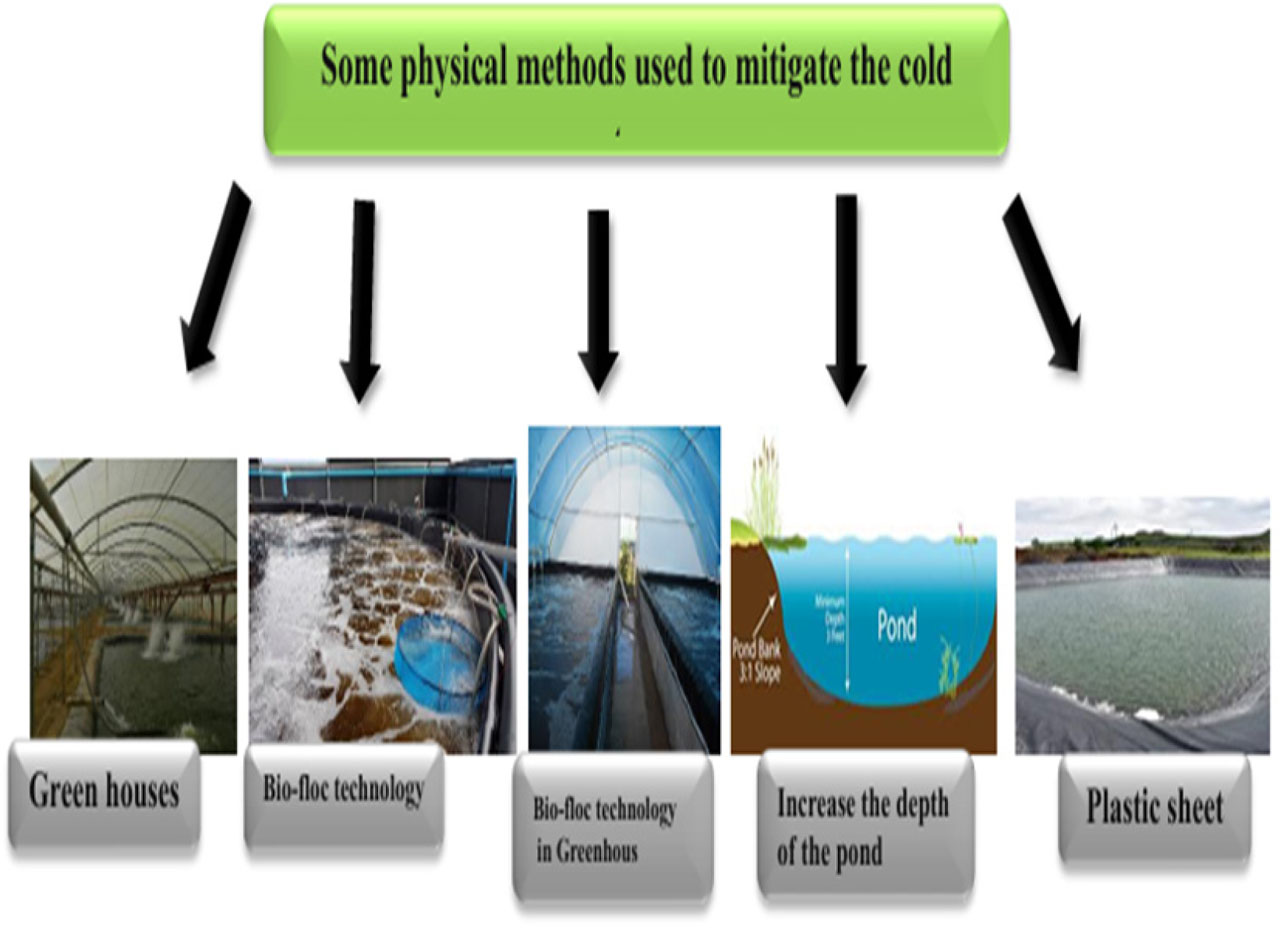
Figure 3.
Physical methods used to mitigate the cold.
6.1. Pond management
Water temperature typically decreases below the optimal level during the winter and is of particular concern for the warm-water aquaculture species. Recently, several pond management strategies, such as pond coverings or increased depth of pond (Hassaan et al., 2019) and using some modern systems such as in-pond raceway systems (IPRS), have helped fish at lower temperatures. Overwintering of fish is highly variable in the aquaculture industry and is dependent on physical and socio-economic conditions. It can be carried out by using heated facilities or warm underground water (Behrends et al., 1990). In several countries, such as China and Israel, greenhouses with geothermal water resources are used for controlling temperature in the overwintering of tilapia (Akidiva, 2018). In addition, the performance of tilapia fingerlings markedly improved by using ponds with wind shelters during overwintering when compared to other exposed ponds (Akidiva, 2018). Covering ponds with polyethylene sheets to control and elevate the pond water temperature (0.4 to 4.9°C) has been shown to enhance the survival rates of hybrid tilapia fingerlings (O. niloticus × O. aureus) (Crab et al., 2009) and enhanced the survival rate of Nile tilapia (Abdel-Aal, 2008; Soltan et al., 2015). However, the plastic sheets did not improve the specific growth rate of Nile tilapia (Soltan et al., 2015). Fish move to deep water when the water temperature drops below normal. Therefore, fish ponds should be deep enough to meet temperature demands. Fish growth and mortality are affected by water depth, especially in the winter months. According to El-Sayed et al. (1996), the depth of tilapia ponds should not be less than 100–200 cm, depending on the water temperature. During cold seasons, deeper water is required to reduce stress and mortality. Growth was better at 300 cm in depth, and the mortality rate was lower compared to other depths. There are limitations on some strategies used on farms during the winter, such as the use of geothermal water and heating facilities. High energy costs limit the use of heating facilities, and the need for a warm water source (such as geothermal springs, waste heat, or cooling water used by some industries), as well as the need for large quantities of water to maintain suitable temperatures in open ponds, limits the provision of relatively warm water (Cruz and Redha, 1995). Using greenhouse insulation can solve these problems.
6.2. Greenhouses
Under natural conditions, aquaculture production is limited to the warm months of the year when temperatures are suitable. In addition, cold climates require additional or supplemental heat to raise the water temperature. Therefore, alternative farming methods can improve the sustainability of fish and shrimp farming by manipulating environmental conditions, especially during low temperatures (Dou et al., 2023; Ringø et al., 2025 b). Recently, greenhouse aquaculture systems have received significant attention, with production being proposed as a potential solution for sustainable winter aquaculture due to their environmental advantages, with limited or no water exchange, controlled temperatures (Akidiva et al., 2018; Wu et al., 2025), and year-round operation compared to outdoor ponds during winter (Wu et al., 2025; Ringø et al., 2025 a; Kim et al., 2025). Zhu et al. (1998), Frei and Becker (2005), and Sarkar and Tiwari (2005) showed that greenhouse ponds are good alternatives for maintaining water temperature for fish farms exposed to low temperatures due to an increase in water temperature of around 5°C. Several other studies have shown the potential to increase water temperature in greenhouses by 3–9°C (Ghosal et al., 2005; Zhu et al., 1998).
The relationship between water temperature and feed conversion rate (FCR) is important for promoting growth. As a result, this technology promotes fish growth compared to an open pond under low temperatures. Strong evidence exists that fish cultured in greenhouses have higher FCR than those in open ponds at lower temperatures, resulting in high productivity throughout the year (Zvavahera et al., 2018). As reported by Dan and Little (2000 a) and Crab et al. (2009), farming tilapia in greenhouses during the overwinter showed an increase in growth rate and a reduction in mortality rate. Ziegler et al. (2022) have shown increased growth performance and feed utilization for shrimp culture in greenhouses compared to conventional ponds, and attributed the improved growth in greenhouses to their higher metabolic rate.
6.3. Biofloc technology (BFT)
Biofloc systems represent a promising approach to sustainable aquaculture, enhancing fish and crustacean production, especially during the winter, and is a potential solution to reduce temperature-related harm, overcome cold stress problems such as the high mortality of fish reared in low temperatures, and enhance sustainable production and the survival rate by maintaining appropriate water temperature and good water quality (Rashid et al., 2022). Use of biofloc technology (BFT) has experienced significant growth in recent years due to its ability to increase fish productivity with minimal or no water exchange (Hisano et al., 2021), and to utilize direct, inexpensive carbon inputs (sugar or molasses) to promote the growth of microbial biofloc communities (Rashid et al., 2022) by carefully adjusting the carbon-to-nitrogen (C/N) ratio. This reduces the need for water exchange while simultaneously producing valuable single-cell protein (Bisht et al., 2025). In addition, it recycles organic waste using microbial communities, converting it into protein-rich feed for aquatic organisms, maintaining fish growth rates, reducing the amount of feed used, and reducing fish mortality (Alam et al., 2024; Yang et al., 2025). This innovative method effectively decomposes fish waste and organic matter using heterotrophic bacteria and other microorganisms, producing microbial bio-mass and reducing toxic nitrogenous compounds such as nitrite (NO2-N) and ammonia (NH4-N) (Rai et al., 2025). Figure 4 summarizes the role of bacteria in biofloc technology.
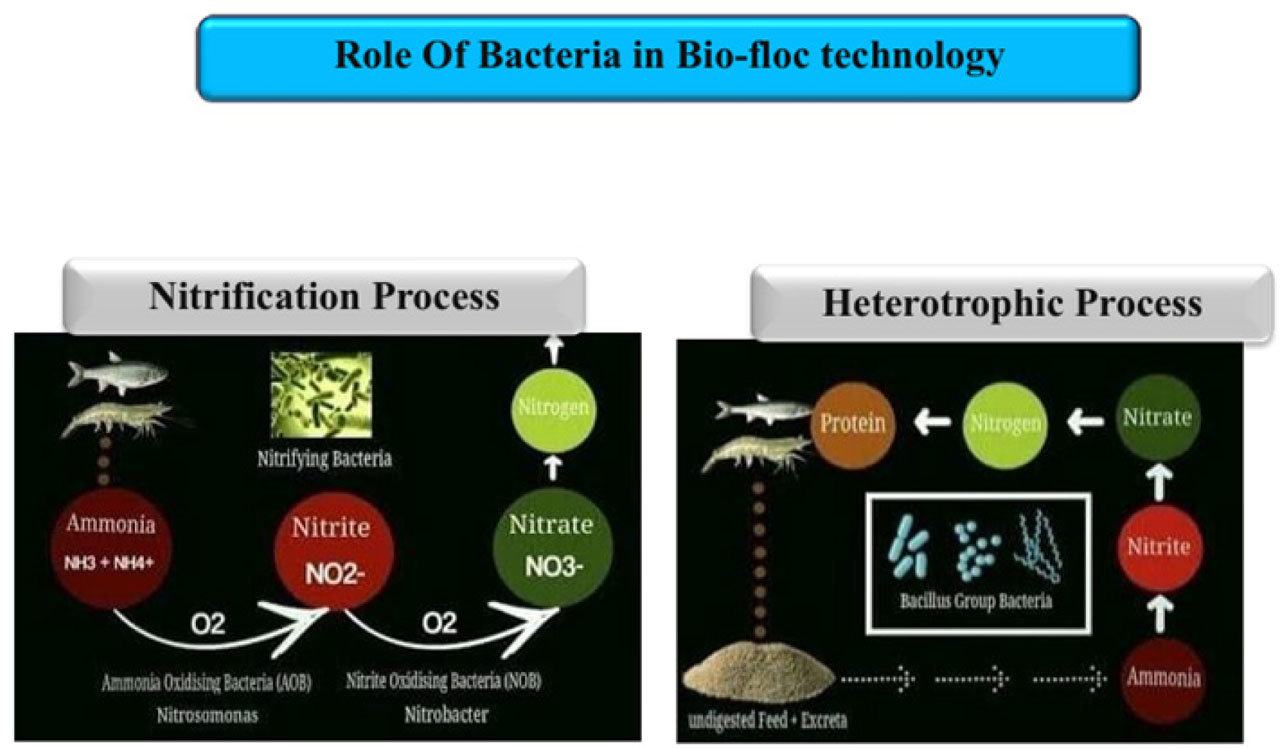
Figure 4.
The role of bacteria in biofloc technology.
According to Crab et al. (2009) the use of bio-floc technology is effective in over-wintering of tilapia by maintaining appropriate water temperature, good water quality and high fish survival in low/no water exchange, greenhouse ponds. Tilapia fry fed at 80% of usual feeding rates in BFT showed growth performance that was comparable to that of the group receiving standard feeding (Amany et al., 2019). The utility of biofloc has been demonstrated in several different aquaculture species and systems. Green et al. (2015) found that the use of biofloc in winter catfish rearing was successful in maintaining survival rates and daily feed consumption rates similar to those observed under ideal rearing conditions. When compared to conventional clear-water systems, the use of biofloc system resulted in 50% increase in weight and almost 80% increase in final biomass of the early post larval stage of shrimp (Emerenciano et al., 2012). Khanjani et al. (2021) and Kazemi et al. (2022) reported that growth performance and survival rate in Nile tilapia farming using BFT showed better results compared to traditional methods. This is consistent with the results of Durigon et al. (2020), Hoang et al. (2020), Khanjani et al. (2020), and Mirzakhani et al. (2019), who reported that the growth performance of various aquatic species in biofloc systems is better than in conventional systems. Jamal et al. (2020), Aghabarari et al. (2021) and Goswami et al. (2022) all found improved growth performance and decreased FCR in shrimp and fish in biofloc culture systems.
Recently, the biofloc system has been shown to have effects on growth, feed utilization, digestive enzyme activities, the immune system, and robustness against stress and diseases (Matishov et al., 2025). According to Dhabhar (2007) and Nardocci et al. (2014), chronic stress suppresses innate and adaptive immune responses through neuroendocrine mechanisms. Furthermore, cold stress induces increased serum cortisol concentrations and may also suppress immunity in farmed fish (Belo et al., 2005; Naderi et al., 2019), which in turn affects immune-related parameters. Adineh et al. (2019) found that serum cortisol concentrations in BFT groups were significantly decreased compared to control groups in common carp. The activities of lysozyme, hemolysis, and ALP in the serum were also found to be higher and similar to the control group, indicating the role of BFT in the immune mechanism of fish. Thus, the biofloc system appears to influence fish response to stress by preventing stress-related immunosuppression. Similarly, Mirzakhani et al. (2019) reported significant improvements in lysozyme activities and hemolysis in BFT groups.
Biofloc technology can also be used to get through the winter months in greenhouses. According to Gurung et al. (2024), tilapia reared in greenhouse ponds using biofloc technology have shown excellent fish survival by maintaining a suitable water temperature. In addition to winter seasons, we must recognize that the impacts of climate change on fisheries and aquaculture are still not fully understood, and that dealing with cold seasons may become more common in the future. Therefore, a variety of innovative and adaptable new technologies, such as biofloc technology integrated with greenhouse ponds, must be understood and promoted to mitigate the negative impacts of climate change on aquaculture and maximize the prospects.
7. Conclusions and recommendations
Planning for and implementing effective mitigation strategies to combat low temperature-induced stress is vital to avoid negative effects on fish farming. Cold stress, especially in tropical fish, may cause adverse effects on growth and physiological performance of fish. Low temperature-induced stress brings about changes in the fatty acid composition of cellular membranes in fish. Moreover, it can also affect fish gene expression. There are many commonly used mitigation strategies against cold-induced stress in fish. Physical methods, such as the use of heating, greenhouses, and plastic covering of ponds, among others, reduce mortality in overwintering while taking into account socio-economic considerations. The manipulation of feeding frequency, specifically a regimen of reduced feeding, is found to be effective in boosting growth during the winter season for many fish species. The same trend was seen with the use of biofloc technology in culture systems. Lastly, the utilization of dietary functional feeds (e.g., lipids and fatty acids, phospholipids, and immunostimulant agents) also supports fish performance under cold stress. This last strategy seems to be effective, but sufficient and reliable data are still limited and missing, given the very large number of bioactive compounds that are available to use as feed supplements. Further studies are needed to investigate dietary feeds supplemented with other substances, such as organic acids, and anti-oxidants from plants and their extracts. Finally, the interactions between the physical and biochemical aspects of cold tolerance in aquaculture largely remain to be investigated, but almost certainly influence each other regarding outcomes for fishes produced in aquaculture.
Abbreviations
- ALT
alanine transaminase
- AST
aspartate aminotransferase
- BG
β-glucans
- CAMs
cell adhesion molecules
- CAT
catalase
- GSH
glutathione
- GSH-Px
glutathione peroxidase
- HSP70
heat shock protein 70 genes
- IL-1β
interleukin-1β
- LDH
lactate dehydrogenase
- LDL-C
low-density lipoprotein cholesterol
- MDA
malondialdehyde
- MUFAs
monounsaturated fatty acids
- NF-κB
nuclear factor kappa B
- PCNA
proliferating cell nuclear antigen
- PUFA
polyunsaturated fatty acid
- ROS
reactive oxygen species
- SFAs
saturated fatty acids
- SOD
superoxide dismutase
- TC
total cholesterol
- THC
total hemocyte count
- TNF-α
tumor necrosis factor-α
Acknowledgement
This research work was partially supported by Chiang Mai University, Chiang Mai, Thailand.