
The overreliance on antibiotics in aquaculture has raised serious concerns regarding antimicrobial resistance, environmental contamination, and consumer health risks (Naiel et al., 2023 b). As the global demand for fish continues to rise, sustainable strategies are urgently needed to maintain fish health and productivity while minimizing synthetic chemical inputs (Naiel et al., 2022 b). One of the most promising approaches is the use of natural alternatives particularly medicinal plants as functional feed additives to enhance immunity and oxidative resilience in aquaculture species (Hu et al., 2025). These plant-derived interventions offer a safe, eco-friendly, and cost-effective means to support fish health under both routine and stress conditions (Naiel et al., 2021; Negm et al., 2021; Nhu et al., 2019; Rawat et al., 2022).
Plant-derived bioactive molecules have been extensively studied in aquaculture species such as tilapia (Adeshina et al., 2021), carp (Assar et al., 2023), and catfish (Nhu et al., 2020). These studies have demonstrated their potential to enhance growth performance, immune response, and anti-oxidant defence mechanisms (Van Doan et al., 2019, 2022). However, the effectiveness of these bioactive molecules varies among species due to differences in physiological and metabolic responses, as well as the specific plant parts and bioactive compound applied (Wigraiboon et al., 2024). Since medicinal plants contain a variety of bioactive molecules distributed unevenly throughout their tissues, the biological efficacy of an extract largely depends on the part of the plant selected for extraction (Faheem et al., 2022). Thus, understanding these variations is crucial for identifying the most effective plant components and optimizing the use of phytogenic compounds in aquaculture (Shohreh et al., 2024). Studies have shown that leaves often contain high levels of flavonoids, polyphenols, and alkaloids, which are known for their immunomodulatory and antioxidant effects (Abdel-Latif et al., 2021; Abdel-Tawwab et al., 2018; Almarri et al., 2023; Choudhary et al., 2024; El-Refiae et al., 2024; Shao et al., 2025). In contrast, roots are typically enriched with phenolic acids, tannins, and saponins that contribute to enzymatic antioxidant activation (Monsang et al., 2021; Yang et al., 2022). Fruits may possess both beneficial antioxidants and pro-oxidant components depending on their biochemical composition (Al-Khalaifah et al., 2020; Giri et al., 2024; Van Doan et al., 2022). On the other hand, ethanol is commonly employed as an extraction solvent due to its high efficiency in isolating numerous bioactive molecules, especially phenolic, alkaloids, and flavonoids compounds (Abedelmaksoud et al., 2025). It also offers relatively low toxicity and is more environmentally safe compared to other organic solvents (Panda and Gorantla, 2025). This inherent chemical variability among plant parts and different applied solvents lead to diverse physiological responses in fish, particularly in key immune and oxidative biomarkers.
In aquaculture immunology, key biomarkers such as lysozyme activity and white blood cell (WBC) count are critical indicators of innate immune status (Shahjahan et al., 2022). WBC count reflects the general activation of the fish's immune system, playing a central role in pathogen recognition, phagocytosis, and inflammation (Zhu and Su, 2022). Meanwhile, lysozyme serves as a frontline defensive molecule by lysing bacterial cell walls. From an oxidative stress perspective (Saurabh and Sahoo, 2008), enzymes like superoxide dismutase (SOD) and catalase (CAT) play vital roles in detoxifying reactive oxygen species (ROS), while malondialdehyde (MDA) serves as a marker of lipid peroxidation and cellular damage (Naiel et al., 2023 c). Thus, evaluating these biomarkers provides a comprehensive picture of how plant-derived compounds influence fish health at the cellular level.
Previous meta-analyses of plant-based immunostimulants in aquaculture have primarily focused on specific plant species or individual bioactive compounds such as Vijayaram et al. (2024), Mbokane and Moyo (2024) and Reverter et al. (2021). This narrow research focus has resulted in a gap in understanding how ethanolic plant extracts affect fish immune and antioxidant responses. To fill this gap, the current meta-analysis synthesizes data from various studies to quantitatively evaluate the impact of different plant parts such as leaves, roots, fruits, flowers, stems, and whole plants on key immune and oxidative biomarkers, including lysozyme, SOD, CAT, and MDA. Specifically, the study aims to determine which plant components most effectively enhance these physiological responses, thereby contributing to the development of standardized, plant-based strategies as sustainable alternatives to antibiotics in aquaculture.
Material and methods
Search criteria and data extraction
A comprehensive literature search was conducted using the Scopus (2003–2024) and Web of Science (1900–2024) databases on 1 July 2024. The search string targeted studies involving plant parts, focusing on immune and antioxidant responses, specifically those using ethanolic extracts: (plant* OR *medicinal OR herb*) AND (fish OR shrimp* OR teleost* OR crustac*) AND (immun* OR antioxidant* OR haemat* OR biochem* OR survival* OR mortality* OR disease*) AND NOT (hot-water OR methano* OR acetone OR trace* OR metal* OR *icide* OR nano* OR toxic* OR lethal OR fungi OR mammal* OR human OR patient OR cancer OR product* OR tumor OR vaccin*) AND (extract*) AND (ethanolic).
This strategy effectively filtered irrelevant records while maximizing relevant studies. The initial search yielded 1252 results, supplemented by 13 additional publications from other sources. Duplicate records from both databases were identified by comparing author names, publication years, title similarity, and DOI numbers. These duplicates were then removed using EndNote 20 reference management software.
Following this deduplication process, the remaining unique studies were screened according to the PRISMA guidelines (Liberati et al., 2009), including title, abstract, and full-text evaluations (Figure 1). A total of 30 relevant papers were identified and systematically summarized in Table 1. The primary objective of this review was to assess which plant part, when extracted with ethanol, is most effective at inducing desired cellular responses related to innate immunity or antioxidant activity in fish.
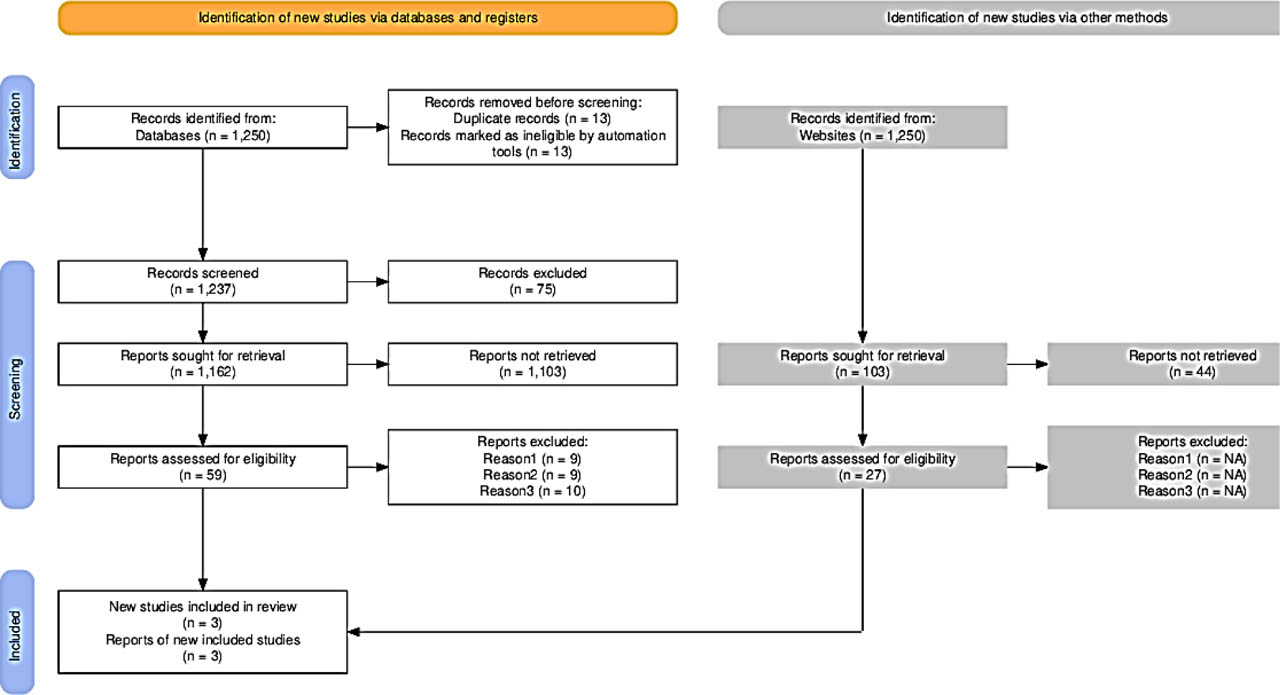
Figure 1.
PRISMA flow diagram summarizing the systematic literature search and study selection process. The initial database search conducted on 1 July 2023, using Scopus and Web of Science yielded 1,252 records. An additional 13 records were identified through other sources such as Google Scholar. After removing duplicates and screening titles, abstracts, and full texts according to PRISMA guidelines (Liberati et al., 2009), 30 studies were included in the final meta-analysis. Inclusion criteria required that studies (1) used ethanol-extracted plant parts, (2) measured immune or antioxidant biomarkers such as lysozyme activity, white blood cell counts, superoxide dismutase (SOD), catalase (CAT), or malondialdehyde (MDA), and (3) were conducted on fish, crustacean or fish cell lines.
Table 1.
Summary of the key studies included in the meta-analysis
| Code | Plant species | Plant part | Fish species | References |
|---|---|---|---|---|
| 1 | 2 | 3 | 4 | 5 |
| 1 | C. rotundus | Root | Nile tilapia | Wigraiboon et al. (2024) |
| 2 | Ocimum basilicum | Leaves | Nile tilapia | Mansour et al. (2023) |
| 3 | Paulownia tomentosa | Leaves | Nile tilapia | El-Refiae et al. (2024) |
| 4 | Cimum basilicum, Cinnamomum zeylanicum, Juglans regia and Mentha piperita | Whole plant | C. carpio | Abasali and Mohamad (2010) |
| 5 | Clove basil, Ocimum gratissimum | Leaves | African catfish, Clarias gariepinus | Abdel-Tawwab et al. (2018) |
| 6 | Clove, Eugenia caryophyllata | Flower | African catfish, Clarias gariepinus | Adeshina et al. (2019) |
| 7 | Basil (Ocimum basilicum) | Leaves | C. carpio | Amirkhani and Firouzbakhsh (2015) |
| 8 | Persian oak | Fruits | Rainbow trout | Bohlouli et al. (2016) |
| 9 | Panax ginseng | Root | Rainbow trout | Bulfon et al. (2017) |
| 10 | Garcinia kola | Seeds | Clarias gariepinus | Dada and Ikuerowo (2009) |
| 11 | Psidium guajava | Leaves | Oreochromis mossambicus | Gobi et al. (2016) |
| 12 | Aloe vera | Leaves | Rainbow trout, Oncorhynchus mykiss | Haghighi et al. (2017) |
| 13 | Azadirachta indica (neem) | Leaves | C. carpio | Harikrishnan et al. (2005) |
| 14 | A. indica, O. sanctum and C. longa | Leaves | Carassius auratus, gold fish | Harikrishnan et al. (2009) |
| 15 | Green tea | Leaves | Black rockfish, Sebastes schlegeli | Hwang et al. (2013) |
| 16 | Cynodon dactylon | Whole plant | Indian major carp, Catla catla | Kaleeswaran et al. (2011) |
| 17 | Cynodon dactylon | Whole plant | Indian major carp, Catla catla | Kaleeswaran et al. (2012) |
| 18 | Panax ginseng | Root | White shrimp, Litopenaeus vannamei | Liu et al. (2011) |
| 19 | Camellia sinensis | Leaves | Oncorhynchus mykiss | Nootash et al. (2013) |
| 20 | Pedalium murex | Seeds | Labeo rohita | Ojha et al. (2014 b) |
| 21 | Mucuna pruriens | Seeds | Labeo rohita | Ojha et al. (2014 a) |
| 22 | Epilobium hirsutum | Aerial parts | Cyprinus carpio | Pakravan et al. (2012) |
| 23 | Cotinus coggygria | Leaves | Cyprinus carpio | Bilen et al. (2013) |
| 24 | Garcinia gummi-gutta | Rind | Pangasianodon hypophthlmus | Prasad and Priyanka (2011) |
| 25 | Dill | All plant +seeds | Rainbow trout | Zeilab et al. (2020) |
| 26 | Rubus coreanus | Fruits | Penaeus vannamei | Subramanian et al. (2013) |
| 27 | Zingiber officinale | Stem | Labeo rohita | Gobi et al. (2016) |
| 28 | Apium graveolens | Leaves | Labeo chrysophekadion | Sutthi et al. (2020) |
| 29 | Ginkgo biloba | Leaves | Grouper | Tan et al. (2018) |
| 30 | Sophora flavescens | Root | GIFT Oreochromis niloticus | Wu et al. (2013) |
Included studies met the following criteria: (1) use of ethanolic extracts from specific plant parts (buds, flowers, leaves, stems, roots, aerial parts, or whole plants), (2) measurement of immune parameters – specifically lysozyme activity and white blood cell (WBC) counts – or antioxidant biomarkers including superoxide dismutase (SOD), catalase (CAT), and malondialdehyde (MDA), and (3) experiments performed on fish or crustacean species or fish cell lines (in vivo or in vitro).
Data extraction focused exclusively on these immune and antioxidant markers. The final dataset comprised 44 studies from 15 countries (2003–2024), providing robust quantitative and qualitative data for meta-analysis aimed at identifying the plant parts that most effectively modulate fish innate immune and antioxidant responses.
Meta-analysis statistical procedure
The meta-analysis quantitatively synthesized data on the effects of ethanolic extracts from different plant parts on fish immune and antioxidant biomarkers, including lysozyme activity, white blood cell (WBC) count, superoxide dismutase (SOD), catalase (CAT), and malondialdehyde (MDA) levels. Effect sizes were calculated as standardized mean differences (SMD) or mean differences (MD) with corresponding 95% confidence intervals (CIs), depending on the measurement scale across studies. Specifically, the standardized mean difference (SMD) was applied for lysozyme (LYZ) activity due to the variability in measurement units and analytical protocols among the included studies, which required standardization for effective comparison. In contrast, the mean difference (MD) was employed to white blood cells (WBC), superoxide dismutase (SOD), malondialdehyde (MDA), and catalase (CAT), as these parameters were reported in consistent units across studies, allowing for a direct comparison of mean values. Meanwhile, data transformations were performed when necessary to ensure comparability. Heterogeneity among studies was evaluated using Cochran's Q test and quantified by the I2 statistic, with I2 values of 25%, 50%, and 75% representing low, moderate, and high heterogeneity, respectively. Initially, fixed-effects (common effect) models were applied, but due to the substantial heterogeneity observed, random-effects models were primarily used to provide more robust and generalizable effect estimates.
Subgroup analyses based on plant part categories (roots, leaves, flowers, fruits, stems, and whole plants with seeds) were conducted to explore sources of heterogeneity and to identify the most effective plant parts for enhancing immune and antioxidant responses. The methodological quality and risk of bias in the included fish studies were evaluated using a modified version of SYRCLE's Risk of Bias tool, specifically adapted for aquaculture and aquatic animal research (Hooijmans et al., 2014). The assessment focused on key areas, such as the randomization of fish or experimental units (e.g., tanks, cages), allocation concealment, blinding of investigators or outcome assessors, completeness of data reporting, and selective outcome reporting. Each study was categorized as having a “low”, “unclear”, or “high” risk of bias for each area. Disagreements among assessors were resolved through discussion to achieve consensus. The results of this evaluation were taken into account when interpreting the meta-analytic findings, ensuring the strength and reliability of the conclusions. Then, publication bias was assessed using funnel plots and Egger's regression test. Meanwhile, sensitivity analyses were performed by systematically removing individual studies to evaluate the stability of the pooled results. All analyses were conducted employing the “Meta-for” package (version 4.4-3) in R software (version 4.4.3; R Foundation for Statistical Computing, Vienna, Austria), running on a Windows 11 (64-bit) platform, with statistical significance set at P<0.05.
Results
Effects of medicinal plant parts on white blood cell (WBC) count
The funnel plot assessing publication bias in studies evaluating the effects of different ethanolic plant parts on white blood cell (WBC) count in fish shows an asymmetrical distribution of data points (Figure 2). While the majority of studies are clustered near the top of the plot, representing small standard errors and balanced effect sizes around the mean difference, several studies fall outside the funnel boundaries, particularly in the lower and outer regions. These outliers suggest the presence of small-study effects and possible publication bias, where studies with extreme or non-significant findings may be underrepresented. The asymmetry may also reflect substantial heterogeneity in the included studies, consistent with the high I2 value (99.6%) reported in the forest plot analysis. Overall, the funnel plot suggests that the meta-analysis results should be interpreted cautiously due to the potential influence of bias and heterogeneity.
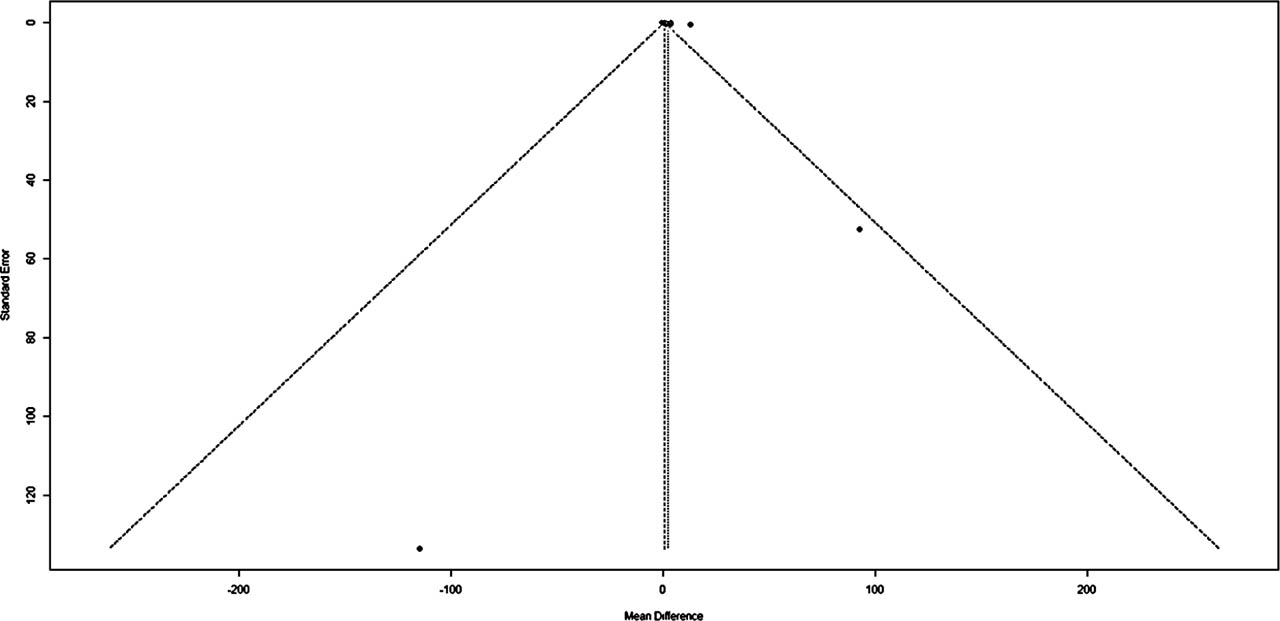
Figure 2.
Funnel plot assessing publication bias in studies evaluating the effects of ethanolic extracts from different medicinal plant parts on white blood cell (WBC) counts in fish. The x-axis represents the mean difference (effect size), and the y-axis denotes the standard error. Dotted lines indicate pseudo 95% confidence limits. Asymmetry in the distribution of studies, with several outliers beyond the funnel boundaries, suggests potential publication bias and high heterogeneity.
A subgroup meta-analysis was conducted to evaluate the differential effects of various medicinal plant parts and their ethanolic extracts on the WBC count in fish (Figure 3). The analysis included 13 studies encompassing 3,685 fish in total, with 2,963 in the treatment groups and 722 in the control groups. Subgroups were categorized based on the specific plant part used, including root, leaves, whole plant, flower, fruits, seeds, aerial parts, and rind.
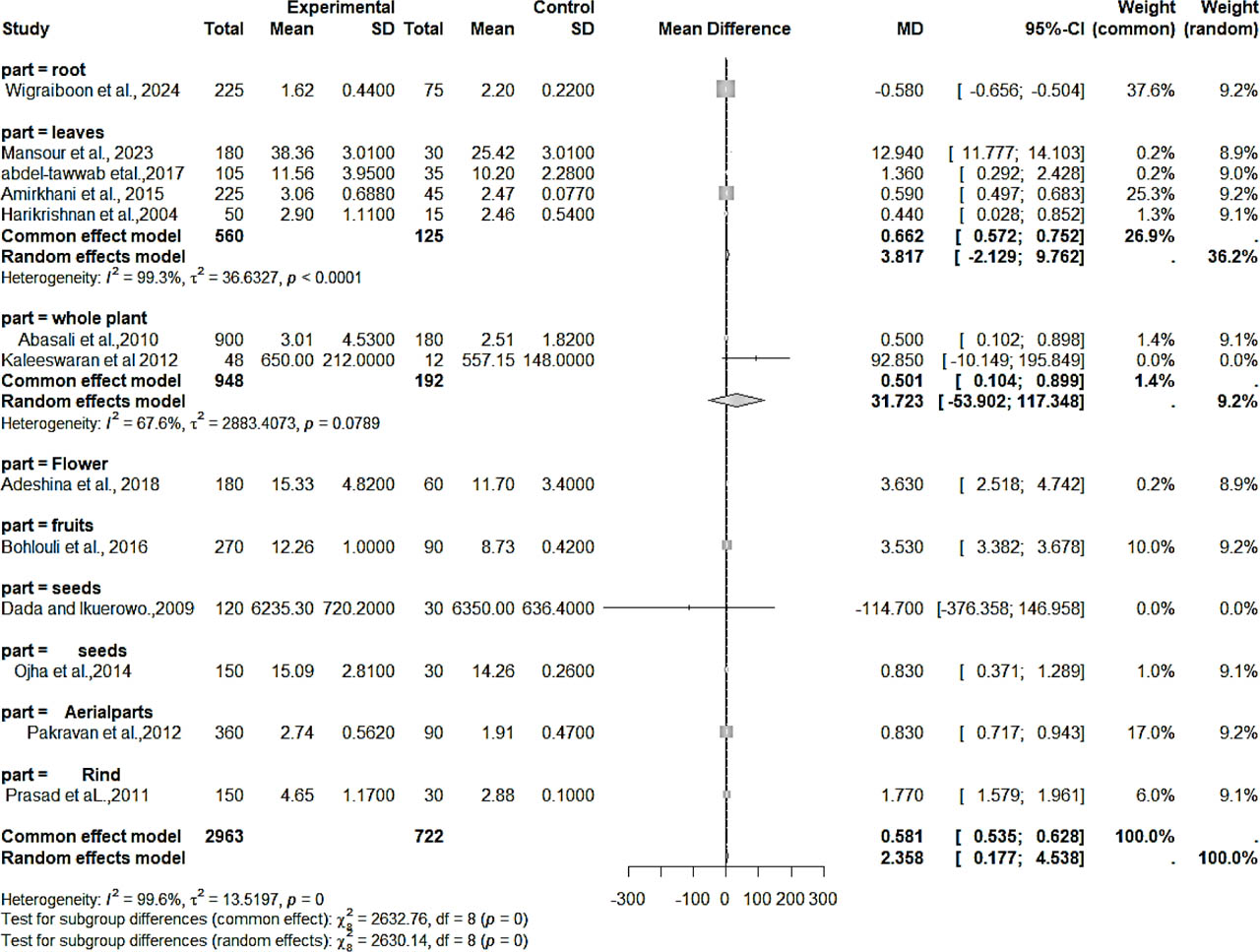
Figure 3.
Forest plot of subgroup meta-analysis evaluating the effects of different medicinal plant parts and their ethanolic extracts on white blood cell (WBC) counts in fish. Subgroups included root, leaves, whole plant, flower, fruits, seeds, aerial parts, and rind. The plot shows mean differences (MD) with 95% confidence intervals. Significant heterogeneity was observed (I2 = 99.6%), and subgroup analysis revealed that plant part type significantly influenced the immunomodulatory effect (P<0.001).
The results indicated that plant leaves exhibited the most pronounced immunostimulatory effect, with a pooled mean difference (MD) of 3.817 (95% CI: 1.229 to 9.762, P<0.05) under the random effects model. This subgroup was associated with high heterogeneity (I2 = 99.3%), yet the effect remained statistically significant, suggesting a robust positive influence on WBC levels. The whole plant subgroup also demonstrated a substantial increase in WBC count (MD = 31.723, 95% CI: −53.092 to 117.348), although the wide confidence interval and overlapping zero indicated that the result was not statistically significant, likely due to variability and the small number of studies.
In contrast, the use of plant root extracts showed a negative effect on WBC count (MD = −0.580, 95% CI: −0.656 to −0.504), indicating a potential immunosuppressive role. Other plant parts, including flowers, fruits, aerial parts, seeds, and rind, generally exhibited positive and statistically significant effects on WBC levels. For instance, flowers (MD = 3.630), fruits (MD = 3.530), and rind (MD = 1.770) all showed confidence intervals that did not overlap with zero, confirming their enhancing effects on immune function. An outlier effect was noted in the seed subgroup (Dada and Ikuerowo, 2009), which demonstrated an extreme negative MD of −114.700, potentially due to methodological or reporting anomalies.
Importantly, the test for subgroup differences was highly significant under both the common effect model (Q = 2632.76, df = 8, P<0.001) and the random effects model (Q = 2630.14, df = 8, P<0.001), confirming that the type of plant part used significantly influenced the magnitude of WBC response. Overall heterogeneity remained high across all studies (I2 = 99.6%, τ2 = 13.5197, P = 0), further supporting the need for stratified subgroup analyses.
Effects of ethanolic extract of medicinal plant parts on lysozyme (LYZ) activities
The funnel plot evaluating potential publication bias in studies assessing the impact of ethanolic plant extracts on lysozyme activity in fish reveals a mild to moderate degree of asymmetry (Figure 4). Most studies are symmetrically clustered around the standardized mean difference (SMD) axis near zero, suggesting generally balanced reporting. However, a few outlier studies are positioned far to the right of the plot, indicating unusually large positive effect sizes with high standard errors. These data points may reflect potential small-study effects or exaggerated outcomes in low-powered studies. While the core distribution supports overall consistency among studies, the presence of extreme outliers suggests the possibility of selective reporting or methodological variation, warranting cautious interpretation of the pooled effect.
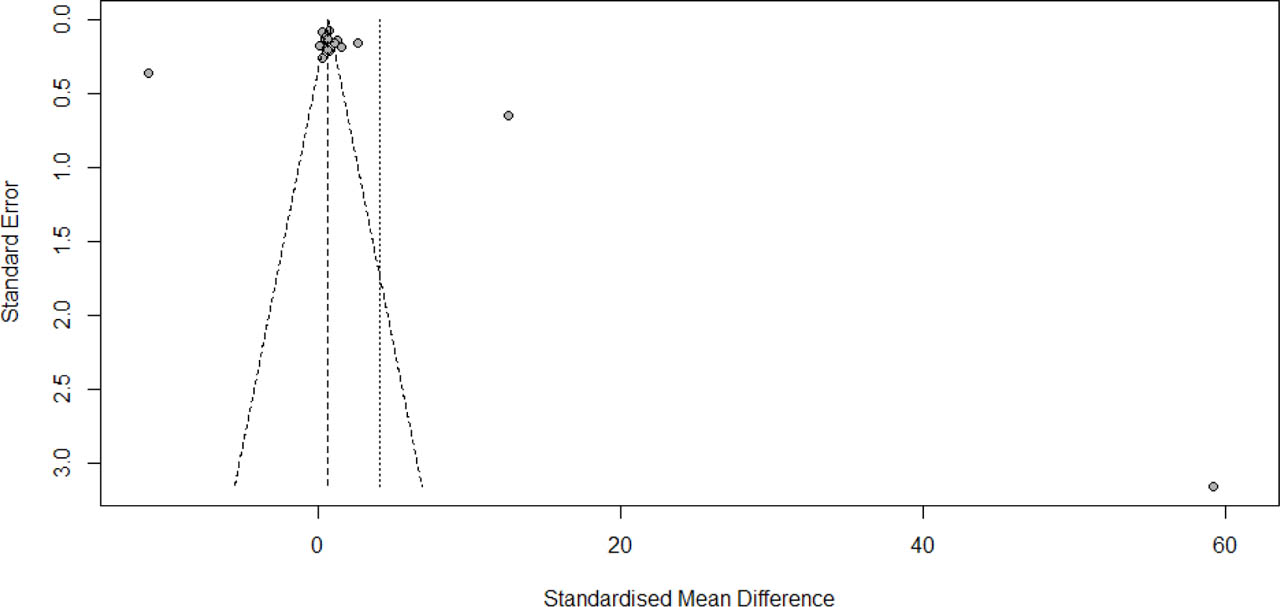
Figure 4.
Funnel plot assessing publication bias in studies investigating the effects of ethanolic extracts from various medicinal plant parts on lysozyme activity in fish. The x-axis represents the standardized mean difference (SMD), and the y-axis shows the standard error. Each circle denotes an individual study. Dashed lines represent pseudo 95% confidence limits. While the majority of studies are symmetrically distributed, a few outliers with high effect sizes and larger standard errors suggest potential small-study effects and possible publication bias.
The meta-analysis incorporated data from 20 studies comparing outcomes between experimental and control groups, with a total sample size of 5,439 participants in the experimental groups and 1,683 in the control groups (Figure 5). The standardized mean differences (SMD) and their corresponding 95% confidence intervals (CIs) were calculated to evaluate the effect sizes across studies. Under the common effect model, the overall SMD was −0.690 (95% CI: 0.621 to 0.759), suggesting a moderate effect favouring the experimental interventions. However, significant heterogeneity was detected among the studies, as indicated by the random effects model (I2 = 99.2%, tau2 = 201.2528, P = 0). This high level of variability influenced the pooled effect size under the random effects model, yielding an SMD of −4.110 (95% CI: −2.644 to 10.864).
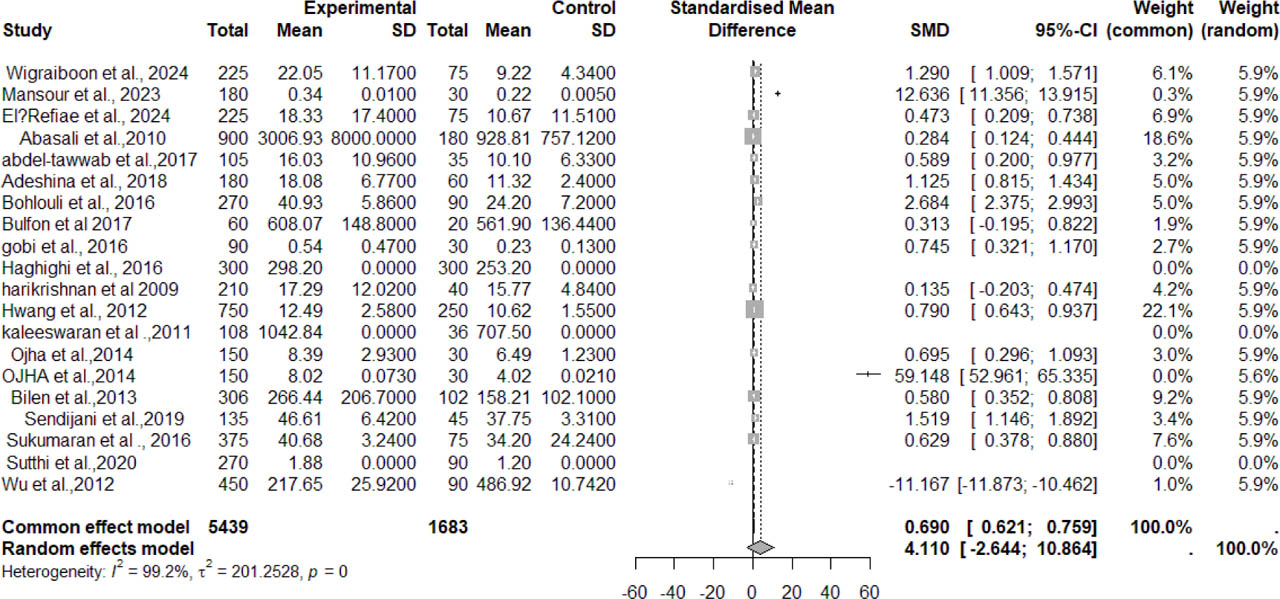
Figure 5.
Forest plot of meta-analysis evaluating the effects of medicinal plants ethanolic extract on lysozyme (LYZ) activity in fish. The plot shows standardized mean differences (SMD) with 95% confidence intervals for each study comparing experimental groups to control groups. Each square represents the effect size of an individual study, scaled by its weight, while horizontal lines indicate 95% confidence intervals. Pooled effect estimates under both the common effect and random effects models are shown as diamonds. High heterogeneity was observed across studies (I2 = 99.2%), and the wide prediction interval under the random effects model reflects substantial variability in lysozyme responses among studies.
Several studies demonstrated substantial effect sizes, such as Mansour et al. (2023) (SMD = −12.636, 95% CI: 11.356 to 13.915) and Kaleeswaran et al. (2011) (SMD = −59.148, 95% CI: 52.961 to 65.335), though their contributions to the overall analysis were minimal due to low weighting. Other studies, including Bohlouli et al. (2016) (SMD = −2.684, 95% CI: 2.375 to 2.993) and Adeshina et al. (2019) (SMD = −1.125, 95% CI: 0.815 to 1.434), also showed strong effects in favour of the experimental groups. In contrast, some studies, such as Haghighi et al. (2017) (SMD = −0.135, 95% CI: −0.203 to 0.474) and Bulfon et al. (2017) (SMD = −0.313, 95% CI: 0.195 to 0.822), exhibited smaller and less conclusive effects. The forest plot visually summarized these findings, illustrating both the general trend favouring experimental interventions and the considerable variability across studies.
Effects of ethanolic extract of medicinal plant parts on super oxide dismutase (SOD) activities
The funnel plot assessing potential publication bias in studies evaluating the effect of ethanolic extracts from medicinal plants on superoxide dismutase (SOD) activity in fish displays a somewhat asymmetrical pattern (Figure 6). While the majority of studies are distributed closely around the central mean difference, a few outliers – particularly one study with a very large mean difference and high standard error – indicate possible small-study effects. This pronounced deviation from the funnel shape may reflect potential bias such as selective reporting, or variability in study design and sample size. The asymmetry suggests a degree of caution is warranted in interpreting the pooled SOD outcomes due to the influence of disproportionately weighted studies.
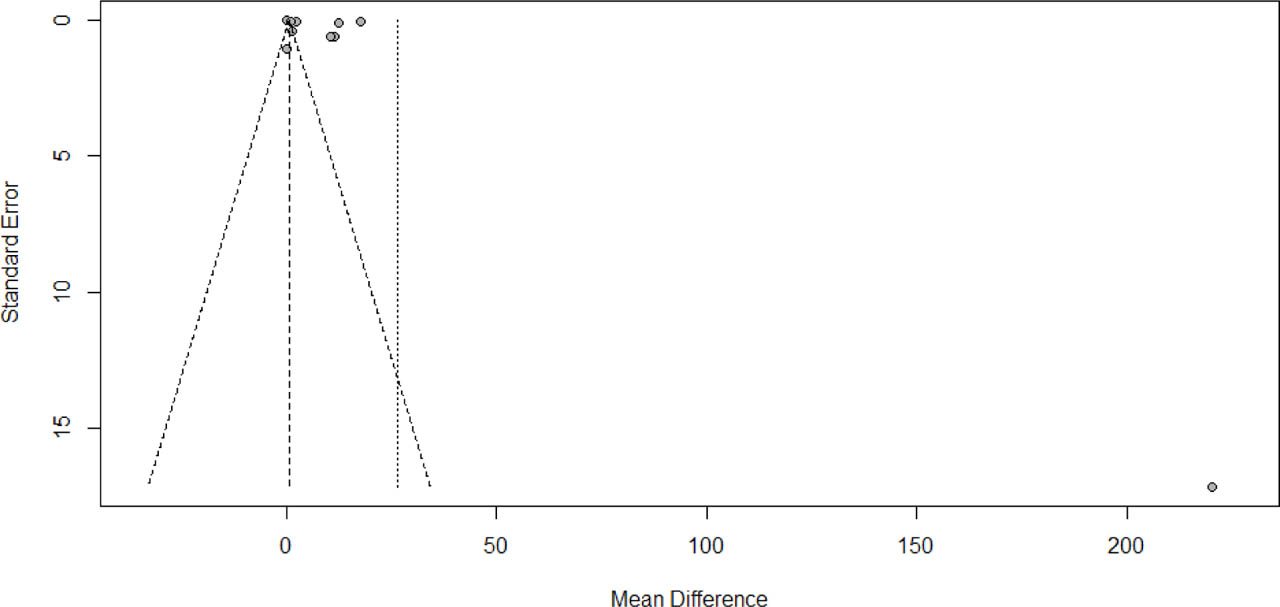
Figure 6.
Funnel plot evaluating publication bias among studies examining the impact of ethanolic plant extract supplementation on superoxide dismutase (SOD) activity in fish. The x-axis denotes the mean difference, while the y-axis represents the standard error. Each circle corresponds to an individual study. Dashed lines indicate pseudo 95% confidence intervals. The asymmetrical distribution, particularly the extreme right-hand outlier, suggests potential small-study effects and possible publication bias.
The meta-analysis examined the effects of experimental treatments across different plant parts, including roots, leaves, flowers, fruits, stems, and whole plants with seeds (Figure 7). A total of 10 studies were included, comprising 2,136 participants in experimental groups and 656 in control groups. The mean differences (MD) and 95% confidence intervals (CIs) were calculated to assess treatment effects, with subgroup analyses performed to evaluate variations across plant parts. For ‘root’ studies, the common effect model showed a pooled MD of 12.541 (95% CI: 12.291 to 12.792), indicating a significant treatment effect. However, heterogeneity was moderate (I2 = 68.4%, tau2 = 0.4213, P = 0.0753). In ‘leaf’ studies, the effect sizes varied widely, with Mansour et al. (2023) reporting an MD of 0.200 (95% CI: 0.180 to 0.220) and Abdel-Tawwab et al. (2018) reporting an MD of 1.520 (95% CI: 0.756 to 2.284). High heterogeneity was observed in this subgroup (I2 = 91.3%, tau2 = 0.7953, P = 0.0007).
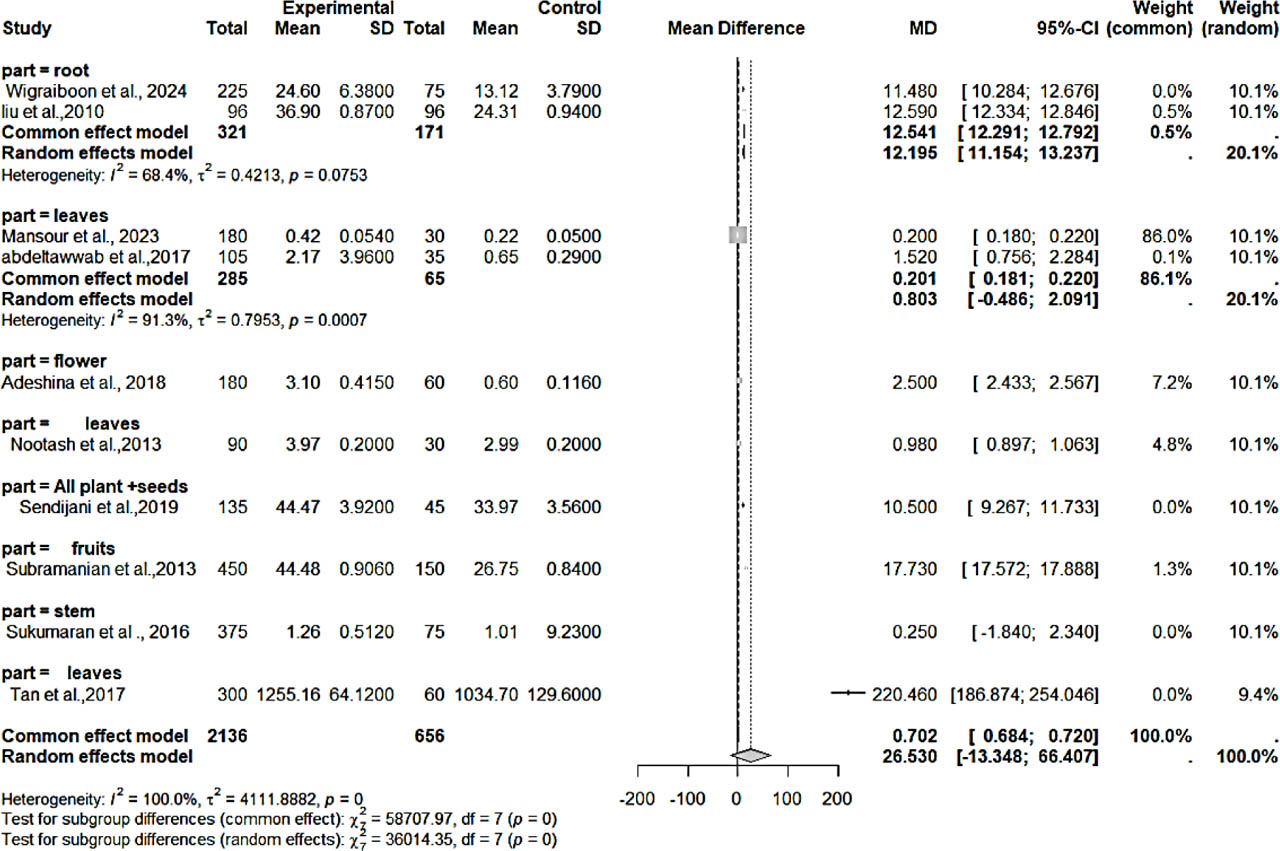
Figure 7.
Forest plot of meta-analysis evaluating the effects of plant-derived ethanolic extracts across different plant parts on the super oxide dismutase (SOD) activities of fish. The plot shows mean differences (MD) with 95% confidence intervals for each study comparing experimental groups to control groups, stratified by plant part (roots, leaves, flowers, fruits, stems, and whole plants with seeds). Each square represents the effect size of an individual study, scaled by its weight, while horizontal lines indicate 95% confidence intervals. Pooled effect estimates for subgroups and overall analyses are shown as diamonds under both common effect and random effects models. Extreme heterogeneity was observed across studies (I2 = 100%), and the wide prediction interval under the random effects model reflects substantial variability in treatment effects among different plant parts. Subgroup analyses confirmed significant differences in responses based on plant part (P<0.001 for both common and random effects models).
The ‘flower’ subgroup (Adeshina et al., 2019) demonstrated a strong treatment effect (MD = 2.500, 95% CI: 2.433 to 2.567), while the ‘whole plant + seeds’ subgroup (Zeilab et al., 2020) showed a substantial MD of 10.500 (95% CI: 9.267 to 11.733). The ‘fruit’ studies (Subramanian et al., 2013) exhibited the largest effect (MD = 17.730, 95% CI: 17.572 to 17.888), whereas the ‘stem’ subgroup (Sukumaran et al., 2016) had a negligible effect (MD = 0.250, 95% CI: −1.840 to 2.340).
Overall, the common effect model yielded a pooled MD of 0.702 (95% CI: 0.684 to 0.720), but extreme heterogeneity (I2 = 100%, tau2 = 4111.8882, P<0.001) rendered the random effects model more appropriate, showing a wider MD of 26.530 (95% CI: −13.348 to 66.407). Tests for subgroup differences confirmed significant variability across plant parts (chi2 = 58707.97, P<0.001, for common effect); (chi2 = 36014.35, P<0.001, for random effects).
Effects of ethanolic extract of medicinal plant parts on malondialdehyde (MDA) activities
The funnel plot shows the mean difference in MDA (malondialdehyde) levels affected by various plant parts extracted with ethanol (Figure 8). The distribution of data points around the zero line suggests potential publication bias or heterogeneity among studies. Most points are clustered near the top (smaller standard error), while a few are scattered toward the bottom (larger standard error), with some asymmetry indicating possible bias.
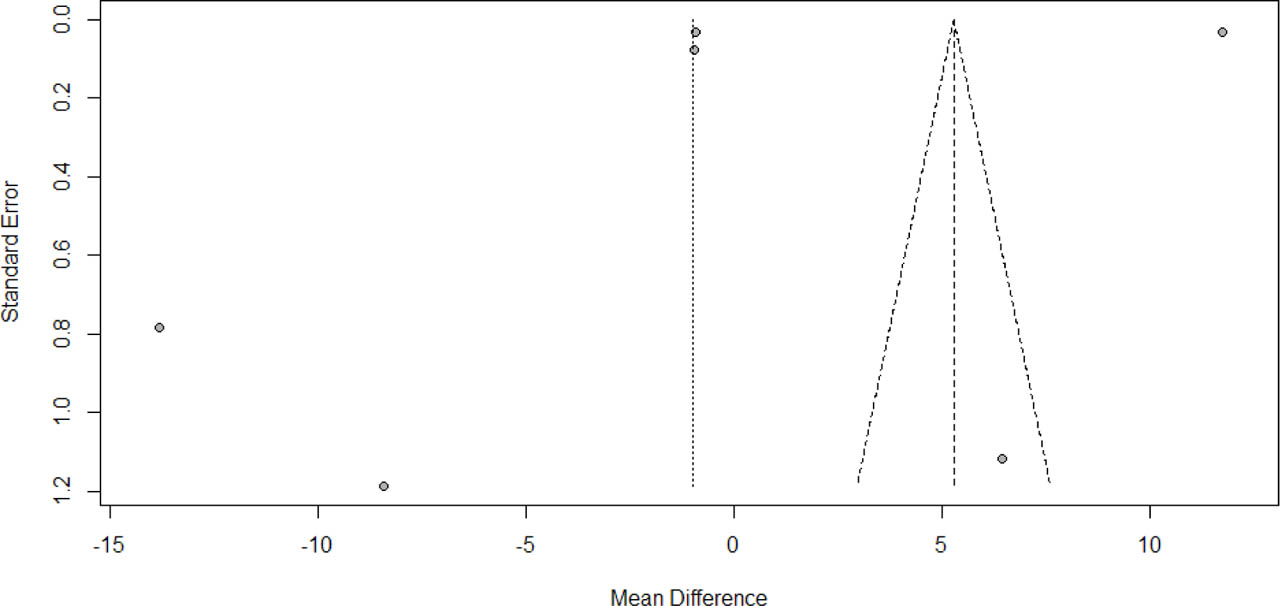
Figure 8.
Funnel plot assessing publication bias for the effect of ethanol-extracted plant parts on MDA levels. The x-axis represents the mean difference in MDA, and the y-axis shows the standard error. Symmetry around the zero line suggests minimal bias, while asymmetry may indicate potential bias or heterogeneity among included studies.
This meta-analysis examined MDA levels across different ethanol-extracted plant parts (roots, leaves, and fruits) in experimental versus control groups (Figure 9). For ethanol-extracted roots, Wigraiboon et al. (2024) demonstrated significantly higher MDA levels in the experimental group (MD = 6.440, 95% CI: 4.251 to 8.629), while Liu et al. (2011) showed lower MDA levels (MD = −0.920, 95% CI: −0.984 to −0.856). The pooled effect for roots indicated an overall reduction in MDA (MD = −0.914, 95% CI: −0.977 to −0.850), though with substantial heterogeneity (I2 = 97.7%, τ2 = 26.4604, P<0.0001).
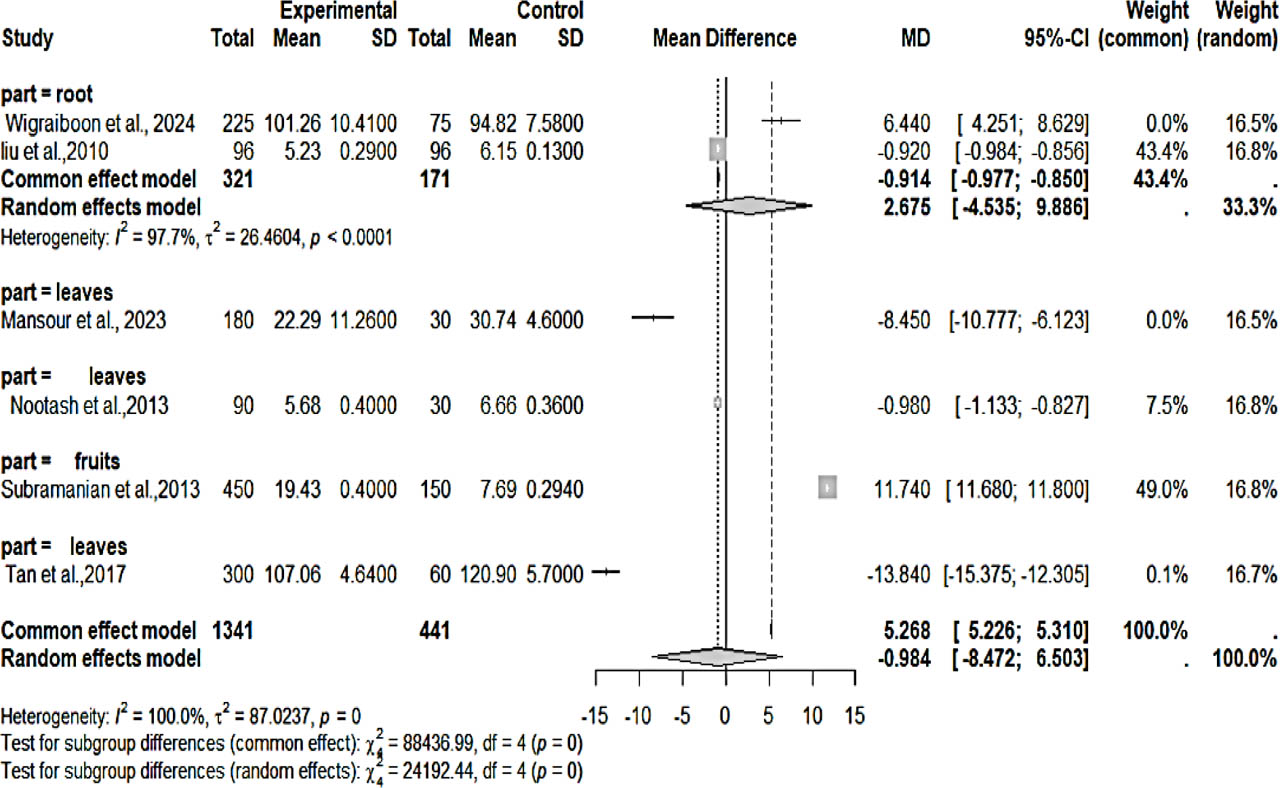
Figure 9.
Forest plot of meta-analysis of malondialdehyde (MDA) levels following treatment with ethanol-extracted plant parts. The plot displays mean differences (MD) in MDA levels with 95% confidence intervals comparing experimental (ethanol-extracted) and control groups, stratified by plant part (roots, leaves, fruits). Squares represent individual study effect sizes (proportional to study weight), horizontal lines show 95% CIs, and diamonds indicate pooled subgroup and overall estimates. Extreme heterogeneity (I2 = 100%) and significant subgroup differences (P<0.001) reflect the variable impact of ethanol-extracted plant parts on oxidative stress markers. The wide prediction interval under random effects highlights substantial variability in MDA responses across different plant parts.
Studies of ethanol-extracted leaves revealed varied effects on MDA levels: Mansour et al. (2023) and Tan et al. (2018) reported significant reductions (MD = −8.450, 95% CI: −10.777 to −6.123 and MD = −13.840, 95% CI: −15.375 to −12.305, respectively), while Nootash et al. (2013) showed a more modest decrease (MD = −0.980, 95% CI: −1.133 to −0.827). In contrast, ethanol-extracted fruits (Subramanian et al., 2013) exhibited a substantial increase in MDA levels (MD = 11.740, 95% CI: 11.680 to 11.800).
The common effect model suggested an overall increase in MDA levels (MD = 5.268, 95% CI: 5.226 to 5.310), but extreme heterogeneity (I2 = 100%, τ2 = 87.0237, P = 0) rendered the random effects model more appropriate, showing no significant overall effect (MD = −0.984, 95% CI: −8.472 to 6.503). Significant subgroup differences (χ2 = 88436.99, P<0.001) confirmed that ethanol extraction from different plant parts differentially affects MDA levels, with fruits showing pro-oxidant effects while leaves and roots generally demonstrated anti-oxidant properties.
Effects of ethanolic extract of medicinal plant parts on catalase (CAT) activities
The funnel plot assesses the mean difference in catalase activity influenced by ethanol-extracted plant parts (Figure 10). The data points are distributed across a wide range of mean differences (from approximately −10 to 50), with most studies clustered near the top (low standard error), indicating higher precision. However, the asymmetry – particularly the greater spread of points toward positive mean differences – suggests possible publication bias (underreporting of negative/null results) or heterogeneity among studies (e.g., variations in plant species, extraction methods, or experimental conditions).
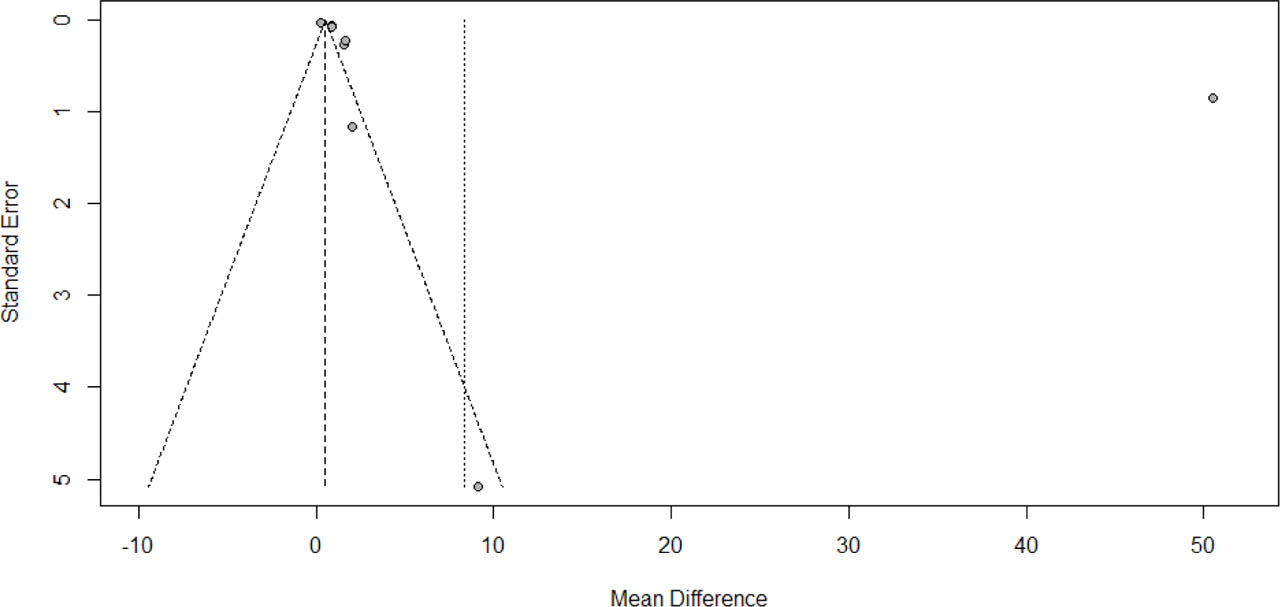
Figure 10.
Funnel plot evaluating publication bias and heterogeneity in studies analysing the effect of ethanol-extracted plant parts on catalase activity. The x-axis represents the mean difference in catalase activity, and the y-axis shows the standard error. Asymmetry in the distribution of points may indicate selective reporting of positive outcomes or variability in study design.
The meta-analysis of catalase activity modulation by ethanol-extracted plant parts encompassed nine studies involving 1,671 experimental samples and 551 controls (Figure 11). Analysis revealed significant plant-part-dependent variations in catalase enhancement. Root extracts demonstrated modest effects, with Wigraiboon et al. (2024) showing non-significant elevation (MD = 2.000, 95% CI: −0.277 to 4.277) while Liu et al. (2011) reported significant increase (MD = 0.280, 95% CI: 0.226 to 0.334), yielding a pooled root effect of MD = 0.281 (95% CI: 0.227 to 0.335) with moderate heterogeneity (I2 = 54.4%). Leaf extracts exhibited more pronounced effects, particularly Tan et al. (2018) showing remarkable catalase enhancement (MD = 50.500, 95% CI: 48.841 to 52.159), though with substantial between-study heterogeneity (I2 = 91.7%). Other plant parts demonstrated varying degrees of efficacy: flower extracts (Adeshina et al., 2019) showed moderate enhancement (MD = 1.580, 95% CI: 1.058 to 2.102), while whole plant+seed extracts (Zeilab et al., 2020) and fruit extracts (Subramanian et al., 2013) produced more modest effects. The common effect model indicated an overall significant increase in catalase activity (MD = 0.510, 95% CI: 0.464 to 0.555), though extreme heterogeneity (I2 = 99.8%) rendered the random effects model estimate non-significant (MD = 8.344, 95% CI: −3.720 to 20.408). Significant subgroup differences (χ2 = 3662.09, P<0.001) confirmed that catalase modulation efficacy depends critically on the specific plant part extracted, with leaf extracts showing particularly strong potential for enhancing this antioxidant enzyme activity.
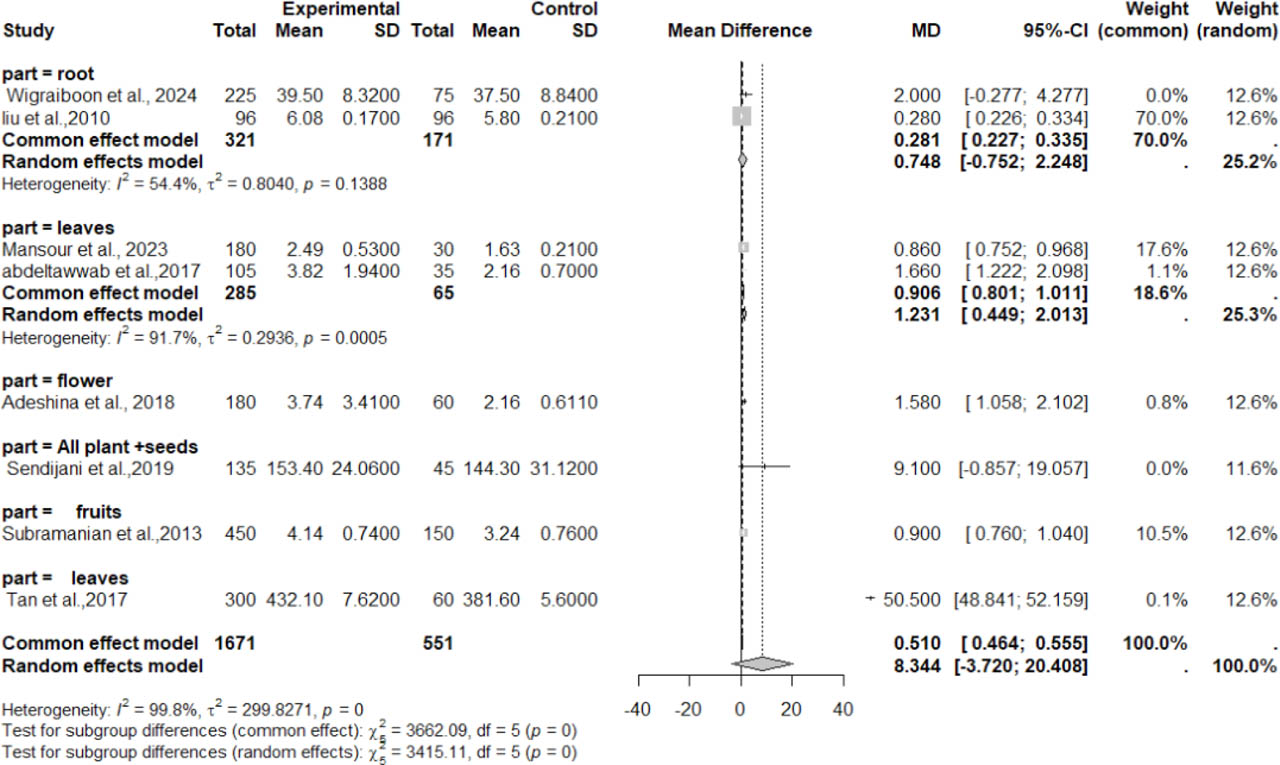
Figure 11.
Forest plot of meta-analysis of catalase activity following treatment with ethanol-extracted plant parts. The plot displays mean differences (MD) in catalase activity with 95% confidence intervals comparing experimental (ethanol-extracted) and control groups, stratified by plant part. Squares represent study effect sizes (proportional to weight), horizontal lines show 95% CIs, and diamonds indicate pooled estimates. Extreme heterogeneity (I2 = 99.8%) and significant subgroup differences (P<0.001) reflect plant-part-specific effects on catalase activity. The wide prediction interval under random effects highlights substantial variability in enzymatic responses.
Discussion
The influence of ethanolic extracts from various medicinal plant parts on innate immunity
White blood cell (WBC) count is a critical haemato-logical parameter commonly used to assess the immune status and health condition of fish in aquaculture (Dawood et al., 2018). The observed results of the meta-analysis emphasize the importance of WBCs as a reliable bio-marker for evaluating the immunomodulatory effects of dietary medicinal plant supplements. An elevated WBC count is typically associated with enhanced immune surveillance and pathogen resistance, indicating that fish have a better capacity to respond to infectious challenges and environmental stressors (Harikrishnan et al., 2011).
The subgroup meta-analysis revealed that different plant parts have significantly varied effects on WBC levels, underlining the importance of phytochemical composition and bioavailability. Among the tested plant parts, leaves exhibited the most significant immunostimulatory impact, suggesting that they are rich in bioactive compounds such as flavonoids, alkaloids, tannins, and essential oils, which are known to enhance leucopoiesis and immune cell activation (Faheem et al., 2022). These bioactive molecules can modulate signalling pathways such as NF-κB, which plays a central role in the regulation of cytokines and leukocyte proliferation (Leiba et al., 2023). The immunostimulatory potential of leaf-based extracts is consistent with previous findings that have demonstrated enhanced leukocyte activity, phagocytic index, and lymphocyte proliferation upon dietary inclusion of plant leaf extracts such as Moringa oleifera, Ocimum sanctum, and Azadirachta indica in fish species (Abidin et al., 2022; Das et al., 2015; Ibrahim et al., 2022). This supports the hypothesis that leaf extracts are not only safe but also effective as prophylactic agents in aquaculture health management. Interestingly, the whole plant subgroup also showed a high mean difference, although the confidence interval was wide and crossed zero, likely reflecting variability in study design, plant species, or preparation methods. Whole plant preparations might offer synergistic effects due to the presence of diverse phytochemicals but also present a risk of antagonistic interactions that can obscure their true potential (Nantapo and Marume, 2022).
Conversely, the root extracts showed a negative impact on WBC count, suggesting a possible immunosuppressive effect or toxicity at certain dosages. Roots may contain alkaloids or glycosides that, at higher concentrations, can suppress bone marrow activity or disrupt haematopoiesis (Bamidele et al., 2024). The negative impacts of medicinal plant root extracts on fish WBC counts may be due to presence of several cytotoxic or antinutritional compounds, including alkaloids, saponins, and tannins (Sumana et al., 2025). When these substances are present in high concentrations over extended periods in fish feed, they can disrupt haematopoietic activity and induce oxidative stress in immune cells (Monsang et al., 2021; Yang et al., 2022). Furthermore, the higher levels of secondary metabolites in roots compared to leaves or fruits may excessively inhibit leukocyte proliferation and the expression of immune-related genes (Makkar et al., 2007; Pudota et al., 2025). This finding highlights the essential needs for careful phytochemical profiling and dose optimization when using root-derived plant materials in fish diets.
Other parts such as flowers, fruits, aerial parts, and rind generally showed positive and statistically significant effects, reinforcing the broad immunostimulatory potential of medicinal plants. These parts often contain volatile oils, polyphenols, and terpenoids that can enhance macrophage activity and lymphocyte proliferation, directly influencing the innate and adaptive immune responses (Al-Khalaifah et al., 2020; Naiel et al., 2023 a). However, an extreme outlier effect noted in the seed subgroup (Dada and Ikuerowo, 2009) suggests possible methodological inconsistencies or plant-specific toxicity, warranting further scrutiny. Therefore, the significant test for subgroup differences (P<0.001) under both common and random effects models underscores that the type of plant part is a key determinant in modulating WBC count. The exceptionally high heterogeneity (I2>99%) indicates diverse sources of variation including species, environmental factors, extract concentrations, and duration of exposure. These findings underscore the necessity for more standardized protocols and targeted studies to fine-tune the therapeutic use of plant-based immunostimulants in aquaculture.
Meanwhile, lysozyme activity is widely recognized as a primary biomarker of innate immunity in fish, reflecting the organism's ability to mount a non-specific defence against invading pathogens (Naiel et al., 2022 a). The current meta-analysis underscores a clear trend: among the various plant parts used in dietary supplementation, leaf extracts were notably more effective in enhancing lysozyme activity compared to roots, seeds, or whole plants. This superior immunostimulatory effect of leaf extracts can be attributed to their rich and diverse phytochemical profile, particularly high concentrations of flavonoids, phenolics, terpenoids, and essential oils (Naiel et al., 2020, 2021). These compounds have been consistently linked to the activation of innate immune pathways (El-Refiae et al., 2024). Flavonoids and polyphenols, for example, are known to enhance lysozyme synthesis by stimulating macrophage activity and up-regulating immune-related gene expression through key signalling pathways such as NF-κB, MAPK, and TLRs (Yuandani et al., 2023).
Furthermore, plant leaves generally contain higher levels of bioavailable antioxidants compared to other plant parts, which help mitigate oxidative stress and support immune cell function, creating a favourable internal environment for immune enzyme production like lysozyme (Almarri et al., 2023). In contrast, roots or seeds may have more structural or storage compounds (e.g., alkaloids or tannins) that exhibit more variable or even suppressive effects on immunity, depending on concentration and preparation methods (Francis et al., 2001; Makkar et al., 2007). In addition, the consistent enhancement of lysozyme activity by leaf extracts also suggests a synergistic effect of their multiple bioactive compounds rather than the action of a single compound. This aligns with findings from earlier studies showing that whole plant formulations rich in leaf content significantly elevate non-specific immune parameters in fish species such as Oreochromis niloticus (Adeshina et al., 2021) and Labeo rohita (Choudhary et al., 2024).
The influence of ethanolic extracts from various medicinal plant parts on antioxidant activities
Among the various medicinal plant parts assessed, fruit and root ethanolic extracts exhibited the most pronounced effects in enhancing superoxide dismutase (SOD) activity in fish, as confirmed by the results of the meta-analysis. Specifically, fruit extracts showed the highest pooled mean difference (MD = 17.730; 95% CI: 17.572 to 17.888), followed closely by root extracts (MD = 12.541; 95% CI: 12.291 to 12.792), both indicating statistically significant improvements in antioxidant activity. This enhancement of SOD activity is critical because SOD serves as a frontline antioxidant enzyme that neutralizes superoxide radicals, preventing oxidative damage to cellular macromolecules and maintaining physiological stability, particularly under aquaculture-related stressors (Naiel et al., 2024 a, b).
The potent effect of fruit extracts can be attributed to their richness in bioactive molecules such as flavonoids, carotenoids, ascorbic acid, and polyphenols, which act both as direct antioxidants and as modulators of gene expression (Giri et al., 2024). These compounds are known to activate the Nrf2 (nuclear factor erythroid 2-related factor 2) pathway, which regulates the transcription of antioxidant defensive genes including SOD1 and SOD2 (Hu et al., 2025). For instance, Van Doan et al. (2022) demonstrated that Emblica officinalis fruit extract significantly increased SOD activity in Oreochromis niloticus, a finding consistent with our pooled result. Similarly, grape seed polyphenols have been shown to enhance SOD levels in Carassius auratus through Nrf2 activation, as reported by Jahanbakhshi et al. (2023). These findings suggest that fruit-derived phytochemicals not only scavenge reactive oxygen species directly but also strengthen endogenous antioxidant mechanisms.
Likewise, root extracts significantly improved SOD activity, likely due to their content of compounds such as gingerols, curcuminoids, and sulfur-containing compounds like allicin, which are known to modulate key intracellular signalling pathways (Ajanaku et al., 2022). These include the MAPK, PI3K/Akt, and Keap1/Nrf2 pathways, which are critical for redox balance and cellular defensive responses (Bian et al., 2025). Yousefi et al. (2020) observed that garlic root extract elevated SOD activity in Cyprinus carpio, while Rawat et al. (2022) reported similar effects with ginger root supplementation in Labeo rohita, particularly under ammonia-induced stress conditions. These compounds do not merely function as antioxidants but also upregulate the transcription of endogenous enzymes, offering protection against environmental and metabolic stressors commonly encountered in aquaculture systems (Abdelnour et al., 2024). Despite the antioxidant benefits demonstrated by root extracts, such as increased SOD activity and reduced MDA levels, their negative consequences on WBC count suggest potential dose-dependent physiological influences. Specifically, certain phytochemicals, including phenolics and alkaloids, can enhance antioxidant defences at moderate concentrations but may become cytotoxic or immunosuppressive to leukocytes at higher levels (Chakraborty and Hancz, 2011). This indicates that while bioactive compounds from roots can help mitigate oxidative stress, excessive exposure may impair haematopoietic function and hinder the proliferation of immune cells, ultimately reducing immune responsiveness (Olusegun and Adedayo, 2014).
The results of this meta-analysis clearly demonstrate that leaf extracts significantly enhance catalase (CAT) activity in fish, outperforming other plant parts in their efficacy. This finding is in line with a growing body of evidence suggesting that plant-derived bioactive compounds, particularly those from leaves, play a central role in modulating the antioxidant defensive system in aquatic animals (Naiel et al., 2023 a). Catalase is a vital enzymatic antioxidant that decomposes hydrogen peroxide (H2O2) into water and oxygen, thereby preventing oxidative damage to cellular components (Sandamalika et al., 2021). Its role becomes especially critical under stressful conditions such as disease, poor water quality, or environmental pollutants, which elevate reactive oxygen species (ROS) production (El-Adl et al., 2024; Negm et al., 2021).
Previous studies have consistently reported the antioxidant-boosting potential of leaf extracts in aquaculture (El-Refiae et al., 2024; Shao et al., 2025). For instance, Moringa oleifera leaf extract has been shown to increase CAT activity and reduce lipid peroxidation in Oreochromis niloticus, a response attributed to its rich polyphenol and flavonoid content (Hamed and El-Sayed, 2019). Similarly, the use of Azadirachta indica (neem) leaf extract in Labeo rohita enhanced CAT and SOD levels, contributing to improved resistance against Aeromonas hydrophila infection (Naz et al., 2025). Another study involving Camellia sinensis (green tea) leaf extract in Oncorhynchus mykiss found that its administration led to significant upregulation of catalase, an effect linked to enhanced expression of antioxidant genes via the Nrf2 pathway (Nootash et al., 2013). These reports provide robust experimental support for the present findings and reinforce the notion that plant leaf extracts are potent modulators of antioxidant enzyme systems in fish.
The effectiveness of leaf extracts in catalase activation can be attributed to their phytochemical richness, particularly their high levels of polyphenols, flavonoids, terpenoids, saponins, and antioxidant vitamins such as C and E (Almarri et al., 2023). These compounds exert their action through both direct and indirect mechanisms. The most significant mode of action involves the Nrf2–Keap1–ARE signalling pathway, which is central to the cellular antioxidant response (Assar et al., 2023; Jia et al., 2019). Under oxidative stress or upon exposure to certain phytochemicals, Nrf2 is released from its inhibitor Keap1 and translocates into the nucleus, where it binds to the antioxidant response element (ARE) in the promoter regions of genes encoding for catalase and other anti-oxidant enzymes (Bhattacharjee and Dashwood, 2020). This binding stimulates the transcription and translation of these enzymes, leading to elevated catalase levels and enhanced detoxification of ROS (Qin and Hou, 2016). In addition to modulating gene expression, many of the bio-active compounds in leaf extracts also act as direct ROS scavengers (Faheem et al., 2022). This dual action not only lowers the oxidative burden but also spares the enzymatic antioxidants, maintaining their functional integrity. Furthermore, leaf extract constituents may stabilize mitochondrial function, thereby reducing the production of ROS at the source and supporting the overall redox balance within the cell (Assar et al., 2023; Xavier et al., 2021).
The meta-analysis of malondialdehyde (MDA) levels, a key marker of lipid peroxidation and oxidative stress, revealed that the impact of ethanol-extracted medicinal plant parts is highly dependent on the specific part used. Overall, the findings suggest a protective anti-oxidant effect of root and leaf extracts, in contrast to the pro-oxidant potential observed with fruit extracts. Ethanol-extracted leaf and root components were generally associated with a significant reduction in MDA levels, indicating their capacity to alleviate oxidative damage in fish. Specifically, extracts from leaves, as reported in studies such as those by Mansour et al. (2023) and Tan et al. (2018), demonstrated the most robust antioxidative activity, producing notable declines in MDA concentrations. Similarly, root extracts, despite some variability, showed a consistent trend toward lowering MDA levels in most studies, as seen in the pooled effect size. This reduction reflects the effective inhibition of lipid peroxidation processes, likely due to the high content of bioactive phytochemicals – such as polyphenols, flavonoids, and alkaloids – present in roots and leaves (Faheem et al., 2022). These compounds are known to donate electrons to reactive oxygen species, thus neutralizing free radicals before they initiate lipid damage in cellular membranes (Ahmadifar et al., 2021).
Mechanistically, the antioxidative action of root and leaf extracts may be attributed to the activation of endogenous antioxidant defensive pathways, including the Nrf2 signalling cascade (Assar et al., 2023; Yang et al., 2022). By enhancing the expression of genes encoding enzymes like superoxide dismutase, catalase, and glutathione peroxidase, these extracts bolster the fish's intrinsic ability to mitigate oxidative stress (Koner et al., 2021). Additionally, the direct scavenging activity of their phytochemicals further contributes to the reduced lipid peroxidation, as reflected in lower MDA levels (Naiel et al., 2023 c).
In contrast, fruit extracts were found to increase MDA levels, suggesting a possible pro-oxidant effect under certain conditions. This might be due to the presence of specific compounds in the fruit matrix that, at high concentrations or in inappropriate extraction contexts, can act as redox-active agents and potentially promote ROS generation rather than eliminating it. The study by Owolabi and Abdulkareem (2021) reported a significant increase in MDA levels following the administration of fruit extracts, raising concerns about the underlying mechanisms. This increase may result from imbalances between antioxidant and pro-oxidant components in the extract, or from interactions with the fish's metabolism (Hoseinifar et al., 2020). Additionally, some researchers have found that fruit extracts can enhance SOD activity, suggesting an improvement in antioxidant defences, while also increasing MDA levels, which indicate lipid peroxidation (Abdel-Latif et al., 2023). This apparent contradiction may be due to certain phytochemicals that act as antioxidants at low concentrations but become prooxidants at higher doses or under specific physiological conditions (Hendam et al., 2024). Moreover, extraction parameters, including solvent polarity, ethanol concentration, extraction time, and method (such as maceration, Soxhlet, or ultrasonic extraction), significantly affect the yield and chemical composition of phenolics, flavonoids, and alkaloids in fruit extracts (Al-Khalaifah et al., 2020). Higher ethanol concentrations or extended extraction times can lead to an accumulation of redox-active compounds that, when consumed in high dietary levels, may switch from exhibiting antioxidant properties to prooxidant effects in vivo (Yang et al., 2022). Therefore, differences in dosage and extraction conditions may help explain the inconsistent results observed in studies examining the relationship between oxidative stress markers (MDA) and antioxidant enzymes (SOD) in fish. Consequently, this paradox requires further investigation to clarify whether it is a result of concentration-dependent effects, the presence of redox-active metabolites in certain fruits, or metabolic feedback mechanisms that influence oxidative balance in fish.
Furthermore, the extreme heterogeneity across studies (I2 = 100%) underscores the complexity of the plant part-specific effects and highlights the importance of standardizing extraction methods, dosages, and experimental conditions. The significant subgroup differences confirmed that not all plant parts offer equal antioxidative benefits, and some, like fruits, may even pose oxidative risks if not properly processed or dosed. It is also important to note that the immune and antioxidant responses in aquatic animals are highly sensitive to fluctuations in welfare conditions such as water quality, stocking density, and ecological or handling stress. In many of the reviewed studies, these parameters were neither standardized nor clearly reported, which could have influenced the physiological outcomes and obscured the true dietary effects of plant extract supplementation. This emphasizes the need for future studies to control and verify rearing conditions alongside plant-based interventions to improve reproducibility and interpretation of outcomes.
While this meta-analysis provides valuable insights into the immunomodulatory and antioxidative effects of ethanol-extracted medicinal plant parts in fish, several limitations should be considered when interpreting the findings. The included studies exhibited substantial heterogeneity in fish species, environmental conditions, extraction methods, dosages, and experimental durations, which may have influenced the pooled outcomes. Many investigations were conducted under controlled laboratory settings, limiting the generalizability of results to commercial aquaculture systems. Furthermore, evidence for certain plant parts, such as flowers, stems, and seeds, was sparse or inconsistent, and in some cases, data were heavily influenced by outlier effects. The variability in phytochemical profiles due to differences in plant origin, harvesting time, and preparation methods was not fully accounted for, potentially affecting the observed bioactivities. Finally, the high overall heterogeneity underscores the need for standardized protocols, broader species coverage, and well-designed field trials to confirm and refine these conclusions.
Conclusion
This comprehensive meta-analysis highlights the significant immunomodulatory and antioxidative effects of ethanol extracts from various medicinal plant parts on fish health. Among these, leaf extracts consistently demonstrated superior efficacy in enhancing key immune parameters such as white blood cell count and lysozyme activity, underscoring their potential as powerful natural immunostimulants. Similarly, root and fruit extracts showed pronounced effects on antioxidant enzyme activities, particularly superoxide dismutase and catalase, which are critical in mitigating oxidative stress and enhancing fish resilience to environmental challenges. Notably, root and leaf extracts contributed to reducing malondialdehyde levels, indicating their protective role against lipid peroxidation, whereas fruit extracts sometimes exhibited pro-oxidant effects, suggesting the need for cautious application. The varying bioactivities among different plant parts are largely attributable to their distinct phytochemical profiles and modes of action, including free radical scavenging, upregulation of endogenous antioxidant enzymes via signalling pathways such as Nrf2, and modulation of immune cell functions. These findings collectively affirm the importance of selecting specific plant parts to optimize health benefits in aqua-culture species.
List of abbreviations
- WBC
white blood cell
- SOD
superoxide dismutase
- CAT
catalase
- MDA
malondialdehyde
- ROS
reactive oxygen species
- LYZ
lysozyme
- MD
mean difference
- SMD
standardized mean difference
- CI
confidence interval
- PRISMA
Preferred Reporting Items for Systematic Reviews and Meta-Analyses
- I2
I-squared statistic
- τ2
tau-squared (between-study variance)
- χ2
chi-squared statistic
- df
degrees of freedom
- P
P-value
- R
R statistical software
- In vivo
experiments conducted in live organisms
- In vitro
experiments conducted on cells or tissues outside their normal biological context
Notes
[1] Future directions and practical applications
Understanding which specific plant parts most effectively support the fish immune system is critical for advancing natural health strategies in aquaculture. Future research should emphasize identifying and validating the main medicinal plant parts, such as leaves, roots, and fruits that offer the strongest immunomodulatory and antioxidant benefits. Standardizing extraction protocols and optimizing dosages will be essential to minimize variability and enhance reproducibility across studies. Furthermore, innovative delivery methods for bioactive compounds, such as nanoencapsulation, liposomal systems, or other targeted carriers, should be explored to improve their stability, bioavailability, and cellular up-take, ensuring efficient delivery to target tissues in fish. Also, comprehensive phytochemical characterization is required to identify key active molecules, while mechanistic studies should elucidate their molecular and cellular modes of action. Furthermore, investigating possible synergistic effects among different plant extracts could yield more potent plant extract formulations with broader biological effects. Finally, long-term in vivo trials are recommended to evaluate the impacts of these natural additives on growth, immunity, and stress tolerance under commercial aquaculture conditions, along with rigorous safety assessments to define optimal, non-toxic application levels that maximize fish health and overall productivity without inducing any deleterious impacts on ecological environment.
[4] Declaration of competing interest
The authors confirmed that they had no conflicts of interest that would seem to interfere with their ability to present data objectively and influence their manuscript.