
Rabbit (Oryctolagus cuniculus) farming production has become necessary for meeting the demand for meat and guaranteeing global food security (Fouad et al., 2025). Rabbits over large animals have several advantages including their high reproduction proficiency with a steady source of income as well as high protein and low saturated fat, cholesterol, purines, and uric acid contents of their meat (Siddiqui et al., 2023).
Rabbit intestinal dysbiosis, digestive disorders, immunosuppression, and a consequent decrease in the productive efficiency are common. Rabbits are susceptible to serious diseases, particularly the bacterial types that adversely affect the production system (de Blas et al., 2012; Abd El-Ghany, 2020 a, b, 2022, 2023 a, b). Moreover, digestive disorders constitute a major health problem particularly in weaned rabbits (Abd El-Ghany, 2025). Therefore, producers are commonly using antimicrobial growth promotors to prevent the different disease threats, enhance gut flora, and suppress the bacterial catabolism and fermentation (Dumont et al., 2020).
The efficiency of therapeutics for the control of the diseases requires active search for new drug application strategies and a careful selection using an antibiotic susceptibility test (Kowalska-Krochmal and Dudek-Wicher, 2021). However, continuous and indiscriminate usage of these antimicrobials may have some disadvantages including development of pathogenic drug resistant bacteria that transmitted to humans, changes in the ecological balance of the intestinal microbiota, appearance of gastrointestinal disorders, accumulation of their residues in meat, and immunosuppression (Treiber and Beranek-Knauer, 2021; Halawa et al., 2024). Therefore, dietary manipulations are widely acknowledged. There is an urgent necessity for the development of alternatives to tackle a wide variety of diseases that affect rabbit production. Also, there is a growing interest in using innovative non-antibiotic growth promoters that might have similar positive effects in controlling the gut pathogenic microorganisms to increase production performance of rabbits (Miranda et al., 2024). Nutraceutical feed additives are bioactive compounds that are present in natural products and have beneficial effects on the health and the physiological performance of the host (Falcao-e-Cunha et al., 2007; Colitti et al., 2019; Mali et al., 2022). They are reliable alternatives to replace the indiscriminate use of antibiotic growth promoters in animal’s feed. Nowadays, nutraceuticals with diverse biological properties are emerging, which demonstrate their beneficial impacts on rabbits (Maertens, 2011; El-Sabrout et al., 2023). Probiotics (Abdallah et al., 2023; Jameel and Kalef, 2024; El-Kholy et al., 2025), prebiotics (Abo El-Maaty et al., 2019; El-Ashram et al., 2019), synbiotics (Abdelhady and El-Abasy, 2015; Nwachukwu et al., 2021), postbiotics (Hosny et al., 2025), phytobiotics (Imbabi et al., 2021; Reda et al., 2025), organic acids (Abecia et al., 2005; Cesari et al., 2008; Ribeiro et al., 2012), enzymes (Oloruntola et al., 2018; Abdullahi et al., 2020; Abu Hafsa et al., 2022), and algae (El Basuini et al., 2023; Abdou et al., 2024; Soliman et al., 2025) are types of nutraceutical feed additives or antibiotic alternatives (Figure 1). Nutraceuticals show different biological effects on performance, intestinal health, immunity, and welfare, as well as the possible antimicrobial, anti-inflammatory, and antioxidant effects (Figure 2).
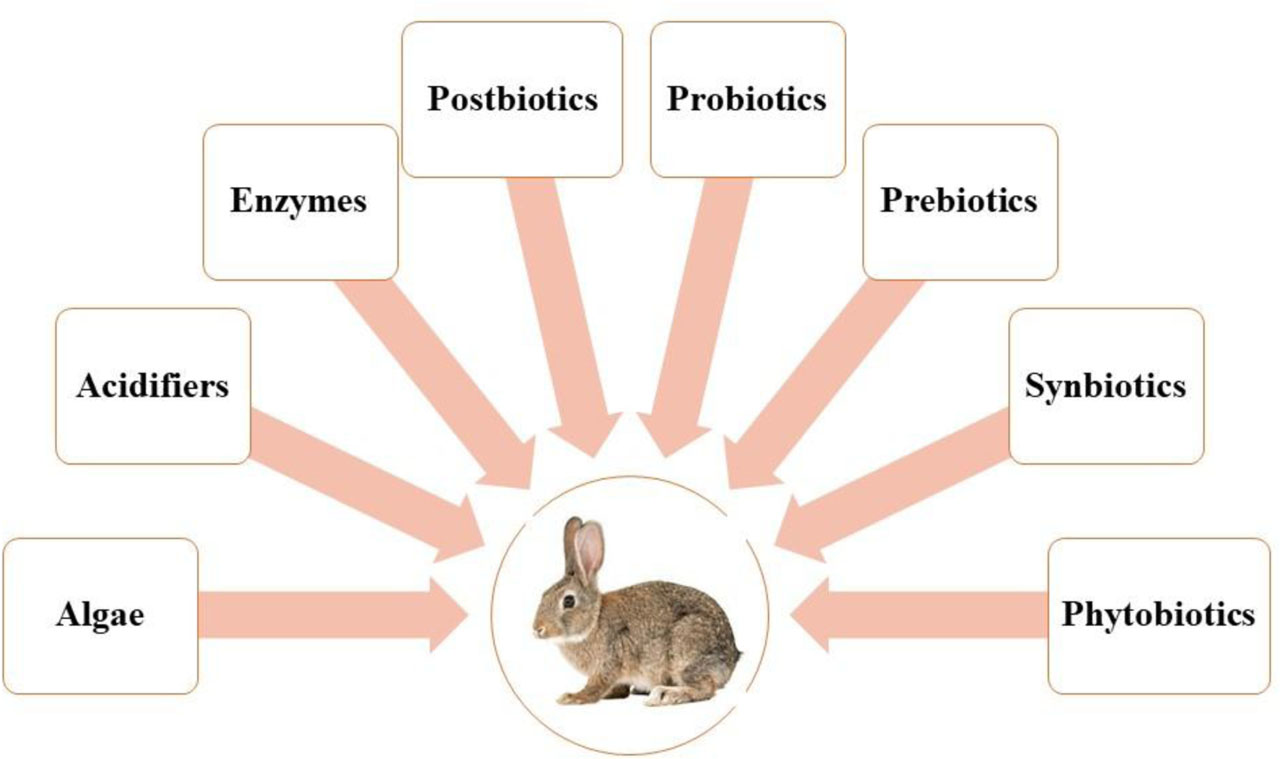
Figure 1.
Types of the different nutraceutical feed additives in rabbits
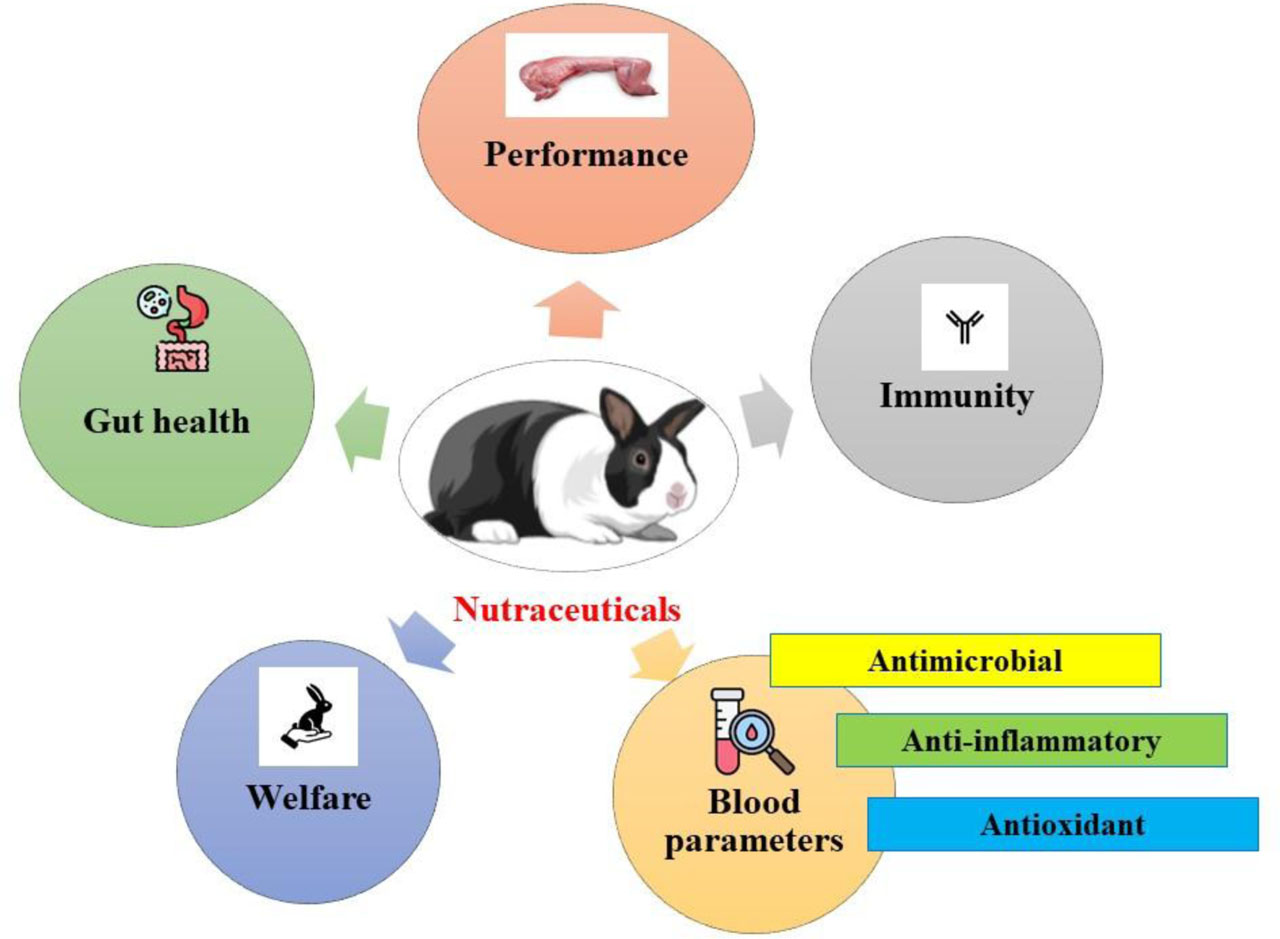
Figure 2.
The different effects of nutraceutical feed additives in rabbits
This review article was designed to generate updated information on the role of some nutraceutical antibiotic alternative feed additives (probiotics, prebiotics, synbiotics, postbiotics, phytobiotics, acidifiers, enzymes, and algae) on the productive and health performance indicators of rabbit production systems.
The different types of natural nutraceutical feed additives for rabbit production systems
Probiotics
Table 1 shows the different influences of using probiotics and prebiotics on rabbit production systems. Probiotics, live microorganisms including bacteria, yeast, or fungi are included as safe dietary additives to enhance the host’s health with beneficial influences on the growth rate (Markowiak and Śliżewska, 2018). Probiotics are usually strains of beneficial Gram-positive bacteria of the genera Lactobacillus, Bifidobacterium, Bacillus, Enterococcus, Pediococcus, and Streptococcus as well as some yeast and fungi such as Saccharomyces (Marco et al., 2006; Kritas et al., 2008; Nawab et al., 2019; Birolo, 2023; Xia et al., 2024). In recent years, their agricultural applications have gained more attention, besides, choosing and applying new strains in different ways have become important (Nezamdoost-Sani et al., 2023).
Table 1.
The different effects of dietary probiotics and prebiotics on rabbit production systems
| Type | Dose | Effects | Reference |
|---|---|---|---|
| MOS + arabinoxylan oligosaccharides | 0.1% in diets | ↑ daily BWG, production of cecal VFAs, and highest of ileal villus | Bosscher et al., 2006 |
| ↓ cecal population of coliform | |||
| E. faecium | 109 | ↑ BWG | Chrastinová et al., 2010 |
| CFU/ml/animal/day | |||
| S. cerevisiae | 200 mg /kg diet | Improved FCR | Onu and Oboke, 2010 |
| S. cerevisiae | 0.08, 0.12, and 0.16 g yeast/kg | No effect on FCR | Ezema and Eze, 2012 |
| B. cereus var. toyoi | 400 mg/kg diet | Improved fattening and dressing percentage | Brzozowski and Strzemecki, 2013 |
| E. faecium | 5.0×10⁸ | ↑ BWG and gut absorption surface | Simonová et al., 2016 |
| CFU/animal/day | |||
| S. cerevisiae + L. acidophilus | 0.5, 1, and 1.5 g/L DW + 1, 2 and 3×10⁹ CFU/kg feed | ↑ FI and BW | Hegab et al., 2019 |
| Trigonella foenum-graecum seed (dietary fiber and galactomannan) | 0.5% in diets | ↓ intestinal pH and NH3-N | Zemzmi et al., 2020 |
| ↑ production of cecal VFAs | |||
| S. cerevisiae | 0.12 g of yeast/kg diet | ↑ BWG, viability, productive performance, loin yield, intestinal morphometry, and serum proteins | Abd El-Aziz et al., 2021 |
| ↓ triglycerides and cholesterol levels | |||
| A mixture of fenugreek seeds, probiotics and phytobiotics | 0.3% in diets | ↑ digestibility of crude protein, ether extract, and crude fiber | Abdel-Wareth et al., 2021 |
| Exacerbated testosterone and estrogens levels | |||
| ↑ productive efficiency and carcass yield | |||
| S. cerevisiae boulardii | 200 or 400 g/ton | ↑ live BW and BWG | El-Sawy et al., 2021 |
| S. boulardii and L. acidophilus + FOS | 400 mg/kg + 50 mg/kg diet | ↑ final BW, average daily BWG, nutrient digestibility, intestinal villus height and width, villus density, crypt depth, villus height: crypt depth ratio, and Ig levels | Nwachukwu et al., 2021 |
| A mixture of different microorganisms | 10 and 15 mL/L DW | ↑ BW and BWG by 6.98% and 4.34%, respectively. | Diaz-Fuentes et al., 2022 |
| S. cerevisiae | 10.3%, 38.7%, and 92.7% | ↑ performance index | El-Sawy, 2022 |
| B. subtilis, L. bulgaricum, and S. cereviciae | --- | ↑ feed efficiency, gut beneficial bacteria count, and cecal VFAs | Suárez-Machín et al., 2022 |
| ↓ intestinal pH | |||
| L. casei and B. subtillus + fennel and M. oleifera oils | 1×10¹¹ CFU and 1×10¹¹ CFU (1 g/L DW) + (6 ml/L DW) | ↑ BW | Abdallah et al., 2023 |
| ↓ E. coli, mortality, and signs | |||
| S. cerevisiae + organic selenium | 1000 mg + 0.3 mg /kg diet | Improved FCR, cholesterol and selenium levels, antioxidant status, and intestinal histomorphology | Al-Sagheer et al., 2023 |
| Grow Star® (vitamins, B. subtillis, B. lichinoforms, and trace minerals) | Grow Star® (1 ml/L), FIDAL® (0.5 ml/L), or EM1® (1 ml/L) DW | ↑ productive performance, feed utilization, and economic efficiency | El-Sawy et al., 2023 |
| FIDAL® (R. flavefaciens) | No effects on carcass traits | ||
| EM1® (Effective Micro-organisms contains photo trophic and lactic acid bacteria, Saccharomyces spp., Actinomyces, and fermentative fungus) | |||
| S. cerevisiae + cellulases, xylanases, proteases, and α-amylase enzymes | 1, 2, and 3 g/L + 1 ml/L DW | Improved final BW, BWG, FCR, protein efficiency, digestibility, and carcass % | El-Speiy et al., 2024 b |
| ↑ total protein, albumin, globulin, ALT, and AST | |||
| ↓ triglycerides, total cholesterol, HDL, LDL, urea, and creatinine | |||
| E. faecium and B. subtilis | 100 mg/L DW | ↓ Eimeria stiedae oocysts shedding | Jameel and Kalef, 2024 |
| Selenium + E. faecium and C. butyricum | 0.3 mg + 1×10⁸ CFU/kg diet | ↑ growth performance, antioxidant, immune status, blood metrics, and cecal fermentation | El-Kholy et al., 2025 |
| or 0.3 mg + 2.5×10⁶ CFU/kg diet |
[i] ↑ = increased; ↓ = decreased; DW = drinking water; E. coli = Escherichia coli; BW = body weight; BWG = body weight gain; FI = feed intake; FCR = feed conversion ratio; B = Bacillus; R = Ruminococcus; S = Saccharomyces; E = Enterococcus; L = Lactobacillus; C = Clostridium; MOS = mannan-oligosaccharides; FOS = fructo-oligosaccharides; VFAs = volatile fatty acids; Ig = immunoglobulins; ALT = alanine transaminase; AST = aspartate transaminase; HDL = high-density lipoprotein; LDL = low-density lipoprotein; CFU = colony forming unit; NH3-N = nitrogen-ammonia; = Not mentioned.
Probiotics have several benefits including improvement of nutrient digestion and absorption, maintenance of gut health, strengthening of immune response, inhibition of colonization and development of undesirable pathogens, augmenting the beneficial gut organisms which have crucial roles in digestion, enzyme activity, production of antimicrobial peptides and volatile fatty acids, and synthesis of vitamins, enhancement of antioxidative capacity, and increasing the quality of the meat and final product of rabbits (Gado et al., 2017; Abdel-Azeem et al., 2018; Liu et al., 2019 a; Mancini and Paci, 2021; Wang et al., 2021; Jameel and Kalef, 2023). Probiotics contain a wide range of fibrolytic enzymes which could promote the intestinal nutrient absorption and the nutritional content of non-ruminant animal diets (Feizi et al., 2022). In addition, they can prevent the pathogenic organisms from adhering to the intestinal epithelial cells and stimulate the microbial balance in the gastrointestinal tract of the host (Liu et al., 2019 a). By the way, adherence of probiotics in the intestinal epithelium mucosa of treated animal could promote the immune response by regulating the mechanism of phagocytosis in the liver after infection (Jameel and Kalef, 2024). Thus, probiotics could be used to treat chronic liver damage, reduce inflammation, and promote the host’s immune response. Moreover, probiotics showed an efficient role in alleviating the negative impacts of heat stress on rabbit production (El-Kholy et al., 2025). Nutraceuticals are involved in improving the intestinal development, establishing a healthy intestinal microbial equilibrium, and enhancing the intestinal microstructure and immunity. Also, they enhance the antioxidative characteristics and stimulate the immune system, which increases illness resistance in harsh conditions (Ebeid et al., 2023). The study of EL-Gusbi et al. (2024) revealed that probiotics showed a good impact on the fermentation process in rabbit cecum in vitro, so they could be introduced as a potential economic, efficient, and alternative source of protein-rich diet for rabbits. A probiotic product containing live yeasts and lactic acid bacteria could decrease the serum concentration of lipids, promote the immune system, and modify the antioxidant status of rabbit meat (Adli et al., 2023). Regarding the disease conditions, the treatment of Listeria monocytogenes infected rabbits with a blend of beneficial bacterial strains increased the digestibility, growth parameters, genetic expression of binding proteins, and viability of animals which may be due to the adjuvant and immune effects of the used bacterial strains (Abd El-Hamid et al., 2022 a). The dietary addition of Aspergillus awamori strain (1 g/kg diet) for ochratoxin intoxicated APRI maternal line 5-week-old rabbits led to an improvement in feed intake (FI), body weight gain (BWG), and feed conversion ratio (FCR), as well as increasing the height and width of intestinal villi with protection against hepatic damage (El-Deep et al., 2020 a).
Lactobacillus spp.
Several studies showed the different impacts of using lactic acid bacteria such as Lactobacillus spp.; for instance, the daily BWG of rabbits fed on dried Lactobacillus (L.) acidophilus (9.6%) and yucca extract (12.1%) was better compared to control animals (Amber et al., 2004). Furthermore, the dietary supplementation of rabbits with a probiotic with Lactobacilli resulted in elevated serum levels of immunoglobulins (Ig)G and IgM and boosted cell-mediated immunity (Fathi et al., 2017; Wang et al., 2017). The results of Kadja et al. (2021) revealed that oral treatment of rabbits with a mixture of L. rhamnosus GG, Saccharomyces (S.) boulardii CNCM I-745, and Bifidobacterium animalis subsp. lactis BB-12 increased productivity (live BW and FCR), Ig levels, electrolyte concentrations, and reduced blood lipid concentration when compared with control non-treated rabbits. Nano-selenium enriched probiotic product containing Lactobacillus promoted alum adjuvanticity and enhanced antigen specific systemic and mucosal immunity (Liu et al., 2023). Lam and Jamikorn (2017) demonstrated that 28-day-old New Zealand White rabbits fed a probiotic containing Bacillus (B.) subtilis [1×10⁶ colony forming units (CFU)/g] and L. acidophilus (1×10⁷ CFU/g) showed increased BWG, greater growth, and better FCR than control without probiotics supplement. Similarly, El-Shafei et al. (2019) demonstrated that basal diets supplemented with 0.25 and 0.5 g of L. planterium (1×10⁶ CFU/g) induced positive and significant influences on BW, FCR, serum concentrations of triiodothyronine and thyroxine thyroid hormones, and IgG of 4-week-old New Zealand White rabbits.
Enterococcus spp.
Strains of Enterococcus (E.) faecium and durans (500 μl/animal/day) belong to lactic acid-producing bacteria which had antimicrobial and growth promoting effects (Simonová et al., 2016), and gut health promoting characters in 5-week-old Pannon White rabbits (Lauková et al., 2017; Simonová et al., 2020). Ammonia impairs the structural integrity of cecal tissues and reduces the levels of butyrate, acetate, and propionate in rabbit cecum (Cui et al., 2021). However, E. faecium (1 × 10⁸ CFU/kg diet) and Clostridium (C.) butyricum (2.5 × 10⁶ CFU/kg diet) reduced the cecal ammonia concentration (Alagawany et al., 2023), promoted immunological indicators, and induced a high serum lysozyme activity and complement component 3 in growing post-weaned rabbits subjected to heat stress (Bassiony et al., 2021). Moreover, feeding of 5-week-old New Zealand rabbits with C. butyricum (100 mg/kg diet) improved their intestinal morphology, gut microbiota, and growth performance when compared with rabbits fed on basal diet (Huang et al., 2021), as well as enhanced IgA production and preserved intestinal barrier function (Liu et al., 2019 a). On the other side, Simonová et al. (2009) found no effect on the quality of rabbit meat after treatment with bacteriocinogenic and probiotic strain E. faecium CCM 4231. The drinking water treatment of heat-stressed 28-day-old weaned New Zealand White rabbits with Pediococcus (P.) acidilactici (CNCM I-4622) (1 × 10¹⁰ CFU) enhanced the BWG and feed efficiency and controlled some physiological functions (respiratory and heart rates and rectal temperature), without effects on the weights of viscera, digestive tract, and edible parts when compared with animals fed on basal diets without treatments (Ayyat et al., 2018).
Bacillus spp.
Gram-positive spore-forming bacteria of the genus Bacillus that do not colonize the intestinal tract of animals, are often used as probiotics. They produce enzymes and vitamins and have antioxidant and antimicrobial effects (Milián et al., 2017). For instance, B. cereus showed positive impacts on performance and health of growing rabbits and modulated the immune response against infections (Trocino et al., 2005; Guo et al., 2017; Helal et al., 2021). Moreover, Phuoc and Jamikorn (2017) found that a probiotic supplement containing B. subtilis (0.5 × 10⁶ CFU/g) plus L. acidophilus (0.5 × 10⁷ CFU/g) enhanced feed efficiency, BW, and microbial population of 28-day-old weaned New Zealand White rabbits when compared with groups fed on basal diet without a probiotic supplement (control). Similarly, the inoculation of growing rabbits diets with 8% fermented rapeseed meal with B. subtilis strain 87Y significantly improved BW, average daily BWG, and FCR, as well as red blood cells, hematocrit, hemoglobin, and mean corpuscular volume blood profile when compared to the control group (Czech et al., 2024). Moreover, the same study indicated a significant decrease in the plasma levels of the low-density lipoprotein (LDL), the ratio of total cholesterol to high-density lipoprotein (HDL), and triacylglycerols (Czech et al., 2024).
Saccharomyces spp.
The dietary inclusion of S. cerevisiae for rabbit feeding resulted in promoted general conditions in terms of enhanced digestibility, feed efficiency, growth rate, performance, and meat production, along with reduced gut pathogenic bacteria (Ezema and Eze, 2012; Garcia-Mazcorro et al., 2020; Helal et al., 2021; El-Sawy, 2022). Ayyat et al. (1996) reported that incorporated diets of lactating New Zealand White rabbit does with live yeast (Lacto-Sacc) (0.1%) helped in increasing milk production, litter size, and weight of 21- and 28 day-old weaned offspring. Similar results were obtained by Belhassen et al. (2016) who found high fertility rate of New Zealand × Californian rabbit does and improved viability rate of litter at birth following treatment of rabbits with live S. cerevisiae (6.5 × 10⁹ CFU/kg feed). The addition of S. cerevisiae var. boulardii in growing rabbits feed might promote the growth of gut lactic acid fermenting bacteria and enhance the digestibility of feed and utilization of ammonia (El-Sawy, 2022). On the other side, inactivated S. cerevisiae shows more action uniformity and direct accessibility of vitamins or other growth factors to the microbiota than living cells yeast (Opsi et al., 2012). The dietary treatment of 5-week-old New Zealand White male rabbits raised under hot summer conditions with organic selenium (0.3 mg/kg diet), inactivated S. cerevisiae (1000 mg), or their combination resulted in enhanced FCR, antioxidant activity, and gut health when compared with diets containing antibiotic colistin (120 mg/kg diet) or a control basal diet (Al-Sagheer et al., 2023). However, Rotolo et al. (2014) reported that the addition of different levels of live S. cerevisiae var. boulardii (300 and 600 mg/kg) to rabbit diet did not affect meat physicochemical characteristics from 37 to 84 days of age. Sarat Chandra et al. (2015) also demonstrated no differences between the cholesterol contents of rabbits when fed with S. boulardii (50%) and P. acidilacticii (109 CFU/g of feed).
Although probiotics improve the rabbit health and have several beneficial health activities (Alagawany et al., 2023), their effectiveness, functionality, and safety have become debatable (Kothari et al., 2019). In this respect, probiotics did not show any observed positive influences on the carcass or organ traits of the treated rabbits (Bhatt et al., 2017; Ayyat et al., 2018). Also, the risk of inflammatory response, infection, or microbial translocation has been associated with using different probiotics (Gueimonde et al., 2013). Besides, some post-weaning digestive problems with a fragile gut function may occur due to the unique physiology of the gut (Colombino et al., 2022). The discrepancy in the obtained results may be related to the differences in their administered dosage or inclusion rates, animal species, study population, used strain of the compound, and composition of diets.
Prebiotics
Prebiotics, mannan-oligosaccharides (MOS), inulin-type fructo-oligosaccharides (FOS), α-galacto-oligosaccharides, trans-galacto-oligosaccharides, β-glucans, and xylo-oligosaccharides, are non-digestible fermentable carbohydrates and fibers (Bindels et al., 2015). They show health promoting effects on the host via selective stimulation of growth and/or activities of a limited number of microorganisms (i.e., probiotics) (Roberfroid et al., 2010). They also selectively stimulate the growth of some intestinal beneficial bacteria such as Bifidobacteria and Lactobacilli as well as the production of volatile fatty acids or minerals, which are absorbed and utilized by the host (Wlazło et al., 2021 a).
Improved BWG and FCR, without affecting nutrient digestibility and serum lipids have been also observed in 6-week-old fattening growing New Zealand White rabbits fed on FOS (0.05%) when compared with yellow corn based control diets (Abo El-Maaty et al., 2019). A prebiotic product containing MOS of S. cerevisiae (2 g/L drinking water) could stimulate the immune response, regulate glucose level and lipid metabolism, increase the mineral bioavailability, and reduce inflammatory response of intestine in 35–60-day-old rabbits infested with mixed Eimeria species (El-Ashram et al., 2019). Mateos et al. (2010) indicated that a dietary supplementation with oligosaccharides stimulated the immune response of rabbits. Likewise, β-glucans (500 mg/day), derived from S. cerevisiae in combination with the combination of itraconazole antifungals (8 mg/kg/day) and terbinafine (125 mg/day) showed adjuvant properties, owing to immunomodulatory, antioxidant, and anti-inflammatory effects in Pythium insidiosum intoxicated rabbits (Santurio et al., 2020). Moreover, prebiotics alter the antioxidant ability and intestinal competitive exclusion by reducing the intestinal pH and the population of pathogenic bacteria (Bosscher et al., 2006). The inulin-degrading strain, L. paracasei (YT170) could prevent or decrease the occurrence of colibacillosis and other diseases by modulating the intestinal microbiota of young rabbits (Zhu et al. 2021).
Synbiotics
Synbiotic is a mixture of probiotics and prebiotics that beneficially affects the host by enhancing the survival and establishment of live microbial dietary supplements in the gut, by selective stimulation of the growth and/or activation of the metabolism of one or a limited number of health-promoting microorganisms, and therefore improving host welfare (Gibson and Roberfroid, 1995). The term “synbiotic” implies synergy, as prebiotic component selectively favors a probiotic microorganism. Different formulas containing both synbiotics are used in animal nutrition.
The dietary supplementation of rabbits’ diets with synbiotics resulted in enhanced growth and production performance (Oso et al., 2013; Hassanin et al., 2015; Ali and Hassan, 2018; Kurchaeva et al., 2020; Chinwe et al., 2021). The presence of lactic acid bacteria with their metabolites in fermented probiotic components or synbiotics, along with other short-chain organic acids, proteolytic enzymes and phytase, could enhance the gut microbiota, promote amino acids and minerals absorption, and modify some hematological and lipid parameters (Wlazło et al., 2021 b). Moreover, rabbits fed on diets containing fermented rapeseed meal showed an increase in plasma IgA, while a decrease in intestinal percentage of potentially pathogenic bacteria such as Clostridium spp. and Escherichia coli (E. coli) (Wlazło et al., 2021 a). According to Abdelhady and El-Abasy (2015), the dietary inoculation of rabbits with a prebiotic (MOS) (1 g/kg feed), a probiotic (Bacillus spp.) (0.4 g/kg feed), and their mixture resulted in improvement of BWG and FCR, stimulation of cell-mediated immune response and liver and kidney functions, as well as reducing the adverse impacts of Pasteurella multocida infection in 5-week-old New Zealand White male rabbits.
Forty-day-old growing rabbits fed on diets containing alginate encapsulated synbiotics [S. cerevisiae (11 × 1012) and Moringa oleifera (M. oleifera) leaf extract (0.15 g)] showed increasing lactic acid bacteria and yeast populations and decreasing cecal pathogenic bacteria and pro-inflammatory and oxidative stress, thus stimulating phagocytic and lysosomal activity (Hashem et al., 2020). Similarly, Hashem et al. (2021) found that nano-encapsulated alginate-synbiotic had positive influence on BWG and FCR of growing rabbits in comparison to non-treated control animals. In addition, synbiotics played an important role in alleviating the negative impacts of heat stress on rabbit health and production profit (Ebeid et al., 2023). Synbiotic supplementation of rabbits may possibly improve gut microbial population and digestion resulting in enhanced feed efficiency, BWG, and performance index of heat-stressed rabbits (Ebeid et al., 2023). Whereas Ewuola et al. (2011) found that dietary treatment of basal diets with a prebiotic (4 kg/ton), a probiotic (500 g/ton), or their combinations could improve the growth performance indices and nutrient digestibility, but did not affect the carcass characteristics of 56-day-old weaned rabbits. The authors referred the last result to the doses of the used probiotic and prebiotic, animal species, age, weight, or breed, strains of the used microorganism, and composition of diets.
Postbiotics
The International Scientific Association for Probiotics and Prebiotics, in 2019, approved the term ‘postbiotic’ to include the production of organisms that are non-living and/or their components provide health benefits to the host. Postbiotics denote secondary metabolites of some probiotic strains like Lactobacillus, Saccharomyces, Bifidobacterium, and Streptococcus spp. (Abd El-Ghany, 2020 c; Abd El-Ghany et al., 2022 a, b; Chaney et al., 2023). These metabolites include bacteriocins, enzymes, organic acids, and vitamins (Sadeghi et al., 2023). Postbiotics have some advantages over probiotics as their effects do not depend on cell livability, which can vary, and the presence of dead cells may even exceed that of viable cells. They showed growth promoting, immunomodulatory, antimicrobial, and antioxidant activities besides improving gut health (Abd El-Ghany, 2020 c; Abd El-Ghany et al., 2022 a, b).
Few studies were carried out to evaluate the effects of using postbiotics on rabbit production systems. The recent study of Hosny et al. (2025) showed that the incorporation of heat-stressed nulliparous rabbit doe diets with free (0.9 g/kg) or nano-encapsulated (0.9 g/kg) microbial-derived active metabolites produced by palm date seeds fermented by B. subtilis and/or S. cerevisiae, resulted in a significant improvement of FI, decreased rectal temperatures and respiratory rates, enhanced hematological, immunological, and redox parameters, as well as progesterone levels during pregnancy, along with increased kindling rate and litter size and weight at birth. The other study of García-Vicente et al. (2024) revealed that postbiotics containing lactic acid bacteria (3 kg/Tm) reduced the levels of tumor necrosis factor α and increased interferon-γ in vaccinated rabbits, thus alleviating the severity of lesions induced by myxomatosis in 28-day-old rabbits.
Phytobiotics
The different effects of dietary phytobiotics in rabbit production are shown in Table 2. Phytobiotics, or phytogenics, are plant derivatives that have been used as feed additives to improve the health and performance of animals (Abd El-Ghany, 2020 d). Alkaloids, phenols, flavonoids, tannins, terpenoids, steroids, glycosides, coumarins, quinones, and non-protein amino acids are the secondary metabolites of phytobiotics. These compounds may have bacteriostatic or bactericidal effects that prevent the adhesion of pathogenic microorganisms to the target cells (Akinpelu, 2001), as well as antioxidant, anti-inflammatory, and immune-stimulant activities (Chouegouong et al., 2021). Many studies showed the positive impacts of using different phytobiotics in rabbit production systems (Cardinali et al., 2015; Alagawany et al., 2018; Elwan et al., 2020).
Table 2.
The impacts of dietary phytobiotics on rabbit production systems
| Type | Dose/diet | Effects | Reference |
|---|---|---|---|
| Fenugreek + anise seed | 6 g + 6 g/kg | ↑ litter size | Eiben et al., 2004 a |
| Olive cake | 20%, 25%, or 30% | ↑ European efficiency | Mehrez and Mousa, 2011 |
| No influence on globulin, creatinine, cholesterol, AST, and ALT | |||
| Sage lavandulifolia and Sage officinalis | 1% | ↑ BW, BWG, and viability | Ayala et al., 2012 |
| Aloe vera leaves powder | 300 mg/kg | ↑ MDA and antioxidant status | Sethi et al., 2012 |
| Olive cake + bentonite | 30% + 1% | Enhanced final BW, BWF, and FCR | Salama et al., 2016 |
| Olive leaves | 5% or 10% | ↑ carcass quality | Zakri, 2016 |
| ↓ fat on carcass viscera or shoulders | |||
| Dried onion | 400 or 800 mg/kg | ↑ final BW | Zeweil et al., 2016 |
| Lycopene (carotenoid in tomatoes) | 5 mg/kg | ↓ AST, ALT, creatinine, and urea | Casamassima et al., 2017 |
| Flaxseed (Linum usitatissimum L.) oil | 1.5% or 3% | Modulated FAs composition of meat without adverse effects on growth performance and meat physicochemical meat quality | Khan et al., 2018 |
| ↓ medium chain and total saturated FAs | |||
| ↑ poly unsaturated FAs | |||
| Oxidized or non-oxidized rapeseed oil | 10% | ↑ glutathione peroxidase, reactive oxygen species, and catalase | Skowron et al., 2018 |
| Oxidized or non-oxidized olive oil | |||
| Olive cake pulp | 15%, 20%, and 25% | ↓ feed cost | Bakr et al., 2019 |
| Improved economic efficiency | |||
| No effect on carcass traits | |||
| ↓ glucose and triglycerides | |||
| Tomato powder (Solanum lycopersicum L.) | 2% | Improved growth performance | Elwan et al., 2019 |
| No effects on blood parameters (except for red and white blood cells) | |||
| Agave tequilana stem powder | 1.5% | ↑ productivity and meat quality with a hypolipidemic effects | Iser et al., 2019 |
| No changes in the blood count | |||
| Chinese mugwort (Artemisia argyi) | 3% | ↓ diarrhea | Liu et al., 2019 b |
| Modulated immune functions | |||
| ↑ growth performance | |||
| Fenugreek + anise seeds | 3% + 3% | ↑ total milk yield and production | Sallam et al., 2019 |
| Olive oil | 0.2%, 0.4%, and 0.6% | No negative effects on carcass quality general health, growth status, TP, albumin, triglycerides, HDL, creatinine, urea, IgG and IgM, T3, T4, AST, and ALT | Shams El-Deen et al., 2019 |
| Thyme essential oil | 0.6%, 0.12%, and 0.18% | ↑ productivity, semen quality, and testosterone | Abdel-Wareth and Metwally, 2020 |
| ↓ ALT, AST, urea, and creatinine | |||
| Olive cake + sodium bicarbonate | 10% + 0.25 or 0.50% | ↑ final BW, total gain, daily BWG, and carcass % | Azazi et al., 2020 |
| Aidan pod powder (Tetrapleura tetraptera) | 1% | ↑ performance | Ingweye et al., 2020 |
| ↓ abdominal fat yield | |||
| Mulberry (Morus alba) leaves | 50% | Supported weight gain and feed to gain ratio | Khan et al., 2020 |
| No effect on meat physicochemical traits | |||
| Pumpkin (Cucurbita moschata) seed oil | 5 g/kg | ↑ final BW | Bakeer, 2021 |
| garlic (Allium sativum) + ginger (Zingiber officinale) | 1% | ↑ productive performance and carcass yield | Johnson et al., 2022 |
| Cinnamon (Cinnamomum verum) + clove (Syzygium aromaticum) | 0.15% + 0.25% | ↑ BW, daily BWG, meat quality, TP, albumin, and globulin | Abdel-Azeem and El-Kader, 2022 |
| ↓ glucose, cholesterol, triglycerides, AST, and ALT | |||
| Salvia officinalis | 200 mg/kg | ↑ BW, daily BWG, and liver weights without effects on kidney weights | El-Bolkiny et al., 2022 |
| Lycopene + allicin (organosulfur compound in garlic) | 200 mg + 200 mg | ↑ BW without effects on FI | El-Gindy et al., 2022 |
| Improved hepatic tumor necrotizing factor-α gene expression | |||
| Aloe vera (Cactaceae) leaves powder | 1 and 2 g/kg | ↑ growth performance, immunity, and antioxidant profile | El-Kholy et al., 2022 |
| Nigella sativa | 0.125%, 0.25%, and 0.50% | ↑ digestive enzymes and genetic expression of binding proteins (occludin, claudin-1, junctional adhesion molecule-2, and secretory glycoprotein mucin-2) with a growth-promoting effect | Elmowalid et al., 2022 |
| ↓ Staphylococcus aureus | |||
| Agave fourcroydes stem powder | 1.5% | ↑ BW and feed efficiency | Martínez et al., 2022 |
| ↓ glucose, cholesterol, triglycerides, and atherogenic index | |||
| No effect on urea nitrogen, creatinine, LDL, and the relative weight of digestive organs and viscera | |||
| Wilted mulberry (Morus alba) leaves + Enzymes blend (driselase, cellulase, amylase, protease) + S. cerevisiae | 75% + 2 g/kg + 2 g/kg | Improved BWG and FCR, FI, and villus height and crypt depth values | Khan et al., 2022 |
| ↑ neutral detergent fiber, dry matter digestibility, and carcass yield without effects on meat physical and chemical properties | |||
| Aloe vera powder | 0.5, 1.0, and 2.0 g/kg | ↑ total antioxidant capacity, litter size, as well as BW and milk conversion ratio of birth | Abo El-Azayem et al., 2023 |
| ↓ MDA | |||
| Olive cakes + S. cerevisiae + citric acid | 20% or 25% + 5 g/kg + 1.0% | ↑ nutritional value of olive cake, growth performance, nutrient digestibility, thyroid activity, antioxidative status, and gut health | Elbaz et al., 2023 |
| Pumpkin seed oil + copper sulfate | 5 ml/kg + 200 mg/kg | ↑ final BW, total BWG, performance index, organic matter, dry matter and crude protein digestibility, hot carcass and total edible part %, TP, globulin, HDL, growth hormone, and thyroid stimulating hormone | El-Speiy et al., 2023 |
| ↓ FI, FCR, AST, creatinine, triglycerides, LDL, LDL, and MDA | |||
| Promoted IgG and IgM production, total antioxidant capacity, and superoxide dismutase activity | |||
| Extra virgin olive oil | 0.2%, 0.4%, and 0.6% | Improved final BW and FCR | Ezzat et al., 2023 |
| ↑ hot carcass weight, dressing and total non-carcass fat, net return, economic efficiency, performance index | |||
| Enhanced production of antibody titer against red blood cells, cholesterol, glucose, creatinine, urea, and IgM and IgG | |||
| Thyme, garlic, turmeric, clove, and cinnamon extracts | 200 mg/kg | ↑ nutrient digestibility, growth performance, immunity, and antioxidant activity | Mohamed et al., 2023 |
| Daidzein (isoflavones extracted from soybeans) | 0.17% and 0.34% | ↑ fertility and weight of birth | Xie et al., 2023 |
| Sieved olive pulp + Econase enzyme | 20% or 25% + 0.1 g/kg | ↑ growth performance, dressing percentage, TP, albumin, globulin, albumin/globulin ratio, total antioxidant capacity, and economic efficiency | Alderey et al., 2024 |
| Synbiotic, date palm pollen, bee pollen, honey bee, and their mixture | 3 ml distilled water containing 0.2 ml, 200 mg, 200 mg, and 0.2 ml | Enhanced FI and FCR | El-Speiy et al., 2024 a |
| ↑ maternal BW, daily BWG, litter size weight, survival at birth and weaning, milk production, and digestibility coefficients | |||
| Sage (Salvia officinalis) | 0.5 mg/kg | Improved BW, BWG, FI, and FCR | Khalifa et al., 2024 |
| ↓ TP and albumin | |||
| Sage (Salvia officinalis) extract | 1.5% | No effect on carcass traits | Todorova and Maya, 2024 |
| Lycopene + allicin | 150 mg/kg + 150 mg/kg | Protected against heat stress-induced growth retardation, blood alterations, immune dysfunction, and inflammation | El-Ratel et al., 2025 |
| Sage (Salvia officinalis) powder | 0.25% and 0.5% /kg | ↑ BW, total and daily BWG, pre-slaughter weight, liver and kidneys N%, TP, albumin, glucose, and T3 | Fouad et al., 2025 |
| Onion peel extract | 200, 350, and 500 mg/kg | Improved BWG, relative growth rate, and FCR | Helal et al., 2025 |
| No changes in FI, carcass traits, and triglycerides | |||
| ↓ total cholesterol, LDL, very LDL, and MDA | |||
| ↑ HDL, albumin, globulins, IgG and IgM, lysozymes activity, catalase, and glutathione | |||
| M. oleifera leaves extract | 3 and 4 g/kg | Promoted productive performance, kidney and liver functions, digestive enzymes, antioxidant biomarkers, immunological indicators, cecal microbiota, and carcass traits | Reda et al., 2025 |
| Fenugreek + + berseem seeds | 5% + 15% and 2.5% + 7.5% | ↑ total BWG of litters, return parameters (total return, net return economic efficiency, and relative economic efficiency), milk yield, mRNA expression of prolactin gene, mammary morphological characteristics, early nest building, nest quality, willingness to nurse, % of kits with full bellies, and upregulation of mRNA levels of follicular stimulating hormone gene | Sakr et al., 2025 |
| ↓ feed costs | |||
| Rosella (Hibiscus Sabdariffa) + anise seeds (Pimpinella Anisum L.) | 1 g/kg + 0.5 g/kg | ↑ conception rates, litter size and weight gain from birth to weaning, milk yield and its chemical composition of fat and lactose, total antioxidant capacity, superoxide dismutase, glutathione reductase, Ig A, IgG, and IgM | Salama et al., 2025 |
| ↓ mortality rates and thiobarbituric acid reactive substances | |||
| Olive pulp + Enzymes mixture (phytase, glucanase, α-amylase, cellulase, pectinase, xylanase, lipase, and protease) | 5% + 10% | Enhanced BW, daily BWG, FI, and FCR | Srour et al., 2025 |
| ↑ TP, albumin, glucose, carcass characteristics, dressing %, economic efficiency, and production index | |||
| No effect on cholesterol and kidney and liver functions |
[i] ↑ = increased; ↓ = decreased; BW = body weight; BWG = body weight gain; FI = feed intake; FCR = feed conversion ratio; ALT = alanine transaminase; FAs = fatty acids; AST = aspartate transaminase; MDA = malondialdehyde; Ig = immunoglobulins; S = Saccharomyces; M. oleifera = Moringa oleifera; T3 = triiodothyronine; T4 = thyroxine; TP = total protein.
Lycopene
Rabbit meat is a lean, low-fat, high-protein food beneficial for human health, providing essential B vitamins (B12), iron, and minerals such as phosphorus, zinc, and magnesium, while also being low in cholesterol and sodium. For instance, Czauderna et al. (2021) found improvement in meat nutritive value of 35–90-day-old New Zealand White rabbits after supplementation with lycopene. In addition, rabbits fed a high-fat diet and lycopene showed reduced lipid parameters with a potential protective effect against oxidative damage (Rane et al., 2019; Imbabi et al., 2023). However, the addition of lycopene (carotenoid in tomatoes; 100 and 200 mg/kg diet) and allicin (organosulfur compound in garlic; 100 and 200 mg allicin/kg diet) showed no considerable effect on FI, live BW, or the hematology profile in 5-week-old V-line rabbits, but the FCR was improved as compared with non-treated control animals (Zweil et al., 2016).
Moringa oleifera
Several studies demonstrated that growing rabbits fed on M. oleifera dry leaves showed improved performance indices (BW, BWG, and FCR) (El-Badawi et al., 2014; El-Kholy et al., 2018; Hashem et al., 2019; Mohammed et al., 2020). High carcass percentage and dressing percentage, as well as low abdominal fat weight were also observed following supplementation of rabbits with M. oleifera (El-Kholy et al., 2018; Omara et al., 2018; Nayel, 2021). In addition, growing rabbits supplemented with moringa leaves diets showed decreased concentrations of malondialdehyde (MDA), but increased total antioxidant capacity, which could be attributed to reduction of fat deposition by either prompting the hormone-sensitive lipase activity in fat tissue or reducing lipoprotein lipase and malate dehydrogenase activities (El-Badawi et al., 2016; Ojo and Adetoyi, 2017). The reduced fat content in the abdomen of rabbits after feeding on moringa could be linked to the ability of this plant to enhance the growth of beneficial bacteria such as Lactobacillus spp. that limit the activity of acetyl-CoA carboxylase and the synthesis of fatty acids. Furthermore, the addition of M. oleifera extracts in the drinking water of growing rabbits had positive influences on serum biochemical responses without any adverse effects on kidney and liver functions (El-Kholy et al., 2018). An improvement in the serum lipid profile (cholesterol, triglycerides, and LDL) of rabbits fed on M. oleifera leaves extracts were also reported (El-Kholy et al., 2018; Selim et al., 2021; Reda et al., 2025). Regarding the effects of M. oleifera on the immune response, some constituents such as polyphenols and flavonoids have strong immuno-stimulant activities (Amaglo et al., 2010). Boosted immunity and enhanced liver function parameters in the M. oleifera leaves-fed rabbits were linked to the higher levels of total protein and globulin and lower levels of alanine transaminase (ALT) and aspartate transaminase (AST) in serum (Selim et al., 2021; Reda et al., 2025). Also, the daily oral treatments of rabbit does with 10 and 25 mg of nano-encapsulated M. oleifera extracts/kg BW for 75 days induced an enhancement of BW, FI, glucose concentration, white blood cell counts, phagocytic activity, lysozyme activity, concentrations of IgG and colostrum Ig, milk yield, conception and parturition rates, and litter characteristics than control free M. oleifera treated rabbit does (El-Desoky et al., 2022). It has been shown that the addition of M. oleifera leaves extracts in the drinking water for growing rabbits augmented the microbial ecology of the gut and decreased the count of pathogenic bacteria such as E. coli and Clostridium spp. (Aljohani and Abduljawad, 2018; El-Kholy et al., 2018; Reda et al., 2025). El-Desoky et al. (2021) demonstrated that the nano-encapsulated M. oleifera leaf ethanolic extract (25 or 10 mg/kg BW) had many active ingredients with antimicrobial and/or anticoccidial activities such as salinomycin, rifabutin, 2-furoic acid, lactacystin, and 9S, 11, 15 S-trihydroxythrombox-13E-enoic acids which inhibit the growth of pathogenic bacteria by disturbing the cell membranes or essential enzymes synthesis in the inoculated rabbits does.
Fennel
Feeding of rabbits on a diet containing a mixture of compound fennel (Foeniculum vulgare), lupin (Lupinus albus L.), fenugreek (Trigonella foenum-graecum L.), and khartoum (Cassia senna L.) resulted in antimicrobial effects against C. coccoides and C. leptum in rabbits as well as anti-inflammatory, immunomodulatory, and antioxidant impacts (Dalle Zotte et al., 2016). Feed treatment of weaned Moshtohor rabbits with fennel oil (1 ml) as a natural alternative for gentamycin (1 ml) improved daily BWG and FCR via enhancing the intestinal villus length and mucus thickness and meat shelf-life, but decreased the oxidative stress by increasing the antioxidant enzymes (Imbabi et al., 2021). Similar results were obtained by Omer et al. (2013) who demonstrated an enhancement in BW of 5-week-old weaned rabbits after feeding on diets supplemented with fennel seeds (0.5%) and oregano (0.5%) when compared with basal diets without treatments. Elghalid et al. (2020) demonstrated that a mixture of herbal plants and spices containing fennel (0.5 ml or 1 ml/liter of the drinking water) increased HDL cholesterol and triglycerides, while decreased MDA in the treated V-Line rabbits as compared with non-treated control rabbits. Because the additives mixture may contain phenolic compounds that elicit antioxidant action by scavenging reactive oxygen species, enhancing cellular antioxidant enzymes (e.g., superoxide dismutase, catalase, and glutathione peroxidase), and increasing glutathione, the fennel essential oil increased HDL, cholesterol, and triglycerides, but decreased MDA (Elghalid et al., 2020). In addition, rabbits fed on diets containing essential oil of fennel seeds showed reduced oxidative stress by increasing the levels of the antioxidant enzymes and inhibiting lipid peroxidation (Imbabi et al., 2021). It has been reported that Funiculus vulgare could decrease ALT, alkaline phosphatase, and AST in the serum of treated rabbits (Nazir et al., 2020). El-Hammady and AbdelKareem (2015) also reported a significant improvement in the number of mating per conception and conception rate in rabbit does fed a diet supplemented with dried herbal seeds (50% fenugreek, 30% caraway, and 10% each of fennel and dill). In contrast, no differences were found in carcass traits of rabbits fed with 20% and 40% fennel seed meal instead of clover hay and a commercial enzyme mixture (0.35 g/kg diet) (Salama et al., 2019). Also, Benlemlih et al. (2014) found that dietary supplementation of 35-day-old New Zealand White rabbits with fennel oil (0.05%) and thyme oil (0.05%) as well as oxytetracycline (1 g/liter drinking water) did not enhance live BW, growth rate, and FCR or the cecal count of E. coli and C. perfringens.
Bee products
Bee products were found to improve the reproductive parameters of rabbits (Suleiman et al., 2021; Abd El-Ghany, 2024 a). The beneficial effects of bee pollen feed additives on BW, BWG, FI, and FCR ratio as well as pancreatic enzymes and intestinal contents of lipase, amylase, and protease activities in rabbits were reported (Zeedan and El-Neney, 2014; Zeedan et al., 2018; Abdel-Hamid and El-Tarabany, 2019). Likewise, Sierra-Galicia et al. (2023) found that supplementation of rabbits with bee pollens increased average daily BWG, and hot carcass yield, however, decreased FI, FCR, serum creatinine, ALT, and AST levels. The phenolic compounds in honey bees (catechin, caffeic acid, and vanillic acid) and in bee pollens (hesperidin, cinnamic acid, apigenin, rutin, chlorogenic acid, and kaempferol) showed antioxidant, digestive, antimicrobial, immuno-stimulatory, nutraceutical, and growth promoting activities (Bakour et al., 2022). El-Hammady et al. (2017) found an increase in serum protein and albumin in 52-week-old V-line and Moshtohor rabbit bucks provided with bee pollen at levels of 500 and 1000 mg/buck. Besides, incorporation of 2.6-year-old New Zealand rabbits’ doe diets with bee pollen (1 g) resulted in higher conception rate and milk production, larger litter size, and more increase in offspring growth performance compared to control non-treated rabbits (Dias et al., 2013). In the same line, Attia et al. (2015) reported that administration of bee pollen and/or propolis (200 mg/kg BW) or inulin and/or MOS (35 mg/kg BW) resulted in fewer services per conception but greater fertility rate in nulliparous V-line female rabbits compared to the control group. Moreover, honey bees treatment at a level 2 g/kg BW enhanced metabolic attributes of carbohydrates and lipids in a local breed of alloxan induced diabetic male rabbits compared to control non-treated animals (Shikoo and Bakeel, 2021). Ten days before mating and 28 days during pregnancy, treatments of 5-month-old Californian does with 3 ml of distilled water containing bee pollen (200 mg), honey bee (0.2 ml), date palm pollen (200 mg), and their mixture/doe/day improved the reproductive performance over the control distilled water receiving group (El-Speiy et al., 2024 a). This improvement may be attributed to augmentation of oogenesis, oocytes, hormone regulation, increasing pregnancy rate, and prevention of uterine rupture (Shehzad et al., 2021). Likewise, doe rabbits given two levels of date palm pollens (250 and 500 mg/doe) showed increased levels of estrogen, progesterone, and prolactin, enhanced ovulation rate, litter survival rate, pregnancy rate, and litter weight at birth and weaning (Baagar et al., 2022).
Other phytobiotics
Incorporation of mulberry (Morus alba) leaves in rabbit diets resulted in positive impacts on growth performance, meat quality, and intestinal morphology, which led to reduced production costs and increased farm profitability (Khan et al., 2019, 2022). Morus alba leaves successfully replaced 50% of concentrate in rabbit diet and helped in the enhancement of growth performance and prevention of meat lipid peroxidation without any adverse effects on organoleptic characteristics (Khan et al., 2020). Nigella sativa L. seeds oil (200–400 mg/kg BW) showed a good therapeutic effect against hepatic coccidiosis in 6–8-week-old local male rabbits (Rafid et al., 2015). Feeding of 4-week-old male V-line rabbits with lettuce (Lactuca sativa) fertilized with whey protein hydrolysate improved body weight, carcass weight, and meat shelf-life compared to those that received nitrate-fertilized lettuce due to the high content of polyphenols and flavonoids (Osman et al., 2021). El-Deep et al. (2021) found that Aspergillus awamori at a concentration of 100–150 mg per kg BW showed a significant improvement in the average BW and BWG, protein, lipid, and fiber digestibility coefficients, antioxidative activity, as well as hemoglobin, total protein, red blood cell count, and phagocytic activity and index of 3-month-old male APRI rabbits compared with the control group. Rosemary and ginger essential oils at doses of 0.25% and 0.5% for each supplementation significantly improved BW, BWG, average daily gain, and FCR, increased weight percentages of liver and giblets, enhanced the total antioxidant capacity, but decreased cholesterol and thiobarbituric acid levels in meat of 42-day-old New Zealand White rabbits compared to the control (Elazab et al., 2022). Moreover, El-Deep et al. (2020 b) showed basal diets supplemented with chicken egg lysozyme at levels of 50, 100, and 200 mg/kg had positive impacts on the growth performance, FI, FCR, intestinal Lactobacilli count, hematological parameters, lymphocyte count, total protein and globulin concentrations, serum biochemical parameters, and resistance against E. coli and Clostridium spp. in 5-week-old APRI line-rabbits’ cecum relative to control non-treated groups. A basal diet incorporated with garden cress seeds at levels of 3%, 4.5%, and 6%, respectively enhanced the litter weight, milk yield, lipid profile parameters, and total antioxidant and superoxide dismutase activity of heat-stressed 6-month-old V-line does (El-Gindy et al., 2022). The commercial diets containing garlic extracts (50, 75, and 100 mg/kg) or turmeric (30, 60, and 90 mg/kg) significantly promoted ear temperature, respiration rate, germ cell apoptotic number, total cholesterol, triglycerides, malondialdehyde level, libido, semen and sperm quality, hemoglobin, red and white blood cells, platelets, and total antioxidants capacity of buck rabbits under heat stress (El-Kholy et al., 2021). Additionally, the substitution of soybean meal protein by jojoba treated with L. acidophilus at levels of 10%, 20%, and 30% improved nutrient digestibility, dressing percentage, and lipid profile in 5-week-old rabbits versus control animals (El-Adawy et al., 2013). Similarly, the dressing percentage of rabbits fed potato vines treated with L. acidophilus was increased compared to control non-treated groups (El-Banna et al., 2010). Nevertheless, Olorunsogbon et al. (2022) demonstrated that the addition of aqueous extract of ginger (Zingiber officinale) (50%) and almond fruit (Terminalia catappa) (50%) to the drinking water of weaned rabbits did not induce any change in the hematological parameters and blood biochemistry.
Acidifiers
The different effects of dietary organic acids on rabbit production are presented in Table 3. Dietary acidifiers could be considered as the most common and effective substitute solution to antibiotics, in order to enhance the health status and growth performance (Papatsiros and Christodoulopoulos, 2011; Kishawy et al., 2018; Abd El-Ghany, 2024 b). The use of organic acids for rabbits appears to be interesting, however, research studies investigating their effects on growth performance, microflora population, and immunity are few and often contradictory (Falcao-e-Cunha et al., 2007; Kliševičiūtė et al., 2016). The antimicrobial activity of organic acids in rabbits has also been reported (Skřivanová and Marounek, 2007). They act as antibacterials that reduce the damage caused by both Gram-positive and Gram-negative pathogenic bacteria (Cardinali et al., 2008) via their direct action on the bacterial cell integrity (Maertens et al., 2006).
Table 3.
The different effects of dietary organic acids on rabbit production
| Organic acid(s) | Dose/diet | Effects | Reference(s) |
|---|---|---|---|
| Fumaric acid | 1.5 g/kg | ↑ daily BWG | Castrovilli, 1991 |
| 3 g/kg | Hullar et al., 1996 | ||
| 1.25 g/kg | Zi Lin et al., 1996 | ||
| 0.5% | ↑ digestibility of protein and fiber | El-Kerdawy, 1996 | |
| 5 g/kg and 10 g/kg | ↑ amylolytic bacteria concentration | Abecia et al., 2005 | |
| 1.5% | ↑ daily BWG and feed efficiency | Scapinello et al., 2001; Michelan et al., 2002 | |
| Caprylic acid | 5 g/kg | ↓ mortality | Skřivanová and Marounek, 2002 |
| ↓ Pasteurella multocida, Clostridium perfringens, and Bordetella bronchiseptica | |||
| A blend of caprylic, capric, and lauric acids | 60.8, 38.7, and 0.3 g/100 g of methylesters, respectively at 10 g/kg | ↓ mortality | Skřivanová and Marounek, 2006 |
| Acids (formic, and lactic acids) + essential oils (rosemary, thyme, and cinnamon) | 5 g/kg + 4 g/kg | ↑ BWG and feed efficiency | Cesari et al., 2008 |
| Formic and citric acids + essential oils | 0.4% | ↓ pathogenic bacteria | Cardinali et al., 2008 |
| ↑ immune response | |||
| Olive cake + citric acid | 10% + 0.1% | ↓ triglyceride levels | Azazi et al., 2018 |
Butyric acid
Regarding the uses of butyric acids in rabbit farming, Carraro et al. (2005) observed that diets supplemented with butyrate at levels of 0.5, 1.0, and 2.0 g/kg resulted in a greater increase in FI and average daily BWG, but a decrease in dry matter digestibility compared to a control diet without treatment. Similarly, Hullar et al. (1996) found improvements in 10-week-old rabbits’ performance and coefficients of apparent total tract digestibility following the addition of 0.15% sodium butyrate to the diet for 4 weeks. Supplementation of rabbits during the growing-fattening period with coated sodium-butyrate reduced FI, daily BWG, but enhanced the FCR (Ribeiro et al., 2012; Hassanin et al., 2015). Moreover, villus height and width were not affected, but crypt depth was increased in the treated rabbits. Hassanin et al. (2015) demonstrated significant improvements of BW, FI, cecal fermentation, intestinal morphometry, and metabolic profile in growing New Zealand buck rabbits after dietary supplementation with coated sodium butyrate (500 g/ton feed) and/or synbiotic (500 g/ton feed). Besides, formic acid together with lactic acid enhanced the feed efficiency and average daily BWG in 30–55 and 56–84-day-old rabbits (Cesari et al., 2008).
Other acids
The addition of citric acid to rabbits’ diets increased carcass weight (Abdel-Khalek et al., 2012), improved immune response, enhanced nutrient digestibility (Debi et al., 2010), and reduced weaning fatigue (Li et al., 2009). On the other side, organic acids with probiotics did not show significant improvement of weaning rabbit performances (Hollister et al., 1990; Scapinello et al., 2001). Similarly, no detectable effect on growth rate (Skřivanová and Marounek, 2002), or digestibility coefficients (Abecia et al., 2005) was observed following supplementation with caprylic acid (2 and 5 g/kg) and fumaric acid (5 and 10 g/kg), respectively. Moreover, the antimicrobial activities of sodium butyrate (0.5, 1.0 and 2.0 g/kg) (Carraro et al., 2005), fumaric acid (Scapinello et al., 2001), or formic acid (5 mg/ml) (Skřivanová and Marounek, 2007) were not detected in the treated rabbits. The discrepancy of the different effects of acids on health or performance depends on the applied specific acid, dosage, and type of rabbits.
Enzymes
The supplementation with dietary enzymes is common in monogastric animals in order to improve nutrient utilization, health, and product quality, reduce pollution, and increase the choice for acceptable inclusion levels of ingredients (Acamovic, 2000). The dietary incorporation with enzymes could increase the degradation of crude fiber and decrease its content, but increase crude protein content (Abid et al., 2023). Also, enzymes are necessary for hydrolyzing non-starch polysaccharides in the foregut, reducing the viscosity of intestinal content, and consequently improving nutrients absorption.
Fermented feed
Lalhriatpuii and Patra (2022) demonstrated that rabbits fed on 10% to 20% fermented rice showed an improvement in the feed uptake and nutrient utilization compared to the non-treated group. Also, Oloruntola et al. (2018) revealed that dietary addition of multi-enzymes at dosage of 0.35 g/kg improved the final live BW and total and daily BWG of rabbits when fed with liquor fermented cassava peels based diets. Fermented feed compounds could support the endogenous phytase activity and enhance better nutrient utilization in the rabbit digestive tract. Rabbits can break down phytin complexes in cecum more than half of the phytase activity (Marounek et al., 2009). Moreover, the improved protein availability may be affected by the presence of other extracellular degradative enzymes including cellulases, proteases, glycosidic hydrolases, hemicellulases, and peroxidases in the fermented feed (Shi et al., 2016). The fermentation process also decreases the amount of antinutrients (Vig and Walia, 2001) and improves the nutrient availability (Koo et al., 2018). Some components such as phenolic substances, bioactive peptides, lactic acid, β-casomorphins, gamma-aminobutyric acid, and short-chain saturated fatty acids are present in the fermented feed with health-promoting effects (Karwowska and Kaczmarczyk, 2023).
Effects of multi-enzymes on production parameters
Several studies showed that the addition of multi-enzymes such as phytase, protease, cellulase, α-amylase, β-glucanase, and lipase for rabbits to rabbit diets could degrade fibers and proteins, increase digestibility, and consequently improve productive performance and meat quality (Bolis et al., 1996; Fernandez et al., 1996; Sarhan, 2001; El-Mandy et al., 2002; García et al., 2005; Oloruntola et al., 2018; Abdullahi et al., 2020; Abu Hafsa et al., 2022). The study of Abdl-Rahman et al. (2010) showed that multi-enzymes-bentonite co-supplementation has a positive influence on cecal fermentation and metabolic pattern in rabbits. The average daily FI of growing California rabbits was increased due to supplementation of a compound containing xylanase, protease, cellulase, hemocellulase, and amylase at levels of 500 or 750 mg/kg feed (Makled et al., 2005). The drinking water supplementation of 35- to 40-day-old growing New Zealand White rabbits with multi-enzymes (0.5 ml/liter) resulted in a greater improvement in BW, daily BWG, and FCR as compared with high dietary levels (16 and 19%) of crude fiber (Ibrahim, 2000; Abd El-Latif et al., 2008). Similar results were obtained by Eiben et al. (2004 b) who found an enhancement in FCR and reduced mortality rate in weaning rabbits fed cellulase supplemented diets. Moreover, Gutierrez et al. (2002) found that daily BWG of rabbits was increased by 3.1% as a result of including xylanase and pectinase exogenous enzymes in the diets. The addition of probiotics and multi-enzymes to the rabbit diets improved BW, BWG, and FCR (El-Sagheer and Hassanein, 2014). For instance, Chandra et al. (2014) demonstrated significant impacts of incorporation of probiotics (S. boulardi and P. acidilacticii, 50% each) and an enzyme mixture (fibrolytic, proteolytic, and lipolytic) alone or in combination on BWG of rabbits. Likewise, treatment of sugarcane bagasse with L. acidophilus, exogenous enzymes, or their combination successfully improved FCR, blood chemical composition, carcass characteristics, growth and feed efficiency parameters, and economical evaluation of the fed rabbits (Abdel-Aziz et al., 2015). Besides, feeding rabbits on diets containing enzymes and a phytobiotic Alchornea cordifolia leaf meal also enhanced the digestibility of crude protein and crude fiber (Ayodele et al., 2016). The replacement of rumen liquor fermented cassava peels in rabbit diet can be increased beyond 50% by multi-enzyme supplementation (Oloruntola et al., 2016). However, no significant effect on performance following dietary supplementations of rabbits with enzymes was observed (García-Ruiz et al., 2006). Kong et al. (2022) reported that there was no positive influence of feeding Rex rabbits on enzymolytic soybean meal. Also, feeding of growing rabbits on diets containing 10% corn cobs and enzymes preparation containing cellulase, β-glucanase, α-amylase, protease, and lipase induced no adverse effects on growth performance parameters (Abaza and Omara, 2011).
Effects of multi-enzymes on carcass traits and blood parameters
Regarding the effects of enzymes on carcass traits, Shanmuganathan et al. (2004) demonstrated that some exogenous enzymes (cellulases and proteases at 400 ppm), yeast culture (Yea-Sacc1026 at 200 ppm), or effective microorganisms (1%) enhanced the carcass yield (24.7%) of 8- to 9-week-old New Zealand White rabbits due to better nutrient utilization when compared with basal diet treated control rabbits. Nonetheless, no differences were found in carcass traits of rabbits fed with 20% and 40% fennel seed meal instead of clover hay and a commercial enzyme mixture (0.35 g/kg diet) (Salama et al., 2019). Similarly, Hernández-Martínez et al. (2018) found that Trametes maxima and Pycnoporus sanguineus hydrolyzed sorghum (300 g/kg diet) lowered feed and water intake without affecting carcass traits or chemical composition of 20-day-old New Zealand rabbits. Results may suggest that the synthesis and assimilation of nutrients in muscles are more efficient when diet ingredients are hydrolyzed before being consumed by the rabbits. Although doses of 20,000, 40,000, and 60,000 IU/kg1 of laccase enzymes from the spent substrate of Pleurotus ostreatus enhanced productive performance of 35-day-old California × English Spot rabbits, they deteriorated rabbit meat characteristics by increasing the treatment concentrations (Saavedra-Castillo et al., 2023). Furthermore, the effects of using multi-enzymes on blood parameters were studied by Veselin et al. (2003) who showed no significant changes in the levels of albumin and globulin of 6-month-old New Zealand rabbits fed on multi-enzymes (1 g/kg diet) in the concentrate mixture. Although exogenous enzymes can increase the digestibility of fibers and improve the nutrients availability to complement endogenous enzyme activity (Ojha et al., 2019), the high cost and accessibility may limit their use.
Algae
Table 4 shows the influences of using alage in rabbit production. Algae are generally divided into two main categories, namely macroalgae and microalgae with different colors and genera. Arthrospira (formerly Spirulina) and Chlorella are the two most common genera of micralgae. Moreover, marine (Ulva, Pterocladia, or Sargassum spp.) and freshwater (Spirodela or Cladophora spp.) microalgae are another type of the used commercial preparations. The major constituents of algae are proteins (sulfur-containing amino acids), carbohydrates, lipids (polyunsaturated essential fatty acids), minerals (I, Ca, K, P, Mg, Fe, and Zn), vitamins (A, B, C, and E, thiamine, and riboflavin), β-carotene pigments, tocopherols, and bioactive substances (carotenoids, polysaccharides, phenolic compounds, polyphenols, and sterols) (Martins et al., 2021). The different dietary products of algae have been demonstrated to boost the general health, performance, meat quality, immunity, and the antioxidant status (Abd El-Ghany, 2020 e). Rabbits treated with algae exhibited good performance (Alazab et al., 2020, Abu Hafsa et al., 2021; Bashar et al., 2023; Abdou et al., 2024), carcass traits, reproduction (Okab et al., 2013; Abadjieva et al., 2018; Abd El-Hamid et al., 2022 b; El Basuini et al., 2023), antioxidant status (El-Ratel, 2017; Hassan et al., 2021, Abdou et al., 2024), anti-inflammatory and immune response (Lesyk et al., 2013; Seyidoglu et al., 2017; Aladaileh et al., 2020), and resistance to heat stress (Abdelnour et al., 2020; El-Ratel et al., 2023).
Table 4.
The different effects of using algae spp. on rabbit production
| Algae | Dose | Effects | Reference |
|---|---|---|---|
| Schizochytrium | 180–1800 mg/kg/d | ↑ FI and BW | Hammond et al., 2001 |
| Ulva lactuca | A diet containing 1% | Positive effects on performance and digestive health parameters | El-Banna et al., 2005 |
| ↓ relative weights of the liver, kidney, and spleen | |||
| S. platensis | A diet containing 10% | ↑ FI. | Peiretti and Meineri, 2008 |
| Ulva spp. | A diet containing dried 30% | ↓ fat content in carcasses | Chermiti et al., 2009 |
| A. platensis, Thymus vulgaris or combination | 5% (A. platensis) | No alteration in the growth or health | Gerencsér et al., 2014 |
| 3% (Thymus vulgaris) | |||
| S. platensis and C. vulgaris | 0.75 and 1.5 g/kg diet | Improved growth | Hassanein et al., 2014 |
| ↓ liver enzymes, cholesterol, and total lipids contents | |||
| S. platensis | A diet containing 20%, 40%, and 60% | Enhanced digestibility of dry matter, organic matter, crud protein, and crud fiber | Adel et al., 2017 |
| No negative impacts and maintained growth, health, and meat quality indicators | |||
| C. vulgaris | 1.0 g/kg diet | Boosted immunity and antioxidant status | Abdelnour et al., 2020 |
| ↓ accumulation of lipids in blood | |||
| S. platensis | 0.6 g/kg diet | Improved growth parameters and FCR | Alazab et al., 2020 |
| Ulva lactuca, Pterocladia capillacea, Spirodela polyrrhiza, and Cladophora aegagropila | A diet containing 4.0% | Improved final BW, daily BWG, FCR, total digestible nutrients, and digestible crude protein | Abu Hafsa et al., 2021 |
| ↓ N intake, digested, and balance | |||
| ↑ dressing weight and liver, kidney, and spleen weights | |||
| ↑ meat proteins, total lipids, total bilirubin, triglycerides, cholesterol, HDL, and LDL | |||
| S. platensis selenium nanoparticles zinc nanoparticles | 1 g/kg diet S. platensis | ↑ final BW and BWG | Bashar et al., 2023 |
| 50 mg/kg diet selenium nanoparticles | |||
| 100 mg/kg diet zinc nanoparticles | |||
| Improved FCR, white and red blood cells count, hemoglobin, and carcass traits (liver weights and edible giblets) | |||
| ↑ IgA and IgG, superoxide dismutase, and triiodothyronine | |||
| ↓ total glycerides, AST, ALT, creatinine, uric acid, total bilirubin, indirect bilirubin, cortisol, interferon-γ, malondialdehyde, and protein carbonyl | |||
| A. platensis + C. vulgaris | 300 mg A. platensis + 500 mg C. vulgaris/kg diet | ↓ weight, lipase, protease, and cholesterol | El Basuini et al., 2023 |
| ↑ FCR, total protein, glutathione peroxidase, superoxide dismutase, and catalase | |||
| S. platensis | 0.5, 1, and 1.5 g/h/d | ↑ nutrient digestibility, FI, FCR, and milk yield | Abdou et al., 2024 |
| Improved conception rate, litter size, and weight at birth and weaning | |||
| No effect on serum total protein, AST, and IgG | |||
| ↑ albumin and IgM | |||
| ↓ mortality, globulin, urea, creatinine, and ALT | |||
| Algae powder | 2 and 4 g/kg concentrated diet | ↑ final BW, packed cell volume, hemoglobin, red blood cells, total protein, albumin, and HDL | Abduljabbar et al., 2024 |
| Chlorella suspension | 40 ml | ↑ BWG | Abdurakhmanova et al., 2024 |
| Improved meat quality (organoleptic and physicochemical attributes) | |||
| C. vulgaris + crude fat + soybean oil | 1% and 2% (C. vulgaris) | Chlorella up to 2% did not significantly affect diet nutritional value, animal performance, or cecal activity. Chlorella up to 5% improved crude fat and overall feed efficiency | Bordignon et al., 2024 |
| 3% and 5% (crude fat) | |||
| 1% and 3% (soybean oil) | |||
| Dehydrated and extracts of Saccharina latissima, Himanthalia elongate, and Ulva spp. | 1.025% | ↑ fat content and proportion of monounsaturated fatty acids | Al-Soufi et al., 2024 |
| No effect on moisture, protein, or ash contents, as well as physicochemical and sensorial properties of muscles | |||
| Algae, sunflower oil, or soybean oil | 1% algae, 3% sunflower oil, or 3% soybean oil | Improved mRNA expression of calpains (CAPN1 and CAPN3) and calpastatin (CAST2) according to rabbits’ age | Maj and Grzesiak, 2024 |
| Curcumin + C. vulgaris | 50 mg curcumin + 500 mg C. vulgaris /kg BW | ↑ FI and growth rates | Soliman et al., 2025 |
| Improved FCR | |||
| No changes in albumin, globulin, urea, and creatinine | |||
| ↓ total cholesterol, triacylglycerol, triiodothyronine, and thyroxine | |||
| ↑ glutathione and glutathione peroxidase | |||
| ↑ carcass traits (weight of hot carcass, carcass yield, organs weights, and carcass parts) | |||
| ↑ economic efficiency, net revenue, and relative economic efficiency |
[i] ↑ = increased; ↓ = decreased; FI = feed intake; FCR = feed conversion ratio; BW = body weight; WG = body weight gain; N = nitrogen; Ig = immunoglobulins; C. vulgaris = Chlorella vulgaris; S. platensis = Spirulina platensis; A. platensis = Arthrospira platensis; HDL = high-density lipoprotein; LDL = low-density lipoprotein; AST = aspartate transaminase; ALT = alanine aminotransferase.
Regarding the enhancement of zootechnical growth traits of algae-supplemented rabbits, Aladaileh et al. (2020) demonstrated that supplementation of basal diets with 0.5, 1, or 1.5 g Spirulina platensis (S. platensis)/kg boosted growth traits of New Zealand rabbits subjected to lead acetate toxicity. Besides, the different levels of treatment attenuated the cumulative effect of lead in rabbits in a dose-dependent manner; this attenuation may be attributed to its anti-oxidative, anti-inflammatory, as well as its immune stimulant effect. In the same context, algae spp. exhibited good reproductive performance and productive outcomes on rabbits. El-Ratel and Gabr (2019) reported that the dietary incorporation with S. platensis (300 mg/kg diet) when compared with vitamin E (100 mg/kg diet) or their combination at the same levels positively influenced the reproductive traits and quality of embryos of heat-stressed rabbit does. The significant improvement in zootechnical performance parameters of rabbits fed algae may be attributed to the presence of some functional health-promoting constituents. The high levels of bioactive essential amino acids, particularly sulfur-containing amino acids, as well as peptides such as taurine, carnosine, and glutathione (Garcia-Vaquero and Hayes, 2016) have a great role in promoting growth performance of animals. Additionally, prebiotics (oligosaccharides) of macroalgae have beneficial outcomes on digestive tracts which consequently improve the overall health parameters (Vidanarachchi et al., 2009). Therefore, augmenting gut integrity and architecture, enhancing nutrient digestibility and absorption, altering the gut microbiota, strengthening gut barrier function, modulating immune function, and boosting resistance to infections help in improving the productive performance of growing rabbits (El-Banna et al., 2005). In contrast, no alteration was observed in the growth aspects with the dietary inoculation with Spirulina (Dalle Zotte et al., 2014) or Chlorella (Abdelnour et al., 2020) and this may be owed to the different conditions of the experiment. Additionally, the polysaccharides in brown seaweeds did not affect the reproductive performance of rabbit does and semen quality of male bucks (Vizzarri et al., 2020), but improved the antioxidant status and fat metabolism.
The enhancement of feed digestibility of rabbits supplemented with blue green algae S. platensis has been investigated. Amer et al. (2016) demonstrated that increasing the levels of zinc-enriched S. platensis (50, 75, and 100 mg) in diets of 35-day-old rabbits enhanced all nutrient digestibilities compared to the control non-treated group. Moreover, Dalle Zotte et al. (2014) demonstrated that weaned rabbits’ diets incorporated with S. platensis (5%), Thymus vulgaris (3%), or their mixture improved the meat quality through the production of gamma-linolenic acid and dihomo-gamma-linolenic acid, enhanced oxidative stress and antimicrobial properties, and increased the level of protein and retention of nutrients. Additionally, Hassan et al. (2021) found that the dietary addition of zinc (100 mg) or selenium (0.5 mg)-enriched S. platensis, even their combination could improve growth performance, nutrients digestibility, and antioxidant status of heat-stressed 6-week-old New Zealand White male rabbits. Sikiru et al. (2019) demonstrated that basal diets supplemented with 40%, 60%, 80%, and 100% Chlorella vulgaris biomass at 500 mg/kg BW improved performances of rabbits through attenuation of oxidative stress, enhancement of antioxidant enzymes activities, and up-regulation of primary antioxidant genes in New Zealand White rabbits.
Algae spp. have a potent antioxidant activity. The long-term feeding of lactating does and offspring with 0.3% brown seaweed (Laminaria spp.) and 0.6% plant polyphenols (phenolic acid, hydroxycinnamic acids, tannins, and flavonoids) potentially enhanced zootechnical performance, reduced cholesterol content, and improved the oxidative stability and sensory quality of the meat (Rossi et al., 2020). Moreover, the existence of natural antioxidant pigments such as carotenoids or C-phycocyanins, and essential minerals and vitamins can help in improving the productive and reproductive performance of rabbits (Yener et al., 2013). The dietary application of algae could mediate the production of superoxide dismutase, catalase, and glutathione peroxidase which are essential enzymes involved in cellular antioxidant defense systems. They have the ability to neutralize the harmful reactive oxygen species and protect cells from oxidative damage. The antioxidant activities of algae could be also linked with their richness in some effective antioxidant compounds including phycocyanin, phytol, vitamins, minerals, β-carotene, β-glucan, tocopherols, linolenic acid, flavonoids, and phenols (Abdelnour et al., 2020; Gabr et al., 2020; Hassan et al., 2021).
Cheong et al. (2010) concluded that consumption of Spirulina (1%) could decrease the incidence of hypercholesterolemic atherosclerosis through lowering total serum cholesterol in the affected male New Zealand White rabbits. In the same context, Abdelnour et al. (2020) and Hassan et al. (2021) demonstrated low levels of total cholesterol, LDL, and very LDL cholesterol in Spirulina and Chlorella treated rabbits. The hypocholesterolemic effect of algae could be attributed to their high composition of polyunsaturated fatty acids, especially omega-3 and omega-6 fatty acids as well as the soluble fiber fraction (Carvalho et al., 2009). Besides, seaweed polysaccharide fucoidan decreases cholesterol absorption, increases its excretion, and modulates reverse cholesterol transport-related protein expression. The presence of antioxidants such as β-carotene, phycocyanin, sulfated polysaccharide, and linolenic acid in algae could reduce the plasma lipid levels (Nagaoka et al., 2005).
Conclusion
Nowadays, different nutraceutical feed additives including probiotics, prebiotics, synbiotics, postbiotics, phytobiotics, acidifiers, enzymes, and algae are represented as effective alternatives to the antimicrobials in rabbits’ production. They showed several beneficial impacts on the modulation of the gut health, besides, the antimicrobial, antioxidant, anti-inflammatory, and immuno-stimulant effects. Moreover, these nutraceuticals show growth promoting effects due to the positive influences on the nutrient digestibility, BWG, FCR, intestinal health, and meat quality of rabbits. Unfortunately, limited number of such studies has been done on rabbits, therefore, further research work is needed to explain the pathogenesis and get recommended doses of these nutraceuticals at the different production cycles of rabbits.
List of abbreviations
- (ALT)
Alanine transaminase
- (AST)
Aspartate transaminase
- (BW)
Body weight
- (BWG)
Body weight gain
- (C.)
Clostridium
- (CFU)
Colony forming unit
- (E.)
Enterococcus
- (E. coli)
Escherichia coli
- (FCR)
Feed conversion ratio
- (FI)
Feed intake
- (FOS)
Fructo-oligosaccharide
- (HDL)
High-density lipoprotein
- (Ig)
Immunoglobulins
- (L.)
Lactobacillus
- (LDL)
Low-density lipoprotein
- (MDA)
Malondialdehyde
- (MOS)
Mannan-oligosaccharide
- (M. oleifera)
Moringa oleifera
- (P.)
Pediococcus
- (S.)
Saccharomyces
- (S. platensis)
Spirulina platensis