
In agriculture, food manufacturing is a vital sector whose reach has grown significantly and which could substantially decrease the waste of perishable goods. Meeting the demands of the constantly expanding population and the shifting dietary preferences of consumers who are adopting vegetarian diets are two of the factors driving the increased production (Sagar et al., 2018).
Due to the increased intensity of food production worldwide, a significant amount of food waste and byproducts have been produced (Waldron, 2009). According to United Nations Food and Agriculture Organization (FAO) estimation, approximately 14 percent of the world’s food is lost corresponding to $400 billion annual production value basis (Loss and Streams, 2023). Of all food types, horticultural commodities experience the highest losses and waste, up to 60% (Sagar et al., 2018; Doneria et al., 2022; Prusty et al., 2023).
Large amounts of waste and by-products are generated during the processing of fruits and vegetables, primarily consisting of soluble sugars, hydrolyzable components, and fiber. Food waste includes discarded materials such as spoiled produce, peels, and trimmings which, although no longer suitable for human consumption, still retain considerable nutritional value. In addition, by-products like fruit pulp and vegetable residues are secondary outputs from processing that are not part of the primary product but can be effectively repurposed.
However, there is no proven commercial market for these by-products, nor is there adequate infrastructure to handle such large quantities of biomass. As a result, these leftovers are typically disposed of in municipal waste bins or left to rot, leading to significant environmental pollution. This unsustainable disposal not only contributes to the loss of important nutrients and biomass but also has a substantial impact on the environment (Laufenberg et al., 2003; Babbar and Oberoi, 2014). Fruit and vegetable waste accounts for about 6% of global greenhouse gas emissions, making up roughly 16% of all food waste worldwide (Cassani and Gomez-Zavaglia, 2022), highlighting the urgent need for more sustainable waste management solutions.
As per the ICAR-NIANP’s Vision 2050, by 2025, there will be a significant shortage in agricultural resources, with expected deficits of 38.1% in concentrates, 40% in greens, and 21.3% in crop residues. This scarcity has led to feed costs becoming the largest expense in livestock farming, accounting for 70–75% of the total expenses. (Prusty et al., 2024). The potential of different by-products as resources for animal feed is continuously being explored by researchers (Kaur et al., 2023).
Processing residues from fruits and vegetables have long been utilized as the primary feed element in animal nutrition, and their impact on the performance of animals has been thoroughly investigated (Pfaltzgraff et al., 2013). A significant number of leftovers, including pods, skin, pulp, stones, and seeds, are produced during the processing of vegetables and fruits (Babbar and Oberoi, 2014). These by-products are promising sources of useful molecules including vitamins, anti-oxidants, antimicrobials, and phytochemicals (such as carotenoids, phenolic compounds, and flavonoids), as well as dietary fats with advantageous nutritional or technical qualities. When incorporated into livestock feed, these compounds can enhance animal health, improve immune response, promote growth performance, and contribute to the production of higher-quality meat, milk, or eggs by enriching them with bioactive nutrients. (Mateus et al., 2024).
Incorporating fruit wastes into animal feed has been shown to lower feed costs while also improving diet palatability, which in turn increases feed consumption (Chaudry et al., 2004). Nowadays, the majority of livestock farmers prefer to employ alternative feedstuff sources that have been shown to be healthy and advantageous for their animals and that have been approved as safe for human consumption (Doyle, 2001). This review article provides a comprehensive overview of the origin of the waste, nutritional composition, feed formulation strategies, and the utilization of feed resources in livestock production systems.
Origin of horticulture waste
The processing of horticultural produce results in a significant volume of by-products at different stages, starting from the initial sorting to the final stages of product development. These by-products typically consist of parts that are non-edible or of low economic value, such as stems, peels, seeds, cores, leaves and pulps which are removed during operations like trimming, juicing, drying, canning and peeling (Table 1). Although often treated as waste these materials have considerable potential for secondary applications particularly as livestock feed, thereby supporting sustainable waste utilization and promoting circular economy strategies.
Table 1.
Origin of horticulture waste and its by-product
| Processing stage | Commodity | Origin of waste | Raw material generated | Percentage (%) | Reference |
|---|---|---|---|---|---|
| Harvesting and handling | Apple | Damaged and non-marketed | Rejected apple | 30–40 | (Bakshi and Wadhwa, 2013) |
| Banana | Production process | Failing to meet quality standards – small-sized, damaged bananas, banana peels, leaves, young stalks and pseudostems | 30–40 | ||
| Carrot | Glut season | Culled out or surplus carrots | 20–40 | ||
| Cabbage | Removal of outer leaves,field trimmings | Outer wrapper leaves | 5–25 | (Raj et al., 2016) | |
| Peas | Shelling and pod removal | Shell | 6–79 | ||
| Processing | Apple | Juice extraction | Pomace | 20–30 | (Catana et al., 2018) |
| Seeds | 2–4 | ||||
| Stem | 1 | ||||
| Mango | Pulp extraction | Peel | 15–20 | (Mitra et al., 2010; Gurumeenakshi et al., 2019) | |
| Seed | 14–22 | ||||
| Inoperable pulp | 15–20 | ||||
| Citrus | Juice extraction | Peel | 60–65 | (Crawshaw, 2001) | |
| Internal tissues | 30–35 | ||||
| Seed | 10 | ||||
| Grape | Juice extraction | Stem, skin and seeds | 20–25 | (Yu and Ahmedna, 2013) | |
| Papaya | Pulp extraction | Peel waste | 8.5 | (Ovando-Martinez et al., 2018) | |
| Seed | 6.5 | ||||
| Unusable pulp | 32 | ||||
| Pineapple | Peeling and coring for drying and dehydration | Peels | 35.5 | (Upadhyay et al., 2010; Hemung et al., 2022) | |
| Core | 14.7 | ||||
| Pomace | 6 | ||||
| Crown | 4.3 | ||||
| Bud end | 4.3 | ||||
| Tomato | Pulping and deseeding for sauce and ketchup production | Skin, core and seeds | 20–30 | (Raj et al., 2016) | |
| Potato | Peeling for chip making | Peel, starch and fiber | 15–40 | (Kot et al., 2020) | |
| Carrot | Dehydration and pickling | Peel, top portion, pomace | 18–52 | (Raj et al., 2016) |
The initial steps of harvesting and handling play a key role in determining not only the quality of horticultural produce but also the volume and nutritional quality of by-products that can be redirected for animal feeding. A portion of the harvest – such as misshapen, bruised, or undersized produce – is typically sorted out and not marketed for fresh consumption. These culled items, though unsuitable for human diets, are highly valuable as livestock feed. For instance, in banana cultivation, components like damaged fruits, pseudostems, leaves, and immature stalks are often fed to animals either directly or after minimal processing. Timely harvesting and careful handling help maintain the nutritive properties of these materials, making them a viable and eco-friendly alternative in animal nutrition (Timmermans et al., 2014).
After harvesting, primary processing operations such as cleaning, grading, slicing, peeling, and juicing generate a substantial amount of organic waste, including peels, seeds, cores, and pulp residues. Despite often being discarded, these residues are nutrient-rich and serve as excellent raw materials for livestock feed. A good example is apple pomace, the fibrous byproduct left after juice extraction, which contains high levels of residual sugars and is widely used in animal feed formulations (Ajila et al., 2012). Similarly, mango processing results in cull fruits, peels, and kernel meal, all of which can contribute valuable nutrients to livestock diets when properly managed. The efficient repurposing of these primary processing wastes helps reduce environmental pollution and supports sustainable agricultural practices by transforming waste into useful resources.
Secondary processing of horticultural commodities generates additional by-products that can also be repurposed for animal feeding. For example, pineapple canning produces a variety of residues including skins, crowns, and trimmings along with pomace from juice production. These by-products are versatile feed resources and can be used in fresh, dried, or ensiled forms (Ajila et al., 2012). Likewise, tomato processing yields culled fruits and tomato pomace – a mixture of skin, seeds, and pulp residues that is nutritionally suitable for livestock. By incorporating such residues from secondary processing into animal feed systems, the horticulture sector can significantly lower waste output and enhance environmental sustainability through nutrient recovery and waste valorization.
Nutritional composition of fruits and vegetable wastes
Fruit and vegetable waste (FVW) is a useful but sometimes neglected by-product of food production. This waste is a perfect fit for animal feed because it is packed with a variety of nutrients. The chemical composition of fruit and vegetable waste varies based on the type of produce and the specific plant parts that are discarded (Table 2). Depending on its moisture content, FVW usually has a substantial dry matter percentage varying from 10% to 30% (Lalramhlimi et al., 2022). Additionally, it is high in crude fiber, which promotes better gut health and aids in digestion, and crude protein, which helps animals grow and strengthen their muscles. While the fibrous components, such as cellulose and hemicellulose, are essential for digestive processes, particularly for herbivores and ruminants, the ether extract (fats) in FVW supplies energy. The cellulose and hemicellulose found in fruit and vegetable waste support the fermentation process in the rumen of ruminant animals. This helps them break down their food more effectively, leading to better nutrient absorption and improved overall digestion.
Table 2.
Chemical composition of fruit and vegetable waste (% DM basis)
| Fruit and vegetable waste | DM | CP | CF | CA | EE | HC | CEL | Reference |
|---|---|---|---|---|---|---|---|---|
| Red apple pomace | 16.47 | 2.78 | 6.27 | 2.14 | 0.99 | 4.3 | – | (Neshovska, 2024; NRC, 2001) |
| Green apple pomace | 19.69 | 4.10 | 10.46 | 2.52 | 1.62 | – | – | (Neshovska, 2024) |
| Green banana peel | 11.7 | 7.0 | 24.1 | 8.8 | 6.0 | 10.5 | 18.2 | (Hossain et al., 2015; Bakshi and Wadhwa, 2013) |
| Ripe banana peel | 7.7 | 6.8 | 16.8 | 12.1 | 7.8 | – | – | (Hossain et al., 2015) |
| Banana fruit stalk | – | 1.9 | 15.5 | 9.1 | – | – | – | (Okareh et al., 2015) |
| Citrus pulp | 9.5 | 10.5 | – | 4.5 | 5.8 | 2.0 | 12.8 | (Bakshi and Wadhwa, 2013) |
| Grape pomace | 35.0 | 12.2 | – | 7.9 | 5.0 | 3.5 | 54.0 | (Zalikarenab et al., 2007) |
| Pineapple bran | 9.9 | 4.6 | – | 3.5 | 1.5 | 36.0 | - | (NRC, 2001) |
| Muskmelon peels | 12.6 | 9.5 | – | 14.9 | 5.8 | 23.6 | 14.8 | (Bakshi and Wadhwa, 2013) |
| Watermelon rind | 10.5 | 7.9 | – | 7.9 | 1.8 | 3.1 | 26.4 | (Bakshi and Wadhwa, 2013) |
| Mango peel | – | 9.12 | 15.43 | 3.24 | – | – | – | (Jalal et al., 2023) |
| Pineapple peel | – | 8.8 | 16.3 | 5.0 | – | – | – | (Wimalasiri and Somasiri, 2021) |
| Papaya peel | – | 20.2 | 16.5 | 11.6 | – | – | – | (Wimalasiri and Somasiri, 2021; Romelle et al., 2016) |
| Pomegranate peel | – | 3.46 | 17.63 | 6.07 | – | – | – | (Jalal et al., 2023; Romelle et al., 2016) |
| Potato peel | 16.3 | 13.0 | 12.5 | 9.0 | 0.9 | – | – | (Hossain et al., 2015) |
| Cauliflower leaves | 13.0 | 17.0 | – | 13.7 | 4.2 | 8.1 | 15.2 | (Wadhwa and Bakshi, 2005) |
| Pea husk | 89.2 | 6.2 | 48.4 | 12.6 | 2.3 | 12.7 | 24.0 | (Hossain et al., 2015; Bakshi and Wadhwa, 2013) |
| Tomato pomace | 23.5 | 22.1 | – | 6.0 | 11.5 | 12.0 | 12.0 | (Bakshi et al., 2012) |
| Pumpkin peel | 3.3 | 16.5 | 14.8 | 4.6 | 1.9 | – | – | (Hossain et al., 2015) |
| Cabbage leaves | 10.0 | 19.9 | – | 15.8 | 2.6 | 11.1 | 13.7 | (Wadhwa and Bakshi, 2005) |
| Bottle gourd pulp | 12.3 | 24.3 | – | 9.3 | 2.4 | 10.4 | 10.5 | (Wadhwa et al., 2015) |
| Bottle gourd peel | 6.6 | 7.0 | 23.0 | 9.6 | 2.1 | – | – | (Hossain et al., 2015) |
Despite concerns regarding its high moisture content and perishability, fruit and vegetable waste holds significant potential as a valuable component in animal feed due to its rich content of essential micronutrients. As detailed in Table 3, FVW contains vital minerals such as calcium, phosphorus, sodium, iron, potassium, manganese, and zinc, all of which are crucial for sustaining animal health and metabolic processes. Calcium and phosphorus are necessary for bone development and skeletal integrity, while potassium and sodium support muscle function, nerve transmission, and fluid balance. Manganese contributes to enzymatic activity and antioxidant defense mechanisms, iron is essential for oxygen transport in the blood, and zinc plays a key role in immune function, wound healing, and skin health. Given these nutritional benefits, FVW should not be dismissed as waste but rather embraced as a sustainable, nutrient-rich resource for improving livestock nutrition.
Table 3.
Mineral content (%) in fruit and vegetable waste
| Commodity | Ca | Mg | P | Na | K | Mn | Zn | Fe | Reference |
|---|---|---|---|---|---|---|---|---|---|
| Red apple pomace | 0.20 | 363 | 0.14 | 0.04 | 0.73 | 1.8*10−2 | 2.50 | 0.01 | (NRC, 2001) |
| Green apple pomace | 4.29 | 4.68 | 7.24 | 0.22 | 47.57 | 0.1*10−2 | 0.15 | - | (Neshovska, 2024) |
| Ripe banana peel | 0.29 | 0.30 | 0.18 | 0.01 | 1.11 | 5.2*10−2 | 0.11 | 0.29 | (Bakshi and Wadhwa, 2013) |
| Banana fruit stalk | 0.12 | 0.01 | 0.18 | 0.25 | 0.03 | – | – | 0.01 | (Okareh et al., 2015) |
| Citrus pulp | 0.49 | 0.11 | 0.14 | 0.02 | 0.66 | 0.02*10−4 | 0.04 | 0.08 | (Bakshi and Wadhwa, 2013) |
| Grape pomace | 0.61 | 0.10 | 0.06 | 0.09 | 0.62 | – | 2.4*10−3 | 4.1*10−3 | (NRC, 2001) |
| Pineapple bran | 0.23 | – | 0.13 | – | – | – | – | 0.05 | (NRC, 2001) |
| Muskmelon peel | 0.62 | 0.43 | 0.44 | 0.49 | 0.44 | 2.0*10−3 | 4.0*10−3 | 0.02 | (Bakshi and Wadhwa, 2013) |
| Watermelon rind | 0.47 | 0.36 | 0.43 | 0.21 | 0.74 | 1.4*10−3 | 3.9*10−3 | 0.01 | (Bakshi and Wadhwa, 2013) |
| Mango peel | 0.06 | – | – | – | – | 0.4*10−3 | 0.6*10−3 | 0.01 | (Romelle et al., 2016) |
| Pomegranate peel | 0.05 | – | – | – | – | 0.5*10−3 | 0.9*10−3 | 9.2*10−3 | (Romelle et al., 2016) |
| Potato peel | 0.08 | 0.12 | 0.22 | 0.01 | 2.15 | 7.5*10−4 | 1.4*10−3 | 3.9*10−3 | (NRC, 2001) |
| Cauliflower leaves | 2.17 | 0.84 | 0.34 | 0.39 | 0.60 | 4.0*10−3 | 4.0*10−3 | 0.03 | (Wadhwa and Bakshi, 2005) |
| Cabbage leaves | 2.38 | 0.68 | 0.23 | 0.43 | 0.44 | 5.4*10−3 | 4.8*10−3 | 0.08 | (Wadhwa and Bakshi, 2005) |
| Tomato pomace | 0.22 | 0.28 | 0.47 | 0.12 | 0.98 | 1.1*10−3 | 5.4*10−3 | 0.05 | (NRC, 2001) |
| Pea pods | 0.85 | 0.38 | 0.38 | 0.03 | 0.63 | 2.3*10−3 | 2.7*10−3 | 0.02 | (Bakshi and Wadhwa, 2013) |
Fruit and vegetable waste contains a wide range of bioactive compounds – such as polyphenols, carotenoids, alkaloids, glycosides, terpenoids, and vitamins C and E – that can significantly benefit livestock health and productivity (Table 4). These secondary plant metabolites, although not directly involved in plant growth, support plant defense mechanisms and, when incorporated into animal feed, offer a natural alternative to antibiotics and synthetic growth enhancers. Their known antioxidant, antimicrobial, and immune-boosting properties help improve gut health, regulate immune responses, and influence microbial activity in the digestive system. In ruminants, certain compounds like capsaicin can resist breakdown in the rumen, allowing them to act beyond it – enhancing milk production, improving glucose use, and supporting fat metabolism. Moreover, these phytochemicals can cause beneficial changes in rumen fermentation by adjusting microbial balance without harming essential functions. Although laboratory studies show encouraging outcomes, further long-term, in vivo research is needed to validate their role in improving animal health, immunity, and performance.
Table 4.
Phytonutrient in horticulture by-products and its potential effect
| By-product | Bioactive compounds | Potential effect | Reference |
|---|---|---|---|
| Apple pomace | Catechins, hydroxyl-cinnamates, phloretin glycosides, quercetin glycosides, procyanidins, epicatechin, procyanidin B2 (dimer), trimer, tetramer and oligomer, chlorogenic acid, phloridzin, 3-hydroxy phloridzin | Antioxidant, anti-inflammatory, antimicrobial, improves gut health | (Gupta et al., 2017) |
| Banana peel | Butylated hydroxyanisole (BHA), butylated hydroxytoluene (BHT), succinic acid, β-sitosterol, palmitic acid, malic acid, 12-hydroxystearic acid, glycosides, d-malic acid | Anti-inflammatory, antibacterial, antioxidant, anticancer; weight gain and increases carcass quality | |
| Citrus peel | Flavones, flavanones, flavonols, lavones, anthocyanidins, flavanols, limonoids | Anti-inflammatory, antioxidant, antiallergic, immunomodulatory; improve gastrointestinal structure and function; boost mucosal and cellular immunity; alleviate heat stress in livestock | |
| Grape pomace | Gallic acid, catechin, epicatechin, procatechin, phenolic acids, flavonoids, lignans, stilbenes, anthocyanins, hydroxycinnamic acids, flavanols, flavonol glycosides, procyanidins, resveratrol, quercetin, syringic acid | Antimutagenic, anticarcinogenic, antiallergenic, antimicrobial, anti-inflammatory, anti-aging, antitumor, antioxidant, antilipotropic, antithrombotic, cardioprotective, insulinotropic, vasodilatory; promotes gut bacterial proliferation | (Gupta et al., 2017; Spissu et al., 2022) |
| Mango peel | Syringic acid, quercetin, mangiferin pentoside, ellagic acid | Antioxidant, antimicrobial, anti-inflammatory, antiproliferative | (Ajila et al., 2010) |
| Pineapple bran | Bromelain, gallic acid, myricetin, salicylic acid, tannic acid, trans-cinnamic acid, p-coumaric acid | Enhances growth performance, provides economic benefits, improves meat quality | (Gupta et al., 2017) |
| Tomato | Phenols, phenolic acids, coumarins, flavonoids (including flavanones, flavonols, isoflavones, flavanols, anthocyanins), tannins, lignin; carotenoids (lutein, β-cryptoxanthin, zeaxanthin) | Increases antioxidant capacity of animal plasma | (Ban et al., 2022) |
| Potato | Hydroxycinnamic acids (chlorogenic, caffeic, ferulic, p-coumaric), hydroxybenzoic acids (gallic, vanillic, protocatechuic, p-hydroxybenzoic), flavonoids (flavonols, flavanols, flavones, isoflavones, anthocyanins) | Antioxidant activity via free radical neutralization, metal ion chelation, and enhancement of enzymatic (catalase, superoxide dismutase, glutathione peroxidase) and non-enzymatic (glutathione) antioxidant systems | (Melini et al., 2020) |
Apart from its nutritional benefits, incorporating FVW into animal feed encourages sustainable agriculture. It helps decrease the waste that might otherwise wind up in landfills and lessens the environmental effect associated with agricultural disposal by recovering food waste into excellent cattle nutrition. FVW provides an alternative to conventional feed ingredients, therefore this strategy can also assist farmers in reducing feed costs.
Process for converting horticulture waste into an animal feed
The process of turning FVW into livestock feed is comprehensive and cautious, requiring a methodical and professional approach that covers collection, preprocessing, and processing. The methodical gathering of FVW from many sources is the first step in the process. Markets and food manufacturing facilities are examples of these sources. Following collection, the waste is divided into two categories: organic and non-organic. While the organic waste moves on to the next phase, the non-organic one, which includes materials for packaging and other contaminants is disposed of appropriately.
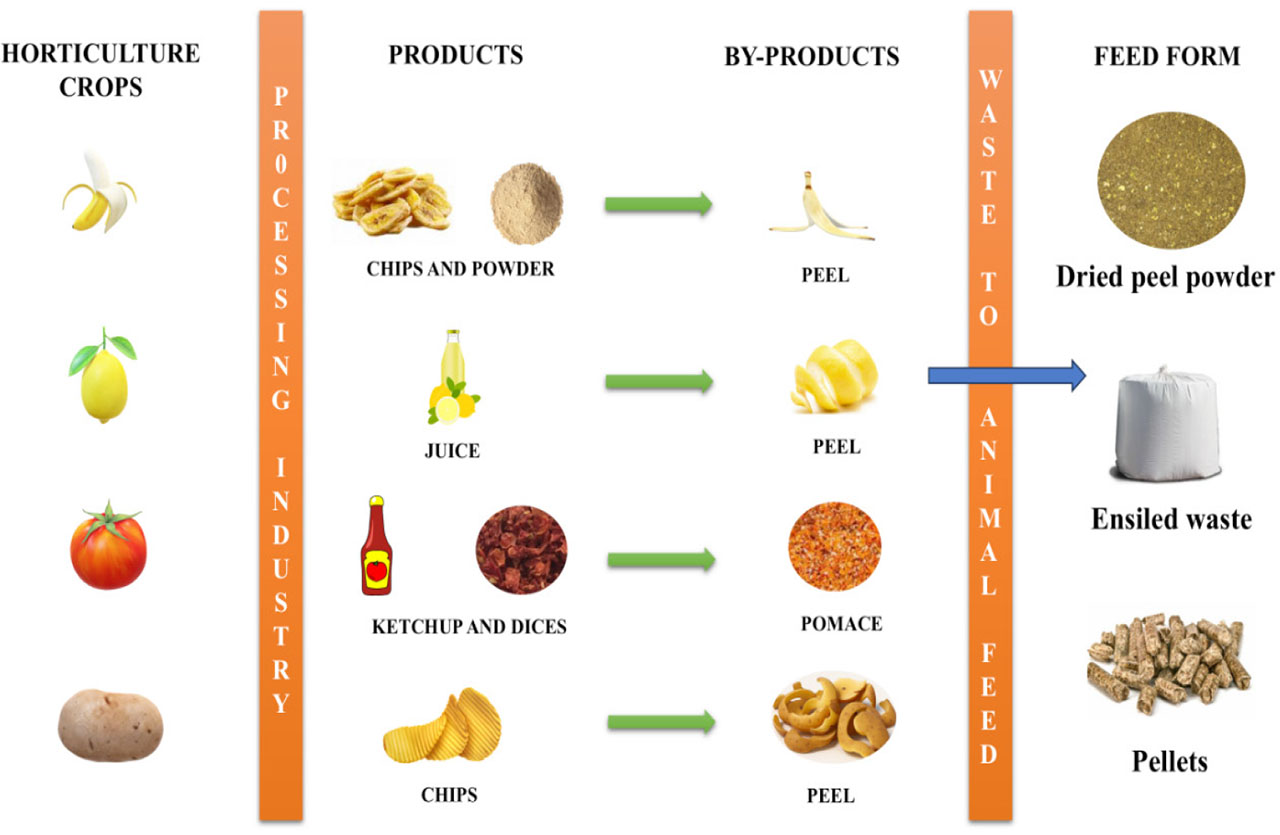
Figure 1.
Diagrammatic view for processing of horticulture waste into an animal feed
The pre-processing step begins after the waste is collected and sorted. At this stage, any non-organic materials in the horticultural waste are carefully removed. The waste is then categorized based on its suitability for different types of animal feed. After this, the waste undergoes treatment and is transformed into feed. Depending on the type of waste and the intended use of the feed, this process can involve techniques such as ensiling, pelleting, or drying, as illustrated in Figure 1.
Pelleting is a mechanical process that uses heat, pressure, and humidity to compress tiny particles into a constrained volume (Falk, 1985). One popular technique in animal husbandry is pelleting, which tries to decrease the quantity of bulk materials having low density to make storage, transportation, and nutrient addition easier. Pelleting is a method that turns the milled product into compressed pellets by forcing it through numerous holes, either with or without steam. The primary distinction between storing pelleted product and unprocessed raw materials is that the former has a lower humidity content, which inhibits the growth of microorganisms. A consistent and specific ratio of dietary supplements can be added to the pelleted product if it is intended for animal feed (Tumuluru, 2021).
Due to their high moisture content, waste from fruits and vegetables can rot in 3–4 days if they are not properly handled (Hersom, 2006). However, if the moisture content is controlled, these wastes can be used for ensiling because they are high in soluble carbohydrates. Plant waste can be effectively preserved for extended periods of time using ensilage (Kinh et al., 2010). Four steps make up the ensiling process: (1) the aerobic phase, where air trapped in the biomass allows aerobic bacteria and yeasts to dominate; (2) the fermentation phase, during which anaerobic microorganisms turn available substrates into the organic acids; (3) the constant storage phase, where a low pH keeps the silage from spoiling; and (4) the feed-out phase, while the silage gets exposed to air for use (Rooke and Hatfield, 2003; Borreani et al., 2018; Kung Jr et al., 2018).
One effective way to store and extend the shelf life of horticulture waste is to dry it. Additional benefits of drying include reduced greenhouse gas emissions, easier and less expensive transportation and packing of dried horticultural waste, and a decreased storage space requirement compared to other processed horticulture waste (Karam et al., 2016).
Agricultural and waste products are dried using a variety of techniques, such as solar drying, microwave drying, convection drying, spray drying, ultrasound drying, vacuum drying, and fluidized bed drying. Nevertheless, certain techniques are not economical or appropriate for drying waste. Radiative-convective drying is thought to be the best of these for drying waste. Convective dryers must, however, be fueled by inexpensive energy sources, such as solar energy, in order to be commercial and environmentally sustainable because of their high energy requirements.
Utilization of fruit and vegetable waste as an animal feed
Fruit and vegetable by-products, such as apple pomace, mango peel, pineapple pomace, banana peel, citrus pomace, grape pomace, tomato pomace, and tuber and root crop peels, present a promising opportunity for sustainable animal feeding practices. These usually wasted materials are great complements to conventional animal feed because they are high in vital elements like fiber, vitamins, and antioxidants. We can lessen our impact on the environment, cut feed costs, and encourage circular agriculture – the process of turning waste into a resource for livestock – by repurposing agricultural waste. Recent research, as outlined in Table 4, highlights the potential of these waste materials in animal nutrition, further emphasizing their role in advancing sustainable agricultural practices.
Table 5.
Effect of fruit and vegetable waste on the livestock
| By-product | Diet level | Experimental duration | Animal type | Initial weight | Effect | Reference |
|---|---|---|---|---|---|---|
| 1 | 2 | 3 | 4 | 5 | 6 | 7 |
| Apple pomace | ||||||
| Ensiled apple pomace | An 85:15 mixture of apple pomace and wheat straw | 8 weeks | Calves | 62.22 and 61.15 kg | Wheat straw and AP together could result in increased dry matter intake, weight gain, and feed efficiency ratio. | (Chauhan et al., 2024) |
| Fermented apple pomace | 11% | 56 days | Lamb | 25.37±2.9 kg | Reduced lipid oxidation during 4°C storage, while maintaining high quality in terms of color, pH, water-holding capacity, drip loss, and tenderness. | (Alarcon-Rojo et al., 2019) |
| Dried apple pomace | 150 g/kg of dry matter | 64 days | Dairy cows | 630±30 kg | Lowered methane emissions, enhanced food digestibility, and raised the content of ruminal volatile fatty acids by altering the populations of ruminal microorganisms. Higher levels of PUFA and n-3 are reflected in the milk. | (Gadulrab et al., 2023) |
| Banana peel | ||||||
| Banana peel | 15, 30, 45, and 60% | 80 days | F1 Holstein × Zebu cows | 500 kg | A lower calorie intake is indicated by the low temperature of the rectum during the morning shift with 60% DM banana peel eating. | (Santos et al., 2022) |
| Fermented banana peel | 2.5–7.5% | 12 weeks | Rabbit | Different body weight | The growth of Escherichia coli and Coliform in the hindgut is inhibited by the increased consumption of fermented banana peels. Additionally, the digestibility of proteins, energy, and dry matter has increased. | (Nuriyasa et al., 2020) |
| Single cell protein peel of banana, potato and pea | 2, 4, and 6 g/kg | – | Broilers | – | Stronger immunity and improved gut microbiota contribute to the health and meat of broilers. | (Khan et al., 2024) |
| Citrus fruit waste | ||||||
| Dried Citrus sinensis peel (DCSP) | 2.50, 5.00, and 7.50% | 8 weeks | Broilers | – | At 7.5% it decreased the feed conversion ratio, final weight, and body weight gain. Feeds up to 5.00% have no negative impact on carcass and growth metrics. Progressive decrease in pancreatic weight as dietary DCSP intake increased. | (Aro et al., 2024) |
| Multi-nutrient concentrate (25% ground corn + 25% citrus by-product) | 0, 25, and 50% | 90 days | Lambs | 15.67±0.30 kg | Creates favorable conditions for the rumen’s cellulolysis. | (Saddick and Nayel, 2024) |
| Dried Nagpur orange peel essential oil powder (limonene) | 500 g/ton of antibiotic, 50 g/ton, 100 g/ton, 150 g/ton | 6 weeks | Broiler | – | At 100 g/ton there is increased feed consumption, feed conversion ratio, gizzard weight, organic matter, crude protein, dry matter, crude fiber and ether extract. Higher globulin concentration. | (Gore et al., 2024) |
| Grape pomace | ||||||
| Red grape pomace (RGP) treated with ozone (O3) gas | 0, 20, and 40% | 7 days post-partum to 45 days in milk. | Dairy ewes | 51±2 kg | The dry matter’s and the neutral detergent fiber’s digestibility coefficients rose. The number of ruminal protozoa increased linearly. The concentration of albumin and plasma glucose increased, as did the production of milk and its fat, protein, and lactose contents. | (Asadnezhad et al., 2024) |
| Ensiled grape pomace | 0, 10, 20, and 40% | 35 days | Lamb | 21.5±3.0 kg | Increasing daily consumption of ether extract | (Massaro Junior et al., 2021) |
| Wine grape pomace | 10% dietary WGP | 74 days | Lamb | 25.0±0.2 kg | Total antioxidative capacity (TAOC), glutathione peroxidase 4 (GPx4), superoxide dismutase (SOD) activity, body weight, average daily gain, feed to gain ratio, Warner-Bratzler shear force, and collagen content all were increased. | (Zhao et al., 2018) |
| Pineapple pomace | ||||||
| Fermented pineapple pomace | 0, 25, and 50% | 30 days | Simmental bull | 546±44 kg | The average daily weight gain were increased. At 50% the muscle’s levels of proline, cysteine, and crude fat had increased. At 25%, the relative abundance of Lachnospiraceae bacterium RM44 was much lower, whereas tyrosine, proline, and phenylalanine were significantly elevated. | (Deng et al., 2022) |
| Fermented pineapple peel residue | 0, 25, and 50% | 35 days | Chuanzhong black goats | 10.23±1.42 kg | Enhanced the quantity of probiotics, including Ruminococcus albus, Butyrivibrio fibrisolvens, and Blautia. | (Yang et al., 2022) |
| Pineapple waste silage | 25% | 6 weeks | Myanmar local cattle | 255.00±6.19 and 275.46±31.42 kg | Greater intakes of dry matter, non-fiber carbohydrates, crude protein, neutral detergent fiber and energy, and energy balance. | (Kyawt et al., 2020) |
| Tomato pomace | ||||||
| Dried tomato pomace | Feel free to provide | 36 days | Comisana goat | 14.53±2.16 kg | L*, b*, C*, and H* increased (where H* stands for hue, L* for lightness, C* for chroma, and b* for yellowness). Lipid oxidation and growth performance are unaffected. Reduced reactive compounds of 2-thiobarbituric acid, or TBARS. | (Valenti et al., 2018) |
| Ensiled tomato pomace | 10% | – | Holstein cow | 710.9±15.5 kg | No impact on the content and output of milk. Increased digestibility, DM intake, and milk’s vitamin content. Elevated levels of IgA, IgG, and IgM, serum aspartate aminotransferase, antioxidants, total cholesterol, and high-density lipoprotein cholesterol. | (Tuoxunjiang et al., 2020) |
| Dried tomato pomace | 3, 6, 9, and 12% | 8 weeks | Japanese quail | – | Enhances digestive enzymes, antioxidant qualities, and immunological function. Reduces LDL (low density lipoprotein), or cholesterol. Lycopene deposition benefited from increased HDL (high density lipoprotein), hatchability, and egg weight, the biggest of which was 6%. | (Reda et al., 2022) |
| Roots and tuber peel | ||||||
| Yam tuber waste meal | 0, 12, 22, and 32% | 8 weeks | Broiler | – | There was an increase in live weight, dress weight, and dress percentage. Feed conversion ratio, the average weight gain, feed utilization efficiency, and eight gained were all noticeably improved. | (Anigbogu et al., 2023) |
| Sweet potato tuber waste (by-products) | 0, 10, 20, 30, and 40% | 21 days | Goat | 23.4±1.91 kg | Enhanced daily weight growth, feed conversion, and feed and nutritional consumption. | (Truong and Tuan, 2024) |
| Cassava peels biodegraded by white rot fungi (Pleurotus tuber-regium) | 0, 25, 50, 75, and 100% | 84 days | West African Dwarf (WAD) goats | 6.17±0.96 kg | Crude protein was higher (above 17%) than recommendation of the diet. Additional CP content may compensate for poor digestion and an imbalance in the amino acid composition created during protein breakdown. | (Barde et al., 2015) |
Apple pomace (AP)
Around 95.84 MMT of apples are produced annually, making them a fruit that is grown all over the world. According to Kaushal et al. (2002), most apples have been processed into fruit juice concentrate, while the remaining apples being used to make wine, cider, jams, purees and the dried apple goods. The peel, core, calyx, seeds and stem of apples make up apple pomace, a significant by-product of apple processing. In addition to having a high moisture content (70–85%), the pomace is rich in lignocellulosic materials and contains healthy antioxidants such as procyanidins, phlorizin, quercetin glycosides, and catechins (Costa et al., 2022 a; Zheng and Shetty, 2000).
Apple pomace, with its rich nutritional content and antioxidant properties, offers significant benefits as a feed source for both ruminants and non-ruminants, especially for ruminant animals like dairy cows, sheep, and goats, improving digestion, fermentation, and milk quality, although improper handling can have adverse environmental effects (Gołębiewska et al., 2022). Supplementing Guanzhong dairy goats with 18% apple pomace has been shown to increase milk output, 4 percent fat-corrected milk, and the serum biochemical indicators (Xiong et al., 2021). Apple pomace polyphenols have also been demonstrated to influence fermentation-related ruminal bacteria, increasing the synthesis of omega-3 polyunsaturated fatty acids (PUFAs) and improving the quality of meat and milk (Huang et al., 2022; Yanza et al., 2022).
Dairy goat diets supplemented with 50% apple silage and tomato pomace replacing berseem hay demonstrated enhanced feed efficiency, digestibility, and milk composition in addition to higher milk output. Methane emissions have been found to decrease and fermentation efficiency to increase when fermented apple pomace is added to ruminant diets (Gadulrab et al., 2023). AP tends to become more digestible and has a better nutritional profile after fermentation, which makes it a useful addition to dairy cow diets.
Non-ruminant animals such as hens, pigs, and broilers benefit from apple pomace. It has been demonstrated that including it in their diets would improve growth, strengthen the immune system, and enhance general health. Up to 10% of the maize in broiler feeds can be substituted with dried apple pomace without impairing growth performance. Broilers performed better when fed apple pomace enriched with commercially available enzymes like hemicellulase, protease, α-amylase and β-glucanase (Matoo et al., 2001; Chamorro-Ramírez et al., 2017).
Fermented apple pomace in broiler diets has improved antibody titers against infectious disease virus (IDV), influenza, and Newcastle disease (Aghili et al., 2019). Additionally, it has been shown that fermented apple pomace improves plasma components like ethanol, lactate, and β-hydroxybutyrate, that improve poultry metabolism and general health (Islam et al., 2018).
Banana peel (BP)
The food sector produces over 3.5 million tons of banana-peel waste annually, which makes up a sizeable amount of the global waste (Sial et al., 2019). However, banana peels remain unexplored and have a lot of potential as a substitute feed source for animals. Around 30% of the banana’s weight is made up of the peel, which is also full of important nutrients like cellulose, hemicellulose, pectin, lignin, and vital amino acids like valine, phenylalanine, leucine, and threonine (Ragab et al., 2016). The nutritional value of BP is further increased for both ruminant and non-ruminant animals due to their high concentration of minerals like phosphorus, potassium, calcium, and magnesium (Syukriani et al., 2021).
The beneficial effects of banana peel on ruminant productivity have long been known. Their superior nutritional status is a result of their significant fiber and nutritious content as well as the rumen’s efficient digestion of them. According to Dormond et al. (1998), dairy cows that were given ripe banana peels produced more milk, especially when they were given 14–21 kg fresh ripe banana peels every day. Adding BP to ruminant diets has been linked to better feed degradability and the generation of volatile fatty acids (VFAs), which improves digestibility and the overall production efficiency (Ramdani et al., 2019). Furthermore, it has been shown that giving cattle BP increases their weight gain and improves the quality of their carcass (Ibrahim et al., 2000; Siyal et al., 2016).
Banana peel provides energy to nursing goats, preserving their general health and milk production. BP improves the reproductive performance of sheep, including conception, estrus, and lambing %, and it also raises live weight (Kenyon et al., 2004, 2005). It is a good addition to chicken diets, particularly for broilers. Dried banana peels can increase live animal weight gain and feed conversion efficiency by up to 10%, and 15% of them can also keep lactating goats’ milk yield stable (Yitbarek, 2019; Agustin et al., 2024). Banana peels higher in starch and oligosaccharide content enhance the quality of poultry’s eggs and meat by promoting growth, development, and the reproductive efficiency (Achilonu et al., 2018). However, growth rates may be slowed down if chicken diets contain more than 10% (Yitbarek, 2019).
Adding fermented banana peels aids in the suppression of dangerous intestinal bacteria such as Escherichia coli (Nuriyasa et al., 2020). With no impact on growth performance, the blood biochemical markers, reproductive efficiency, or carcass quality, crossbred grower pigs may withstand up to 20% replacement of BP for corn (Baruah et al., 2024). For instance, banana peels can be used as a source of carbohydrates to replace conventional ingredients like maize, making them a sustainable and efficient feed substitute.
Citrus pomace
Worldwide, citrus fruits are produced in large quantities and offer a rich resource for animal feed, especially when it comes to fruit pulp, a by-product obtained after the juice is extracted. Peel (60–65%), internal tissues (30–35%), and seed (up to 10%) make up the majority of this pulp, which makes about 50–70% of the fruit’s weight (Crawshaw, 2001). Citrus fruits, like Citrus sinensis, Citrus clementina, and Citrus limon contain vital minerals like Na, K, Cu, Zn, Mg, Ca, Fe, and Mn. This makes them a great natural source of nutrients for animal feed, especially for goats when replacing maize (Idamokoro and Hosu, 2023).
There was no significant difference in the milk production or 4 percent fat-corrected milk yield when 9% and 18% of the feed were substituted using pelleted dried citrus peel (Santos et al., 2014). In comparison to the control cows on a corn-based ration, Holstein cows under heat stress produced more milk when fed dry orange pulp (Allam et al., 2011). According to Villarreal et al. (2006), high dosages of orange peel supplementation resulted in decreased forage intake but higher digestibility of both dry matter as well as organic matter. When paired with forages high in rumen-degradable protein, such high quantities of orange peel may enhance calorie intake. Rahman et al. (2023) showed that adding 20% of dehydrated citrus pulp to fattening goats ration instead of maize enhanced performance and decreased feeding expenses, indicating that citrus pulp could serve as a useful substitute for maize in diets for ruminants. Citrus pulp is a suitable source of energy for fattening sheep, as revealed by Pérez-Sato et al. (2024), who showed that substituting dried citrus pulp for up to 30% of the maize grain in sheep diets had no negative impact on ruminal microbiological characteristics or productive performance.
It has been demonstrated that adding orange peel and pulp to poultry meals enhances the birds’ antioxidant status, lowers oxidative stress, and improves the quality of the meat (Zema et al., 2018). According to Behera et al. (2018), adding 5% citrus waste to broiler starter meals had no detrimental effects on productivity. Broiler chicks fed dried orange leftovers showed improvements in feed consumption, weight gain, the liver and abdominal fat, and levels of blood triglycerides (Abbasi et al., 2015). According to Chaudry et al. (2004), broiler weight and weight gain rose when up to 7.5% citrus waste was added to their diets. Ebrahimi et al. (2013) showed that the legs and wings of broilers gained the most weight when fed 1.5% dried Citrus sinensis peels from the first day to 21st day. IgG, IgM, and red blood cell levels were greater in broiler chicks nourished 1000 mg/L of orange peel extract, indicating an improved immunological response (Pourhossein et al., 2015). Ten percent was the ideal substitution ratio found, supporting nucleotide metabolism and protein synthesis while lowering feed expenses (Xu et al., 2024).
Grape pomace
Approximately 80% of the 74.94 million metric tons of grapes produced globally were utilized to make wine (Mazza, 2018). The residue left behind after the grapes have been processed to make wine, known as grape pomace, makes up roughly 20–25% of the grapes’ weight (Meyer et al., 1998). This by-product includes fiber, proteins, lipids, minerals, and a lot of polyphenols, especially in the skins. Essential amino acids are present in grape pomace’s 12% dry weight protein composition, with arginine (7.2%), glutamic acid (11.5%), aspartic acid (7.1%) and threonine (21.7%) being the most abundant. Though lysine (4.5%) is the primary limiting amino acid for pig and the second most limiting amino acid for poultry, the amino acid composition is not optimal for all animals (Meyer et al., 1998).
Adding 15% grape pomace to dairy cows enhanced blood metabolite profiles as well as milk quality by raising levels of lactose and β-lactoglobulin without having an adverse effect on casein, protein, or milk fat (Chedea et al., 2017). Feeding grape pomace reduced the amount of undesired saturated fatty acids while increasing the quantity of polyunsaturated fatty acids (PUFAs), such as omega-6 and omega-3 fatty acids (Correddu et al., 2016; Manso et al., 2016; Moate et al., 2014). According to Derbali et al. (2024), grape seed tannin extracts improved spermatogenesis and testicular growth in sheep, increasing the weight of both testes and epididymis.
By increasing glutathione levels and improving overall antioxidant activity, Kafantaris et al. (2018) demonstrated that supplementing pigs with grape pomace greatly increased antioxidant capacity. Furthermore, it suppressed dangerous pathogens like Campylobacter jejuni and encouraged the growth of the probiotic bacteria, thus enhancing animal health and gastrointestinal health. These studies demonstrate how grape pomace improves animal growth, health, and reproductive efficiency, making it a useful feed element for both pigs and ruminants. According to Costa et al. (2022 b), adding 9% grape pomace to pig diets raised average daily gain. Comparably, da Silveira Almeida et al. (2024) found that giving pigs as much as 10% dried grape pomace did not hinder their ability to grow, but it would cause them to become more adipose, which would lower the quality of their carcass.
Grape pomace added to broiler diets (5–10 g/kg feed) improved meat quality by lowering serum cholesterol and thiobarbituric acid-reactive compounds in breast meat, improving oxidative stability, but it had no apparent impact on growth efficiency, feed intake, and feed conversion ratio (Aditya et al., 2018). Condensed tannins that bind to proteins and decrease their digestibility are probably the reason why larger concentrations of grape seed by-products (over 6%) had a deleterious impact on feed intake (Sáyago-Ayerdi et al., 2009; Chamorro et al., 2013; Romero et al., 2021).
Pineapple pomace
Due to its high demand and the health benefits of its nutrients, which include vitamins A, C, B1, B6, and folic acid; minerals like copper and manganese; and bioactive substances like bromelain, which have anti-inflammatory, antioxidant, and digestive qualities, pineapple production reached about 29.36 million metric tons worldwide in 2022 (Chaudhary et al., 2019; Firatoiu et al., 2021). However, over 65% of the fruit – including the peel, core, bud end, pomace, and crown – is thrown away as trash during processing.
In ruminant diets, silage derived from pineapple byproducts can substitute as much as 50% of roughage or maize silage, increasing productivity and lowering feed expenses (Prado et al., 2003; Sruamsiri, 2007). According to research, giving dairy cows and other ruminants pineapple waste silage can increase milk yield (Gowda et al., 2015) and enhance utilization of nutrients (Suksathit et al., 2011). The use of pineapple silage is an acceptable alternative in the diets of cattle and sheep, with no adverse effects on dry matter or fiber digestibility (Mello et al., 2021; Cordeiro et al., 2022). In particular, sheep fed silage made from pineapple waste outperformed animals fed maize silage, albeit at a lesser expense (Gowda et al., 2015). Goat diets have also been proven to be more palatable when pineapple waste and wheat bran are combined (Asaolu et al., 2016). Additionally, pineapple waste has demonstrated encouraging outcomes in boosting the digestibility of organic matter, dry matter, crude protein, and fiber fractions in cattle, as well as improving their digestive function (Suksathit et al., 2011).
Adding up to 20% fermented pineapple waste to broiler diets improves nutrient digestibility, lowers intraperitoneal fat formation, and improves body indices (Mandey et al., 2018; Shaibu et al., 2020). It has been discovered that fermenting pineapple waste with a fungal combination improves nutritional components and lowers fiber content (Mandey et al., 2018). Protease enzymes in pineapple waste can further improve protein hydrolysis and digestion (Rahman and Yang, 2018). Ayandiran et al. (2019) stated that goats’ immune systems were enhanced by wheat offal-carried pineapple waste (WCPW), as seen by higher levels of white blood cells, neutrophils, and lymphocytes in comparison to the control groups.
Tomato pomace
With an annual production of almost 180 million tons, tomatoes are one of the most produced vegetables in the world. Of these, a quarter are processed, making them the most processed vegetable (Kaundal et al., 2024). Tomato pomace, which comprises the peel, the pulp, and seeds, is a significant by-product of this operation. Proteins, lipids, minerals, and bioactive substances like beta-carotenoids, lycopene, tocopherols, and polyphenols are all abundant in tomato pomace. It has drawn interest as a useful feed additive for both ruminant as well as non-ruminant livestock because of its high antioxidant content. Tomato pomace may enhance fatty acid composition, especially omega-3 fatty acids, improve immunological function, and improve meat quality when added to animal diets.
The effects of tomato pomace on ruminant health, meat quality, and milk production have been investigated. According to Mizael et al. (2020), adding tomato pomace to the diet at a rate of 60% decreased the average body weight of nursing goats, but when the amount was restricted to 40%, milk output rose. This suggests that while tomato pomace may have an adverse effect on weight increase, it can also affect milk output. On the other hand, it enhanced milk’s vitamin content, digestibility, and dry matter intake while also boosting antioxidant and immunological function.
According to Abdullahzadeh (2012), goats’ and sheep’s body weight, carcass features, and blood biochemistry were unaffected by varying amounts of tomato pomace (30%). But by adding more protein and crude fat, especially at greater inclusion rates, it did raise the meat’s nutritional value. Tomato pomace feeding in goats boosted milk fat content and overall n-6 to n-3 fatty acid ratio while decreasing milk output and protein content (Abbeddou et al., 2015).
The effects of tomato pomace on the reproductive health and growth performance of non-ruminant animals, including laying hens, broilers, and quails, have also been investigated. According to Gungor et al. (2024), adding Aspergillus niger-fermented tomato pomace to broiler diets had no discernible impact on their body weight, feed consumption, or feed conversion ratio. According to Mansouri et al. (2008), diets that included 120 g/kg of tomato pulp enhanced yolk color, a crucial characteristic for buyers. When Knoblich et al. (2005) showed that tomato byproducts could transfer up to 5.8% of dietary lycopene to the egg yolk, they provided support for this conclusion. Egg yolks may have more nutritional value if they contain lycopene, a useful antioxidant. Furthermore, supplementing with tomato pomace increased high-density lipoprotein (HDL), hatchability, and egg weight while decreasing cholesterol and low-density lipoprotein (LDL) levels.
Roots and tuber peel
Cassava, potatoes, sweet potatoes, and yam are among the plants that store nutrients in their stems, the roots, rhizomes, and tubers, making them important sources of starch. By-products such as peels, which comprise 5–15% of the overall weight (cassava peels, for example), are becoming more well-known for their nutritional worth, which includes minerals and energy content. According to Jiwuba et al. (2018), these peels are being utilized more and more in animal feed, especially for cattle and poultry, because they can lower feed costs while fostering animal growth and productivity.
By-products like cassava and yam peels have shown a great deal of promise in livestock nutrition. According to Uchewa et al. (2014), yam peel can be used to substitute corn in sheep feed at 100% and 66.7% levels, producing the greatest weight growth and return on investment. Likewise, Red Sokoto goats were given yam peel in place of all of their maize, with no adverse impacts on digestibility or growth performance.
According to a study conducted by Olugbemi et al. (2010), broiler diets enriched with cassava chips and Moringa oleifera leaf meals at 5% and 10% could substitute maize by up to 55.56% and 83.33%, respectively, without having an adverse effect on hematological parameters or productivity. Furthermore, potato peel has demonstrated potential as a feed additive, providing a source of the polyphenol that can be used in the manufacturing of animal feed (Kasapidou et al., 2015).
It has also been demonstrated that potato peel extract exhibits bacteriostatic and bactericidal properties, however only at high doses (Kasapidou et al., 2015). It was shown by Karimi et al. (2014) that quail may be fed potato powder instead of maize, or without the glucanase enzymes, and their performance would not be impacted. Additionally, adding 25 ml/kg of a purple sweet potato extracts to broiler feed increased feed intake, growth rate, and feed conversion ratio while lowering blood cholesterol and LDL levels (Nasoetion et al., 2019).
Powdered potato peel and potato peel extract added to quail diets at doses of 15 and 30 g/kg or 15 and 30 ml/l, respectively, improved carcass characteristics and production (Mutter and Abbas, 2023). While low density increased the production index, high density was linked to decreased belly fat. Furthermore, broiler diets supplemented with sun-dried potato peel up to 15% of the time instead of maize offered enough nutrients to support growth without compromising production (Kpanja et al., 2019).
Limiting factors of fruit and vegetable waste utilization in animal feed
The two limiting factors that inhibit the use of horticulture waste as an animal feed are anti-nutrient and the heavy metal composition. Anti-nutritional factors (ANFs) constitute naturally occurring compounds present in many plant-based livestock feeds and meals that can prevent vital nutrients from being absorbed and utilized properly. These compounds either limit food bio-availability or cause metabolic disturbances, resulting in a variety of health concerns in both animals and humans. Hydrogen cyanide, oxalates, phytic acid, and tannins are among the most frequent ANFs. Understanding the mechanisms by which these substances influence the absorption of nutrients and metabolism is critical for enhancing livestock nutrition and food safety.
Since ancient times, metals like copper, lead, and antimony have been known to cause heavy metal poisoning, which is a serious concern to animal health (Gallo and Doull, 1996). The extensive use of heavy metals in agriculture, industry, and technology has raised the risk (Tchounwou et al., 2012). Agricultural fields are contaminated by sewage runoff and industrial waste, which introduces metals like copper, zinc, and cadmium into plants that then enter into the food chains (Khan et al., 2008). The degree of exposure, the type of metal, and animal characteristics like sex, age, and nutritional state all affect toxicity; metals build up in organs like the kidneys and liver. Reproductive abnormalities, immunotoxicity, cardiotoxicity, oxidative stress, and endocrine disruption are examples of common harmful consequences (Swarup and Dwivedi, 2002).
Developing and putting into practice efficient treatment techniques to lessen or get rid of these dangerous materials is crucial to maximizing the potential of horticulture waste as an animal feed resource. In order to make the waste more appropriate and safe for cattle consumption, this involves methods to detoxify ANFs and eliminate heavy metals. To better understand the relationship between heavy metals, anti-nutrients, and animal physiology, as well as to investigate safe and affordable treatment solutions, more research is necessary. In order to ensure the health and safety of livestock and to maximize the use of horticulture waste in sustainable animal agriculture, such research will be essential.
Future prospects
To increase the quality of animal feed, research is required to standardize the use of feed-grade fungi, yeast, bacteria, and enzymes for digesting low-value feedstocks, such as fruit and vegetable waste. Although bioprocessing improves fiber consumption, breaks down lignin, and improves protein quality, additional research is needed to optimize these processes for reliable outcomes. Research is also required to decrease anti-nutritional elements such as mycotoxins and increase the digestibility of phosphorus. A more sustainable and effective food supply system would result from standardizing these practices, which would also boost feed value, decrease waste, and lower the carbon, nitrogen, and phosphorus footprint of animal feed.
Conclusion
Agri-food industrial by-products and waste materials offer a sustainable alternative to conventional feed ingredients for both ruminant and non-ruminant livestock. These by-products often contain valuable bioactive compounds with antioxidant, antimicrobial, and immunomodulatory properties that can enhance animal health and productivity. Their utilization contributes to waste valorization and supports environmentally sustainable livestock systems. However, several challenges hinder their broader adoption. Nutritional variability, reduced digestibility – particularly in non-ruminants – and concerns related to the presence of anti-nutritional factors, mycotoxins, heavy metals, pesticide residues, and microbial contaminants pose significant risks. Additionally, regulatory restrictions, high processing and transportation costs, and the need for proper preservation and storage further complicate their use. Ensuring safety and nutritional adequacy requires standardized processing techniques, robust quality control measures, and comprehensive risk assessments. Moreover, economic feasibility and scalability must be critically evaluated to integrate these by-products effectively into feed formulations without compromising animal health or production efficiency.