
Aquaculture is the most rapidly expanding system of food production in the world, with combined fisheries and aquaculture production at 223.2 million tons during 2022, or a 4.4% growth over 2020 levels (FAO, 2023). Shrimp farming in Asia is the cornerstone of the world’s aquaculture, providing more than 80% of global shrimp production. Asia, specifically China, Thailand, and Vietnam, is the region leading in shrimp production, covering around 80% of world production (Barraclough and Finger-Stich, 1996; Dastidar et al., 2013). Shrimp production plays a significant role in economic growth, contributing livelihoods and foreign exchange through exports (Leung and Engle, 2006). The export-based culture of shrimp farming has transformed it into an important actor in global trade, affecting market conditions and prices (Anderson and Fong, 1997). Despite its economic contribution, the industry of shrimp farming has to navigate environmental issues and sustainable practices to ensure its worldwide relevance. Flegel et al. (2008) reported estimates of production loss of up to 22% per year, constituting an annual loss in production value of approximately $1 billion in the shrimp industry. A more recent estimate (Shinn et al., 2018) indicates that the Asian shrimp industry incurred average annual losses of approximately $4 billion between 2009 and 2018 (Roy et al., 2019; Asche et al., 2021).
The techniques of aquaculture have exposed shrimp to a variety of infections that are often absent from their natural habitat as they are brought into artificial habitats. Research indicates that a combination of factors contributes to the vulnerability of shrimp to diseases, including environmental stressors, poor biosecurity measures, and inadequate management practices (Thitamadee et al., 2016). The importance of implementing comprehensive disease management strategies is underscored by the increasing threats posed by various pathogens in the aquaculture sector. Reduced growth and mortality rates in shrimp can be caused by a variety of physical and chemical conditions, including temperature fluctuations, variations in dissolved oxygen concentration, the presence of harmful compounds, and changes in the pH of the surrounding water (Nga et al., 2005). Poor feed and water quality increase the risk of infections by affecting the shrimp’s inherent immunity. Diseases can spread and cause mass mortalities in the shrimp population when they are overstocked (Wiyoto et al., 2017). In Asia, it was more typical to produce post-larvae from wild-sourced broodstock. While the practice of relying on the sea to provide its seed stock worked well for nearly two decades, the practice provided the industry with little protection from significant losses due to infectious diseases, such as those that were ultimately responsible for the major global shrimp disease pandemics that began around 1991–1992 (Flegel, 2006; Lightner, 2005; Lightner et al., 2009). Disease has had a major impact on shrimp aquaculture since shrimp farming became a significant commercial entity in the 1970s. Diseases due to viruses, rickettsial-like bacteria, true bacteria, protozoa, and fungi have emerged as major diseases of farmed shrimp (Lightner, 2011). In a review of diseases in the shrimp aquaculture industry up to 2005 (Flegel et al., 2008), it was estimated that global production losses due to disease over the preceding 15 years had amounted to approximately US$15 billion, with about 80% occurring in Asia. According to a survey conducted by the Global Aquaculture Alliance, approximately 60% of disease losses in shrimp aquaculture could be attributed to viral diseases and approximately 20% to bacterial diseases (Flegel, 2006; Flegel et al., 2008). Thus, 80% of the disease losses were attributed to only two pathogen groups, with viruses having approximately four times more negative impact on production than bacteria. The remaining 20% of losses were attributed to a variety of other pathogens (e.g., parasites and fungi) and to abiotic or unknown causes. In most cases, diseases caused by bacterial pathogens and parasites can be prevented by appropriate management of shrimp cultivation (i.e., appropriate manipulation of parameters such as biosecurity, water quality, stocking density, aeration, feed quality, feed quantity and seed quality). Until the 1980s, marine viruses were considered ecologically insignificant because their concentrations were underestimated, but subsequent studies have confirmed that the ocean contains an abundance of organisms, including millions of virus particles per milliliter of seawater. Most shrimp diseases are caused by viral infection, and they have approximately four times more negative impact than bacterial diseases. Climate change, particularly rising water temperatures and fluctuating salinity levels, significantly impacts the outbreak of shrimp diseases by stressing the shrimp’s physiology, making them more susceptible to infections from pathogens, as these environmental changes often push the shrimp outside their optimal living conditions, creating an environment where diseases can thrive more easily; essentially, a slight change in temperature or salinity can significantly impact the shrimp’s immune system, making them more vulnerable to disease outbreaks. Many shrimp diseases, like white spot syndrome virus (WSSV), are highly temperature-dependent, meaning their virulence increases at warmer temperatures, leading to more severe outbreaks when water temperatures rise due to climate change (Millard et al., 2021). Fluctuations in temperature and salinity trigger stress responses in shrimp, impairing their immune system function and making them more susceptible to infections. Warmer water temperatures can also accelerate the growth and reproduction of disease-causing pathogens, increasing the risk of outbreaks. Shifting environmental conditions can disrupt the balance of natural predators and competitors of shrimp pathogens, potentially leading to increased pathogen prevalence (Rowley et al., 2024). In shrimp, Duan et al. (2018) observed that prolonged high-temperature stress impaired the activities of SOD, CAT, and GPx in the intestine, reaching their lowest levels at 48 h post-heat exposure. Increased MDA levels were noted after 6–72 h. Vibrio outbreaks have been previously reported in shrimp aquaculture as a result of increasing water temperatures (Chandrakala and Priya, 2017; Cheng et al., 2005; Noriega-Orozco et al., 2008; Pawar et al., 2020). In P. monodon, increased incidences of microsporidian parasites and peritrichous ciliates have been reported in warming environments (Chakraborti and Bandyapadhyay, 2011; Mugwanya et al., 2022 a). Acute hepatopancreatic necrosis disease (AHPND) caused estimated losses of over US$44 billion from 2010 to 2016 in several Asian countries, affecting farm revenues, exports, and employment (Tang and Bondad-Reantaso, 2019). In the Philippines, viral diseases like WSSV have caused substantial production losses, estimated at 40,080–51,000 mt between 1997 and 2014 (Macusi et al., 2022). The unchecked use of antibiotics and overcrowding of shrimp in aquaculture ponds leads to the deterioration of the water quality, resulting in stress-induced immune suppression and mass mortality (Tseng et al., 2009). This review explores the range of diseases affecting shrimp, evaluates current diagnostic methods, and discusses potential sustainable practices for future disease management in shrimp aquaculture.
Diseases affecting shrimp
Bacterial diseases
Bacterial illnesses may cause a range of problems, including growth retardation, sporadic fatalities, and mass mortality. The most significant pathogenic bacteria that cause disease in shrimps are Vibrio spp. Vibrio spp. are commonly found throughout freshwater, estuaries, and marine environments. Over 20 species have been identified; some of these are human pathogens (e.g., V. cholerae, V. parahaemolyticus and V. vulnificus), while some species are pathogens of aquatic animals, including shrimp (e.g., V. harveyi, V. spendidus, V. penaecida, V. anguillarum, V. parahaemolyticus, V. vulnificus) (Kumar et al., 2018, 2019 a, 2020 b). Vibrio spp. is frequently found in sediments, grow-out ponds, and shrimp hatcheries. Early mortality syndrome (EMS), originally known as acute hepatopancreatic necrosis disease (AHPND), is a bacterial prawn disease caused by the activity of the PirABvp toxin released by V. parahaemolyticus. Since 2009, the aquaculture sector has suffered significant financial losses due to the AHPND pandemic (Lai et al., 2015). Certain strains of vibrios, including V. alginolyticus, V. wensii, V. campbellii, V. harveyi, and V. punensis, can also cause AHPND as they carry the pVA1-type plasmid, which contains the toxin’s genes (Dong et al., 2019). Shrimp are susceptible to the opportunistic pathogen V. alginolyticus, which can be fatal in unfavorable environmental circumstances (Liu and Chen, 2004). While the majority of Vibrio species are thought to be opportunistic infections, some, such as V. harveyi, may be the primary pathogens. V. harveyi are luminous bacteria that are present in both marine and coastal waterways, as well as in the sediment and shrimp pond water. They are also found in the surface and gut of marine and estuarine species (Ruby and Nealson, 1978; Yetinson and Shilo, 1979; Orndorff and Colwell, 1980). However, they can result in significant mass mortalities in shrimp hatcheries in Asia (Sunaryanto and Mariam, 1986; Lavilla-Pitogo et al., 1990; Karunasagar et al., 1994). Penaeid shrimp larvae may become infected with filamentous bacteria such as Leucothrix mucor, Thiothrix sp., Flexibacter sp., Flavobacterium, and Cytophaga sp. Common symptoms of the illness include lethargy, reduced growth and eating, increased mortality, and discoloration of the gills. The illness has been associated with poor-quality water. Gill tissue necrosis may result from a higher infection level. A microscopic inspection of the gills can be used to diagnose the illness (Table 1). Traditional treatments, including antibiotics, have demonstrated limited effectiveness and contribute to the development of antibiotic resistance (Kumar et al., 2021).
Table 1.
Summarizing management measures used in shrimp aquaculture for disease management, including details on doses, target species, and effects on shrimp health
| Management measure | Product/Species | Dose | Target species | Effect on host | References |
|---|---|---|---|---|---|
| 1 | 2 | 3 | 4 | 5 | 6 |
| Probiotics | Bacillus subtilis, Bacillus licheniformis | 1×10⁷ CFU/mL in water | Penaeus vannamei | Enhances immune response, improves gut health, reduces Vibrio infections | Rajan et al., 2021 |
| Lactobacillus plantarum | 1×10⁶ CFU/g in feed | Penaeus monodon | Boosts immune response, reduces susceptibility to Vibrio infections | Nayak, 2021 | |
| Bacillus coagulans | 0.5 g/kg of feed | Penaeus vannamei | Enhances growth, improves survival rate under bacterial infections (AHPND) | Karunasagar and Karunasagar, 2021 | |
| Pseudomonas aeruginosa | 106 CFU/mL in water | Penaeus monodon | Increases resistance to white spot syndrome virus (WSSV) | Mohanty et al., 2020 | |
| Bacillus subtilis | 1×10⁷ CFU/g in feed | Penaeus vannamei | Improved survival rates, reduced Vibrio infections, better growth | Wang et al., 2008; Zokaeifar et al., 2012 | |
| Bacillus licheniformis | 1×10⁷ CFU/mL in water | Penaeus monodon | Enhanced immune response, improved gut microbiota, reduced mortality | Balcázar et al., 2006 | |
| Lactobacillus plantarum | 1×10⁶ CFU/g in feed | Penaeus monodon | Stimulates immune system, enhances growth, improves water quality | Vijayan et al., 2019 | |
| Bacillus coagulans | 0.5 g/kg in feed | Penaeus vannamei | Increased resistance to Vibrio spp., enhanced growth rates | Kesavelu Sr et al., 2020 | |
| Pseudomonas aeruginosa | 106 CFU/mL in water | Penaeus monodon | Increased resistance to white spot syndrome virus (WSSV) | Mohanty et al., 2020 | |
| Enterococcus faecium | 108 CFU/mL in water | Penaeus vannamei | Improved gut microbiota, increased resistance to bacterial pathogens | Huynh et al., 2018 | |
| Bacillus amyloliquefaciens | 1×10⁶ CFU/g in feed | Penaeus monodon | Enhanced immune system, improved water quality, reduced ammonia | Tseng et al., 2009 | |
| Saccharomyces cerevisiae | 0.5 g/kg in feed | Penaeus vannamei | Improved gut health, increased nutrient absorption, growth promoter | Ziaei-Nejad et al., 2006 | |
| Shewanella putrefaciens | 1×10⁷ CFU/mL in water | Penaeus vannamei | Reduction in ammonia levels, increased resistance to Vibrio infections | Hai et al., 2009 | |
| Bacillus cereus | 107 CFU/mL in water | Penaeus vannamei | Improved survival rates during stressful conditions | Qi et al., 2009 | |
| Lactobacillus rhamnosus | 1×10⁶ CFU/mL in water | Penaeus monodon | Improved survival rates, enhanced immune function, reduced pathogens | Venkat et al., 2004 | |
| Photobacterium damselae | 106 CFU/mL in water | Penaeus vannamei | Inhibits growth of Vibrio spp., enhances immune response | Balcázar et al., 2012 | |
| Vibrio alginolyticus | 106 CFU/mL in water | Penaeus vannamei | Stimulates growth, improves water quality, reduces Vibrio infections | Tseng et al., 2009 | |
| Immunostimulants | Beta-glucan | 0.2 g/kg of feed | Penaeus vannamei | Activates innate immunity, enhances disease resistance to WSSV | Chiu et al., 2022 |
| Chitosan | 1 g/kg of feed | Penaeus monodon | Enhances growth, reduces mortality under WSSV infection | Panigrahi et al., 2022 | |
| Levamisole | 5 mg/kg of body weight | Penaeus vannamei | Stimulates immune system, improves resistance to Vibrio infections | Mohapatra et al., 2017 | |
| Vitamin C and E | 1 g/kg of feed | Penaeus vannamei | Enhances immune function, reduces stress, and improves growth | Li et al., 2023 | |
| Poly-β-hydroxybutyrate (PHB) | 1–5 g/kg of feed | Penaeus vannamei | Enhances immune parameters, improves gut microbiota, reduces Vibrio infection rates | De Schryver et al., 2010 | |
| Alginate oligosaccharides (AOS) | 0.5–1% of feed | Penaeus monodon | Enhances immune response, reduces Vibrio infection rates, boosts growth | Zhang et al., 2020 | |
| Toll-like receptor agonists (TLRs) | 0.5–1% of feed | Penaeus vannamei | Improves pathogen recognition, enhances immune defense, reduces viral and bacterial infections | Venegas et al., 2000 | |
| Amino acids | 1–2 g/kg of feed | Penaeus vannamei | Enhances immune response, improves survival, and reduces disease incidence | Romano and Kumar, 2017 | |
| Yeast derivatives | 2–3% of feed | Penaeus vannamei, Penaeus monodon | Improves gut health, enhances immune function, reduces mortality from infections | Bai et al., 2014 | |
| Glucan (from Saccharomyces cerevisiae) | 1–2% of feed | Penaeus vannamei | Stimulates immune response, enhances disease resistance, and improves growth | Soltanian et al., 2014 | |
| Herbal extracts (Azadirachta indica) | 1–2% of feed | Penaeus vannamei, Penaeus monodon | Antibacterial, antiviral, and anti-inflammatory properties, improves survival | Citarasu et al., 2006 | |
| Selenium | 1.5 mg/kg of feed | Penaeus vannamei | Reduces oxidative stress, improves immune parameters, lowers mortality from infections | Wang et al., 2009 | |
| Fucoidan | 0.5–1% of feed | Penaeus monodon, Penaeus vannamei | Antiviral activity, improves immune response, reduces WSSV mortality | Chotigeat et al., 2011 | |
| Peptidoglycan | 0.1–0.5% of feed | Penaeus vannamei | Stimulates immune cells, reduces bacterial and viral load, enhances growth | Vaseeharan et al., 2012 | |
| Lipopolysaccharides (LPS) | 0.2–0.5% of feed | Penaeus vannamei | Triggers immune response, reduces mortality in viral infections like WSSV | Vaseeharan and Ramasamy, 2003 | |
| Prebiotics | Mannan oligosaccharides | 0.2% to 0.5% in feed | Penaeus monodon | Enhances gut flora, improves resistance to pathogens | Sookying et al., 2011 |
| Inulin | 1 g/kg of feed | Penaeus vannamei | Promotes growth, increases survival rates under pathogenic stress | Xia et al., 2021 | |
| Fructooligosaccharides (FOS) | 0.1% to 0.3% in feed | Penaeus monodon | Enhances immune function, reduces susceptibility to pathogens | Zhou et al., 2024 | |
| Galactooligosaccharides (GOS) | 0.2% in feed | Penaeus vannamei | Boosts immune response, enhances gut microbiota, reduces disease outbreaks | Lara-Flores et al., 2010 | |
| Xylooligosaccharides (XOS) | 0.2% in feed | Penaeus monodon | Improves disease resistance, promotes beneficial gut bacteria | Ibrahim et al., 2023 | |
| Beta-glucan | 0.1% to 0.5% in feed | Penaeus vannamei | Activates shrimp immune system, enhances resistance to Vibrio and WSSV | Cheng et al., 2020 | |
| Chitin | 0.2% in feed | Penaeus vannamei | Improves growth performance, enhances gut microbiota, reduces mortality | Li et al., 2020 | |
| Chitosan | 1 g/kg in feed | Penaeus monodon | Enhances immune response, improves growth rate, reduces mortality under stress | Panigrahi et al., 2020 | |
| Alginate oligosaccharides (AOS) | 0.5% in feed | Penaeus vannamei | Enhances resistance to pathogens, boosts immune system, improves growth | Robles-Porchas et al., 2020 | |
| Levan | 0.1% to 0.2% in feed | Penaeus vannamei | Promotes beneficial gut bacteria, enhances immune response, reduces mortality | Ringo et al., 2012 | |
| Yeast-derived β-glucans | 0.2% in feed | Penaeus monodon | Stimulates immune system, enhances resistance to bacterial and viral infections | Meena et al., 2022 | |
| Soybean meal oligosaccharides | 1 g/kg in feed | Penaeus vannamei | Improves digestion, enhances resistance to pathogens like Vibrio spp. | Jiang et al., 2022 | |
| Herbal extracts | Turmeric (Curcuma longa) | 1–2% in feed | Penaeus vannamei | Antioxidant properties, boosts immune response to bacterial and viral infections | Arulvasu et al., 2020 |
| Aloe vera | 2% in feed | Penaeus vannamei | Enhances immune response, improves antioxidant activity | Ibrahim et al., 2023 | |
| Turmeric (Curcuma longa) | 1–2% of feed | Penaeus vannamei | Enhances immune response, anti-oxidant properties, reduces bacterial and viral infections | Arulvasu et al., 2020 | |
| Garlic (Allium sativum) | 0.5–2% of feed | Penaeus vannamei | Boosts immune system, improves growth rate, reduces Vibrio infections | Nya and Austin, 2009 | |
| Ginger (Zingiber officinale) | 1% of feed | Penaeus monodon | Improves growth, enhances immune response, reduces bacterial infections | Mugwanya et al., 2022 b | |
| Neem (Azadirachta indica) | 1% in water | Penaeus monodon | Antibacterial and antiviral properties, reduces Vibrio and WSSV | Velmurugan et al., 2013 | |
| Aloe vera | 1–2% of feed | Penaeus vannamei | Enhances immunity, improves antioxidant response, reduces WSSV outbreaks | Ilham et al., 2024 | |
| Eclipta alba | 1 g/kg in feed | Penaeus vannamei | Antimicrobial properties, reduces Vibrio load in shrimp ponds | Govindasamy et al., 2019 | |
| Moringa oleifera | 2–3% of feed | Penaeus vannamei | Immune booster, improves growth rate, decreases Vibrio infections | Soltanian et al., 2021 | |
| Peppermint (Mentha piperita) | 1 g/kg in feed | Penaeus vannamei | Antioxidant properties, improves immune function, reduces mortality from bacterial infections | Badr et al., 2021 | |
| Holy basil (Ocimum sanctum) | 2% of feed | Penaeus monodon | Enhances immunity, reduces stress and mortality under pathogen exposure | Radhakrishnan et al., 2016 | |
| Cinnamon (Cinnamomum verum) | 0.5 g/kg in feed | Penaeus vannamei | Antimicrobial, anti-inflammatory properties, improves resistance to infections | Hamed et al., 2022 | |
| Andrographis paniculata | 1 g/kg in feed | Penaeus monodon | Antiviral properties, enhances immune system, reduces mortality due to Vibrio | Misra et al., 2013 | |
| Green tea (Camellia sinensis) | 1% of feed | Penaeus vannamei | Antioxidant and antimicrobial properties, reduces mortality from infections | Immanuel et al., 2012 | |
| Coriander (Coriandrum sativum) | 0.5 g/kg in feed | Penaeus monodon | Anti-inflammatory, improves immune response, reduces pathogenic bacteria | Dinakaran et al., 2017 | |
| Clove (Syzygium aromaticum) | 0.5–1% in feed | Penaeus vannamei | Antimicrobial activity, enhances immune system, reduces bacterial infections | Ahmadifar et al., 2021 | |
| Fenugreek (Trigonella foenum-graecum) | 1% in feed | Penaeus vannamei | Antibacterial, antioxidant properties, improves growth and survival under bacterial infections | Ashry et al., 2024 | |
| Garlic (Allium sativum) | 0.5–1.0 mg/kg feed | Penaeus vannamei | Provides broad-spectrum protection against WSSV, reduces mortality and increases growth | Vaseeharan et al., 2011 | |
| Pomegranate (Punica granatum) | 0.5–1% in feed | Penaeus vannamei | Improves survival rates, enhances immune response, reduces Vibrio infections | Subramanian et al., 2017 | |
| Vaccines | DNA vaccine against WSSV | Experimental doses vary | Penaeus vannamei | Provides protection against white spot syndrome virus (WSSV) | Li et al., 2020 b |
| DNA vaccine for white spot syndrome virus (WSSV) | 20–50 μg of DNA per shrimp | Penaeus vannamei, Penaeus monodon | Provides immunity to WSSV, reduces viral load, improves survival rate during WSSV outbreaks | Tan et al., 2001 | |
| Inactivated WSSV vaccine | 10–20 μg per shrimp | Penaeus monodon | Reduces viral replication, increases survival rate during WSSV infection | Kumar et al., 2008 | |
| Subunit vaccine for WSSV | 100 μg/kg feed | Penaeus vannamei | Provides protection against WSSV, decreases mortality in farmed shrimp | Li et al., 2007 | |
| Vaccine for yellow head virus (YHV) | 20–30 μg per shrimp | Penaeus monodon | Boosts immune system, reduces viral replication, improves survival under YHV exposure | Soonthornchai et al., 2010 | |
| Vacfectious myonecrosis virus (IMNV) | 10–50 μg per shrimp | Penaeus vannamei | Provides protective immunity, reduces mortality, enhances immune parameters | Hu et al., 2012 | |
| Vaccine for TaV | 50 μg per shrimp | Penaeus vannamei | Induces immune protection against TSV, reduces viral load and mortality | Granja et al., 2006 | |
| Bacterial vaccine for Vibrio | 100 μg per shrimp (oral or injection) | Penaeus vannamei, Penaeus monodon | Enhances resistance to Vibrio infections, reduces bacterial load, improves growth and survival | Son et al., 2009 | |
| Bivalent vaccine (WSSV and Vibrio spp.) | 100 μg per shrimp | Penaeus vannamei | Provides dual protection against WSSV and Vibrio, reduces mortality | Venegas et al., 2000 | |
| Oral DNA vaccine for WSSV | 1–5 μg/g in feed | Penaeus vannamei, Penaeus monodon | Enhances immune system, reduces viral load, improves survival rate | Rout et al., 2007 | |
| Vaccine for Enterocytozoon hepatopenaei (EHP) | 100 μg/kg feed | Penaeus vannamei | Provides immunity to EHP, reduces spore load, improves resistance to other diseases like AHPND | Tran et al., 2020 | |
| Peptide vaccine for WSSV | 0.5–1.0 mg/kg feed | Penaeus vannamei | Provides broad-spectrum protection against WSSV, reduces mortality and increases growth | Vaseeharan et al., 2011 | |
| Vaccine (multiple pathogens) | Shrimp | Provides protection against WSSV, Vibrio, and other bacterial pathogens | Kulkarni et al., 2021 |
Viral diseases
Flegel and Sritunyalucksana (2011) documented the onset of viral pandemics in shrimp aquaculture beginning in 1987, which significantly altered the landscape of shrimp farming. Over 20 viruses have been identified affecting shrimp, with new strains evolving due to intensified aquaculture practices (Lee et al., 2022; Chellapandian et al., 2023). These include members of Baculoviruses, Parvoviruses, Picornaviruses, Togalike viruses and some of the newly identified virus families. Karunasagar and Ababouch (2012) discussed newly emerged viral diseases and their implications for international trade and import risk assessments. Walker and Winton (2010) highlighted that emerging viral diseases pose substantial threats to both fish and shrimp populations, emphasizing the need for ongoing surveillance and research. The authors identified several major viral pathogens, including WSSV, monodon baculovirus (MBV), and others, which have been linked to significant mortality rates and economic losses in aquaculture (Table 1).
White spot syndrome virus (WSSV)
One of the most significant illnesses that the global prawn industry faces is caused by WSSV (Takahashi et al., 1994; Chou et al., 1995). The prawn industry has suffered significant harm because of WSSV-related mortality (Inouye et al., 1994; Chou et al., 1995). WSSV is considered as the most harmful virus for the penaeid shrimp farming sector due to its high mortality rate, broad host range, widespread geographic dispersion, virulence, and catastrophic economic losses. WSSV is known to affect most commercially important species of penaeid shrimp including P. monodon, P. japonicus, P. indicus, P. chinensis, P. merguiensis, P. aztecus, P. stylirostris, P. vannamei, P. duorarum, and P. setiferus (Lightner, 1996). Most tissues derived from both ectoderm and mesoderm are infected by WSSV. These include gills, lymphoid organs, antennal gland, hematopoietic tissues, connective tissue, ovary, and ventral nerve cord (Wongteerasupaya et al., 1995; Wang et al., 1999). The primary clinical signs of the syndrome are the presence of white spots, with a diameter of 0.5 to 2.0 mm, on the infected shrimp’s exoskeleton and epidermis (Takahashi et al., 1994; Chou et al., 1995; Wang et al., 1995; Lo et al., 1996). Additional symptoms of the disease include anorexia, a sudden decrease in food intake, fatigue, loose cuticles, and frequently a widespread reddish to pink discoloration (Nakano et al., 1994; Durand et al., 1997; Karunasagar et al., 1997; Otta et al., 1999). WSSV is a tailed, rod-shaped, double-stranded DNA virus (Wongteerasupaya et al., 1995; Durand et al., 1996) with a very large genome in the order of 300 kb (Van Hulten et al., 2001). According to the sequence analysis data of WSSV genomic DNA, WSSV is distinct and does not exhibit any homology with any known viruses (Lo et al., 1997). Currently available techniques for diagnosing WSSV include rapid molecular techniques like gene probes as well as more traditional techniques like histology and microscopy (Durand et al., 1996; Lo et al., 1996; Wongteerasupaya et al., 1996; Nunan et al., 1998) and polymerase chain reaction (Takahashi et al., 1996; Lo et al., 1996). In Asia, PCR is frequently used to screen P. monodon larvae before stocking them in ponds. It has been noted that there is a significant risk of crop loss when larvae tested positive for WSSV by non-nested PCR are stocked (Umesha et al., 2003). There have been reports of WSSV coexisting with other viruses like hepatopancreatic parvovirus (HPV) and monodon baculovirus (MBV) from Asia (Otta et al., 2003; Umesha et al., 2003). The impact of WSSV is profound, as noted by Vatsos and Rebours (2015), who identified it as the most deleterious pathogen affecting shrimp species. Verbruggen et al. (2016) provided insights into the molecular mechanisms underlying WSSV infections, detailing how the virus manipulates host cellular processes to facilitate its replication. Their findings suggest that understanding these mechanisms is crucial for developing effective treatment strategies. Furthermore, Lee et al. (2022) reinforced the notion that WSSV and Vibrio parahaemolyticus, a bacterium associated with acute hepatopancreatic necrosis, are prevalent diseases listed by the OIE (World Organisation for Animal Health), underscoring the need for global disease management efforts. Roy et al. (2020) further elaborated on WSSV’s role, exploring concepts such as trained immunity or immune priming, which could offer new avenues for enhancing shrimp resistance to viral infections. This innovative perspective may lead to improved management practices in aquaculture.
Monodon baculovirus (MBV)
MBV is the first reported virus of P. monodon and the second virus of penaeid shrimp (Lightner and Redman, 1981). It is a nuclear polyhedrosis virus (NPV) of the family Baculoviridae containing a double-stranded circular DNA genome of 80–100 × 106 Da within a rod-shaped, enveloped particle that is frequently observed occluded within proteinaceous bodies (Rohrmann, 1986). MBV has been identified and reported in P. monodon, P. merguiensis, P. semisulcatus, P. kerathurus, P. vannamei, P. esculentus, P. penicillatus, P. indicus, Metapenaeus ensis (Johnson and Lightner, 1988; Lightner, 1988; Chen et al., 1989; Ramasamy et al., 1995; Vijayan et al., 1995; Karunasagar et al., 1998). For the first time, reports of MBV with WSSV and HPV in P. monodon post-larvae raised in hatcheries were made in India by Manivannan et al. (2002). MBV is a common and widely distributed pathogen that is not a highly virulent pathogen of P. monodon (Nash et al., 1988). On rare occasions, however, significant mortality rates in the juvenile (70%) and post-larval (over 90%) phases may be seen. MBV-infected shrimp exhibit severe growth retardation, and instead of their typical greyish-green color, the hepatopancreas of the affected shrimp turns pale yellow to brownish, a condition known as “white turbid liver” (Lightner et al., 1983 a; Chang and Chen, 1994). MBV is generally found in mixed infection with other pathogens, including viruses (IHHNV, HPV, WSSV), bacteria (Vibrio spp., Pseudomonas spp.), parasites (Zoothamnium spp., Epistylis spp. (Anderson et al., 1987; Lightner et al., 1987; Chen et al., 1989; Manohar et al., 1996; Karunasagar et al., 1998; Umesha et al., 2003). MBV targets the hepatopancreas and anterior midgut (Lightner et al., 1983 a). The primary feature used to diagnose MBV infection is the existence of hypertrophied nuclei with one or more spherical occlusion bodies (Lightner et al., 1983 b; Fegan et al., 1991). Other diagnostic features of MBV include conventional histopathology (Lightner and Redman, 1991), PCR (Vickers et al., 1992; Chang et al., 1993; Lu et al., 1993), ELISA (Hsu et al., 2000) and nested PCR (Belcher and Young, 1998; Otta et al., 2003). MBV can only spread horizontally through the oral fecal route. MBV infects eggs and larvae in hatcheries through the fecal matter of broodstock (Chen et al., 1992; Natividad and Lightner, 1992).
Hepatopancreatic parvovirus (HPV)
The HPV was first reported by Lightner and Redman (1985) in post-larvae of Penaeus chinensis. In India, P. monodon post-larvae harboring HPV infection was reported by Manivannan et al. (2002) and Umesha et al. (2003). HPV-affected prawns typically exhibit non-specific gross symptoms, such as hepatopancreas atrophy, anorexia, sluggish growth, less preening activities, and hence an increased tendency for surface and gill fouling by epi-commensal organisms (Lightner and Redman, 1985; Chen et al., 1992; Sukhumsirichart et al., 1999). High incidence of HPV infection has been documented, particularly in early juvenile stages (Flegel, 1995; Lightner, 1996) and the transmission of HPV is believed to be both vertical and horizontal (Lightner at al., 1992). HPV can be diagnosed histologically (Lightner and Redman, 1985; Lightner et al., 1992) through rapid field tests using Giemsa-stained smears of hepatopancreas (Lightner, 1996), gene probes (Bonami et al., 1995, Mari et al., 1995) and sensitive PCR assay (Sukhumsirichart et al., 1999; Pantoja and Lightner, 2000).
Infectious hypodermal hematopoietic necrosis virus (IHHNV)
IHHNV was first detected in juvenile Penaeus sytlirostris from Hawaii in 1981 (Lightner et al., 1983). IHHNV is a small, icosahedral, non-enveloped virus with a genome comprising roughly 4.1 kb of single-stranded linear DNA (Bonami et al., 1990; Mari et al., 1993). This virus causes an illness known as runt-deformity syndrome (RDS) in P. vannamei and P. monodon (Bell and Lightner, 1984; Kalagayan et al., 1991; Primavera and Quinitio 2000), which results in substantial economic losses (Wyban et al., 1992). The diseased prawns exhibit decreased appetite, cannibalism, sluggishness, and elevated mortality rates. The affected animals have many localized melanized regions and opaque abdominal muscles.
Yellow head virus (YHV)
In 1990, YHV was first identified in black tiger prawns (Penaeus monodon) raised in ponds in central Thailand. It is a positive-sense, single-stranded RNA virus in a new family Roniviridae (Cowley et al., 2000; Mayo 2002). The common symptoms of yellowhead disease include a pale or bleached appearance of the affected prawn as well as a light-yellow coloring of the dorsal cephalothorax area. The yellow color seen in the cephalothorax region of moribund prawns is due to the underlying yellow hepatopancreas that is visible through the thin shell (Chantanachookin et al., 1993). YHV is widely present in P. monodon cultivated stocks in Thailand. Affected prawns perish within a few hours after turning color. The entire crop may be lost in three to five days following the first signs of the YHV infection (Flegel, 1995). YHV has also been shown to infect and cause disease in P. vannamei and P. stylirostris (Lu et al., 1994). Mastophilic cytoplasmic inclusions and extensive systemic necrosis in the tissues of ectodermal and mesodermal origin are histological indicators of YHV infection in affected prawns (Boonyaratpalin et al., 1993; Chantahachookin et al., 1993). For the detection of YHV, a number of rapid diagnostic procedures like simple staining (Flegel and Sriurairatana, 1994) dot blot nitrocellulose enzyme immunoassay (Lu et al., 1996; Nadala and Loh, 2000), western blot technique (Nadala et al., 1997), reverse transcriptase PCR (Wongteerasupaya et al., 1997) and gene probe (Tang and Lightner, 1999) have been developed.
Gill-associated virus (GAV)
The first evidence of the gill-associated virus (GAV) was found in Queensland, Australia, where it has caused significant mortalities in juvenile, adult cultured and wild spawners of P. monodon since 1996 (Spann and Lester, 1997). It is a rod-shaped, enveloped (+) RNA nidovirus (Cowley et al., 1999; Cowley and Walker, 2002). The body and appendages of a P. monodon infected with GAV turn pink to red, while the gills turn pink to yellow in color. Additional symptoms of the illness include tail rot, secondary fouling, indifference, and lethargic behavior (Spann et al., 1997).
Baculoviral midgut gland necrosis virus (BMNV)
It is a type C baculovirus of penaeid shrimp. When BMNV disease appears in larval stages, it is characterized by a rapid onset and a high mortality rate. The disease is typically characterized by a white, turbid midgut gland with notable cell necrosis and no inclusion body in the affected area. Under an electron microscope, rod-shaped particles that resemble baculovirus are discovered in the damaged nucleus (Takahashi et al., 1998). Histological evidence of the typical BMNV pathology might be used to confirm the diagnosis. The significantly hypertrophied nuclei of hepatopancreatic tubercle epithelial cells undergoing necrosis are characterized by marginated chromatin, decreased nuclear chromatin, nuclear dissociation, and the lack of occlusion bodies (Sano et al., 1981, 1984; Sano, 1985; Momoyama, 1993; Sano and Fukuda, 1987).
Baculovirus penaei (BP)
Significant fatalities have been associated with BP in P. aztecus, P. stylirostris, P. vannamei, and P. penicillatus larval, post-larval, and early juvenile stages. BP solely affects the hepatopancreas and midgut epithelial cells and it is transmitted from shrimp to shrimp (Lightner and Redman, 1998). Shrimp larvae are usually infected by cannibalism of diseased larvae, fecal oral contamination through feces from infected larvae, or fecal contamination of produced eggs from BP-infected adult spawners (Johnson and Lightner, 1988; Lightner, 1996; Overstreet et al., 1988). Tetrahedral occlusion bodies are detected by light microscopy examination of fresh squash preparation of the hepatopancreas or feces in order to diagnose BP (Overstreet et al., 1988; Lightner et al., 1992). To identify this virus, advanced techniques such as gene probes and immunodiagnostics like ELISA have been developed (Lewis 1986; Bruce et al., 1994).
Lymphoid organ parvo-like virus (LOPV)
Shrimps affected with LOPV exhibit the production of multinucleated giant cells in their hypertrophied lymphoid organs (Ownes et al., 1991). The affected prawns exhibited modest nuclear hypertrophy and marginated chromatin in their ‘giant cells’. Additionally, the cells included discrete, frequently fibrocyte-encapsulated spherical aggregates that were identical to the lymphoid organ spheroids reported in P. monodon from Taiwan. Acridine orange staining and fluorescence microscopy were used to determine the presence of DNA in basophilic intranuclear inclusion bodies, which are frequently observed in giant cells (Ownes et al., 1991).
Spawner-isolated mortality virus (SMV)
According to Fraser and Owens (1996), the first documented case of SMV in P. monodon was in 1993 at a research center located in Townsville, northern Queensland, Australia. SMV has been associated with grow-out pond mud-crop mortality syndrome and fatalities in P. monodon broodstock. The affected animals exhibited signs of fatigue, inability to eat, redness of the pleopods and carapace, and a higher death rate. A 100% death rate has resulted from experimental infection. This condition is characterized by the excretion of red feces. Transmission electron microscopy revealed the small (20 nm) icosahedral virions in gut cells, and preliminary characterization revealed it was a non-enveloped DNA virus, identical to parvovirus (Fraser and Owens, 1996). According to Owens et al. (1998), the gastrointestinal tract is the first tissue to get infected with SMV. SMV targets the hepatopancreas, midgut ceca, midgut, and, to a lesser degree, the hindgut ceca. In a severe infection, the virus would penetrate the gut’s lamina propria, spread throughout the body, and settle in the heart, gonads, and lymph nodes. As a result, the stomach, which is cleared of feces, would be the most likely site of SMV (Owens et al., 2003).
Fungal diseases
Fungi are found in aquatic environments, and around 500 distinct fungal species have been identified from the marine and estuary environments. Shrimp are opportunistic hosts to certain aquatic fungi. The majority of the affected states are larval, and Lagenidium callinectes and Serolpidium spp. are the predominant causative agents. Clinical symptoms, including fatigue and death, are typically present in the protozoea and mysis phases. Affected tissue, especially the gills and appendages, has fungal spores and mycelia visible. In many hatcheries in India, larval mycosis is an issue. Infection with Sirolpidium parasitica and Lagenidium marina in P. monodon was documented by Gopalan et al. in 1980. P. monodon larvae mortality at the nauplii, zoea, and mysis stages were documented by Ramasamy et al. in 1996. All stages of penaeid prawn development may be impacted by fusariosis and black gill disease, which are brought on by Fusarium spp. Fusarium species, such as F. solani and F. moniliforme, are opportunistic diseases that have a 90% mortality rate. Ponds with inadequate water quality management have disease problems. Light microscopy can be used to identify fungal hyphae in animal tissue that has been impacted. Recent research indicates that immunostimulants may play a role in enhancing the shrimp’s immune response through mechanisms such as “immune priming” or “trained immunity” and highlighted that the modulation of the immune system can potentially improve resistance against fungal infections, suggesting that the application of immunostimulants could be a viable strategy for disease control in aquaculture (Table 1).
The emergence of antifungal-resistant fungal pathogens poses a significant challenge to managing fungal infections in shrimp. Sanglard (2016) discusses the rising threats posed by these resistant strains, emphasizing the need for novel therapeutic approaches and the importance of understanding the resistance mechanisms at play. Nnadi and Carter (2021) explored the relationship between climate change and the emergence of fungal pathogens, noting that changing environmental conditions can exacerbate the prevalence and severity of fungal infections in aquatic systems. This highlights the necessity for ongoing research into how climate-related factors influence pathogen dynamics and shrimp health. However, there is limited research on the specific molecular pathways involved in shrimp immune responses to fungal infections. Additionally, the ecological impact of fungal diseases on shrimp populations in natural environments is not well understood.
Parasitic diseases
Shrimp are susceptible to many parasites at different stages of their development, especially protozoa. Adhesions of epi- and endocommensal protozoa have been observed on internal organs, periopods, cephalothorax, gills, and other appendices. Anorexia, decreased growth, impaired mobility, and an increased vulnerability to infection by opportunistic pathogens are all consequences of severe infection caused by these protozoa, which can also cause brown gill blockage. The external parasites Ephelota, Lagenophrys, Anophrys, Epistylis, and Zoothamnium are examples of protozoa. Ciliates that induce mortality in larvae and juveniles include Paranophrys spp. and Parauronema sp. Invasion of hemolymph and gills by ciliates is possible through lesions in the shrimp body. Mass fatalities could result from this, especially when combined with other parasitic flagellates, such as Leptomonas sp. Diagnosis can be achieved through examination of hemolymph, which appears turbid, does not clot, and shows reduced hemocyte count and numerous ciliates (Kumar et al., 2024).
Shrimp are infected with gregarians, which are endoparasitic protozoa. Typically, these parasites have two hosts: crustaceans and molluscs or annelid worms. Gregarians found in shrimp include Nematopsis spp., N. litopenaeus, Paraphioidina scolecoide, Cephalobolus litopenaeus, C. petiti and Cephaloidophoridae stenai. Trophozoites and gametocytes can exist in the lumen or adhere to the gut wall. Although intestinal obstruction and decreased food absorption from the stomach are possible side effects of parasites, aquaculture appears to be relatively unaffected by these illnesses. Agmasoma sp. and Microsporidium sp. are examples of microsporidia that can infect the heart, gonads, gills, liver, and pancreas. The common microsporidian disease is cotton shrimp disease. Shrimp may look crooked as a result of the illness, which causes the damaged tissue to become opaque (Table 1).
Diagnostic methods
The term diagnosis is derived from the Latin word ‘diagnōsis’, meaning to distinguish. Diagnosis in medicine refers to determining or identifying a disease by examining the nature and circumstances, including signs and symptoms of the disease condition. In aquaculture, disease diagnosis is integral to aquatic animal health management. In fact, during the diagnosis of a particular disease condition, various techniques and procedures are used to identify the nature of the disease and precisely distinguish the primary and secondary causative agents or pathogens involved (Noga, 2010). Apart from searching for the causative agent for disease, some diagnostic techniques are also used to screen the health of aquatic animals to certify that they have no subclinical infections. In general, proper diagnosis helps to adopt accurate therapies and avoid indiscriminate use of chemotherapies, which might be associated with the development of antibiotic resistance in bacterial pathogens and alteration of host gut microbiota and immunity (Wang and Li, 2009). The new diagnostic tools that aim to reduce the burden of infectious disease and most often have life-saving impacts, are poorly understood and require more complex analysis.
Investigations of potential disease conditions are initiated by observation of case history, for instance, feeding and swimming behavior, followed by sampling and analysis. Since the initial symptoms of several diseases are common, it is necessary to carry out extensive laboratory analysis, which may include traditional microscopic, histological, and microbiological diagnostic techniques (Schmitt and Henderson, 2005). In several instances, the above-mentioned techniques are not sufficient to detect the etiological agent of a disease, and hence more advanced immunological (ELISA) or molecular biological (PCR, sequencing) methods are used for confirmatory diagnosis (Figure 1).
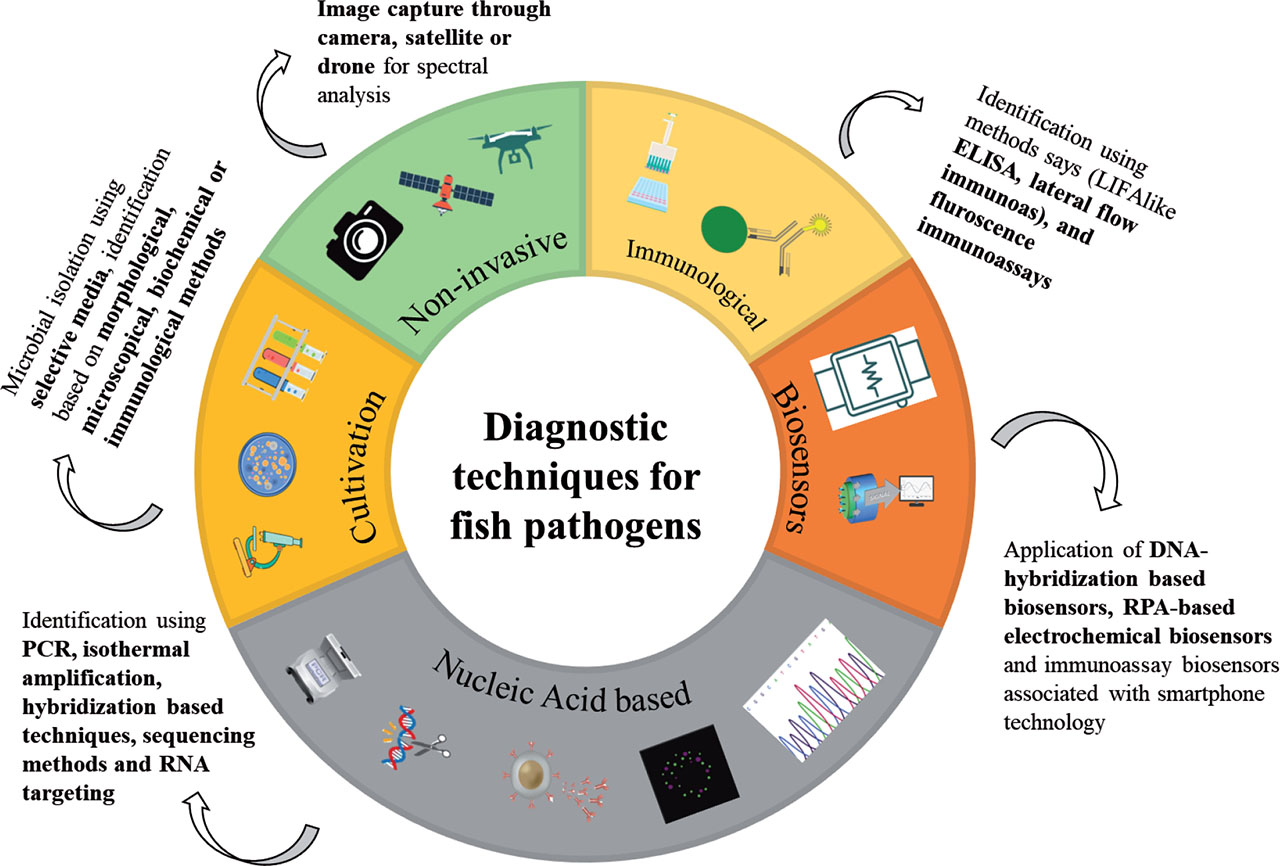
Figure 1.
Stages in the diagnosis of shrimp disease
During disease diagnosis, three pieces of data are generally collected: the case history, physical examination findings, and diagnostic test results. Among these three components, the case history of the infection from a farm or diseased sample provides important information that helps to determine the circumstances under which the disease has developed. In addition, it gives presumptive ideas about the nature of the problem that might lead to disease conditions (Tesser and Norman, 2016). Although the clinical signs may not directly indicate the etiology of the disease, these, combined with other diagnostic techniques, would aid in the confirmatory diagnosis of disease conditions in aquaculture. For instance, as indicated in Table 2, the shrimp can have very similar behavioral signs during disease caused by biotic (viral, bacterial, parasite) or abiotic factors (environmental, toxicants).
Table 2.
The fish behavioral signs during biotic and abiotic factors
| Behavioral changes | Factors involved |
|---|---|
| Reduced or no feed intake | Viral, bacterial, or parasitic infection and environmental factors |
| Lethargic swimming | Viral, bacterial, fungal, or parasitic infection and environmental factors |
| Spinning and erratic swimming | Viral, parasitic, and environmental pollutants |
The mortality pattern can give a fairly good idea of whether the problem is due to environmental factors, microbial agents, or pollutants (Love and Lewbart, 1997). For instance, during infectious disease, a gradual acceleration in morbidity and mortality pattern can be observed, except in case of virulent viral (e.g., white spot syndrome virus) or bacterial (e.g., acute hepatopancreatic necrosis disease) infections, where 90–100% mortality can be recorded. If overnight mass mortality (up to 100%) is observed, it can be due to oxygen depletion or any other environmental factors like chemical pollutants or toxicants. In the case of nutritional deficiency, the clinical signs are more protracted, and mortality is seldom observed (Noga, 2010). The information collected in case history might start with recording the behavioral changes and morphological abnormalities and end with stocking information. Details of the information collected are summarized in Figure 2.
The Disease Diagnostic Guide is built on a framework of “three levels” of diagnostics. Table 3 below outlines the diagnostic activities at each level, who is responsible, and the equipment and training required. It should be noted that none of the levels function in isolation but build on each other, each contributing valuable data and information for optimum diagnoses. Level 1 provides the foundation and is the basis of Levels II and III since findings using higher level(s) can only be meaningfully interpreted in conjunction with observations and results obtained from lower levels (Kumar et al., 2024 b, 2025 a, b).
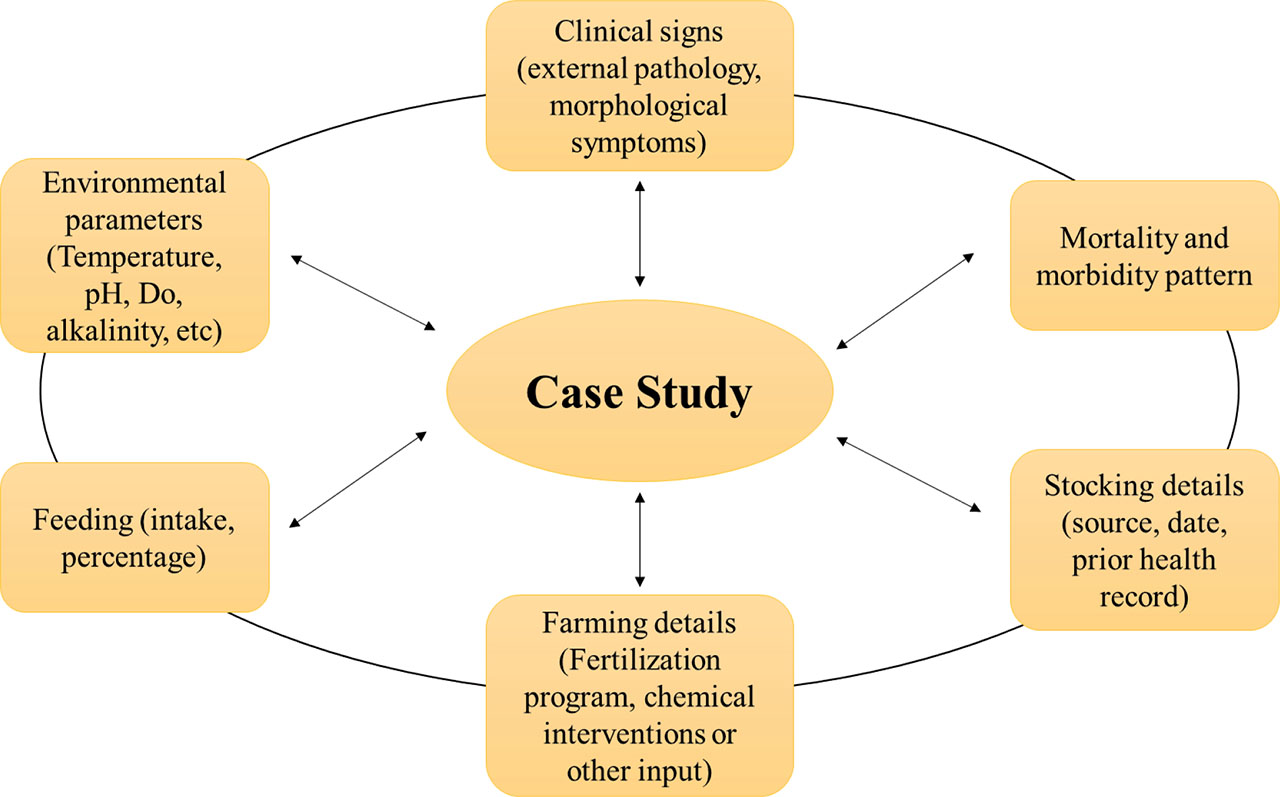
Figure 2.
Case history information collected and carefully examined in order to potentially diagnose a disease with increased specificity (Kumar et al., 2022 a, b)
Table 3.
Diagnostic levels, associated requirements and responsibilities
| Level | Activity | Work requirements | Responsibility | Technical requirements to support activities |
|---|---|---|---|---|
| I | Observation of animal and environment | Knowledge of normal feeding, behavior, growth of stock | Farm worker/manager | Field keys |
| Gross clinical examination | Frequent/regular observation of stock | Fishery extension officers | Farm record keeping formats | |
| Regular, consistent record-keeping and assistance (Levels II, III) | On-site veterinary support | Equipment lists | ||
| Model clinical observation sheets | ||||
| Pond/Site record sheets | ||||
| Maintenance of records – including fundamental environmental information | Local fishery biologists | Preservation/transportation guidelines for Levels II/III diagnoses | ||
| Knowledge contacts for health diagnosis | Model job descriptions/skill requirements | |||
| Ability to submit and/or preserve representative specimens for optimal diagnosis (Levels II, III) | Asia Diagnostic Guide to Aquatic Animal Diseases | |||
| II | Parasitology | Laboratories with basic equipment and Personnel trained/experienced in aquatic animal pathology | Fish biologists/technicians | Model laboratory record-keeping system |
| Bacteriology | Keep and maintain accurate diagnostic and laboratory case records | Aquatic veterinarians | Protocols for preservation/transport of samples to Level III | |
| Mycology | Ability to preserve and store specimens for optimal Level III diagnoses | Parasitologists/technicians | Model laboratory requirements/equipment/consumables lists | |
| Histopathology | Knowledge of/ contact with different areas of specialization within Level II | Mycologists/technicians | Model job descriptions/skill lists | |
| Knowledge of who to contact for Level III diagnostic assistance | Bacteriologists/technicians | Access to Level II and Level III specialist expertise | ||
| Histopathologists/technicians | Asia Diagnostic Guide to Aquatic Animal Diseases | |||
| OIE Diagnostic Manual for Aquatic Animal Diseases | ||||
| Regional General Diagnostics Manuals | ||||
| III | Virology | Highly equipped laboratory with highly specialised and trained personnel | Virologist/technician | Model laboratory requirements/equipment/consumables lists |
| Electron microscopy | Keep and maintain accurate diagnostic and laboratory case records | Ultrastructural histopathologist/technicians | Model job descriptions/skill requirements | |
| Molecular biology | Preserve and store specimens | Molecular biology scientists/technicians | Contact information for reference laboratories | |
| Immunology | Maintenance of contact with people responsible for sample submission | Protocols for preservation of samples for consultation/validation | ||
| Asia Diagnostic Guide to Aquatic Animal Diseases | ||||
| OIE Diagnostic Manual for Aquatic Animal Diseases | ||||
| General molecular and microbiology diagnostic references |
Level I (farm/production site observations, record-keeping, and health management) is strongly emphasized throughout the Asia Diagnostic Guide as this forms the basis for triggering the other diagnostic levels (II and III). Level II includes the specializations of parasitology, histopathology, bacteriology, and mycology, which require moderate capital and training investment and which, generally speaking, cannot be conducted at the farm or culture site. Level III comprises the types of advanced diagnostic specialization which require significant capital and training investment. As the reader will note, immunology and biomolecular techniques are included in Level III, although field kits are now being developed for farm or pond-side use (Level I) as well as use in microbiology or histology laboratories (Level II). These efforts are a good indication that technology transfer is now enhancing diagnostics, and with solid quality control and field validation, it is certain that more Level III technology will become field accessible in the near future.
Molecular diagnostic methods, particularly PCR-based techniques, have become essential tools for detecting and managing viral diseases in shrimp aquaculture. These methods offer high specificity, sensitivity, and rapid results compared to traditional approaches (Kumar et al., 2021 a). Various PCR techniques, including conventional, nested, real-time, and loop-mediated isothermal amplification, have been developed for detecting major shrimp pathogens such as white spot syndrome virus and yellow head virus. Recent advancements include direct PCR combined with capillary electrophoresis, which reduces detection time and improves sensitivity (Lin et al., 2022). These molecular diagnostics have significantly contributed to disease prevention and control in the shrimp farming industry, particularly in Asia (Flegel, 2002). However, there is a need for a comparative evaluation of available methods to address knowledge gaps and provide comprehensive guidance for researchers and industry professionals. While PCR detects viral genes, it may not always indicate active toxin expression. To address this, immunoassays like ELISA have been developed to detect specific toxins, such as PirAVp and PirBVp, associated with acute hepatopancreatic necrosis disease (Mai et al., 2021). These molecular and immunological techniques have proven valuable in surveying wild shrimp populations for diseases like the white spot syndrome virus, enabling the assessment of transmission risks to cultured stocks (Chapman et al., 2004). Several on-site rapid diagnostic methods have been developed to address this need. These include recombinase polymerase amplification combined with lateral flow strips (RPA-LFS), which can detect AHPND within 30 minutes (Yang et al., 2021), and insulated isothermal PCR assays using a handheld POCKIT™ device (Chang et al., 2018). A duplex RPA-LFD assay has also been developed for the simultaneous detection of AHPND and Enterocytozoon hepatopenaei infection (Wang et al., 2021). These point-of-care testing methods enable farm managers to perform on-site diagnostics with minimal equipment, facilitating quick response times and effective disease management (Chang et al., 2018; Wang et al., 2021). Establishing effective disease-reporting networks across Asian countries faces several challenges. Limited financial resources, lack of skilled personnel, and poorly functioning health systems hinder antimicrobial resistance (AMR) surveillance in low- and middle-income countries. Despite progress, AMR surveillance networks struggle with expansion and sustainability. Regional coordination efforts, such as the Mekong Basin Disease Surveillance network, have shown success in improving cross-border outbreak investigation and response through trust-based collaboration (Phommasack et al., 2013). However, effective regional networks require clear goals, stakeholder mapping, political will, and sustainable funding (Standley and Sorrell, 2022). To address emerging diseases more effectively, an integrated One Health surveillance strategy is needed, combining human and animal health sectors (Morris et al., 2024). This approach should investigate endemic zoonoses, study evolving diseases, and enhance understanding of factors influencing pathogen emergence, utilizing new investigational tools (Morris et al., 2024). The lack of preparedness and response measures has spread disease across large areas (Leaño, 2019). Improved disease reporting networks, stricter quarantine procedures, and collaborative breeding programs are essential for sustainable shrimp aquaculture in Asia (Cock et al., 2017 a; Leaño, 2019).
Recent research demonstrates the potential of AI, blockchain, and big data in shrimp disease monitoring and management. AI-assisted systems have shown promise in detecting white spot disease with 90% accuracy using hybrid neural networks and fuzzy logic algorithms. Machine learning and image processing techniques have been applied to automate shrimp monitoring, including length estimation, digestive tract assessment, and counting (Hashisho et al., 2021). The integration of AI, blockchain, and big data has broader applications in healthcare, including disease detection and prediction. Geographic information systems combined with machine learning have been used to predict shrimp diseases in Vietnam, with neural network models outperforming other methods in estimating disease occurrence probability (Khiem et al., 2022).
Present status of shrimp disease management
Shrimp lacking the adaptive immune system, rely on their cellular and humoral components of innate immune responses to combat the invading pathogens, due to which the development of therapeutic agents that enhance the adaptive immune response, e.g., vaccines against infectious disease in shrimp aquaculture had very limited success (Hong et al., 2016; Santos et al., 2020; Kumar and Martin, 2025; Roy et al., 2025). Therefore, methods that can boost the host’s innate immune response and enhance disease resistance against diseases have gathered much interest in recent years. The disease caused by bacterial pathogens in shrimp farming systems are generally controlled by using appropriate management strategies, including supplementation of immunostimulants, prebiotics, probiotics or phages, maintaining optimum water quality, stocking density, post-larvae quality, aeration and feed quality and quantity (Defoirdt, 2014; Hostins et al., 2019). However, since the outbreak of AHPND in China back in 2009, most of the research has mainly focused on epidemiological studies, including the characterization of AHPND etiological agents and associated pathological changes from various geographical locations. Hence, there is an urgent need to develop promising new methods that can become a potential tool to protect the shrimp against AHPND-causing V. parahaemolyticus. Some studies have reported management strategies to control the disease and possibly prevent disease outbreaks in shrimp aquaculture.
The prophylaxis measures to control disease mainly focus on pond renovation and disinfections before shrimp post-larvae stocking (De Schryver et al., 2014). However, these approaches are not capable of stopping the epidemiological situation once the disease has emerged in a pond or its neighborhood, and hence more effective therapeutic measures are urgently needed to control shrimps. The conventional approach so far applied in the mitigation or cure of disease, such as the application of antibiotics and disinfectants, has had limited success (Hong et al., 2016). Additionally, their usage in the food-producing sector is under severe scientific and public scrutiny due to the development of multiple resistance (Smith, 2008). For example, the AHPND-causing V. parahaemolyticus strain from Mexico (13-511/A1 and 13-306D/4) was reported to carry tetB gene coding for tetracycline resistance gene (Han et al., 2015), and V. campbellii from China was found to carry multiple antibiotic-resistance genes (Dong et al., 2017), hence the application of traditional methods like antibiotics may be ineffective in controlling the diseases in the shrimp farming system.
Effective shrimp health management requires consideration of the fact that there is a delicate balance between the host, pathogen, and environment. Typically, infections coexist with their surroundings, although shrimps seem healthy and exhibit typical growth. Shrimp diseases pose a major challenge to the sustainability of aquaculture operations. Disease outbreaks often result in massive financial losses, increased use of antibiotics and chemicals, and the collapse of shrimp farms. These practices can have broader environmental consequences, including the overuse of antibiotics and chemicals affecting aquatic ecosystems and biodiversity, and can lead to antibiotic-resistant bacteria, posing risks to both shrimp and human health. Disease outbreaks can devastate shrimp farming communities, leading to the abandonment of farms, loss of livelihoods, and increased poverty in coastal regions. Effective biosecurity practices include quarantining new stocks and disinfecting pond water to prevent pathogen introduction (Delphino et al., 2022). In Indonesia, farms were categorized based on biosecurity intensity, revealing that larger farms implemented more rigorous practices compared to smaller ones (Delphino et al., 2022). Alternatives to antibiotics, such as probiotics, phytobiotics, and biofilm-based vaccines, are being explored to enhance shrimp health and reduce disease incidence (Seethalakshmi et al., 2021). Developing shrimp populations with enhanced resistance to endemic diseases is crucial for sustainable aquaculture (Cock et al., 2017 b). Traditional methods like the use of antibiotics and immunostimulants are still prevalent, though they come with risks of resistance and environmental impact (Sivakamavalli et al., 2021). Limited regulatory monitoring and enforcement can lead to inadequate disease control measures. Early detection data can be used to identify high-risk areas and implement preventive strategies like improved water quality management or vaccination programs. A robust surveillance system with early detection capabilities can enhance confidence in the quality and safety of Asian shrimp products, improving market access. The four gold standard ideals are high sensitivity, specificity, rapid diagnosis, and cost-effectiveness (MacAuley et al., 2022). The implementation of better management practices (BMPs) involves sustainable farming techniques and the formation of Self-Help Groups, which can enhance crop outcomes and mitigate the impact of diseases. The adoption of sustainability practices, such as the Code of Conduct for Responsible Fisheries, is essential to address the environmental degradation caused by intensified aquaculture. Research advancements, particularly in disease management, have been crucial for sustaining production levels and addressing challenges (Dastidar et al., 2013). Innovations in farming techniques, such as the use of probiotics and ecological practices, are being explored to enhance sustainability. Lundin (1995) emphasized the need for drastic changes in management practices to ensure the sustainability of shrimp farming in India, highlighting that without such changes, the aquaculture sector may continue to suffer from disease outbreaks and economic instability. While these strategies show promise, integrating sustainability practices with effective disease management is vital for the future of shrimp farming in Asia. Some of the important strategies for health management have been outlined below.
Vaccination
In aquaculture, vaccination is used as a preventative approach to strengthen host immunity against diseases. Some researchers have concentrated on creating oral DNA vaccines for prawns by using carriers like PLGA (poly-lactide-co-glycolide acid) and chitosan for bacterial and viral infections. The carriers are now widely used because they are biodegradable, water-soluble, and non-toxic (Chalamcherla, 2015). Oral administration of chitosan/DNA construct (pVp28) nanoparticles in P. monodon resulted in enhanced immunity and protection against WSSV (Rajeshkumar et al., 2009). Since the composition of liposome-based vaccines is comparable to that of cell membranes, they are thought to be safe and have also been tested in prawn farming. When given orally for 7 days against WSSV, the liposome-based recombinant VP28 vaccine demonstrated 78.9% survival rates in Marsupenaeus japonicas (Mavichak et al., 2010).
Probiotics
Probiotics have emerged as promising alternatives for improving disease resistance in farmed shrimp against AHPND. The probiotic microbes secrete a wide range of extracellular substances and antimicrobial peptides, which improve feed digestion and absorption, boost shrimp health and immunity, promote shrimp growth and reproduction, and enhance survival against pathogenic microorganisms (Figure 3) (Kumar et al., 2016; Wang et al., 2020). The beneficial effect of probiotic microorganisms is generally influenced by several factors related to rearing conditions under a larger scale, survival ability until reaching the gastrointestinal tract of the host, method of administration, dosage, probiotic strain, and shrimp species (Soltani et al., 2019). Therefore, before application, attention must be paid to selecting an appropriate probiotic strain since an unsuitable strain can negatively impact colonization, nutrient metabolism and assimilation, growth response, immunomodulation, and resistance against pathogenic microorganisms.
Maintaining a biological balance among bacteria and algae in aquaculture ponds and the gastrointestinal tract of shrimp is one of the ways to reduce the effect of AHPND in shrimp (Aguilera-Rivera et al., 2014). Probiotics can participate in establishing a balance of gastrointestinal microbial flora, improving the digestive functions and immune system, and increasing the survival of Litopenaeus vannamei against pathogenic Vibrio parahaemolyticus AHPND strain (Pinoargote et al., 2018; Wang et al., 2018). Kewcharoen and Srisapoome (2019) reported that supplementation of Bacillus subtilis AQAHBS001 strain through feed resulted in further proliferation and colonization of this strain in the gastrointestinal tract of shrimp. Additionally, the shrimp post-larvae exhibited enhanced growth performance and immune gene expression and increased disease resistance against Vibrio parahaemolyticus AHPND strain (Kewcharoen and Srisapoome, 2019). In another study, Chomwong et al. (2018) found that two lactic acid bacteria (LAB), Lactobacillus plantarum SGLAB01 and Lactococcus lactis SGLAB02 strain, activate the proPO system by significantly increasing hemolymph phenoloxidase (PO) activity, and improve the survival of L. vannamei against AHPND-causing V. parahaemolyticus (Chomwong et al., 2018).
Several probiotic strains are reported to possess antimicrobial abilities against Vibrio species, especially V. parahaemolyticus, V. harveyi and V. alginolyticus (Lim et al., 2020). The probiotic bacteria were reported to produce a wide range of extracellular substances such as trypsin, lipase, amylase and antimicrobial substances (e.g., bacteriocins and hydrogen peroxide), against a variety of bacterial pathogenic factors (Loh, 2017). For instance, Bacillus, Lactobacillus, Rhodopseudomonas and Pseudoalteromonas probiotic strains are reported to inhibit the activity of pathogenic AHPND-causing bacteria by producing inhibitory compounds, one of the mechanisms of action of probiotics (Lim et al., 2020; Pinoargote et al., 2018; Wang et al., 2018).
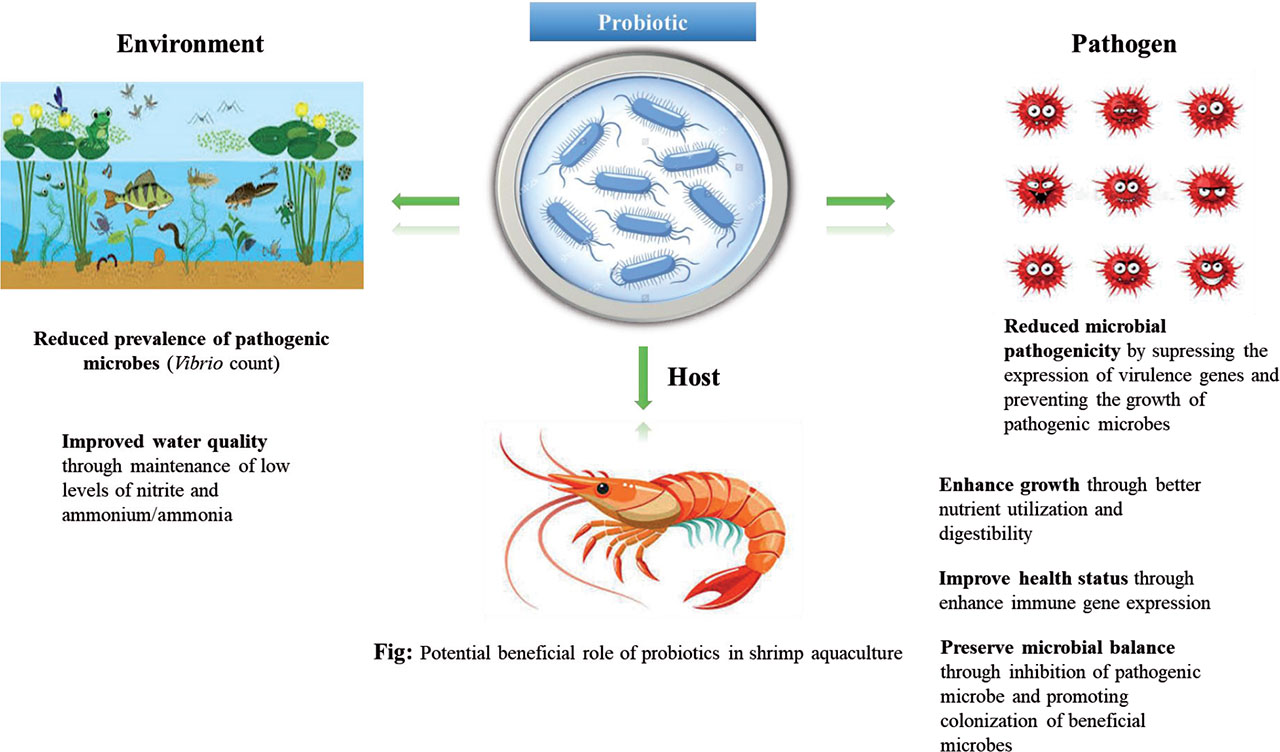
Figure 3.
Potential beneficial role of probiotics in shrimp aquaculture (Kumar et al., 2021 a)
Phage therapy
Bacteriophages are viruses discovered over 100 years ago in the bacterial host by Twort et al. (1915) with dsRNA, ssRNA, dsDNA, and ssDNA genome that can infect prokaryotic organisms (Clark and March, 2006; Twort, 1915). The bacteriophages are abundant in nature and have been found in both terrestrial and aquatic environments (non-polluted waters, 2 × 10⁸ bacteriophage/ml) and in association with plants and animals (Bergh et al., 1989). Phages have been proposed as potential management strategies to control infectious disease in both humans and animals (Abedon et al., 2011). The life cycle of bacteriophages includes either a lytic (bacteriolytic) stage or a lysogenic stage (Figure 4).
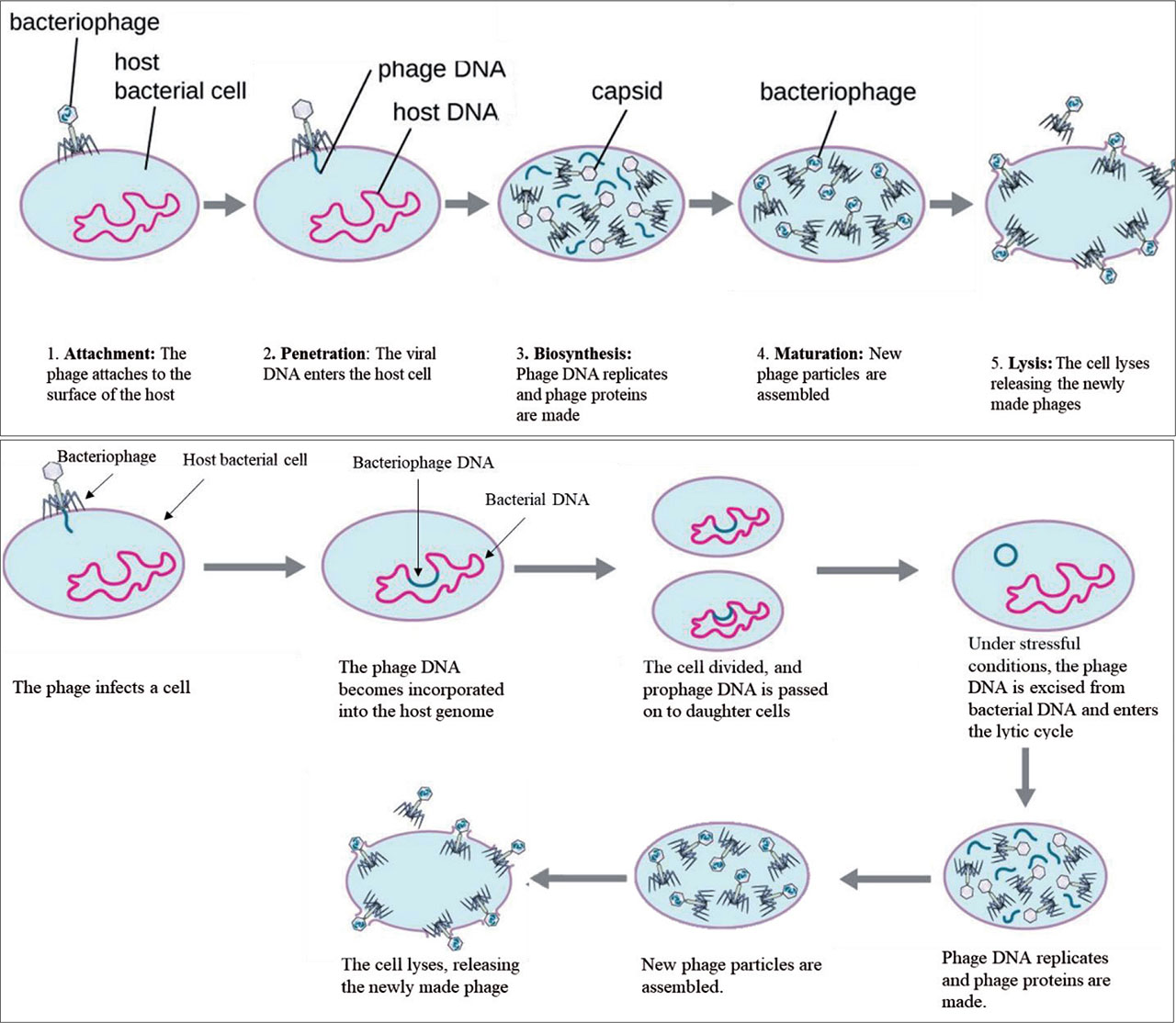
Figure 4.
A schematic overview of the bacteriophage life cycle, including the lytic and lysogenic cycles. In the lytic cycle, bacteriophages infect the host and release the viral genome into bacterial cells. Once a phage infects a bacterium, it shuts down the defense mechanism and takes over its cellular machinery to synthesize new phage particles. The number of phage particles synthesized eventually reaches a point where they rupture the bacterial cells, resulting in the release of phage particles into the environment that infect the new host. In the lysogenic cycle, phage DNA is incorporated into the bacterial host genome, where it is passed on to subsequent generations. Environmental stressors such as starvation or exposure to toxic substances may cause the prophage to excise and enter the lytic cycle (Kumar et al., 2021 b)
Phage therapy was found to be effective in treating P. vannamei larvae at all stages of infection induced by V. parahaemolyticus (Lomelí-Ortega and Martínez-Díaz, 2014). The phage pVp-1 was shown to have both preventative and therapeutic potential in prawns (Jun et al., 2018), following in vitro experiments that demonstrated its ability to lyse strains of V. parahaemolyticus, which cause acute hepatopancreatic necrosis disease (AHPND) (Jun et al., 2016).
Since the emergence of bacterial antibiotic resistance problems in animals and humans, the use of phages as a therapeutic agent (showing an effective bacteriolytic activity) is advantageous as it is natural and relatively inexpensive, without serious or irreversible side effects reported to date (Angulo et al., 2019; Gutiérrez Rodas et al., 2010; Jun et al., 2018). In shrimp aquaculture, the use of phage therapy is well-documented. Bacteriophages used in shrimp bacterial pathogens may belong to the family Siphoviridae or Myoviridae (Oakey and Owens, 2000; Shivu et al., 2007). In general, the family Siphoviridae member bacteriophages are reported to be lytic phages (Crothers-Stomps et al., 2010). For instance, Yang et al. (2020) found that lytic bacteriophages, namely vB_VpS_ BA3 and vB_VpS_CA8 (belonging to the Siphoviridae family), isolated from sewage were capable of killing the multidrug-resistant V. parahaemolyticus and hence suggested as potential biological control agents for the bacteria (Yang et al., 2020).
Bacteriophage treatment improves the shrimp’s health and tolerance against pathogenic Vibrio infections. In a study by Vinod et al. (2006), the bacteriophage treatment was found to improve the survival of giant tiger prawn, Penaeus monodon, larvae and post-larvae against Vibrio-induced luminous bacterial disease (Vinod et al., 2006). In another study, bacteriophages are reported to control the growth of pathogenic V. harveyi and improve the survival of P. monodon against luminous bacterial disease (Karunasagar et al., 2007). These studies showed that bacteriophages can be a promising alternative strategy for effective shrimp larval health management and disease control.
There are only a few attempts made to control AHPND in shrimp using bacteriophages. Jun et al. (2016) studied the bacteriolytic activity of phage pVp-1 (family Siphoviridae phage) against AHPND-causing V. parahaemolyticus strains. The infectivity was tested against 22 strains from geographically diverse regions (5 Asian types and 17 Mexican types). The results showed that the pVp-1 phage can infect 90.9% (20 strains among 22 strains) of V. parahaemolyticus AHPND strains and further demonstrates bacteriolytic activity against 3 strains, known to be highly pathogenic (Jun et al., 2016). In another study, Jun et al. (2018) found that following prophylactic and therapeutic treatment, pVp-1 phage-treated shrimps exhibit significant recovery from AHPND histopathological lesions (Jun et al., 2018). These results highlight that phages could be suitable for prophylactic and/or therapeutic use against AHPND-causing V. parahaemolyticus.
Overall, these studies suggest that lytic phages could be a potential approach to combat AHPND-causing V. parahaemolyticus strains. However, considering that the host range for selected phages was 65–70%, and the possibility that bacterial strains may develop resistance (Karunasagar and Karunasagar, 2021). Phage therapy with a consortium of phages would ensure the efficacy against a wide range of bacterial species/strains reported to cause AHPND in shrimp.
Nanoparticles
Nanoparticles can greatly enhance the vaccination tactics now used in aquaculture by providing a mass immunization method without the inconvenience of needles. The use of gold nanoparticles in the diagnosis of bacterial, viral, and protozoal diseases in prawns has grown significantly. The identification of trace amounts of anti-sera was made possible by gold nanoparticles, which were also found to increase the sensitivity of immunological tests. A secondary antibody was raised against the anti-sera of WSSV in hemolymph to create an immunological dot blot test for WSSV detection in prawns (Thiruppathiraja et al., 2011). The reverse transcription-loop-mediated isothermal amplification/visual colorogenic nano-gold hybridization probe assay was developed using gold nanoparticles to detect the yellow head virus in prawns (Jaroenram et al., 2012). Gold nanoparticles were employed to enhance the detection of prawn pathogens, IMNV, and V. parahaemolyticus (VPAHPND) using loop-mediated isothermal amplification (Arunrut et al., 2013, 2016).
Antimicrobial agents
In the fields of agriculture, food, and medicine, nanoparticles have been employed as antibacterial agents. Shrimp can be raised in water that has been treated with nanoparticles or fed by combining them with their food (Luis et al., 2019). The post-larval stage of P. vannamei was raised in Persian1-filtered seawater, which increased both the organisms’ growth and survival rates. AgNPs are one of the metal nanoparticles that are more widely utilized in prawn aquaculture because of their extensive research and reporting history as potent antibacterial agents (Meneses-Márquez et al., 2019). In addition to their antibacterial properties, AgNPs have been evaluated for potential toxicity related to prawn use. When injected intramuscularly at a concentration below 20 ng/μL, AgNPs did not cause any behavioral abnormalities or mortality in juvenile P. vannamei white leg shrimp after 96 hours. Additionally, following the administration of AgNPs, the regular oxygen consumption rate and total hemocyte counts in prawns were found to be normal, indicating that they were not under stress (Juárez-Moreno et al., 2017). The application of antimicrobial medicines loaded in polymeric nanoparticles can open new avenues in prawn disease management because these particles allow for the prolonged release of medications.
Plant-derived and/or natural compounds
The natural products from medicinal plants and marine seaweeds are considered potential alternatives for the prevention and treatment of AHPND in shrimp. Apart from antiviral, antibacterial, and antiparasitic properties, the plant-based compounds are rich in secondary metabolites and phytochemical compounds that play important roles in feed intake and digestibility, and in improving the growth performance and health of shrimp (Kumar et al., 2018, 2021; Zheng et al., 2021). Plant-derived compounds can be administered as a whole plant or parts (leaf, root, or seeds) or extract compounds, via water routine or feed additive, either singly or as a combination of extract compounds or even as a mixture with prebiotics or immunostimulants (Dong et al., 2020).
The plant-based compounds can also act as immunostimulants, enhance the nonspecific defense mechanism, and confer protection to shrimp from infectious diseases (Figure 5) (Nazeemashahul et al., 2023). The immunostimulant activity is produced in part by phenolics, alkaloids, terpenoids, essential oils, lectins, polypeptides, and polyacetylenes present in the plants (Table 4). There are several reports that suggest that treatment of crustacean species (like brine shrimp, Macrobrachium sps) with polyphenols significantly enhances the innate immune response and provides protection to abiotic (salinity, heat) and biotic (pathogenic bacterial infection) stressors (Baruah et al., 2015).
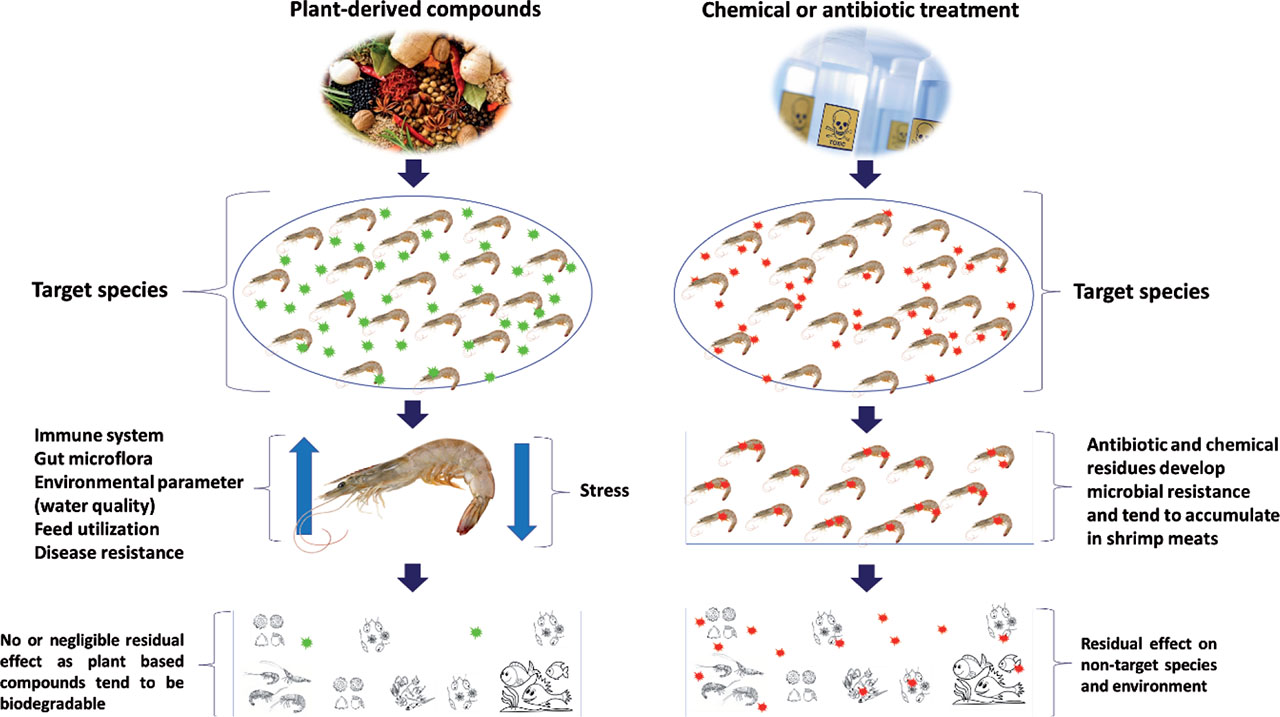
Figure 5.
Effect of plant-based or natural compounds and conventional compounds in shrimp and the environment (Kumar et al., 2021 b)
Table 3.
Role of plant-based compounds in shrimp health (Kumar et al., 2021 b)
| Class | Chemical structure | Sub-class | Example | Role in aquatic species |
|---|---|---|---|---|
| Phenolics | 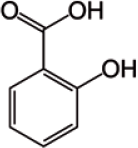 | Quinones, flavonoids, flavones, tannins, flavonols | Allium sps. (Allium cepa, Allium sativum, Allium tuberosum), Cynodon dactylon, Viscum album, etc. | Immunostimulant, antioxidant, antimicrobial, growth promotor, anti-helminthic, antiviral |
| Alkaloids | 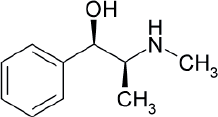 | Camellia sinensis, Nicotiana tabacum, Aconitum napellus, Atropa belladonna, Conium maculatum, etc. | Immunostimulant, antioxidant, antimicrobial, growth promotor, anti-helminthic, antiviral | |
| Terpenoids and essential oils | 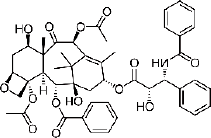 | Pistacia terebinthus, Lavandula angustifolia, Mentha piperita, Melaleuca alternifolia, etc. | Immunostimulant, antimicrobial, antioxidant, anti-helminthic, growth promotor | |
| Lectins and polypeptides | 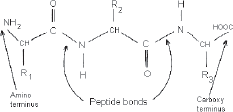 | Glycine max, Arachis hypogaea, Triticum aestivum, Cocos nucifera, etc. | Antioxidant, antiviral, immunostimulant | |
| Polyacetylenes | 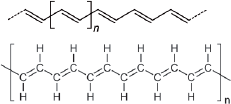 | Anethum graveolens, Carum, carvi, Daucus carota, etc. | Immunostimulant, antimicrobial, antioxidant |
Plant-based compounds are also identified to possess the property of inducing heat shock protein within animals in a non-invasive manner (Niu et al., 2014). These compounds/molecules are also commonly called heat shock protein inducers (Hspi) (Baruah et al., 2017). Functionally, these Hsps, mainly Hsp70, are involved in the cross-protection in shrimps, i.e., a general stress response and a transient increase in the resistance to a second heterologous physiological and environmental insult. The protective function of Hsp70 is documented to be due to its molecular chaperone activity, maintaining protein homeostasis by protecting the nascent polypeptides from misfolding, facilitating co- and post-translational folding, assisting in assembly and disassembly of macromolecular complexes, and regulating translocation (Niu et al., 2014). Additionally, Hsp70 is also reported to confer thermal resistance, protect against osmotic stress, prevent oxidative toxicity and damage, and improve tolerance against microbial infection (Lindquist, 1996). These observations clearly illustrate that HSP plays an important role in host immunity and health. Hence, natural compounds/molecules can be used to induce Hsp70 production in the host and provide protection against biotic and abiotic stress (Kumar et al., 2019, 2022, 2023).
The use of antimicrobial agents in aquaculture could lead to the emergence of resistance in the microorganism. Hence, alternatives have been sought over the last few years, and plant-based compounds are one of the available options for this purpose. Plants are rich sources of bioactive compounds like alkaloids and glycosides, and synthesize aromatic compounds, mostly phenols or their oxygen-substituted derivatives, that might serve as potential antimicrobial agents to control pathogenic bacterial infection in shrimp aquaculture. For instance, plant-based products, e.g., essential oils and phenolic compounds, have been tested and used as an efficient and alternative treatment against microbial infection in aquaculture (Citarasu, 2010). The important functions of plant-based compounds as antimicrobials include binding to the substrate or metal ions and making them unavailable for microbial pathogens, microbial cell membrane disruption, binding to bacterial cell adhesins or other proteins and inhibiting the binding of bacteria to cell membranes, inactivating the microbial enzymes, blocking the viral cell fusion or adsorption in the host cell, etc. Natural or plant-based products are preferred because of their biodegradability in the environment, i.e., the residues from plant-derived compound treatment tend to be biodegradable in the water, whereas those from antibiotics or other chemical treatments might have an effect on non-target organisms (e.g., other non-target species) (Ramudu and Dash, 2013).
Though the plant-derived compounds are reported to improve the immunity and health of shrimp, some of them are known to carry toxicological properties as well. Few studies indicate that plants used as a food source may have mutagenic or genotoxic potential (Çelik and Aslantürk, 2007). The toxicology of plants may originate from chemical compounds that originate from either the leaves, roots, or seeds (Hamidi et al., 2014). Hence, before application, the optimum dose requirement in different species and life stages, mode of application (immersion, feed, or injection), and residual effects on non-target species must be investigated to achieve a safe treatment with plant products.
Few studies have reported that natural/plant-based compounds can minimize the effect of pathogens and improve the immune system and survival of shrimp species against the V. parahaemolyticus AHPND strain. Dang et al. (2019) reported that rose myrtle, Rhodomyrtus tomentosa, and seed extract showed significantly high antimicrobial activity against AHPND bacteria. In addition, the extract was found to improve the survival of L. vannamei against AHPND-causing V. parahaemolyticus strain (Dang et al., 2019). Phuong et al. (2022) studied the effect of plant extract, Phyllanthus amarus, against AHPND-causing V. parahaemolyticus strain in white leg shrimp, L. vannamei. The results showed that both dried and fresh extracts from P. amarus exhibited in vivo antibacterial activity against the V. parahaemolyticus AHPND strain (Phuong et al., 2022). In another study, an essential oil mixture prepared from 10 plants, i.e., Lavandula latifolia, Pinus sylvestris, Jasminum officinale, Citrus limon, Prunus avium, Viola odorata, Gardenia jasminoides, Cocos nucifera, Rosa damascene, and Eucalyptus globulus, was tested for anti-V. parahaemolyticus activity. The essential oil mixture was found to exhibit antimicrobial activity and significantly improve the survival of L. vannamei against AHPND-causing V. parahaemolyticus strain (Jha et al., 2016). Seaweeds are also reported to be involved in antimicrobial activity against bacterial pathogens and possess several health-benefiting properties. Our study demonstrated that phloroglucinol, isolated from marine brown algae (family Laminariaceae), potentiates the generation of prooxidant activity and Hsp70 production in vivo (confirmed by RNAi) and this putative effect contributes to the induction of protective responses in Artemia against pathogenic AHPND-causing V. parahaemolyticus M0904 strain (Kumar et al., 2018; Kumar and Bossier, 2019). Furthermore, Boonsri et al. (2017) used protein extract from red seaweed, Gracilaria fisheri, and evaluated its anti-bacterial activity and protective role against AHPND-causing V. parahaemolyticus strain in white leg shrimp. The results exhibited that protein extract inhibits the growth of the virulent V. parahaemolyticus strain. In addition, the G. fisheri protein extract supplementation significantly improves the survival rate of L. vannamei with normalized histological features of hepatopancreas following V. parahaemolyticus AHPND strain infection (Boonsri et al., 2017). Although the above-mentioned studies have documented that plant-derived compounds exhibit a broad spectrum of pharmacological and health-promoting effects, the mechanism of action of these compounds in mediating these effects remains a topic of debate. Hence, further study to understand the underlying mechanism of action of this compound in the generation of protective responses will be helpful in developing a holistic strategy to control AHPND in shrimp.
Environmental manipulation
The necessity to increase shrimp aquaculture production has been triggered by the increasing demand per capita, in parallel with the increase in the global population. However, at present, when shrimp farming faces many problems, including limited availability of natural resources, impact of the pollution on the environment, as well as losses due to disease outbreaks, in particular, due to acute hepatopancreatic necrosis disease (AHPND), the development of sustainable shrimp aquaculture industry is becoming a challenging task (Costa-Pierce et al., 2010). The presence of virulent V. parahaemolyticus (VPAHPND), encoding PirABVP toxins, is the primary factor, yet a compromised health status of the cultured animals in combination with suboptimal environmental conditions most likely facilitates AHPND outbreaks, resulting in high mortalities of juvenile shrimp and often the entire loss of stocks within 30 days of stocking (Sajali et al., 2019). In our previous study, we reported that the AHPND-causing V. parahaemolyticus strain, under differential flow conditions (low fluid shear stress), switches to biofilm phenotype, causing a major shift in the protein secretome, e.g., alkaline phosphatase PhoX is produced instead of PirAVP/PirBVP toxins. This biofilm phenotype is also less virulent to shrimp species (Kumar et al., 2019 b, 2020; Tran et al., 2020 b). Therefore, designing a method that can induce phenotype switching in AHPND-causing V. parahaemolyticus will be useful for the effective management of AHPND in shrimp farming without necessarily removing the AHPND-causing bacteria from the culture system. In addition, disease prevention and control measures should not only focus on maintaining a biosecure environment but should be based on an integral approach, ensuring, among others, adequate nutrition and good health of the aquatic animals and maintenance of optimum water quality.
Biofloc technology
Growing shrimp in a biofloc system can be a promising alternative strategy to improve the environmental conditions and health status of cultured animals. The basic principle of the biofloc system is to recycle waste nutrients, in particular, inorganic nitrogen resulting from uneaten feed and feces into microbial biomass, which can be used in situ by the cultured animals or be harvested and processed into feed ingredients (Avnimelech, 1999; Crab et al., 2012). In fact, the metabolic processes and biochemical transformations take place directly in the water column, which promotes the overall balance of the system and the health of the farmed shrimp (Bossier and Ekasari, 2017). The heterotrophic microbiota is stimulated by steering the C/N ratio of the water through the modification of carbohydrate content in feed or by the addition of a carbon source in the water so that bacteria can assimilate the waste ammonium for new biomass production (Avnimelech, 1999). Hence, ammonium/ammonia can be maintained at a low and non-toxic concentration so that water replacement is no longer required (Figure 6). For instance, Avnimelech (2007) noted that the use of biofloc in intensive tilapia culture significantly improves nitrogen recovery from 23% to 43%.
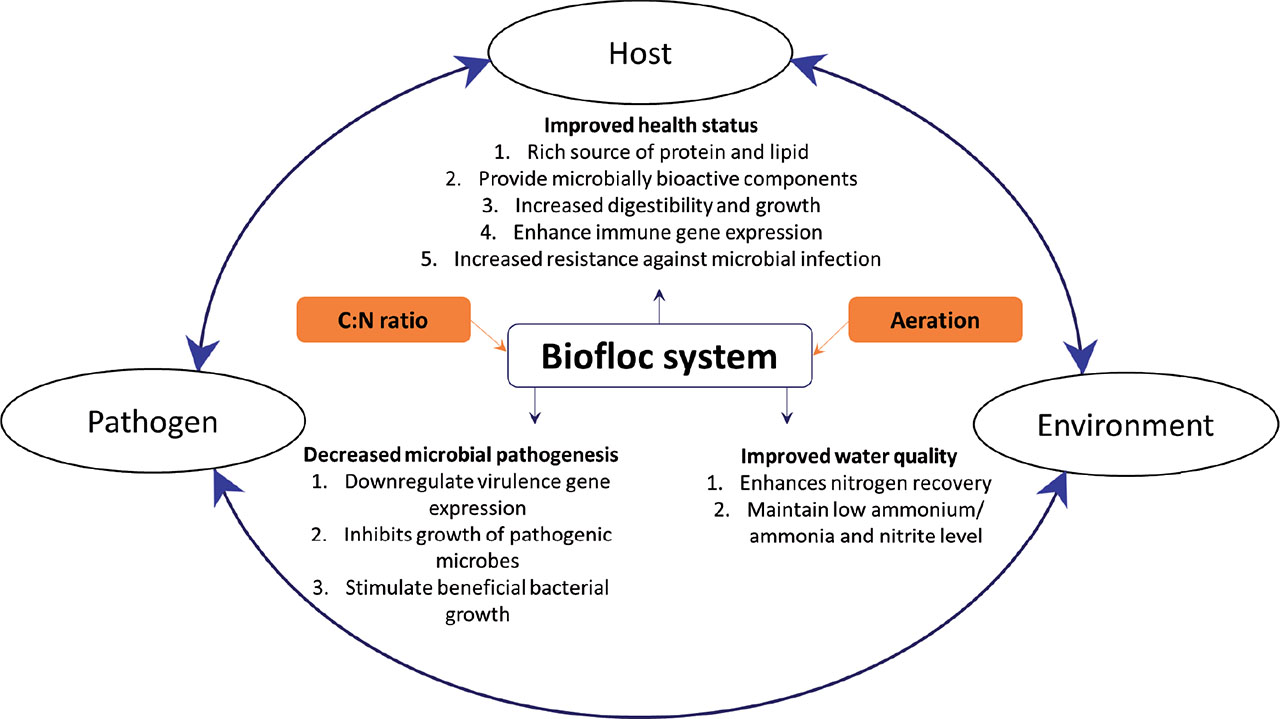
Figure 6.
Schematic role of biofloc system in host, pathogen, and environment in a shrimp aquaculture facility (Kumar et al., 2021 b)
The biofloc is rich in free amino acids such as alanine, glutamate, arginine, and glycine, which are reported to serve as diet attractants for shrimp (Ju et al., 2008). Hence, it is noted that shrimp in the biofloc system consume up to 29% of the flocculating particles of their daily feed intake (Burford et al., 2003). Apart from serving as protein and lipid sources, these aggregate flocs can contain microbially bioactive components such as carotenoids, vitamins, glutathione, antioxidants, and minerals, which nutritionally modulate the shrimp’s health and immune response and result in better growth performance and resistance against pathogenic microbial infections (Figure 6) (Cardona et al., 2015; Ju et al., 2008). For instance, in situ utilization of microbial flocs in biofloc systems by aquaculture organisms, as well as the utilization of processed biofloc as a feed ingredient, has been reported to improve the growth performance and health of shrimp (Shyne Anand et al., 2017; Azim and Little, 2008).
There are a few reports that have illustrated the role of biofloc in stimulating the non-specific immunity and resistance of shrimp against microbial pathogens, including AHPND, V. parahaemolyticus (Hostins et al., 2019). These studies highlighted that the biofloc system decreases the impact of AHPND-causing V. parahaemolyticus and provides protection to L. vannamei against AHPND bacteria. However, the study also indicates that the protective response in shrimp depends on the operational parameters of the biofloc system. Recently, Kumar et al. (2020 b) demonstrated that biofloc-mediated enhanced survival of L. vannamei upon AHPND-causing V. parahaemolyticus challenge is partially mediated by reduced expression of its virulence genes. The study showed that, in the biofloc system, AHPND-causing V. parahaemolyticus possibly switched from a free-living virulent plank-tonic phenotype to a non-virulent biofilm phenotype, as demonstrated by a decreased transcription of flagella-related motility genes (flaA, CheR and fliS), Pir toxin (PirBVP), and AHPND plasmid genes (ORF14) and increased expression of the phenotype switching marker AlkPhoX gene in both in vitro and in vivo conditions (Kumar et al., 2020 b). Taken together, the ability of the biofloc system to boost the water quality, growth performance, and resistance of L. vannamei against V. parahaemolyticus AHPND strain makes it a potent aquaculture technology that will be valuable to prevent microbial infection, including AHPND, and increase the shrimp production with high-density and minimal or no water exchange culture.
Pond management has shown promising results in controlling the incidence of AHPND in shrimp. However, most of these studies are based on laboratory trials, and further validation of dose, route of delivery, and associated risk factors is still needed to establish the effectiveness in shrimp farm conditions. Recently, Songsangjinda and Polchana (2016) demonstrated that by adopting better farm management practices, shrimp farmers can control AHPND and avoid production losses. The study showed that the pre-stocking and post-stocking measures, including evaluation and screening of healthy post-larvae, feed quality assessment, and disinfection of input materials (e.g., seawater), were helpful in controlling the AHPND in shrimp farms (Songsangjinda and Polchana, 2016).
Apart from management measures, the polyculture system has been identified as a potential strategy to control AHPND in shrimp farms. Tran (2014) studied the effect of polyculture systems, including tilapia and L. vannamei, in controlling AHPND infection and mortality. The results showed that tilapia-induced beneficial algal and bacterial blooms in water promote healthy and balanced biota communities that confer positive effects in controlling AHPND in shrimps (Tran, 2014). In another study, Boonyawiwat et al. (2017) evaluated factors related to farm characteristics, farm management, pond and water preparation, feed management, post-larvae, and stock management in the occurrence of AHPND in shrimp. The results demonstrated that the presence of predator fish, multiple shrimp species, or high stocking density in the culture system contributes to an increased risk of AHPND infections. While the delay in the first day of feeding, polyculture, and water aging (≥7 days long) were likely to promote protection against AHPND in shrimp (Boonyawiwat et al., 2017).
Sustainable strategies for enhancing disease surveillance
Many shrimp farmers lack the knowledge or motivation to report disease outbreaks consistently, leading to incomplete data on disease prevalence and distribution. Access to advanced diagnostic tools like molecular techniques is often limited at the farm level, delaying the accurate identification of pathogens. A well-connected, nationwide network for disease surveillance is missing, hindering rapid information sharing and response. Many farmers may not be adequately trained in recognizing early signs of disease or reporting suspected cases. Limited regulatory monitoring and enforcement can lead to inadequate disease control measures. Creation of a well-coordinated network of government agencies, research institutions, and private sector stakeholders is needed to collect and analyze disease data. There is a need to educate farmers on disease identification, reporting mechanisms, and best practices for disease prevention and to increase the availability of rapid diagnostic tests at the farm level and in regional laboratories (Subasinghe et al., 2023). Development of robust data management platforms is essential to effectively analyze and interpret disease surveillance data, and incentives implemented for farmers to report suspected disease outbreaks promptly. There is regional variation in disease prevalence and impact on small-scale versus large-scale shrimp farms. Although quantitatively estimating the overall impacts of disease on rural livelihoods was difficult due to a lack of adequate socioeconomic information, the consensus among the workshop participants was that aquatic animal health problems are a risk to the livelihoods of people involved in small-scale aquaculture and enhanced fisheries in Asia. From the information derived from specific case studies, it was clear, though, that health problems impact the livelihoods of rural, resource-poor aqua farmers, fishers, and their dependents through loss of production, income, and assets. Government policies play a crucial role in influencing sustainable shrimp farming practices (Nada et al., 2025) and can help reduce pressure and threats to shrimp farming businesses, enabling them to operate more sustainably. The National Shrimp Policy in Bangladesh emphasizes promoting environmentally friendly shrimp mixed cultivation for sustainable development, highlighting the importance of government support in fostering sustainable practices (Akber et al., 2017). Additionally, the successful alignment of incentives by government and industry initiatives has shown that shrimp farming thrives in healthy environments, leading to higher profits and sustainable outcomes (Lebel et al., 2016). Public-private partnerships (PPPs) play a crucial role in enhancing shrimp health management strategies by fostering collaboration between governmental bodies and private entities. These partnerships can address the significant challenges posed by diseases in shrimp aquaculture, which threaten industry sustainability. This includes joint research initiatives to identify and combat pathogens affecting the shrimp population. Knowledge sharing between public and private sectors can lead to the adoption of best practices in shrimp health management, reducing reliance on harmful chemicals and antibiotics (Ceseña et al., 2021). While PPPs offer significant benefits, challenges such as power asymmetry and the need for transparent governance structures must be addressed to ensure equitable collaboration and effective health management in shrimp aquaculture. Studies have shown that genetic diversity within shrimp populations, such as Penaeus vannamei, is vital for breeding programs. Techniques like RFLPs and RAPD have identified polymorphisms that correlate with desirable traits, including disease resistance. Quantitative genetics approaches, such as the cure model, have been employed to assess resistance to diseases like Taura syndrome, revealing distinct genetic traits for susceptibility and endurance. Developing disease-resistant shrimp strains through selective breeding can help reduce the impact of viral and bacterial diseases. Studies on Pacific white shrimp (Penaeus vannamei) have utilized a cure model approach to assess resistance to the Taura syndrome virus, revealing high heritability for susceptibility (0.41) and distinct genetic traits for endurance and susceptibility (Ødegård et al., 2011). While significant advances have been made in understanding shrimp-pathogen interactions and applying genetic and nutritional strategies, further research is needed to bridge existing knowledge gaps. By addressing these gaps, researchers can facilitate the development of robust disease-resistant strains, ultimately leading to more resilient shrimp aquaculture systems. The identification of genetic markers associated with disease resistance can facilitate selective breeding programs, enhancing the resilience of shrimp stocks against prevalent pathogens (Ødegård et al., 2011). Despite these advancements, challenges remain, including the potential for antibiotic resistance and the need for a comprehensive understanding of disease mechanisms, particularly for emerging threats like acute hepatopancreatic necrosis disease (AHPND) (Kumar et al., 2021 b). Continued research is essential to ensure the long-term viability of shrimp aquaculture. Recent studies have focused on understanding the intricate interactions between shrimp and their pathogens. Investigations into the immune responses of shrimp have revealed promising avenues for enhancing disease resistance. Notably, the use of immunostimulants has emerged as a potential strategy for “immune priming” or “trained immunity”, which could bolster the shrimp’s innate defenses against pathogens (Laan, 2013). These findings underscore the importance of exploring biochemical mechanisms that underpin shrimp immunity, which may lead to innovative approaches in breeding and management practices. The application of genetic modification and molecular breeding techniques has been highlighted as a pivotal strategy in developing disease-resistant shrimp strains. Techniques such as CRISPR/Cas9 technology have demonstrated efficacy in enhancing disease resistance in various organisms, suggesting their potential applicability in aquaculture (Borrelli et al., 2018). Recent advances in genetic selection and CRISPR technology show promising potential for combating shrimp diseases. Selective breeding programs have yielded continuous progress in improving production traits and disease resistance in penaeid shrimp (Ren et al., 2025; Castillo-Juárez et al., 2015). Genomic selection has demonstrated increased accuracy and genetic gain compared to traditional methods, particularly for disease-resistance traits (Castillo-Juárez et al., 2015). CRISPR/Cas9 genome editing offers significant potential to accelerate genetic improvements in shrimp, with recent advancements showing promising results in achieving high transfection efficiency in shrimp embryos (Ren et al., 2025). The characterization of CRISPR genetic sequences in microorganisms associated with shrimp infections provides insights into potential phage therapy strategies (Parra et al., 2021). Additionally, the application of genetic technologies, including gene editing and selective breeding, holds promise for combating infectious diseases in aquaculture, although ethical considerations and implementation challenges need to be addressed (Robinson et al., 2023). However, the specific genetic pathways and markers associated with disease resistance in shrimp remain largely unexplored. Marker-assisted selection has been successfully employed in other agricultural species, such as wheat and barley, to improve disease resistance (Miedaner and Korzun, 2012), yet its application in shrimp breeding is still in its infancy. Research has shown that probiotics, particularly strains of Bacillus subtilis, can significantly improve the growth performance and immune responses of white shrimp, Litopenaeus vannamei (Zokaeifar et al., 2012; Kumar et al., 2016). Probiotics enhance shrimp gut health, improve nutrient absorption, and bolster disease resistance, contributing to a balanced microbial community in aquaculture systems (Tamilselvan and Raja, 2024). Successful probiotic integration requires careful strain selection and dosage optimization.
Marker-assisted selection (MAS) is emerging as a powerful tool in breeding programs, enabling the identification of genetic factors linked to disease resistance. This approach has been successfully applied in other aquaculture species and holds potential for shrimp (Yáñez and Martínez, 2010). The potential of CRISPR technology in combating viral infections in shrimp remains largely unexplored despite its proven efficacy in other domains. This innovative gene-editing tool could revolutionize shrimp aquaculture by targeting specific viral genes responsible for diseases like white spot syndrome. CRISPR can be designed to target and disrupt viral genes, potentially preventing viral replication and infection in shrimp (Nasko et al., 2019). The flexibility of CRISPR-Cas9 allows for precise modifications, which could be harnessed to enhance shrimp resistance to viral pathogens (Barrangou and May, 2015). Combining CRISPR with RNA interference (RNAi) strategies may provide a dual approach to silencing viral genes and enhancing shrimp immunity. While CRISPR shows promise, challenges such as off-target effects and delivery mechanisms need to be addressed to ensure its safe application in aquaculture. Further research is essential to fully realize its potential in this field. Despite the progress made in shrimp farming, several knowledge gaps remain. There is a need for more research into the long-term effects of feed composition on shrimp health and growth rates, particularly concerning the integration of alternative protein sources such as marine microalgae (Kiron et al., 2012). Additionally, studies focusing on the genetic diversity of shrimp populations could enhance breeding programs and contribute to disease resistance (Li et al., 2018). Future research should also prioritize understanding the ecological implications of shrimp farming practices, especially in relation to biodiversity and coastal ecosystem health (Bush et al., 2010). Climate change poses significant challenges to shrimp farming, necessitating adaptation strategies to mitigate disease outbreaks and maintain productivity. Farmers in Bangladesh and Vietnam have implemented various measures, including increasing pond depth, exchanging tidal water, strengthening dikes, and using settling ponds (Islam et al., 2019). These adaptations have shown positive effects on shrimp farming performance and productivity. Key factors influencing disease occurrence include crop duration, years of operation, and farmers’ adaptation practices. Regular feed conversion ratio calculations, participation in training programs, and adjusting feeding schedules have been found to reduce disease risk (Le et al., 2024). Viruses and bacteria remain significant pathogens in shrimp farming, with traditional chemical and antibiotic treatments becoming less effective due to resistance (Guzmán and Valle, 2003). As the industry continues to evolve, emphasis on sustainable practices like polyculture and improved biosecurity measures is crucial for adapting to climate change and ensuring long-term viability (Islam et al., 2019; Le et al., 2024). Recent research highlights the integration of IoT and AI technologies in smart shrimp farming, offering real-time monitoring and management solutions. These systems typically employ sensors to measure crucial water quality parameters such as temperature, pH, salinity, and dissolved oxygen (Capelo et al., 2021). Data collected from these sensors is transmitted to cloud servers or edge devices for analysis and decision-making. Some systems incorporate automated control mechanisms to maintain optimal conditions, such as activating aerators when necessary (Capelo et al., 2021). Mobile applications have been developed to provide farmers with remote access to farm data and management tools. Advanced systems also utilize AI-based video analysis to monitor shrimp and feed conditions in turbid underwater environments. These smart farming techniques aim to increase productivity, improve shrimp quality, and reduce mortality rates by enabling early disease detection and treatment (Daud et al., 2022). Early warning systems and surveillance frameworks for shrimp diseases in Asia have evolved with technological advancements. Mobile technology offers new opportunities for real-time disease reporting in archipelagic countries like Indonesia (Fadillah et al., 2019). The white spot syndrome virus (WSSV) and yellow head virus (YHV) have caused significant economic losses in Asian shrimp aquaculture (Flegel and Alday-Sanz, 1998). To combat these diseases, improved grow-out systems have been developed, including closed recirculating water systems and inland shrimp culture (Menasveta, 2002). Since 2011, Thailand’s prawn industry has also been affected by acute hepatopancreatic necrosis disease (AHPND) and early mortality syndrome (EMS). Surveillance programs have benefited greatly from the incorporation of technology, such as PCR methods for quick disease detection. By addressing environmental issues and enhancing resource utilization, integrated multi-trophic aquaculture (IMTA) has become a viable substitute for conventional prawn farming methods (Chang et al., 2020). By combining extractive species like seaweeds and invertebrates, which use excess nutrients, with fed species like prawns, IMTA lessens its negative effects on the environment while boosting overall productivity. With different models adapted to local conditions, this strategy has been widely adopted in China (Chang et al., 2020). Eco-friendly techniques, such as biocontrol agents, green water technology, and biofloc technology, have been used to fight diseases like luminous vibriosis. Eco-friendly methods, including biocontrol agents, green water technology, and biofloc technology, have shown promise as alternatives to antibiotics (Dash et al., 2017). However, implementing these practices can be challenging, particularly for smallholder farmers with limited financial resources (Munasinghe et al., 2012). Recognizing the economic value of environmental services provided by extractive species in IMTA systems could create incentives for wider adoption and contribute to the long-term sustainability of the shrimp farming industry. The incorporation of biofloc technology, which utilizes microbial communities to enhance feed quality and shrimp health, has also been linked to improved disease resistance (Ekasari et al., 2014). These findings suggest that nutritional strategies can play a critical role in enhancing disease resistance, yet more research is needed to identify optimal formulations and their mechanisms of action. Despite the promising results from various studies, significant challenges remain in developing disease-resistant shrimp. One critical area is the need to understand the virulence mechanisms of pathogens such as Vibrio spp., which are responsible for acute hepatopancreatic necrosis disease (AHPND) in shrimp (Flegel, 2019). Comprehensive studies on these microorganisms’ pathogenicity and virulence factors are essential for developing effective management strategies to combat disease outbreaks in shrimp aquaculture. Several knowledge gaps persist in the current literature. Firstly, while the application of immunostimulants and genetic modifications shows promise, there is a need for systematic studies that evaluate their long-term effects on shrimp health and productivity in natural aquaculture environments. Furthermore, the genetic basis of disease resistance in shrimp is not fully characterized, necessitating more in-depth genetic studies to identify specific genes and pathways involved in immune responses. Research into shrimp health management is increasingly focusing on genetic resistance to diseases. Genome-wide association studies (GWAS) may be used to explore the genetic architecture of disease resistance, providing valuable insights into breeding programs for resilient shrimp populations. Furthermore, the synergistic effects of probiotics and genetic modifications can enhance shrimp health and immunity. Comprehensive management practices that integrate nutritional strategies, immunostimulants, and genetic selection are also being developed. These approaches aim to bolster disease resistance while minimizing the need for antibiotics, ultimately promoting sustainable shrimp aquaculture and reducing environmental impact.
Conclusion and future perspective
Opportunistic pathogens have been identified as a key risk in shrimp aquaculture and have created significant disease-induced economic losses. This was emphasized in Kumar et al. (2016), where better management strategies, along with the use of probiotics, for combating bacterial and viral diseases in shrimp farming were highly suggested. Equally, AHPND caused by some strains of Vibrio spp. has been reported to have substantial production losses when other treatment modalities tend not to work (Kumar et al., 2021). AHPND has strikingly severe economic implications, which necessitate multiple integrated action plans for effective management of its consequences and mitigation of the impacts (Sampantamit et al., 2020). Irshath et al. (2023) have reported that the economy suffers significantly from viral diseases due to the emergence of new pathogens and the inefficiency of diagnostic techniques. The dire situation with the shrimp industry due to WSSV presents a compelling case for increased research and regulatory attention. In the past, shrimp culture systems have practiced antibiotic therapies, including those associated with AHPND. But the uncontrolled use of antibiotics has created danger by creating antibiotic-resistant microbes that pose health threats to global consumers. The approach covered in the review, which includes the use of probiotics, phage therapy, plant extracts, and alteration of environmental conditions, could be adapted to the shrimp culture system to mitigate AHPND. Still, these developments are far from complete, and in combination with the devastating consequences of AHPND, the industry is likely to continue suffering. Thus, finding new ways to manage Vibrio spp. in AHPND shrimp aquaculture is key to the long-term sustainability of the industry. There are multiple factors that contribute to the challenges of disease management in shrimp farming. Kumar et al. (2016) emphasized the role of probiotics as a potential solution, yet Knipe et al. (2021) pointed out significant limitations in understanding pathogen exclusion mechanisms via probiotics.
Achieving effective microbial control strategies remains one of the deepest unresolved research gaps. Challenges associated with genetic enhancement programs for aquaculture species, such as shrimp, are highlighted by Nguyen (2016). These challenges are related to controlling inbreeding depression, genotype-by-environment interactions, and the unwillingness to construct systematic breeding designs. These issues not only hinder progress in achieving better disease resistance but also compromise the sustainability of shrimp farms. The adverse impact of aquaculture activities on the environment adds another layer of difficulty to disease control. Seibert and Pinto (2012) reviewed the epidemiology and pathology of several important penaeid viruses, highlighting the need for control measures to prevent viral infections and their spread. Management strategies should consider the relationship between environmental factors and disease occurrence. Despite the extensive information presented, significant knowledge gaps remain, particularly in managing shrimp diseases. The absence of microbiome research conducted in Southeast Asia, specifically the region’s ability to optimize production in the face of early mortality syndrome’s devastating effects on shrimp, is one of the critical gaps that warrant immediate attention (Zoqratt et al., 2018). Heuristic management approaches may emerge from comprehending disease resistance and the gut microbiome of shrimp. The lack of diagnostic capabilities for emerging viral infections (Irshath et al., 2023) accentuates the gap in research within this scope. More efficient and precise diagnoses could improve disease surveillance and control, thereby alleviating the economic burden on shrimp producers. Although the difficulties of shrimp diseases in Asia are well known, the incorporation of probiotics, genetic enhancements, and other environmental aspects into disease management remains lacking. Follow-up studies should focus on microbiome analyses, the design of new diagnostics, and the development of effective aquaculture systems that can withstand the impacts of disease outbreaks. Although some advances have been made in sustainable shrimp farming practices, many gaps in knowledge still remain. The use of probiotics and herbal products in disease management is a promising area, but it requires further development to establish commercial standards of practice. Furthermore, thorough research is necessary to assess the long-term environmental impacts of replacing fishmeal with plant-based feeds, ensuring that such practices do not exacerbate the depletion of freshwater and land resources. Asia’s sustainable prawn farming industry relies on addressing current issues by implementing new ideas and technologies. Although significant progress has been made, further research is still necessary to close knowledge gaps, particularly in areas such as disease management, resource utilization, and environmental impact. The prawn farming industry can more effectively address the challenges of sustainability and support global food security by fostering cooperation among scientists, legislators, and industry stakeholders.