
The escalating problem of marine debris is increasingly acknowledged as a major threat to marine wildlife (Khanjani et al., 2023; Bottari et al., 2024). Once abundant in biodiversity, our planet's oceans now confront a critical challenge due to plastic pollution. Khanjani et al. (2023) describe MPs as tiny plastic particles, measuring less than 5 mm in diameter, that are commonly found in marine environments. These small fragments are easily ingested by various marine species, from corals and plankton to larger animals such as fish and cetaceans, thereby infiltrating the entire food chain. The durability and low recyclability of plastics render them a persistent and widespread issue in marine ecosystems, with significant implications for aquatic biodiversity (Barnes et al., 2009). As plastic waste continues to accumulate in our oceans at an alarming rate, it increasingly threatens the intricate ecological balance of marine habitats (Thompson et al., 2004).
This ongoing accumulation of plastic waste underscores the urgent need for comprehensive initiatives to tackle this escalating environmental crisis and protect the health of our oceans. The rise of plastic debris in marine environments is having an increasingly detrimental effect on marine wildlife, with documented negative impacts affecting over 900 species and disrupting entire food webs (Kühn and van Franeker, 2020; Carbery et al., 2018). When marine organisms ingest plastic, it can lead to various harmful outcomes, such as blockages or tears in the digestive system, stunted growth, and, in severe cases, death (Porcino et al., 2022). Furthermore, the widespread presence of plastic pollution in marine settings poses a significant risk of entanglement with wildlife. Prolonged entrapment can result in physical deformities, particularly in younger animals, while severe cases may lead to death if individuals are unable to feed or breathe (Parton et al., 2019). Of particular concern is the danger posed by abandoned, lost, or discarded fishing gear (ALDFG), which has been identified as a major factor in the decline of marine biodiversity (Duncan et al., 2017). These multifaceted threats to marine ecosystems emphasize the pressing need for comprehensive strategies to combat plastic pollution and its extensive ecological repercussions. As the magnitude and severity of this issue continue to grow, it becomes increasingly crucial to enact effective measures to protect the fragile balance of marine life and ensure the well-being of our oceans for future generations.
The presence of ALDFG contributes to the entanglement of various organisms, including fish, birds, turtles, and mammals (Azevedo-Santos et al., 2021). Entanglement occurs when marine life interacts with human-made debris that traps animals or ensnares their limbs within its loops and openings (Bottari et al., 2024). Common examples of such debris include strapping bands, ropes, and plastic bags, which can wrap around or form loops around animals (Law et al., 2017), leading to injuries, infections, mutilations, and ultimately death (Dolman et al., 2017). Additionally, fragments of fishing nets and other plastic materials can be ingested by various marine species (Azevedo-Santos et al., 2022). When MPs are released into the environment, they are more likely to break down into nanoplastics, which pose a greater environmental threat due to their smaller size. Approximately 10% of the plastic produced globally each year ends up in aquatic ecosystems, where it persists and accumulates (Thompson et al., 2009). By 2025, the ratio of plastic to marine fish is anticipated to be 1 to 3, with marine plastic stocks expected to reach at least 250 million metric tons. By 2050, the amount of plastic is projected to equal that of fish stocks and may surpass them by weight, given the ongoing production rates. While plastic does not remain indefinitely, the marine environment facilitates its degradation. Various physical, chemical, and biological processes break down larger plastic items, transforming the ocean into a “soup” of MPs. In some regions, the volume of plastic has already surpassed that of plankton (Bisht and Negi, 2020), and if plastic pollution continues at its current rate, the number of micro and nanoparticles could soon exceed that of plankton. These biodegradable plastics pose a direct threat to marine species and indirectly impact the ecosystem by interacting with other marine pollutants. MPs, due to their large surface area relative to their volume, absorb hydrophobic contaminants from the water (Chatterjee and Sharma, 2019). Consequently, the contamination of MPs is raising alarms because of its adverse effects, particularly on marine organisms. This review examines the impact of MPs (bibliometrically and comprehensively) on aquatic wildlife.
Methods
To conduct a bibliometric analysis, a search was performed in the Scopus database for publications from 2013 to February 28, 2025 using the keywords “micro-plastic,” OR “microplastics,” “micro-sized plastic,” OR “microsized plastics,” OR “micro-plastic,” OR “micro-plastics,” along with “aquatic wildlife” AND “aquatic ecosystems” AND “aquatic animal.” This search resulted in a total of 3,849 relevant publications (only research articles), and their bibliometric data were collected and exported, including complete records and references. The bibliometric analysis process was organized into five steps: data collection, software selection, data analysis, data visualization, and interpretation.
The data collection phase comprised three stages. First, data was retrieved from the Scopus database, yielding 3,849 records that included only research articles published between 2013 and February 28, 2025. Next, the extracted data was imported into the Bibliometrix package for R in .csv format. Finally, a quality assessment was conducted to identify and rectify any duplicates, spelling errors, or missing information. Records that did not meet quality standards were excluded from the database. For data analysis and visualization, tools such as Excel 2019, VOSviewer version 1.6.16, and the Bibliometrix package in R (Aria and Cuccurullo, 2017) were utilized. Descriptive information about the authors, countries, and publication years was sourced directly from the Scopus database (www.scopus.com/sources).
The search string initially generated a total of 3,849 articles. The final search string excluded any gray literature, such as books, book chapters, conference proceedings, reports, working papers, notes, letters, preprints, errata, and short surveys with potentially irrelevant studies, leaving only research articles. The search string also primarily focused on literature available in English, which may have introduced a language bias. Non-English publications might not have been adequately represented in this search. According to the results obtained from the Scopus database, it is observed that a minor portion of the articles included in the study were published in languages other than English. The other languages in which articles were published include Chinese (n = 33), Spanish (n = 5), Persian (n = 1), and Korean (n = 1). The decision to limit the search to English-language publications was made due to resource constraints and the desire to maintain consistency in the analysis. Omitting non-English publications from systematic reviews had a negligible impact on the overall conclusions, suggesting that it could serve as a feasible methodological shortcut, particularly in the context of rapid reviews. Only studies primarily focusing on micro- and nanoplastics and shrimp were included after screening titles and abstracts. A total of 1,048 documents, including research articles, formed the final dataset and were downloaded for bibliometric analysis. In this study, we utilized the PRISMA (Preferred Reporting Items for Systematic Reviews and Meta-Analysis) protocol for identifying and selecting publications (Page et al., 2021) (Figure 1). The articles were reviewed by three authors of this research, and the final summary was prepared by the first author. We only selected published articles that addressed the topic of MPs and aquatic ecosystems and animals. We read the abstracts of the articles and selected them if they were relevant to the topic; otherwise, we excluded them.
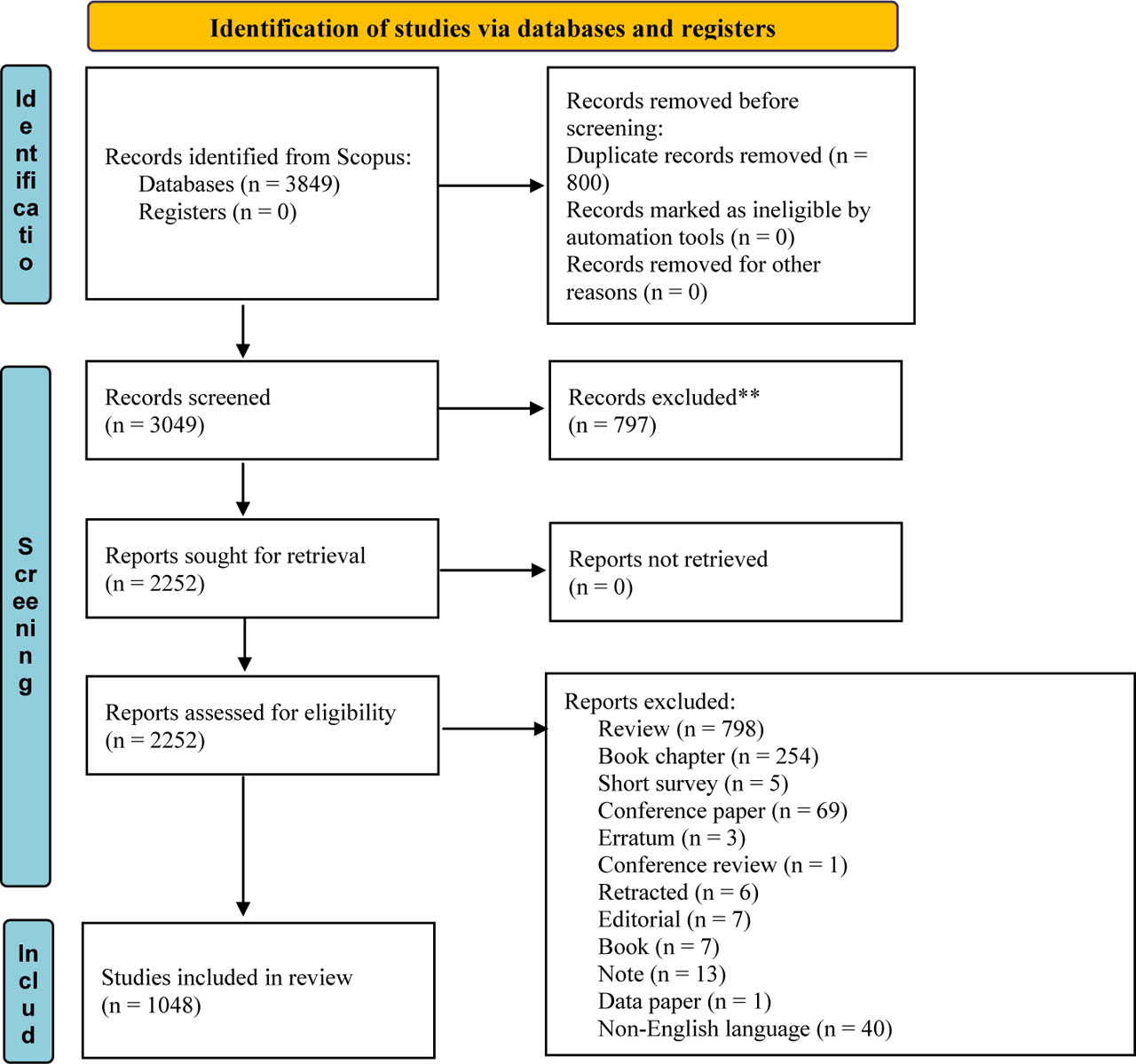
Figure 1.
Selection process flowchart, based on PRISMA software
Number of publications across years
Our analysis revealed a significant increase in publications related to MPs and aquatic animals between 2013 and 2025, with an exponential growth observed during this time period. Specifically, the number of publications demonstrated a 42.98% annual growth between 2013 and 2025, as shown in Figure 2. The study period can be divided into two distinct phases based on the annual number of publications: 2013–2017, during which <30 publications were released each year, and 2018–2024, during which the yearly publication count ranged from 48 to 358. The most productive year was 2024, with a total of 358 publications. In total, 4920 authors contributed to the studies.
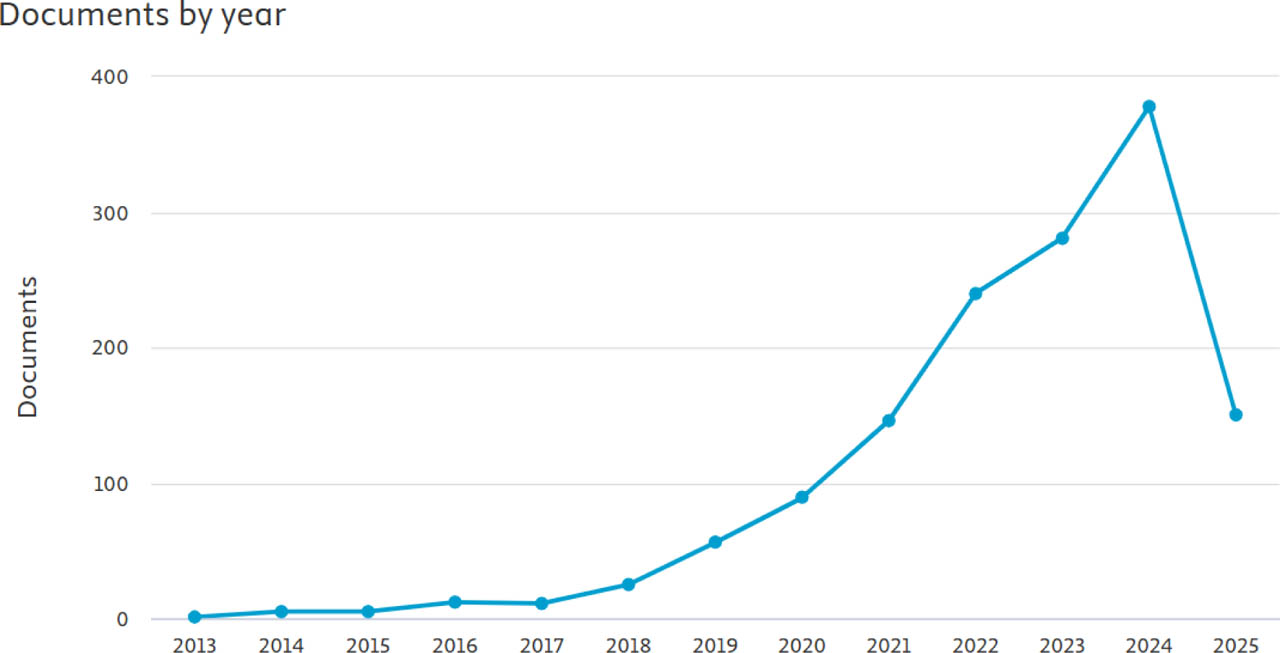
Figure 2.
Annual scientific production on the MPs in aquatic animals between 2013 and 2025
Figure 3 displays the top 10 countries whose authors have published in the top journals related to MPs in aquatic animals. It reveals that most research is frequently conducted without international collaborations. In general, there is a greater number of publications where authors are from the same country, and the number of papers with domestic collaborations exceeds those with international collaborations.
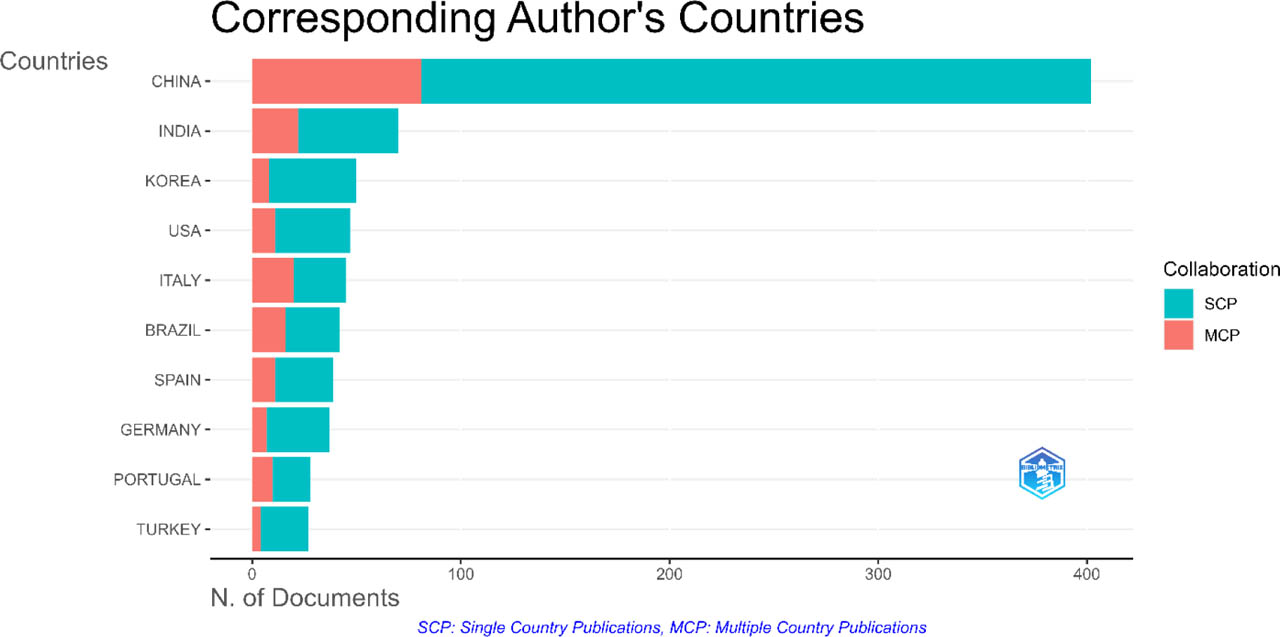
Figure 3.
The country of the corresponding author of papers published in the top 10 journals. The color red represents articles that have authors from more than one country (multiple country publications, MCP), whereas the blue bars are for papers having authors all from the same country (single country publications, SCP)
The trend of author keywords during the years
The most frequently used keywords in the publications on MPs and aquatic animals were analyzed, and it was found that in 2023, the keywords with the highest frequency were “microplastics” (n = 490), followed by “pollution” (n = 51) and “oxidative stress” (n = 50). In 2024, the most common keywords were “nanoplastics” (n = 46), , and “risk assessment” (n = 25), as shown in Figure 4.
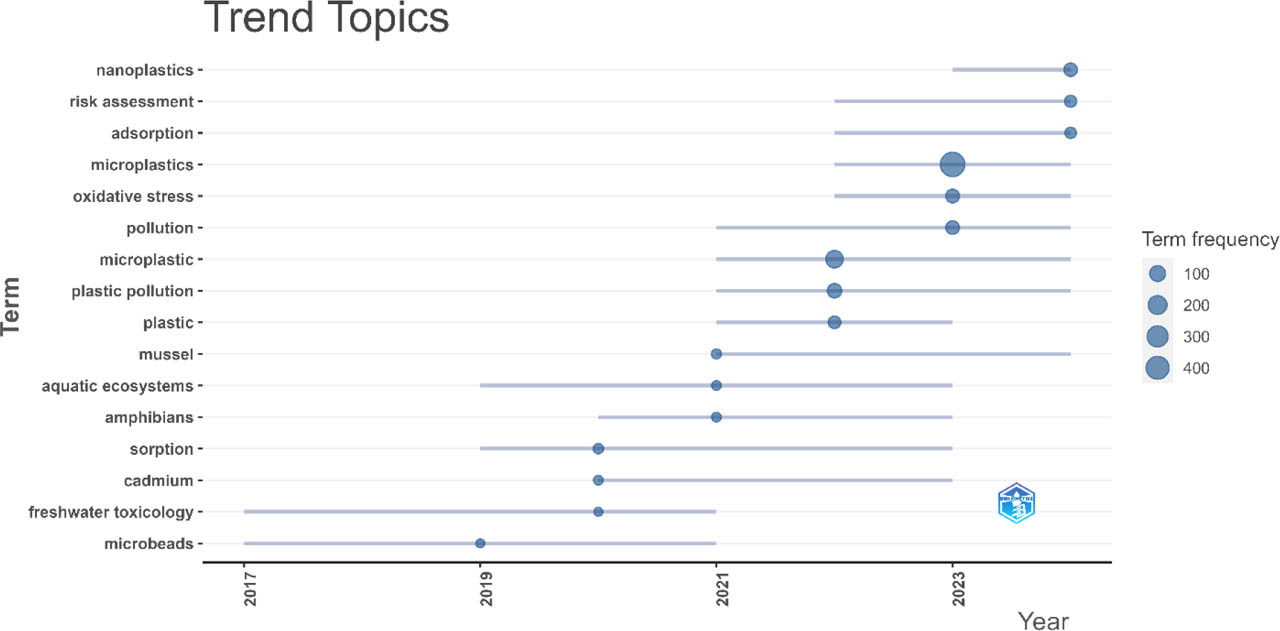
Figure 4.
Trends of the most frequently used author keywords
The highest frequency of international collaboration was between China and USA (n = 150), followed by China and Australia (n = 80), and China and India (n = 70). Figure 5 provides a detailed graphical overview of research published across the world. The high-ranking countries in terms of productivity of MPs in aquatic animals were China (n = 580), India (n = 280), and Italy (n = 150) (Figure 5).
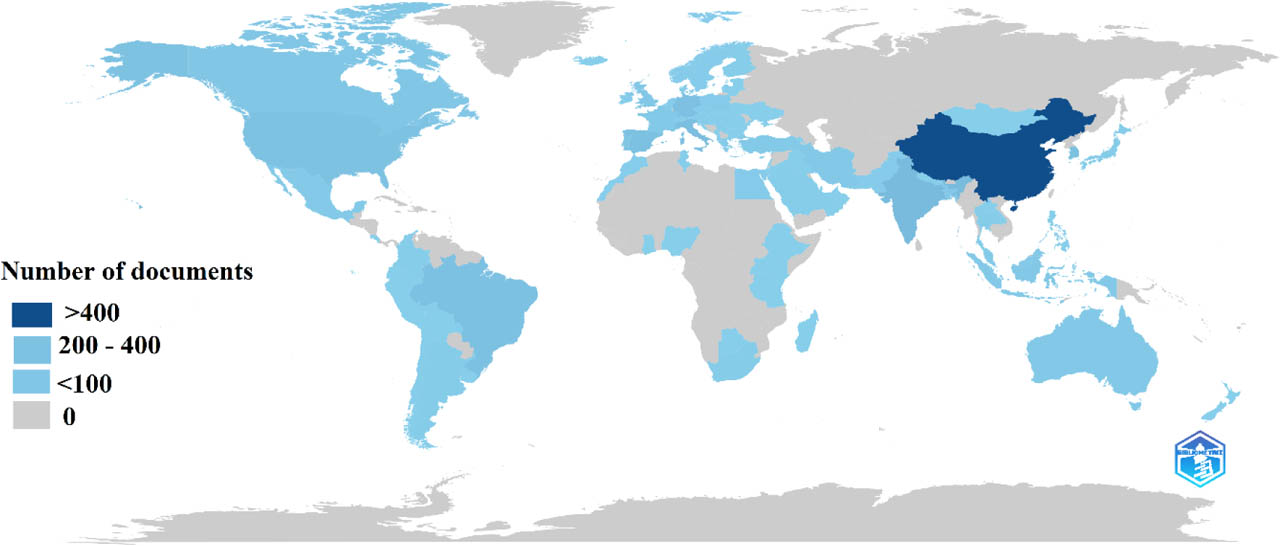
Figure 5.
Scientific production distribution in the field of MPs in aquatic animals
Microplastics
MPs are synthetic polymers known for their flexibility, enabling them to be molded into various shapes (Desidery and Lanotte, 2022). Plastics consist of long chains of polymers composed of elements such as carbon, oxygen, hydrogen, silicon, and chlorine, which are derived from natural gas, oil, and coal (Agbekpornu and Kevudo, 2023).
The most common synthetic polymers – accounting for 90% of global plastic production – include polyethylene (PE), polyamide (PA), polypropylene (PP), polyester (PES), polyurethane (PU), acrylic (AC), polystyrene (PS), polyethylene terephthalate (PET), polyvinyl chloride (PVC), high-density polyethylene (HDPE), low-density polyethylene (LDPE), polyimide (PI), polymethyl methacrylate (PMMA), and polytetrafluoroethylene (PFE) (Andrady and Neal, 2009).
Mass plastic production commenced in the 1940s, and since then, MPs pollution in the marine ecosystem has increasingly become a major concern (Agbekpornu and Kevudo, 2023). Over the past thirty years, global plastic production has nearly tripled, with forecasts indicating it could reach 33 billion tons by 2050 (Rillig et al., 2012). Despite increasing awareness of plastic pollution and efforts to mitigate it, annual plastic production continues to rise. Research by Geyer et al. (2017) shows that the manufacturing sector generates over 280 million metric tons of plastic waste each year. Additionally, an estimated 275 million metric tons of terrestrial plastic waste from 192 coastal countries has entered marine environments, contributing to an influx of between 4.8 and 12.7 million metric tons of plastic waste (Jambeck et al., 2015).
Sources of MPs in the marine ecosystem
MPs pollution in marine ecosystems primarily arises from various sources, including general littering, inadequate plastic waste management, tires, synthetic textiles, marine coatings, road markings, personal care products, plastic pellets, urban dust, and the discharge of wastewater from sewage treatment facilities (Long et al., 2019). Marine litter results from the careless disposal of waste, which can be directly or indirectly transported to our seas and oceans (Lozano and Mouat, 2009). Although this study focuses on MPs, we also address the negligent disposal of macroplastics, as these larger plastics eventually break down into mesoplastics and MPs over time. Approximately 80% of the plastics found in marine litter originate from terrestrial sources (Andrady, 2011). This includes primary MPs used in cosmetics and air-blasting, improperly discarded consumer plastics, and plastic leachates from waste disposal sites. With nearly half of the global population residing within 50 miles of the coast, these plastics are likely to enter marine environments via rivers, wastewater systems, or by being blown offshore (Moore, 2008). Plastic microbeads, commonly found in cosmetic and personal care products, serve various purposes, such as aiding in the distribution of active ingredients, providing exfoliation, and controlling viscosity. In some instances, the amount of plastic in these products can be substantial, accounting for up to 10% of the total weight and containing thousands of microbeads per gram (Leslie, 2015). MPs from cosmetics and air-blasting media can easily enter waterways through domestic or industrial drainage systems (Derraik, 2002). The conventional use of personal care products leads to a direct influx of MPs into industrial wastewater from homes, hotels, hospitals, and recreational facilities, including beaches.
Tourism and recreational activities have greatly contributed to the accumulation of discarded plastics along beaches and coastal resorts (Derraik, 2002), as well as marine debris found on shorelines, resulting from materials washed ashore by inshore and ocean currents (Agbekpornu and Kevudo, 2023). While wastewater treatment plants can capture macroplastics and some smaller plastic fragments within sewage sludge, a larger proportion of MPs can evade these filtration systems (Fendall and Sewell, 2009). Plastics that enter river systems – either directly or indirectly – are subsequently transported into the ocean. Numerous studies have shown that the strong unidirectional flow of freshwater systems facilitates the movement of plastic debris into marine environments (Moore et al., 2002). Another significant source of marine plastic debris is fishing gear (Andrady, 2011). Discarded or lost fishing equipment, such as plastic monofilament lines and nylon nets, tends to be buoyant and can drift at various depths in the ocean. This poses serious problems due to its potential to entangle marine organisms, a phenomenon known as “ghost fishing” (Lozano and Mouat, 2009). The production of plastic items using granules and small resin pellets, referred to as “nibs,” also contributes to the presence of MPs (Agbekpornu and Kevudo, 2023). Many plastics enter the marine environment in the form of pellets (typically 2–5 mm in diameter) or powders. These pellets can be released into the marine ecosystem through various incidents throughout the entire plastic value chain, including manufacturing, processing, transport, and recycling (Essel et al., 2015).
The majority of plastic waste that enters the marine environment originates from land-based sources. These sources include (1) street litter washed into waterways by rain and wind, (2) improper or illegal waste disposal, (3) inadequately covered waste containers and vehicles, and (4) poorly managed dump sites. Approximately 80% of the plastics that find their way into marine environments come from runoff water originating from land, flowing into wastewater treatment plants (WWTPs) (EIA, 2015). Numerous studies have shown that plastic debris makes up a significant portion of waste in marine environments, while data on pollution levels in freshwater ecosystems is gradually accumulating (Peng et al., 2018; Li et al., 2019).
Reason for the changes
Impact of MPs on aquatic wildlife and ecosystems
The contamination of aquatic ecosystems and human food systems by MPs and antibiotics are a significant concern (Nguyen et al., 2022; Khanjani et al., 2024; Emerenciano et al., 2025). Recent studies have identified MPs in various aquatic environments worldwide, including freshwater bodies, oceans, and seas (Novotna et al., 2019), with an estimated emission of approximately 0.28 to 0.73 million metric tons per year. Table 1 presents data on the abundance and types of MPs found in different aquatic species across several studies. As a widespread environmental contaminant, MPs pose risks to wildlife, ecosystems, and human health. They can be ingested at all trophic levels and can move through the food chain, leading to numerous long-term negative effects on global wildlife and ecosystems. Research into these impacts has increased in recent years. Gaining insight into the sources and movement of MP pollution across various environmental compartments and ecosystems is essential for informed policymaking and environmental management. MPs have become an omnipresent pollutant in terrestrial, freshwater, and marine environments. They have been discovered in locations ranging from Arctic ice to deep-sea sediments. Due to their small and varied sizes, MPs can be ingested at all trophic levels – either directly through ingestion or inhalation or indirectly through the food chain. Consequently, MPs and their associated chemicals can accumulate in terrestrial, freshwater, and marine food chains, leading to long-term adverse effects on ecosystems worldwide.
Table 1.
Study on abundance and types of MPs from various aquatic species
| Aquatic wildlife species | Location | MP abundance | Types of MPs | Reference |
|---|---|---|---|---|
| 1 | 2 | 3 | 4 | 5 |
| Carcinus maenas | United Kingdom | 15033 and 267 microspheres/ml in hemolymph at 21 days and 24 h respectively | PS | Farrell and Nelson, 2013 |
| Gobio gobio | 11 French streams | 12% contained plastic | Fibers and pellets | Sanchez et al., 2014 |
| Crangon crangon | Southern North Sea and Channel area | 1.23±0.99 MPs/shrimp | Fiber – film – spherule – fragment | Devriese et al., 2015 |
| Arenicola marina | French–Belgian–Dutch coastline | 1.2±2.8/g w. w. | PS | Van Cauwenberghe et al., 2015 |
| Mytilus edulis | 0.2±0.3 MPs/g w. w. | |||
| Dicentrarchus labrax | Mondego estuary, Portugal | 1.67±0.27 MPs/fish | PES, rayon, PP | Bessa et al., 2018 |
| Diplodus vulgaris | ||||
| Platichthys flesus | ||||
| Venerupis philippinarum, | ||||
| Crassostrea gigas | Coastal British Columbia, Canada | 0.03–0.05 MPs/g dry-tissue weight | Fibers from textiles (including nylon and PES) | Covernton et al., 2019 |
| Stolephoruos commersonnii | Madu-Ganga Estuary, Sri Lanka | 30.17±3.58 items/100 mg in gut | Fiber shape, PP as polymer | Praboda et al., 2020 |
| 29.33±1.19 items/g in muscles | ||||
| Caenorhabditis elegans | Various concentrations 0, 0.1, 1, 10, and 100 μg/L | PS | Yu et al., 2020 | |
| Cinclus cinclus | South Wales, UK | MPs were found in 50% of regurgitates (n = 72) of Eurasian dipper (Cinclus cinclus) | Over 95% of particles were fibers, identified multiple polymers, including PES, PP, PVC, and VC. | D'Souza et al., 2020 |
| Gadus morhua | Bergen, Norway | 3.4 μg/g wet weight in cod liver | PVC >PS> PET | Haave et al., 2021 |
| Dreissena polymorpha | Lake Iseo, North Italy | 0.03–0.27 items/individual | PET (45%), nylon (20%), PP (20%), PA (10%), and PVC (5%). | Pastorino et al., 2021 |
| Dosidicus gigas | Eastern Pacifc and Galápagos archipelago, Ecuador | 93% MPs/DT | Fibers | Alfaro-Núñez et al., 2021 |
| Alopias pelagicus | 87% MPs/DT | |||
| Coryphaena hippurus | 87% MPs/DT | |||
| L. vannamei | Santa María-La Reforma (SAMARE) lagoon, Mexico | 36.3±5.6 ítems μg/g DW in GT | Fiber type (74.7%), fragments (22.7%) predominant polymers were cotton and synthetic PET | Valencia-Castaneda et al., 2022 |
| Unio crassus | Tisza River, Hungary | 5.2–8.3 items/individual | Fibers | Almeshal et al., 2022 |
| Unio tumidus | 2.7–4.9 items/individual | |||
| Aristaeomorpha foliacea | Eastern Ionian Sea | 2.97±0.3 items/individual | Fibers, 83.82 % of fibers were PES | Leila et al., 2023 |
| Mytilus galloprovincialis | Morocco | 0.92–1.88 particles/g w.w. | Fibers were the dominant shapes and polymers PET, PP, and PE were the most abundant in mussels | Abelouah et al., 2023 |
| M. galloprovincialis | Tunisia | 0.79–1.47 particles/g w.w. | ||
| Crassostrea virginica | Coastal areas of New York | 0.008 particles/g w.w. | MP fibers and fragments (i.e. PET, PS, and PP) | Minder et al., 2023 |
| Pleoticus muelleri | The Bahía Blanca Estuary (BBE), the southwest Atlantic coast of South America | 2.15–3.69 | Fibers | Colombo et al., 2023 |
| MP/g w.w. | ||||
| M. rosenbergii | Trang river, Thailand | 3.50±0.34/5 g weight in head | Fiber | Tee-hor et al., 2024 |
| P. monodon | Negombo Lagoon, Sri Lanka | 8.29±4.63 items/g of GT, GI | Fibers (93%), fragments | Lawan et al., 2024 |
| P. indicus | 5.52±3.78 items/g of GT, GI |
[i] Abbreviations: polyethylene (PE), polyamide (PA), polypropylene (PP), polyester (PES), polystyrene (PS), polyethylene terephthalate (PET), polyvinyl chloride (PVC), polyimide (PI), vinyl chloride (VC), polytetrafluoroethylene (PFE), polyvinyl chloride (PVC), gastrointestinal tract (GT), gills (GI), digestive tract (DT).
In recent decades, the volume of plastic waste entering the oceans has surged dramatically. This influx of plastic often harms wildlife due to the encroachment and contamination of their habitats. For seabirds such as shearwaters, albatrosses, and petrels, the presence of fragmented plastic resembles other food sources they typically consume. MPs are akin to phytoplankton, which are eaten by fish and shrimp. Research has shown that ingested plastic debris can reduce stomach capacity, hinder growth, cause internal injuries, and lead to intestinal blockages (Wilcox et al., 2016). Additionally, plastic entangling fishing nets and other circular objects can result in strangulation, reduced feeding ability, and, in some cases, drowning. Young pinnipeds often become entangled in marine debris out of curiosity, which can restrict their growth and negatively impact their quality of life. It is estimated that plastic waste poses a threat to at least 25% of aquatic mammal species, 30% of seabird species, and 74% of sea turtle species worldwide (Das and Dash, 2020). Marine microplastic debris represents a global threat due to its prevalence, durability, and ability to move across various scales, leading to widespread distribution and significant geophysical and biological impacts (Zalasiewicz et al., 2016). Research on the ingestion of MPs by marine organisms has primarily focused on a diverse range of species with different feeding strategies (Redondo-Hasselerharm et al., 2020). The intake of MPs has several direct and indirect negative effects on aquatic organisms. These tiny particles can obstruct feeding appendages and restrict food intake, leading to physical injuries and oxidative stress.
Additionally, reduced energy allocation and damage to the alimentary canal have been observed in various aquatic species (Von Moos et al., 2012; Cole et al., 2015). Changes in feeding behavior have also been documented in certain crustaceans; for instance, copepods that typically feed on algae exhibited a significant decline in herbivory when consuming a natural algal assemblage mixed with polystyrene microbeads, resulting in decreased growth rates (Lindeque et al., 2020). Moreover, the ingestion of MPs can disrupt not only growth but also the physical development of organisms. An alteration in the life cycle of the sea urchin Paracentrotus lividus was noted, with changes in the shape of the pelagic planktotrophic pluteus larva following MPs ingestion (Messinetti et al., 2018). Another study conducted by Kaposi et al. (2014) investigated the short-term effects of polyethylene exposure on the sea urchin Tripneustes gratilla. This was done using fluorescent green polyethylene microspheres with diameters ranging from 10 to 45 μm, with exposure times varying from 15 minutes to 5 days. The study found a decrease in ingestion rates, even when phytoplankton food was available. Additionally, certain chemicals associated with MPs can disrupt endocrine functions, leading to hormonal imbalances in organisms (Sazakli and Leotsinidis, 2019).
In a study by Sussarellu et al. (2016) focusing on oysters, a keystone species with significant ecological and economic importance, adult oysters were exposed to polystyrene MPs approximately 2 μm in diameter during a critical reproductive phase when they were preparing to produce gametes. Following exposure, changes were observed in their feeding behavior and food absorption efficiency. Reproductive alterations included a decline in the quality of oocytes, reduced sperm swimming speed, and decreased fecundity. Furthermore, these effects had a noticeable impact on the quality of offspring and subsequently led to reduced growth in their larval progeny. Similar effects were noted in planktonic copepods exposed to MPs over extended periods, resulting in decreased food consumption and lower reproductive outputs (Clark et al., 2016). Moreover, corals, which inhabit both deep-sea and Antarctic environments, are also affected by MPs. Some coral species have been observed to ingest MPs, which negatively impact their energy levels, growth, and increase the frequency of pathogens in reefs (Lamb et al., 2018).
The effects of microplastics on different species
Effects on fish
Wootton et al. (2021) found that 49% of fish samples worldwide examined for MP consumption contained plastic particles, averaging 3.5 pieces per fish. Notably, the rate of plastic ingestion was higher in North American fish compared to those from other regions. A comprehensive literature review by Galafassi et al. (2021) underscored the alarming and widespread issue of MP pollution in freshwater ecosystems, documenting 199 species across 29 countries that consume plastic. Over 60 research papers have specifically focused on the ingestion of MPs by wild freshwater fish. Notably, MPs have been detected not only in the digestive tracts of fish but also in their gills, indicating that these particles can migrate to different tissues within the organisms. The ingestion of MPs presents a complex threat to fish health, leading to structural damage in the intestines and the introduction of toxic substances that disrupt physiological processes (Montero et al., 2022). Consequently, these toxicants can interfere with the fish's body functions, causing significant physiological issues such as endocrine disruption and oxidative stress. Additionally, MPs can accumulate in the digestive system, leading to physical harm like blockages, inflammation, and impaired nutrient absorption. Therefore, it is crucial to thoroughly investigate the impacts of MPs on fish health (Bhat et al., 2024).
In their research, Barboza et al. (2020) investigated MP contamination in economically important fish species, including European seabass, Atlantic horse mackerel, and chub mackerel from the North East Atlantic Ocean. Their findings revealed that approximately 32% of the fish analyzed had accumulated polyethylene and polyester MPs in their dorsal muscles. A significant correlation was found between the increase in virgin polystyrene nanoparticles and the subsequent decline in survival and growth rates of species such as the large yellow croaker (Lai et al., 2021), small yellow croaker (Kim et al., 2022), and zebrafish (Teng et al., 2022). Furthermore, Blonç et al. (2023) studied goldfish and provided valuable insights, indicating that gills may be a critical site for the effects of virgin nanoparticles on aquatic species. This could initiate a chain reaction impacting essential physiological processes like gas exchange and osmotic and ionic regulation.
Research examining various concentrations of MPs (polystyrene at 10,000 to 80,000 particles/m3) on the eggs and larvae of Perca fluviatilis indicated that higher MP concentrations reduce hatching rates, with larvae exposed to MPs being smaller and slower than those not exposed. The larvae exhibited diminished responsiveness to chemical alarms, ultimately leading to lower survival rates. Ingestion of MPs was linked to increased fatty acid levels and decreased amino acid levels (Lu et al., 2016). Additionally, the balance of triglycerides and cholesterol in the blood serum of fish was altered, affecting the transfer of cholesterol between muscle and liver (Cedervall et al., 2012).
Small pelagic fish, including the European anchovy, Engraulis encrasicolus (L., 1758), and the European pilchard, Sardina pilchardus (Walbaum, 1792) – which are vital resources for Mediterranean commercial fisheries – have been suggested as indicator species due to their filter-feeding habits, rendering them potentially susceptible to MPs in the water column (Digka et al., 2018; Avio et al., 2020).
Effects on crustaceans
Aquatic crustaceans are vital components of the food web and play a significant role in energy transfer. They can act as predators of plants, algae, and other small organisms, while also serving as a food source for larger predators (Zhang et al., 2023). For example, species like Neomysis integer (Setälä et al., 2014) and Gammarus duebeni (Mateos-Cárdenas et al., 2019) function as predators, whereas others, including Tigriopus fulvus (Costa et al., 2020), Daphnia magna (Elizalde-Velázquez et al., 2020), and Neomysis spp. (Hasegawa and Nakaoka, 2021), are prey for various animals. Additionally, aquatic crustaceans can act as carriers of MPs within the food chain. For instance, in the Raphidocelis subcapitata – D. magna – Pimephales promelas food chain, D. magna serves as both predator and prey, with MPs found to be transferred to the highest trophic levels (Elizalde-Velázquez et al., 2020). Commonly studied aquatic crustaceans include Cladocera, Decapoda, Copepoda, Anostraca, Amphipoda, Cirripedia, and Isopoda.
Crustaceans possess open circulatory systems, with their internal organs immersed in hemolymph, which may heighten the risk of MPs translocation between organs via blood circulation. For instance, Farrell and Nelson (2013) demonstrated that MPs could enter the hemolymph and hepatopancreas of Carcinus maenas after short-term dietary exposure. These organisms are also excellent models for toxicological research; for example, Watts et al. (2014) examined the effects of MPs on the gills of shore crabs, concluding that microspheres did not significantly affect the crabs' osmotic stress response. Furthermore, Crooks et al. (2019) confirmed MP transportation within the body and its tissue retention in velvet swimming crabs through feeding experiments.
The exposure to MPs influences the feeding behaviors of aquatic crustaceans, as they often cannot differentiate similarly sized MPs from food items. The presence of MPs alongside contaminants such as oils and pesticides exacerbates their negative impact on the food intake of aquatic crustaceans. Primary MPs tend to reduce feeding efficiency more than secondary MPs. Numerous studies have indicated that MPs adversely affect the swimming behavior of aquatic crustaceans, particularly in terms of speed and distance. The combined effects of MPs and herbicides on swimming behavior are more detrimental than exposure to single contaminants alone. Furthermore, MPs have been shown to compromise the grazing and defensive behaviors of these organisms (Zhang et al., 2023).
In terms of Decapoda species, exposure to 75 nm polystyrene (PS) significantly decreased the survival of M. nipponense in a dose-dependent manner, within concentrations of 5–40 mg/L (Li et al., 2021). Research also indicated that 1 and 10 µm PS decreased the survival of Neomysis awatschensis in a dose-dependent manner at concentrations of 1 × 10³ to 5 × 10⁵ particles/mL (Lee et al., 2021). The 96-hour lethal concentration (LC50) for 75 nm PS in M. nipponense was determined to be 396.391 mg/L (Li et al., 2020). Additionally, polyethylene (PE) caused a dose-dependent decrease in the survival of shrimps such as Penaeus monodon, Marsupenaeus japonicus, and L. vannamei within the range of 25–300 mg/L (Wang et al., 2021 a). At 5000 µg/L, PE significantly reduced the survival of L. vannamei (Wang et al., 2021 b) and also at 0.5 and 1 µg/g in shrimp (Hsieh et al., 2021). Moreover, 93 µm fibers were more harmful to Palaemonetes pugio survival compared to fragments and spheres (Gray and Weinstein, 2017). The combination of high-density polyethylene (HDPE) and malathion (MLT) further decreased the survival of Minuca ecuadoriensis (Villegas et al., 2022).
MPs also trigger immune responses in aquatic crustaceans. PS can activate the immune system in juvenile M. nipponense, promoting the release of lysozyme from lysosomes and increasing the secretion of hydrolytic enzymes like AKP and ACP to counteract immune stress. However, high concentrations of PS or prolonged exposure can impede lysosomal degradation, hinder pathogen phagocytosis, and suppress the release of ACP and AKP, negatively impacting immune defense (Li et al., 2020). Additionally, PS can induce cell apoptosis, a crucial aspect of the innate immune response and a common form of death in immune cells, potentially activating the apoptosis pathway in M. nipponense through endocytosis across the cell membrane (Li et al., 2022). MPs can also influence various metabolic processes in aquatic crustaceans, including lipid and glucose metabolism. PS has been shown to decrease the lipid content in juvenile shrimp by impairing the ability of M. nipponense to digest, transport, and synthesize lipids. By downregulating genes associated with lipid metabolism, PS reduces the activity of related enzymes, weakening the capacity to manage lipids and consequently leading to lower lipid levels in M. nipponense (Li et al., 2020).
Effects on seabirds
Seabirds represent a diverse group of avian species that rely on the ocean for their survival. This group includes albatrosses, auks, boobies, cormorants, fulmars, gannets, gulls, pelicans, penguins, petrels, sea ducks, shearwaters, and terns. Due to their varied habitats and behaviors, they face a range of threats. Between 1950 and 2010, monitored seabird populations experienced a global decline of 70% (Paleczny et al., 2015). Recent global assessments have identified the three primary threats to seabirds as bycatch, climate change, and invasive species such as cats and rodents. Other significant threats include egg theft, disturbance or destruction of breeding colonies, and overfishing (Croxall et al., 2012; Dias et al., 2019).
Seabirds (Procellariiformes) sometimes mistake small plastics, such as bottle caps, for fish. Experiments indicate that diving birds that feed on fish in the water column tend to have lower levels of plastic in their stomachs compared to those that feed at the surface. This may be because birds that consume a zooplankton diet struggle to distinguish between plastic and their primary food source due to the color or shape of the plastic. Many adult seabirds regurgitate their food, inadvertently passing plastic particles to their chicks. In particular, species like shearwaters and albatrosses have been found to expel more plastic from their gizzards and stomachs, suggesting that these plastics are transferred to their young during feeding. Research has shown that young shearwaters and albatrosses consume more plastic than adults (Das and Dash, 2020).
MPs have been detected in various seabird species, including Phalacrocorax bougainvillii, Pelecanoides garnotii, Pelecanoides urinatrix, Pelecanus thagus, Spheniscus humboldti, and Larus dominicanus, with Larus dominicanus exhibiting the highest levels of MP exposure due to its diet consisting of fishing nets, waste products, and plastic containers (Thiel et al., 2018). Studies indicate that the size, weight, and habitat of seabirds significantly influence their ingestion of plastic debris. For example, smaller seabirds like Spheniscus penguins and Thalassarche albatrosses have lower ingestion rates, whereas larger species such as Fulmarus, Oceanodroma, Pachyptila, and Pelagodroma exhibit higher rates (Wilcox et al., 2015 b).
Research by Provencher et al. (2018) found MPs in the gastrointestinal tracts of several seabird species, including northern fulmars (Fulmarus glacialis) and black-legged kittiwakes (Rissa tridactyla). The ingestion of MPs can have harmful physiological effects on aquatic birds, primarily through mechanical obstruction, inflammation, and chemical toxicity. Ziccardi et al. (2016) demonstrated that MP consumption led to gut obstruction, decreased feeding efficiency, and altered nutrient absorption in common murres (Uria aalge). Additionally, Rummel et al. (2019) found that MPs induce oxidative stress, inflammation, and tissue damage in various seabird species, including great shearwaters (Ardenna gravis) and Cory's shearwaters (Calonectris diomedea). Bour et al. (2018) noted that MPs found in greater scaup (Aythya marila) contained higher concentrations of persistent organic pollutants compared to surrounding sediments, highlighting their potential to transfer chemicals to higher trophic levels.
In the northeast Atlantic, 74% of the seabird species studied had ingested plastic (O'Hanlon et al., 2017), while 69% of seabirds in Hawaii showed similar findings (Rapp et al., 2017). Northern fulmars, sooty shear-waters, and great shearwaters from Sable Island, Canada, exhibited high plastic ingestion rates (>72%), with northern fulmars having the highest at 93% (Bond et al., 2014). Although a temporal increase in ingestion rates was reported (Wilcox et al., 2015 a), recent studies have shown a slight decrease in ingestion rates among flesh-footed shearwater fledglings on Lord Howe Island, New South Wales, and among northern fulmars in the North Sea from 2005 to 2019 (Lavers et al., 2021). Numerous studies have investigated how seabirds consume marine debris (Kühn et al., 2015), and MPs – essentially pellets and fragments – have been identified in cadavers, regurgitated samples, and feces of the birds studied (Bond et al., 2014; Herzke et al., 2016). Seabirds may regurgitate MPs from their digestive tracts after ingestion (Lindborg et al., 2012). This suggests that parent birds might inadvertently expose their chicks to plastic while feeding them. Kühn and van Franeker (2012) found that juvenile intestines contained more plastic than those of adults, indicating that much of the MP contamination in birds occurs across generations and that regurgitation may break down MPs into even smaller particles. Most of the birds studied did not die directly from MP ingestion, suggesting that seabirds might not be as severely affected by MPs as they are by larger plastic items (Lusher, 2015). Currently, there is no evidence to suggest that MPs can cross the intestinal barrier, enter the bloodstream, or accumulate in various organs, as most studies have only focused on MPs within the digestive tract and feces (Reynolds and Ryan, 2018).
Effects on other aquatic wildlife and ecosystems
MP pollution poses a significant threat to coral reefs. Corals thrive in a symbiotic relationship with single-celled algae within their tissues, which provide energy through photosynthesis. By feeding on plankton, corals obtain essential nutrients necessary for their growth, development, and reproduction (Sharma and Chatterjee, 2017). Due to their similar size, color, and appearance – or the biofilm that may form on them – MP particles can be ingested by corals. This process involves the ingestion, retention, and attempted digestion of MPs (Lusher et al., 2015). The retention of these particles in the mesenterial tissue of corals diminishes their feeding capacity, ultimately reducing their energy reserves (Reichert et al., 2018).
Since 2015, Hall et al. (2015) were the first to report on the ingestion of polypropylene (PP) MPs by the mound-shaped stony coral Dipsastrea pallida, observing feeding rates of approximately 50 μg cm−2 h−1, and noting that ingested MPs were retained within the mesenterial tissue of the coral's gut cavity. Subsequent laboratory research has demonstrated that both active ingestion and passive surface adhesion of MPs can negatively impact coral energetics, growth, and overall health. These effects include impaired feeding behavior, reduced photosynthetic efficiency, increased energy expenditure, hindered skeletal calcification, and even tissue bleaching and necrosis (Lanctôt et al., 2020). MPs also negatively impact plankton, a crucial component of the marine ecosystem. Their small size allows MPs to penetrate the cell walls of phytoplankton, decreasing chlorophyll absorption and hindering photosynthesis (Nerland et al., 2014). Zooplankton, which are vital primary consumers in the aquatic food chain, are similarly affected by MPs. Studies have shown that zooplankton ingest latex beads when exposed to MPs (Lin et al., 2016) and tend to consume polystyrene beads (1.7–30.6 μm). Negative health effects from MP ingestion include a loss of feeding ability in Centropages typicus (Cole et al., 2013), reduced growth in Gammarus fossarum when exposed to PMMA (polymethyl methacrylate) and PHB (polyhydroxybutyrate) (Straub et al., 2017), impaired growth and reproduction in the benthic organism Hyalella azteca due to polyethylene ingestion (Au et al., 2015), and decreased feeding capability leading to weight loss in the marine lugworm Arenicola marina (Besseling et al., 2013).
The small size, appealing colors, and buoyancy of these particles make them easily accessible to fish, which often mistake them for prey. MPs (<300 μm) have been found in the gut contents of planktivorous fish such as Acanthochromis polyacanthus (Critchell and Hoogenboom, 2018). Research indicates that ingestion of MPs can cause histopathological changes in the intestines, leading to detachment of the mucosal epithelial lining from the lamina propria, reduced villi size, increased goblet cell numbers, and alterations in the structure of the serosa (Peda et al., 2016).
Additionally, marine animals such as polar bears, sharks, whales, seals, and sea turtles are at risk of ingesting MPs in oceans worldwide. MPs have been detected in the stomachs and intestines of harbor seals (Phoca vitulina) (Rebolledo et al., 2013), which, as filter feeders, consume large quantities of MPs either directly or indirectly through their prey. The presence of MPs in the stomachs of sharks in the Sea of Cortez and whales in the Mediterranean Sea, along with high concentrations of phthalates in baleen whales, highlights the issue of MP pollution within marine ecosystems (Fossi et al., 2012). Some limitations of this research include the following: (1) We exclusively used Scopus-indexed published documents in the study, but could also have leveraged other databases such as Web of Science or Google Scholar to enhance the reliability of the results. Therefore, the conclusions and results should only be interpreted within the context of research from this database. (2) Bibliometric analysis is not applicable to literature published outside indexed journals (e.g., non-indexed journals and books). (3) Bibliometric analysis is also hampered by self-citation, inaccurate citation, and citation of lower-quality works.
Conclusions and future remarks
Although risk assessments of MP contamination have been conducted, a comprehensive understanding of this emerging issue remains elusive. There is a pressing need for more theoretical evidence and detailed studies to gauge MP exposure levels. Future research into MP generation should focus on their interactions with chemical additives and impurities present in plastics. An in-depth investigation into the toxic effects and mechanisms of action of MPs on organisms across different environmental contexts is critically needed.
To tackle microplastic pollution in marine environments effectively, we suggest adopting a range of measures customized to the unique needs and socio-economic conditions of each country: (1) Education for local people: It is essential to launch educational and awareness initiatives tailored specifically for rural and coastal populations. Collaborating with local schools, NGOs, and community leaders, these programs can highlight the significance of proper waste management and the environmental dangers posed by MPs. Promoting community-driven recycling and waste collection efforts will help cultivate a sense of responsibility and environmental care among community members. (2) Enhancing government agency capacity: Strengthening the ability of government institutions to implement current environmental laws is essential. This can be accomplished by providing workshops, training sessions, and allocating resources that enable these agencies to effectively monitor, regulate, and manage plastic pollution. These initiatives will promote stronger policy enforcement and support data-informed decision-making at both local and national levels. (3) Promoting industry collaboration and innovation: Encouraging industries to implement sustainable practices like utilizing biodegradable materials and enhancing waste management systems is essential to minimize plastic pollution in aquatic environments. Furthermore, building collaborations among government, academic institutions, and private companies can drive innovative research and develop technological solutions tailored to Malaysia's distinct ecosystem and pollution issues. (4) Developing novel cleanup solutions, and encouraging the use of environment-friendly materials.