
1. Etiology of acne vulgaris
Acne vulgaris is a chronic disorder of the hair and sebaceous apparatus accompanied by excessive seborrhea. It is a disease characterized by the presence of microcalcifications, closed and open comedones, pustules, and nodules, along with pseudocysts and purulent cysts in characteristic seborrheic areas of the human skin [1]. The face and back are considered the primary sites for the appearance of lesions [2]. The 2010 U.S. Global Burden of Disease study revealed that acne ranks as the eighth most prevalent disease worldwide across all age groups. In various countries and age cohorts, the prevalence of this condition varies, with 35% to nearly 100% of adolescents likely to encounter it at certain points in their lives [3]. Acne is most common in adolescents (statistically affecting about 85% of the adolescent population), and 25% of them are diagnosed with the more severe form [1]. The disease affects both men and women, but men are more likely to develop the severe form. However, recent reports indicate that young men with lesions imaged for less than 5 years have a milder disease course than young women [4]. The peak incidence is between 14 and 17 in women and 16 and 19 in men, suggesting that the first symptoms of acne appear several years earlier in girls than in boys [5, 6]. It is a highly complex disease with a complex etiology that remains the subject of research and discussion. Genetic conditions, abnormal keratinization and follicular exfoliation, sebaceous gland hypertrophy, and sebum overproduction, the presence of bacteria and fungi, as well as hormonal factors, diet, and medications taken, are triggering and exacerbating factors [7,8,9]. In the microbiological context, Cutibacterium acnes, Propionibacterium granulosum, Propionibacterium avidum, Staphylococcus epidermidis, Staphylococcus aureus, Malassezia spp. or the lipophilic fungi Pityrosporum ovale are most widely discussed [10,11,12,13]. In the endocrine context, attention is paid to the effects of androgens and estrogens on human skin. Androgens are responsible for the growth of sebaceous glands; they also increase sebum secretion and are responsible for follicular keratosis [8, 9, 11]. However, it should be remembered that not only androgens are responsible for excessive follicular keratosis, but also lipid composition, the most important representatives of which are phospholipids, which are complex fats, local cytokines, or keratinocyte accumulation caused by irritation of follicle walls by sebum and developing bacteria [1]. Phospholipids are an essential component of skin structures and cell membranes, and they regulate sebaceous glands, soothe skin irritation, and soften the epidermis. The skin's lipid layer also contains ceramides and sphingolipids, the most critical components of the so-called intercellular cement, which fill the intercellular spaces in the stratum corneum [8, 9]. When discussing acne vulgaris, it is imperative to consider the psychological aspect. Three aspects are cited regarding the impact of stressful situations that exacerbate local conditions. Acne itself contributes to disturbed and diminished self-esteem, potentially leading to varying degrees of depression, and culminating in primary psychological conditions such as obsessive-compulsive syndromes, compulsive-obsessive disorders, or psychosis. These conditions can cause patients to focus on scratching acne lesions, worsening their skin condition, and exacerbating acne lesions [14, 15].
Initially, open comedones are observed, tiny white lesions formed by the accumulation of corneocytes at the openings of the sebaceous glands. They can then develop with an opening in the central part through which the sebaceous-horny mass exits. As a result of keratin oxidation and melanin accumulation, they are darkly colored on top. When the mouth of the hair follicle is clogged by deposits of dead epidermal cells and sebum, the body initiates an inflammatory response triggered by proliferating microorganisms. As a result, purulent content accumulates inside the hair follicle, and pustules and papules appear on the skin. Acne lesions are pus-filled blisters and are most often associated with infection. However, they can also contain non-pathogenic bacteria, such as those associated with acne [2, 5, 12, 13].
Acne should be differentiated from purulent folliculitis (here, the absence of blackheads in the picture), rosacea (absence of blackheads and older age of patients), sebaceous adenoma, follicular keratosis, mycosis fungoides, seborrheic dermatitis, and dermatitis caused by abuse or long-term use of steroids. In the diagnosis and treatment of acne, it is sometimes worthwhile to have an endocrinologist's support. Hormonal factors primarily affect the initial phase of acne development, directly increasing the activity of the skin's sebaceous glands [16].
Androgens play the most crucial role in the formation of acne lesions – their effects primarily include regulating sebum secretion and keratinocyte proliferation. Androgen hormones in men are produced mainly by the testes; in women, they are secreted by the adrenal cortex and ovaries. Excess male hormones are referred to as hyperandrogenism, and their diagnosis should include polycystic ovary syndrome, congenital adrenal hyperplasia, ovarian tumors, and androgen-producing adrenal tumors, among others. The most critical androgen-producing hormones include testosterone, DHEA-S (Dehydroepiandrosterone sulfate), androstenedione, 17-OH progesterone, and DHT (dihydrotestosterone). Determination of the concentration of these hormones should be carried out between days 3 and 5 of the menstrual cycle. DHT plays the most critical role in the pathogenesis of acne. It is the most potent androgen hormone formed from testosterone under the influence of alpha-aromatase and from androstenedione under the influence of 5-α-reductase. The activity of androgens also regulates the concentration of transport proteins in the blood serum – higher concentrations of hormone-binding proteins result in lower biological activity of these hormones. The concentration of androgens and their activity are also affected by estrogen hormones. Their inhibitory effect on androgen synthesis is through the central hypothalamic-pituitary-ovarian feedback axis, and they also reduce sebum secretion by acting on estrogen receptors in the sebaceous glands of hair follicles. Reduced estrogen levels in the second phase of the cycle cause acne in the phase just before menstruation and in its first days. Other hormones that have a lesser but noticeable effect on the formation and development of acne lesions include ACTH (Adrenocorticotropic hormone – which causes acne to increase in stress), insulin (causes acne lesions in obesity), and TSH (Thyroid-stimulating hormone – promotes acne in hypothyroidism, autoimmune thyroiditis - Hashimoto's disease). In these cases, the primary role in treating acne is to treat the underlying disease [17,18,19].
Hormone therapy as a treatment for acne patients is generally recommended for women in their 20s, especially those who have other clinical features of hyperandrogenization, such as hirsutism or androgenetic alopecia, in addition to acne. It is worth noting that hormonal treatment is rarely used as monotherapy in the treatment of acne. Most often, this form of therapy is oral hormonal contraception in the form of a binary estrogen-progestogen contraceptive pill. The estrogen component – ethinylestradiol or estradiol – reduces excess androgens by directly lowering the concentration of most androgen hormones and increasing SHBG (Sex hormone-binding globulin) levels, thereby reducing the biological activity of androgens. The most beneficial progestogens in treating acne include dienogest, nomegestrol acetate, drospirenone, and trimegestone. In selected cases, we reinforce other drugs with anti-androgenic effects, including spironolactone, flutamide, and anti-androgenic progestogens, such as desogestrel or drospirenone [20,21,22].
When acne is correctly diagnosed, appropriate general or topical treatment should be initiated, and attention should be paid to proper home care. Modern therapeutic methods used in cosmetology and aesthetic medicine salons are also invaluable in the fight against acne. The choice of therapeutic method will depend on the form of acne, the severity of the disease symptoms, and the patient's sex and age. Five stages of treatment are currently characterized, namely normalizing keratosis, eliminating or reducing pathogens and restoring normal skin microbiota, removing pore-clogging material, controlling the inflammatory response, and reducing sebum [23]. However, it should be remembered that therapy should act on as many pathogenic factors as possible, following the principle that therapeutic success is always achieved through combined treatment [24]. Following the cure of acne, many people struggle with post-inflammatory lesions or acne scars, which can be successfully leveled in cosmetology salons and aesthetic medicine clinics [25].
Despite the large body of literature on acne, no systematic collection of methods for treating this condition has been published. Therefore, this paper aims to compile the state-of-the-art therapeutic methods available in the cosmetology salon against acne vulgaris. The main criterion for selecting devices was searching literature databases such as Pubmed, Science Direct, BMC, Dove Medical Press, and Termedia. Additionally, the company catalogues have been analyzed to compare the declarative claims made by device producers with scientific reality. Therefore, this review also shows the possibilities offered by modern cosmetology in the fight against acne at different stages of development and with different lesion patterns.
2. Cosmetology equipment available
The article will describe equipment from ITP Biomedical, a brand that specializes in selecting technologies for aesthetic medicine and medical and cosmetic devices. This article includes a description of devices such as TriWings® LED (Light Emitting Diode) lamp and Alma Harmony XL Pro laser with erbium-glass head, hydrogen purification, and a summary of post-treatment effects after using each device in the manufacturer's proposed treatment series. The following selected cases will be discussed in light of the current literature.
3. Application of the TriWings® LED lamp
LED light therapy is the first of the treatments that further supports dermatological treatment for acne. The state-of-the-art TriWings® LED medical lamps from the French brand BiopHoton represent a breakthrough in phototherapy. Triwings has been the world's most potent and effective LED photobiomodulation system, with 99 programmed treatment protocols for 15 years. The lamps emit light at different wavelengths in six colors, providing a vast spectrum of action. LED heads can generate light with wavelengths ranging from ultraviolet (247 nm) through visible radiation to near-infrared (NIR, 1300 nm). The TriWings® system uses the visible light spectrum from 415 nm to 780 nm and the near-infrared 850 nm. During irradiation, cell regenerative processes are stimulated, which directly slow the aging process and aid in the treatment of skin diseases and wound healing [26,27,28]. Low-energy light radiation uses the effect of photobiostimulation and photobiomodulation of the body's cells, which act as photoreceptors. Photobiomodulation regulates cellular and tissue activity levels, activates the respiratory chain, and stimulates mechanisms for self-regeneration [29] This process produces two compounds, carbon monoxide CO and nitric oxide NO, which regulate the respiratory chain, resulting in a change in cell metabolism. They can also block respiration by “redirecting” oxygen to other sites in cells and tissues, such as those with ongoing inflammation. Photobiomodulation is a biological effect that manifests as increased cell proliferation through activation of the respiratory chain and earlier photon absorption in mitochondria and cell membranes. It induces natural intracellular biochemical reactions by activating mitochondrial respiratory components, initiates a cascade of cellular reactions, and causes a change in cellular metabolism [30].
Although LED light therapy is a relatively new method, its broad spectrum of applications and high efficacy while being non-invasive have led to a growing interest in its use in cosmetology and aesthetic medicine. Interestingly, the genesis of using LED light refers to research conducted by NASA and many other medical centers. According to Batory et al. [31], “NASA scientists obtained very positive results from the application of LED light to accelerate wound healing processes. Shortly after, this therapy was used by astronauts in space in zero-gravity conditions and by special units of Navy SEALs commandos in pressurized conditions aboard submarines.” LED lamps are responsible for emitting electromagnetic radiation in the form of light of different colors, which correspond to wavelengths of different specific lengths. The light is a low-intensity energy source that is entirely non-invasive to cells, allowing the LED light to be applied to a large area, such as the back. The beam emitted by red and infrared LEDs passes through the tissue for a few millimeters and reaches the cell membranes of fibroblasts, thereby stimulating cytochrome oxidase, which is responsible for tissue oxygenation. The mitochondria, the cell's energy factories, possess the light-sensitive receptor cytochrome oxidase C, which, when activated by light, activates the cell's respiratory chain. When activated under light, the receptor activates the cell's respiratory chain, which increases the metabolism of melanocytes, keratinocytes, and fibroblasts and reduces free radicals, thus reducing oxidative stress. This process has been termed photobiomodulation (PBM - Photo Bio Modulation) and represents a set of biological effects manifested through increased cell proliferation by first absorbing photons in mitochondria and cell membranes and then activating the respiratory chain [30, 32]. In addition, this method has been reported to increase the production of elastin and collagen fibers and to rapidly improve microcirculation. Due to LED effects, the tissue undergoes restructuring, hydration, oxygenation, and overall improvement. LEDs can also trigger natural photobiochemical intracellular reactions [33]. Different light colors are worth using in acne therapy due to their distinct effects. For example, violet light acts at the epidermal level at 415 nm, combining red and blue light. It effectively treats acne and inflammation and prevents skin aging. Blue light at 470 nm, on the other hand, works at the epidermal level. Uses: antibacterial, anti-inflammatory, effectively treats acne, herpes, and psoriasis. Working with orange light at the epidermis and dermis levels of 590 nm and 630 nm is also worthwhile. Applications: anti-aging prevention, reduction of erythema, soothes irritation and inflammation. It is also worth using 850 nm IR, which works at the level of the epidermis, dermis, and deeper structures. Application: accelerates healing (bruises, scars, arthritis), reduces inflammation, removes toxins, and increases cellular metabolism. The biological effects achieved depend on several parameters, such as wavelength (different wavelengths have different chromophores and affect tissues differently), dose (expressed in J/cm2 it cannot be too low, as it will not produce a noticeable effect, and it cannot be too high, as a photoinhibition effect may occur), intensity, irradiation time, the mode used (continuous or pulsed), the total number of treatments including intervals between treatments [34, 35].
Blue light is particularly noteworthy, whose main action is 405–470 nm, and is described as antibacterial. As already mentioned, acne is a chronic disease with a complex etiology. Dermatological treatment is extremely complicated, tedious, and drawn out over time. At the same time, with the currently noted resistance of Cutibacterium acnes, alternative methods are being sought to combat pathogens during acne vulgaris. Cutibacterium acnes produces porphyrins (protoporphyrin IX and coproporphyrin III), which absorb radiation in the ultraviolet and visible light range [36, 37]. Absorption of the appropriate wavelength leads to a photodynamic reaction and the destruction of bacteria [38]. In numerous experimental studies, the observed photodynamic phenomena associated with endogenous porphyrins intensified after irradiation at 407–420 nm, corresponding to visible blue light, and demonstrating the validity of using blue light to inhibit Cutibacterium acnes bacterial colonies. These microorganisms produce protoporphyrin IX and coproporphyrin III, which absorb radiation in the ultraviolet and visible light range [38]. As a result of absorption of the appropriate wavelength, a photodynamic reaction occurs, and bacterial cells are ionized. In vitro irradiating these bacterial colonies with blue light at 407–420 nm produced the most substantial photodynamic effect [36, 37, 39, 40]. Bacterial resistance to currently available antibiotics poses a global threat, prompting researchers worldwide to explore new treatment modalities for infections. Antimicrobial photodynamic therapy (aPDT) has emerged as an effective and promising therapeutic alternative in this context. In summary, this therapy relies on activating a non-toxic photosensitizer (PS) with light at a specific wavelength, which generates cytotoxic singlet oxygen and free radicals. Nearly all studies pertaining to aPDT require extensive screening to identify optimal combinations of PS concentration and light dosage, a labor-intensive and time-consuming process that is rarely detailed in the literature. Studies proved that irradiation of C. acnes cultures with blue light caused immediate inactivation of bacterial cells. The hypothesis that blue light stimulates endogenous intracellular porphyrins, leading to photon absorption and energy transfer, ultimately producing highly cytotoxic reactive oxygen species, mainly singlet oxygen [41], is still under investigation. Studies have also been conducted on the effects of red light on acne. This wavelength penetrates deeper, affecting the release of anti-inflammatory cytokines from macrophages. Moreover, a study by Tremblay et al. that used blue light showed that it also reduces sebum production and the size of sebaceous gland orifices. Patient satisfaction was about 90% [42]. In modern medicine and cosmetology, combined therapies are also used, which involve combining an adequately selected chemical peel with the use of LED light therapy in a single treatment. The success of these measures was proven by Wheeland and Dhawan, among others, who, to increase the effectiveness of the treatment through deeper penetration of light, additionally washed the treated area with a preparation containing 5% glycolic acid and 2% salicylic acid before irradiating acne patients with 410 nm LEDs [43]. Goldberg and Russell, on the other hand, evaluated the results of acne treatment with LEDs emitting red (633 nm) and blue (415 nm) light. They observed a statistically significant reduction in the number of papulopustular lesions in both moderate and severe acne, but no reduction in blackheads [44]. Another critical study turned out to be the one conducted by Maclean et al., who investigated the effect of LED light (405 nm) on numerous bacterial species (Staphylococcus aureus, Staphylococcus epidermidis, Streptococcus pyogenes, Enterococcus faecalis, Clostridium perfringens, Acinetobacter baumannii, Pseudomonas aeruginosa, Escherichia coli, Proteus vulgaris, Klebsiella pneumoniae). They confirmed the effectiveness of this interaction, noting that Gram-positive bacteria proved more sensitive than Gram-negative ones. However, the therapy proved effective [45].
From the cosmetological practice, the undoubted advantages of the procedure include the lack of invasiveness, the possibility of acting on a large area of the body, as well as the possibility of simultaneous treatment with dermatological treatment (if dermatological therapy does not use light-sensitive drugs or preparations that are an absolute contraindication to irradiation). This therapy has also not been found to have side effects [31]. It is also worth noting that the treatment is safe for adolescents, where we observe a significant increase in acne lesions. LED light therapy also does not exclude older people who regularly take multiple medications from different groups. The device's mobility is also an added advantage. The treatment poses no risk of eye damage and is non-thermal and non-toxic. No soreness or discomfort is noted during or after the procedure. The procedure does not exclude one from daily life [46,47,48].
Pregnancy and lactation status, as well as those who are allergic to light or those using photodegradable drugs, are considered the only limitations of the treatment. Also contraindicated are skin cancers within the treatment area, as well as epilepsy and porphyria. In practice, it has also been observed that the procedure is inadvisable in people with vagus disease, Meniere's disease, or those suffering from claustrophobia and hypersensitivity to intense, pulsating light [35, 49, 50]. Main findings reported after using the TriWings® lamp are juxtaposed in Table 1.
Table 1.
Summary of the mechanisms and effects of using TriWings® lamp
| Feature | Findings |
|---|---|
| Mechanisms of action |
|
| Impact on cellular functions |
|
| Therapeutic applications |
|
| Clinical efficacy |
|
The photos below show the results of acne therapy using the anti-acne protocol with the TriWings® lamp (Figs. 1–2). For two different patients, different energies were chosen - due to the severity of the problem and the different nature of the acne lesions. In the first patient, eight treatments were performed, with two treatments per week. Only blue light, which has anti-inflammatory and antibacterial effects, was used. For the second patient, red and yellow light was also added to reduce the visibility of acne scars and stimulate microcirculation. It stimulates collagen synthesis and improves circulation, removing toxins from cells and promoting better nutrient absorption, thereby increasing cellular oxygenation.
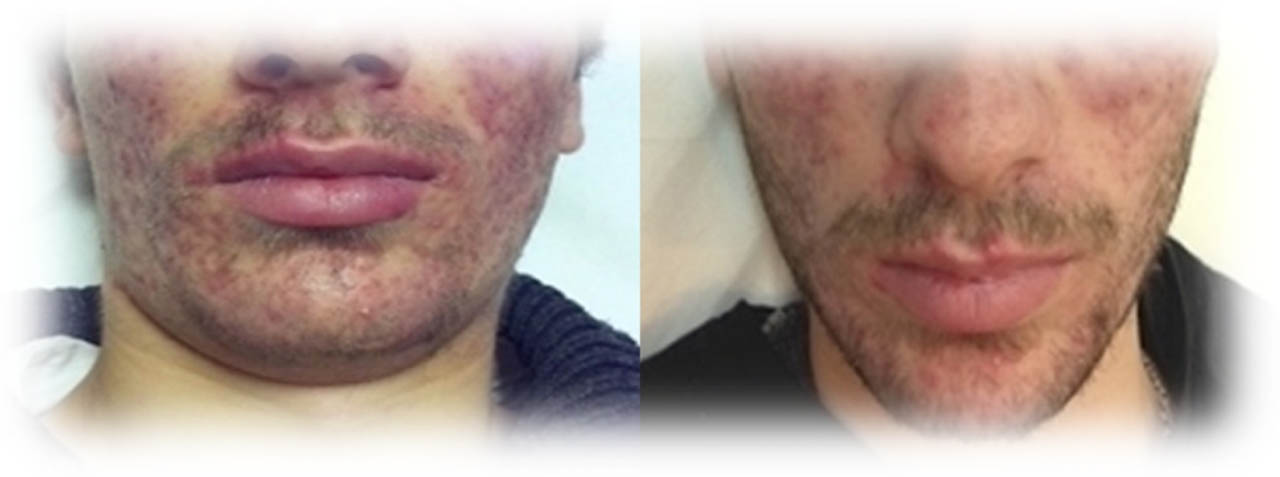
Figure 1.
Effect before and after eight treatments at 28J using blue light. Material provided by ITP Biomedical Company
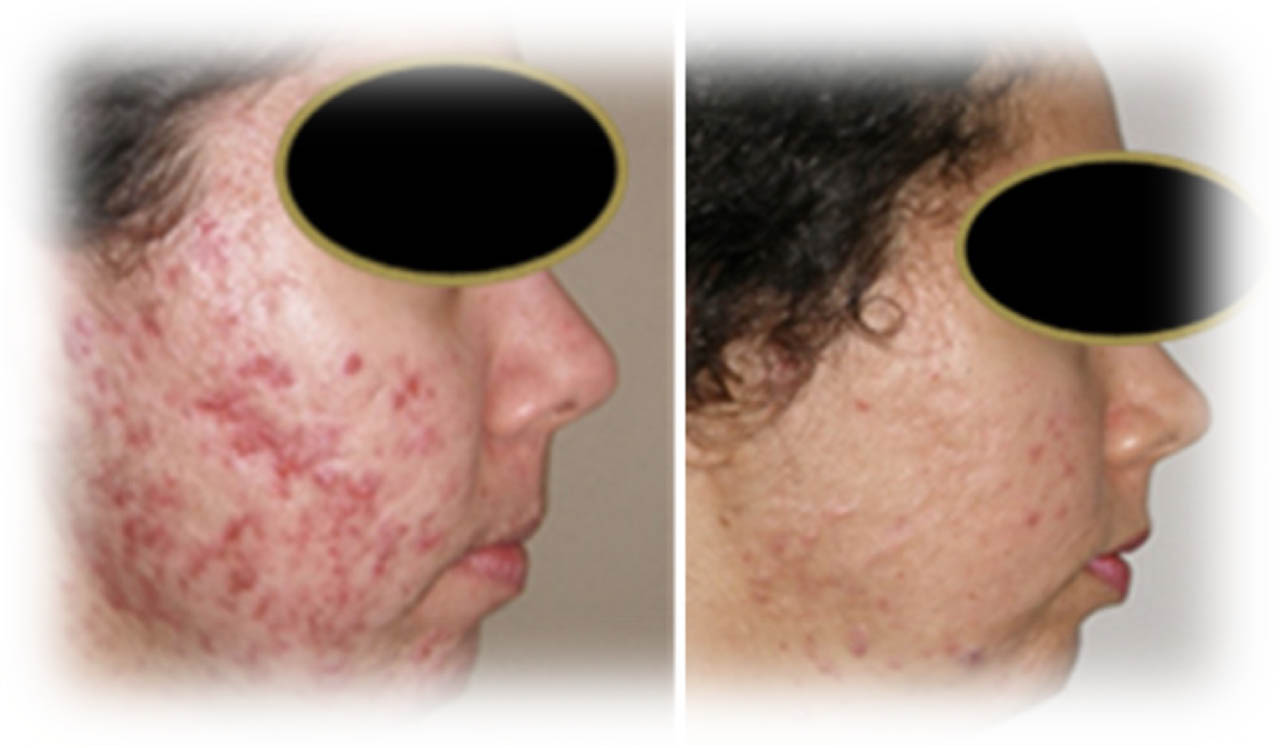
Figure 2.
Effect before and after eight treatments at 26J, with additional use of red and yellow light. Material provided by ITP Biomedical Company
4. Application of the Alma Harmony XL Pro laser
Laser therapy using an appropriate head is another extremely effective solution for acne therapy, where the history of inflammation caused by bacteria is established. One of the flagship lasers from the ITP Biomedical company, the Alma Harmony XL Pro, has such a solution. It is the latest-generation laser platform, a product of the Israeli company Alma Lasers. The company holds several patents, including AFT (Advanced Fluorescent Technology), which is a special filter system that converts the UV light spectrum into the optimal visible light spectrum for a given treatment, thus increasing its effectiveness at lower energy, and EDF (Equal Distribution Fluence), which ensures even energy distribution and thus reduces the risk of side effects [51]. The device is a solution for those looking for equipment that uses technology designed for most aesthetic and dermatological problems. It supports various types of advanced laser technologies and other light sources such as Er: YAG 2940 nm laser, Er: Glass 1540 nm, Q-Switched 1064nm, and 532 nm, Nd:YAG 1064 nm, NIR infrared light, IPL, UV, LED, Impact ultrasound and Dye-Vl [51] The device, with such broad expandability, allows to help patients with different acne problems and optimize parameters to the severity of the problem. For example, the use of Nd:YAG 1064 nm will allow therapy to minimize acne scars, Acne 420–950 nm, which emits blue light that is toxic to C. acnes bacteria, while ClearSkin, which is a 1540 nm erbium-glass head, makes it possible to treat both acne lesions and acne scars [52,53,54,55]. For the acne head, the treatment is suitable for people with phototypes I–VI and is performed using the stamp method. Cooling down the treatment area immediately after the treatment is recommended. The number of treatments performed varies, ranging from 12 to 16 every 72 hours. Before the first treatment, perform a laser test: the most common settings are 30–40 ms, 6–8 J/cm2, and wait 30 minutes. Redness and moderate erythema should be observed as the final image. For phototypes I–III, the pulse duration is set to 30–40 ms and the energy to 8–10 J/cm2, while for phototypes IV–VI, the setting should be modified and be as follows - pulse duration 40–50 ms and energies 7–8 J/cm2 [51]. Mid-infrared devices, including 1320–1450 nm diode lasers, are considered effective in acne therapy. However, the treatments are often associated with pain and discomfort and require local anesthesia [56]. In contrast, the erbium-glass laser, with a wavelength of 1540 nm, is the latest mid-infrared generator and causes less negative pain for patients. This laser is designed for the non-ablative treatment of acne, atrophic scars, and benign facial lesions. The wavelength is predominantly absorbed by water, effectively targeting the sebaceous glands and the extracellular matrix. The minimal absorption by melanin further renders the laser suitable for individuals with darker skin types, corresponding to a higher grade in Fitzpatrick's classification [57, 58]. The result of each treatment is a mild erythema. Treatments should be performed every 2–3 weeks in a series of 4–6 treatments and every six months during the maintenance treatment period [59]. The Er:Glass module's 1540 nm wavelength enables deep penetration and selective targeting of water-containing tissues, thereby raising the temperature of the dermis to achieve the therapeutic effect. During acne treatment, heating the dermis disrupts the sebaceous glands, and their involution leads to long-term acne remission [52, 59]. In a study by Bogle et al. (2007), patient satisfaction rates with treatment results with the laser mentioned above were very high, as they reached about an 80% reduction in lesions after six months of therapy. Papular lesions, nodules, and pustules were reduced or eliminated. Staying in constant contact with the patients was also noted, with the persistence of positive effects nine months after the end of therapy. A 72% reduction in lesions from baseline was reported without any additional or supportive treatment [54, 57]. A study by Politi et al. investigated the treatment efficacy of laser settings at a spot size of 4 mm, frequency of 500–600 mJ/pulse, with 3–4 superimposed pulses emitted at 2 Hz. Two passes per treatment session were performed. According to Fitzpatrick, the study included 12 subjects (seven men and five women) aged 17–27 with skin types II to IV. All patients had a minimum of 10 inflammatory and non-inflammatory lesions before the first treatment, and their severity was determined as grade 3 and 4 using BAS. The number of sessions was adjusted according to the patient's needs, with an average of 4–6 treatments, and follow-up visits were additionally made one month and three months after the last treatment. The improvement in skin appearance was gradual. All patients showed moderate to significant improvement and were very satisfied with the results, which indicated a significant improvement in psychological well-being. It is also worth mentioning that side effects were extremely mild and included mild erythema and swelling in all patients. However, the severity of side effects decreased as treatment progressed. No additional side effects were reported at follow-up visits at 1 and 3 months [52]. The effects, protocols, and potential mechanisms of action are presented in Table 2.
Table 2.
Summary of the mechanism and effects of using Alma Harmony XL Pro
| Feature | Findings |
|---|---|
| Mechanisms of action |
|
| Treatment protocols |
|
| Targeted treatments |
|
| Clinical efficacy |
|
Below (Figs. 3–6) are the treatment results with laser therapy using the acne head with Alma Harmony XL Pro. Treatments were performed every 72 hours until satisfactory results were achieved. Material provided by ITP. Biomedical Company. No detailed information is available as to the values of the treatment parameters.
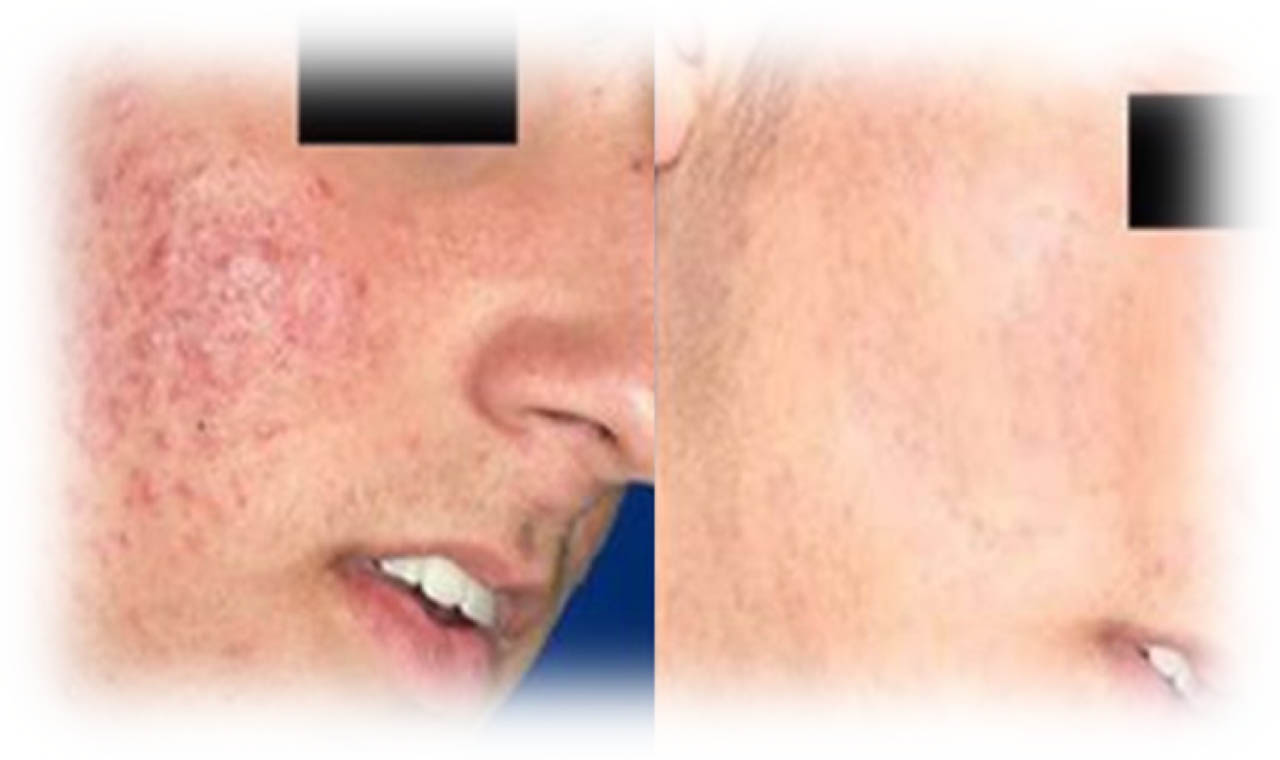
Figure 3.
Use of acne head with Alma Harmony XL Pro, effect before and after 16 treatments performed every 72 hours. Material provided by ITP Biomedical Company.
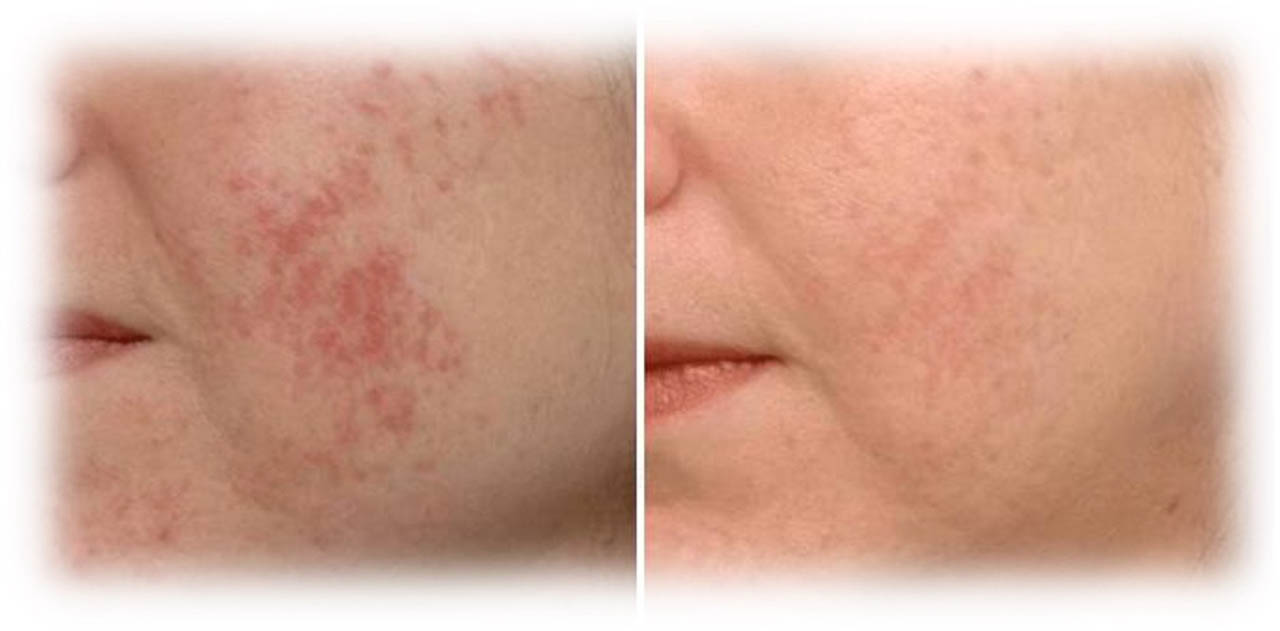
Figure 4.
Application of acne head with Alma Harmony XL Pro; effects before and after 12 treatments, performed every 72 hours. Material provided by ITP Biomedical Company.
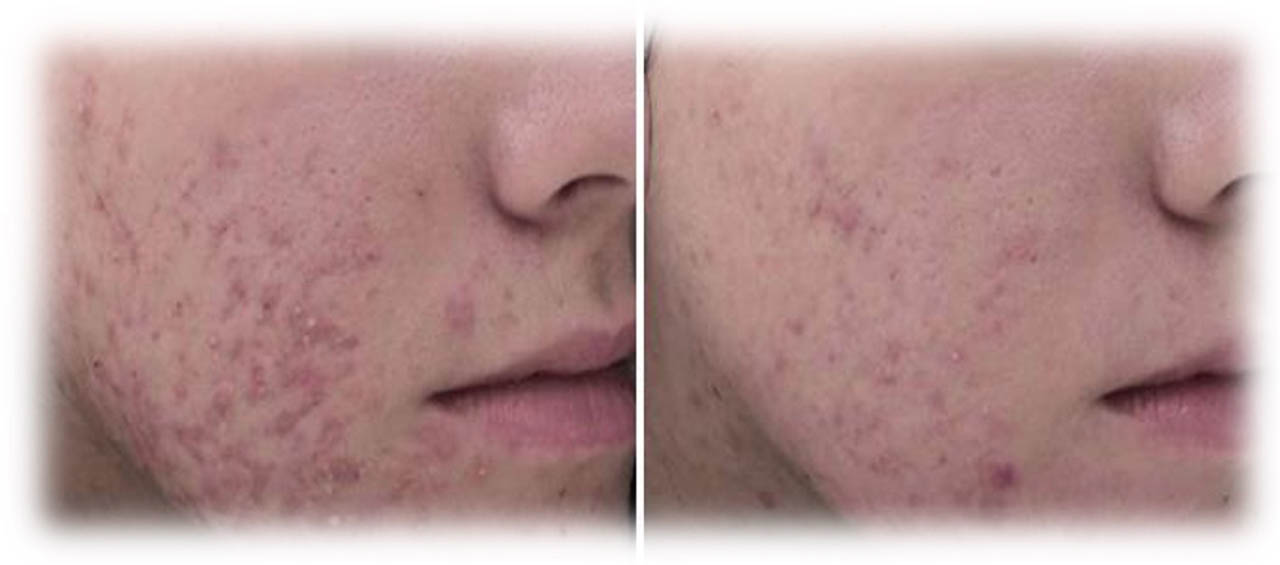
Figure 5.
Application of acne head with Alma Harmony XL Pro; effects before and after 14 treatments, performed every 72 hours. Material provided by ITP Biomedical Company
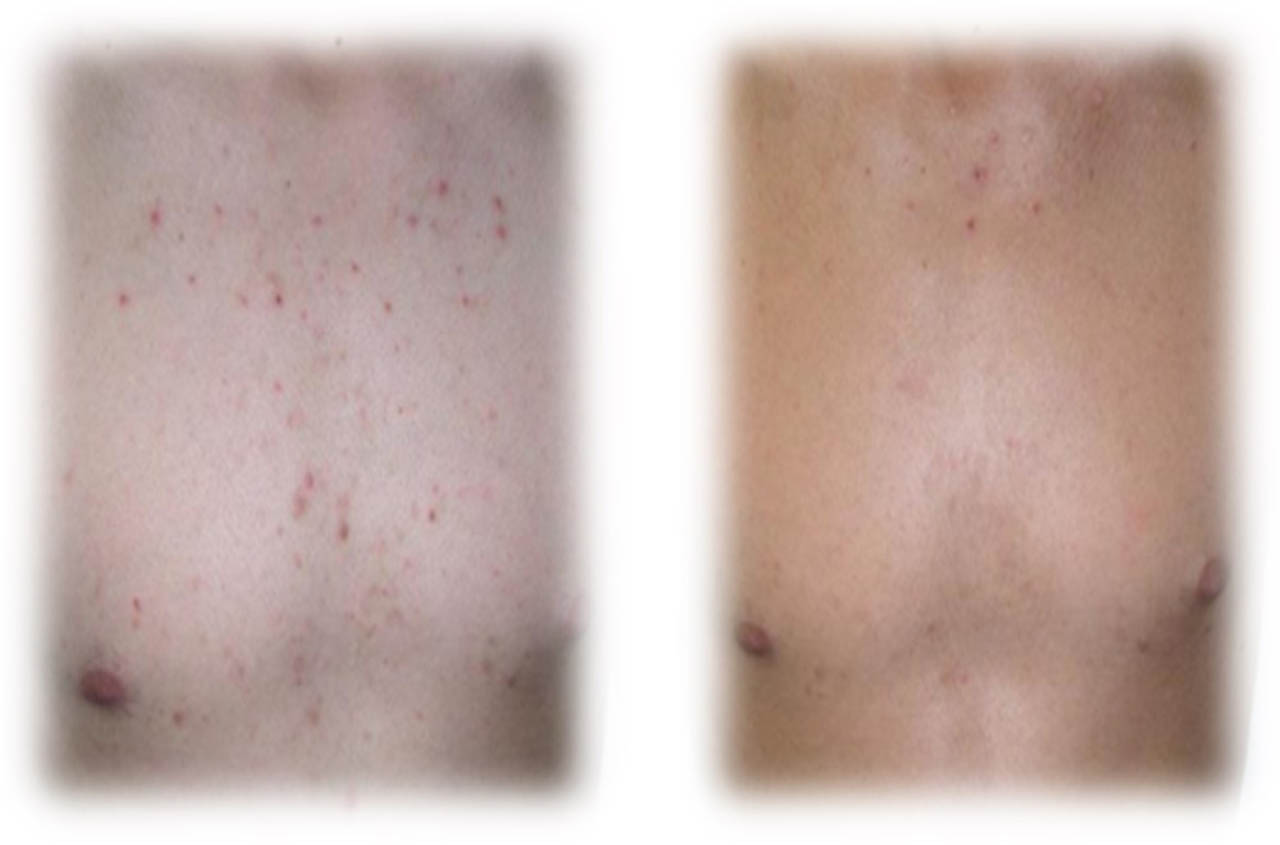
Figure 6.
Pictures before and after the second treatment with the ClearSkin Er:Glass 1540 nm Alma Harmony XL Pro head. Material provided by ITP Biomedical Company
The following shows the effects of therapy with laser therapy using the ClearSkin Er:Glass 1540 nm head with the Alma Harmony XL Pro. Material provided by ITP. Biomedical Company. No detailed information is available as to the values of treatment parameters and time intervals.
Treatment with laser technology will undoubtedly be successful only when we use safe technology with documented therapeutic results and, as operators of the device, have detailed knowledge of our equipment, the anatomy and physiology of the skin, and the etiopathogenesis and differentiation of acne. That is why it is so important, from the cosmetologist's point of view, to spread knowledge of the changing approach to acne and fully understand the mechanisms in the skin, both in physiological conditions and pathophysiological processes. The treatment is effective on various types of acne lesions. Few side effects characterize it. However, discomfort of varying severity (often determined by the patient's pain threshold) and additional contraindications should be noted compared to LED phototherapy. However, the Alma Harmony XL Pro system uses an integrated cooling system with a vacuum apparatus, elevating the skin before treatment, thereby bringing the sebaceous unit and the laser closer together and enabling continuous contact cooling, reducing pain and allowing precise work. During treatment, the erbium-glass head protects the outer layers of the skin from thermal damage thanks to the solutions used [60,61,62,63]. The main contraindications will be the use of photosensitizing drugs, herbal medicine, the patient's age being too young, or pregnancy and lactation status. Tumors, interrupted skin continuity at the treatment site, skin infections, or autoimmune diseases are also considered contraindications. The patient's history should also exclude a tendency to scarring, abnormal wound healing, or epilepsy (epilepsy is a relative contraindication - the patient can undergo the procedure, but it is necessary to create an appropriate and comfortable treatment space for her/him and ask that they come to the procedure with a loved one). The patient who undergoes the procedure must not be undergoing dermatological treatment, especially treatment with isotretinoin (6-month grace period) or steroid drugs. Unstabilized or advanced diabetes and autoimmune diseases are also excluded from the procedure. Whenever in doubt about a patient's health, each case should be consulted with a medical doctor. In laser treatments, it is also vital that the skin is not tanned or smeared with self-tanner; vitiligo is also a contraindication to the procedure. In the era of evolving aesthetic medicine, it is also essential to pay attention to previously performed treatments with botulinum toxin and fillers based on cross-linked hyaluronic acid (a grace period of 2 weeks), as well as threads - until they are absorbed, only the presence of gold threads is an absolute contraindication [55, 56].
5. Application of DermaClear hydrogen purification
The fight against acne vulgaris is also worth supporting with hydrogen cleansing therapy. The treatment eliminates free radicals, thoroughly cleanses pores, revitalizes the skin, reduces excessive seborrhea, and removes blackheads. Hydrogen has been recognized in the scientific community for decades. It is the simplest molecule in nature, comprising two hydrogen atoms. Ohsawa et al. demonstrated that molecular hydrogen can selectively reduce reactive oxygen species in vitro and exhibit antioxidant properties [64, 65]. According to Chilicka et al. [11], this discovery has led to the application of hydrogen gas in the treatment of 300 diseases, positioning it at the forefront of research on therapeutic medical gases. Clinical studies have demonstrated that hydrogen serves as a crucial physiological regulatory agent, exerting anti-inflammatory and antioxidant effects on cells and organs. The principle of action lies in a small molecule of hydrogen, which propagates extremely rapidly when introduced deep into a skin cell, triggering an oxidoreduction cascade [65]. Remember that hydrogen molecules only combine with the most harmful forms of RFTs (reactive oxygen species), converting them into water molecules. The processes in the skin result in the activation of mitochondria, with a consequent increase in ATP production [66]. The treatment uses alkaline, electrochemically reduced water with a pH range between 8 and 10. It has a high alkaline and negative oxidation-reduction [11]. With hydrogen cleansing treatments, inflammatory processes in the skin or excessive sebum secretion are also reduced. Hydrogen therapy synergizes with hydrogen cleansing and hydrodermabrasion (hydropeeling), exfoliation, oxygenation, antioxidant dispersion, and lifting. The modern hydrogen device is equipped with unique cells that produce active hydrogen. The device combines several technologies. Water saturated with hydrogen atoms is consumed over several minutes. An example of such a device is DermaClear from ITP Biomedical Company. The device exfoliates dead skin using chemical methods (chemical peels or enzymes) and properly selected treatment heads that manually remove keratinized epidermis. The so-called hydrodermabrasion process is the simultaneous infusion of product and chemical and mechanical exfoliation of the epidermis. An additional benefit of the treatment is stimulating collagen production and improving skin microcirculation. The entire treatment has three stages: exfoliation, cleansing, and moisturizing. During exfoliation, pores are gently unblocked, and dead skin cells are removed, resulting in dermis renewal. Cleansing removes impurities from the pores with a painless suction. A rotary extraction head doses an adequately selected, soothing product that exhibits moisturizing and antioxidant effects. In the final stage, infusion, antioxidant, nourishing, and moisturizing ingredients are administered under pressure deep into the skin, as well as those with seboregulatory effects. The DermaClear device uses the EXFO formulation, a mixture of glycolic acid, lactic acid, yeast extract, spearmint, and fruit and plant extracts with anti-inflammatory, antiseptic, and antifungal properties. The formula is also fortified with humectants, which are designed to keep the tissue adequately hydrated. Glycolic and lactic acid are alpha hydroxy acids, are water-soluble, and do not penetrate deeply into the skin. They are responsible for the skin's cellular renewal process by removing unnecessary keratinized epidermal cells. In a further stage of the treatment, a CLEANSE preparation is used, which is a mixture of sodium lactate with a moisturizing effect, salicylic acid with a keratolytic effect, caprylic glycol, honey extract, and Aloe barbadensis leaf juice. The latter three ingredients primarily have antibacterial, anti-inflammatory, and antioxidant effects and also act as humectants. In the last stage, HYDRATE combines niacinamide, adenosine, rose extract, Japanese camellia, and lavender flower extract. The ingredients chosen in this way enable antioxidant, antibacterial, anti-inflammatory, astringent, nourishing, and anti-wrinkle effects. The reported effects and features of Derma Clear are presented in Table 3.
Table 3.
Summary of the mechanism and effects of using Derma Clear
| Feature | Findings |
|---|---|
| Overview of hydrogen cleansing therapy |
|
| Hydrogen properties |
|
| Therapeutic effects |
|
| Device specifications |
|
| Comprehensive treatment benefits |
|
The following photos (Fig. 7–8) show the effects of acne and cleansing therapy in two patients. The effects show the skin's condition immediately after the treatment. Although the treatment is not indicated for active acne, it works well for micro-blackheads and open comedones. Pores are visibly cleared, dead skin and excess sebum are removed, and the skin is oxygenated. Also, the dermis is nourished and moisturized by appropriate active ingredients in peri-treatment preparations. The photos below also note the improvement in skin tone immediately after treatment (Fig. 9). With such excessively dilated pores, it is also suggested to perform treatments that remodel the skin and, as a result, shrink the pores, such as ablative fractional laser or Tulle laser. Otherwise, the pores will successively become polluted, and the skin image will return to its original state. Hydrogen cleansing does not produce permanent results.
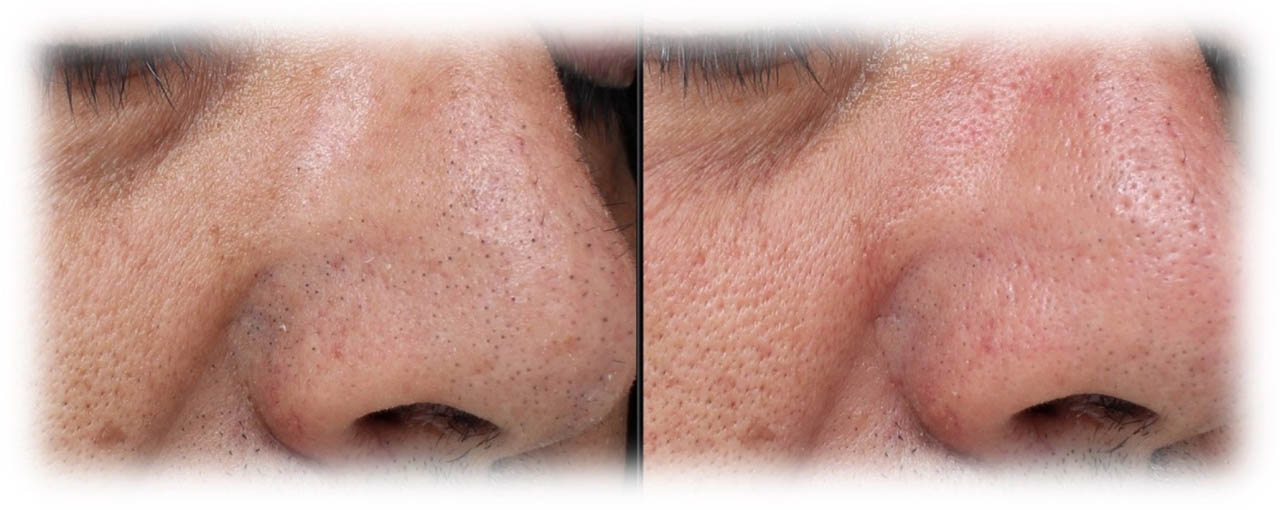
Figure 7.
The effect before and immediately after the DermaClear treatment. Material provided by ITP Biomedical Company
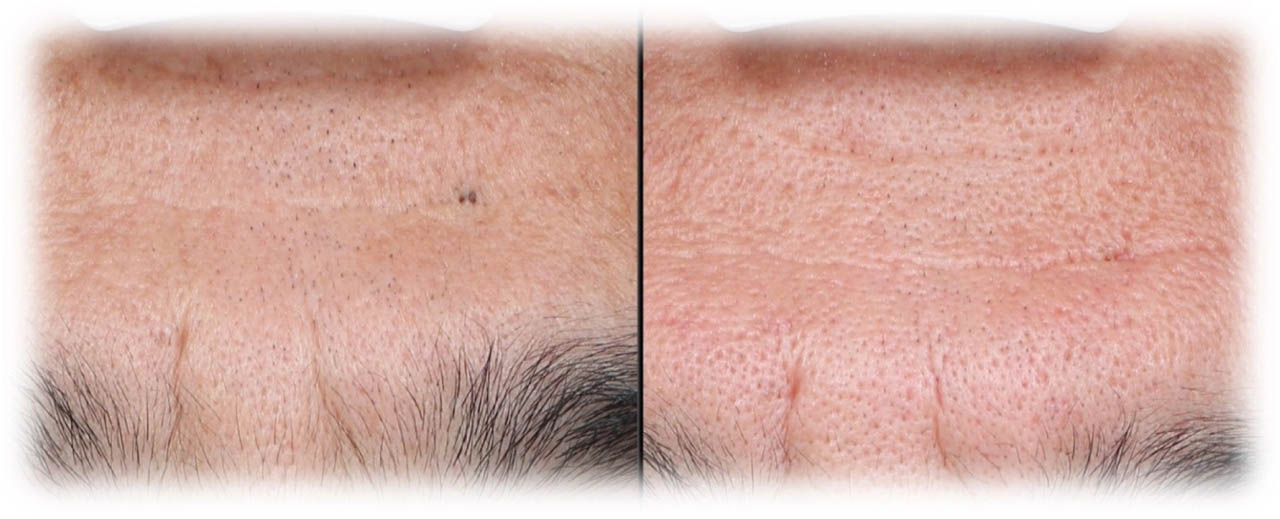
Figure 8.
The effect before and immediately after the DermaClear treatment. Material provided by ITP Biomedical Company
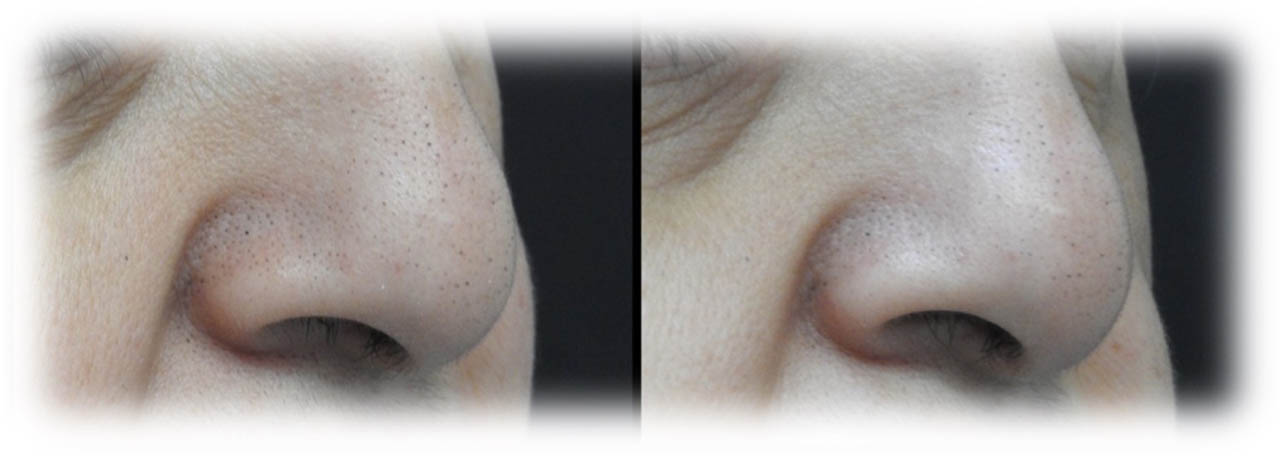
Figure 9.
The effect before and immediately after the DermaClear treatment. Material provided by ITP Biomedical Company
Of course, the preparations cited above used in the treatment are dedicated to a specific device. When working on a different model of hydrogen cleansing, it is necessary to pay attention to the problem with which the patient came to us and then choose the appropriate active ingredients. If we want to reduce the amount of sebum secretion, it is worth choosing such ingredients as salicylic acid, azelaic acid, niacinamide, or zinc [67, 68]. On the other hand, mandelic acid, glycolic acid, succinic acid, lysozyme, probiotics, colloidal silver, or the previously mentioned salicylic acid and azelaic acid will effectively reduce inflammation in acne [69, 70]. When performing acne treatments, one must not forget to rebuild the hydrolipid barrier. To this end, when designing a treatment, it is worth considering ingredients such as ceramides, lactic acid, fatty acids and sterols, triglycerides, hyaluronic acid, or succinic acid [71].
The undoubted advantages of the procedure are its non-invasiveness and lack of side effects. Adolescents can also undergo the procedure without impacting their further development. Also, the patient does not experience pain during the procedure. Pregnancy and breastfeeding, tumors, as well as interrupted skin continuity at the treatment site, and bacterial, viral, and fungal infections are considered the main contraindications. The procedure is not indicated for severe acne and rosacea with multiple inflammations, as well as during dermatological treatment, especially with isotretinoin. A history should also rule out allergy to the active ingredients of the preparations used in the treatment. The treatment is year-round; only in spring-summer, one should remember to use photoprotection. The treatment can also be performed for people with vascular skin, but one should remember to perform the procedure more gently, with smaller treatment parameters, so as not to damage the small blood vessels and not to aggravate the skin condition. The treatment is not excluded from daily life and has no recovery time.
6. Use of Clear+Brilliant® laser in the treatment of acne scars
Suppose dermatological treatment is completed, and the patient is struggling with acne scars. In that case, it is worth using the Clear+Brilliant® device from the American manufacturer Solta Medical, which is a 1440 nm and 1927 nm fractional diode laser (thulium laser). The 1440 nm length is adequate for facial rejuvenation and acne scar-leveling treatments [72]. The laser energy affects small areas, penetrating inside the skin structure and damaging small fragments, where the reconstruction and production of new collagen and elastin fibers occur during regeneration [73]. The 1927 nm is excellent for exfoliating the epidermis, reducing hyperpigmentation, refreshing the skin, and making the complexion look younger and more radiant. After using the 1927 nm laser, it is recommended to apply a product to the skin to intensify the effect (vitamin C, hyaluronic acid). To accelerate the desired effect, it is worth offering the patient home preparations to reduce scars and speed up recovery, based, for example, on retinol derivatives, succinic acid, vitamin C, and B vitamin complex. Laser treatments can be interspersed with exfoliation with acids such as glycolic, azelaic, citric, or salicylic acid [67]. During the period of all scar-reducing therapies, including laser, strongly exfoliating acids, and retinol and its derivatives, it is imperative to remember photoprotection. The discussed effects and mechanisms are juxtaposed in Table 4.
Table 4.
Summary of the mechanism and effects of using Clear+Brilliant®
| Feature | Findings |
|---|---|
| Overview of Clear+Brilliant® laser therapy |
|
| Wavelength-specific effects |
|
| Post-treatment recommendations |
|
| Combination with exfoliation |
|
7. Summary
The range of cosmetological treatments available today is vast, thanks to state-of-the-art equipment. However, it is crucial to consider individual devices' limitations, recovery time, and the possibility of combining them with dermatological treatment (Table 5). Past or coexisting diseases and the patient's predisposition to wound healing are also critical selection criteria. It is also worth paying attention to the patient's age when selecting the appropriate treatment therapy, as well as the skin's condition, including the correct diagnosis of the type of skin lesions and type of acne in individuals. Each treatment has a specific time interval and a number of treatments in a series, which together determine the total cost of the therapy. For many patients, this is a vital aspect, so when creating treatment protocols, it should also be considered. Each protocol should be selected individually according to the needs and capabilities of the patient, respecting every aspect. Research potential is still being observed in the aspect of laying out treatment algorithms and correctly classifying the patient for particular treatments. Many questions remain unanswered, even as the technology market continues to grow. It is also worth noting that many technologies are safe for minors, who are most affected by the problem of juvenile acne. In young clients, dermatological treatment is not always necessary, and a timely response to emerging acne lesions can help eliminate the problem without medication. Technologies available in cosmetology salons are also suitable for preventive action or maintaining the effects of dermatological therapy. However, it is essential to remember to take a thorough qualifying history for each treatment, rule out possible contraindications, and work closely with a dermatologist and endocrinologist, which will bring the best results in the shortest possible time. Additionally, the limited availability of literature on these devices strengthens the need for more research that will optimize their use.
Table 5.
Summary of capabilities and limitations of the devices described in the article
| TriWings® LED lamp | Acne head with Alma Harmony XL Pro | ClearSkin Er:Glass 1540 nm head Alma Harmony XL Pro | DermaClear hydrogen cleansing | Laser Clear + Brilliant® | |
|---|---|---|---|---|---|
| Painfulness during the procedure | No | Moderate to significant | Moderate to significant | No | Moderate to low |
| Necessary postoperative convalescence | No | One to two weeks | One to two weeks | No | Up to a month |
| Not advisable for minors | No age restrictions | For adults and those not prone to keloids | For adults and those not prone to keloids | No age restrictions | For adults and those not prone to keloids |
| Not advisable during dermatological treatment | Not for people under treatment with isotretinoin, steroid drugs, photosensitizer, or if ruled out by the attending dermatologist | Not for people under treatment with isotretinoin, steroid drugs, photosensitizer, or if ruled out by the attending dermatologist | Not for people under treatment with isotretinoin, steroid drugs, photosensitizer, or if ruled out by the attending dermatologist | Not for people under treatment with isotretinoin, steroid drugs, photosensitizer, or if ruled out by the attending dermatologist | Not for people under treatment with isotretinoin, steroid drugs, photosensitizer, or if ruled out by the attending dermatologist |
| Effective in the treatment of inflammation | Yes | Yes | Yes | Not | Not |
| Effective in the treatment of acne scars | In part, it must often be supported by other methods | Yes | Yes | Not | Yes |
| Effective in the treatment of microsclerosis and blackheads | Not | Not | Not | Yes | Not |
Acknowledgments
The authors thank ITP Biomedical Company for providing device descriptions and anonymized patient photographs.
Notes
[1] Contributed by Authors' contribution
WG conceptualized the manuscript. WG, MN, and AA developed the methodology for article review, WG, MN, and AA gathered and investigated the literature, WG provided a visualization of the content, RR was responsible for funding acquisition, and AA and RR supervised the writing process. WG, MN, AA, and RR equally contributed to the writing and editing of this manuscript.
[2] Financial disclosure Funding
This review was supported by the National Science Center under the OPUS program granted to Rafał Rakoczy (Grant no. 2023/49/B/ST8/00605).
[3] Conflicts of interest Conflict of interest
Weronika Gajdka, owner of Beauty Skin Salon, provides skin care services, including acne treatments. ITP Biomedical Company lent training materials, detailed descriptions of all equipment, and photographs of patients free of charge. ITP Biomedical Company owns the rights to use the patients' photographs and has permitted their use. Drs. Marta Nawrocka, Adrian Augustyniak, and Rafal Rakoczy have no conflicts of interest to declare.