
1. INTRODUCTION
Overcrowding in emergency departments (EDs) is an increasing challenge for healthcare systems worldwide.
A 2022 survey by the International Federation for Emergency Medicine (IFEM) reported that all 41 member countries experienced overcrowding in their EDs [1].
Overcrowding in EDs leads to several adverse outcomes, including increased patient waiting times, delayed treatments, and heightened mortality and morbidity rates. A study highlighted that overcrowding is a global phenomenon with significant negative impacts on patient care and hospital operations [2, 3, 4].
The growing number of patients, limited staffing resources, and infrastructural constraints often lead to prolonged waiting times, potentially compromising patient comfort and safety. [5]
One of the critical factors influencing ED efficiency is spatial organization, which can significantly ease or complicate staff workflows and impact the quality of medical services provided [6, 7, 8].
This article aims to discuss various strategies for spatial organization within emergency departments to help alleviate overcrowding and improve patient flow. Specific solutions, such as optimized room layouts, improved information flow management, and segmented areas within the ED, can enhance responsiveness to urgent medical cases. Recent research [1, 2, 9, 10, 11], indicates that a well-planned spatial organization in EDs can bring substantial benefits not only to patients but also to medical personnel, reducing stress levels and improving clinical outcomes.
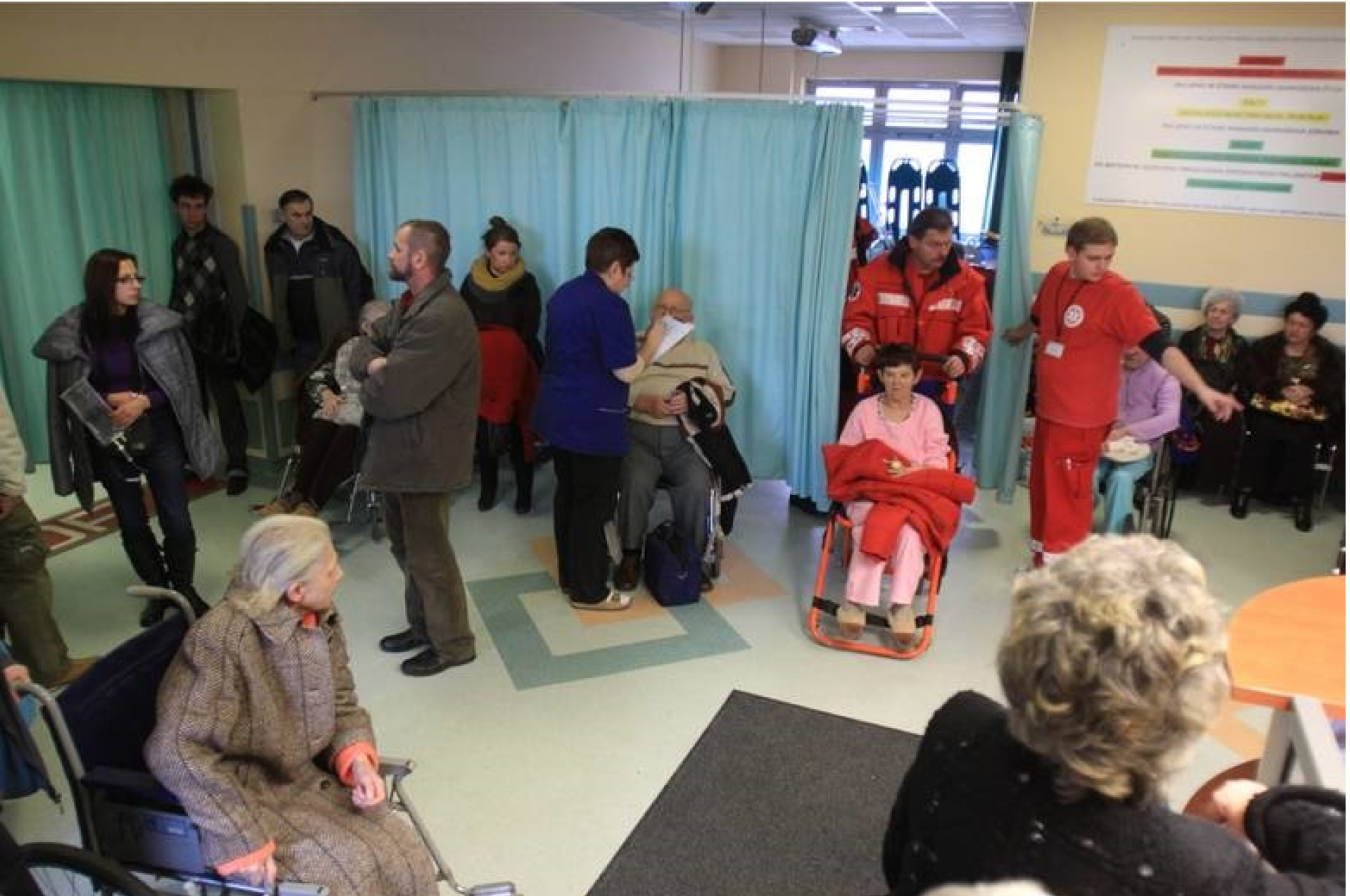
Figure 1.
Emergency Department – overcrowded – main ED hall in Romania hospital. Source: Photo by the author
2. MATERIALS AND METHODS
2.1. Research Objectives
The objectives of this essay are:
Identify Key Factors Contributing to Overcrowding: Outline the main reasons behind overcrowding in emergency departments, including both internal factors (e.g., layout, resource allocation) and external factors (e.g., patient influx, availability of other healthcare services).
Examine the Role of Spatial Organization: Explore how the physical layout and design of an ED impact workflow efficiency, patient flow, and the overall capacity of the department to handle high volumes of patients.
Present Evidence-Based Design Strategies: Review and analyze specific spatial organization strategies shown to reduce overcrowding. Examples could include optimizing patient triage areas, creating dedicated zones for different patient needs (e.g., critical, non-critical), and enhancing communication pathways for the medical team.
Evaluate Benefits to Patient Care and Safety: Assess how improved spatial organization can lead to faster, more efficient care, reduce patient waiting times, and improve patient safety and satisfaction.
Address Challenges and Practical Considerations: Discuss potential obstacles to implementing spatial reorganization, such as budget constraints, infrastructure limitations, and staff training needs.
Provide Recommendations for Implementation: Offer actionable recommendations for hospital administrators, architects, and healthcare policymakers on how to implement spatial changes effectively, with consideration of factors such as hospital size, patient demographics, and available resources.
Suggest Areas for Further Research: Highlight gaps in current research on ED design and suggest areas where further studies could provide additional insights or innovations to manage ED overcrowding more effectively.
By focusing on these objectives, the article would provide a comprehensive look at how spatial organization can be leveraged to address one of the most pressing issues in modern emergency care.
2.2. Research Methods
For an article investigating the impact of spatial organization on reducing overcrowding in emergency departments (EDs), a mixed-methods approach would be appropriate. Here’s an outline of used methodologies:
a) Literature Review:
Purpose: To establish a foundation of existing knowledge on the relationship between ED design and overcrowding.
Method: Conduct a systematic review of studies on ED spatial organization, patient flow, and crowding management. This would involve analyzing peer-reviewed articles, case studies, and reports to identify effective spatial organization strategies and their outcomes.
b) Case Studies of Emergency Departments:
Purpose: To provide real-world insights into how different ED layouts impact overcrowding and patient flow.
Method: Select multiple EDs with varying spatial designs and patient volumes. These case studies could include qualitative observations of layout features, patient movement, and workflow patterns. Include interviews with hospital administrators, architects, and medical staff to gather insights into perceived benefits and challenges of each spatial design.
c) Data Analysis of Patient Flow and Overcrowding Metrics:
Purpose: To quantitatively evaluate how specific layout features affect patient flow and overcrowding.
Method: Use retrospective data analysis, examining metrics such as patient wait times, length of stay (LOS), and time to treatment before and after layout changes in EDs. Statistical analysis, such as regression or time-series analysis, could help establish a correlation between spatial layout adjustments and overcrowding indicators.
d) Surveys and Interviews with ED Staff:
Purpose: To understand the staff’s perspective on how spatial organization impacts workflow, stress, and job satisfaction.
Method: Distribute surveys or conduct structured interviews with ED staff, including doctors, nurses, and support personnel, to assess how different layouts influence their work efficiency and ability to provide timely care.
e) Patient Satisfaction Surveys:
Purpose: To gauge patient perception of wait times, comfort, and overall satisfaction within different ED layouts.
Method: Use surveys distributed to patients after their ED visit to evaluate how they experienced the layout and crowding. This qualitative feedback can complement quantitative metrics and provide insights into patient experience.
f) Simulation and Modeling:
Purpose: To predict the impact of hypothetical spatial changes on patient flow and ED capacity.
Method: Use simulation software to model patient flow and ED processes under various spatial configurations. Discrete-event simulation (DES) or agent-based modeling (ABM) could be applied to mimic real-life scenarios and estimate the potential improvements in patient flow and crowding.
g) Comparative Analysis of Spatial Configurations:
Purpose: To compare outcomes across different spatial setups and identify features associated with reduced overcrowding.
Method: Conduct a comparative analysis of EDs with different spatial designs, such as open layouts, pod designs, or segmented patient zones. Identify and quantify differences in patient processing times, patient-to-staff ratios, and bottlenecks.
By combining these methodologies, the article provide a robust, evidence-based analysis of how spatial organization can help alleviate ED overcrowding, balancing both quantitative data and qualitative insights.
The aforementioned methods have been applied in the source materials that form the basis of this article. The article directly references most of the methods listed above. Surveys and iterviews were not directly included in the research, nor were comprehensive spatial analyses of existing emergency departments presented. The spatial structure analysis of EDs conducted by the author as part of studies for the World Bank IFC in trauma hospitals in developing countries, including Jamaica, Romania, Macedonia, Ukraine, Kyrgyzstan, Uzbekistan, and Kazakhstan.
Instead, Figures 3 and 4 provide only the principles of spatial organization for these departments. Figures 5 and 6 are based on the most recent spatial solutions implemented by the author in the Provincial Hospital in Częstochowa, the Municipal Hospital in Chrzanów, the MSWiA Hospital in Katowice, as well as the Child and Family Health Center in Sosnowiec.
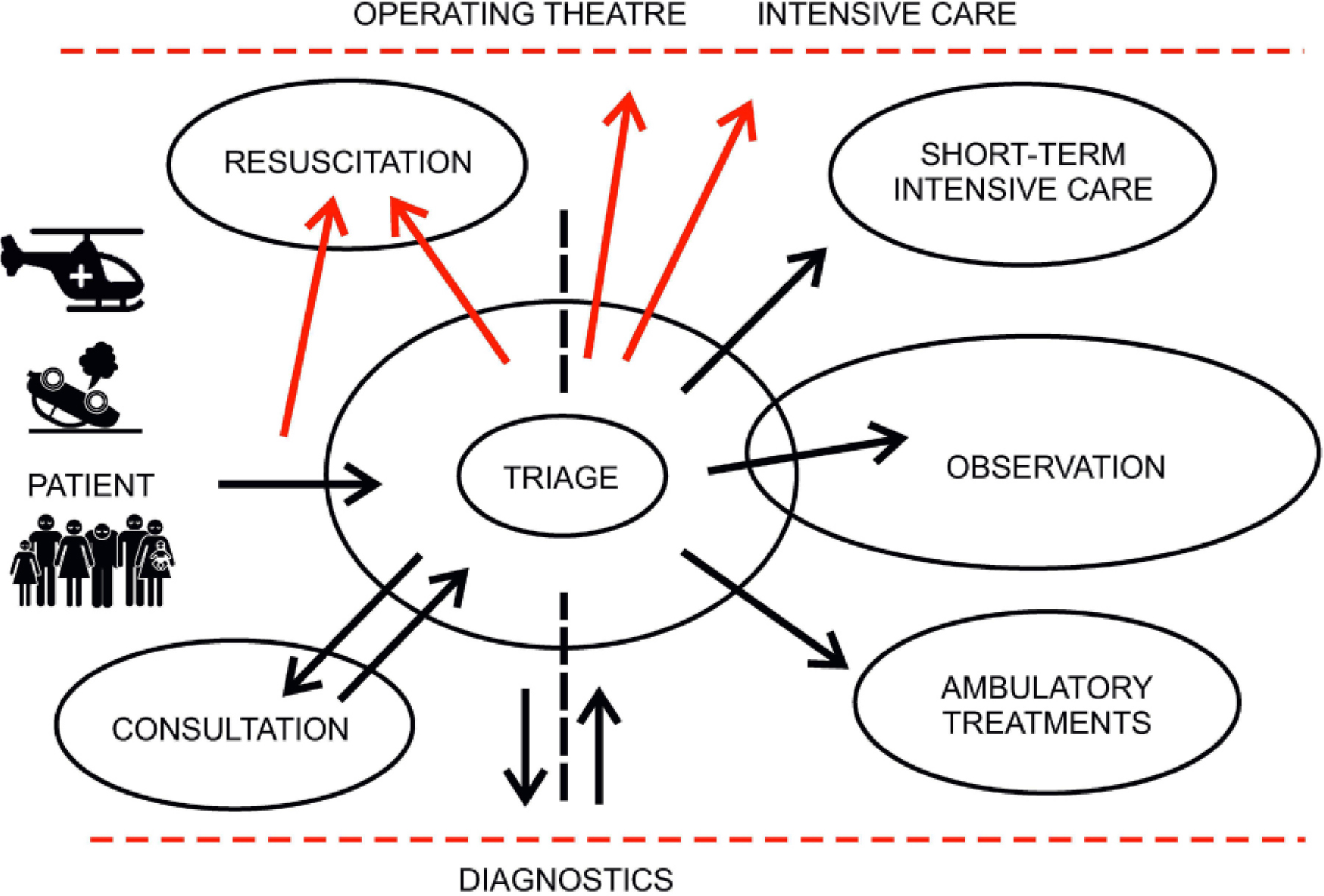
Figure 2.
Emergency Department – general scheme. Source: Diagram created by the author
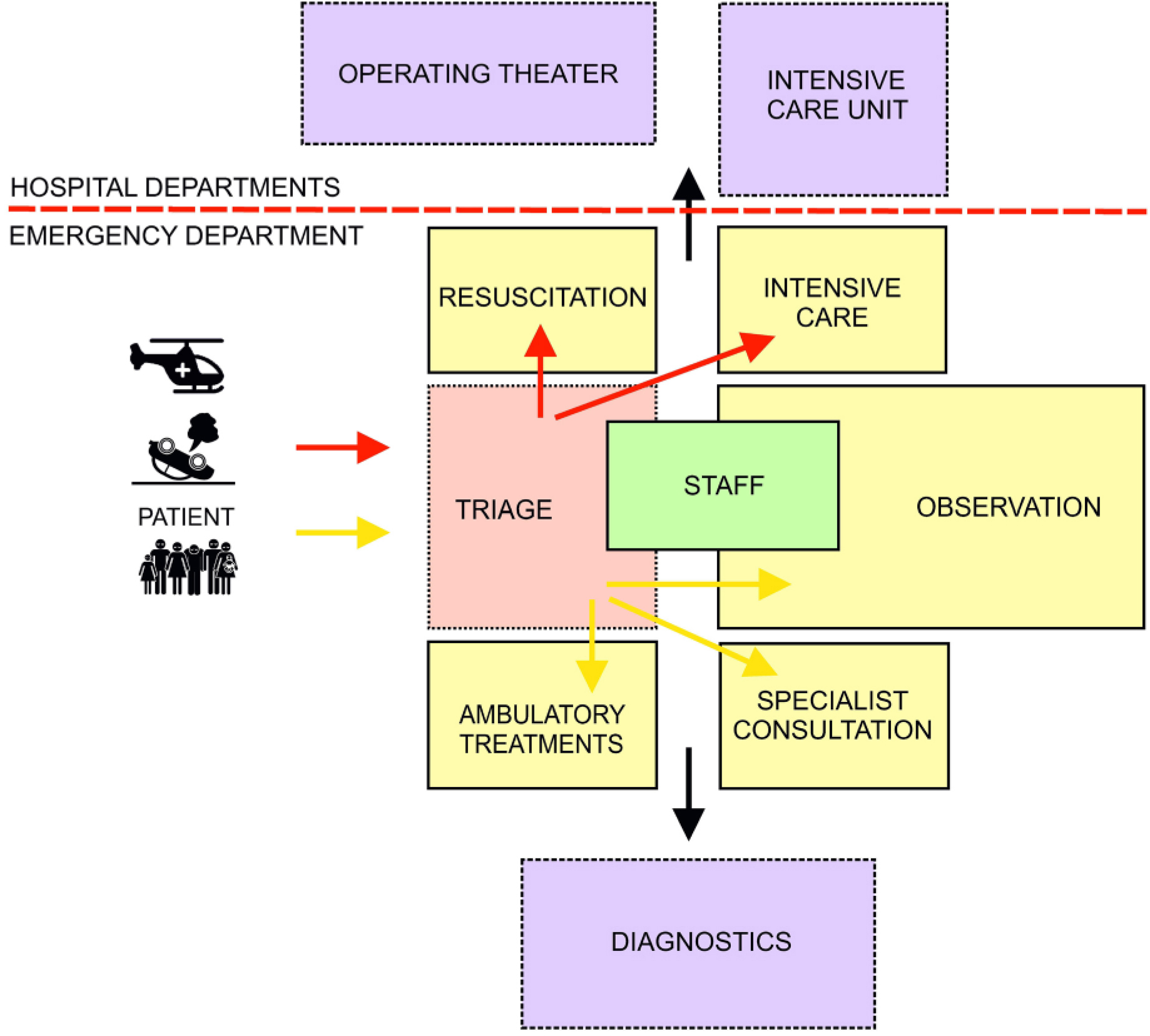
Figure 3.
Emergency Department – functional diagram (standard spatial layout). Source: Diagram created by the author
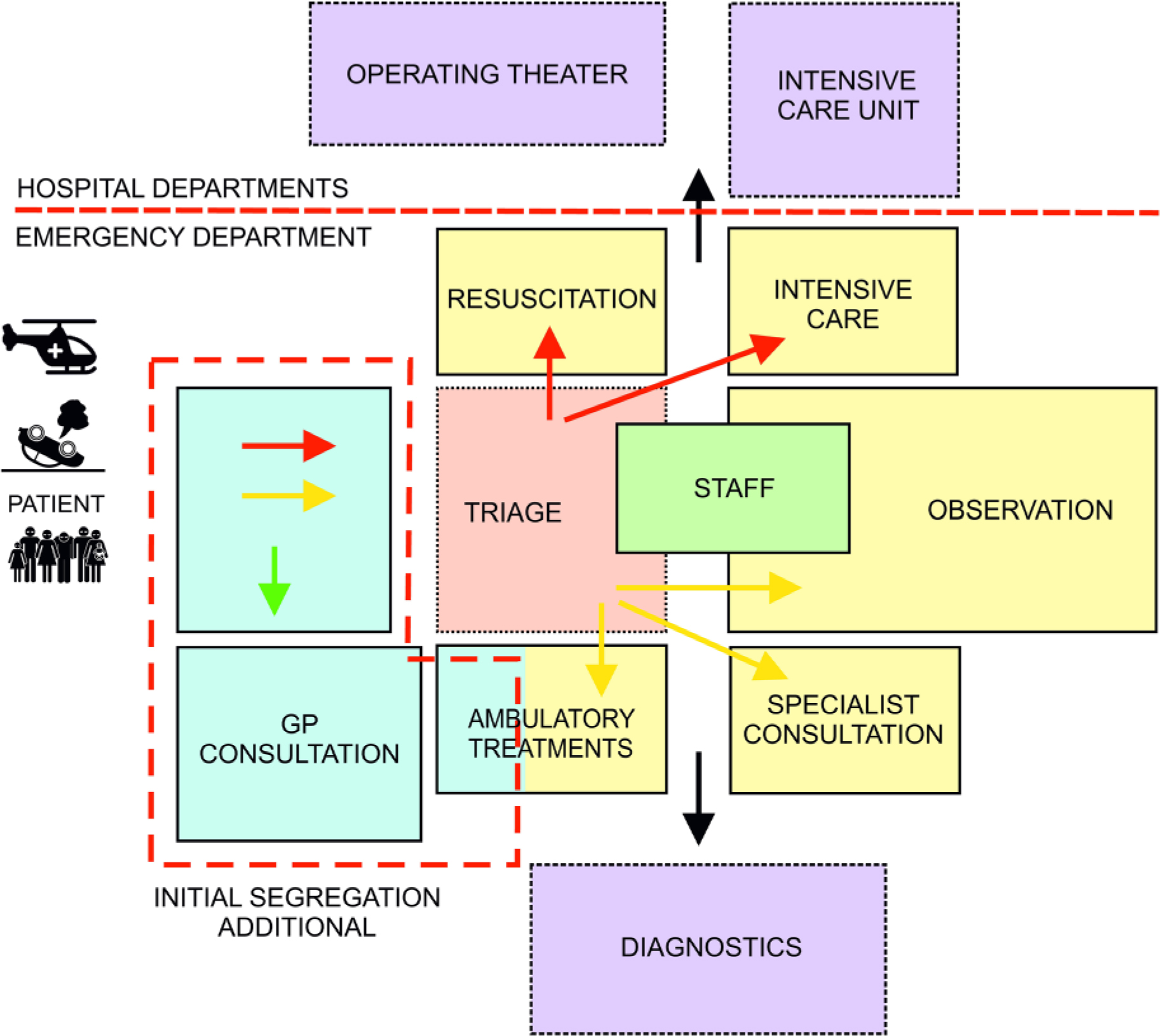
Figure 4.
Emergency Department – functional diagram (espanded spatial layout). Source: Diagram created by the author
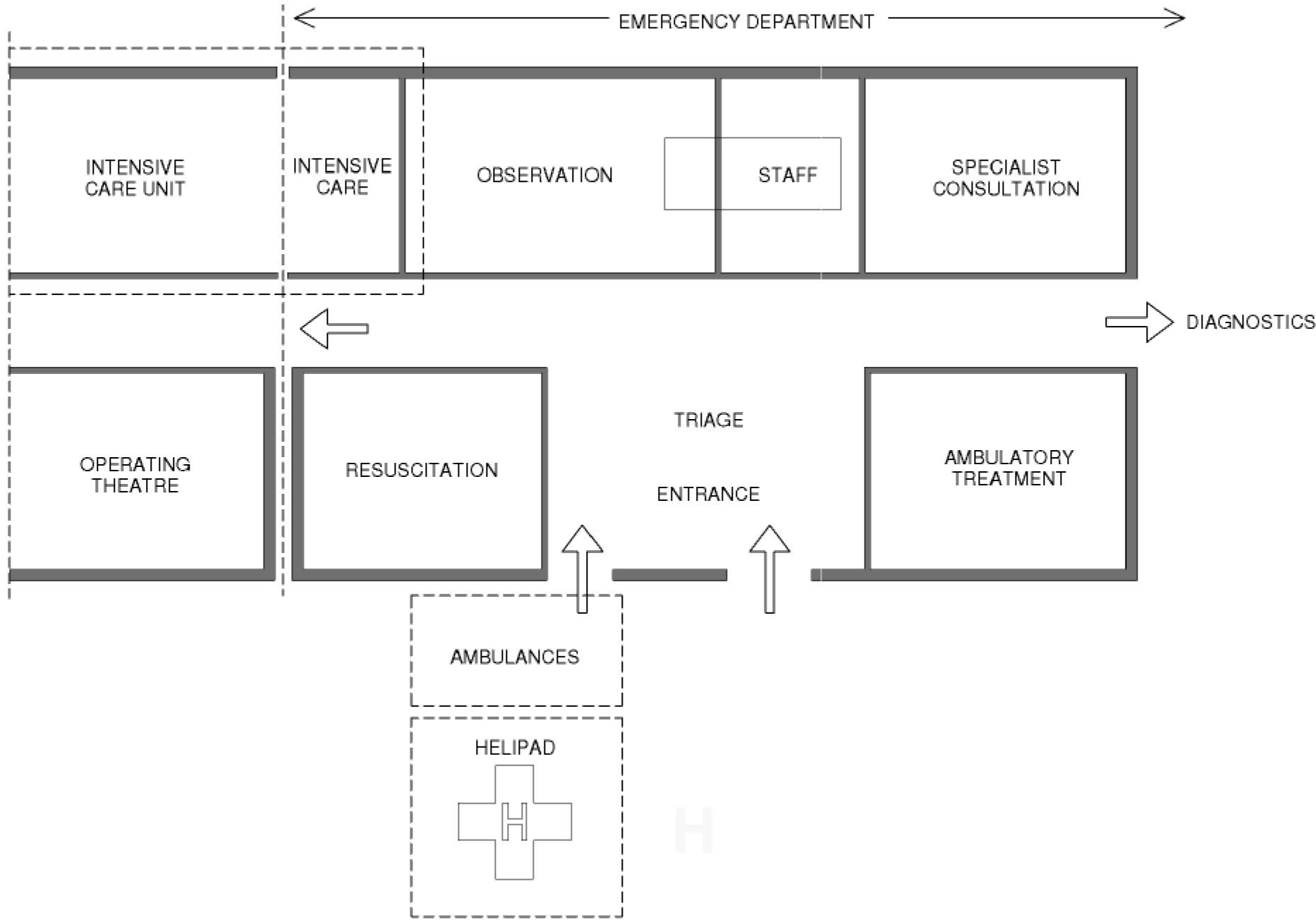
Figure 5.
Emergency Department (standard layout). Source: Diagram created by the author
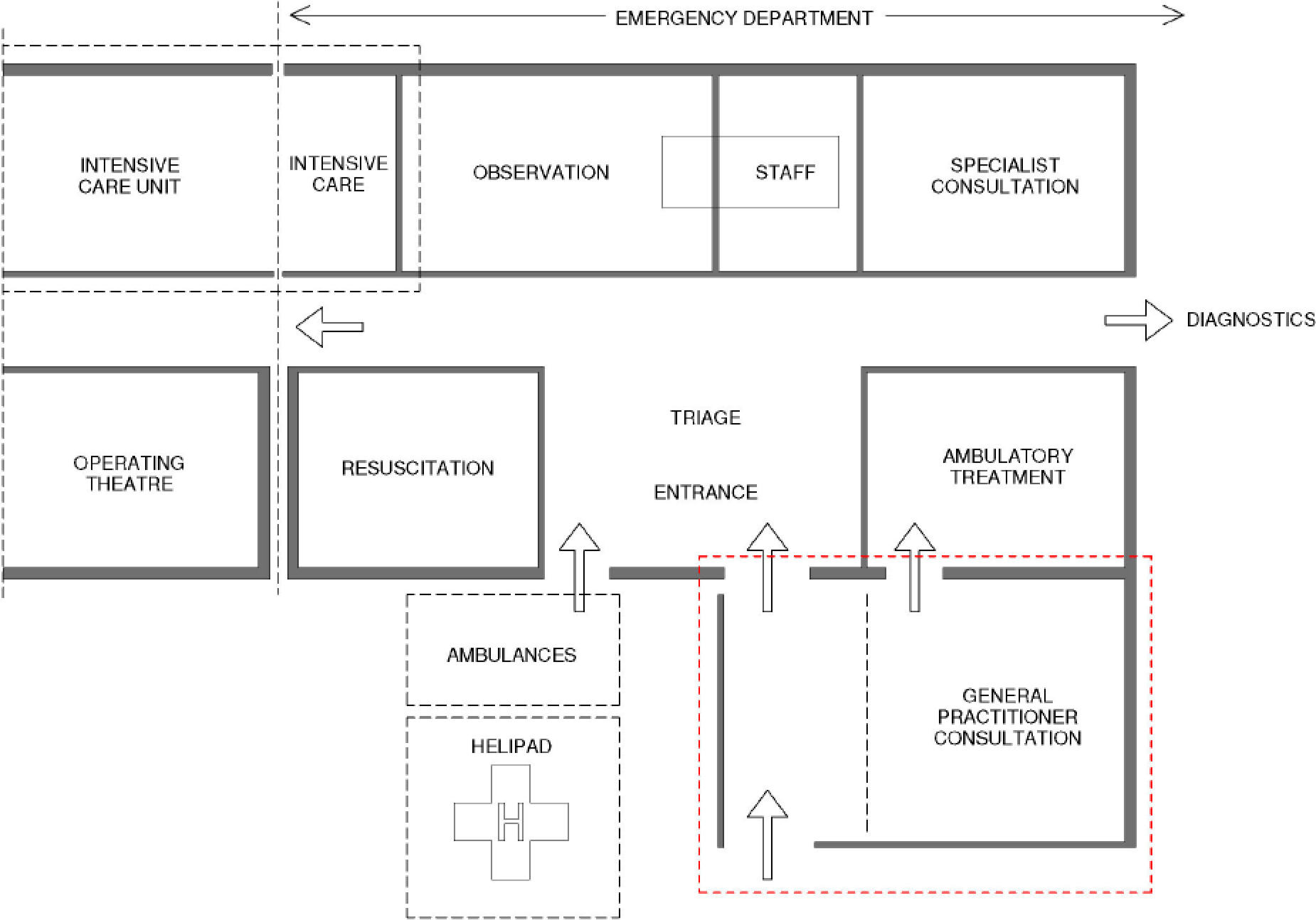
Figure 6.
Emergency Department (extended layout). Source: Diagram created by the author
3. SPATIAL ORGANIZATION OF AN EMERGENCY DEPARTMENT (ED)
3.1. The main components of a hospital emergency department
The Emergency Department (ED) is one of the most critical units in any healthcare facility, designed to handle urgent and life-threatening medical conditions. The layout and design of the ED should accommodate the unpredictable nature of emergencies while also allowing for the simultaneous treatment of multiple patients with varying levels of acuity. This article explores the essential aspects of spatial organization in the ED and their contribution to effective healthcare delivery.
Triage Area
The triage area is typically the first point of contact for patients entering the ED.
This statement is based on the globally accepted principle that the first point of contact with the patient should be medical personnel rather than administrative staff.
Triage is undeniably the heart of emergency departments (EDs), not registration, because it serves as the crucial first step in prioritizing patient care based on medical urgency rather than administrative processes. Registration focuses on collecting patient details and administrative data, triage is responsible for quickly assessing patients’ conditions to determine the severity of their illnesses or injuries. This ensures that critical cases receive immediate attention, potentially saving lives. In life-threatening situations, every second counts. Triage nurses or physicians must rapidly assess patients and direct them to appropriate care levels. If registration were the primary step, critical patients might be delayed due to bureaucratic processes, leading to preventable harm. Globally recognized triage systems, such as the Emergency Severity Index (ESI) or Manchester Triage System (MTS), emphasize the importance of categorizing patients based on clinical urgency. These protocols are designed to optimize emergency care, whereas registration follows standardized administrative procedures with no direct impact on patient survival.
Here, medical personnel assess the severity of the patient’s condition and prioritize them according to urgency. The triage area must be easily accessible and located near the entrance to minimize the time patients spend before receiving attention. A well-organized triage system helps ensure that critical cases are seen immediately while non-urgent cases are managed appropriately [12, 13, 14, 15].
Spatial considerations:
Located near the main entrance for easy access.
Clear visibility and access to patient waiting areas.
Designed to handle high patient volume without congestion.
Adequate seating and a comfortable environment for those waiting to be seen.
Treatment Zones
EDs are generally divided into several treatment zones, often organized by patient acuity levels:
Resuscitation bays for life-threatening conditions like cardiac arrest or severe trauma, located closest to the core and near the Ambulance and Emergency Entrance of the ED for immediate access to critical resources. In the context of an Emergency Department (ED), the core refers to the central or most critical area where the highest acuity patients are treated. This typically includes: Resuscitation rooms (for life-threatening emergencies),
Acute care rooms for patients with serious but not immediately life-threatening conditions.
Fast-track or low-acuity areas for patients with less urgent conditions, where they can be treated more quickly and discharged.
These treatment zones should be spatially separated but easily accessible from each other, allowing flexibility as patient volumes and needs fluctuate throughout the day. Proper zoning reduces cross-contamination risks, improves workflow, and helps staff quickly move from one area to another [16].
Centralized Nursing Stations
Centralized nursing stations provide an optimal vantage point for monitoring patients and coordinating care. These stations should be strategically placed to allow direct line-of-sight to the treatment zones, allowing nurses to respond rapidly to changes in patient conditions. Proximity to diagnostic areas, medication storage, and other essential resources is also crucial to minimize travel time and maximize efficiency [17, 18, 19, 20, 21].
Key design elements:
Central positioning with clear views of patient areas.
Access to telecommunication and monitoring systems.
Close proximity to medication rooms, supply rooms, and support services.
Diagnostic and Imaging Areas
Rapid access to diagnostic tools, such as X-rays, CT scans, and ultrasound, is essential in the ED. Having diagnostic and imaging areas nearby can significantly reduce delays in diagnosis and treatment. These facilities should be located close to the acute care and resuscitation zones to minimize the time it takes to transport critically ill patients for diagnostic testing [22, 23, 24, 25].
Spatial considerations:
Easily accessible from high-acuity areas.
Located to reduce unnecessary patient movement.
Support Areas
The ED requires a variety of support areas that contribute to its smooth operation [26, 27]:
Supply rooms for easy access to medical equipment and consumables.
Medication storage that is secure but conveniently located.
Clean and dirty utility rooms to manage the flow of sterile and contaminated materials.
Additionally, there may be rooms for staff breaks, administrative offices, and spaces for family members to wait or consult with medical personnel. These areas should be strategically located to ensure staff can perform their duties efficiently while still providing privacy and comfort for patients and their families.
Patient Flow and Safety
The spatial layout of the ED should promote efficient patient flow from entry to discharge, while ensuring patient safety and privacy. Well-defined pathways prevent bottlenecks and allow for quick and smooth transitions between triage, treatment, diagnostics, and discharge [28, 29, 30]. The layout must also accommodate:
Easy movement of patients on stretchers or in wheelchairs.
Clear signage to direct patients, visitors, and staff.
Separate entrances and exits for ambulances to prevent congestion.
Secure areas for behavioral health patients, if necessary, to maintain safety.
Infection Control
Infection control is a crucial consideration in the ED’s spatial organization. The layout must support infection control measures, such as isolating infectious patients and maintaining proper air ventilation systems. This helps prevent the spread of communicable diseases, particularly in times of epidemics or pandemics [31, 32].
Key elements:
Designated isolation rooms with negative pressure capabilities.
Separate waiting areas for infectious and non-infectious patients.
Adequate handwashing and sanitation stations throughout the ED.
Flexibility and Scalability
One of the most important aspects of the ED’s spatial design is flexibility. The number of patients can vary greatly depending on the time of day, season, or in response to mass casualty events. The layout must be adaptable to handle a surge of patients without compromising the quality of care [33, 34, 35]. This could include:
Modular treatment areas that can be expanded or reduced based on patient needs.
Movable walls or partitions to create temporary spaces during peak demand.
An overflow area or designated surge capacity zones for large-scale emergencies.
3.2. Differences in the organization of emergency departments in various countries
Emergency Departments (EDs) play a critical role in healthcare systems worldwide, but they can vary significantly depending on the country. These differences arise from factors like healthcare systems, resource availability, population needs, cultural practices, and government regulations. Below are some of the key differences in how EDs function across various countries [36, 37].
The structure of a country’s healthcare system greatly influences the operation of its Emergency Departments. In countries with universal healthcare systems, like the UK, Canada, and Australia, EDs are generally accessible to all residents without direct cost at the point of care. This can lead to high patient volumes and longer waiting times, but ensures that financial status does not restrict access to emergency care [38].
In countries with universal healthcare (e.g., Canada, the UK, Australia), EDs are publicly funded, often leading to longer wait times due to high demand. In countries with mixed systems (e.g., the U.S.), private EDs can provide faster service but at a higher cost, whereas public EDs may face overcrowding.
Some countries use strict triage systems (e.g., Scandinavian countries), where non-urgent cases are redirected to primary care, while others (e.g., the U.S.) treat all patients, regardless of severity.
The process of triage, or prioritizing patients based on the severity of their condition, differs across countries. While most EDs use some form of triage system, the specific methods and tools can vary.
Australia: Australian EDs commonly use the Australian Triage Scale (ATS), which classifies patients into five categories based on urgency. This system allows healthcare providers to assess patients quickly and assign resources accordingly.
France: French EDs utilize the Hospital Emergency Service Triage System, which is similar but integrated into a broader network of emergency services that includes SAMU, a mobile emergency medical service that can dispatch doctors directly to patients before they arrive at the hospital.
Germany: In Germany, patients may call emergency medical services (EMS) rather than visit the ED directly. Triage often occurs via phone, with paramedics or doctors determining whether patients should be treated on-site, transported to a hospital, or advised to visit a general practitioner (GP).
Patient waiting times in EDs are a significant measure of efficiency and quality of care. Different countries have varying performance in this area, often influenced by staffing levels, healthcare infrastructure, and population density [39, 40, 41, 42].
In countries like United States - wait times can vary dramatically depending on the hospital and whether the patient is insured. Privately insured patients may have faster access to care, but in public hospitals or those serving uninsured populations, wait times can be significantly longer. In Japan, EDs are often overburdened with non-emergency cases, leading to long wait times for more critical patients. Japan’s aging population and the cultural tendency to seek medical care for minor ailments contribute to this issue.
Table 1.
Patient waiting times in ED (ER) departments [43]
| Country | Main waiting time in ER or ED |
|---|---|
| United States | In the U.S., average emergency room (ER) wait times are around 40 minutes to see a doctor, but total visit times, including treatment and discharge, can exceed 2–3 hours. In overcrowded urban hospitals, waits can be longer, sometimes up to 6 hours or more for non-critical cases. |
| United Kingdom | Under the National Health Service (NHS), the target is to treat or discharge patients within 4 hours of arrival. However, in recent years, many hospitals have struggled to meet this goal, with some patients waiting over 8 hours, especially during winter surges. |
| Canada | Wait times in Canadian emergency departments are known to be lengthy, often exceeding 4 hours for less urgent cases. Critical cases are prioritized, but patients with non-urgent needs may wait 6–8 hours or more in busy hospitals. |
| Australia | In Australia, about 70% of patients are seen within the recommended timeframes based on the urgency of their condition. However, for non-critical cases, wait times can range from 2 to 4 hours, depending on hospital demand. |
| Germany | German emergency departments typically have shorter wait times due to a robust healthcare system. Most patients are seen within 30–60 minutes, but during peak times, waits can extend to 2–3 hours. |
| India | In India, wait times vary widely depending on the hospital and whether it is public or private. In private hospitals, patients are often seen quickly, sometimes within 15–30 minutes, whereas public hospitals may have wait times of several hours. |
| Nordic Countries: Sweden, Norway, Finland | In countries like Sweden, wait times in emergency departments can range from 1–3 hours for non-critical cases. These systems prioritize acute and severe cases, ensuring minimal delays for life-threatening conditions. |
| France | In France, most patients are seen within 1–2 hours, but non-urgent cases in large urban hospitals may experience longer waits during busy periods. |
Technology and Equipment
The availability of advanced medical technology and equipment in EDs can differ substantially based on the wealth of a nation and its healthcare investment.
United States: US hospitals are often equipped with the latest technologies, including advanced imaging machines, telemedicine services, and electronic health records (EHR). However, the cost of these technologies can contribute to the high cost of healthcare.
India: In contrast, India’s EDs, particularly in public hospitals, may face shortages of essential equipment and modern medical technology. Many rural EDs have limited access to advanced diagnostic tools, though urban centers may be better equipped.
Scandinavia: Countries like Sweden and Norway invest heavily in healthcare infrastructure, ensuring that their EDs are well-equipped with cuttingedge technology. However, these countries also have relatively low population densities, which allows for a more efficient distribution of healthcare resources.
Staffing and Workforce
The availability and roles of healthcare professionals within EDs differ across countries, impacting the quality and speed of care.
United States: EDs are often staffed by highly specialized personnel, including emergency medicine physicians, trauma surgeons, and nurse practitioners. However, there are often shortages of nursing staff, especially in busy urban hospitals.
Brazil: In Brazil, there is a shortage of trained emergency physicians, particularly in rural areas. In many cases, general practitioners or less-specialized doctors handle emergency cases, which can affect the level of care provided in critical situations.
Japan: Japanese EDs often rely heavily on resident physicians under the supervision of more experienced doctors. There is also a strong emphasis on teamwork between doctors and nurses in managing patient flow and care.
Cultural and Social Factors
Cultural attitudes towards healthcare and the role of the ED can influence how and when patients seek emergency care.
United States: The ED is often used by individuals without primary care providers or insurance. This has led to a situation where many ED visits are for non-emergency conditions, putting additional pressure on resources.
South Korea: South Korea has a more doctor-centered healthcare culture, where patients often defer to physician expertise. However, the rapid pace of care in urban EDs can create a sense of impersonal treatment.
India: In India, cultural and social factors such as poverty, lack of healthcare access in rural areas, and a preference for traditional medicine can delay people from seeking emergency care. When they do arrive at the ED, their condition may be more advanced or critical.
Ambulance and Pre-Hospital Services
Emergency Departments are often supported by prehospital care services such as ambulances and paramedic teams. The availability and quality of these services differ greatly across countries.
France: The SAMU service is a well-coordinated emergency medical response system that includes ambulances staffed with trained paramedics and, often, doctors. This system helps treat patients en route to the hospital, reducing the load on EDs.
South Africa: In South Africa, ambulance services can be unreliable, particularly in rural areas. Many ED patients arrive by private transport rather than by ambulance, which can delay the start of critical care.
Australia: Ambulance services in Australia are well-integrated with EDs. Paramedics are trained to provide advanced life support and can communicate with the hospital while transporting the patient, ensuring that ED staff are prepared for arrival.
4. HOW TO REDUCE OVERCROWDING IN EMERGENCY DEPARTMENTS
Overcrowding in Emergency Departments (EDs) is a major issue in healthcare systems worldwide, leading to longer wait times, decreased quality of care, and increased stress for both patients and medical staff. To address this challenge, a combination of strategies needs to be implemented, focusing on patient flow, resource allocation, and alternative care options. Below are several effective ways to reduce ED overcrowding.
The selected statistics for developed and developing countries provided below are based on published national reports such as BMC Health Services Research, NIHR Journals Library “Explaining variation in emergency admissions: a mixed-methods study of emergency and urgent care systems”, RAND Corporation “The Evolving Role of Emergency Departments in the United States”, Open Journal of Emergency Medicine “The Definition of Non-Urgent Visits to the Emergency Department and Validation of Criteria for Referrals”, international Archives of Cardiovascular Diseases “Unjustified Referral of Adult Patients with Hypertensive Crisis from a First-Level Care Unit to the Emergency Department”.
Developed Countries
Switzerland: Approximately 17.8% of hospitalizations were classified as “unjustified”, with an additional 24% considered “sometimes justified”. This suggests that nearly one-third of hospitalizations could potentially be avoided through enhanced outpatient care and preventive measures.
United States: A study analyzing data from Utah between 2013 and 2017 found that individuals from lower-income households visited EDs for preventable reasons approximately 2.5 times more often than those from higher-income households. Factors such as lower educational attainment, unemployment, lack of health insurance, and limited access to transportation and internet services were associated with higher rates of preventable ED visits. Studies indicate that 8% of ED visits involve patients with health issues that could be effectively managed in primary care settings.
United Kingdom: Analysis of admissions from 2008–2011 found that 22% of all emergency hospital admissions could be considered potentially avoidable. Higher rates of such admissions were correlated with areas of greater socioeconomic deprivation and urban regions.
Developing Countries
Iran: A qualitative study conducted in Iran explored the causes and consequences of non-urgent visits to EDs. The research identified that approximately one-third of patients visiting EDs had non-urgent conditions that could potentially be addressed in outpatient departments or primary care settings. Factors contributing to these visits included the desire for rapid care, accessibility of specialized services in EDs, and limited availability of primary care services. Pakistan: Research from a tertiary care hospital in Pakistan reported that 2% of patients had unplanned return visits to the ED within 48 hours of their initial visit. The most common presenting complaint was fever (29%), and during return visits, 55% of patients required admission.
Mexico: A study on patients with hypertensive crises found that 78.9% of ED referrals were unjustified.
The analyses conducted by the author of this article in developing countries such as Jamaica, Romania, Macedonia, Kyrgyzstan, Kazakhstan, and Uzbekistan indicate that approximately 70% of emergency department (ED) admissions are unjustified. This is most often due to the underdeveloped state of primary healthcare. A particularly high percentage of these cases involve children. In such instances, parents face difficulties in accurately diagnosing health issues at home, leading them to decide to visit the ED. This is because EDs are part of large hospitals that offer all medical specialties, not to mention extensive diagnostic capabilities.
The introduction of night and holiday emergency rooms in Poland has to some extent reduced admissions to the emergency department (ED). However, the percentage of unjustified admissions remains significant, reaching 50-60%, as indicated by analyses conducted in EDs designed by the author in hospitals across Poland.
Enhance Triage Efficiency
Improving the triage process can help ensure that patients are seen in the appropriate order based on the severity of their condition, rather than just on a first-come, first-served basis. A more efficient triage system can help fast-track less severe cases, freeing up resources for critically ill patients [44, 45].
The possibility of reducing patient admission time in the Emergency Department (ED) by involving physicians already in the triage process that can decrease admission rates and overall length of stay without adversely affecting patient outcomes [46] However, some studies have shown that introduction of protocols allowing triage nurses to initiate diagnostic tests and treatments, such as administering pain relief or ordering X-rays, can significantly improve the efficiency of emergency departments [47].
Teletriage: Using telemedicine for pre-ED consultations can help determine whether patients need to visit the ED or if they can be referred to other healthcare settings, such as urgent care centers or primary care clinics.
Increase Use of Urgent Care and Walk-In Clinics
One of the key causes of ED overcrowding is the large number of patients with non-emergency conditions who seek care in emergency settings. Promoting the use of urgent care centers or walk-in clinics for minor injuries and illnesses can alleviate this burden [48].
Public education campaigns: Informing the public about alternative care options and the appropriate use of EDs can help steer patients toward more suitable healthcare services for non-urgent needs.
24-hour urgent care centers: Increasing the availability of after-hours and weekend urgent care facilities can offer an alternative for patients who might otherwise go to the ED during off-hours.
Improve Access to Primary Care
A lack of access to primary care providers can drive patients to the ED for conditions that could be managed by a family doctor or outpatient clinic. Expanding primary care services can reduce the need for patients to visit the ED for non-urgent issues [49].
Extended hours for primary care: Encouraging primary care providers to offer evening and weekend appointments can help reduce the number of patients who seek care in the ED after hours.
Same-day appointments: Allowing patients to schedule same-day appointments for urgent but non-emergency conditions can prevent unnecessary ED visits.
International scientific sources confirming the impact of introducing general practitioners (GPs) into emergency departments (EDs) to reduce overcrowding. These studies suggest that the presence of GPs in emergency departments can improve operational efficiency, reduce patient waiting times, and lower healthcare costs [50]
Introducing general practitioners (GPs) into healthcare systems can lead to a reduction in emergency department (ED) admissions and enhance the efficiency of ED operations. A study published in the British Journal of General Practice found that increasing the number of GPs in deprived areas of England was associated with a decrease in emergency hospital admissions. This suggests that improved access to primary care can alleviate the burden on emergency services in these regions [51].
Additionally, a scoping review in BMC Emergency Medicine highlighted various non-ED-based interventions aimed at reducing unnecessary ED utilization. The review emphasized the role of primary care services in managing conditions that do not require emergency care, thereby potentially decreasing the number of ED visits [52].
Implement Fast-Track Systems
Many EDs have successfully reduced overcrowding by implementing fast-track systems for patients with less severe conditions. These fast-track areas are separate from the main ED and are designed to quickly assess and treat patients with non-life-threatening conditions [53, 54, 55].
Dedicated staff: Assigning separate teams of healthcare providers, including physicians and nurses, to the fast-track area helps ensure that non-critical patients are treated promptly without affecting the care of more urgent cases.
Streamlined processes: Simplifying the diagnostic and treatment protocols for patients in fast-track areas can further reduce wait times and improve overall patient flow.
Enhance Hospital Discharge Processes
Improving the hospital discharge process can help free up beds in both the ED and inpatient wards. Often, patients remain in the ED waiting for an inpatient bed, contributing to overcrowding [56].
Early discharge planning: Ensuring that discharge plans are in place early for admitted patients can help speed up the transition from ED to inpatient care.
Discharge lounges: Establishing discharge lounges for patients who are waiting for final paperwork, transportation, or medication can free up beds for new patients in the ED.
Expand Use of Telemedicine
Telemedicine offers a way to reduce ED overcrowding by allowing patients to receive consultations and advice remotely. This can help manage non-urgent cases that don’t require in-person treatment [57, 58, 59].
Remote consultations: Patients can consult with healthcare providers via phone or video call, potentially avoiding the need to visit the ED.
Virtual follow-ups: After initial ED visits, followup appointments for non-critical conditions can be handled through telemedicine, reducing the need for return visits to the ED.
Address Boarding Issues
Boarding occurs when patients remain in the ED after they’ve been admitted to the hospital but there are no available inpatient beds. This can block ED resources and contribute significantly to overcrowding [60].
Improve bed management: Hospitals can implement better coordination and real-time monitoring of bed availability to reduce boarding times.
Rapid admission units: Establishing dedicated areas for patients awaiting inpatient beds can help free up space in the ED.
Optimize Staffing and Resource Allocation
Ensuring adequate staffing in the ED is critical for maintaining efficient patient care and reducing bottlenecks. Overworked staff may struggle to handle high patient volumes, leading to longer wait Times [61, 62].
Flexible staffing models: Implementing flexible staffing schedules that adjust to peak times (such as evenings or weekends) can help manage surges in patient numbers.
Cross-training staff: Training staff to perform multiple roles within the ED, such as allowing nurses to take on certain diagnostic tasks, can help improve patient throughput.
Establish Community Paramedicine Programs
Community paramedicine programs allow paramedics to treat certain patients on-site without transporting them to the ED. These programs can be particularly effective for patients with chronic conditions or minor injuries [63].
In-home care: Paramedics can provide basic medical care, such as wound management or medication administration, in a patient’s home, reducing unnecessary ED visits.
Chronic disease management: Community paramedics can follow up with patients who have chronic diseases, helping prevent conditions from worsening and leading to ED visits.
Introduce Observation Units
Observation units are short-term care areas for patients who need to be monitored for a few hours but do not require full inpatient admission. This can reduce the number of patients occupying ED beds unnecessarily [64, 65].
Short stay units: Patients can be treated and monitored for 24-48 hours in observation units, freeing up ED resources while ensuring that they receive the necessary care.
Clear discharge criteria: Establishing strict criteria for admission to observation units ensures that these areas are used efficiently and help alleviate ED congestion.
5. CONCLUSION
While Emergency Departments across the world share the same core mission – providing urgent medical care – they operate under very different circumstances based on their country’s healthcare system, resources, and culture. From the availability of advanced medical technology to the efficiency of triage and pre-hospital services, these differences reflect the unique challenges and opportunities of delivering emergency care in diverse healthcare environments. Understanding these variations is crucial for global health initiatives and for improving emergency care worldwide.
Reducing overcrowding in Emergency Departments requires a multi-faceted approach that focuses on improving patient flow, optimizing resource allocation, and providing alternative care options for non-urgent conditions. By implementing strategies such as fast-track systems, enhancing primary care access, utilizing telemedicine, and improving hospital discharge processes, healthcare systems can alleviate the burden on EDs and improve the overall quality of emergency care.
The main task in reducing overcrowding should be the establishment of general practitioner points directly adjacent to the Emergency Department (ED), where, after initial triage, patients not requiring ED assistance can be directed. This task, especially in developing countries, requires not only changes in the spatial organization of emergency departments but also changes in health policy to implement such solutions. In our country, there is a similar solution in the form of night and holiday outpatient clinics; however, it is necessary to extend their operations to provide 24-hour care, establish direct contact with the ED, and expand the scope of outpatient services.