
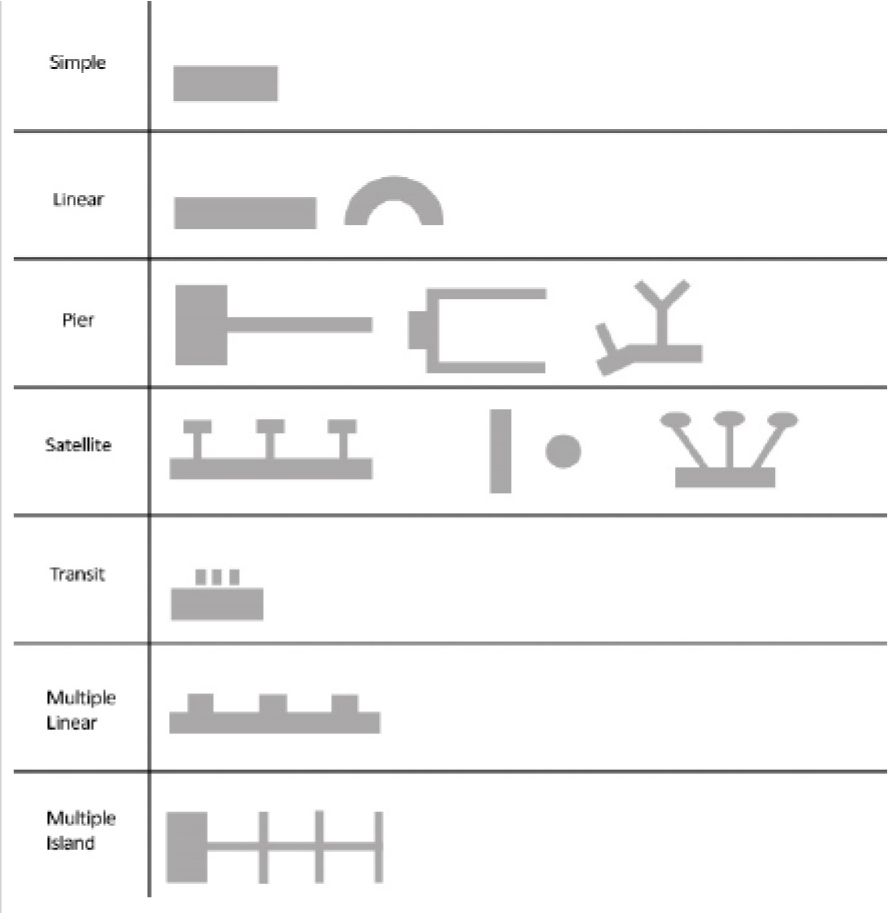
Figure 1.
Airport plan types (drawn by the authors)
Table 1.
Security systems used at airports (Homeland Security Research Corp, 2015)
| Passenger information | It includes databases such as safety databases, driver databases, and the IRS. |
|---|---|
| X-ray systems | It can detect the densities and atomic structure of objects. This device consists of a unit, display, and control panel. |
| Explosive monitoring detectors | It is an improved version of X-ray devices, offering a three-dimensional image. |
| Luggage-controlled EDS | Detection of explosives in luggage. |
| Airport perimeter security walls and fences | Restricts access from the periphery into the building area. |
| Smart video systems | Includes camera systems. |
| Blacklists | Databases containing information on suspicious persons. |
| Biometric systems | Detects the faces of people entering a building. |
| Detectors | These devices, which are generally used in the entrance-exit areas of facilities, detect metal objects on people. |
| Body scanning system | It can detect dangerous elements in the human body. |
| Trace and odor detection devices | They detect the possible presence of chemical substances in cargo and baggage. They are only used in suspicious cases. |
| Robots | They provide data to security stations through face detection software. |
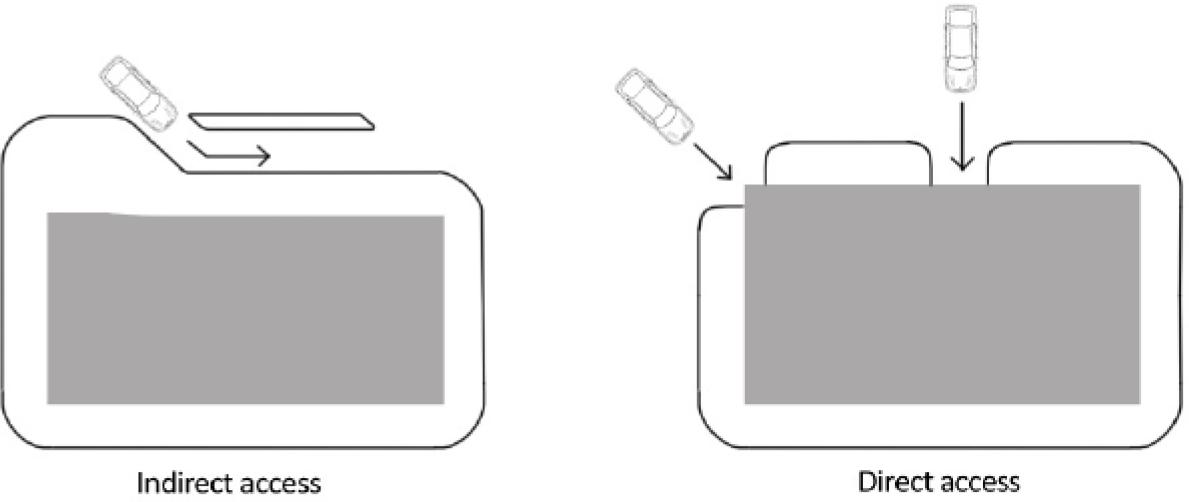
Figure 2.
Effect of street and alley layouts on vehicle speed (drawn by the authors based on FEMA 426)
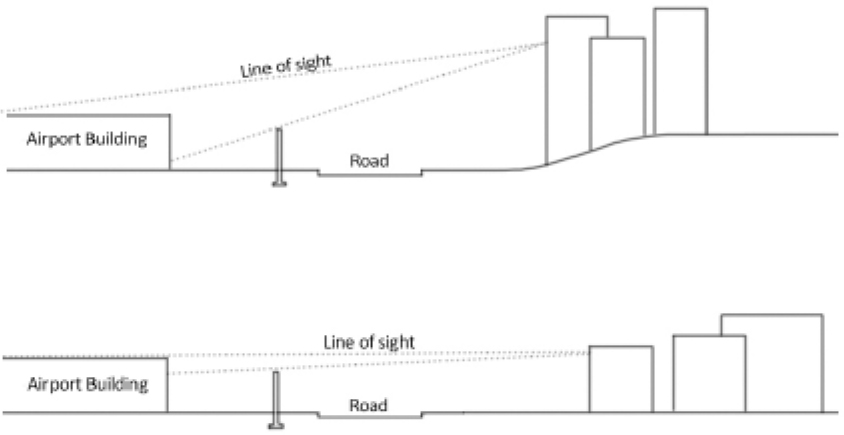
Figure 3.
Arrangement of the airport according to line of sight (drawn by the authors based on FEMA 426)
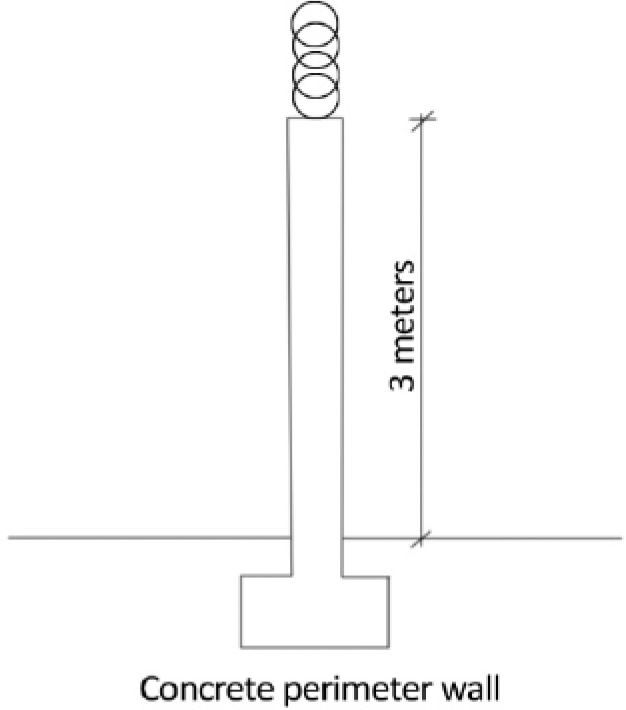
Figure 4.
Concrete walls and barriers around the airport (drawn by the authors based on FEMA 427)
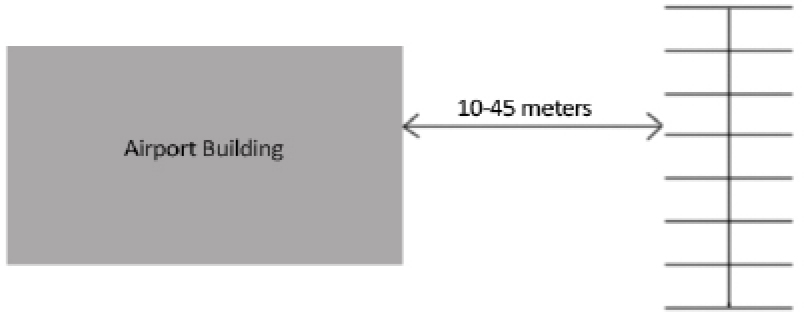
Figure 5.
Safe area between the airport and parking areas (drawn by the authors based on FEMA 426)

Figure 6.
Behavior of building forms in blasts (drawn by the authors based on FEMA 427)
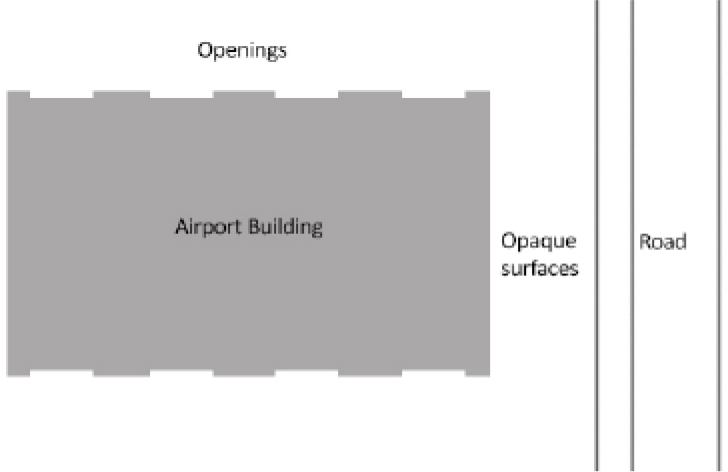
Figure 7.
Shaping facades according to risk areas at airports (drawn by the authors based on FEMA 427)
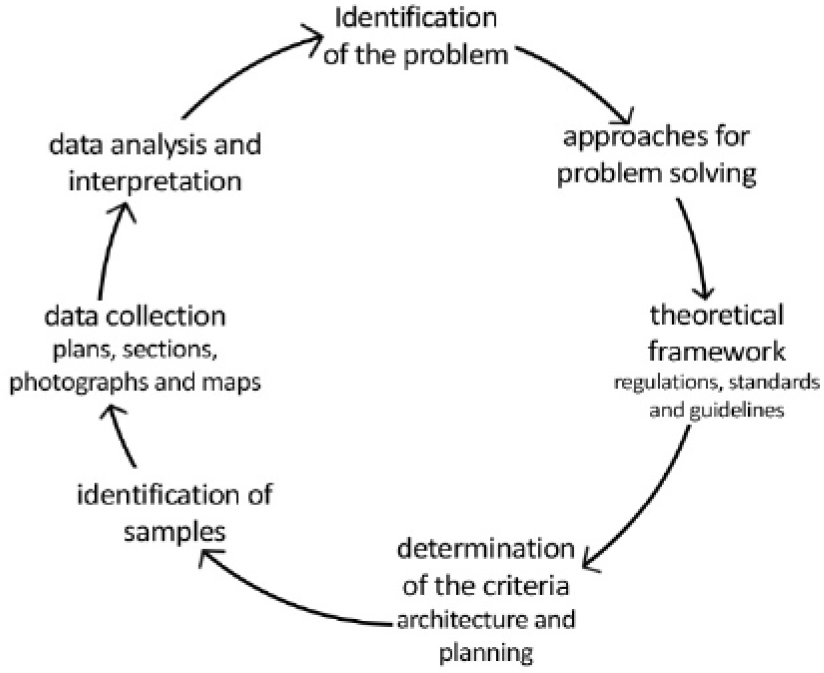
Figure 8.
Work flow chart (drawn by the authors)
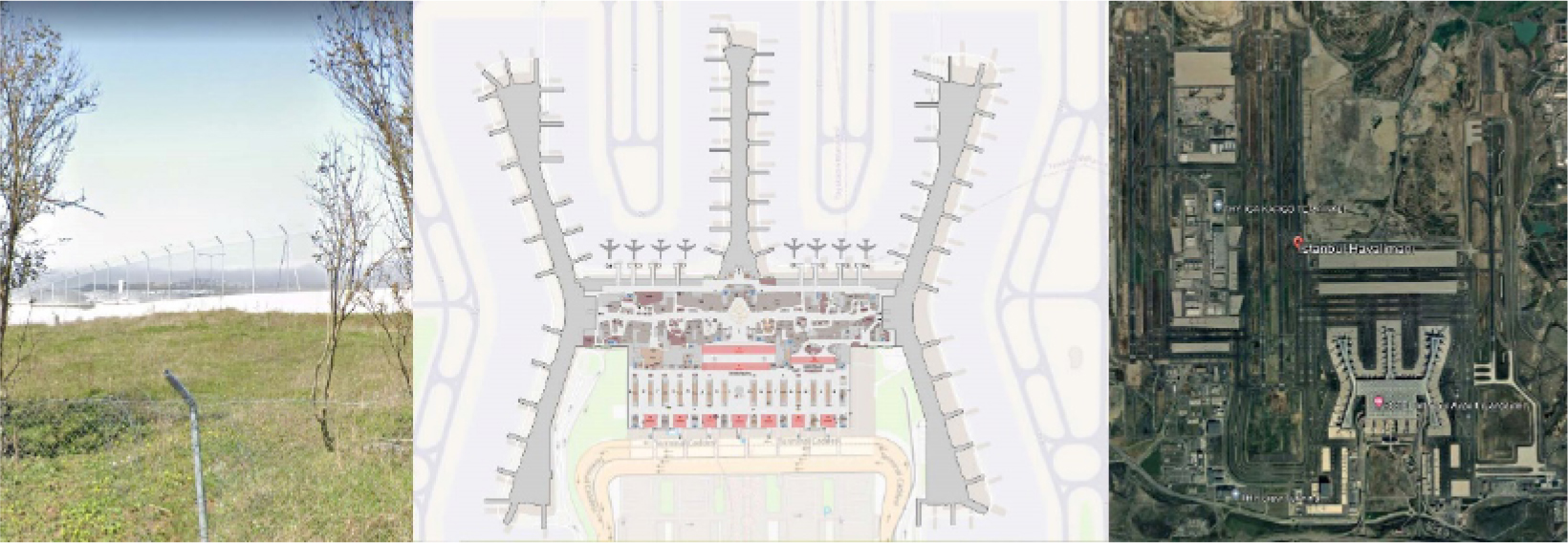
Figure 9.
İstanbul AGİ Airport (URL 1)
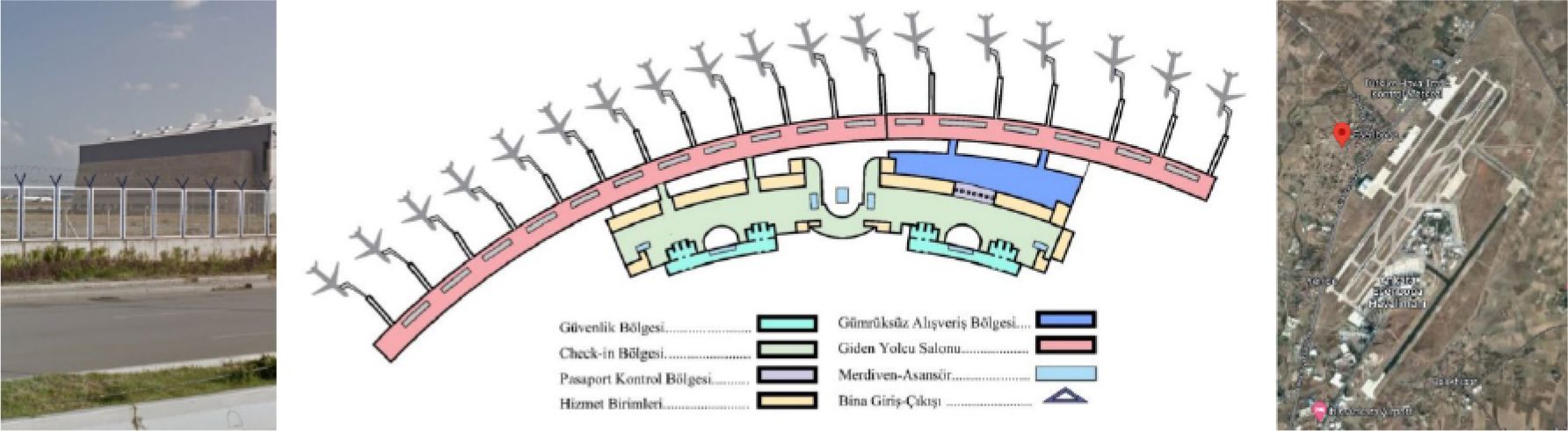
Figure 10.
Ankara Esenboğa Airport (Şahin ve Aslanöz, 2022)
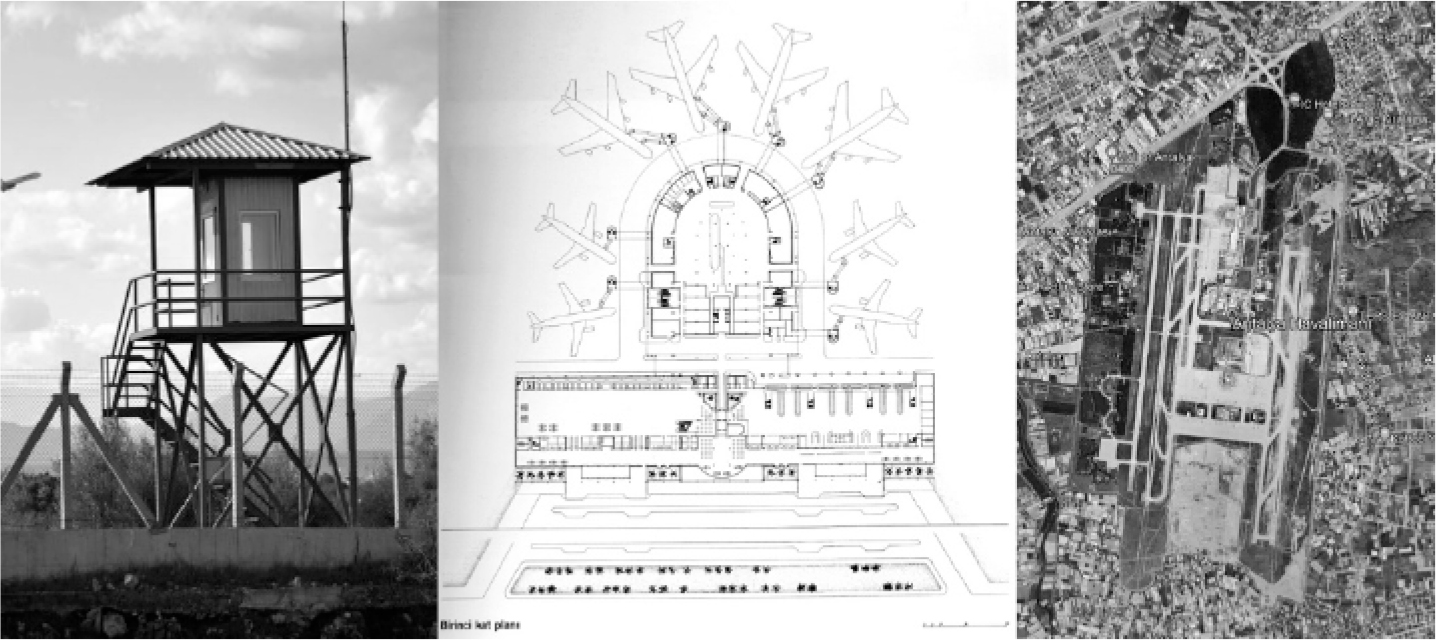
Figure 11.
Antalya Airport (URL 2)
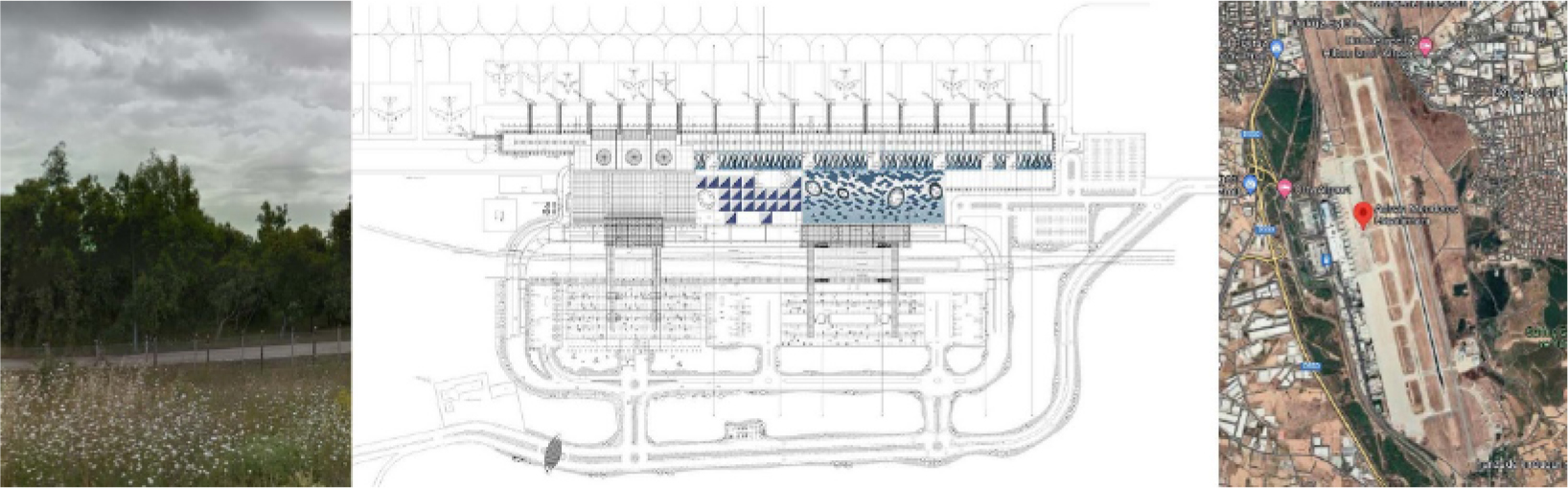
Figure 12.
İzmir Adnan Menderes Airport (URL 3)
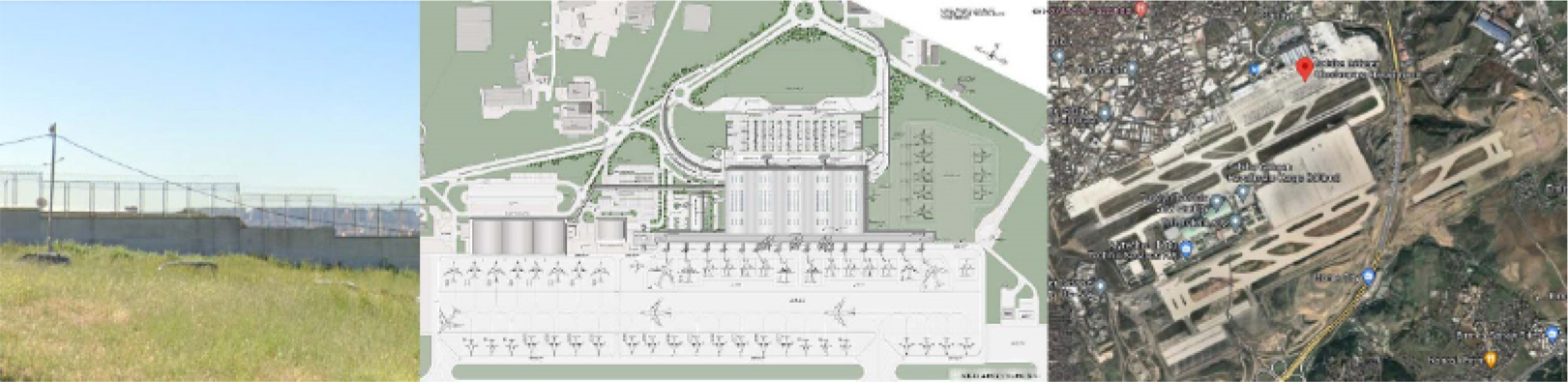
Figure 13.
Sabiha Gökçen Airport (URL 4)
Table 2.
Analysis of case studies against terrorist attacks in terms of planning and architectural design criteria (arranged by the authors)
| Buildings | İstanbul Airport | Antalya Airport | Sabiha Gökçen Airport | Ankara Esenboğ a Airport | İzmir Adnan Menderes Airport |
|---|---|---|---|---|---|
| Building Perimeter | – | – | – | – | |
| Circulation | – | – | |||
| Infrastructure | – | – | – | ||
| Landscape and urban design | – | ||||
| Access | – | – | – | – | |
| Parking lot | – | ||||
| Building form | – | – | – | – | |
| Floor area | |||||
| Facade | – | – | – | – | |
| Material | |||||
| Orientation | – | – | – | – | – |
| Location | – | – | |||
| Planning | – | – | – |