
1.0. Introduction
Small differences in how individuals manage their interactions and navigate their environments can significantly influence the connections they establish and the overall structure of social networks. These subtle variations not only affect personal relationships but also shape the broader dynamics and organization of social ties within groups.
This study aims to investigate how individual differences in self-monitoring and physical proximity influence friendship and support networks within a student volunteer organization in Romania. The focus is on the human resources department, where frequent interactions play a vital role in organizational functioning. While previous research has often relied on self-reported networks, which may accept one individual’s declaration of a relationship without further examination, few studies have explored the discrepancies between perceived and actual social ties, particularly within the Romanian context. By comparing cognitive social networks with actual reciprocal relationships, this study addresses this gap and seeks to provide valuable insights into how individual traits and contextual factors collectively shape both network structure and perception.
2.0. Literature Review
Social Networks
The study of social networks differs from traditional analyses by focusing on an actor’s position within a network rather than exclusively on individual characteristics (Borgatti et al., 2009). Centrality and the roles actors occupy determine access to information, influence, and the opportunities or constraints they face (Brass, 1995). Key structural concepts relevant to the present study include degree (in-degree/out-degree), closeness, and betweenness centrality, which reflect an actor’s connectivity, accessibility, and brokerage potential within a network. Power within networks reflects an actor’s structural position and connectivity, determining access to information, influence, and the ability to shape relational dynamics (Hâncean, 2014). Understanding these patterns is critical for analyzing organizational networks, as actors occupying central or strategic positions may control flows of help and friendship, which are key variables in the present study.
Relationships between actors can be symmetric, such as mutual ties that exist independently of individual choice, or asymmetric, shaped by individual decisions. For instance, acts of assistance can be unidirectional or bidirectional, influencing patterns of support and dependency (Hâncean, 2014). Understanding these distinctions is essential for analyzing social networks effectively, particularly in organizational contexts.
Social networks may be conceptualized as ego-networks, where a focal actor (ego) and all connected actors (alters) are considered, along with the relationships among alters themselves. Ego-network analysis allows for assessing an actor’s position relative to others and identifying trends in affiliations and support, including the influence of physical proximity. Homophily also plays a role, as individuals tend to form ties with others who share similar characteristics, increasing the likelihood of repeated interactions and network cohesion (Boucher, 2015).
Moreover, patterns of help offered and requested are shaped by evaluations of expertise, relevance, and willingness to assist (Borgatti & Cross, 2003). These mechanisms explain why some actors maintain numerous helping ties and occupy central positions in support networks, while others have fewer connections, providing the conceptual foundation for examining relational patterns in the present study.
Cognitive Social Network
Cognitive social structures (Krackhardt, 1987), represent an advanced level of social network analysis. They reflect “individuals’ subjective perceptions of their own positions and those of others within the network” (Hâncean, 2014, p. 36). Individuals interpret their situation through a subjective lens, leading to varying perceptions of the phenomenon. Krackhardt (1990) distinguishes between cognitive, subjective networks—actors’ personal perceptions—and confirmed, objective networks, which exist independently of individual interpretation. While a person’s view of their friendships may reflect some reality, it should not be confused with the actual structure of these connections.
Research (Krackhardt, 1990; Freeman et al., 1987) indicates that the precision in identifying the true structure of networks is directly correlated with the centrality and power of the actors involved. This finding underscores the importance of central actors in enhancing our understanding of network dynamics.
A distinct method for analyzing perceived social structures involves using visual network scales. This approach presents respondents with stylized representations of social networks and asks them to rate, on a numerical scale, how closely their perceptions align with these representations (Mehra et al., 2014, page 315). As a result, the trait of interest is obtained directly through participant questioning, rather than inferred from dyadic link analysis. Mehra et al., (2014) concluded that this method offers respondents an effective means of articulating their attitudes, ideas, and perspectives, which may otherwise be too intricate to convey accurately.
There have been limited studies conducted in Romania that investigate the distinctions between perceived and confirmed social networks. This underscores the necessity for further empirical research in this area. These findings suggest that individual traits may influence the accuracy of perceived networks, providing a theoretical foundation for examining the role of self-monitoring in network cognition.
Self-Monitoring
Individual differences—such as personality traits, attitudes, and expectations—are often overlooked in social network studies, yet they are vital for understanding the formation of cognitive social structures.
Individuals vary in their “ability to accurately interpret relationships in their environment” (Brands, 2013, p. S91). For instance, some may recognize authentic workplace friendships, while others might misinterpret signals and perceive non-existent connections. This variation is related to the personality trait of self-monitoring (Snyder, 1974). The self-monitoring variable evaluates how individuals differ in their “willingness and ability to manage their self-presentation, expressive behavior, and nonverbal emotional displays” (Snyder, 1974, p. 526). It reflects attitudes toward social appropriateness, indicating the tendency to adopt behaviors suitable for specific contexts and acceptable within a group or society (Snyder, 1974).
Research has established a significant correlation between self-monitoring and several important factors, including group affiliation (Day & Schleicher, 2006), the number of social relationships, and individual centrality within social networks (Mehra et al., 2001; Hâncean, 2014). It also relates to concerns about exchange relationships, accuracy in understanding network structures, and the balance between help demand and availability (Flynn et al., 2006). Individuals with high self-monitoring skills are especially attuned to the dynamics of helping relationships and the dependency structures within them. This awareness enables them to identify patterns of support and obligation, allowing them to position themselves strategically within their networks. Consequently, self-monitoring is correlated with enhanced recognition of relationships, particularly in helping networks where dependency is prominent.
Individual differences serve as a theoretical framework for understanding social networks within volunteer and student organizations. In these environments, both personal traits and structural elements contribute to the formation of relational patterns. The concept of self-monitoring significantly influences how individuals perceive their relationships and navigate their interactions. This impact extends to the structure of networks, centrality, and patterns of support—key factors that inform the analysis presented in this study.
Social Networks in University Student Volunteer Associations
Volunteer associations, where individuals collaborate to provide mutual support and pursue shared objectives, present an excellent context for examining social networks (Rochester, 2006). In these organizations, interpersonal interactions and cooperative behavior are essential for fostering participation, engagement, and the formation of social structures. Furthermore, relationships characterized by friendship and mutual assistance play a vital role in shaping members’ involvement and influence within the group.
Student associations represent an important category of volunteer organizations that are established and managed by students to advocate for their interests and encourage collaboration within the university community. The primary objectives of these associations include enhancing communication with university administration, facilitating student integration, organizing charitable initiatives, and improving campus life. Unlike formal organizations, student associations typically do not provide financial compensation or maintain formal hierarchical structures. Instead, membership and engagement are largely motivated by a sense of interpersonal relationships and self-help (Alfes et al., 2016; Brewster et al., 2006). As such, an association prioritizes supporting its members before assisting the wider community. These characteristics render student associations particularly valuable for examining friendship ties, supportive interactions, and centrality within social networks.
Student associations, based on their size and objectives, may include functional departments such as human resources, education, and fundraising. Social dynamics in these organizations are primarily shaped by informal interactions and shared goals rather than formal rules.
Research indicates that volunteer-based and student organizations often display dense friendship networks and frequent helping behaviors, influenced by structural factors like centrality and proximity, as well as individual personality traits. For instance, McFarland et al. (2014) investigated social networks among students, finding that friendship structures vary across educational contexts due to environmental constraints and individual factors like homophily and centrality. Their research indicates that similar social mechanisms can lead to diverse network patterns. In this study, it is suggested that both organizational context—such as campus proximity—and individual traits, such as self-monitoring, can significantly influence the formation, accuracy, and centrality of social ties within student volunteer associations. In alignment with this perspective, Biancani and McFarland (2013) observe that student communities demonstrate structured patterns of friendship and support relationships influenced by living arrangements, shared activities, and organizational frameworks. Together, these findings suggest that within student volunteer associations, both the organizational context—such as campus proximity and departmental roles—and individual characteristics (e.g., self-monitoring), can significantly affect the development, perception, and significance of social ties.
The present study examines the formation and organization of social networks centered on friendship and support within the human resources department of a university-based student volunteer association, with a focus on both micro-level factors—such as the influence of self-monitoring—and macro-level determinants shaping the networks’ structure. In addition to these variables, physical and organizational proximity was also considered, given its well-documented role in facilitating interpersonal contact, enhancing the likelihood of repeated interactions, and fostering trust and reciprocity—core mechanisms in the development of social ties. The decision to investigate this topic within the present context is grounded in empirical evidence from prior research, which consistently indicates that self-monitoring is associated with several variables of theoretical and practical relevance, including social adequacy, network centrality, and popularity within social structures.
The selection of the target population was based on theoretical and empirical considerations. Student volunteer associations serve as an excellent context for studying social network dynamics, characterized by strong friendship ties, frequent assistance, and a high degree of social interdependence (McFarland et al., 2014; Biancani & McFarland, 2013). The organizational structure, especially within the human resources department, offers diverse roles that influence centrality, access to information, and opportunities for support. Additionally, shared living arrangements among campus residents introduce spatial proximity as a factor affecting interactions and perceived networks. These elements make student volunteer associations an ideal setting for examining how individual traits, such as self-monitoring, and structural factors—including proximity, centrality, and homophily—impact the formation and perception of social ties within the network.
The following two primary objectives were established for pursuit:
Assessing the alignment between cognitive and actual social structures for each actor to identify influencing variables.
Establishing the relationship between the self-monitoring variable and centrality measurements.
Examining the effect of physical proximity on the formation, strength, and structural positioning of friendship and support ties within the network.
In light of these objectives, the study aimed to address the following research hypotheses:
H1: Students with a high level of self-monitoring have a greater ability to accurately identify relationships around them, compared to those with a lower score..
H2: Students with a high level of self-monitoring hold central positions within networks.
H3: The ratio between offering and requesting help is higher in students with a high level of self-monitoring.
H4: Students who live on the association’s campus are more central to the network than those who live in other areas of the city.
3.0. Methods
Research Design
This sociometric study employed a cross-sectional design to examine personal networks of close friendship and support within the human resources department of a student volunteer association in Romania. It evaluated both structural characteristics, such as individuals’ positions in the networks, and the personality trait of self-monitoring. Additionally, the research assessed the precision of identifying relationships with respect to these variables, offering insights into interpersonal dynamics within the organization.
The research employed a sociometric questionnaire in conjunction with Snider’s (1976) self-monitoring scale, which comprises 25 statements. To ascertain the positions of individuals within the networks, centrality measures—specifically indegree, outdegree, and closeness—were calculated.
The precision of identifying the real structure of friendship and support networks within the department—considering both relationships between ego and alters and relationships among alters—was operationalized as the proportion of correctly identified existing ties out of all perceived ties. In social network analysis, a symmetric (bidirectional) tie traditionally refers to a relationship in which both actors nominate each other in the same relational category (e.g., A names B as a friend and B names A as a friend) (Krackhardt).In the present study, however, confirmed ties were defined more broadly. A tie was considered confirmed when both actors acknowledged the existence of that specific directional relationship—for example, A reported that B is a friend and B confirmed that A perceives them as a friend—regardless of whether B also nominated A as a friend. This operationalization captures mutual recognition of a reported tie rather than strict reciprocity, allowing the assessment of precision in perceiving social relationships without restricting the analysis to fully symmetric ties. Furthermore, accuracy was assessed using visual network scales, by comparing participants’ perceptions of network density and link positions with the true network values. This measure captures how accurately individuals perceive the overall structure of the network, complementing the tie-level precision analysis.
During the design phase, the study was presented to the target population, outlining the research topic, main objectives, and measures for protecting personal information. This information was reiterated before the study began to ensure informed consent and voluntary participation among all department members.
Recruitment and Participants
The analysis focuses on 26 members of the human resources department, consisting of male and female students aged 19 to 24. Their educational backgrounds range from first-year bachelor’s degree students to second-year master’s degree students, highlighting their unique interests and activities. Participation in this study was contingent upon obtaining informed consent from respondents, along with a thorough understanding of the main objectives and research aims. Out of the 26 members of the department under analysis, 25 consented to participate in the study.
The decision to examine friendships and supportive relationships within the human resources department was made with careful consideration, as these dynamics are essential to the organization’s functionality. Conducting this research in student context offers valuable insights into how social networks are constructed, perceived, and valued, as well as their connection to personality factors, such as self-monitoring.
Instrument and Procedure
The data used in this research were obtained by applying two successive questionnaires (see Appendix A).
The first questionnaire consisted of sociometric questions and visual network scales that targeted relational aspects specific to ego-networks of friendship and help. Respondents were asked to tick one or more people, as appropriate, from a pre-established list, using the roster method. The scales also measured the level of visual accuracy in identifying the real structure of the networks in different situations (density level, link/bridge positions). Visual scales for bridge positions and ego-network density were rated from 1 to 5 (1- do not hold any bridge positions/5- I hold many such positions, see Appendix A).
The second part of the questionnaire involved the identification of a personality characteristic, the level of self-monitoring, using the scale proposed by Snider (1974), consisting of 25 descriptive statements regarding personal attitude in different situations (see Appendix A). These focus on relational aspects, such as: attitude towards social adequacy, sociability, management of expressive behavior and attention to cues in the social environment. The statements were evaluated with “True” or “False” depending on the extent to which the respondents agreed with the situation presented.
The second questionnaire was administered one day later and consisted of two personalized questions, formulated based on the individual responses previously provided by the respondents. It measured perceptions of helpful and friendly relationships between alters.
Data Analysis
Data were collected using two online questionnaires (Google Forms) that were sent to each participant individually, after their prior consent. The questionnaires were accompanied by a detailed description of the study, as well as information on the main objectives, duration and instructions for completion.
Based on the information provided by the respondents, two Excel databases were built representing friendship and help networks, along with a document regarding the attributes of each actor.
In the analysis, the presence of relationships was recorded as 1 and their absence as 0. Gender, residence, and membership in other associations were coded as dummy variables. For gender, the value 0 was assigned to female respondents and 1 to male respondents. For residence, 0 indicated living in other areas and 1 indicated living on campus. For membership in other associations, 0 denoted non-membership, while 1 indicated being a member of at least one other organization. Seniority was coded as an ordinal variable representing the students’ year of study (from first-year bachelor’s to second-year master’s, 1 to 5). These variables were used as independent predictors in regression analyses to examine how they influence network metrics such as precision in identifying relationships and centrality measures within the friendship and support networks. Responses to the self-monitoring scale were calculated by summing the scores of each question (see note to questions in Appendix A. Relationships involving actors who did not participate were excluded from the analysis.
The databases were imported into Ucinet software, allowing for the establishment of real relationships between actors through intersection analysis, confirmed by both parties. This facilitated a comparison between each node’s cognitive network and the confirmed network, leading to calculations of precision in relationship identification. The findings were analyzed alongside results from visual network scales, focusing on the accuracy of identifying structural characteristics like density and bridge positions in graphical representations. The precision measures for help and friendship ties were combined into a single precision variable by calculating a weighted average based on the number of links in each network type, providing an overall measure across both networks.
The real ego-networks, the personal networks of close friendship and help were aggregated into entire networks, which thus encompassed all members of the studied department. The centrality measures of the actors were calculated in Ucinet, and the graphical representations of their positions in the network were made with the NetDraw software. In order to respond to the hypotheses and objectives formulated, the real centrality measures of the students in the two networks (friendship and help) were reported to the score obtained on the self-monitoring scale, but also to the level of precision in identifying the real structure of the networks.
Although standard null hypothesis significance tests assume independent observations, the present analyses are conducted at the individual (node) level, with each respondent contributing one observation. The variables included in the regression models (e.g., precision, centrality, seniority, gender) are measured as actor-level attributes rather than dyadic relations, thereby reducing the degree of statistical dependence typically associated with relational data. Consequently, the use of conventional parametric tests is considered acceptable for the purposes of these analyses, while acknowledging that results should be interpreted with caution.
4.0. Findings
Descriptive Statistics
The analysis indicates that over 60% of participants are women, with a significant majority (72%) residing on the university campus, where the association’s headquarters are located. This raises questions about how physical proximity influences relationship development within the department. Furthermore, more than 60% of participants are in their second or third year, suggesting that first-year and master’s students may have lower interest in volunteering due to adaptation challenges and time constraints, respectively.
General Measurements: Central Tendency and Variability
In alignment with one of the primary objectives of this paper—the construction of personal friendship and support networks within the targeted human resources department—it is important to present a series of general metrics regarding their configuration. The measurements detailed in Table 1 include both perceived ties, reported by individuals, and confirmed ties validated through mutual agreement among network members. These statistics provide an overview of the network’s structure, covering aspects such as density, key actor positions, and the precision of perceived relationships. This foundation allows for further examination of the connections between these elements and individual differences, such as self-monitoring and proximity, in the main results.
Table 1.
Descriptive statistics
| Sex | Year of study | Seniority | Other student associations | Residence | ||
|---|---|---|---|---|---|---|
| N | Valid | 25 | 25 | 25 | 25 | 25 |
| Missing | 1 | 1 | 1 | 1 | 1 | |
| Average | 0.32 | 2.56 | 1.76 | 0.48 | 0.72 | |
| Median | 0.00 | 3.00 | 2.00 | 0.00 | 1.00 | |
| Mode | 0 | 2a | 2 | 0 | 1 | |
| SD | 0.476 | 1.003 | 0.663 | 0.510 | 0.458 | |
| Variance | 0.227 | 1.007 | 0.440 | 0.260 | 0.210 |
The cognitive approach to measuring friendship and support ties is based on students’ subjective perceptions. Comparisons with actual density values of 25% for the friendship network and 22% for the help network show that they consistently underestimated network density. On average, perceived densities were roughly 14% in both networks, indicating a tendency toward pessimistic assessments compared to the true values. This research examines also the ratio between individuals’ perceived cognitive social networks and their actual social networks, as confirmed by participants. In the help network, the average precision in identifying actual connections is 35%. In contrast, participants recognize real friendships with an average precision of nearly 50%. Additionally, the variability in precision is lower for friendships, with a standard deviation of 0.23 compared to 0.28 for the help network. To understand the distinction between these two types of networks, we must consider their unique characteristics. Requests for help usually occur in smaller settings, such as work teams or private communications. In contrast, friendships typically develop in larger groups during social events or gatherings. Consequently, recognizing friendships is often more straightforward due to the clear signals from those involved.
Moreover, individuals tend to view themselves as bridges more in the help network (M = 2.68) than in the friendship network (M = 2.32) on a scale of 1 to 5.
Table 2 indicates that the two types of networks (confirmed links) show minimal differences in size (number of links) and interconnectivity (density). However, a comparative analysis may reveal specific organizational characteristics and interaction patterns worth discussing.
Table 2.
General measurements
| Valid | Missing | |||||
|---|---|---|---|---|---|---|
| Perception of friendship network density | 25 | 1 | 3.40 (14.2%) | 4.00 | 1.190 | 1.417 |
| Perception help network density | 25 | 1 | 3.36 (14%) | 4.00 | 1.186 | 1.407 |
| Precision help network | 25 | 1 | .353 | .333 | .289 | .083 |
| Precision friendship network | 25 | 1 | .482 | .500 | .237 | .056 |
| Bridge position perception-friendship network | 25 | 1 | 2.32 | 2.00 | 1.249 | 1.560 |
| Bridge position perception-help network | 25 | 1 | 2.68 | 3.00 | 1.345 | 1.810 |
| Ego-network density-Help | 17 | 9 | .225 | .000 | .333 | .111 |
| Ego-network density-Friendship | 25 | 1 | .257 | .071 | .441 | .195 |
| Ego-network size-Help | 17 | 9 | 2.35 | 2.00 | 1.367 | 1.868 |
| Ego-network size-Friendship | 24 | 2 | 2.67 | 2.00 | 1.857 | 3.449 |
| Self-monitoring level | 25 | 1 | 11.00 | 10.00 | 4.041 | 16.333 |
Friendship networks show considerable variability in the number of participants. Helping networks also display variability, with values generally more consistent across participants. This difference arises from the informal and formal nature of these relationships. While friendships are based on affinity and personal preferences, helping relationships often form within consistent project teams across tasks.
The two confirmed ego-networks demonstrate differences in density variability, with standard deviations of 0.44 for friendship networks and 0.33 for helping networks. This indicates that friendship networks have a greater diversity in interconnectedness. Approximately 50% of individuals lack helping relationships, resulting in disconnection. This may be due to selective participation in departmental activities that prioritize informal friendships, or a focus on individual tasks that limit interaction. However, the latter is less likely, given the emphasis on collaboration and teamwork encouraged by student associations.
Finally, self-monitoring is an important characteristic for accurately identifying relationships and understanding social interactions. The study indicated considerable variability in this trait among department members (M = 11, SD = 4). The distribution of self-monitoring scores follows a Gaussian curve, with 62% clustered around the mean and 11% exhibiting high levels of self-monitoring.
These descriptive patterns provide the foundation for testing the study hypotheses, which examine how individual differences in self-monitoring and physical proximity relate to network precision and overall network structure.
5.0. Main Results
Cognitive vs. Real Social Networks: The Role of Self-Monitoring and Socio-Demographic Factors in Network Formation
Students’ perceptions in the studied department related to network configuration may relate to certain traits and behaviors they display at the organizational level, including self-monitoring, network centrality, and the number of connections made and received. As discussed in the previous subchapter, there is a notable discrepancy in the precision with which individuals identify friendship relationships compared to their ability to recognize help networks. While this variance may be attributed to specific organizational characteristics, it is essential to consider the impact of additional factors, such as the structural attributes of the network, including its density and fragmentation.
While the density levels of both types of networks are similar, there are notable differences in fragmentation. Specifically, 38% of nodes in the friendship network cannot connect, compared to 89% in the aid network. This high level of fragmentation hinders the ability of actors to identify relationships due to many disconnected nodes, explaining the differences in average precision between the networks.
The precision in identifying authentic relationships is positively associated with self-monitoring levels, reflecting both the desire for social adequacy and the students’ ability to perceive and strategically respond to cues from the social environment. In friendship networks, these variables show a moderate positive correlation (r = .60, p < .001), significant at the 1% level. Additionally, the ability to accurately identify supportive relationships demonstrates a strong positive association (r = .823, p < .001).
A multiple linear regression analysis was conducted to evaluate the predictions, controlling for socio-demographic variables such as gender, seniority, residence, and year of study. The dependent variable is the precision level in identifying relationships, while the independent variables include self-monitoring levels, organizational seniority, residence, gender, and year of study. The predictors in this study account for 54% of the variance in the precision of identifying friendship and helping relationships (Table 3). The ANOVA test results (F5,19 = 6.58, p = .001) with an adjusted R² of .54. This indicates a significant impact of the included dependent variables on the precision of the assessments.
The analysis in Table 4 based on the alpha threshold of .05, indicates that seniority, residency, gender, and year of study are not significant factors in influencing precision levels. In contrast, self-monitoring among actors shows a statistically significant relationship (p < .001), as outlined in the table above. This suggests that variations in self-monitoring account for a unique portion of the variability in accurately identifying genuine relationships, with a regression coefficient (B) of .710.
Table 4.
Regression coefficients
| Model | Unstandardized coefficients | Standardized coefficients | t | Sig. | |
|---|---|---|---|---|---|
| B | SD | Beta | |||
| (Constant) | −.258 | .360 | −.716 | .482 | |
| Self-monitoring level | .087 | .019 | .710 | 4.482 | .000 |
| Seniority | .084 | .120 | .113 | .702 | .491 |
| Residence | .132 | .171 | .123 | .774 | .448 |
| Sex | .008 | .147 | .008 | .055 | .957 |
| Year of study | −.041 | .087 | −.084 | −.476 | .640 |
The bridge positions that the students identified based on the visual scales, by association with the broker roles held, correspond to the actual distribution of these positions within the two networks. Students reporting more link positions in their ego-networks also positioned themselves accordingly. Notably, the accuracy in the help network (r = .48, p < .001) is greater than in the friendship network (r = .38, p = .002). This difference aligns with the theoretical perspectives of this research and can be explained by various factors related to organizational culture and network structure.
The network’s structural characteristics indicate that fragmentation significantly impacts the identification of linkage positions. With over 80% fragmentation, many subgroups are disconnected, resulting in fewer linkage positions, which makes it easier for those who hold them to establish connections. By comparison, the perception of ego-network density related to help and friendship, as measured by visual scales, does not correspond with actual density. This indicates that individuals, regardless of self-monitoring levels, have low accuracy in recognizing this aspect of their social networks.
Centrality and Social Status in Organizational Networks: The Influence of Self-Monitoring and Residential Proximity
Integrating ego networks into a unified network allowed for the identification of key measures of actor centrality. The way students position themselves in their personal support networks contributes to the overall departmental structure, while macro-level influences can alter dyadic configurations. Thus, examining students’ centrality in both networks offers valuable insights into these dynamics. Figure 1 displays these networks.
Given the unique characteristics of the asymmetric and directional networks being studied, it is crucial to assess two measurements of degree centrality: indegree, which counts incoming links, and outdegree, which counts outgoing links. A comparative analysis of these metrics reveals important patterns and associations with the variables of interest.
Central tendencies provide valuable insights into the distinction between the two networks. On average, actors send and receive twice as many friendship ties as help requests, indicating stronger connections within the close friends network. Notably, around 50% of actors do not receive help requests, suggesting that requests may be concentrated among a smaller number of students perceived to have epistemic authority within the network (see the figure below). Additionally, there is a strong positive correlation (r = .881, p < .001) between the number of friendship ties and help requests, indicating that central students in the close friends network also tend to be popular in the help network. The popularity of a student in the network is more pronounced with higher self-monitoring levels, showing a positive correlation with indegree centrality in both networks (r = .777 and r = .864, p < .001). Furthermore, there is a moderate positive correlation between the level of self-monitoring and the number of relationships represented in the friendship network (outdegree). The graph below indicates that students who are more attuned to social cues and appropriateness are viewed as closer friends and are more often approached for help.
The analysis shows no significant correlation between students’ outdegree and their level of self-monitoring. However, a positive correlation exists between the ratio of requests received to requests sent and self-monitoring (r = .669, p < .001). Students with higher self-monitoring tend to receive more help requests while sending fewer, indicating a sensitivity to the dynamics of helping relationships.
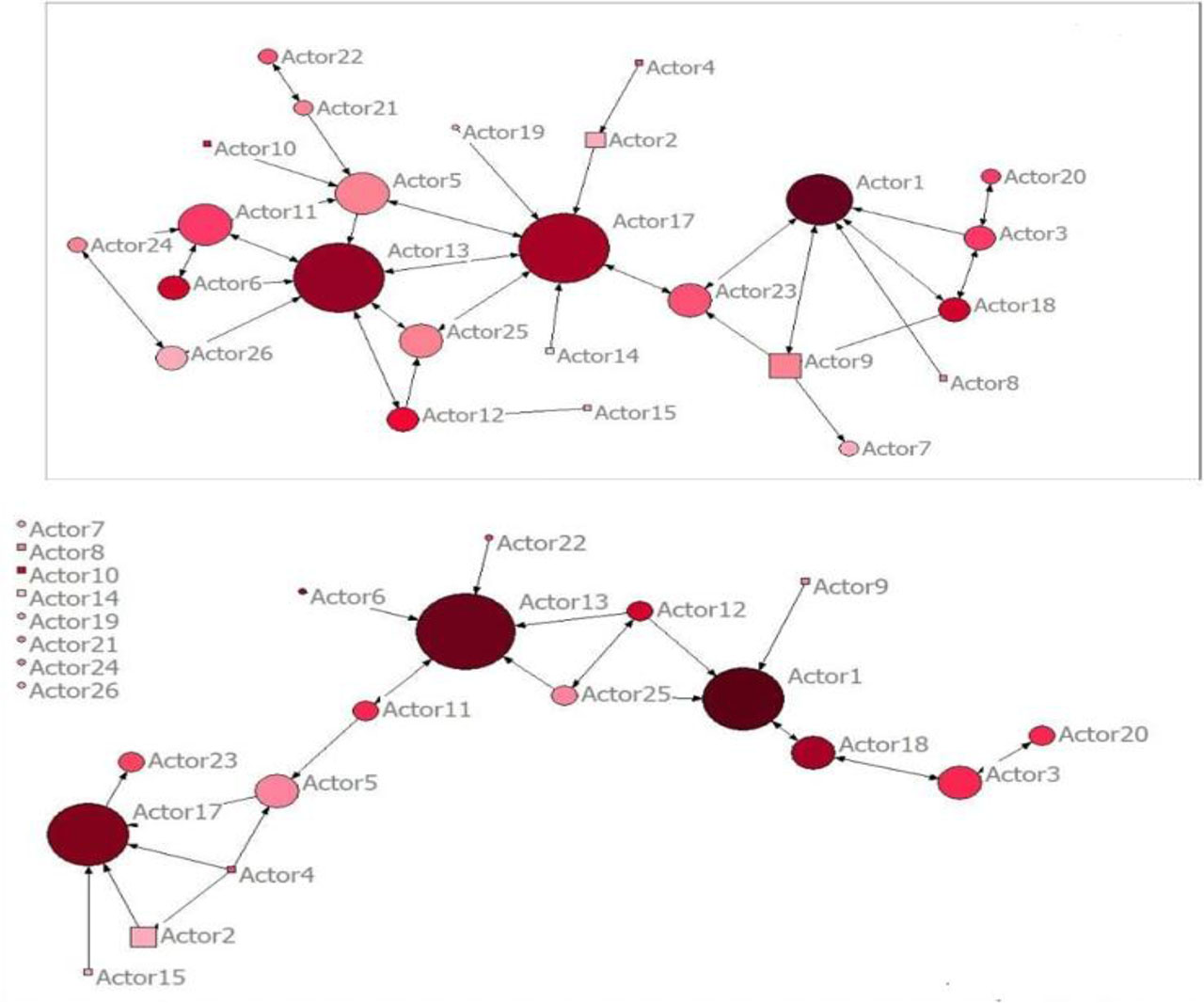
Figure 1.
Friendship and support networks
LEGEND
Size: Indegree (Number of connections received)
Residence: Round-Campus, Square-Other area
Color intensity: Self-monitoring level
The residential environment of students significantly impacts the development of friendships and support networks. Over 70% reside on the association campus, while 28% live in other areas of the city. This arrangement is positively correlated with the number of friendships received and initiated, with those living on campus forming more connections within the human resources department than those in other locations. The identified trend also applies to helping relationships, as living on campus is positively correlated with the frequency of help requests (r = .48, p = .029). This indicates that campus residents are more frequently approached for assistance.
A final aspect regarding the centrality of the actors, which should not be omitted is its strong positive correlation with precisely identifying the true structure of the two networks studied, with an association value between .70 and .80 (p < .001). Thus, students with greater integration and social connections within the department are more likely to have a realistic understanding of their own relationships and those of their peers compared to less central actors.
Influence, Resource Access, and Bridging Roles in Social Networks: The Impact of Self-Monitoring
Individuals differ in their positions and centrality within ego-networks and the larger network. Bridge positions were identified and quantified based on connections between otherwise unconnected nodes.
Bridging positions at the ego-network level positively correlate with same roles in the broader network. Higher betweenness scores also relate to greater self-monitoring (correlations of .63 to .80, p < .001), indicating that students who are mindful of social implications tend to occupy bridging roles.
The analysis of the closeness score, reflecting the average distance between a node and all others, produced unexpected findings. There is no significant association with the outclose score and a negative relationship with the inclose score (r = −0.483, p < 0.001, and r = −0.696, p = 0.015). Students with a high closeness score, quick access to information, and strong influence may not necessarily possess a high level of this specific personality trait.
6.0. Discussion
To fully understand the results presented, it is essential to consider them alongside the initial predictions outlined in the paper. Additionally, a comparative analysis with other studies will reveal how my findings are supported, contradicted, or further developed by current research.
The findings support H1, showing that higher self-monitoring is associated with greater precision in perceiving both direct and indirect relationships within the network.
The cognitive social structure of self-monitors closely mirrors the actual social structure. Consequently, they possess a deep understanding of who provides support to whom, are able to identify the friendly relationships among various individuals—including both their direct connections and the relationships between alters—and recognize the degree to which they occupy pivotal roles in both networks. This conclusion is consistent with the findings of a prior study that examined the dynamics of exchange relationships (Flynn et al., 2006). Moreover, individuals tend to view themselves as bridges more in the help network (M = 2.68) than in the friendship network (M = 2.32) on a scale of 1 to 5. This may reflect a desire for influence and expertise at a formal level. Furthermore, the organization’s emphasis on fostering close friendships likely results in fewer bridge positions within the informal network.
Moreover, the association between self-monitoring and precision was particularly pronounced in the help network. This can be attributed to the greater importance of dependency relationships in supportive interactions. Helping ties involve asymmetries of needs, obligations, and resource exchanges, providing clearer social cues for attentive individuals to interpret. This awareness can enhance informal influence and authority within the group. In contrast, friendship ties are typically reciprocal and egalitarian, presenting fewer indicators of dependency, which may limit their effectiveness for strategic social positioning.
Another potential explanation for these findings is the focus on member support within student volunteer associations. These organizations primarily aim to assist their members (Alfes et al., 2016; Brewster et al., 2006). Consequently, students need to recognize who can provide and receive support within the network. This awareness likely improves the identification of helping relationships, as individuals actively coordinate interactions to promote effective collaboration and ensure the network runs smoothly.
Students had difficulty recognizing the structural property of density within ego-networks, despite using visual network scales intended for macro-level perceptions. This finding contrasts with prior research by Mehra et al. (2014). Participants in the current study could only identify bridge positions, indicating that perceiving macro-structural elements may be more complex than recognizing intermediary roles. This may be due to individuals processing social structures primarily at dyadic or triadic levels, which could limit their ability to accurately assess overall network density.
The findings indicate that students with higher levels of self-monitoring occupy more central positions in both friendship and support networks, as shown by their increased indegree and betweenness scores, supporting Hypothesis 2 (H2). Moreover, students tend to view themselves as bridges more frequently in the help network than in the friendship network. This trend aligns with existing research linking self-monitoring to greater network centrality, more social ties, and stronger group affiliation (Mehra et al., 2001; Day & Schleicher, 2006; Flynn et al., 2006). One possible explanation for this phenomenon is that individuals who are high in self-monitoring are more perceptive to social expectations and interpersonal feedback, which enhances their social acceptance and increases their likelihood of securing influential or brokerage roles within their peer groups. The presence of higher bridge positions within the help network suggests that the existing dependency relationships and opportunities for influence encourage students to adopt these roles. Conversely, the organization’s commitment to fostering close friendships within the informal network contributes to greater network density, which consequently results in fewer available bridge positions. Thus, self-monitoring appears to contribute significantly to the strategic consolidation of social status and centrality within student social networks.
The findings suggest that students with heightened self-monitoring abilities are more inclined to provide assistance than to seek help, thus supporting Hypothesis 3 (H3). This behavior is consistent with prior research, which indicates that individuals who are high self-monitors are adept at managing their exchange relationships and establishing dependency structures that enhance their influence within social networks (Flynn et al., 2006). In the context of a university-based student volunteer association, where formal authority and financial incentives are minimal, the consistent provision of help may serve as a vital mechanism for attaining informal status, visibility, and relational influence. By positioning themselves as dependable resources, high self-monitoring students can reinforce reciprocal expectations and solidify socially beneficial roles within the network.The analysis also highlighted a clear association between physical proximity and network centrality. Physical proximity significantly enhances the formation of relationships among volunteers residing on campus, while those living in other areas of the city tend to establish a considerably smaller network of connections.
Students living on the association’s campus tend to occupy more central roles within friendship and support networks than those residing off-campus, supporting hypothesis H4. This aligns with proximity theory (Hancean, 2014), which suggests that shared environments and frequent interactions foster social connections. Additionally, campus residents received more help requests, indicating a link between physical proximity and perceived engagement. In the context of a university-based student volunteer association, the observed effect is likely a result of both physical accessibility and perceived engagement. Students situated near the association’s headquarters tend to be perceived as more actively involved in daily activities, better informed, and more capable of providing support. Therefore, their proximity acts as both a structural opportunity for interaction and a symbolic indicator of their commitment and expertise within the network.
Limitations of the Study
One limitation of this research is that the analysis intentionally excluded the researcher’s position within the human resources department to prevent any potential bias in the responses. Consequently, the examined networks do not account for the researcher’s personal connections.
Additionally, the study focused on ego-networks and the precision with which students identified their direct relationships and the connections among their alters. This emphasis limits the findings to the immediate network structures surrounding each individual and does not extend to the broader organizational network.
Finally, considering the specific context of a university-based student volunteer association and the socio-demographic characteristics of the participating students, the results may not generalize to other organizations or populations beyond this particular setting.
Relevance and Impact
This study provides valuable theoretical and practical contributions by addressing a significant gap in existing research on student social networks. Unlike previous work that often relied on self-reported networks, this research examines the precision with which students identify their relationships and those of their peers. It offers insights into how individual traits, such as self-monitoring, and contextual factors like physical proximity impact network structure and perceptions.
By focusing on a university-based student volunteer association, the study reveals how friendship and support networks develop within environments defined by informal hierarchies and non-monetary incentives. The findings advance social network research by empirically testing theoretical predictions about self-monitoring and network centrality while providing useful insights for student organizations seeking to enhance collaboration and effective communication within their communities.
Conclusions and Directions for Future Research
This study examined how individual differences and contextual factors affect the formation of friendship and assistance networks among students in a university volunteer association. It found that self-monitoring and physical proximity are key factors in network dynamics. Students with higher self-monitoring scores were better at identifying relationships, held more central positions, and offered help more frequently than they requested it. Additionally, students living on campus were more integrated into these networks, highlighting the role of proximity in fostering interactions and relationships.
These findings underscore the significant interplay between individual traits and environmental factors in shaping social networks among students. Individuals with high self-monitoring skills demonstrate a remarkable ability to navigate relational dynamics, thereby enhancing their influence and effectively managing dependency relationships within support networks. Furthermore, increased proximity among students amplifies these effects by fostering greater opportunities for interaction, collaboration, and recognition within the group.
To enhance future research, it is important to analyze all departments to determine how identified trends reflect the organization as a whole. This examination could inform the development of communication strategies that promote collaboration, which is essential for organizational success. For instance, a future study might explore the link between closeness scores and personality traits, helping to identify key individuals for effective information dissemination.
Moreover, the analysis of ego-networks presents a limitation in the current research, as it does not allow for precise understanding of relationships among all actors in the network. This constraint affects our assessment of self-monitoring’s influence. Further research could provide valuable insights into these questions.
Last but not least, the cross-sectional nature of this study limits the ability to determine whether the effects of self-monitoring are temporary or lasting. We also cannot identify how consistently individuals with high self-monitoring scores engage in impression management beyond just creating a favorable first impression. Thus, a longitudinal approach is needed to examine the stability and evolution of precision, relationships, and influence over time.
Appendices
Appendix A:
Instruments
Questionnaire 1
Please enter your full name in block letters in the space below: ................................................................
1. Please check, in the list below, the people you consider close friends.
2. Please check, in the list below, the people you think consider you a close friend.
3. Please check, in the list below, the people who usually ask you for help in carrying out tasks within the association.
4. Please check, in the list below, the people you usually ask for help in carrying out tasks within the association.
In the following, I will present you with a series of graphs that represent your personal networks of close friends and help. For example, within the network of close friends, a personal network refers to the relationships between you and your close friends, as well as the friendship relationships that exist between your close friends. Thus, the graphs are composed of: a large circle in the center (which is represented by you), other smaller circles that illustrate your close friends, and lines that mark close friendship relationships. The graph below is a representation of such a personal network.
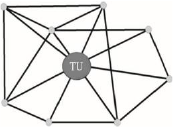
5. This question is about your perception of the level of interconnectedness of your close friends. In your opinion, which of the graphs below corresponds to the degree of interconnectedness of your personal network of close friends? Please choose one of the options below.
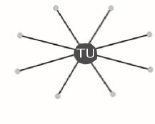
1. None of my close friends are friends with the others.

2. Some of my close friends are friends with each other
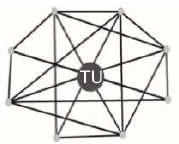
3. About half of my close friends are friends with each other.

4. Most of my close friends are friends with each other.
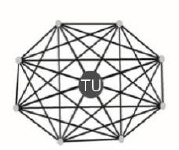
5. All my close friends are friends with each other.
6. This question concerns your perception of the level of interconnectedness of the people you have support relationships with (those who ask for your help and those you ask for help from) in your personal support network (within the association). In your opinion, which of the graphs below corresponds to the degree of interconnectedness of your personal support network (within the association)? Please choose one of the options below:
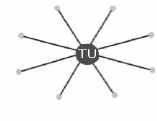
1. None of the people I have support relationships with help each other.
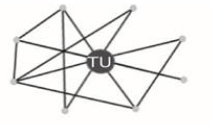
2. Some of the people I have support relationships with help each other.
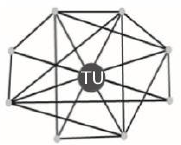
3. About half of the people I have support relationships with help each other.

4. Most of the people I have support relationships with help each other.

5. All the people I have support relationships with help each other.
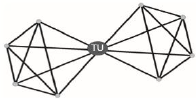
7. In the graph below, there are two groups. The larger circle in the center (“You”) can be considered a bridge. A bridge represents the person who connects two groups that would otherwise be disconnected. On a scale of 1 to 5, to what extent do you consider yourself to be a bridge in your network of close friends within the department, in other words, to what extent do you have close friendships with groups/subgroups that would otherwise be disconnected?
1. I do not hold any bridge positions
2.
3.
4.
5. I hold many such positions.
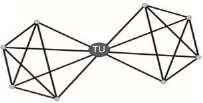
8. In the graph below, there are two groups. The larger circle in the center (“You”) can be considered a bridge. A bridge represents the person who connects two groups that would otherwise be disconnected. On a scale of 1 to 5, to what extent do you consider yourself to be a bridge in your department’s support network, in other words, to what extent do you have support relationships with groups/subgroups that would otherwise be disconnected?
1. I do not hold any bridge positions
2.
3.
4.
5. I hold many such positions.
The situations presented below refer to personal reactions in different situations. No two situations are the same, so each statement should be read carefully before answering. If a situation is true or almost true you will circle T in the box next to it. If the statement is false or usually not true, you will circle F in the box next to it.
| No. | Statement | Agree (A) | False (F) |
|---|---|---|---|
| 1 | It seems difficult for me to imitate other people’s behavior. | ☐ | ☐ |
| 2 | My behavior usually expresses my true feelings, attitudes, and beliefs. | ☐ | ☐ |
| 3 | At parties or social gatherings, I don’t expect to do or say things just to please others. | ☐ | ☐ |
| 4 | I can only argue for ideas I truly believe in. | ☐ | ☐ |
| 5 | I can improvise conversations even on topics I don’t know much about. | ☐ | ☐ |
| 6 | I think I can act like a show-off to impress or entertain people. | ☐ | ☐ |
| 7 | When I’m unsure how to behave in a social situation, I watch others’ behavior for cues. | ☐ | ☐ |
| 8 | I could probably be a good actor. | ☐ | ☐ |
| 9 | I rarely ask my friends for advice on choosing movies, books, or music. | ☐ | ☐ |
| 10 | Sometimes I give others the impression that I’m experiencing stronger emotions than I really am. | ☐ | ☐ |
| 11 | I laugh more when watching a comedy with others than when I’m alone. | ☐ | ☐ |
| 12 | In a group of people, I’m rarely the center of attention. | ☐ | ☐ |
| 13 | In different situations and with different people, I often behave like two different persons. | ☐ | ☐ |
| 14 | I’m not good enough to make others like me. | ☐ | ☐ |
| 15 | Even if I’m not having fun, I often pretend that I’m enjoying myself. | ☐ | ☐ |
| 16 | I’m not always the person I appear to be. | ☐ | ☐ |
| 17 | I don’t change my opinions (or the way I do things) just to please someone or get a favor. | ☐ | ☐ |
| 18 | I consider myself the life of the party. | ☐ | ☐ |
| 19 | To get something and to be liked, I tend to be what people expect me to be rather than who I really am. | ☐ | ☐ |
| 20 | I have never been good at role-playing or improvisational games. | ☐ | ☐ |
| 21 | I have trouble changing my behavior to match that of other people or different situations. | ☐ | ☐ |
| 22 | At a party, I let others tell jokes and stories. | ☐ | ☐ |
| 23 | I feel a bit awkward in social settings and don’t present myself as well as I should. | ☐ | ☐ |
| 24 | I can look someone in the eye and tell a lie wit | ☐ | ☐ |
| 25 | I can deceive people by being friendly when I actually don’t like them. | ☐ | ☐ |
| One point was calculated for each of the following: | |||
| 1, 2, 3, 4, 9, 12, 14, 17, 20, 21, 22, 23- False, | |||
| 5, 6, 7, 8, 10, 11, 13, 15, 16, 18, 19, 24, 25- True | |||
| According to Snider’s (1976) classification, there will be three categories: low level of self-monitoring (between 0 and 8 points), medium (9–14) and high (15–22). The relationships of the actor who did not participate were excluded from the analysis. | |||
| Year of study…. | |||
| Are you a member of any other student organizations? If so, which ones? | |||
| ….. | |||
| How many years have you been a member of ASUB? | |||
| …….. | |||
| Where do you live? | |||
| a) Grozăvești | |||
| b) Other location…. | |||
| Gender: | |||
| a) Female | |||
| b) Male | |||
| The survey is over. | |||
| Thank you for your time and willingness to participate in this study. | |||
| Have a nice day! | |||
Questionnaire 2
Hello! This questionnaire is a complement to the previous one and aims to measure particular aspects formulated based on your previous answers, which are related to your relationships with others within the department. The questionnaire is short, consisting of 2 questions, the duration of completion being estimated at no more than two minutes.
It is necessary to remind you that the data obtained are used only for academic purposes and personal information will be anonymized and will not be used by the organization’s management.
Instructions for completion: The questionnaire consists of two questions in which pairs of names will be presented from which you will have to select those between which there are relationships.
1. Are there any friendly relations between the people you mentioned that you consider close friends? If so, which of them are close friends? Please tick these relations in the list below:
2. Which of the people you mentioned that you have helpful relations with (that you help or that help you) help each other? Please tick the pairs of names in the list below between which such relations exist, taking into account their meaning (“requests”, “offers”).
The survey is over.
Thank you for your time and willingness to participate in this study.
Have a nice day!