Have a personal or library account? Click to login
Improving sand flow rate measurement using the wavelet transform and ultrasonic sensors Cover

Improving sand flow rate measurement using the wavelet transform and ultrasonic sensors

By: H. Seraj,  B. Evans and  M. Sarmadivaleh  
Open Access
|Feb 2021

Figures & Tables

Figure 1:

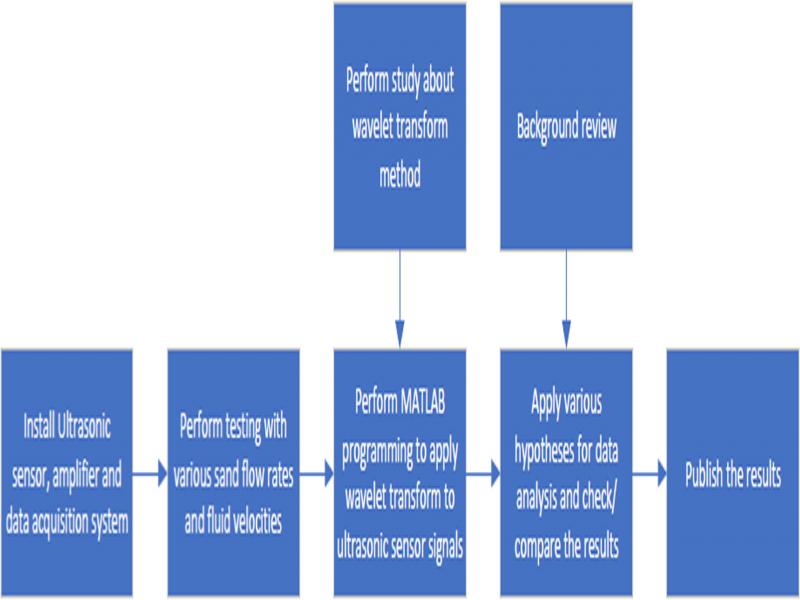
The research flow chart for using ultrasonic sensor & wavelet transform for measuring sand flow rate.
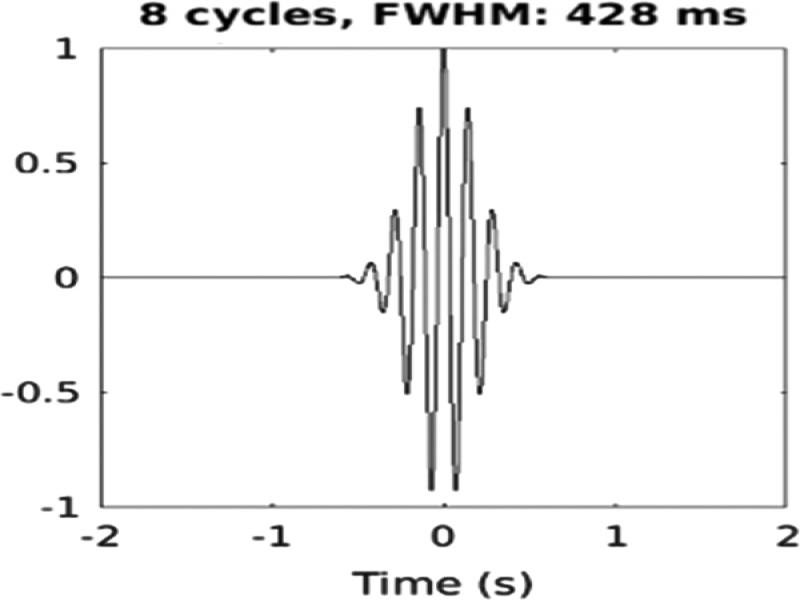

Figure 2:

Morlet wavelet function.
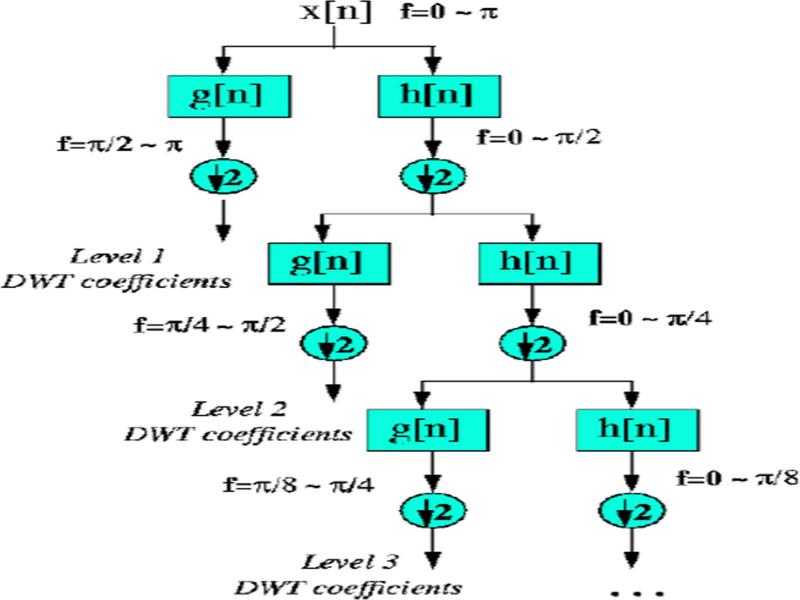

Figure 3:

Illustration of DWT calculation method.
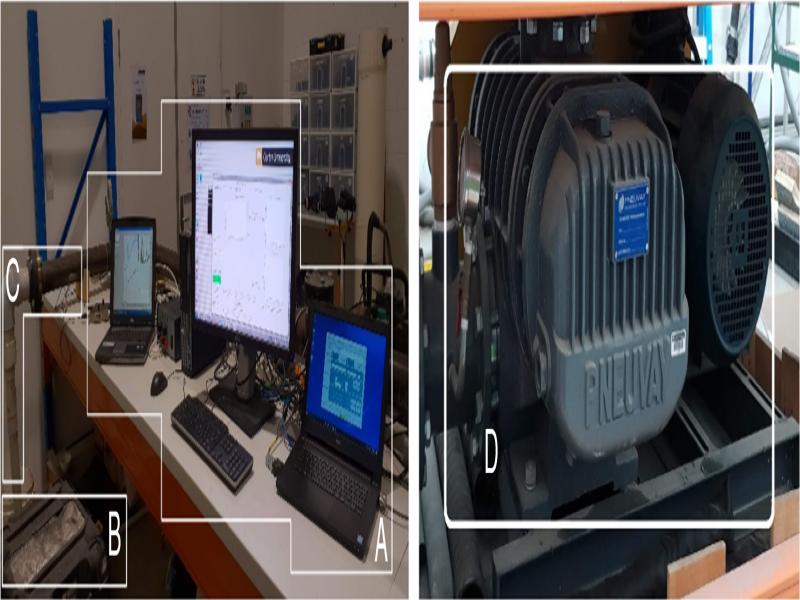

Figure 4:

Flow loop test facility at Curtin University, (A) Computer system, (B) Collection basket, (C) Piping, and (D) Compressor.
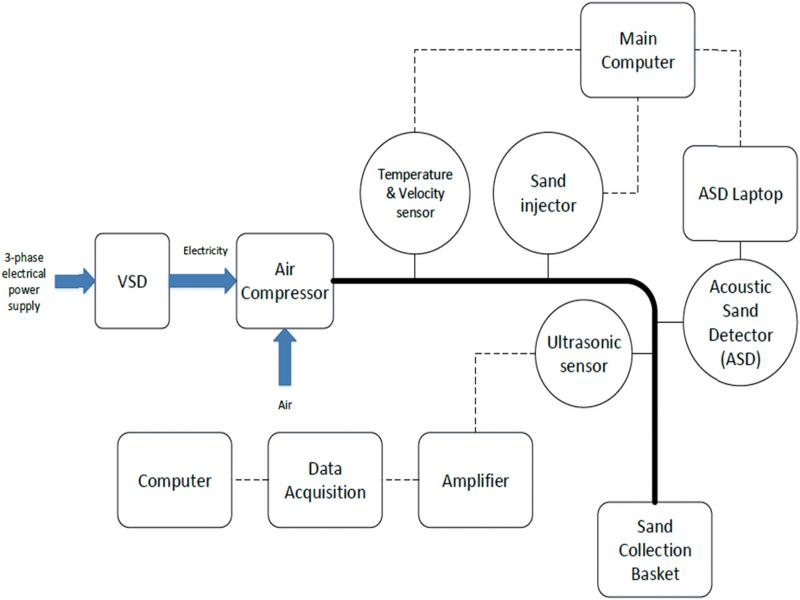

Figure 5:

Block diagram of the flow loop at Curtin University.
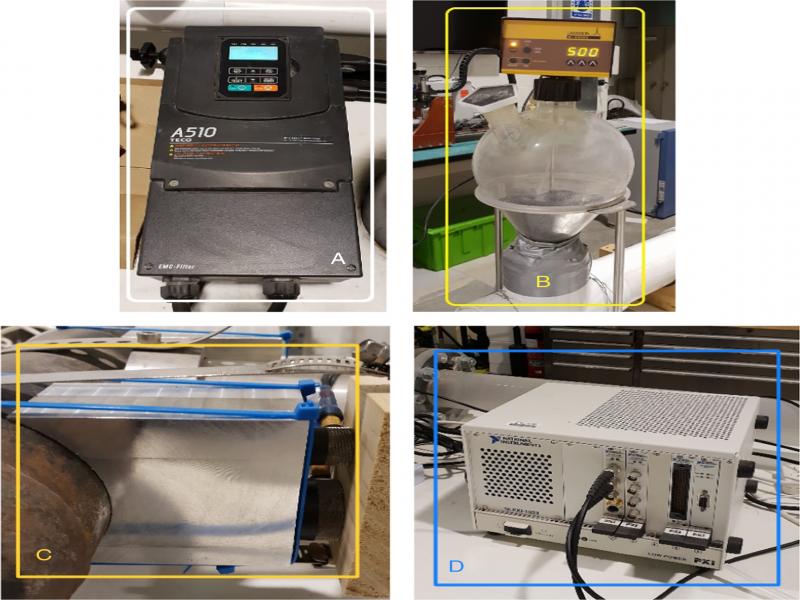

Figure 6:

The flow loop facility components (A) Variable speed drive (VSD), (B) Hopper (sand injector device), (C) Ultrasonic sensor and metallic base, and (D) Data acquisition system.
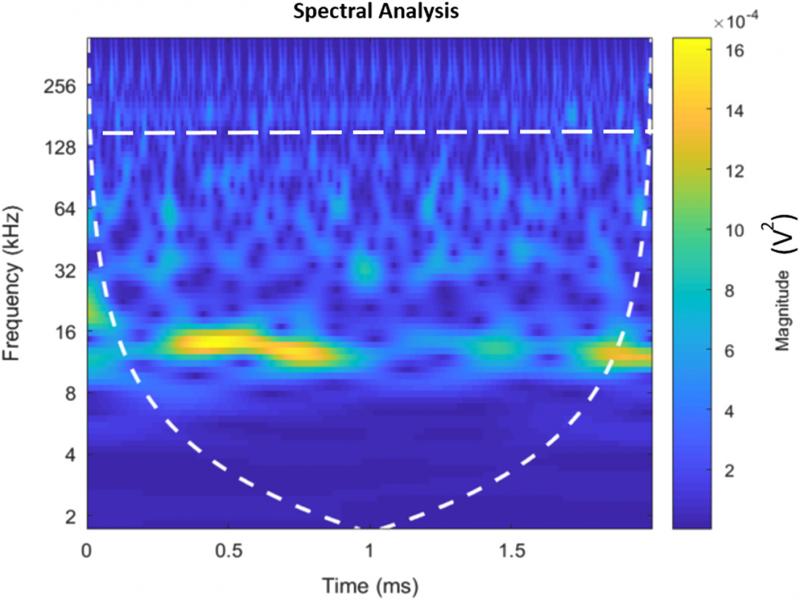

Figure 7:

Spectral analysis of ultrasonic signal at velocity of 7 m/sec and sand rate of 35 g/sec.

Figure 8:

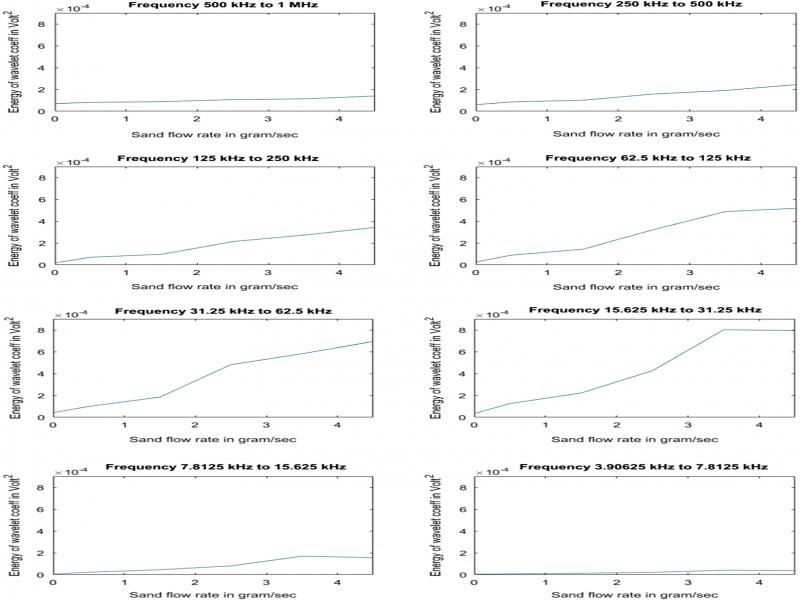
Strength of wavelet transform versus sand flow rate at various frequency intervals.
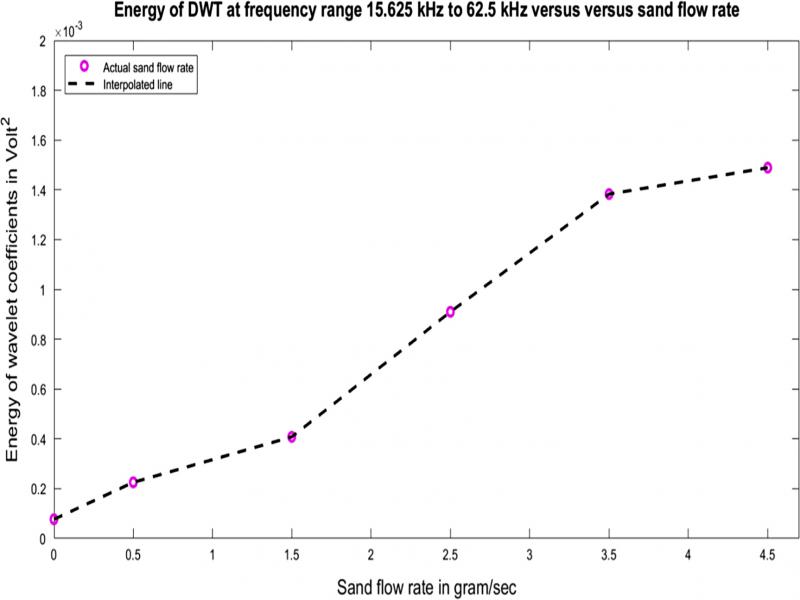

Figure 9:

Sum of wavelet coefficients across two frequency ranges versus the sand flow rate.
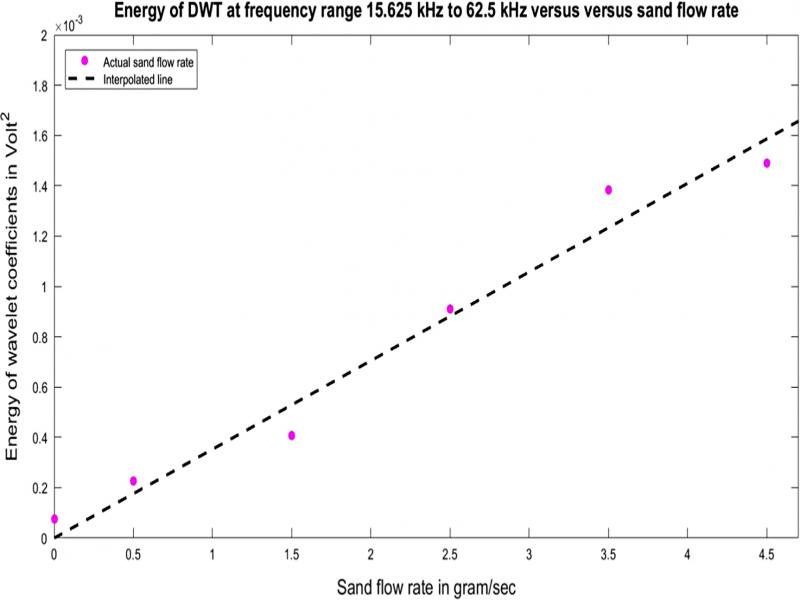

Figure 10:

Fitting linear curve to the DWT in frequency range from 15.625–62.5 kHz.
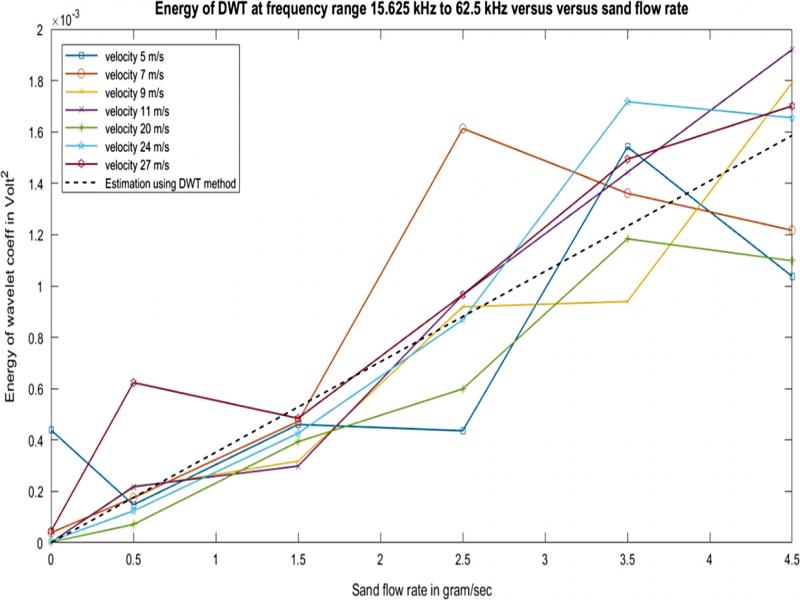

Figure 11:

Energy of DWT in frequency range 15.625–62.5 kHz at various velocities.

Frequency intervals of wavelet transform_

Interval 1500 kHz–1 MHzInterval 462.5–125 kHzInterval 77.8125–15.625 kHz
Interval 2250–500 kHzInterval 531.25–62.5 kHzInterval 83.90625–7.8125 kHz
Interval 3125–250 kHzInterval 615.625–31.25 kHzInterval 91.953125–3.90625 kHz
Language: English
Page range: 1 - 13
Submitted on: Oct 24, 2020
Published on: Feb 22, 2021
Published by: Professor Subhas Chandra Mukhopadhyay
In partnership with: Paradigm Publishing Services
Publication frequency: 1 issue per year

© 2021 H. Seraj, B. Evans, M. Sarmadivaleh, published by Professor Subhas Chandra Mukhopadhyay
This work is licensed under the Creative Commons Attribution-NonCommercial-NoDerivatives 4.0 License.