
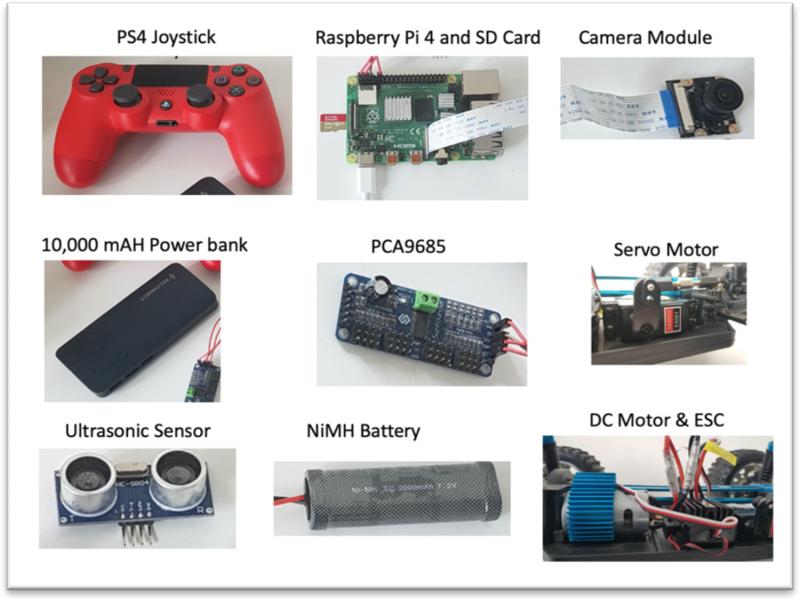
Figure 1:
Picture of the individual vehicle hardware components used in the system.
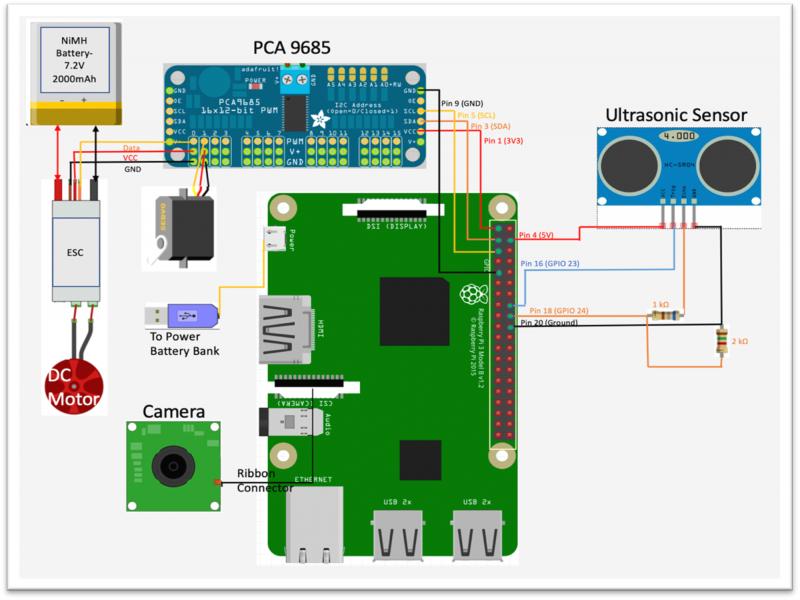
Figure 2:
Complete system circuit diagram.
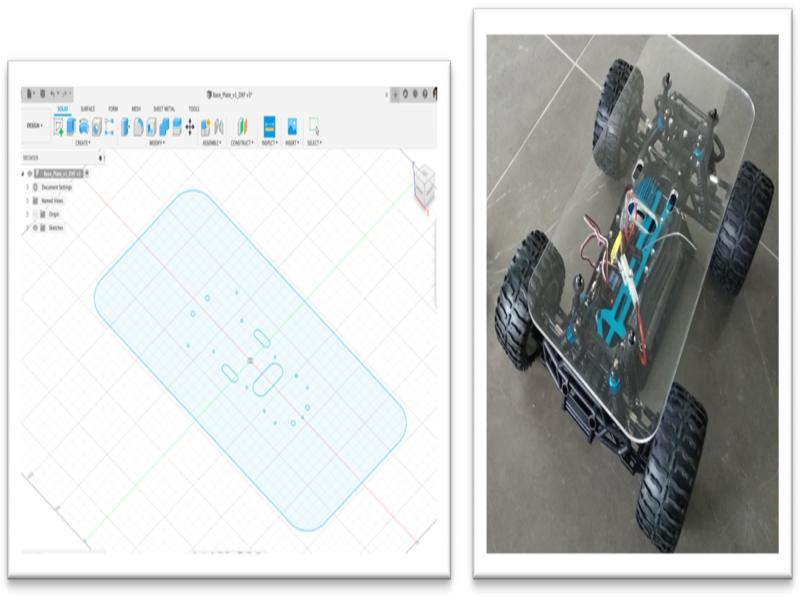
Figure 3:
CAD design for the laser cut base plate implemented on Autodesk Fusion 360 (left) and the base plate placed on the vehicle chassis (right).
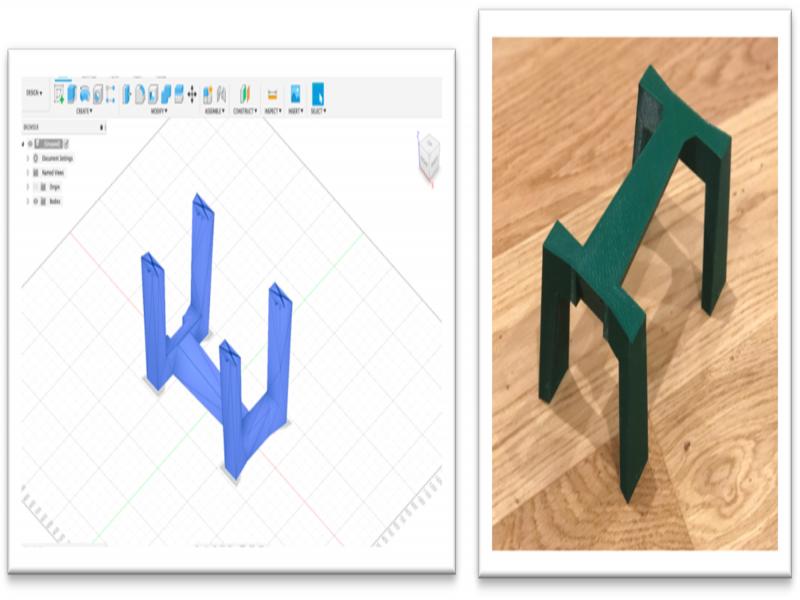
Figure 4:
CAD design for the tower type case implemented on Autodesk Fusion 360 (left) and the physical PLA material 3D printed case (right).
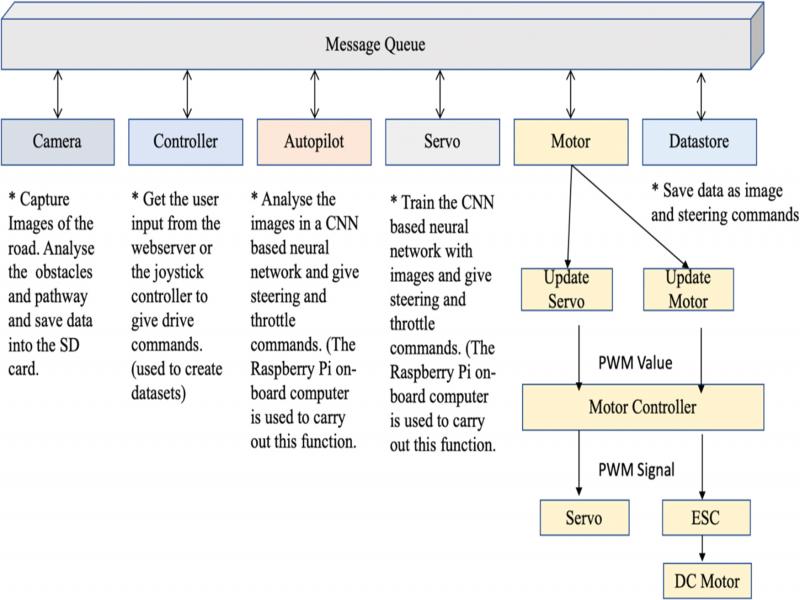
Figure 5:
The overview of the software message queue of the system (vehicle state).
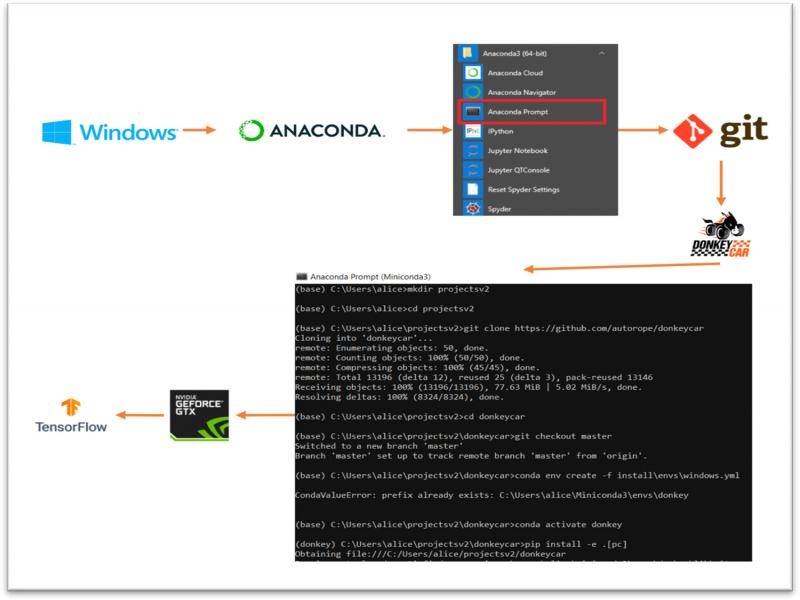
Figure 6:
Windows host PC installation steps.
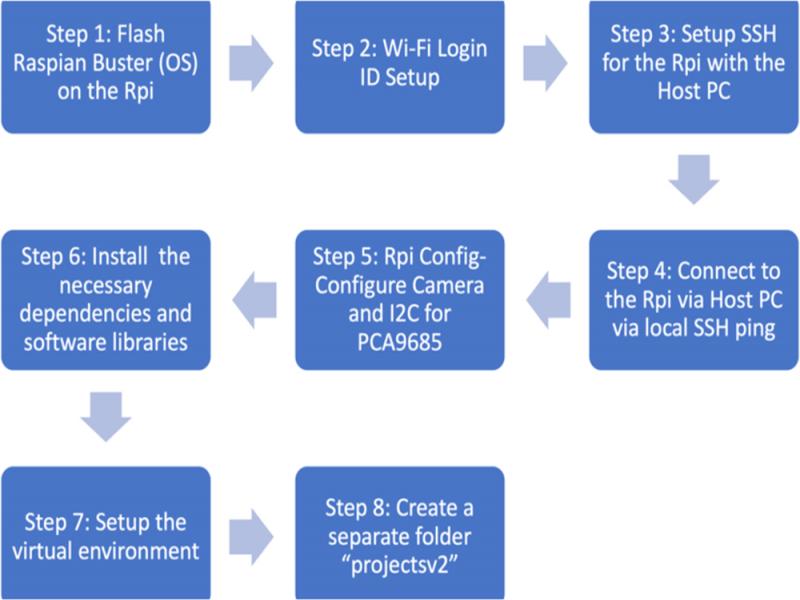
Figure 7:
Software configuration steps for the Raspberry Pi 4 setup.
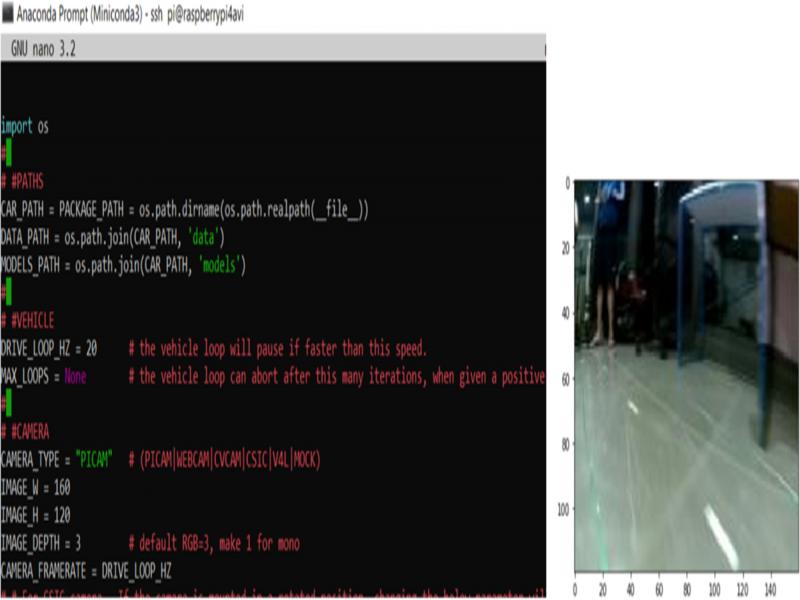
Figure 8:
Screenshot of the camera code configuration and sample 160 × 120 pixels image from the vehicle on board camera.
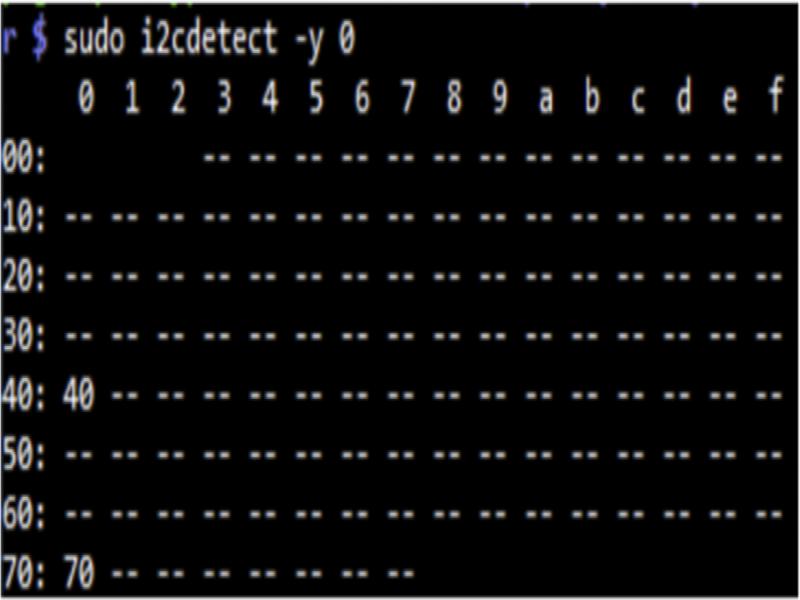
Figure 9:
Screen capture of the I2C detected on the Rpi terminal.
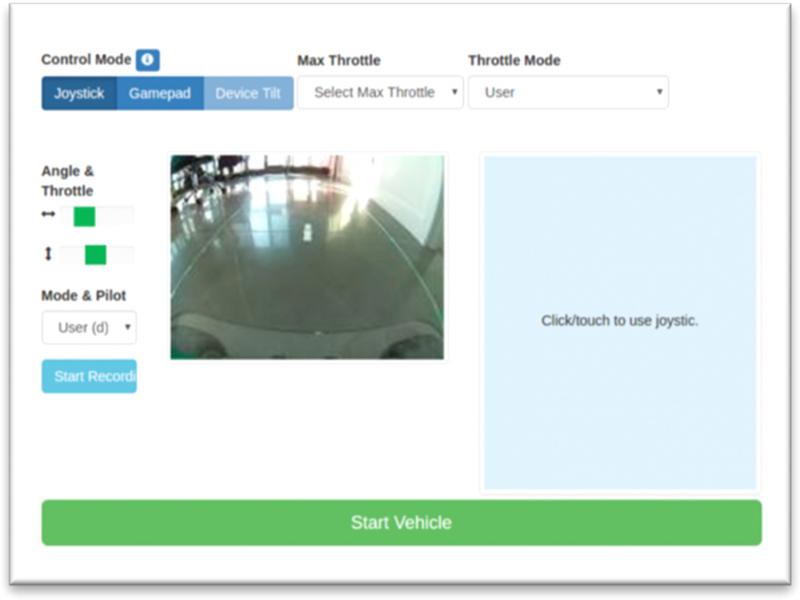
Figure 10:
The Localhost web interface (screen capture) to control the vehicle.
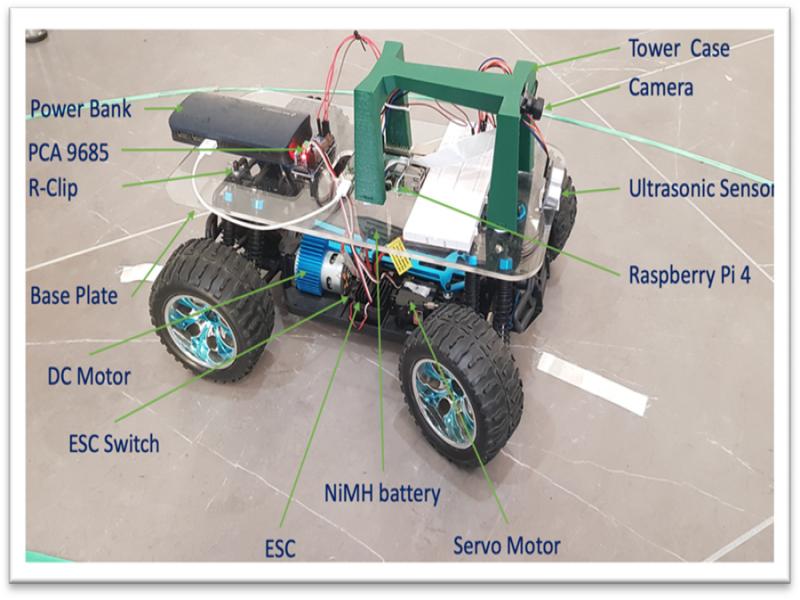
Figure 11:
The complete assembly of the vehicle hardware system.
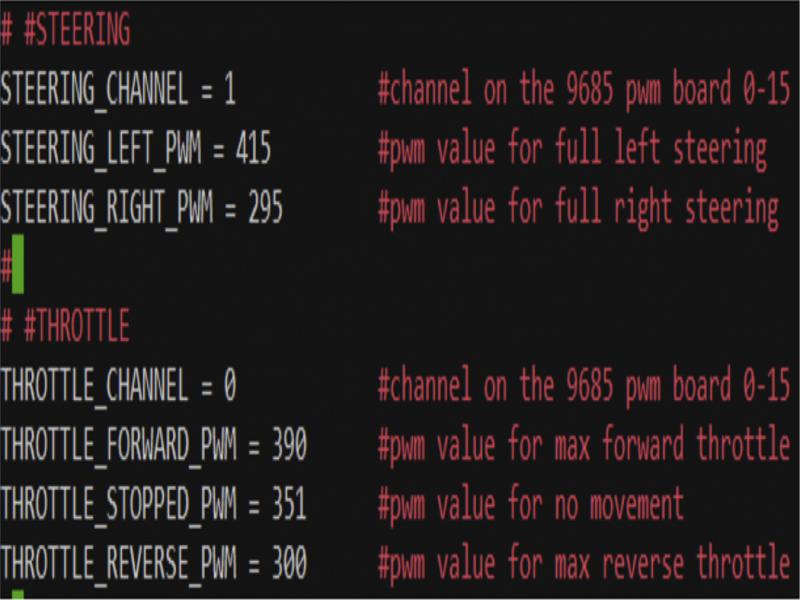
Figure 12:
The code snippet program of the motor calibration.
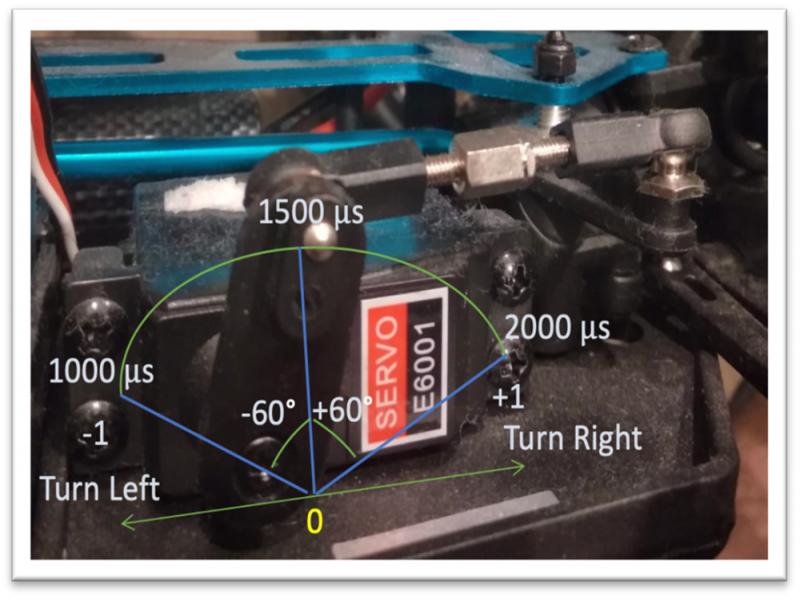
Figure 13:
The steering servo and PWM working principle.
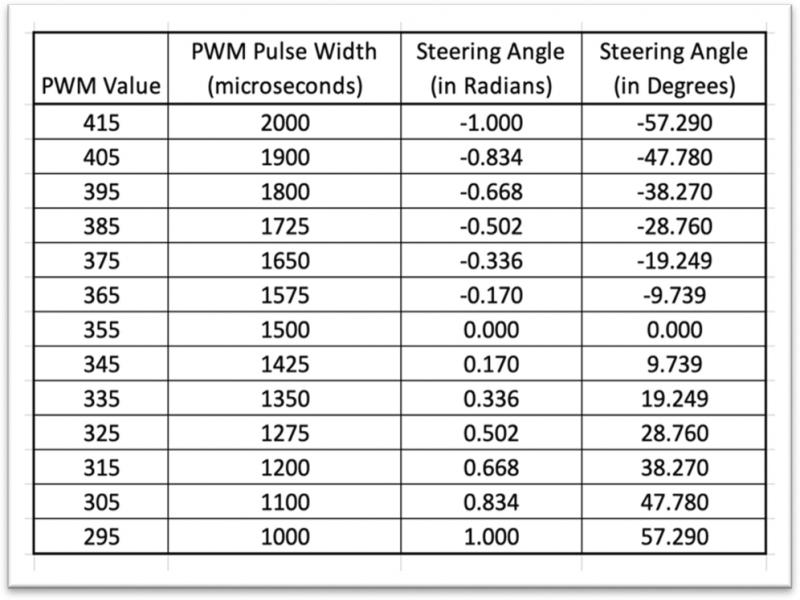
Figure 14:
Table generated for steering Angle and PWM equivalent values.
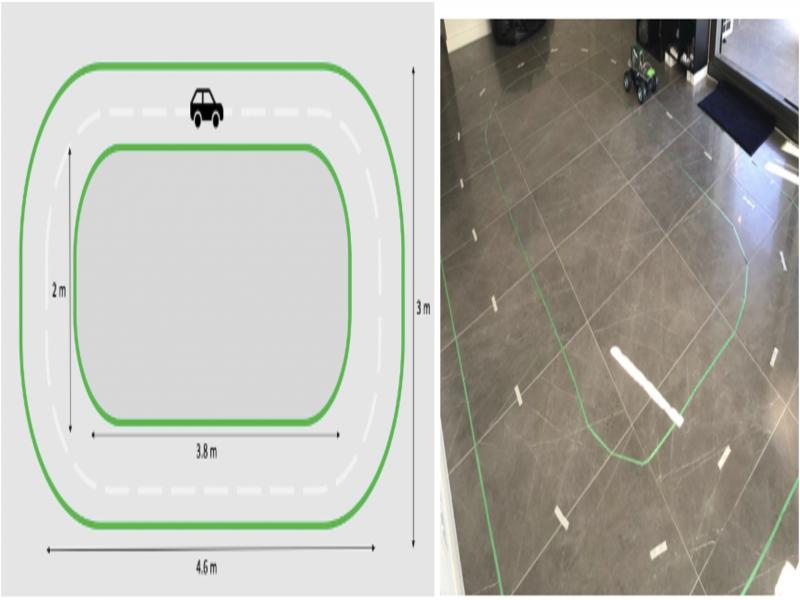
Figure 15:
The custom-built indoor track design and its implementation.
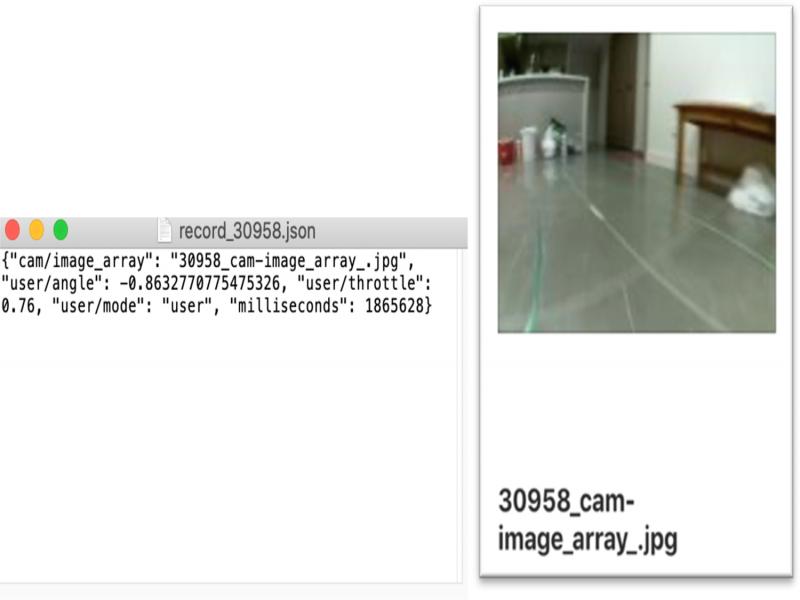
Figure 16:
A sample training dataset from the track training.
| No. | Convolution filters | Strides | FC layers | Parameters | Loss |
|---|---|---|---|---|---|
| 1 | 12 × 3 × 3, 18 × 3 × 3, 24 × 3 × 3, 36 × 3 × 3 | 3,2,2,1 | 900, 246, 32 | 1,100k | 0.098543 |
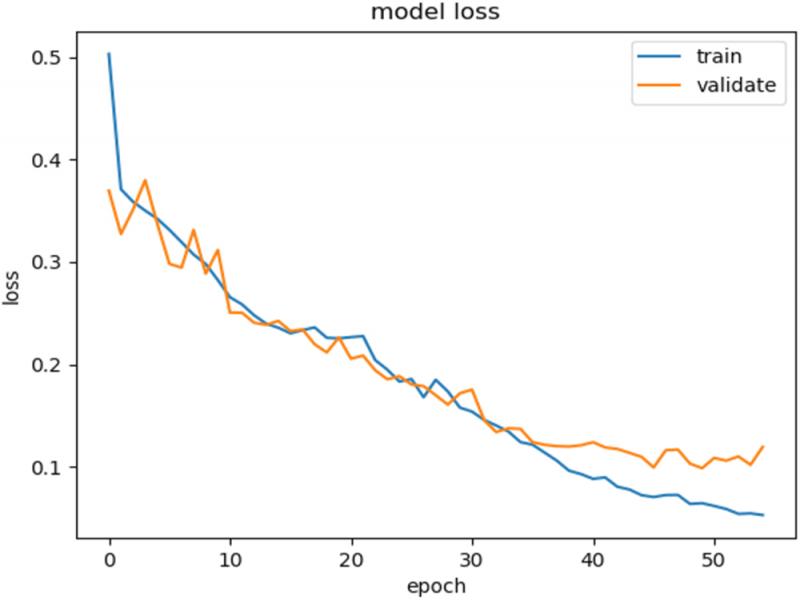
Figure 17:
Training data model loss graph.
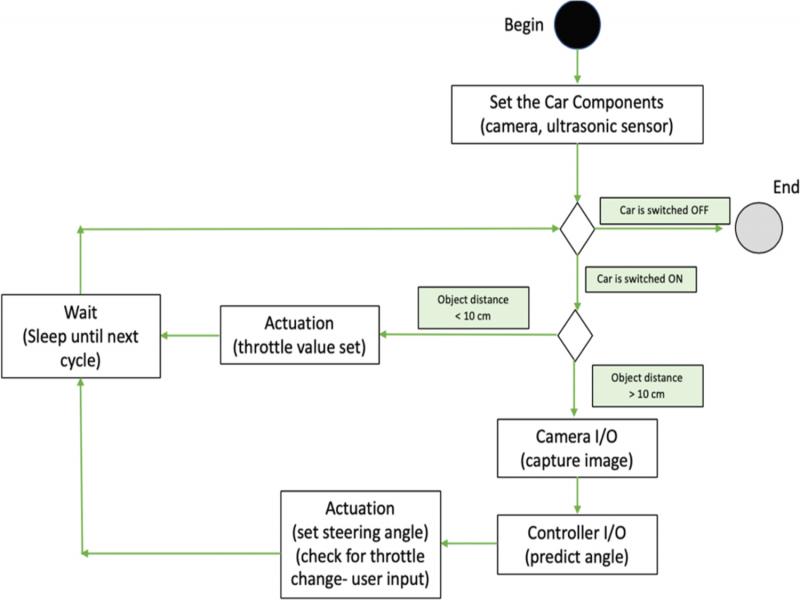
Figure 18:
The car algorithm flowchart.
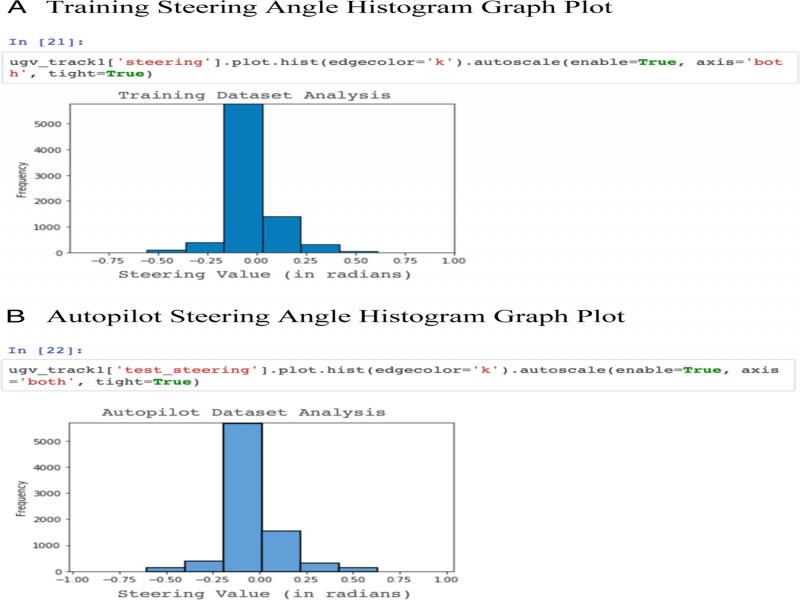
Figure 19:
Training and autopilot steering angle histogram graph plot analysis.