
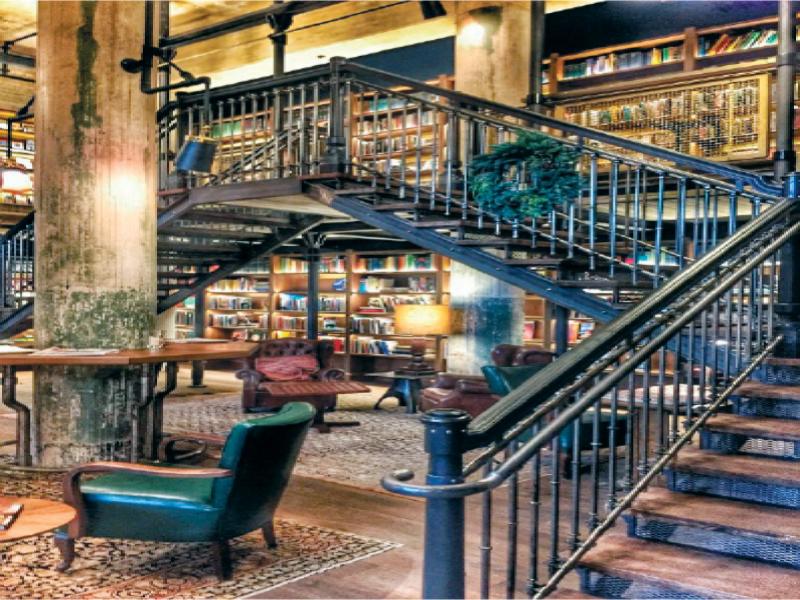
Figure 1.
Preservation of traces of time on the columns in the library area of the Emma Hotel. Photo by Jim_Nix is licensed under CC BY-NC-SA 2.0 https://search.creativecommons.org/photos/b7b52277-e762-4a56-b665-59dc0d7b7eea
Table 1.
Methods of presenting the characteristics of the identity of the place in the Emma hotel (USA), which is located in the building of the former brewery
| Preserved elements of old architecture and equipment |
 |
|
| Design techniques |
|
|
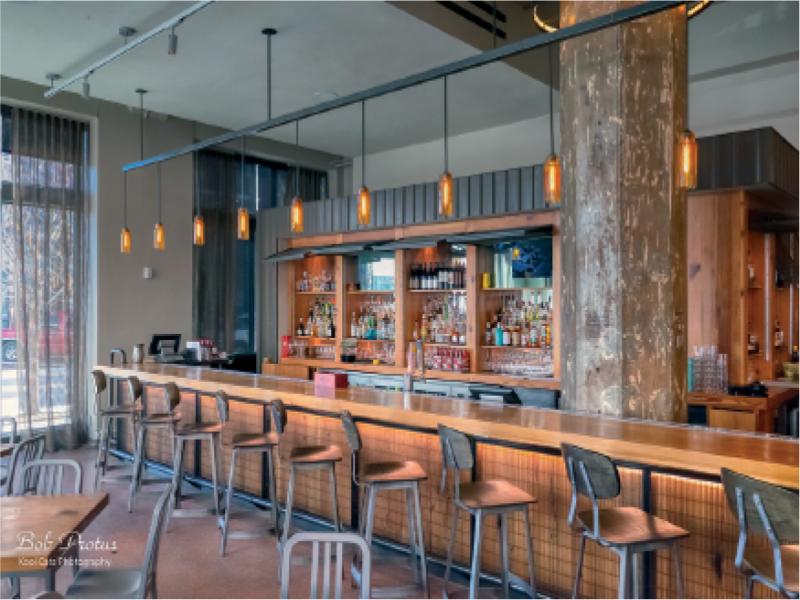
Figure 2.
Accentuated column with expressive surface texture, on which traces of time have been preserved, in the hotel 21c Museum Hotels bar area Photo by Kool Cats Photography is licensed under CC BY-NC 2.0 https://search.creativecommons.org/photos/4ce8d5dd-6208-4d3b-8687-70d1690cb9a8
Table 2.
Techniques for representing characteristics of the identity of a place in 21c Museum Hotels Oklahoma City (USA), which is located in the building of the former Ford Motor Company plant
| Preserved elements of old architecture and equipment |
|
|
| Design techniques |
|
|
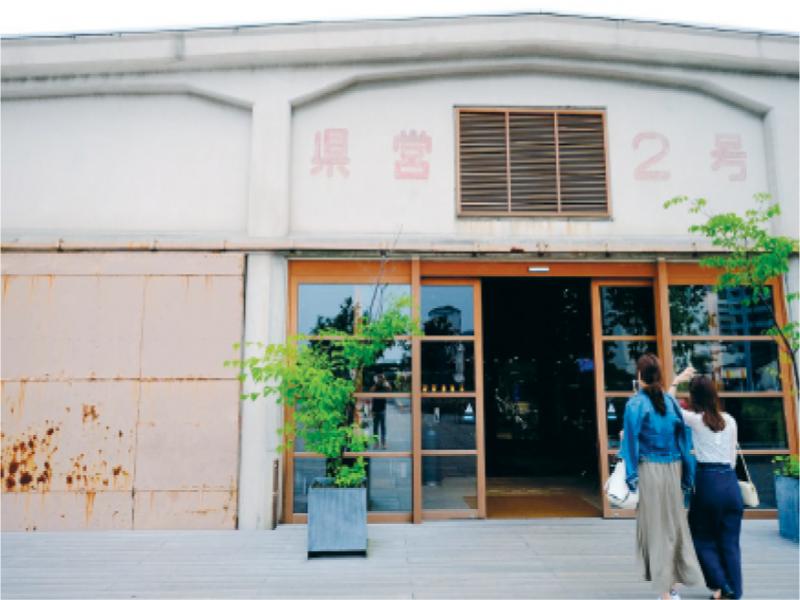
Figure 3.
Preservation of the structural basis of the warehouse building on the facade of the Hotel Cycle entrance area “ONOMICHI U2” by lohasteru is licensed under CC BY-NC-ND 2.0 https://search.creativecommons.org/photos/29d7ef7c-09aa-4a61-a048-8456e66df813
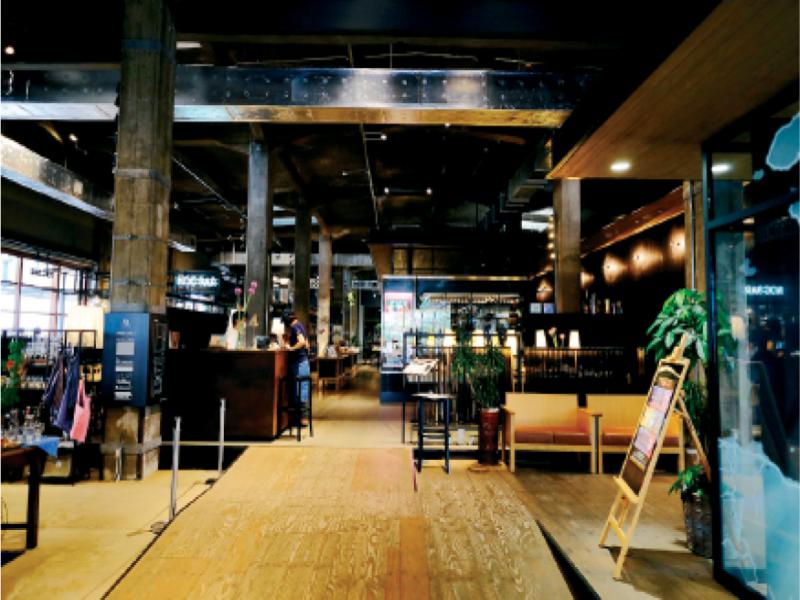
Figure 4.
Preservation and designation of the building structures of the warehouse building in the transit area of the Hotel Cycle. “ONOMICHI U2” by lohasteru is licensed under CC BY-NC-ND 2.0 https://search.creativecommons.org/photos/742547e2-e8b4-4b95-87c0-bc1399a86b54
Table 3.
Techniques for representing characteristics of the identity of a place in Hotel Cycle (Japan), located in the building of the marine warehouse
| Preserved elements of old architecture and equipment |
|
|
| Design techniques |
|
|
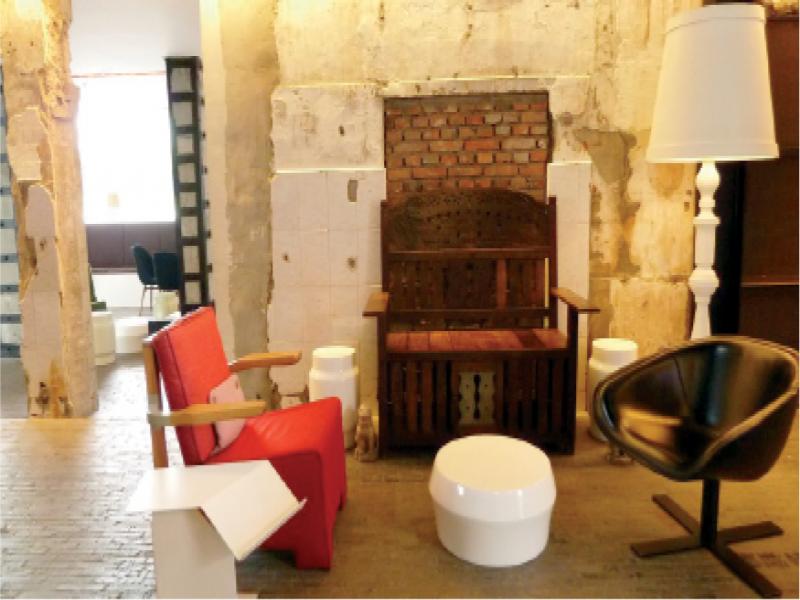
Figure 5.
Preservation of authentic materials and traces of time on the supporting structures in the Waterhouse Hotel lobby “如恩Neri & Hu – WaterHouse – Photo 15.jpg” by Forgemind ArchiMedia is licensed under CC BY 2.0 https://search.creativecommons.org/photos/bd06715c-b981-481d-9f20-3ffc286f3337
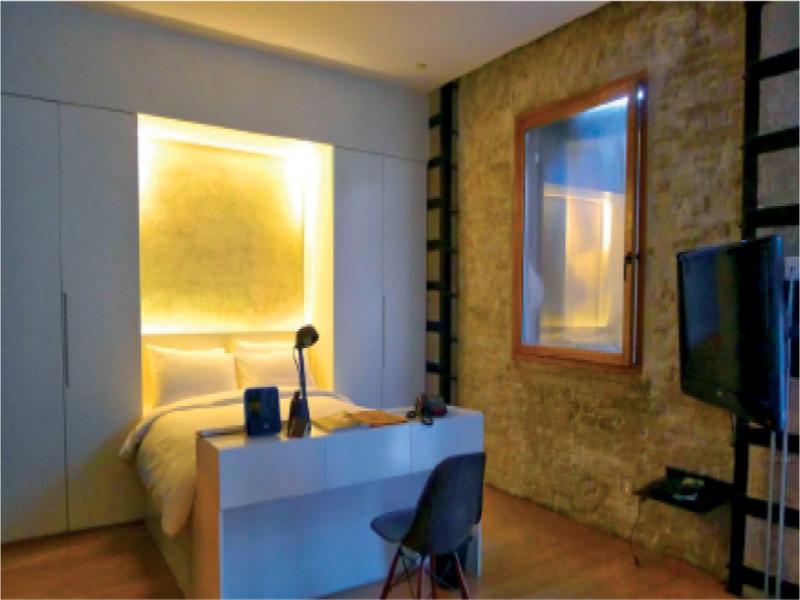
Figure 6.
The use of authentic brick walls in hotel room design “如恩Neri & Hu – WaterHouse – Photo 51.jpg” by Forgemind ArchiMedia is licensed under CC BY 2.0 https://search.creativecommons.org/photos/16b2f2bb-1ec3-4016-a3cf-ef7e2d11d6d8
Table 4.
Techniques for representing the characteristics of the identity of a place in the Waterhouse hotel (China), which is located in the building of an old warehouse
| Preserved elements of old architecture and equipment |
|
|
| Design techniques |
|
|
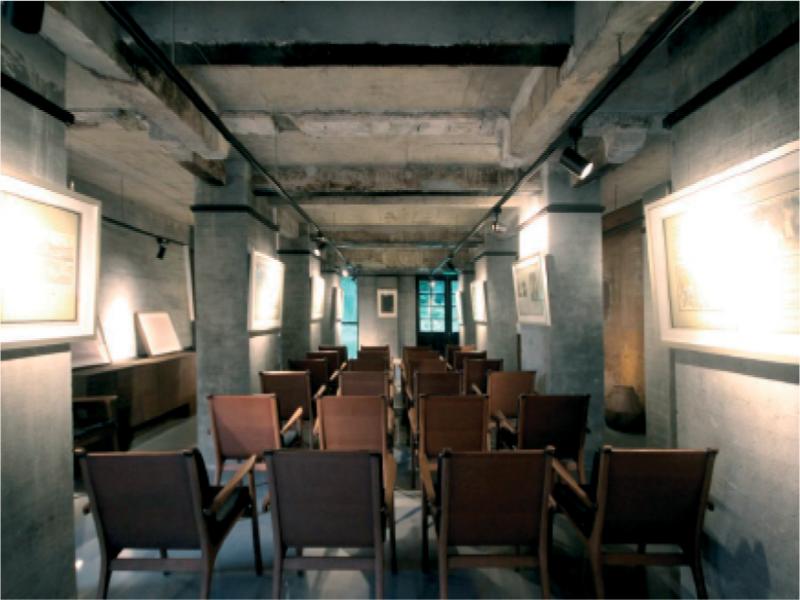
Figure 7.
Openness of the constructive basis of the building in the multifunctional hall of the hotel “IMG_7473” by trevor.patt is licensed under CC BY-NC-SA 2.0 https://search.creativecommons.org/photos/4531a970-6b38-4084-bdcb-36843f0dfd55
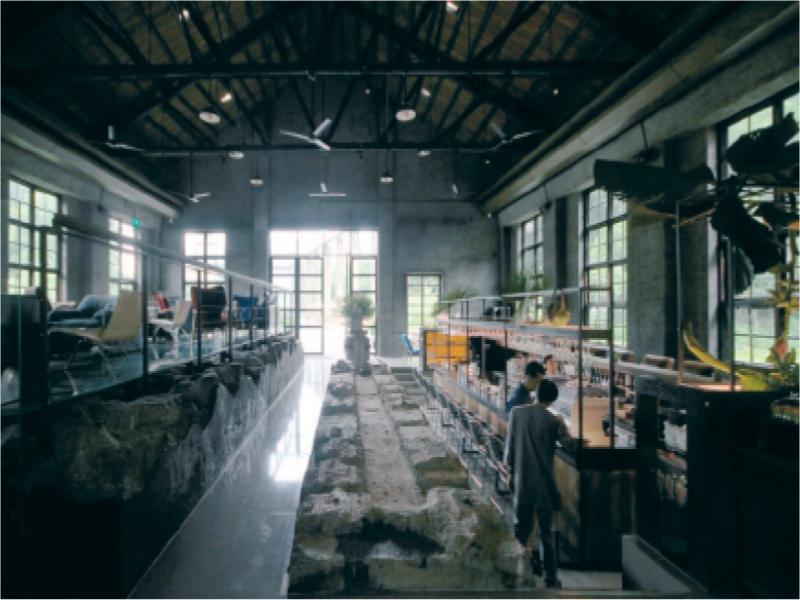
Figure 8.
Mill floor conservation in the bar area “IMG_7470” by trevor.patt is licensed under CC BY-NC-SA 2.0 https://search.creativecommons.org/photos/4778f2ac-f433-4ea1-834c-4cf79f5bdb68
Table 5.
Techniques for representing the characteristics of the identity of a place in the Alila Yangshuo hotel (China), located on the site of a sugar mill
| Preserved elements of old architecture and equipment |
|
|
| Design techniques |
|
|
Table 6.
Design techniques in the solution of modern hotels that convey the image of the past function of the building
| Characteristics defining the specifics of the building | Design techniques in the interiors of modern hotels that convey the image of the past function of the building | |
|
|
|
|
|
|
|
|
|