
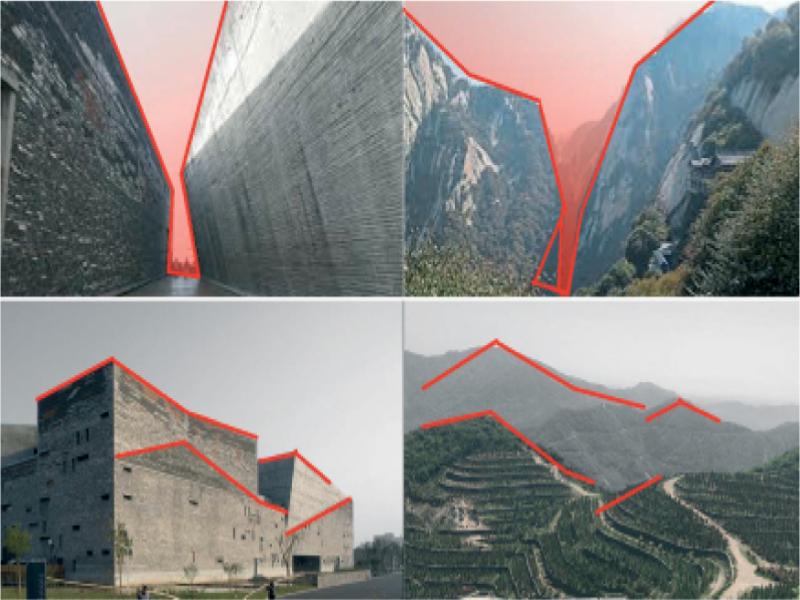
Figure 1.
The Ningbo Historical Museum. The shape of the museum building reflects the nature of the outlines of the nearby mountains
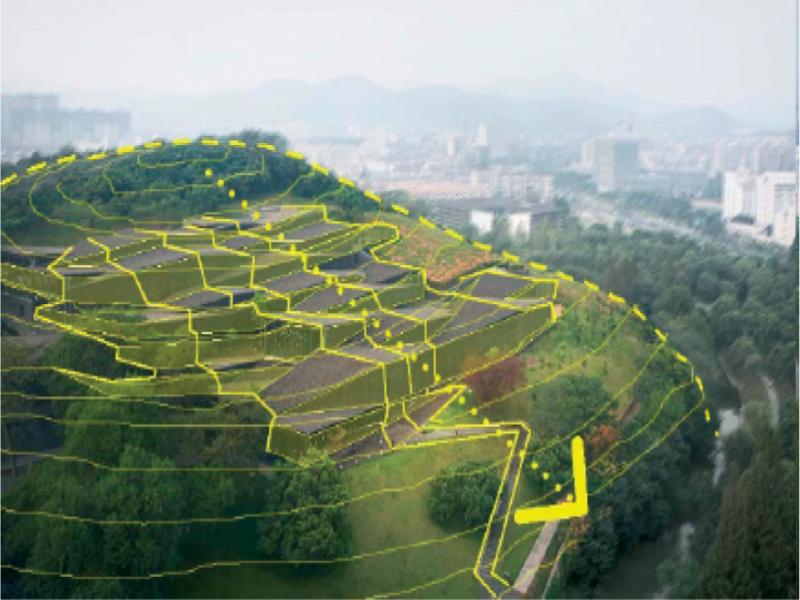
Figure 2.
Repetition in the structure of the museum building of local relief
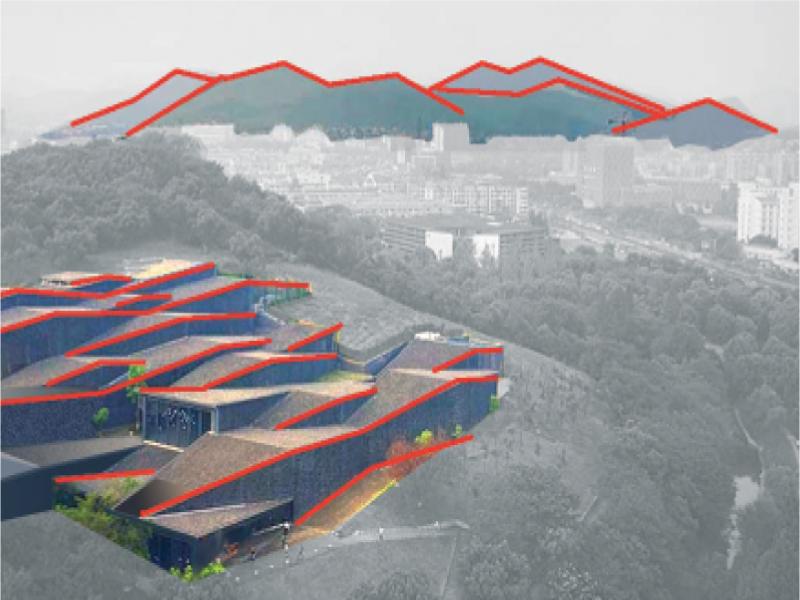
Figure 3.
The Folk-art galleries for China Academy of Arts. In the form of the roofs of the museum building, one can see an appeal to the outlines of the local mountains
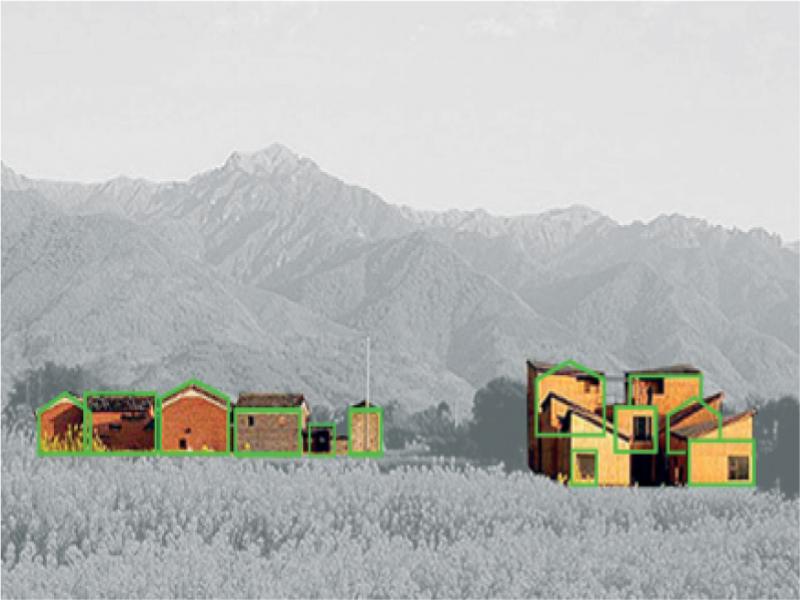
Figure 4.
The Museum of Handcraft Paper. Adaptation of the architectural solution of the museum building to the scale of rural buildings
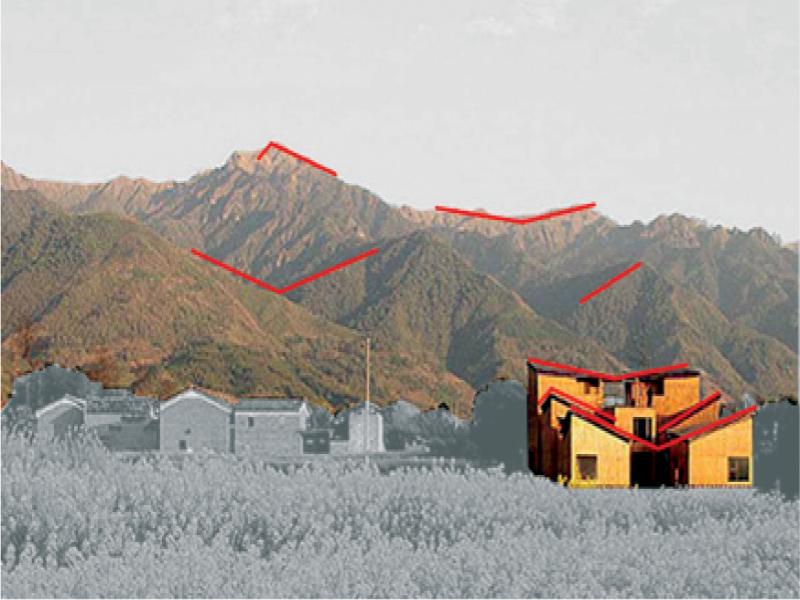
Figure 5.
The Museum of Handcraft Paper. Integration of the architectural solution of the museum building into the surrounding landscape
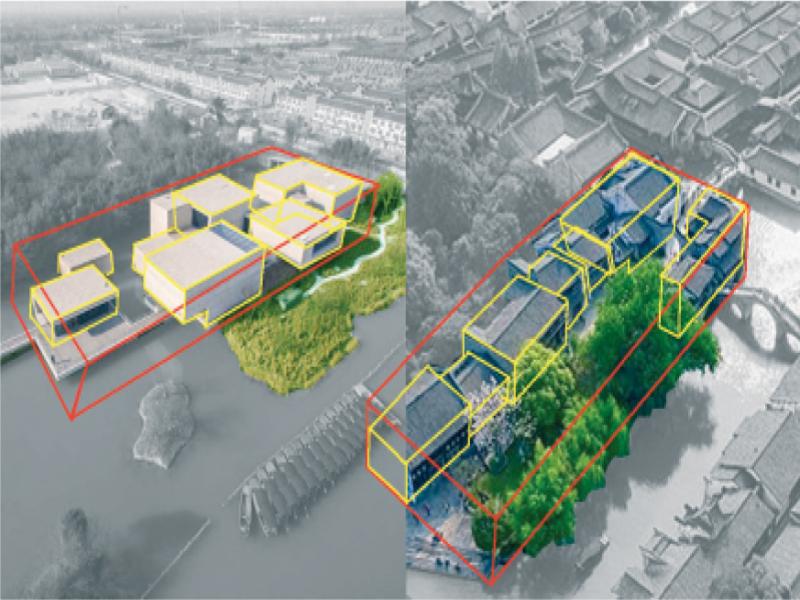
Figure 6.
The Mu Xin Museum of Art in Wuzhe. The architectural form of the museum building is an interpretation of the quarters of the historical part of the city
Table 1.
Architectural and design techniques for creating museum buildings in China, demonstrating a professional rethinking of regional and cultural features
| Object | Form making and scale | Local materials and nature of enclosing surfaces | Traditional technologies | → | Religious teachings, cultural traditions |
|---|---|---|---|---|---|
| Ningbo Historic Museum |
|
|
| → |
|
| Xinjin Zhi Museum in Chengdu |
|
|
| → |
|
| Folk-art galleries for China Academy of Arts |
|
| → |
| |
| Museum of Handcraft Paper |
|
|
| → |
|
| My Xin Art Museum in Wuzhen |
|
|
| → |
|