
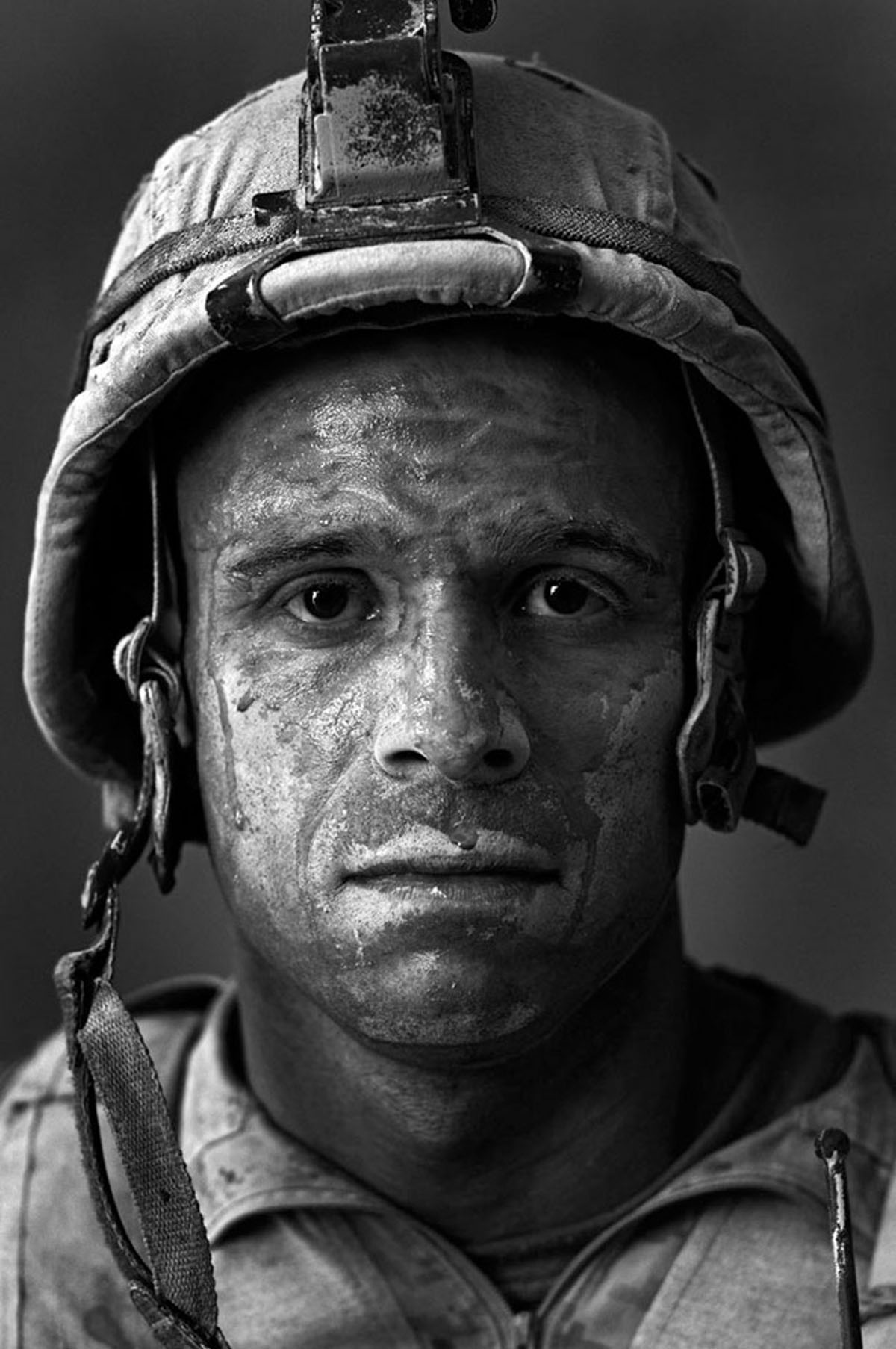
Figure 1
US Marine Gysgt. Carlos “OJ” Orjuela, age 31, Garmsir District, Helmand Province, Afghanistan, 2008.
Note: Photo Credit: Louie Palu.
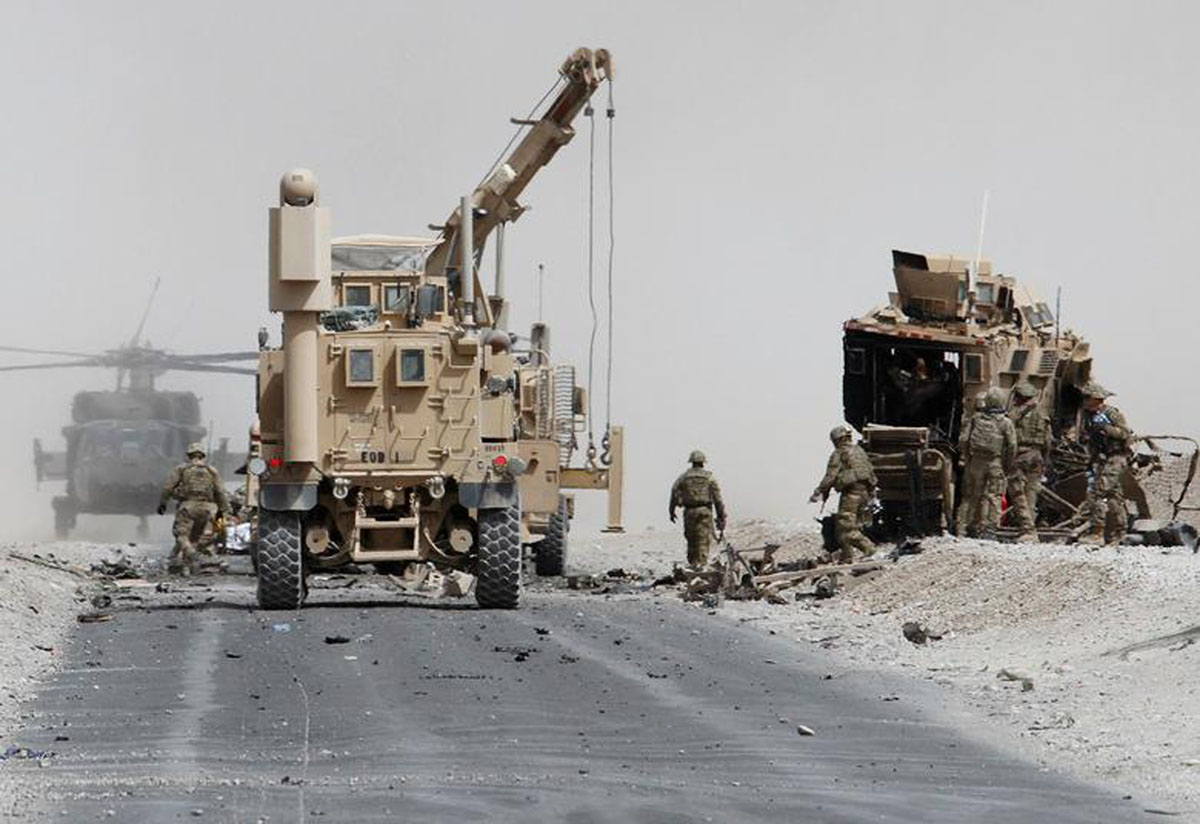
Figure 2
Aftermath of a Roadside IED Explosion in Afghanistan.
Note: Many servicemembers experience traumatic stress linked to IED attacks. Photo Credit: Ahmad Nadeem, Reuters.
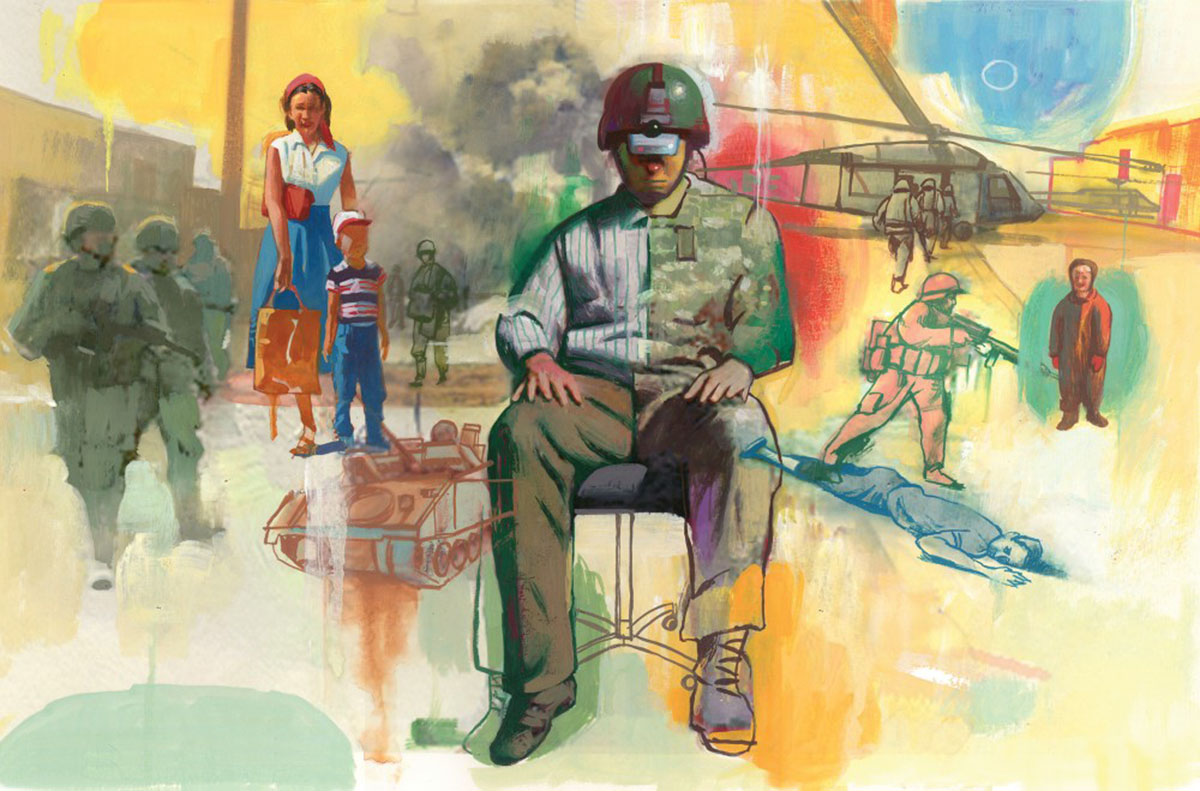
Figure 3
Artistic Rendering of RESTORES’ Virtual Reality Exposure Therapy (VRET) Experience.
Note: Photo Credit: Larry Moore.
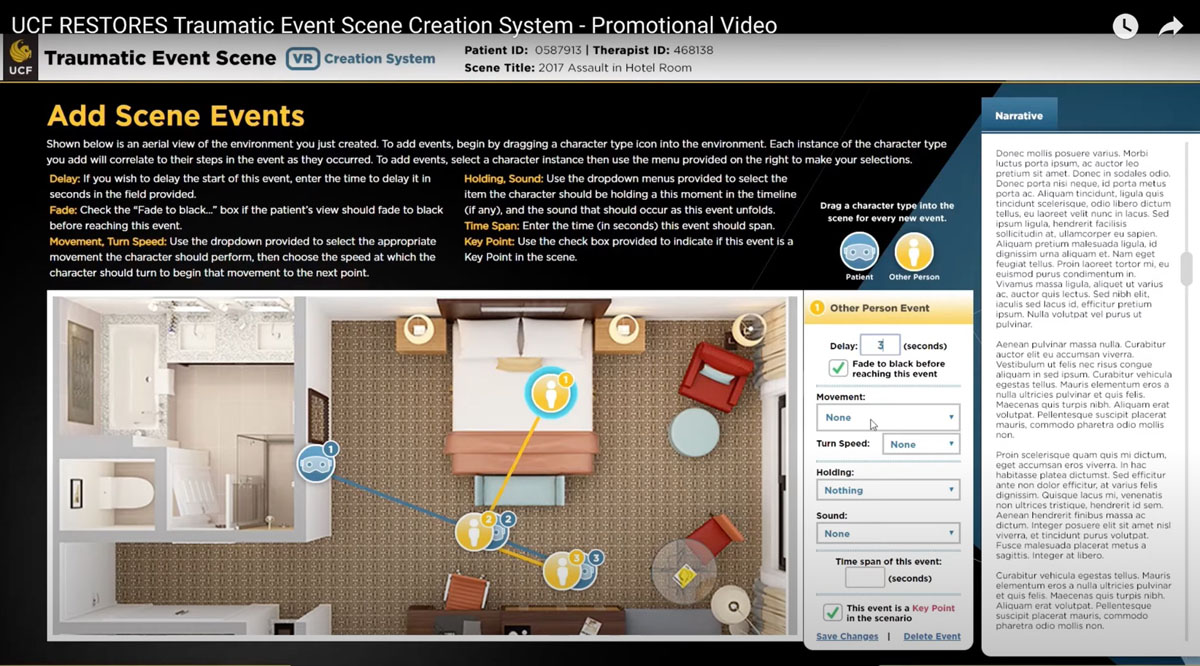
Figure 4
UCF RESTORES Virtual Reality Software, Example of a Customizable Scene.
Note: Photo Credit: Dr. Deborah Beidel, UCF Restores.
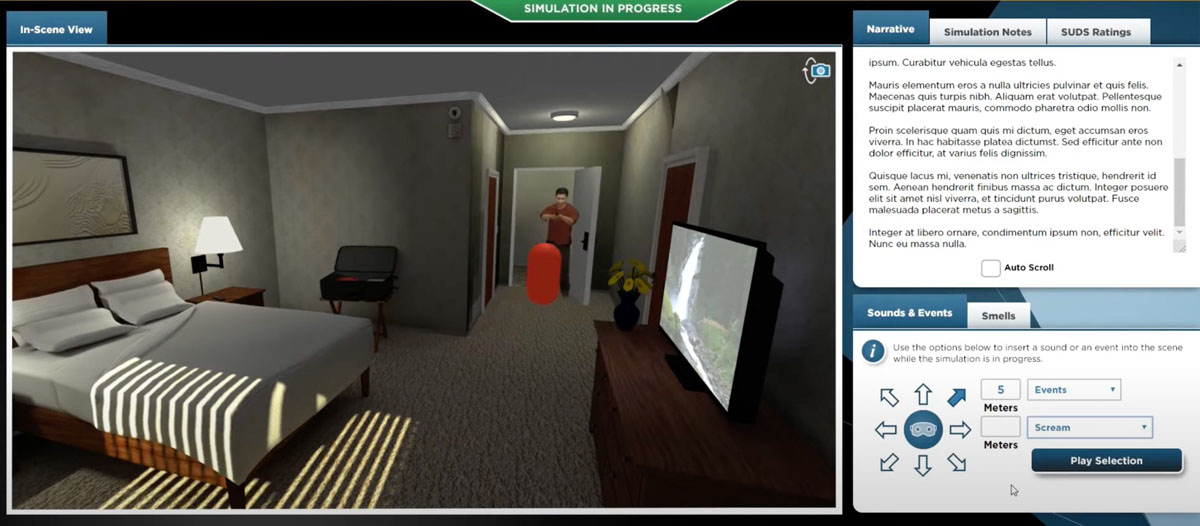
Figure 5
Customizing Scene Details and Updating of Patient Narrative.
Note: Photo Credit: Dr. Deborah Beidel, UCF Restores.
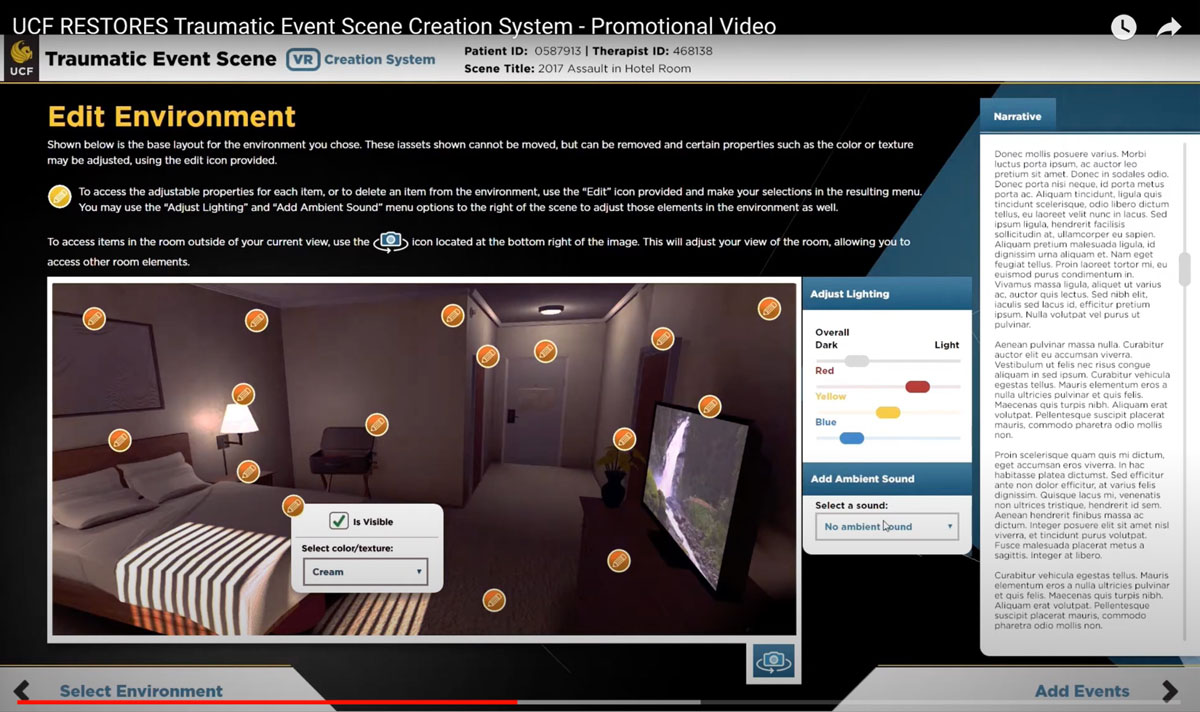
Figure 6
Software Allows Clinicians to Pinpoint Scene Segments that Produce Most Significant Stress Response.
Note: Photo Credit: Dr. Deborah Beidel, UCF Restores.
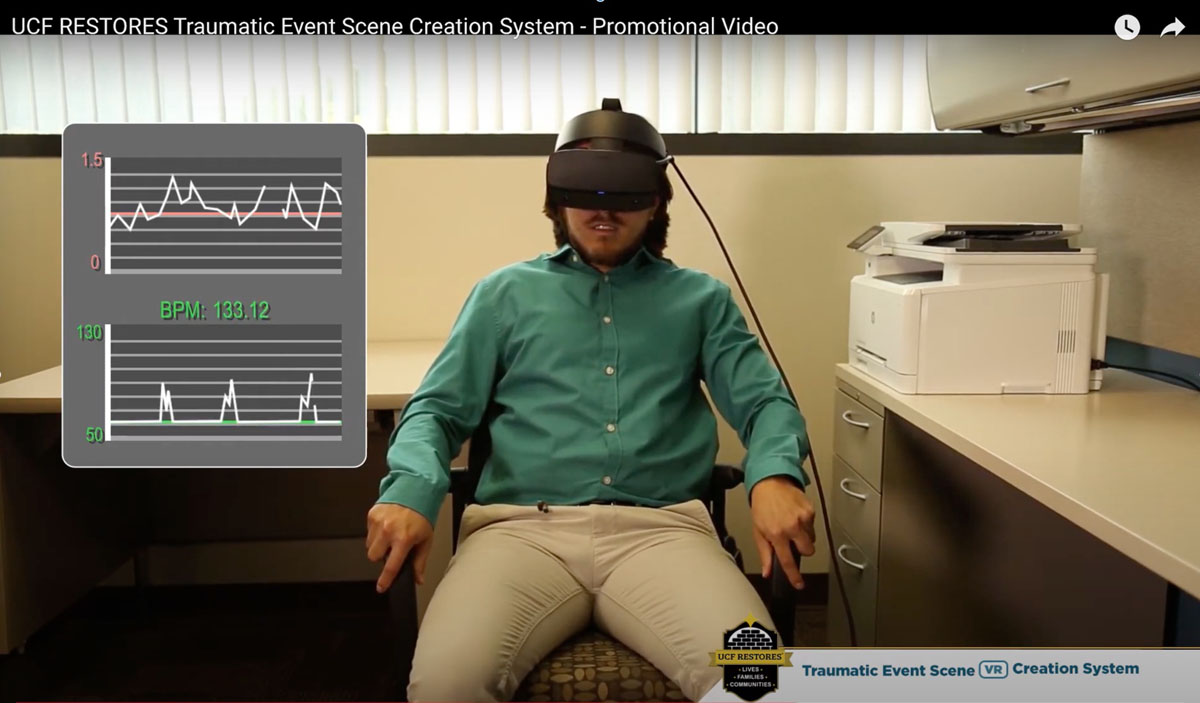
Figure 7
Heart Rate and Skin Conductance Monitored as the Patient Immerses in Scene.
Note: Photo Credit: Dr. Deborah Beidel, UCF Restores.