
Table 1
Methods/techniques used in the evaluation of STEM education/activities.
| THEME | SUB-THEME | f |
|---|---|---|
| Method | Result Evaluation | 16 |
| Process Evaluation | 9 | |
| Technique | Rubric | 10 |
| Portfolio-Project | 6 | |
| Peer/Self-assessment | 5 | |
| Achievement test | 3 | |
| Observation form | 3 | |
| STEM scales (attitude, awareness, etc.) | 2 | |
| Test-Fill in the Blanks | 1 | |
| Checklist (peer review list etc.) | 1 | |
| Open-ended questions | 1 |
[i] Note: The table is from ‘Teachers’ views on assessment and evaluation methods in STEM education: A science course example,’ by F. Karakaya & M. Yılmaz, 2022, published in the Journal of Pedagogical Research, 6(2), p. 65. Within the scope of the research, the assessment methods and techniques used by science teachers when evaluating STEM education/activities are summarized in Table 1. This is an open access article distributed under the ‘Creative Commons Attribution License’ which permits unrestricted use, distribution, and reproduction in any medium, provided the original work is properly cited.
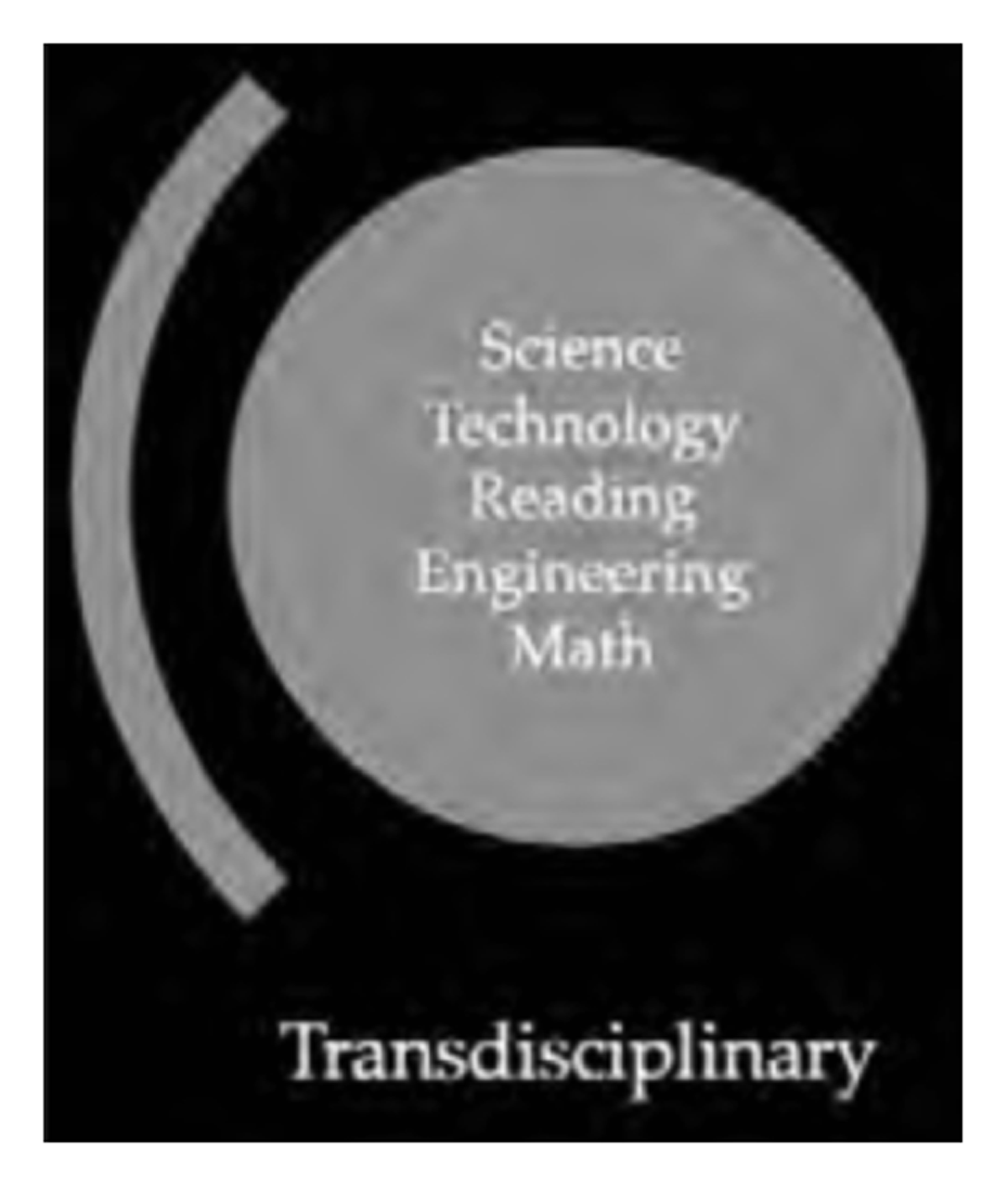
Figure 1
Transdisciplinary Image.
Note: The figure is an excerpt from the figure entitled, ‘Different types of STrEAM integration from ‘Transdisciplinary STEAM Curriculum Design and Authentic Assessment in Online Learning: A Model of Cognitive, Psychomotor, and Affective Domains,’ as cited in Dugger & Fellow (2011) & Repko (2008) by A. El Sayary, 2021, published in The Journal of Turkish Science Education, 18(3), p. 494, (DOI no: 10.36681/tused.2021.86). Copyright 2021 by ISSN: 1304–6020.
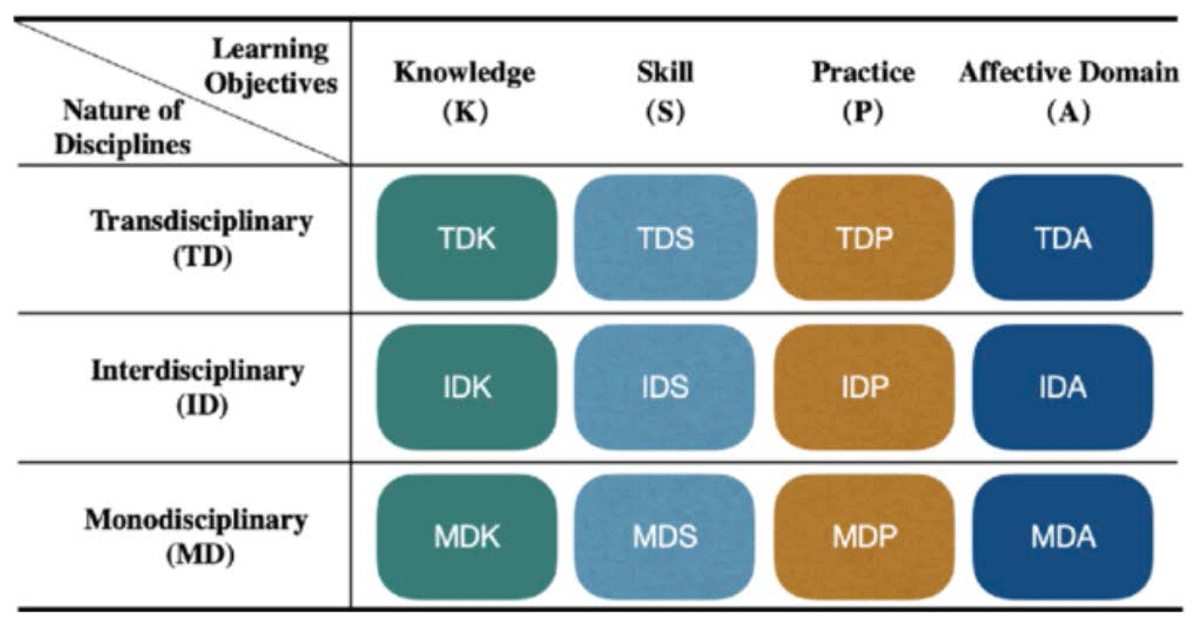
Figure 2
Coding framework.
Note: The figure is from ‘Reviewing assessment of student learning in interdisciplinary STEM education,’ by X. Gao, P. Li, J. Shen, & H. Sun, 2020, published in The International Journal of STEM Education, 7(24), (https://stemeducationjournal.springeropen.com/articles/10.1186/s40594-020-00225-4). Copyright 2024 by BioMed Central Ltd unless otherwise stated.
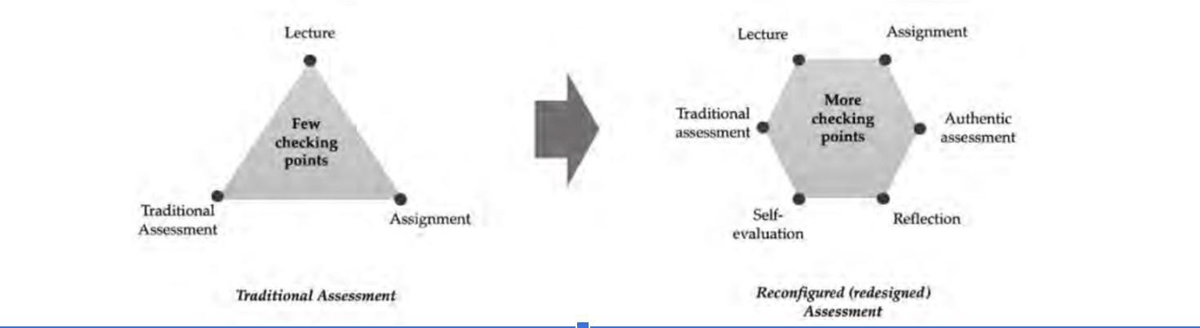
Figure 3
Shift the balance of assessment from the traditional to the reconfigured (redefined) assessment model.
Note: The figure is from ‘Transdisciplinary STEAM Curriculum Design and Authentic Assessment in Online Learning: A Model of Cognitive, Psychomotor, and Affective Domains,’ by A. El Sayary, 2021, published in The Journal of Turkish Science Education, 18(3), p. 495, (DOI no: 10.36681/tused.2021.86). Copyright 2021 by ISSN: 1304–6020.
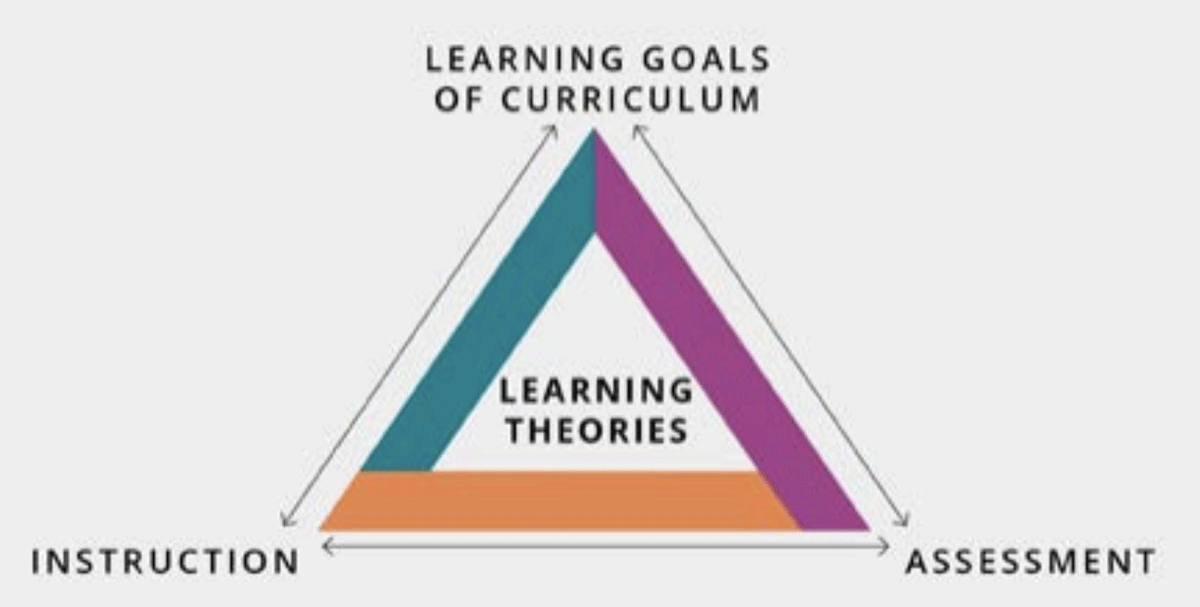
Figure 4
Alignment triangle.
Note: The figure is from ‘Toward learning progression analytics – developing learning environments for the automated analysis of learning using evidence centered design,’ by M. Kubsch1, B. Czinczel1, J. Lossjew, T. Wyrwich1, D. Bednorz1, S. Bernholt1, D. Fiedler1, S. Strauß2, U. Cress, H. Drachsler, K. Neumann, & N. Rummel, 2022, published in Frontiers in Education, p. 05. (https://doi.org/10.3389/feduc.2022.981910). Copyright 2022 by Kubsch, Czinczel, Lossjew, Wyrwich, Bednorz, Bernholt, Fiedler, Strauß, Cress, Drachsler, Neumann and Rummel. This is an open-access article distributed under the terms of the Creative Commons Attribution License (CC BY).
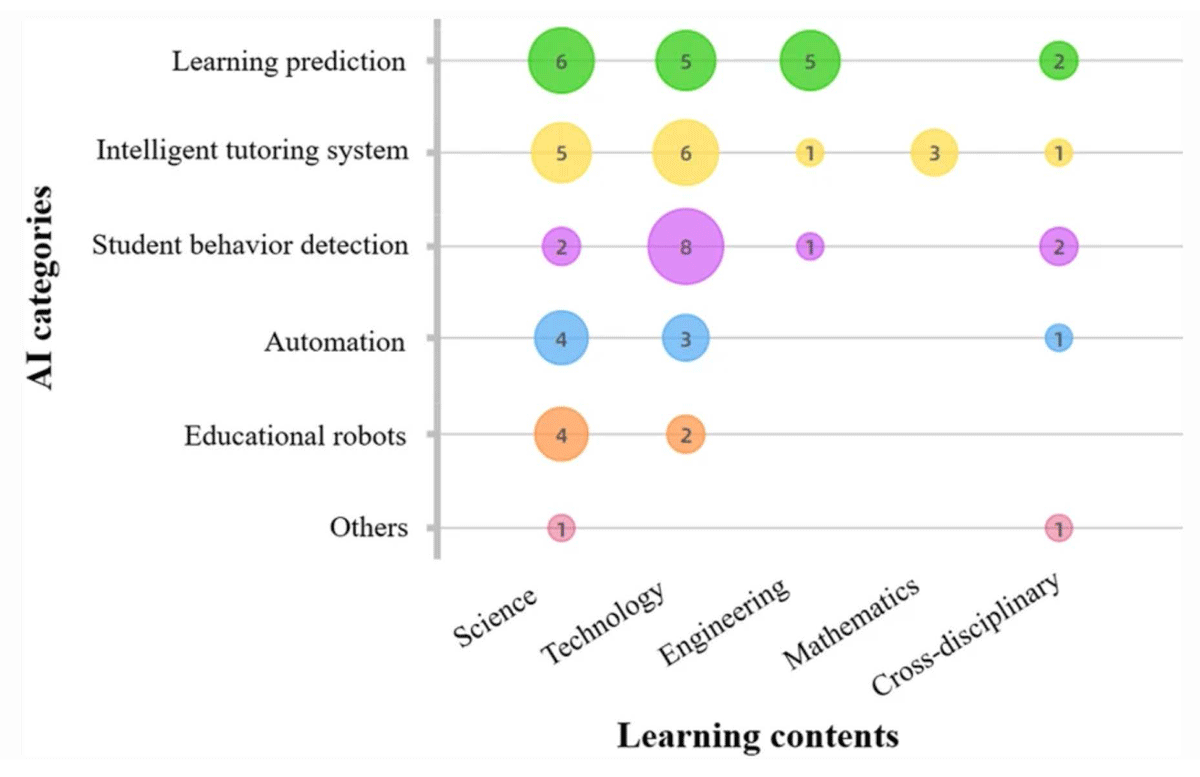
Figure 5
The integration of technology and educational systems.
Note: The figure is an excerpt from the article entitled, ‘The application of AI technologies in STEM education: a systematic review from 2011 to 2021,’ by Weiqi Xu and Fan Ouyang, 2022, published in The International Journal of STEM Education, 9(59), p. 10, (https://doi.org/10.1186/s40594-022-00377-5). Copyright by The Author(s) 2022. This is an open-access article distributed under the terms of the Creative Commons Attribution License (CC BY).