
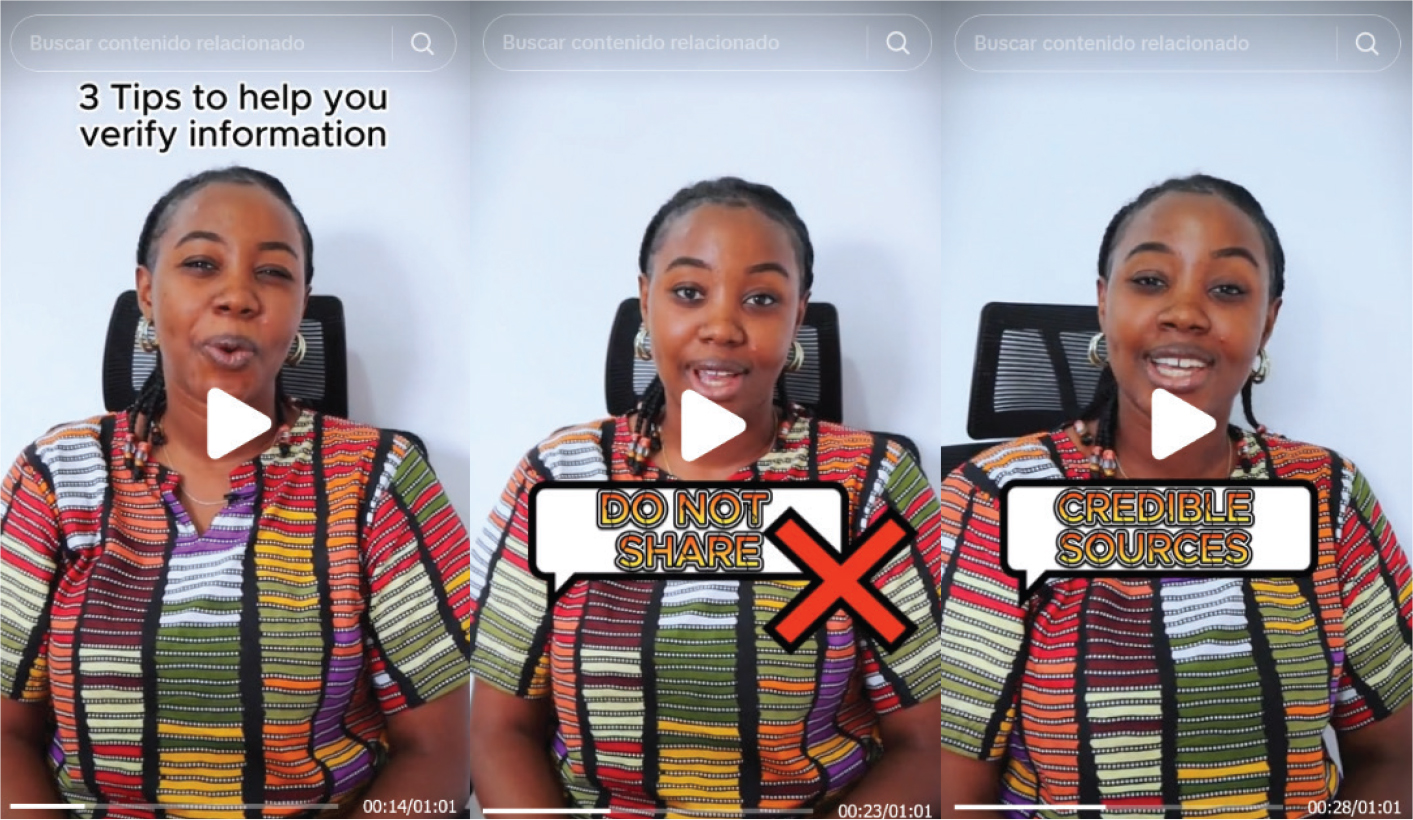
Figure 1
Screenshots from Africacheck’s TikTok micro-tutorial on how to verify information online. The video is a dynamic portrait video which involves clear textual graphics of key points. Retrieved from https://www.tiktok.com/@africacheck/video/7358001925515660550
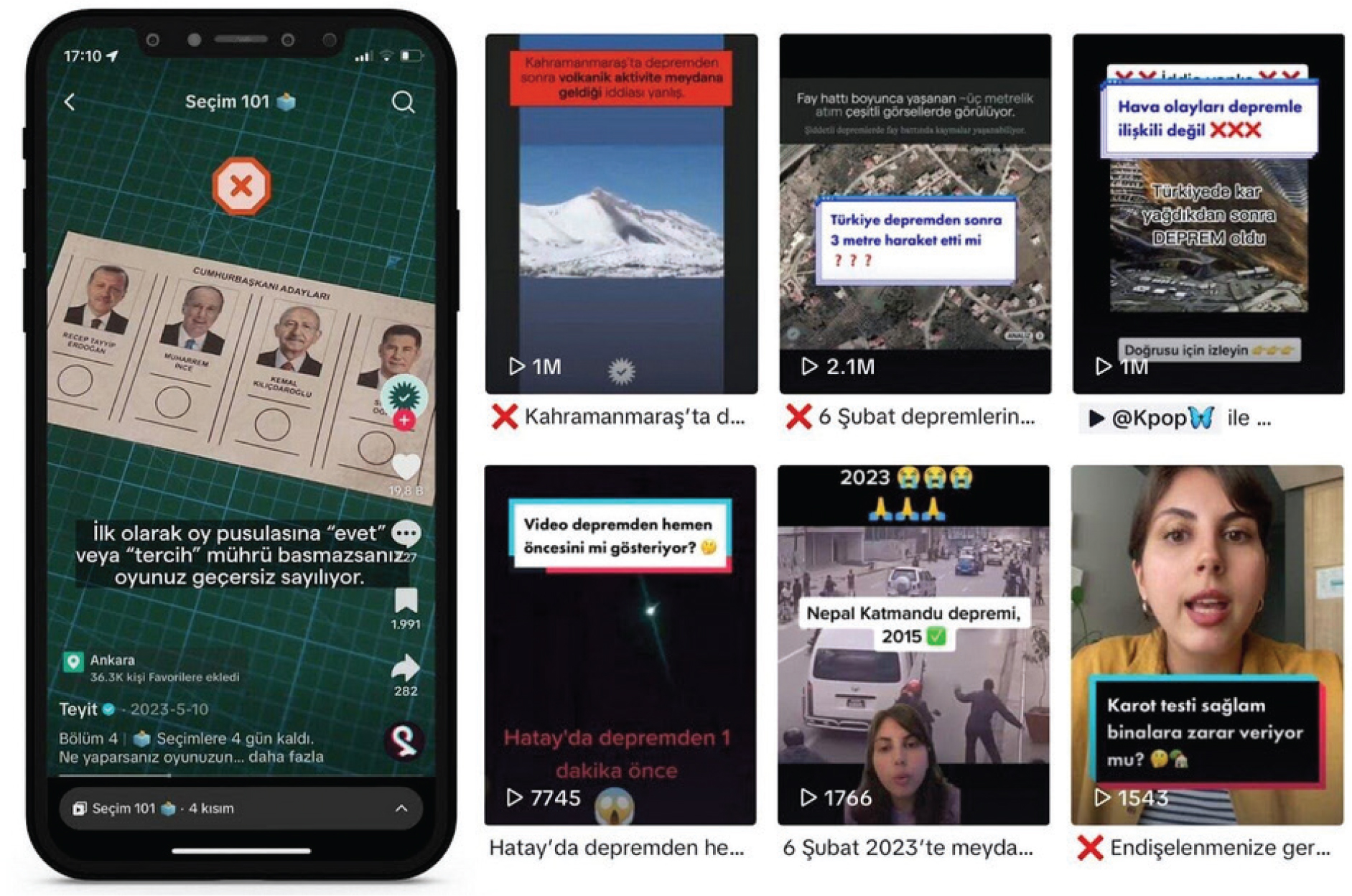
Figure 2
Screenshots of fact-check videos by Turkish Teyit .These videos show how original content is integrated into the fact-checking videos, exposing how videos have been manipulated or why the provided context is false. Retrieved from https://teyit.org/ekipten/kriz-gundeminde-tiktok-2023te-tiktokta-neler-yaptik
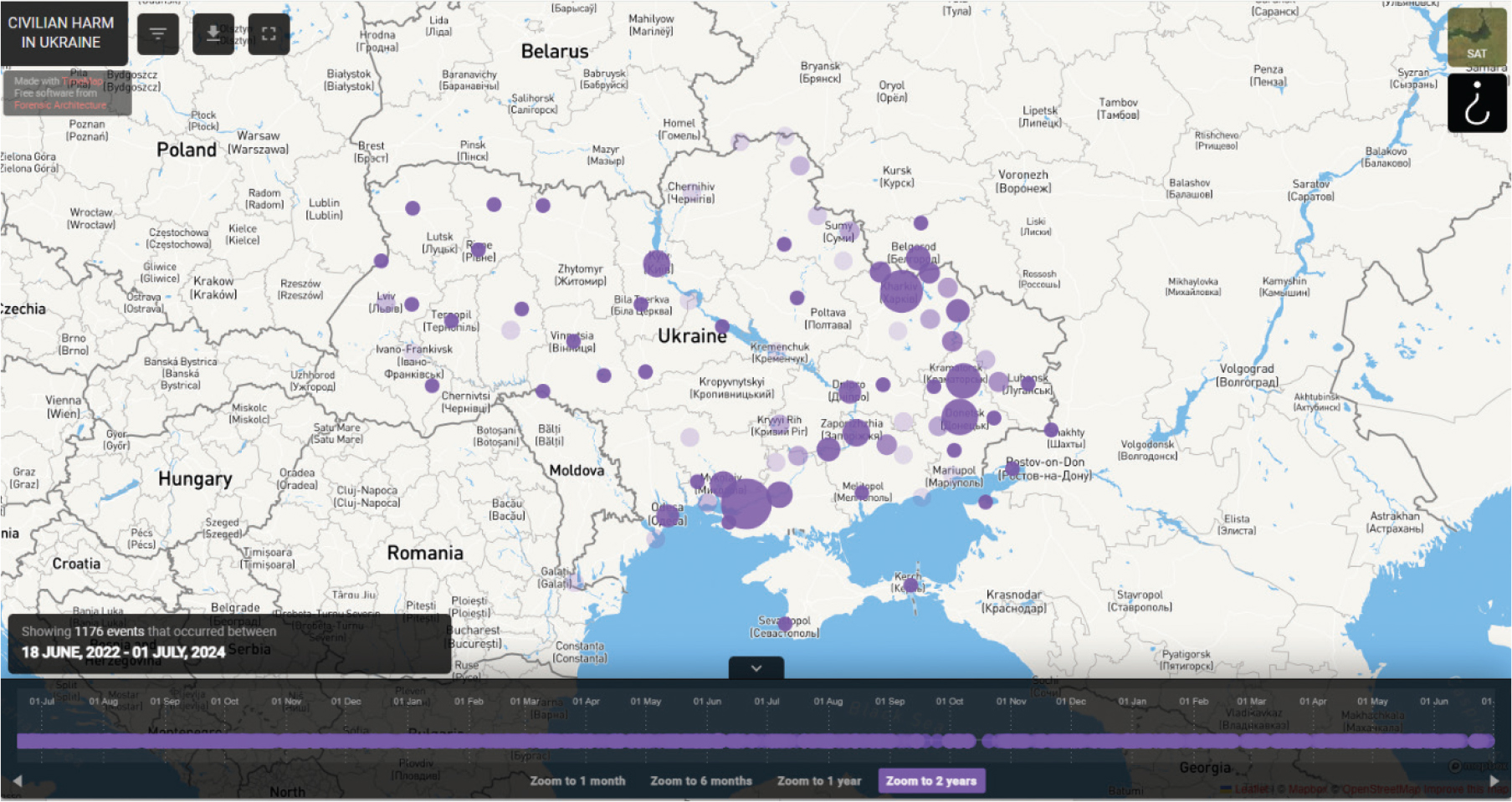
Figure 3
Screenshot of an interactive map by Bellingcat documenting incidents of civilian harm during the Russian war in Ukraine. Retrieved from https://ukraine.bellingcat.com/

Figure 4
Tooties who are used as messengers of fact-checks and debunks in direct content interventions by Fackcheck.vlaanderen.
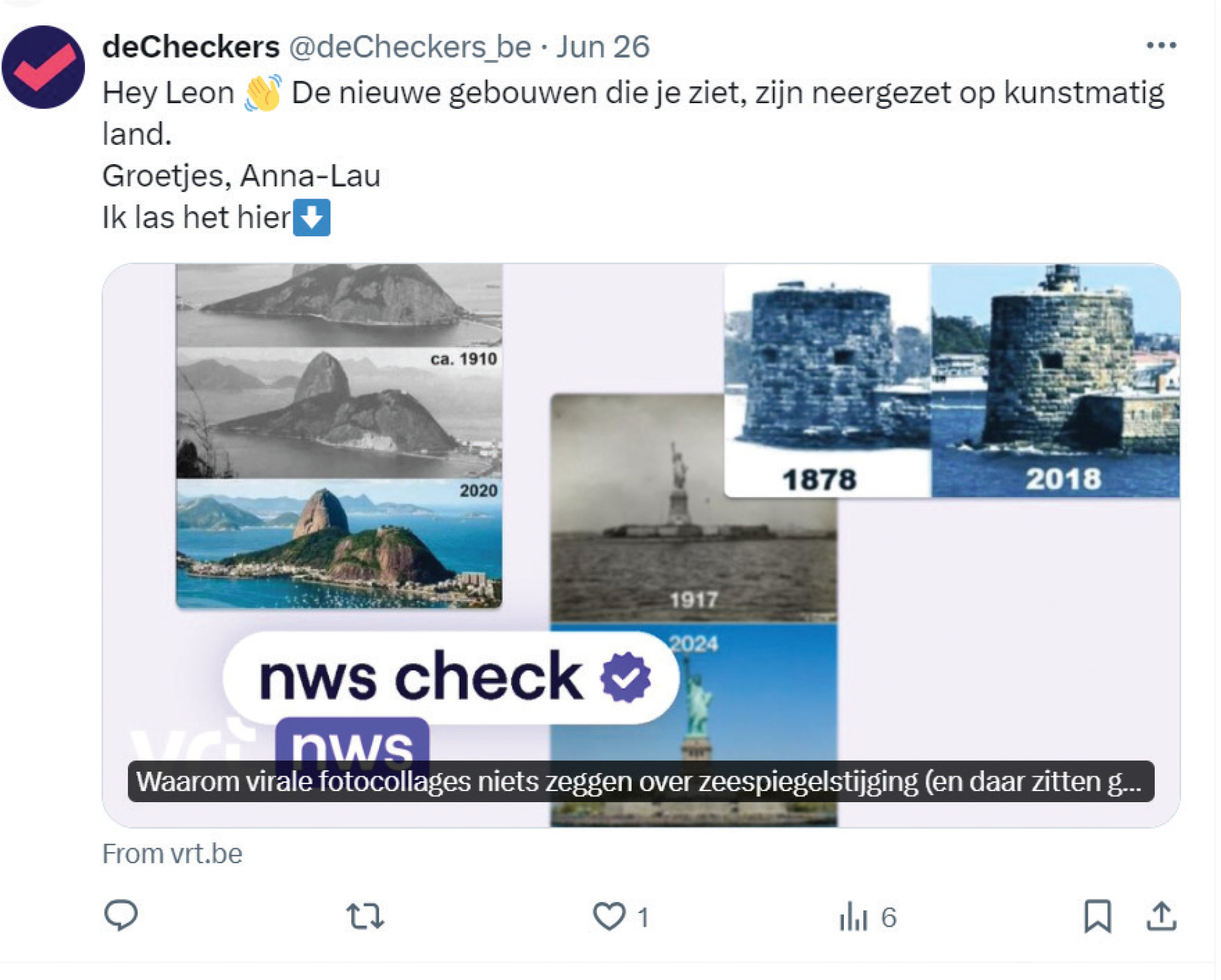
Figure 5
Screenshot from DeCheckers’ direct content intervention via “Anna-Lau” who nudges a user towards a fact-check by commenting underneath their post that contained false information. Retrieved from https://x.com/Leon_Denkt_Zelf/status/1804814726825697692
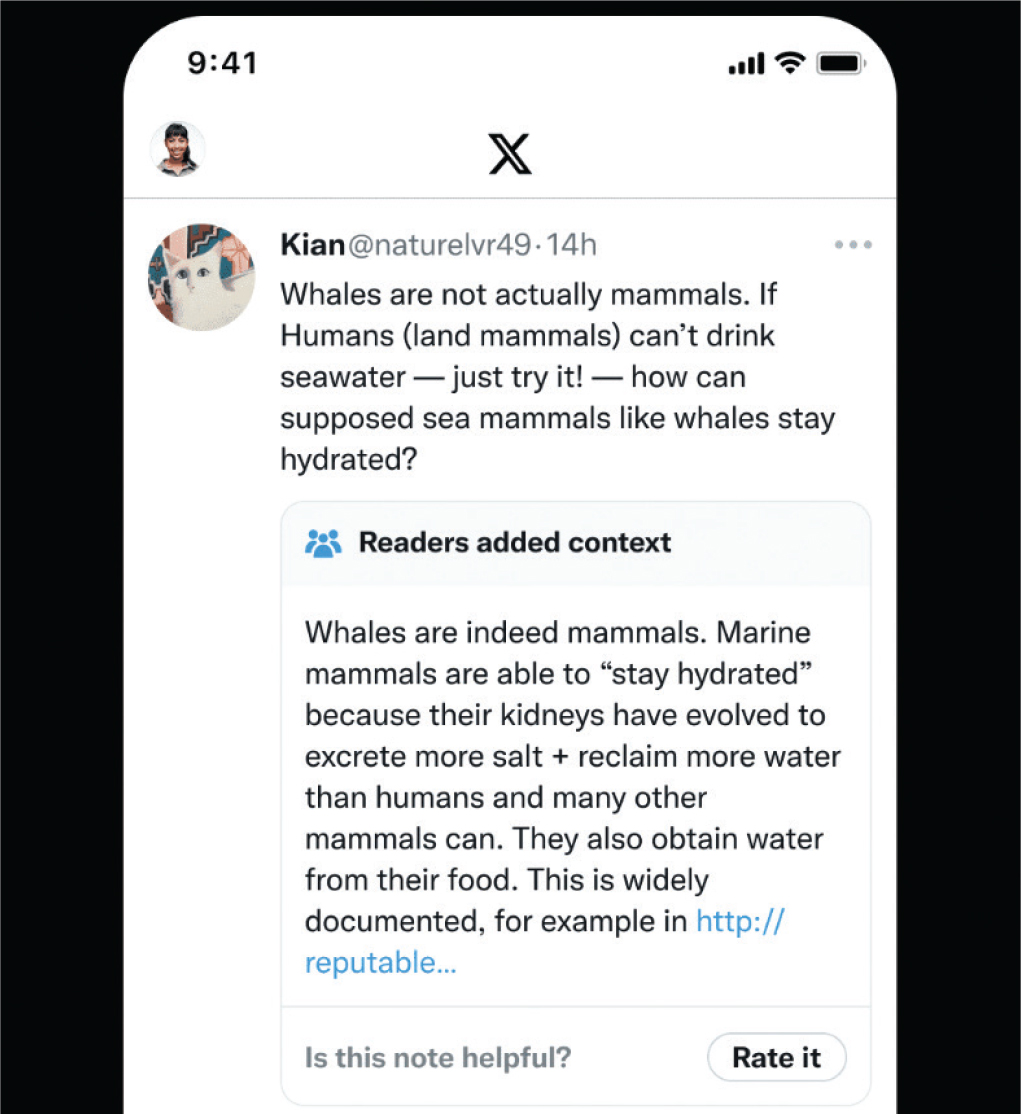
Figure 6
Community Notes on X allow users to provide context and to correct false information. Retrieved from: https://communitynotes.x.com/guide/en/about/introduction
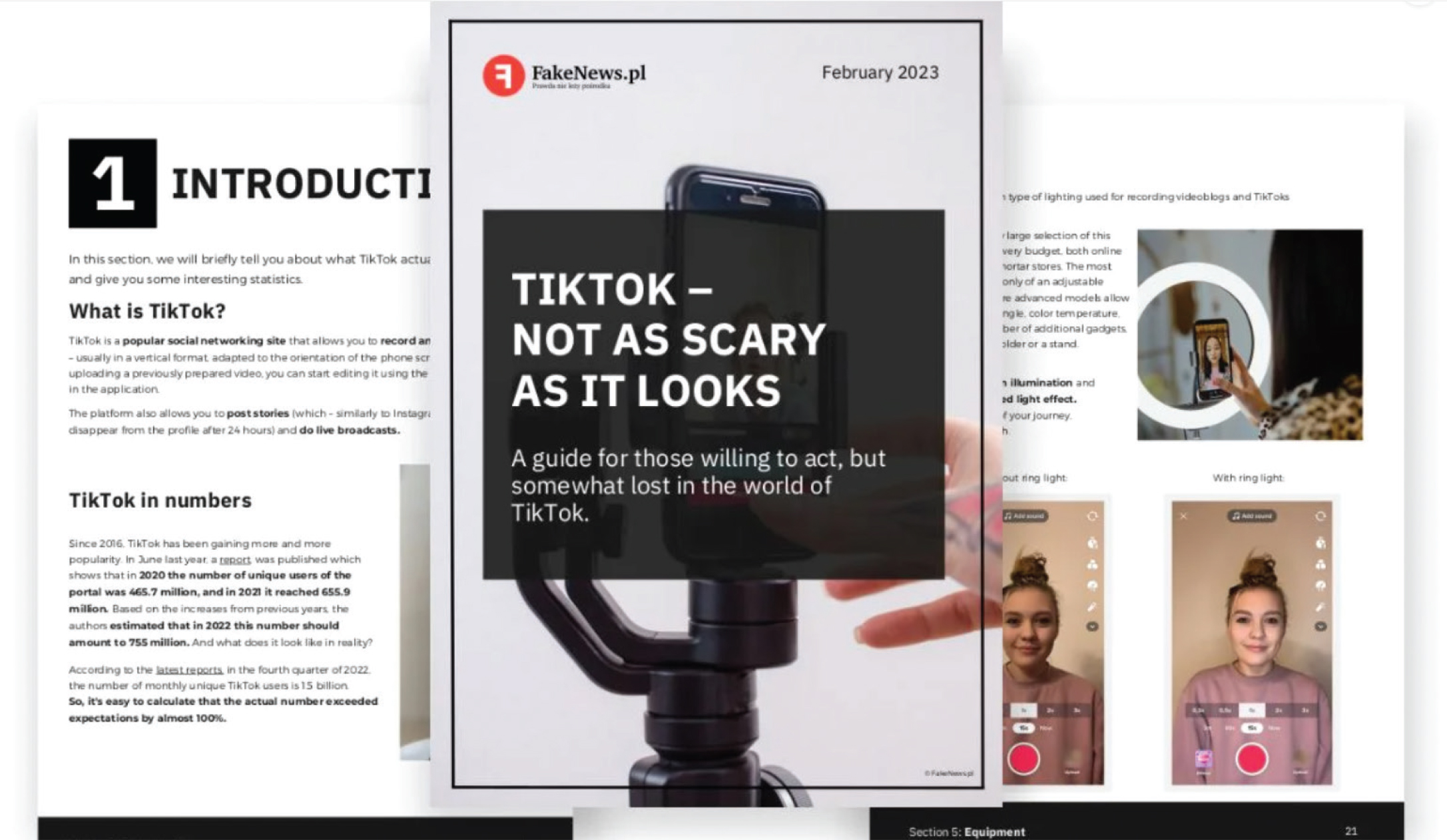
Figure 7
FakeNews.pl provides instructions on how to create visually appealing TikTok videos for the fact-check community. Retrieved from: https://fakenews.pl/en/tiktok-not-as-scary-as-it-looks-a-guide-for-those-who-wish-to-begin-their-tiktok-journey/