

Figure 1
Bell advertisement: ‘educational television: help for busy teachers, hope for crowded classrooms’. Source: Broadcasting Telecasting (Jan-Mar 1963).
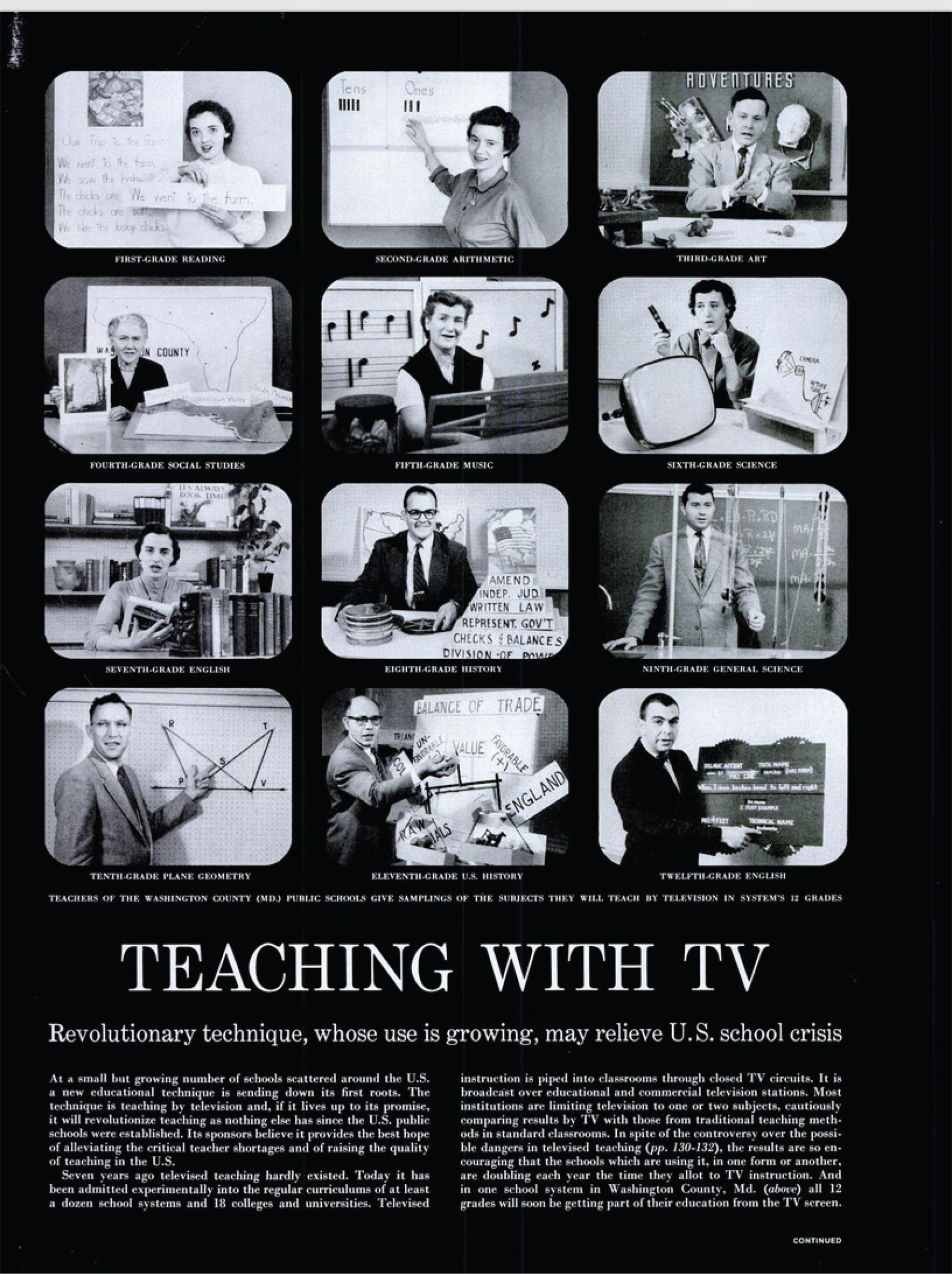
Figure 2
‘Teaching with TV: Revolutionary Technique, whose use is growing, may relieve U.S. school crisis’. Source: Life Magazine, February 25, (1957), 123.
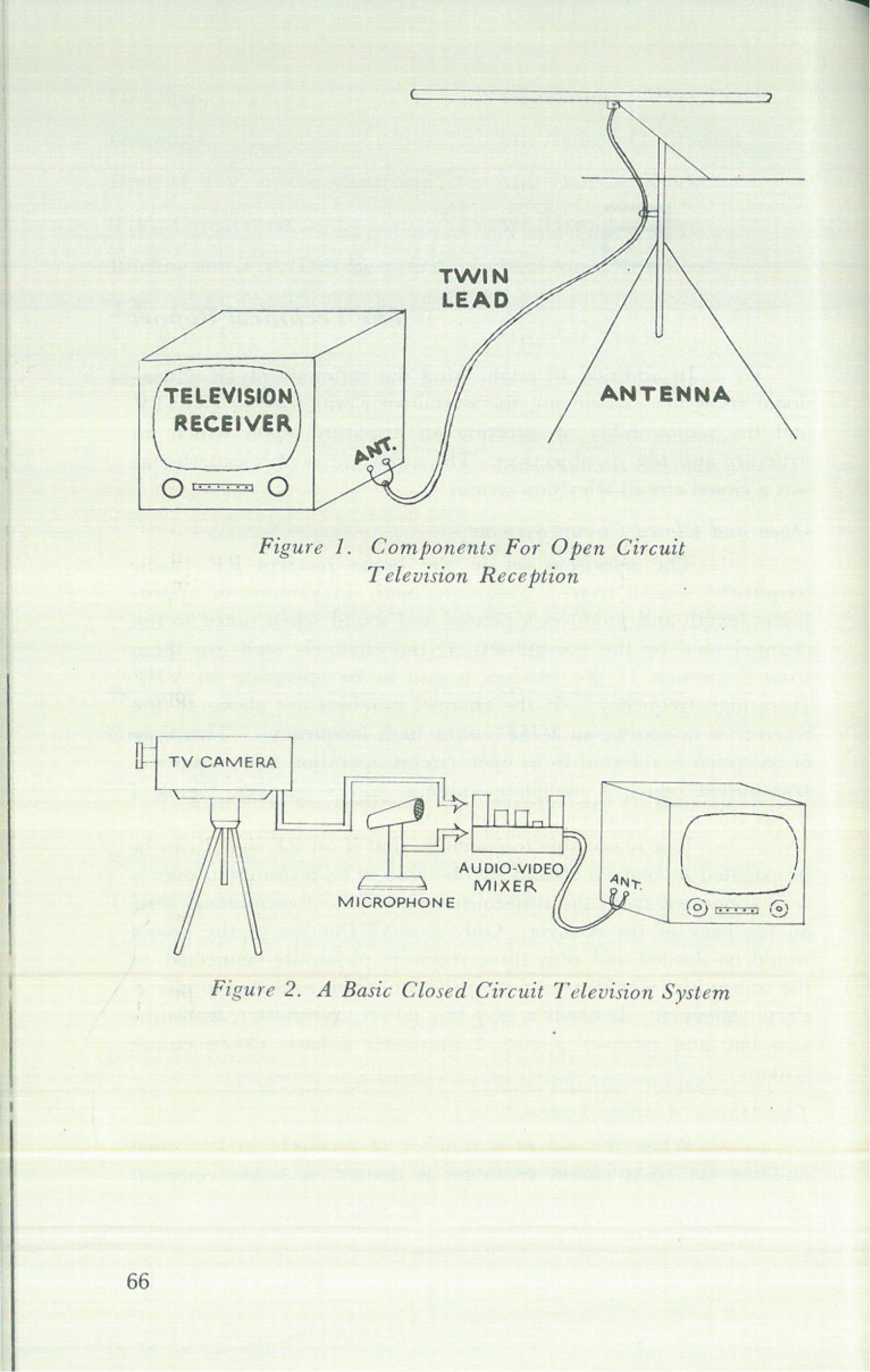
Figure 3
‘Open’ versus ‘Closed’ Circuits. Source: New York City Board of Education and Fund for the Advancement of Education, Closed Circuit Television: A Report of the Chelsea Project (New York, 1962), 66.

Figure 4
MPATI: Televisual instruction by airplane. Source: Ford Foundation records. Photographs. Series 3: General, Program, and Project Photographs. Sub series 3_4: Educational Television 9ETV). Box 83. Folder 1370. Midwest Airborne Educational Television Program, 1960-1966. Rockefeller Archive Centre.
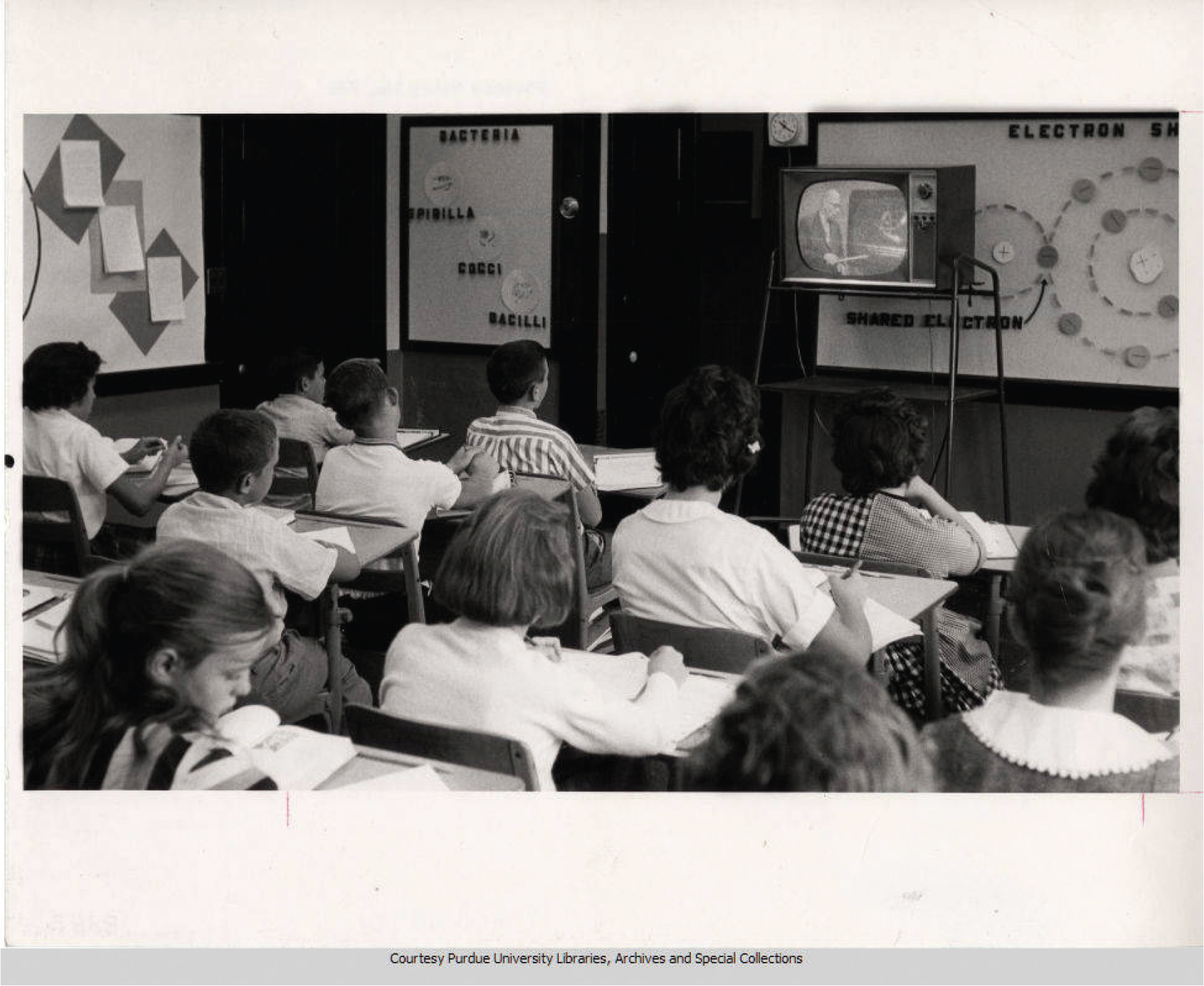
Figure 4a
7th and 8th grade schoolchildren watching a programme broadcast by MPATI, ca. 1962. Source: Purdue University Libraries, Karnes Archives and Special Collections, PADA0000106.
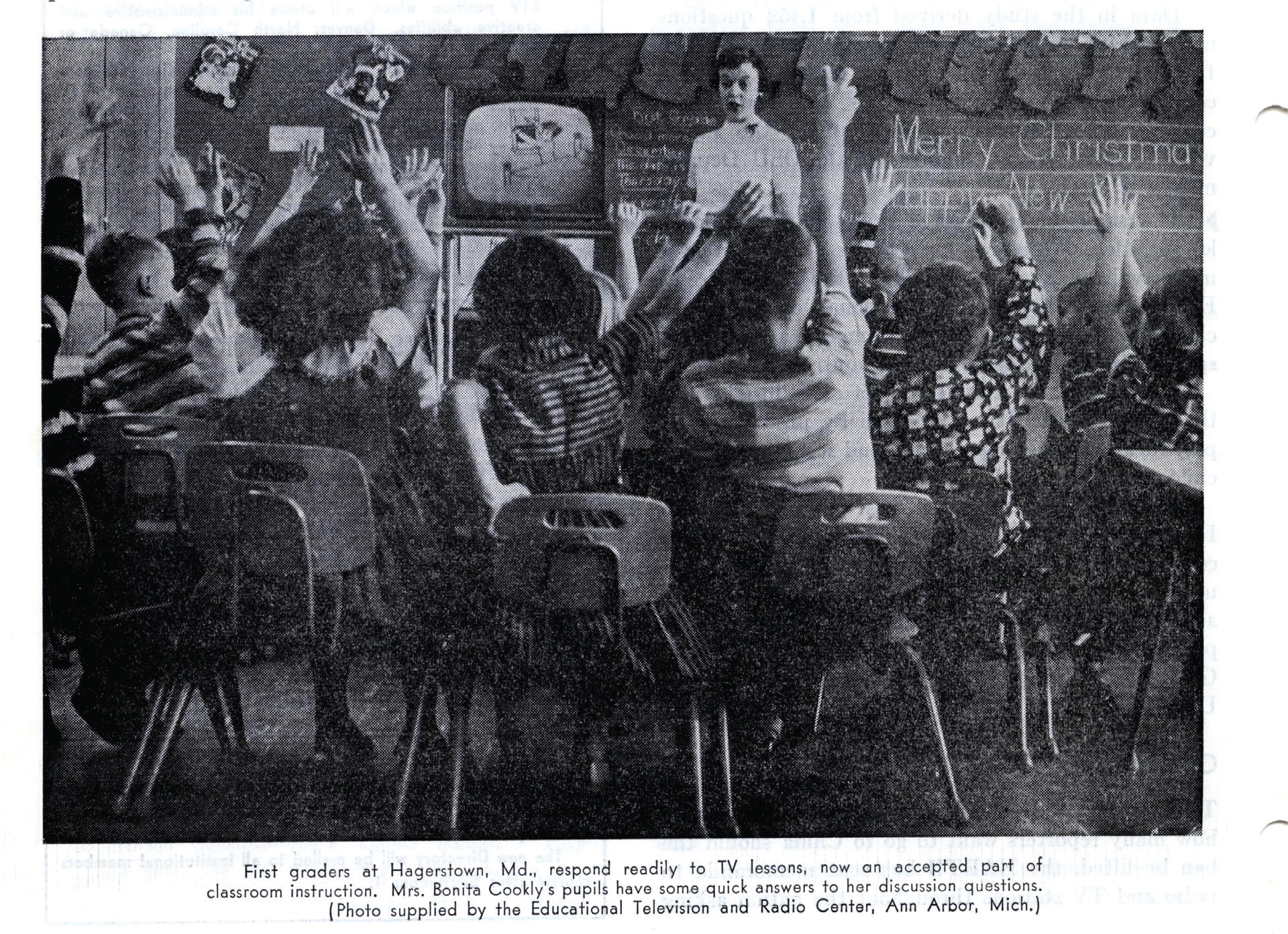
Figure 5
Televisual instruction for first graders at Hagerstown, Maryland. Source: NAEB Newsletter, August 1957.
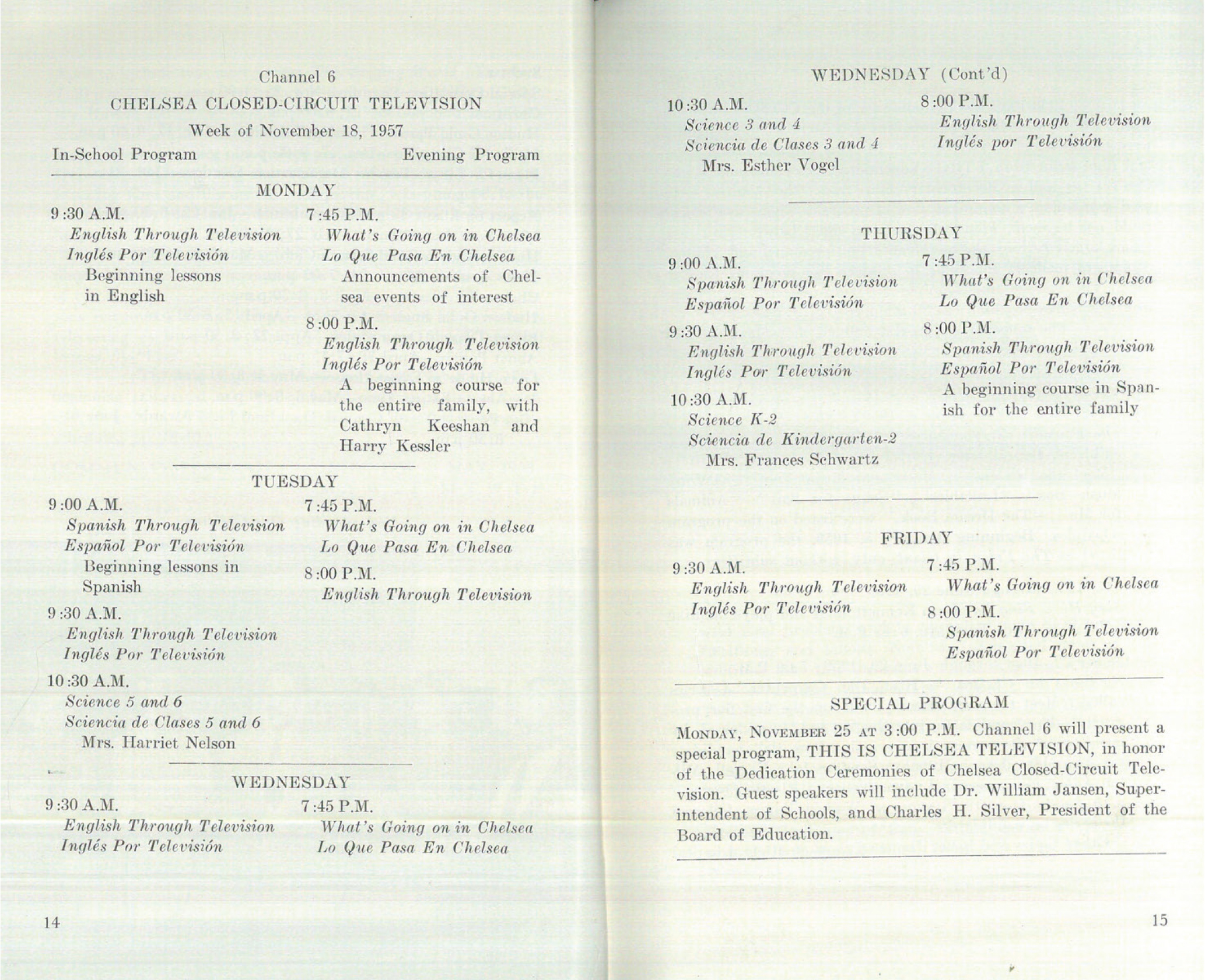
Figure 6
Schedule of the CCTV programme for the Chelsea project. Source: A Report of the Chelsea Project. Board of Education of the City of New York, 1962.
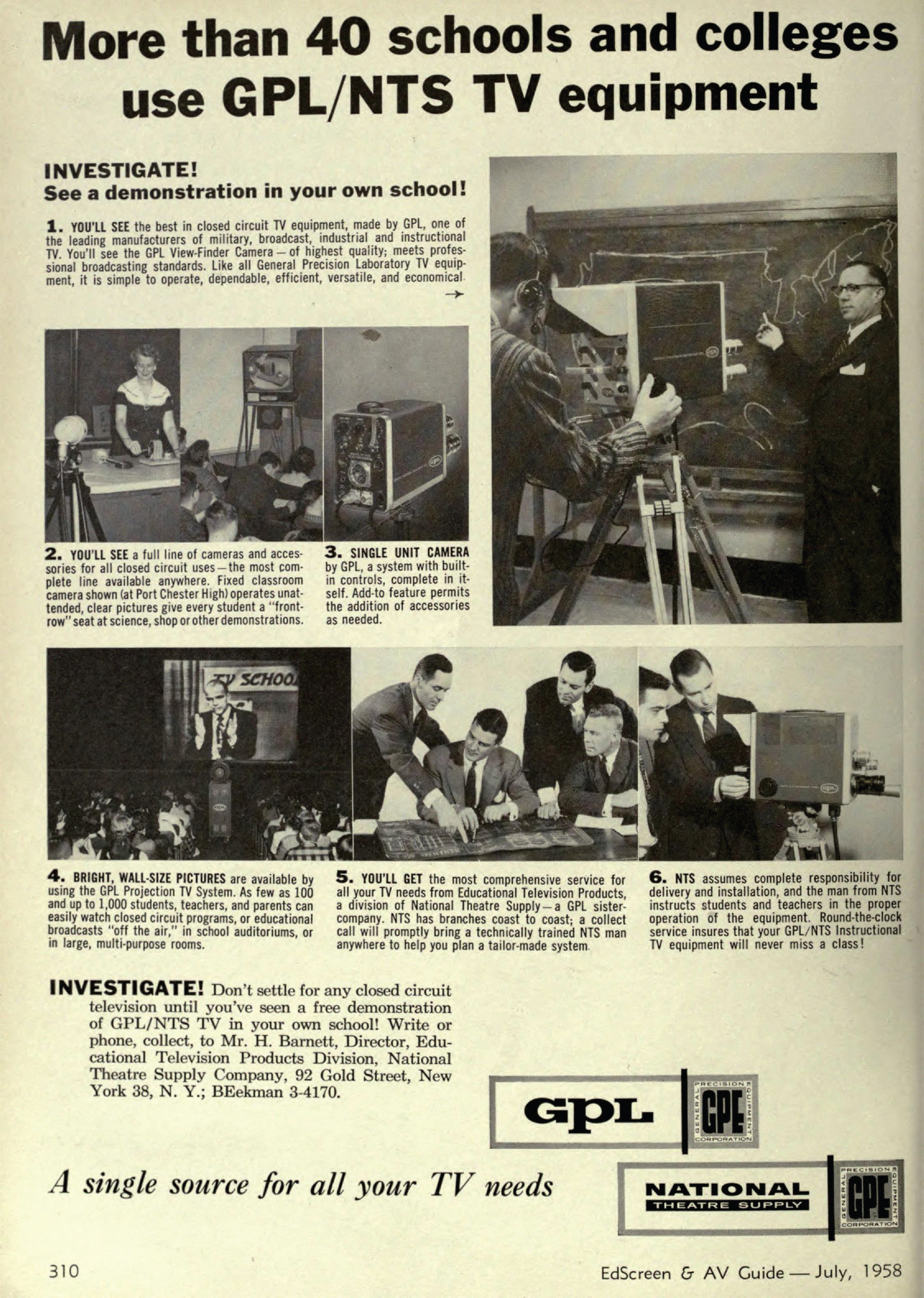
Figure 7
General Precisions Laboratory advertisement for educational CCTV. Source: Educational Screen & AV Guide, July 1958.
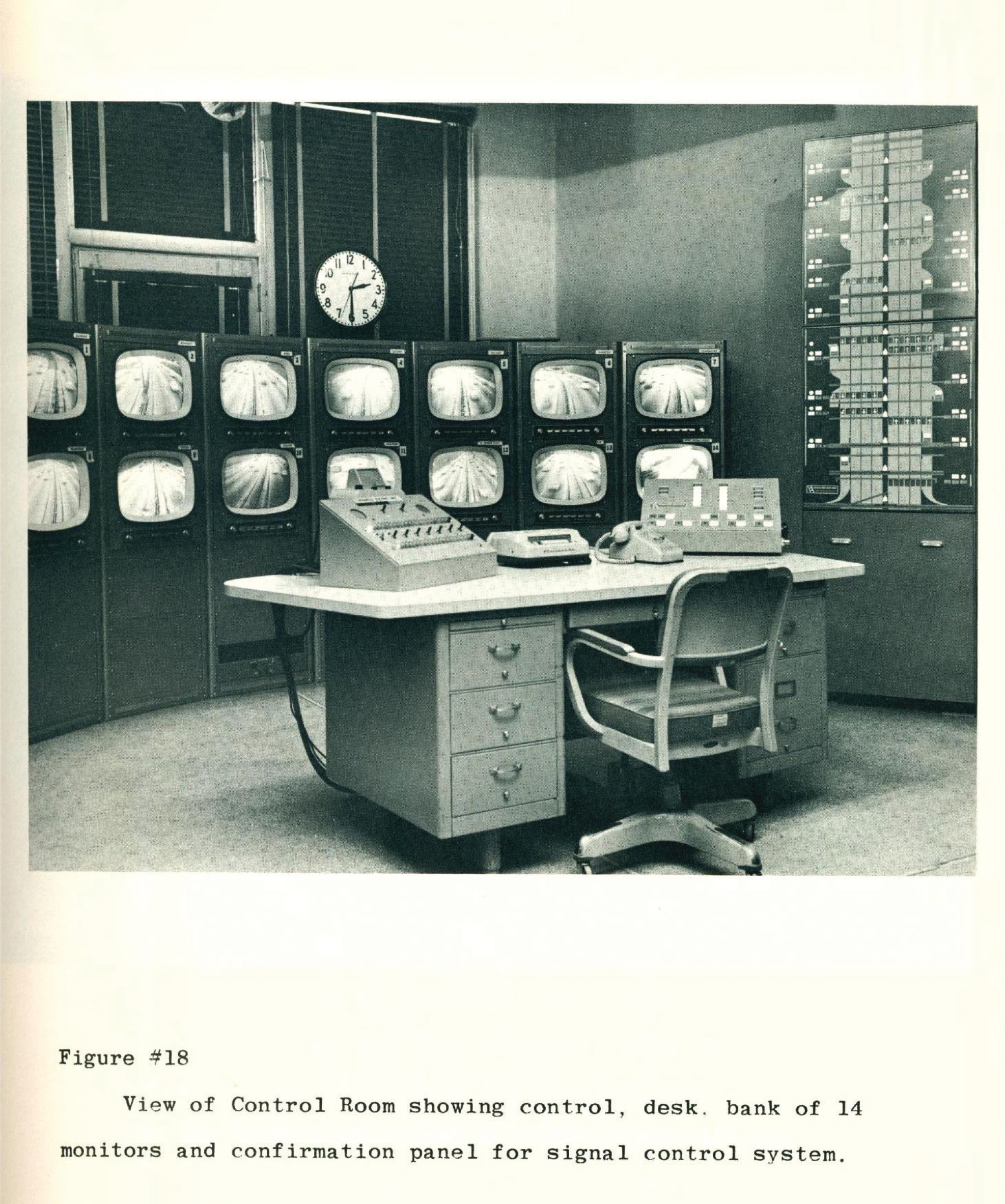
Figure 8
Traffic Control by Television. Source: National Proving Ground for Freeway Surveillance Control & Electronic Traffic Aids, Television Equipment for Traffic Surveillance (1962), 54. Hagley Library and Archives.
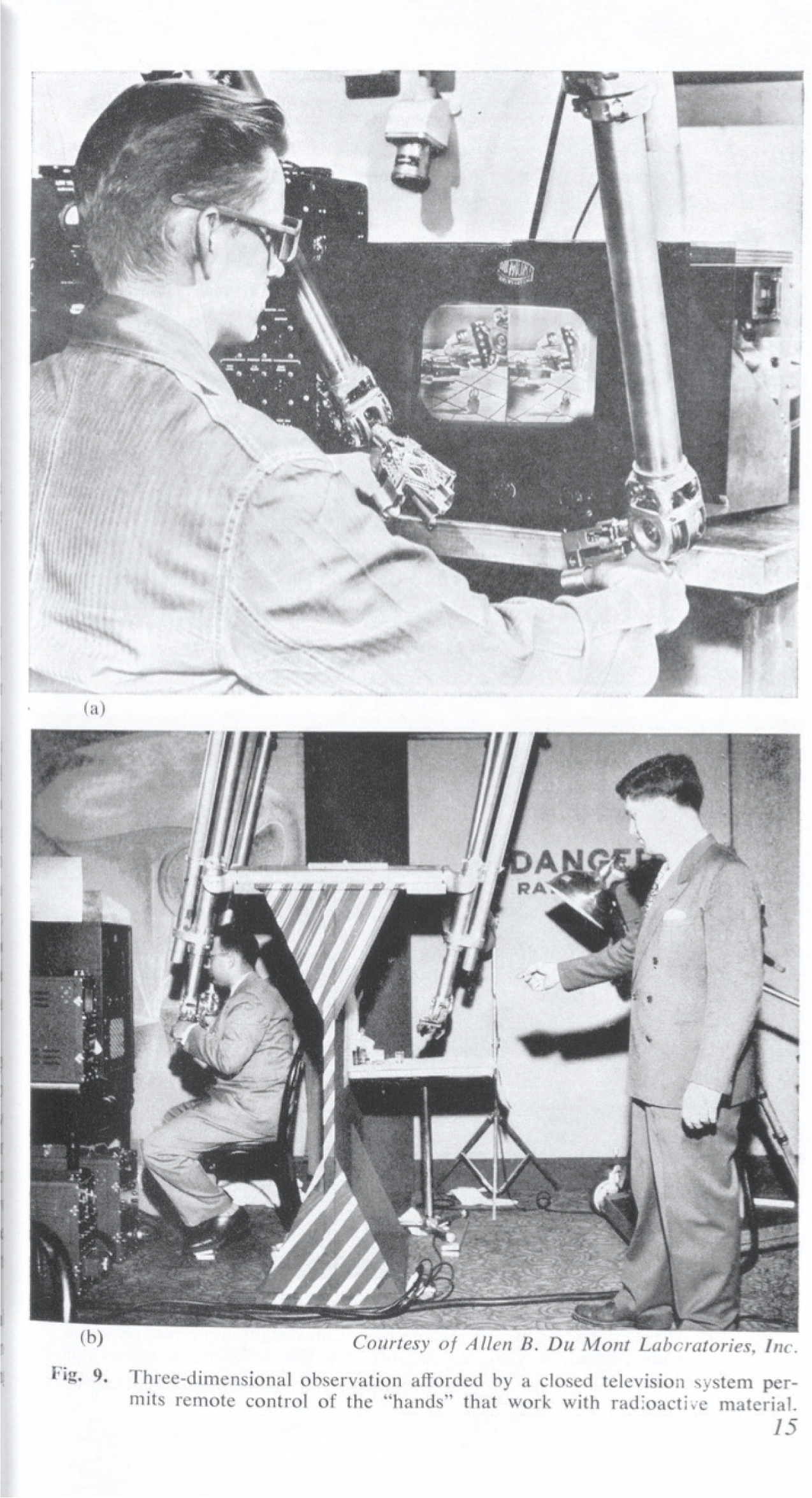
Figure 9
Remote televisual control of radioactive material. Source: Edward M. Noll, Closed-Circuit and Industrial Television (New York: Macmillan, 1956), 15.
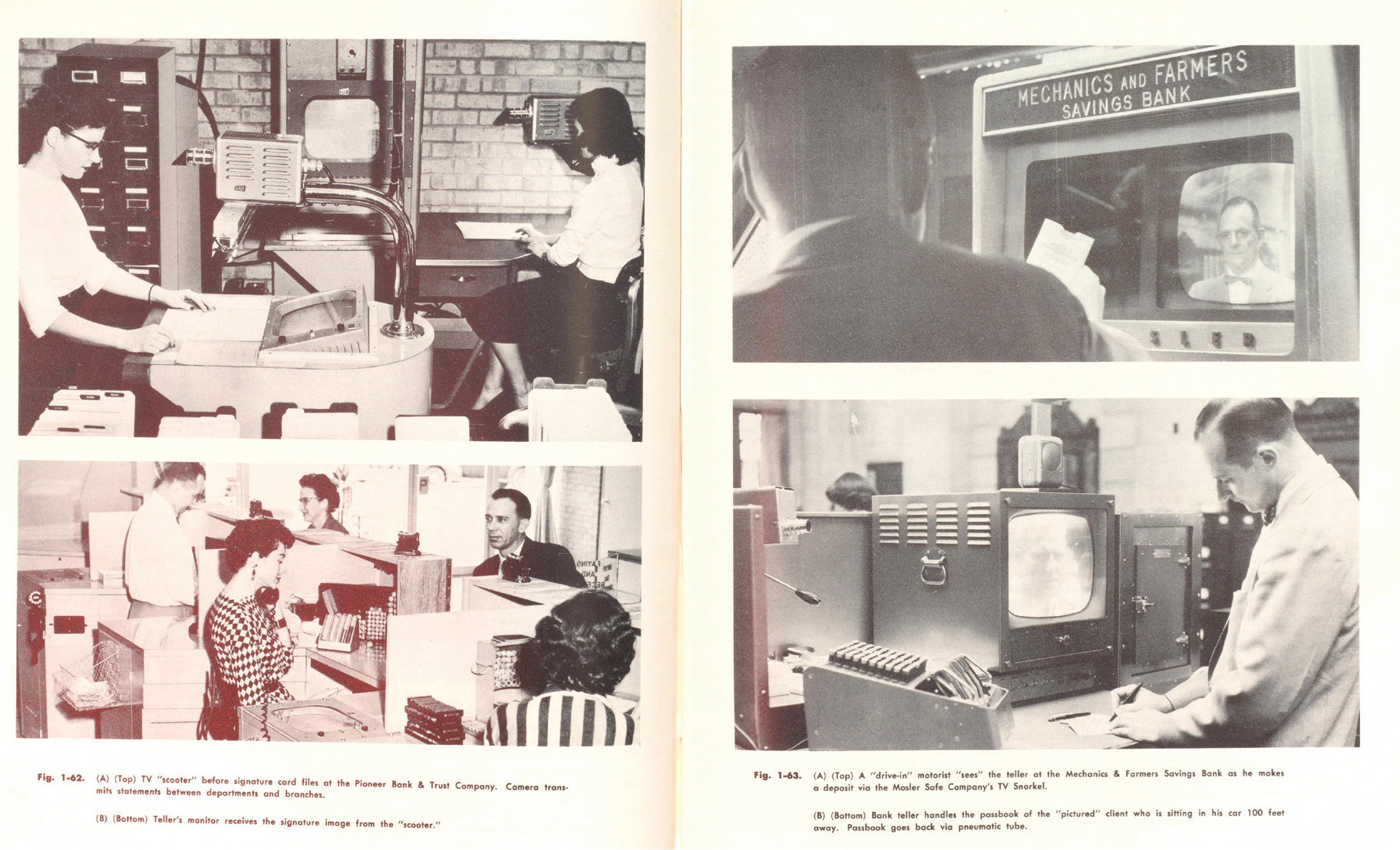
Figure 10
CCTV in administration and banking. Source: Morris A. Mayers, and Rodney D. Chipp, Closed Circuit Television System Planning (New York: J.F. Rider, 1957), 88-89.
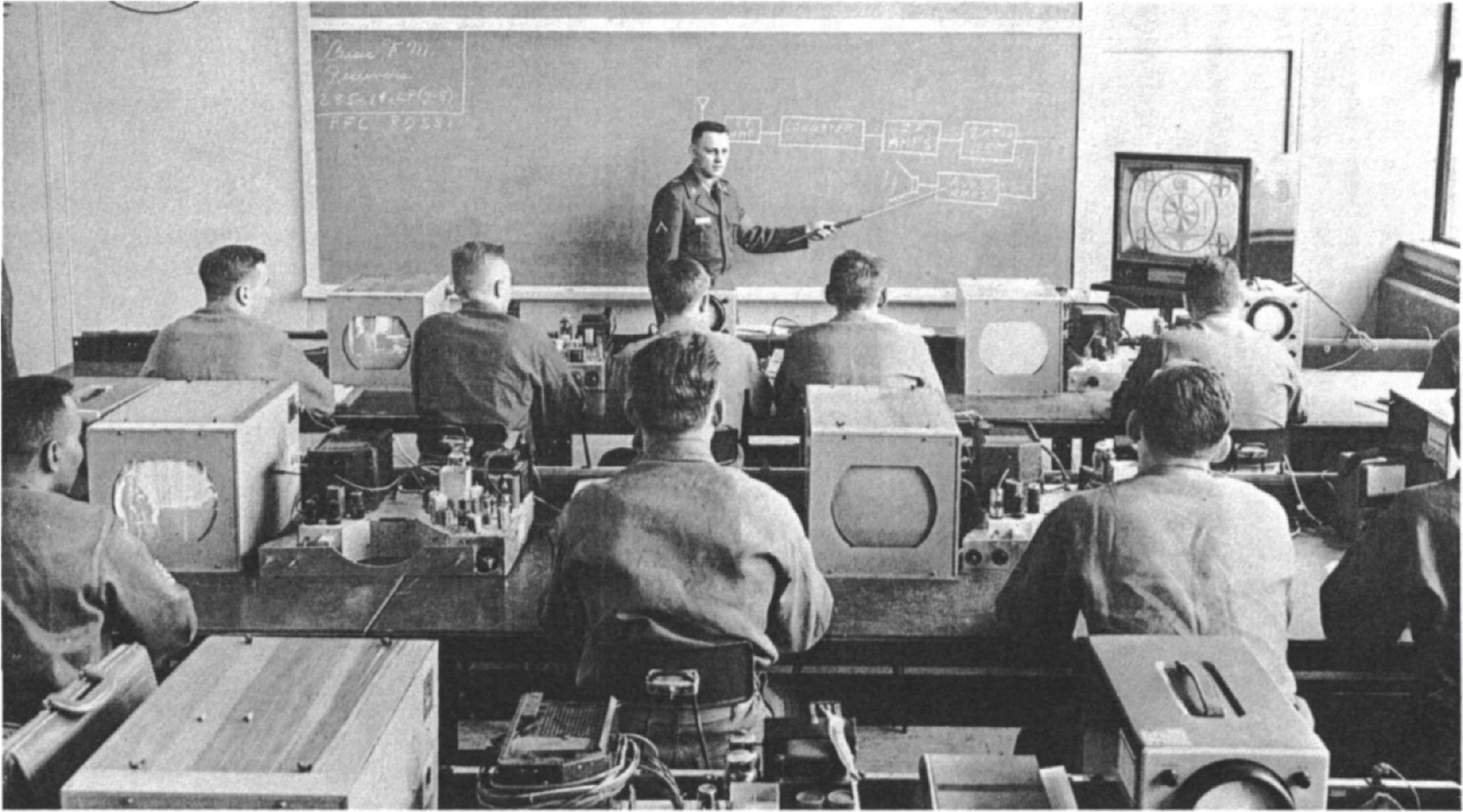
Figure 11
Joseph H. Kanner, “Teaching by Television in the Army: An Overview,” Audio Visual Communication Review 6, no. 3 (1958): 172-188.