
Publisher’s Note: A correction article relating to this paper has been published and can be found at https://rurallandscapesjournal.com/articles/10.16993/rl.189.
Introduction
Small islands have long attracted scholarly attention as sites where questions of sustainability, resilience, and place-based development become particularly tangible. Their geographical boundaries, resource limitations, and seasonal fluctuations create distinct challenges, but also opportunities for innovative local responses (Baldacchino, 2006; Armstrong and Read, 2004). Although research on island sustainability is expanding, Nordic small islands remain underexplored, particularly regarding place-based perspectives on everyday life (Ronström, 2021; Syssner, 2020). Prior studies often emphasize ecological vulnerability, tourism dependency, or governance frameworks, but less attention has been paid to how people living on and connected to islands conceptualize sustainability and vitality in everyday life. Despite this growing body of work, this creates a knowledge gap concerning how people living on and connected to islands frame their own challenges and resources and how these perspectives connect to, or diverge from, established research and policy discourses (Burnett and Danson, 2017; Kinossian, 2019; Baldacchino and Fairbairn, 2006).
By focusing on lived experiences and locally articulated meanings of sustainability, this study contributes to island studies in three ways. First, it advances empirical understanding of islandness as a relational and practice-based phenomenon, shaped through everyday interactions between full-time residents, part-time inhabitants, and visitors. Second, it extends resilience research by illustrating how social capital and voluntary engagement operate across seasonal population dynamics. Third, it demonstrates the value of perception-based, participatory methods for linking global sustainability frameworks, such as Agenda 2030, to local island realities. In doing so, the study responds to calls within island studies for more grounded, place-based analyses of sustainability and development.
Literature Review
Islandness and identity
Research on islandness seeks to explain how geographic boundedness, identity, and everyday practices shape island life, yet empirical studies vary to the extent to which residents’ own interpretations of these dynamics are foregrounded (Baldacchino, 2006; Hay, 2006). Islandness refers to the sense of boundedness, distinct identity, and symbolic meaning that emerge from living in geographically limited and often peripheral contexts (Stratford, 2003). In Nordic archipelago research, scholars have emphasized how islandness is negotiated through maritime traditions, seasonal rhythms, and senses of belonging tied to place (Ronström, 2021). This study draws on the notion of islandness to explore how residents of Åstol describe the ‘essence’ of their island, and how such meanings connect to sustainability.
Peripheral challenges and marginalization
Studies of islands as peripheral spaces have predominantly focused on structural constraints such as economic dependency, service provision, and demographic change, often privileging macro-level analyses over locally articulated experiences of marginalization (Armstrong and Read, 2004). Limited access to services, dependence on external markets, and demographic pressures such as youth outmigration and aging populations often characterize small islands (Burnett and Danson, 2017; Kinossian, 2019). Swedish islands, despite their cultural importance, experience similar structural inequalities. Understanding Åstol’s sustainability therefore requires situating it within broader discussions of peripherality and marginalization.
Tourism, seasonality and place-based approaches
Literature on tourism and seasonality in island contexts has largely examined economic impacts and governance challenges, while fewer studies explore how people living on and connected to islands negotiate tensions between economic necessity, cultural identity, and long-term sustainability. The summer months bring an influx of visitors, boosting local businesses, while the winter months pose challenges due to decreased economic activity (Baldacchino and Fairbairn, 2006; Hjerpe and Syssner, 2014). Seasonal fluctuations complicate long-term planning, as infrastructure and services must accommodate both peak and off-season needs. For islands without fixed mainland connections, enduring logistical constraints further exacerbate these challenges (Armstrong and Read, 2004).
While tourism is economically vital, it is not without risks. Unregulated growth can erode cultural identity and strain limited resources. Recent studies highlight the value of community-based tourism (CBT) as a planning framework, emphasizing active participation by island residents and other island-connected actors to ensure that tourism development aligns with place-specific values (Sayuti, 2023). Inter-island collaboration has also gained attention to diversify tourism offerings, reduce seasonal vulnerability, and strengthen cultural ties (Abe and Pischulti, 2024). Åstol, with its combination of permanent and seasonal residents, provides an opportunity to analyze how different groups connected to the island balance these dynamics and negotiate future development trajectories.
Resilience, social capital and agency
Resilience research highlights the capacity of people and social relations tied to specific places to adapt and sustain everyday life in the face of change, with social capital identified as a key adaptive resource. However, there remains limited empirical insight into how social capital is differently mobilized across varying forms of attachment to place, such as permanent and seasonal residence, in small-island contexts (Berkes and Ross, 2013; Putnam, 2000; Woolcock, 2001).
In island contexts, strong local networks can both compensate for structural disadvantages and shape distinctive forms of everyday social vitality. This study therefore examines how permanent residents, seasonal inhabitants, and visitors contribute in different ways to Åstol’s social capital and to processes of sustainability.
Policy frameworks: Agenda 2030 and SDGs
Sustainability strategies increasingly emphasize the inclusion of peripheral and rural places. The United Nations’ Agenda 2030 highlights the need to make all human settlements, urban and rural, ‘inclusive, safe, resilient and sustainable’ (Global Goals, 2020). Article 11a further emphasizes strengthening linkages between urban, peri-urban, and rural regions. Scholars note, however, that locally grounded perspectives are often underrepresented in these frameworks (Syssner, 2020). By focusing on Åstol, this study contributes to bridging the gap between global policy goals and place-based lived experiences of sustainability.
In this article, social relations are understood as place-based and grounded in shared practices rather than formal membership alone. Adaptive capacity refers to the ability of people and social relations connected to the island to respond to social, economic, and environmental changes through flexibility, cooperation, and local initiative. Social capital is conceptualized as everyday networks of trust, reciprocity, and mutual support. Cultural identity denotes shared meanings, traditions, and narratives connected to island life, while ecological awareness refers to locally grounded understandings of environmental limits and stewardship shaped through daily interaction with the island environment.
Taken together, existing research provides important insights into islandness, peripherality, tourism, and resilience, yet it tends to privilege structural conditions, policy frameworks, or sector-specific analyses. Less attention has been paid to how these dimensions intersect in the everyday lives of people living on and connected to islands and how sustainability is understood and enacted across different forms of attachment to the same place. This study addresses this gap by examining place-based perspectives on Åstol, thereby linking core themes in island studies to lived experiences of sustainability and vitality.
Study Context: The Case of Åstol
Åstol is a small island on the Swedish west coast, located in the archipelago north of Gothenburg. The island has around 160 permanent residents, but the population increases substantially during the summer months due to seasonal residents and tourism (Figure 1 and 2). The demographic mix with full-time residents, part-time inhabitants, and short-term visitors creates a complex social and economic fabric, where different groups contribute in varying ways to the island’s vitality and long-term viability. Recognizing these differences is crucial for understanding sustainability challenges and opportunities. Åstol was selected as a case study due to its clear seasonal population dynamics, strong civic traditions, and ongoing local engagement with sustainability planning, making it a relevant and information-rich case for examining place-based island development.
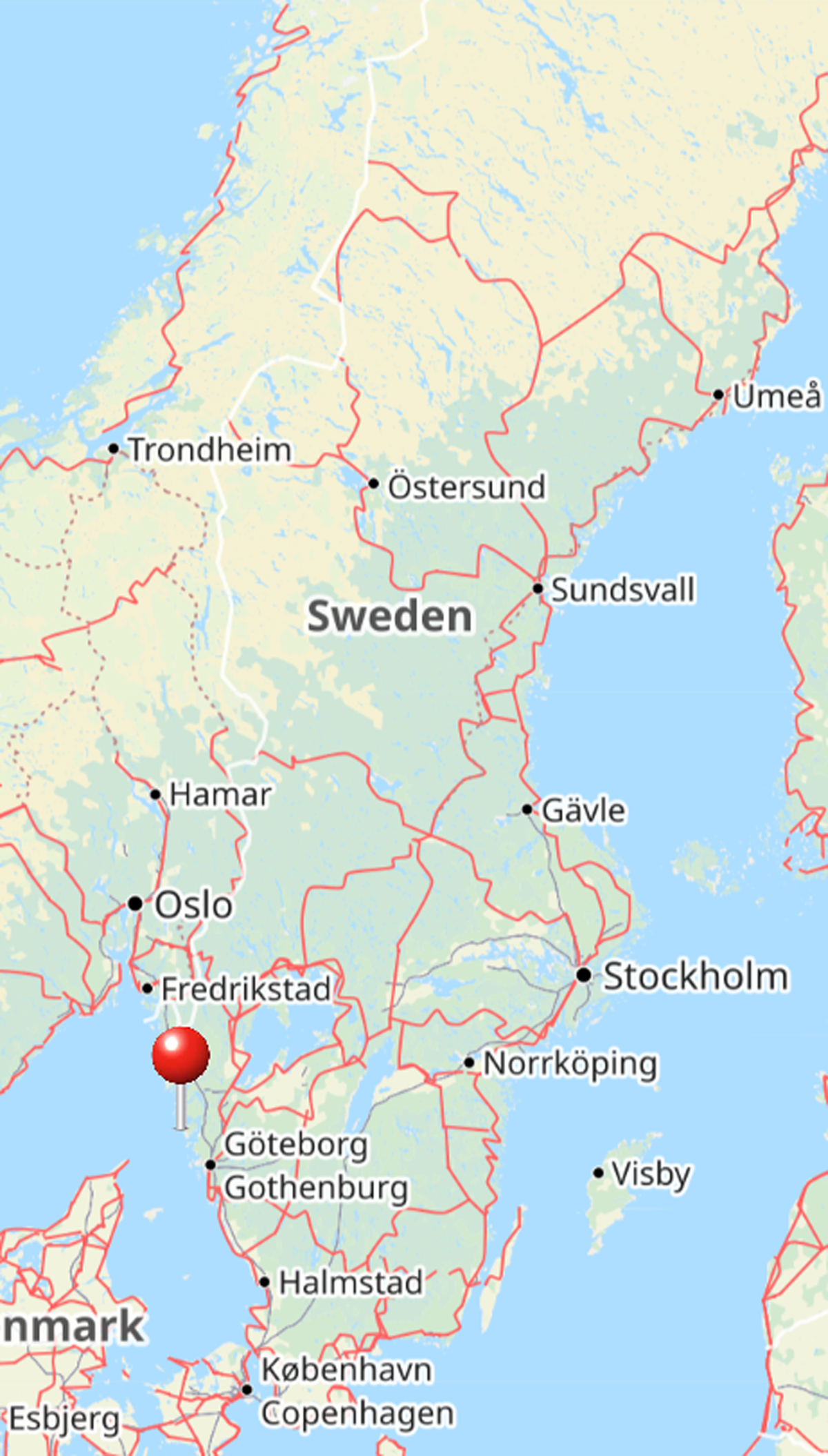
Figure 1
The regional location of Åstol (Source: Lantmäteriet, 2024).
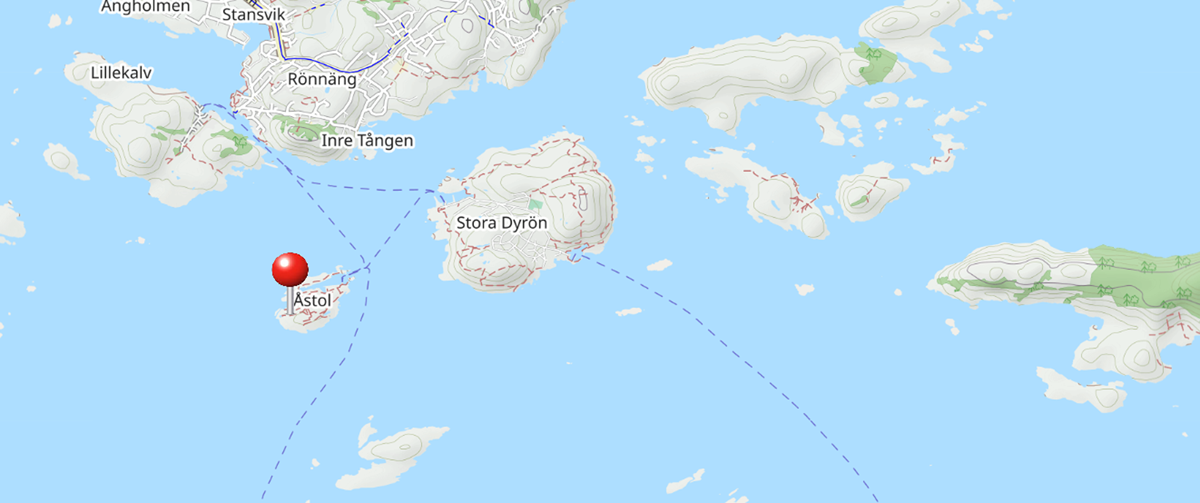
Figure 2
The location of Åstol, local context (Source: Lantmäteriet, 2024).
Historically, Åstol’s economy was based on fishing and small-scale shipping. In line with broader regional trends, these traditional livelihoods have declined, and the island has become increasingly dependent on services, commuting to the mainland, and above all maritime service and tourism. The harbor remains a central arena, but today it functions primarily as a guest harbor for recreational boats and a hub for restaurants and cultural events, rather than for fisheries. This shift illustrates how island communities negotiate the balance between preserving maritime heritage and adapting to contemporary economic conditions.
Like many peripheral islands, Åstol faces challenges related to housing, infrastructure, and demographic change. Seasonal fluctuations in population place pressure on local services while also providing important sources of income. The island is car-free, which shapes both everyday life and the sense of tranquility that many residents and visitors highlight as part of Åstol’s unique identity. These dynamics capture key aspects of ‘islandness’, understood as the interplay of bounded space, place-based belonging, and symbolic meaning that are central to the analysis in this study.
This research also builds upon the Maritime Service and Tourism initiative coordinated by the Västra Götaland Region (Göthe et al., 2020). The initiative resulted in action plans for several coastal and lakeside communities, including Åstol, with a strong emphasis on promoting sustainable development aligned with the United Nations’ Agenda 2030 goals (United Nations, 2015). For Åstol, the action plan focused on balancing environmental, cultural, social, and economic sustainability through inclusive participation across groups connected to the island. The present study, partly funded by the Västra Götaland Region, seeks to deepen this work by applying a participatory research approach to explore locally grounded perceptions, needs, and priorities for a sustainable future.
Aim and research questions
The aim of this paper is to explore how people living on and connected to Åstol, a small island in the archipelago north of Gothenburg on Sweden’s west coast, articulate vitality and sustainable development in everyday island life. Specifically, we ask:
How do people connected to Åstol perceive and describe the essence of life on Åstol?
What challenges and resources do they highlight in relation to sustainability?
How do these perspectives contribute to broader discussions on small-island sustainability and resilience?
These research questions directly address the identified knowledge gap by shifting analytical attention from structural and policy-oriented perspectives to how sustainability and vitality are understood, negotiated, and prioritized by people living on and connected to islands. By focusing on perceptions of everyday life, challenges, and resources, the questions link core debates in island studies to locally grounded experiences, thereby providing an empirical basis for refining existing theoretical frameworks.
Methods
This qualitative study adopted a place-based and participatory case study approach (Reason and Bradbury, 2008; Bergold and Thomas, 2012), designed to capture the lived experiences and perceptions of individuals with varying ties to Åstol. The design aligns with principles of Interactive Research (Svensson, Brulin and Ellström, 2015), emphasizing collaboration with local actors and the co-construction of knowledge relevant to development. The inductive approach allowed for flexibility and openness to participants’ perspectives rather than hypothesis testing (Punch, 2014).
Participants
Participants were recruited using a combination of convenience and snowball sampling, both established strategies for qualitative research in settings (Bryman, 2016; Patton, 2015). Recruitment was initiated through announcements on local social media platforms and physical notices at key locations across the island (e.g., the harbor, local store, ferry terminal), open for three consecutive weeks during the summer. Individuals with different types of relationships to Åstol were invited to participate, and some were recommended by others already interviewed, expanding variation in the sample (Noy, 2008).
A total of 64 individuals participated, representing five categories: 16 full-time residents, 8 part-time residents, 6 long-term tourists (several days or a week), and 34 day visitors and marina guests. To include business perspectives, a subset of both full-time and part-time residents were local entrepreneurs. Participant identities sometimes overlapped: for instance, a household might include both a permanent and a part-time resident, or a former seasonal visitor who had moved to the island permanently. These dynamic relationships were not separated analytically but treated as part of the nuanced picture of island belonging.
Twenty-two individuals (aged 20–76; women M = 52.2; men M = 53.7) participated in in-depth semi-structured interviews (face-to-face, telephone, or email). Interviews lasted 30–75 minutes and were audio-recorded (with consent) and transcribed verbatim. The remaining participants (aged 26–72) provided written responses to the same interview guide through open-ended questionnaires. This was particularly suited to day visitors and marina guests, whose shorter but still valuable contributions complemented the in-depth interviews. It is important to note that data collection differed across participant groups. Permanent and part-time residents were primarily interviewed through in-depth semi-structured interviews, allowing for follow-up questions and more elaborated reflections. In contrast, most visitors and marina guests provided written responses to the same interview guide, typically completed on-site using pen and paper. While this approach enabled the inclusion of groups that would otherwise be difficult to reach, it also resulted in more concise responses with limited opportunity for probing.
The varying depth across groups is both a limitation and a strength. Day visitors generally provided concise answers, while residents and part-time inhabitants offered more detailed reflections. This heterogeneity, while uneven, broadened the spectrum of perspectives included in the analysis.
Design and Analysis
This study employed an inductive, qualitative research design with a place-based and participatory orientation, aiming to explore local perspectives on sustainability without testing predefined hypotheses. The design was grounded in the action plan developed by Åstol’s project group during the Maritime Service and Tourism initiative (Göthe et al., 2020), which emphasized sustainable island development through engagement in four priority areas: housing, collaboration, cultural heritage, and external communication. These themes informed both the interview guide and the analytical framework.
The analytical process integrated phenomenographic and thematic approaches. Phenomenography was applied first to identify qualitative variation in how participants conceptualized sustainability and island life (Marton, 1981). This step enabled us to capture differences in experiences of core phenomena such as tranquility, everyday life, and service provision. These categories of description then informed the thematic analysis (Table 1).
Table 1
Main themes and sub-themes.
| MAIN THEME | SUB-THEME |
|---|---|
| Perception of the island | Experiencing the island |
| The essence of the island | |
| Services and resources | Opportunities |
| Obstacles | |
| Activities and engagement | Running a business |
| Civic engagement |
Thematic analysis (Braun and Clarke, 2006) was used to systematize these variations across the dataset, identifying recurring patterns and cross-cutting themes. Following Braun and Clarke’s six-phase model, the process included (1) familiarization with data, (2) generating initial codes, (3) identifying broader patterns, (4) reviewing and refining categories, (5) defining and naming themes, and (6) presenting results with illustrative quotes. This ensured that both individual variation (captured through phenomenography) and overarching patterns (identified through thematic analysis) were represented.
The analysis was iterative and reflexive, remaining open to unexpected insights while grounded in the study aims and thematic areas from the action plan. Themes were not imposed in advance but developed through close reading of the material in dialogue with the research questions. To address the uneven depth of data across groups, the analysis prioritized patterns of meaning rather than frequency of responses. Visitors’ accounts were primarily used to contextualize perceptions of the island and to contrast resident perspectives, while interpretations of sustainability, adaptive capacity, and long-term development were grounded mainly in the more detailed narratives provided by permanent and part-time residents.
Procedure
Interviews were conducted using multiple formats, including face-to-face, telephone, email, and pen-and-paper, to accommodate participants’ varying availability. Full-time and part-time residents were primarily interviewed in person or by phone, while day visitors and marina guests were offered a printed version of the guide. This enabled broad participation but also introduced variation in data richness.
Face-to-face and phone interviews allowed for probing and clarification, while written responses were more concise. This heterogeneity is considered both a limitation and a strength: it introduced unevenness in detail but broadened inclusion of otherwise underrepresented groups.
All interview formats followed the same semi-structured guide, which included six thematic sections with overarching and probing questions. Interviews typically lasted 30–75 minutes. All verbal interviews were audio-recorded and transcribed verbatim, while written responses were transcribed manually. Informed consent was obtained from all participants.
Ethical principles were integrated throughout the research process in accordance with the four requirements formulated by the Swedish Research Council (2017). First, participants were fully informed about the purpose, design, procedures, and voluntary nature of the study (information requirement). Second, participation was based on informed consent, with the explicit right to withdraw at any time without negative consequences (consent requirement). Third, data were handled with strict confidentiality: all responses were stored securely, identifying details were removed from transcripts, and no unauthorized individuals had access (confidentiality requirement). Finally, the data was used solely for the purposes of this research (utilization requirement). The study involved adult participants and non-sensitive questions and therefore did not require formal approval by the Swedish Ethical Review Authority. The Declaration of Helsinki (World Medical Association, 2013) is referenced as a general research ethics principle.
Results
This section presents three overarching themes that emerged from the empirical material: (1) perceptions of the island, (2) services and resources, and (3) engagement and participation. These themes capture both shared experiences and individual differences among participants.
The study involved 64 participants, initially categorized into five groups: 16 full-time residents, 8 part-time residents, 6 recurring tourists (staying several days to a week), and approximately 34 day visitors and marina guests. While these categories were useful for ensuring a range of perspectives, the analysis indicated that intra-group variation often exceeded inter-group differences. For example, full-time residents expressed divergent views on key challenges, and part-time residents held differing opinions about future development.
Although certain patterns emerged, such as day visitors tending to offer more general or surface-level impressions, no clear or consistent divisions were observed along categorical lines. Instead, factors such as length and nature of connection to the island, age, and degree of engagement appeared to play a more significant role in shaping participants’ perspectives. As a result, findings are presented thematically rather than by participant category. Where relevant, distinctions and commonalities across groups are highlighted to enrich the analysis.
Perception of the island
Participants’ accounts of Åstol reveal that perceptions of the island are shaped by a combination of physical environment, cultural traditions, and social relations. Across groups, three recurring dimensions stand out: the everyday experience of the island, the deeper sense of its essence, and the symbolic meanings attached to tranquility, nature, and social relations. These dimensions overlap but can be distinguished analytically, allowing us to see both shared and diverging ways of conceptualizing what makes Åstol unique.
Experiencing the island
‘The unique silence is striking. And that feeling when you arrive a little late in the summer and can go out on the balcony and see every star (…). Truly being a rock in the ocean’. (Recurring tourist)
Similar descriptions of silence, darkness, and sensory closeness to nature were expressed across participant groups. Perceptions of what Åstol offers vary across participant groups, yet a common theme is the island’s tranquil atmosphere. Many emphasize the importance of spending several days on the island to fully appreciate its natural beauty and sense of calm. Here tranquility is consistently defined as rooted in the natural and social environment, avoiding earlier contradictory formulations.
Part-time residents, tourists, and some full-time residents highlighted the value of sun, swimming, and access to amenities such as the restaurant, café, grocery store, and transport links. These services are described as enhancing, rather than defining, the experience of calm and meaningful leisure.
Among full-time residents, there is broad consensus on the importance of basic services, not only for tourism but for maintaining everyday life. Key functions include the food store, café, restaurant, postal and pharmacy services (via the store), book exchange, library, marina, museum, and gallery. While most residents recognize the economic necessity of summer tourism, there is strong resistance to further commercialization. Instead, participants emphasized preserving Åstol’s authenticity and aligning visitor experiences with the island’s cultural and environmental values.
‘Summer tourism is necessary for the island to function, but it also means adapting everyday life. We accept it because it keeps services alive, even if it changes the rhythm of the island for a few months’. (Full-time resident)
A discrepancy emerges between resident ideals and tourist behavior. While residents stress nature and calm as core to the Åstol experience, many day visitors and marina guests engage differently. Three main motivations for visiting Åstol were identified among tourists: (1) exploring nature, (2) using available services and recreational features, and (3) practical needs such as waiting out weather or shopping. These practical uses of the island’s services were considered meaningful by both residents and visitors, reinforcing the relevance of service provision as part of Åstol’s sustainable future.
The essence of the island
‘For me, it’s a lot about living in the middle of the sea and experiencing the changing seasons, being surrounded by everything, being a part of it. I think it’s absolutely wonderful. But then, of course, it’s also the people, those who have lived here for several generations and their history and what it once was. But living in the midst of these seasonal changes, you have to adapt to it in a different way than in the city. And that also means that you live much closer. So, I think that makes it very special, actually’. (Full-time resident)
Being close to nature, tranquility, and the people are recurring concepts used to describe the essence and attraction of Åstol. This differs from ‘experiencing the island’: here the emphasis lies in deeper belonging, history, and cultural continuity.
Across groups, differences are clear. Full- and part-time residents stress the social environment and place-based belonging, while tourists more often emphasize the natural landscape and cultural curiosity. Despite this, overlapping values, such as tranquility and friendliness, appear across groups, showing how shared understandings emerge despite divergent perspectives.
Context, people, and friendliness are repeatedly mentioned as reasons why participants want to stay on Åstol. While this is strongest among residents, many tourists also highlight social openness and friendliness, often based on personal ties or repeated visits. This illustrates how social integration is not exclusive to residents.
Tranquility and relaxation are consistently described as central to Åstol’s essence. Some residents describe moving to the island as an escape from hectic life, while part-time residents note that the calming effect returns each time they arrive. Tourists also perceive Åstol as a stress-free zone. By framing tranquility as both nature-based and socially grounded, earlier contradictions are removed.
‘First and foremost, it›s the tranquility and the fact that it›s a car-free island and all that. Yes, it›s wonderful days out here. You wander around in flip-flops, take it easy, and do things that we enjoy, like taking care of our houses and such. But then, it›s also the island itself that I experience as something special, more than ever now. The strong sense of greeting each other, taking the time to talk to each other, which we don›t do in the city. Here, we socialize across generational boundaries, and it›s absolutely wonderful’. (Part-time resident)
The island’s unique natural environment was highlighted by both residents and tourists. Tourists emphasized architecture, the harbor, and picturesque scenery, while residents stressed the legacy of fishing, the church, and informal social rules. This distinction clarifies how cultural heritage is differently interpreted across groups.
Services and resources
Across interviews, participants emphasized the interdependence of services on the island, describing them as forming a fragile but mutually reinforcing system.
‘The fact that we live on an island poses certain obstacles, but it’s always a balance. Sure, it would be convenient to drive a car to the house, but the fact that it’s a car-free island. That’s how it is with everything, only when you need to transport things, but somehow, I appreciate Åstol as it is so much that I don›t see it as a problem. (…) And all of this is interconnected. If we don›t have a restaurant with a liquor license, one can have their own opinion about it, but then we won›t have the occupancy in the guest harbor because many guest boats won›t want to come here. And if we don›t have the guest harbor, then the store won›t have the peak summer season that helps them survive the winter, and the same goes for the café. Everything is interconnected, so if one falls, the others will fall too’. (Full-time resident)
Opportunities
Most permanent residents, part-time residents, and visitors described Åstol as offering more than one would expect from such a small island. The food store, restaurant, café, bathing areas, ferry, and the gallery in the Red Cottage were all mentioned as vital assets. Many participants stressed that the strength of these services lies not only in their existence but also in the strong culture of solidarity that supports them. Residents described investing time, money, and voluntary labor to sustain activities and businesses, for example, by shopping locally, volunteering at the café, or helping with seasonal events. One resident explained how quickly collective action emerges when services are under threat:
‘It is evident that for things to work here, if something is to happen, we must work together. I think you can see this with the school as well, when you start talking about and considering discontinuing something, no, then there are protest lists, and people organize themselves very quickly’. (Full-time resident)
This sense of mutual responsibility creates resilience in the local service economy, ensuring that essential functions survive despite seasonal fluctuations and limited customer bases. For many full-time and part-time residents, services were described as ‘good enough’, with development welcome but not necessary.
Obstacles
Despite general satisfaction, participants consistently identified three structural challenges: parking, public transportation, and access to meeting places. Parking on the mainland was the most prominent issue, particularly among full- and part-time residents who commute regularly. Long walks between parking areas and the ferry terminal were seen as burdensome, especially for families, elderly residents, and those with disabilities.
‘I think one of the biggest obstacles of being on Åstol is the issue of parking. It›s very frustrating, and it also mentally exhausts you because you never know if you›ll find parking. You have to leave quite early before the ferry departs since you don›t know if you›ll find parking near the ice rink or closer to Stansvik (gas station) and so on’. (Part-time resident)
Public transportation was both praised and criticized. Residents valued the ferry as a lifeline but noted issues of capacity during peak tourist season and schedules that did not fully meet year-round needs. Bus and train connections to regional centers were also described as too infrequent, limiting commuting possibilities. While some participants stressed the importance of strengthening public transit for environmental reasons, others felt that long travel times and irregular schedules discouraged its use. Full-time residents often highlighted commuting difficulties, while part-time residents focused on peak-season congestion and parking.
Housing affordability was another frequently mentioned barrier, particularly for younger families and newcomers. Rising property prices were seen as threatening demographic renewal and long-term sustainability. Several participants linked this issue to broader concerns about gentrification and a reduced diversity among permanent residents.
Finally, the lack of appropriate meeting spaces was seen as limiting further development. While the café and restaurant sometimes serve as informal venues, participants emphasized the need for multipurpose facilities such as indoor sports halls, workshops, or co-working spaces. The absence of free plots of land complicates this aspiration, yet many stressed that creative solutions would be essential to sustaining Åstol’s social vibrancy.
Activities and engagement
This theme explores how participants relate to Åstol through diverse forms of engagement: economic, voluntary, and social. Together these activities create a sense of vitality that extends beyond commercial services to include cultural life, informal support, and civic responsibility.
Running a business
Views on business opportunities diverged sharply. Some participants expressed optimism about Åstol’s potential to support tourism-related ventures, emphasizing the steady flow of summer visitors. Short-term sales, restaurants, and cultural events were described as promising.
‘Yes, the possibilities are actually huge if you focus on tourism or anything else, sales, because there are always many people here. So, there are great opportunities. As for disadvantages, I don›t know if there are any disadvantages. I can›t see any’. (Full-time resident)
Others were more cautious, highlighting the risks of high investment, logistical challenges, and dependence on seasonal fluctuations. Running a restaurant, for instance, was described as far more demanding than operating smaller-scale sales or location-independent businesses. Some stressed that while profitability was possible, business success on Åstol often depended more on passion, lifestyle preferences, and place-based commitment than on economic returns alone.
Several participants mentioned new opportunities emerging with digitalization and remote work. Improved broadband and changing work patterns since the COVID-19 pandemic have enabled location-independent jobs, which some described as a promising path for strengthening the year-round population.
‘I hope that people›s way of life changes slightly; then I think quite a few could consider being here in the winter. But then you have to be that kind of person, you have to like it, you have to like yourself and be able to be with yourself without needing constant stimulation and action all the time’. (Full-time resident)
Civic engagement
Overall, engagement, whether through business, volunteering, or social life, was described as the key factor that makes Åstol resilient. Here, group differences matter; permanent residents sustain everyday associations, while part-time residents provide essential reinforcement during seasonal peaks. Together, their efforts create a complementary system.
Beyond entrepreneurship, participants emphasized voluntary engagement as the backbone of island life. Nonprofit associations organize and maintain essential spaces such as the harbor, the central park, sports activities, and cultural programming. Residents described these associations as central to creating meaningful meeting places and sustaining Åstol’s vibrancy throughout the year.
Several permanent residents noted that part-time residents have become increasingly important contributors. Many support small businesses and events during weekends and holidays, boosting both economic and social activity. This seasonal involvement helps stabilize fragile services and reinforces a culture of mutual support.
‘The possibilities of working remotely are likely to improve and become easier with technology. So more job opportunities are created, even if there isn’t an employer right here, one can relocate their work here. I think that’s a great opportunity. Provided that communications remain good. The threat is that there will be fewer permanent residents and that house prices will become very high, limiting who can afford to live here. I think that would spoil it a bit (…) I believe having a mix of people is a strength of the island, that it’s not so homogeneous. And it was fun when we moved here, as we socialized across different ages’. (Part-time resident)
Discussion
This discussion situates the findings from Åstol within core debates in island studies, particularly concerning islandness, peripherality, resilience, and place-based sustainability. Throughout the analysis, particular attention is paid to similarities and differences between full-time residents, part-time inhabitants, and visitors, as these distinctions illuminate how sustainability is understood and prioritized across varying degrees of attachment to place. Rather than reiterating empirical results, the discussion interprets how participants’ narratives illuminate theoretical concepts and extend existing literature on small-island development. By linking lived experiences to established frameworks, the analysis clarifies how Åstol both reflects and nuances broader patterns identified in island research.
The analysis highlights how demographic pressures, housing costs, and fragile service structures intersect with strong traditions of social cohesion, cultural heritage, and ecological awareness. In this sense, Åstol illustrates the theoretical concepts of islandness (Baldacchino, 2006), resilience (Berkes and Ross, 2013), and peripherality (Armstrong and Read, 2004), showing how geographic isolation both constrains and stimulates innovative responses.
Population decline is a pressing issue for Åstol, echoing broader rural and island trends (Hela Sverige ska leva, 2018). Limited access to affordable housing and rising property values deter younger families and threaten demographic diversity. While comparable islands like Marstrand face even higher costs, Åstol’s prices remain prohibitive for many. Addressing these structural barriers is essential for maintaining resilience, since research shows that demographic diversity contributes to social capital and sustainability in rural communities (Björling and Ohlén, 2018). The potential of remote work, accelerated by the COVID-19 pandemic, provides opportunities to attract new residents who value tranquility and digital connectivity.
Turning to material conditions, the availability of essential services strongly influences Åstol’s attractiveness for both full-time and part-time residents. The car-free environment is valued but also creates logistical challenges, particularly regarding parking on the mainland. Full-time residents often emphasize commuting difficulties, while part-time residents stress seasonal congestion, highlighting different needs across groups. Sustaining services such as the grocery store, café, and ferry remains crucial, not only for daily life but also for reinforcing island identity and everyday security. Addressing infrastructure gaps requires cooperation with municipal and regional authorities.
At the social level, social capital, defined as trust, reciprocity, and collective action (Putnam, 2000; Woolcock, 2001), emerges as Åstol’s most vital asset. Residents’ strong tradition of volunteering and supporting local businesses underpins both resilience and everyday social vitality. Yet rising housing costs and increasing dependence on part-time residents risk fragmenting cohesion. Including seasonal homeowners in civic engagement may help bridge this gap. This aligns with Malherbe, Sauer and Aswani (2020), who emphasize that mobilizing diverse forms of social capital is critical for adaptability in island contexts. While previous studies emphasize social capital as a general driver of island resilience (Berkes and Ross, 2013; Putnam, 2000), this study contributes by showing how social capital is distributed unevenly but complementarily across permanent and seasonal populations. Rather than weakening resilience, seasonal mobility can, under certain conditions, reinforce it through flexible forms of engagement. These findings challenge deficit-oriented views of part-time residency in island contexts and suggest the need for more differentiated analyses of population diversity in sustainability research. These contrasting views suggest an underlying tension between tourism as an economic necessity and concerns about preserving everyday island life.
Tourism is both an opportunity and a risk. Residents repeatedly stressed that development must align with Åstol’s cultural identity, prioritizing tranquility, solidarity, and environmental stewardship over commercial expansion. This echoes research on community-based tourism (Sayuti, 2023), which shows that local involvement ensures sustainability across economic, social, cultural, and ecological dimensions. Inter-island collaboration, such as combining Åstol’s cultural offerings with Dyrön’s hiking trails, was highlighted as a potential strategy, consistent with Abe and Pischulti (2024) on regional cooperation.
Åstol’s traditions, rooted in fishing and Christian solidarity, are central to island identity and resilience. Residents emphasize preserving these values while adapting them to contemporary challenges. This reflects Vallega’s (2007) argument that heritage must evolve to remain meaningful. The concept of islandness is evident here: Åstol’s bounded geography and cultural continuity create both pride and vulnerability. Participants described tranquility, friendliness, and humility as defining characteristics of island life, linking cultural heritage directly to sustainability debates. Importantly, the findings suggest that islandness on Åstol is not merely a static identity tied to geography or heritage, but a dynamic process negotiated through everyday practices, such as volunteering, maintaining services, and managing seasonal influxes. This supports recent arguments that islandness should be understood as relational and performative rather than solely symbolic (Foley et al., 2023; Grydehøj and Nadarajah, 2018). By empirically demonstrating how islandness is enacted across different forms of attachment to place, this study adds nuance to theoretical discussions that have often relied on abstract or macro-level analyses.
Building on the empirical findings, tranquility, scenic beauty, and the car-free environment emerge as central analytical dimensions of sustainable island identity. Residents and visitors alike viewed these attributes as the foundation for future development, supporting Ratter and Gee’s (2023) call for perception-oriented approaches to sustainability. At the same time, improved digital infrastructure and renewable energy were seen as crucial for enabling year-round living and diversifying the economy. Suggestions such as co-working spaces, local meeting hubs, and green energy illustrate how ecological and social sustainability can be jointly strengthened.
Taken together, the findings demonstrate that sustainability on small islands is not the outcome of single factors but emerges through the interaction of social relations, cultural meanings, and material conditions. On Åstol, islandness, social capital, and adaptive capacity are mutually constitutive: cultural identity and shared values motivate collective engagement, which in turn sustains essential services and strengthens resilience under conditions of demographic and seasonal fluctuation. This synthesis illustrates how lived experiences provide a crucial analytical bridge between abstract sustainability frameworks and everyday island practices.
This study builds on theories of islandness (Baldacchino, 2012), resilience (Berkes and Ross, 2013), and peripherality (Kinossian, 2019) by grounding them in empirical evidence from Åstol. It demonstrates how sustainability is not only material but also discursive, shaped by lived experiences, cultural worldviews, and place-based narratives (Fairbanks et al., 2021; Grydehøj and Nadarajah, 2018). By foregrounding local perspectives, the study supports Foley et al. (2023) in emphasizing inclusive, bottom-up engagement for sustainability transitions.
Limitations and Strengths
This study has several limitations. Using multiple data collection formats, including face-to-face interviews, telephone, email, and open-ended questionnaires, enabled broad participation but introduced variation in depth and richness. Written responses were often briefer and less dialogic. The large proportion of visitors among participants reflects Åstol’s seasonal population structure but also has implications for how sustainability is articulated in the material. Visitors tend to emphasize experiential qualities such as tranquility, nature, and service availability, while residents more often address long-term challenges related to housing, demographics, and governance. This imbalance highlights a key tension in island sustainability: development strategies must balance the values and expectations of temporary users with the needs of those responsible for maintaining the island year-round. Rather than a methodological weakness alone, this contrast provides insight into how sustainability is differently understood across groups with varying degrees of attachment to the island.
The findings are context-specific and reflect Åstol’s particular characteristics. While not statistically generalizable, they provide transferable insights into challenges faced by other small islands and rural communities regarding sustainability, demographics, and service provision.
The authors’ positionality is another consideration. Both have personal ties to Åstol, which facilitated trust and access but may also have introduced bias. This insider role was treated reflexively throughout, recognized as both a limitation and a strength of participatory research in small communities. Despite these constraints, the large number of participants and the integration of perspectives from permanent residents, part-time inhabitants, and visitors contribute to the study’s richness and its value for understanding resilience in peripheral contexts.
Conclusion
Åstol exemplifies the socio-economic, cultural, and environmental dynamics shaping small Nordic islands. Its declining full-time population, reliance on part-time residents, and seasonal tourism reflect broader pressures of peripherality. The concept of islandness (Baldacchino, 2007; Rytkönen et al., 2022) helps explain how isolation, identity, and interdependence shape everyday island life, while resilience theory (Berkes and Ross, 2013) clarifies how social capital and adaptation strategies sustain vitality.
Our findings show that digital infrastructure and seasonal mobility are reshaping belonging and sustainability, expanding traditional notions of island identity. Ultimately, Åstol’s future depends on balancing cultural preservation, social cohesion, and economic innovation. Investments in affordable housing, ecological and digital solutions, and inter-island collaboration may provide a pathway toward resilient, sustainable development. These findings underscore the importance of perception-based, place-based approaches for understanding sustainability transitions in small island contexts.
Research contributions and future directions
This study contributes to global debates on island sustainability by showing how cultural identity, social capital, and ecological awareness interact in shaping adaptive capacity. While Åstol is a Swedish case, its lessons are transferable to island and rural contexts worldwide. It also illustrates how the UN’s Sustainable Development Goals (SDGs) intersect with local realities. Infrastructure deficits, demographic challenges, and service fragility pose barriers, yet islands can act as microcosms for testing innovative sustainability solutions. Åstol’s experience demonstrates the tensions in aligning global goals with local values.
Future research should explore population dynamics, housing access, and the sustainability of services in greater detail. Comparative studies across Nordic islands could clarify how variations in governance, culture, and geography shape resilience. Further work should also examine how social capital, tourism, and digitalization interact to support sustainability in peripheral communities.
Ethics and Consent
This study adhered to the four ethical principles of the Swedish Research Council: information, consent, confidentiality, and use. All participants received clear information, gave informed consent, and were assured confidentiality in the handling of data. No sensitive personal information was collected, and data was stored securely. The Declaration of Helsinki is cited only as a general ethical reference.
Acknowledgements
The authors are grateful to all participants, the Maritime Service and Tourism initiative coordinated by the Västra Götaland Region, the Swedish Network for Island Research (SNIR), and Skärgårdarnas Riksförbund (SRF).
Competing Interests
The authors have no competing interests to declare.
Author Contributions
Both authors have contributed to the design of the study, methodology, data collection, and the writing of the manuscript.