
Table 1
Summary of key ideas/policy recommendations of the ‘thin’ and the ‘thick’ sustainability agenda according to Baker 2022.
| ‘THIN’ SUSTAINABILITY AGENDA | ‘THICK’ SUSTAINABILITY AGENDA |
|---|---|
|
|
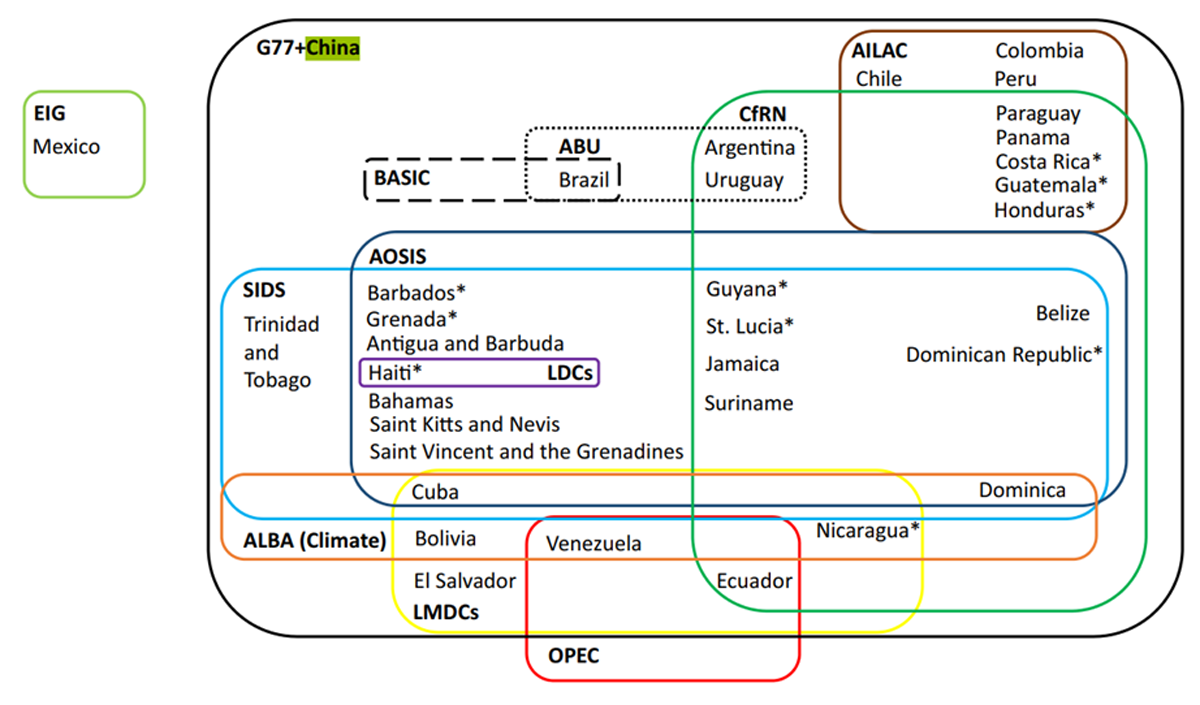
Figure 1
Latin American participation in climate policy coalitions.
Source: OECD et al. (2022), Latin American Economic Outlook 2022: Towards a Green and Just Transition, OECD Publishing, Paris, https://doi.org/10.1787/3d5554fc-en.
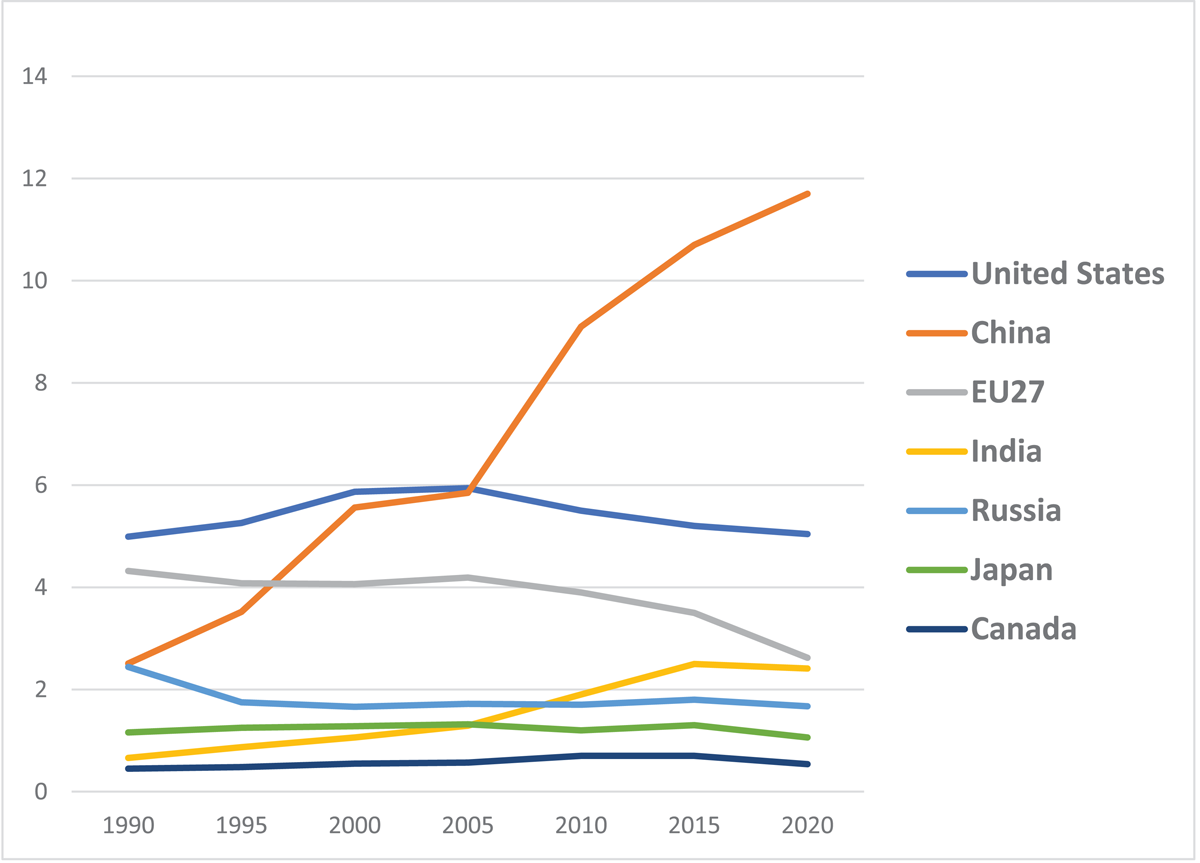
Figure 2
Trends in CO2 emissions per country/region, 1990–2020 (Unit GT CO2).
Source: Elaborated by Tora Skodvin with data from: “Trends in global CO2 emissions”. 2022 Report by PBL Netherlands Environmental Assessment Agency.
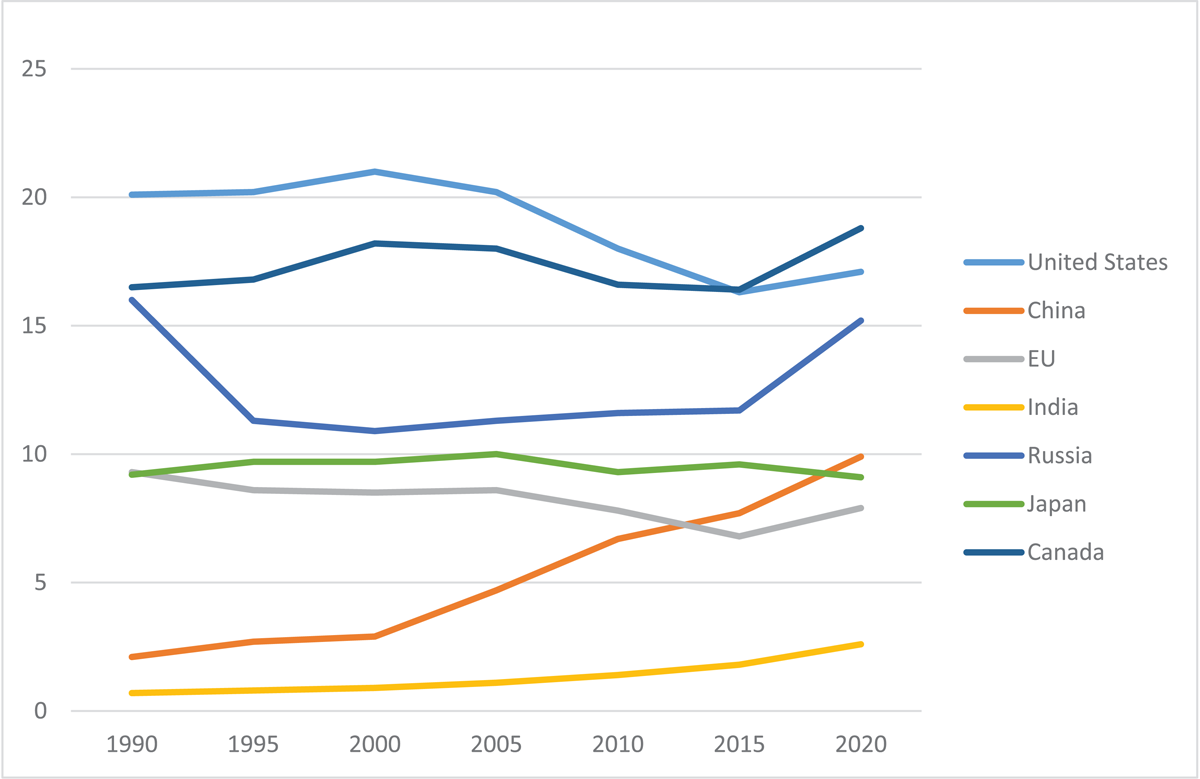
Figure 3
Trends in CO2 emissions per country/region, 1990–2020 (Unit: Tons CO2 emissions per person).
Source: Elaborated by Tora Skodvin with data from: “Trends in global CO2 emissions”. 2022 Report by PBL Netherlands Environmental Assessment Agency.
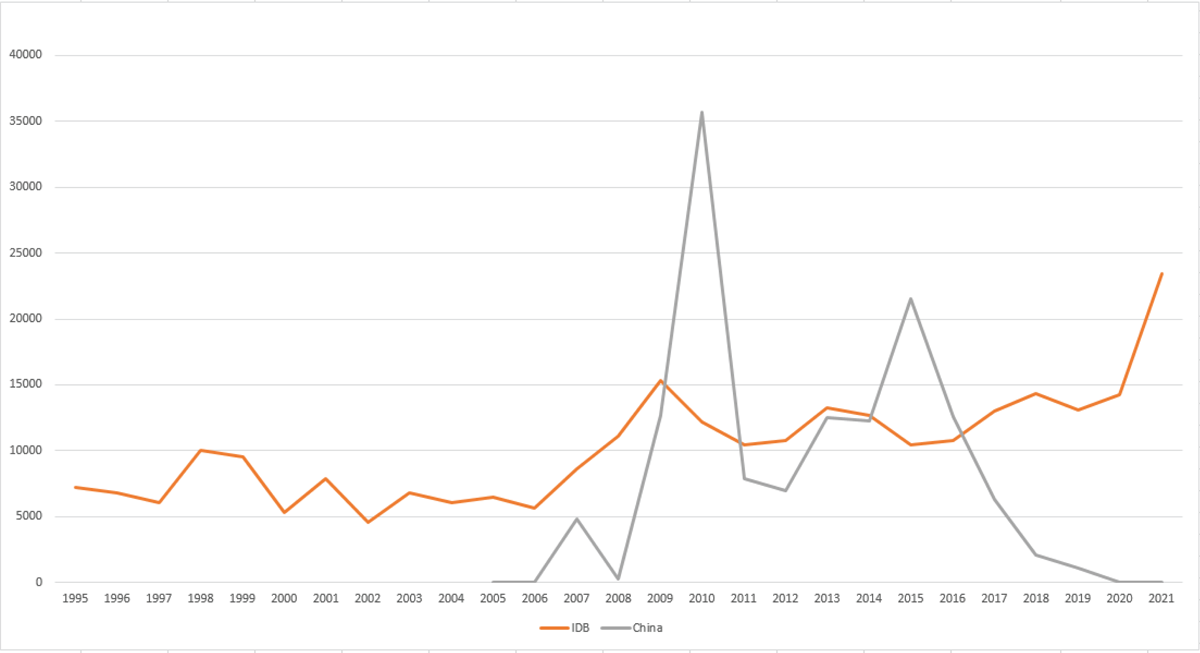
Figure 4
Total loans and grants to Latin America from China and the Inter-American Development Bank (IDB).
Sources: Authors elaboration based on the following sources: For IDB – various annual reports. For Chinese lending: Gallagher, Kevin P. and Margaret Myers (2021), “China-Latin America Finance Database,” Washington, DC: Inter-American Dialogue.
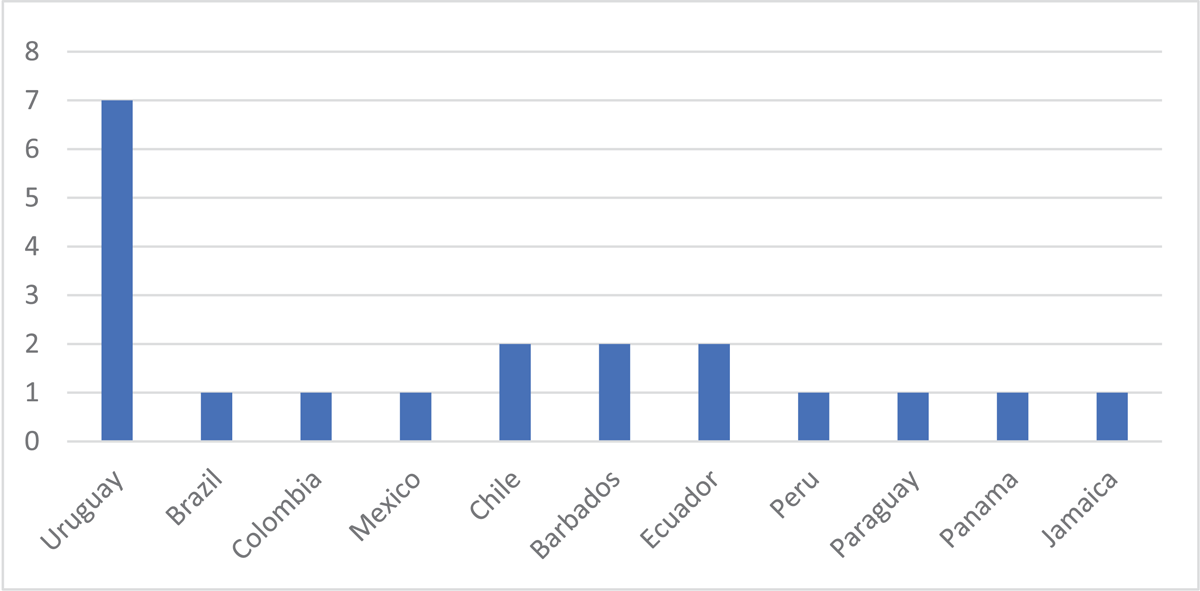
Figure 5
Geographical distribution of projects funded under China Co-Finance Fund for Latin America.
Source: Authors elaboration based on date from IDB Invest.
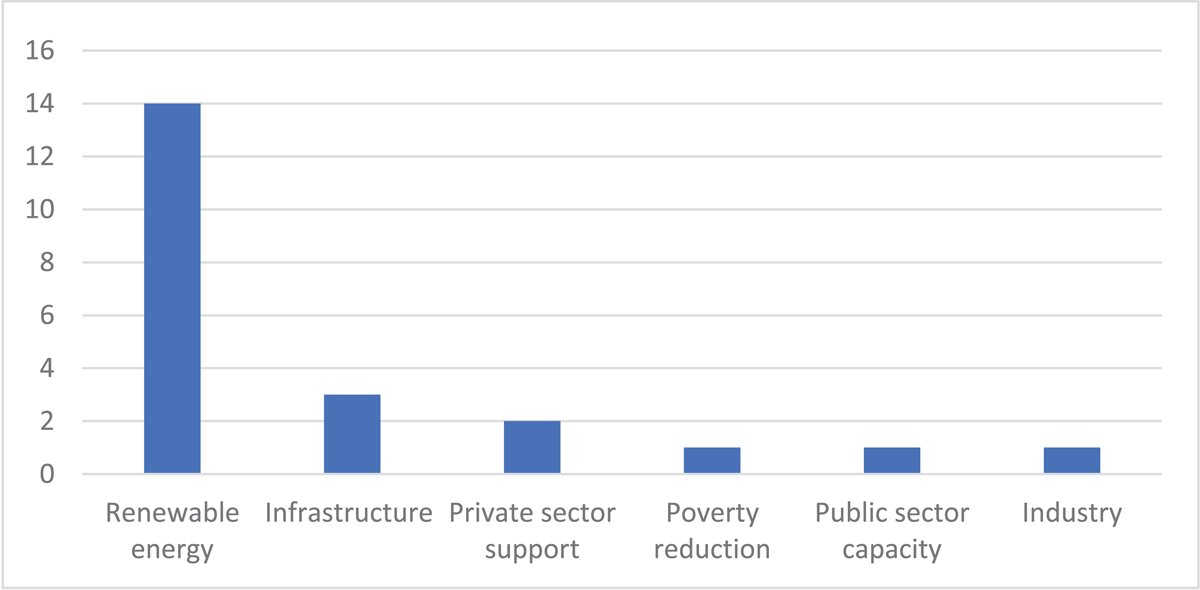
Figure 6
Sector distribution of projects funded under China Co-Finance Fund for Latin America.
Source: Authors elaboration based on date from IDB Invest.