
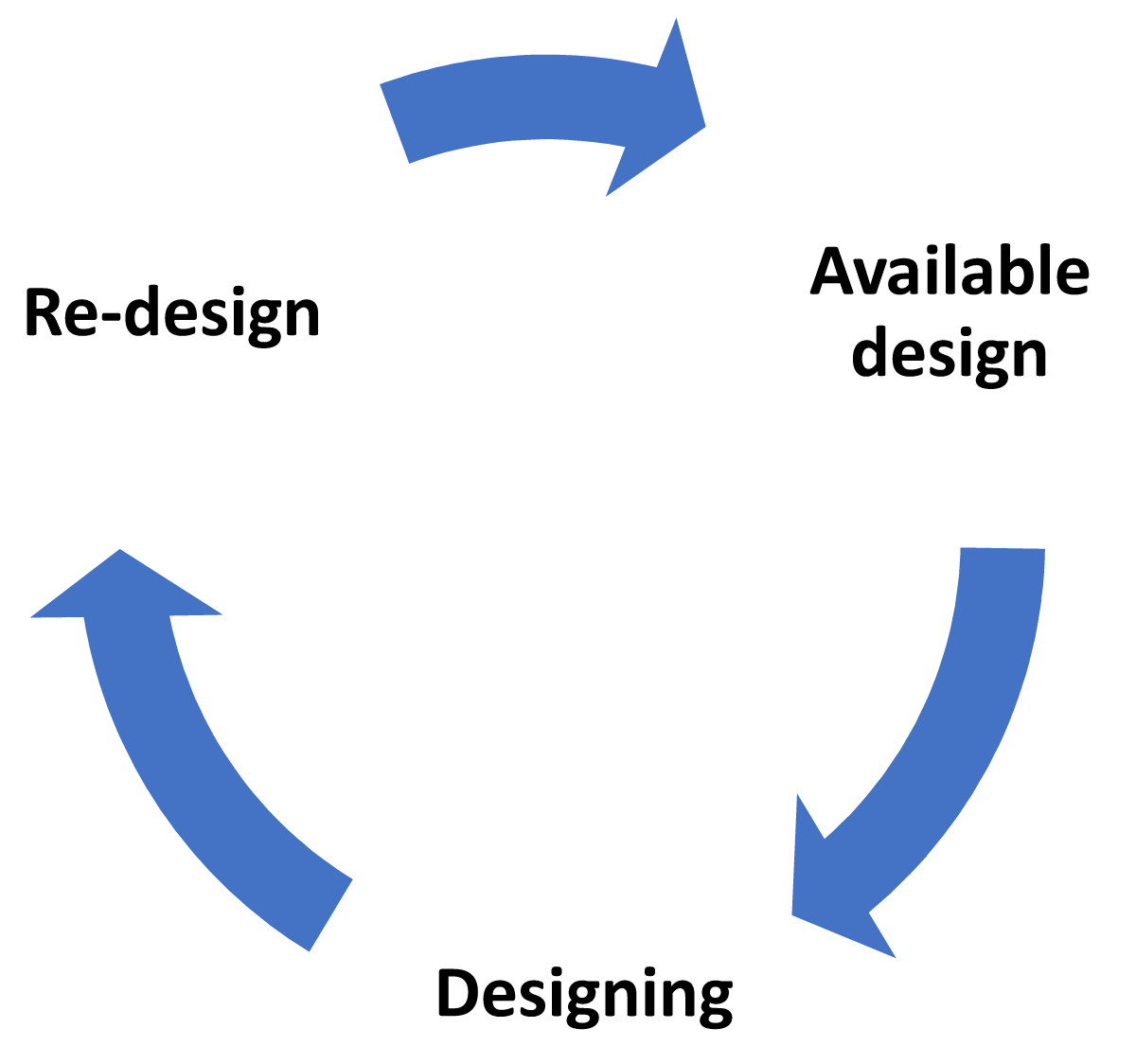
Figure 1
The design process inspired by the work of the NLG (1996).
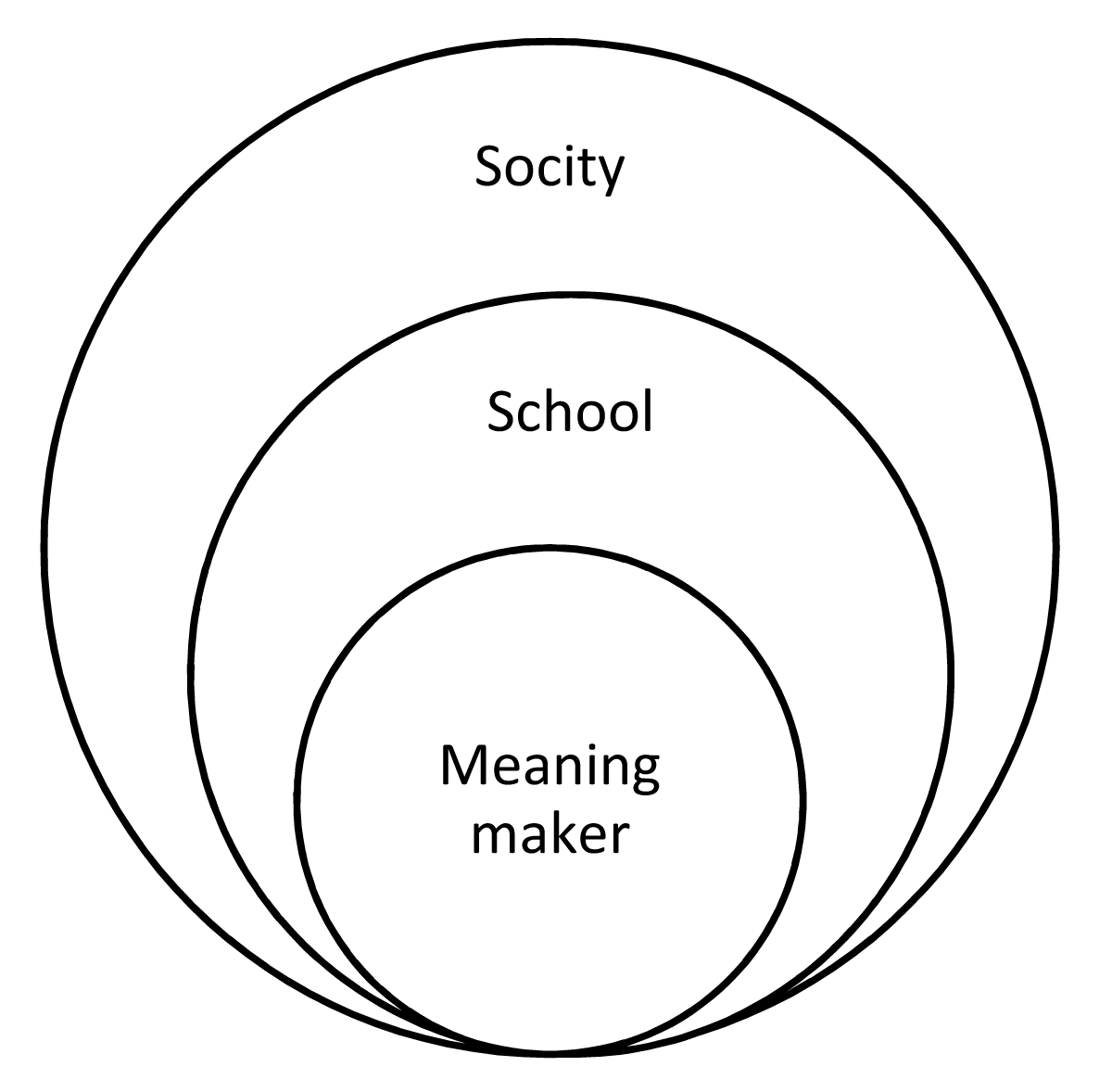
Figure 2
The available design at various levels.
Table 1
Modification of Danielsson and Selander’s (2014) Model.
| Multimodal text focus | |
|---|---|
| Available design | What resources are available to the meaning-makers? |
| Overall text design | What resources from the available design are used, and how do the parts of the text interact? |
| Thematic orientation | What are the texts about? |
| Values and stereotypes | How are the values explicitly and implicitly represented in each mode? |
Table 2
Available Application Resources.
| Modal resources | Available choices |
|---|---|
| Writing | Tablet-based handwriting or digital word processing (with various typefaces, colours, and sizes) |
| Images | Created or imported drawings and photos |
| Video Sound | Recorded or imported video clips Sound effects, music |
| Speech | Voice recordings |
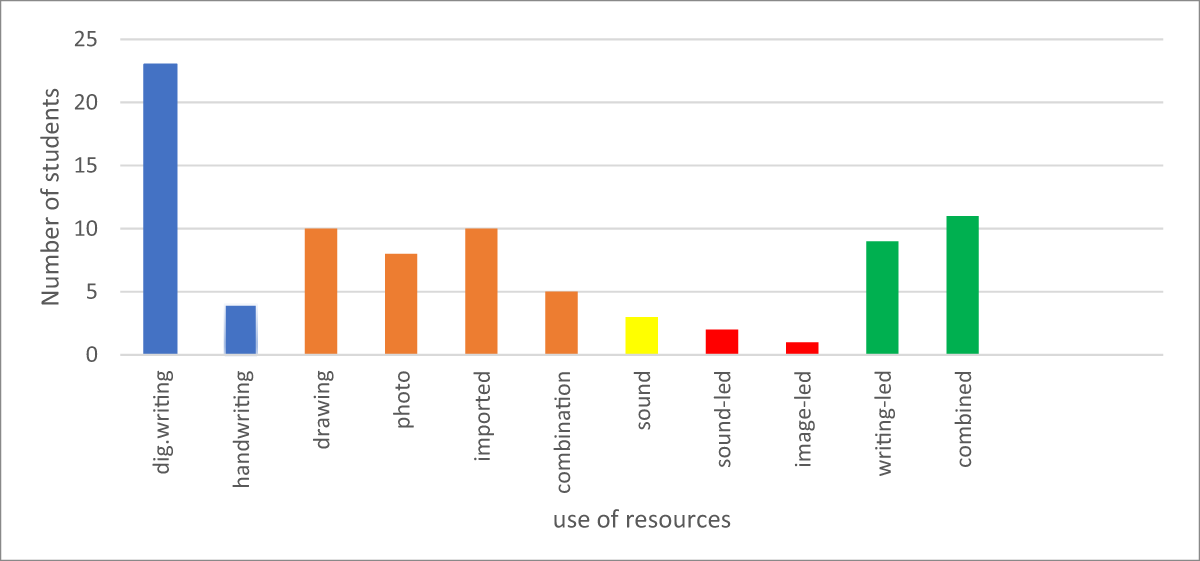
Figure 3
Students’ use of the available resources in the digital application.
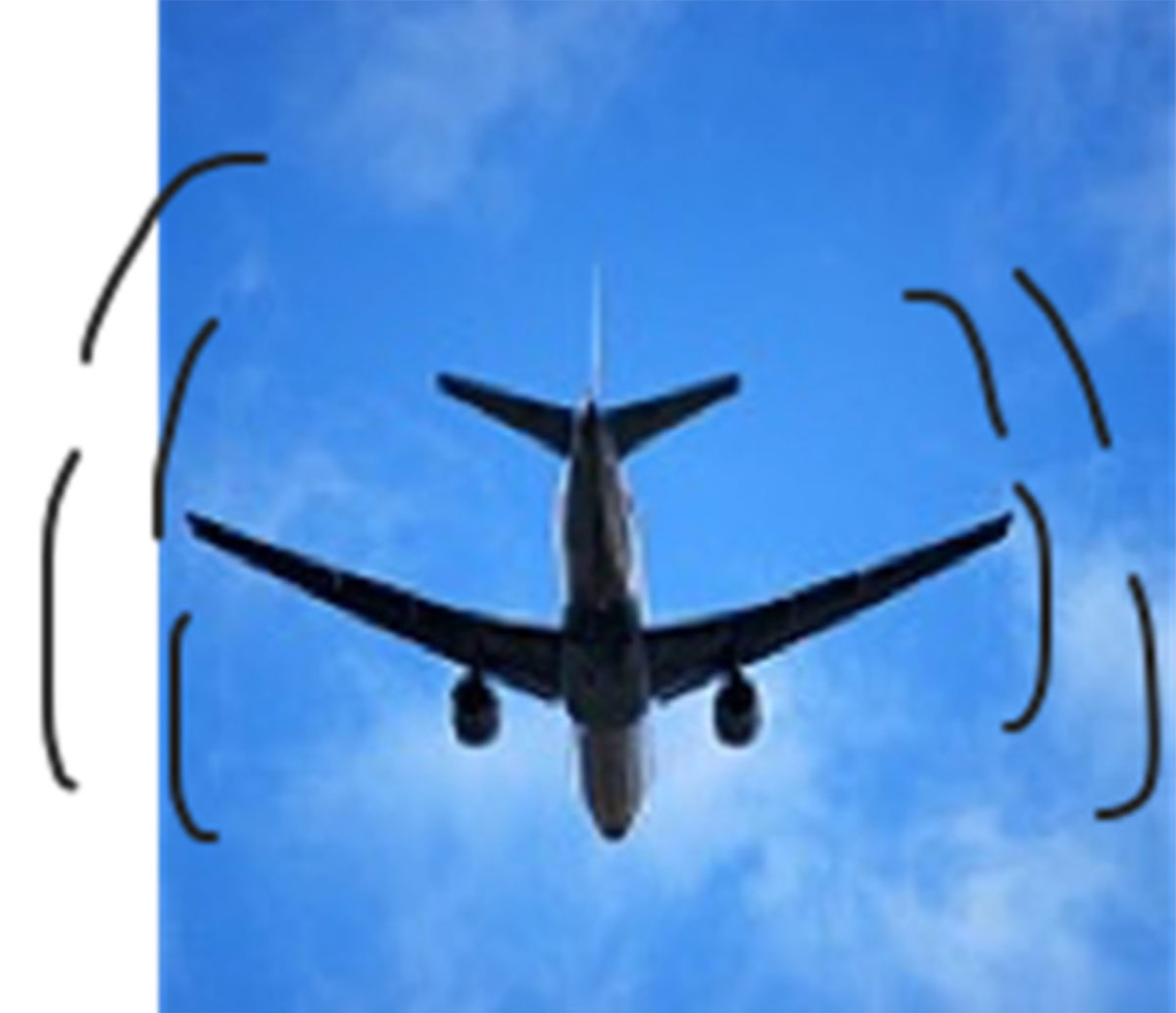
Figure 4
Example of student use of image. Students’ representations are published with students’ approval.
Table 3
Themes and Codes from the Students’ Texts.
| Themes | Codes |
|---|---|
| Conflict |
|
| Body culture |
|
| Hip-hop culture |
|
| Violence |
|
| Fairy tales |
|
| Students as consumers |
|
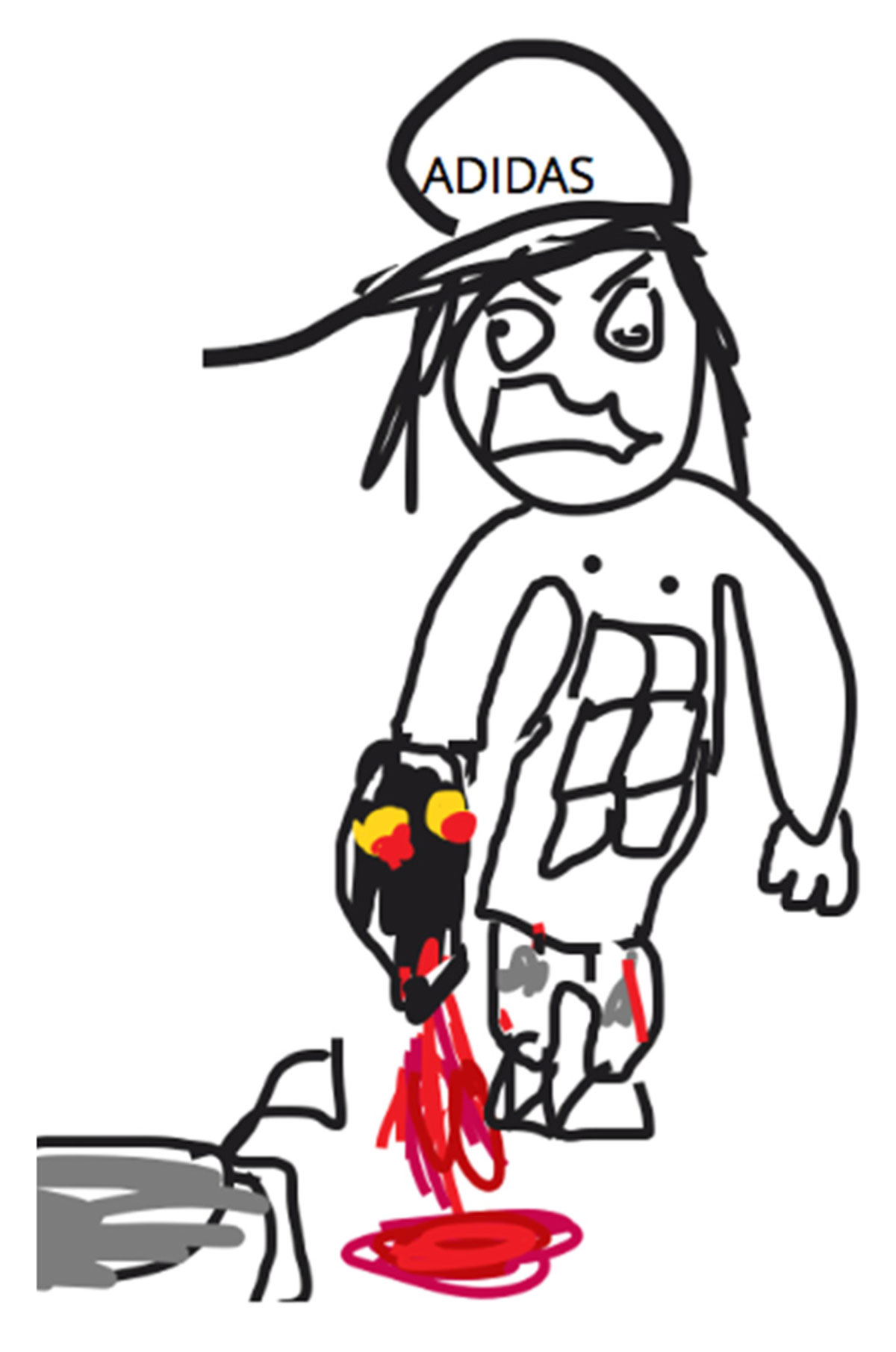
Figure 5
Violence expressed through image. The woman holding a head in her hand. Students’ representations are published with students’ approval.
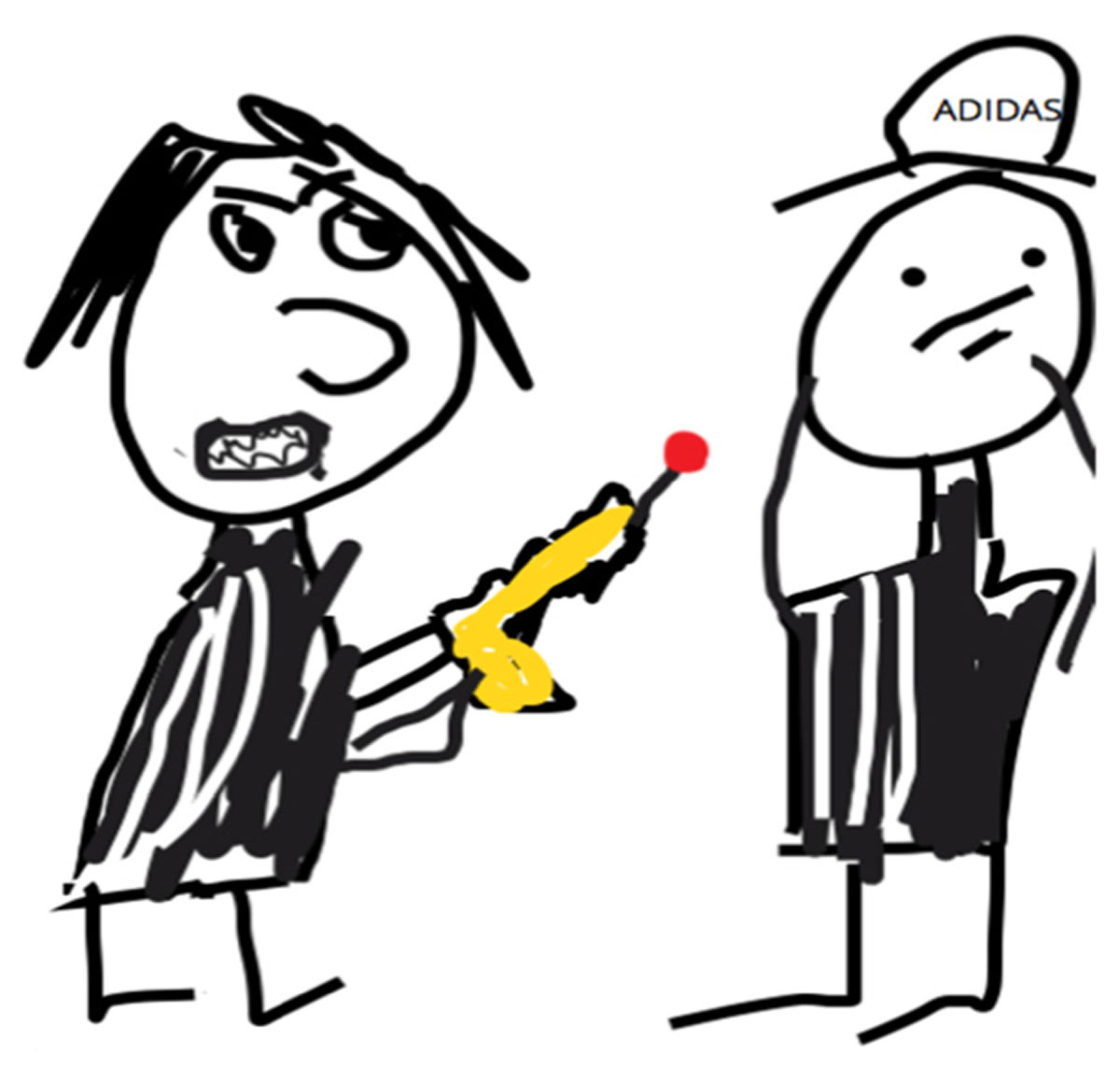
Figure 6
An example of how students texts are linked to students as consumers.