
Introduction
Patient harm has been receiving global attention. Efforts are being made to provide solutions to this problem at all levels. The World Health Organization (WHO) is leading the course of patient safety at the global level.1 Governments, non-governmental organizations, institutions, and individuals are contributing their quota to patient safety at the national, local, and individual levels. In an effort to reduce cases of patient harm, the patient safety field has emerged, and patient safety officer roles are being institutionalized in healthcare institutions, especially in developed countries.
“ Beloved, I pray that all may go well with you and that you may be in good health, as it goes well with your soul.”
– 3 John 1:2
“ Love does no harm to a neighbor”
– Romans 13:10
The writer of 3 John 1:2, by the inspiration of God (2 Tim 3:16), revealed that it is desirable that humans be in good health, and Romans 13:10 that to love is not to harm. Therefore, it is imperative that the healthcare system and health care professionals are patient safety conscious in their practice.
Case reports have been used in different fields to create awareness of events.2 They can also help create awareness of harm to patients in healthcare. They can be employed to enlighten government, policymakers, the public, researchers, and other stakeholders that can contribute to patient safety and proffer solutions to patient harm. Medication harm, as a subset of patient harm resulting from medication misuse or abuse, is an area where case reports can be beneficial. The case will identify and describe the harm from the medication misuse, the context, the settings, and the anonymous people involved in the events leading to the harm. More reported cases will help in knowing ways to prevent or reduce harm from medication use.
Non-steroidal anti-inflammatory Drugs (NSAIDs) are typical examples of drugs whose side effects have been a concern for patient safety. NSAIDs can induce ulcers.3 Ulcers caused by the misuse of this class of drugs are on the increase.4,5 Such cases have resulted in either harm to the involved patient or a near miss. The harms have been observed to be caused by individuals and healthcare institutions. It is expedient to look at such cases with a systemic view as interrelated factors that lead to such harm can be explored to proffer necessary solutions and prevent future harm.
Case Report
An elderly man, Mr. A, arrived at the hospital at 8:05 a.m. He met many patients waiting to be attended to at the Health Record Office. The Health Record officer, Mr. J, needed to manually identify each patient folder because computerization of the hospital’s work process is ongoing. This resulted in delays. Mr. A’s folder was identified around 8:50 a.m. and sent to the General Out-Patient Nursing Station.
Mr. A had to wait for his turn at the General Out-Patient Nursing Station. When it got to his turn, his vital signs were taken. Thereafter, his folder was transferred to the consulting room where he met with the physician on duty at 10:55 a.m. Mr. AA lodged his osteoarthritis complaint to Dr. S. Dr. S reviewed his medical history. He observed he had a history of ulcers. He prescribed Eproxen which is a fixed dose combination of Naproxen and Esomeprazole. Naproxen is the pain reliever while Esomeprazole will counter its ulcerative side-effect. The prescription contained refills of his antihypertensive drugs as well. The Eproxen was to be used when needed.
Mr. A dropped his prescription at 11:15 a.m. at the General Out-Patient Pharmacy Unit. It was a busy day at the pharmacy because four clinics were scheduled for that day. The pharmacy staff had to attend to prescriptions from all the clinics despite being short-staffed. There was agitation expressed from the waiting patients, especially those having no seat.
Mr. A was called to be attended to at around 12:20 p.m. Pharmacist (Pharm.) O, an Intern Pharmacist, requested that a pharmacy technician, Mrs. M fill Mr. A’s prescription. Mrs. M is in charge of locating drugs in the disorganized drug shelves and filling prescriptions. The prescription was meant to be handed to the Intern Pharmacist for necessary patient counseling. However, the Intern Pharmacist was notified that Eproxen was out of stock. He called the Pharmacy Central Store to request a supply of the drug. Mr. A was told to wait. Pharm. Y, the only pharmacy staff assigned to oversee the disorganized Pharmacy Central Store, called Pharm O to say the drug was out of stock in the Pharmacy Central Store. An alternative solution of separate Naproxen and Omeprazole was proffered.
Pharm. O told Mrs. M to replace Mr. A’s prescribed Eproxen with separate Naproxen and Omeprazole. She did and handed over the drugs to Pharm. O, who counseled Mr. A on his drugs. The counseling was done hurriedly as many impatient patients were still waiting. Mr. A looked tired and paid little attention to the counseling. He went home with his drugs at around 1:05 p.m.
At around 3:10 p.m., Mr. A was rushed to the hospital emergency department. He reported to have taken some of his drugs at home on an empty stomach and planned to take other medications in the evening. Unknowingly, he took Naproxen alone and failed to take the Omeprazole alongside. He reported experiencing severe pain in his stomach some minutes after taking the medication. He was admitted and underwent endoscopy. His ulcerative condition was reported to have been exacerbated.
Theoretical Frameworks for Case Analysis
The System Engineering Initiative for Patient Safety (SEIPS) and Measurement and Monitoring of Safety Framework (MMSF) can be employed to identify the weaknesses in the system of the healthcare institution for necessary recommendations to prevent future harm.6,7 Both frameworks can capture the inherent safety issues and identify the interrelated factors in the healthcare system that led to the harm. A detailed identification of the safety issues and interrelated factors can enable stakeholders to take necessary step(s) to prevent future harm.
The System Engineering Initiative for Patient Safety
The System Engineering Initiative for Patient Safety6 (SEIPS) has been developed to identify various factors leading to patient harm in healthcare settings. In the reported case, these factors can be identified under different categories which include technology and tools, tasks, physical environment, organization of work, external influences, and persons involved. Figure 1 details the use of SEIPS to capture the inherent safety issues in the system. The outcome of these inter-related factors in the reported case is poor clinical outcome, patient dissatisfaction, and patient harm.
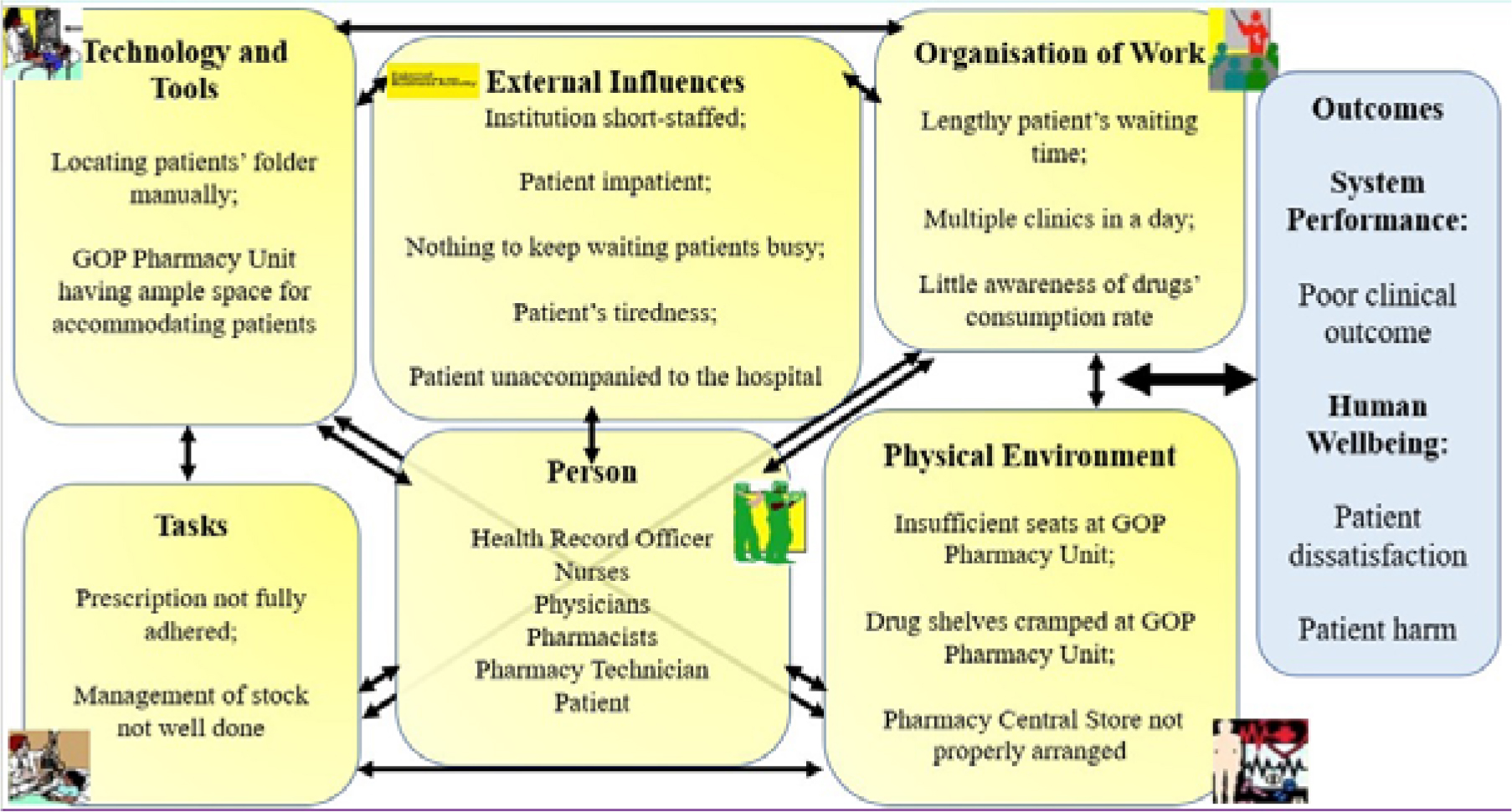
Figure 1
Systems Engineering Initiative for Patient Safety (SEIPS)
Technology and Tools
In this case, it was observed that the patient’s folder was retrieved in the Health Record Office by manual means. This resulted in the delay and resultant prolonged waiting time, which is a potential cause of patient dissatisfaction. A computerized means of identification of patient folders in the Health Record Office would have been of great help in this regard as patient waiting time would have been reduced; it could ultimately lead to reduced waiting time in the hospital and maximal attention to drug counseling details.
The General Outpatient Pharmacy Unit was noted to have little space to accommodate the waiting patients. Rowdiness and noise ensued which had the potential to constitute a distraction to patient counseling which may have been a factor in the patient’s divided attention to the counseling being rendered. Having enough space is needed to avert distractions to the medication dispensing and counseling process. A means of entertainment, like a television, may be considered to keep the patient busy while waiting.
Tasks
The Archetype of human work explains the varieties of executed works in day-to-day activities.8 It demonstrates that perfect work is done accordingly and is regarded as the Congruence archetype. Such work results in a perfect alignment of work prescribed, work imagined, work done, and work disclosed. However, most work is not perfect in the real world. It was noticed that the prescription filling and subsequent dispensing were not done accordingly as prescribed. This is a messy reality archetype of work8 (Figure 2) in which work as done does not correspond with work as prescribed. In addition, the management of stock in the Pharmacy Central Store was not optimal leading to the Eproxen being out of stock. The tasks that were not done accordingly exposed the patient to harm.
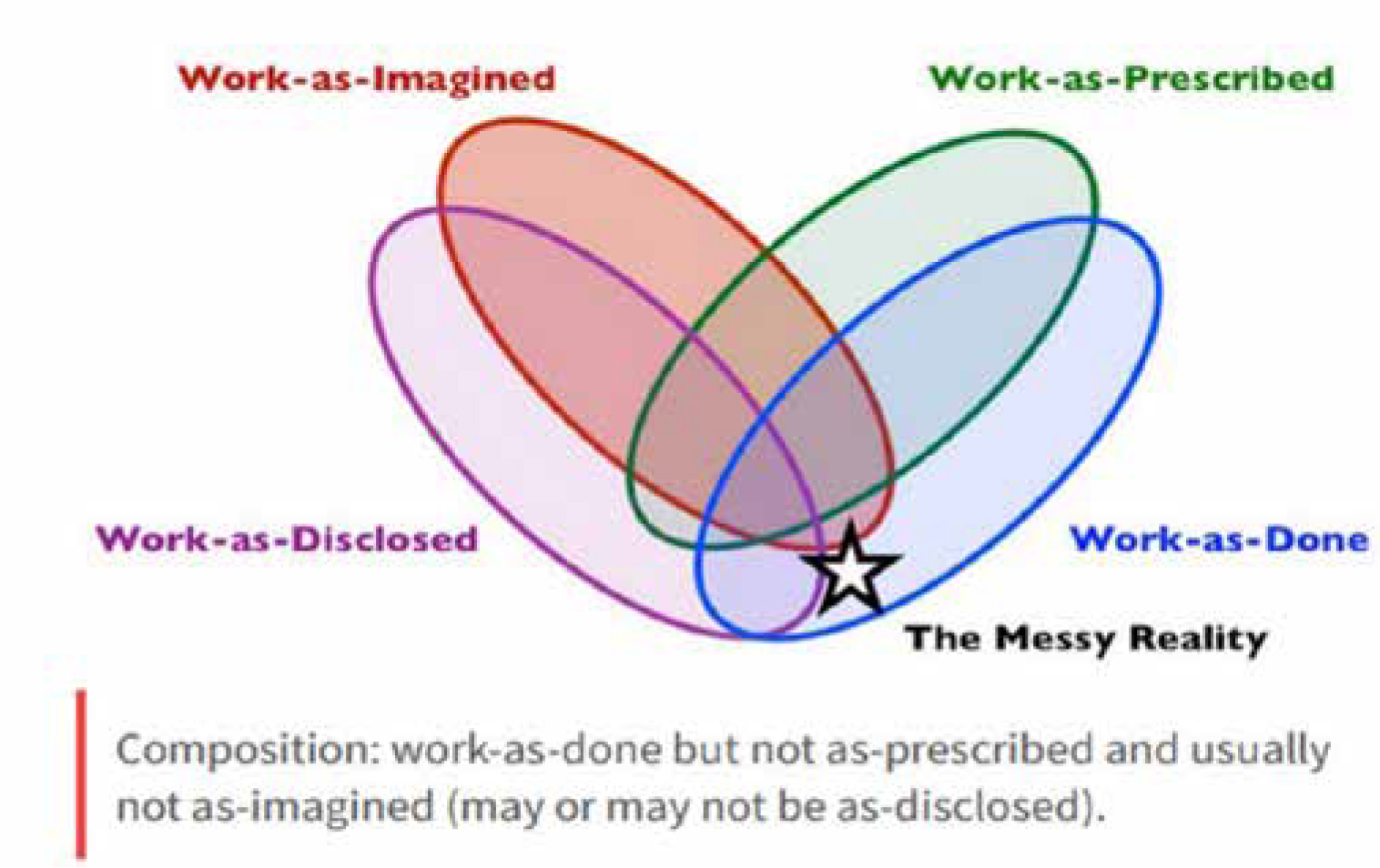
Figure 2
Messy Reality Archetype of Human Work
Organisation of work
A healthcare institution ought to have a wellplanned schedule and work in place. It was not the case here. Many clinics were scheduled in a day, prolonging patients’ waiting time and leading to more patients than can be attended to visiting the hospital on that day. Prolonged patients’ waiting time may expose an elderly patient to fatigue and lead to dissatisfaction with healthcare services rendered. This may have led to less than minimal attention to the abruptly rendered pharmaceutical counseling. The excessive workload on the pharmacist might have resulted in the abruptly rendered pharmaceutical counselling also. In addition, the Pharmacy Central Store staff failed to organize its work to have awareness of the consumption rate of Eproxen.
Physical Environment
It was observed that the General Outpatient Pharmacy Unit waiting area could not provide a seat for all waiting patients. This posed a risk to patients managing osteoarthritis and other patients, especially the elderly. A provision should be made for more seats in the pharmacy waiting area. The disorganization of the drug shelves in the pharmacy units led to an erroneous perception that the Eproxen was out of stock. A disorganized environment has the potential to result in poor work. Efforts should be geared towards ensuring the drug shelves are well organized at all times.
External Influences
More than the events leading to the patient being harmed, external influences contributed to these events. The healthcare institution being short-staffed can result in fatigue for the available staff. A tired staff can commit preventable errors. Agitation and impatience on the part of the patients can disrupt the work process and cause distraction also. Engaging patients, for instance, with a well-placed television may remedy the work process disruption. An elderly patient not accompanied to the hospital is a red flag. The patient may get tired easily without enough assistance, which was the case in this report. Also, a young person accompanying the elderly man would be able to receive adequate information on the use of the medication and guide the elderly patient accordingly in its use.
Persons
Stakeholders identified to have played one role or the other in the resultant patient harm are the Health Record Officer, Nurses, Physicians, Pharmacists, Pharmacy Technician, and the Patient. Their contribution to the resultant harm might have been made more possible due to the inadequacy of the hospital system and its work processes.
The Measurement and Monitoring of Safety Framework (MMSF)
The Measurement and Monitoring of Safety Framework9 (MMSF) is a tool that has been developed in the patient safety field to improve the governance of healthcare. It incorporates learning from past harm as the weaknesses in the system are identified and targeted for improvement. It can help to view the issues from past, present, and future perspectives. Its focus on the future allows for preparing ahead to reduce harm to the barest minimum. It accommodates the fact that learning from the past is a great way to influence the future. Through its use, problems are approached at a systemic level, and consideration of various stakeholders is done. The MMSF is seen in Figure 3.
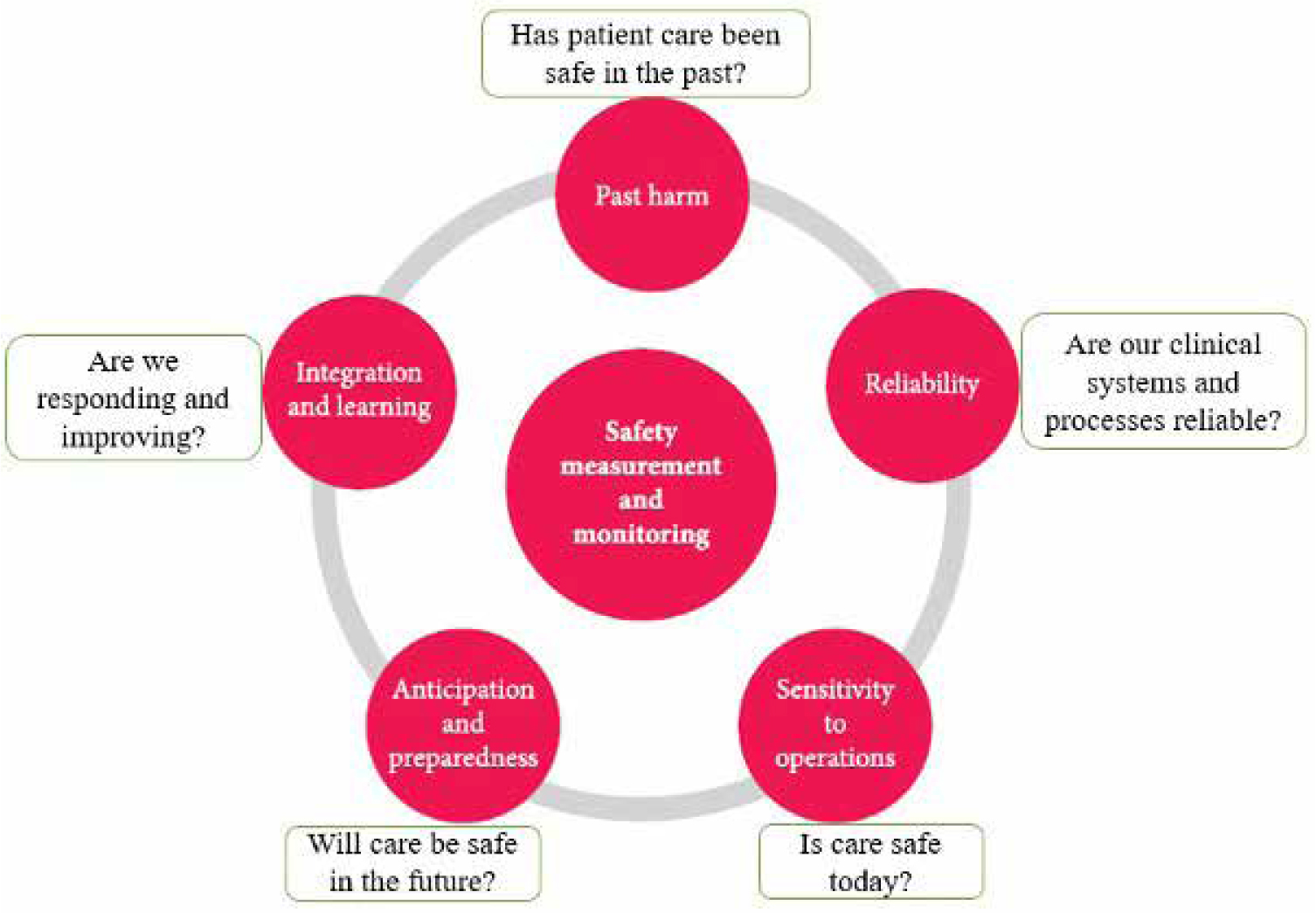
Figure 3
The Use of Monitoring and Measuring Framework
The MMSF can be used to learn from this case and prepare to prevent such harm from happening in the future. Past harms are to be known, the reliability of the healthcare system is to be ensured, operations are to be made sensitive to potential harm, anticipation and preparation for future harm ensured, and integration of interventions done.
Past Harm
The Past harm component addresses whether patient care has been safe. There have been reports, though rarely voluntarily reported by healthcare professionals, acknowledging exacerbation of ulceration caused by NSAID use in the healthcare facility in the past.
Reliability
The Reliability component entails knowing if the clinical systems and processes are reliable. The case demonstrated that reliability cannot be ascertained in the healthcare facility. Prolonged patient waiting time, unreliable stocking and availability of drugs, and failure to adhere to physician’s prescriptions are some of the observed unreliability of the clinical systems and processes.
Sensitivity to Operation
The Sensitivity component seeks to know if care is safe today. It is evident from the case that the care being rendered in the healthcare facility has the tendency to be unsafe. This is affirmed by the low staff level, uncoordinated patient flow, and lack of inter-professional relationships which may impact patient safety negatively in the long run.
Anticipation and Preparedness
The Anticipation and Preparedness component prepares the healthcare facility for safe care in the future. Addressing staff indicators of safety, safety culture and climate, patients’ all-the-time accessibility to the pharmacy, and safe dispensing and counseling, among others, are some steps that can be taken.
Integration and Learning
The Integration and Learning component addresses the need for monitoring the progress being made toward patient safety in the healthcare facility and seeking to know if there is improvement. For this case, these can be achieved by medication error intervention reports, medication error monthly summary reports, databases’ medication harm capturing, risk awareness information, informing staff of actions taken, system improvement action, and feedback through newsletters.
Figure 4 is an overview of the use of the MMSF for making recommendations. The recommendations for each component of the MMSF are attached to the component in the figure.
Table 1 shows the recommendations for consideration and the justification for necessary actions to be taken based on the analysis of the case using the Measurement and Monitoring of Safety Framework.8
Table 1
Recommendations Guided By Using Measurement and Monitoring of Safety Framework
| Safety Measurement and Monitoring | Recommendation | Justification |
|---|---|---|
| Knowing Past Harms | Adequate mortality reporting | Help to know which harm causes which death10 |
| Targeted Incident Reporting | Help to know, and adequately monitor, specific harms11 | |
| Create a list of Never Events and its mandatory reporting | Create consciousness of impermissible harm to patient and for safety improvement intervention12 | |
| Ensuring Reliability | Speedy implementation of the computerization of institution’s work process | It can facilitate easy flow of work process and improve professional care practice13 |
| Evenly spread-out clinic days to cover all days of the week | It can reduce patient waiting time | |
| Pharmacist feedback to physician on prescriptions | It can improve prescribing outcome and patient safety14 | |
| Timely feedback on stock level of drugs | It can reduce the tension and frustration associated with drug shortage15 | |
| Periodic update of Hospital Formulary and distribution of list of available drugs to physicians | It can create awareness of available drugs for patient care and serves as a guide for prescribing16 | |
| Following the rules/procedure | It can ascertain the quality of care given to patients17 | |
| Clinical auditing | It can give insight into daily clinical practice and show area for improvement18 | |
| Sensitivity to operations | Adequate staff level | Inadequate staffing can result in missed care, job stress and dissatisfaction19 |
| Monitor patient flow | It can reduce patients’ waiting time, delay, and cancellation20 | |
| Safety walk-rounds | It can improve safety culture, safety, and quality of care21 | |
| Pharmacist-physician inter-professional relationship | It helps to improve the care and safety of patients22 | |
| Patient interview | Helps obtain holistic information from patients for their safety | |
| Operational meetings | Performances are reviewed periodically for safety consideration and awareness | |
| Action and intervention timing | Responding and intervening in time to safety concerns prevents ripple-effect of harm | |
| Anticipation and Preparedness | Staff indicators of safety | Safety climate will be enhanced through safety inspections23 |
| Safety culture and climate | It helps keep patient safe24 | |
| Patients’ access to 24 hours pharmacy telephone | It can help in preventing adverse drug event, a high priority of cause of harm in healthcare25 | |
| Safe dispensing and counselling practice | It can reduce patient safety risk26 | |
| Integration and Learning | Medication error intervention report | It can help all to be self-aware of such case and enable taking necessary action |
| Medication error monthly summary report | Helps in knowing the trend of medication error and taking action to improve on tackling it | |
| Databases’ medication harm capturing | Helps in learning, and solving, from the captured harms. | |
| Risk awareness information | Helps in preventing possible harms. | |
| Informing staff of actions taken | Helps create a sense of belonging and allows them to key into the patient safety ‘vision’ | |
| System improvement action | Taking this step creates a culture awareness in the institution. | |
| Feedback through newsletters | Helps create a sense of belonging and allows them to key into the patient safety ‘vision’ |
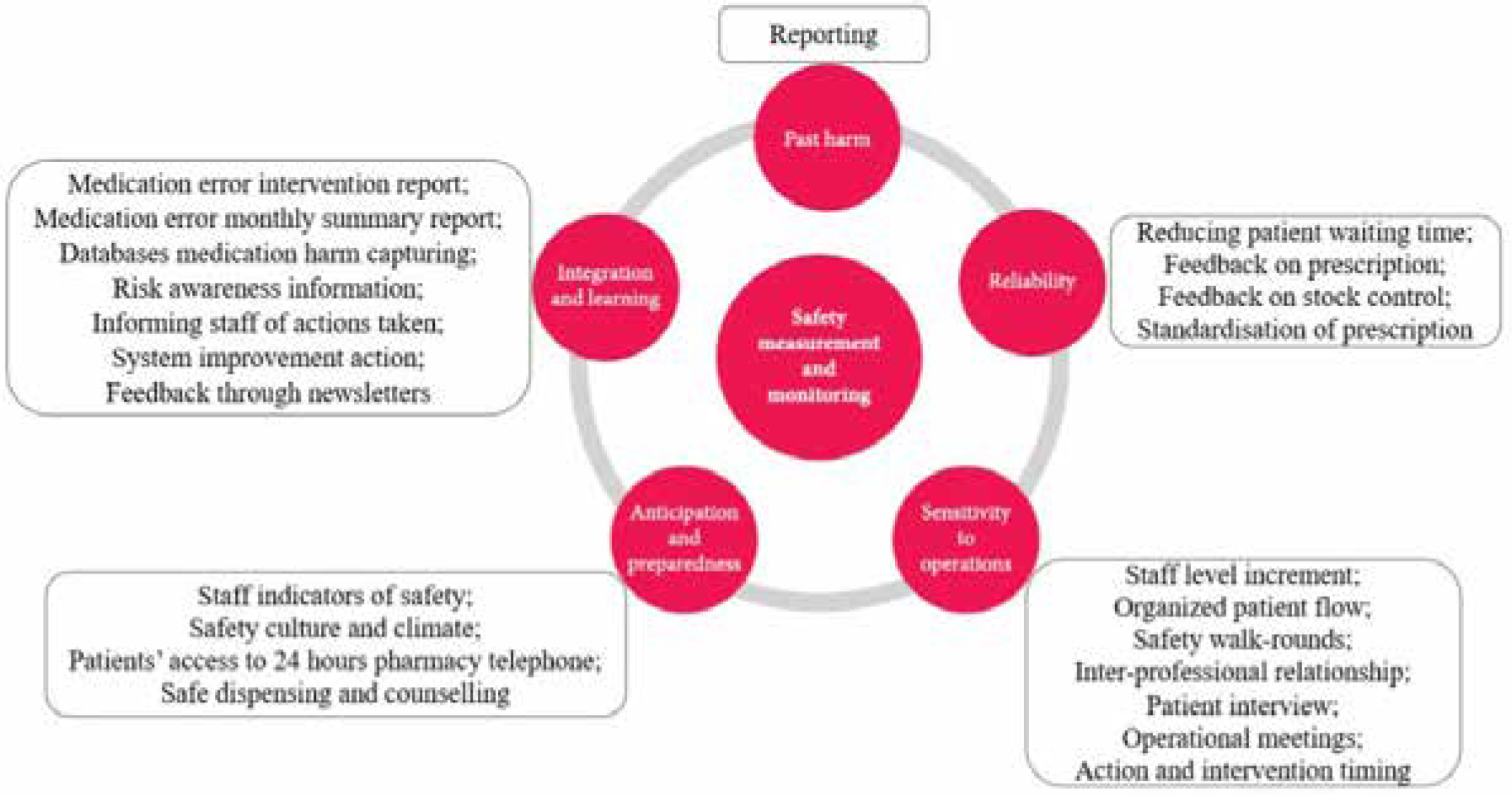
Figure 4
Overview of recommendations guided by MMSF
Conclusion
Preventable patient harm is a danger to healthcare institutions and patients. There is a need to intensify efforts to prevent and reduce these harms systemically by using patient safety theoretical tools. Therefore, there should be more awareness and institutionalization of the patient safety field. Institutionalization of patient safety officer roles in healthcare institutions, especially in developing countries where this role is rarely known, is also necessary. This will ensure cases of patient harm are prevented and reduced to the barest minimum.
Acknowledgement
This article is a product of the Master of Science in Patient Safety and Clinical Human Factors’ (PSCHF) training at the University of Edinburgh, United Kingdom. Therefore, the PSCHF team is acknowledged for its impact on the author. The Edinburgh Surgery Online Scholarship team is acknowledged for the full sponsorship of the author’s training which resulted in this article.
Competing Interests
None declared.