
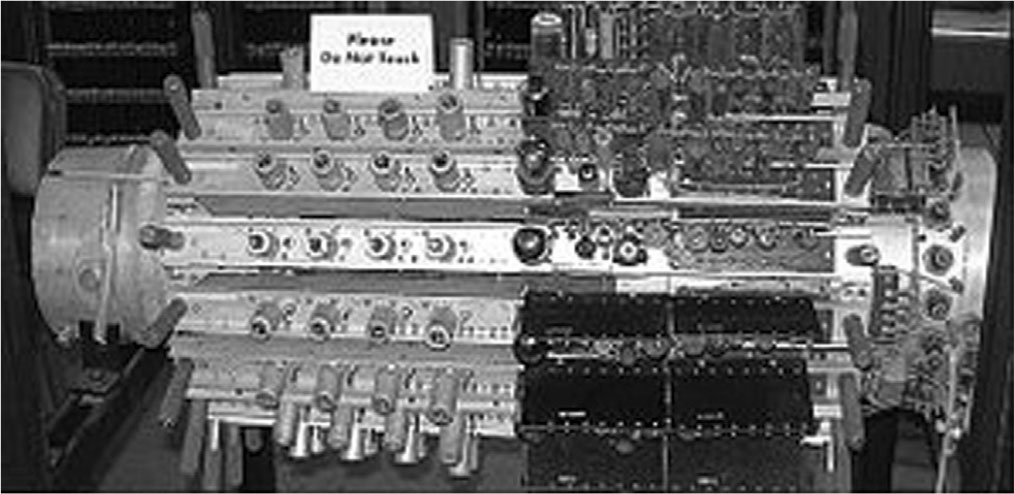
Fig. 1
Mercury delay line memory of UNIVAC I (https://en.wikipedia.org/wiki/UNIVAC_I).
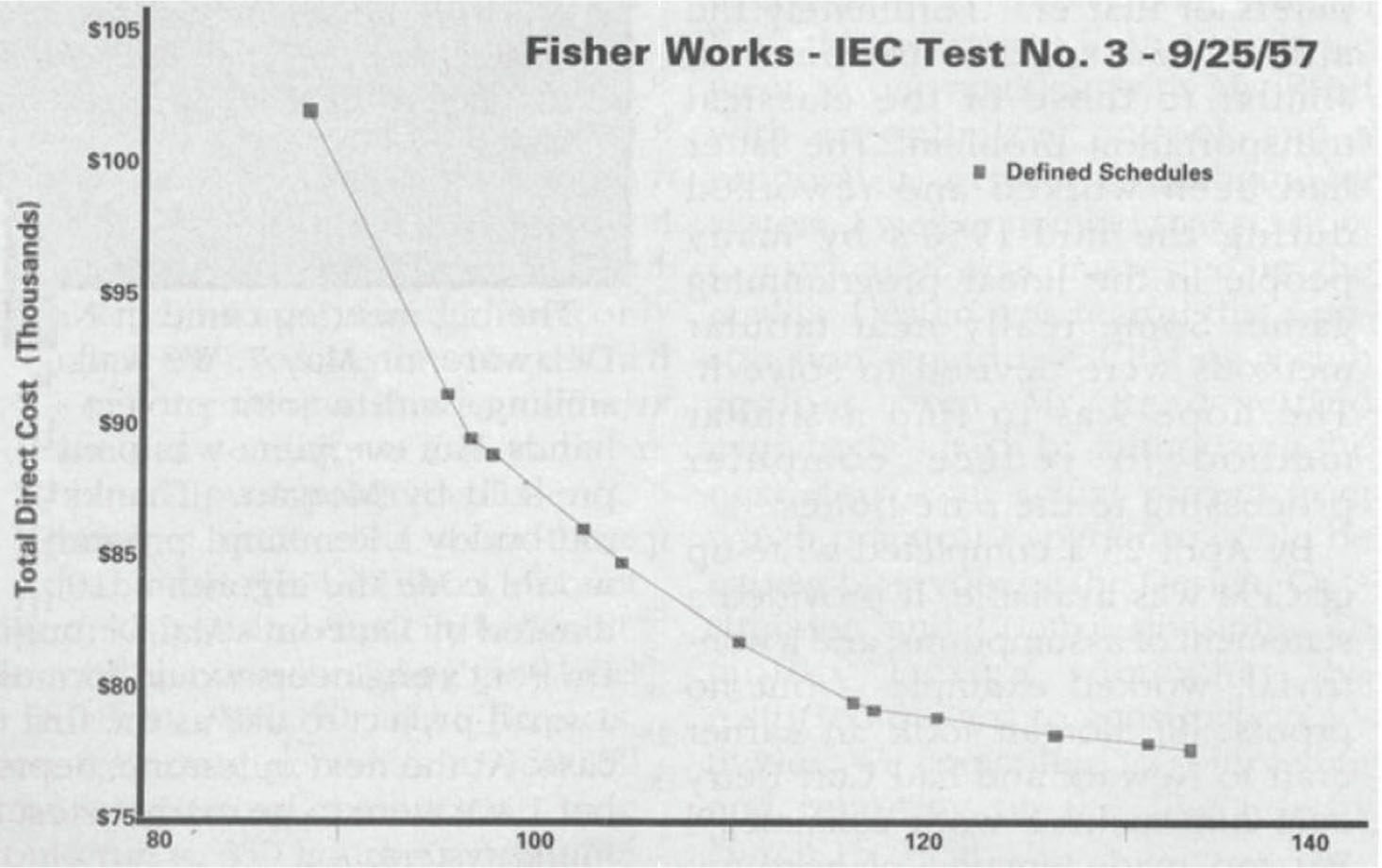
Fig. 2
Result of the first CPM analysis made by a computer (Kelley 1989).
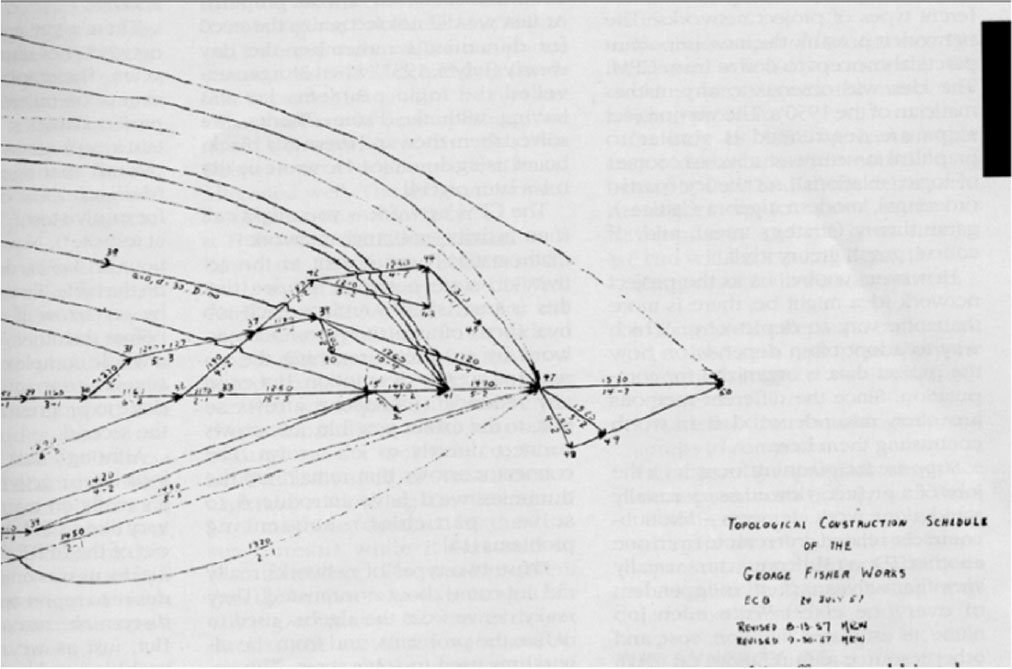
Fig. 3
Topology graph of the CPM network (Kelley 1989).
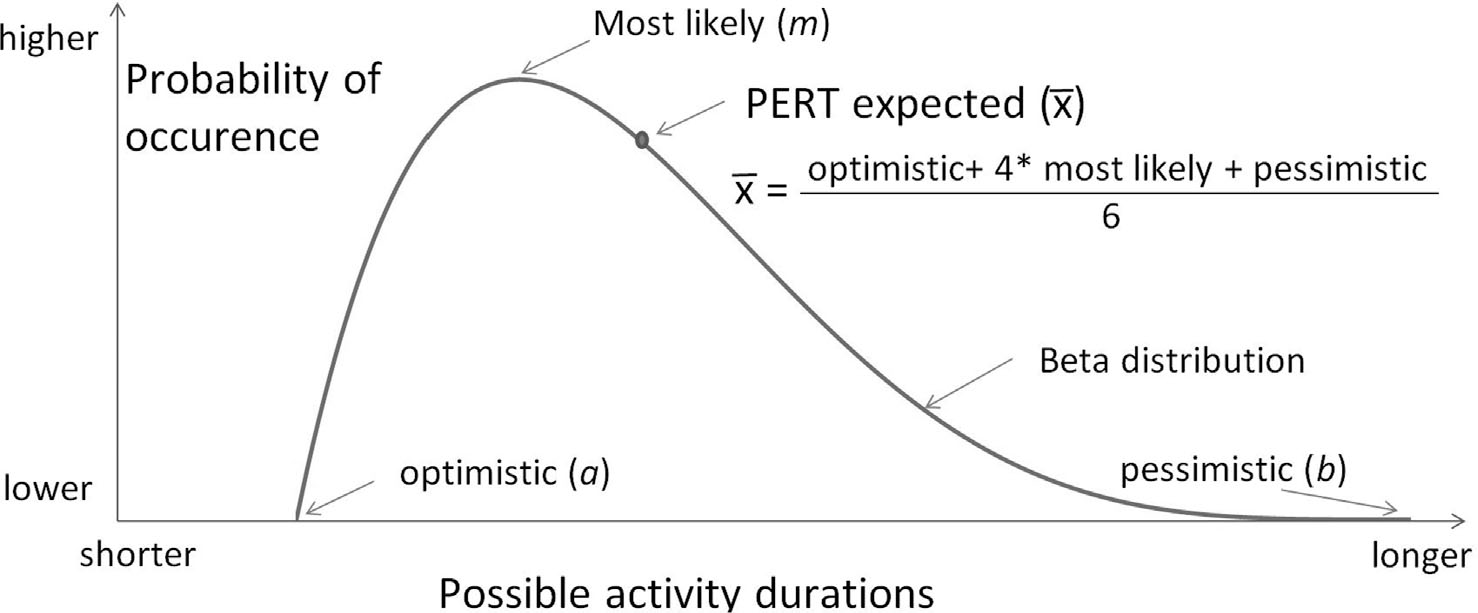
Fig. 4
Typical density function of the PERT-beta distribution.
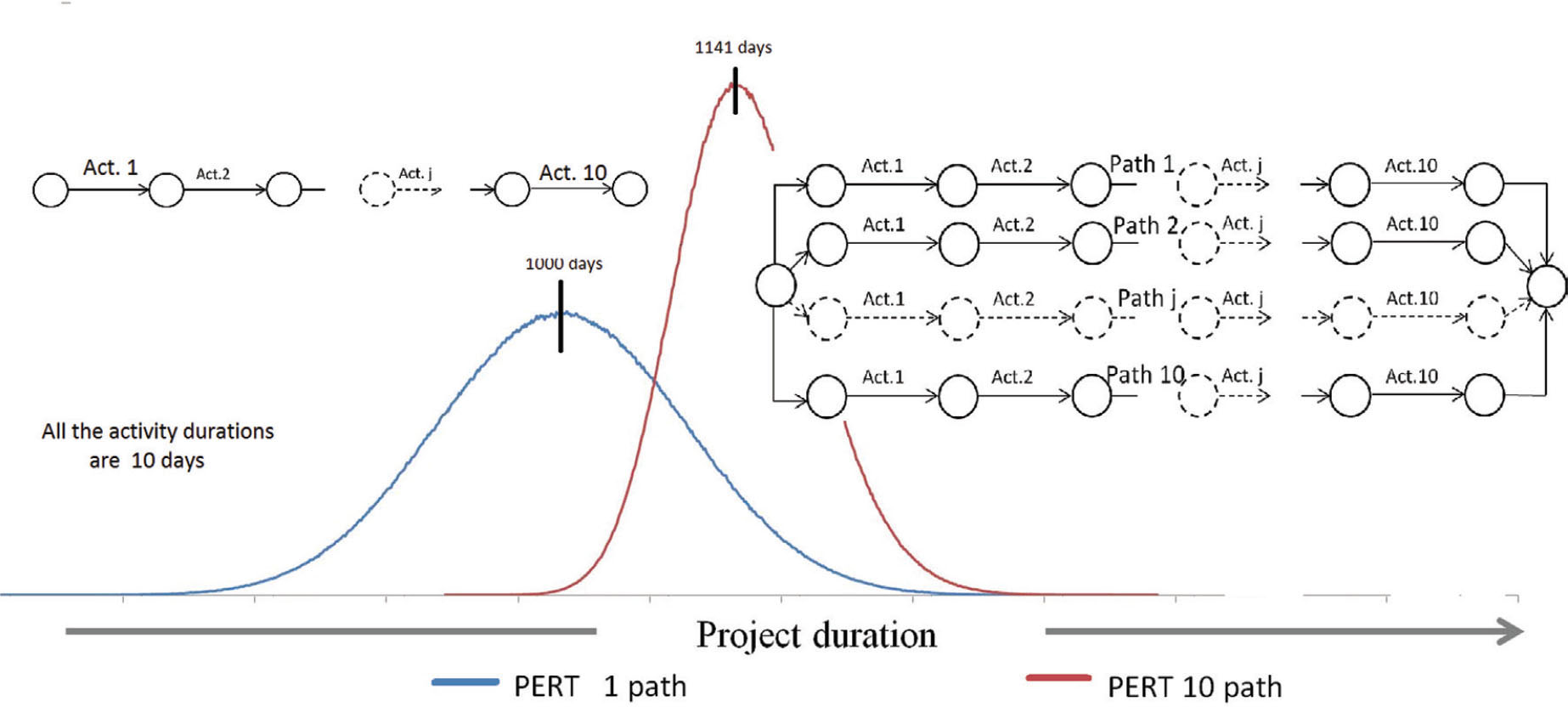
Fig. 5
Distribution of the project duration of one-chain and 10-chain networks.
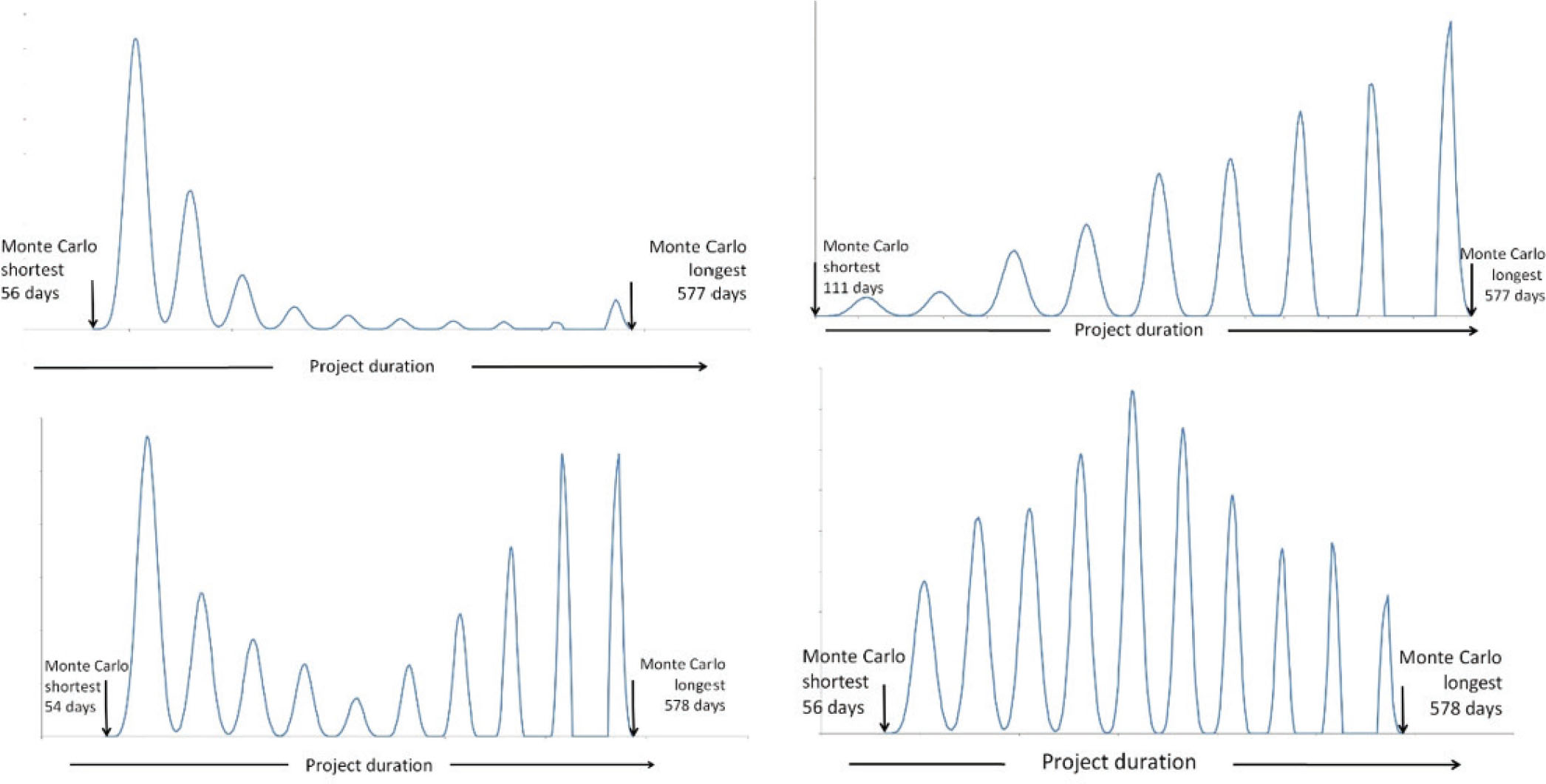
Fig. 6
The effect of the different activity calendars on the distribution of project duration based on the same one-chain network (Hajdu 2013).
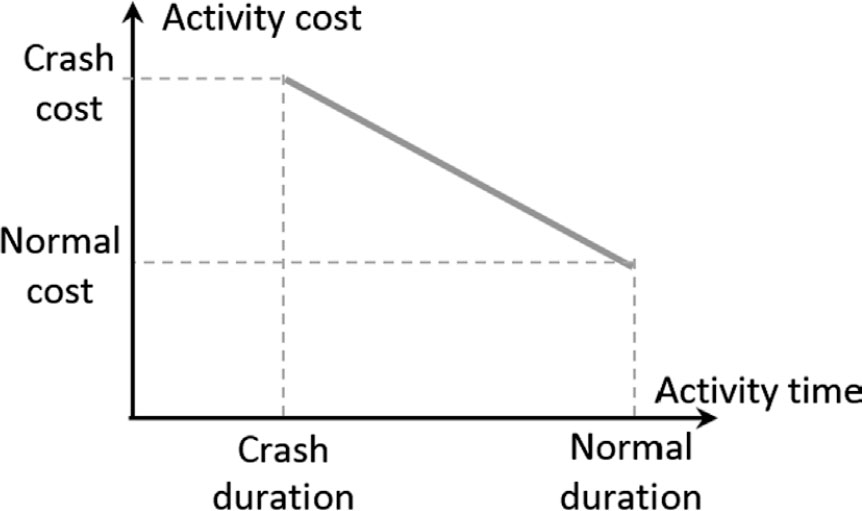
Fig. 7
Assumption of time vs cost of the original CPM model.
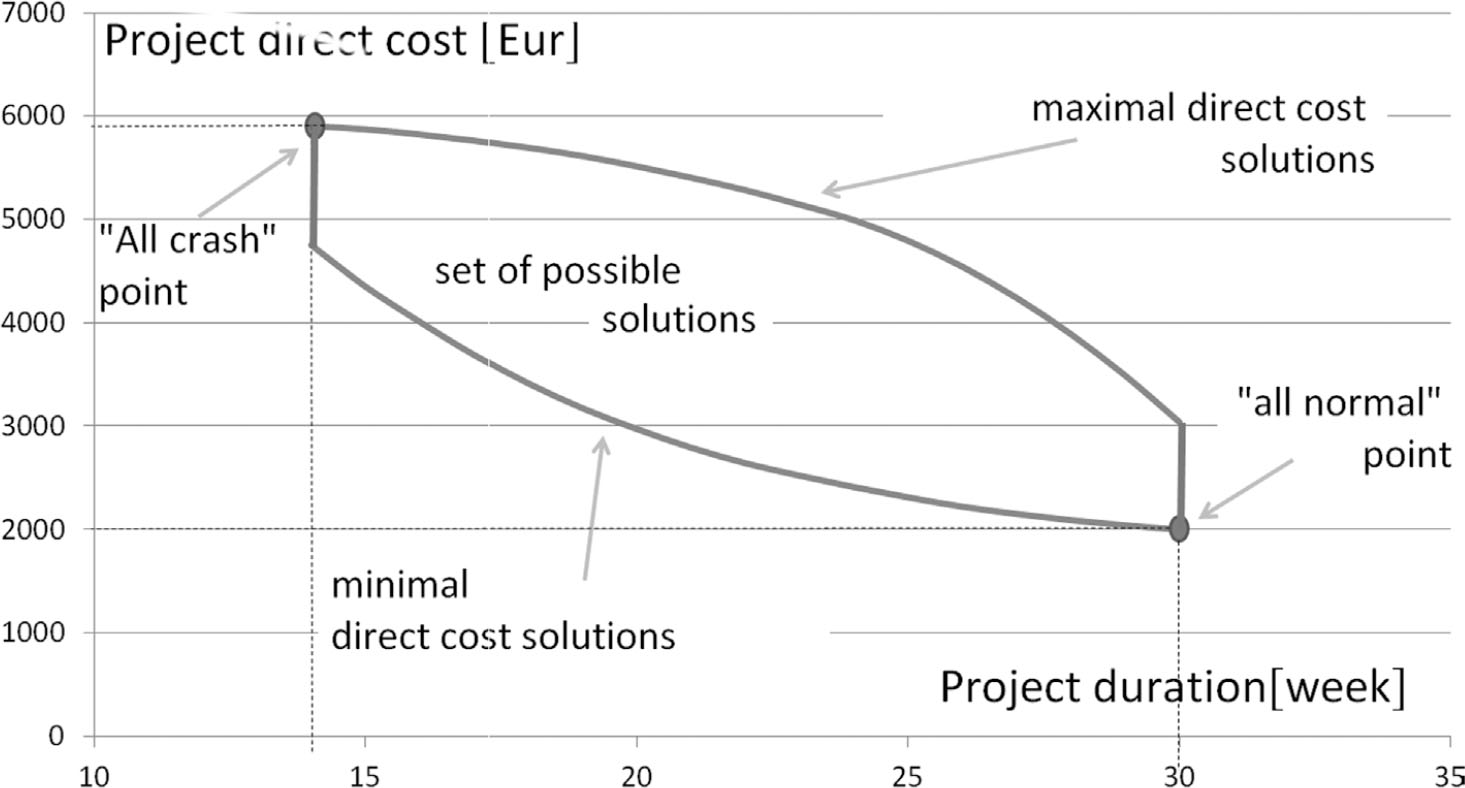
Fig. 8
The set of feasible solutions of the CPM model.
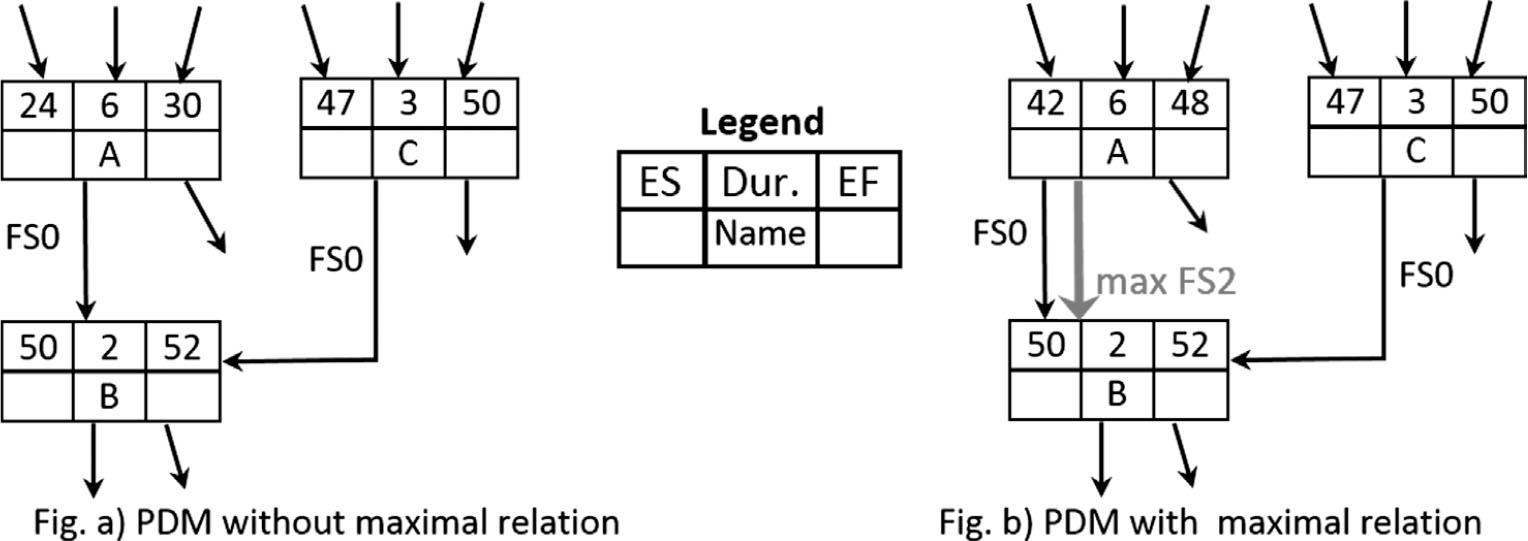
Fig. 9
Maximal relations in PDM network.
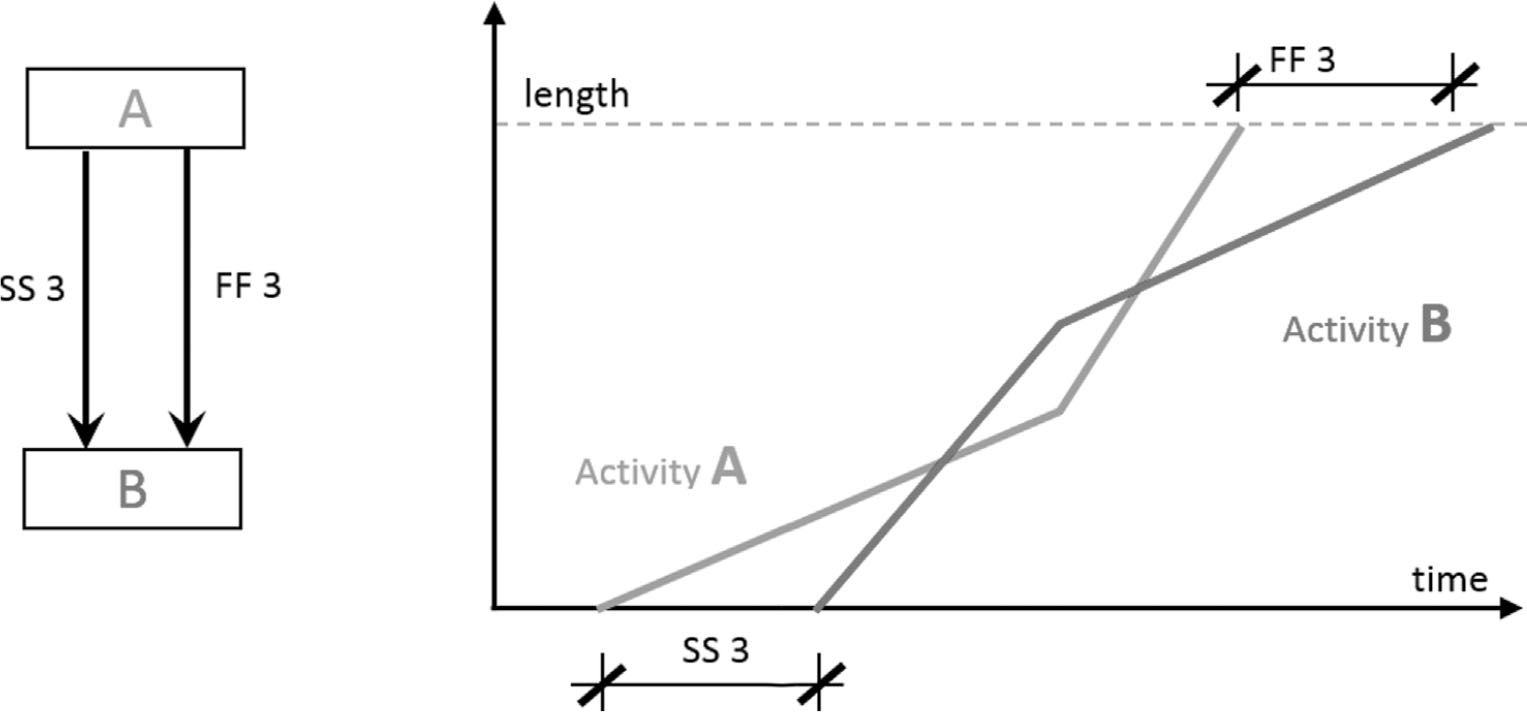
Fig. 10
Assumption of linear activities is essential in case of traditional relationships.
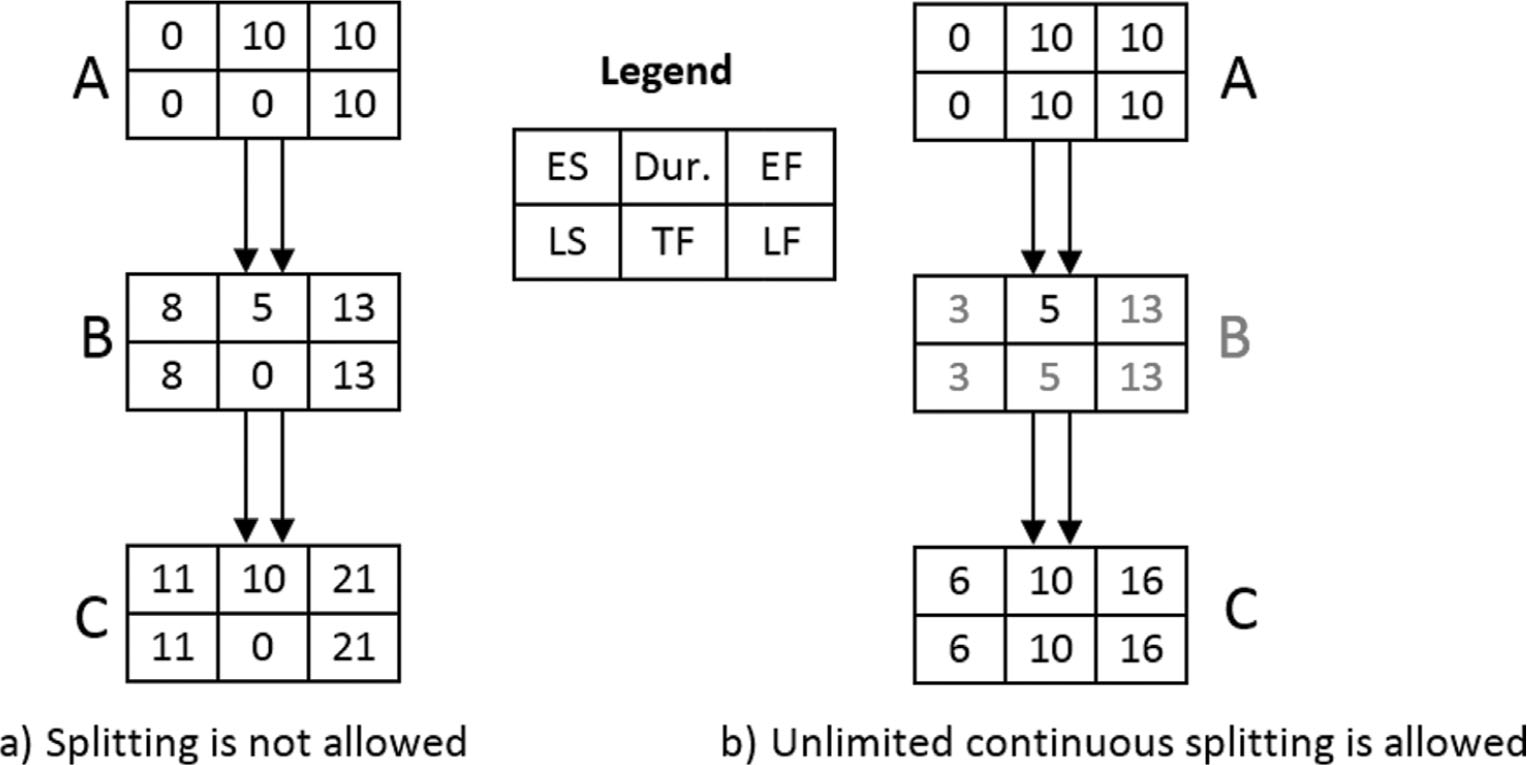
Fig. 11
The positive effect of pre-emption on the project duration.
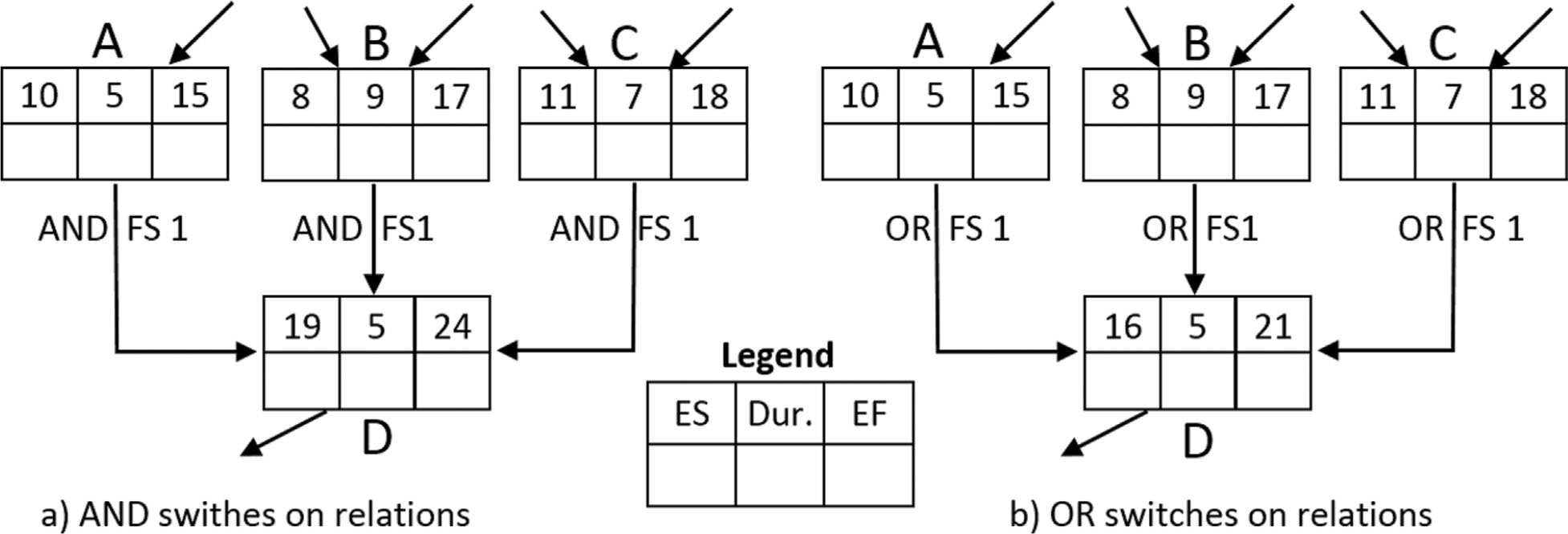
Fig. 12
Application of logical switches on relationships.
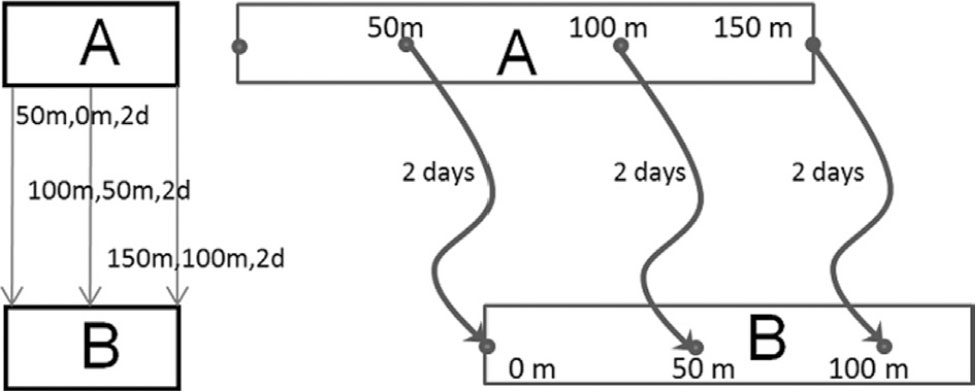
Fig. 13
Point-to-point relations for better modelling of overlapping activities.
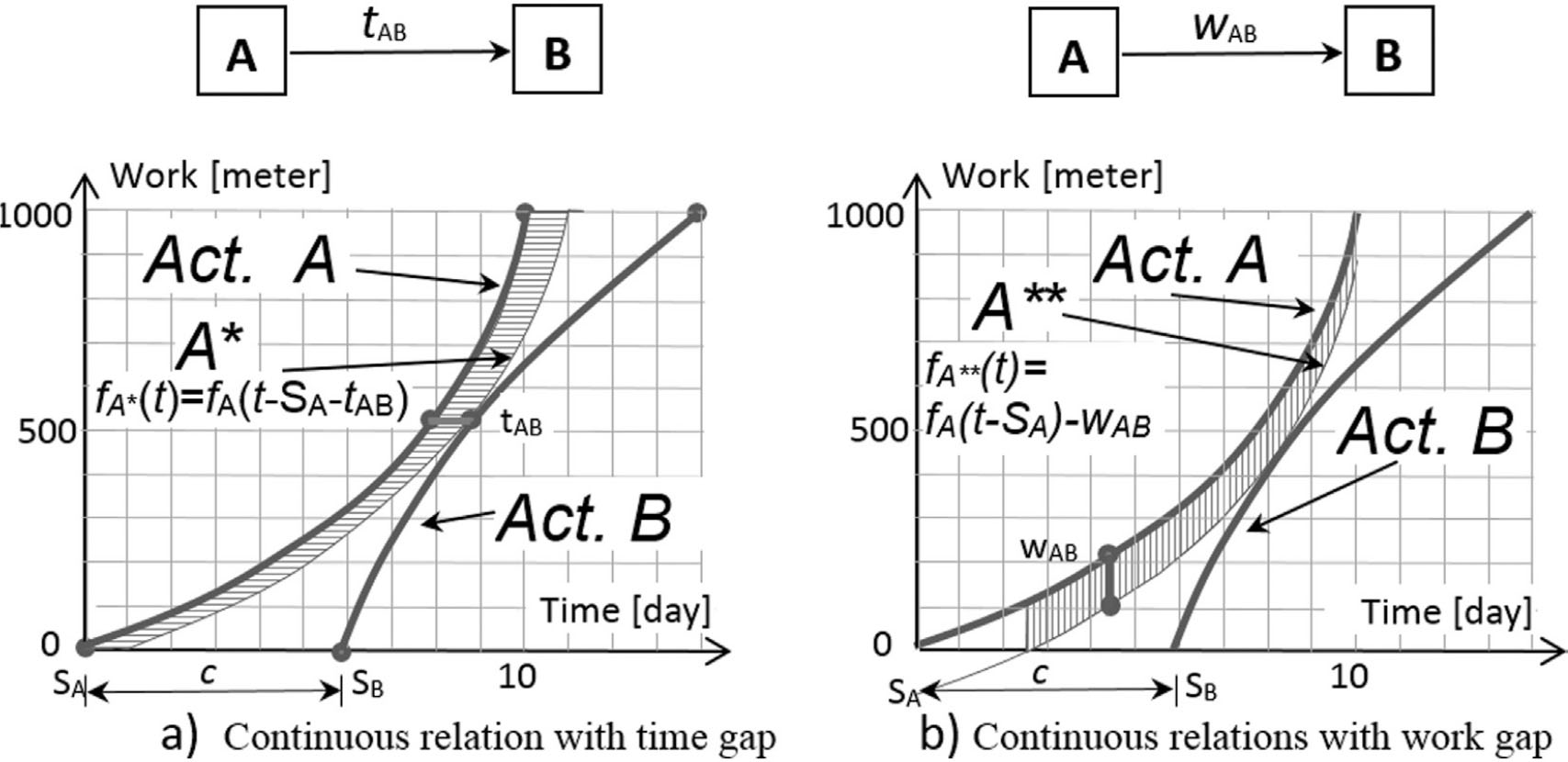
Fig. 14
Continuous relations with time and work gaps.
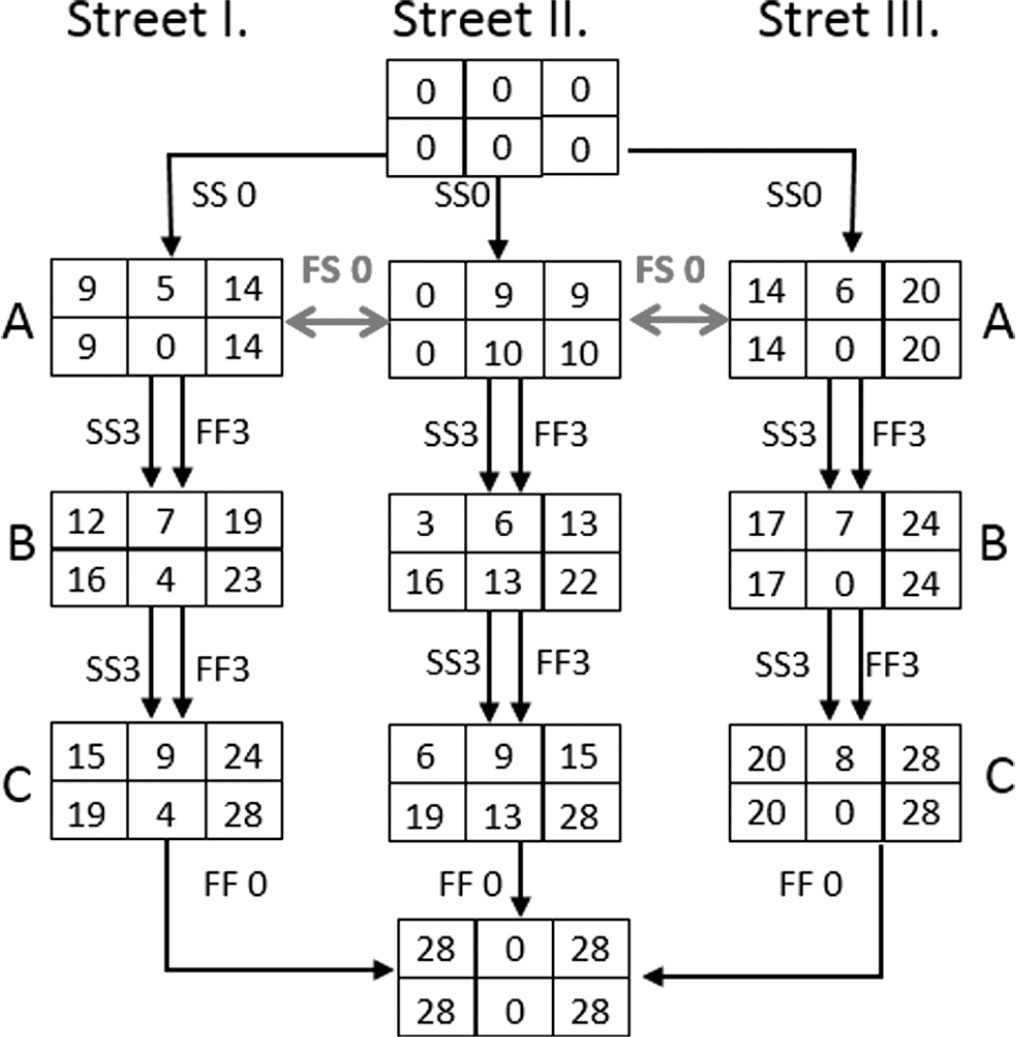
Fig. 15
Bi-directional precedence relations.
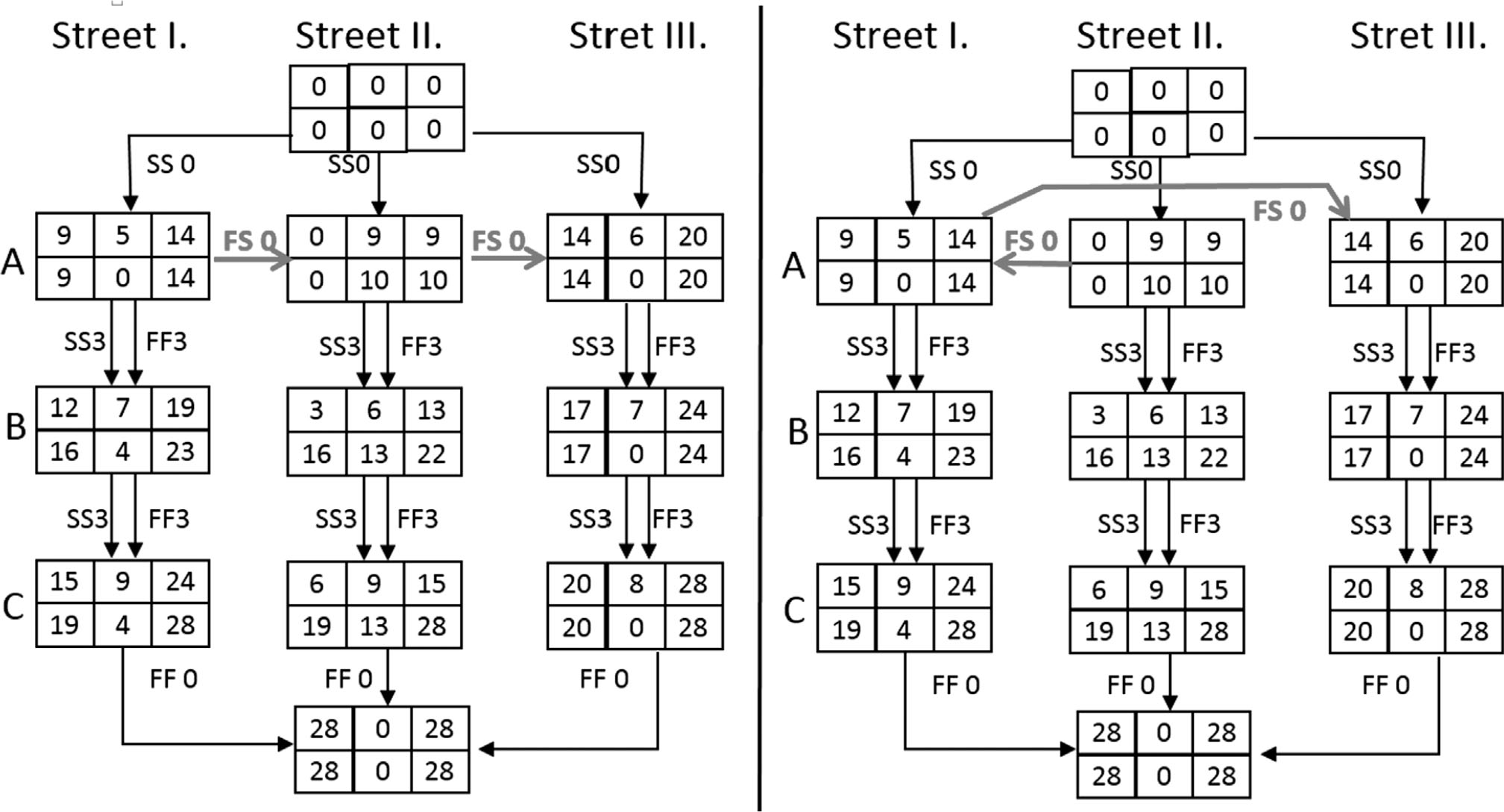
Fig. 16
Possible optimal solutions of Fig. 15.