
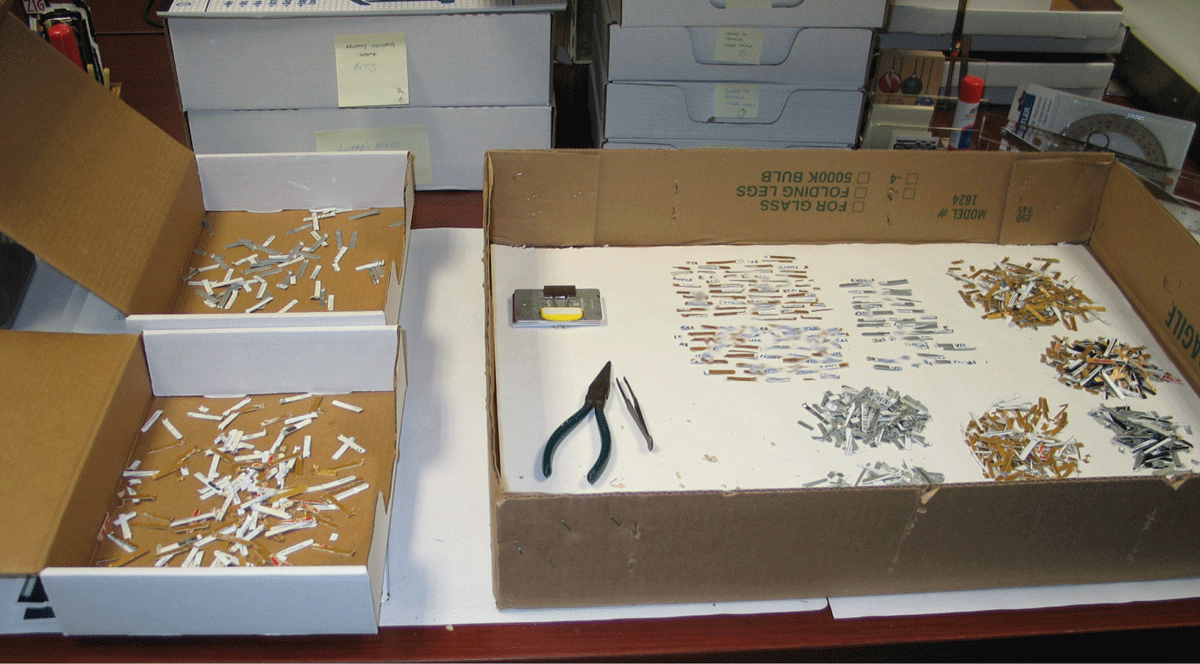
Figure 1.
Gold and silver card shred being sorted by background color and other characteristics/features.
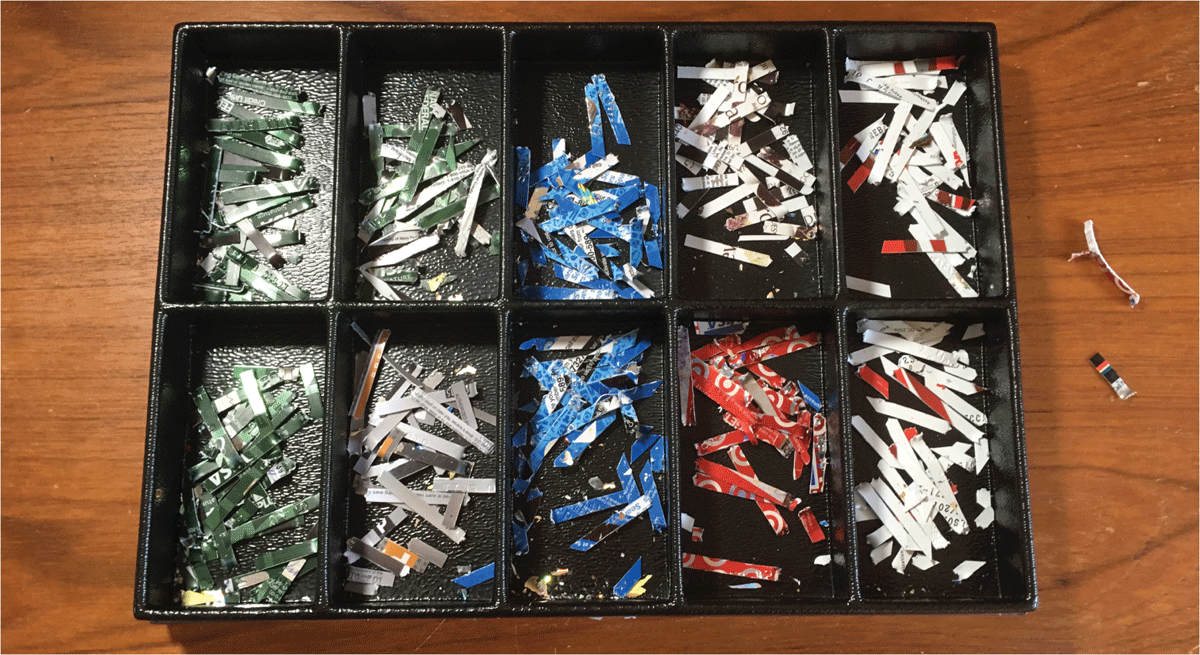
Figure 2.
Shred being sorted in categories in a compartmented container
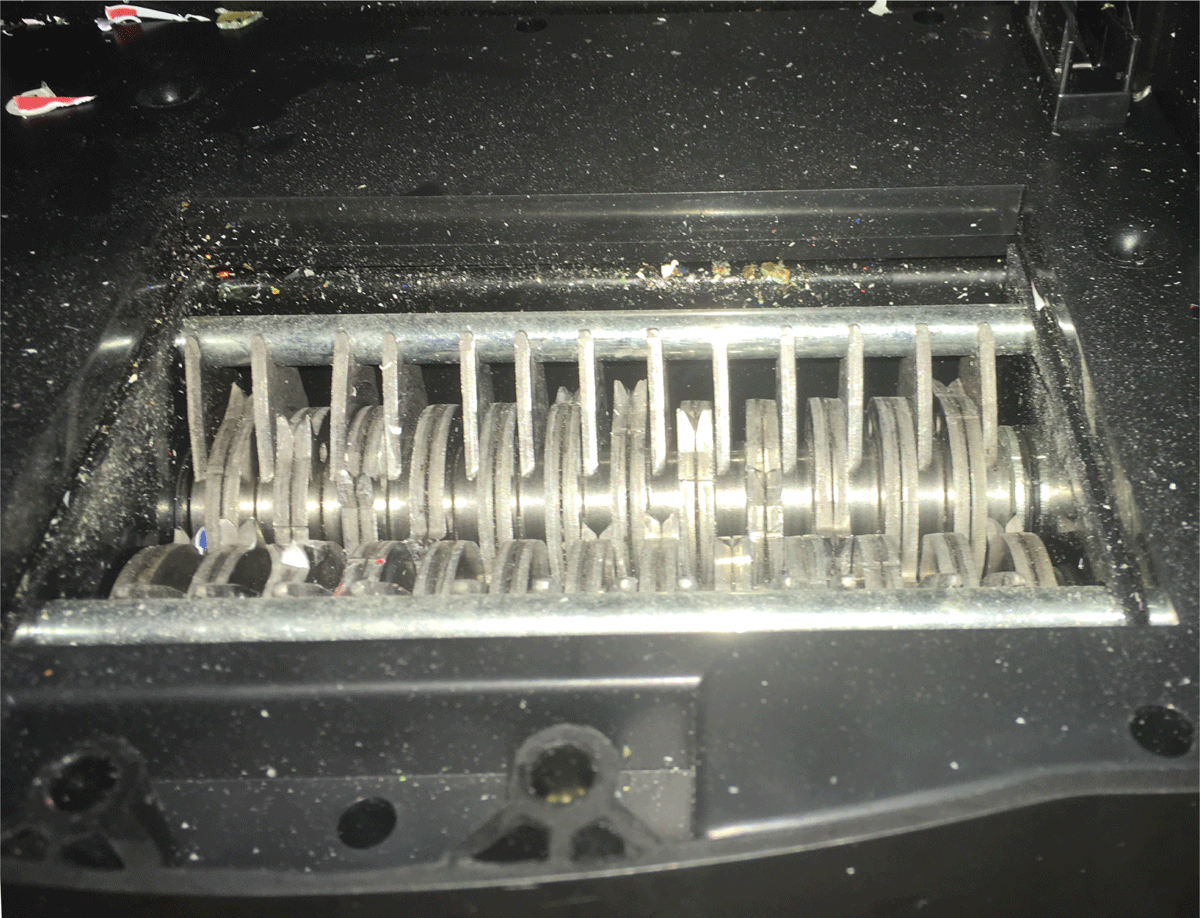
Figure 3.
The v-shaped blades of a table-top card shredder.
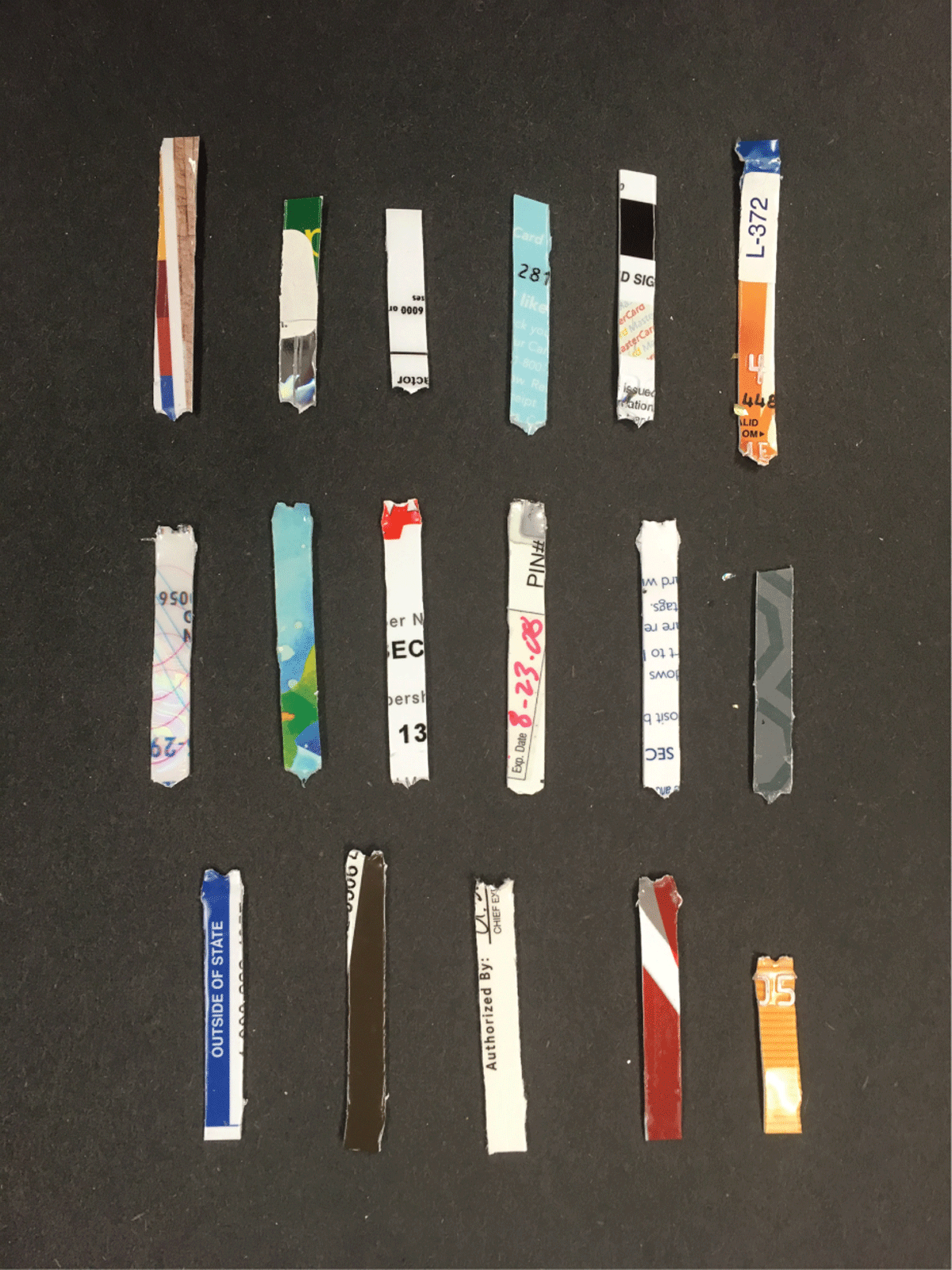
Figure 4.
Shred from different cards all oriented in the shred direction (downward). They were shredded in different orientations, as evidenced by the direction of the printing.
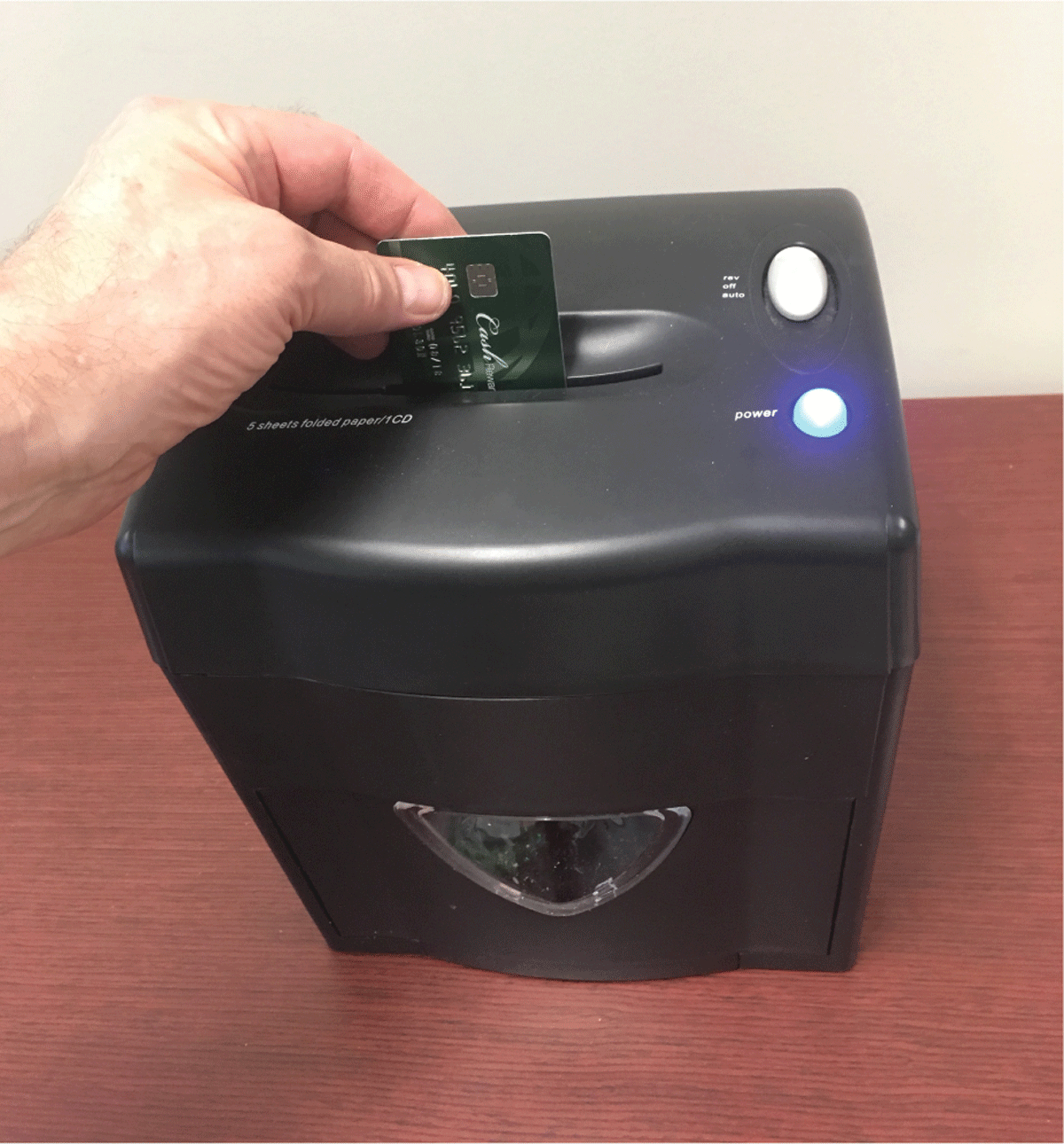
Figure 5a.
A card being shredded sideways (horizontally)
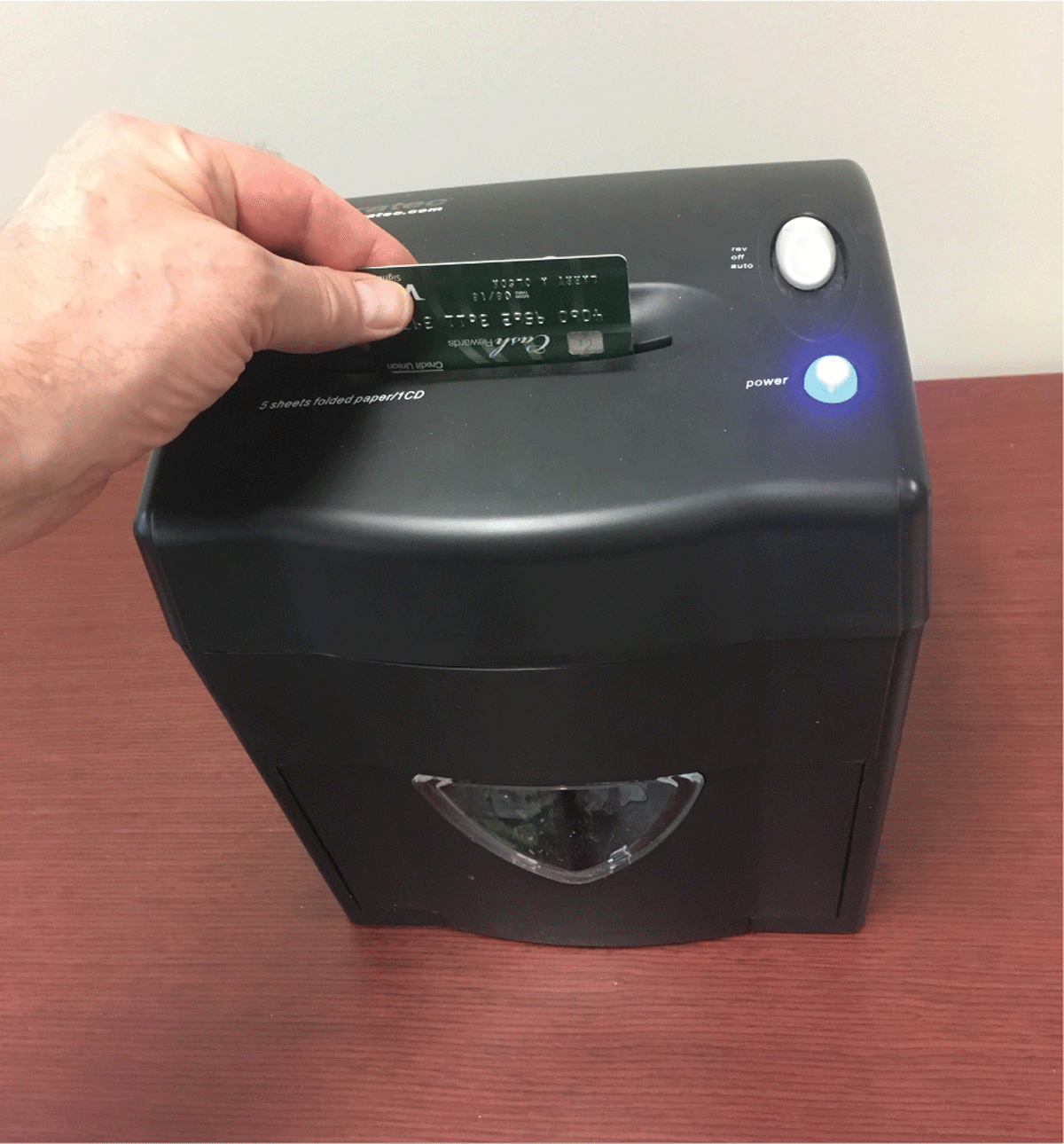
Figure 5b.
A card being shredded vertically
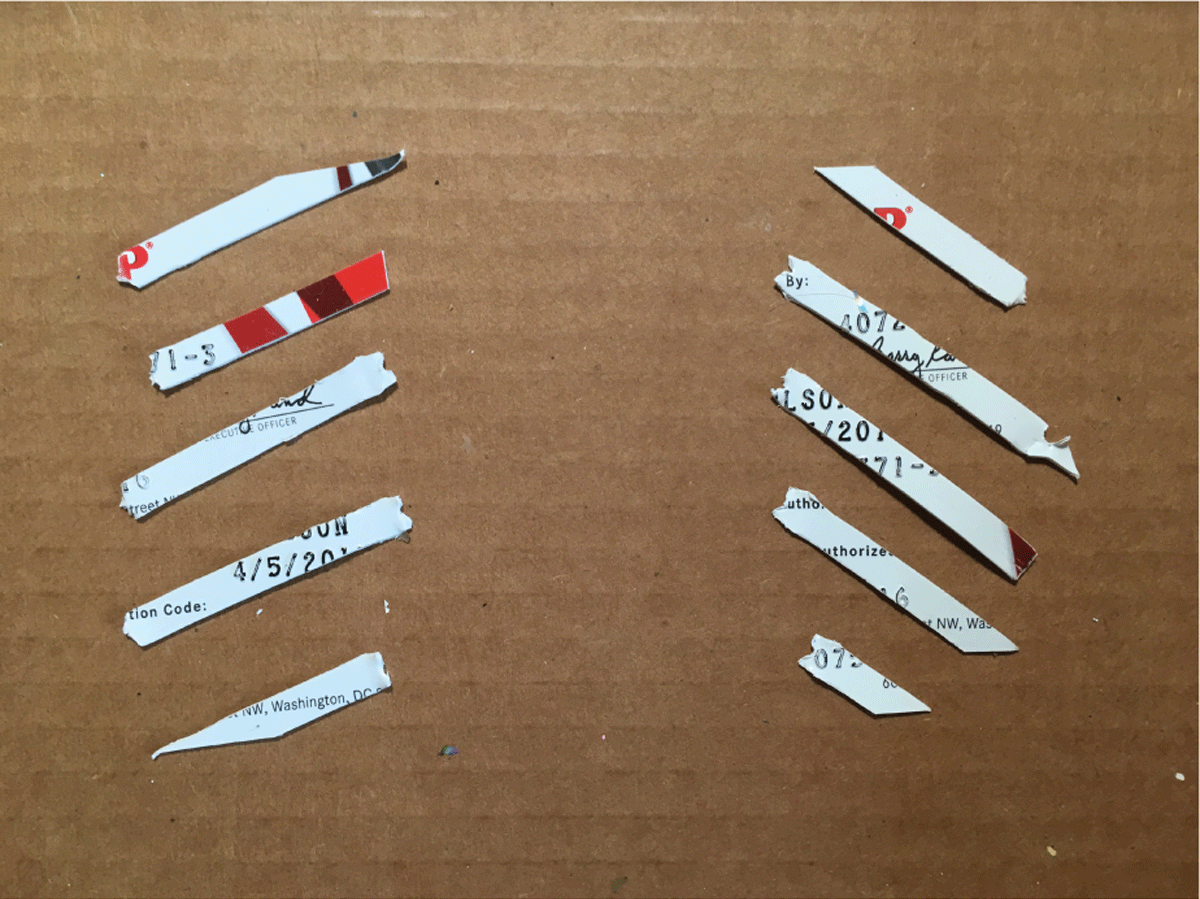
Figure 6.
Cards of the same design sorted by two different shred angles.
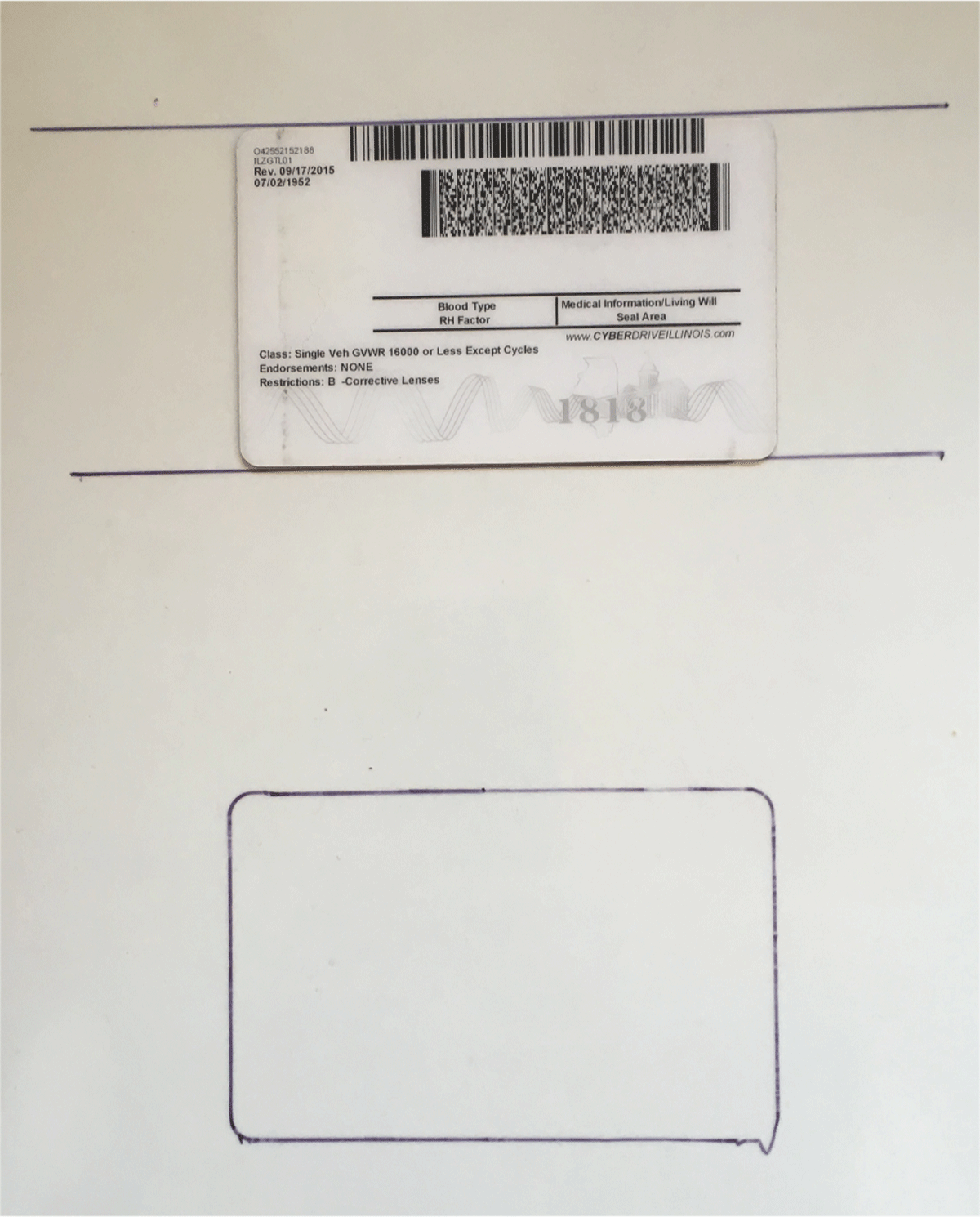
Figure 7.
Two types of templates drawn on a piece of laminate: a pair of horizontal reference lines with a driver’s license (above), and the outline of a typical card (below).
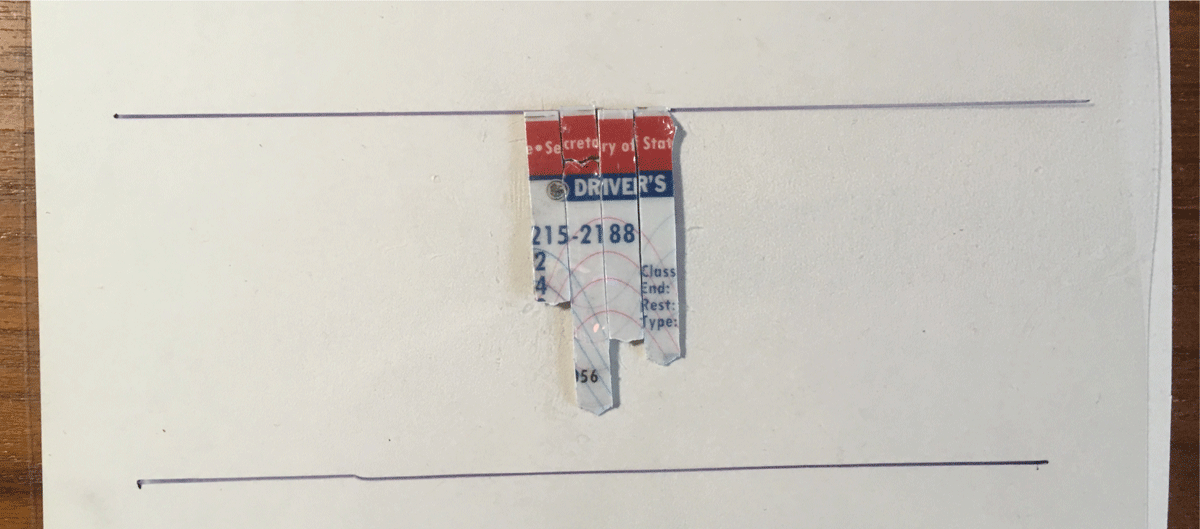
Figure 8.
Attaching ID card shred to the laminate using the upper reference line.
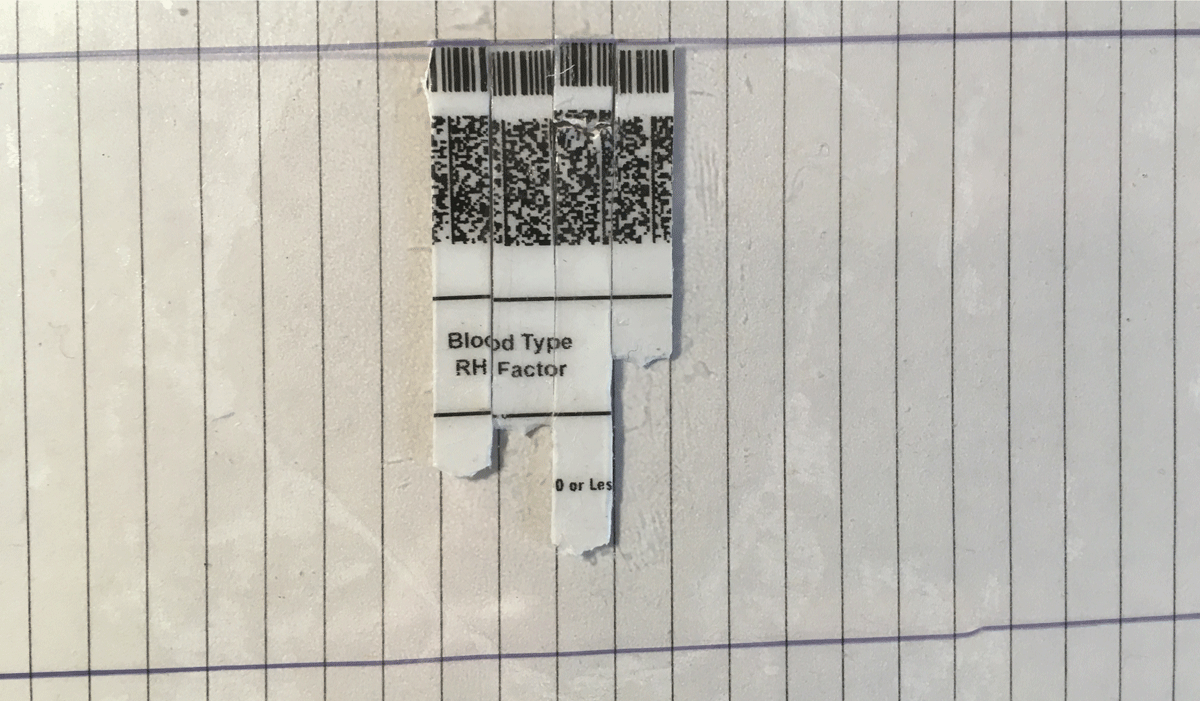
Figure 9.
The alignment grid (printed from a word processing program) lies underneath the ID card being assembled.
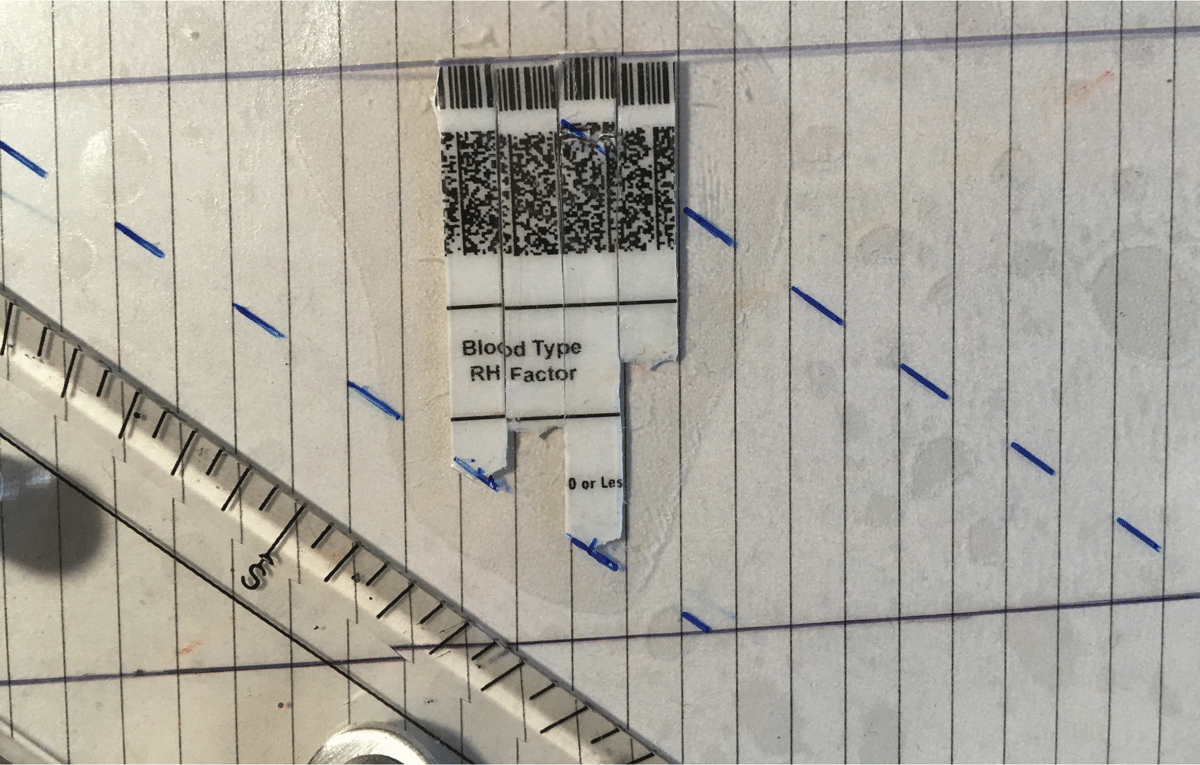
Figure 10.
Lines drawn through the cut ends of the fragments in columns 1 and 3 and extrapolated in both directions.
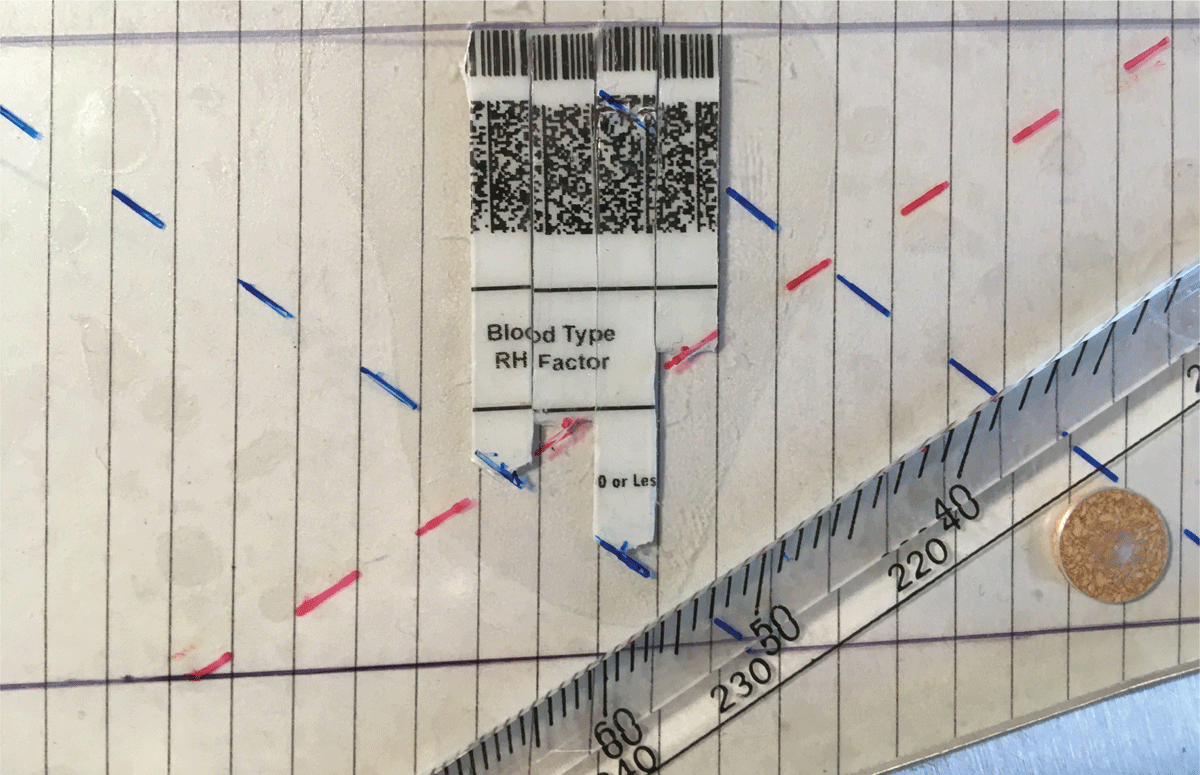
Figure 11.
Lines drawn through the cut ends of the fragments in columns 2 and 4, extrapolated in both directions.
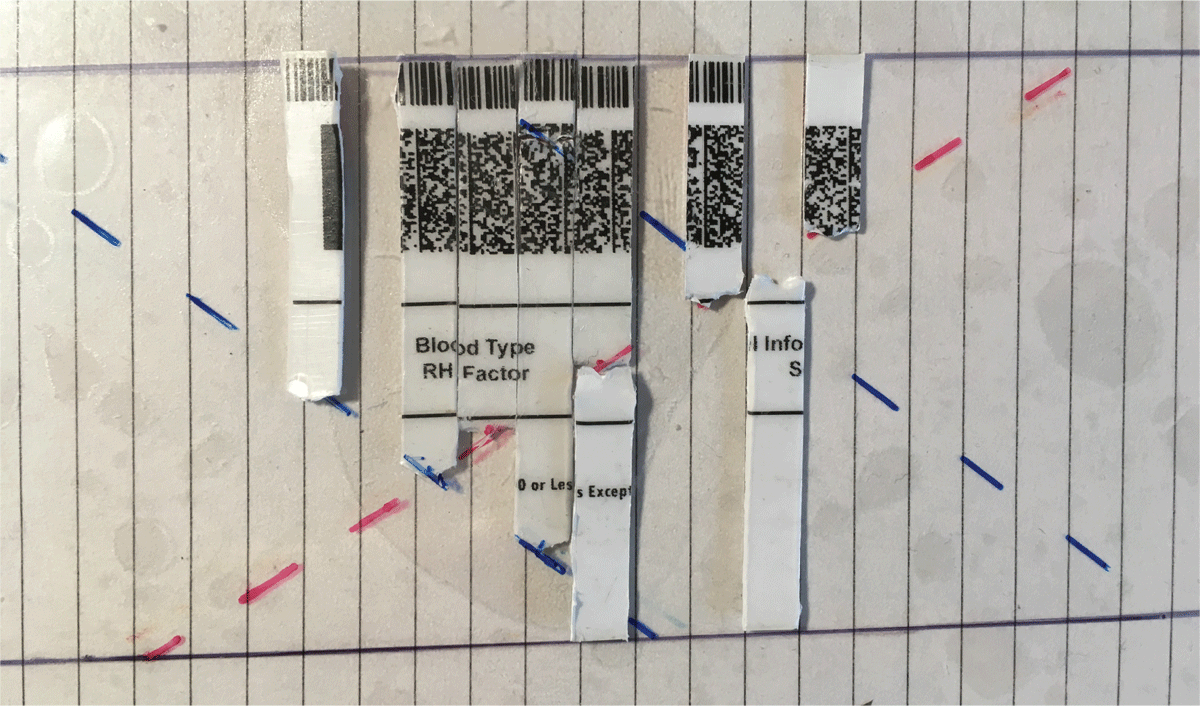
Figure 12.
Additional ID card fragments placed onto the pattern where they appear to belong, due to their size and the printing that is visible.
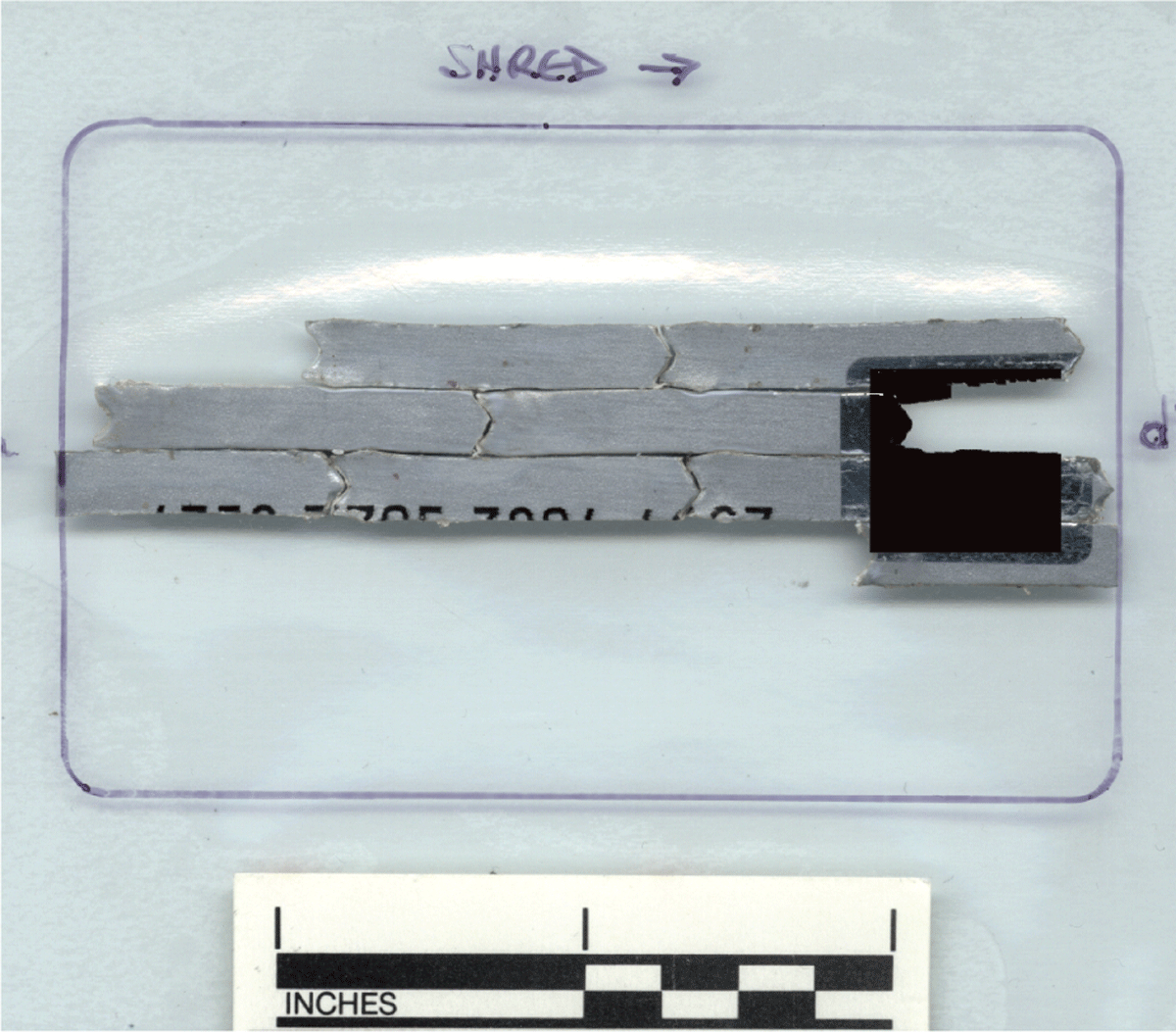
Figure 13.
The assembly of a debit card that has shredded sideways, so that only the upper portions of the card numerals are visible.
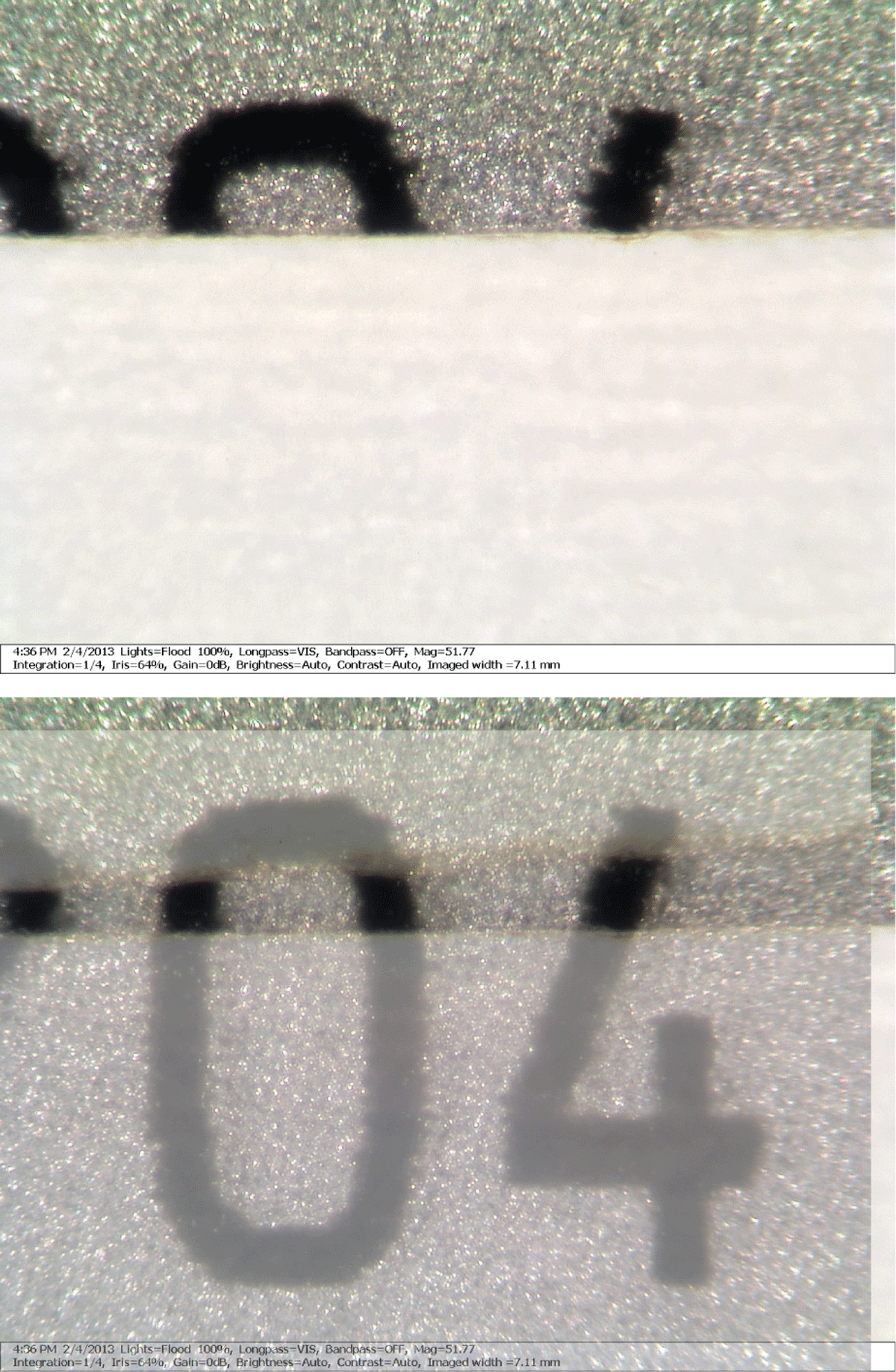
Figure 14a/14b.
left: the upper portion of two numerals; right: these match only the “0” and “4” when a known standard is superimposed.
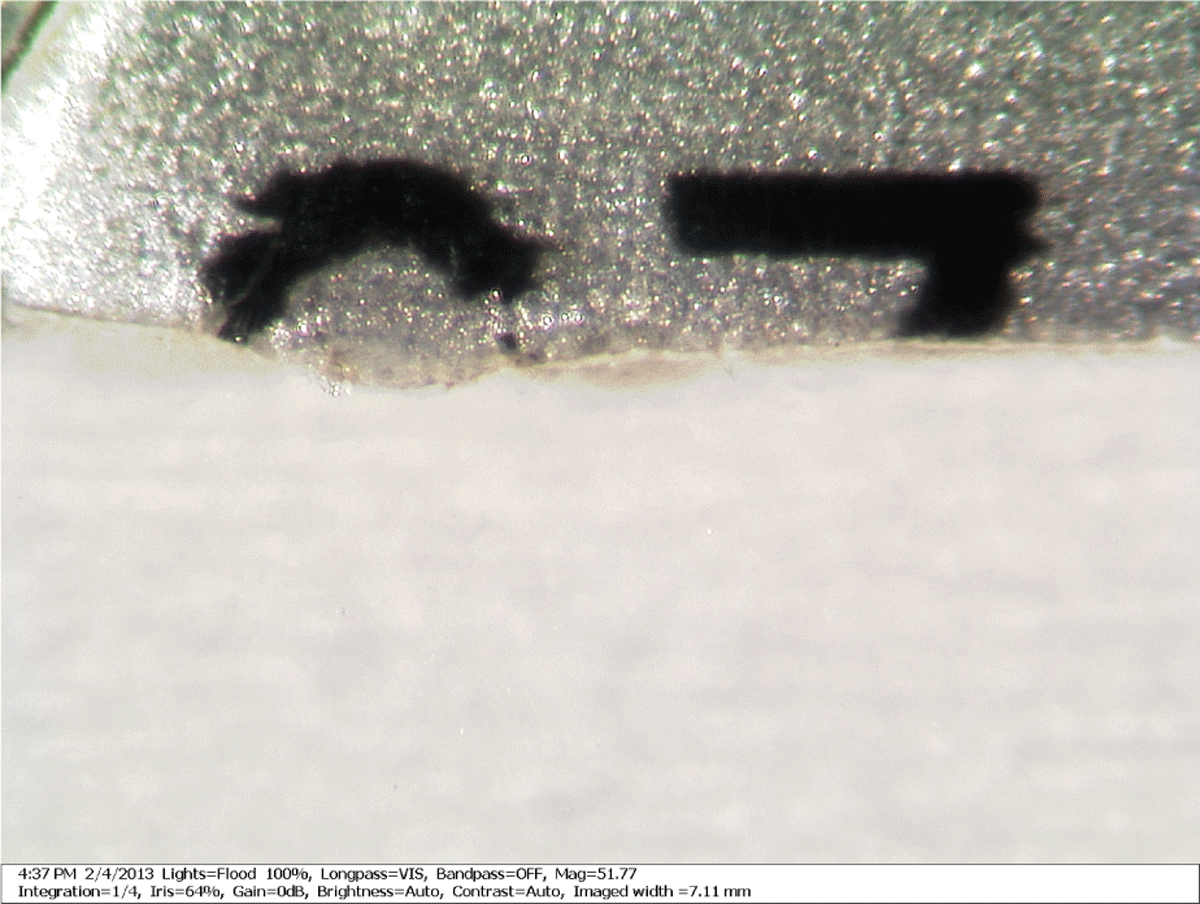
Figure 15a.
Another section of the card with two partial numbers.
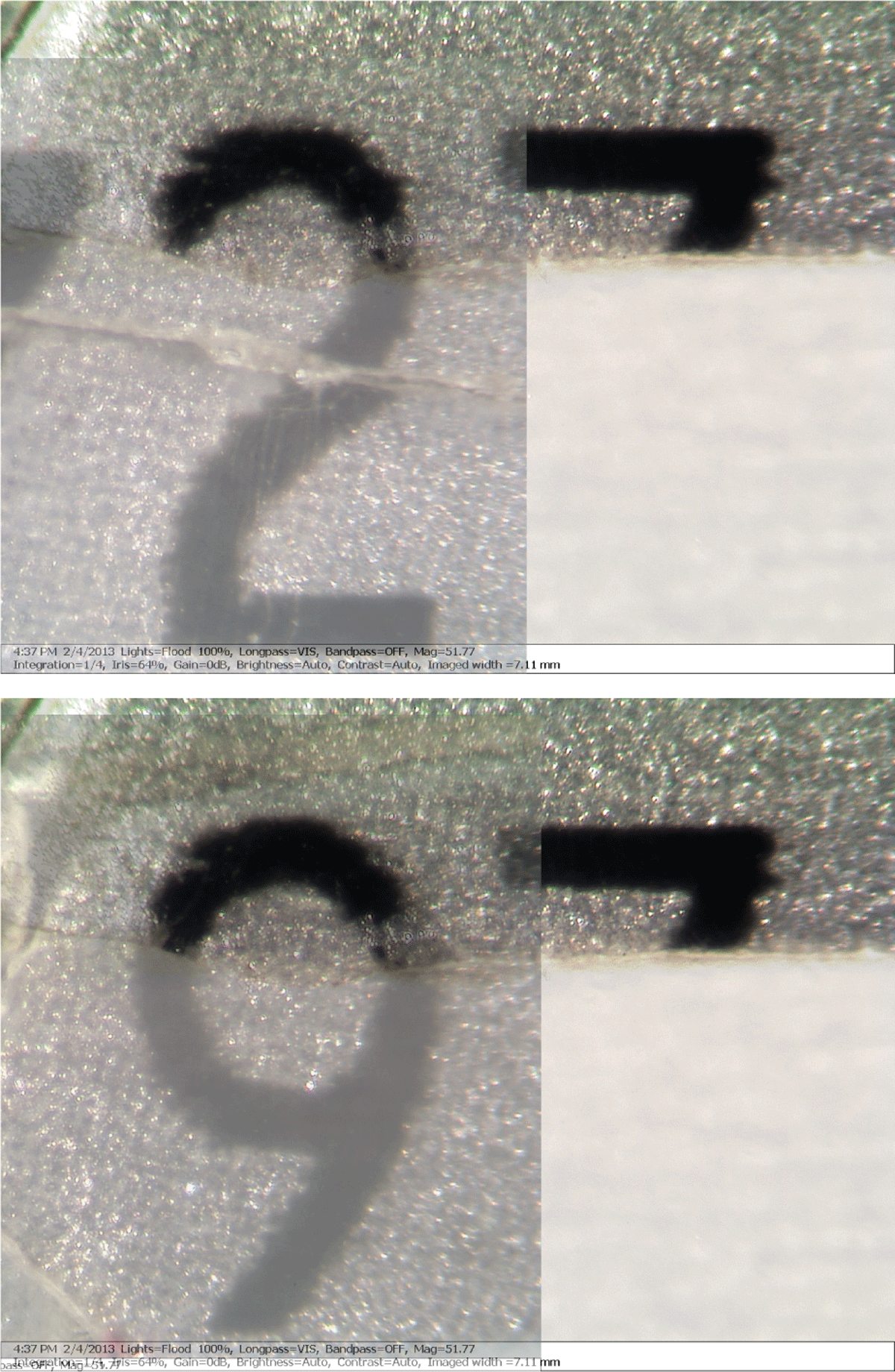
Figure 15b/15c.
A reason why care must be taken in interpreting the number. When superimposed, both numerals “2” and “9” fit the first digit.