
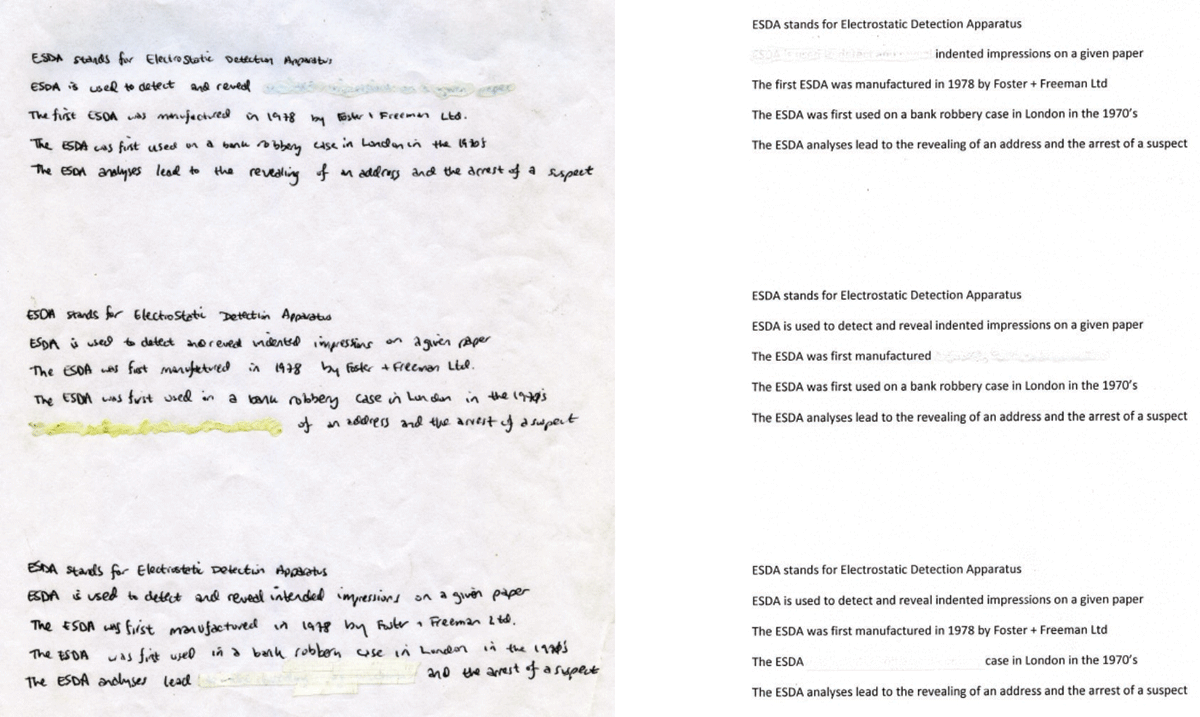
Figure 1
Two examples of the writing samples used, showing the three different types of correction obliterations: black ball point pen (left) and Xerox® Phaser printer (right). In the first paragraph, the correction fluid was used, followed by the correction pen and lastly, the correction tape.
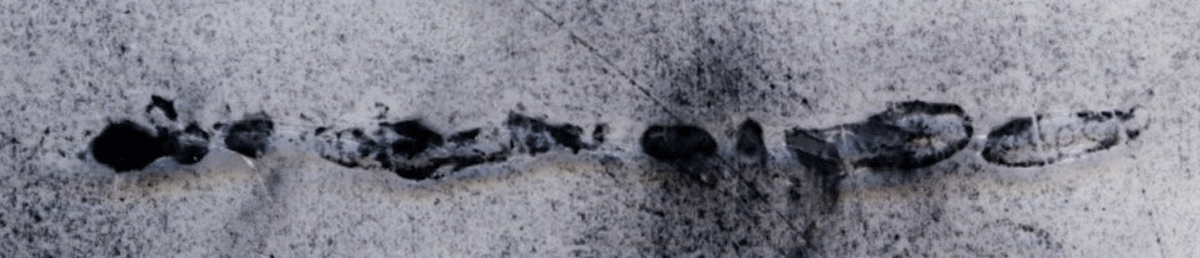
Figure 2
Ball point pen writing sample with correction fluid developed with the ESDA® from the front.
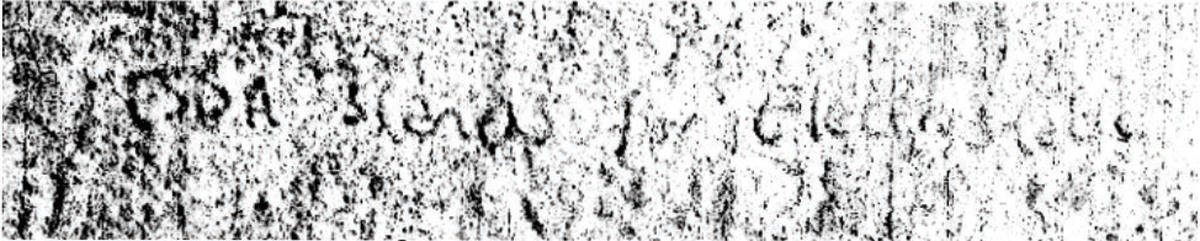
Figure 3
Velocity® gel-ink pen writing sample with correction fluid, developed with the ESDA® from the back side.
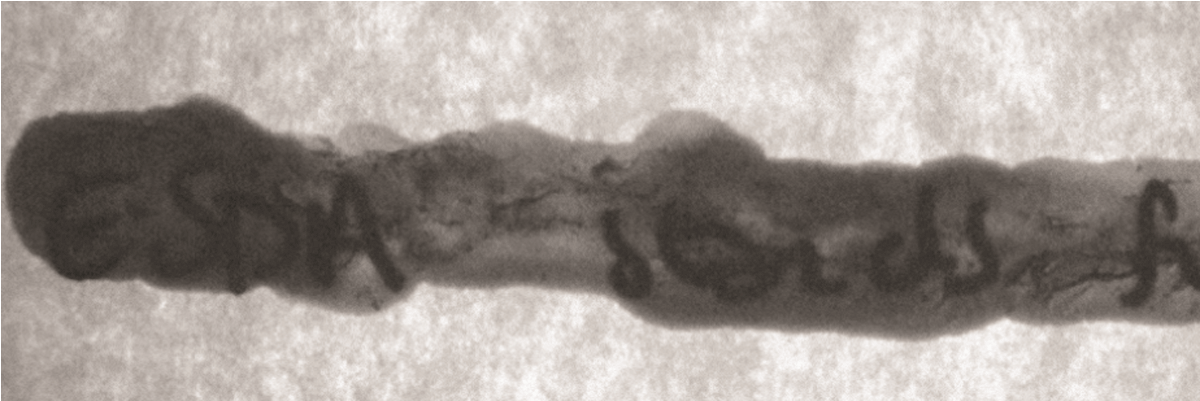
Figure 4
Velocity® gel-ink pen writing sample with correction fluid, viewed with the VSC® from the front. (Transmitted light, Longpass filter – 1000 nm)
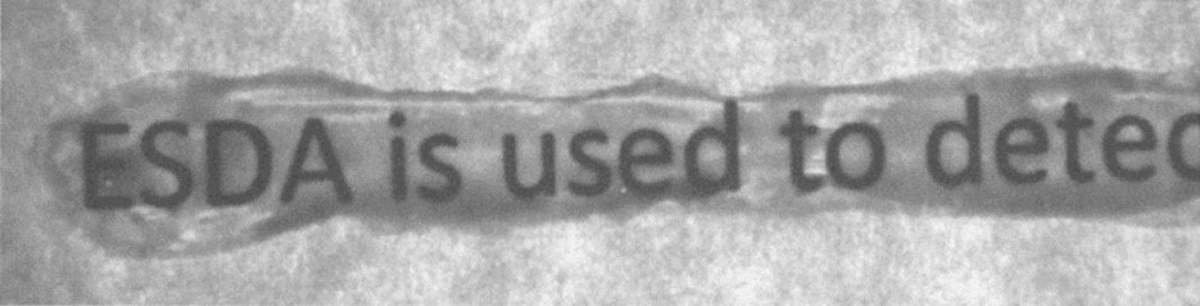
Figure 5
Xerox® writing sample with correction fluid, viewed with the VSC® from the front. (Transmitted light, Longpass filter – 1000 nm)
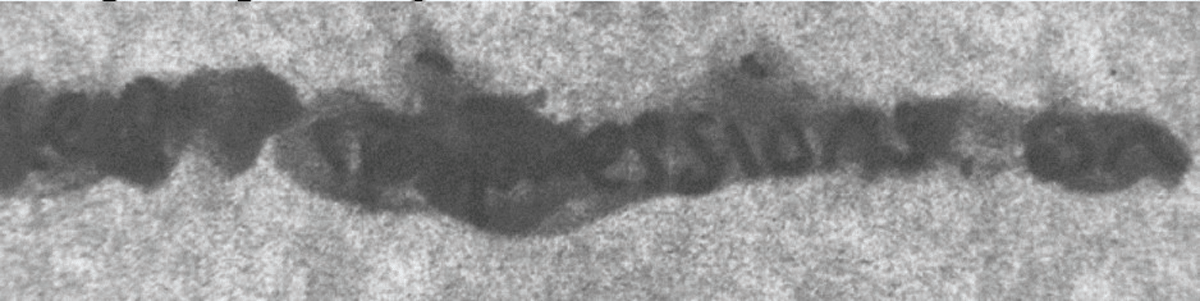
Figure 6
Black ball point pen writing sample with correction fluid, viewed with the VSC® from the back and inverted. (Transmitted light, Longpass filter – VIS)
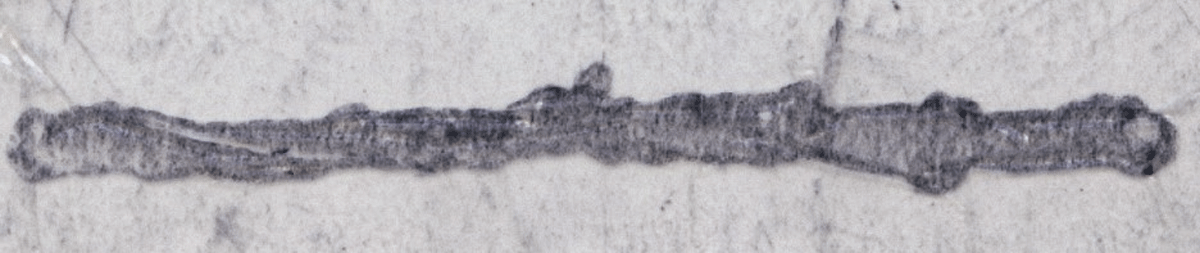
Figure 7
Velocity® gel-ink pen writing sample with correction pen developed with the ESDA® from the front.
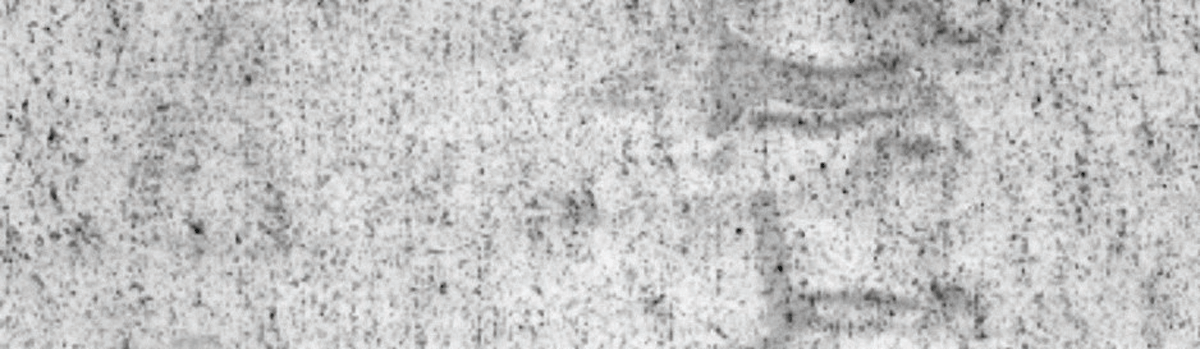
Figure 8
EPSON® inkjet printer sample with correction pen developed with the ESDA® from the back.
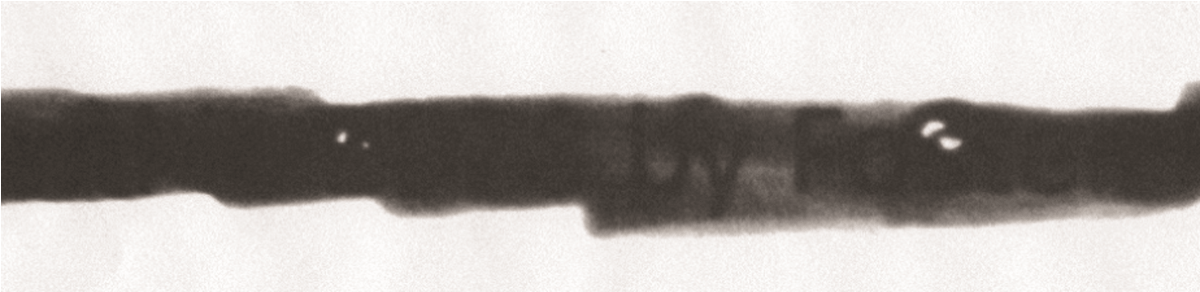
Figure 9
Toner copier writing sample with correction pen, viewed with the VSC® from the front. (Transmitted light, Longpass filter – 1000 nm)
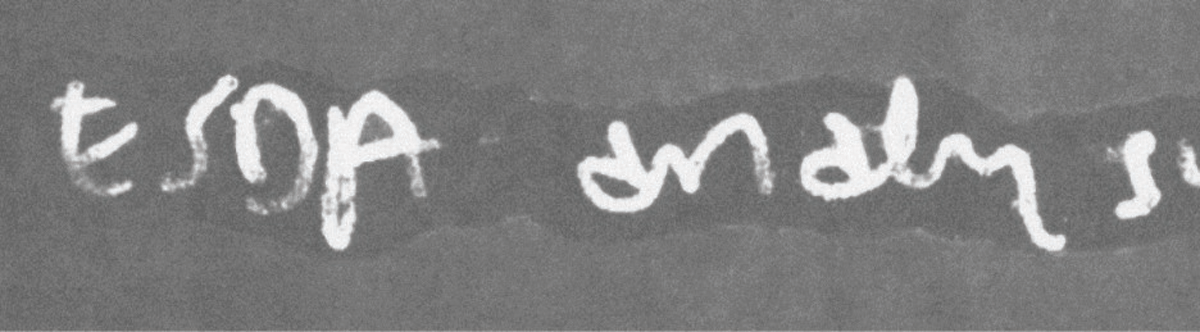
Figure 10
Blue ball point pen writing sample with correction pen, viewed with the VSC® from the front. (Spot light – 515 nm-640 nm, Longpass filter –695 nm)
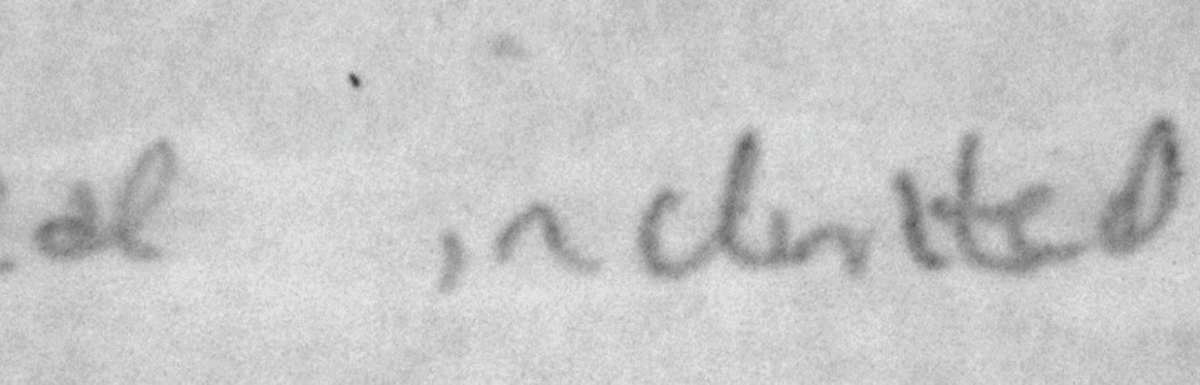
Figure 11
Velocity® gel-ink pen writing sample with correction pen, viewed with the VSC® from the back and inverted. (Flood light, Longpass filter – 780 nm)
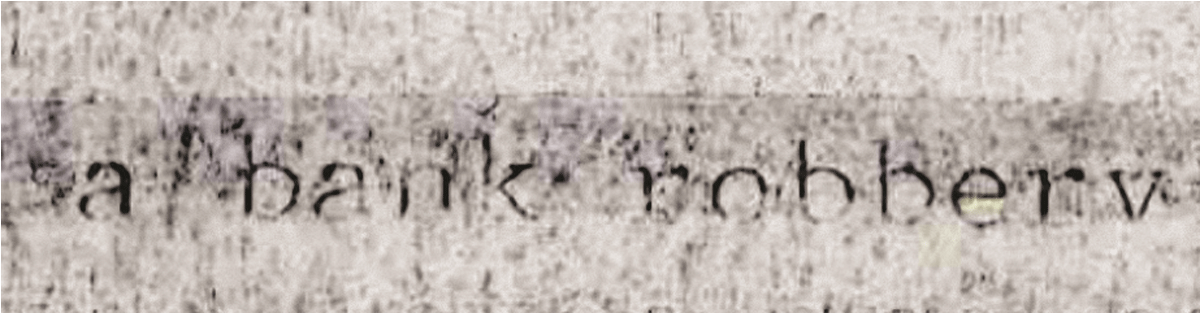
Figure 12
Typewritten text with the correction tape developed with the ESDA® from the front.
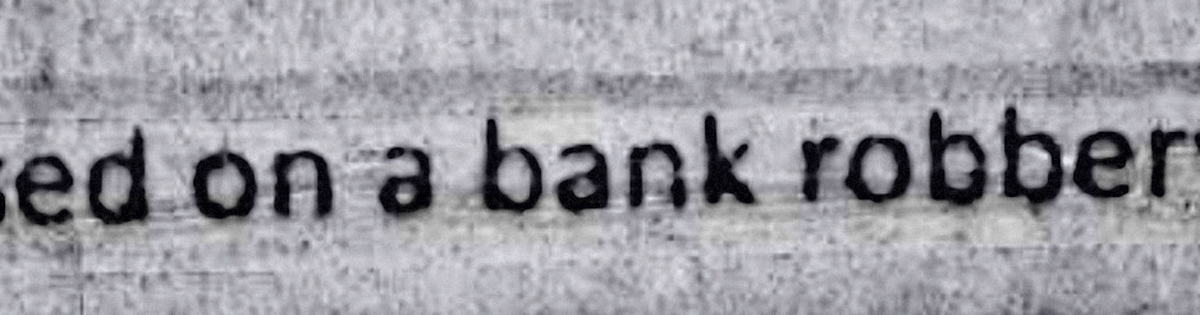
Figure 13
Xerox® Phaser printer text with the correction tape developed with the ESDA® from the front.
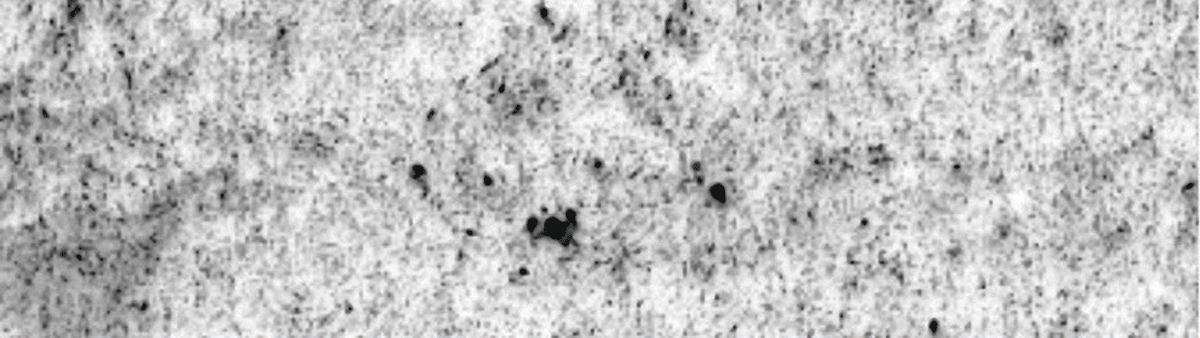
Figure 14
Typewritten text with the correction tape developed with the ESDA® from the back.

Figure 15
EPSON® printer writing sample with correction tape, viewed with the VSC® from the front. (Transmitted light, Longpass filter – 1000 nm)
Table 1
Summary of VSC® results for each writing sample, respective correction method, and which side of document examined. (Text developed by ESDA® is indicated in bold and italics.)
| Handwritten | Uni-Ball® Gel-ink pen | BiC® Velocity® Gel-ink pen | BiC® Ball Point Pen | Pencil | ||
|---|---|---|---|---|---|---|
| Black ink | Blue ink | |||||
| Correction Fluid | Front | Visible | Partially visible | Partially visible | Not Visible | Visible |
| Back | Visible, clearly | Visible, clearly ESDA® Developed Text | Partially visible ESDA® Developed Text | Visible, clearly | Visible ESDA® Developed Text | |
| Correction Pen | Front | Not Visible | Not Visible | Partially visible | Visible, clearly | Not Visible |
| Back | Visible, clearly | Visible | Visible, clearly | Visible, clearly | Partially visible | |
| Correction Tape | Front | Visible | Visible | Visible, clearly | Visible, clearly | Partially visible |
| Back | Visible, clearly | Visible, clearly | Visible, clearly | Partially visible | Partially visible | |
| Electronic | EPSON® Inkjet Printer | Xerox® Phaser printer | SWINTEC® Typewriter | KONICA MINOLTA® Toner Copier | ||
| Correction Fluid | Front | Visible, clearly | Visible, clearly | Visible | Partially visible | |
| Back | Visible, clearly | Visible, clearly | Visible, clearly | Visible, clearly | ||
| Correction Pen | Front | Not Visible | Not Visible | Not Visible | Not Visible | |
| Back | Visible, clearly | Partially visible | Visible, clearly | Visible, clearly | ||
| Correction Tape | Front | Visible | Visible ESDA® Developed Text | Partially visible ESDA® Developed Text | Visible, clearly ESDA® Developed Text | |
| Back | Visible | Visible, clearly | Visible | Visible, clearly | ||
Table 2
A side by side comparison of selected results of the ESDA® and the VSC®.
| Sample | ESDA® (front) | ESDA® (back) | VSC® (front) | VSC® (back and inverted) |
|---|---|---|---|---|
| Velocity® gel-pen: Correction fluid |  |  | 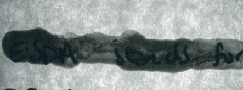 (Transmitted light, Longpass filter— 1000 nm) | 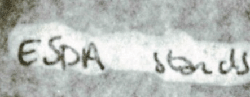 (Spot light—485 nm610 nm, Longpass filter—665 nm) |
| EPSON® Inkjet printer: Correction pen | 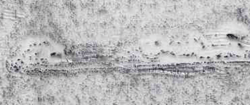 | 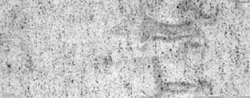 | 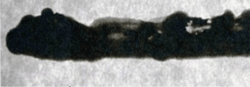 (Transmitted light, Longpass filter— 1000 nm) | 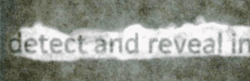 (Spot light—545 nm675 nm, Longpass filter—780 nm, Red Component) |
| Xerox® Phaser printer: Correction tape | 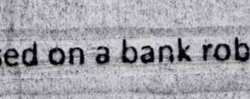 |  | 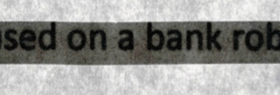 (Transmitted light, Longpass filter— 1000 nm) | 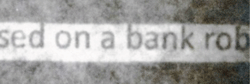 (Spot light—445 nm570 nm, Longpass filter—645 nm, Red Component) |
| Typewriter: Correction tape | 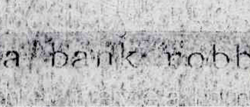 |  | 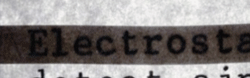 (Transmitted light, Longpass filter—780 nm) | 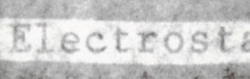 (Spot light—485 nm610 nm, Longpass filter—665 nm) |
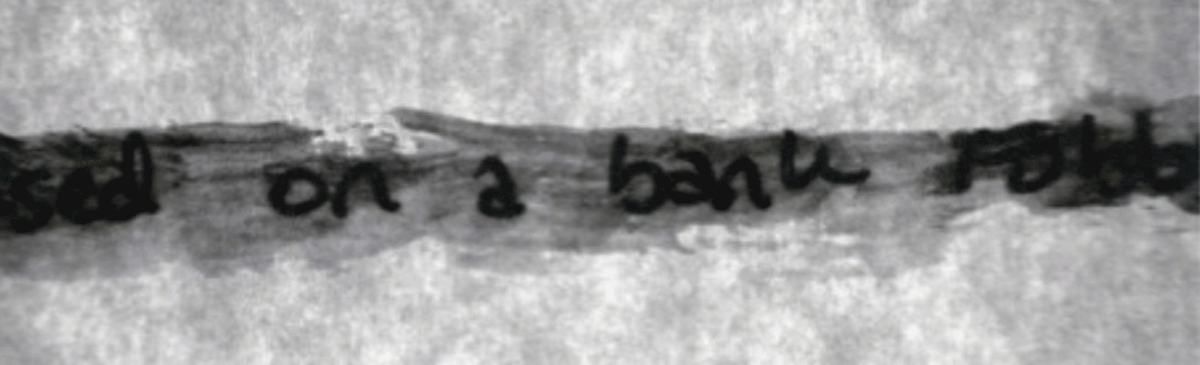
Figure 16
Uniball® gel-ink pen writing sample with correction fluid, viewed with the VSC® from the front. (Transmitted light, Longpass filter – 1000 nm)
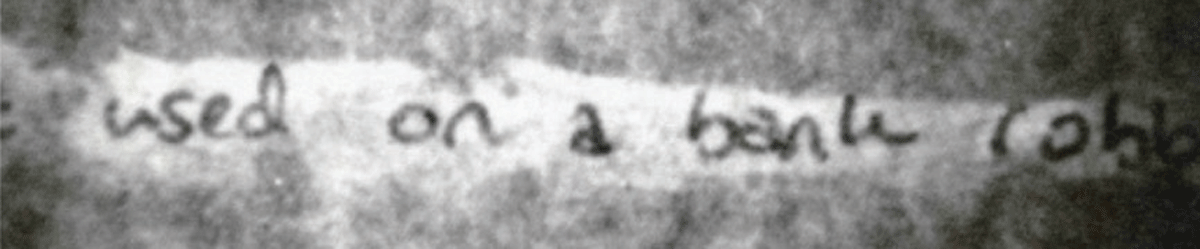
Figure 17
Uniball® gel-ink pen writing sample with correction fluid, viewed with the VSC® from the back and inverted. (Spot light – 445 nm-570 nm, Longpass filter – 645 nm, Red Component)