
Introduction
Permanently occupied mobile dwellings, including mobile homes and static caravans, represent a significant but often overlooked component of housing systems internationally. Although frequently classified as ‘temporary’ or ‘seasonal’ accommodation, many function as permanent residences. Across Europe, these dwelling types are poorly represented in official housing statistics and regulatory frameworks, creating a notable gap in both policy and research. In the UK, for example, at least 159,000 residential park homes are legally designated for permanent occupation, supporting an estimated population of over 200,000 residents (Johnston and Miles-Shenton, 2018). Similar patterns of partial visibility and regulatory ambiguity are evident elsewhere in Europe, particularly among marginalised groups such as Roma and Traveller communities.
The Energy Performance Certificate (EPC) system was introduced in response to the Energy Performance of Buildings Directive (EPBD) to assess and benchmark the energy performance of buildings across Europe (EU, 2002). EPCs not only function as an information and regulatory tool, but also as a gateway to financial support and investment. EPC methodologies were developed around a narrow conception of housing: permanent, site-built, masonry-dominant dwellings. As housing systems diversify through modular construction, manufactured housing, and hybrid forms of permanence, this assumption becomes increasingly problematic. Entire categories of occupied dwellings may remain outside certification frameworks, not because their energy use is insignificant, but because they do not conform to established regulatory definitions. Permanently occupied mobile homes provide a revealing example. Despite serving as year-round residences across several European countries, they are frequently classified administratively as ‘temporary’, excluding them from EPC assessment and from the datasets that inform energy and climate policy.
Ireland provides a clear case of this broader issue. Approximately 2,286 individuals who are members of the Irish Traveller community – an Indigenous ethnic minority formally recognised by the Irish State in 2017 and characterised by a distinct culture, language (Shelta), and long tradition of nomadism (Central Statistics Office, 2022; Gmelch, 1977) – live permanently in mobile homes, representing approximately 8% of the Traveller population in Ireland (see Figure 1).
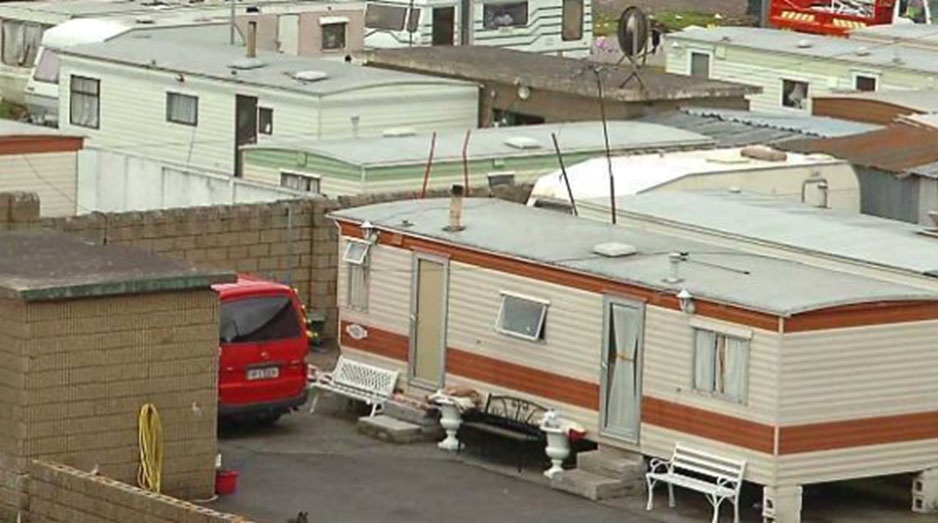
Figure 1
Typical halting site Source: ‘Irish Examiner’, Tue, 17 May, 2016.
Energy poverty, defined as the inability to secure adequate warmth and energy services at an affordable cost (Boardman, 2012), disproportionately affects the Irish Traveller community. Approximately 77% of Irish Traveller households are affected, compared with 27% of the general population. On average, Traveller households spend 26.1% of their income on energy, compared with 4.6% nationally, reflecting both lower incomes and higher fuel costs. Mobile home dwellers are significantly more likely to be unable to keep their homes adequately warm or to go without heating (National Traveller MABS, 2019). Reliance on expensive fossil fuels further intensifies the burden, while cold, poorly insulated dwellings increase costs and associated adverse health outcomes.
These persistent inequalities experienced by Irish Travellers are embedded within broad structural categories, including housing, health, education, and employment (Stamp, 2013; Stamp and Kearns, 2019). Poor housing quality and energy deprivation have been closely linked to negative health outcomes within the community. The All-Ireland Traveller Health Study reported mortality rates 3.5 times higher than those of the general population, alongside significantly reduced life expectancy (All Ireland Traveller Health Study Team, 2010a, 2010b). Such disparities highlight the wider social and health implications of energy-poor housing conditions.
As EPC assessments are legally required for the sale or rent of property, the rating operates as a regulatory and economic instrument linking performance measurement to market value, rental worth, green finance and public subsidy.
Ireland’s Climate Action Plan (Government of Ireland, 2025) targets large-scale energy upgrades across the residential sector – yet transitions toward low-carbon systems fail to address diverse dwelling types and cultures (Bouzarovski and Petrova, 2015; Newell and Mulvaney, 2013). In Ireland, the EPC assessment reflects the dominant morphology of the stock: permanent, regulated dwellings amenable to retrofit (Ahern and Norton, 2019). Mobile homes on the other hand, as per the Building Control Act 2006 (Government of Ireland, 2006), are not classified as permanent dwellings and are consequently excluded from EPC certification. Traveller mobile homes therefore occupy an anomalous position: physically present within the residential sector, yet administratively peripheral to legislation aimed at recognition and reform.
Against this backdrop, the central question of this paper is: How do existing Energy Performance Certificate (EPC) frameworks exclude permanently occupied mobile dwellings, and what are the implications of this exclusion for energy justice, retrofit policy, and Traveller communities in Ireland?
Addressing this question requires examining the links between certification, funding eligibility and decarbonisation planning. Rather than proposing a detailed technical alternative to existing EPC methodologies, or quantifying the full impact analysis arising from systemic exclusion (at both community and government-planning levels), the paper focuses on the immediate and observable consequences of the current EPC framework of permanently occupied Traveller mobile homes.
The novelty of this paper lies in reframing the exacerbation of energy poverty in Traveller mobile dwellings as a consequence of regulatory and certification systems that govern access to decarbonisation pathways. By demonstrating how EPC-based frameworks determine eligibility for retrofit support while excluding certain dwelling types within policy and modelling, the paper shows how institutional inequalities are reproduced within low-carbon transitions (Simcock et al., 2021).
Energy poverty within Traveller mobile homes cannot be understood in isolation from the historical development of Traveller accommodation policy and its relationship to wider systems of state housing provision and support. To examine these interconnections, this paper adopts a critical narrative synthesis that integrates diverse forms of evidence relating to the sustainability, regulation, and lived conditions of mobile homes within Irish Traveller communities.
Through this approach, the paper traces a continuous line between historical accommodation policy, contemporary regulatory classification, and present-day exclusion from energy certification and retrofit frameworks. It argues that energy poverty in Traveller mobile homes is not simply a technical or economic condition, but the outcome of institutional structures that shape visibility, eligibility, and participation within Ireland’s low-carbon transition.
Context: historical evolution of Traveller accommodation and housing policy
Nineteenth-century shared precarity
In the nineteenth century, poor housing conditions were widespread across Ireland. Connell (2013) documents overcrowded makeshift huts, poorly lit and heated dwellings and limited sanitation, affecting both settled rural populations and nomadic communities. During this period, material disparities between Travellers and the settled population were comparatively limited, as both experienced severe poverty and poor living conditions. However, the divergence between communities began when state intervention gradually improved housing conditions for sedentary households, which wasn’t reciprocated in equivalent measures for mobile dwellings.
Early twentieth-century divergence
State-led housing construction programmes expanded significantly in the early to mid-twentieth century. McManus (2025, 2019) shows that between the 1920s and 1940s tens of thousands of dwellings were built or supported by the state, with slum clearance and suburban estate development progressively raising housing standards for the settled population. Traveller families, however, were largely excluded from these initiatives. Nomadic lifestyles were frequently viewed as incompatible with settled housing culture, leaving many Travellers reliant on temporary encampments, roadside stopping places and other forms of informal shelter. Where attempts were made to encourage sedentary lifestyles, they tended to involve ad hoc and poorly integrated housing measures rather than inclusion within mainstream housing policy. Unsuccessful attempts at assimilation were made by initially providing some settled housing for Traveller communities, such as at St. Mel’s Park, Athlone, in the 1950’s, a development which is now demolished (Figure 2). The disparity in housing policy marked the beginning of divergences and segregation between communities, in housing security and access to state investment.
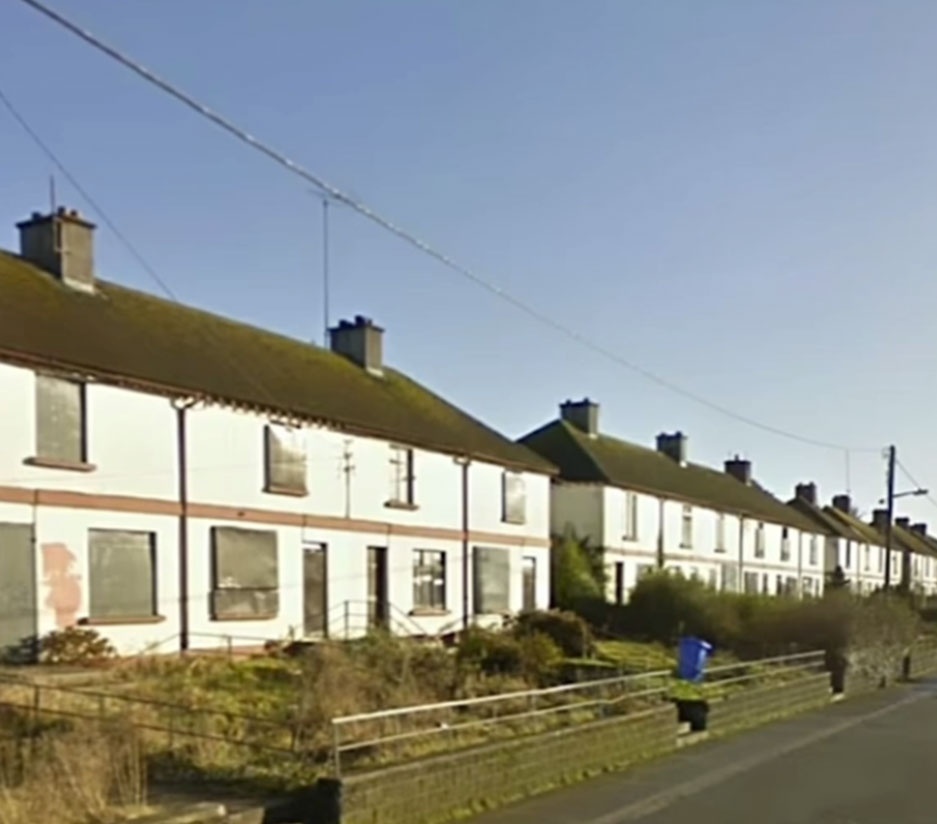
Figure 2
St. Mel’s Park, Athlone (now demolished). Source: www.TikTok.com @athlones.best.bit.
The 1963 Commission on Itinerancy, established in the mid-twentieth century, reinforced this trajectory by conceptualising Traveller mobility as a social problem to be resolved through settlement programmes. Halting sites were introduced as transitional arrangements, intended to provide basic serviced accommodation pending eventual integration into standard housing. Because these sites were conceived as temporary, they were planned and funded accordingly: amenities and site services levels were modest or none, building standards limited and long-term infrastructural development was constrained by the assumption that these were places facilitating short-term occupancy only (Stamp and Kearns, 2019). The reality over time, however, was that mobile dwellings on many halting sites became permanent homesteads without ever being fully incorporated into building regulation, local planning or, subsequently, energy regulation. Mobile homes were often incrementally modified by residents themselves, remaining materially and administratively outside the regulatory frameworks that structured Ireland’s broader housing modernisation and, later, its low-carbon transition.
Institutionalisation of marginal accommodation
Throughout the late twentieth century, Traveller housing policy oscillated between settlement initiatives and limited site provision. Although Traveller Accommodation Plans (TAPs) were introduced under the Housing (Traveller Accommodation) Act 1998, implementation on the ground has had limited success (Stamp and Kearns, 2019; Visser, 2018). Underspending of allocated budgets, local resistance and delays in delivery have been widely documented.
The Ombudsman for Children’s Office (OCO) identified overcrowding, inadequate sanitation and unsafe conditions across multiple halting sites (Ombudsman for Children’s Office, 2021). These findings demonstrate that the historical categorisation of Traveller housing as exceptional and transitional has translated into chronic infrastructural underinvestment and community segregation, with distinct implications for health and fair energy access.
When energy performance regulation expanded under EU directives in the 2000s, leading to policies for decarbonisation of all housing by 2050 (Office of the European Union, 2024), legislative oversight was limited to definitions of settled housing stock only. Mobile homes, already marginal within housing law, were not featured within new policy. The exclusion from EPC certification and support frameworks is the cumulative outcome of a century-long process of inadequate and ineffective outlooks targeting only standard notions of dwelling. Understanding contemporary energy exclusion therefore requires an approach capable of linking historical accommodation policy with present-day regulatory systems, sustainability objectives and lived material conditions.
Methodology
Approach
As outlined in the introduction, this study adopts a critical narrative synthesis to examine how regulatory frameworks shape the material conditions of energy use within Traveller mobile homes. The approach collates and integrates diverse forms of evidence relating to the sustainability of mobile homes within Irish Traveller communities. Preliminary scoping identified a significant under-representation of Traveller mobile homes within academic research. Consequently, the review incorporates statutory reports, regulatory reviews, and community-based evidence alongside scholarly literature.
Given the limited and fragmented nature of the peer-reviewed literature in this area, the review adopts a flexible methodological approach rather than the formal protocols associated with systematic review methods such as PRISMA. To ensure methodological robustness, non-academic sources were selected on the basis of independent oversight, institutional credibility, and evidence of formal review processes. Figure 3 illustrates the source selection process.
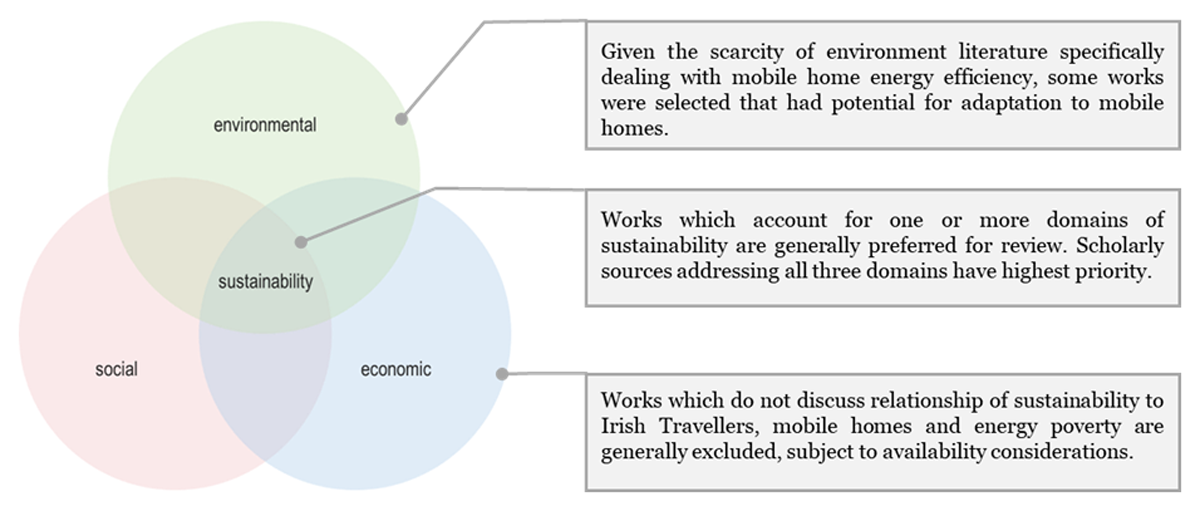
Figure 3
Integrated sustainability framework for analysing energy poverty in mobile dwellings.
The research interrogates the institutional, legislative and policy structures that determine whether such dwellings can participate in Ireland’s energy transition. The methodological aim therefore focuses on how regulatory omission influences access to energy efficiency, retrofit investment and infrastructural improvement.
A set of research objectives guide the analysis and are as follows:
Undertake historical review and analysis of Traveller accommodation policy.
Review Irish energy regulation and certification frameworks with respect to mobile homes.
Review literature discussing mobile dwelling sustainability and energy poverty within economic, social and environmental domains.
Analyse the findings within holistic sustainability targets and the national decarbonisation programme.
The third of these objectives (Figure 3) is supported by a tripartite sustainability model which is used to organise and analyse the literature across three interrelated dimensions:
Economic: access to finance, lifecycle costs, and distribution of retrofit investment.
Social: health outcomes, overcrowding, and wellbeing impacts in fuel-poor mobile homes.
Environmental: fuel dependence, retrofit feasibility and integration, if any, into national decarbonisation strategies.
This framework allows interdependencies between poverty, infrastructure and environmental performance to be analysed simultaneously. Crucially, the framework also enables the study to trace how regulatory exclusion operates across all three sustainability dimensions simultaneously, thereby maintaining a continuous analytical focus between policy formation, material conditions in mobile homes and decarbonisation outcomes.
The methodology incorporates analysis of the economic and policy contexts shaping access to decarbonisation supports, retrofit opportunities, and energy-related subsidies. In doing so, it examines how the exclusion of mobile homes from existing regulatory frameworks constrains participation in Ireland’s low-carbon transition among Traveller communities. Integrating political, social, and economic perspectives enables a broader assessment of how dwelling classification and regulatory scope influence energy vulnerability and policy inclusion.
The review of evidence was conducted through a staged process involving source scoping, selection, collation, and thematic synthesis across both academic and non-academic materials (Figure 4).
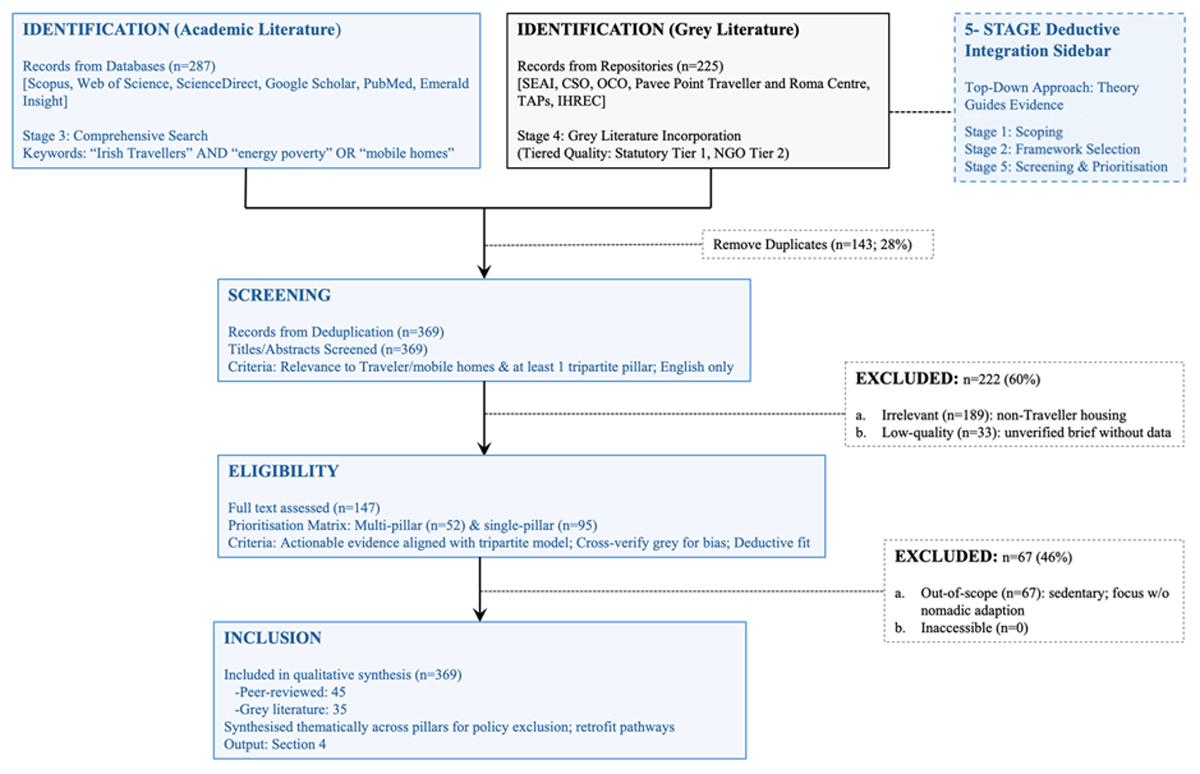
Figure 4
Flowchart illustrating the sourcing, screening and selection of literary sources.
Stage 1: Scoping
The initial scoping stage established the focus on Irish Travellers in mobile homes and halting sites as the primary unit of analysis. Preliminary searches revealed a scarcity of academic engagement, highlighting a need to draw upon government publications and reports.
Stage 2: Academic literature search strategy
A systematic search of academic databases, including Scopus, Web of Science and Google Scholar identified relevant peer-reviewed literature. Search strategies deployed combinations of keywords including: “Irish Travellers,” “mobile homes,” “halting sites,” “energy poverty,” “sustainability,” “retrofit,” “building performance,” and “housing inequality.” The searches were refined using the Boolean operators AND/OR. For example, the following terms were deployed: “Irish Travellers” AND “energy poverty”; “mobile homes” AND “retrofit.” Searches were limited to English-language publications, but no temporal restrictions were imposed on historical and contemporary evidence. This enabled a survey of the evolution of Traveller housing from the Commission on Itinerancy (1963) through to present-day policy debates (Government of Ireland, 1963; National Traveller MABS, 2019; Ombudsman for Children’s Office, 2021). Searches of reference lists of key papers identified additional sources not captured in the initial searches.
Stage 3: Supplementary sources
Given the paucity of peer-reviewed research directly addressing Traveller mobile homes, other literature was systematically incorporated into the review, which included:
NGO reports, including that of the Irish Traveller Movement, which critiques TAPs and monitors their implementation.
Statutory reports, including those from the Irish Human Rights and Equality Commission (IHREC), which provide independent assessments of accommodation standards.
Government and agency publications, such as from the Economic and Social Research Institute (ESRI), and the Sustainable Energy Authority of Ireland (SEAI), which provide insights into energy use and retrofit policy.
These sources assisted evidence collection on accommodation realities and energy performance in Traveller mobile dwellings. Their inclusion compensates for the limited peer-reviewed base and captures the lived realities of communities whose circumstances are often invisible within conventional datasets.
Stage 4: Screening, inclusion, and prioritisation
All identified studies and reports were screened against explicit inclusion and exclusion criteria. Inclusion criteria required that sources: (i) addressed Irish Travellers or comparable nomadic/marginalised populations; (ii) related to housing, energy poverty, health, or sustainability; and (iii) contributed evidence to at least one of the three sustainability pillars, with preference given to treatments including all three pillars. Exclusion criteria included: studies focusing solely on sedentary housing without relevance to Travellers; general housing/energy studies lacking cultural or socioeconomic context; duplicate material; and non-English sources.
The final dataset comprised peer-reviewed studies (n = 45) and grey literature reports (n = 35), together providing a sufficiently broad and triangulated foundation to interrogate the research question.
Limitations
This study adopts a qualitative, policy-oriented and sustainability-based analytical approach. While it draws upon national datasets, survey findings and documented policy reviews, data availability, especially in energy consumption, is largely unavailable.
While the study identifies the need for equivalent energy assessment mechanisms tailored to mobile homes, it does not propose a detailed technical blueprint. The objective is to interrogate historic, financial and environmental exclusion rather than to design engineering solutions.
Despite these limitations, the interdisciplinary methodology employed is appropriate for highlighting how regulatory categorisation, policy design and capital allocation determine dwelling energy behaviour and consumption.
Results
Results are framed within a tripartite sustainability framework in order to demonstrate how exclusion from certification systems produces interconnected economic, social and environmental consequences.
Economic dimensions of exclusion
Traveller communities in Ireland experience persistent economic disadvantage. Relative to the settled community, national surveys record high unemployment levels and informal occupations (RSM, 2017; Stamp and Kearns, 2019). The low rates of income and financial security mean less ability to absorb increasing energy costs. A 2023 Survey on Income and Living Conditions (SILC) indicates that a notable proportion of Irish households report difficulty keeping homes adequately warm (Central Statistics Office, 2023). These findings were also reported in Traveller mobile dwellings by Stamp and Kearns (2019) and National Traveller MABS (2019), where households were seen to face challenging conditions due to lower median incomes and larger household sizes (RSM, 2017).
However, income alone – nor even the proportion of income spent on energy – does not explain energy vulnerability and high energy poverty (Boardman, 2012). Energy burden, considered as an amalgam of low means and energy inefficient dwellings – provides a more revealing measure. Thermally inefficient mobile homes within inadequately serviced halting sites constrain families with little choice but to resort to high-cost heating fuels such as bottled gas and solid fuel, locking in energy-related poverty.
Energy inefficiency within mobile homes necessitates investment in energy refurbishment. While poor insulation, single-glazed windows and high air leakage rates increase fuel use and expenditure on an everyday basis, retrofit of dwelling elements requires additional capital expenditure. With few supports and incentives available in terms of appreciable assets, subsidies or loans, mobile homes are rarely retrofitted, in whole or in part.
While settled homeowners avail of state grants to upgrade and insulate, increasing return on investment and reducing whole life operational costs, existing factory-assembled Traveller mobile homes are rapidly depreciating assets. In the long-term, economic disparity has increased through accumulated value and marketability of upgraded and maintained sedentary dwellings, in stark opposition to the economic stagnation and depreciation evident in poorly equipped mobile homes.
Ireland’s Climate Action Plan (Government of Ireland, 2025) targets large-scale retrofit of the national residential building stock, positioning it as central to decarbonisation and sustainability goals. Public subsidy programmes have been developed to support this effort and represent one of the largest redistributive state interventions in the housing sector. However, these programmes are focused on sedentary dwellings only, undermining efforts at a comprehensive green transition, while extra state expenditure is incurred via avoidable and inequitable health and education costs. A holistic and equitable transition requires that efficient allocation of economic initiatives and funding do not reinforce historic patterns of exclusion, affecting community access to cross-sector state supports.
Social and health dimensions of exclusion
Energy poverty is not limited to concerns that are economic or emissions-related, but manifests in social inequalities and poor health, especially prevalent among Travellers in mobile dwellings. In the Traveller community, morbidity and mortality rates remain disproportionately high. Census data shows little improvement over recent decades, with incidence of respiratory and cardiovascular conditions remaining high. Poor dwelling conditions, including cold, dampness, and overcrowding, are consistently associated with poor health outcomes (All Ireland Traveller Health Study Team, 2010a, 2010b; Ballesteros-Arjona et al., 2022; Mohan, 2021; Quirke et al., 2022).
Strategies such as limiting heating to specific times and rooms are coping mechanisms in mobile homes noted by researchers (National Traveller MABS, 2019; Stamp and Kearns, 2019) but these measures severely compromise basic health, comfort and wellbeing. Research has connected inadequate heating and health impacts, such as respiratory illness, cardiovascular stress and mental health (Ballesteros-Arjona et al., 2022). For children, overcrowded and cold environments can affect sleep quality, personal development and educational performance (Mohan, 2021).
Mental health outcomes also reflect cumulative burden arising from these social inequities. Ballesteros-Arjona et al. (2022) and Sovacool and Furszyfer Del Rio (2022) document higher levels of depression, anxiety, and low self-esteem among Travellers experiencing energy poverty, describing it as one of the most severe manifestations of social injustice within European energy systems.
The current location and under-serviced halting sites in Ireland underline social disadvantage and community segregation. The situation is not helped by the marginalisation brought about by local opposition to Traveller sites, reinforcing cycles of inadequate energy infrastructure provision, discriminatory housing and site allocation practices (RSM, 2017; Visser, 2018). Isolation and segregation coupled with overcrowded living conditions and energy-poor infrastructure have drawn criticism from further afield, such as in European studies critical of the substandard outcomes (European Environmental Bureau, 2024; Schwab, 2024).
Such exclusion has physical and mental consequences. When dwelling forms are not formally categorised within national certification systems and climate targets, they are automatically excluded from funding and planned investment, perpetuating stigmatisation and marginalisation.
Environmental and decarbonisation dimensions of exclusion
The current limited infrastructural capacity and impermanent tenure constrain Traveller adoption of heat pumps and other efficient, electrified systems. Instead, mobile homes on halting sites – where data is available – frequently must rely on bottled gas, solid fuel or direct electric heating. The dependence on fossil fuels increases carbon-intensive consumption, but accurate data quantifying the consequent high emissions in mobile homes remains scarce. Indeed, despite the requirement for regular surveys and TAPs to be provided by local authorities, accurate data collection is noted as a challenging enterprise (Cork County Council, 2024).
The SEAI (2022) report indicates that Ireland’s residential sector remains significantly dependent on fossil fuels, though electrification is expanding, whereas mobile dwellings lag even further behind, given the evident high rates of energy poverty and use of fossil fuels (Stamp and Kearns, 2019).
In mobile homes, lack of structural foundations, lightweight construction, and limited wall and roof scope for reconfigurations restrict the addition of insulation and renewable energy. Existing, inadequate electrical site connections also constrain the installation of air-water heat pumps.
However, technical constraints alone do not fully describe the extent of dwelling-type exclusion. The current regulatory environment assumes permanent, legally approved building types. The absence of a tailored assessment tool means that even where technical improvements are feasible and/or carried out, they remain undocumented and unquantified, while lacking recognition via certification and validation.
In the drive towards carbon neutrality, with the associated expansion and rollout of penalising tariffs and costs associated with fossil fuel consumption, the households most in need – which are those unable to switch fuel types – face further hardship. Without access to subsidised decarbonisation pathways, such as clean electricity, the energy-cost burden in Traveller mobile homes is intensified.
This dynamic is incompatible with concepts of climate justice: decarbonisation and use of clean electricity is likely to advance in coming years, but while reinforcing disparities and inequities in relation to the experience of marginalised and disenfranchised Traveller communities (Bouzarovski and Petrova, 2015; Newell and Mulvaney, 2013).
Legislative strategies for equitable sustainability are clearly absent in such social and environmental disparities. Inclusion within ambitious government climate targets, where urgent adoption of an equivalent energy rating system for Traveller mobile homes is a necessary first step, is a high priority target towards removing disparities and more accurately reflecting the true picture of carbon emissions in dwellings nationwide.
Summary of findings
Three principal findings emerged from the review. Collectively, these findings demonstrate that historically, marginalisation of accommodation types and contemporary certification systems underpinning community exclusion are structurally connected processes rather than separate policy issues. First, Traveller mobile homes remain systematically excluded from Ireland’s EPC-based energy certification structures. Second, this exclusion generates interconnected economic, social and environmental disadvantages. Third, importantly, the omission of mobile homes from certification datasets creates structural blind spots within national decarbonisation planning and emissions accounting. The latter point is generalisable to national decarbonisation programmes and is elaborated further below.
Two more secondary findings are as follows: historical accommodation policy created the conditions for contemporary energy exclusion; and, in view of the foregoing findings, Ireland also risks developing a dual-speed energy transition. The principal findings are elaborated below.
Finding 1
Traveller mobile homes are systematically excluded from Ireland’s EPC-based energy governance framework. The observable evidence includes:
mobile homes are excluded from EPC certification
EPC certification governs access to retrofit funding
grant eligibility depends on certifiable dwelling status
mobile homes therefore cannot meaningfully participate in retrofit pathways
Finding 2
This exclusion produces interconnected economic, social, and environmental disadvantages, as evidenced in the following:
Economic
exclusion from grants/subsidies
long-term depreciation of mobile homes
lock-in to high-cost fossil fuels
inability to realise home asset value without retrofit supports
Social
constrained heating practices
health impacts
overcrowding-related harms
exclusion from infrastructural investment
Environmental
continued fossil-fuel dependence
inability to electrify
absence from emissions datasets
inability to measure retrofit improvements
Finding 3
Exclusion creates structural blind spots within national decarbonisation planning, made clear in the following:
national retrofit modelling depends on EPC datasets
uncertified dwellings are absent from baseline accounting
emissions trajectories therefore become incomplete
decarbonisation success may be overstated
Discussion
The review demonstrates that energy poverty in Traveller mobile homes cannot be adequately explained by low income or dwelling inefficiency alone. Its persistence is structured by a regulatory system that determines which dwellings can be assessed, which households can access public investment, and which communities are visible within national decarbonisation planning. This section draws together the economic, social and environmental dimensions of that exclusion and analyses their interdependencies. Read together, the findings reveal a consistent pattern in which historical definitions of Traveller accommodation continue to influence present-day regulatory visibility, access to decarbonisation supports and inclusion within national sustainability planning.
Structural exclusion underlying regulatory system
Reference to ‘structural exclusion’ of Travellers in mobile homes is highlighted as a situation significantly contrasting with the central commitment underlying the UN Agenda for Sustainable Development, i.e. Leave No One Behind (United Nations, 2015; United Nations System Shared Framework for Action, 2017; United Nations Committee for Development Policy, 2018).
In alignment with UN goals, research (Crowley and Kitchin, 2015; McArdle, 2021) has called for more participation and communication between communities, as a means of addressing increasing disparities in sustainability and affordable energy (Sovacool and Furszyfer Del Rio, 2022). Similarly, productive participation between communities is not just a process aimed at climate justice but is here noted as a social end in and of itself. Analysis of the current situation, however, reveals a lack of cross-community participation (McArdle, 2021; Sovacool and Furszyfer Del Rio, 2022; Visser, 2018), which is also clear in the longstanding shortage of political representation of specific Traveller community interests (The Irish Traveller Movement (ITM), 2020).
Energy policy and regulation in Ireland is organised around measurable performance. Ireland’s EPC scheme provides the metric through which residential energy efficiency is assessed, categorised and improved. Certification enables dwellings to enter a pipeline linking performance assessment to remedial subsidies (SEAI, 2022).
But climate justice demands that government decarbonisation plans must address historical inequities rather than reproduce exclusionary practices (Bouzarovski and Tirado Herrero, 2017; Newell and Mulvaney, 2013). The current regulatory gap risks repeating historical exclusion and associated energy poverty traps, while also failing to meet prospective low-carbon emissions targets within and consequently beyond the community.
The upshot is that only dwellings which can be modelled, rated and recertified can formally participate in national retrofit programmes. From an energy governance and long-term planning perspective, this has profound implications. National retrofit targets are expressed in terms of the numbers of EPC upgrades and aggregate improvements as a proportion of previously assessed and rated housing stock (Essien-Thompson et al., 2026). Carbon reduction reporting relies on measurable performance improvements derived from comprehensively assessed data. Thus, the national EPC database forms part of Ireland’s evidential basis for tracking ongoing compliance with EU climate obligations.
Certification, decarbonisation and underestimation
EPC assessment is linked to the subsidies, retrofit passports and procurement protocols currently driving Ireland’s ambitious decarbonisation programme, whereby all dwellings, both existing and new, must be carbon neutral by 2050. To this end, the SEAI administers a suite of grant schemes supporting insulation upgrades, heat pump installation and deep retrofit packages. Eligibility criteria typically require EPC assessments before works have commenced, to establish a baseline for tracking future energy performance improvements, where these post-retrofit improvements are also subject to EPC recertification. Grants are calibrated to expected energy savings and carbon reductions (SEAI, 2022).
In effect, therefore, a dwelling must first be measured and rated to qualify for funding and support. Without an initial EPC assessment, access to supports and finance is blocked. Critically, in the ongoing green transition, the current challenges and barriers relating to retrofit of Traveller mobile homes risk permanently establishing inaccessible certification routes and regulatory control.
Ireland’s Climate Action Plan contains ambitious residential retrofit targets, expressed in terms of progressively upgrading a specified numbers of homes to B2 or equivalent standards (Government of Ireland, 2025). Progress reporting relies upon temporally aggregated EPC data to quantify emissions reductions. Consequent carbon savings are thus modelled based on improvements made possible by tracked and recorded updates (Essien-Thompson et al., 2026).
The targets align with the EPBD and the EU Green Deal (EU, 2020; Office of the European Union, 2024). Measurement, verification and reporting thus form the backbone of climate compliance. National decarbonisation strategies depend upon realistically simulating the residential sector as a quantifiable but dynamic energy system. Emissions trajectories are projected based on assumptions about dwelling numbers, energy performance levels and retrofit uptake rates (Essien-Thompson et al., 2026).
Where mobile homes are absent from certification databases, they are de facto partially or wholly excluded from decarbonisation programmes. And even where energy efficiency measures take place, the subsequent improvement potential is unmeasured and untracked.
Critically, this omission has two interrelated consequences. First, it narrows the perceived scope of the residential decarbonisation challenge. Where particular dwelling categories are absent or underrepresented in baseline datasets, policy may underestimate the scale and distribution of interventions required for comprehensive inclusion. Second, it distorts outcomes. Ireland’s decarbonisation programme requires certifiable housing stock. Uncertifiable dwellings which are excluded from remedial pathways, including mobile homes, demonstrate an uneven allocation of benefits.
Over time, these effects from regulatory omission lead to underestimation of decarbonisation targets. Housing retrofit programmes that omit non-standard dwellings embed structural blind spots within national transition strategies. Inclusion within assessment frameworks is not merely symbolic, but essential for accurate and equitable decarbonisation planning.
Sustainability, exclusion and disparity
Economic, social and environmental facets of sustainability are clearly interdependent, evident in the case of Traveller mobile homes. Economic exclusion from retrofit grants intensifies social vulnerability and perpetuates environmental inefficiency. Environmental policy designed without community recognition and representation produces uneven economic prospects and socially biased progress.
Macro-sustainability therefore requires institutional coherence and, critically, community sensitivity and cross-cultural collaboration and communication. This suggests energy regulation and policy formation should accommodate diverse dwelling typologies and community interests to prevent stratified pathways and one-sided sustainability.
Ireland’s retrofit strategy constitutes a significant public investment programme which the literature has shown to both enhance property value and reduce long-term energy expenditure, increasing whole life cost benefit. But such benefit is restricted to regulatory-compliant sedentary dwellings only.
Energy justice scholarship, on the other hand, emphasises the need for the visibility and political representation of diverse groups and dwelling forms for socially just systems (Walker and Day, 2012). Analysis of the present situation and the lack of a sensitively tailored energy policy (Joyce, 2021), however, indicate that the specific interests of Traveller mobile homes are inadequately integrated within national sustainability goals and residential decarbonisation targets.
Ireland’s Climate Action Plan emphasises rapid decarbonisation of the residential sector (Government of Ireland, 2025, 2020). Access to new electric-based heating technologies, insulation upgrades and renewable energy sources are required to meet the planned targets. But without community-sensitive, tailored assessment tools and infrastructural upgrading, Traveller mobile homes remain locked into carbon-intensive energy use. With future carbon pricing models, financial strain will be felt by those most vulnerable. The disproportionately high rates of energy poverty in mobile homes suggest attention must be redirected. Indeed, requirements in the EPBD (Office of the European Union, 2024) – that the worst-performing homes must be first targeted and upgraded – requires induction and integration into mainstream policy, of the hitherto sidelined reality of poorly performing mobile homes on underserved halting sites.
If certification remains restricted to conventional housing stock, Ireland risks consolidating a two-tier residential energy system: upgraded, electrified, asset-enhanced housing on the one hand, with marginalised, fossil-dependent, uncertified mobile dwellings on the other. Such two-tier programmes contradict principles of just transition, severely tarnish claims of holistic transition and undermine the accurate quantification of reported national decarbonisation modelling (United Nations, 2015; United Nations Committee for Development Policy, 2018).
Recommendations
The recommendations which follow are each linked to the findings which emerge from this paper, as shown in Table 1.
Table 1
Recommendations as linked to the findings.
| FINDING | RECOMMENDATION |
|---|---|
| EPC exclusion | equivalent assessment framework |
| infrastructure deficits | site-level upgrades |
| absence from datasets | dwelling-type disaggregation |
| lack of participation | democratic participation at government level |
The findings indicate that structural exclusion from energy certification systems functions as a material determinant of economic burden, social vulnerability and environmental inefficiency within Traveller mobile homes. Addressing this exclusion requires institutional reform across regulatory, financial and infrastructural domains.
A primary recommendation is the development of an equivalent energy assessment mechanism tailored to mobile homes and other non-standard dwellings. Such a framework need not precisely replicate the mainstream EPC, but, in keeping with the aims of dwelling decarbonisation, it should retain the following:
Establish a recognised, normalised performance benchmark for mobile homes.
Enable eligibility for retrofit and renewable grant schemes.
Integrate with national carbon accounting systems.
Provide administrative visibility within energy datasets.
Importantly, this recommendation does not propose a separate parallel system that reinforces segregation. Rather, it calls for an inclusive and integrated framework capable of integrating diverse dwelling typologies and idiosyncrasies into national energy governance and monitoring programmes.
Current retrofit grant criteria are structured around conventional, fixed housing compliant with permanent building regulations. Eligibility conditions should be reviewed to ensure that mobile homes located on transitory sites are not excluded by default but incorporate realistic and equitable opportunity.
Where technical adaptations are required – such as insulation methods suited to lightweight construction – guidance should be developed collaboratively and with cultural sensitivity between engineers, local authorities and Traveller representatives.
Public decarbonisation and dwelling investment plans must therefore learn from and avoid reproducing historical accommodation inequalities. In this sense, TAPs should be explicitly aligned with Ireland’s Climate Action Plan. Site-level infrastructure upgrades and funding allocation – including upgraded electrical capacity, safe distribution systems and renewable readiness – should form part of introduced material benefits and energy reform. Coordinated action between government, housing authorities and energy agencies is required to prevent dual-speed transition and inequitable outcomes.
Even where certification mechanisms are expanded, financial barriers may limit uptake. Policies should be based on fair representation and cultural collaboration between communities. As proposals for such consultative collaboration, these policies might include: low-interest retrofit financing models; grant structures minimising excessive financial burden; targeted support for households experiencing energy poverty. Importantly, unintentional privilege of already advantaged households should be avoided in equitable energy grants systems.
National monitoring of energy poverty should incorporate dwelling-type disaggregation and, where ethically appropriate, Traveller status indicators. Improved visibility alongside cultural inclusion and collaboration enhances accountability and informs targeted intervention.
Conclusion
This paper has examined how the exclusion of Traveller mobile homes from Ireland’s EPC framework reproduces energy inequality within the national low-carbon transition. While EPC systems are commonly presented as technical mechanisms for measuring building performance, the findings demonstrate that certification also functions as a regulatory gateway governing access to retrofit funding, decarbonisation supports and policy visibility. Dwellings excluded from certification consequently remain excluded from many of the material benefits associated with the green transition.
The review demonstrates that this exclusion extends beyond technical assessment alone. Traveller mobile homes remain largely absent from national retrofit pathways, emissions datasets and wider decarbonisation modelling, despite evidence of persistent energy poverty, fossil-fuel dependence and poor dwelling conditions. In this context, energy vulnerability is shaped not solely by low income or inefficient housing fabric, but by institutional systems determining which dwelling forms are formally recognised within energy governance structures.
The findings further suggest that current retrofit and climate strategies risk producing an uneven transition in which standardised, certifiable housing stock progressively benefits from public investment, electrification and improved energy performance, while non-standard dwelling types remain administratively peripheral. Such outcomes raise wider questions concerning the capacity of existing energy policy frameworks to accommodate housing diversity and culturally distinct forms of habitation within national sustainability planning.
Addressing these disparities requires more inclusive approaches to certification, retrofit eligibility and infrastructural provision. Developing an equivalent energy assessment mechanism for mobile homes would represent an important first step towards improving visibility within national energy datasets and enabling more equitable participation within decarbonisation programmes. More broadly, the paper highlights the need for climate policy to engage not only with emissions reduction targets, but also with the social and institutional structures that shape access to low-carbon futures.
Ultimately, a transition that excludes particular dwelling forms and communities from its core regulatory and investment frameworks cannot be considered fully comprehensive, equitable or just.
Additional File
The additional file for this article can be found as follows:
PowerPoint Slides
PowerPoint Slides relating to this article. URI: https://eceeeproceedings.org/articles/23/files/6a5105e039b3e.pptx
eceee Paper ID
1-264-26