
1. Introduction
Hydrogen is gaining significant and rapidly growing attention across Europe and globally. Hydrogen can be used as a feedstock, fuel, or energy carrier, with diverse applications in sectors such as industry, transport, power generation, and buildings. One of hydrogen’s most important advantages is that it produces no CO2 emissions and minimal air pollution when used, making it a key solution for decarbonizing sectors where emission reductions are both urgent and difficult. As such, hydrogen plays a vital role in supporting the European Union’s (EU) goal of achieving carbon neutrality by 2050, and contributes to the global efforts to meet the Paris Agreement targets and move toward a zero-pollution future (European Commission, 2020, p. 1). The EU has set an ambitious goal to increase both domestic production and imports of renewable hydrogen to 10 million tons each by 2030 (European Commission, 2022, p. 7). By integrating hydrogen produced from renewable sources, the EU aims to significantly reduce greenhouse gas emissions across key sectors such as industry, transport, and power generation. This transition not only supports the EU’s climate objectives but also strengthens energy security by reducing dependence on imported fossil fuels, which are vulnerable to geopolitical tensions and market volatility (Casanova, 2024, p. 194).
To fully realize the benefits of hydrogen, both for the energy sector and supply security, a well-functioning regulatory framework is essential (Casanova, 2024; European Commission, 2020). However, integrating new technologies like hydrogen presents significant challenges, particularly in adapting existing regulations (Reins, 2019). In literature, this relationship is typically described as a ‘pacing issue’, where the regulatory framework is lagging behind technical innovation, which results in a reactive, rather than proactive, framework (Marchant, Allenby, and Herkert, 2011; Pailman, 2024). This is especially evident in the environmental permit process for new types of operations, where issues such as risk assessment (e.g., determining the degree of hazardousness) and defining the best available technique (BAT) are complex and often unclear. Pailman (2024) highlights that risks related to hydrogen safety may not be appropriately mitigated if standards and regulations are outpaced by technological developments. Subsequently, the pacing problem can affect how safety standards are applied to renewable and low-carbon fuels. When regulations develop more slowly than technologies such as renewable and low-carbon hydrogen, some safety risks may not be addressed in time. This delay can leave gaps in procedures and increase the likelihood of incidents during early adoption.
For hydrogen applications, the absence of a coherent regulatory framework contributes to uncertainty and costs, which can seriously hinder investment (Pinto, 2024). It also risks undermining technical neutrality and creating path dependencies that limit future innovation (Marchant, Allenby, and Herkert, 2011). As Morán (2024) notes, hydrogen produced via electrolysis is currently favored over other alternatives, potentially stifling broader technological development. The European Clean Hydrogen Alliance (2022) echoed these concerns, pointing out that hydrogen has traditionally been linked to chemical and fossil-based processes. As a result, there is still no comprehensive regulatory framework for the production, transportation, storage, or use of clean hydrogen, and national legislation often lacks clear classifications for different hydrogen applications (European Clean Hydrogen Alliance, 2022). The current regulatory framework is also challenged by a lack of knowledge about new technologies, particularly regarding their environmental impact. This uncertainty affects the ability of authorities to effectively regulate and supervise emerging activities. A general lack of experience and competence among both regulatory bodies and local stakeholders can further slowdown the permit process (Morán, 2024; Talus, Gallegos, and Pinto, 2024). To support a more resource-efficient transition to fossil-free and renewable energy, especially hydrogen, the EU has called for the establishment of ‘renewables acceleration areas’ and a general streamlining of permit procedures to eliminate unnecessary administrative burdens (European Clean Hydrogen Alliance, 2022).
The study aims to critically examine the Swedish environmental permit process in the context of large-scale hydrogen applications, with a particular focus on the challenges posed by regulatory uncertainty, technological novelty, and lack of established standards. Specifically, the study investigates how the permit system handles new and potentially hazardous technologies, where limited prior knowledge and experience exist, and where analogies to existing operations are insufficient. Ultimately, the study seeks to identify regulatory bottlenecks and propose improvements that could facilitate sustainable investments in hydrogen technologies without compromising environmental protection. To achieve this, the study employs a mixed-methods approach, combining quantitative data from surveys targeting key actors in the hydrogen industry and relevant authorities and qualitative legal analysis of the regulatory framework and case law. While the analysis is grounded in the Swedish context, the questions examined—such as how permitting systems adapt to emerging technologies, manage uncertainty, and balance innovation with safety—are highly relevant in a broader international perspective. Many jurisdictions face similar challenges as they seek to enable large-scale hydrogen deployment under evolving regulatory frameworks. Insights from this study can therefore contribute to comparative discussions and inform best practices beyond Sweden.
1.1 Methodology
The study surveyed 100 actors active in the hydrogen sector, selected using a combination of convenience sampling and snowball sampling to ensure a diverse representation in terms of size, specialization, and geographic location. A structured questionnaire was designed to capture the actors’ perceptions of the current legal framework governing hydrogen development. The survey was distributed electronically via email, with a response window of approximately five weeks. To encourage participation, follow-up reminders were sent three weeks after the initial distribution. A total of 30 actors responded, resulting in a response rate of 30%. Given that the study aimed to capture the perspective of the association rather than individual employee views, this response rate is considered sufficient for meaningful analysis (Memon et al., 2020). A quantitative approach was used to analyze the survey data. Responses were summarized using mean values, which are appropriate for ordinal and interval scale items, such as Likert-type questions (e.g., 1 = Strongly Disagree to 5 = Strongly Agree). This method allowed the study to assess central tendencies and identify general patterns in stakeholder perceptions.
The survey results will serve as a foundation for future in-depth interviews, helping to identify key themes and areas of interest for further exploration. These insights will inform the development of interview questions and ensure that the qualitative phase of the research focuses on the most relevant and impactful issues within the hydrogen sector (Rentto, 1996).
2. The environmental legal framework for hydrogen applications in Sweden
The legal framework governing hydrogen applications in Sweden varies depending on the nature of the activity. Applications involving industrial operations, such as hydrogen production facilities, pipelines, or storage installations, are all primarily regulated under the Swedish Environmental Code (Miljöbalken). Even when other legislation, such as the Pipeline Act or the Seveso Act (1999:381), is the main regulatory instrument, the Environmental Code often remains partially applicable, particularly in relation to environmental impact and permitting.1
To understand the complexity of Swedish environmental law, it is helpful to briefly consider the origins of the Environmental Code. Drafted during the 1990s and adopted in 1998, the Code consolidated numerous environmental statutes, including the Water Act and the Environmental Protection Act, with the overarching aim of promoting sustainable development. This includes protecting human health and the environment from pollution and other harmful effects (Chapter 1, Sections 1–2, Environmental Code).
While the Code introduced new regulatory tools, such as environmental quality standards, its core mechanism for controlling environmentally hazardous activities remains the permit requirement, which mandates prior approval before operations can begin. The permit process activates several substantive legal provisions, including rules on land and water use and the general rules of environmental consideration. These provisions help internalize environmental externalities, applying the Polluter Pays Principle and requiring operators to prevent or minimize harm to health and the environment.
For individual hydrogen projects, the substantive rules require that the activity be located in a place that is ‘best suited from an environmental perspective’ (Chapter 2, Section 6). The land-use assessment also involves balancing the benefits and drawbacks of the proposed activity against other potential uses of the land. In cases of competing land interests, priority should be given to uses that represent sound overall management (Chapter 3, Section 1), meaning those that contribute most effectively to economic development, social well-being, and environmental sustainability. The general rules of consideration in the Swedish Environmental Code also include requirements for knowledge, precautionary measures, and resource management, and codify key principles such as the precautionary principle, the polluter pays principle, and the use of BATs. Operators must demonstrate sufficient knowledge to carry out activities in a way that minimizes risks to human health and the environment, and implement necessary protective measures (Chapter 2, §§ 1–5, Environmental Code). Under the precautionary principle, even the risk of harm is enough to trigger these obligations (Science for Environmental Policy, 2017).
For professional activities, the use of BAT is mandatory, requiring operators to apply the most effective technologies and methods available to reduce environmental impact. This ensures continuous improvement and innovation in environmental protection. Additionally, operators are required to monitor and report on environmental performance, including emissions, waste, and resource use, to ensure compliance and identify areas for improvement (Swedish Government Bill, 1997; Michanek and Zetterberg, 2025).
The specific requirements imposed on an activity depend on its environmental impact at the chosen location and are determined case by case. While this introduces a degree of unpredictability, it also allows for necessary flexibility, as the regulatory response must reflect the actual external effects of the activity. In the context of hydrogen development, limited knowledge about specific technology often leads to stricter safety and protective requirements. Although comparisons with similar activities can offer guidance, the unique nature of each case limits the applicability of analogies (Pettersson and Söderholm, 2019; Söderholm et al., 2021). These challenges are not unique to hydrogen; they also affect established industrial activities. However, for new technologies, such as hydrogen applications, the lack of precedent and regulatory clarity tends to amplify uncertainty, prolong permit processes, and increase unpredictability (Pettersson and Söderholm, 2019; Pettersson and Söderholm, 2022).
Another challenge for industrial development in Sweden, perhaps particularly for hydrogen applications, is the issue of knowledge and public acceptance. Since Sweden lacks a strong tradition of gas-based technologies, many hydrogen-related applications are unfamiliar to the public and relatively new. Research in the Swedish context highlights that a major barrier is the limited knowledge and knowledge transfer between stakeholders involved in the permit process. A well-functioning dialog between these parties has the potential to bridge critical knowledge gaps, which can otherwise lead to delays and unnecessary rework during the permitting process (Pettersson and Söderholm, 2019; Söderholm et al., 2021). When it comes to public acceptance, open dialog is essential. Communication between project developers, the public, individual stakeholders, and other interested parties plays a critical role. As Forns Gómez and Rehage (2024) emphasize, active participation is key in decision-making for new energy technologies like green hydrogen. While the environmental permit process provides a basic framework for such dialog, it is ultimately the responsibility of the involved actors to ensure the process addresses the specific needs of each project and fosters meaningful engagement (Pettersson, Stjernström, and Keskitalo, 2017).
The review of Sweden’s regulatory framework shows that, while the Environmental Code provides a structured basis for permitting, hydrogen projects often face unpredictability due to case-by-case assessments and limited precedent. This uncertainty raises questions about whether the framework functions as intended in practice. To examine this, we conducted a survey to investigate how stakeholders perceive the permit process for hydrogen activities. The following section presents these results.
3. Results from the Survey
Respondents were asked to rate various aspects of the regulatory framework relevant to hydrogen technologies in Sweden using a 1–5 scale, where 1 indicated the lowest and 5 the highest rating. Each question’s results are visualized following its respective paragraph.
Adequacy of the regulatory framework?
Firstly, respondents were asked to rate the clarity of the regulations on a scale from 1 to 5, with 1 being ‘very unclear’ and 5 being ‘very clear’. The average rating was 2.62 out of 5 (Figure 1). This relatively low score indicates that many stakeholders find the current regulatory framework unclear and difficult to navigate. Such ambiguity can lead to inconsistent compliance, hinder investment, and slow the deployment of hydrogen technologies. Clearer regulations are essential to provide guidance, foster innovation, attract investment, and accelerate the adoption of hydrogen technologies, supporting energy transition and decarbonization.
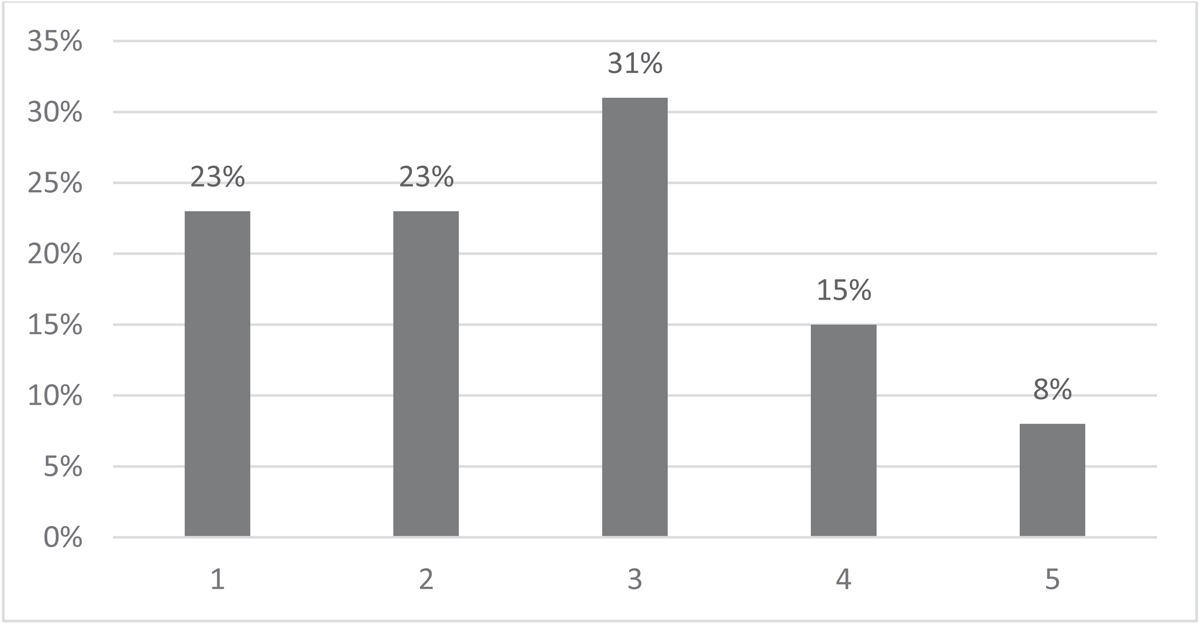
Figure 1
Clarity of hydrogen regulations.
Next, we assessed the expediency of these regulations. Respondents rated this aspect an average of 2.54 out of 5 (Figure 2). This suggests that stakeholders feel the regulations often lack suitability and relevance to the specific needs and contexts of hydrogen projects. Improving the appropriateness of the regulations can help ensure they better align with the unique requirements of these projects, thereby facilitating smoother implementation and progress.
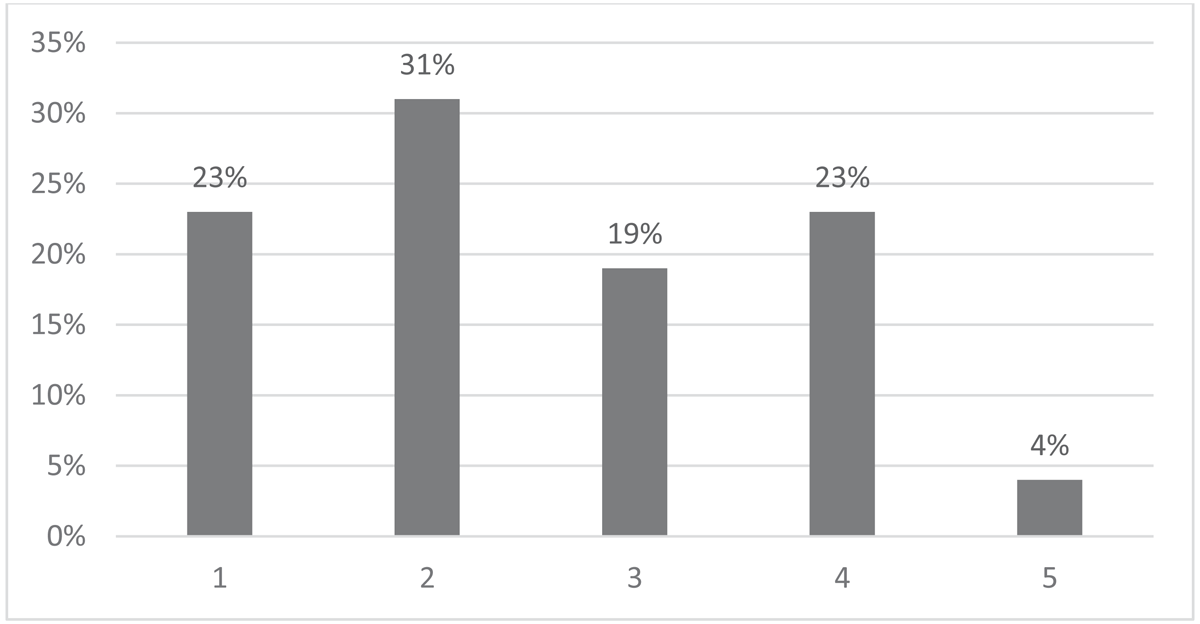
Figure 2
Expediency of hydrogen regulations.
Finally, we evaluated the predictability of the regulations, which received an average rating of 2.58 out of 5 (Figure 3). This score indicates that stakeholders find it challenging to anticipate regulatory outcomes, which can hinder planning and investment. The unpredictability of regulations can create uncertainty, making it difficult for stakeholders to make informed decisions and long-term plans.
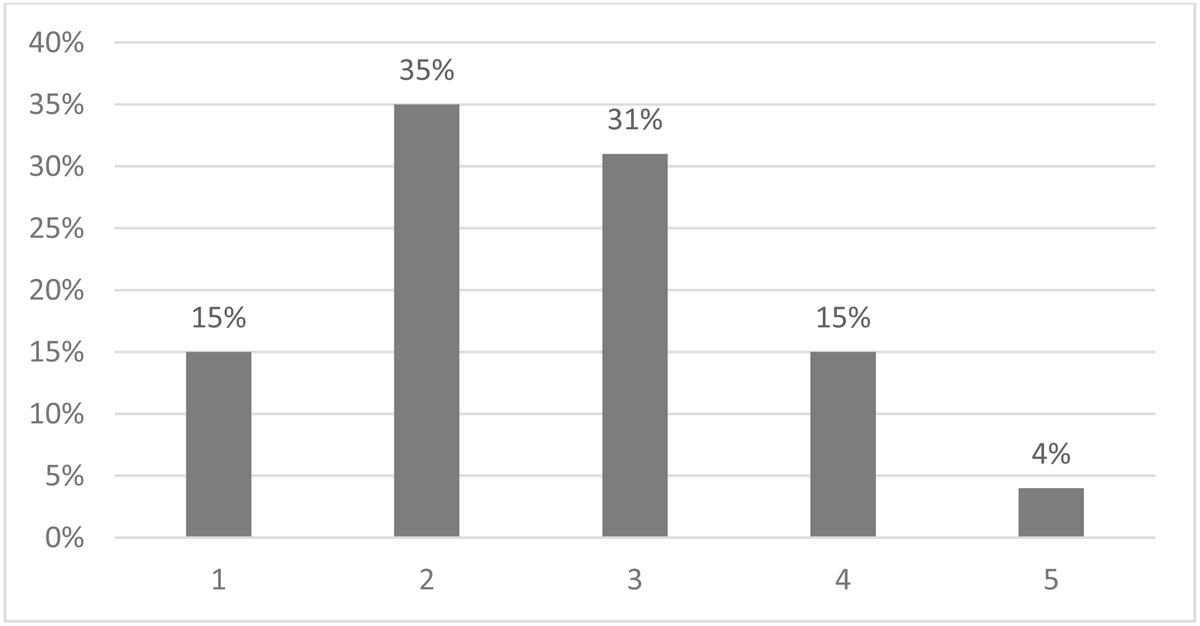
Figure 3
Predictability of hydrogen regulations.
The expediency of the permit process?
We also examined stakeholders’ perceptions of the permit process for hydrogen projects, focusing on four key areas: comprehensibility, transparency, expediency, and the permit authority’s level of knowledge.
We began by assessing how understandable the permit process is. Respondents gave it an average rating of 3.04 out of 5 (Figure 4), indicating that while the process is moderately clear, there is definite room for improvement. Improving clarity would help stakeholders better navigate the system, reduce confusion, and potentially accelerate project approvals.
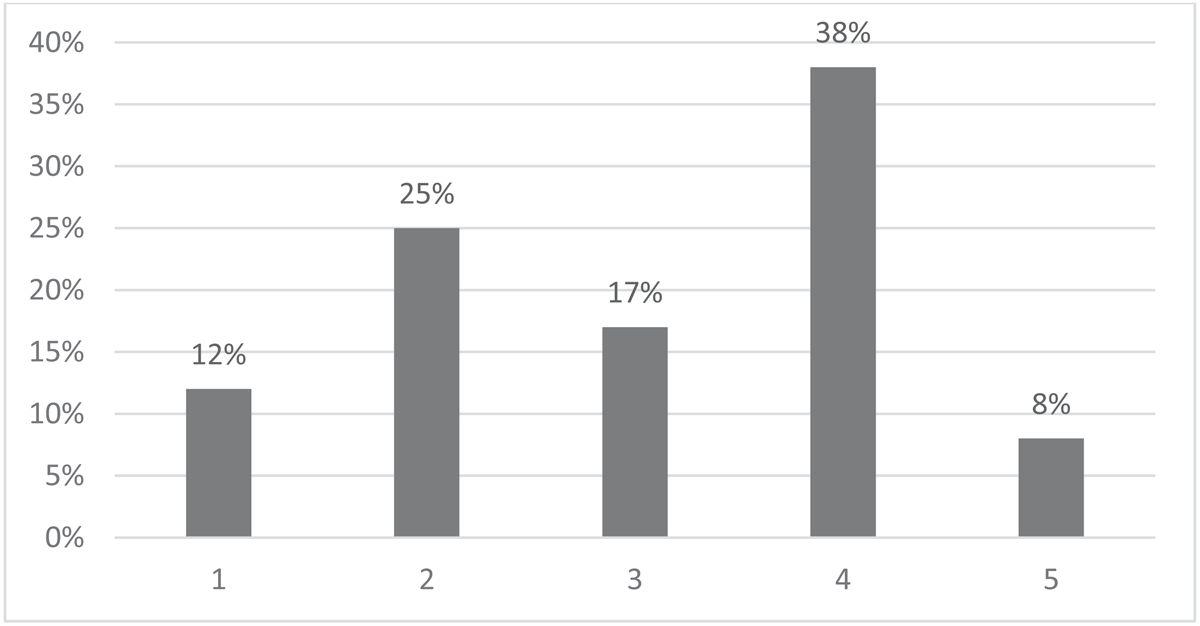
Figure 4
Comprehensibility of the permit process.
We then evaluated the transparency of the permit process. It received an average rating of 2.83 out of 5 (Figure 5), indicating that respondents perceive the process as lacking openness and visibility. This lack of transparency can foster mistrust and uncertainty. Improving transparency is essential to build stakeholder confidence and ensure the process is seen as fair, accountable, and reliable.
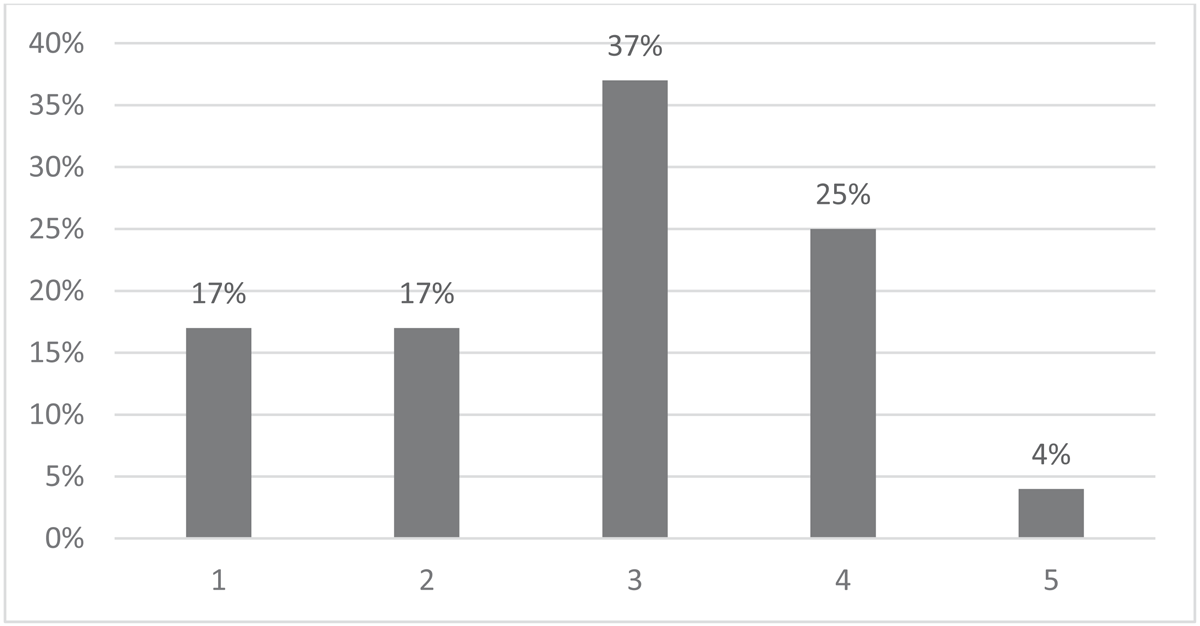
Figure 5
Transparency of the permit process.
We also examined the expediency of the permit process, which received an average rating of 2.71 out of 5 (Figure 6). This suggests that stakeholders often find the process ill-suited to the specific needs and contexts of hydrogen projects. Enhancing the relevance and responsiveness of the process would help it better align with the unique requirements of these projects, leading to smoother and more efficient implementation.
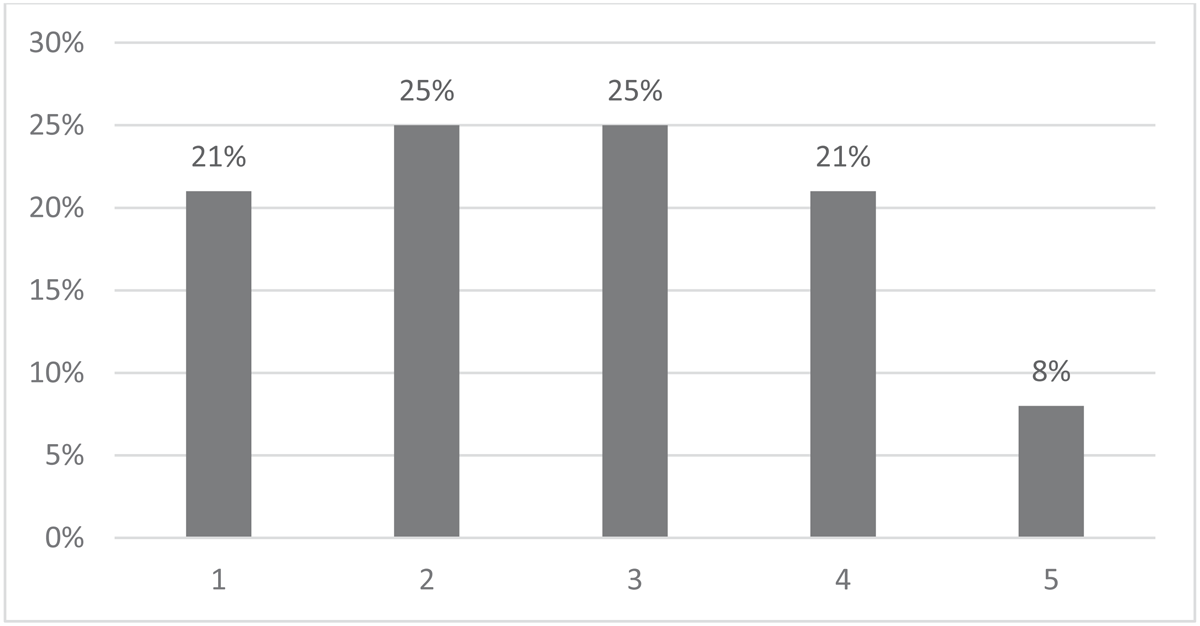
Figure 6
Expediency of the permit process.
Finally, we assessed the knowledge level of the permit authorities, which received an average rating of 2.54 out of 5 (Figure 7). This low score underscores a need for improved expertise and training to effectively manage hydrogen-related projects. Strengthening the competence of permit authorities is crucial to ensure they can offer informed guidance and support, ultimately enhancing the quality and efficiency of the permit process.
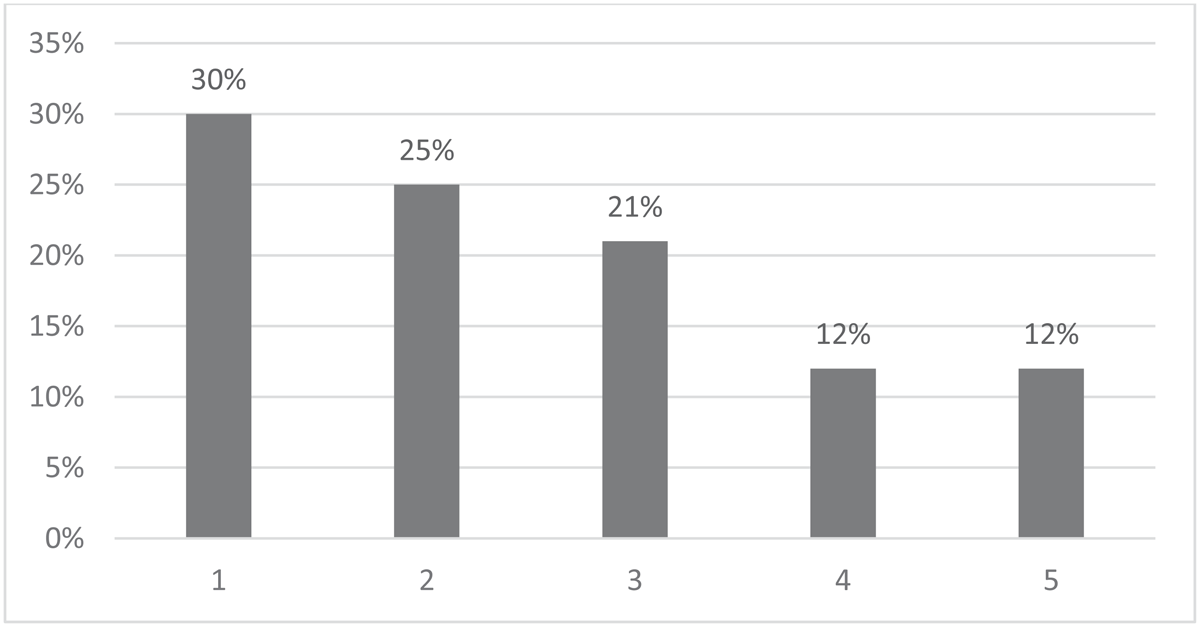
Figure 7
Sufficient knowledge at the permit authority.
Need for adjustments to the regulatory framework?
The survey also explored which adjustments to the regulatory framework stakeholders consider most important for hydrogen activities. The results showed strong support for several key areas, highlighting the need for clear and consistent guidelines and standards.
One of the most emphasized areas was the need for technical standards, which received an average rating of 3.92 out of 5 (Figure 8). This reflects a clear demand for well-defined technical guidance to ensure the safe, efficient, and standardized implementation of hydrogen projects. Robust technical standards would help stakeholders manage the complexities of hydrogen technologies and promote best practices across the industry.
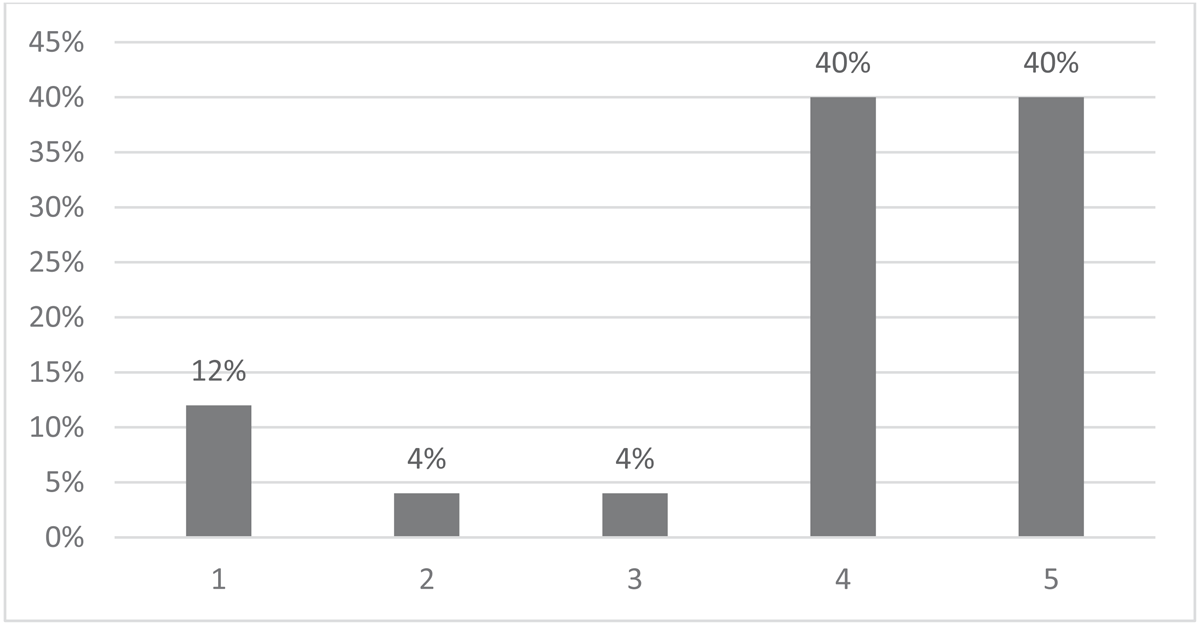
Figure 8
Importance of technical standards.
Secondly, the need for a harmonized EU regulatory framework received a rating of 3.81 out of 5 (Figure 9), highlighting the importance of consistency across member states to support cross-border hydrogen projects. A unified framework would help streamline procedures, reduce regulatory barriers, and enhance international collaboration, thereby accelerating the development and deployment of hydrogen technologies throughout Europe.
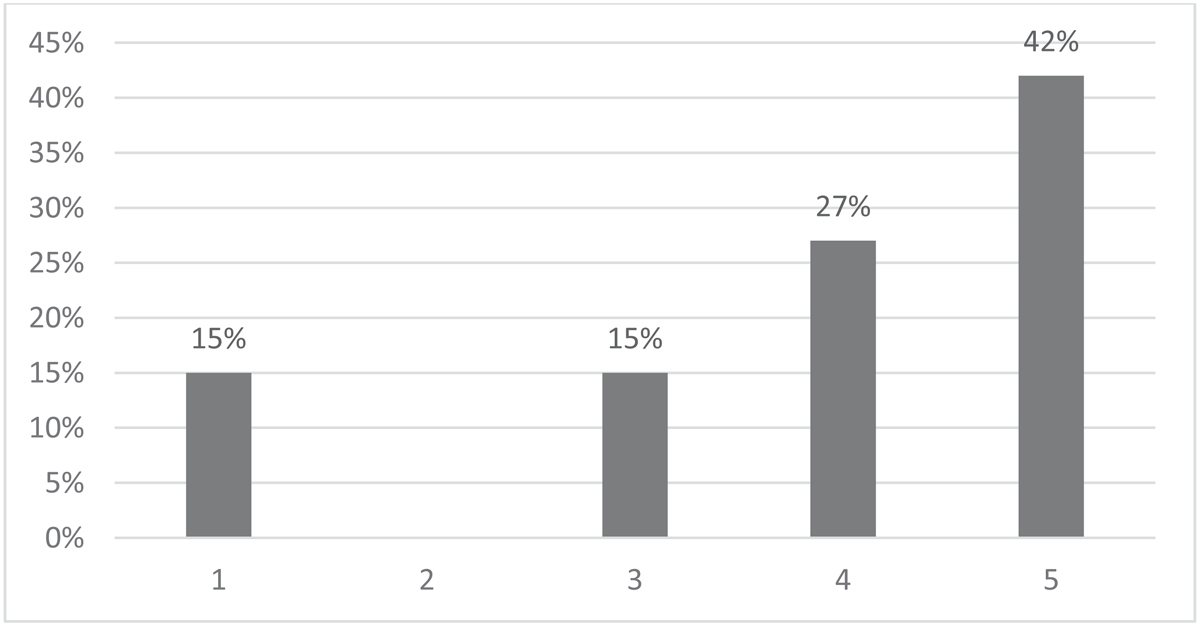
Figure 9
Harmonization on EU-level.
Thirdly, the need for a harmonized national regulatory framework received a high rating of 4.08 out of 5 (Figure 10), reflecting a strong desire for a cohesive and consistent approach within Sweden. Such a framework would provide clarity and stability, making it easier for stakeholders to comply with regulations and plan projects effectively. However, it is important to consider whether a uniform legal approach is suitable for all hydrogen applications, as different projects may have distinct needs and contexts that require tailored regulatory solutions.
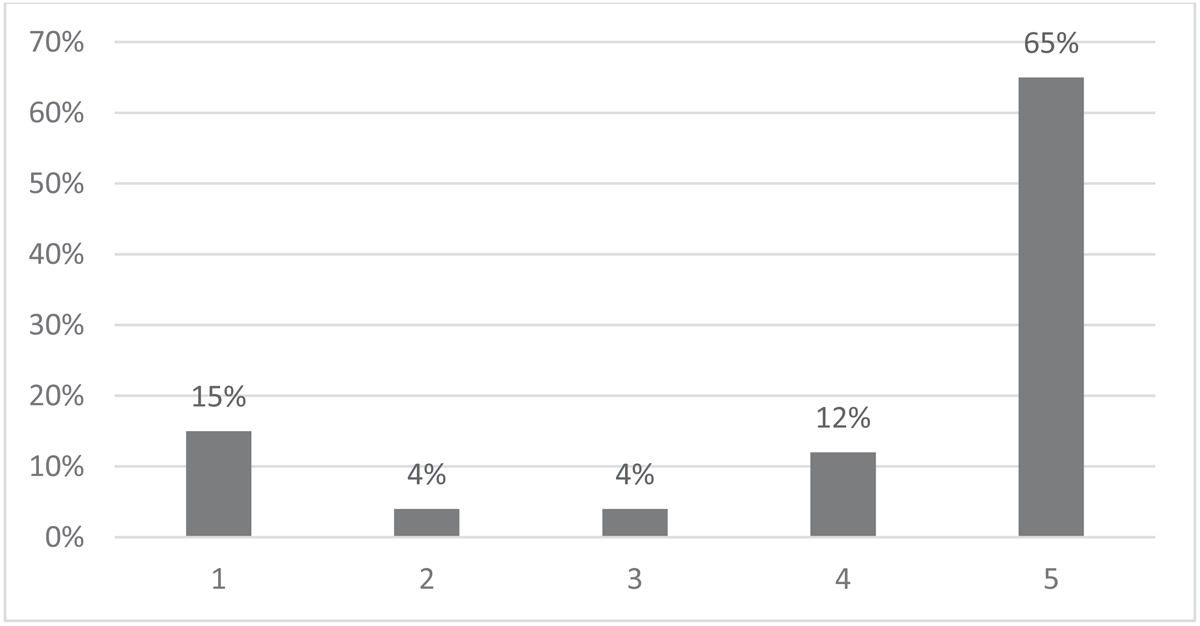
Figure 10
Harmonization on Swedish level.
Finally, the importance of guidelines for permit assessment was also rated at 4.08 out of 5 (Figure 11). This indicates a strong need for clear and consistent guidelines to streamline the permit process. Well-defined guidelines can help stakeholders understand the requirements and expectations, reducing uncertainty and facilitating smoother project approvals.
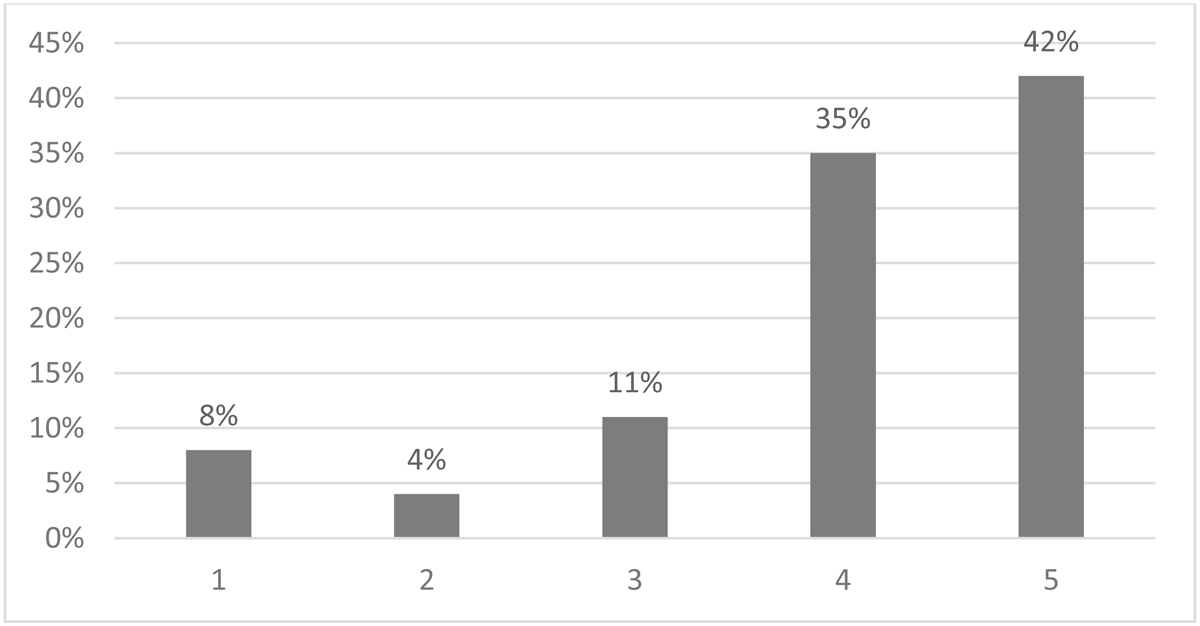
Figure 11
Importance of guidelines for permit assessment.
4. Discussion
Project-specific issues, such as unforeseen complexities, uncertainties, and regulatory shortcomings, sometimes emerge during the environmental permit process. In Sweden, this process can be particularly time-consuming for large-scale projects with significant environmental impacts. Delays may also be exacerbated by public opposition, stakeholder concerns, or appeals and referrals. A lack of experience or knowledge among authorities and local actors can lead to inconsistent assessments across regions, contributing to uncertainty about legal requirements. Another complicating factor is the multi-stage nature of the process. For example, environmental permitting is closely tied to physical planning, which requires municipalities to adopt appropriate zoning plans. If this planning is delayed due to limited resources, expertise, or conflicting interests, the entire permit process stalls. Although the permitting process can pose a significant challenge for, primarily, the operator, it is important to remember that the primary role of environmental legislation is to protect human health and the environment. The legislation is designed to assess and control (local) environmental risks from individual activities, not necessarily to promote broader goals such as reduced carbon emissions. While it is important to streamline the permitting process to enable the green transition, this must not compromise the central purpose of environmental legislation.
The survey results indicate that there is dissatisfaction with the clarity, comprehensibility, and effectiveness of the regulatory framework. The exact nature of the problems is not clear from the results, but perceived ambiguity may be due to, for example, ambiguous provisions, insufficient guidelines, or complex language. For example, Frost et al. (2025) has suggested that lack of clear guidance likely affects processing times negatively. Similarly, perceived inefficiency may reflect long processing times, excessive bureaucracy, or a lack of compliance with the specific characteristics of hydrogen technologies. It may also be a signal that the regulatory framework does not adequately address safety or environmental risks.
Given the strong support for clearer standards (3.92) and guidelines (4.08), it is reasonable to assume that existing regulatory instruments are insufficiently adapted to accommodate large-scale hydrogen installations. This is further supported by the high rating for a harmonized legal framework on national level, suggesting a perceived need for a dedicated hydrogen law. Considering that large-scale implementation of hydrogen technologies is relatively novel, the findings are not unexpected. Emerging technologies are frequently perceived as challenging existing regulatory frameworks, which are often seen as ill-equipped to address their distinctive characteristics, a typical knee-jerk reaction being: the laws are unclear! Leenes (2019) refers to this as the ‘flawed law syndrome’—the assumption that every new phenomenon necessitates changes to current legislation, ideally through the creation of a comprehensive legal act that governs all aspects related to the phenomenon in question.
A compelling argument against specialized laws is the notion of the ‘law of the horse’, coined by Llewellyn and later applied to the Internet by Easterbrook (1996) in the 1990s. In essence, this implies that regulation should focus on the underlying mechanisms rather than attempting to govern each individual situation: A horse may be bought; a person may be kicked by a horse; a horse may be treated by a veterinarian; etc. Although each of these examples involves a horse, it would be unreasonable to attempt to encompass all situations within a single piece of legislation merely because they share that common element (the horse) (Easterbrook, 1996). The same principle applies to hydrogen: it can be produced, purchased, stored, cause accidents, or fuel vehicles, etc. Consequently, the regulatory focus should not be on the physical substance itself, but on the underlying legal mechanisms, such as environmental protection, liability, and risk mitigation. While certain laws are indeed ill-equipped to address emerging hydrogen developments, particularly in areas like trade regulation (e.g., Cocciolo, 2024; Gallegos, 2024; Pailman, 2024), creating a separate, standalone regulatory framework by extracting hydrogen-related activities from the existing system would likely undermine rather than advance objectives. Such fragmentation risks duplicating rules, creating inconsistencies, and weakening coherence across interconnected sectors. It could also complicate enforcement, and hinder integration with broader sustainability and safety standards, ultimately slowing innovation and increasing compliance burdens instead of facilitating a smooth energy transition.
The survey results clearly show that respondents perceive hydrogen-related laws as unclear and favor the introduction of a dedicated hydrogen law. What remains uncertain, however, is the nature of this perceived ambiguity and which specific issues codification would resolve. Understandably, priorities differ: a hydrogen fuel producer seeks streamlined permitting, while an environmental NGO emphasizes stringent safeguards. This underscores a fundamental point—the law must balance multiple, often competing, interests. If the sole objective were to accelerate technological deployment, separate legislation might seem justified. However, when broader goals such as risk mitigation and environmental protection are considered, integrating hydrogen within existing regulatory frameworks is a more coherent and sustainable approach. This aligns with the earlier argument that regulation should target underlying mechanisms rather than the physical substance itself.
A clear example is the concession procedure for hydrogen pipelines in Sweden. There is no specific law on pipeline concessions for hydrogen. According to the preparatory work for the 1978 Pipeline Act, the scope of the Act is limited to petroleum, natural gas, petroleum products, and gas extracted from petroleum (Swedish Government Bill, 1977). Although it is possible to interpret the provision on concession obligation extensively, to also include hydrogen products, it is clear that the law was written with certain fuels in mind and is therefore not sufficiently flexible in its wording to deal with pipelines in general.2 This highlights a central problem with casuistic regulation; when legislation targets a specific situation rather than the underlying mechanism, it risks quickly becoming obsolete. In the case of concession requirements for hydrogen, the shortcoming is therefore not that hydrogen does not fit into the system from a principled point of view—it is an energy carrier like any other—but the fact that the law was not written with hydrogen in mind.3
The design of the regulatory framework is crucial to prevent legislation from becoming an obstacle to innovation. In this context, however, it is important to distinguish between regulatory failure and intended outcomes. The fact that a permit process requires time and introduces a degree of uncertainty is not a regulatory failure; rather, it reflects the intended purpose of the process, namely, to ensure that the environmental impacts of a proposed activity are properly assessed and mitigated through measures such as permit conditions. While the time needed for such assessments can be perceived as an obstacle to entrepreneurship, it is a necessary safeguard. A regulatory failure, on the other hand, occurs when essential legal frameworks are missing. For example, the absence of legislation governing concessions for hydrogen pipelines constitutes a failure, whereas the underlying concept of a control mechanism, such as requiring a concession, is an intended and necessary outcome.
5. Conclusion
The environmental permit process in Sweden, particularly for large-scale and complex projects, is marked by significant delays and uncertainties. These challenges are often intensified by local opposition, appeals, and a lack of knowledge and resources among authorities and stakeholders. While the primary purpose of environmental legislation is to protect human health and the environment, it is increasingly important to balance this protective function with the need to enable the green transition, especially in the context of emerging technologies like hydrogen.
The survey results point to perceived shortcomings in the current regulatory framework, particularly in terms of clarity, consistency, and adaptability, results that are mirrored in prior research. Respondents emphasized the need for clearer guidelines and technical standards, which are essential for reducing uncertainty and facilitating project planning and implementation. These findings suggest that the existing framework may not be sufficiently equipped to handle the unique characteristics of hydrogen technologies, especially on a scale. Moreover, the survey highlights a broader concern: that the regulatory system may not be technologically neutral or sufficiently future-oriented, potentially creating path dependencies that hinder innovation. This is especially problematic for hydrogen, where rapid technological development demands a flexible and responsive legal framework.
Refining the environmental permitting process to better accommodate innovative and sustainable technologies, without compromising environmental protection, will be essential for advancing Sweden’s position in the green transition. Achieving this requires a careful balance between regulatory clarity and environmental safeguards, ensuring that developers face less uncertainty while maintaining high standards. By making the process more adaptive and transparent, Sweden can accelerate the deployment of clean technologies, foster trust among stakeholders, and strengthen its capacity to meet ambitious climate and energy goals.
Notes
[2] From Ch. 1, s. 1, it follows that the act is limited to substances that will be used as fuels. Taken at face value, this would mean that the act is not applicable to, e.g., hydrogen that will not be used as a fuel, but as input in an industrial process (as is the case for certain steel production).