Have a personal or library account? Click to login
Using Geospatial Analysis to Inform Development of a Place-Based Integrated Care Initiative: The Healthy Homes and Neighbourhoods Experience Cover

Using Geospatial Analysis to Inform Development of a Place-Based Integrated Care Initiative: The Healthy Homes and Neighbourhoods Experience

Open Access
|Jun 2021

Figures & Tables

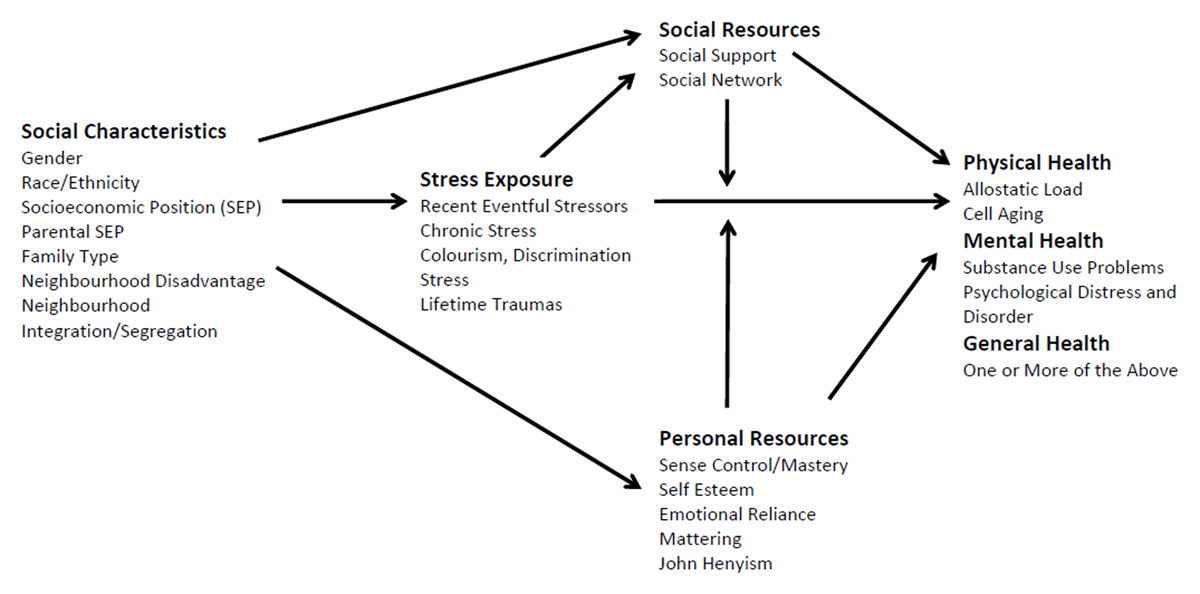
ijic-21-2-5430-g1.png
Figure 1

Stress Process Model [4].

Table 1

Key domains and linkages that can both cause and result from disadvantage [17].

DOMAINKEY INFLUENCES ON DISADVANTAGECOMMON INTERLINKAGES
Primary relationshipsChildhood
  • – Material neglect, financial insecurity and limited resources

  • – Emotional neglect from parents

  • – Family violence – victims/perpetrators/observers

  • – Family relationship breakdown, separation or loss of parent

  • – Negative or absent role modelling

  • – Peer relationships – acceptance/discrimination/bullying


Adulthood
  • – Abusive relationships with partners and others

  • – Relationship/family break-ups

  • – Arrival of child and parenting pressures/challenges

  • – Harmful peer relationships

  • – Alcohol and drug use

  • – Mental health issues

  • – School disruption

  • – Leaving school early

  • – Criminal activity

  • – Difficulty forming relationships

  • – Low self-esteem

Education
  • – Disinterest and disengagement in academia

  • – Low confidence and expectation of achievement

  • – Transience in the school environment/delivery approach

  • – Influential peer relationships – bullying, truancy, illicit behaviours

  • – Service access and delivery within or outside ‘mainstream’

  • – Lack of employment opportunity

  • – Literacy and numeracy issues

  • – Alcohol/drug use

  • – Criminal activity

  • – Low self-esteem

  • – Social disconnection

Employment
  • – Job loss/redundancy

  • – Long-term unemployment and absence from workforce

  • – Work capacity/capability, confidence and motivation

  • – Discrimination from employers/service providers

  • – Restricted availability and suitability of employment options

  • – Financial pressure and debt

  • – Health issues

  • – Low self-esteem

  • – Relationship break-down

  • – Homelessness

  • – Loss of skills

  • – Social disconnection

Health and wellbeing
  • – Accident or onset of illness/physical disability

  • – Development of or long-term mental health issues

  • – Trauma and emotional wellbeing

  • – Dependency/substance abuse/addiction (alcohol, drugs, gambling)

  • – Disruption of education/employment

  • – Long-term unemployment

  • – Relationship break-down

  • – Social disconnection

  • – Other health issues

  • – Alcohol/drug use

  • – Low self-esteem

  • – Incarceration

Identity
  • – Low self-esteem, confidence, sense of purpose

  • – Cultural expectations, behaviours, influence

  • – Discrimination and prejudice

  • – Lack of employment opportunity

  • – Social disconnection

  • – Low self-esteem

  • – Health issues

External environment
  • – Locality (remoteness and access to community services, relocation/transience)

  • – Housing (condition of housing environment/neighbourhood, homelessness)

  • – Incarceration (reinforcement and normalisation of negative behaviours in institutionalisation, discrimination and segregation following release)

  • – Lack of employment opportunity

  • – Social disconnection

  • – Risks to safety and wellbeing

  • – Drug/alcohol use

  • – Low self-esteem

  • – Health issues

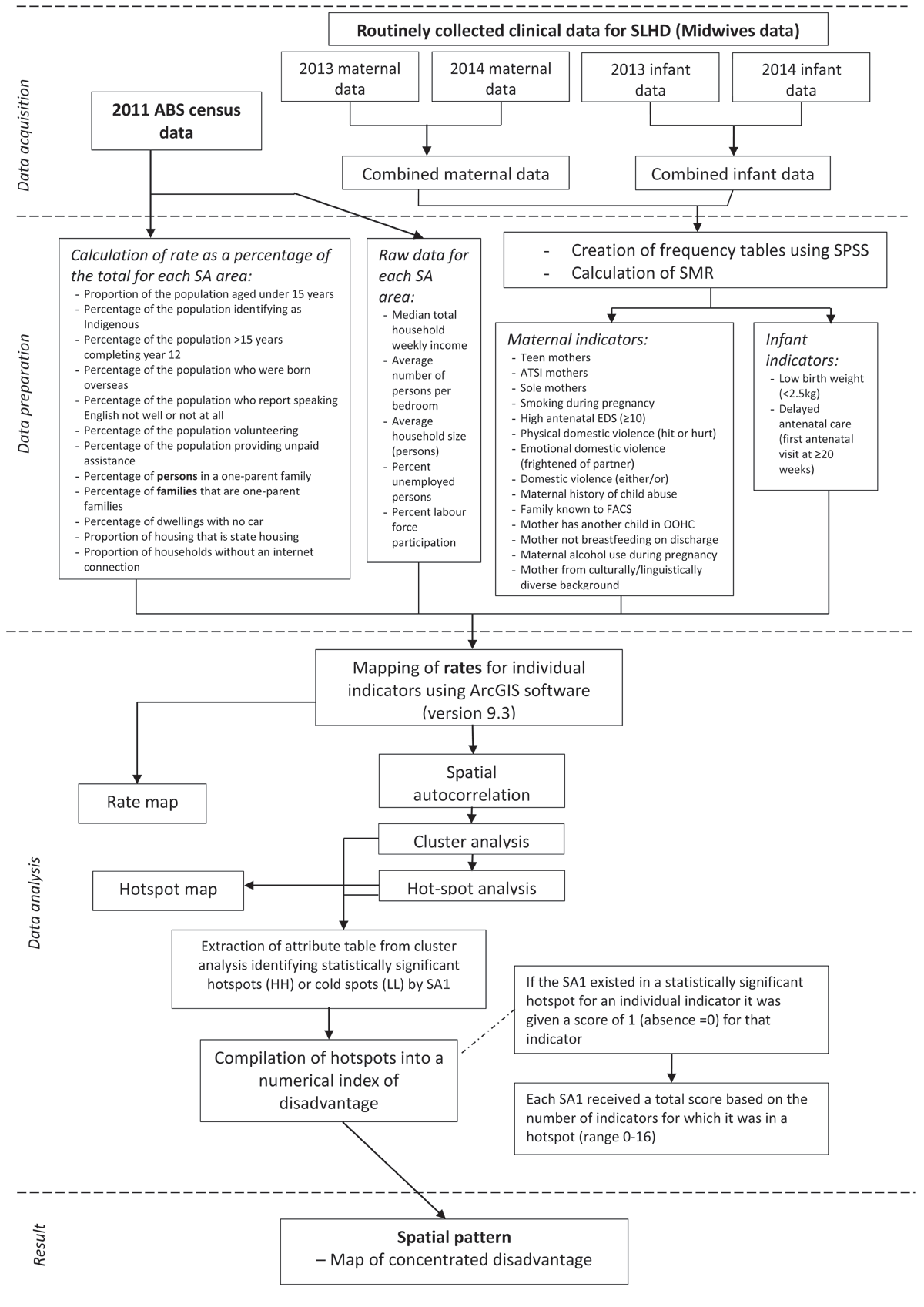
ijic-21-2-5430-g2.png
Figure 2

Overview of methods and analysis used.

Table 2

Demographic and Perinatal Indicators selected for study.

DEMOGRAPHIC INDICATORSPERINATAL INDICATORS
  • – High proportion of the population identifying as Aboriginal or Torres Strait Islander

  • – Low rates of year 12 attainment

  • – Low median weekly household income

  • – High proportion of people reporting speaking English not well or not at all

  • – High proportion of people requiring assistance with activities of daily living (disability)

  • – High proportion of one-parent families

  • – Large proportion of households with no access to a car

  • – Large proportion of housing consisting of state housing

  • – Large proportion of households with no internet access

  • – High rates of unemployment

  • – Low labour force participation rates

  • – High rates of teen mothers

  • – High rates of sole mothers (pregnant women without partners)

  • – High rates of smoking during pregnancy

  • – High rates of pregnant women with a high antenatal Edinburgh depression score (≥10)

  • – High rates of pregnant women reporting domestic violence (have either been hit or hurt by their partner, or report being frightened of their partner)

  • – High rates of pregnant women reporting a history of child abuse

  • – High rates of families known to Family and Community Services (FACS)

  • – High rates of pregnant women who have other children in out-of-home care

  • – High rates of women who report consuming alcohol during pregnancy

  • – High rates of low-birth-weight (LBW) infants

  • – High rates of pregnant women with delayed antenatal care (first visit at ≥20 weeks)

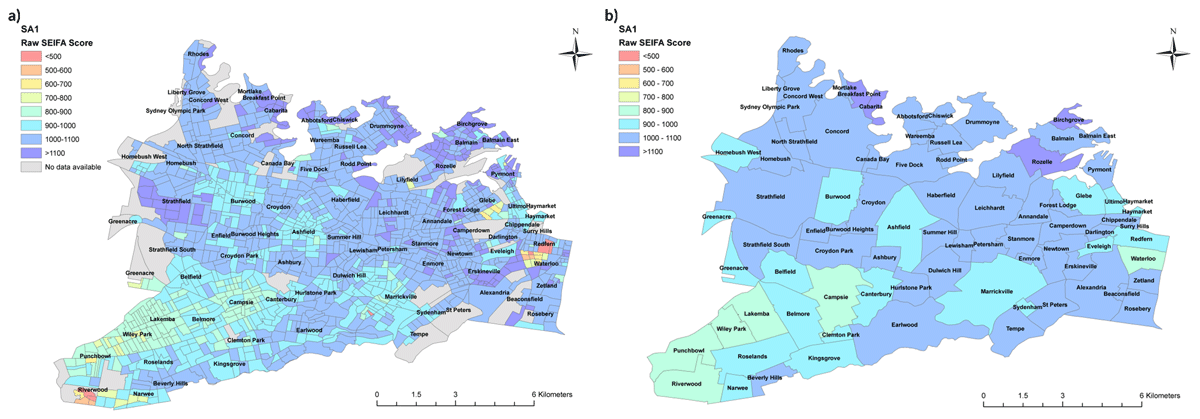
ijic-21-2-5430-g3.png
Figure 3

Comparison of SEIFA area if analysis done at a) SA1 level, b) Suburb level.
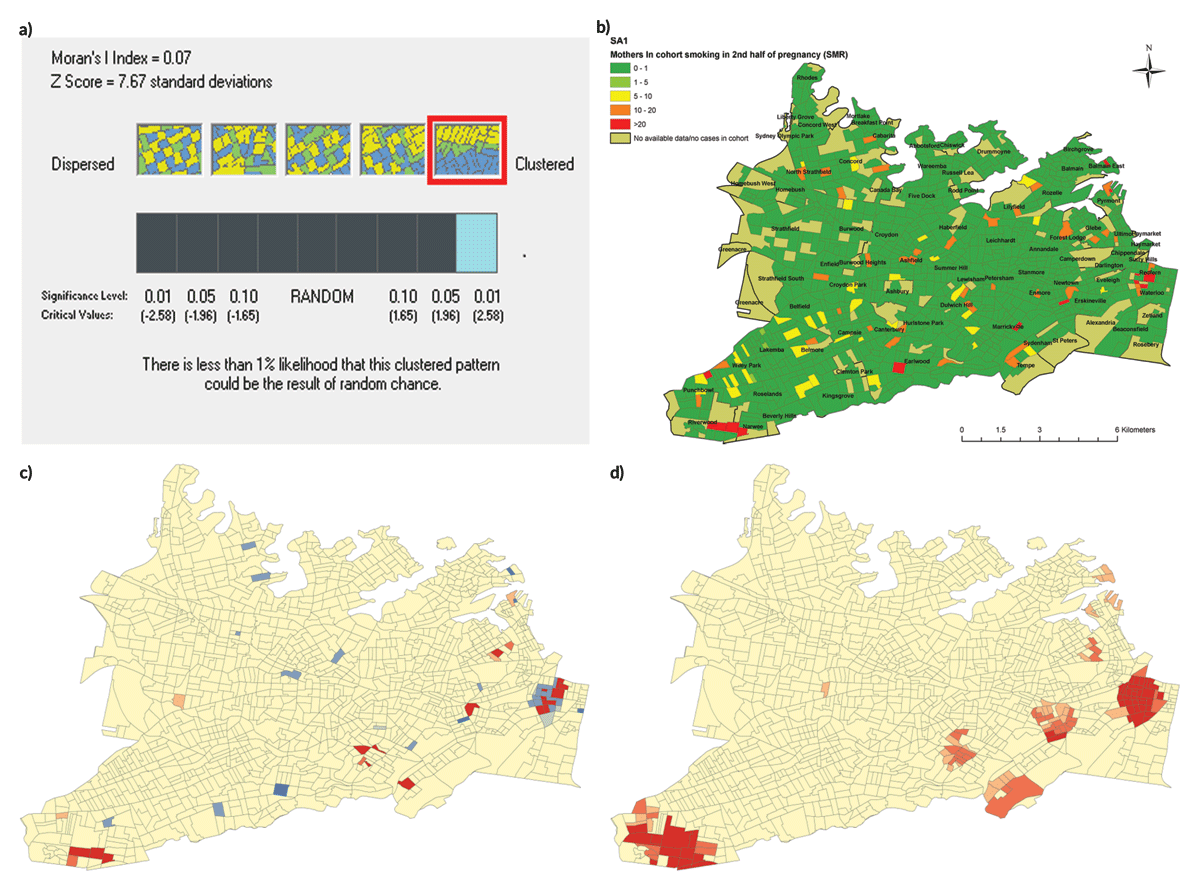
ijic-21-2-5430-g4.png
Figure 4

Spatial analysis in ArcGIS of “smoking”.
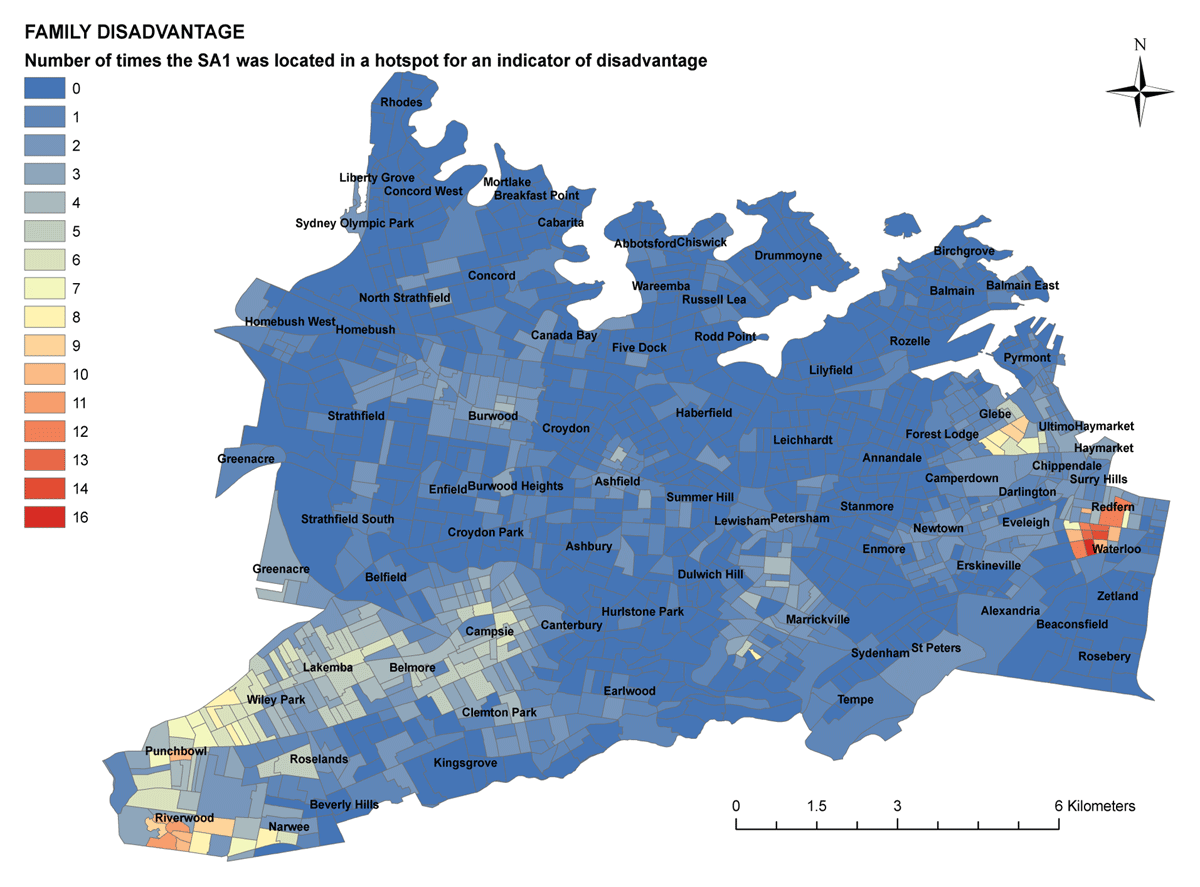
ijic-21-2-5430-g5.png
Figure 5

Final Hotspot Analysis of Disadvantage.

DOI: https://doi.org/10.5334/ijic.5430 | Journal eISSN: 1568-4156
Language: English
Submitted on: Sep 23, 2019
Accepted on: Jun 2, 2021
Published on: Jun 21, 2021
Published by: Ubiquity Press
In partnership with: Paradigm Publishing Services
Publication frequency: 4 issues per year

© 2021 Katherine Todd, John G. Eastwood, Penelope Fotheringham, Jose A. Salinas-Perez, Luis Salvador-Carulla, published by Ubiquity Press
This work is licensed under the Creative Commons Attribution 4.0 License.