
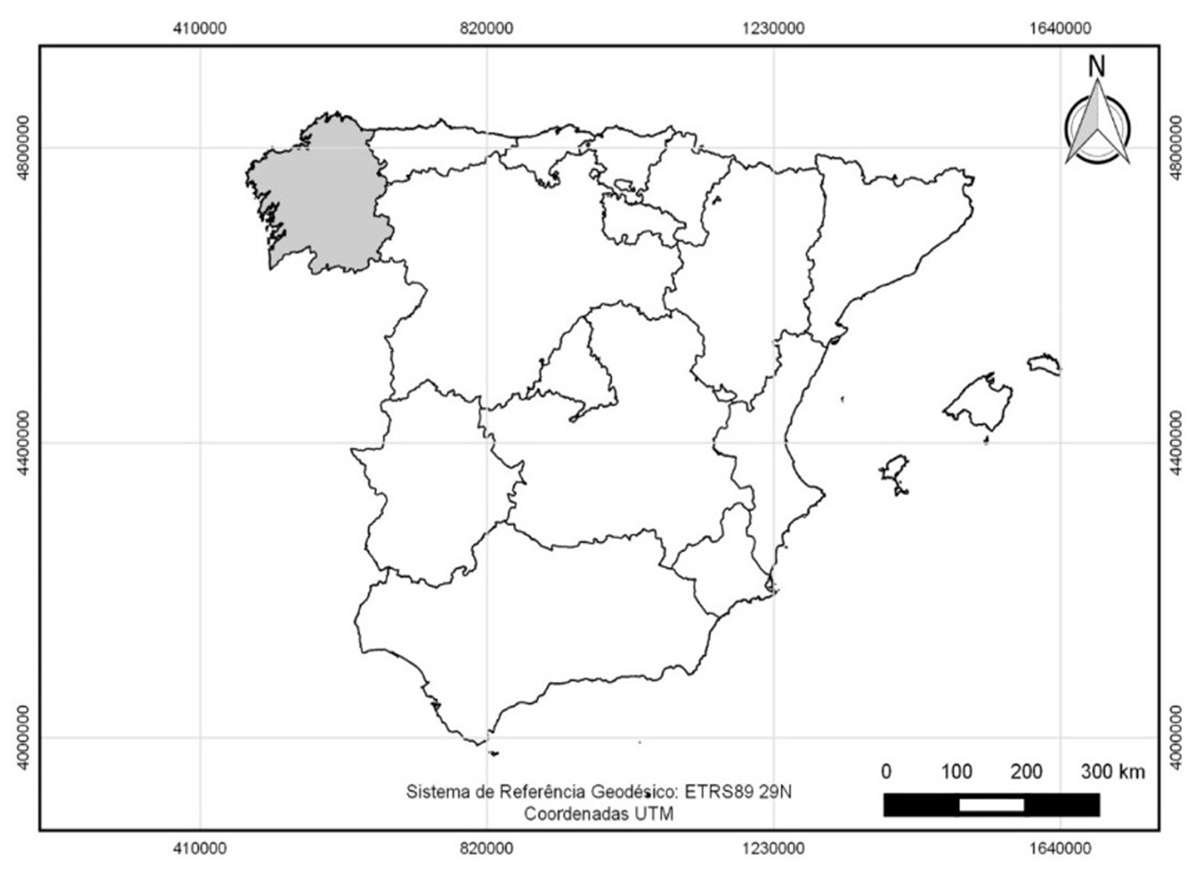
Figure 1
Galiza (Spain).
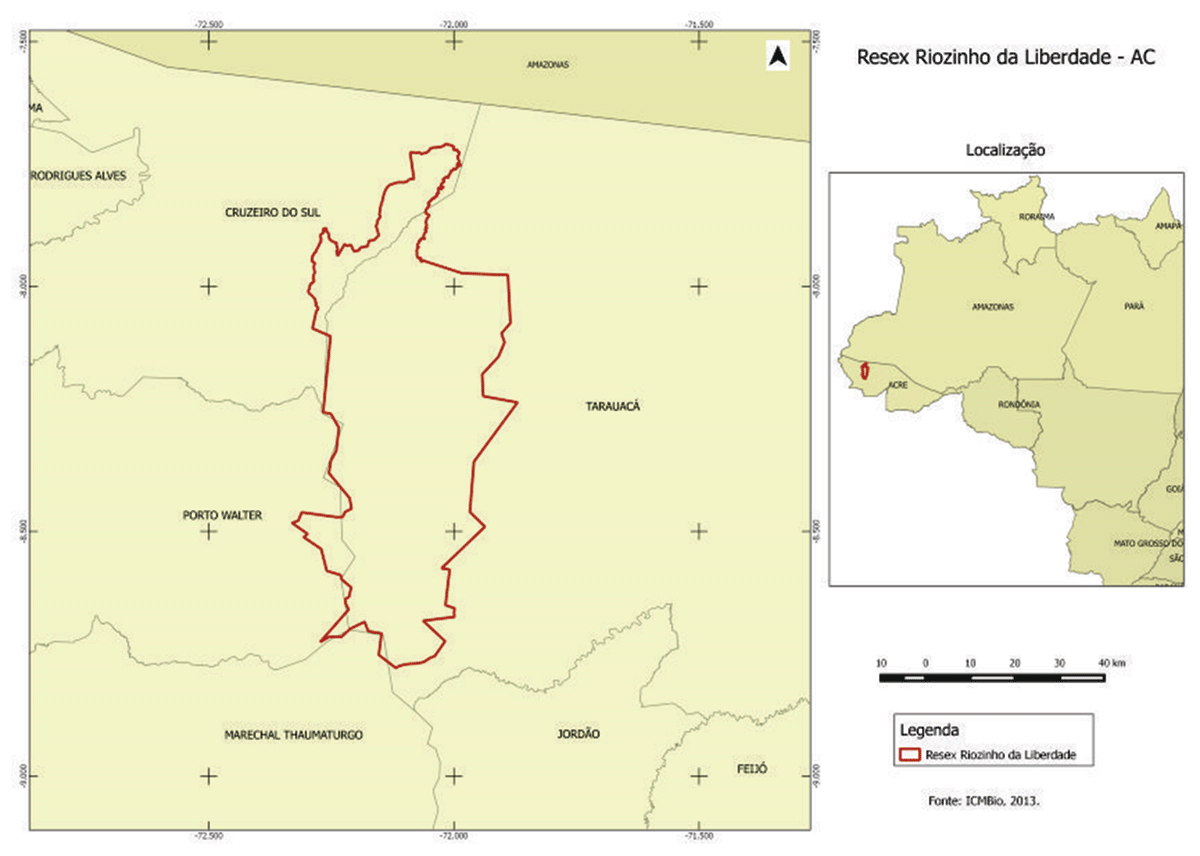
Figure 2
Location of the Riozinho da Liberdade RESEX and affected municipalities in Acre, Brazil AC, 2016.
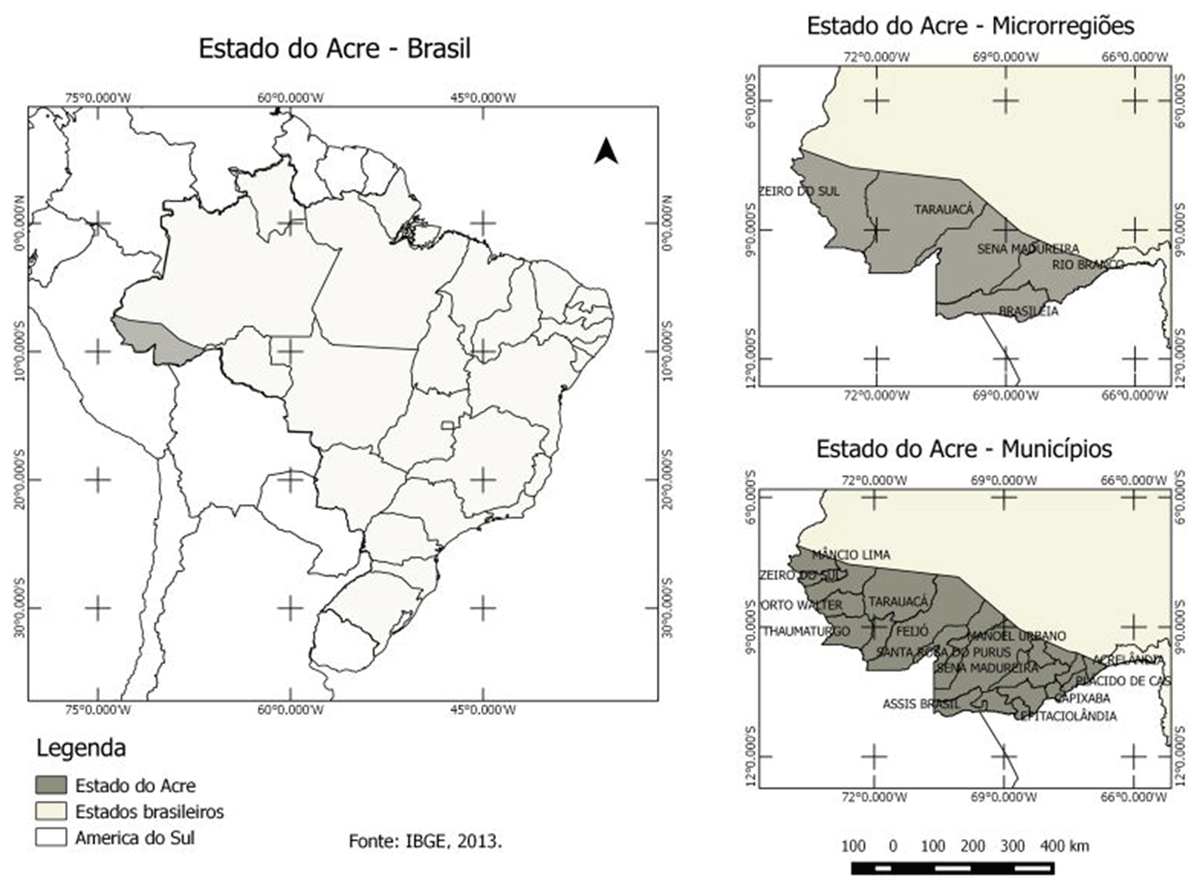
Figure 3
Location of Acre, Brazil.
Table 1
The MVMCs studied.
| SOCIO-ECONOMIC CLASSIFICATION | MANAGEMENT CLASSIFICATION | MUNICIPALITIES | MVMC |
|---|---|---|---|
| Type 1 19 interviews | A) Indirect management | Folgoso do Courel | Froxan |
| B) Direct management | Seceda | ||
| C) Absence of management | Sobredo | ||
| Type 2 13 interviews | A) Indirect management | A Pastoriza | Saldaxe |
| B) Direct management | Corvelle | ||
| C) Absence of management | – | ||
| Type 3 13 interviews | A) Indirect management | Viveiro | San Roque |
| B) Direct management | Buio | ||
| C) Absence of management | – |
Table 2
Rapid Participatory Rural Appraisal (RPRA) meetings at Reserva Extrativista Riozinho da Liberdade RESEX.
| PLACE OF MEETING | COMMUNITIES | DATE | PARTICIPANTS |
|---|---|---|---|
| Igarapé grande | Igarapé Grande, Porto Rico, Novo Acre, Nova Olinda e Tristeza. | 21/05/2013 | 38 adults 39 children |
| Boca do Igarapé Forquilha | União, Boca do Forquilha, Seringal Ceará. | 22/05/2013 | 50 adults 24 children |
| Periquito/São Pedro | Periquito/São Pedro, Jurupari, São Francisco e Itajubá | 23/05/2013 | 60 adults 30 children |
| Maurício Mappes/Ponte | Maurício Mappes, Morro da Pedra, Bom Futuro, Vai e Vem, Cavanhaque, Guarani, Monteiro, Porto Alegre, Esperança e Extrema | 24/05/2013 | 75 adults |
Table 3
Similarities and differences in social arrangements and use of natural resources in MVMCs and the Riozinho da Liberdade RESEX.
| DIMENSIONS | MVMC | RIOZINHO DA LIBERDADE RESEX |
|---|---|---|
| Objectives | “Rights of use” of the territory are accorded to a specific group. | |
| Policy and Institutions | The role of the State has been a key concern. | |
| Economic importance of natural resources (Economic Factors) | Natural resources have economic importance. | |
| Natural resources are disputed. | ||
| No primary dependence on territorial resources | Primary dependence on territorial resources | |
| User flow | Very variable due to legislation | Slightly variable due to the regulatory role of the state |
| Territory use | Dwellings are located near the common area; livestock activities; wind farms; transmission lines; planted forests; outsourcing of services to private companies. | Dwellings are within the limits of the common area; subsistence agriculture and livestock; plant and animal extractive activities and handcrafts. |
| Environmental aspects | Takes action regarding environmental issues | Emerge as environmental conservation policy proposals. |