
Figure 1
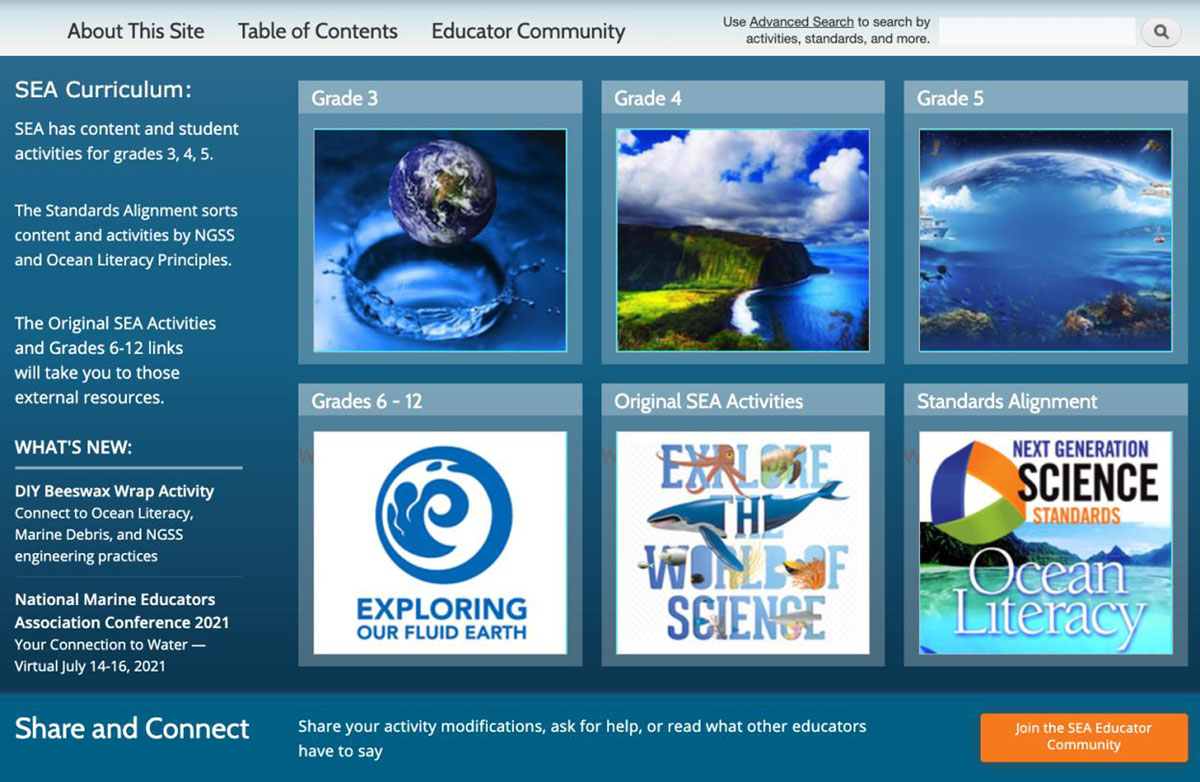
The SEA Homepage. The SEA curriculum home page provides access to content and activities by grade level and by standards alignment. Users can also navigate to the educator community (once logged on), advanced search, the original SEA curriculum PDFs, or related grade 6–12 curriculum.
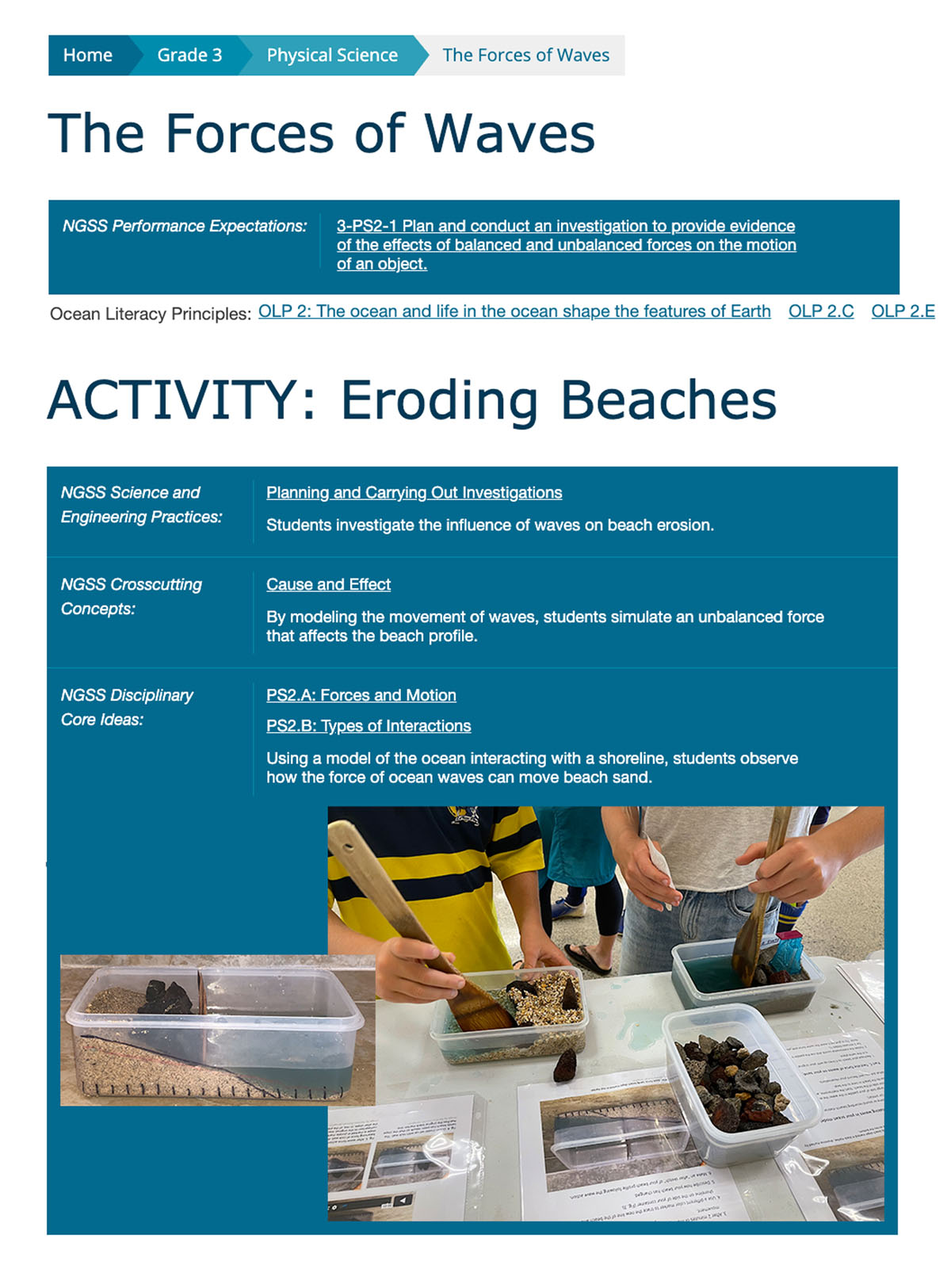
Figure 2
Example Activity Eroding Beaches. The SEA 3rd grade physical science topic on the forces of waves addresses NGSS Performance Expectation 3-PS2-1 and OLP 2. In the activity on Eroding Beaches, students explore the effect of wave forces on sand movement, which is linked to corresponding NGSS practices, crosscutting concepts, and DCI. (http://manoa.hawaii.edu/sealearning/grade-3/physical-science/coastal-erosion/activity-disappearing-beaches).
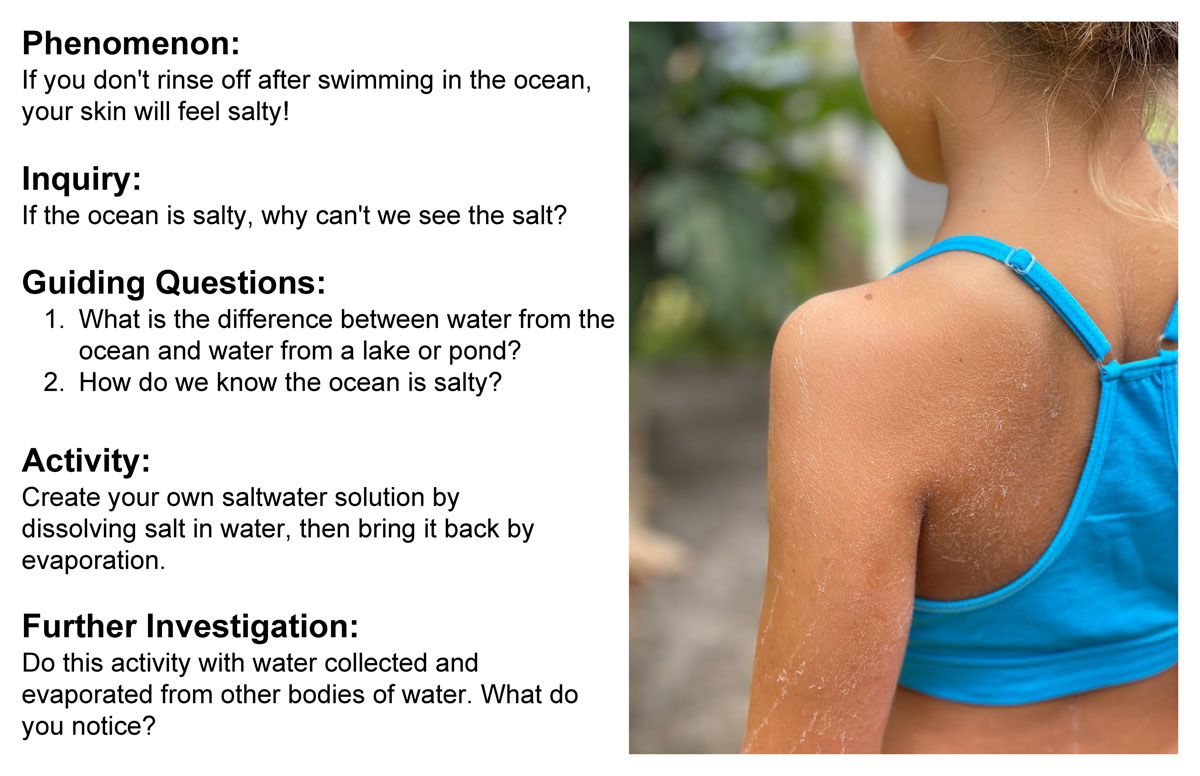
Figure 3
Activity Structure Reappearing Salt. Each activity follows the same format, guiding students through the investigations from phenomenon to inquiry to guiding questions to the activity itself (including materials, procedure, and activity questions). In some cases, Further Investigations are included at the end of the activity. (http://manoa.hawaii.edu/sealearning/grade-5-physical-science-topic-2-activity).
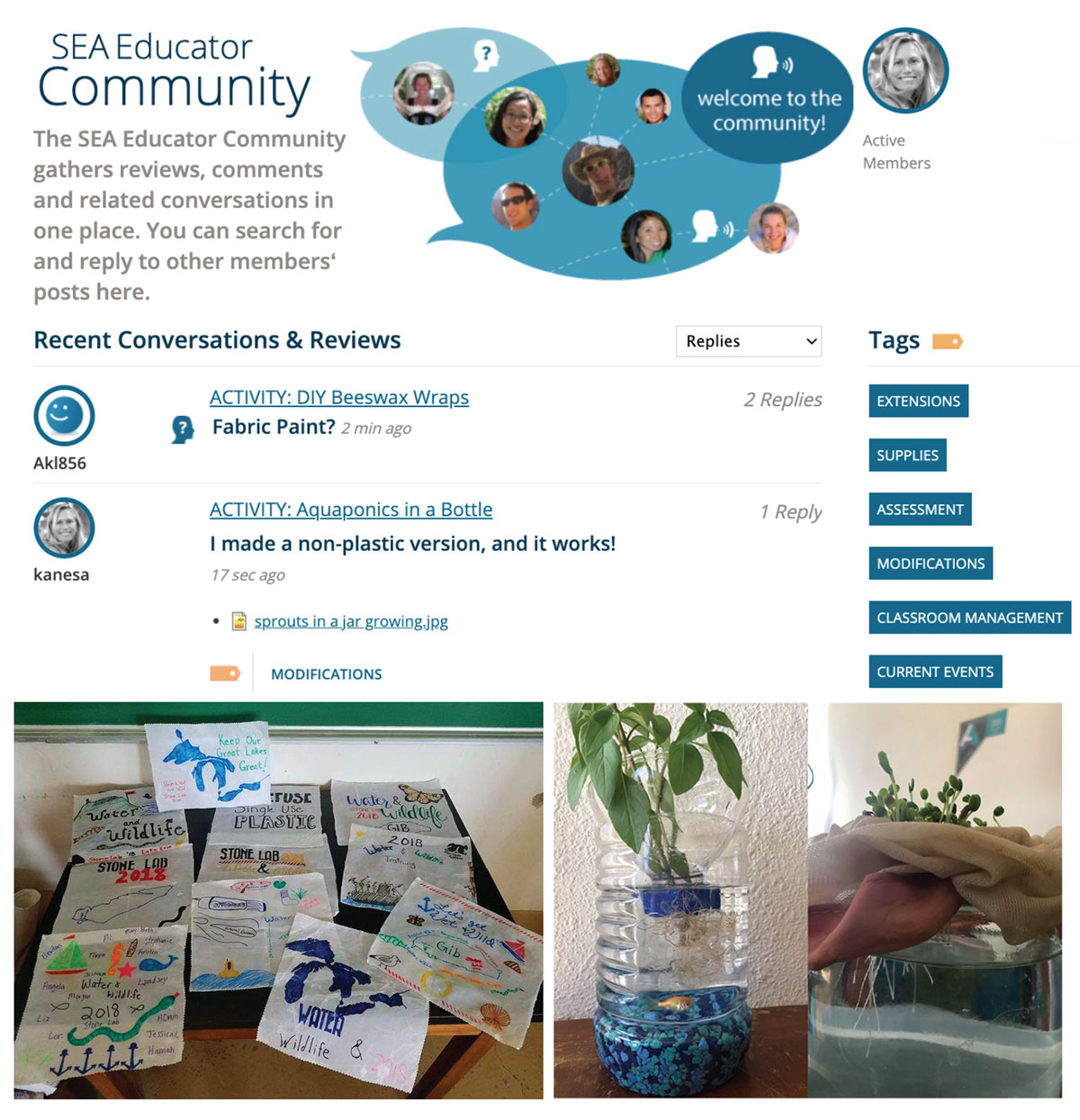
Figure 4
Online Community Recent Conversations & Reviews. Users can comment on topic pages, rate activities, and upload their own resources. To view the community, users need to be logged in, but creating an account is free. (http://manoa.hawaii.edu/sealearning/sea-educator-community).
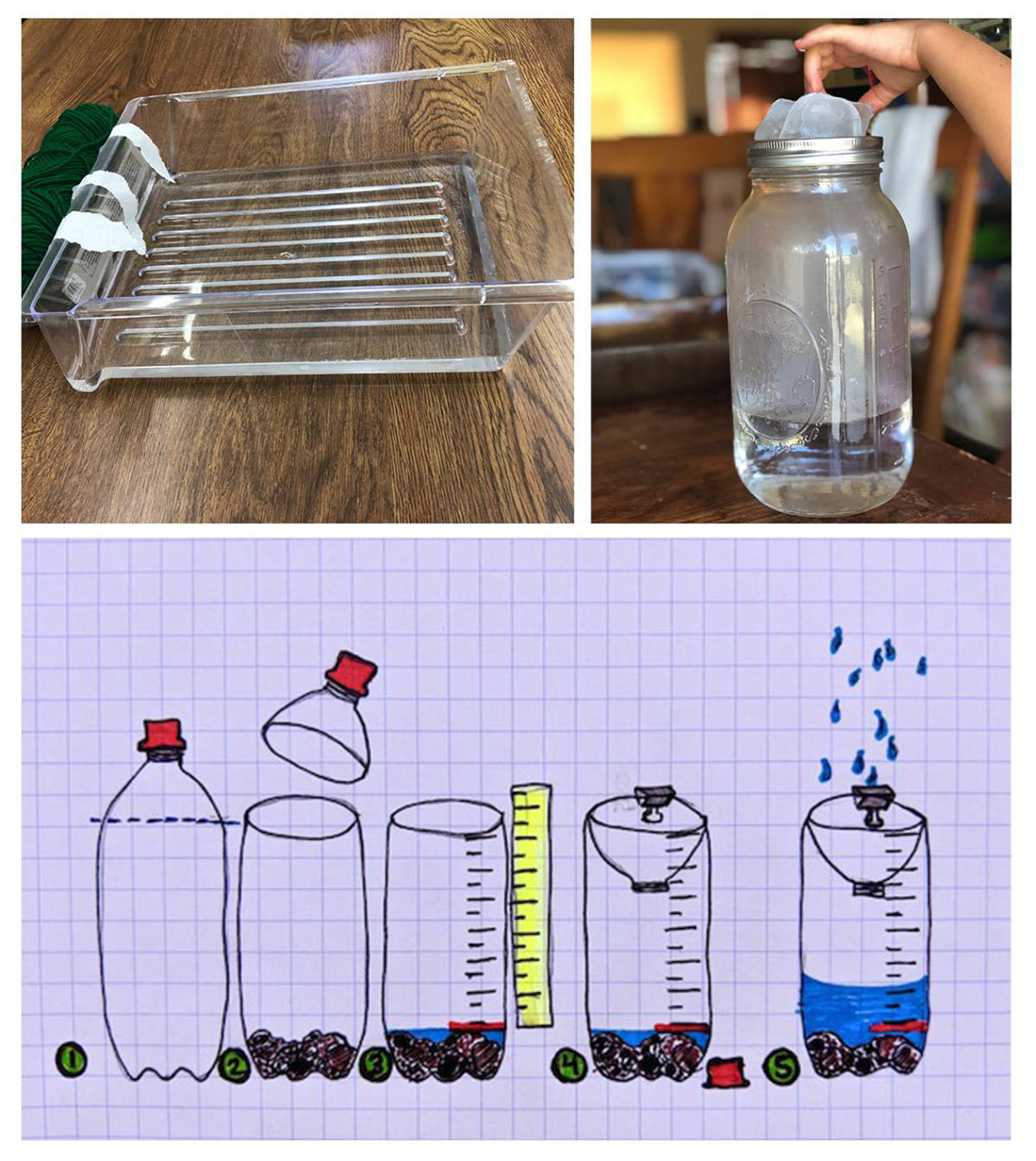
Figure 5
Example Materials in Weather Patterns. Commonly available materials are used in SEA activities. To model the wind and clouds as well as make a rain gauge, 3rd grade students use plastic trays, strips of paper, tape, ice, hot water, rulers, rocks, and upcycled 2L bottles. (http://manoa.hawaii.edu/sealearning/grade-3/grade-3-earth-science/grade-3-earth-science-topic-1).