
Table 1
Modified population/patient, intervention/variable, comparison, outcome, time and setting/context (PICOTS) framework used in search syntax formulation.
| POPULATION/PATIENT | PEOPLE AFFECTED BY EBOLA, COVID‑19, MONKEYPOX AND CHOLERA OUTBREAKS, OR INVOLVED IN THE RESPONSE |
|---|---|
| Intervention/variables | Social behavioural change (communication) interventions or campaigns; key messages |
| Comparison | People not affected by Ebola, COVID‑19, monkeypox or cholera outbreaks; previous outbreaks; strategies employed in other settings |
| Outcome | Observed behaviours; identified SBCC challenges, opportunities, lessons learnt, priorities and recommendations |
| Time | Studies conducted and published before March 2024 |
| Setting/context | Worldwide (low‑, lower‑middle‑, upper‑middle‑ and high‑income countries) |
[i] Source: Samson D, et al. (2012) [6].
Table 2
Scoring method for review articles.
| GRADING | 5 OR 6 OUT OF 6 | 3 OR 4 OUT OF 6 | 0, 1 OR 2 OUT OF 6 |
|---|---|---|---|
| Risk of bias | Low | Medium | High |
| Study quality | Good | Satisfactory | Poor |
| Number of articles identified (n = 54) | 21 (38.9%) | 12 (22.2%) | 21 (38.9%) |
[i] Adapted from Wong et al. (2008) [7].
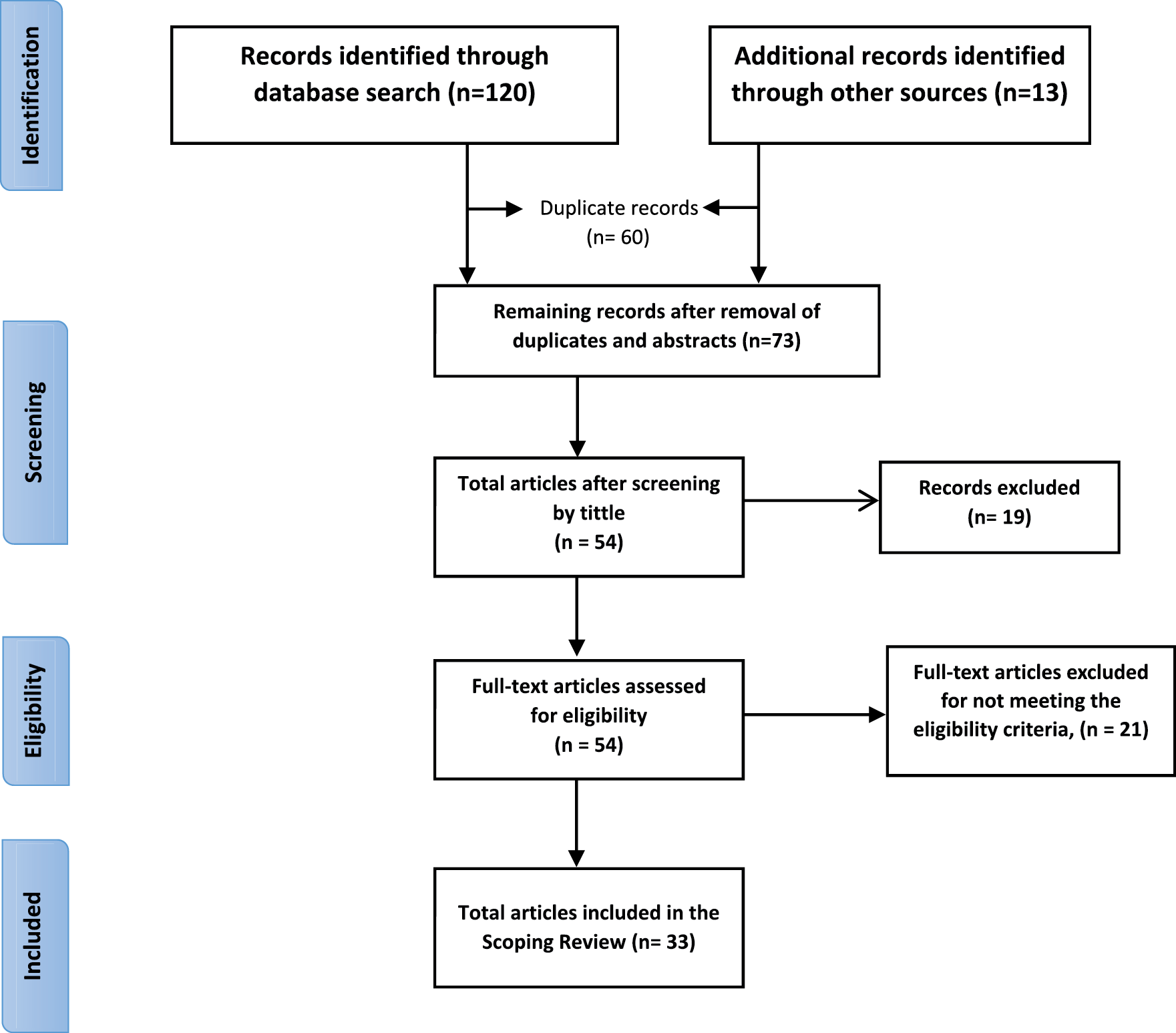
Figure 1
Preferred Reporting Items for Systematic Reviews and Meta‑analyses (PRISMA) flow diagram summarizing the search process and results selection. Adapted from Moher D, et al. (2009) [8].
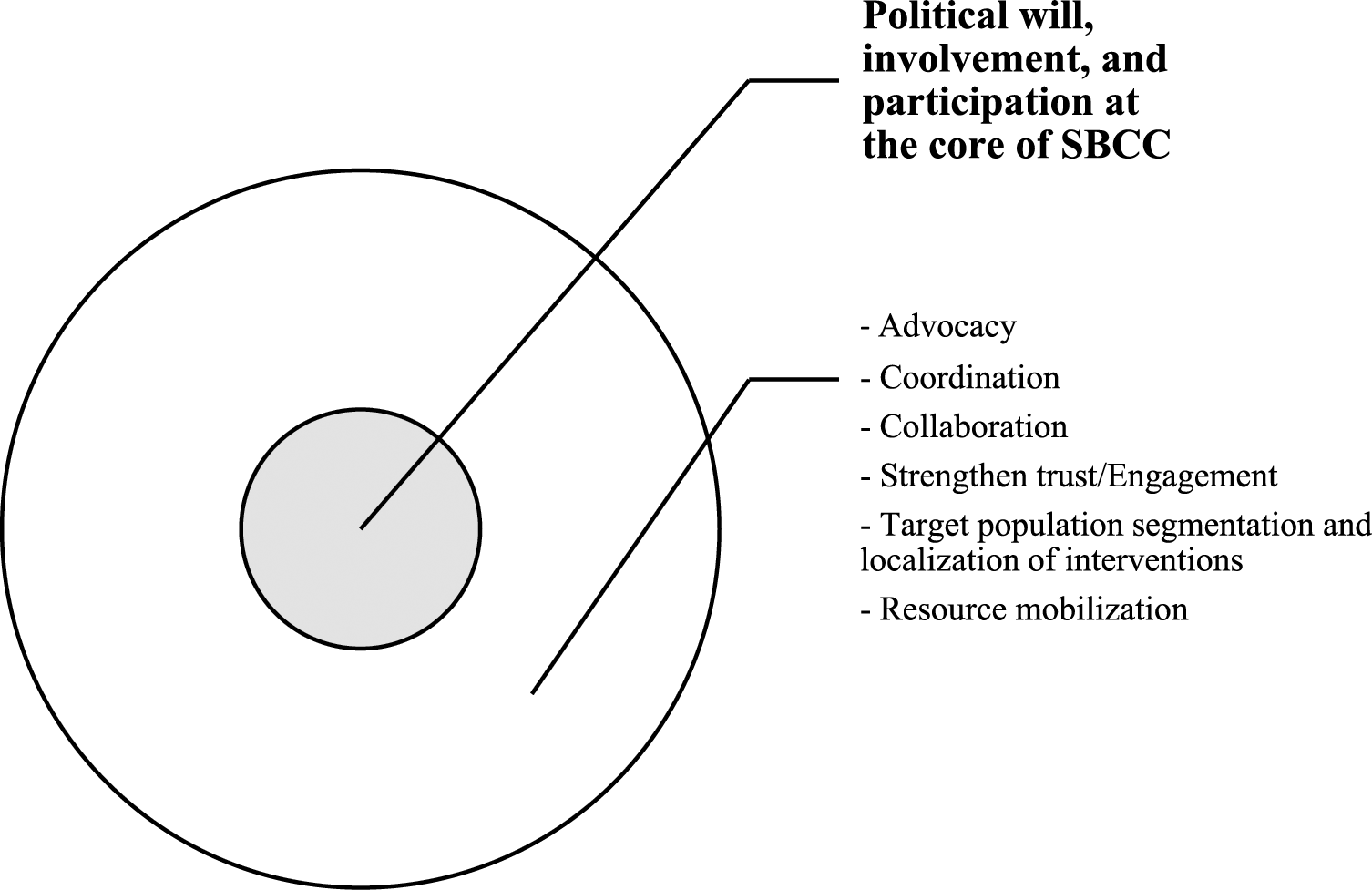
Figure 2
Key factors for successful SBCC interventions during a public health emergency.
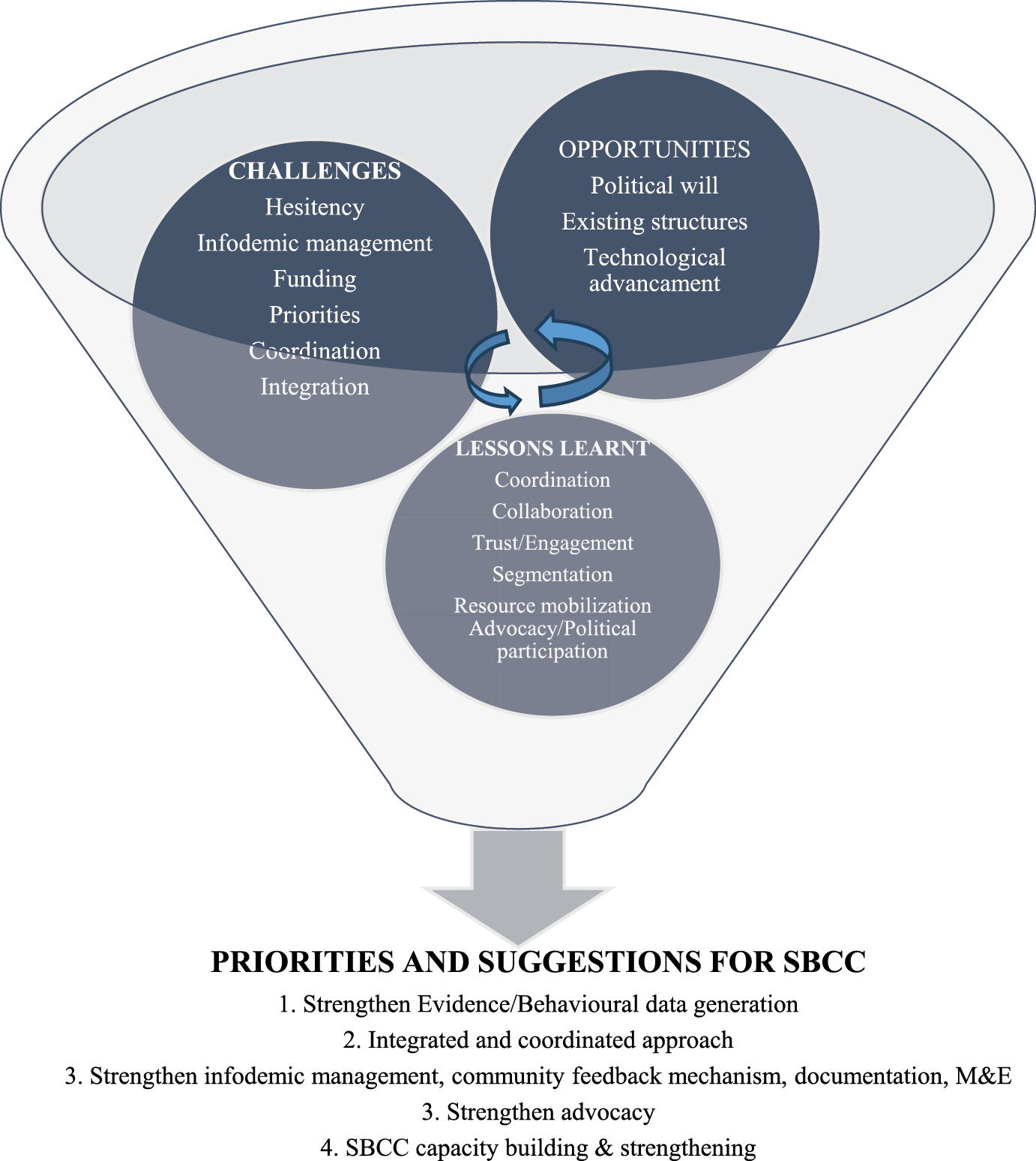
Figure 3
Interaction of challenges, priorities, opportunities, lessons learnt and priorities and suggestions for SBCC.