
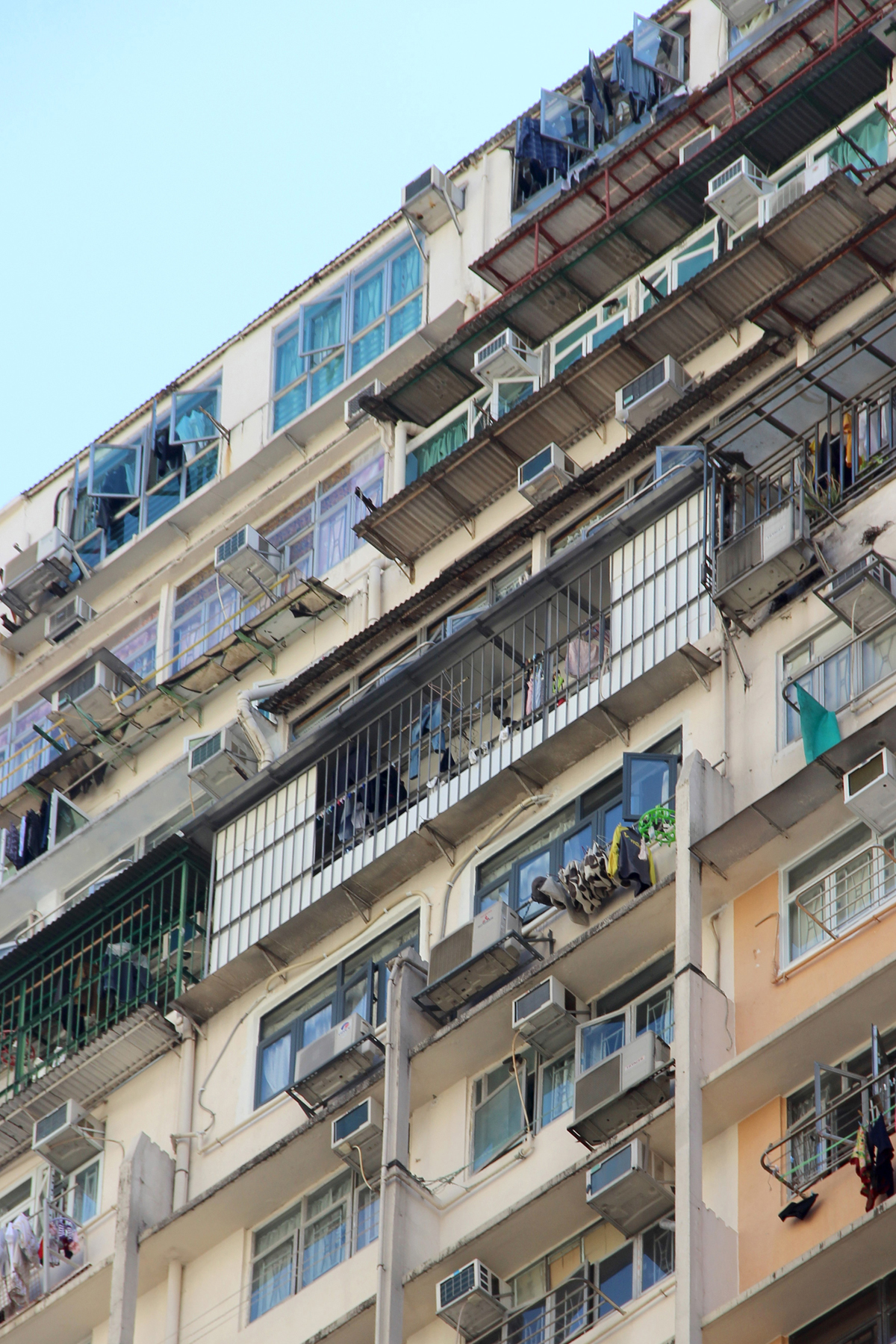
Figure 1
Unauthorised structures added to a 1950s building in Sheung Wan, Hong Kong Island [Photograph: Francisco Garcia Moro. All rights reserved].
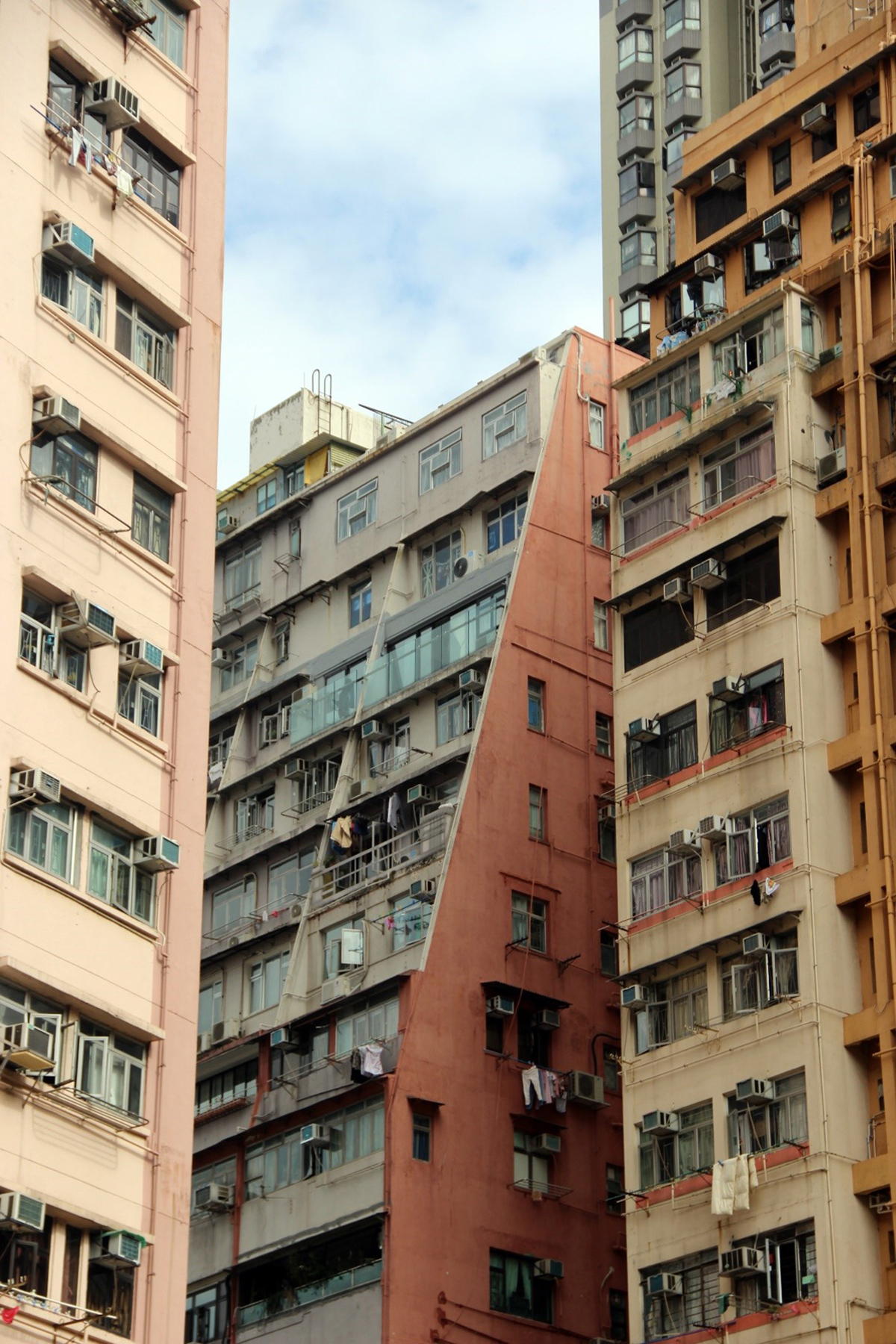
Figure 2
A ‘composite building’ with setback planes in Sheung Wan [Photograph: Francisco Garcia Moro. All rights reserved].
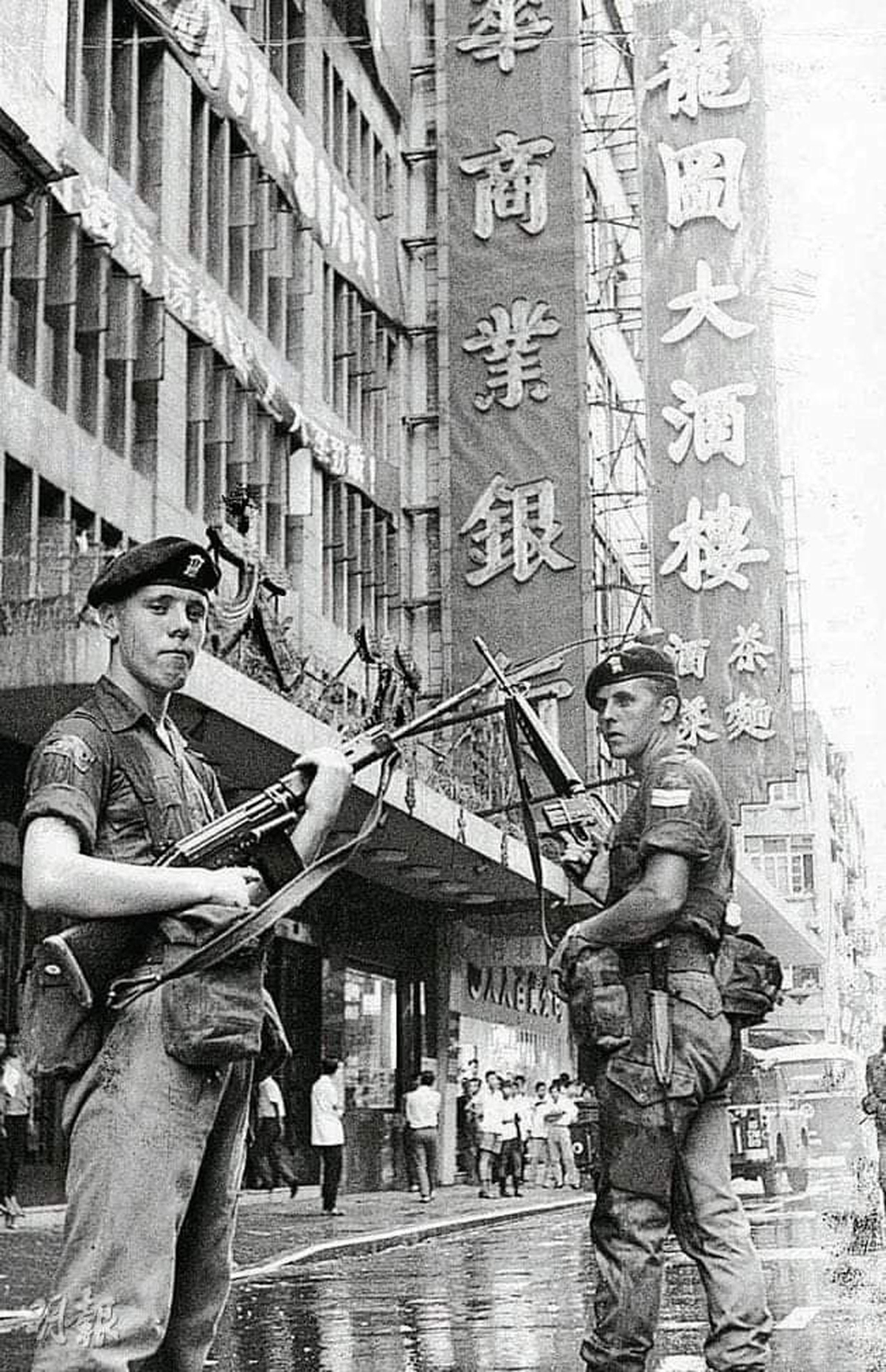
Figure 3
Photograph of the 1967 riots: ‘1st Battalion, The Welsh Regiment cordon in Hennessy Road, Wan Chai’ [Source: Ming Pao Daily News on 12th July 1967. Hong Kong, Sing Tao Micro-file Centre, 1980. Fair use for non-commercial purposes].
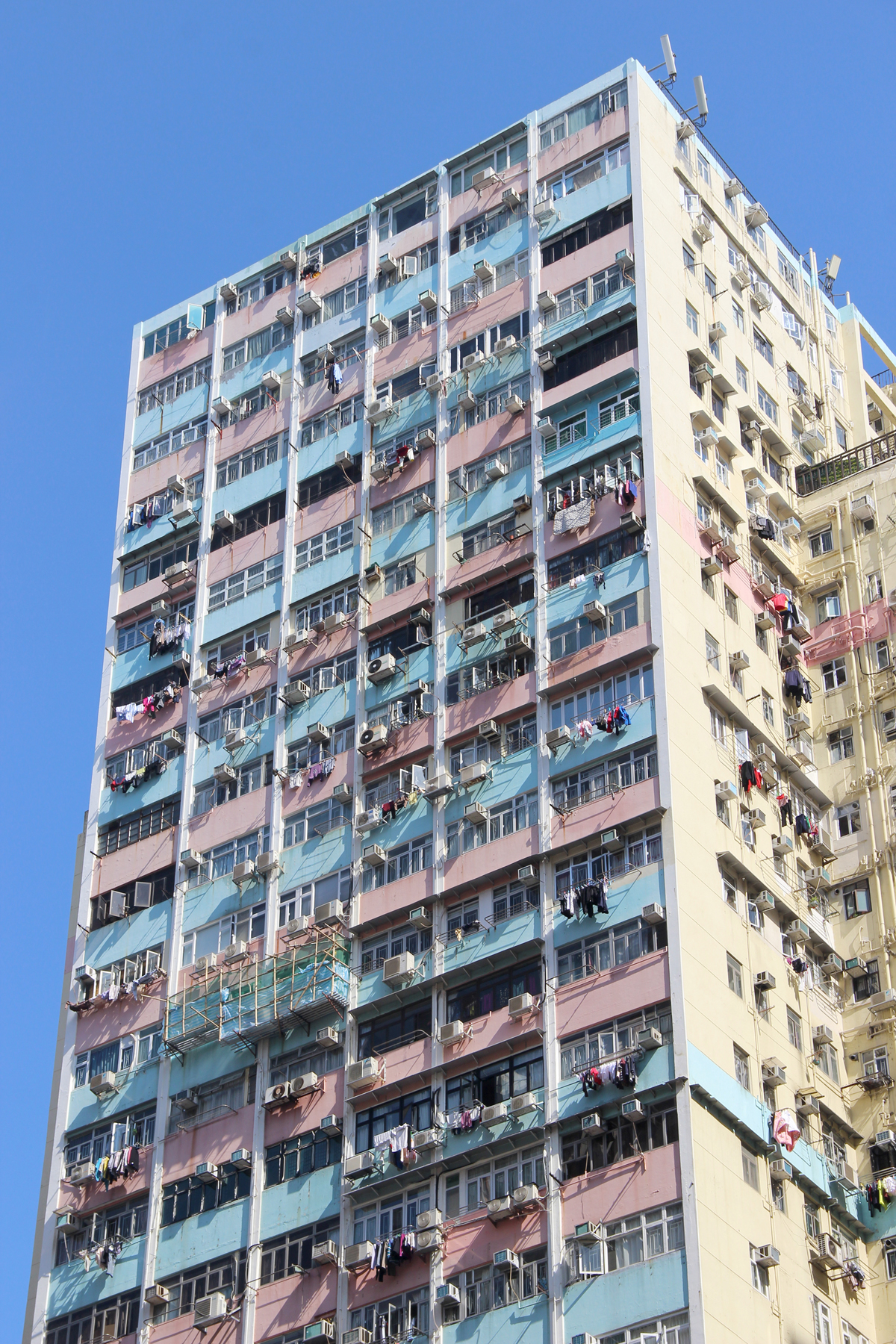
Figure 4
Kiu Kwan Mansion, North Point, Hong Kong Island [Photograph: Francisco Garcia Moro. All rights reserved].
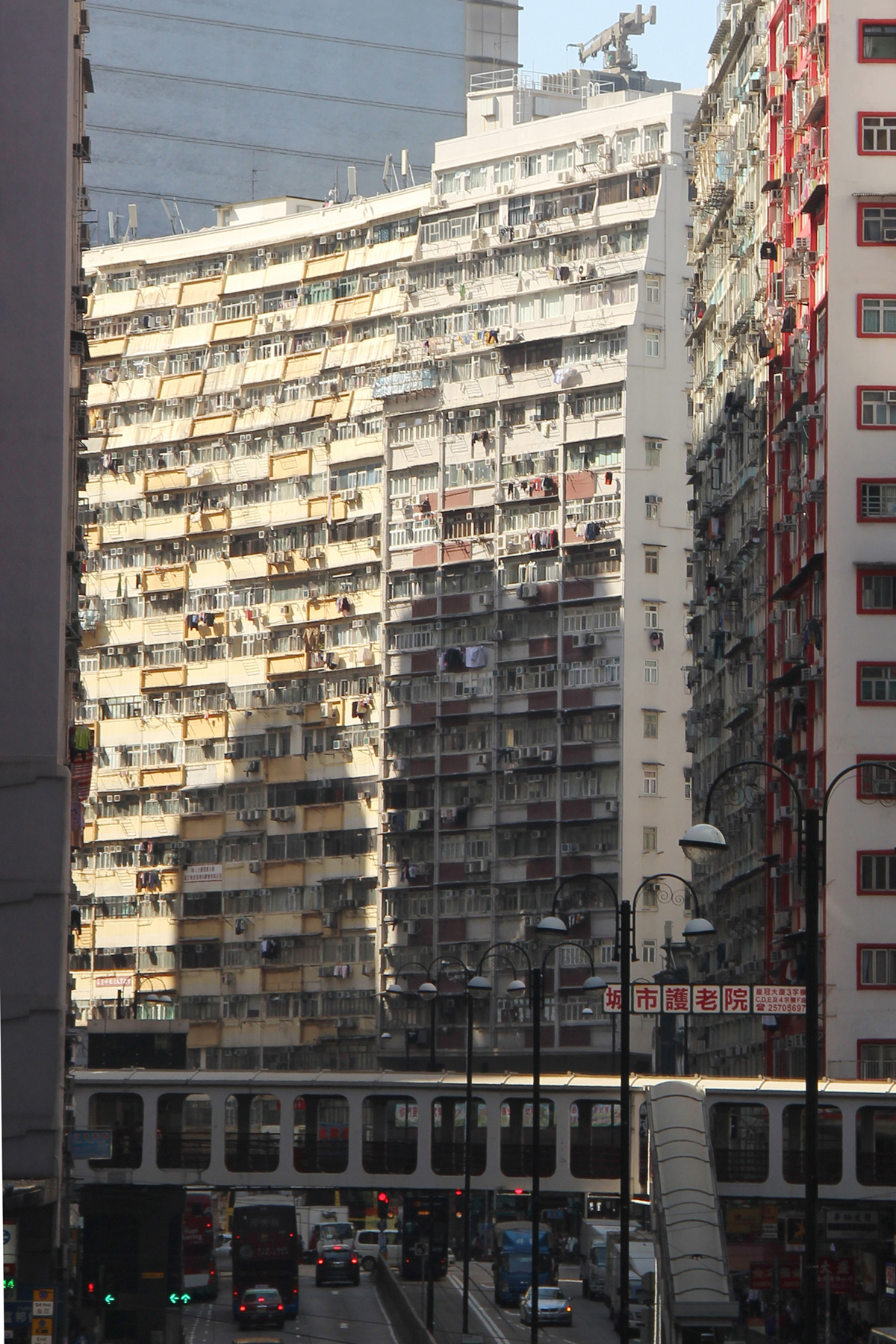
Figure 5
Extreme example of the ‘canyon effect’ in North Point [Photograph: Francisco Garcia Moro. All rights reserved].
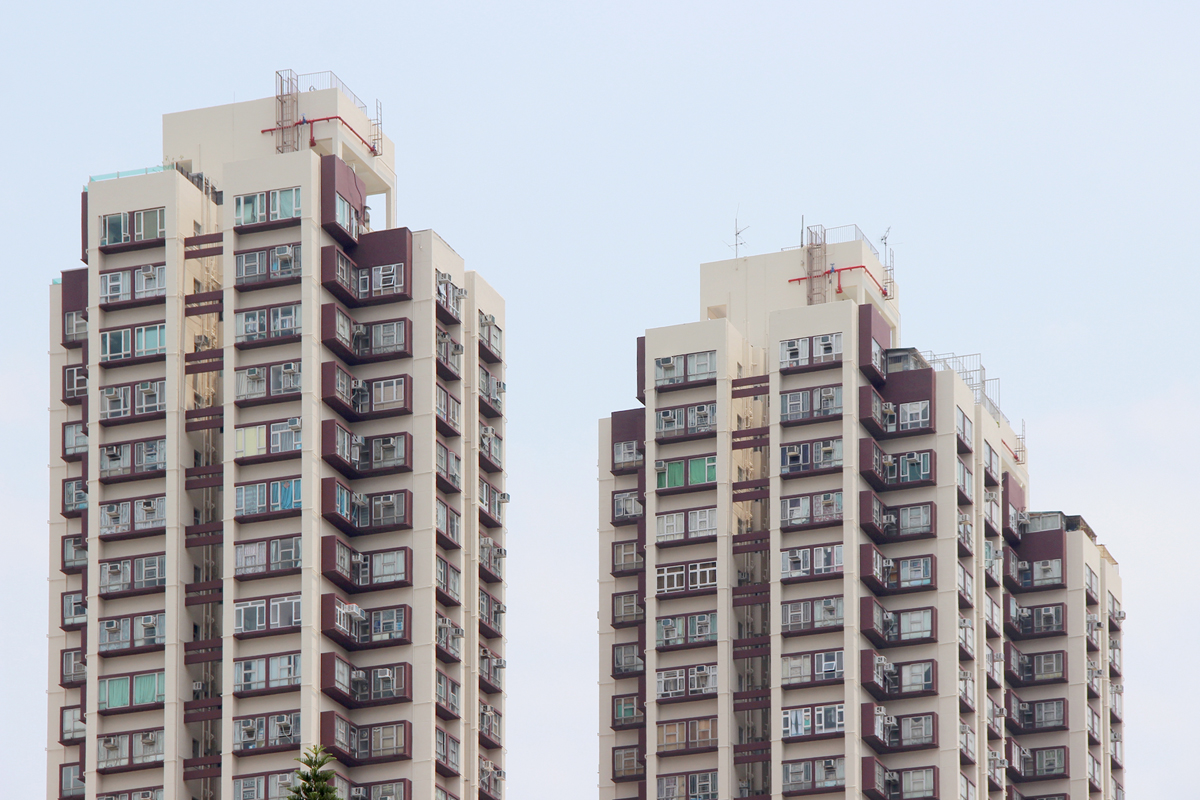
Figure 6
Podium towers with precast facades, as seen in Hong Kong in 2016 [Photograph: Francisco Garcia Moro. All rights reserved].
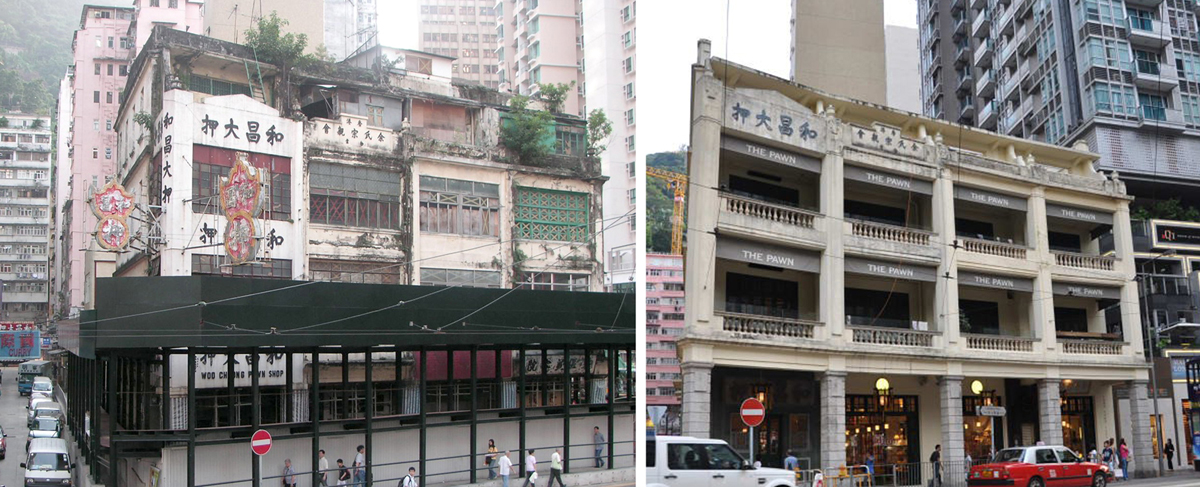
Figure 7
Left: A cluster of ‘Tong Lau’ shophouses in Johnson Road, Wan Chai, Hong Kong Island, as seen in 2005 prior to their restoration by the Urban Renewal Authority [Photograph: Francisco Garcia Moro. All rights reserved]. Right: As seen in 2011 after the URA’s renovation process [Courtesy of CNN Travel. Fair use for non-commercial purposes].
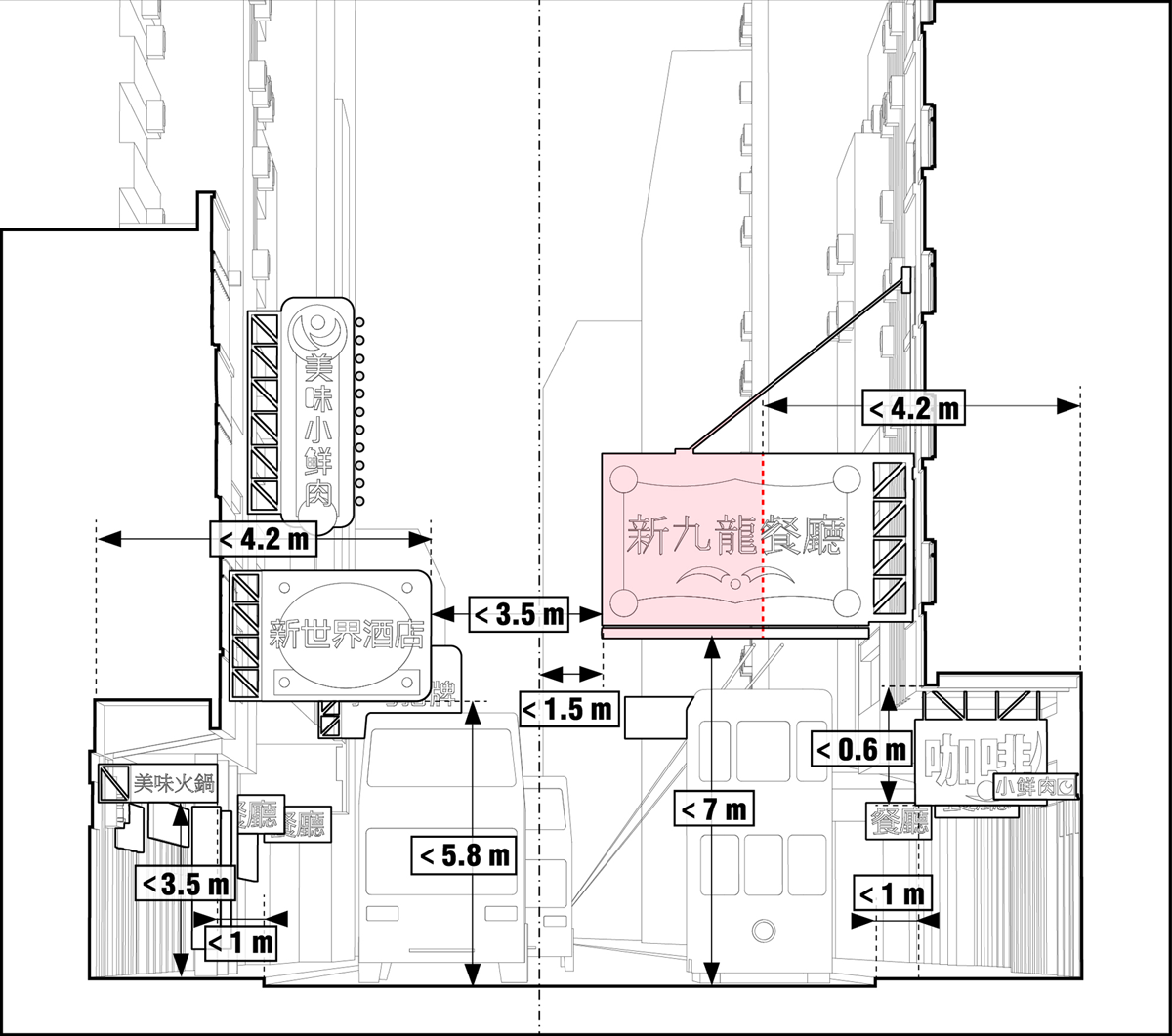
Figure 8
Diagram of the permitted signage areas on facades according to the regulations stipulated by the Hong Kong Building Department [Image by Francisco Garcia Moro based on the Building Department’s brochure].
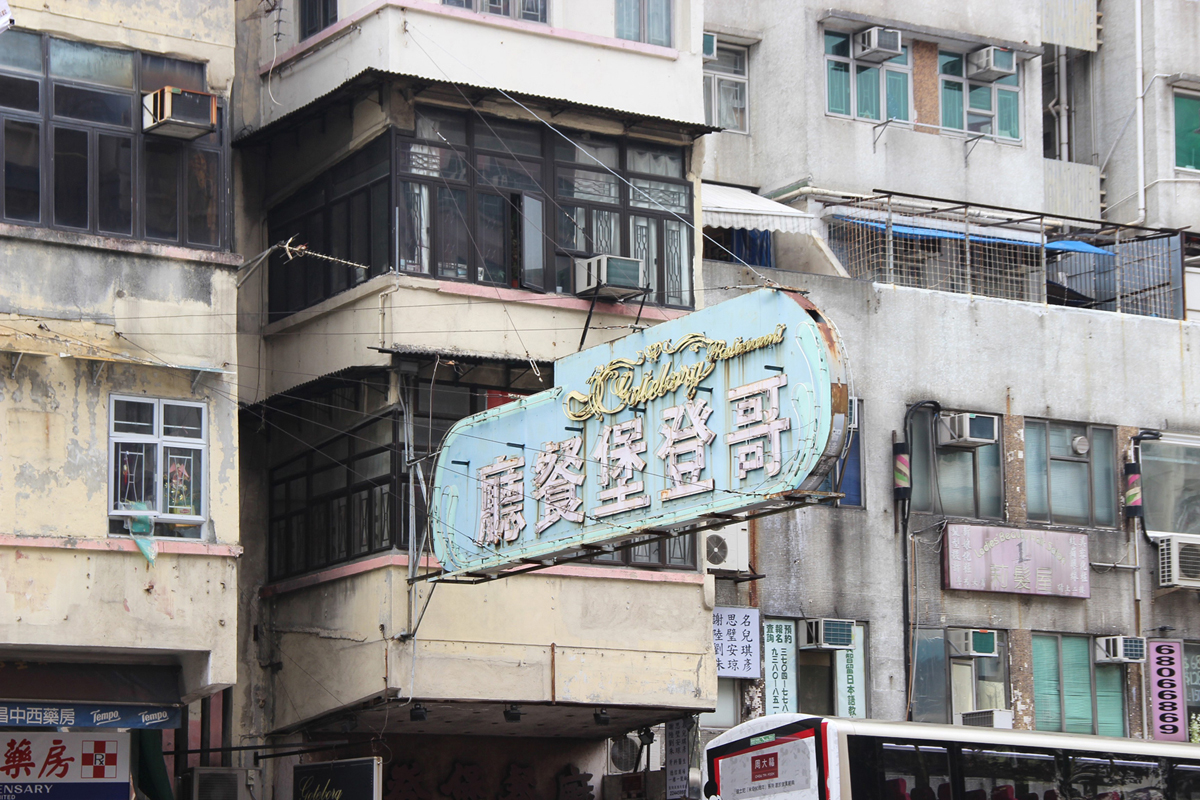
Figure 9
A non-compliant neon sign on a 1950s building in Kowloon [Photograph: Francisco Garcia Moro. All rights reserved].
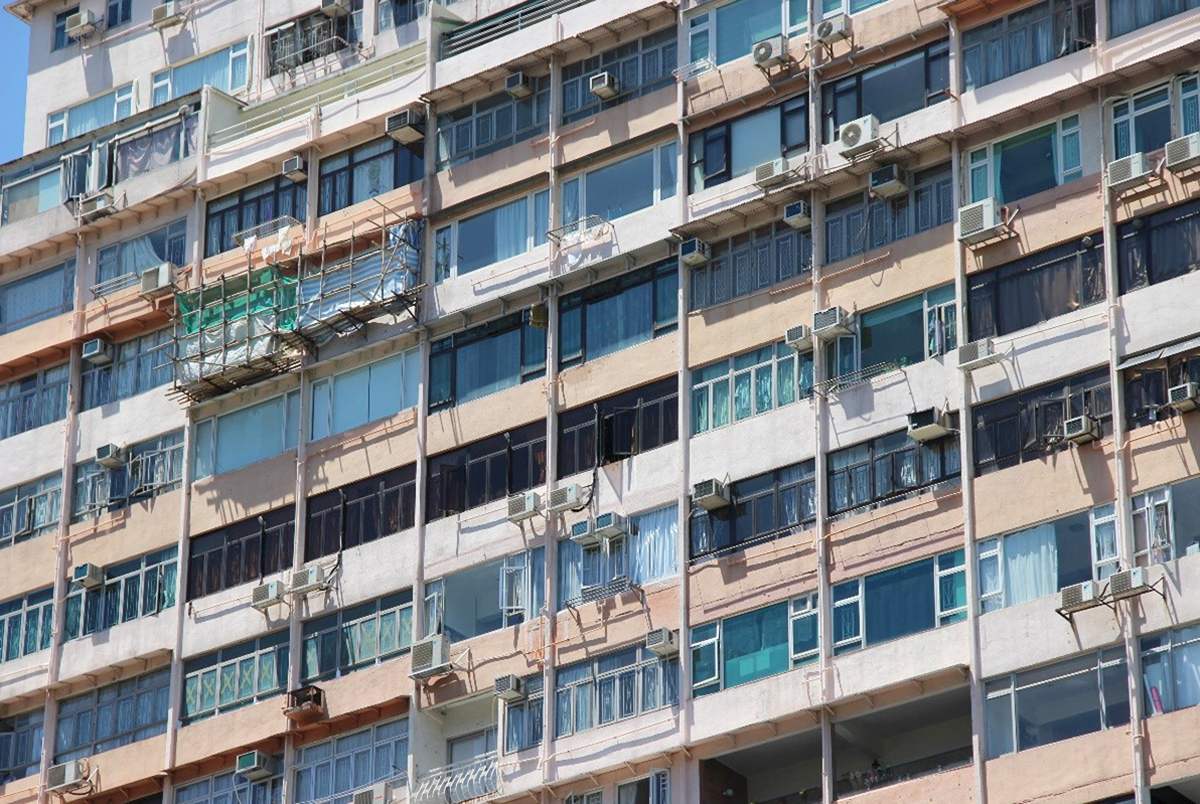
Figure 10
One of the 1950s ‘composite buildings’ with a restored façade and predominantly legal modifications such as air-conditioning condensers and clothes drying racks [Photograph: Francisco Garcia Moro. All rights reserved].
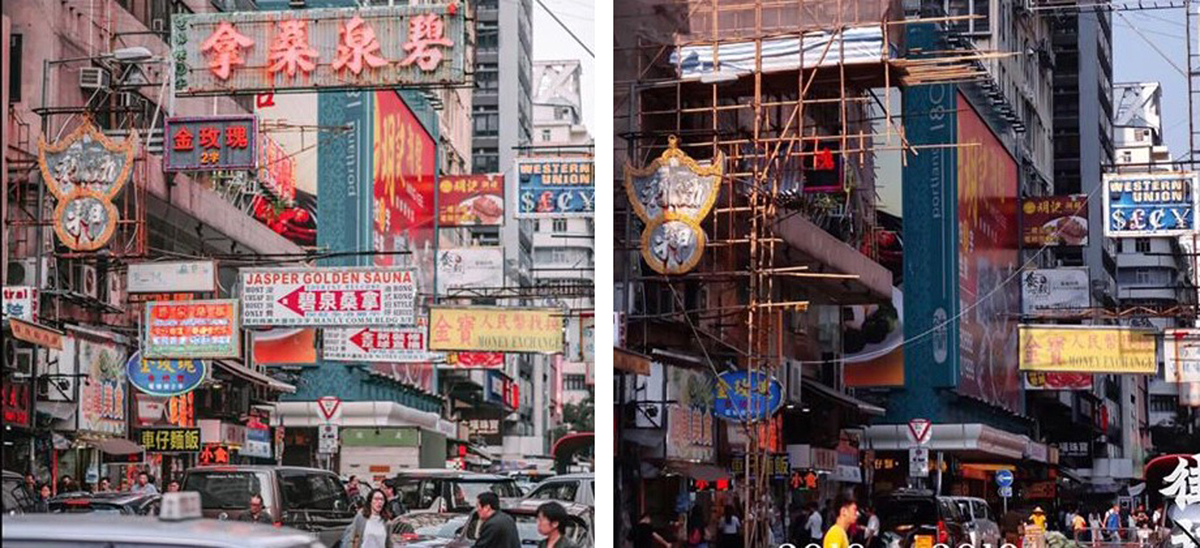
Figure 11
A streetscape in Hong Kong in 2018 compared to the same scene in 2019 [Photograph: Francisco Garcia Moro. All rights reserved].
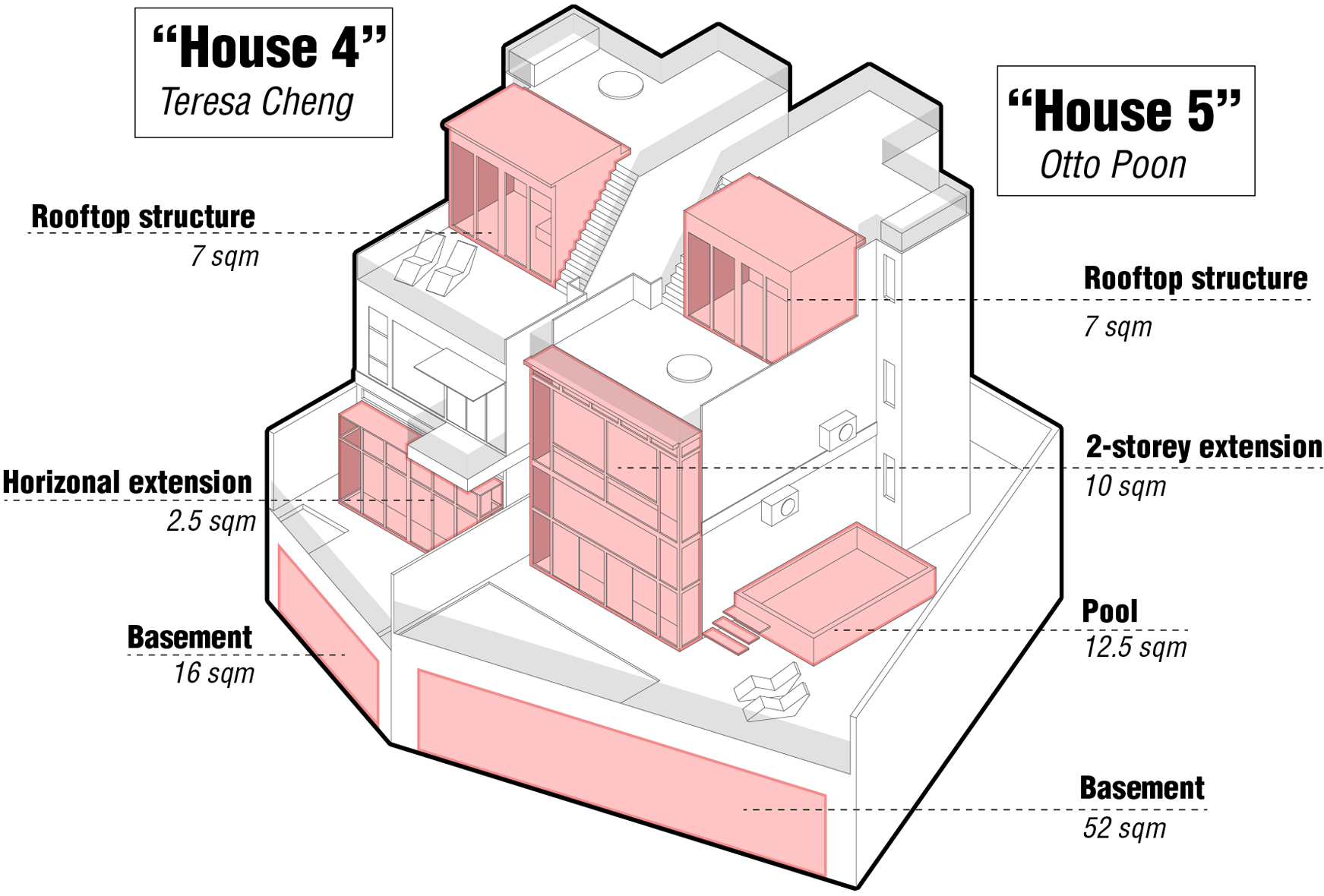
Figure 12
House belonging to Teresa Cheng with its illegal structures, as seen in 2018 [Image by Francisco Garcia Moro based on infography by SCMP].
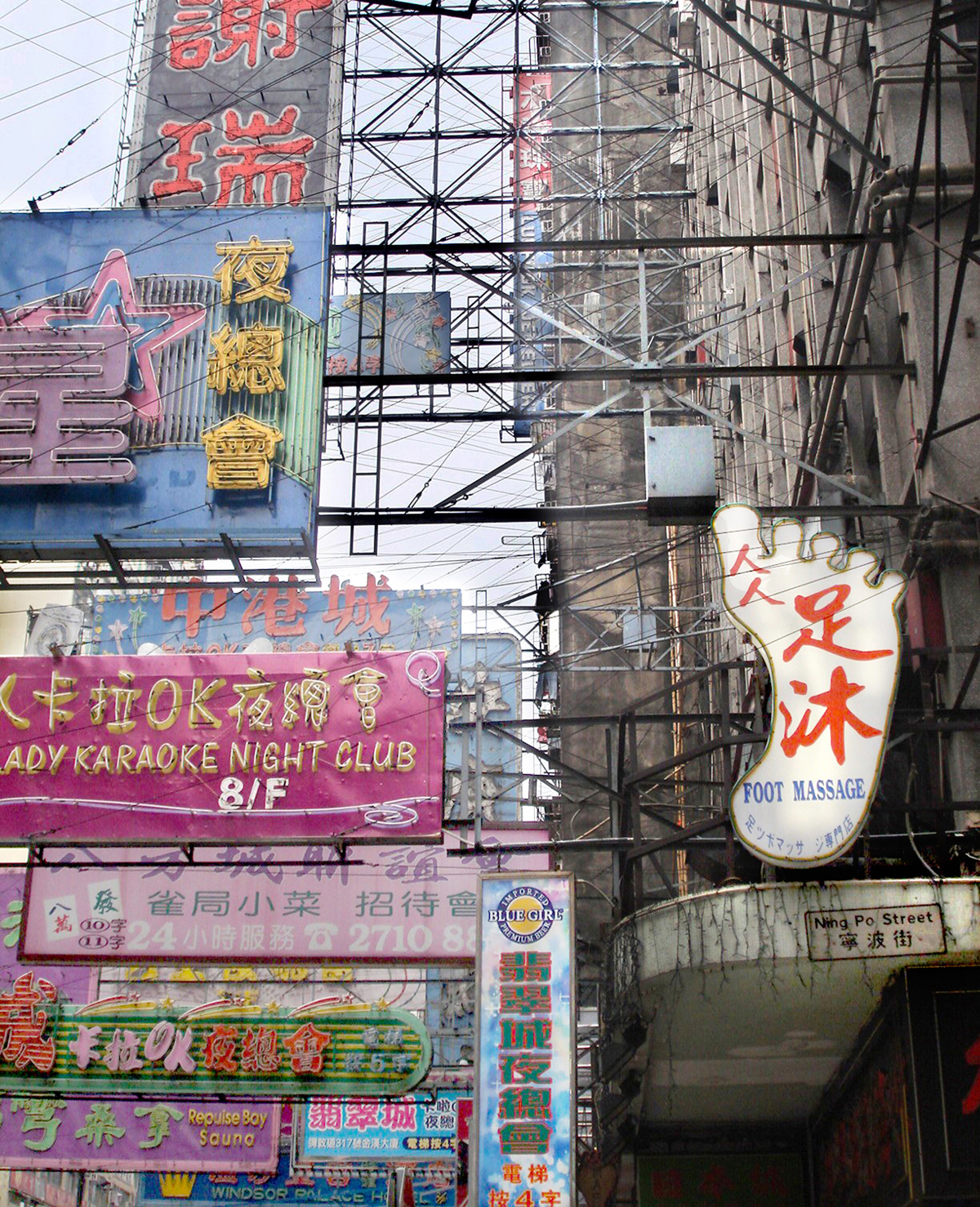
Figure 13
Neon signs in Hong Kong back in 2006 [Photograph: Francisco Garcia Moro. All rights reserved].
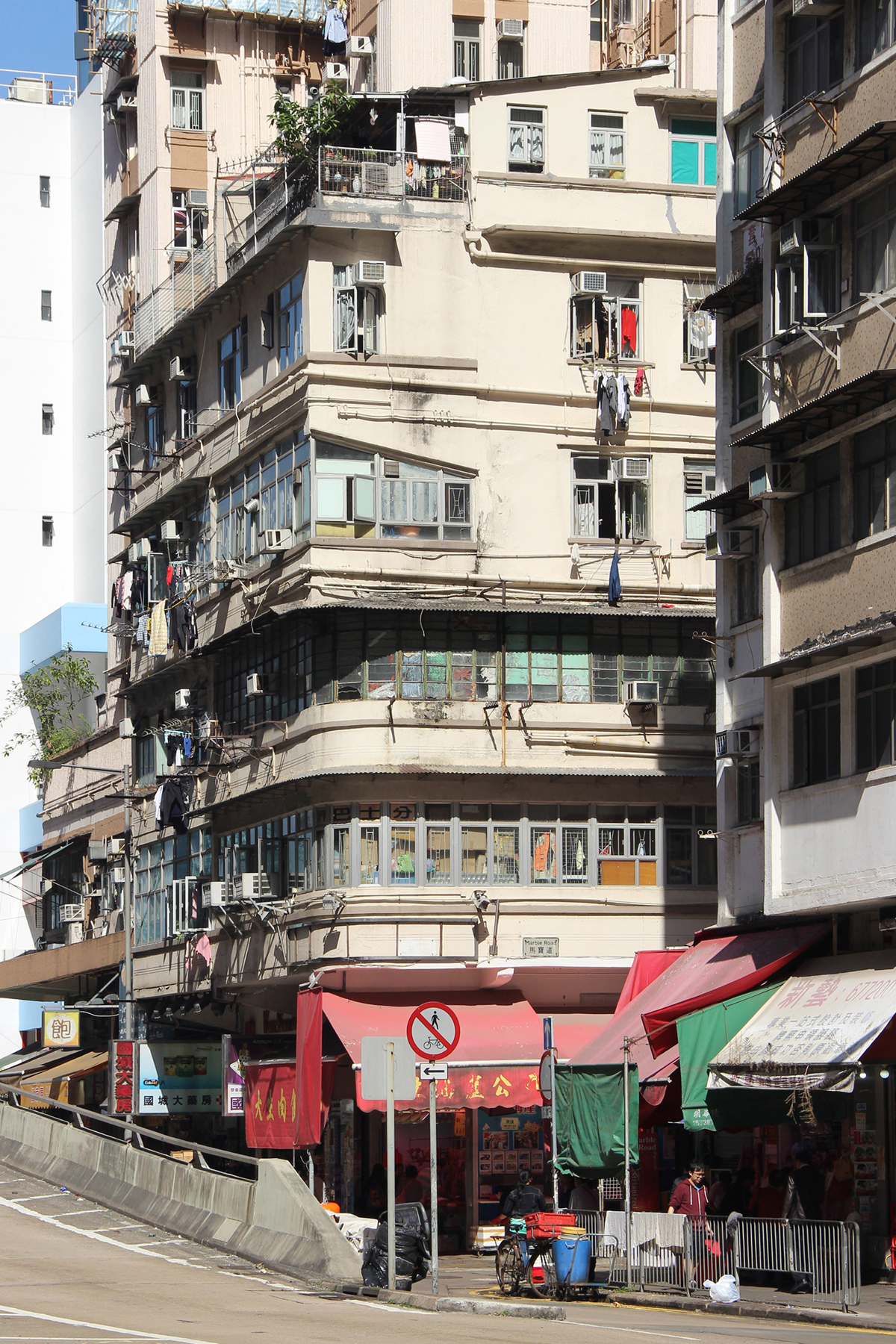
Figure 14
A modified 1950s building with illegal rooftop extensions [Photograph: Francisco Garcia Moro. All rights reserved].
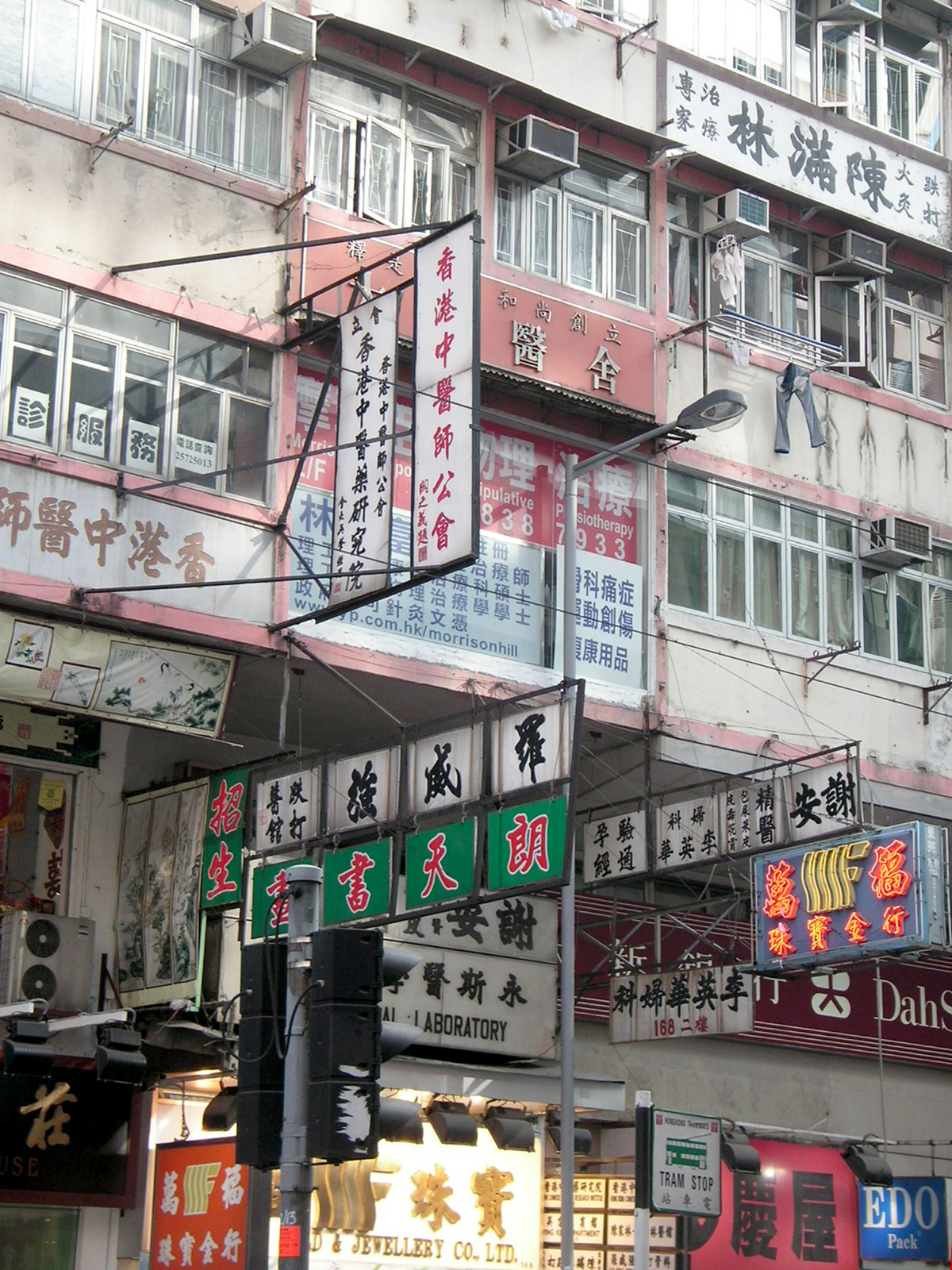
Figure 15
A typical streetscape in Hong Kong as seen in 2008 [Photograph: Francisco Garcia Moro. All rights reserved].
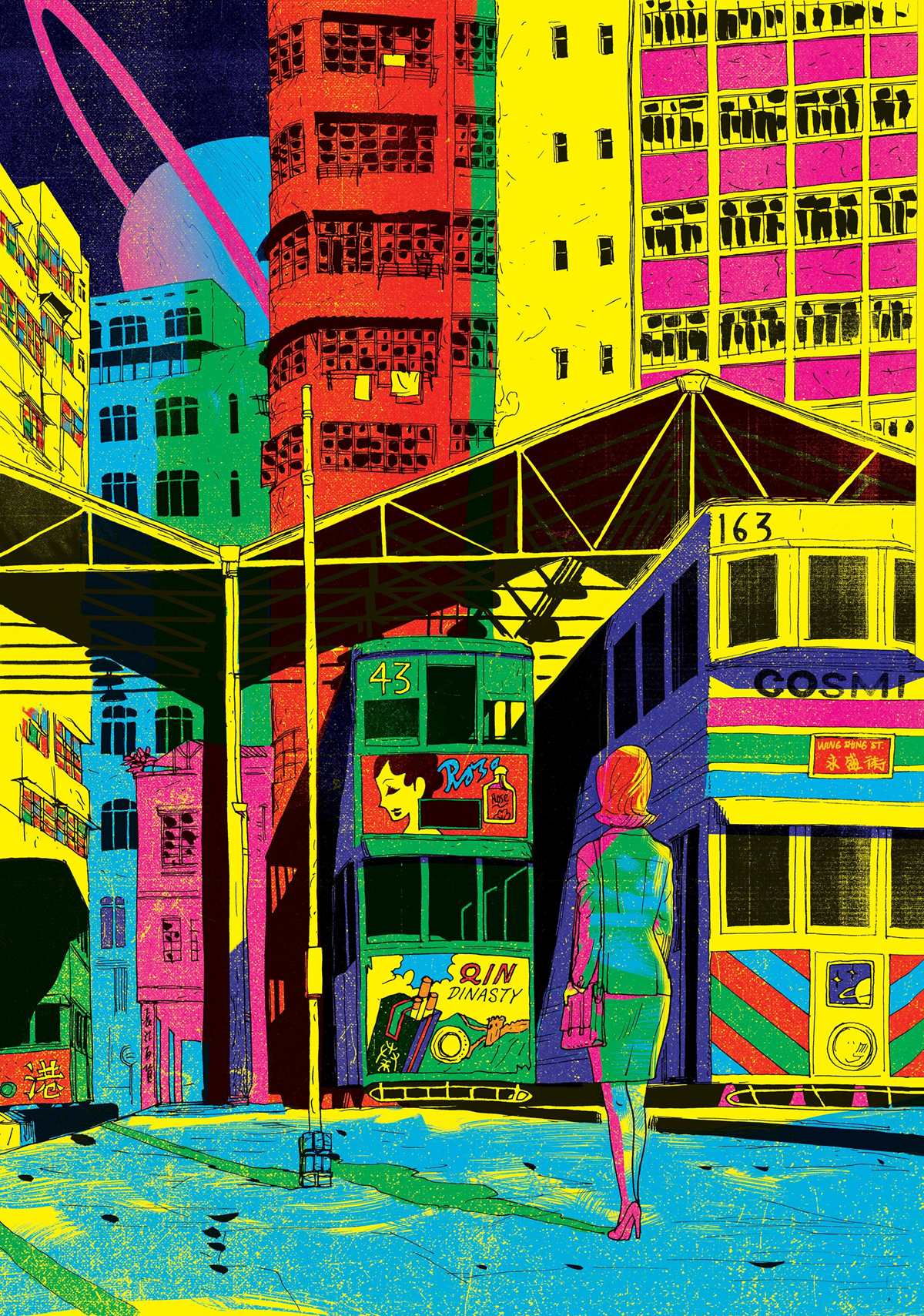
Figure 16
Scene from Dragon Delusion (2018) [Courtesy of Kong Kee. All rights reserved].
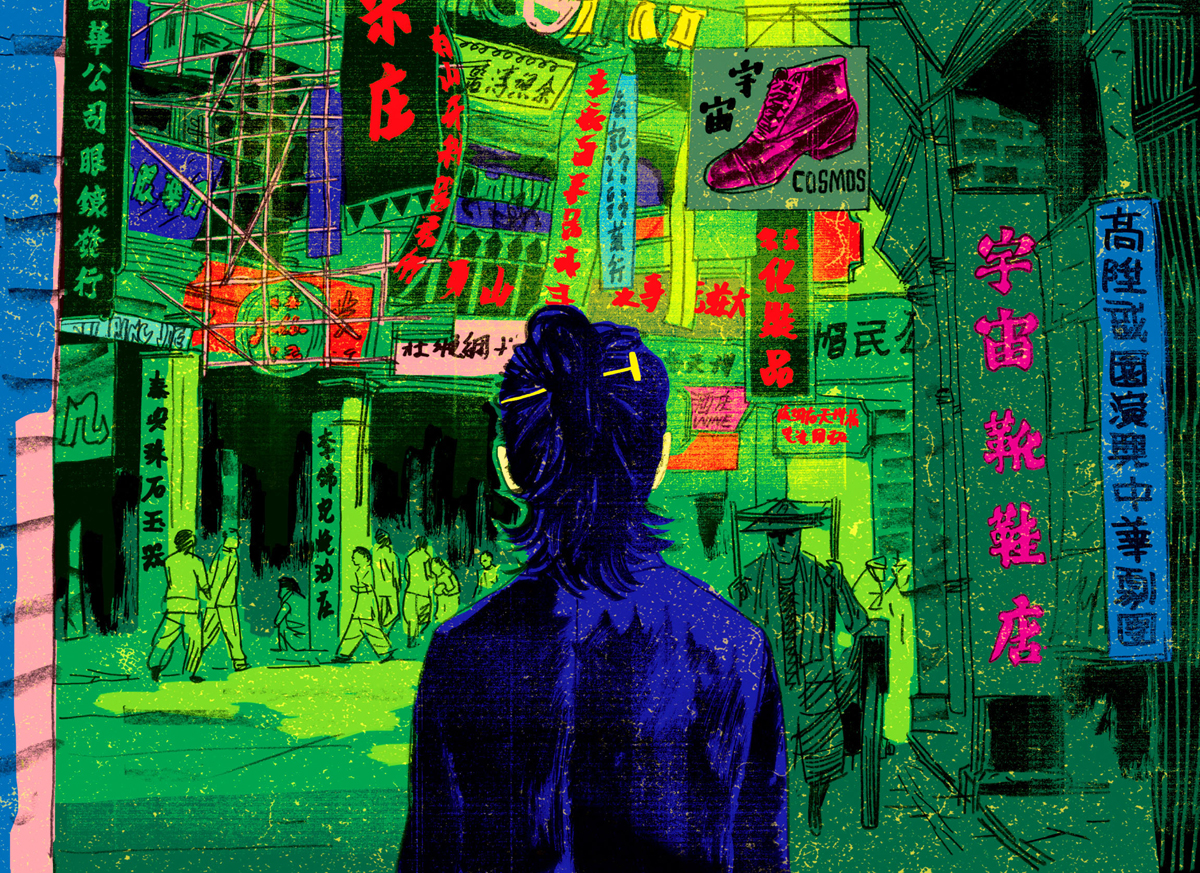
Figure 17
Scene from Dragon Delusion (2018) [Courtesy of Kong Kee. All rights reserved].
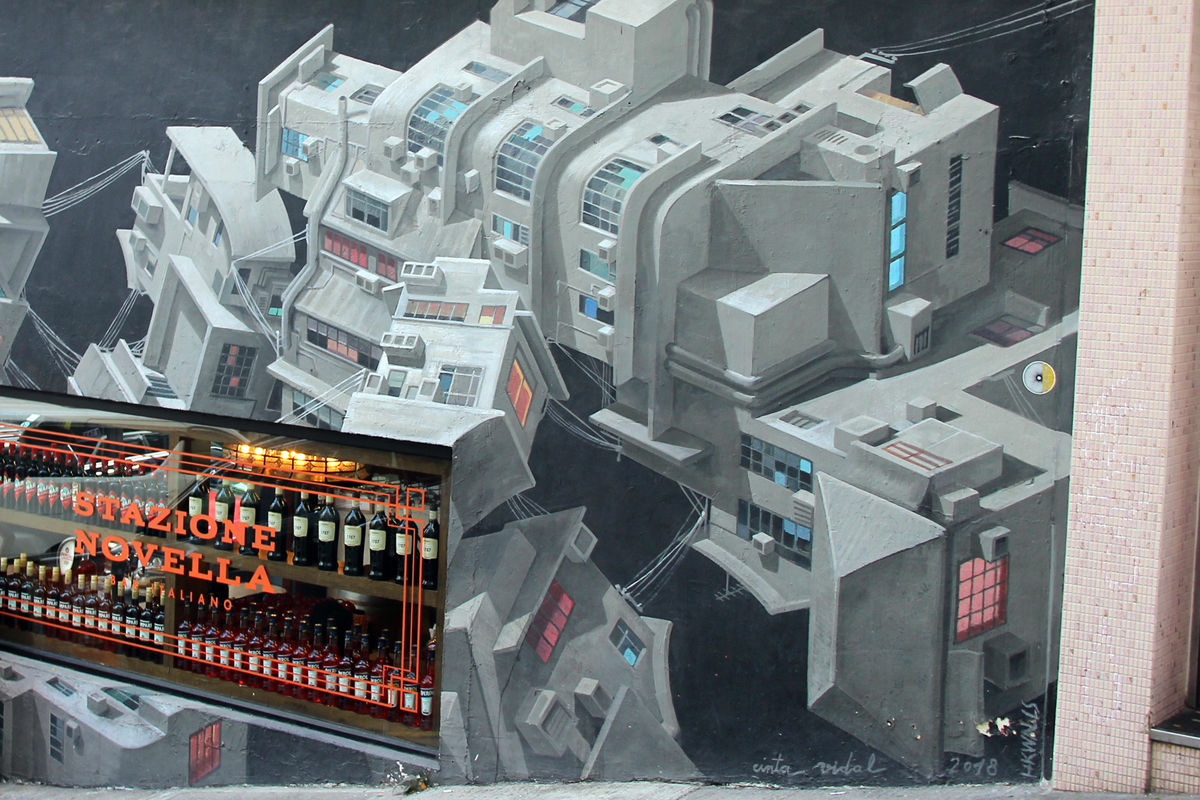
Figure 18
Mural by Cinta Vidal for the HKWalls exhibition in 2018 [Photograph: Francisco Garcia Moro. All rights reserved].
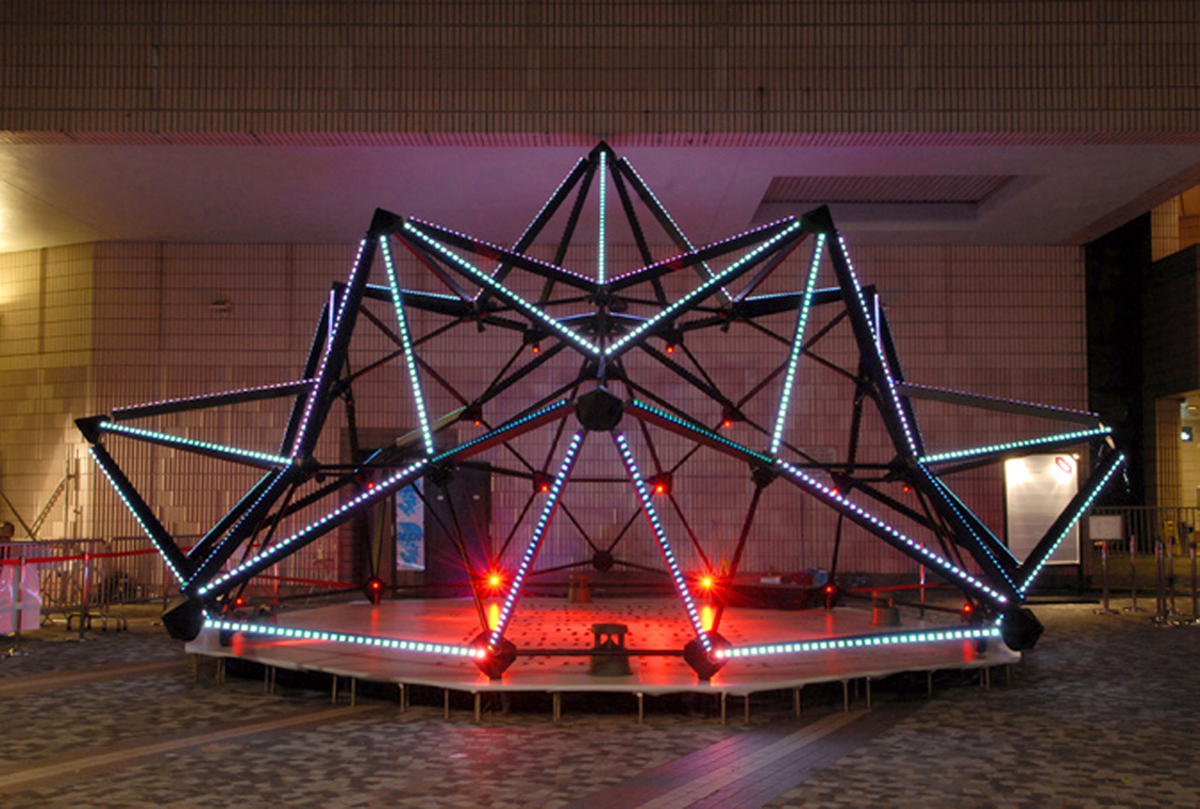
Figure 19
Installation ‘The Constant – Overlap’ (2010) [Courtesy of Teddy Lo. All rights reserved].
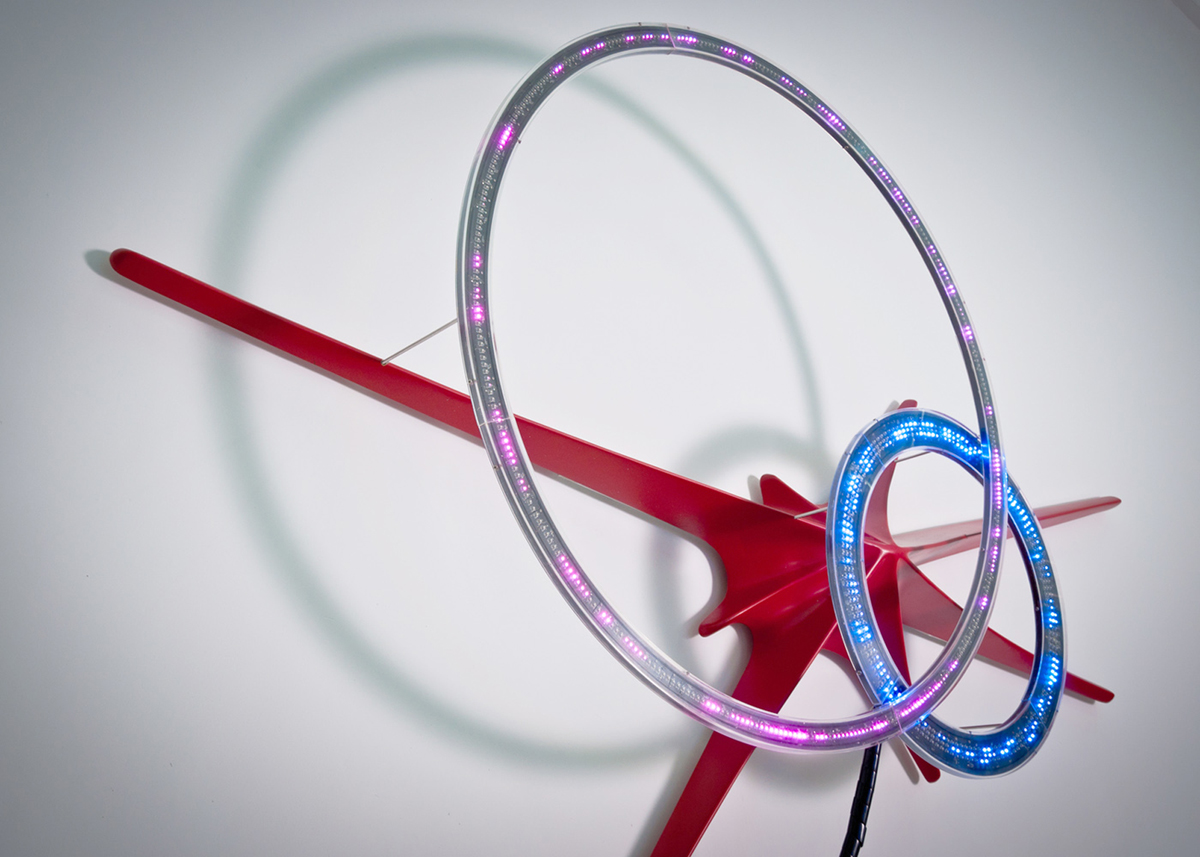
Figure 20
Installation ‘Shades Dynamicism’ (2015) [Courtesy of Teddy Lo. All rights reserved].
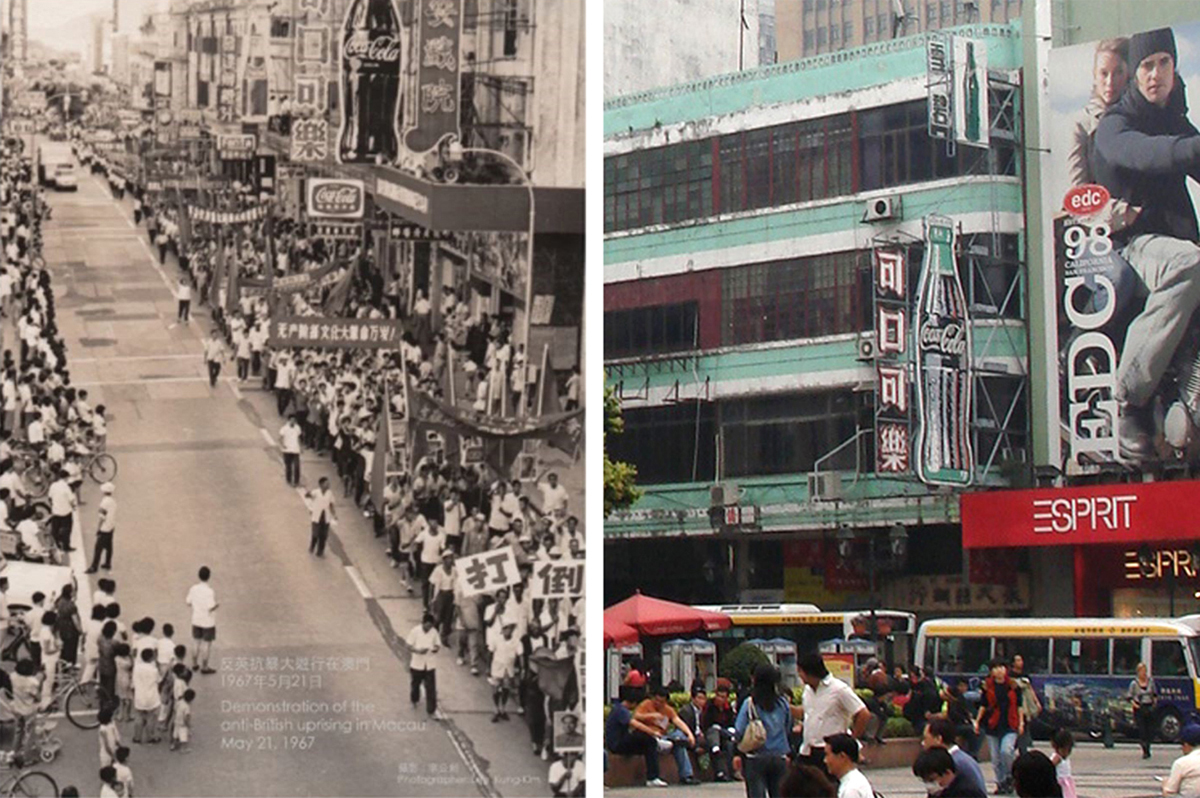
Figure 21
Left: Photograph of the 1967 demonstrations in Avenue Almeida Ribeiro, Macau [Courtesy of Leung Mee-Ping. All rights reserved]. Right: ‘Coca-Cola’ signboard in Avenue Almeida Ribeiro, Macau, as seen in 2008 [Photograph: Francisco Garcia Moro. All rights reserved].
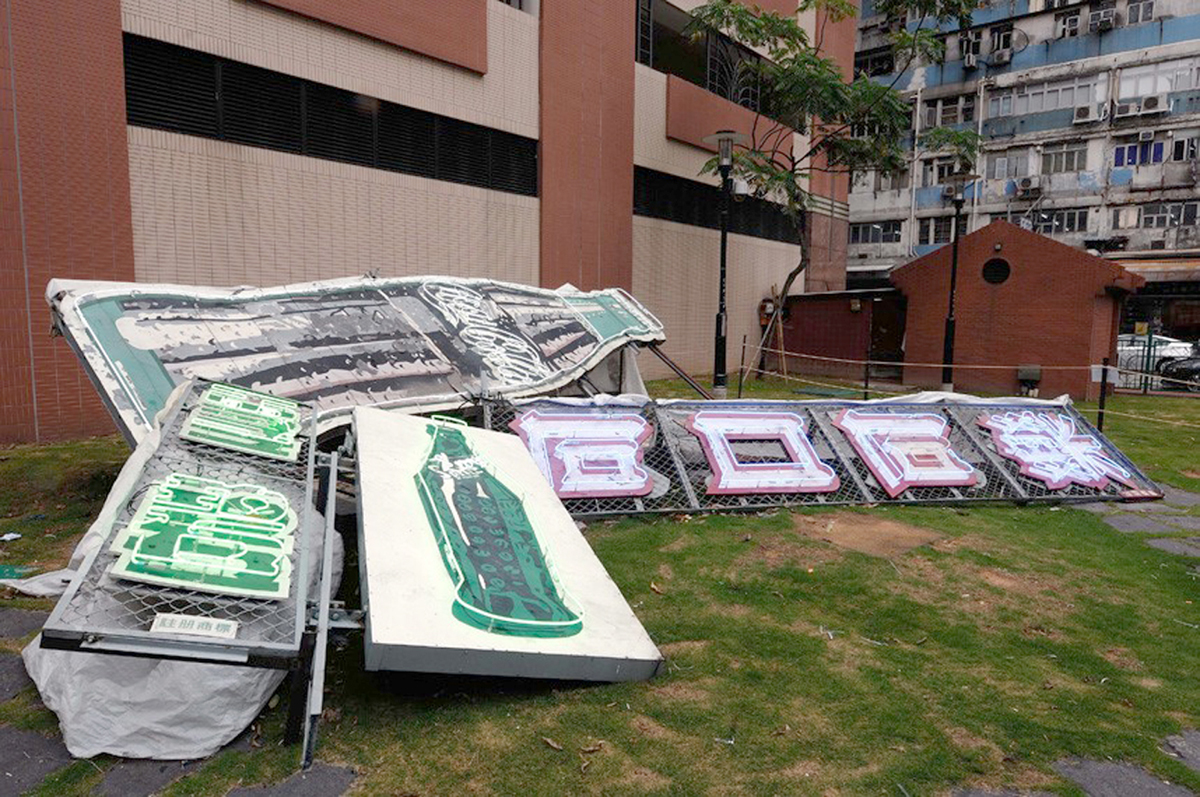
Figure 22
Installation ‘I Miss Fanta’ (2012) by Leung Mee-Ping [Courtesy of Leung Mee-Ping. All rights reserved].
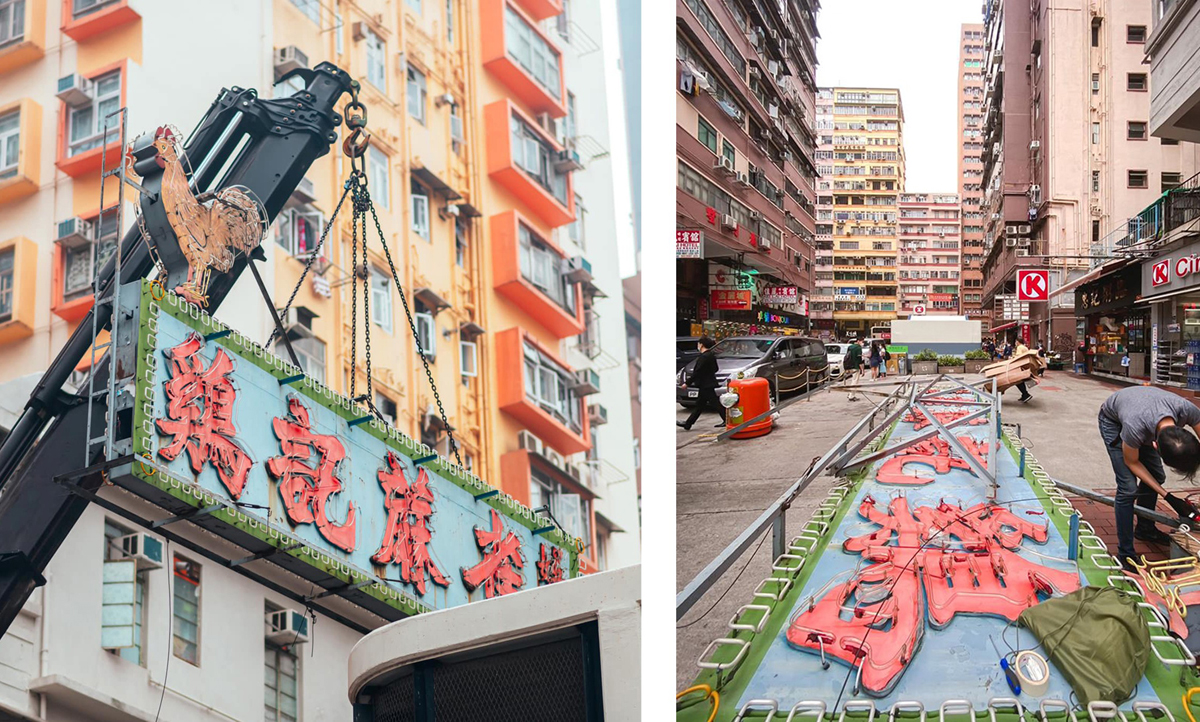
Figure 23
Photographs showing the removal of Kai Kee Mahjong’s sign in Yau Ma Tei, Kowloon, in 2020 [Courtesy: Street Sign HK. All rights reserved].
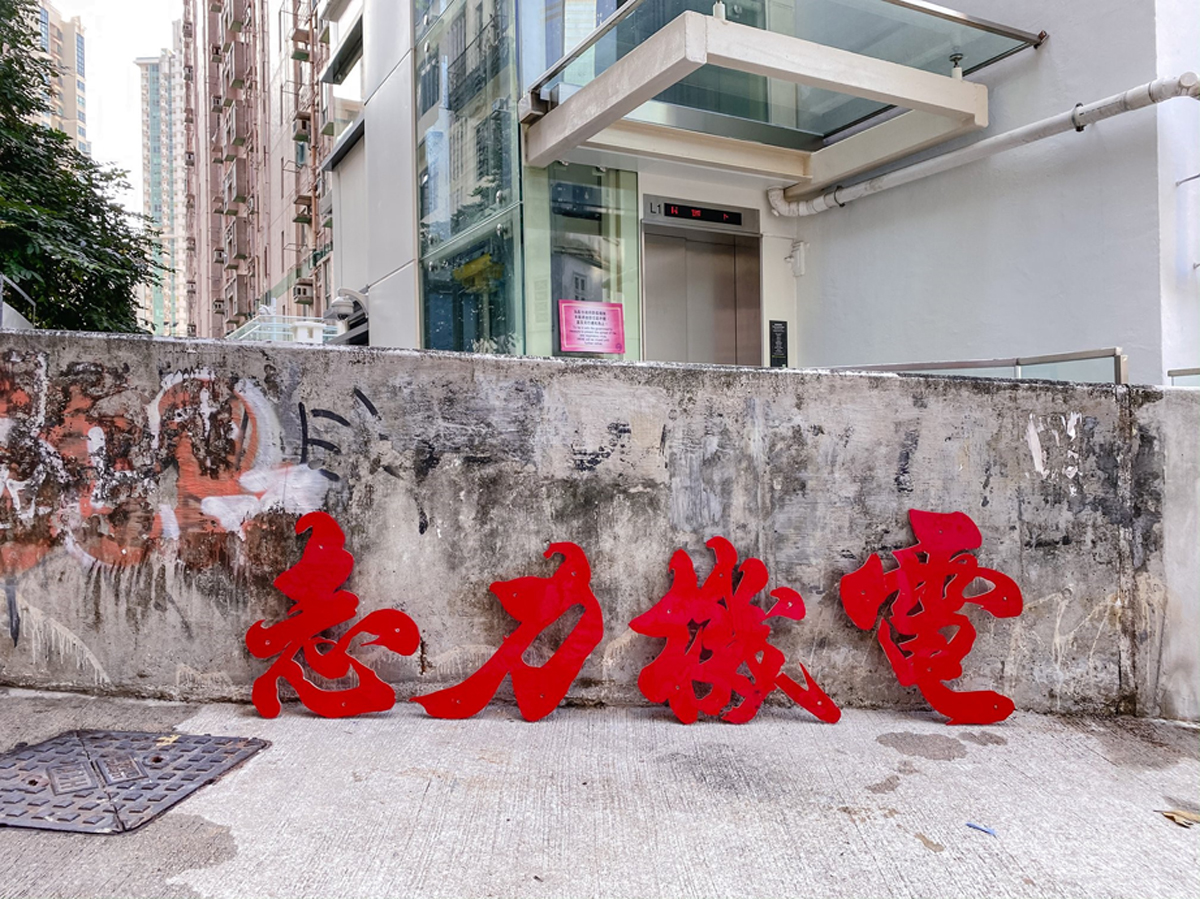
Figure 24
‘Chee Lick Electrical’ signage in Thomson Road, Wan Chai, Hong Kong Island [Courtesy of Street Sign HK. All rights reserved].
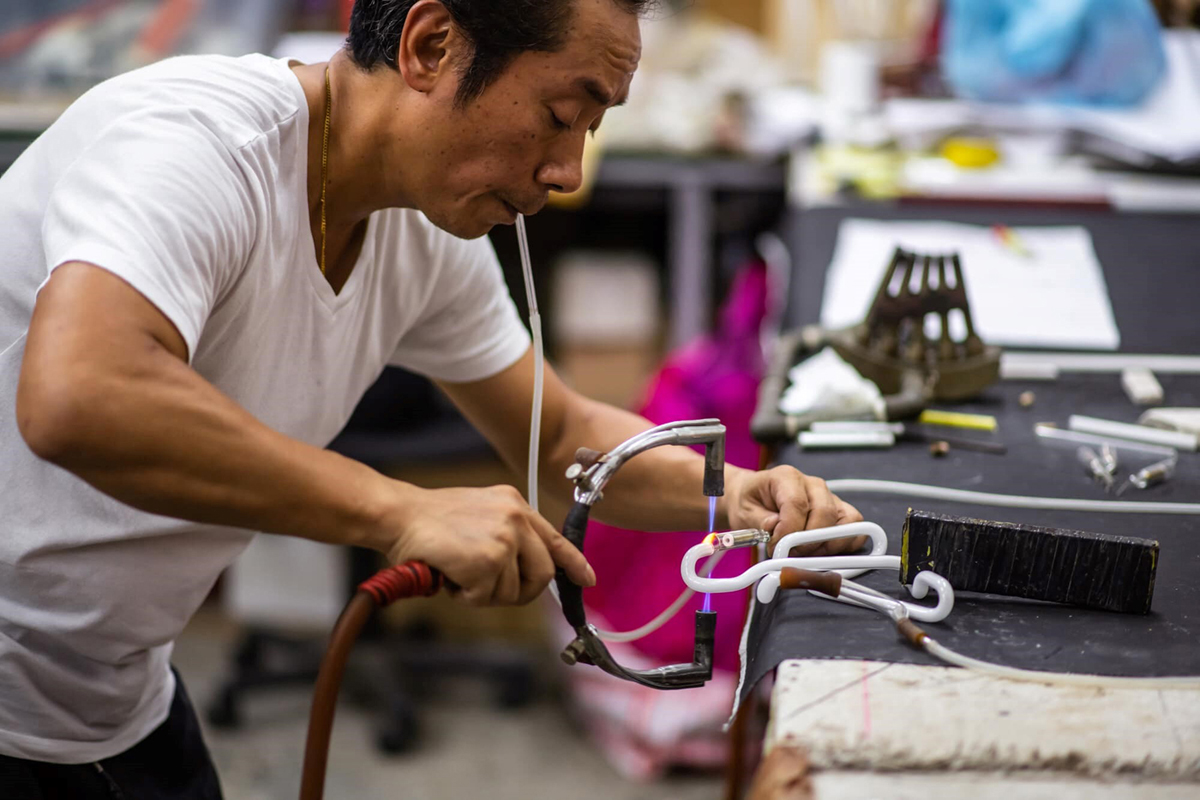
Figure 25
Photograph of a neon sign craftsman who is still working today in Hong Kong [Courtesy of Street Sign HK. All rights reserved].
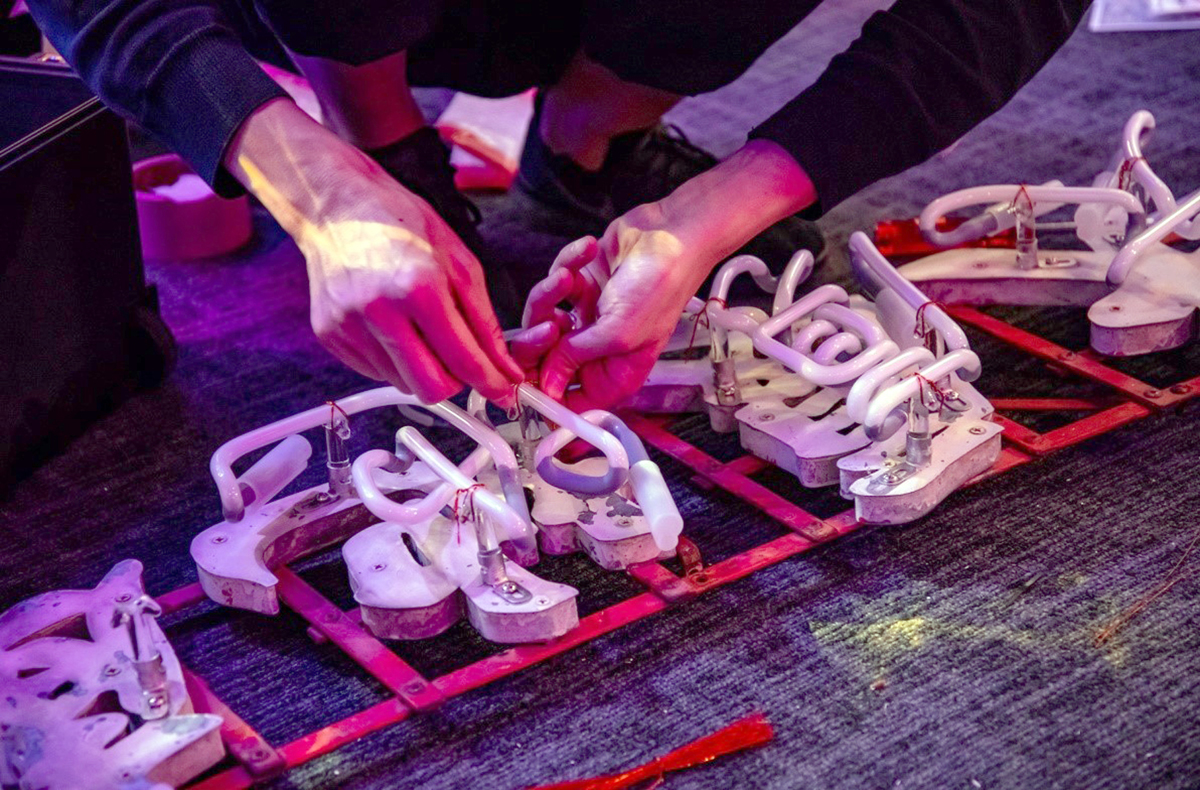
Figure 26
Example of a neon sign being made in Hong Kong [Courtesy of Street Sign HK. All rights reserved].