Have a personal or library account? Click to login
Nutrition of Newborns with Hypoxic-Ischaemic Encephalopathy during Therapeutic Hypothermia - A Survey of Practice in Polish Neonatal Care Units Cover

Nutrition of Newborns with Hypoxic-Ischaemic Encephalopathy during Therapeutic Hypothermia - A Survey of Practice in Polish Neonatal Care Units

Open Access
|Mar 2024

Figures & Tables

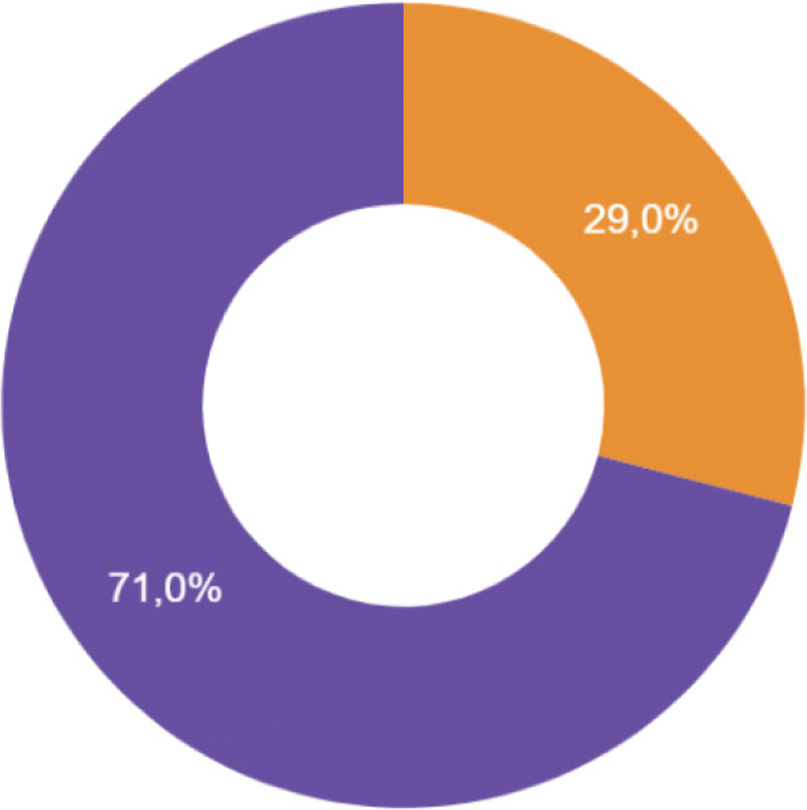
Figure 1.

Nutrition of newborns with hypoxic-ischaemic encephalopathy during therapeutic hypothermia.Legend:Orange: Parenteral NutritionViolet: Parenteral and Enteral Nutrition
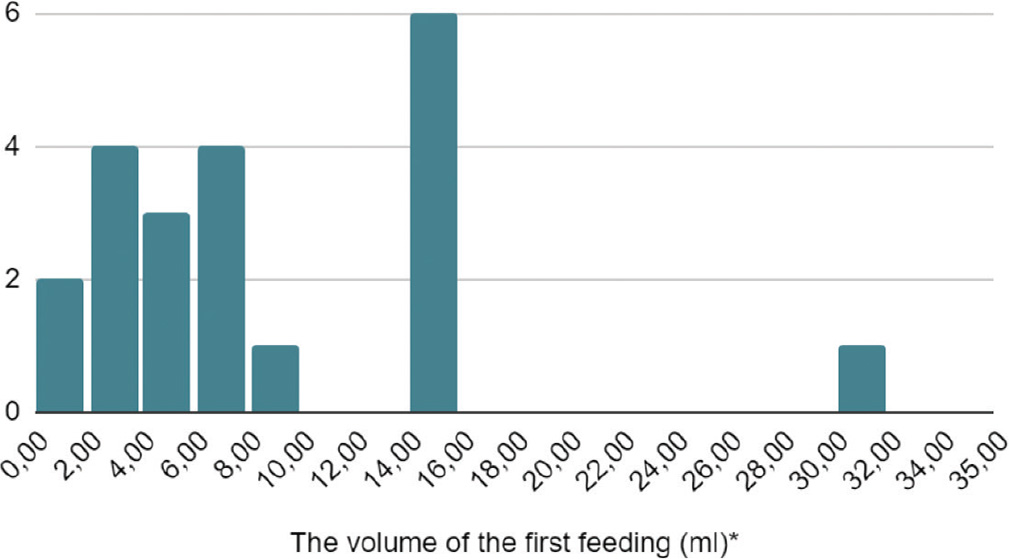

Figure 2.

The distribution of first enteral feeding volumes (*if the body weight of a full-term newborn is assumed to be 3 kg).
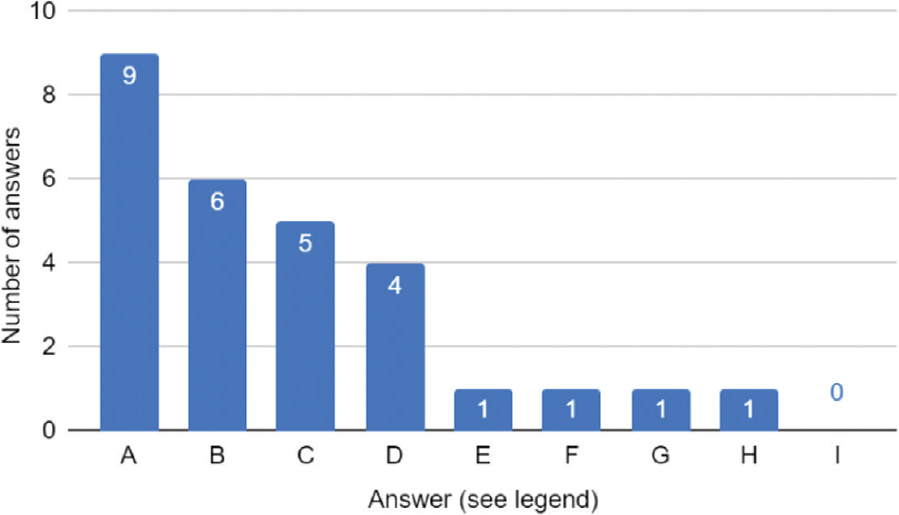

Figure 3.

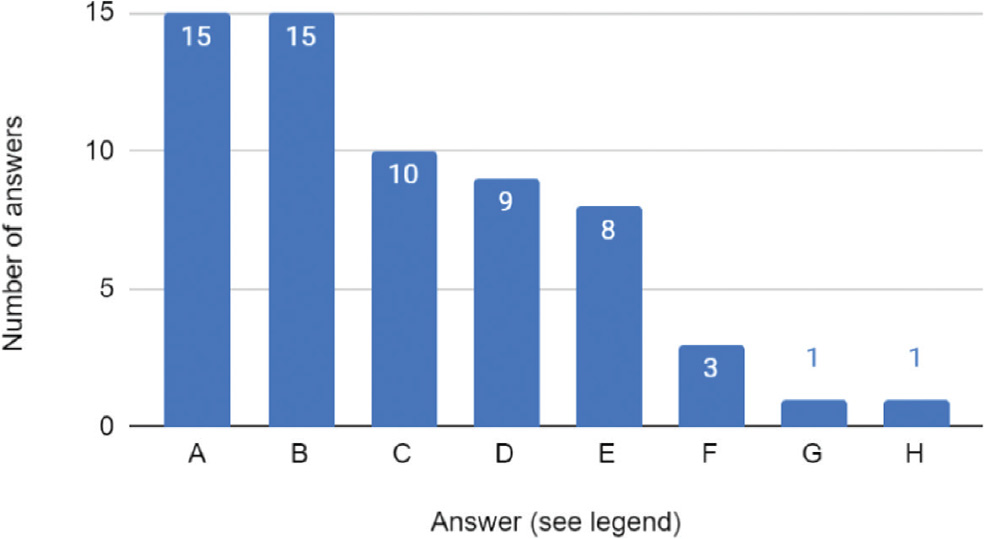
Stated reasons for withholding enteral nutrition during therapeutic hypothermia.Legend:A: Unstable hemodynamic condition of the patientB: Increased risk of NEC (Necrotising Enterocolitis)C: No recommendation for enteral feeding during therapeutic hypothermiaD: Lack of safety data for enteral feeding during therapeutic hypothermiaE: Use of intravenous sedation, mechanical ventilationF: Weak or absent intestinal peristalsisG: Some staff members have significant concerns regarding enteral feeding during hypothermia and are difficult to convinceH: We provide trophic feeding during hypothermia if toleratedI: Increased risk of sepsis

Figure 4.

Stated reasons for introducing enteral nutrition during therapeutic hypothermia.Legend:A: Reducing the risk of sepsisB: Shortening the stay in the Neonatal Intensive Care Unit (NICU)C: Reducing the risk of NEC (Necrotising Enterocolitis)D: Increasing the percentage of breastfed newbornsE: Increasing infant survivalF: Gastrointestinal tract stimulation, prevention of mucosal atrophyG: Because there are no contraindicationsH: Gastrointestinal tract colonisation
DOI: https://doi.org/10.34763/jmotherandchild.20242801.d-23-00115 | Journal eISSN: 2719-535X | Journal ISSN: 2719-6488
Language: English
Page range: 8 - 13
Submitted on: Dec 27, 2023
Accepted on: Feb 4, 2024
Published on: Mar 5, 2024
Published by: Institute of Mother and Child
In partnership with: Paradigm Publishing Services
Publication frequency: 1 issue per year

© 2024 Aleksandra Warchoł, Przemko Kwinta, published by Institute of Mother and Child
This work is licensed under the Creative Commons Attribution 4.0 License.