
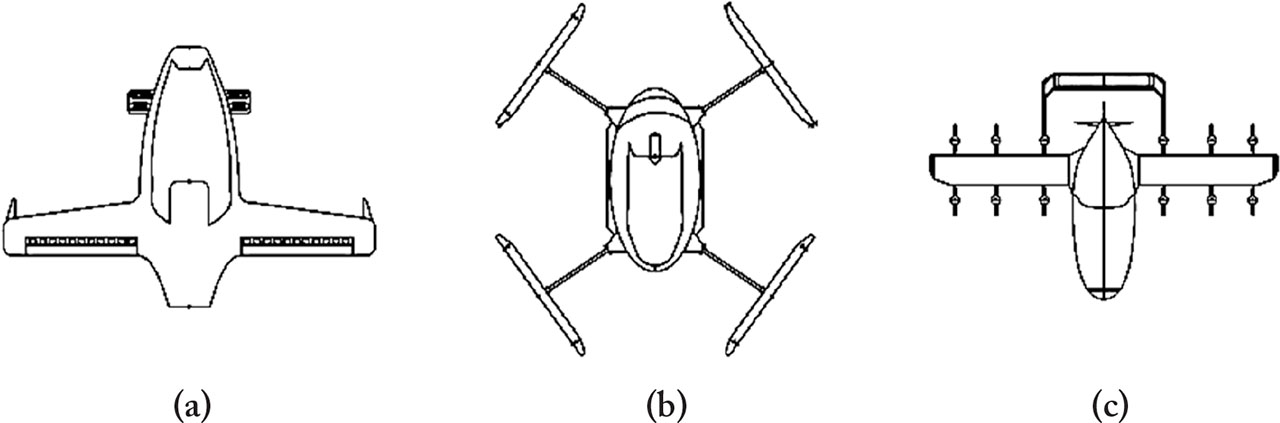
Fig. 1.
The three primary eVTOL air taxi design configurations: (a) Vectored Thrust, (b) Lift+Cruise, (c) Wingless Multicopter [7].
Table 1.
Key air taxi design characteristics.
| Characteristic | Vectored Thrust | Lift+Cruise | Wingless | ||
|---|---|---|---|---|---|
| Tilt rotor | Tilt wing | Fixed horizontal | Fixed vertical | Wingless | |
| Example of air taxi | Bell Nexus | Air bus Vahana | Kitty Hawk Cora | Cartercopter | EHang 216 |
| Speed, km/h | 288 | 230 | 180 | 282 | 100 |
| Flying Range, km | 241 | 100 | 98.8 | 256 | 35 |
| Seating Capacity | 4 | 2 | 2 | 4 | 2 |
| Battery Density, kwh | 50 | 40 | 63 | 300 | 110 |
| Cruise Altitude, ft. | 250 | 1,000 | 3,000 | 10,000 | 10,000 |
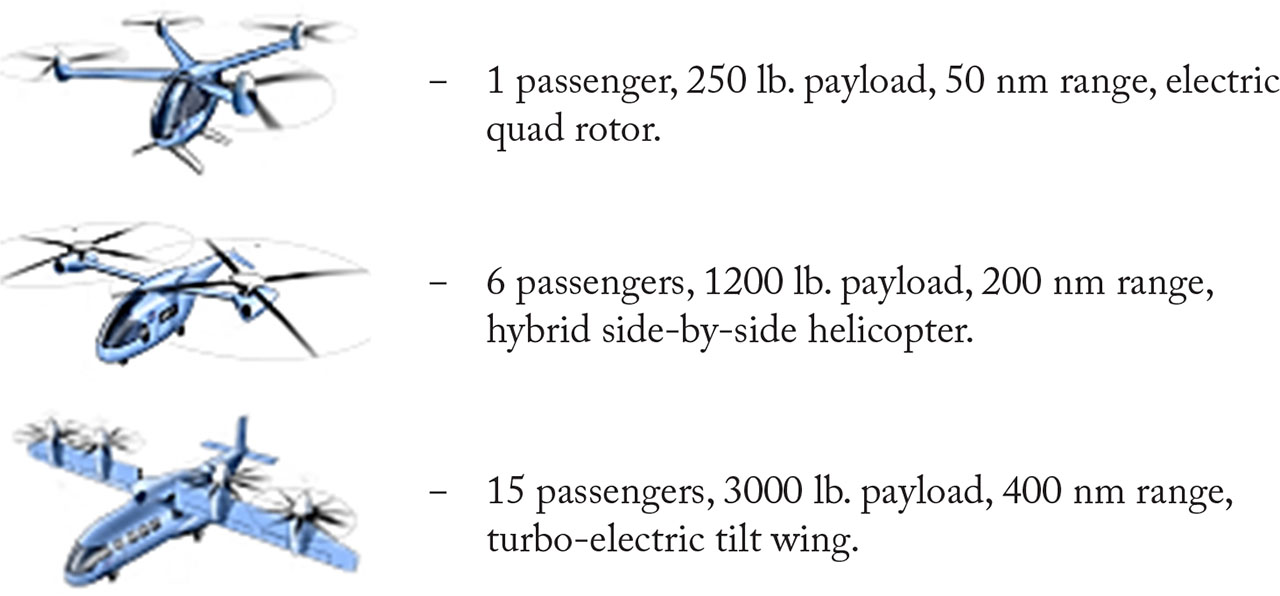
Fig. 2.
Concepts of aircraft developed by NASA for UAM [10].
Table 2.
UAV application concepts.
| Number of passengers | 50 nm trips per full charge/refuel | Market | Type | Propulsion |
|---|---|---|---|---|
| 1 | 1 × 50 nm | Air Taxi | Multicopter | Battery |
| 2 | 2 × 50 nm | Commuter Scheduled | Side-by-side (no tilt) | Parallel Hybrid |
| 4 | 4 × 50 nm | Mass Transit | (Multi-)Tilt Wing | Turboelectric |
| 6 | 8 × 50 nm | Air Line | (Multi-)Tilt Rotor | Turboshaft |
| 15 | Lift + Cruise | Hydrogen fuel cell | ||
| 30 | Vectored Thrust Compound |
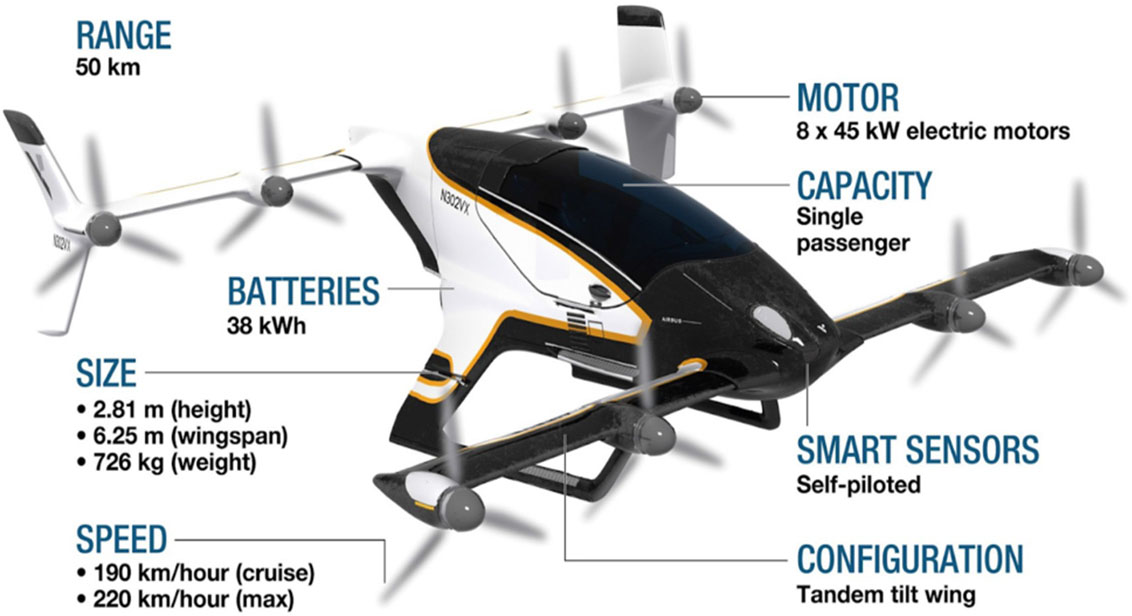
Fig. 3.
Vahana project [12].
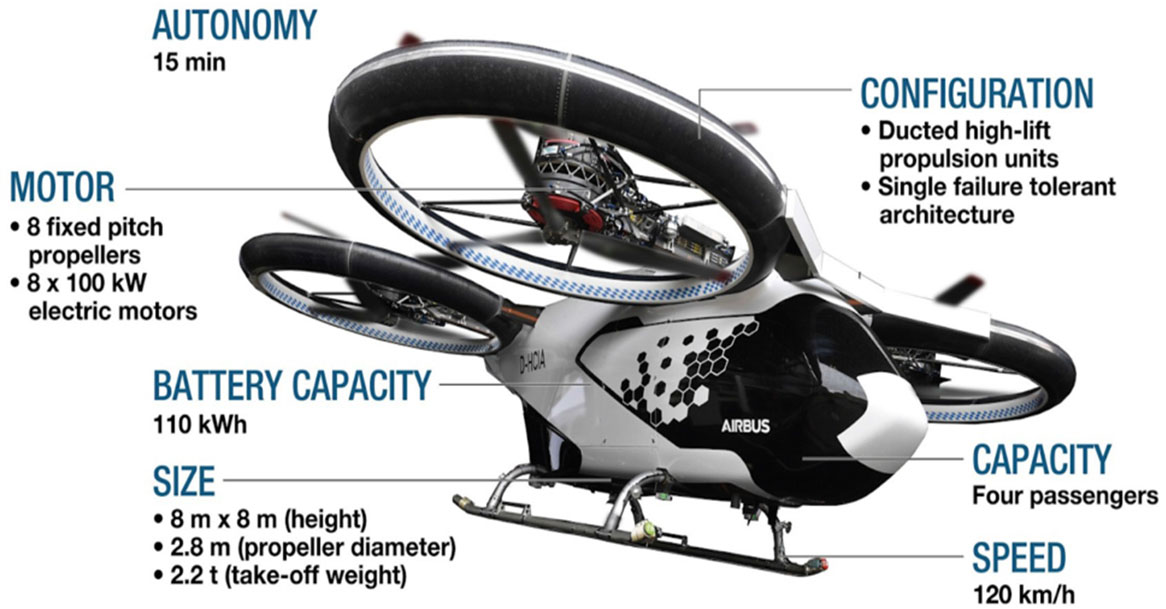
Fig. 4.
CityAirbus project [12].
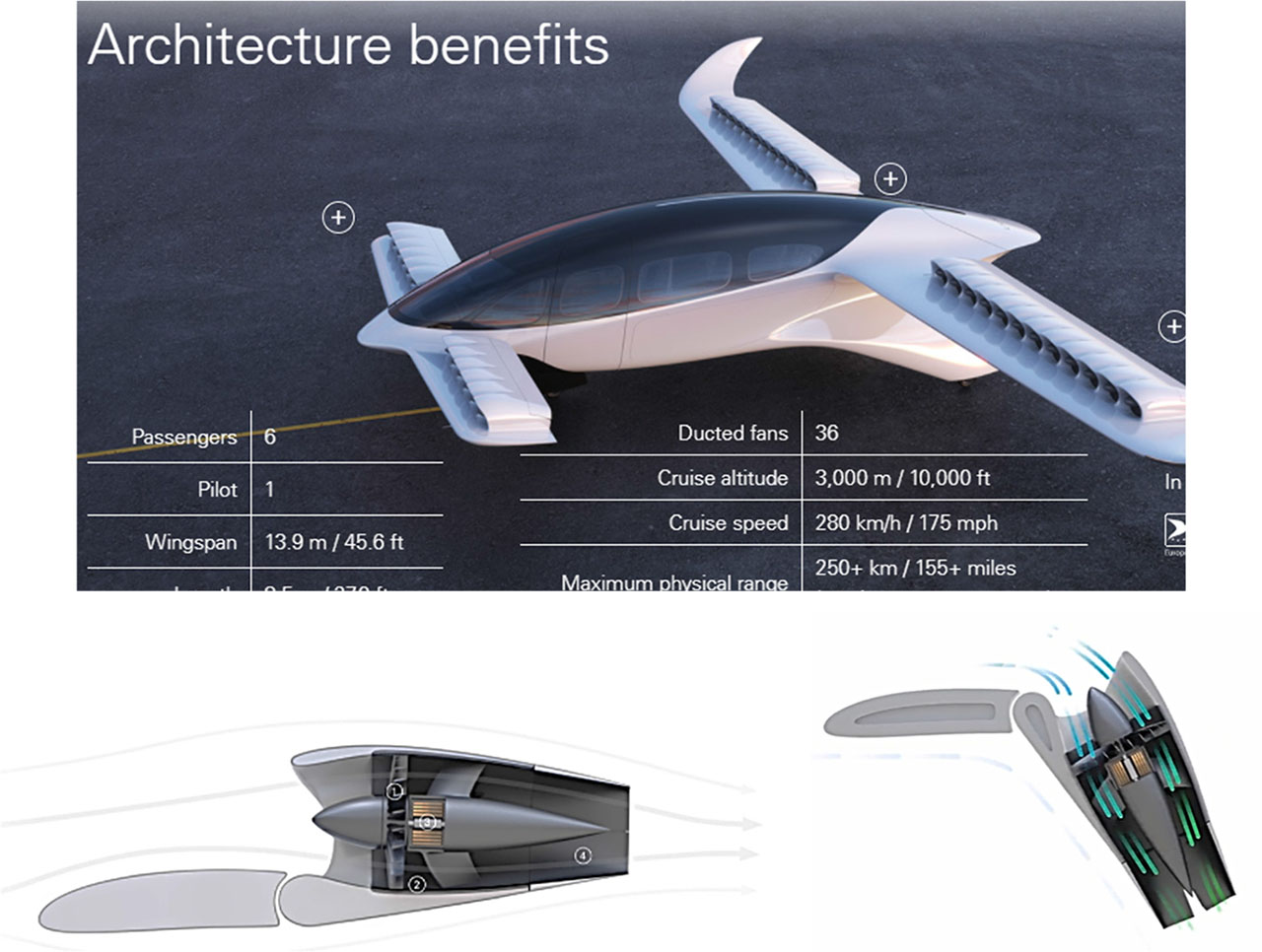
Fig. 5.
Model of the 6-passenger serial Lilium Jet [13].
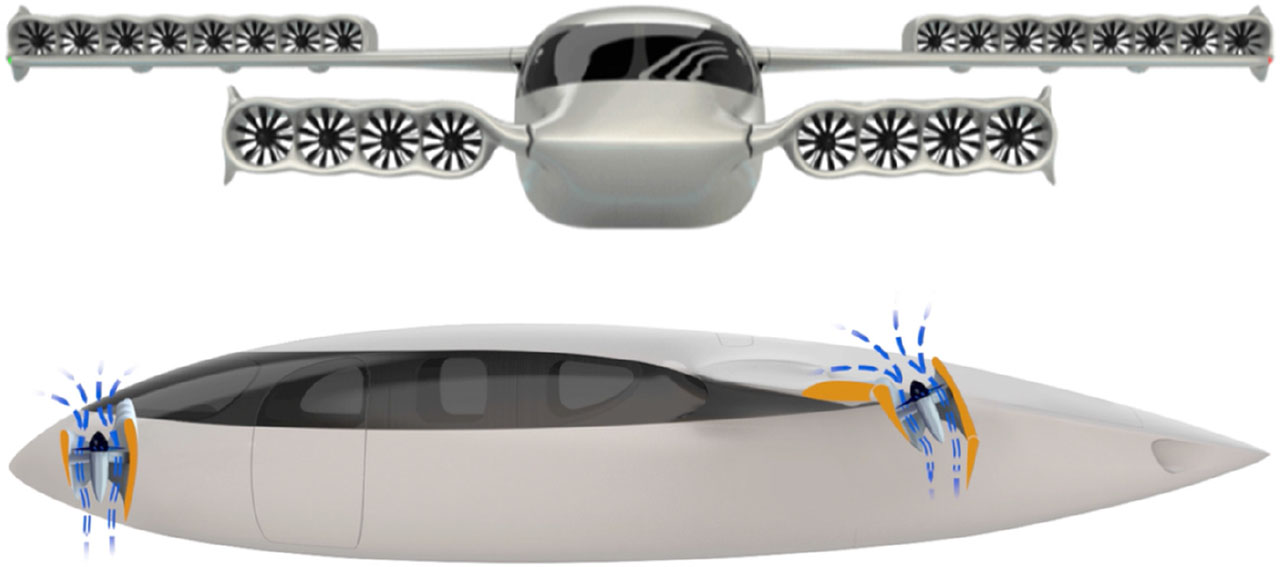
Fig. 6.
The SiriusJet model with variable thrust vector [14].
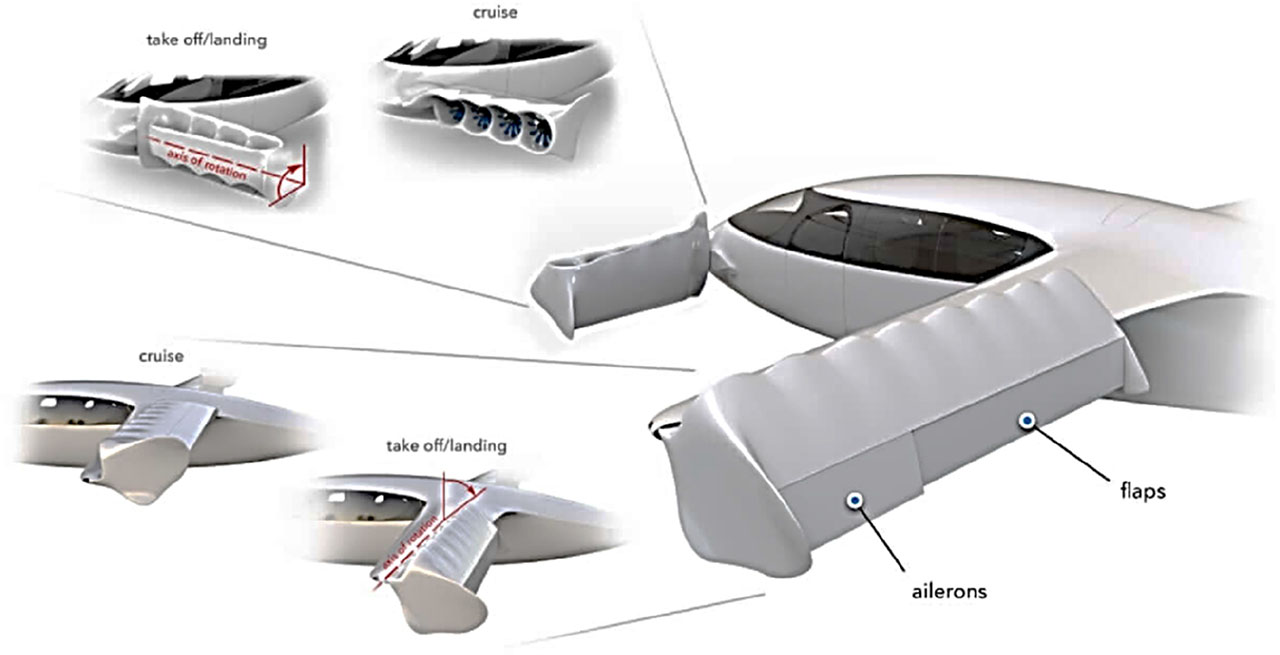
Fig. 7.
The SiriusJet propulsion system [14].
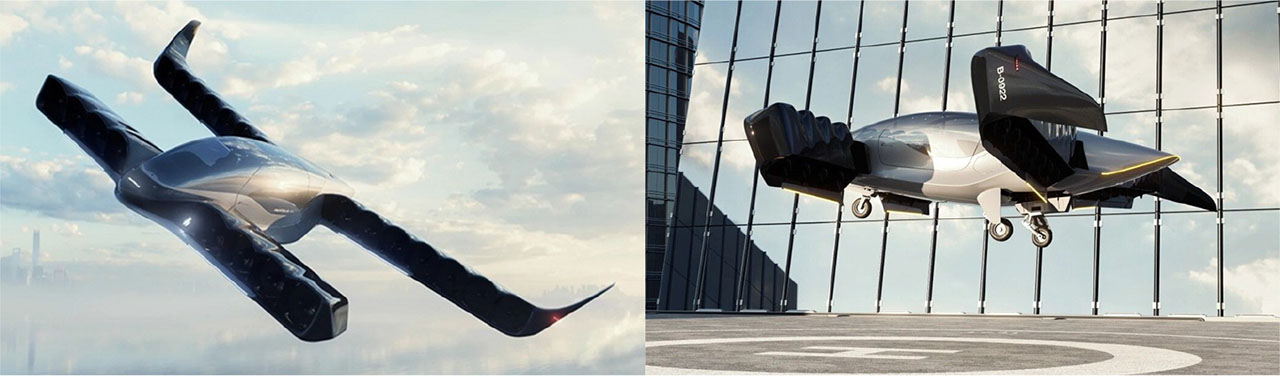
Fig. 8.
The Pantuo Pantala Concept H project [15].
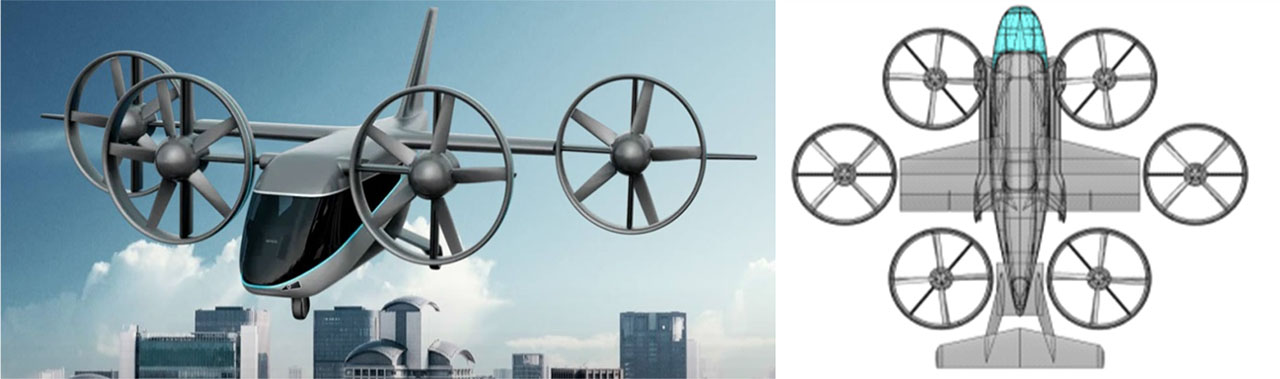
Fig. 9.
The Bell Nexus 4EX and Bell Nexus 6HX air taxi projects [16].
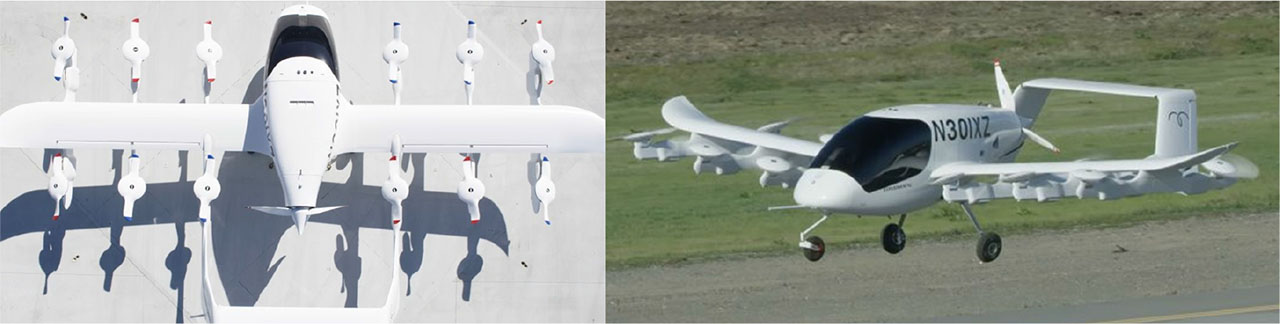
Fig. 10.
The Kitty Hawk Cora project [18].
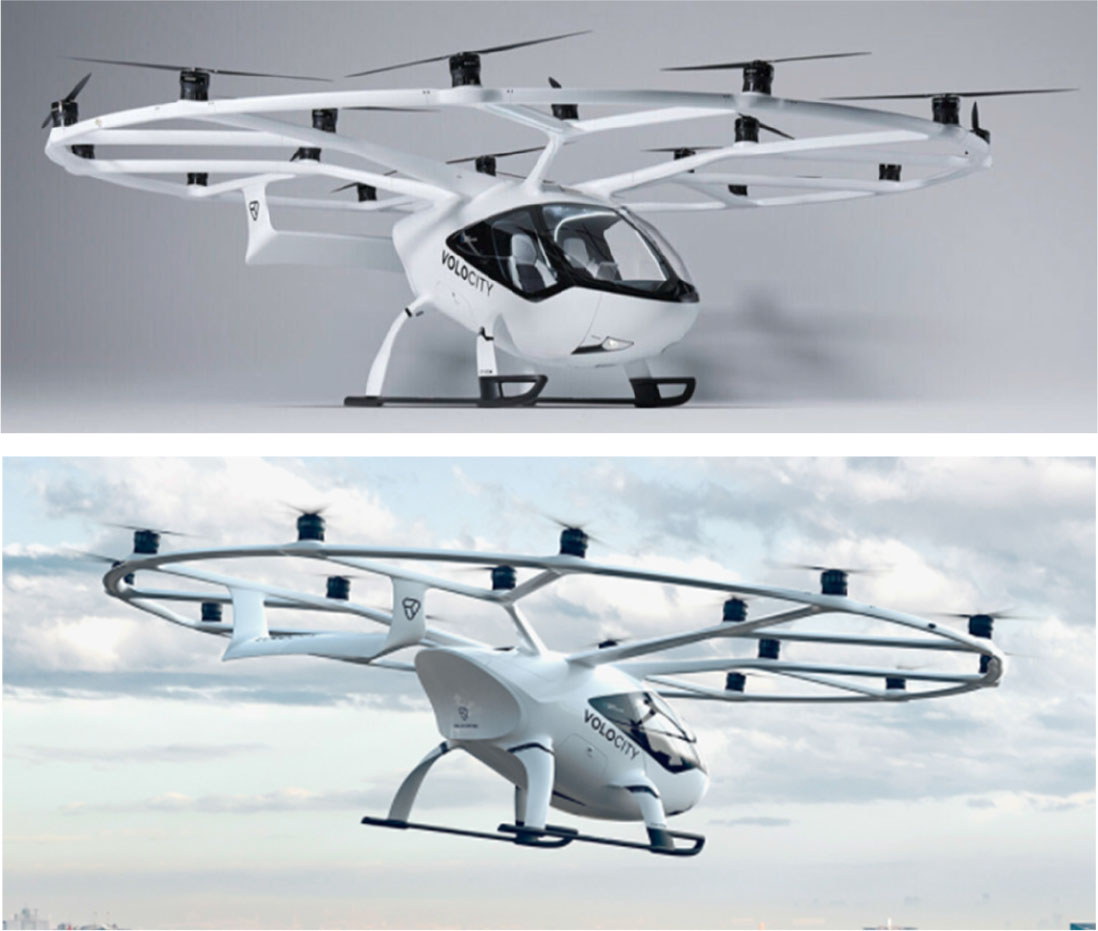
Fig. 11.
The VoloCity project [19].
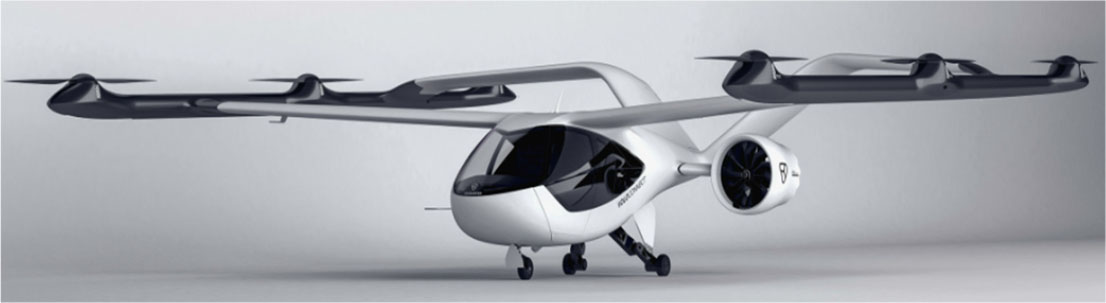
Fig. 12.
The VoloConnect project [19].
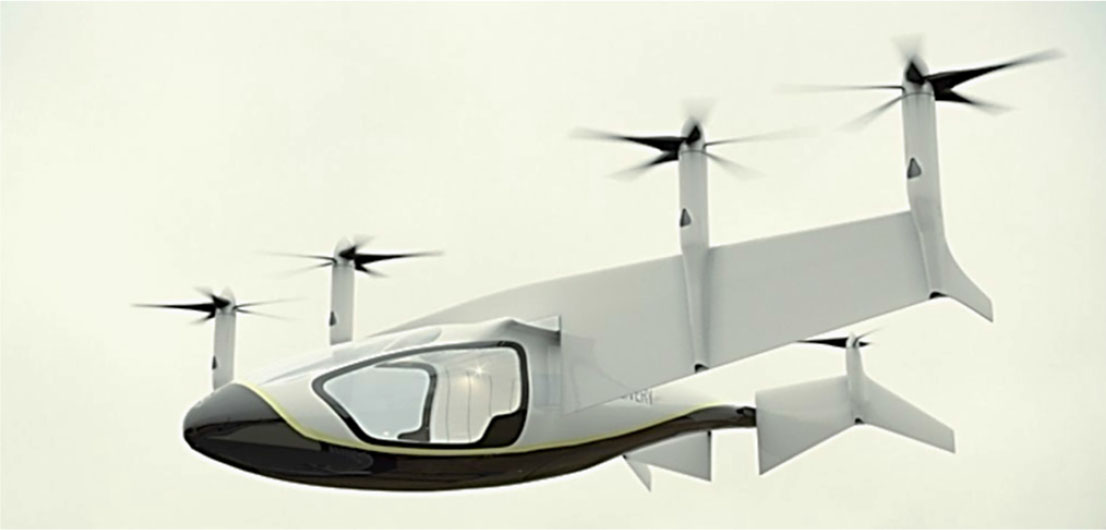
Fig. 13.
The Rolls-Royce project [20].
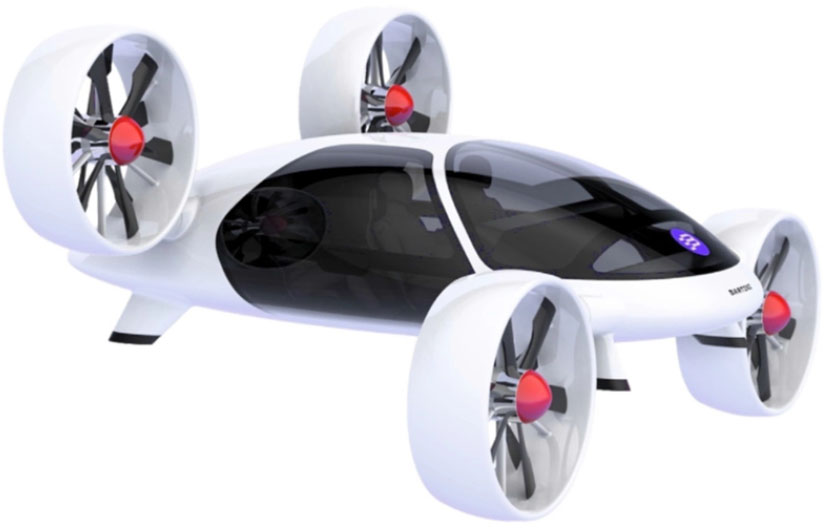
Fig. 14.
The Bartini project [23].
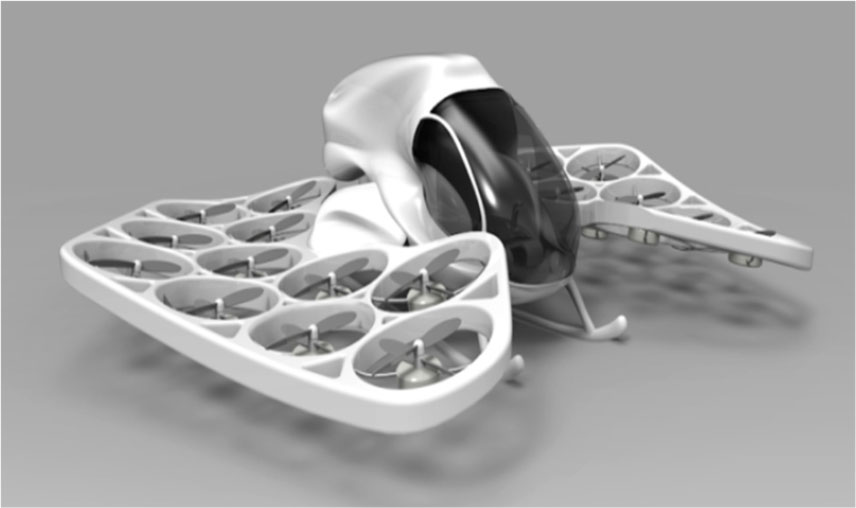
Fig. 15.
The Hepard project [24].
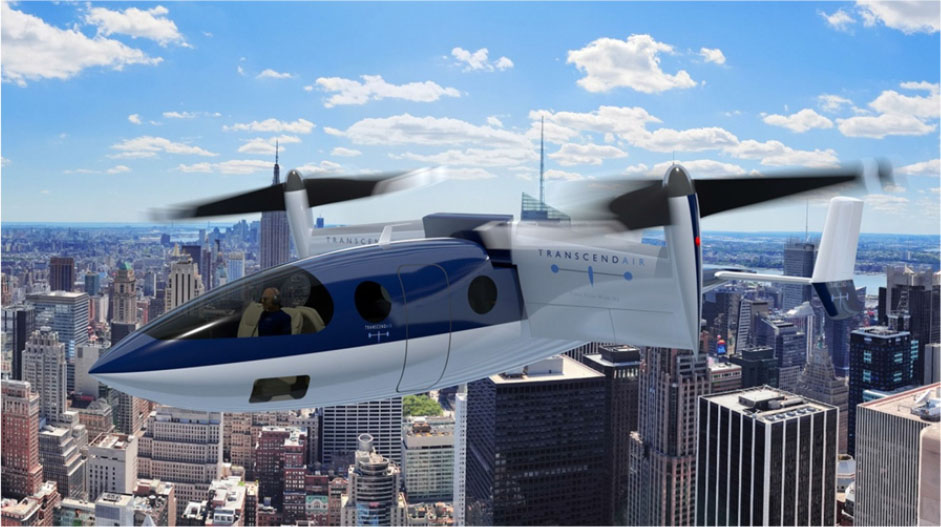
Fig. 16.
The Vy 400 air taxi project [26].
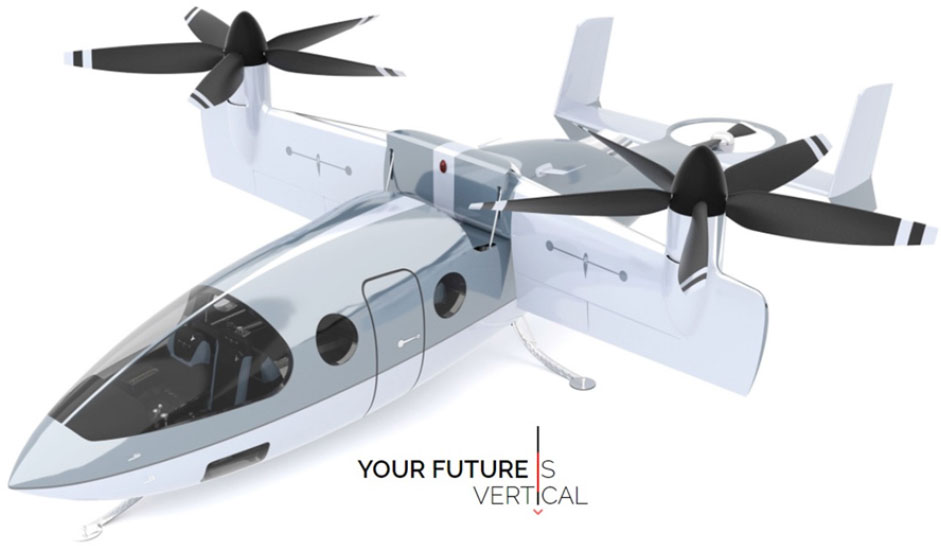
Fig. 17.
The Vy 400R air taxi project [26].
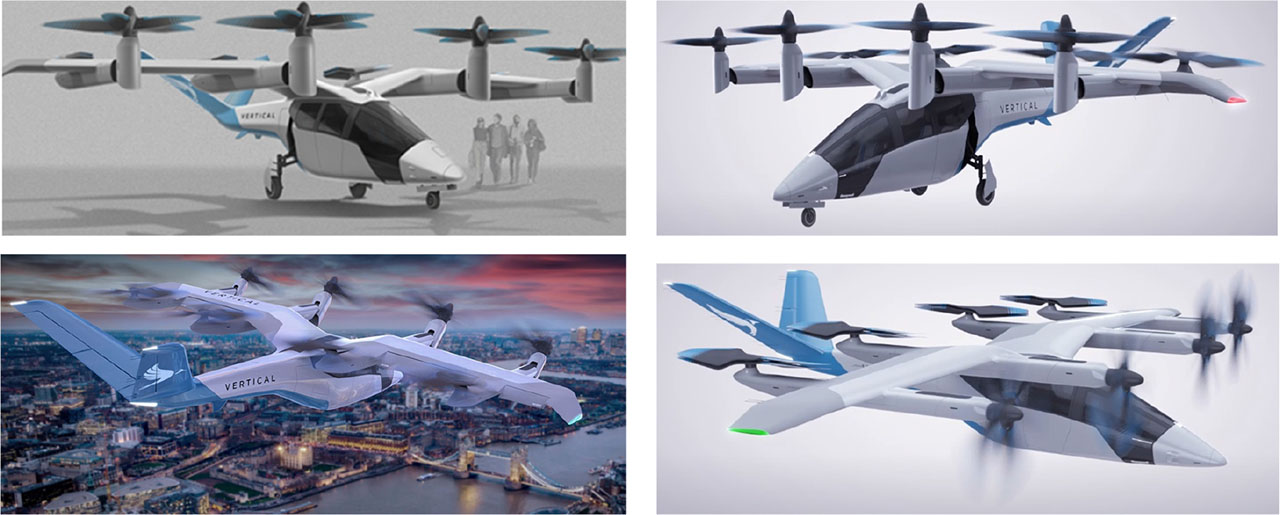
Fig. 18.
The VA-X4 aircraft design [28].
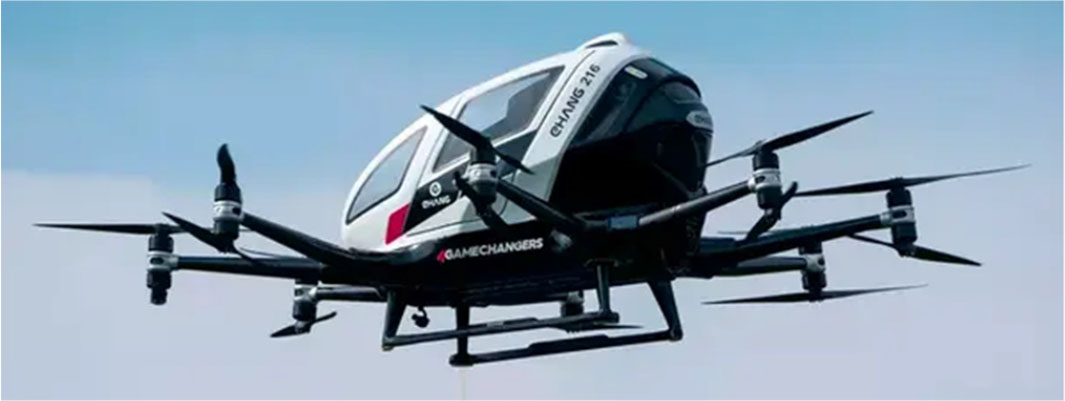
Fig. 19.
The EHang 216 airtaxi project [29].
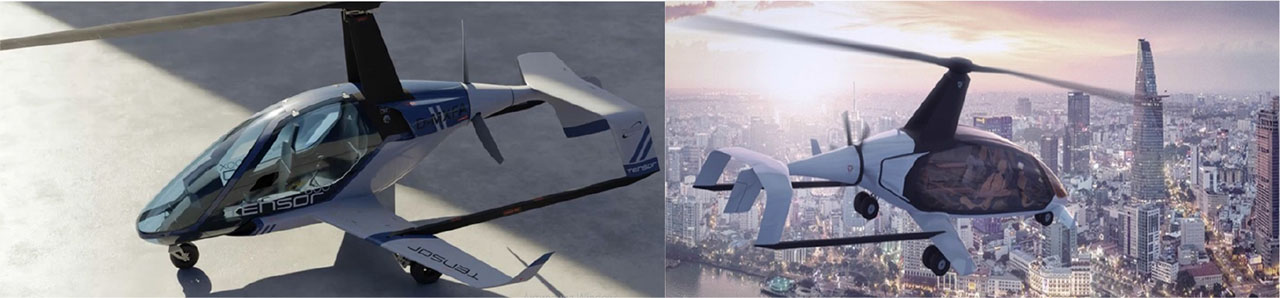
Fig. 20.
The TENSOR 600X project [30].
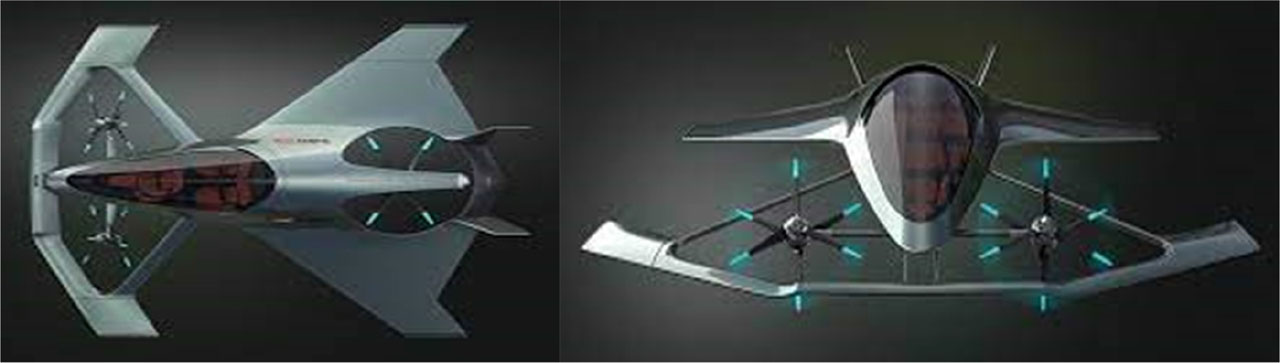
Fig. 21.
The Volante Vision Concept [32].
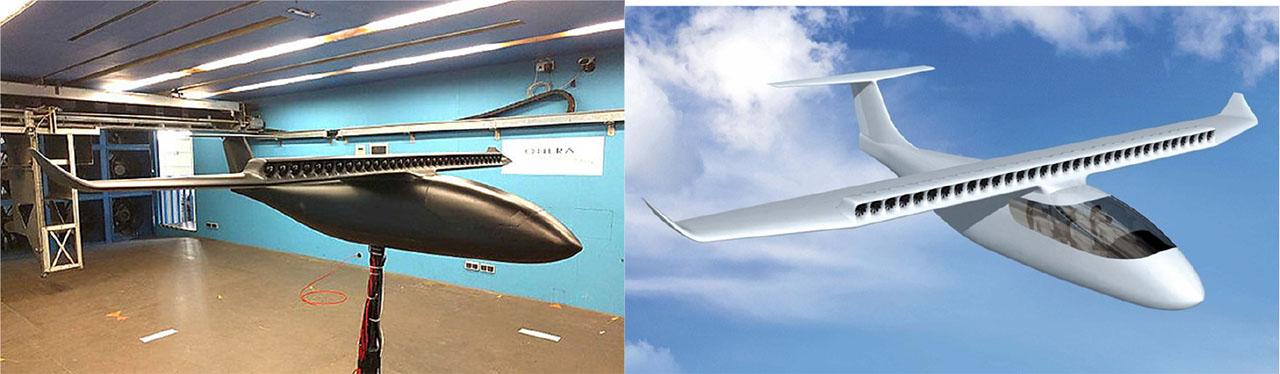
Fig. 22.
The AMPERE project [33].
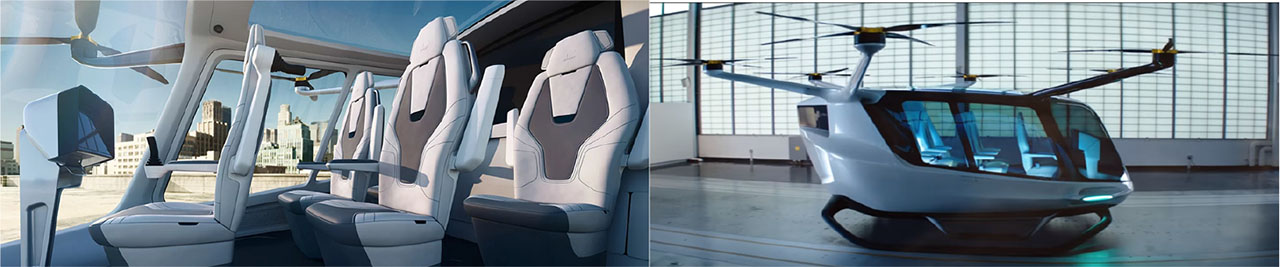
Fig. 23.
Skai air taxi project [34].
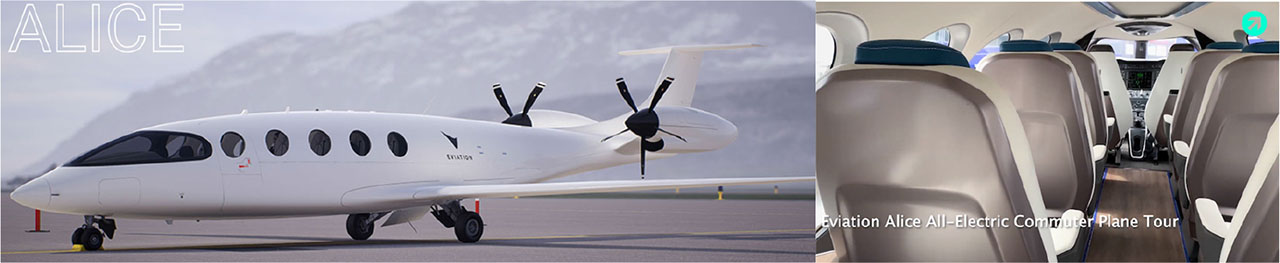
Fig. 24.
Alice airplane design [39].

Fig. 25.
The Joby Aviation aircraft design [40].
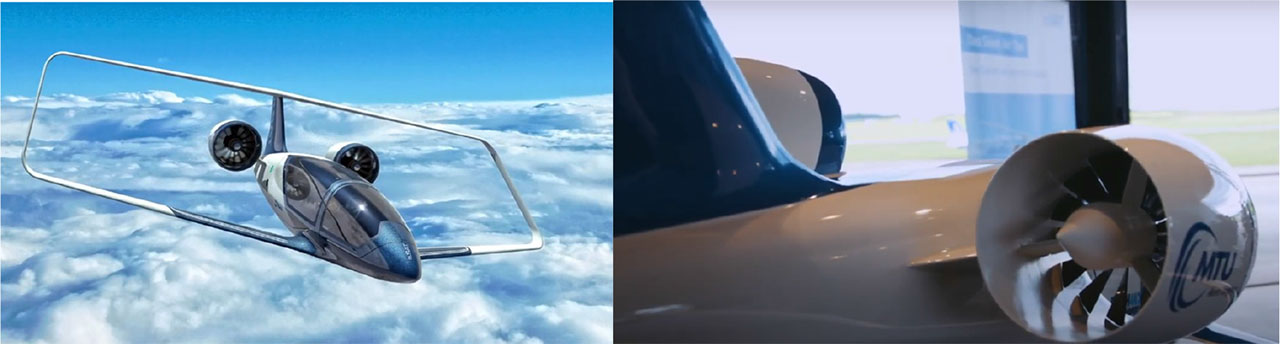
Fig. 26.
The E.SAT aircraft project [41].
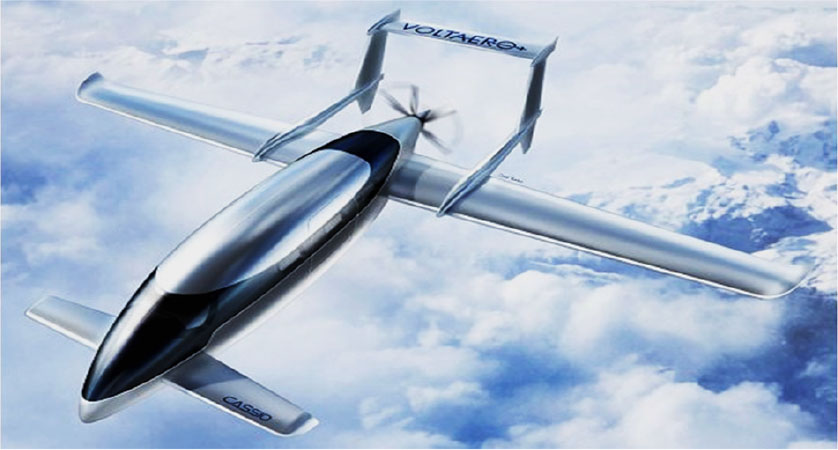
Fig. 27.
Cassio 2 (VoltAero) project [43].
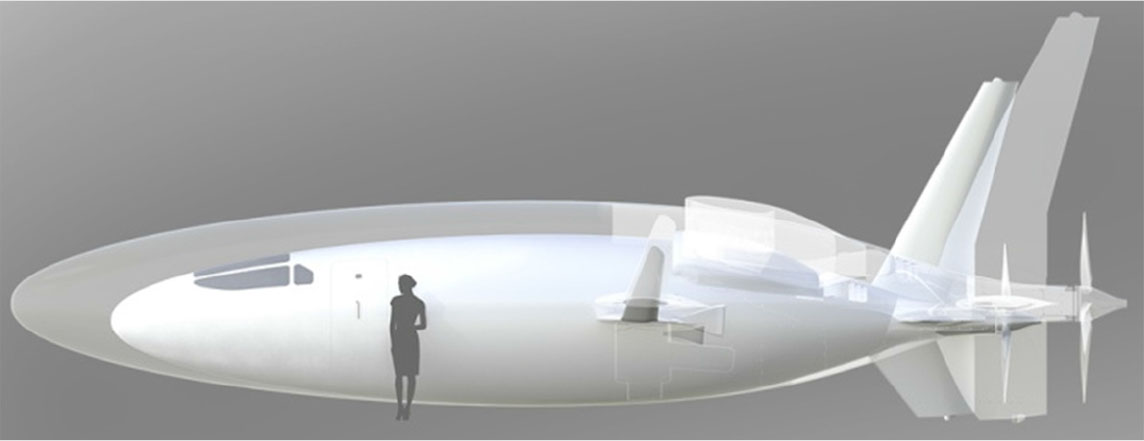
Fig. 28.
Celera 500L project [45].
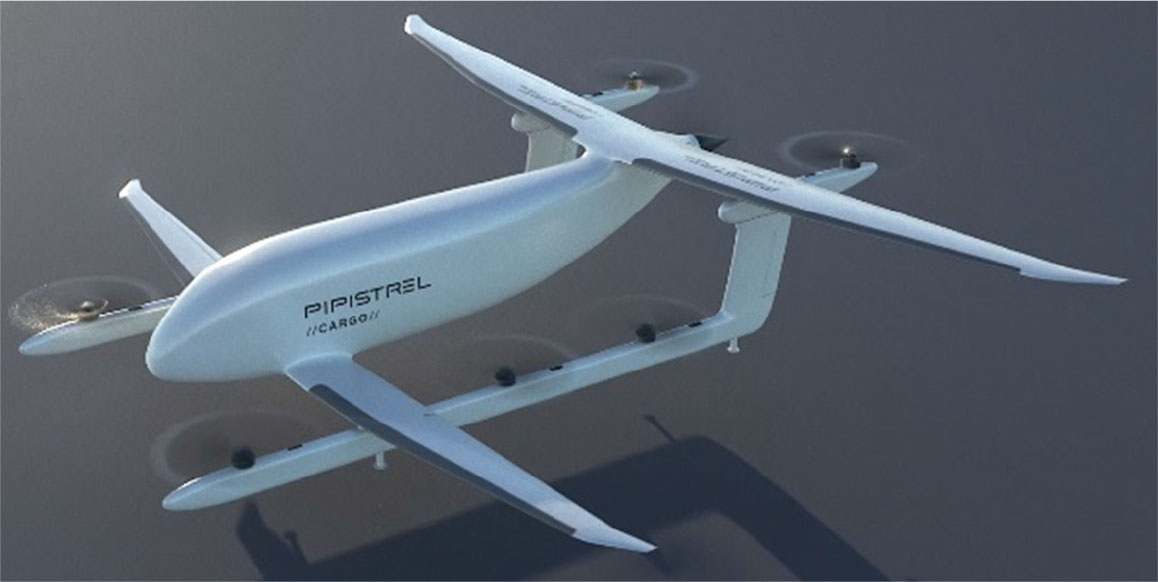
Fig. 28.
Celera 500L project [45].
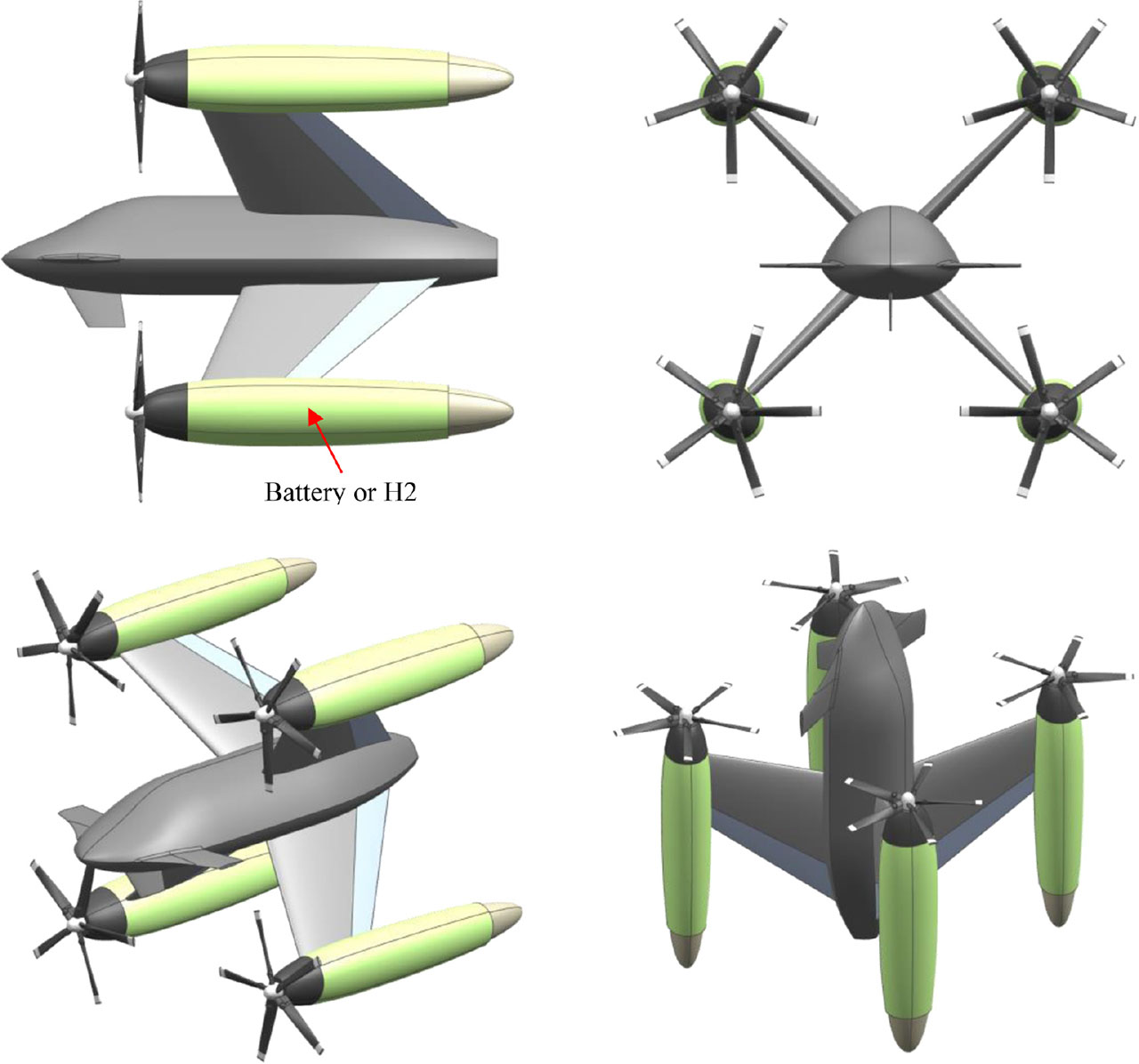
Fig. 30.
Scheme of the airplane for transport (option 1).
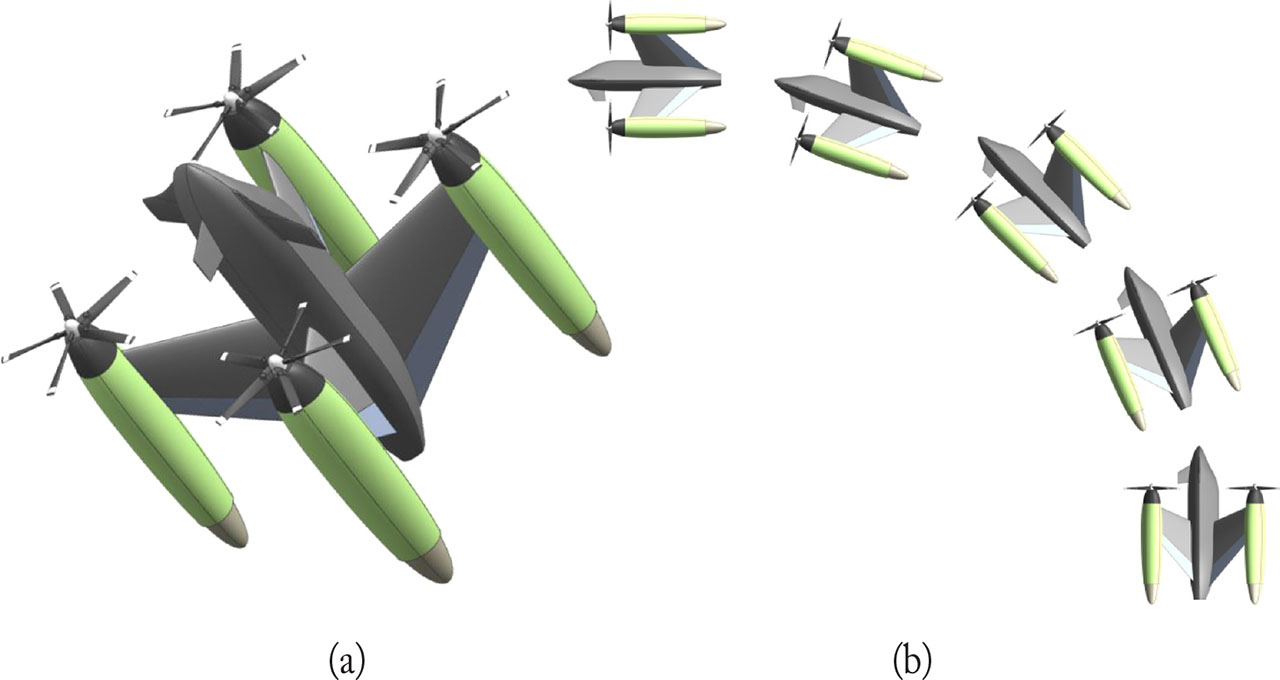
Fig. 31.
Scheme of the airplane for transport option 1: the aircraft in transition position from vertical take-off to horizontal cruising flight (a) and process of changing from vertical flight to horizontal flight (b).
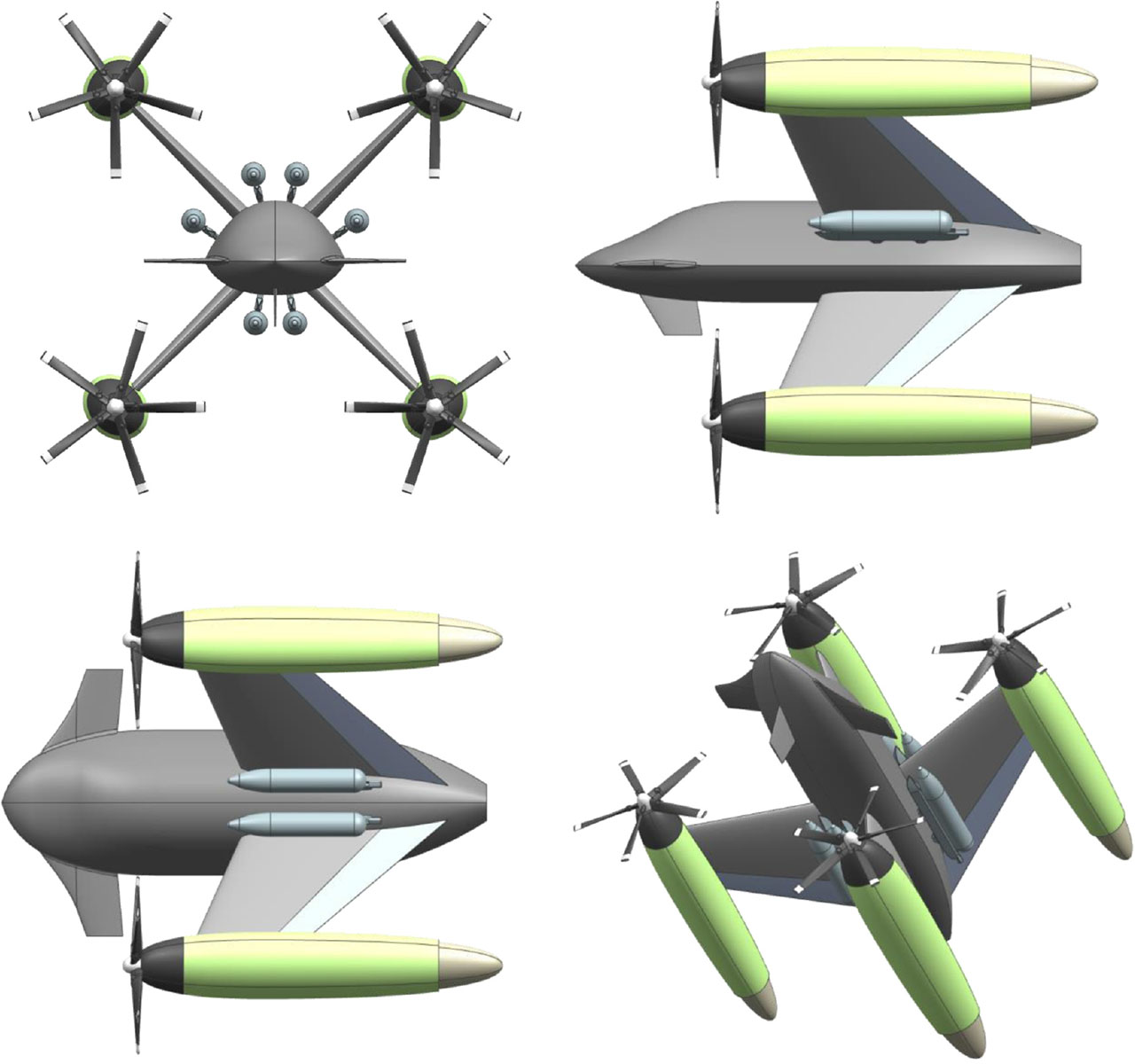
Fig. 32.
Scheme of the airplane for transport (option 2).
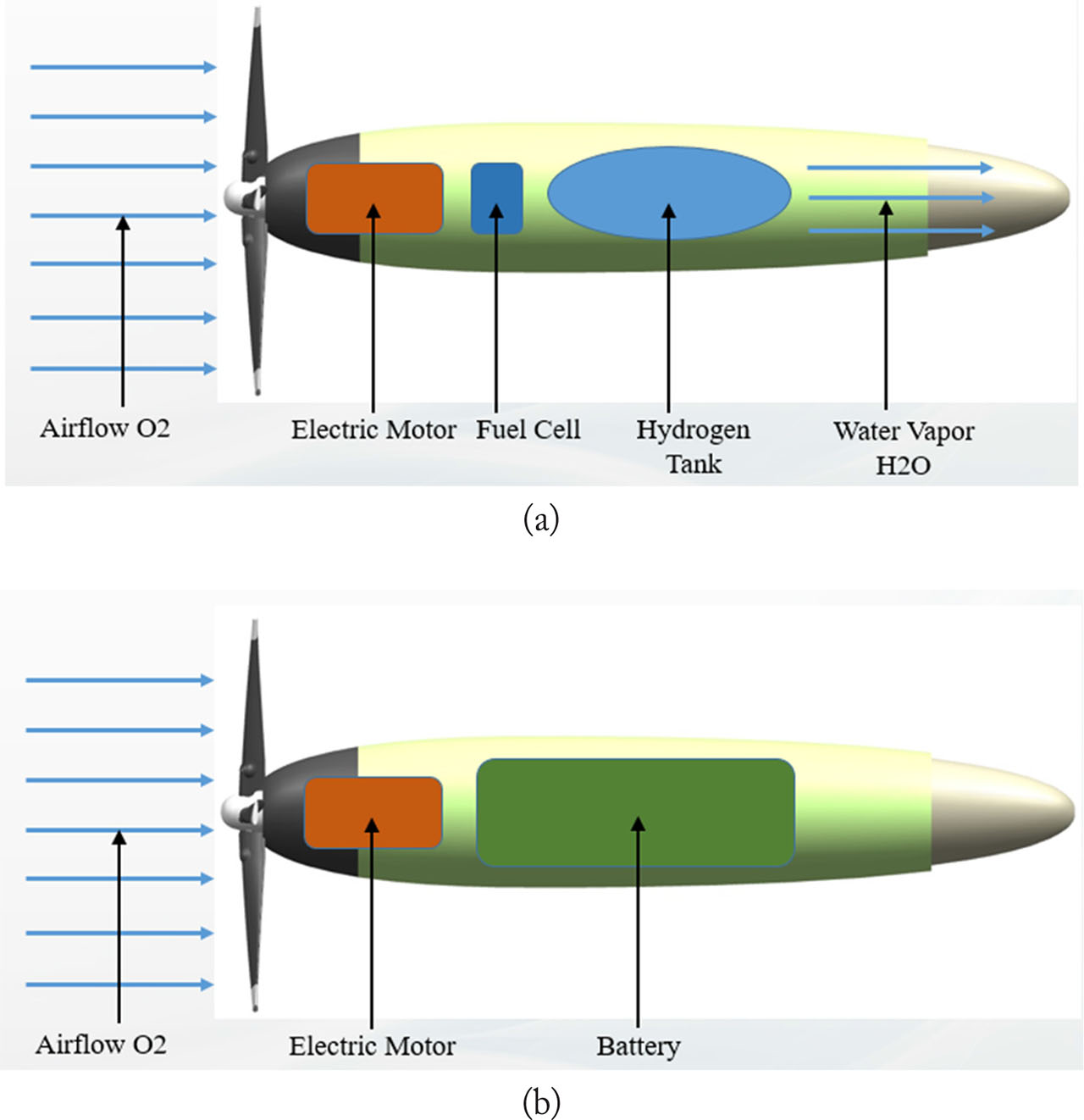
Fig. 33.
Hydrogen-electric power plant scheme.